Èze / Côte D’Azur

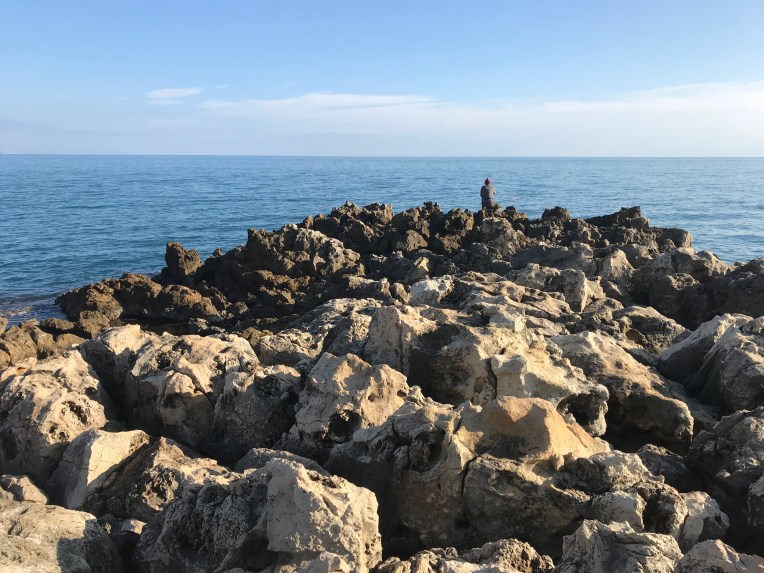
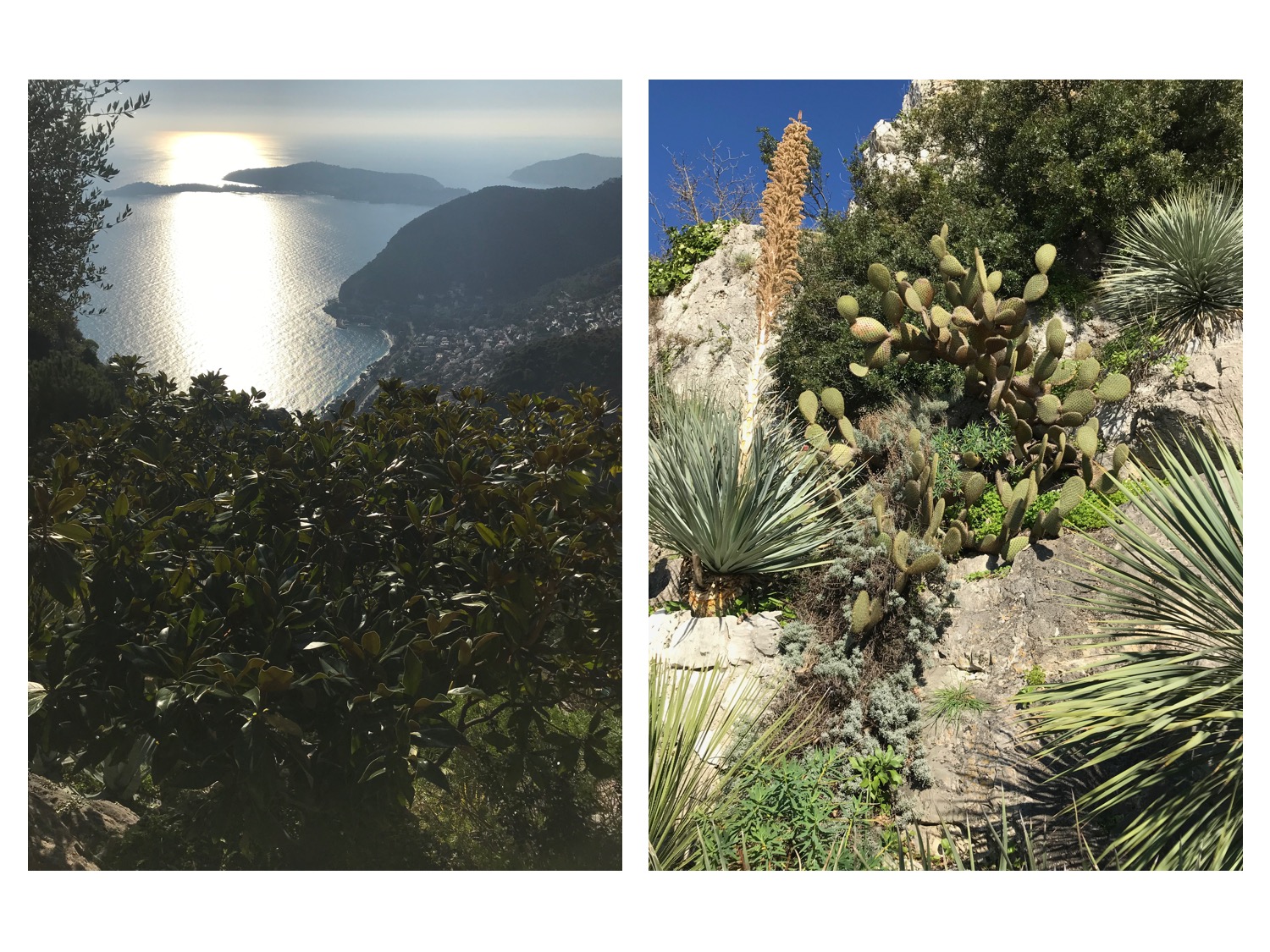
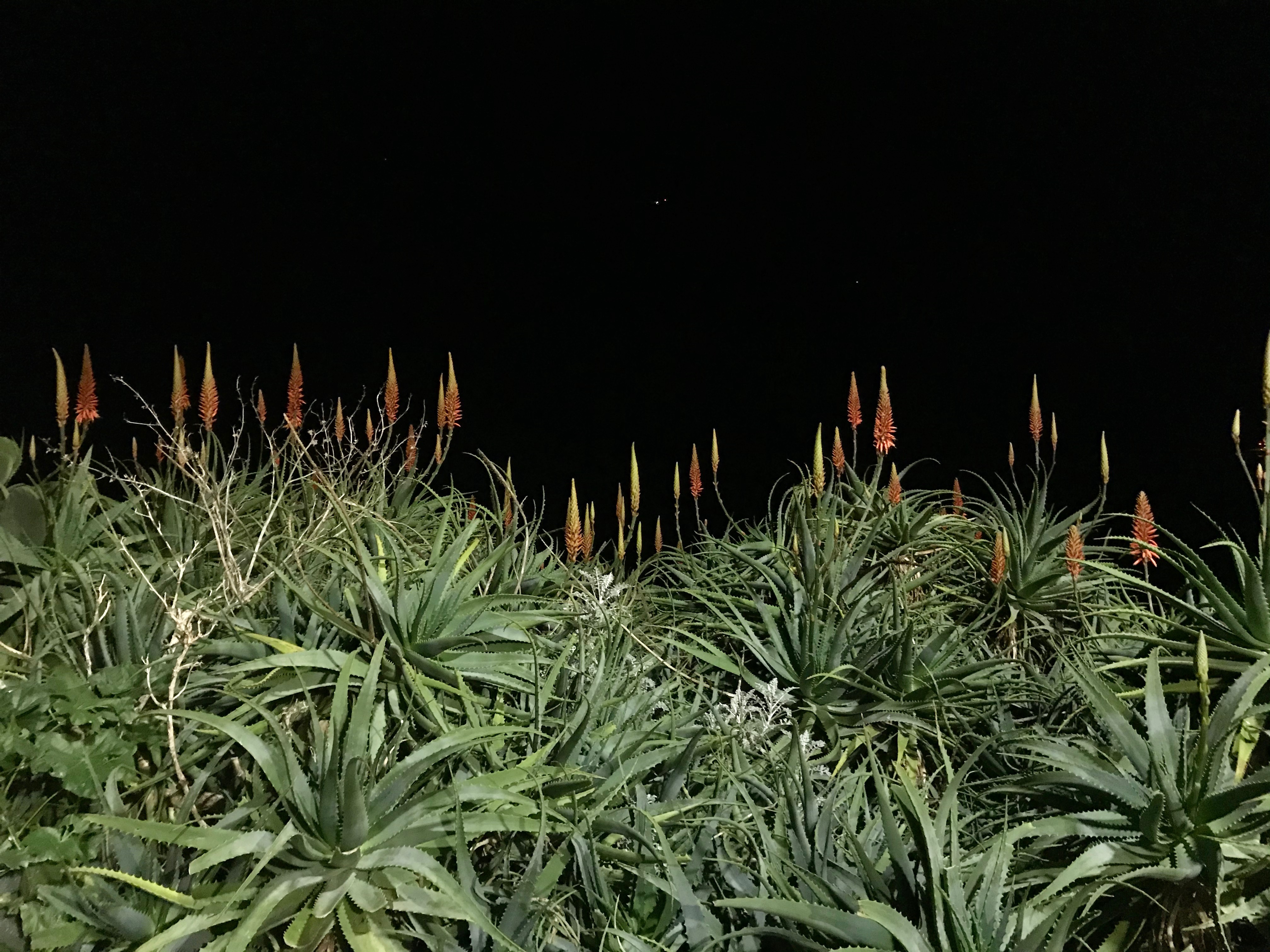
In craggy cliffs high above the sea, the medieval village of Èze is a delightful step back in time. The well-preserved stone buildings, winding alleyways, 14th-century chapels, and dramatic Mediterranean backdrop make this tiny village seem like a movie set. The views are best earned by taking one of the many hiking trails, like the famous Nietzsche path, that connect the the town and the summit, which sits 1,400 feet above sea level. At the top, you’ll discover the town’s medieval fortress, which you may recognize from Hitchcock’s “To Catch a Thief”, surrounded by the Jardin Exotique, a desert garden brimming with succulents and exotic florals. The wonderful sea breeze is another reason to get up here!

All photos by Edward Kanarecki.

Fondation Maeght / Côte d’Azur

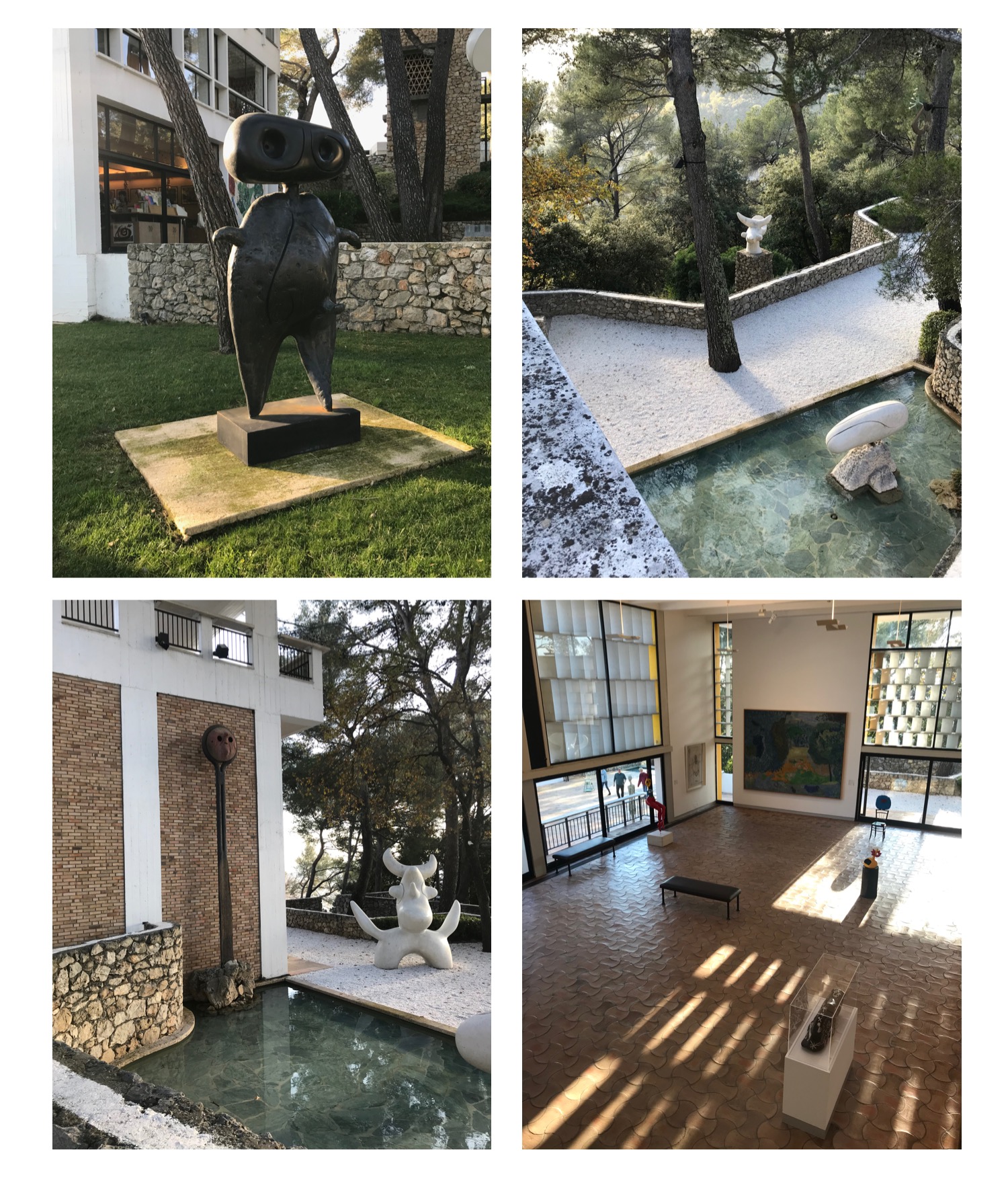
Visiting this place has always been my dream. Fondation Maeght is France’s most important private art foundation and among the world-leading cultural institutions. It was created by Aimé and Marguerite Maeght, a visionary couple of publishers and art dealers, who represented and were friends with some of the most important artists of the 20th century, including Joan Miró, Alexander Calder, Georges Braque, Alberto Giacometti, Marc Chagall and many others. The Maeght Foundation was inaugurated back in 1964 and instantly became the new art mecca. Located near the famous village of Saint-Paul de Vence the foundation is situated in the incredible architectural complex designed by Josep Lluís Sert. Painters and sculptors worked in collaboration with the Catalan architect to create a place where art, nature and architecture blend in perfect harmony. The Foundation’s highlights include the Giacometti courtyard (remember Louis Vuitton’s resort 2019 collection? It was staged right here!), featuring an exceptional ensemble of sculptures by the Swiss artist, the Miró labyrinth, a whimsical sculpture garden by the Catalan artist, monumental mural mosaics by Marc Chagall and Pierre Tal Coat, a pool designed by Georges Braque as well as a mechanical fountain designed by Pol Bury. Visitors can also enjoy the sculpture garden, with a rotating selection of works by Calder, Takis, Miro, Arp and other, two rooftop terraces with spectacular views, exhibition galleries hosting temporary exhibition as well as selected works from the permanent collection, a consecrated chapel and a library. Looking back at the photos I took there, I still can feel this unique combination of nature and silence meeting some of my all time favourite artists (that created the appealing aura of Côte d’Azur).

All photos by Edward Kanarecki.

Saint Paul De Vence / Côte d’Azur

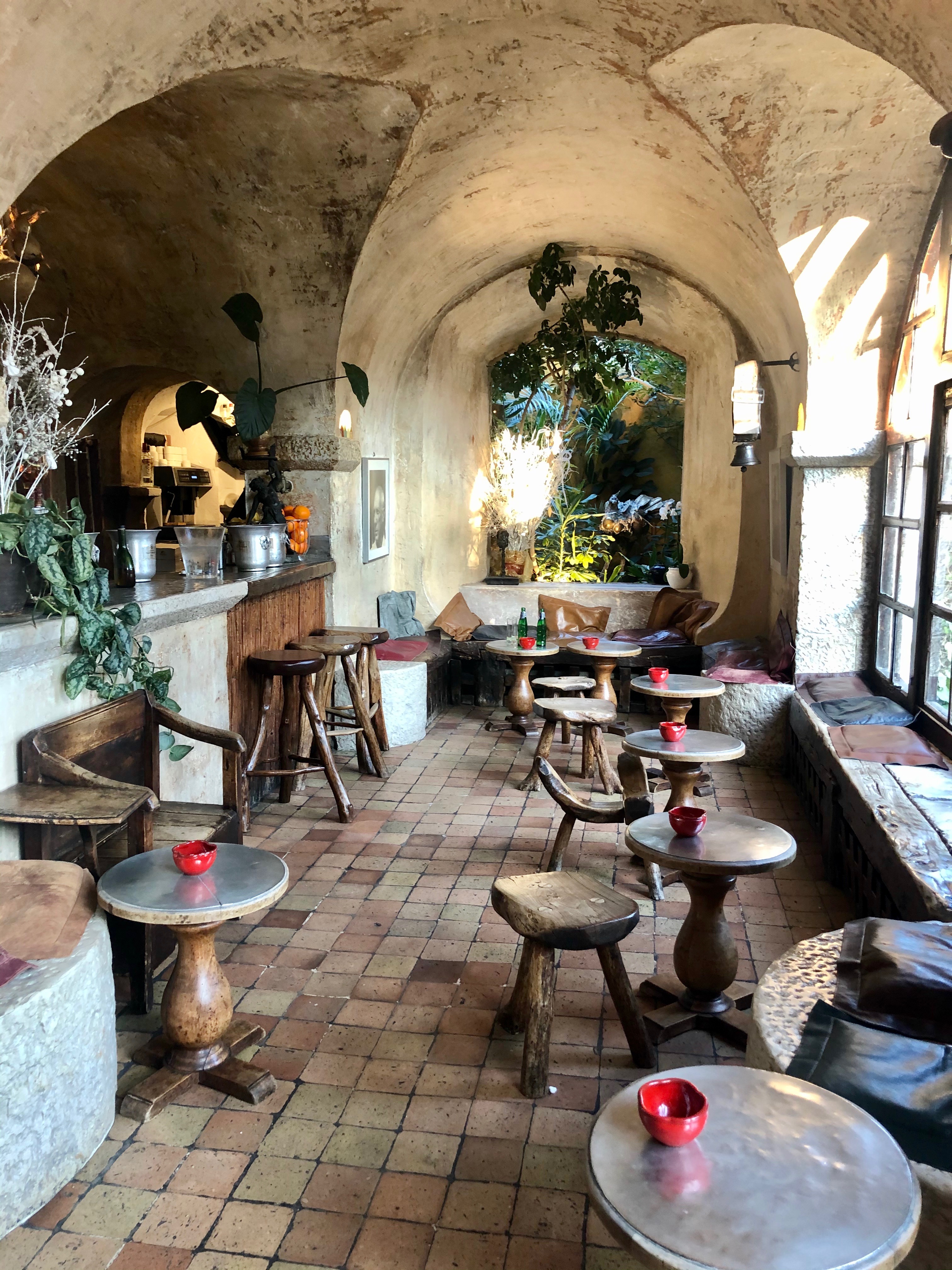
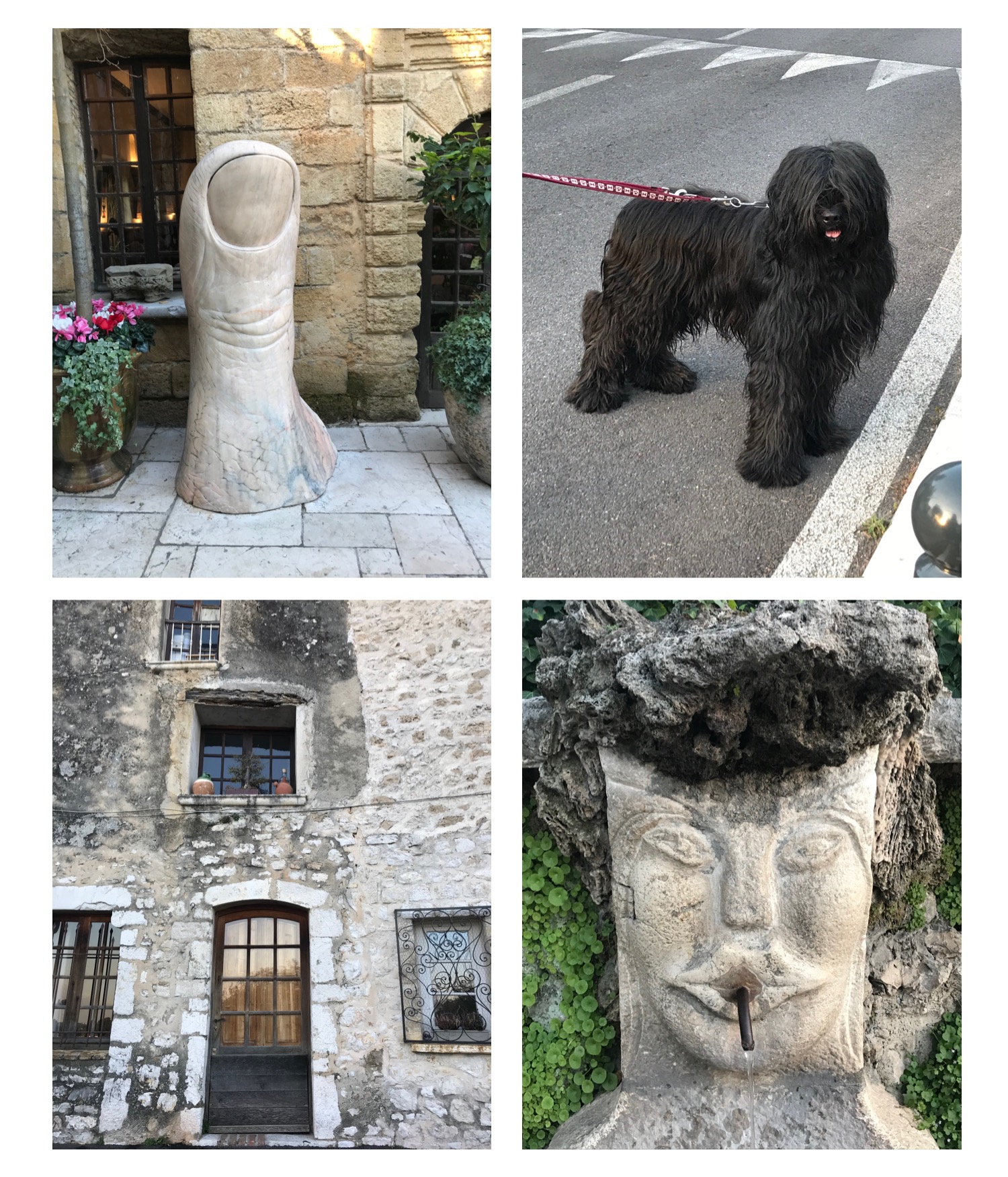
As you go north from Antibes, a place you have to visit is Saint-Paul de Vence. In this village located at the top of a hill, you should of course see the Fondation Maeght (a separate post on this art oasis is coming up shortly!). If you want to continue with the art path, why not see the authentic Matisse or Picasso at the legendary La Colombe d’Or? You can find it in the heart of Saint-Paul: it’s a real secret garden with original works given to the owner by the artists as payments for meals. It’s worth giving the village around an hour if you’re by car: its centre is overcrowded with touristic “art galleries” and restaurants, so the most important is the postcard-like, medieval, stone architecture that seems to be untouched by time.

Photos by Edward Kanarecki.

Antibes / Côte d’Azur

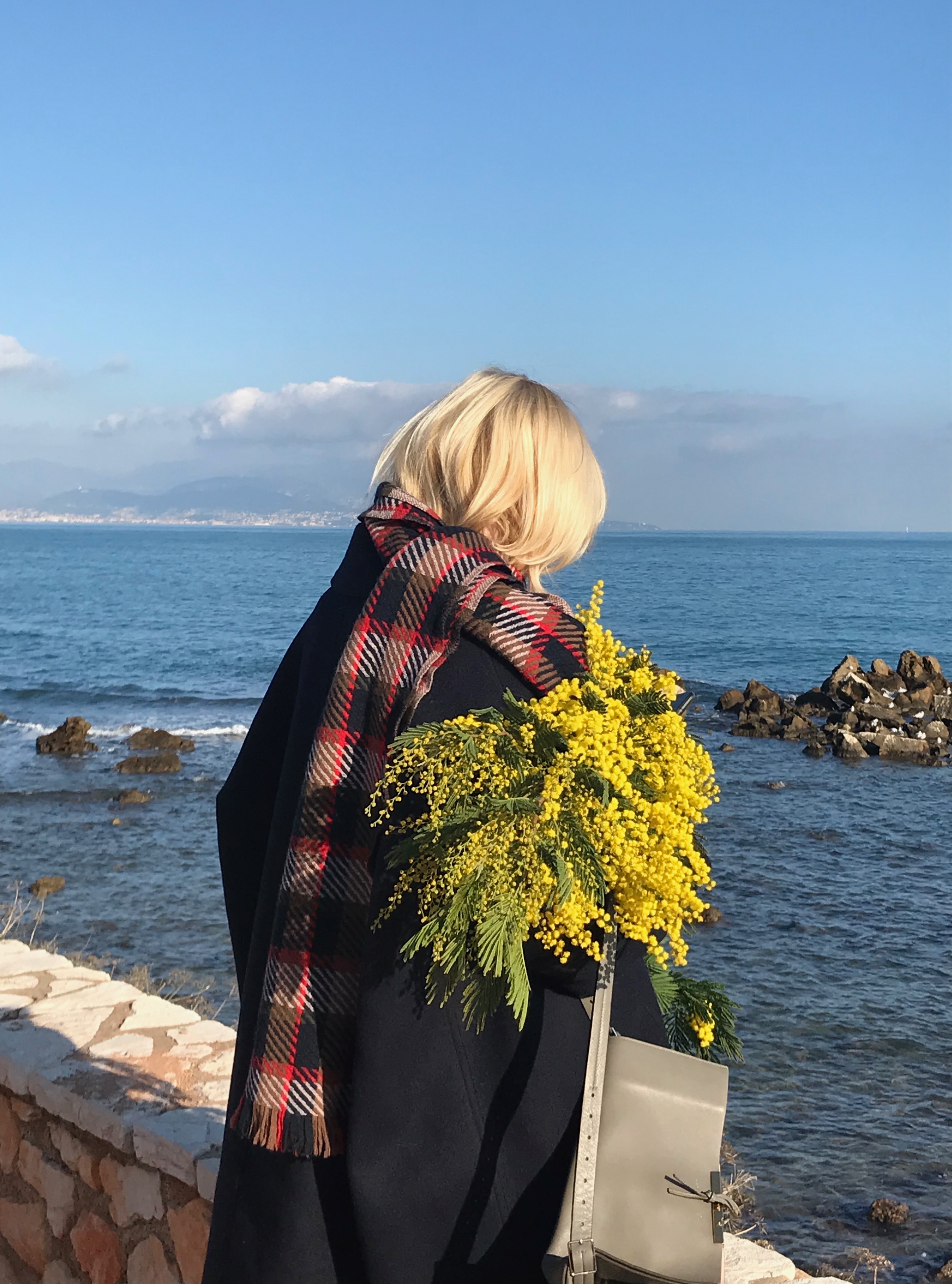
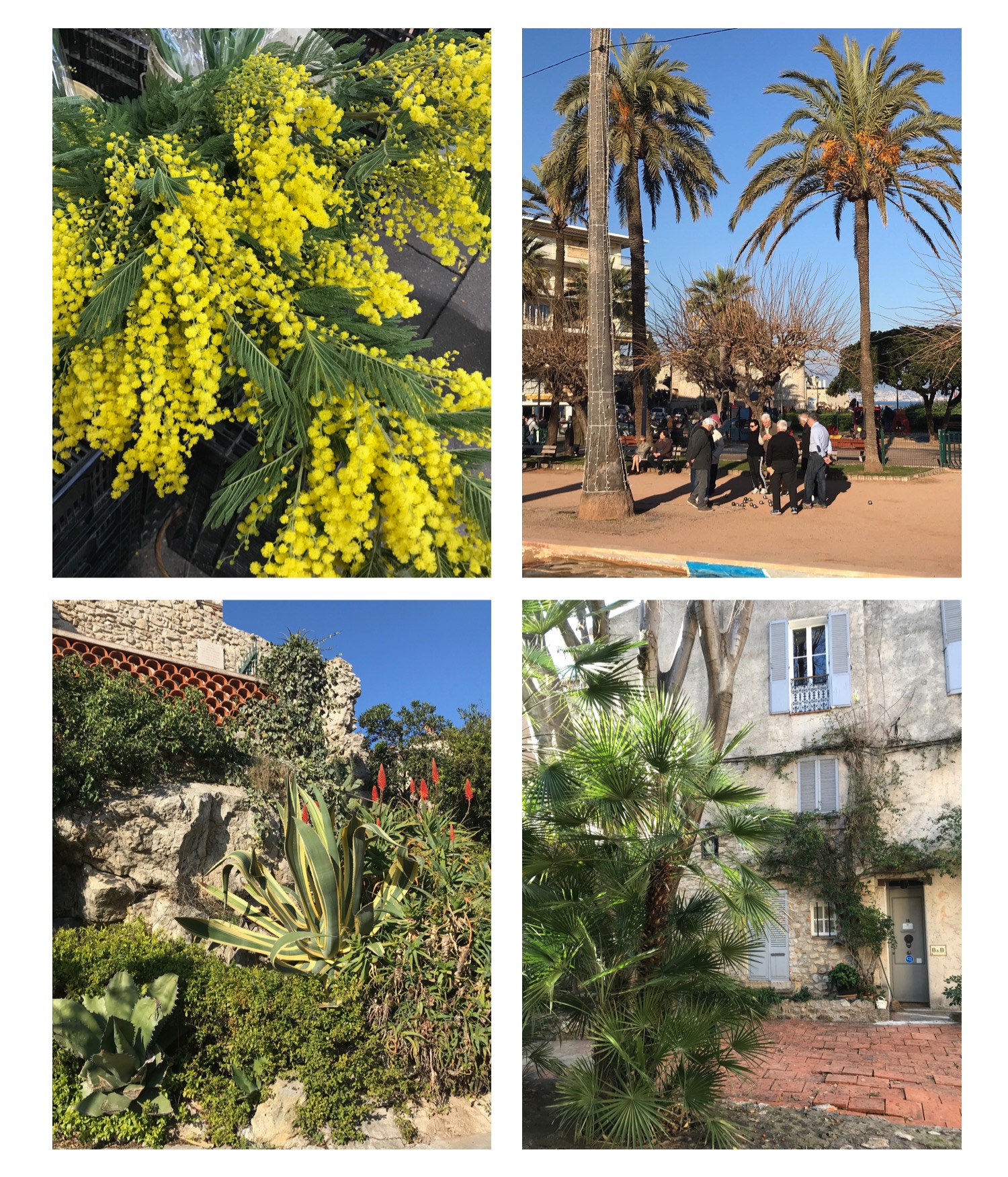
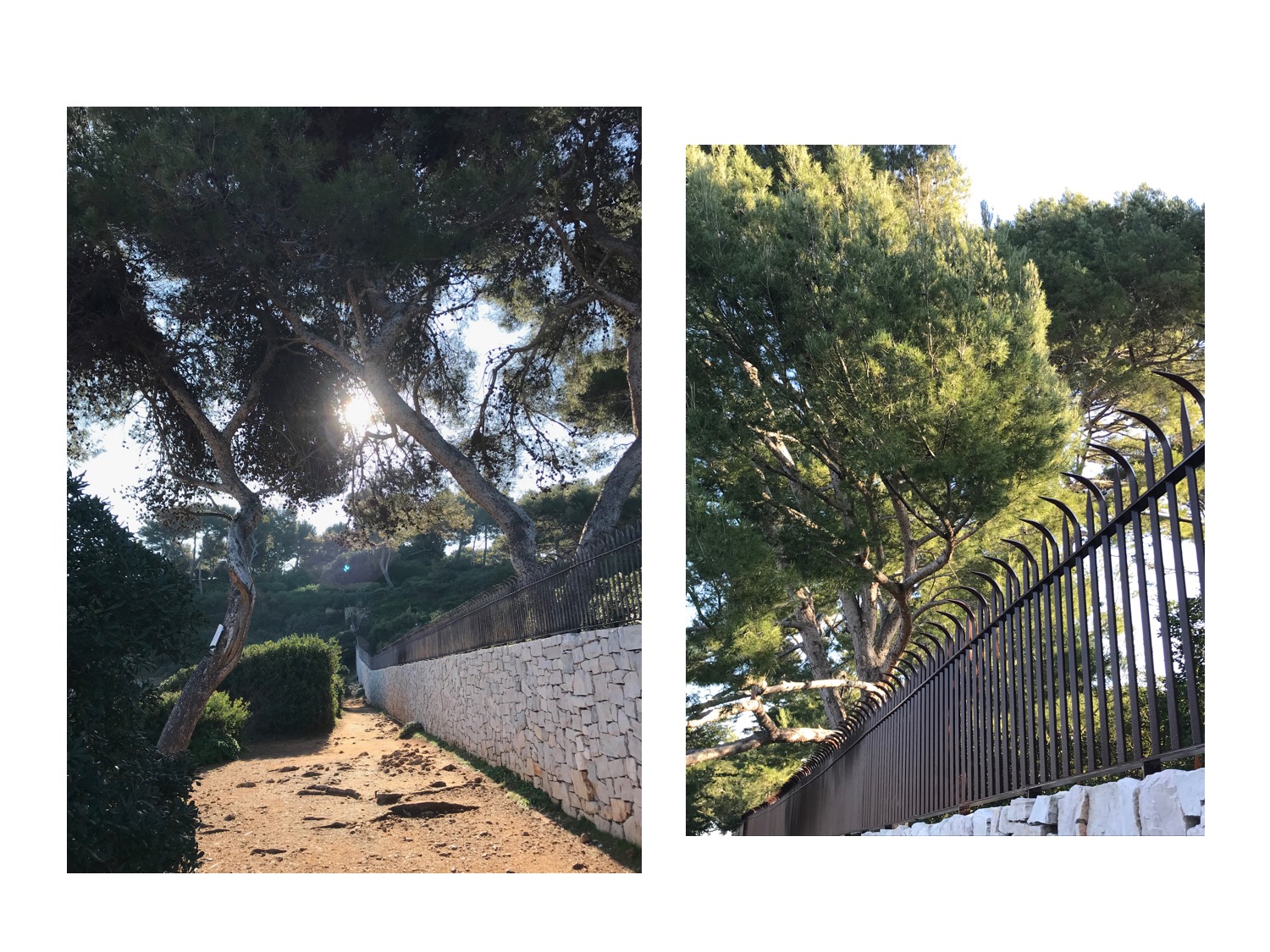
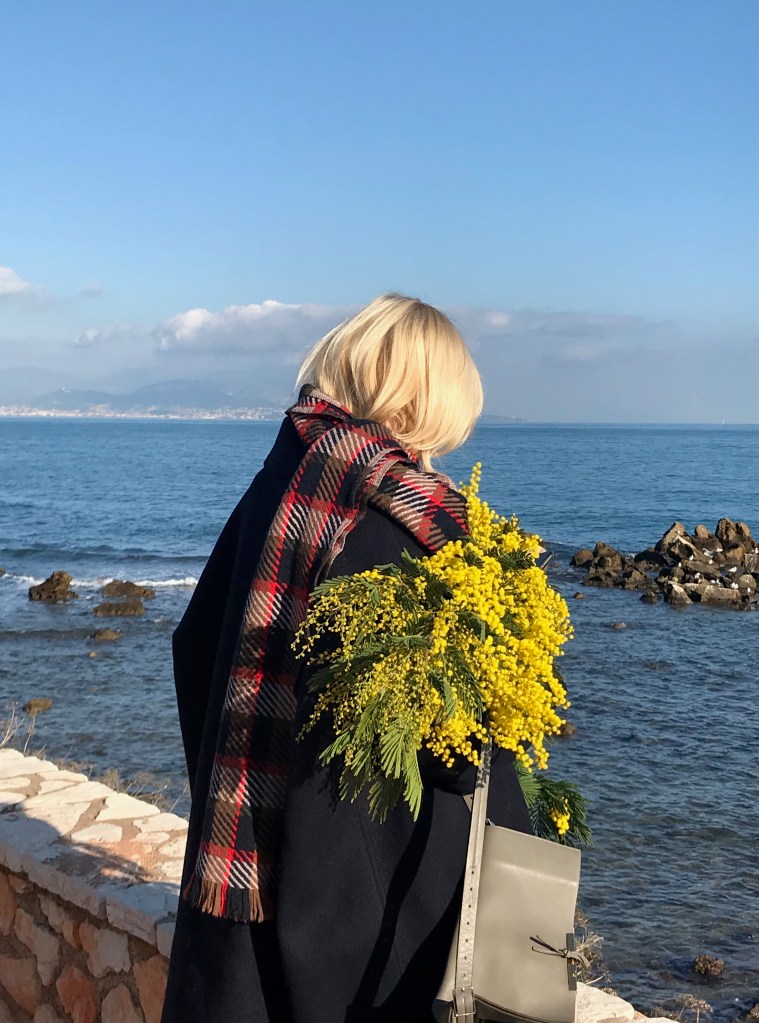
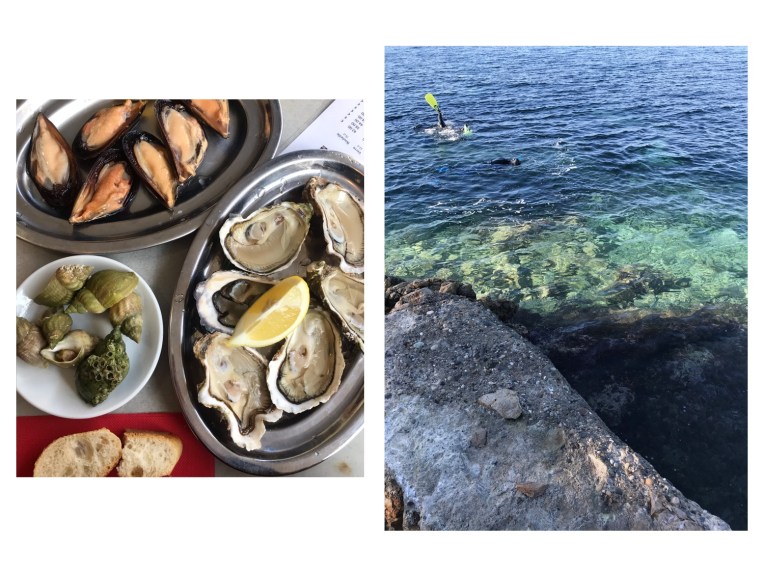
Back in January, we also had a dreamy road trip around the French Riviera. Beyond the yachts and picture-perfect beaches, Antibes is a draw for its literary and artistic history. It was at the Villa Saint Louis (now the popular hotel Belles-Rives) on the Cap d’Antibes that F. Scott Fitzgerald took up summer residence with Zelda and his daughter Scottie in 1926 and began his work on Tender is the Night. The enclosed mansions and dramatic villas lining the shore that once fascinated Fitzgerald are still very much a part of the landscape, but there’s local charm to be found, too. Stroll around old Antibes, through the Cours Masséna, a Provençal food market (don’t forget to buy a mimosa bouquet and supply yourself with home-made soap!), and up to the Musée Picasso, the first museum dedicated to the artist. Outside the market, local artists showcase paintings, sculptures and other pieces every day except Monday. Also worth a stop-off is the Chapelle St Bernardin, a gorgeous little Gothic church built in the 16th century, complete with an impressively intricate fresco. Antibes is known for its breezy, postcard-like beaches – head to Plage du Salis, with its velvet-soft white sand and views of the Cap d’Antibes (where we stayed throughout our trip – there are plenty of small, charming boutique hotels that aren’t Hotel du Cap Eden Roc…).
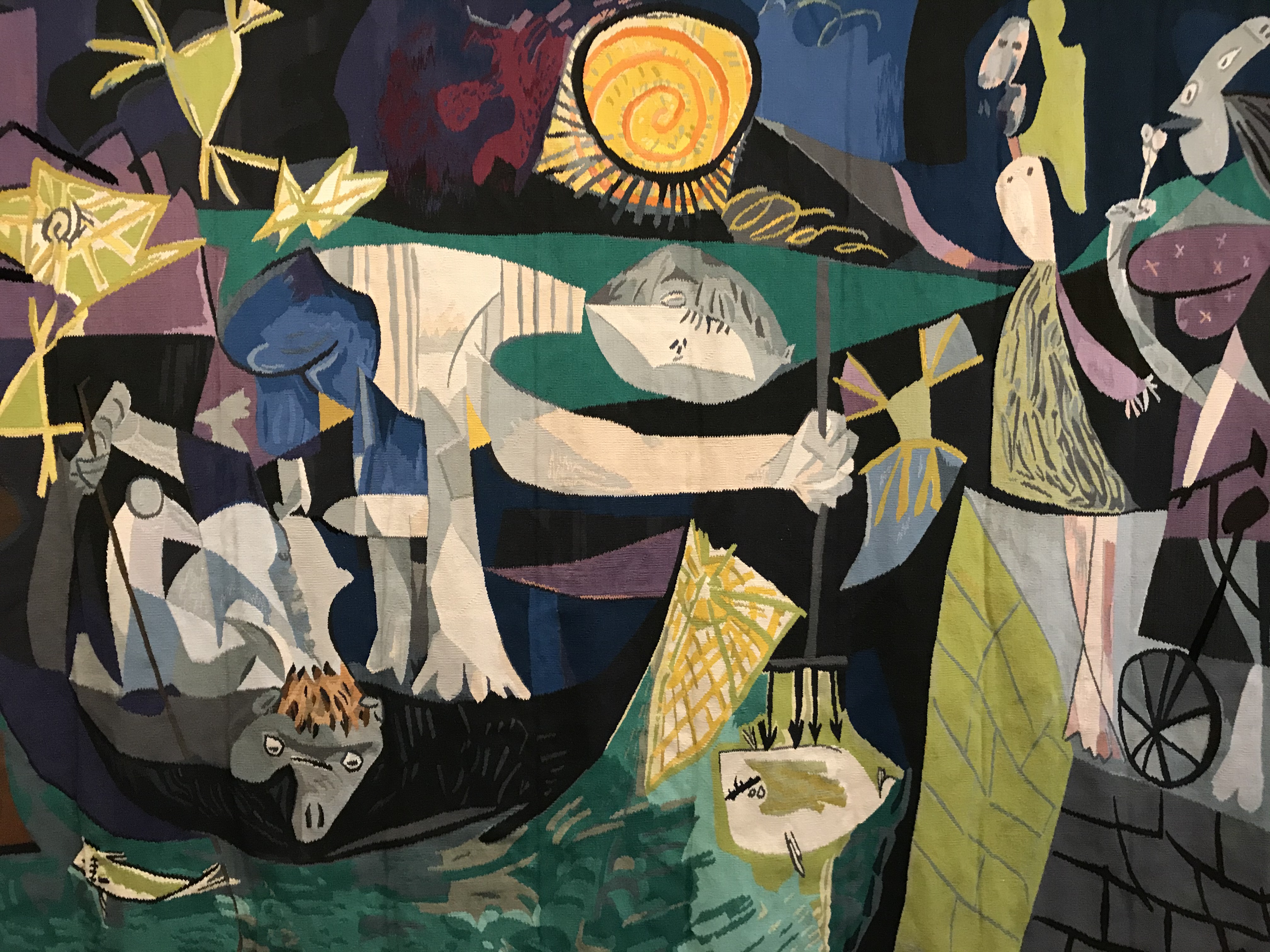
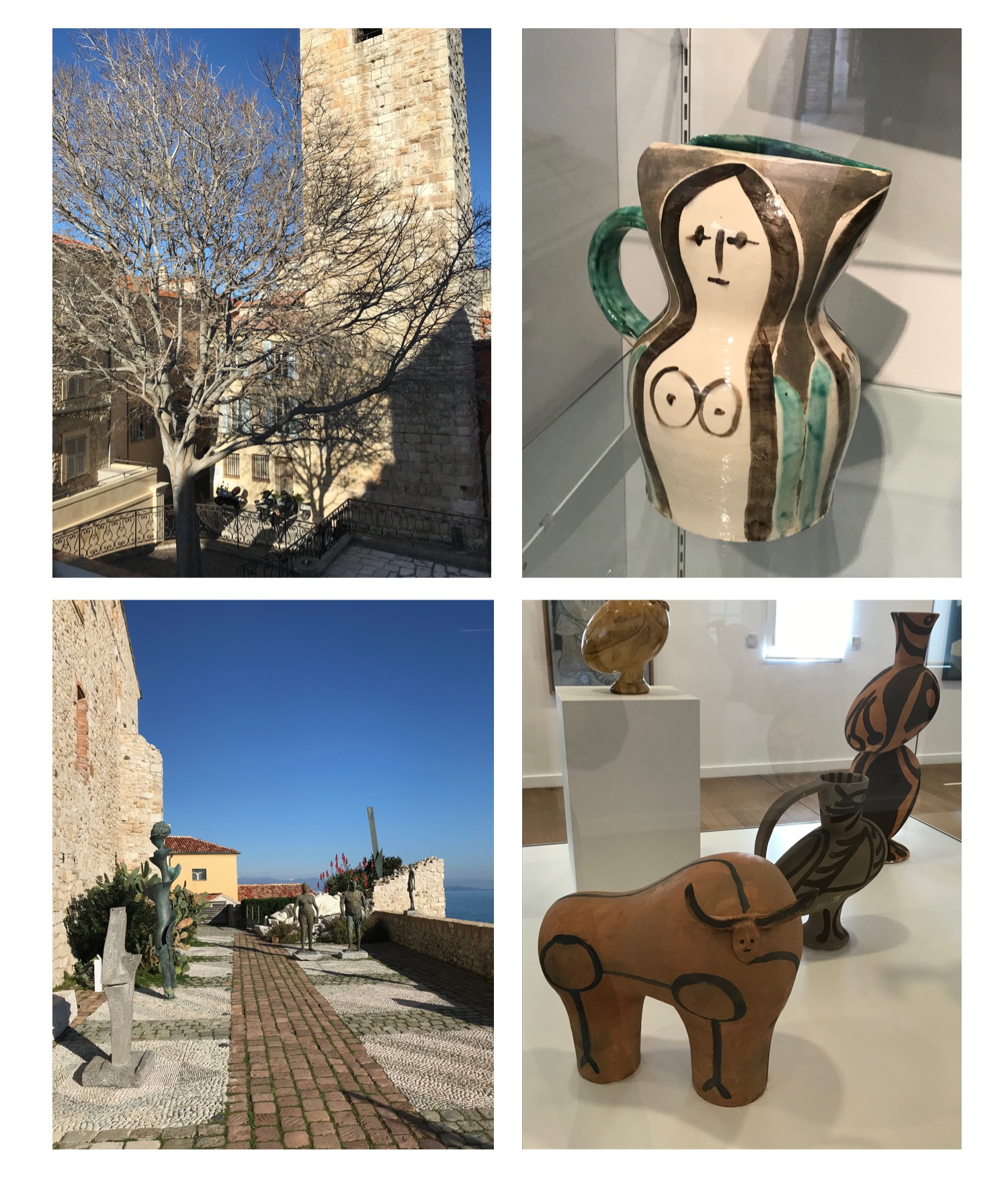
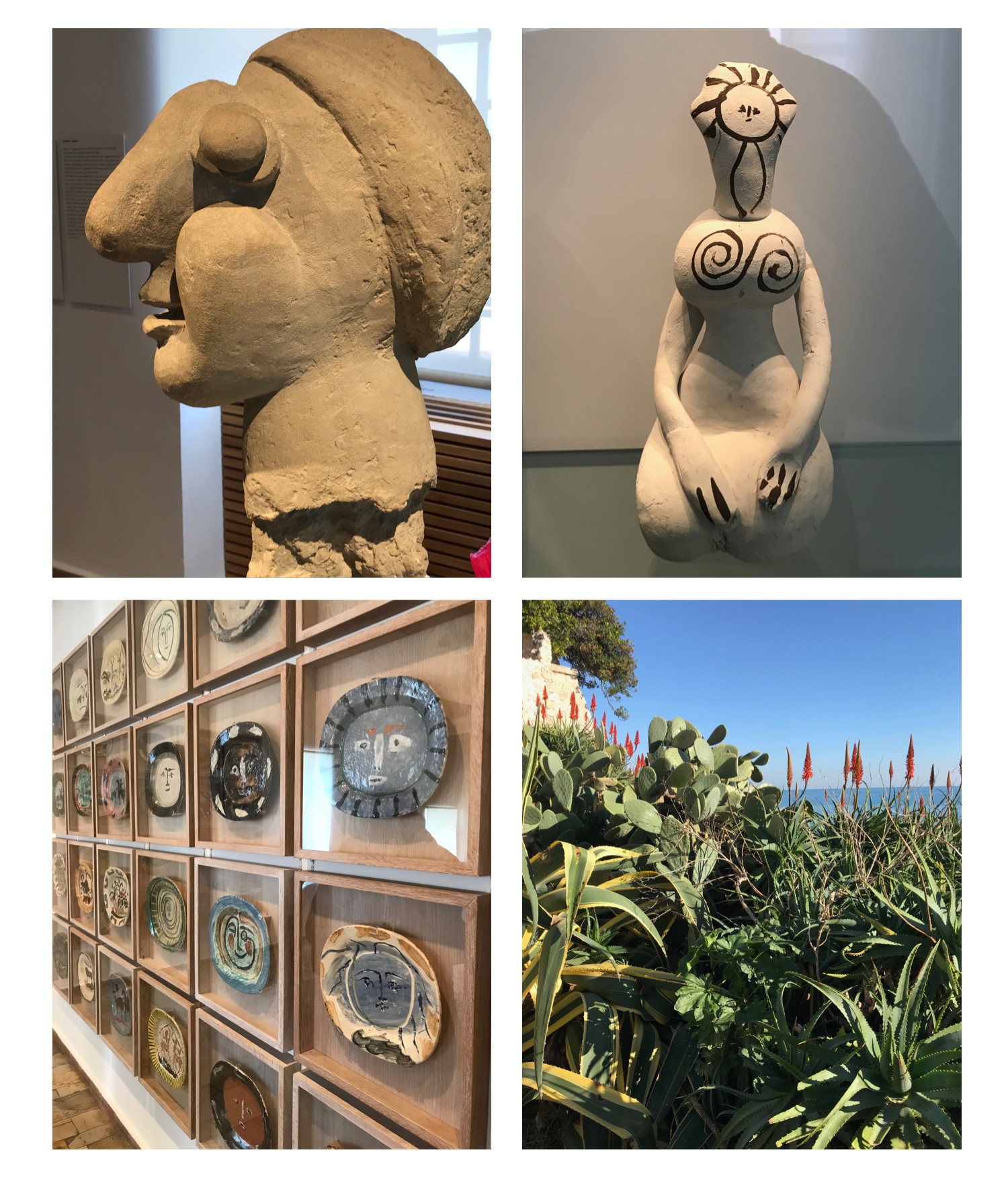
The Musée Picasso in Antibes is a small museum dedicated to the work of Pablo Picasso, who lived in the French Riviera for a large part of his life. The museum is housed in the Grimaldi Castle, a medieval fortress on the Antibes waterfront, and certainly benefits from such an outstanding location.The collection of the museum includes over 200 works by Picasso, including drawings, ceramics, etchings, carpets, and six paintings. Some of those artworks were donated to the town of Antibes by Picasso himself, who installed his atelier on the upper level of the castle for about six months in 1946. The permanent exhibition dedicated to Picasso also includes a number of historical photographs depicting the Spanish artist at work in Antibes. Along with presenting pieces by Picasso, the museum also accommodates a small permanent exhibition of works by other major modern artists, such as Balthus, Alexander Calder, Max Ernst and Amedeo Modigliani among others.

/

All photos by Edward Kanarecki.