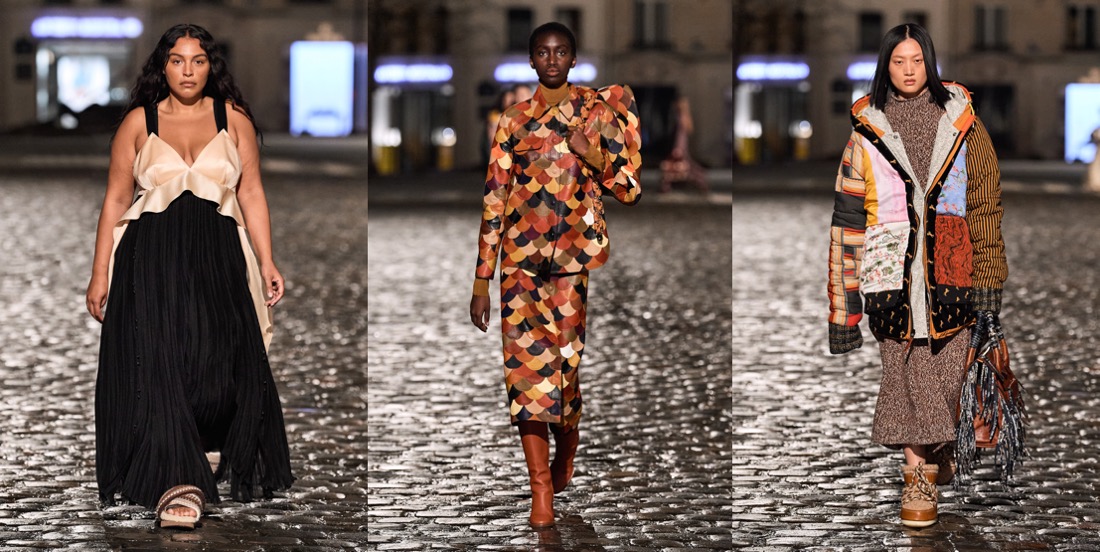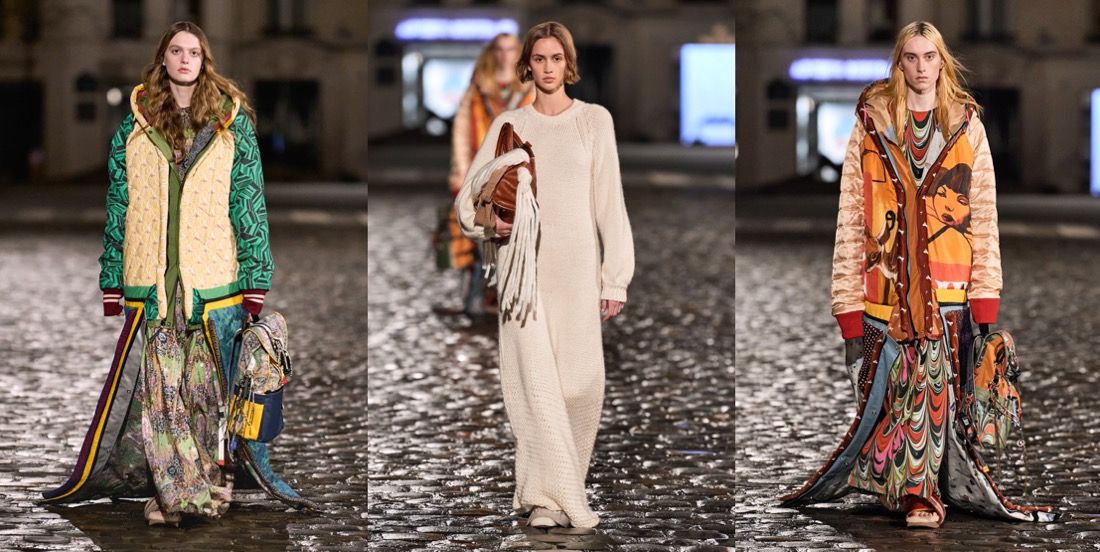
Gabriela in Paris. Chloé AW21

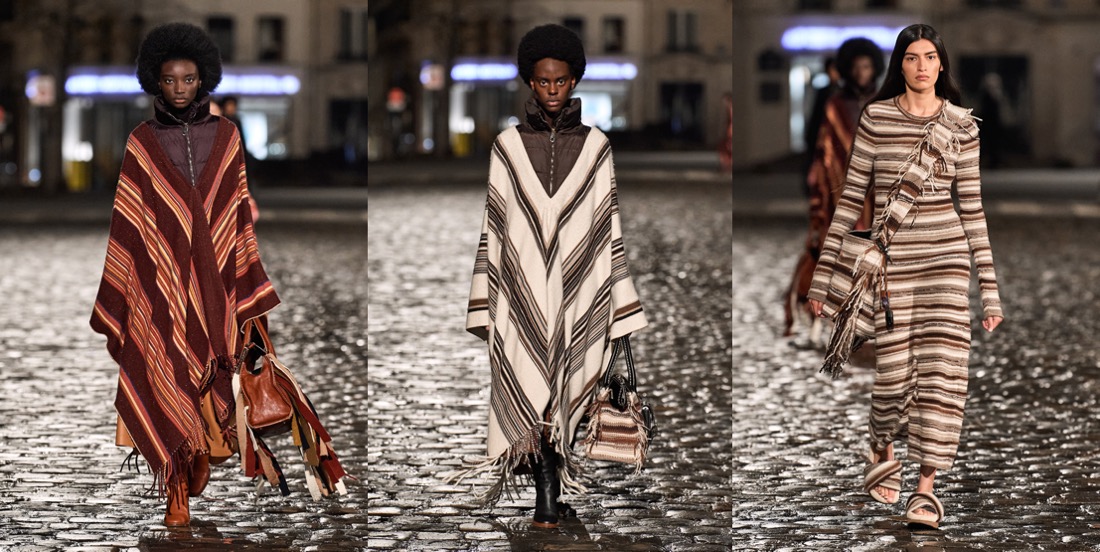
Most debuts are bumpy, epecially in COVID-19 circumstances. However, I can’t hide I’ve got some very mixed about Gabriela Hearst‘s first collection for Chloé. Knowing her style and philosophy at her name-sake, New York-based label, you could be sure she would take her sustainability-forward mindset to Paris (that was one of the main reasons why she was appointed as the creative director of the brand). Aesthetic-wise, we know her for ultra-luxurious, assertive minimalism with eventual, feminine details, but you will hardly find any irony in those cashmere cape-coats and gorgeous pleated leather dresses. Most of all, it seemed to me that the designer decided to revolt against the New York ‘Gabriela Hearst’ and let things take some sort of laid-back approach, in the spirit of the Saint-Germain-Des-Prés lifestyle (Chloé founder’s Gaby Aghion first fashion shows took place in Café De Flore. Hearst’s models walked out of the cult Brasserie Lipp into the empty, evening streets of Rive Gauche). The result is a collection filled with layered, nomadic silhouettes that unfortunately look cumbersome and overworked. The striped, knitted dresses, ponchos (they nodded to Hearst’s Uruguayan heritage), floating dresses (the flou is a must for every Chloé designer) and shearling coats were in general mild-looking. The designer closed the collection with puffer outerwear repurposed from Chloé overstock spanning designers and eras (I mostly noticed Natacha Ramsay-Levi’s memorable prints – the way they were clashed kind of diminished her Chloé tenure). The pieces were created with Sheltersuit, a nonprofit organization providing aid to the homeless, which also collaborated on a series of backpacks. As mentioned above, Gabriela’s Chloé will take a no-jokes road to sustainability (she said that Chloé had already decreased this collection’s environmental footprint by 400% compared to last winter’s line), which is admirable. She mentioned certified materials, circular economy, net-zero goals as just some of her aims for the brand, and placed sustainability center stage for her debut – as her inspiration, her material, her technique, and even her silhouette. This really does have a potential, especially in Paris, where that topic still feels dormant. But for her future offerings, she should get some proper styling (or editing) done.
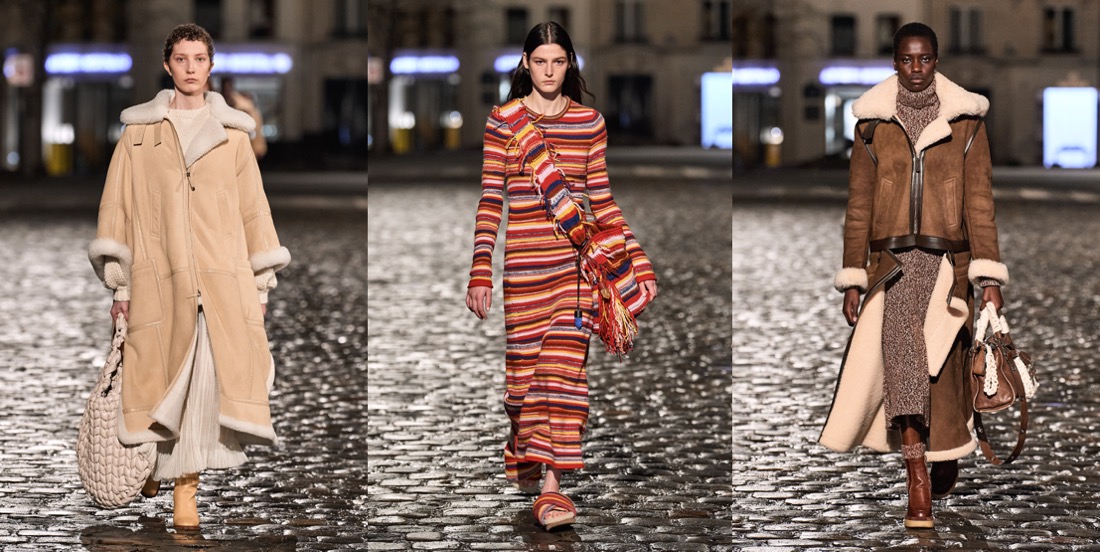
Collage by Edward Kanarecki.
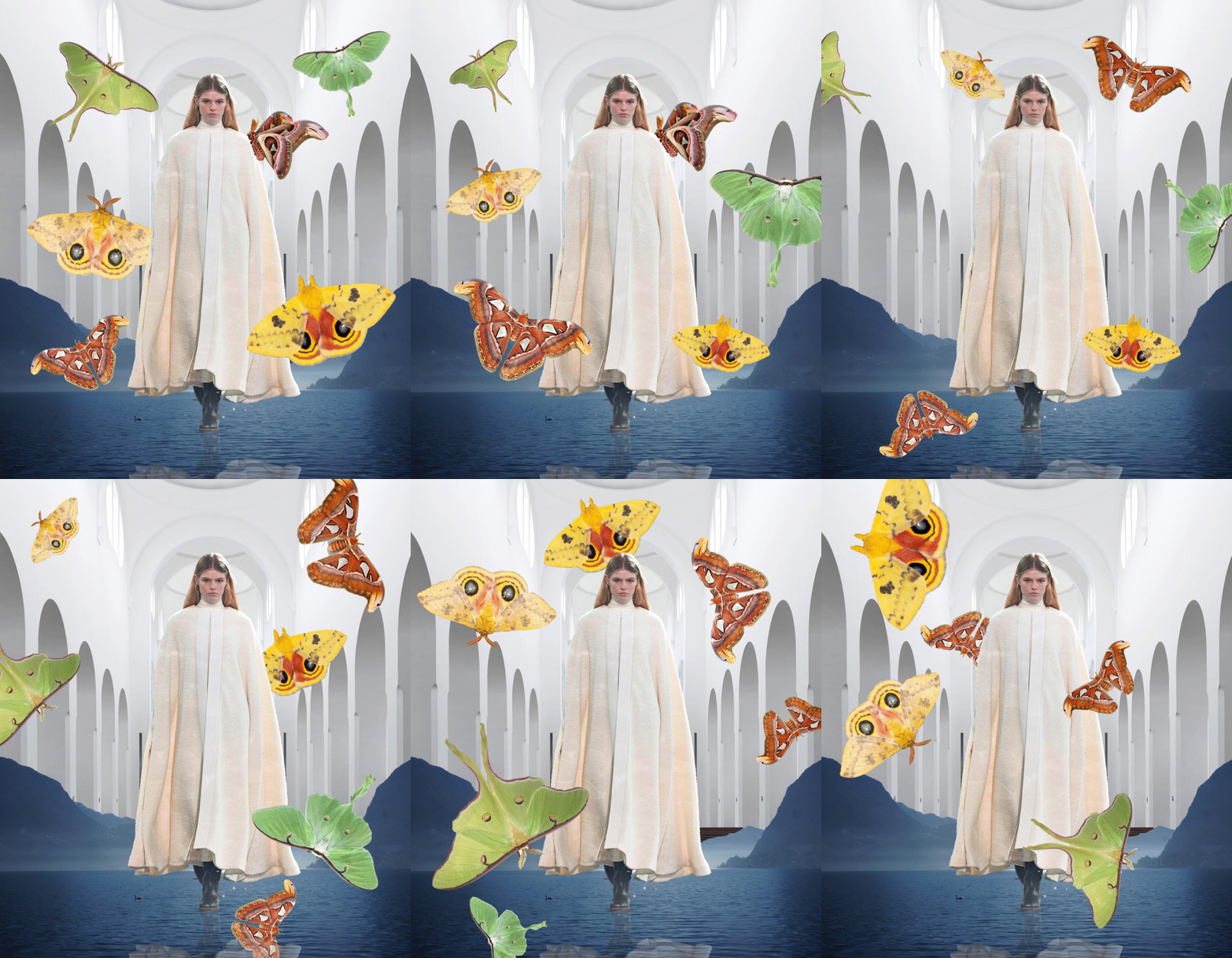
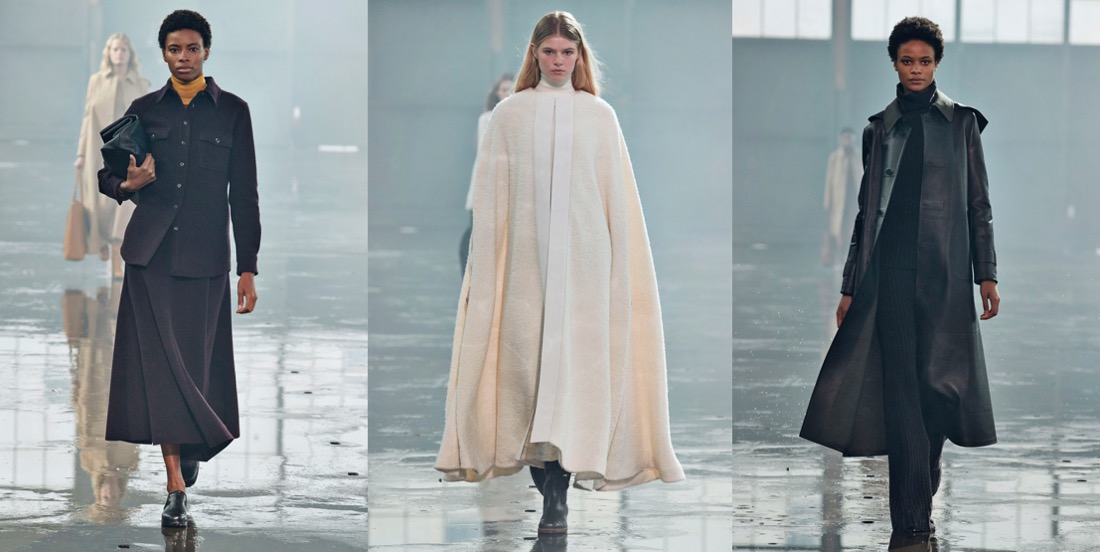
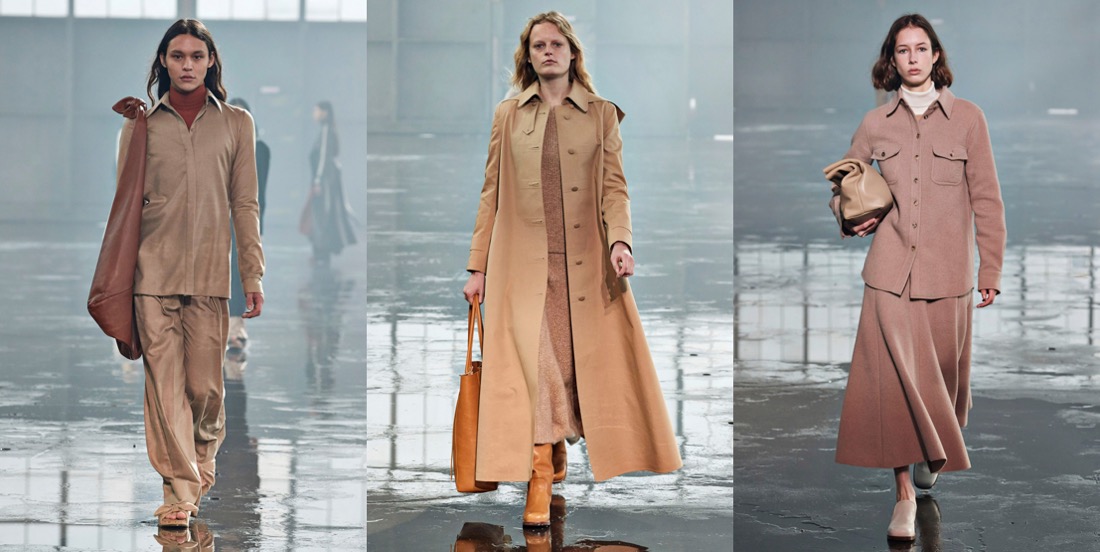
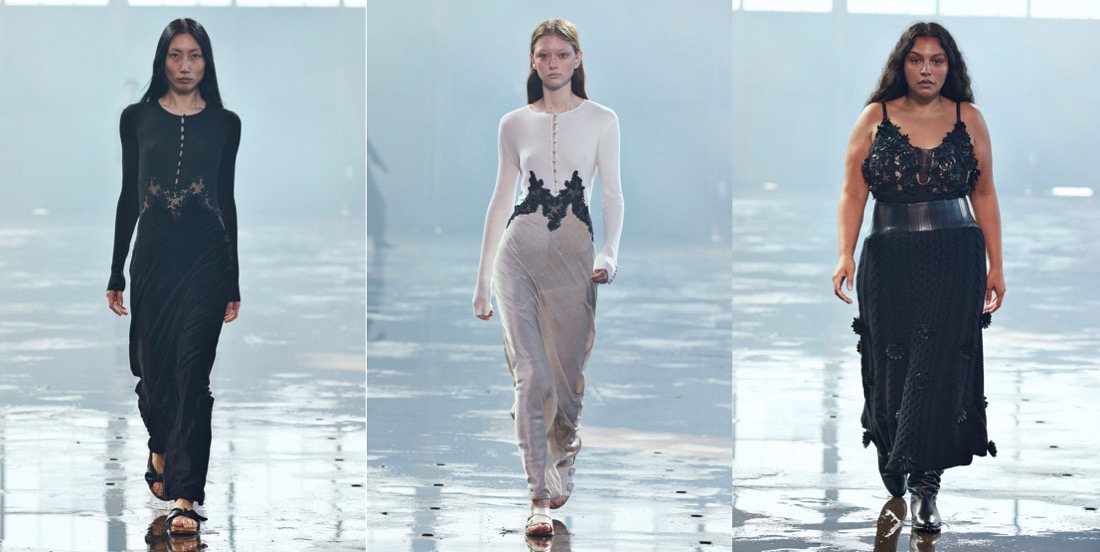
Green Power. Gabriela Hearst AW21

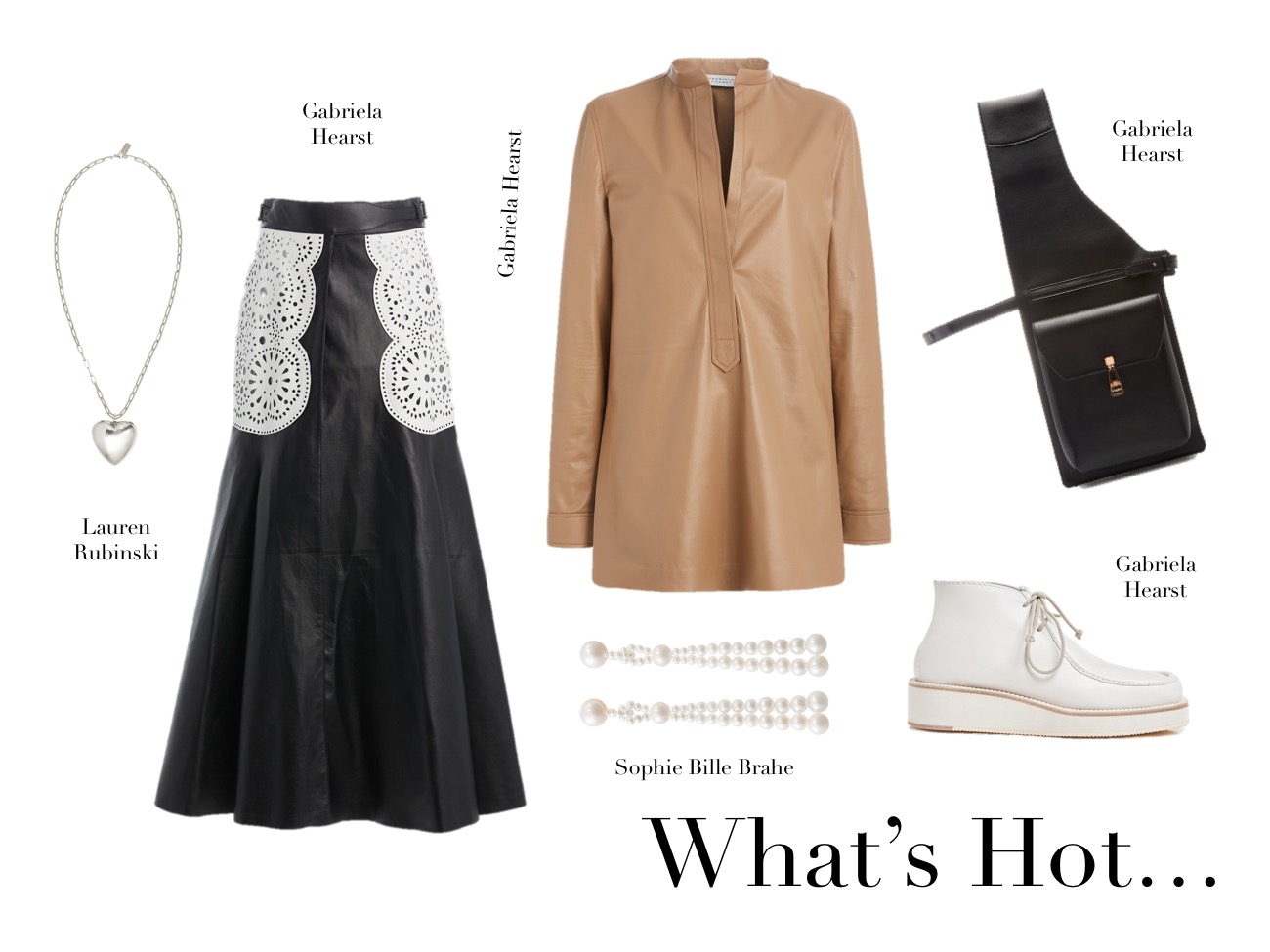
There’s an unofficial trend circulating this season: finding inspiration in powerful women from the past, often with a religiously-charged background. First, Bevza‘s designer mentioned Olga of Kiev as a reference for her knitted hoods and elongated silhouettes; yesterday, Gabriela Hearst talked about Hildegard of Bingen. A writer, composer, philosopher, mystic, and Benedictine abbess, Hildegard was a regular Renaissance woman, except that she predated the Renaissance by about two centuries. “I’m convinced,” Hearst said, “that if she had been a man we’d know her name like we do Leonardo da Vinci’s.” In fact, Hildegard sketched a Universal Man, not unlike Da Vinci’s Vitruvian Man, only hers was completed 300 years earlier. Hildegard resonates with Hearst because among her other polymath pursuits, she was an herbalist, a woman really at one with nature. “She believed in ‘green power,’” said the designer. The environment is a passion of Hearst’s too. Fashion isn’t the greenest of industries, but her company is making strides. She reported that last year 40% of the materials used in the production of her collections were repurposed and deadstock. Her 2021 goal is 50%. Hearst’s efforts around responsible design are at least partly why she was hired as Chloé’s new creative director in December (looking forward to her debut this Paris Fashion Week!). Hearst’s autumn-winter 2021 line-up is all about timeless, beautifully-crafted design that actually needs no further explanantions or mood-boards behind. Still, those behind-the-scenes details are intriguing. Hearst’s 12-year-old daughter Mia’s interpretations of Hildegard’s painted flowers appear as a print on a silk shirtdress and as crocheted appliqués on knit sweater and skirt sets. They also inspired a pair of extraordinary ruanas, hand-knit by the Manos del Uruguay women’s collective in Hearst’s native country. Hearst’s own renditions of Hildegard’s flowers were transformed into hand-painted belt buckles at the center of which she placed mano figas, talismans signifying fertility and, by extension, female power. As usual, the designer offers a well-edited wardrobe of soft, yet empowering tailoring, gorgeous dresses that can be both for the day and night and remarkable outerwear (knotting details at the shoulders softened the lines of a trench and the hem of another coat was finished with a deep band of macramé lace).

“Live” collage by Edward Kanarecki.