Masterclass. Wales Bonner AW24

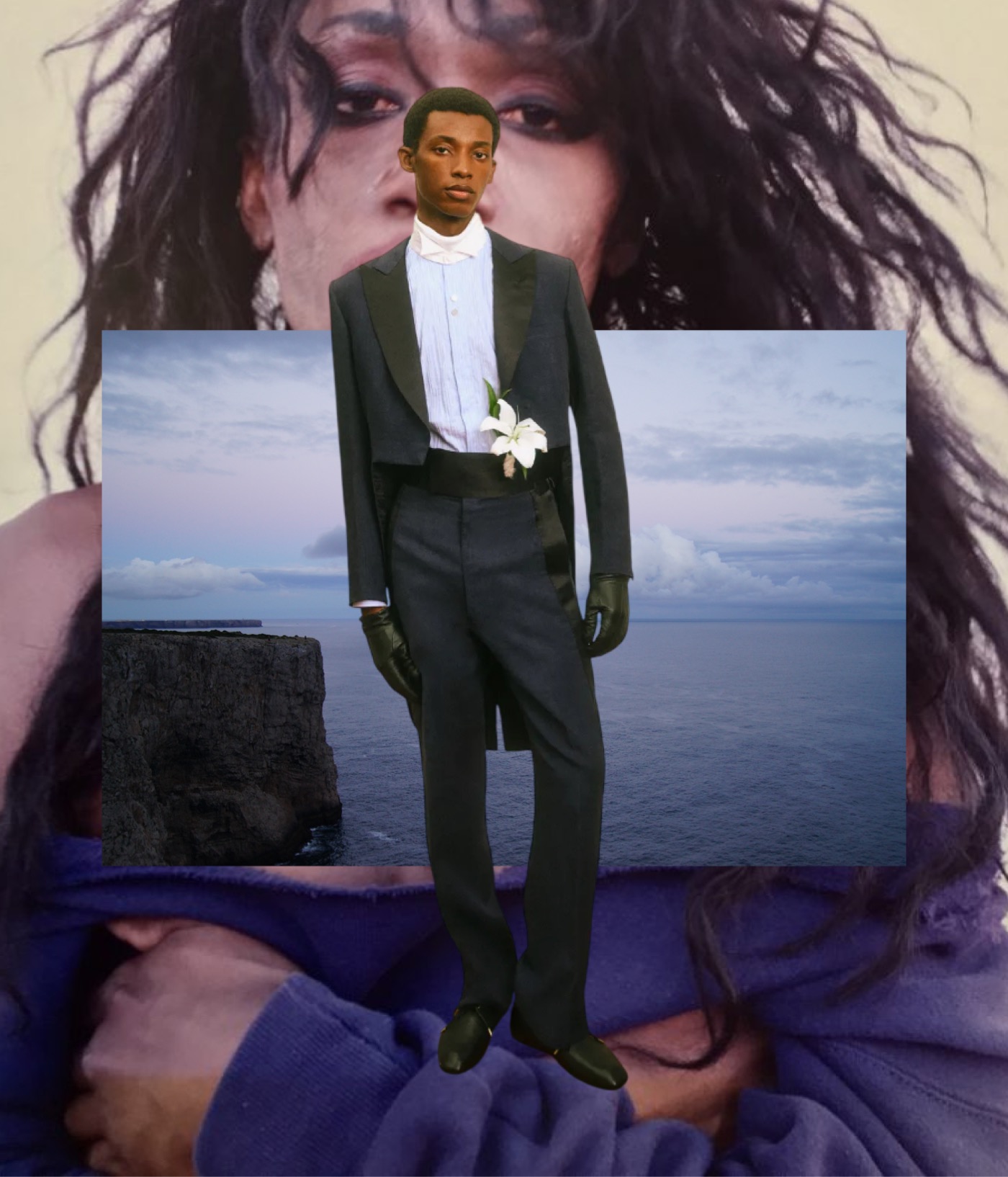
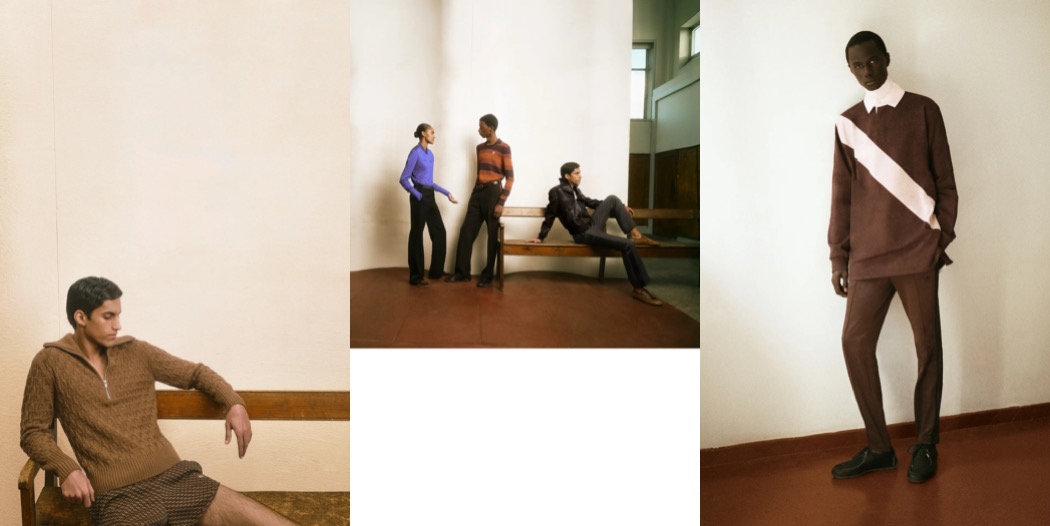
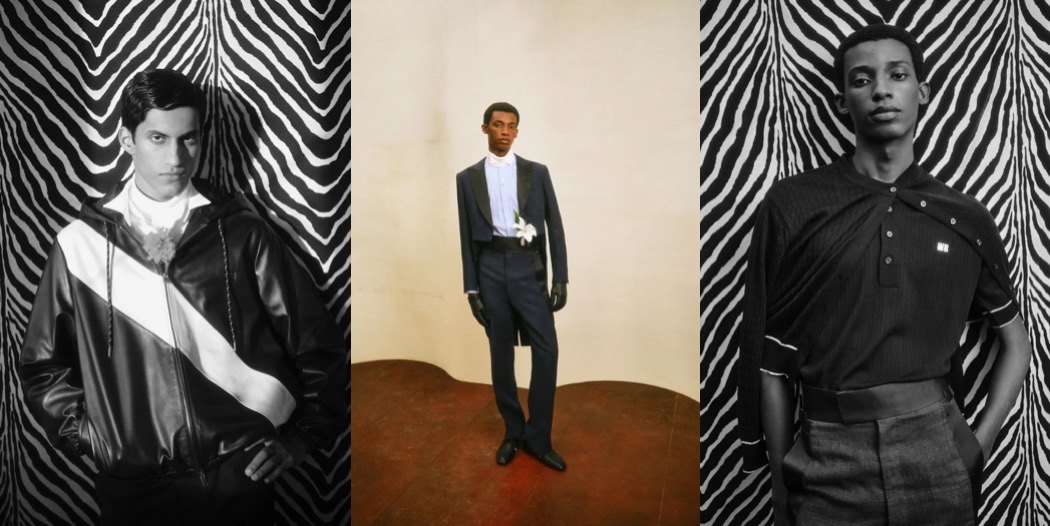
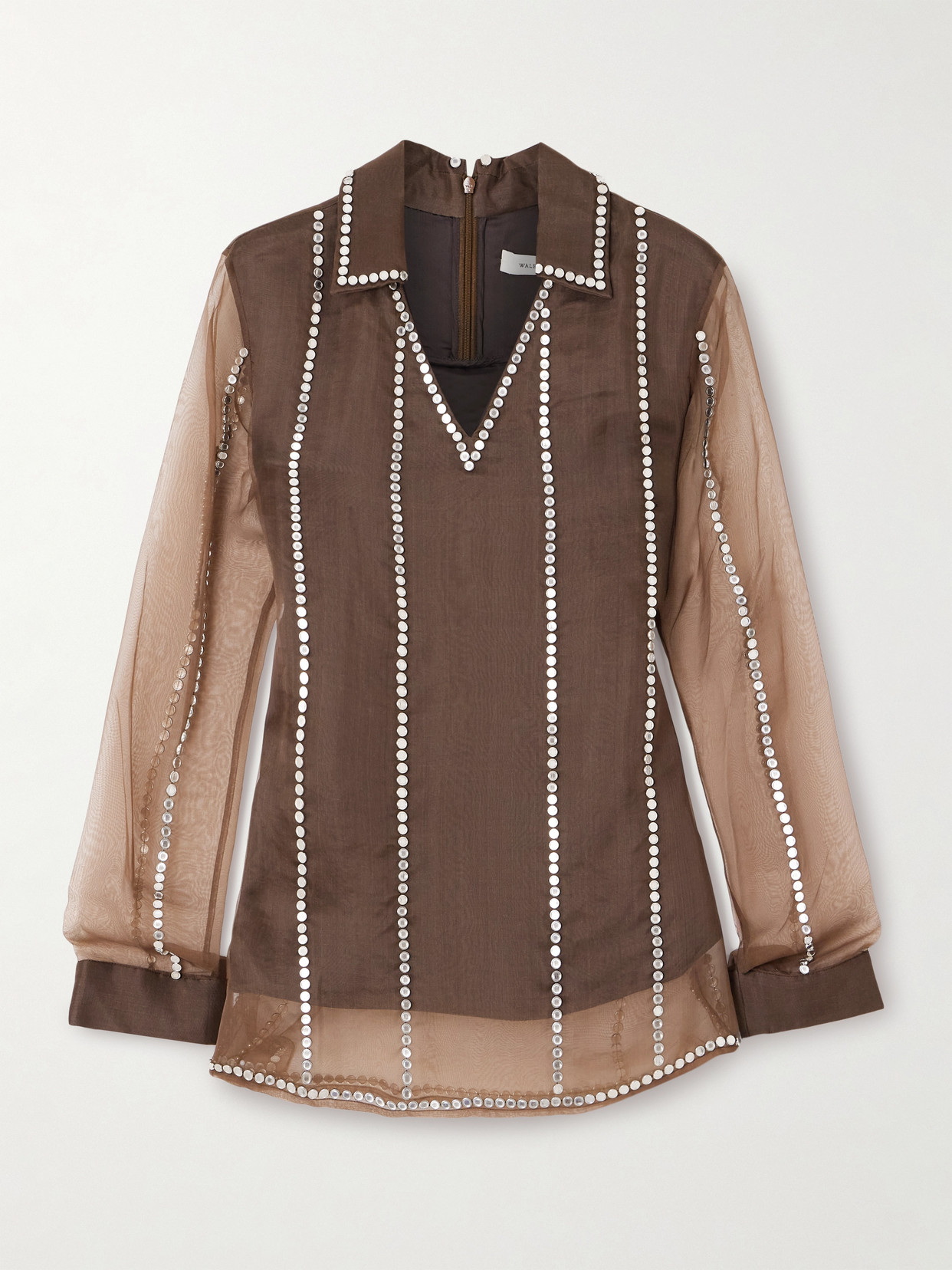
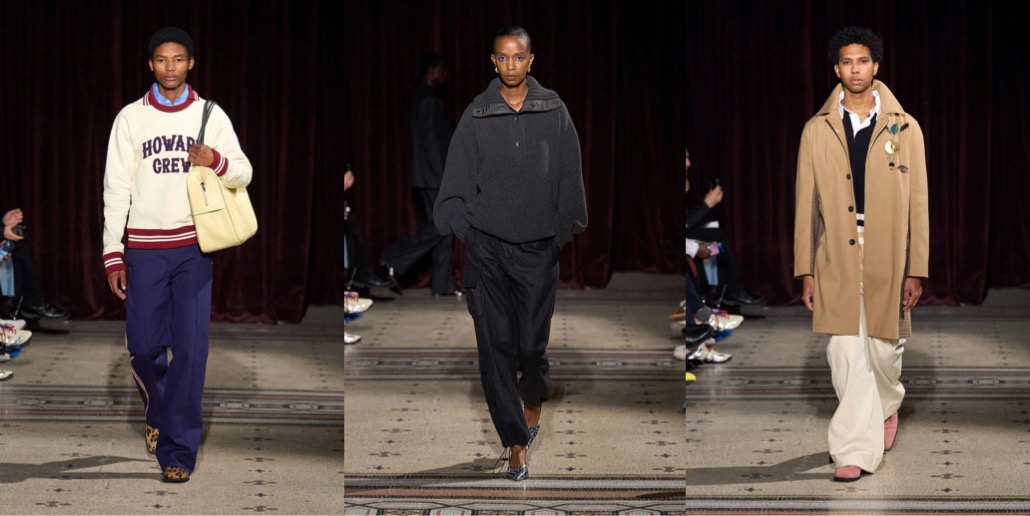
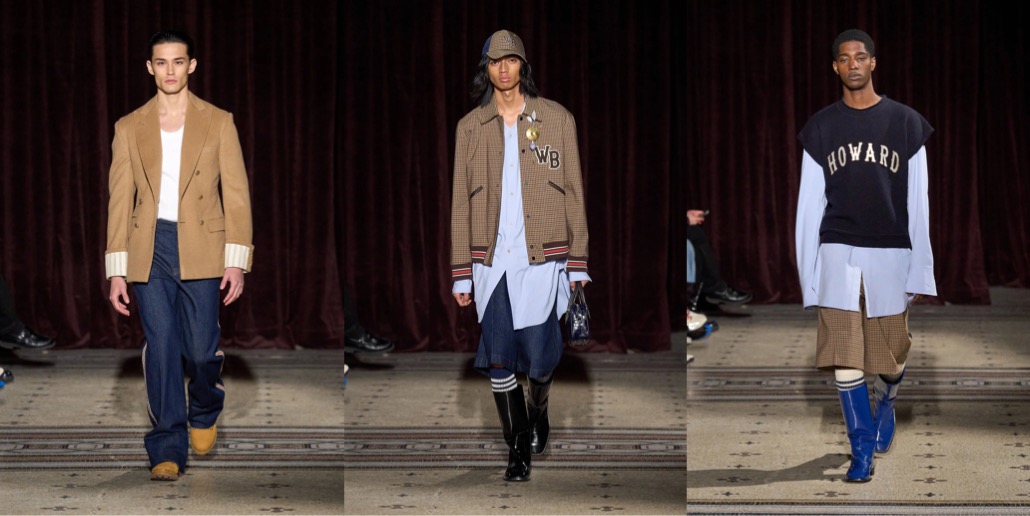
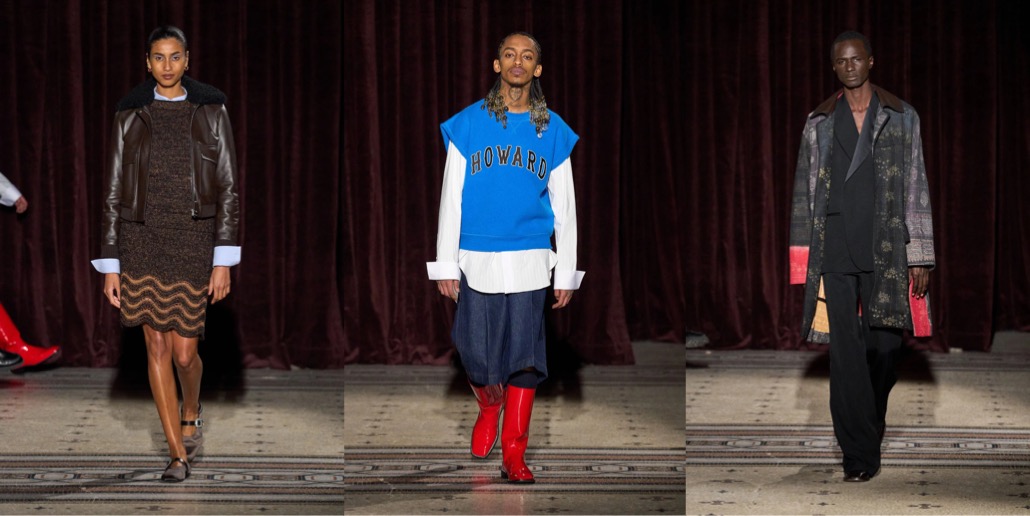
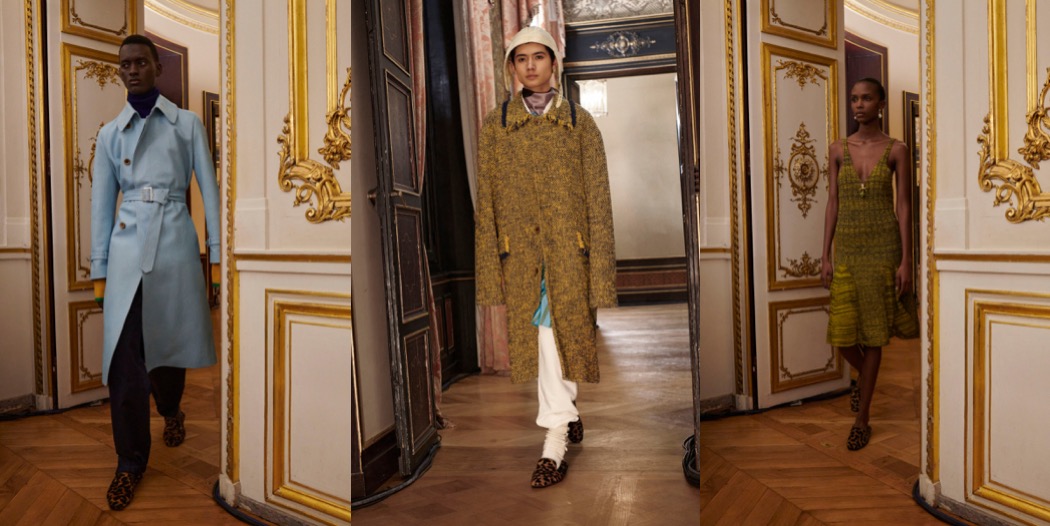
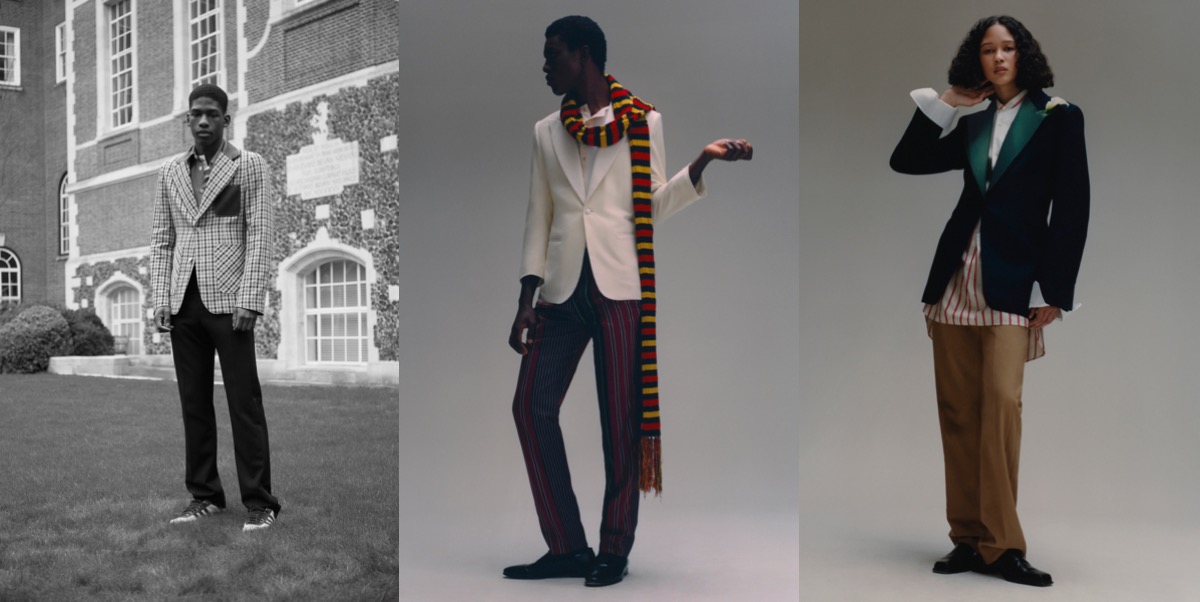
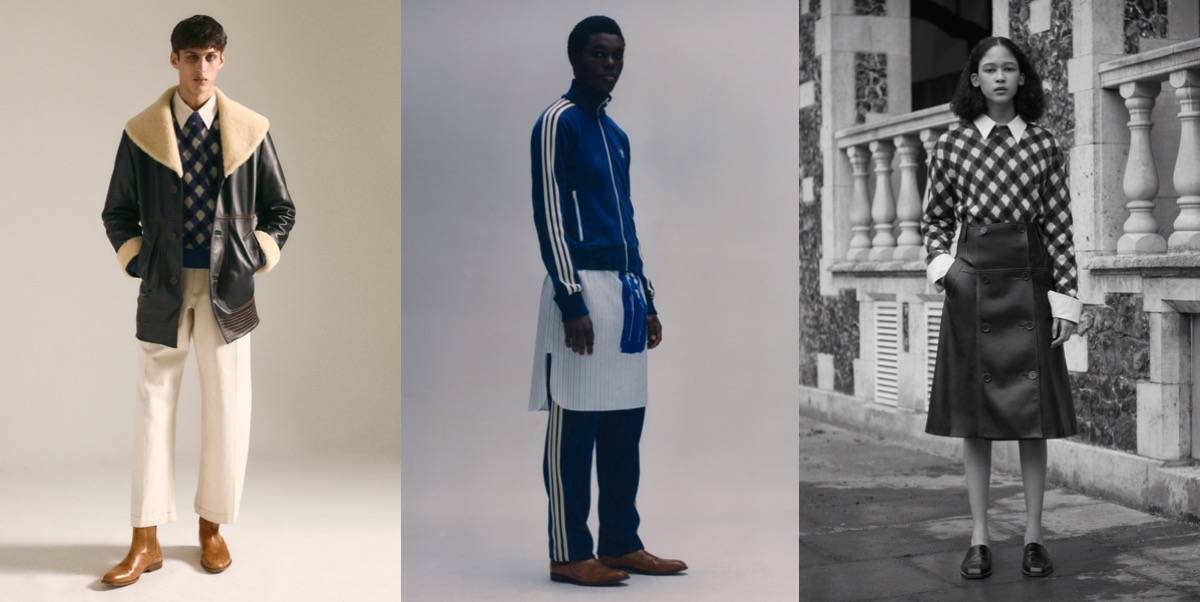
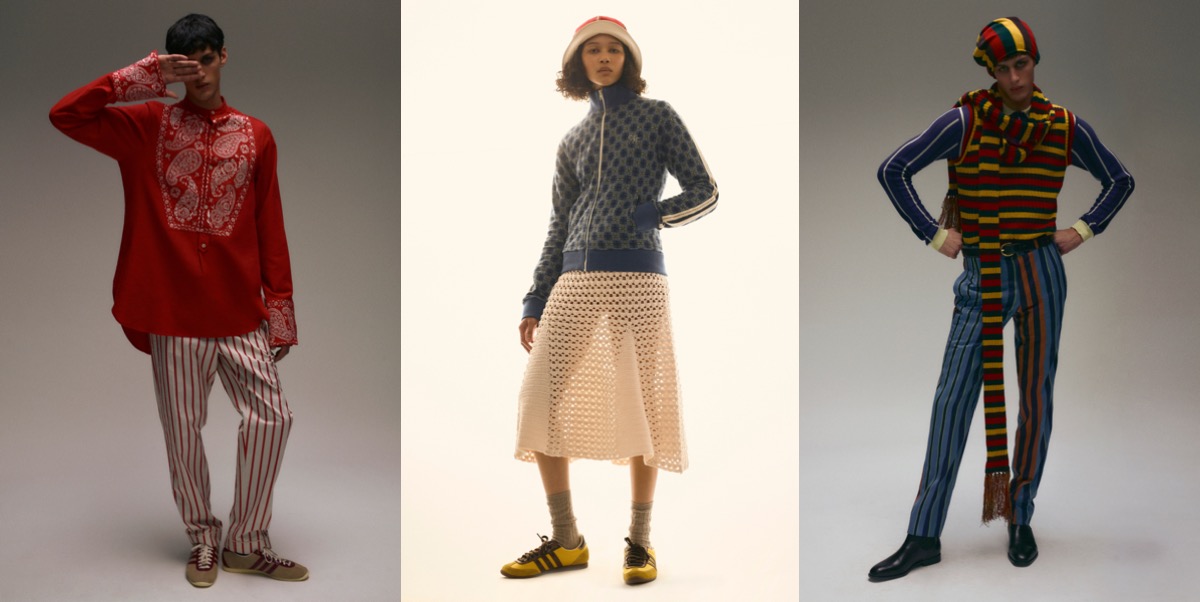
This Paris Fashion Week, there are brands that scream and shout into the void. But there are also brands like Wales Bonner that focus on quiet gestures with grand impacts. The autumn-winter 2024 collection, titled “Dream Study“, was the result of Grace Wales Bonner‘s time spent in Howard University’s Moorland-Springarn Research Centre, imbuing a contemporary collegiate wardrobe with nostalgic sentiment for its illustrious alumni. What really caught her interest in the storied Black university’s archives, though, were the yearbooks. “Particularly the ones from the 1990s,” she explained. “Every year they have a homecoming, with performances of different hip-hop artists coming to celebrate. So it was kind of both exploring the history of the place, but also this kind of musical intersection that’s always been something important to me. So I was thinking about conscious and cosmic hip-hop. How it kind of takes on the mantle of intellectual thinking, and kind of takes it further.” Models (Tyler Mitchell and Imaan Hammam among them) wore academic staples, beautifully adorned, as well as relaxed cashmere knitwear, tailoring trimmed with crocheted Indian mirror-work, while outwear pieces were crafted from vintage kantha quilts. Note the feather brooches which were dotted with pearls, lapiz lazuli and amethyst beads. It’s fascinating to watch how Wales Bonner does this: teaching, foregrounding academic literary references (with every show, there’s a reading list), creating delightful, never-overworked collection (just over 30 looks), and building long-term collaborations with entities as far apart in fashion as adidas and Anderson and Sheppard of Savile Row.

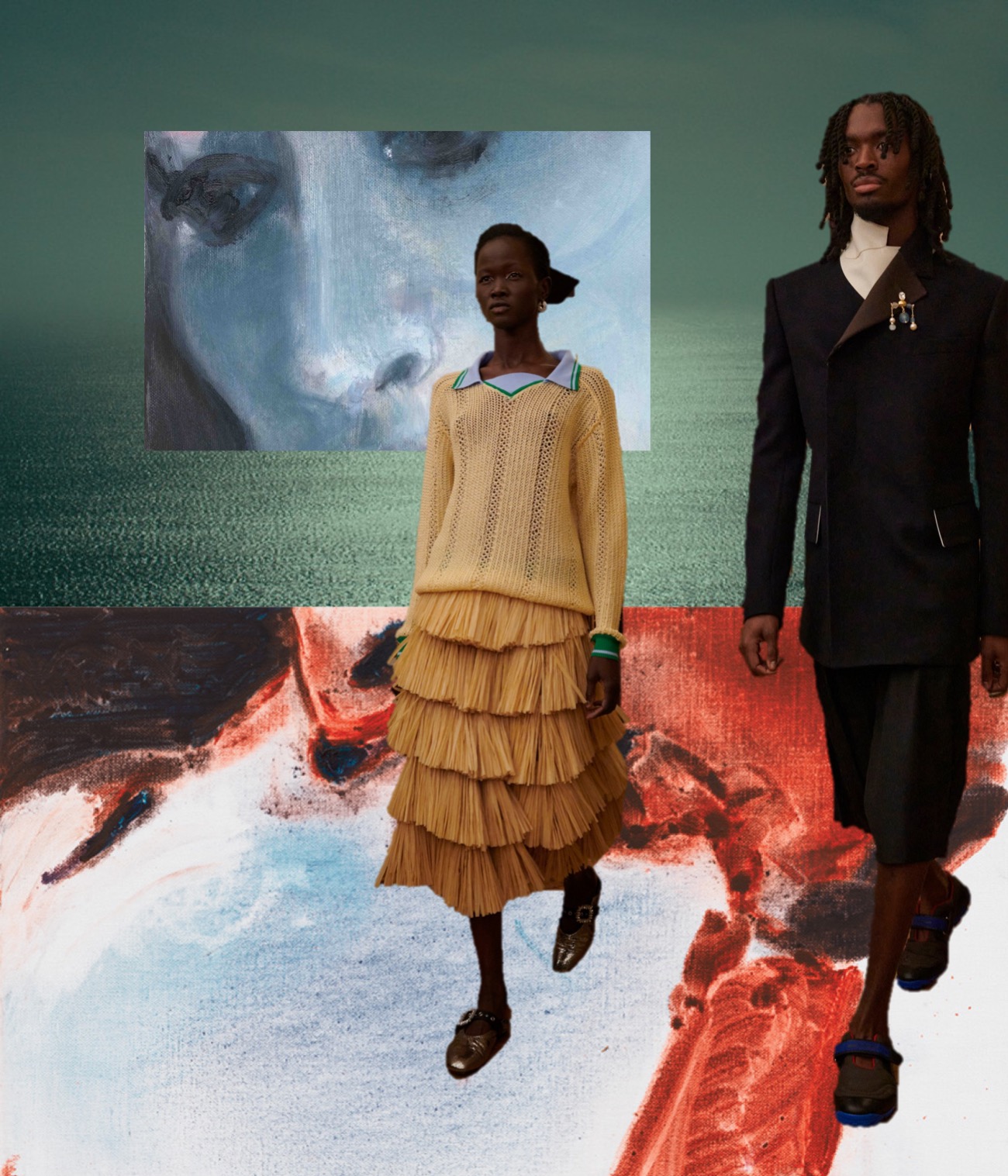
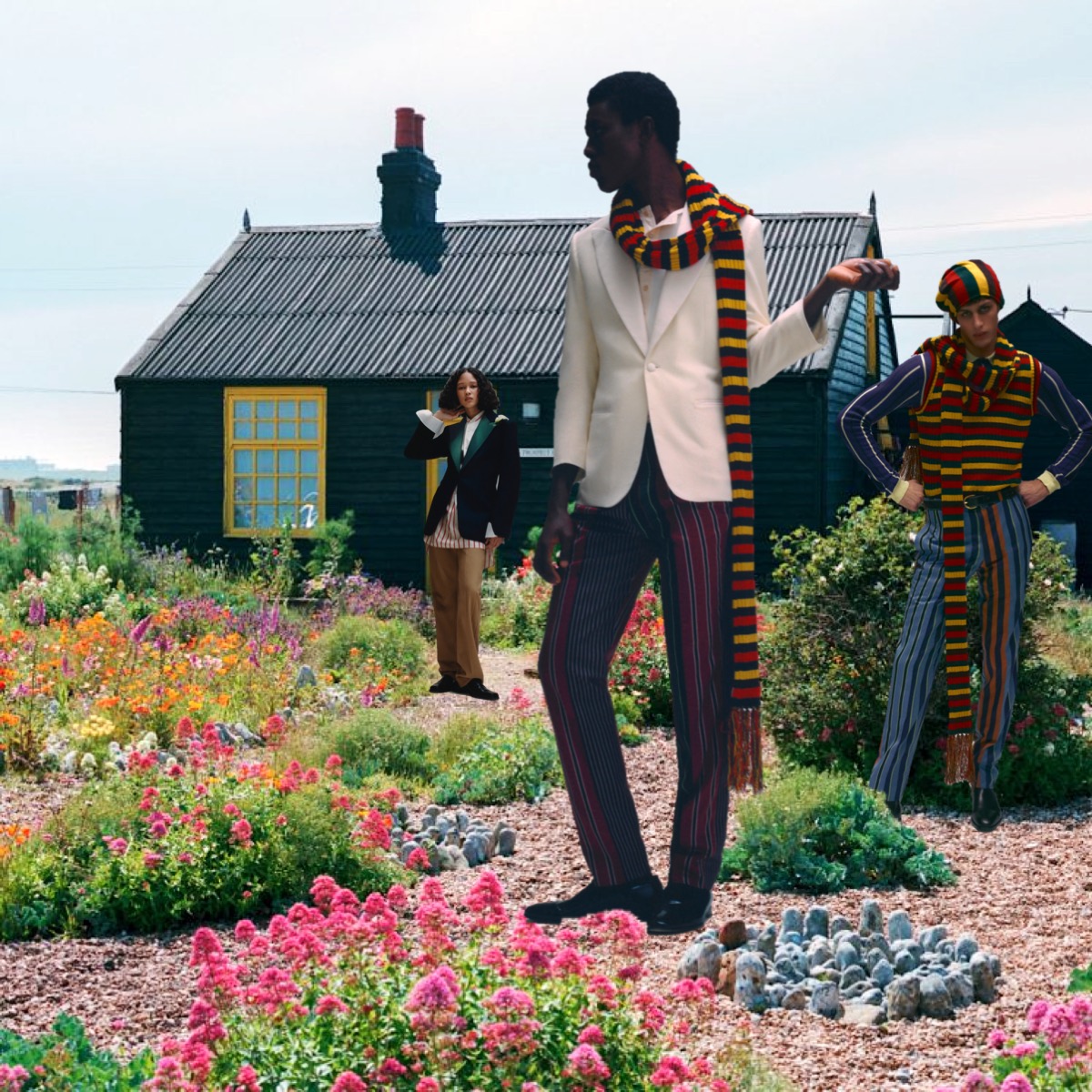
Collage by Edward Kanarecki.
Don’t forget to follow Design & Culture by Ed on Instagram!

Hey, did you know about my newsletter – Ed’s Dispatch? Click here to subscribe!

NET-A-PORTER Limited

Self-Expression. Wales Bonner AW23

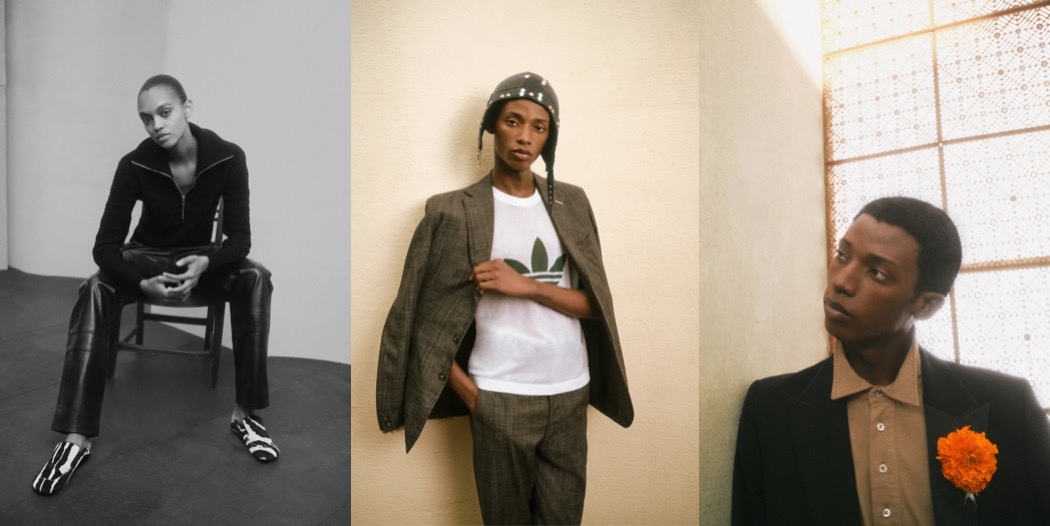
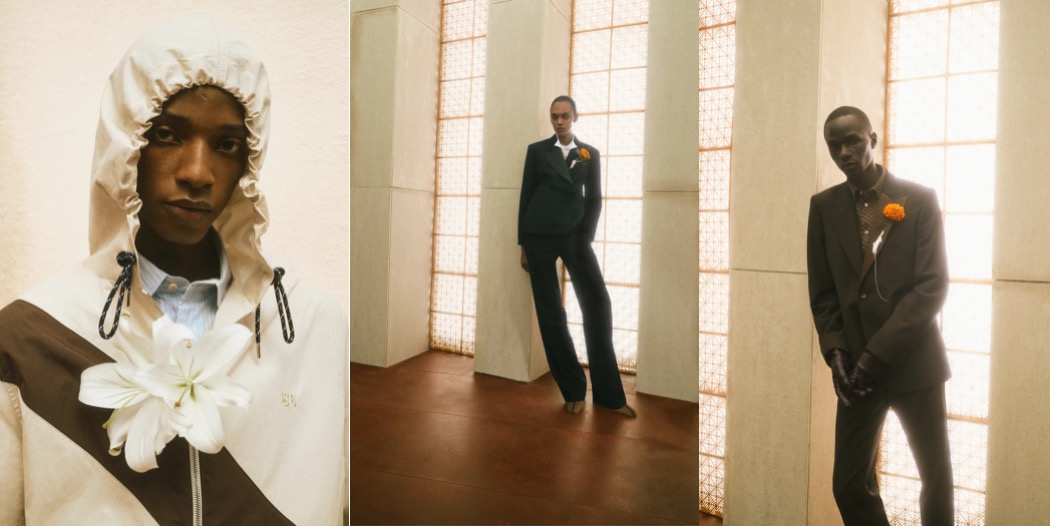
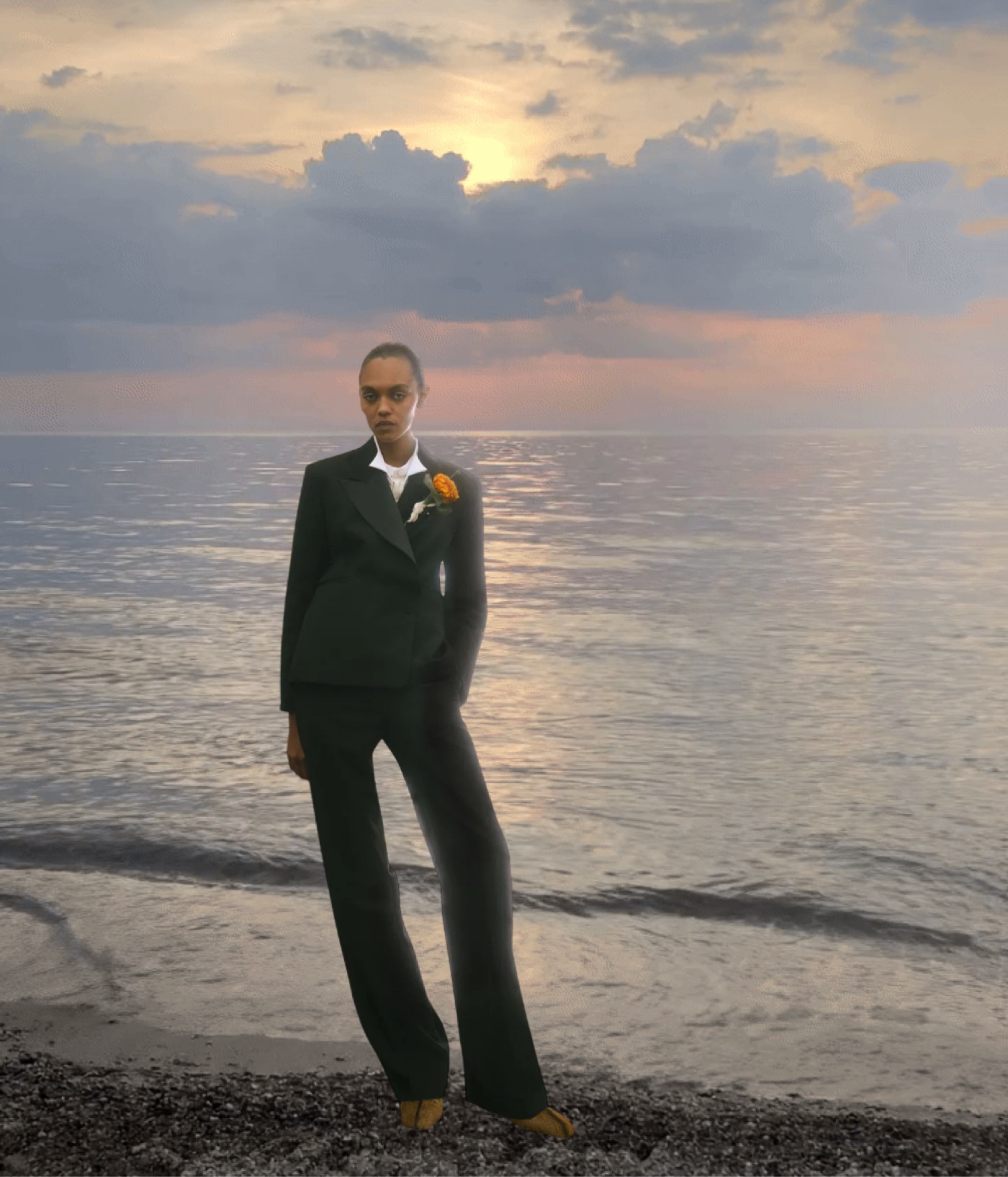
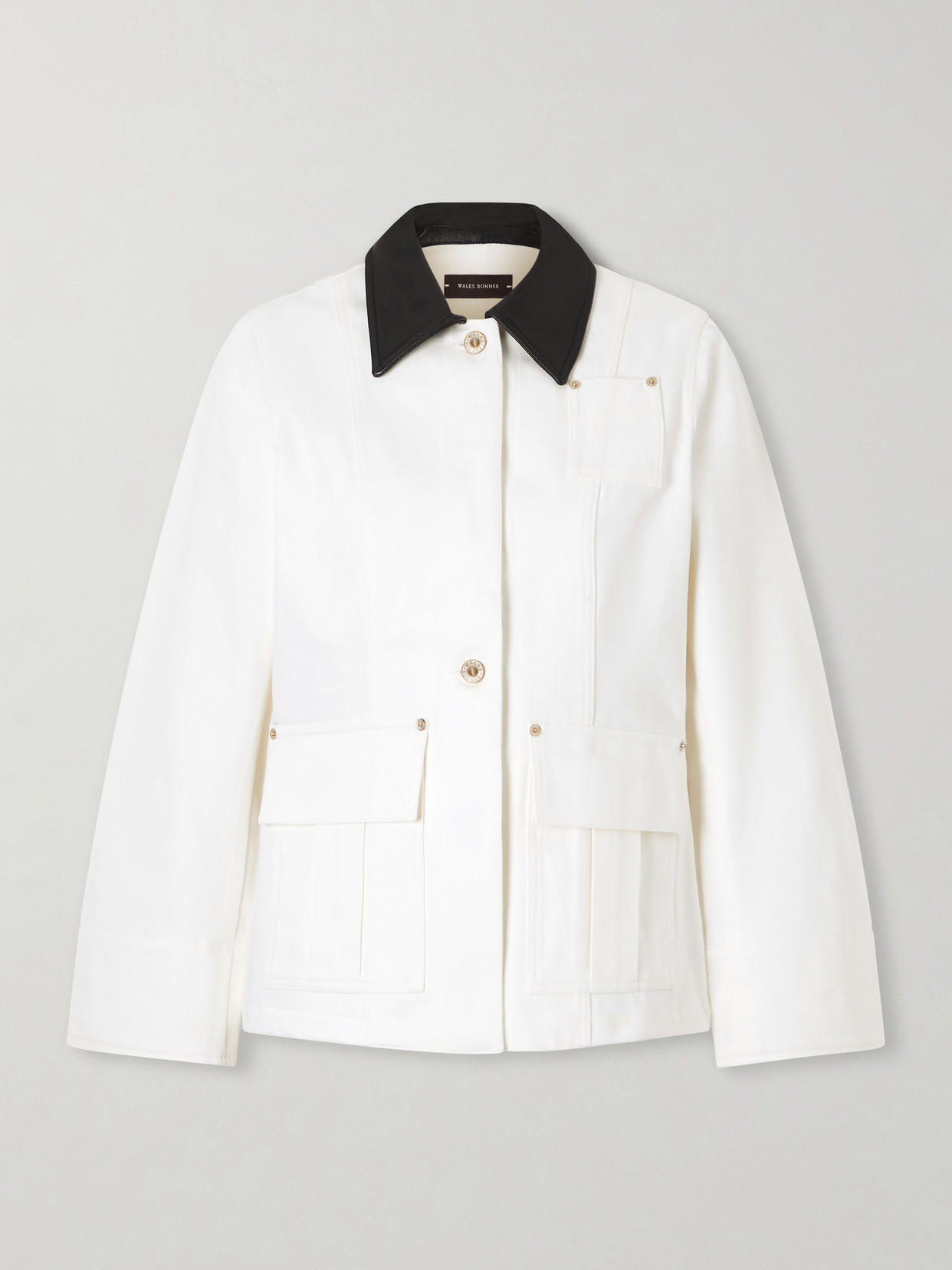
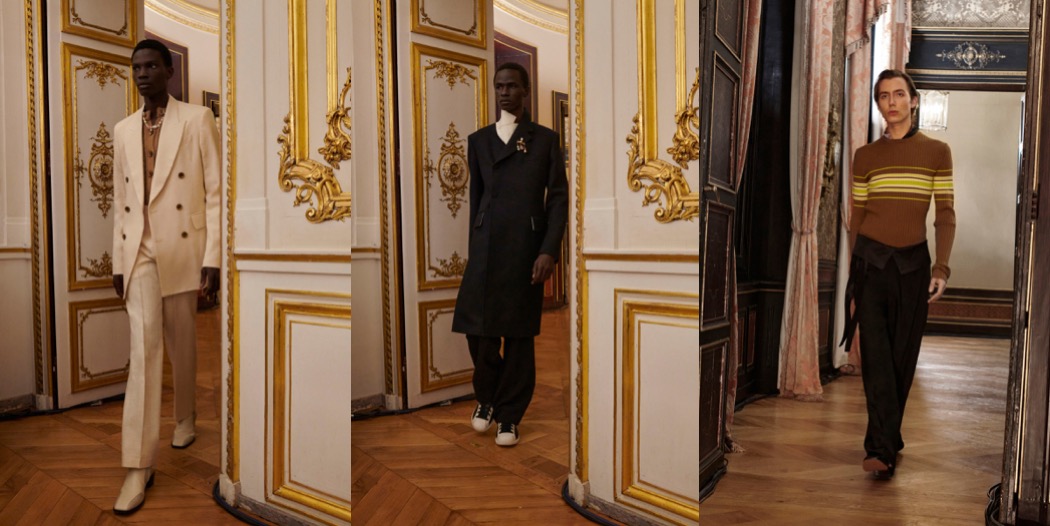
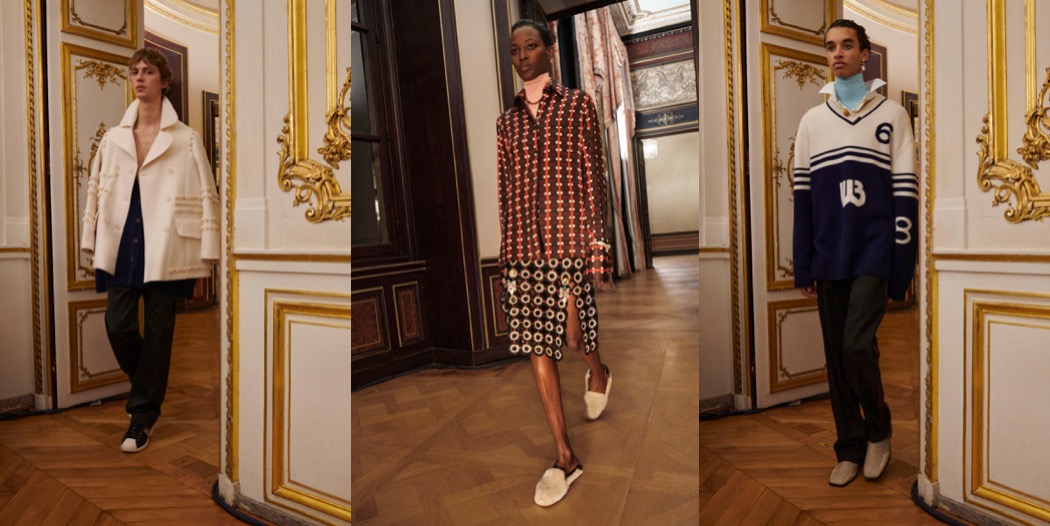
For autumn-winter 2023, Grace Wales Bonner delivered one of the best collections of the season. “Somehow, I feel like being away from home, in somewhere like Paris has this romance and grandeur about it.Wales Bonner‘s show took place in an historic suite of salons at the Hotel D’Evreux. This hallowed site is at the very corner of the Place Vendome, the heart of haute French luxury. It couldn’t have been a more intentional choice of backdrop for the aspirations of this most studied of young designers, who often repeats “bringing an Afro-Atlantic spirit to an idea of European luxury” as her mantra. Her abiding mission to elevate “Black male style; a very refined approach to masculinity” took on the Parisian sojourns of the American writer and intellectual giant James Baldwin, the fabulously wealthy young Maharaja and Maharani of Indore, and fanned out to admire the showgirl, style-maker and activist Josephine Baker. By immersing herself in their worlds, she said she found herself transported, not so much by the idea of literal references of costume as by the uplifting effect of the cultural atmosphere. “Thinking about what Paris as a place gave them license to do and express. This idea of freedom of self-expression, to define yourself.” Paris, she speculated, “may create space to have more license to be expressive.” The award-winning jazz trumpeter Herman Mehari stood in the middle of the apartment and played as a procession of sophisticated “Black flanuers” threaded its way through the rooms. First out was a strikingly precise black tailored coat with half its upturned collar in white. On its breast was pinned a brooch – one of several composites of baroque pearl and Ghanaian bead jewelry that studded the show with a sense of the ceremonial. Wales Bonner’s knack is for drawing her own clever intellectual line between past and present. Saturated as her pieces are with cultural symbolism, she always takes care that the way they’re put together is wearable and relatable. You could see that knack of hers as you scanned down an outfit – say, a precision cut tailored jacket, worn with cotton utility-type trousers and babouche slippers. Babouches walked the parquet in many variants; twinkling silver and sparkly and with Mary Jane straps on the toes for women. She also knows how to elevate the ordinary, or the generic, to give it her own stamp of cachet. Cowrie-shell decoration has been in her repertoire from the very first; now she deployed it as lines of embroidery on an oversized ecru peacoat, white on white. Half- French classic, half Wales Bonner classic. The leveling up, the equality of craftsmanship across cultures is also what Wales Bonner is about. Her casual wear has her intellectualism coded into it too. When you’re wearing a Wales Bonner collegiate jacket with the words Sorbonne 56 sewn onto it, you’re referring to the First Congress of Black Artists and Writers in Paris, to which James Baldwin was a delegate. When sporty, there are also genuine cultural connections. Wales Bonner’s designs for the new Adidas soccer kit for the Jamaican team was showcased.

Collage by Edward Kanarecki.
Don’t forget to follow Design & Culture by Ed on Instagram!

NET-A-PORTER Limited

Arrival. Wales Bonner SS23

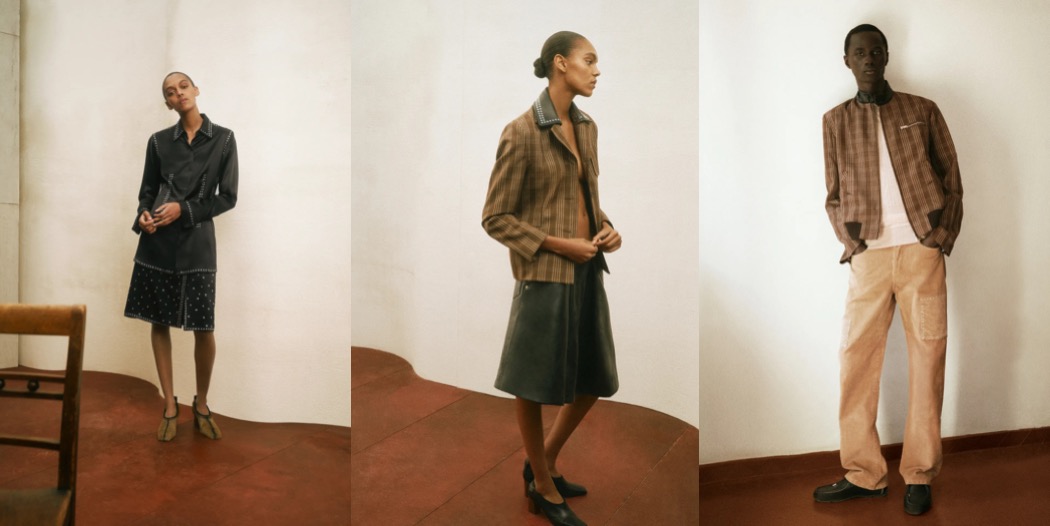
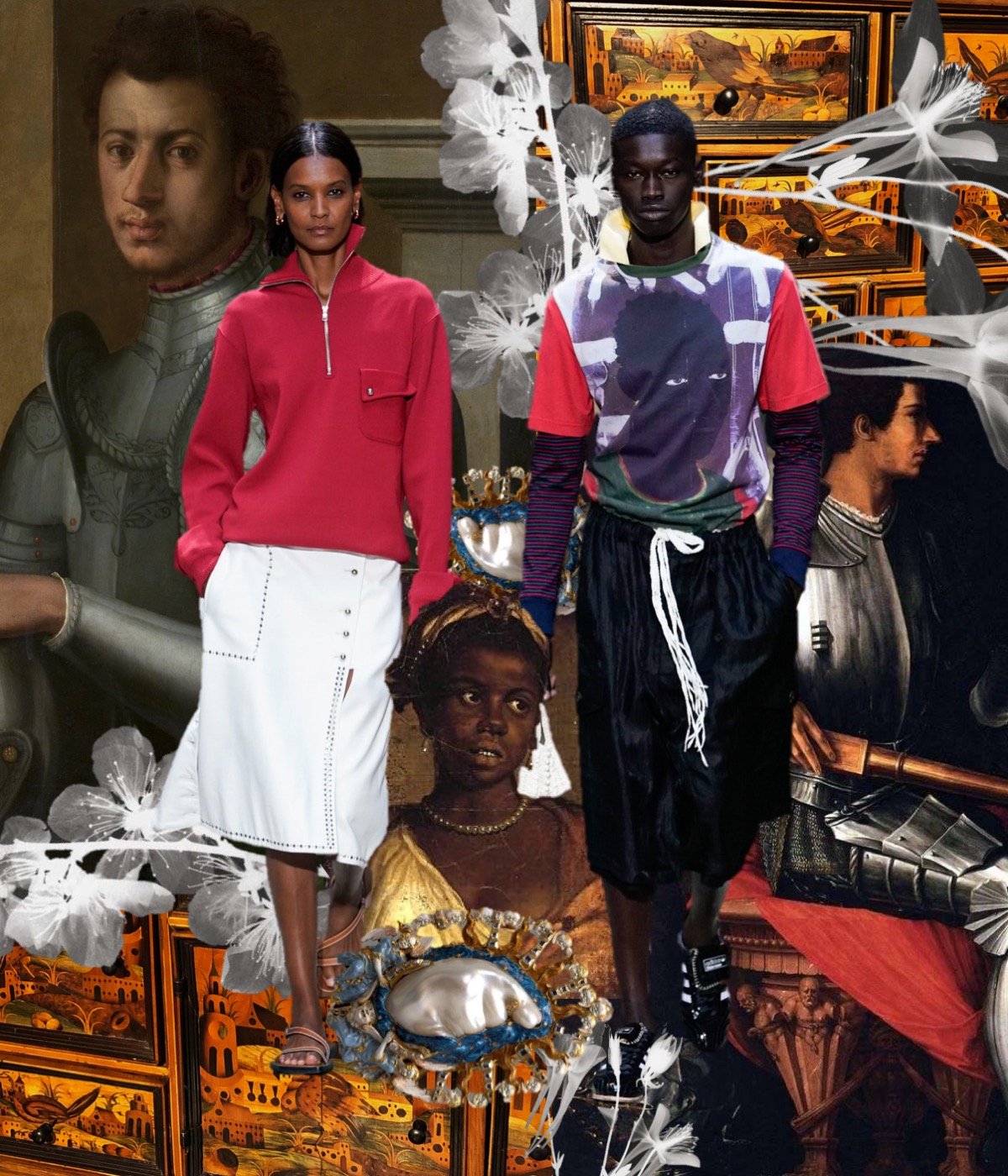
Towards the end of the press preview of this sumptuously progressive show, Grace Wales Bonner mentioned Sankofa. This bird-looking-backwards symbol of Ghana’s Akan people, she said: “means’ ‘going back to go forward.’ It is not about being nostalgic or historical. It’s about taking something from the past in order to pass it forward and make it useful for the future. And that’s the spirit of this collection.” Wales Bonner was speaking in the central courtyard of Florence’s Palazzo Medici Riccardi, a space where one Pitti Uomo executive mentioned in passing that there had never before been a live fashion show. It was as if the Palazzo had been waiting 485 years – the time since it was once home to the first Black head of state in modern Europe – to become the outbound runway for this evening’s Sankofa flightpath. Its starting cipher was Alessandro de Medici, who until his assassination in 1537 at the hand of a cousin ruled here as the first hereditary monarch of the Florentine Republic. His mother was named Simonetta da Collevecchio – aka “Soenara” – and was Black. She, history a little shakily relates, was a house servant who became mother to Alessandro after an encounter with either Duke Lorenzo (the official father) or Pope Clement VII. “I wanted to acknowledge that presence but also think about the idea of arrival,” said Wales Bonner. The building also held an additional layer of resonance relevant to her practice of excavating multifaceted manifestations of cultural intersection through garments. The palazzo was commissioned by Alessandro’s ancestor Cosimo in 1444, around the same time that he hosted the 17th ecumenical council, a global gathering of Christendom which according to historian Paul Strathern included: “Armenians and Ethiopians… other entourages included Moorish, Berber, and black African attendants.”

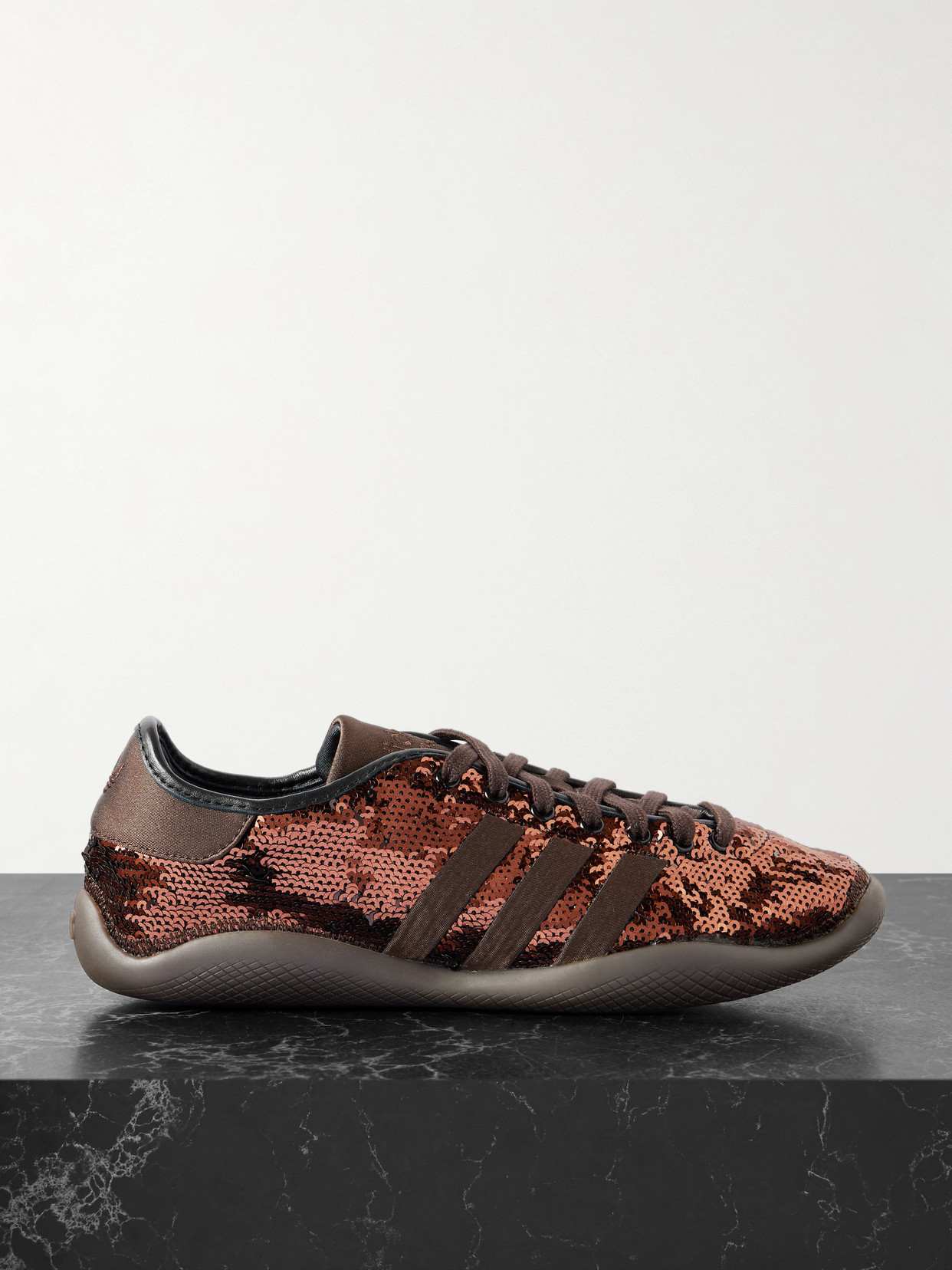
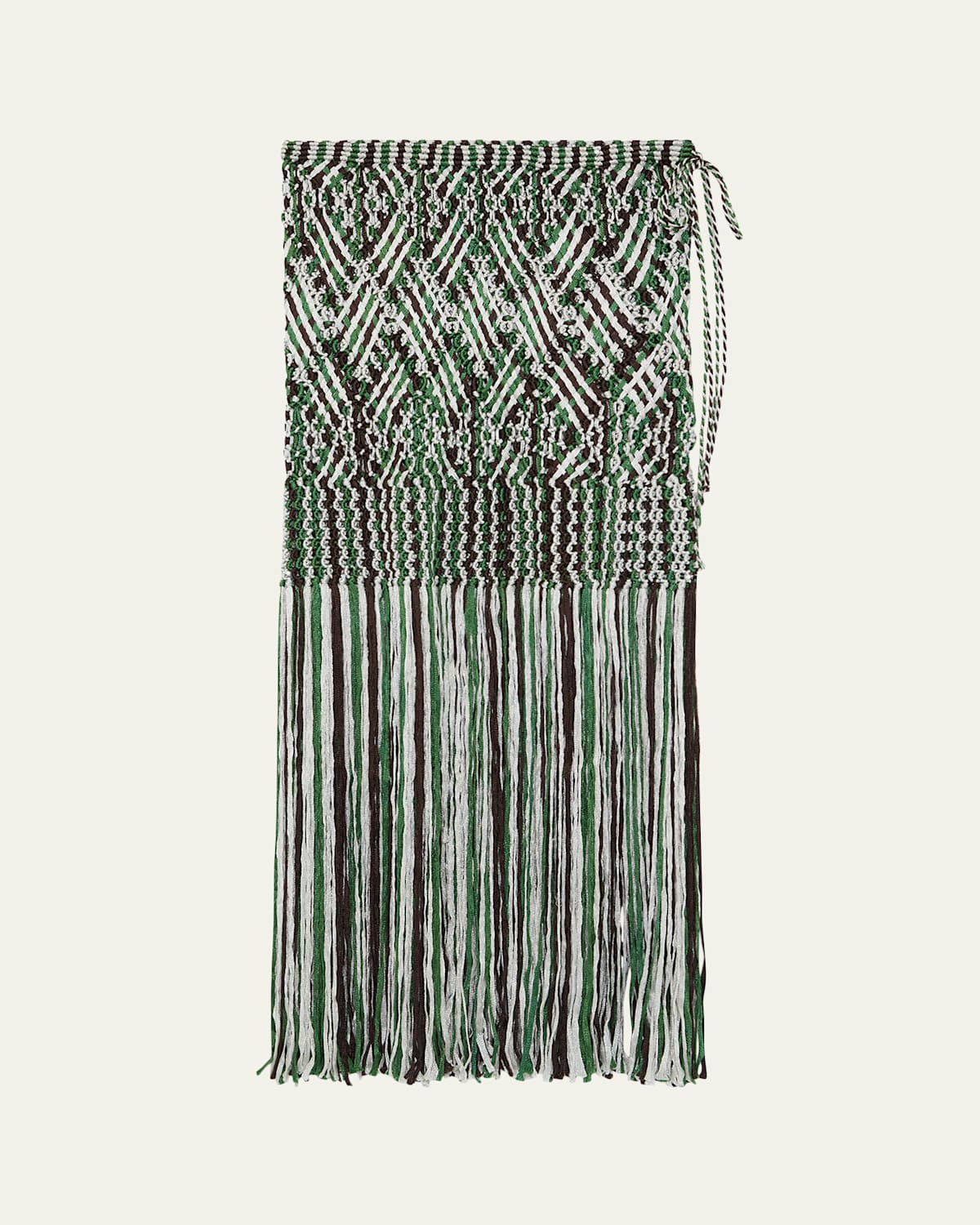
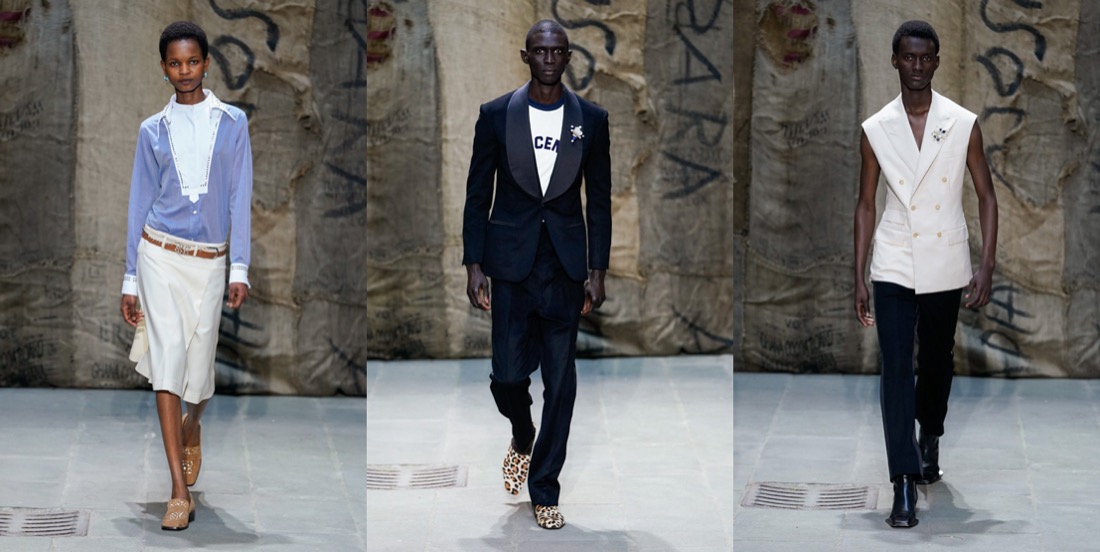
All of this context served as evidence that the building around us has played a role in the history of Black agency and participation in Renaissance Italy. It was leveled by the intervention in the Palladian architecture by the artist Ibrahim Mahama, who clad the space in a huge patchwork of hand stitched jute sacks originally used to export cocoa from his home country of Ghana – where Wales Bonner met him several months ago – into the global markets. “It was important to have an equal representation within the space,” said Wales Bonner. The opening look featured the reproduction of an artwork by Kerry James Marshall. This was another pointer towards Wales Bonner’s intention to rehang the display of menswear in Florence just as one would rehang a gallery – in order to shift the visitors’ experience. Just as effective was the slow coalescence of menswear forms – some sourced from the previously mentioned binary of contemporary European tropes of formality and informality, and others from a broader array of traditions whose boundaries were broken down by adjacency. Paris’s Charvet provided handsome robes and day-pajamas in jacquards whose patterns were drawn from Wales Bonner’s research into West African tradition. The macramé womenswear dresses were set with hand-made glass beads by Ghanaian artisans, and the heat-dryed hand-dyed jersey had been fashioned in Burkina Faso (Wales Bonner was building new trade routes between Africa and Italy, and Savile Row too). In menswear there was genre-busting back and forth between futuristic sportswear (which included a hand-made adidas shoe whose trefoil looked lacily artisanal) and Wales Bonner-directed, Anderson & Sheppard-cut tailoring in cashmere and camel hair that was de-conventionalized through emphasised shoulders and small sly acts of sartorial ‘wrongness’ that looked incontrovertibly right. So back to Sankofa. What was the backward-looking-bird returning to, in order to pass forward for the future? Said Wales Bonner: “It’s about bringing an Afro-Atlantic spirit to European luxury by honoring these traditions wherever they are. And making something hybrid or integrated through working with different people.

Collage by Edward Kanarecki.

NET-A-PORTER Limited

Men’s – Outsider Intellectual. Wales Bonner AW21

Grace Wales Bonner is one of the most convincing (and educational!) story-tellers in today’s fashion industry. Her latest collection showcased the final chapter in a trilogy, begun last January, which explores the cultural and sartorial threads that interlink Britain and the Caribbean. “This subject is the starting point for why I’m interested in creating,” said the designer, who is British born but of Jamaican heritage. “During this time I feel like I’ve really been grounding myself in this framework, and refining myself within it. These collections are about consolidating and reinforcing what is timeless to me; representing the breadth of what Wales Bonner is, and can be.” Thus far in the series the designer has looked to the second-generation Jamaicans who established London’s 1970s Lovers Rock scene to inform her designs, and then the dress of Jamaica’s dancehall and reggae stars. Here she started by exploring the wardrobes of Britain’s Black scholars in the 1980s: those who traveled from across the world to study at the likes of Oxford and Cambridge. There was a reimagining of their academic attire – of tweed blazers and knitted scarves, well-worn chinos and striped jumpers – but within that historicism, “I was thinking about how in certain spaces people create a language for themselves,” reflected the designer. “About how you might disrupt an institution from inside.” It’s a subject that has long fascinated Wales Bonner, whose brand was established with the intention of disrupting the luxury perspective, redirecting it from its often singular focus on Eurocentricity. So poets like the Barbadian Kamau Brathwaite and the Saint Lucian Derek Walcott appeared as more than just aesthetic character studies; rather, they were catalysts for considering a post-colonial movement that explored “what it is to be in another place, or from another place.” The resonant words of Braithwaite, who left Bridgetown to study at the University of Cambridge, were spoken over the immersive film directed by Jeano Edwards which accompanied the collection: “You had not come to England / You were home.” In terms of clothing, Wales Bonner imagined what she termed the wardrobe of the “outsider intellectual,” considering the structure of British traditions and wondering “within that framework, how do you create something new?” She found her answer by imbuing her distinct take on sartorial eclecticism with a gently liberated, multicultural sensibility. The designer worked with Savile Row tailors at Anderson & Sheppard on tuxedo suiting inflected with Afro-Atlantic flair and elsewhere she softened Oxford shirting, printing cotton cashmere with Jamaican “flowers of resistance” from the photograms of artist Joy Gregory. Boating striped overshirts simultaneously channeled Oxbridge classicism and West African dashikis; brushed denim was cut into crisp suits. A sense of ease was injected into even the most traditional tailoring. Woodblock prints and Indian embroidery drew on the diasporic nature of her research, and a deliberate diversity was instilled throughout. “What I was trying to connect with is a sense of expansiveness and possibility,” said Wales Bonner. “For example, in Derek Walcott’s The Gulf, he has a poem about different Indian gods. You think you’re looking at Caribbean thought, but then there are all these other influences. Once you start researching anything, you realize that nothing is simple. Nothing is one thing. So I didn’t want to make anything too neat.” That expansive notion was echoed, too, in the latest iteration of Wales Bonner’s Adidas collaboration – a partnership that has recently taken fashion by storm. “I was trying to imagine a fictional university that is a lot more multicultural,” she said of its new evolution. “Maybe what their team kits for a track program might look like.” Referring to “the origins of sportswear – when it was made in a beautiful, crafty way which feels almost tailored,” Wales Bonner leaned into Adidas’ technical resources to revive specific fabrications like ’60s jerseys and lived-in wools “to make things feel authentic,” she said. A T-shirt printed with the emblem for “Wales Bonner Adidas Originals Literary Academy” offered a tongue-in-cheek nod to the extensive footnotes which typically accompany each of the designer’s collections. But what has been proven by the sell-out success of her tracksuits and trainers is that, even without related reading, there is something uniquely compelling about Wales Bonner’s designs: the heavy-duty weight of her research injects something intangibly compelling into her clothes.
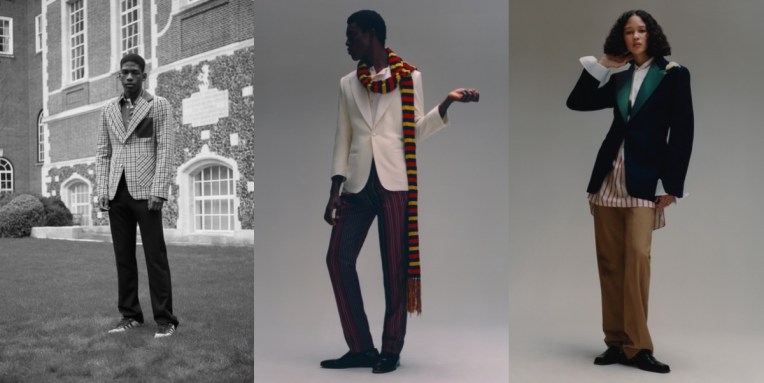
Collage by Edward Kanarecki.

Worlds Between Worlds. Wales Bonner SS21

With digital shows and presentations, it’s quite difficult to geo-locate, and while Wales Bonner is a London-based label, it’s presenting spring-summer 2021 as part of Paris Fashion Week. What Grace Wales Bonner has been proposing throughout her career is a concept that has now, finally, come toward the forefront of fashion: exploring Black culture and aesthetics with the same nuance and consideration that has long been afforded Eurocentrism. This season, alongside a look-book photographed by Sean and Seng, the designer remotely worked on a film with director Jeano Edwards to present an immersive, intimate snapshot of Jamaica, and has created a digitally available zine to further expand on her research process. There is a piece in it written by Mahfuz Sultan, where he describes the importance of “Grace’s poetic interstices, the worlds between worlds, where Africa, India, and the islands touch as if on a dance floor…at least for those of us who, like Malik Ambar or Aimé Césaire, have spent our lives on the postcolonial circuit, flickering in and out of other stories as shades, exiles, ephemera.” It is that illumination that has forged a pathway for London’s array of emergent non-white designers: a flourishing generation following in her footsteps and narrating their own histories and identities. “There’s always been a continuity to the way I’ve worked, because I’ve expressed who I am and my position quite clearly since I started,” Wales Bonner says. Now, she continues: “When people expect me to have some point of view on what’s been happening…well, I feel I’ve tried to show that over the past five years. There are certain things we’ve always known. It’s more that now, other people are catching up.” This season that sense of continuity, and of Wales Bonner applying her microscope to regularly marginalized narratives, was more explicitly visible than ever. Instead of taking a new era as her starting point, she zoomed in further on her deeply personal autumn 2020 offering: an exploration of Lovers Rock and the second-generation Jamaican community of 1970s London. While last season was situated in Lewisham, and within the wardrobes of her father and his friends in late-1970s London, this time she located her perspective in early-’80s Jamaica. “It’s been a really wonderful exercise to be able to go into more depth and reflect on research over a more extended period,” she notes. Having visited Kingston just before the pandemic hit, Wales Bonner had already begun her research. An exhibition on dancehall culture at the National Gallery of Jamaica, alongside a meeting with curator Maxine Walters, had directed her toward figures like reggae icon Augustus Pablo who’d wear “incredible shirts with amazing, elongated cuts, which felt very British.” During a trip to Bob Marley’s house, now a museum dedicated to his life, she was struck by a pair of World War II military trousers he’d cut into football shorts: “a connection to Britain transformed, and then integrated into his lifestyle.” “While the first collection was about viewing the Caribbean community from a British-centric perspective, this one is thinking about a similar community in a completely different place,” she explains. “I was interested in British clothes that ended up in the Caribbean and were transformed by how people put them together and their context.” While she notes that the diaspora wore their heritage “exaggerated, extreme, and brighter, showing their connection to Jamaica in a louder way” on the island, particularly among its dancehall musicians, she discovered that there was a more pronounced emphasis placed on the aesthetics of Britishness. “There was a classicism that was celebrated and romanticized,” she continues. “There was a certain sense of sophistication of having something European.” So the shirt-making traditions of Jermyn Street, or the Savile Row tailoring that has long been one of her fixations, found new resonance in a striped nightshirt she describes as “the Stockwell dashiki,” or a “Kingston caftan” in tailoring wool. Flashes of jockey silks, or near-luminous knit cardigans, injected a proud flamboyance; a woven jacquard jacket, developed from West African wax textiles, translated bold 1970s geometrics into the Wales Bonner world. Her womenswear, which has often taken a preppier tone than her men’s, relaxed into ribbed knitwear with handcrafted crochet stripes, or a fringed, flowing dress, but a checked box-pleated skirt suit retained her particular take on feminine formality. “The collection is called Essence, and in a way, I was taking this time to reflect on what is essential within Wales Bonner,” she says. “How do I reflect the brand DNA in everything that I do?” That sentiment was echoed in Wales Bonner’s partnership with Adidas Originals, which has only been integrated in glimpses before, but took center stage this season, yet, rather than appearing like a commercial collaboration, seemed rooted in synchronicity. The brand’s research team, she explained, were able to source a wealth of archival imagery for her, documenting how dancehall musicians had once worn their wares and so the narrow cuts of track pants, or the crops of tailored jackets, have a particular historicism to them. “It’s about reworking pieces from the archive but with a more elegant, or craft sensibility,” she notes of the crochet three stripes, the hand-finished football boots, or the satin finish of fabrications. “What I do is quite subtle, but it’s about attention to detail.” Such a statement could operate as an explainer for Wales Bonner’s practice—and, as it ever has, in 2020 her approach shines.

Collage by Edward Kanarecki.