


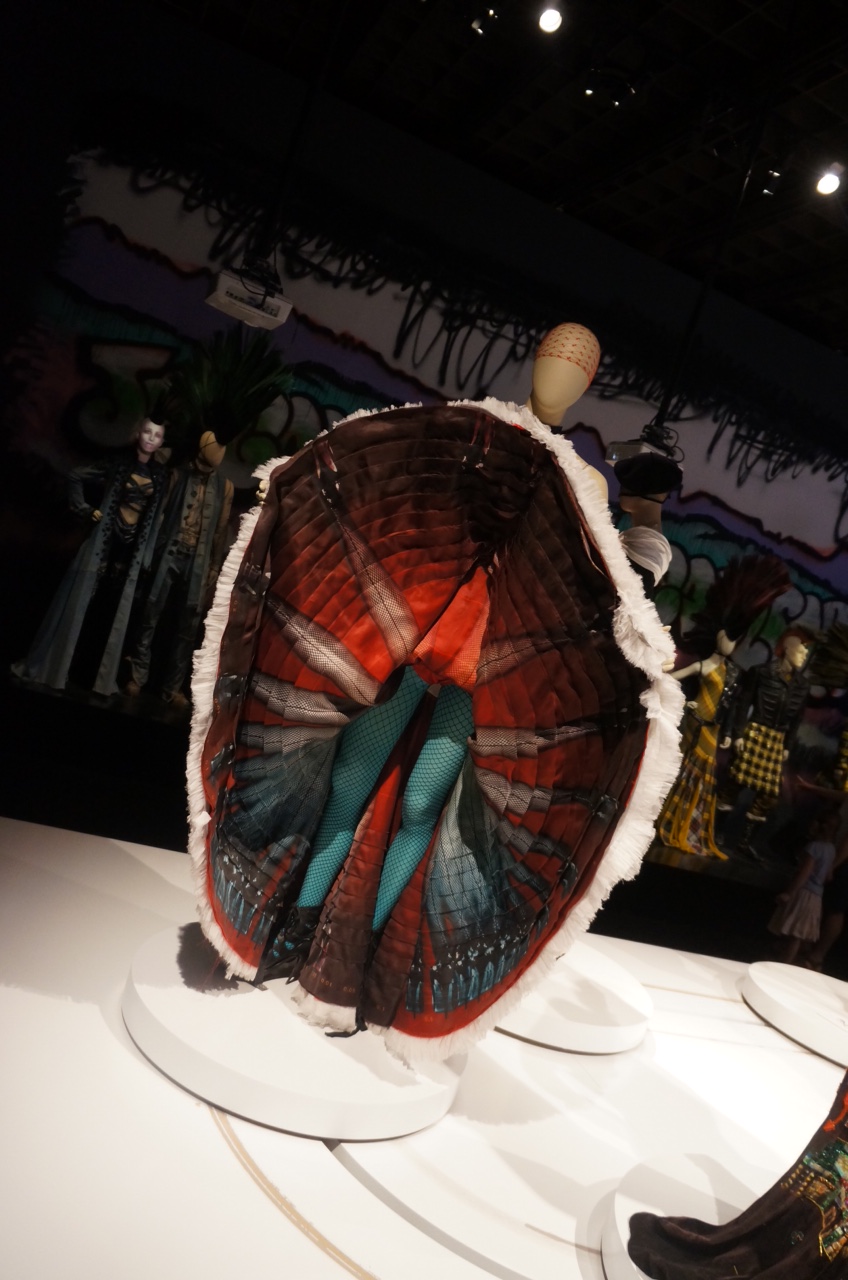
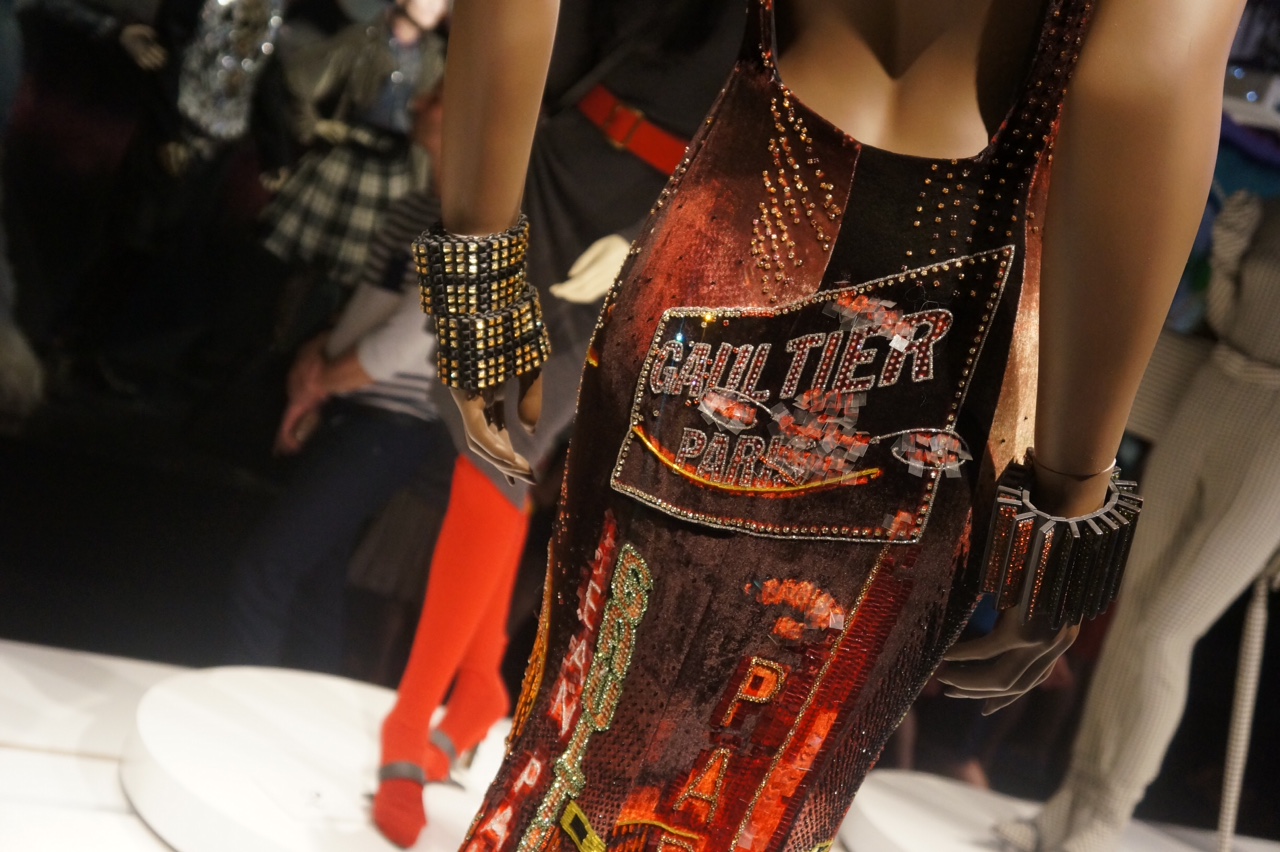
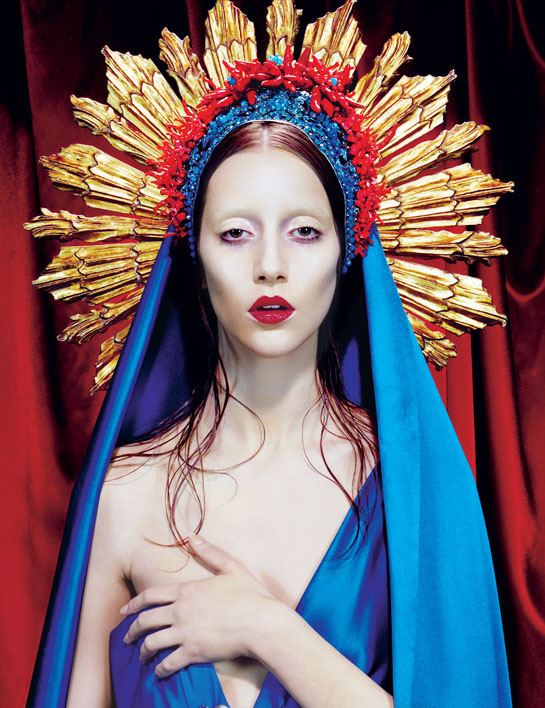
Nicknamed “the enfant terrible of fashion” by the press since his first shows in the 70’s, Jean Paul Gaultier is undoubtedly one of the most important and avant-garde fashion designers of recent decades. Made between 1971 and 2015, the examples of his bold creativity have for the most part never been on public display like now at Grand Palais in Paris. His couture and ready-to-wear which always seemed to be different, very early caught on concerns and challenges of a multicultural society, playfully imposing aesthetic codes. More than any other couturier, this exhibition expresses his humanity. The whole event is divided into few “periods” of his career in fashion. The Odyssey refers to what might be named the “founding myths” of Paul’s universe – mariner chic and his signature stripes, mermaids and long sea voyages. Then, Gaultier had his vision of punk, but in a cancan version. Fascinated by the Paris of Belle Epoque, Toulouse Lautrec, the Moulin Rouge and Brassai, the couturier used to mix frivolous and flirty silhouettes with rebellious fashion outings and contoversy-causing way of dressing. From the beginning, the enfant terrible was attracted to unconventional beauties. Muses. Madonna, Kylie Minouge, Beth Ditto, Rossy De Palma and many more women and men who were full of “spark” gave Jean Paul Gaultier inspiration. Even the clothes he designed for Luc Besson’s film, Fifth Element, were designed by him because he felt close to the directors strong vision and imagination. I
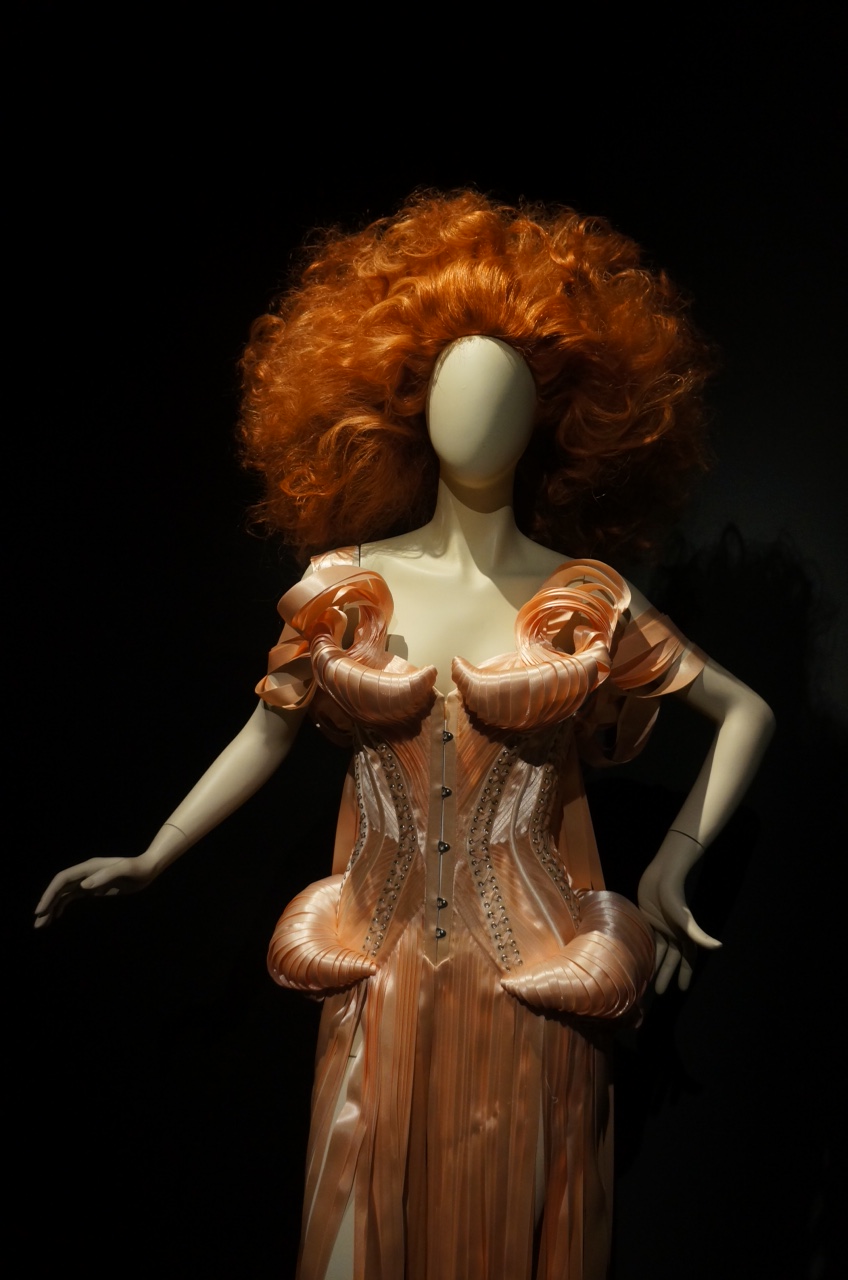
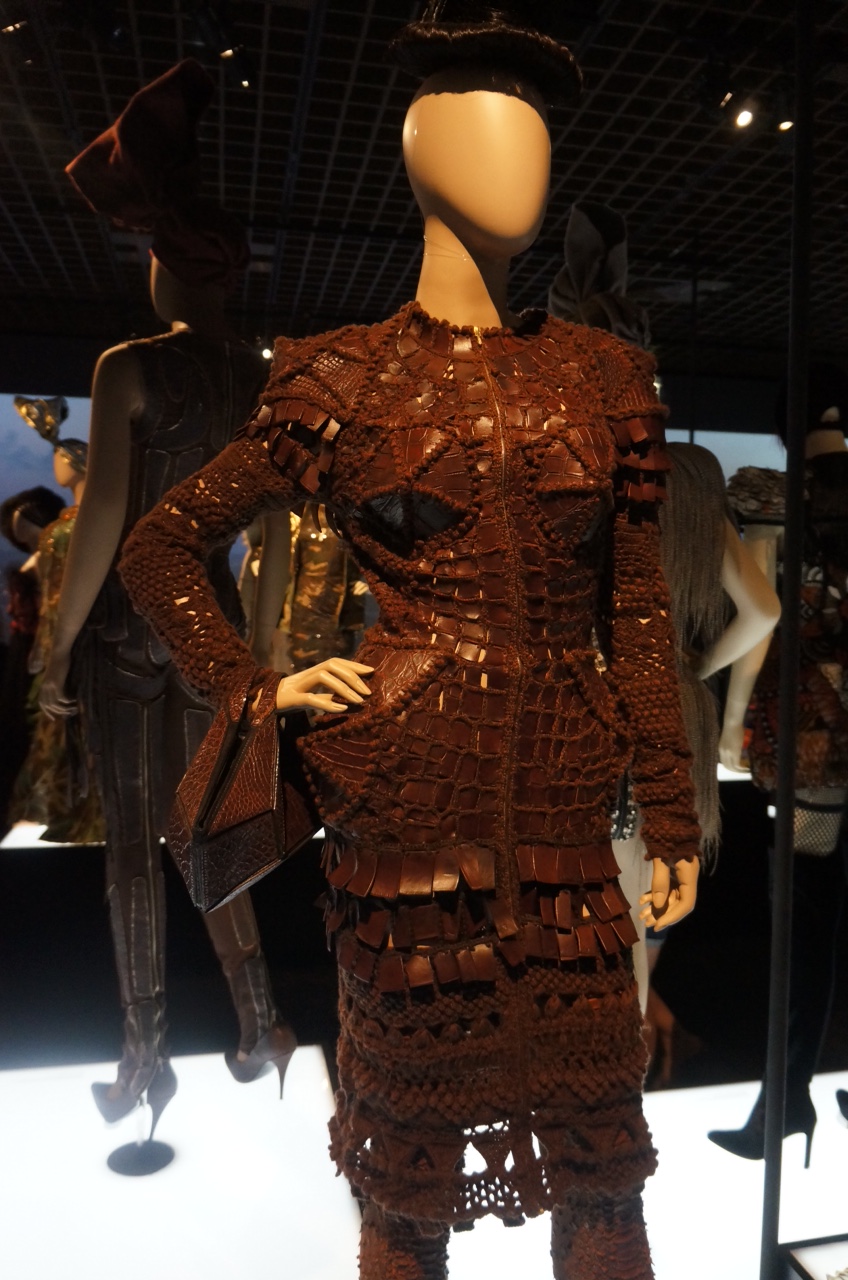
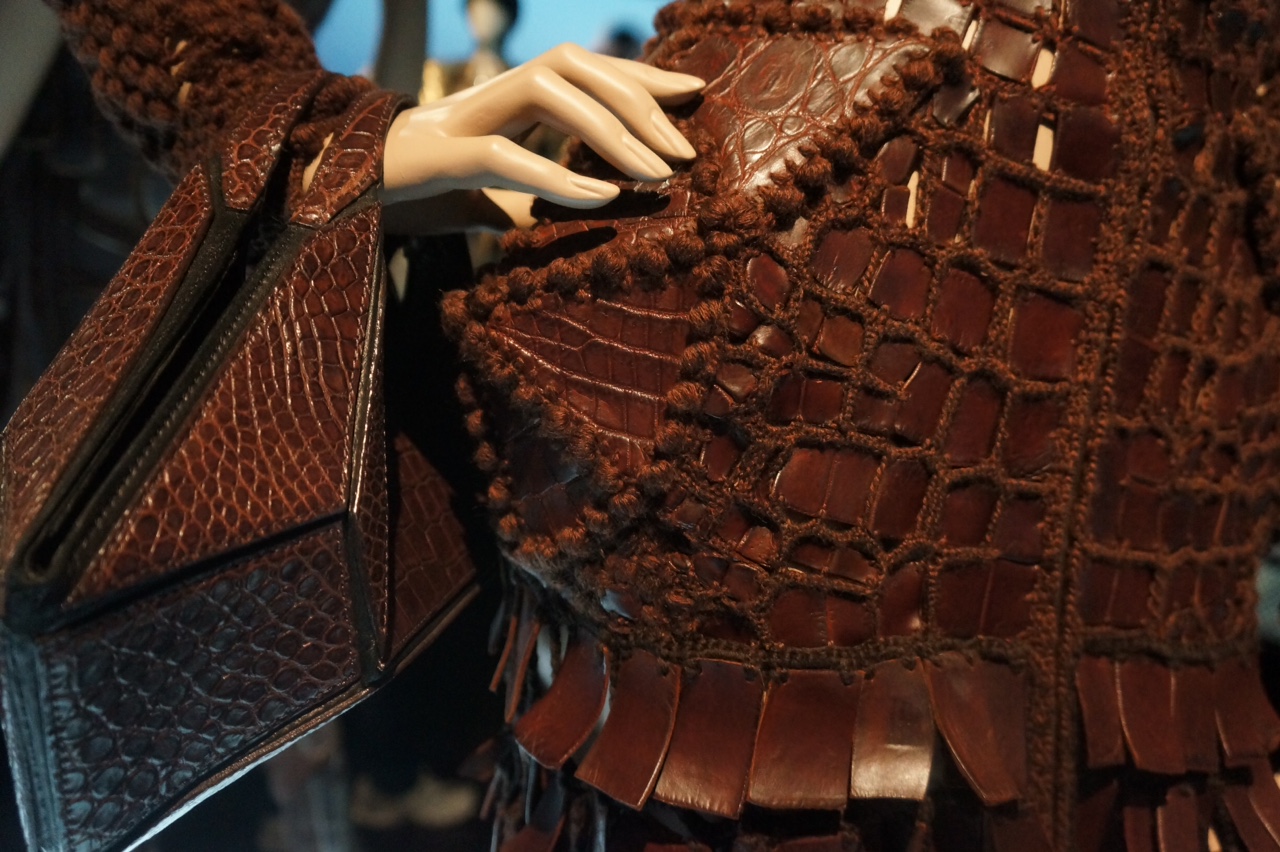
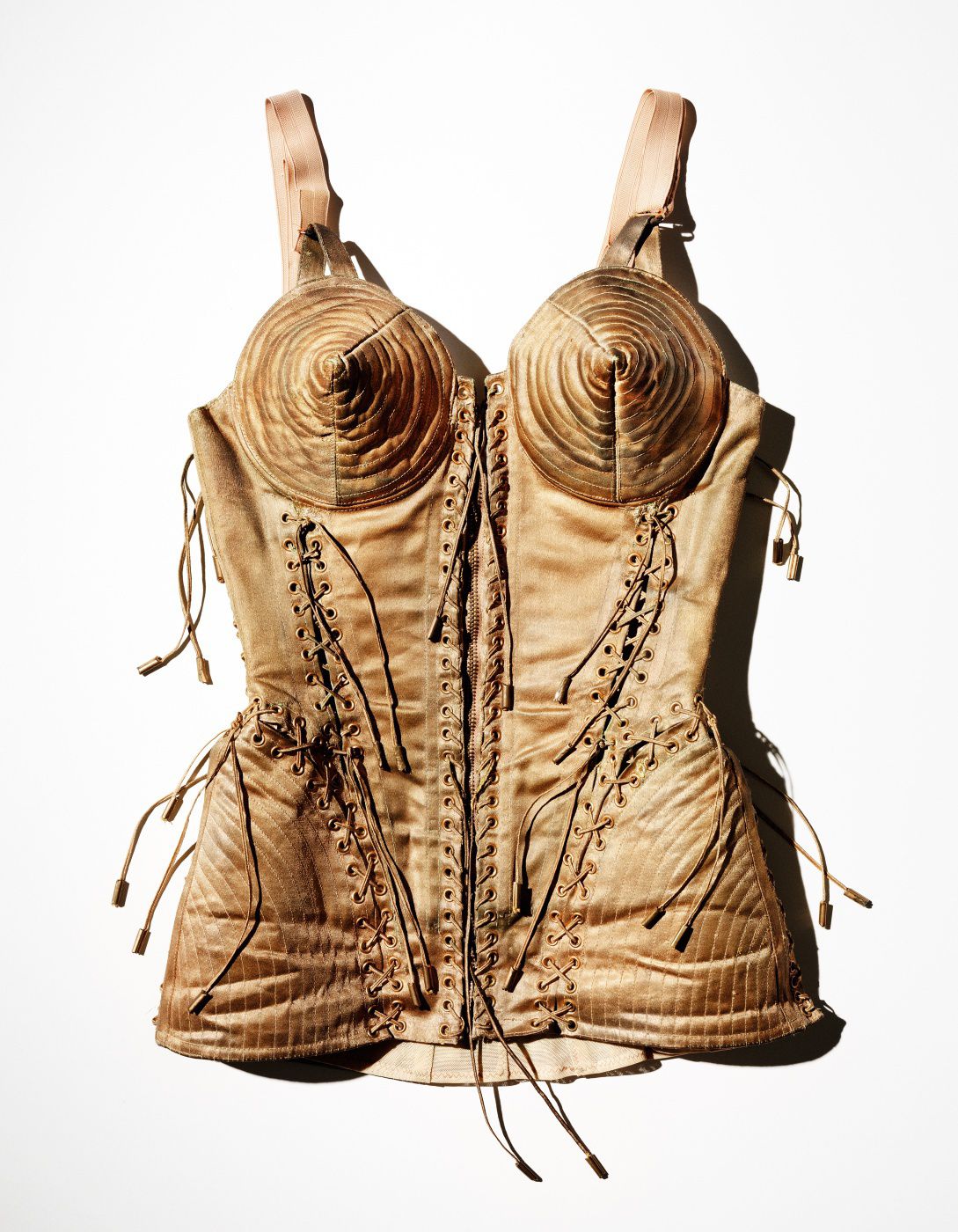
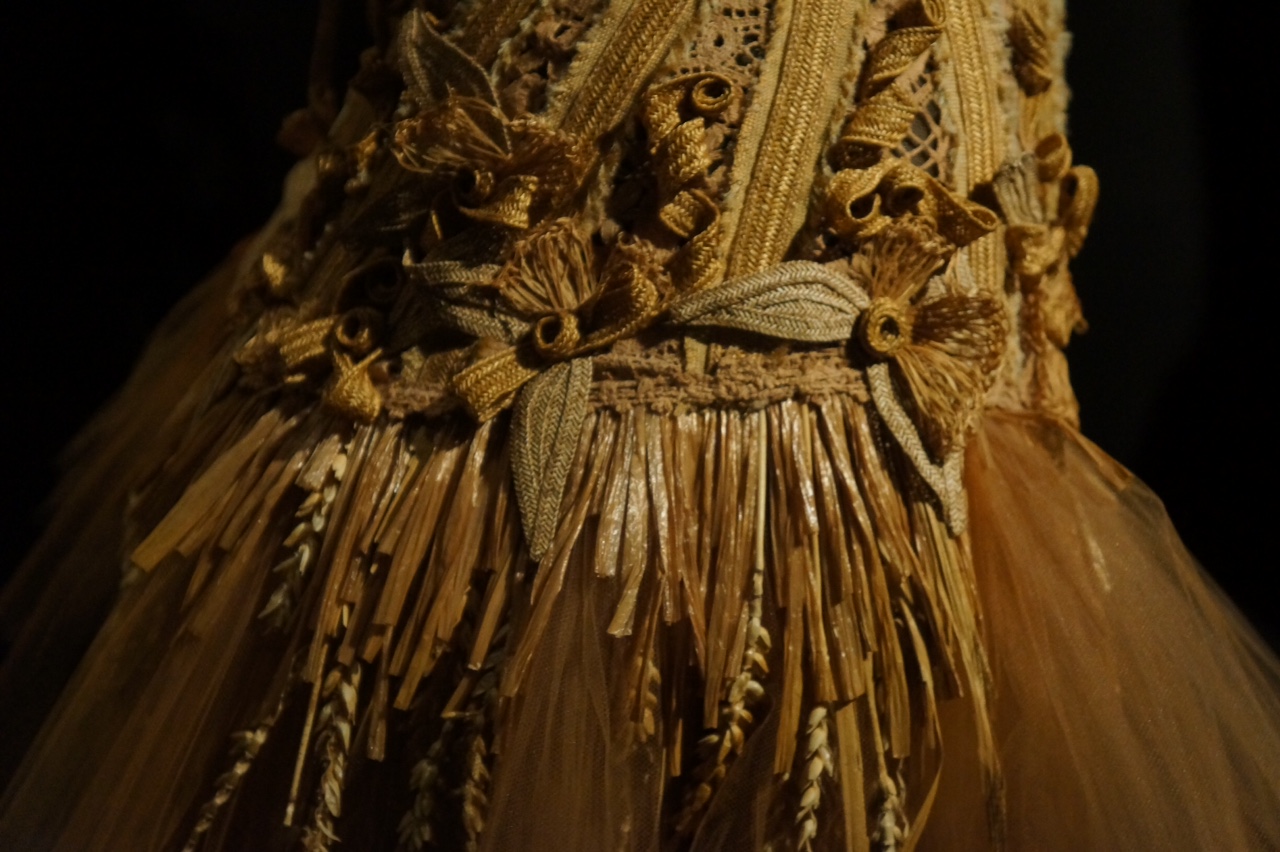
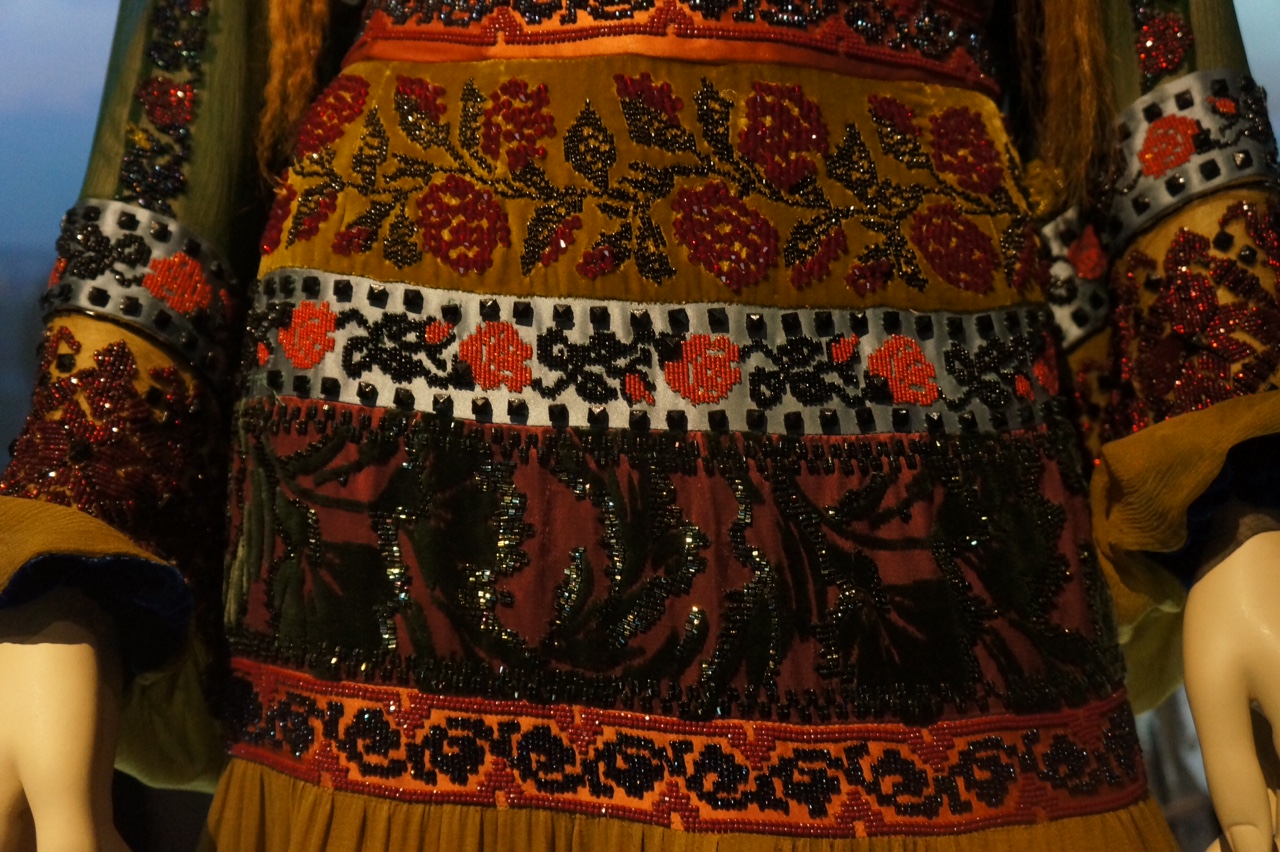
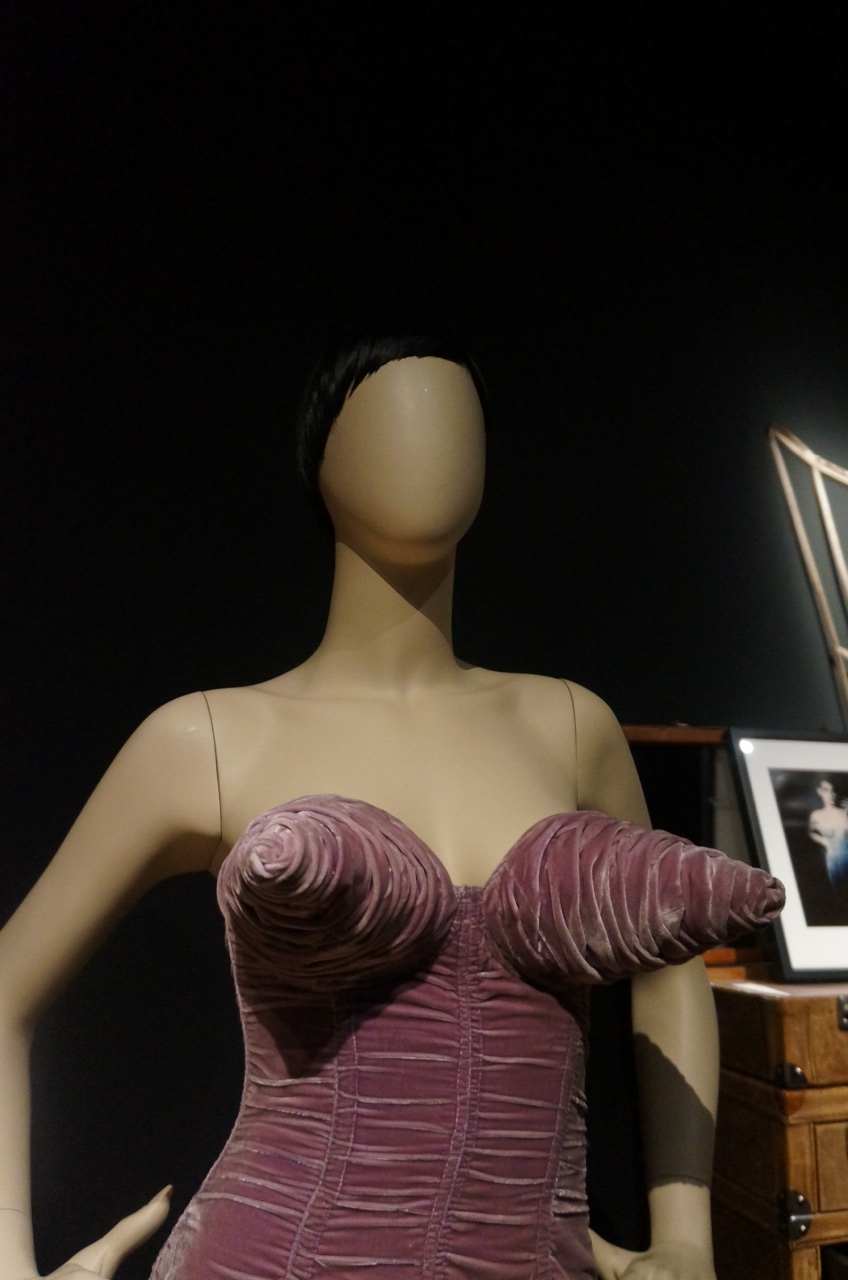
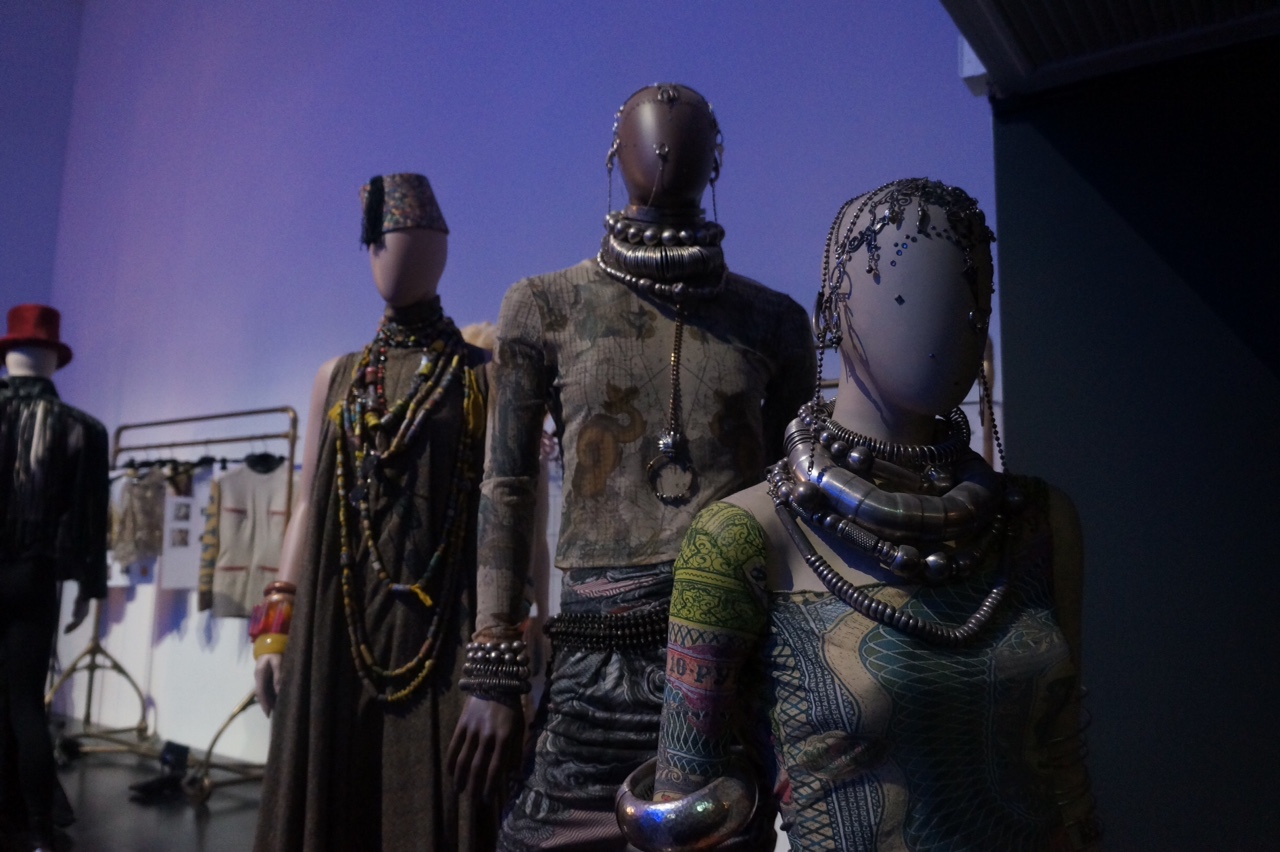
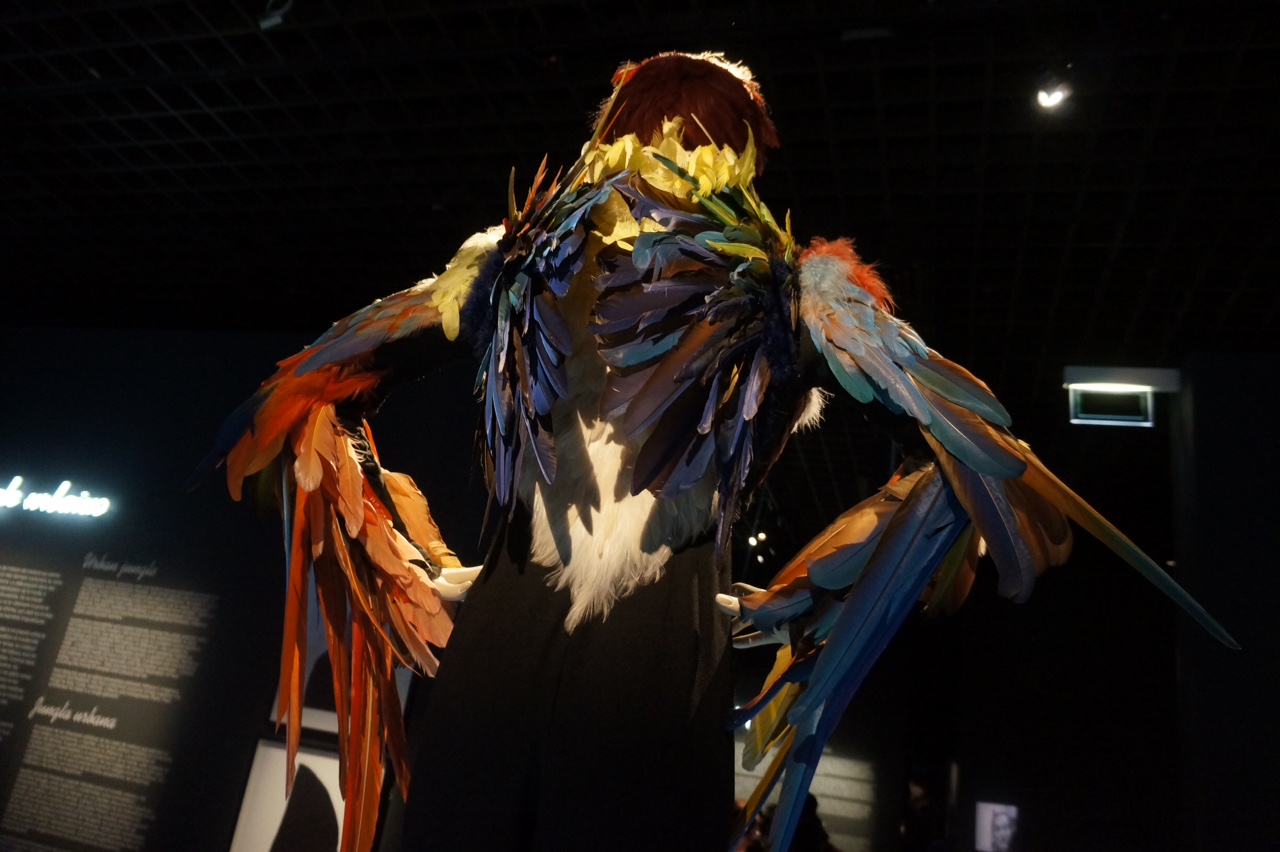
n his collections, Gaultier questioned the concepts of gender, nudity and eroticism. While basing his ideas on those, Jean started to use textiles that weren’t used in couture before – latex, leather, fish net, harness and other fabrics that are associated with the word sexy. He offered hypersexualised clothing (like corset dresses) and evoked a new type of romance and fetishism in the world of fashion. In the last section of the exhibition, you can see the Urban Jungle – a fierce dose of colour and references to various ethnic groups. bullfighter bolero jackets, the shtreimel and long coats made of rabbits, gilets from Mongolia, geisha kimonos, flamenco skirts and African masks as the new bride alternative. And all of that modified with his long-time signatures – corset silhouettes and intense emphasis on details. Seeing all of these stages of Gaultier’s career seemed like a dream-come-true. And having a chance to observe and have a look at all those clothes, scenarios and extravagance felt quite insane, but great.
















 Design & Culture by Ed