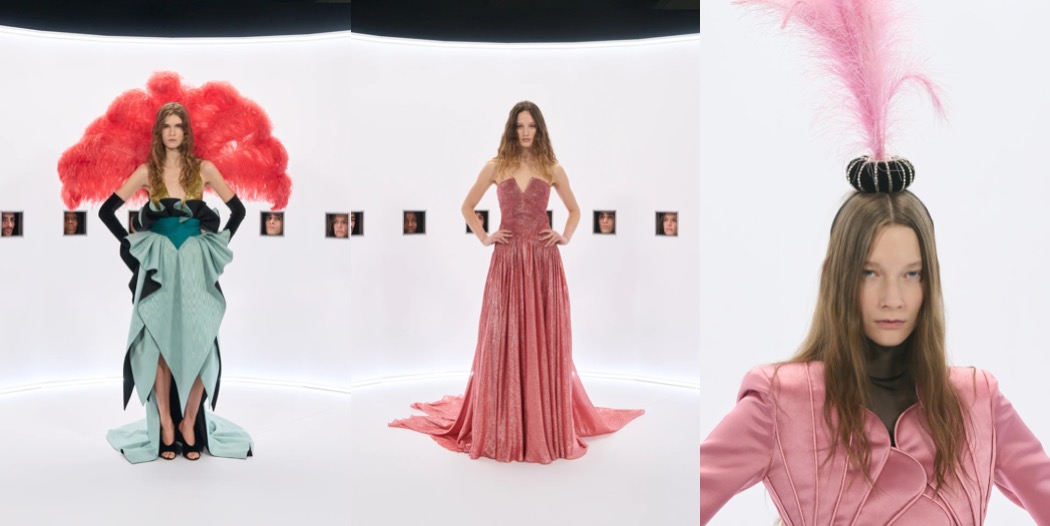
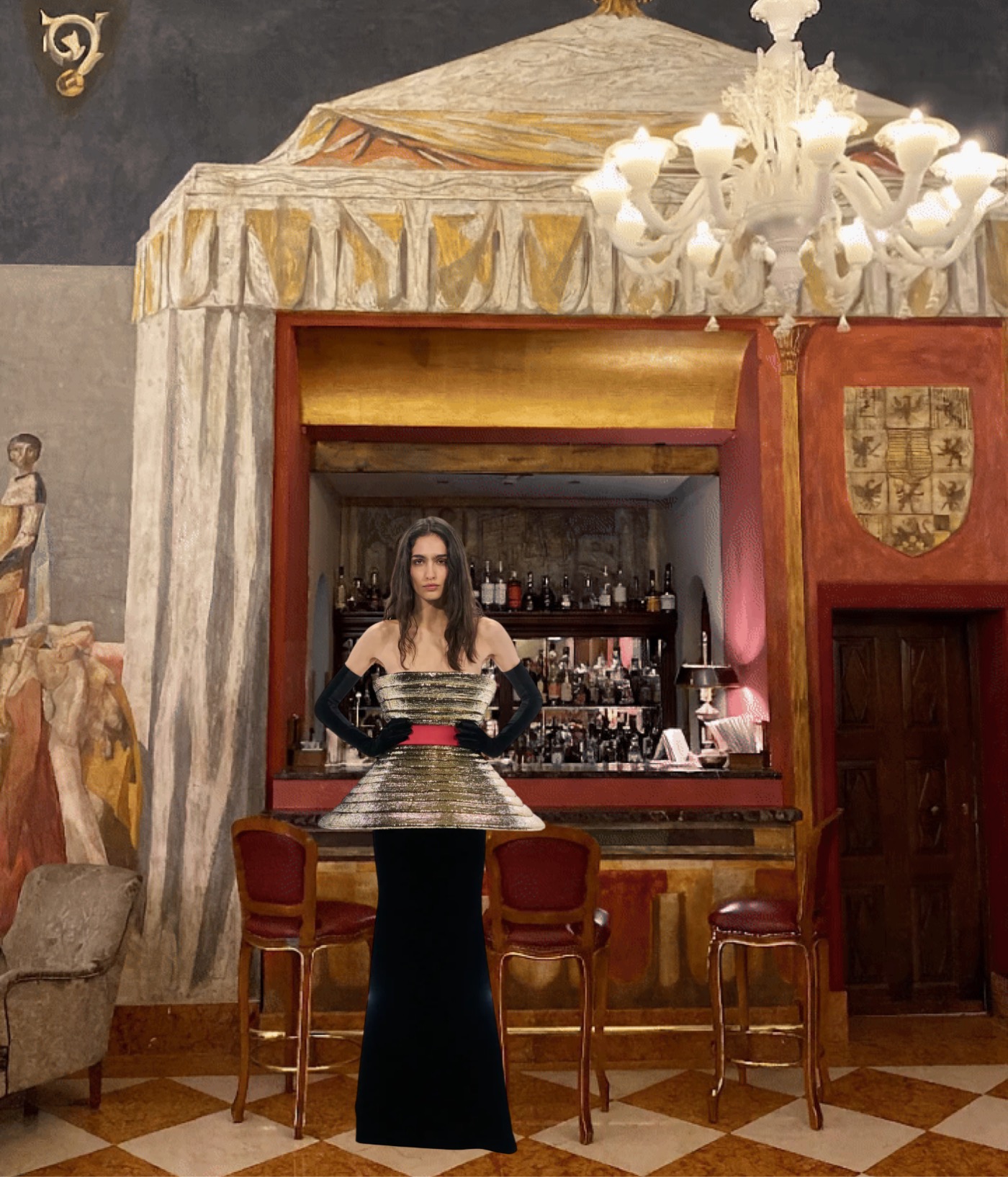
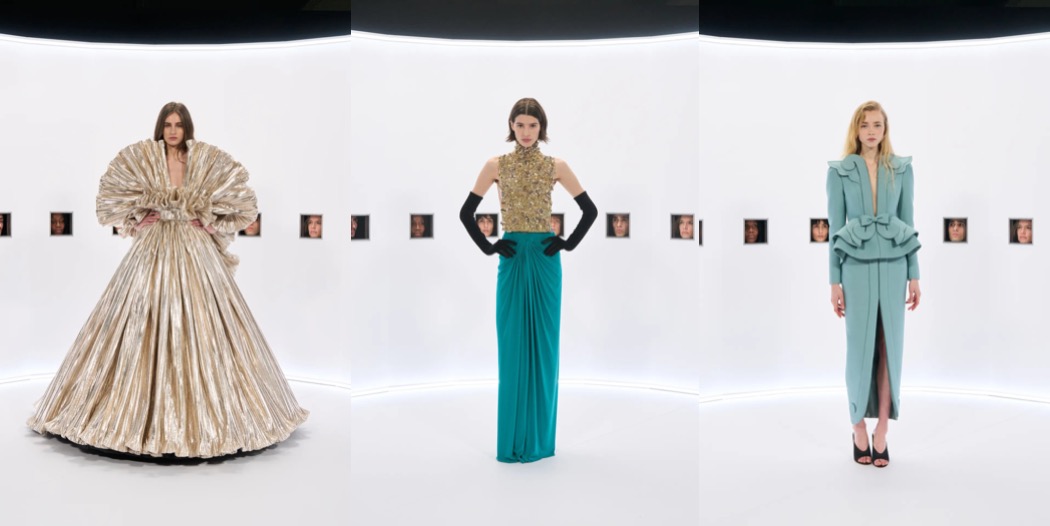
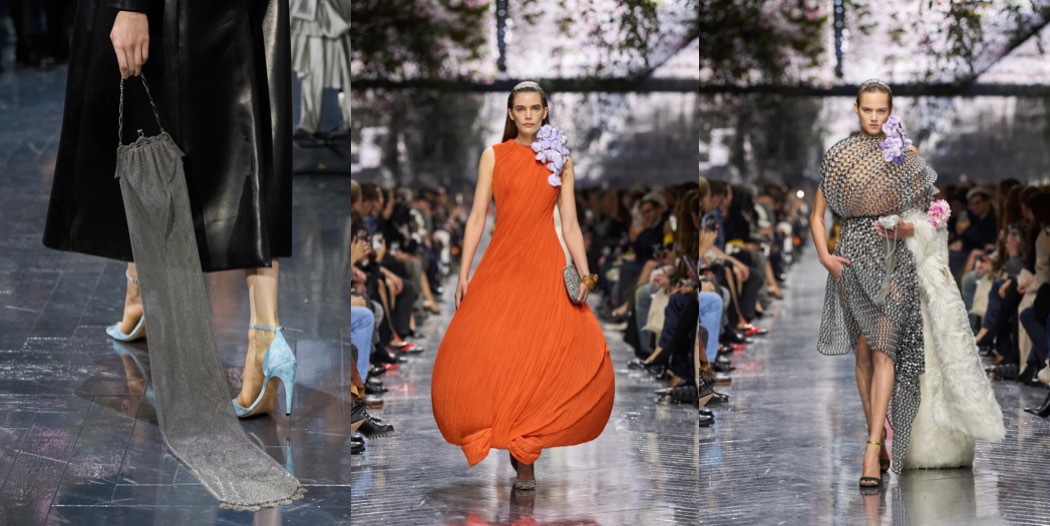
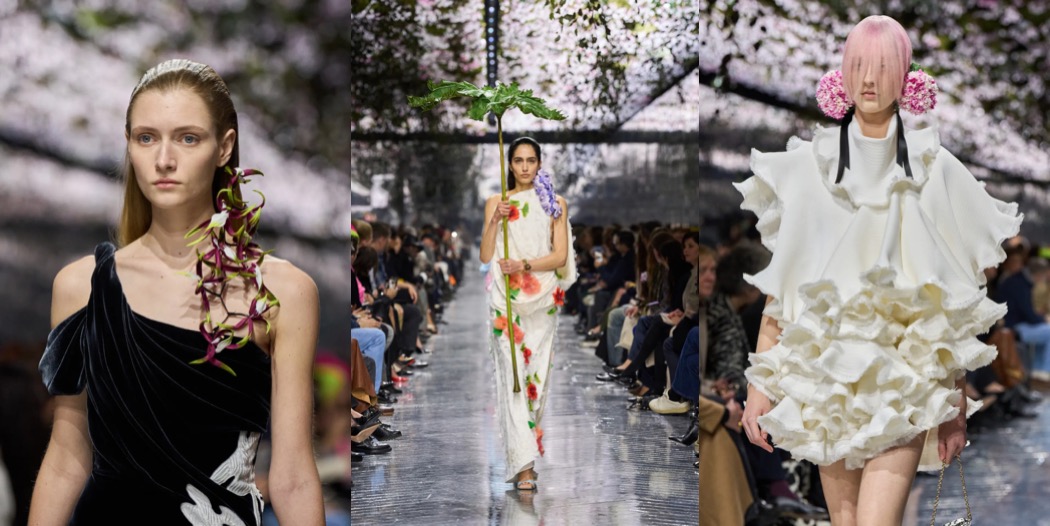
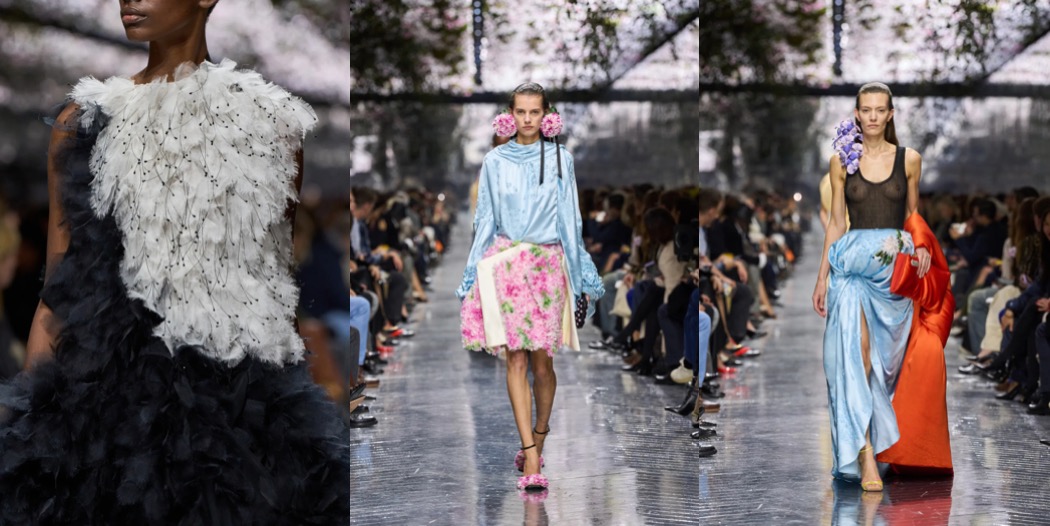
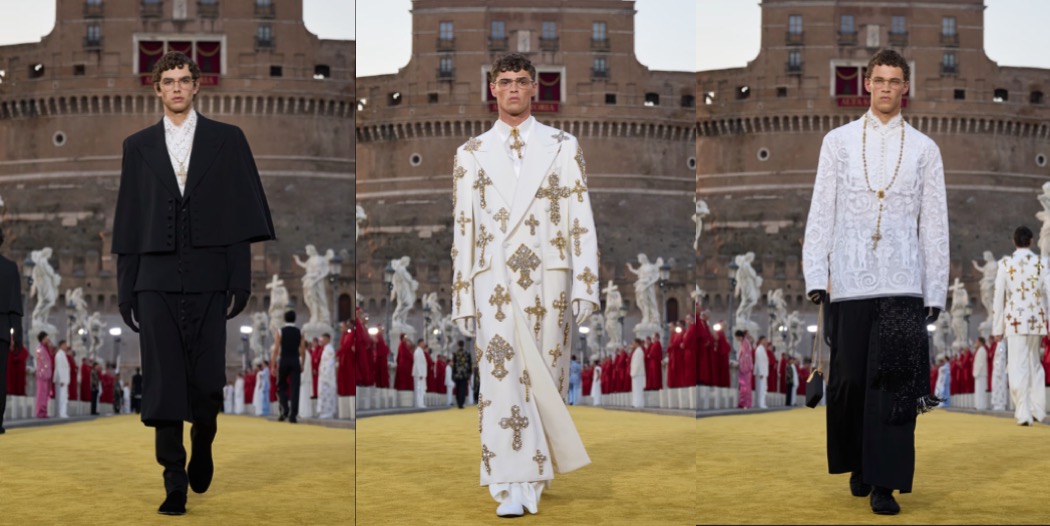
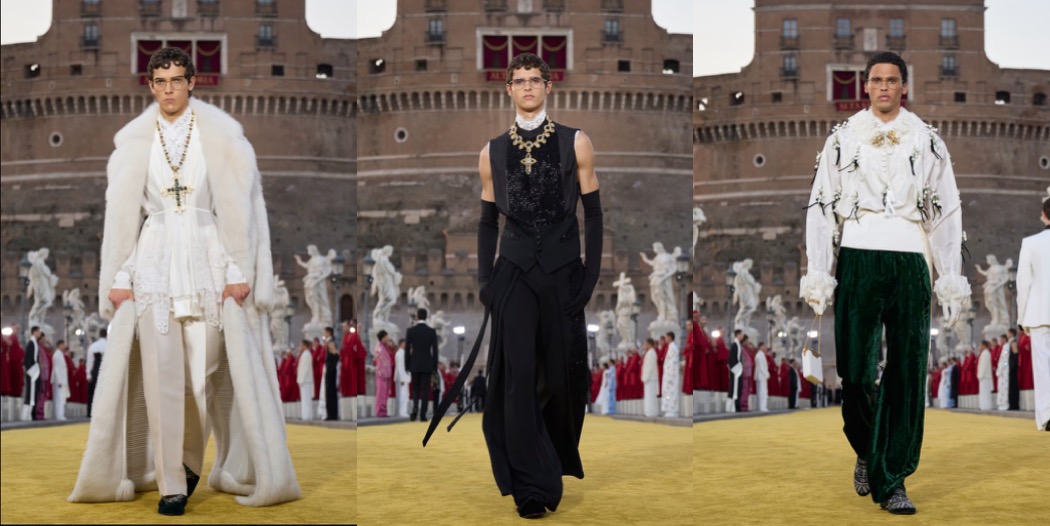
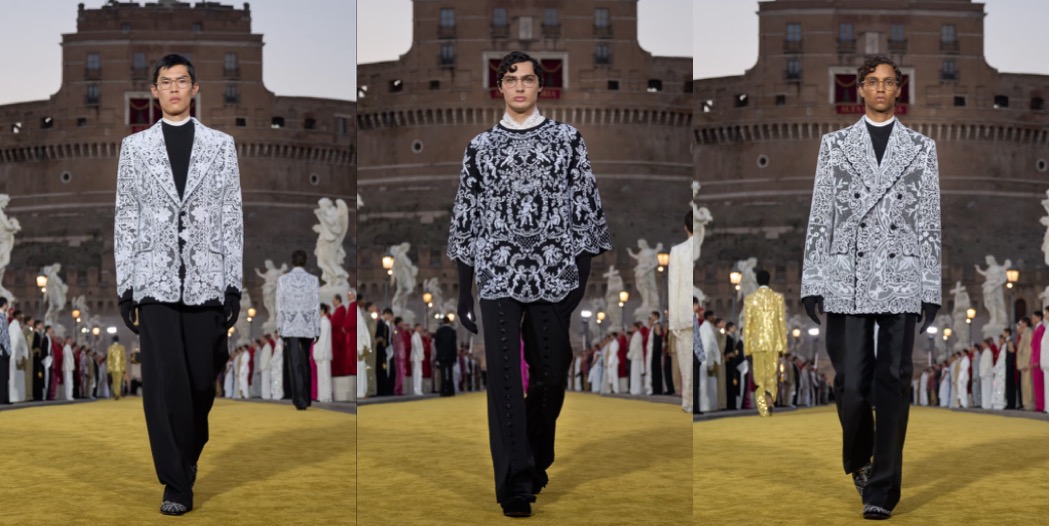
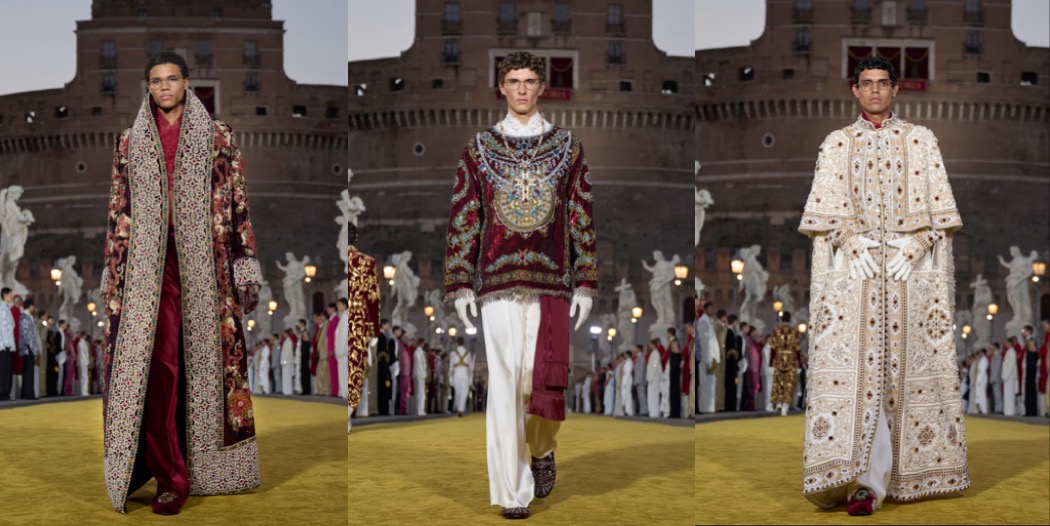
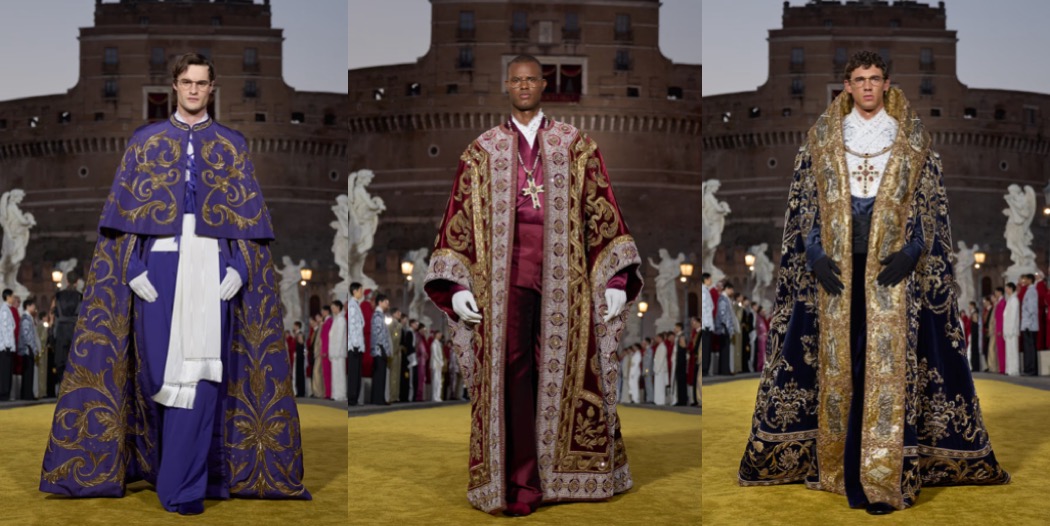
It’s been years, YEARS since I wrote about a Dolce & Gabbana show. But this one caught my attention for all the right – and wrong – reasons.
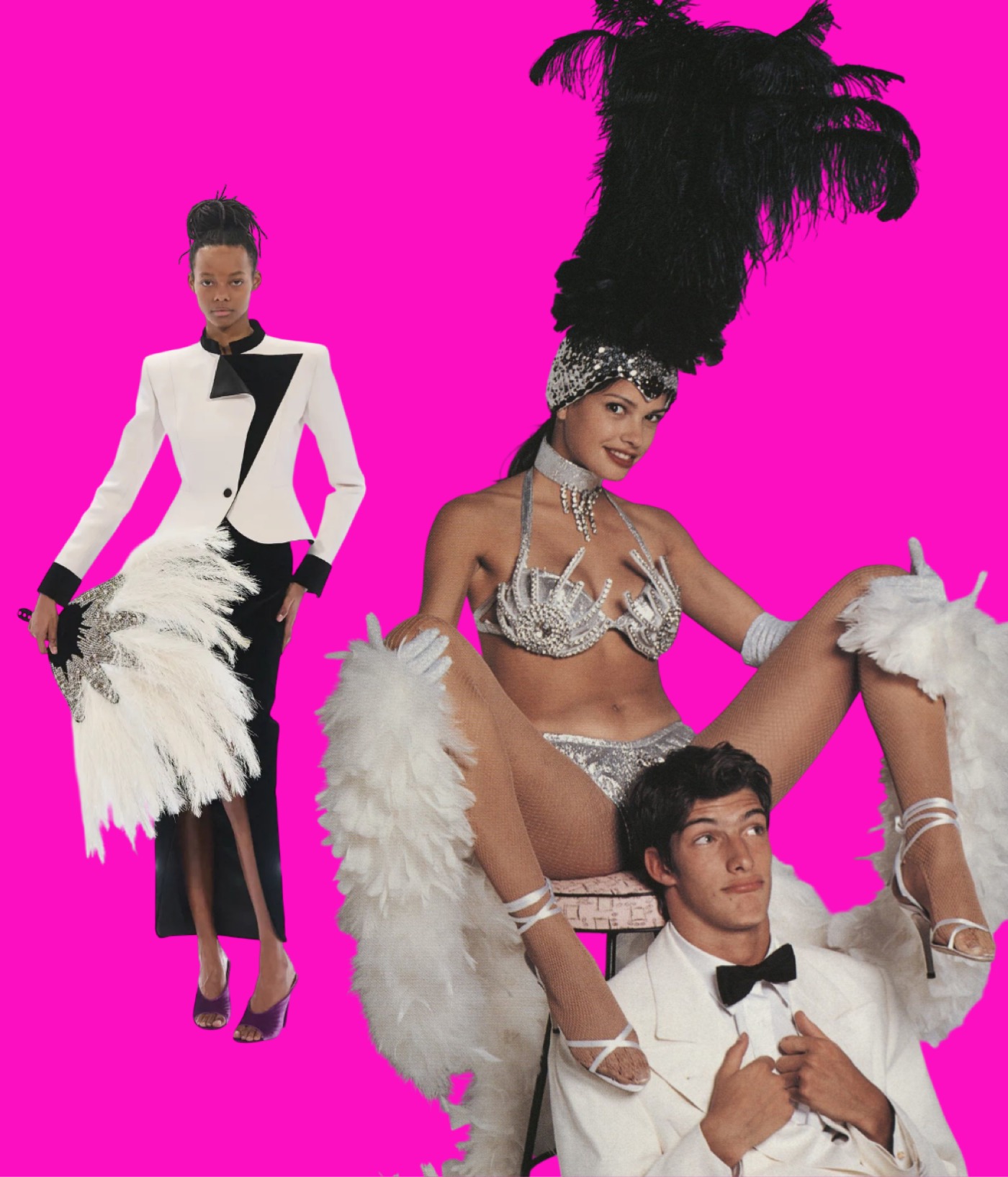
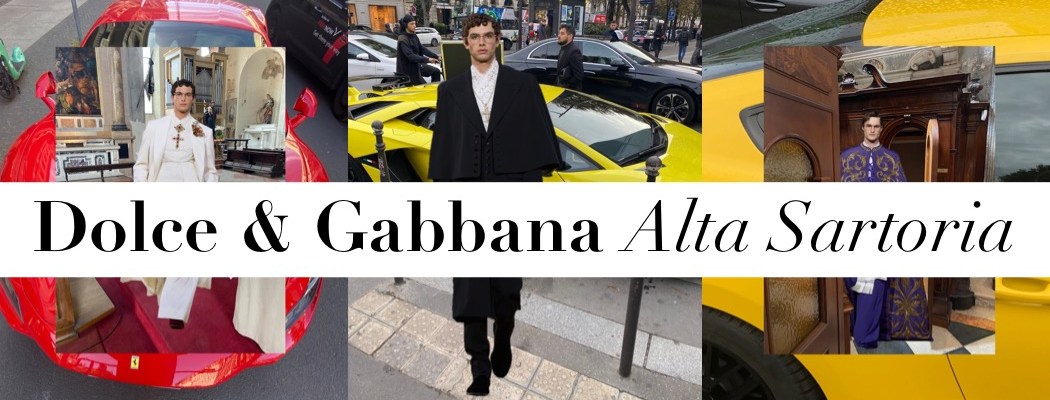
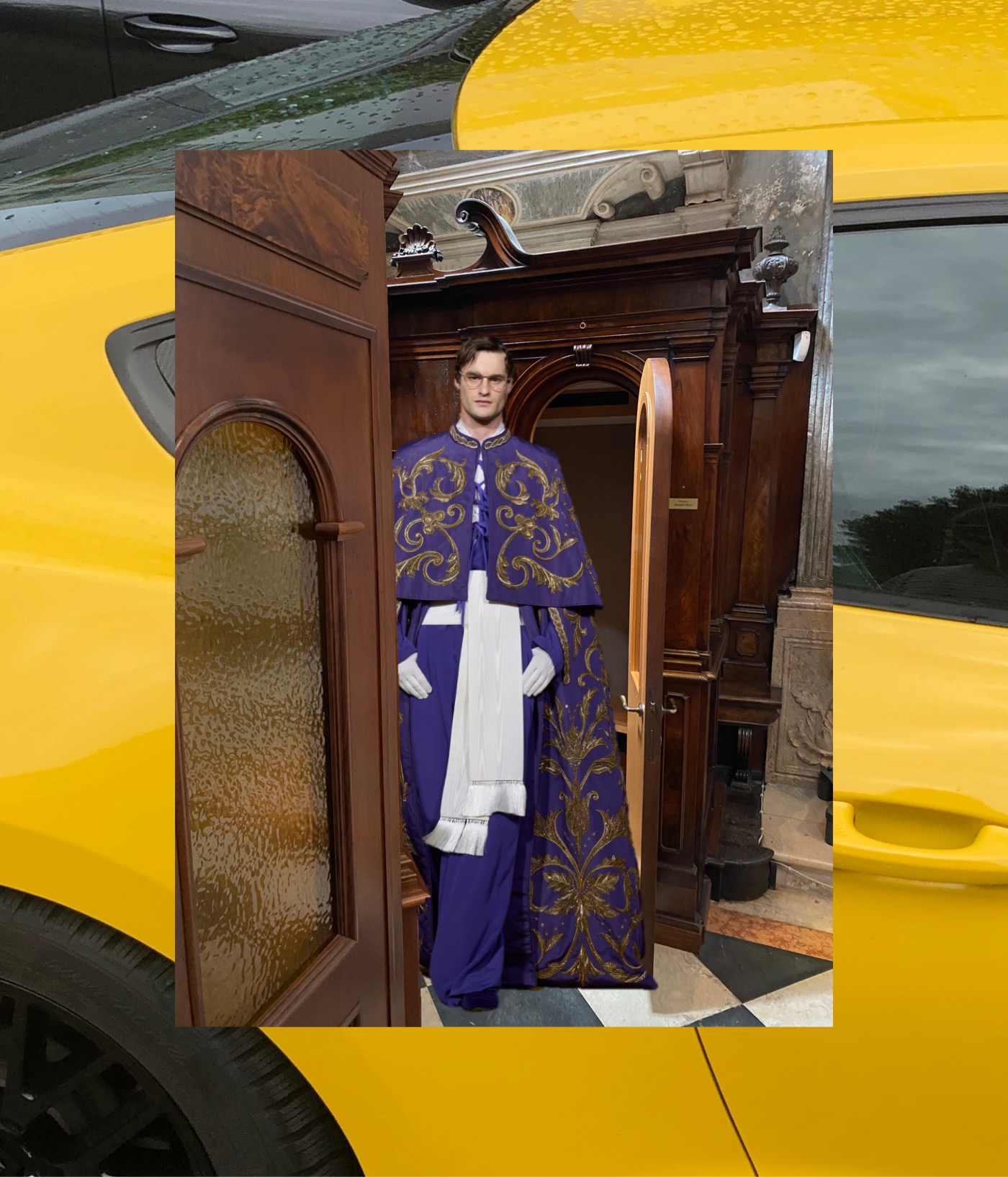
The hautecouture season doesn’t really end until Dolce & Gabbana says the last word with its obnoxiously opulent, over-the-top alta moda shows (there are three of them: for jewellery, womenswear and menswear). They are presented not in Paris, but in Italy – that explains why it’s off the official couture schedule.
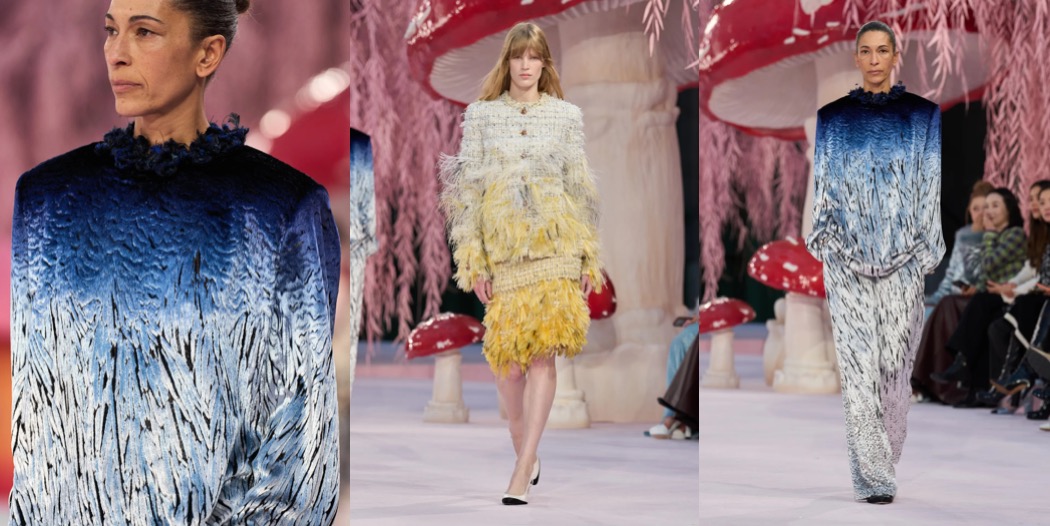
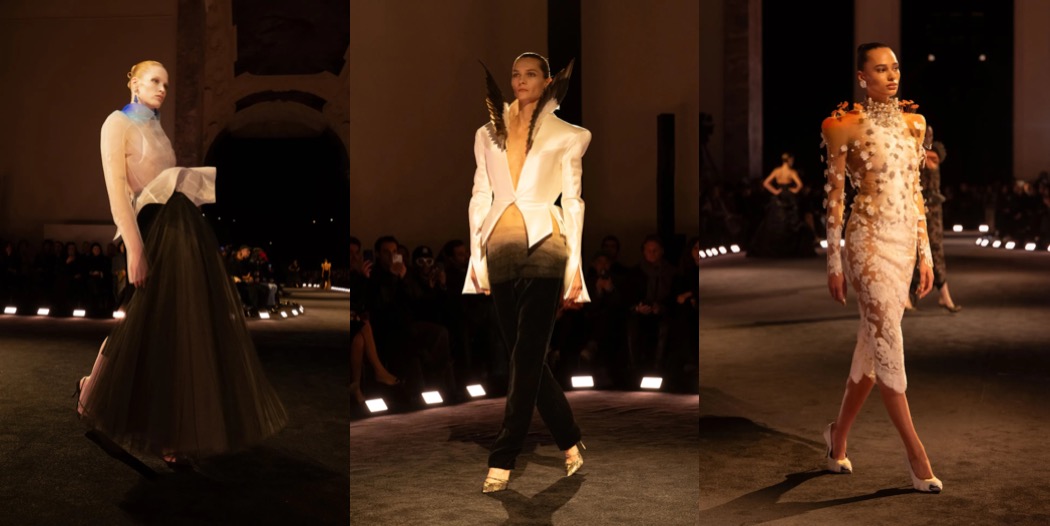
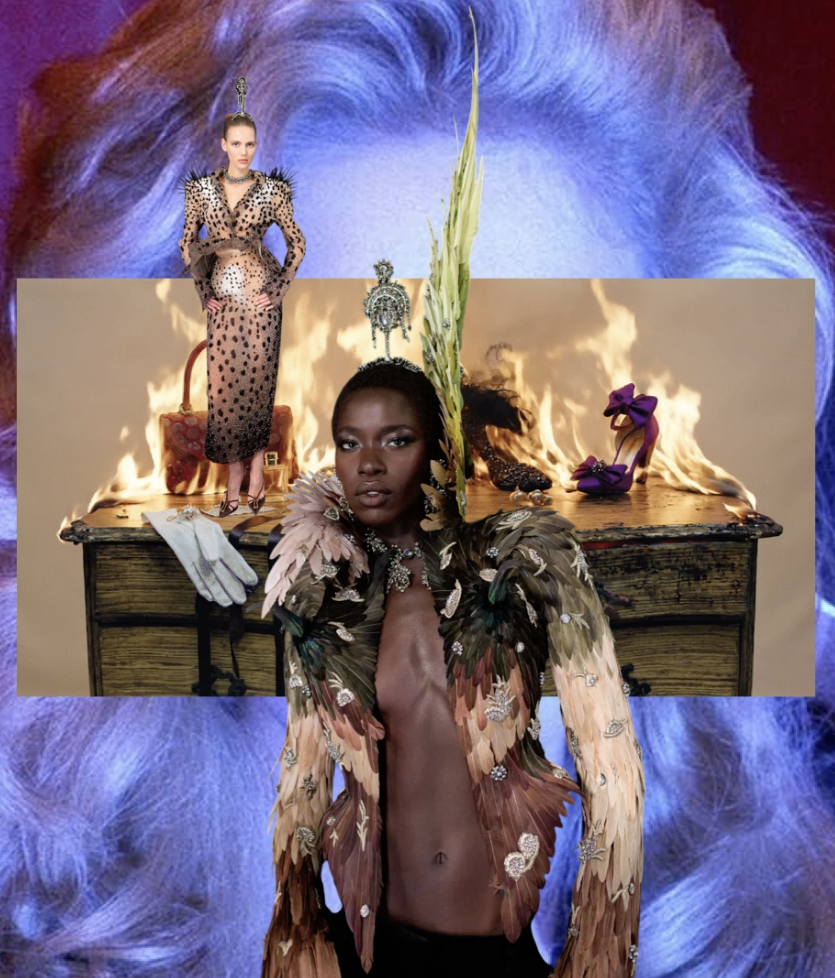
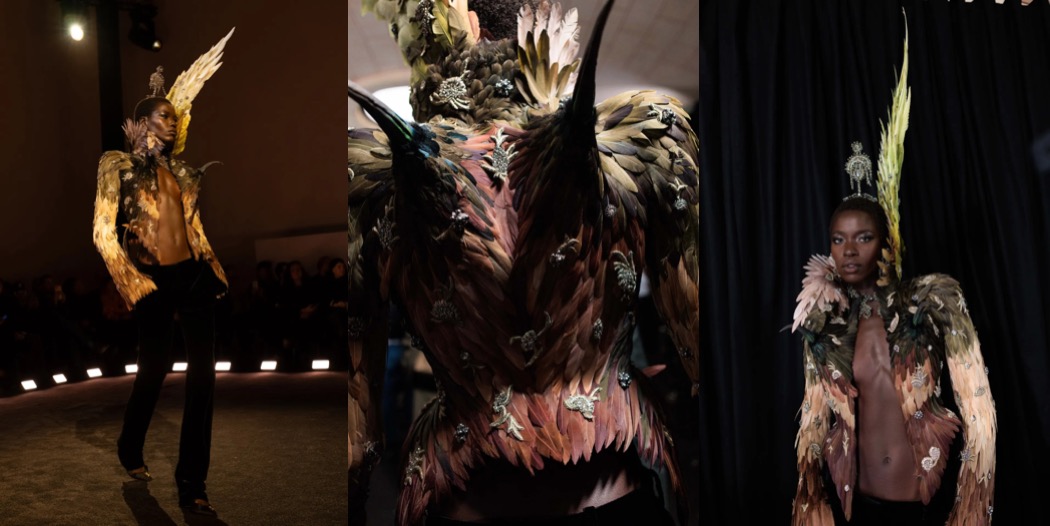
Most of the time I hate what contemporary Dolce & Gabbana does (from the Lauren Sanchez wedding dress to the designers’ problematic statements, the list for cons over pros goes on and on). Yet I have a sentiment for old Dolce & Gabbana, especially from the 1980s, 1990s, when the designers dissected the codes of Italianity and created an entire visual lexicon that was very rawn and undiluted. And I must admit that the brand’s latest Alta Sartoria collection – which goes for menswear couture – presented not just anywhere in Rome, but at the steps of Castel San’Angelo – and with IRL bishops in attendance – is really something worth analyzing. READ MY FULL REVIEW HERE.
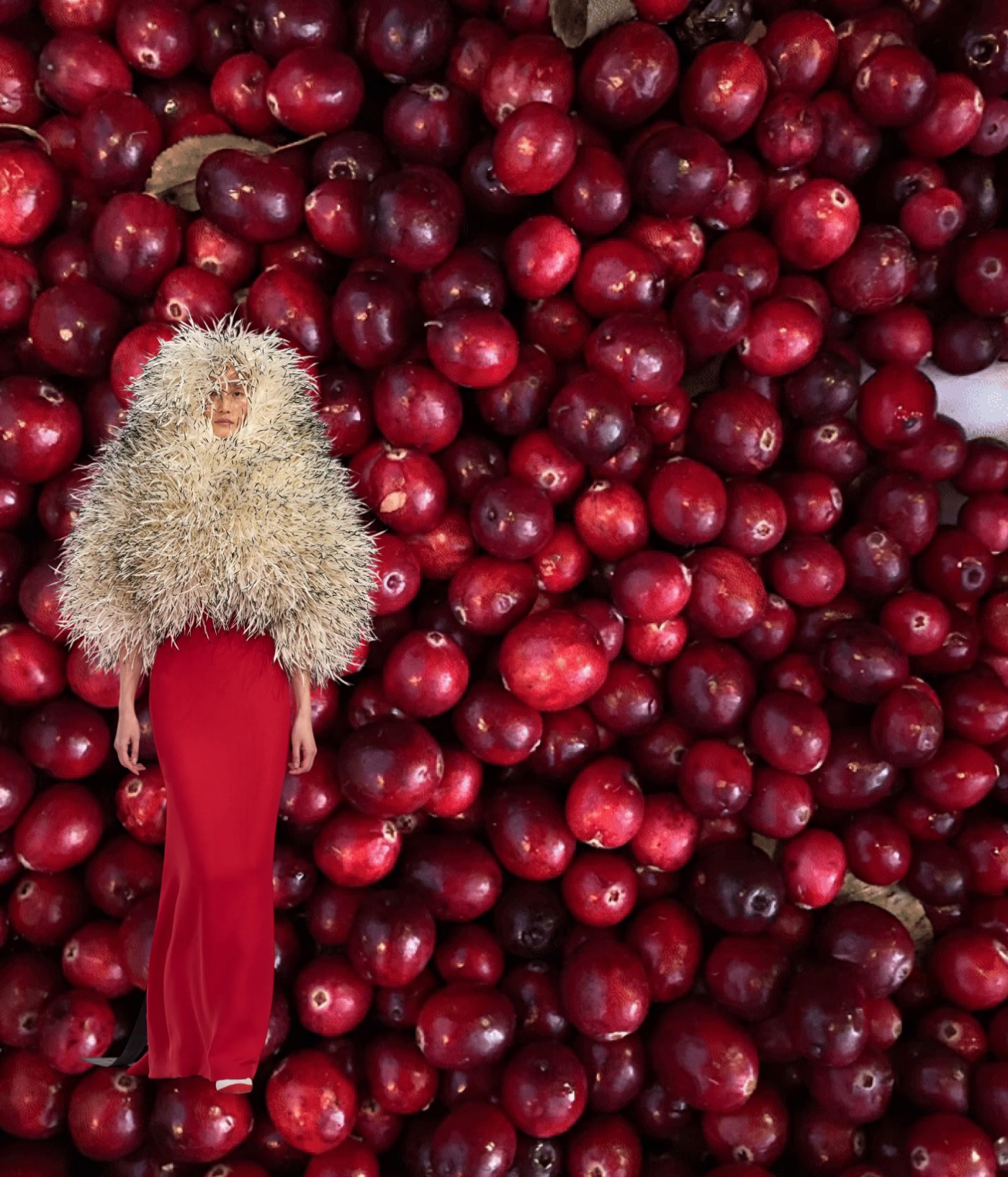
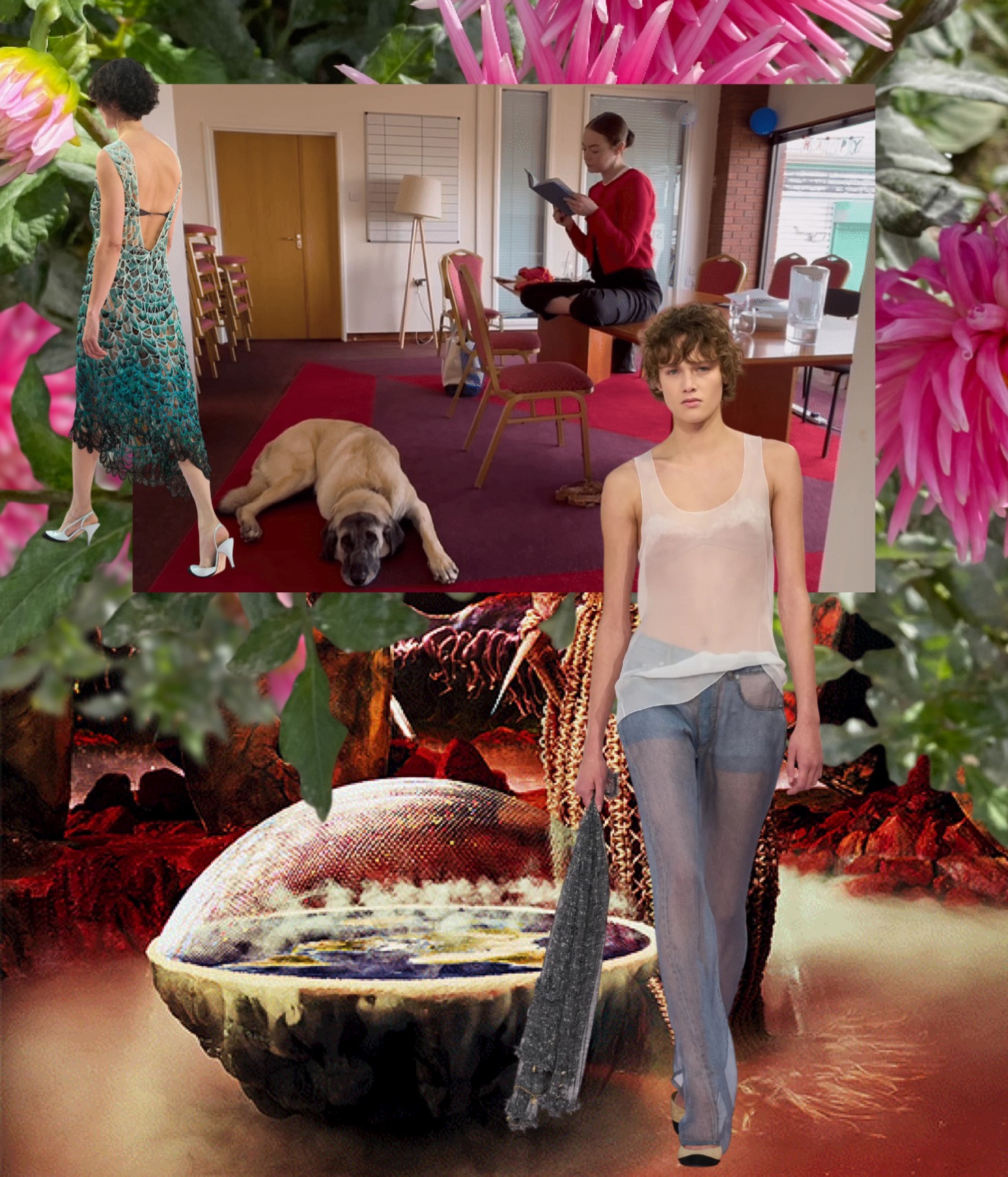
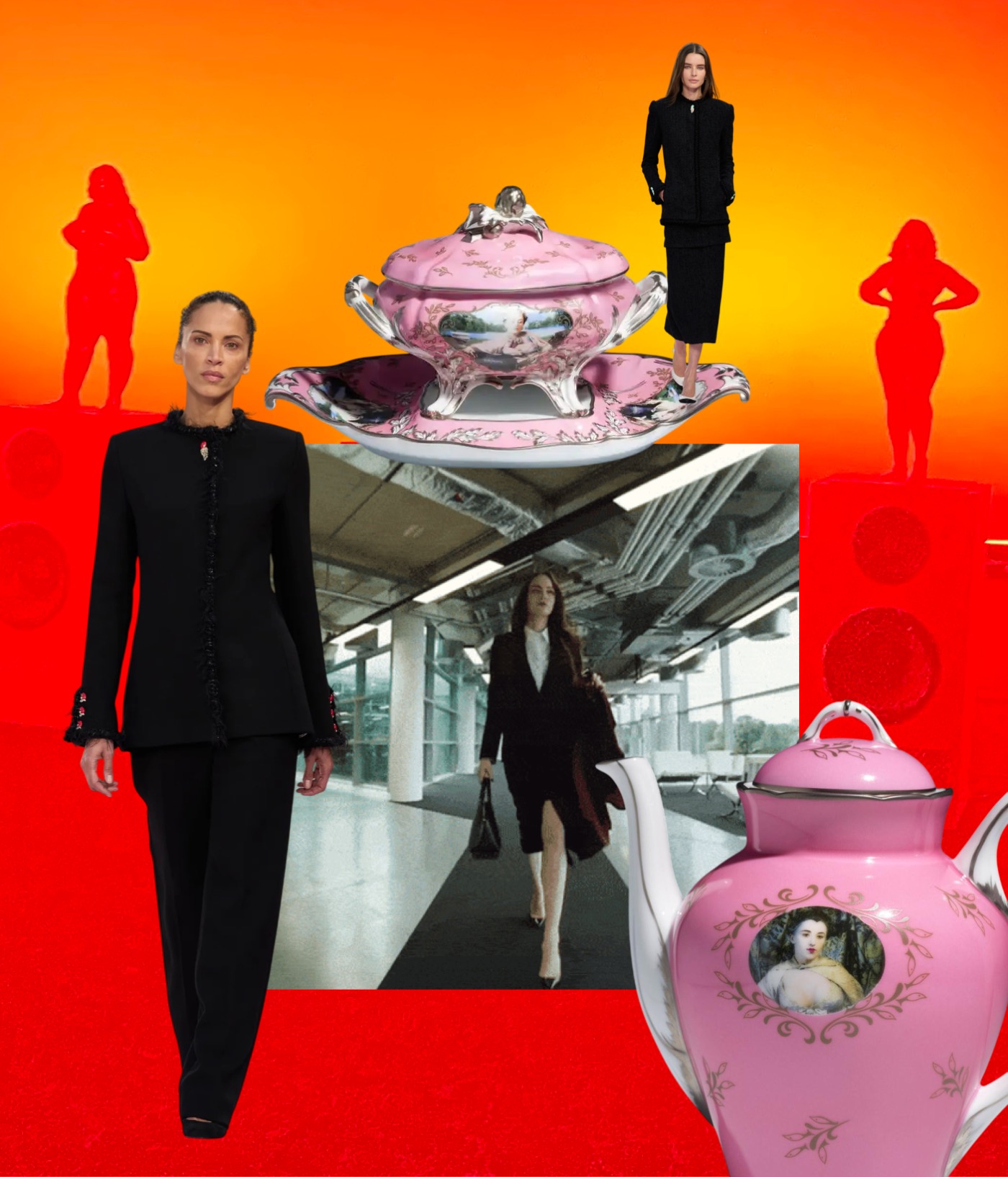
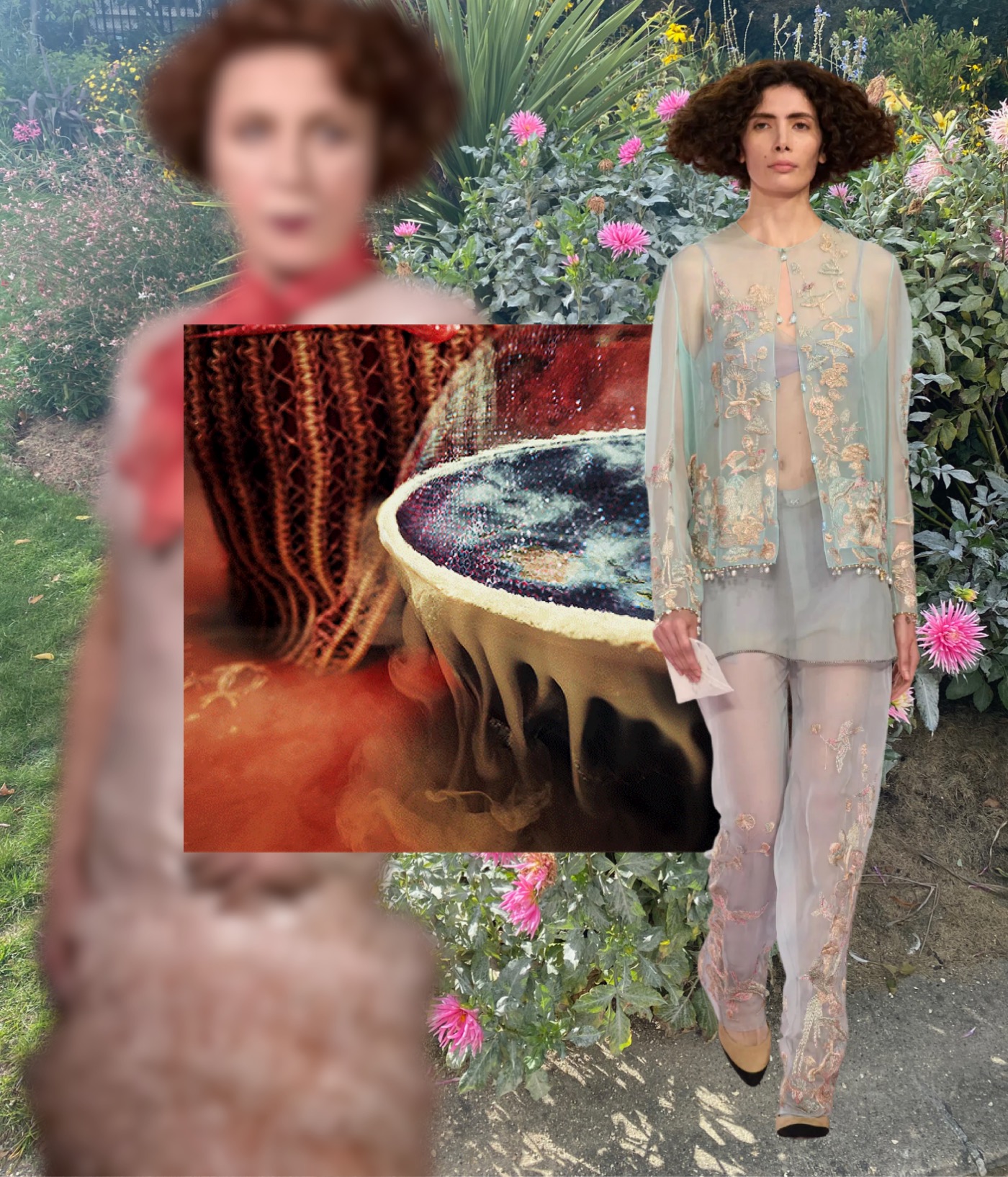
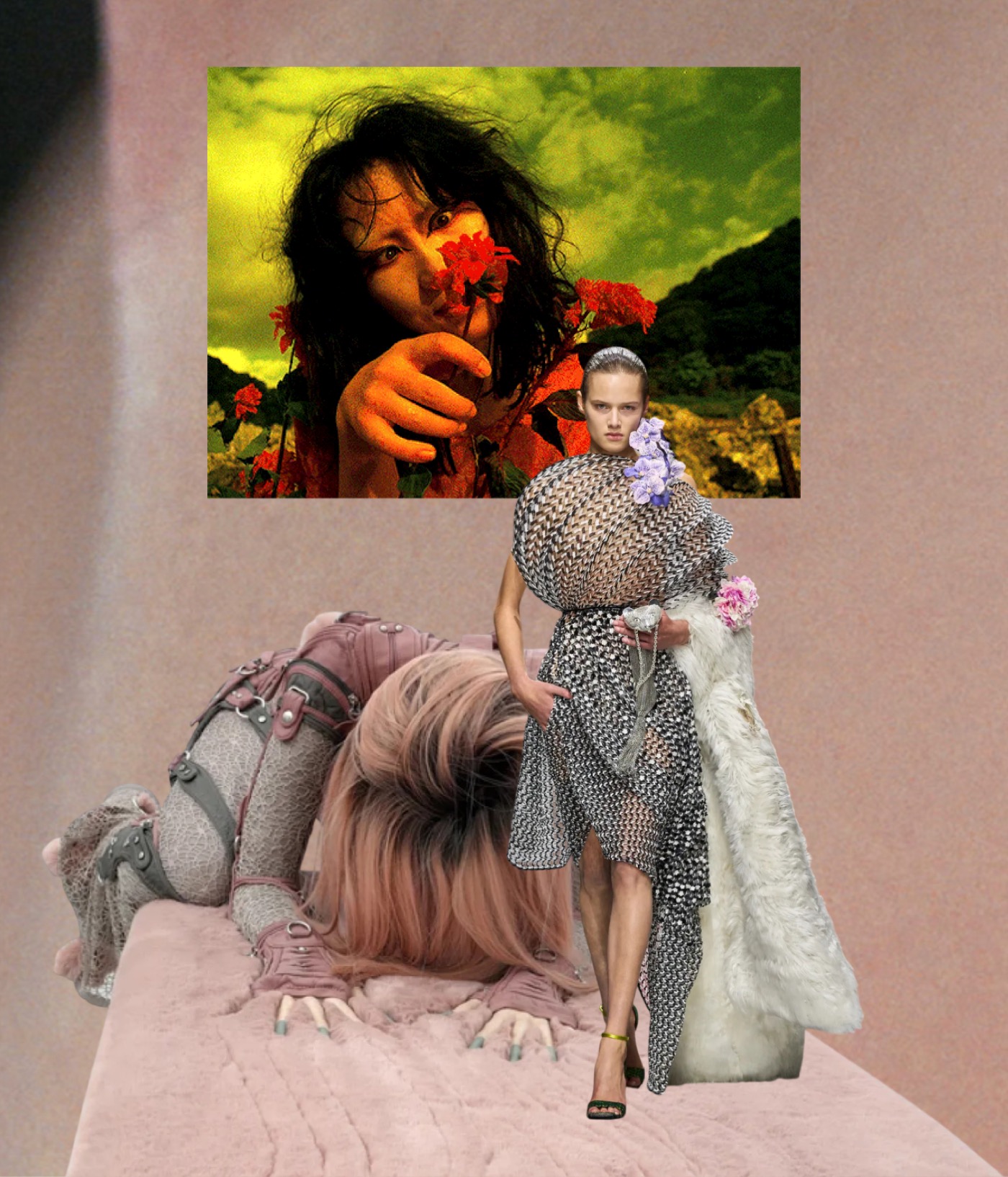
Collage by Edward Kanarecki. Don’t forget to follow Design & Culture by Ed on Instagram!
Hey, did you know about my newsletter – Ed’s Dispatch? Click here to subscribe!
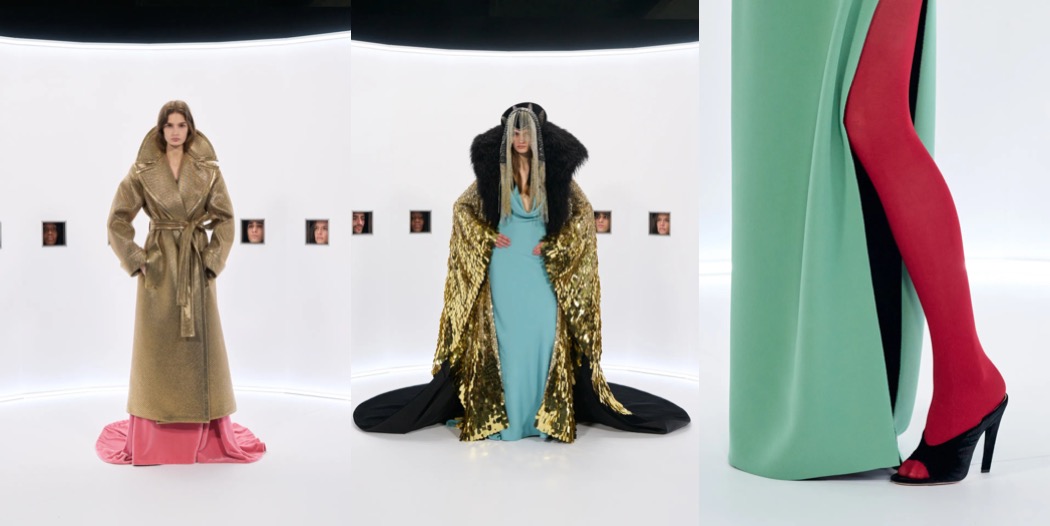
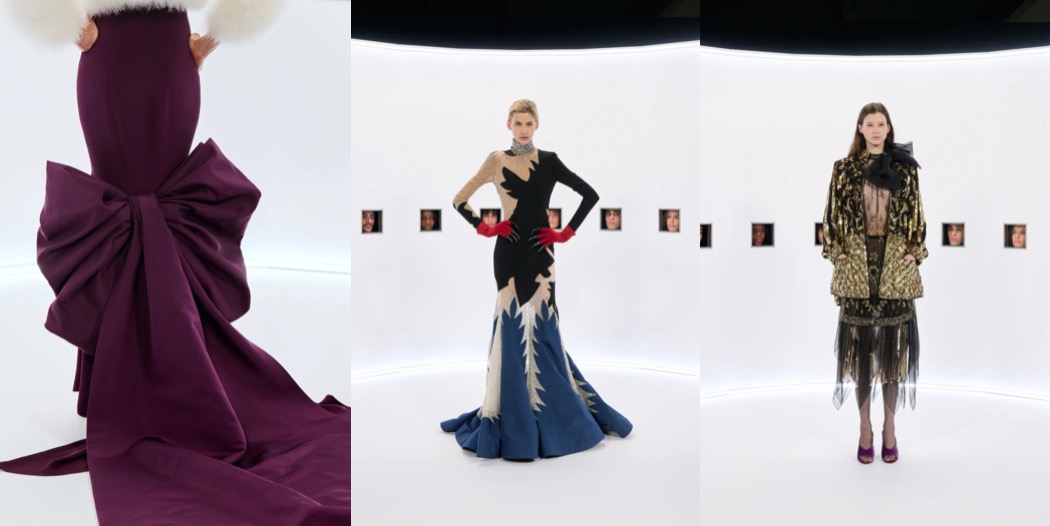
Couture is the most archaic branch of fashion sensu lato, and this time around I really wondered if it shouldn’t be put to sleep – and wake up only when it has something meaningful to say again. Or at least when a prince – a new, revolutionary talent – emerges and gives it a kiss of life.
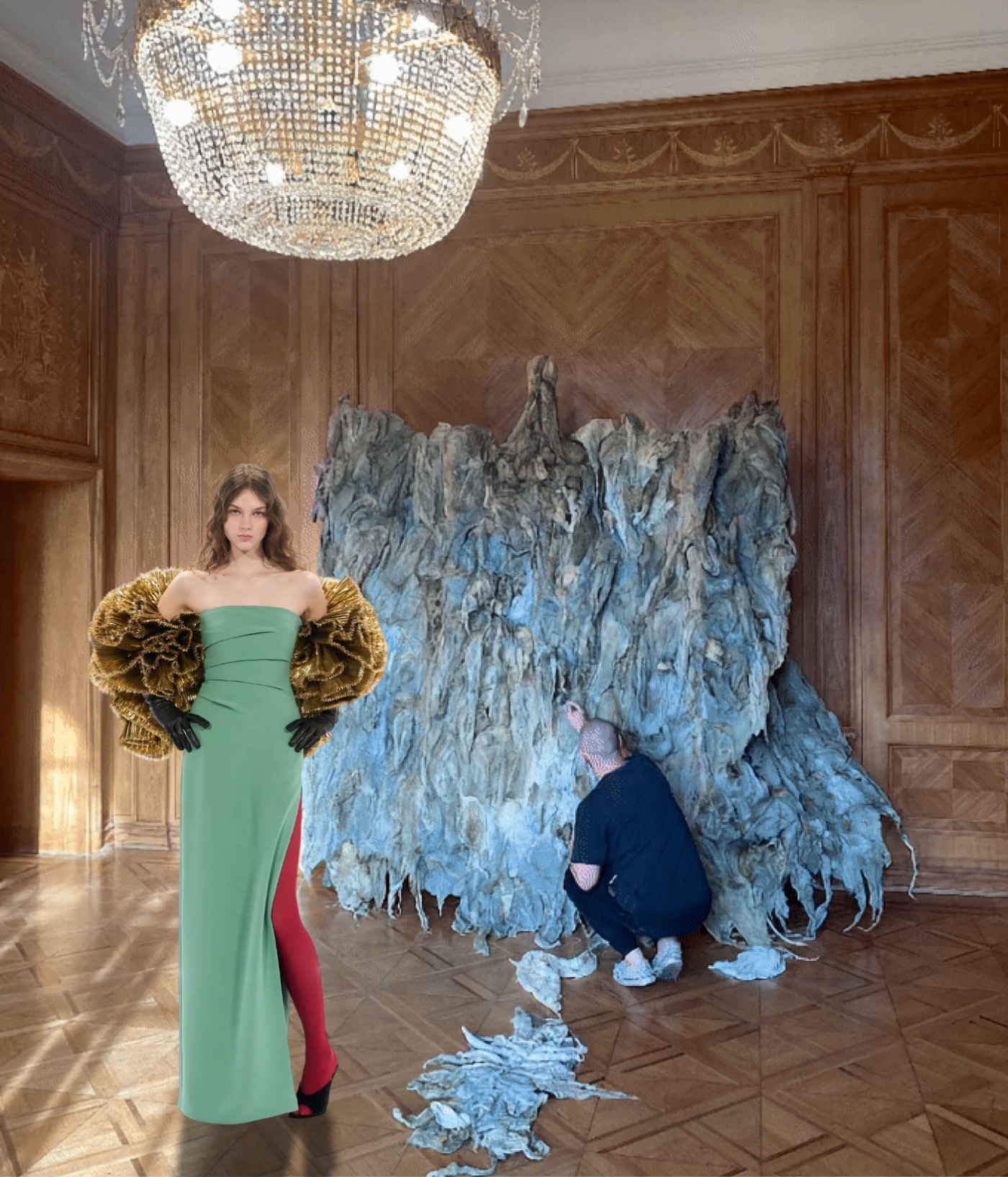
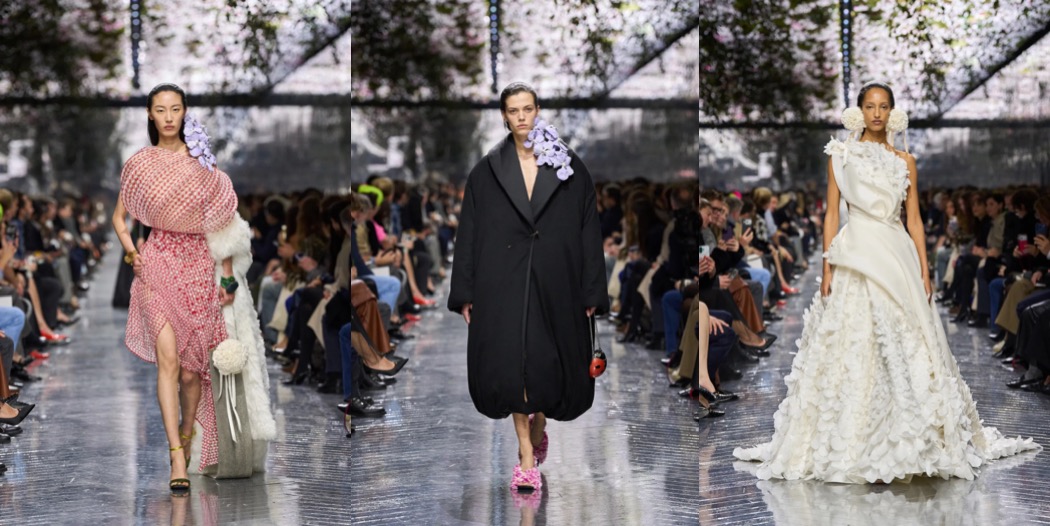
Glenn Martens certainly isn’t that prince. I’ve never been a number one Y/Project fan, and his Diesel isn’t my cup of tea either. So when the news broke that he’s the new creative director of Maison Margiela, you can imagine I wasn’t overly thrilled. After seeing his debut artisanal collection yesterday, all I thought was: damn, we’ve been really blessed to see John Galliano’s final act over a year ago (and we just didn’t deserve it).
To me, Martin Margiela isn’t just the ultimate fashion genius – but also a designer of silence. It took years for Galliano to get into that “silence”. Martens, who’s from a generation that studied Margiela at school, and whose work has been heavily influenced by Margiela since day one, is a “loud” designer. As in “pop-loud”.
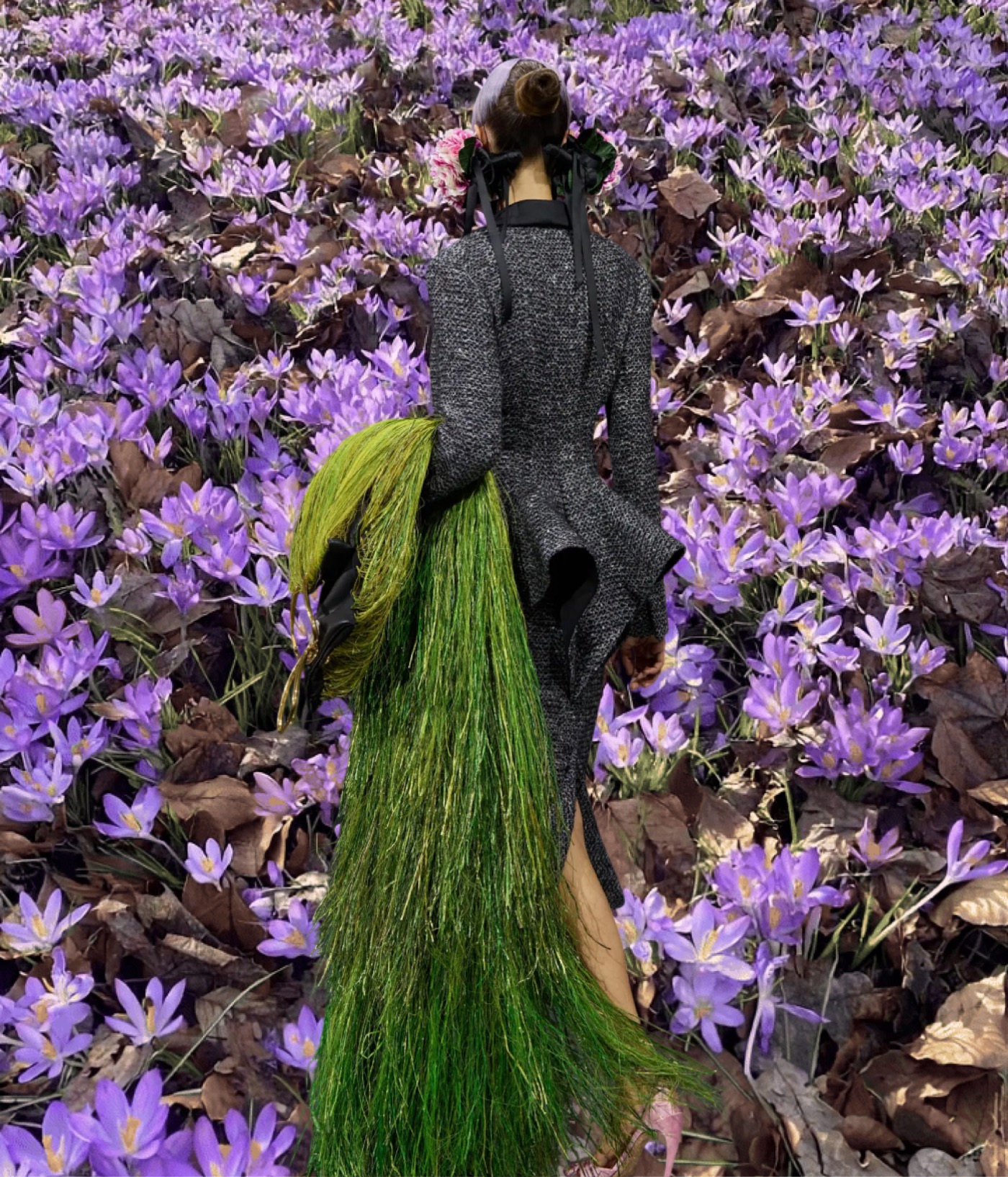
That says a lot about why his first collection for the house lacked the soul-touching subtlety of Martin – or Galliano – and instead relied heavily on straightforward references, such as the masks. READ MY FULL REVIEW HERE.
Collage by Edward Kanarecki. Don’t forget to follow Design & Culture by Ed on Instagram!
Hey, did you know about my newsletter – Ed’s Dispatch? Click here to subscribe!
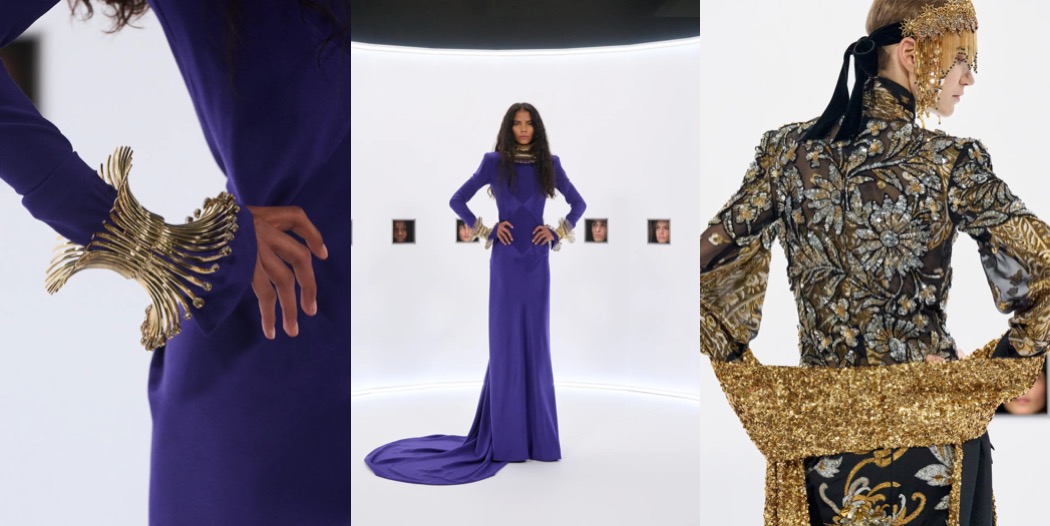
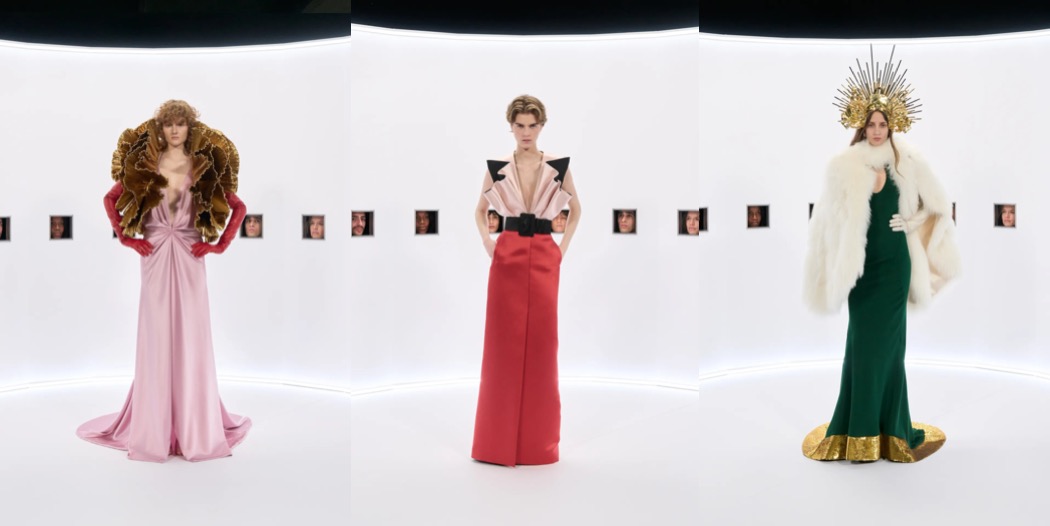
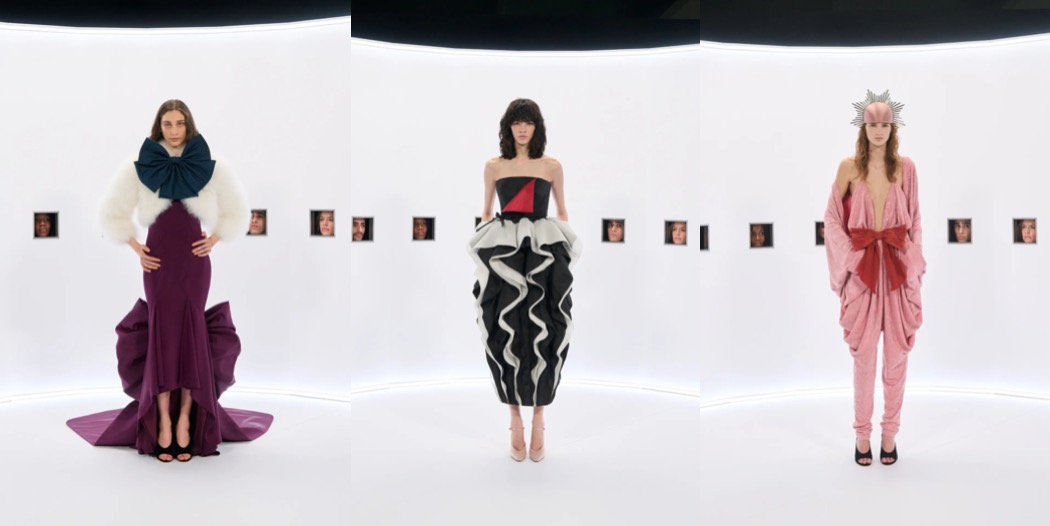
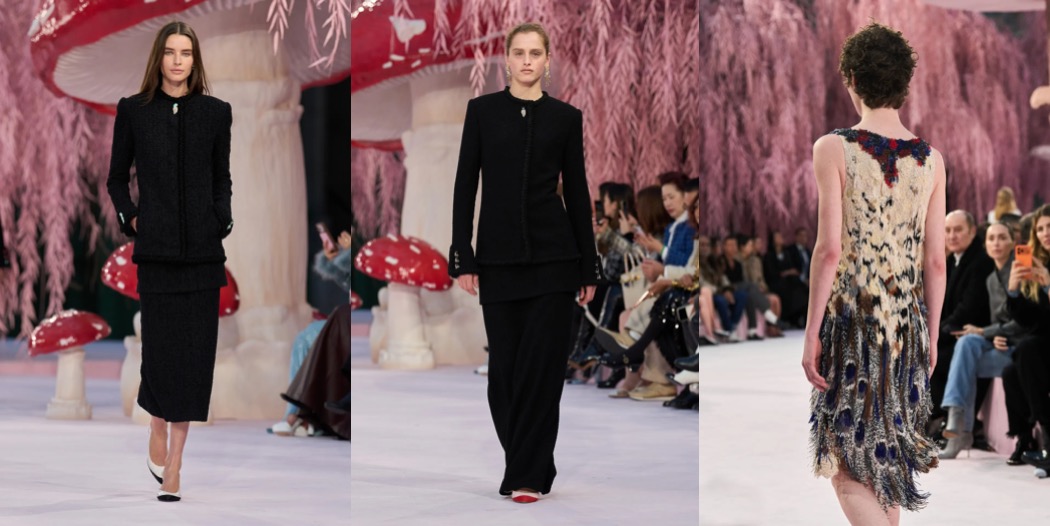
This haute couture season proves that fashion indeed needs a reset – and the seismic shift of designer departures and new appointments is a healthy cleanse of the system. Chanel’s final pre-Matthieu Blazy show, coming from the overstayed, post-Virgie Viard studio, looked and felt like a parade of dusty, beige utensils that found their way out of a cupboard. Demna‘s final act for Balenciaga, although high on farewell emotions, did convince me that it’s really time to move on. Whatever his Gucci will be, it should definitely operate on a different methodology than the one he created at Balenciaga. It’s understandable he chose to close his chapter at the maison with a collection that was one big bowl of reheated nachos, from the model casting (from synonymous-with-the-brand Isabelle Huppert to on-the-nose Kim Kardashian) to the line-up’s overall look, a Frankenstein hybrid cross-pollinated by the Georgian designer’s idiomatic volumes and proportions, and Cristobal’s archival tropes. But somehow I hoped Demna’s Balenciaga fin would be a one last conceptual stretch, like a dress made from hundreds of meters of taffeta draped on the model a few minutes before the show, or the memorable “Parliament” show.
Nevertheless, here’s to Demna’s new chapter at Gucci, and as for Pierpaolo Piccioli: the Balenciaga floor is yours.
Collage by Edward Kanarecki. Don’t forget to follow Design & Culture by Ed on Instagram!
Hey, did you know about my newsletter – Ed’s Dispatch? Click here to subscribe!
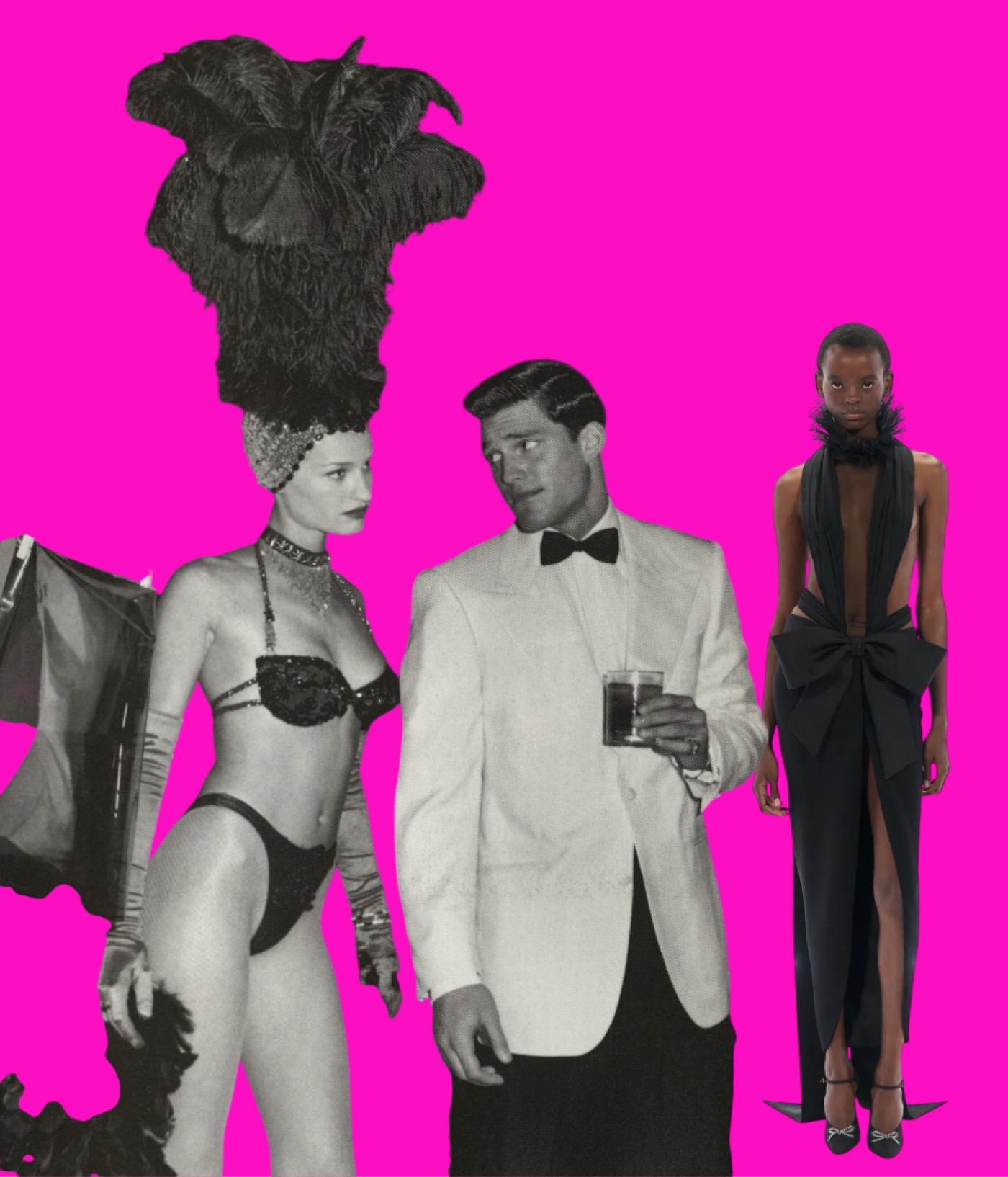
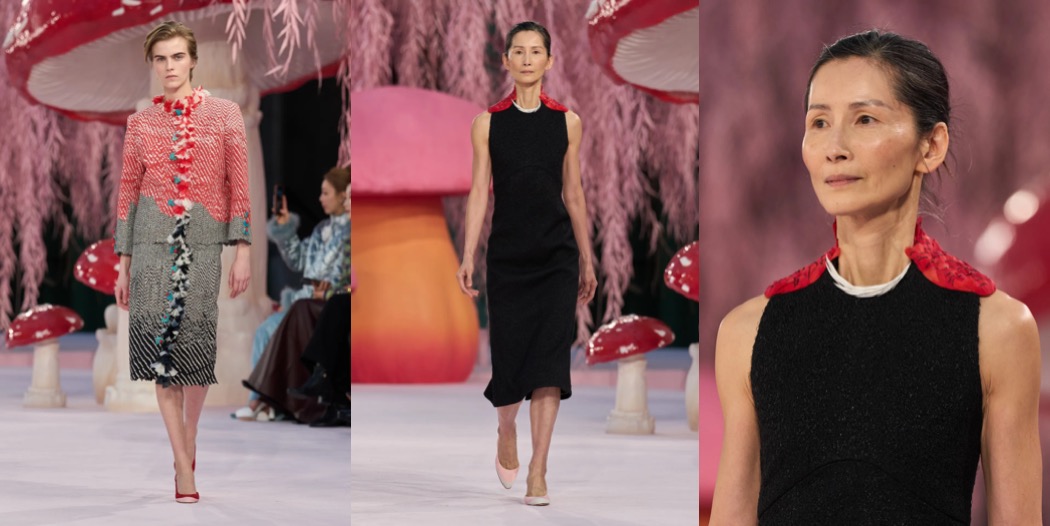
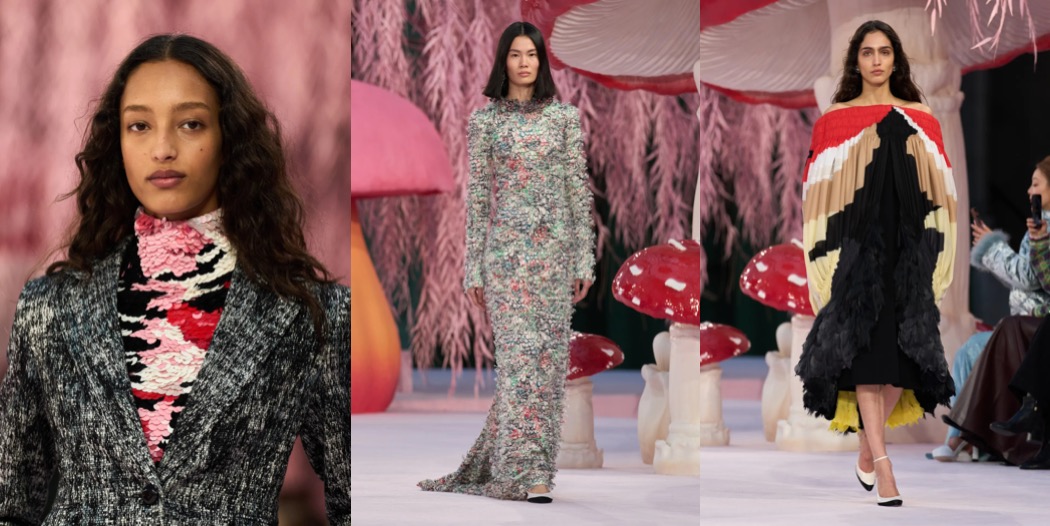
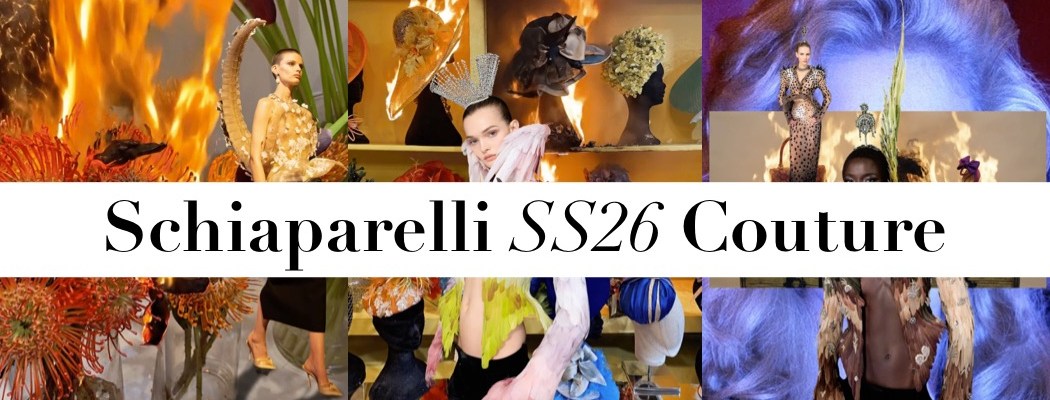
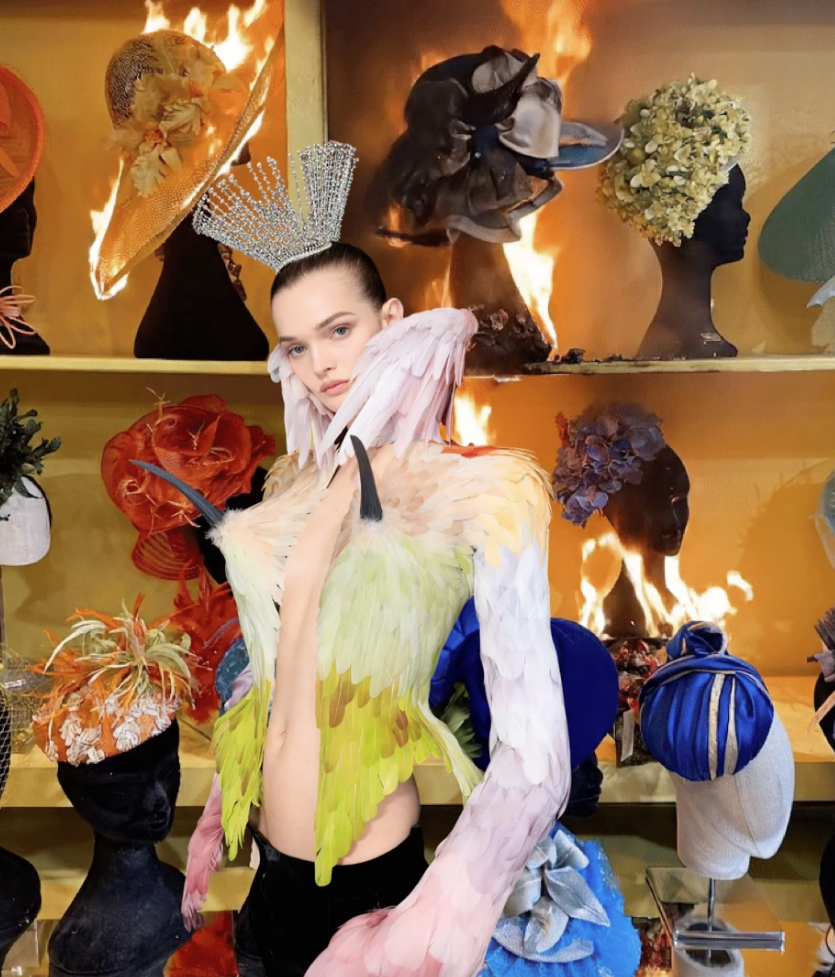
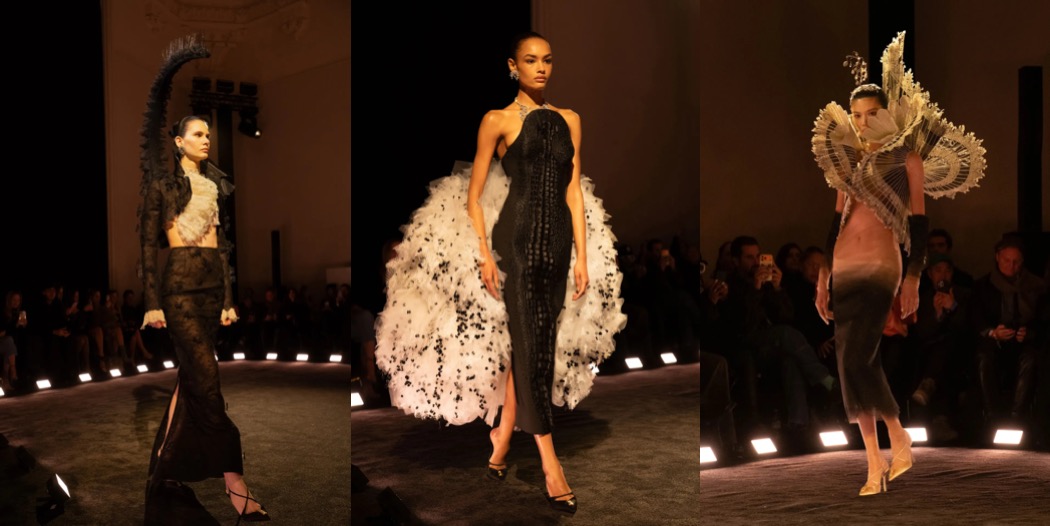
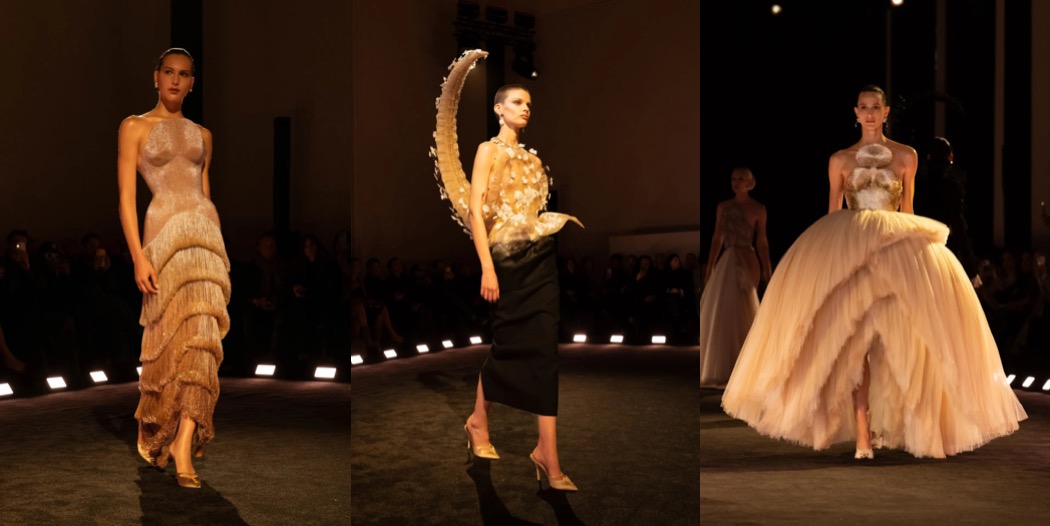
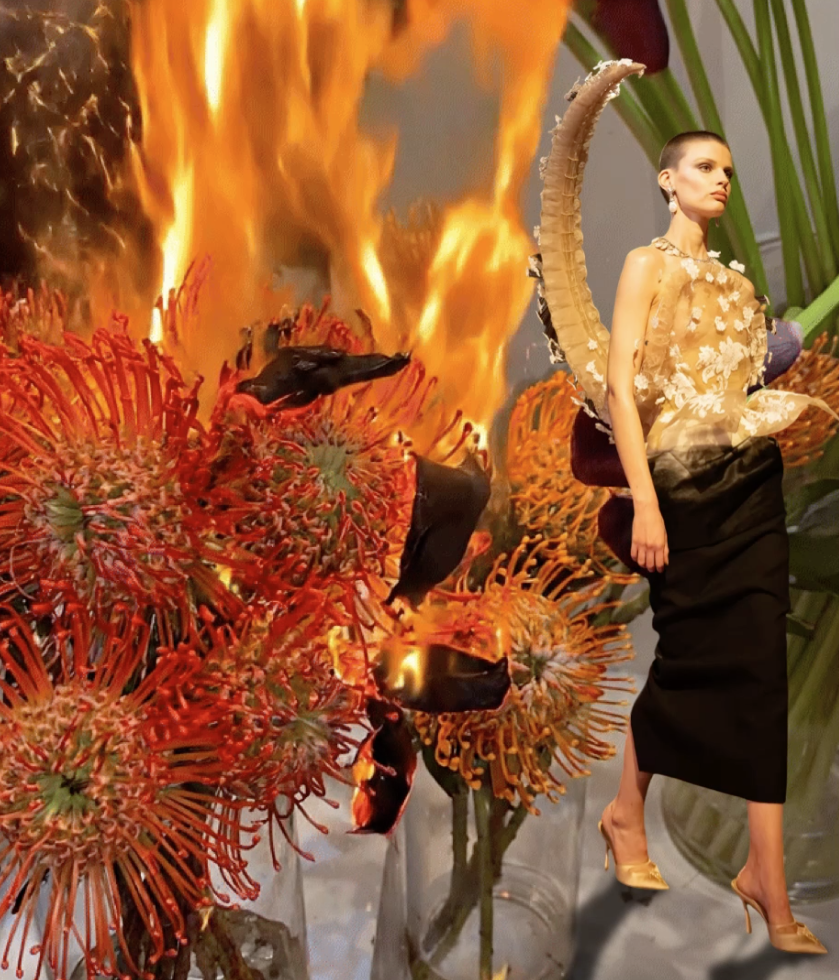
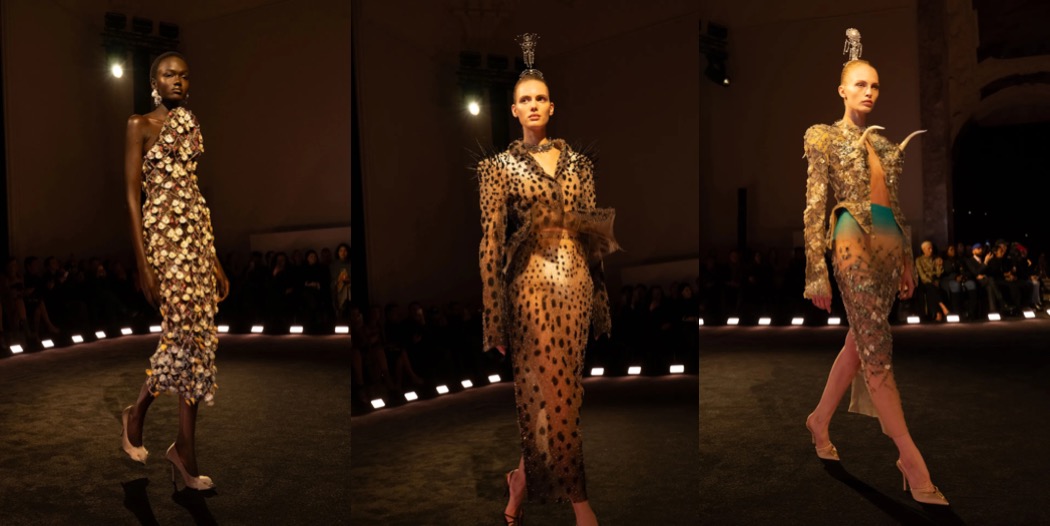
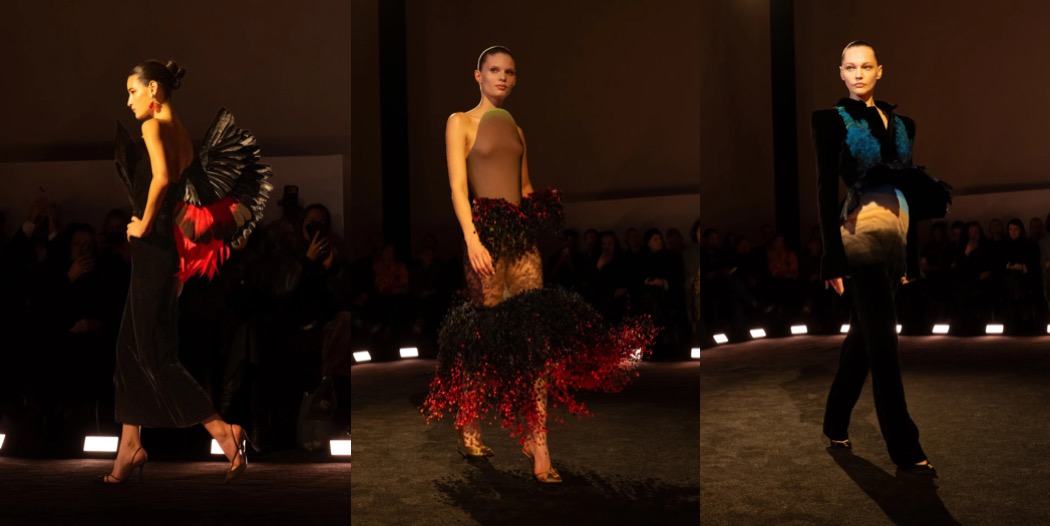
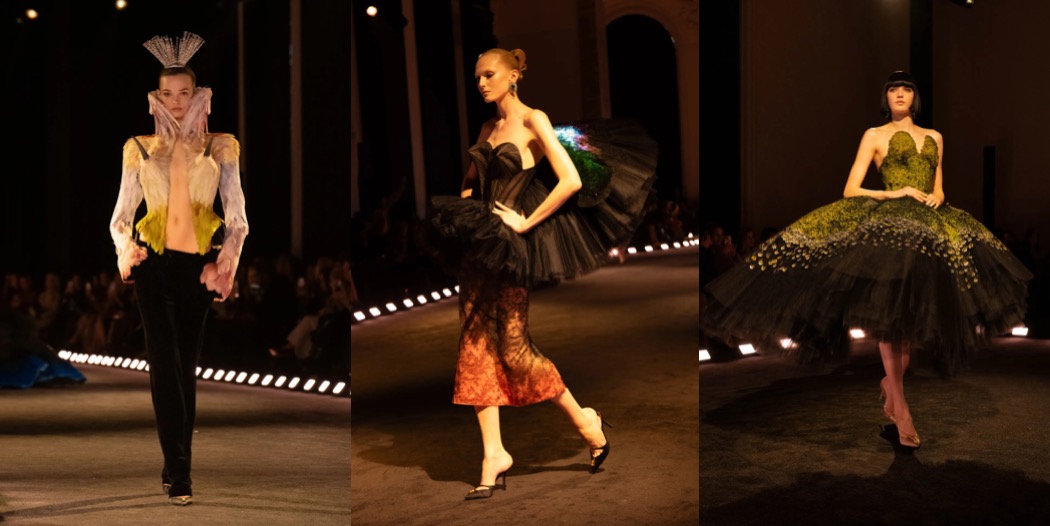
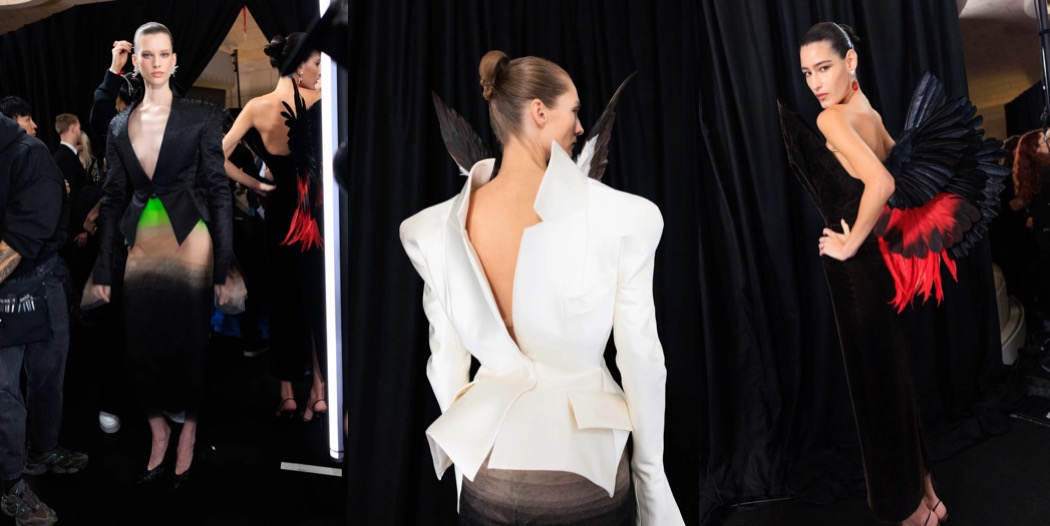
Sparking a shock effect is obvious as day for Daniel Roseberry and his vision of Schiaparelli; ultimately, it was Elsa who coined Shocking Pink. Yet there was nothing pink about the autumn-winter 2025 haute couture show. Roseberry continues to examine radical restraint – of the woman’s body, rather than the discipline of dress-making or tailoring – and this collection felt darker than usual. It referred to Schiaparelli’s late 1930s collections, which were peak surrealist – but also carried a sense of growing melancholy and unrest, as if they foresaw the upcoming tragedies of Second World War. There are many indicators that the world we know today is off to a burning, unstoppable crisis, so it’s no wonder why Roseberry is in a gloomier mood. But then there’s the shocker that lets the mind escape for moment: amidst the corseted matador suits, body-morphing padding, hourglass shapes and heavily embellished gowns, a red corseted satin dress constructed with a fake torso and breasts in the back, with a pulsating (as in for real, not trompe l’oeil) red rhinestone heart necklace hanging just below the nape of the model’s neck. The sight was both sinister and highly body horror, somewhere between “The Substance“, “Death Becomes Her” and “Suspiria“. But it also screamed: madame couture has arrived.
Collage by Edward Kanarecki. Don’t forget to follow Design & Culture by Ed on Instagram!
Hey, did you know about my newsletter – Ed’s Dispatch? Click here to subscribe!
Today, Lorde released Man Of The Year, her second single from the highly-anticipated Virgin album. The song is heart-and-gut-wrenching in the most Lorde way you can imagine: raw, vulnerable, unfiltered. By the time we reach the outro, Let’s hear it for the man of the year, there is a subtle shift from mourning to ecstatic celebration. The phrase is repeated like a sarcastic toast, both honoring and burying (burning alive!) the man who inspired the deep, painful turmoil. But ultimately, Man of the Year is not really about him. It is about Lorde reclaiming the narrative, re-emerging from ego death and heartbreak with sharpened clarity.
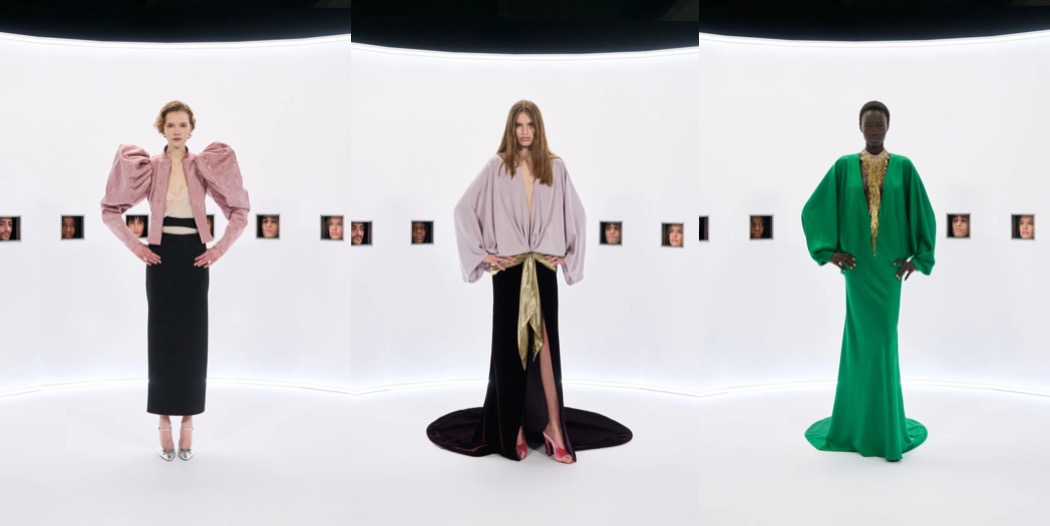
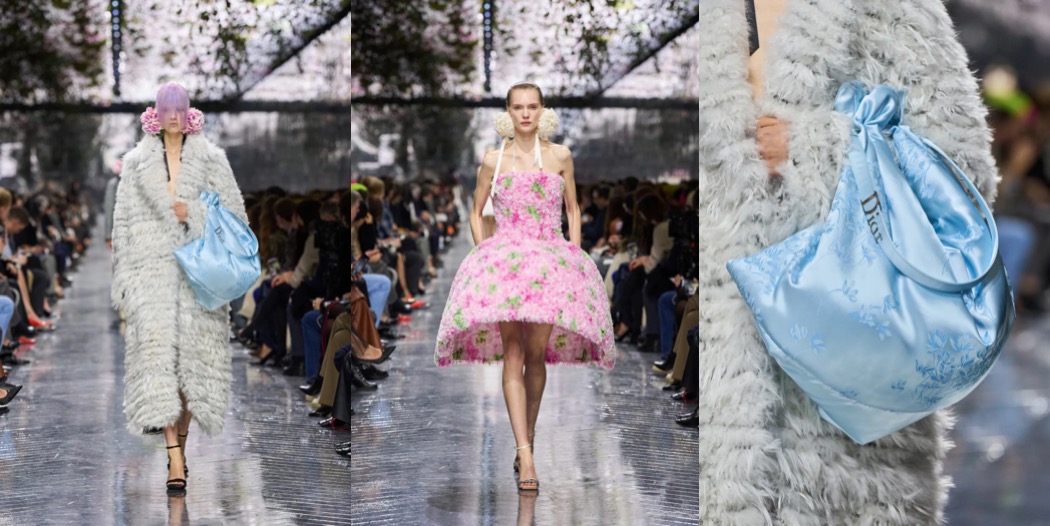
Quite coincidentally, it was officially announced today (after months of speculation) that Maria Grazia Chiuri is stepping down from Dior. Social media raved: finally!; fashion gods heard our prayers; the end of a nightmare. Voiced especially by men, you just can’t not agree with @lewissmag that there’s a tinge (or even plenty) of misogyny sparking that excitement of a woman departuring a maison like Dior after a decade of immense volume of work. A reminder that the fashion males, queer or not, had a very similar blast when Virginie Viard left Chanel. They were in heaven.
Now don’t get me wrong: I’ve never been a number one fan of Maria Grazia Chiuri’s work at Dior – just not my cup of tea, aesthetically. But I do realize that all the logo totes aren’t her sin: it’s in fact LVMH and Bernault Arnault’s endless financial insatiability that powered Dior’s horrific merchandise in the last decade. Just think of the once sophisticated and chic Dior boutique on Avenue Montaigne that now looks like a massive, tacky department store. It’s also not Chiuri’s fault. Unfortunately, creative directors really don’t have all the power when leading a brand.
What this female designer managed to make out of Dior is turning it into a brand that’s in a way similar to Giorgio Armani’s universe: you don’t have to follow it from season to season, because you won’t really see a revolution on the runway – but there’s always a beautiful dress, a great coat, a proper jacket. A continuity that has its rhyme and rhythm.
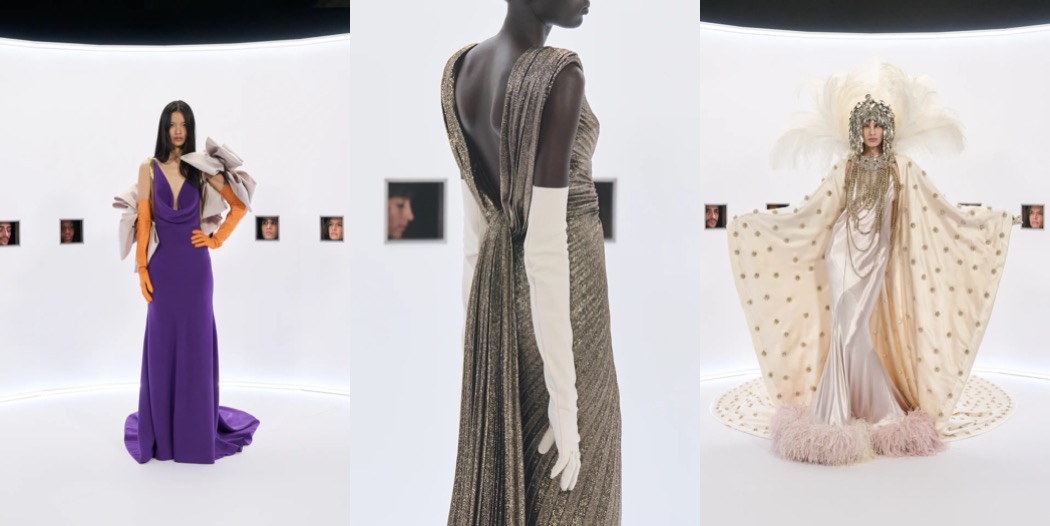
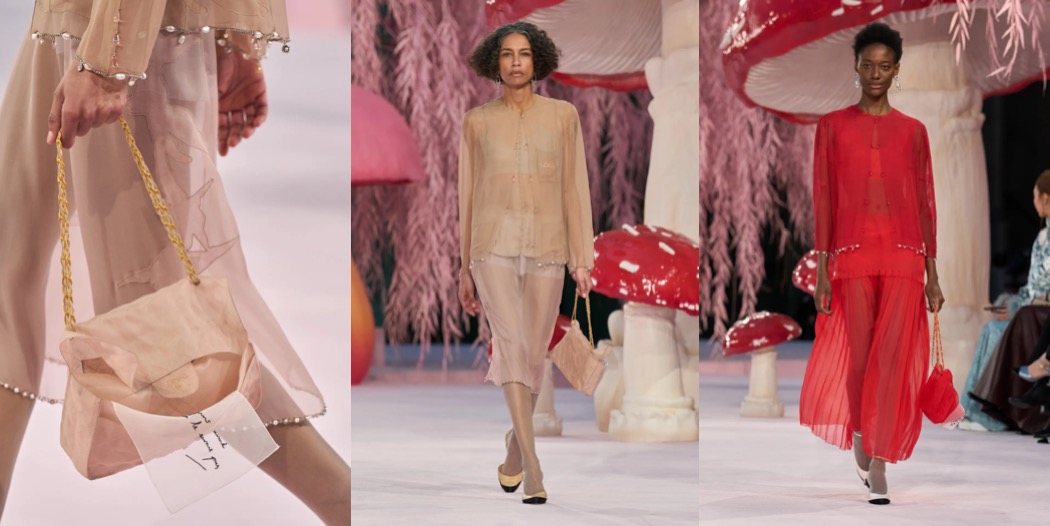
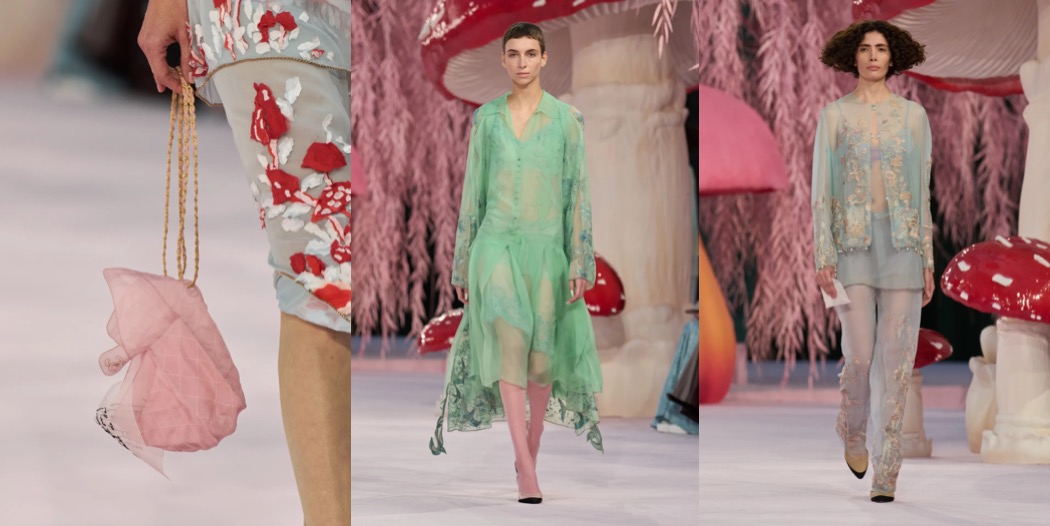
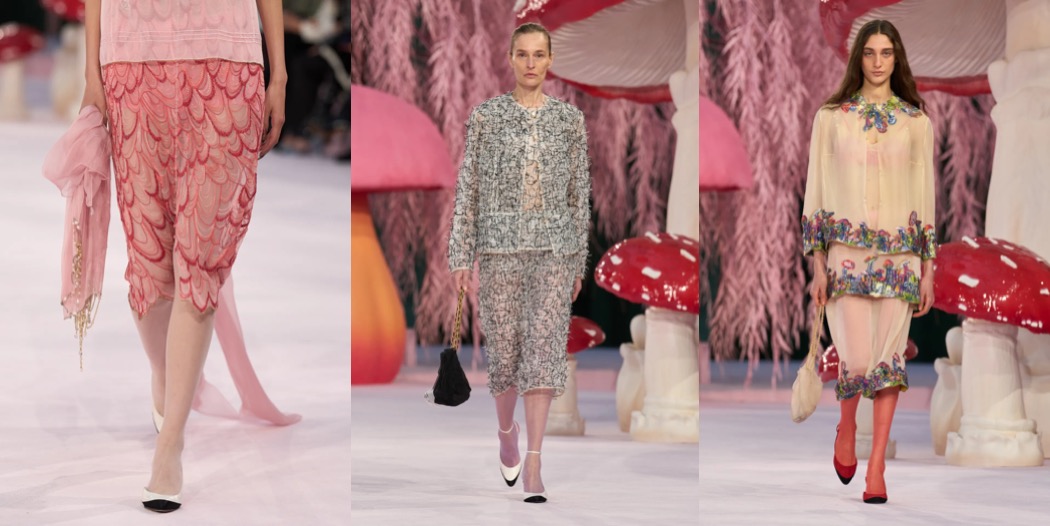
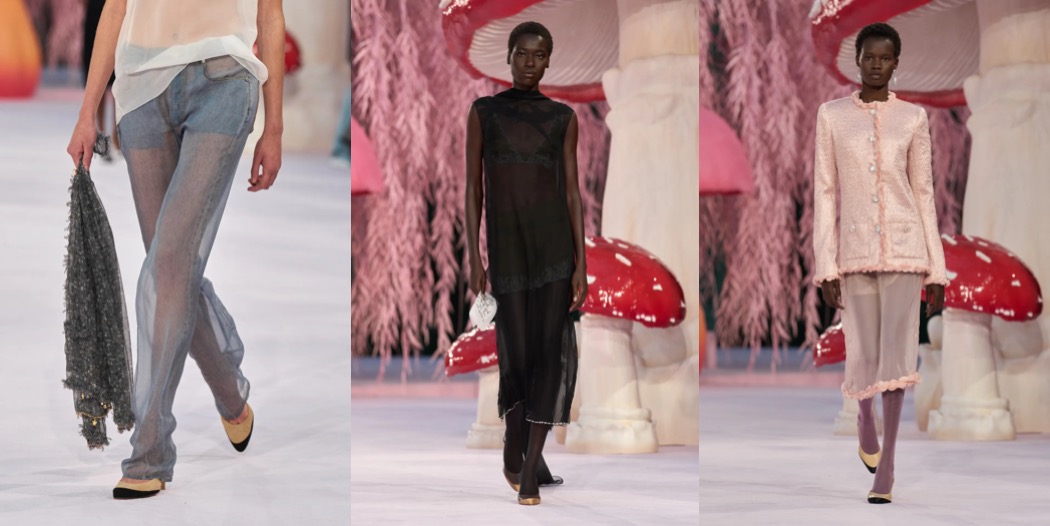
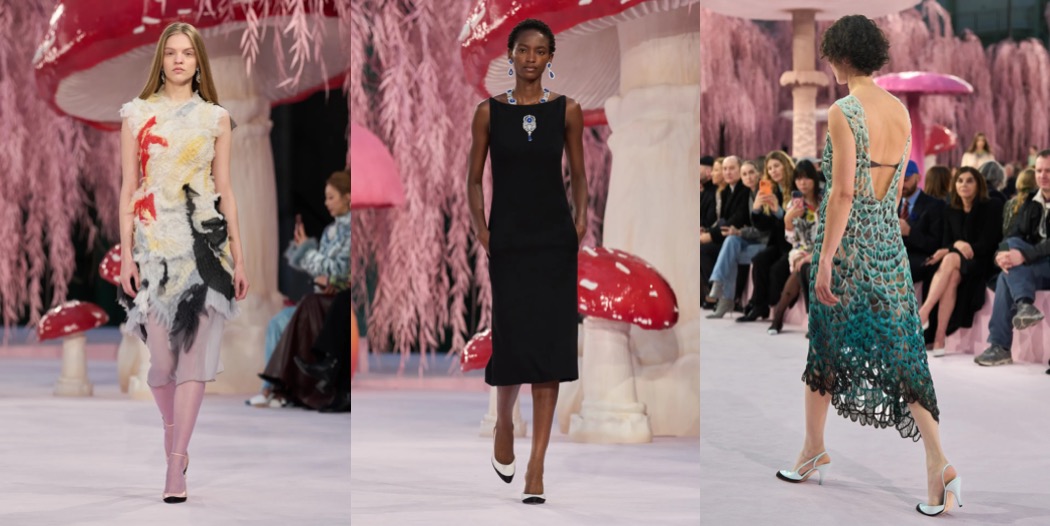
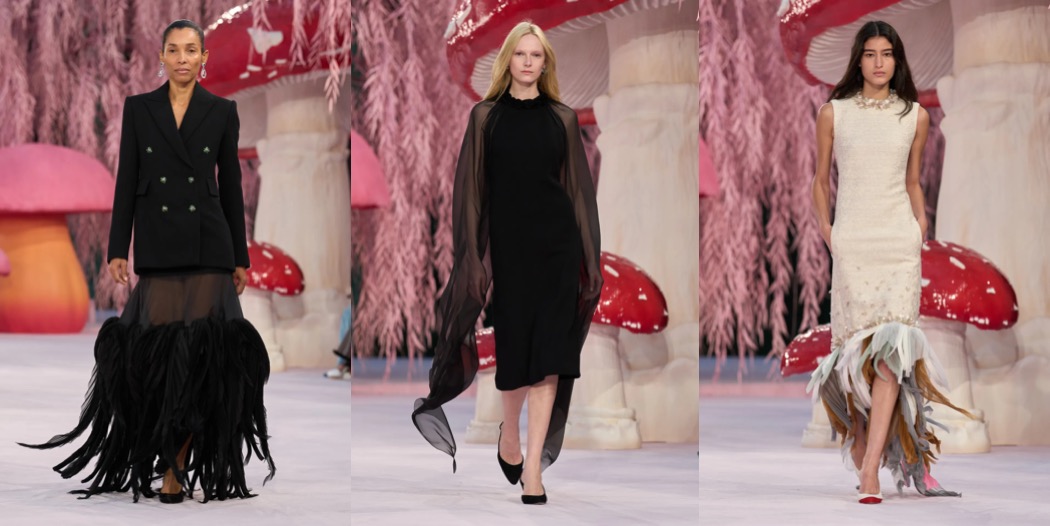
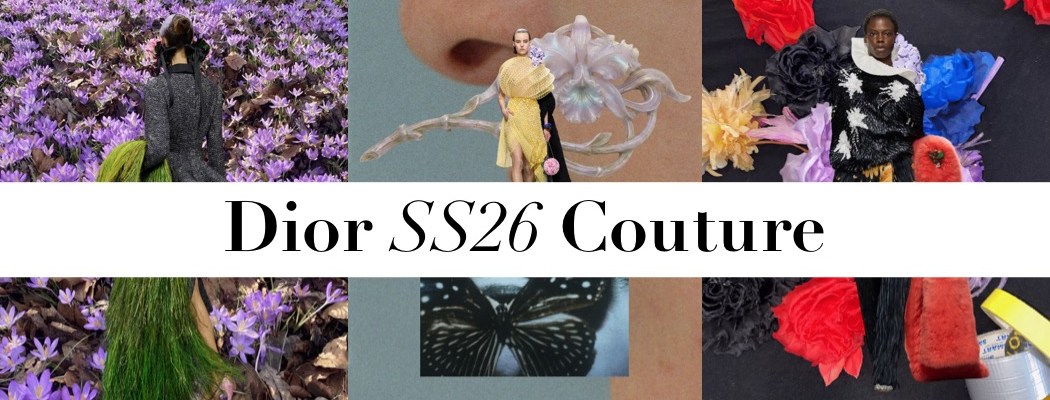
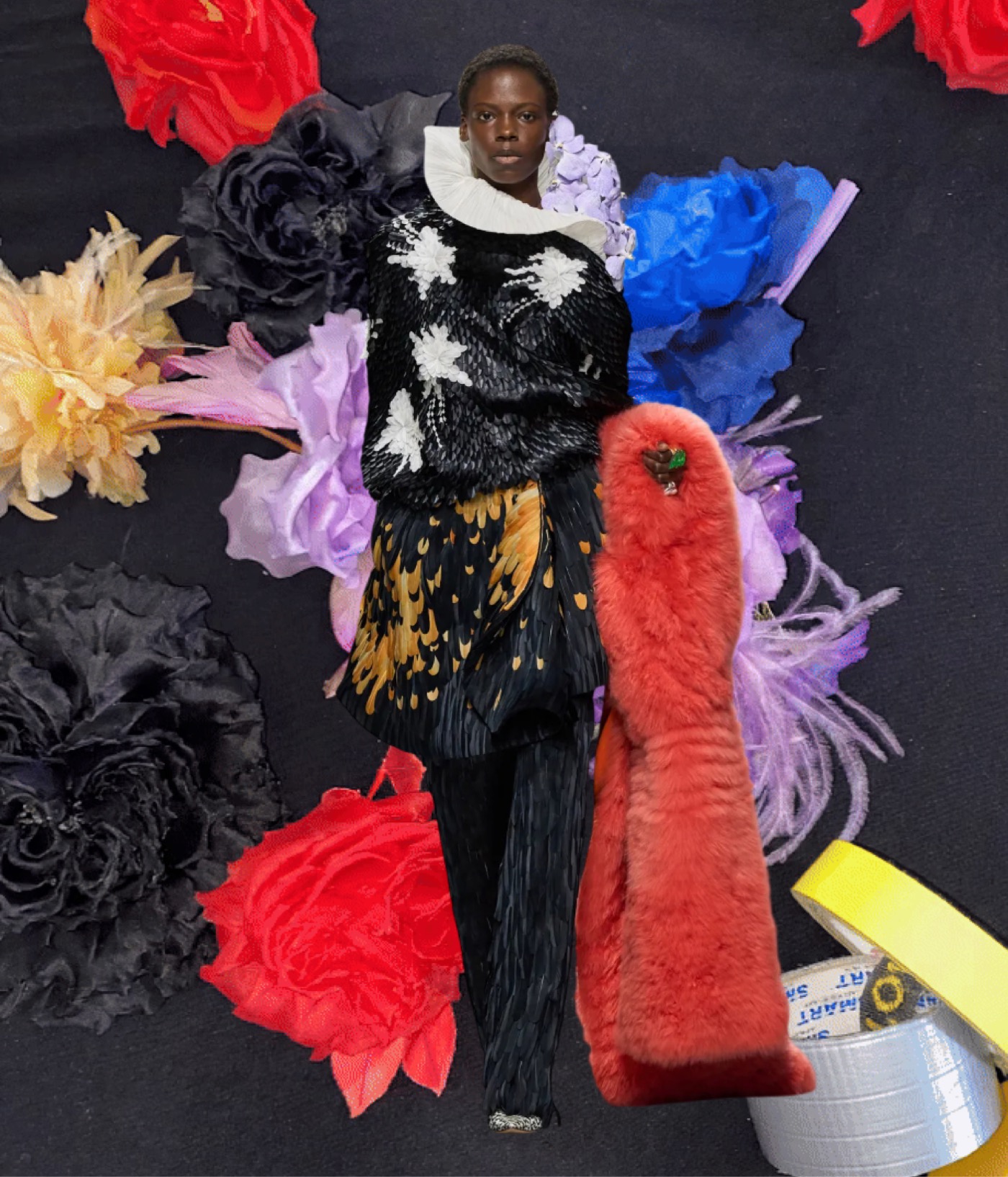
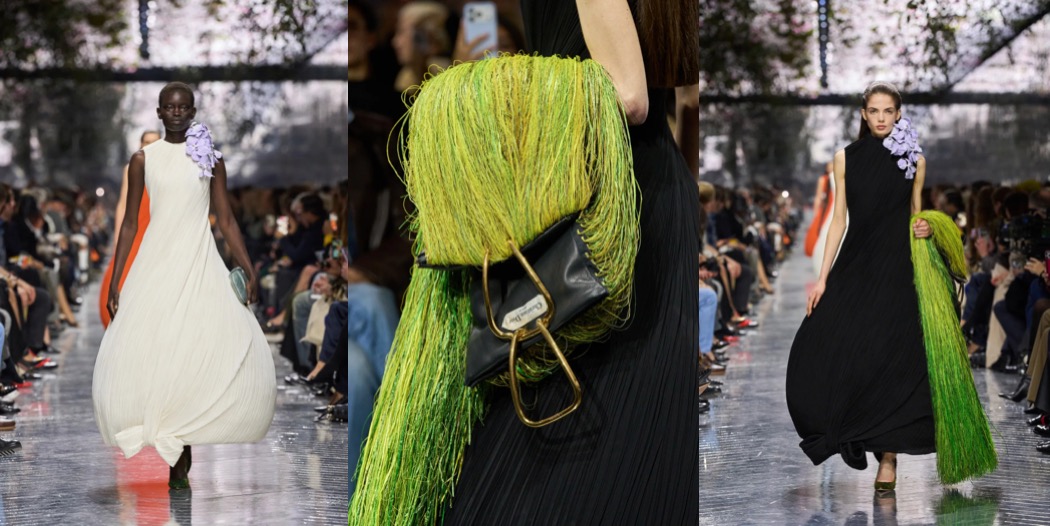
In a way, it seems to me that Maria Grazia Chiuri truly refound herself at the very end of her tenure at Dior. Her pre-fall 2025 show in Tokyo had a spark. Her swan song outing, for resort 2026, presented in the enchanting garden of Villa Albani Torlonia in Rome, was powerful in its grace. Those velvet column gowns are pure delights, just as the remarkable fur coats that are actually made from plume. The collection’s opening look, a masculine white tailcoat worn with a maxi-length, matching skirt, is the absolute essence of Maria Grazia Chiuri’s contribution to fashion, in past misguided by unfortunate styling or simply obscured under all the gimmicks of fashion show spectacles. This ideal, minimalist yet sumptuous simplicity was followed by many variations on the theme of the long, slim, semi-sheer dress. The lace effects were almost countless – 3D florals, rivulets of ruffles, leafy cut-outs, wavy art deco frills, gilded latticework covered with silken fringe. Underwear visible, shoes flat. A statement.
And then, the haute couture finale featuring caviar-beaded, trompe l’oeil-effect dresses that looked like statues dating back to Ancient Rome. Male statues, to be precise. Torsos, like armors (a theme moved very literally by Nicolas Ghesquière at Louis Vuitton just a week ago). Going back to Lorde, Man Of The Year’s cover art is a Talia Chetrit photograph of the singer’s bust, covered with duct tape. Now, do you see the connection between these two?
Will Maria Grazia Chiuri return to fashion in the near future? Probably she will spend her time on cultural initiatives, like the Teatro Della Cometa she renovated and reopened to the public a couple of days ago. And who will lead Dior’s womenswear now? Probably Jonathan Anderson. Another M.O.T.Y.
Collage by Edward Kanarecki. Don’t forget to follow Design & Culture by Ed on Instagram!
Hey, did you know about my newsletter – Ed’s Dispatch? Click here to subscribe!