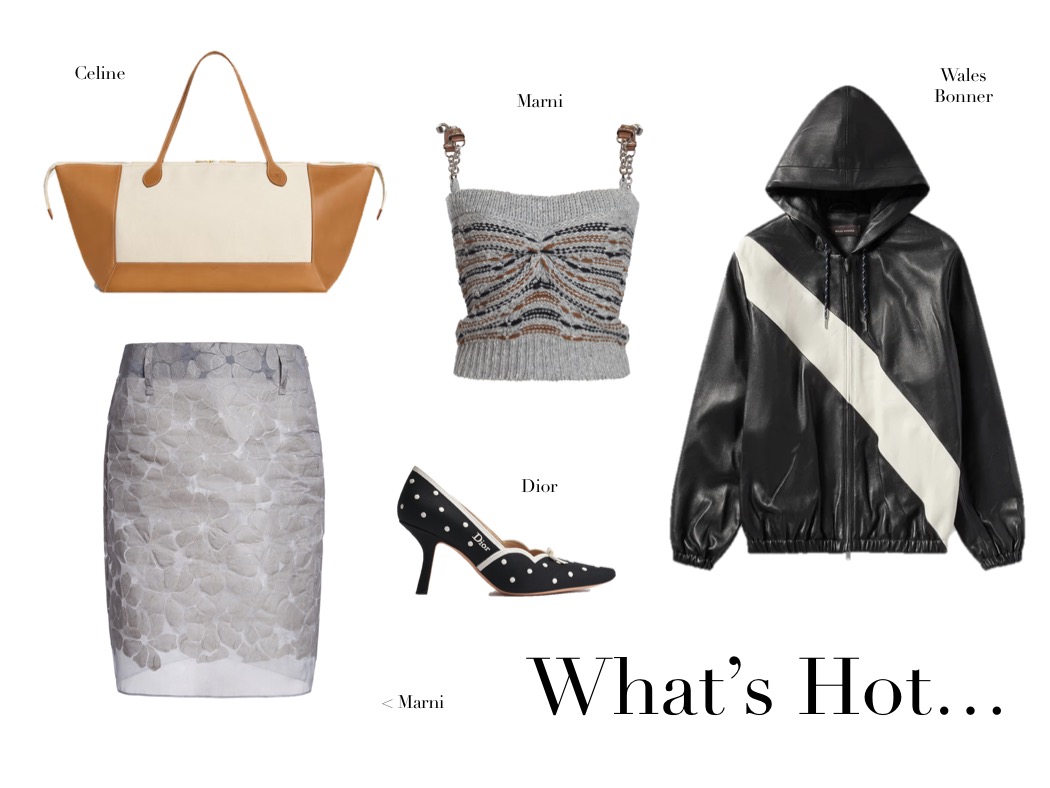
GET THE LOOK:
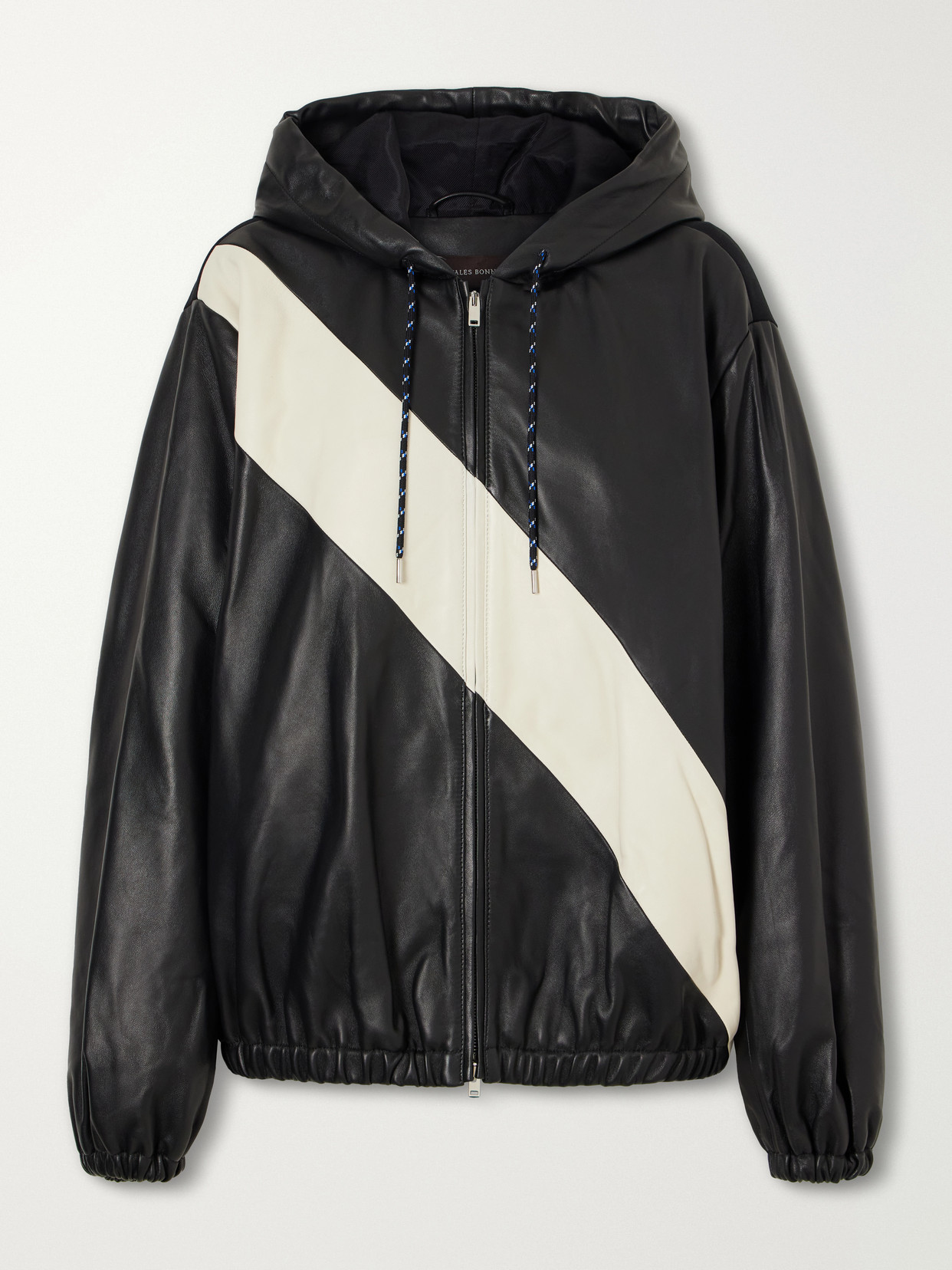
Wales Bonner Vista Striped Leather Jacket
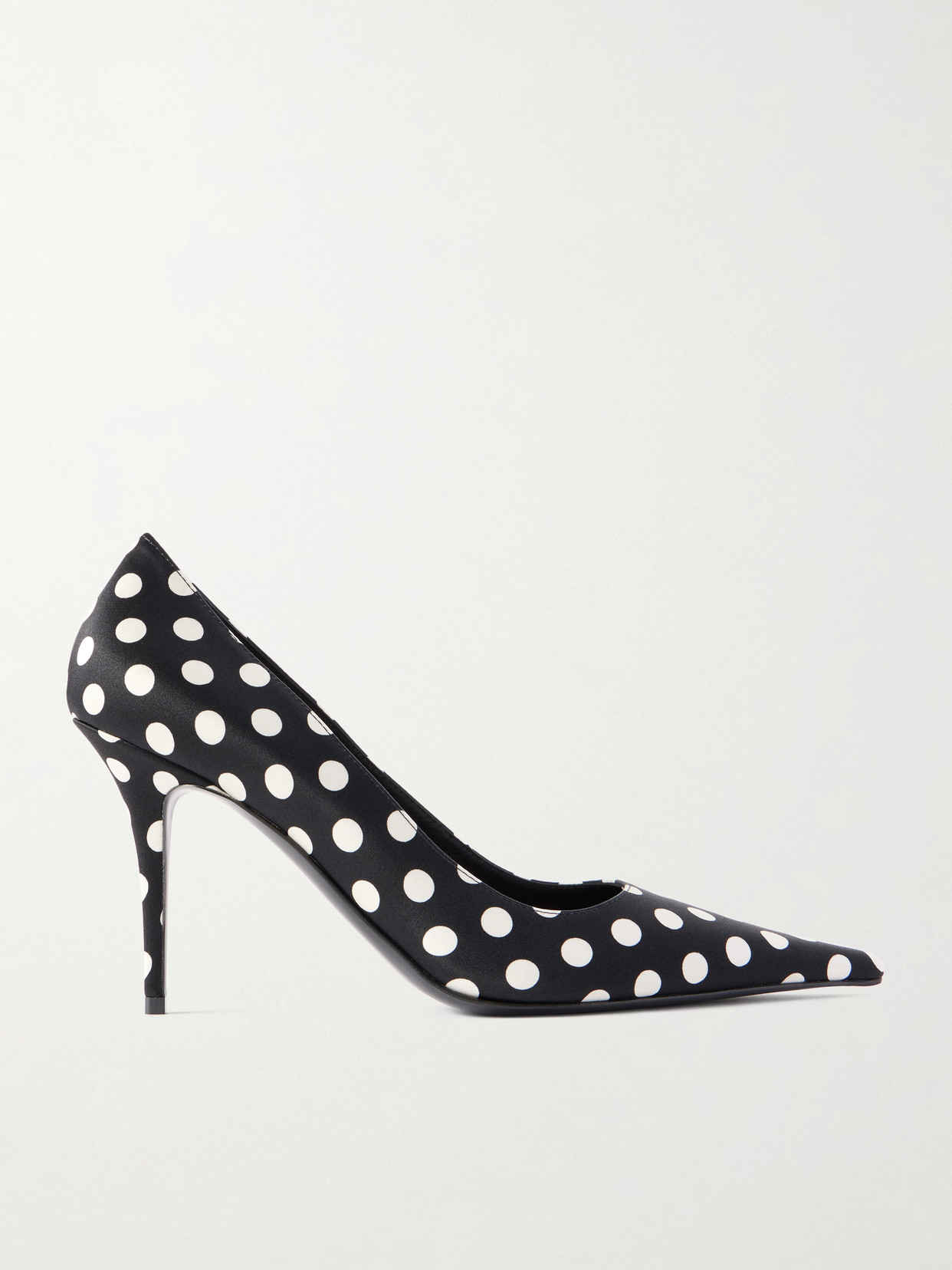
Amina Muaddi Barbara Polka-dot Satin Pumps
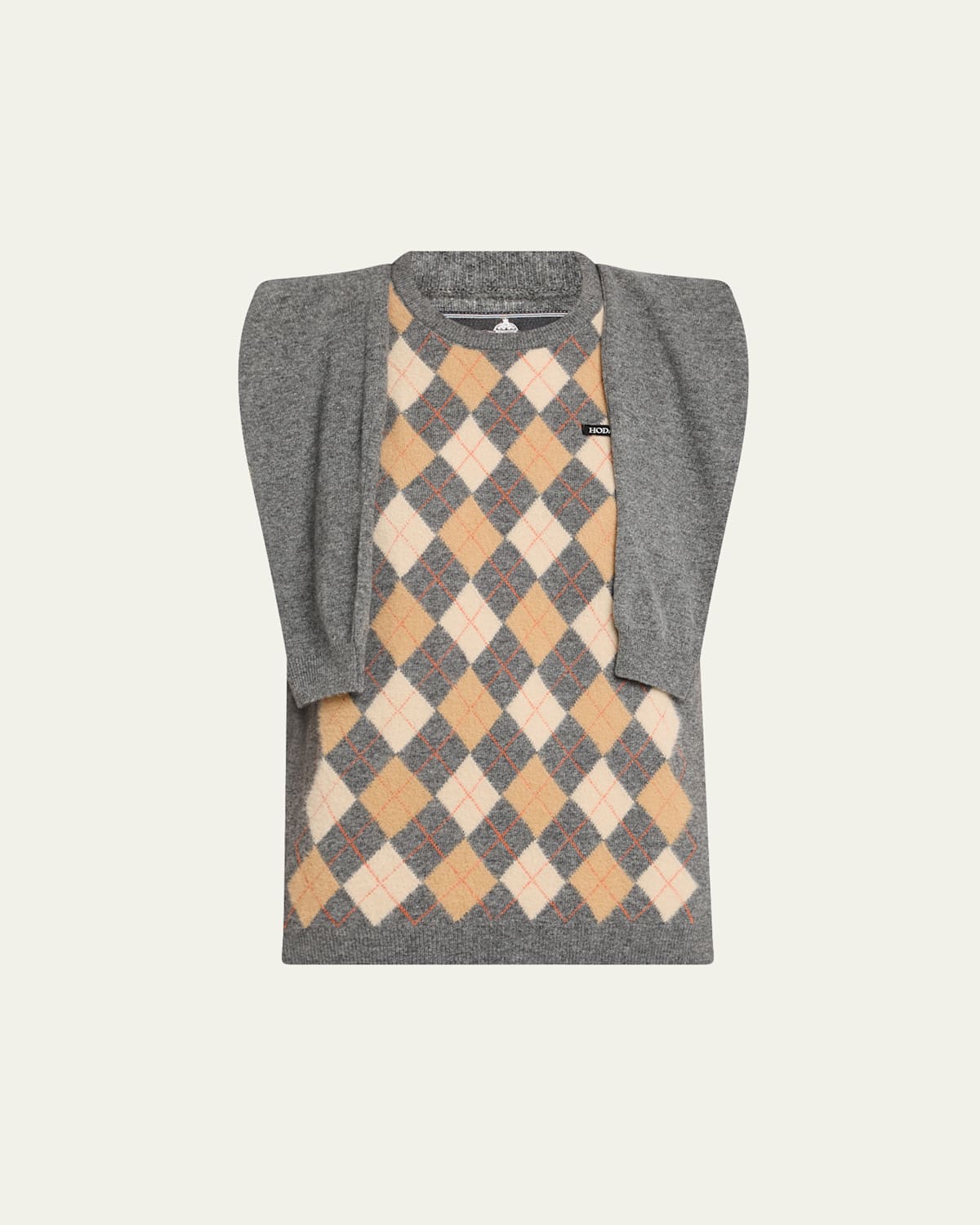
Hodakova Argyle Knitted Draped-Sleeve Sweater Vest
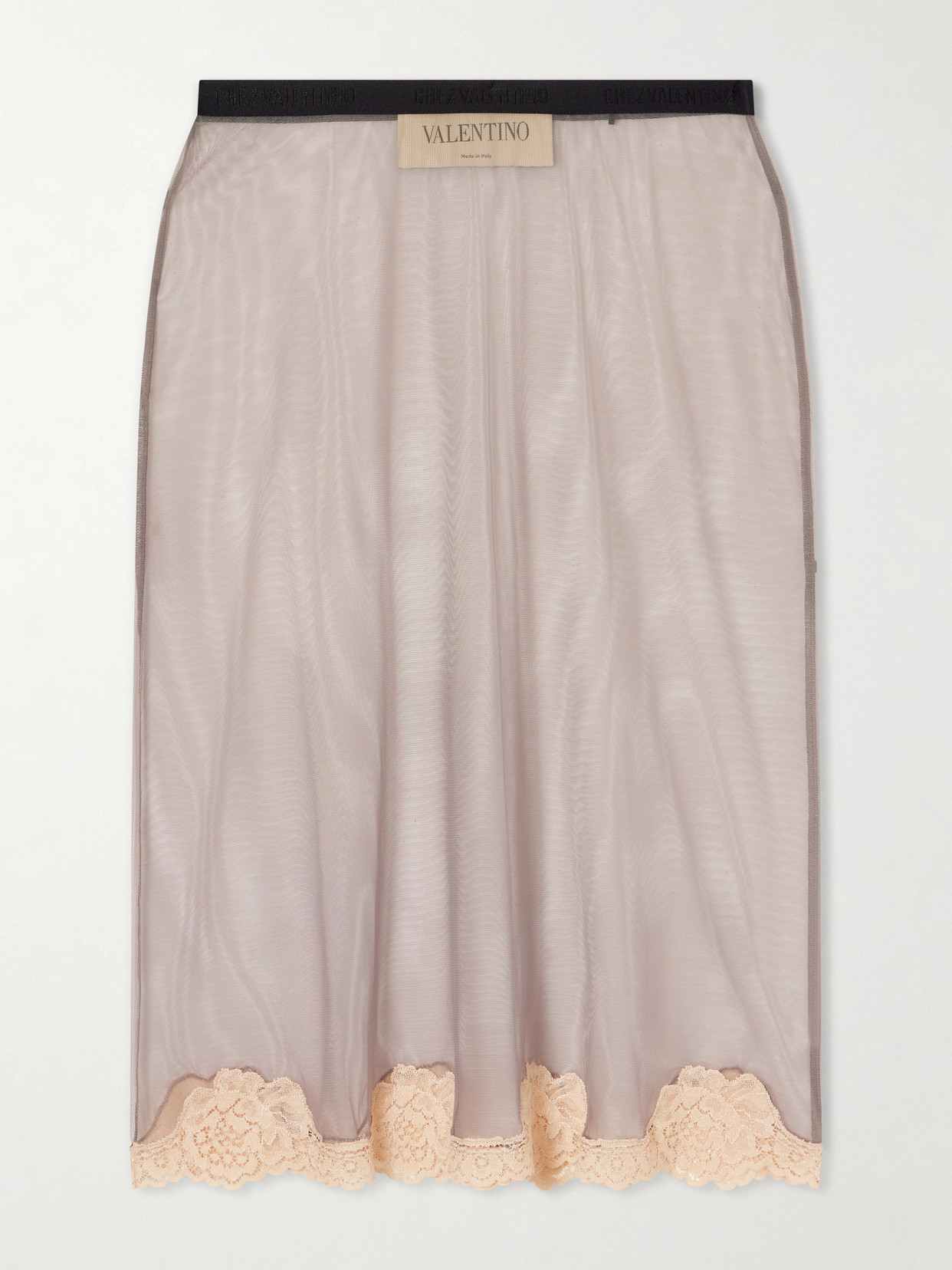
Valentino Garavani Lace-trimmed Mesh Midi Skirt
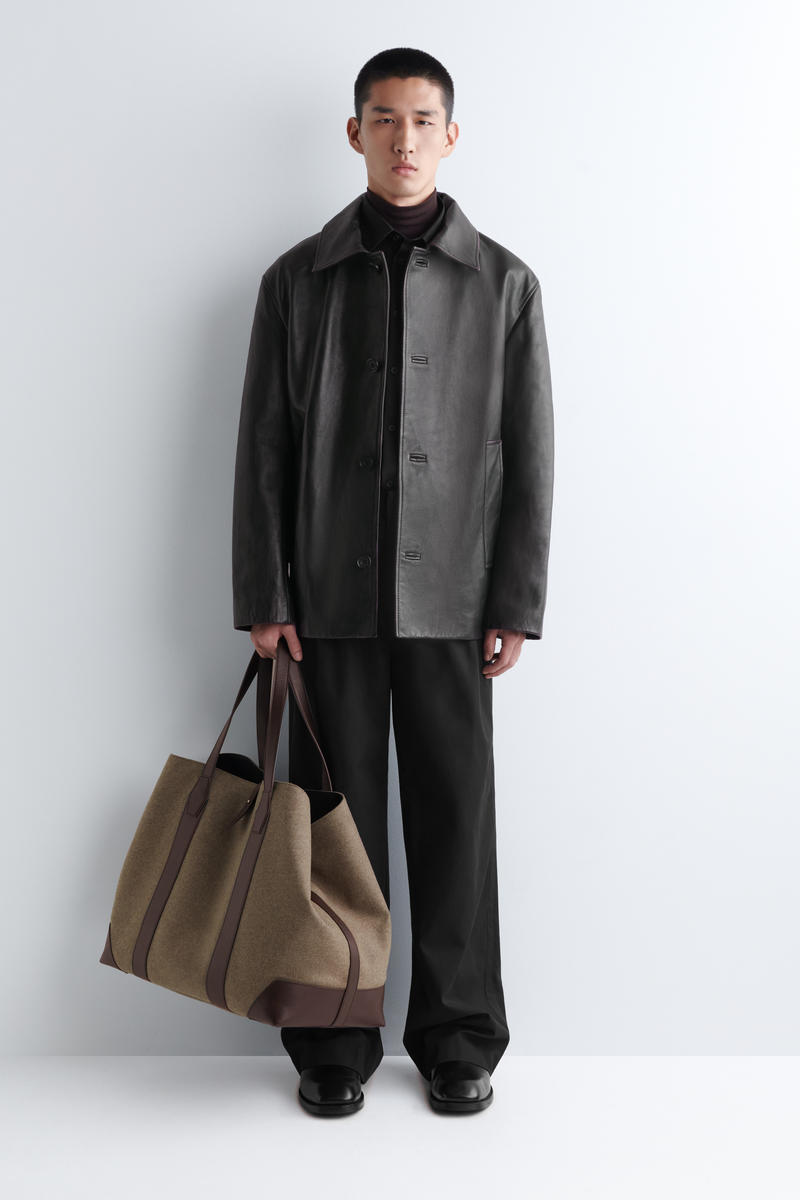
COS Weekender Oversized-Tote Bag

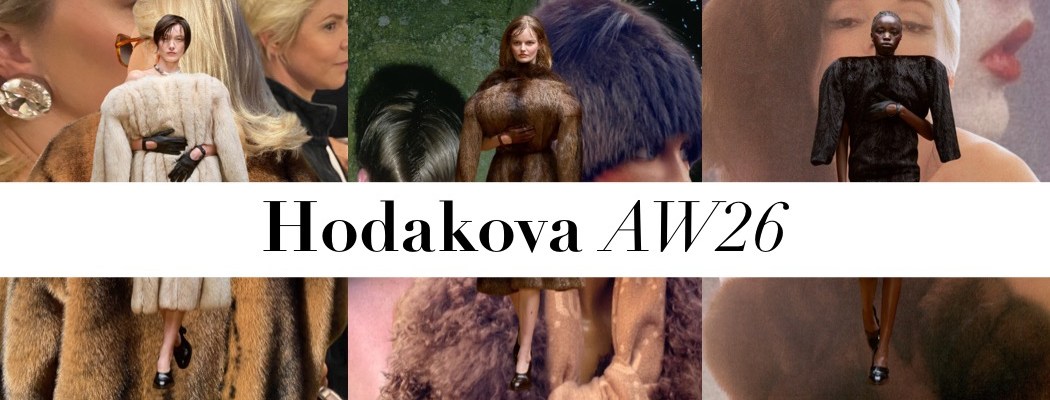
I haven’t been this struck by fashion in a long time. What Ellen Hodakova Larsson did on the opening day of Paris Fashion Week was so profound, heart-wrenching, and purely beautiful that I almost wonder whether the term “fashion” even applies.
For autumn–winter 2026, Hodakova returned to the idea of home – a theme she has explored for some time, but which here felt more substantial and powerful than ever. True to her practice, she transformed everyday objects into garments: an itty-bitty bra fashioned from teacups; a rug crafted into a capelet; pieces incorporating parts of chairs. The effect was as subversive as when Meret Oppenheim covered a teacup in fur: feminine decorum gone rogue, yet also wildly sensual.
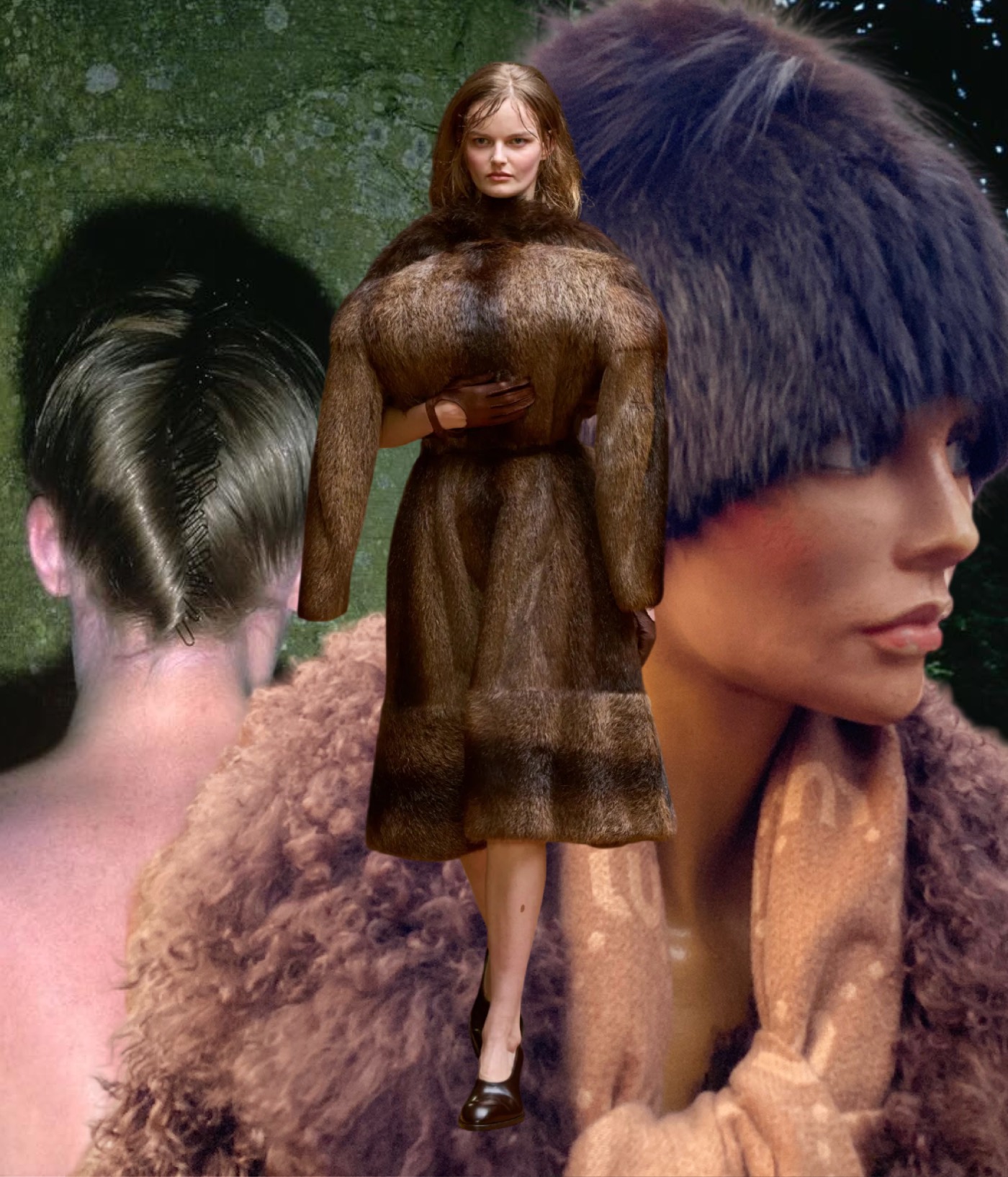
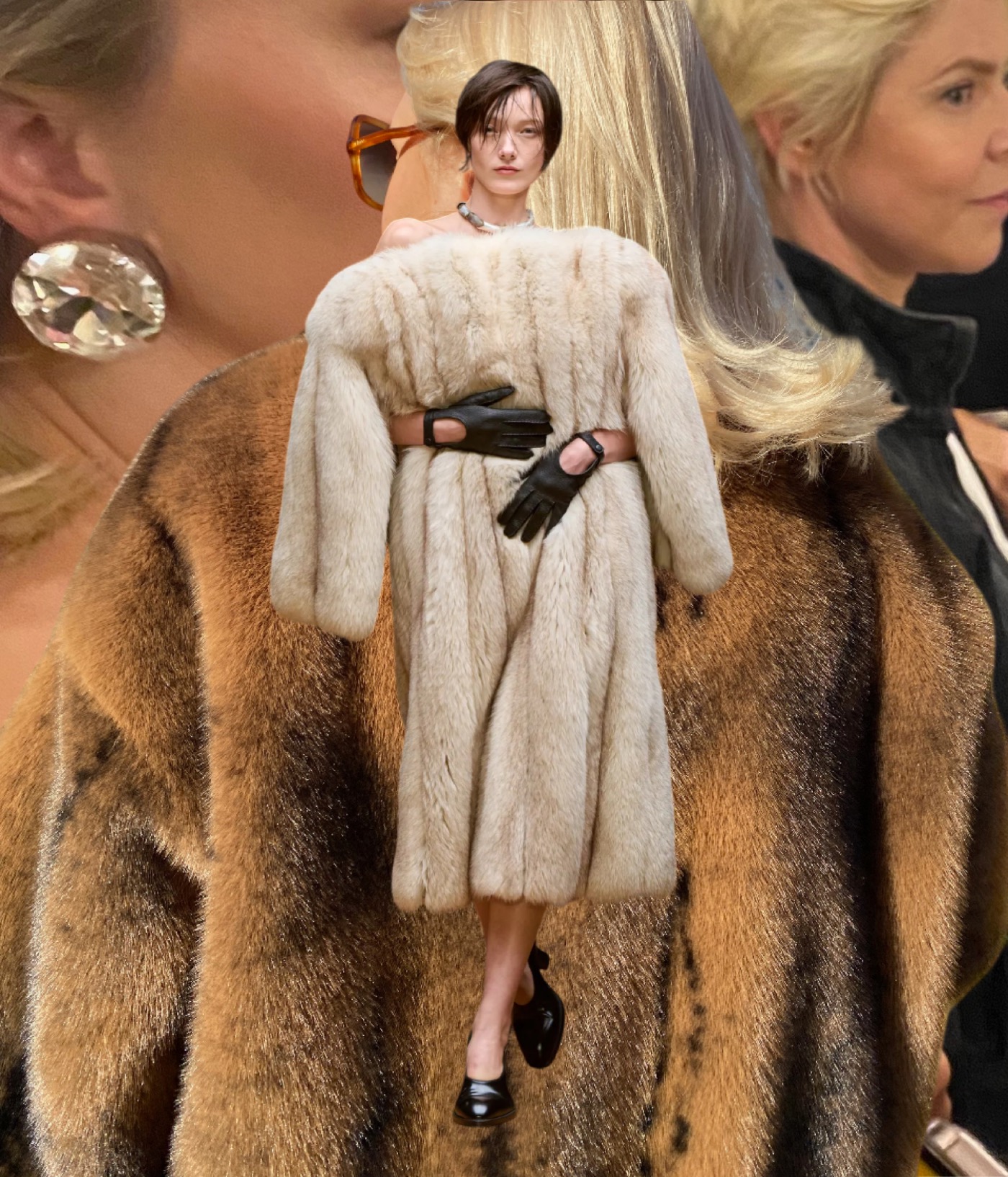
But the distortions and subtle provocations did not end there. Mirrors appeared as accessories – an ode to vanity, but also to introspection. Silken strands that snaked up the body and fastened at the neck (where zippers might once have been) were not samples of blonde hair, but horsehair violin strings. She imagined a musician impeccably dressed for a performance, only to lose herself entirely in the music. And the fur coats that seemed to levitate, hovering like oneiric corpses above the models’ bodies? A literal “home for the body”, staged in a manner reminiscent of an Olivier Saillard and Tilda Swinton performance.
Hodakova’s work is at once literal and strangely elusive: like a dream that floods you with feeling, only to dissolve the moment you awaken. That is not to say her clothes are ephemeral. On the contrary, she is a designer who, like few others, champions a return to meaty, tactile, hyper-real materiality. Her latest collection marks a striking plunge into the sartorial world, with deconstructed Harris Tweed jackets and coats anchoring the vision.
A very, very good start to Paris.
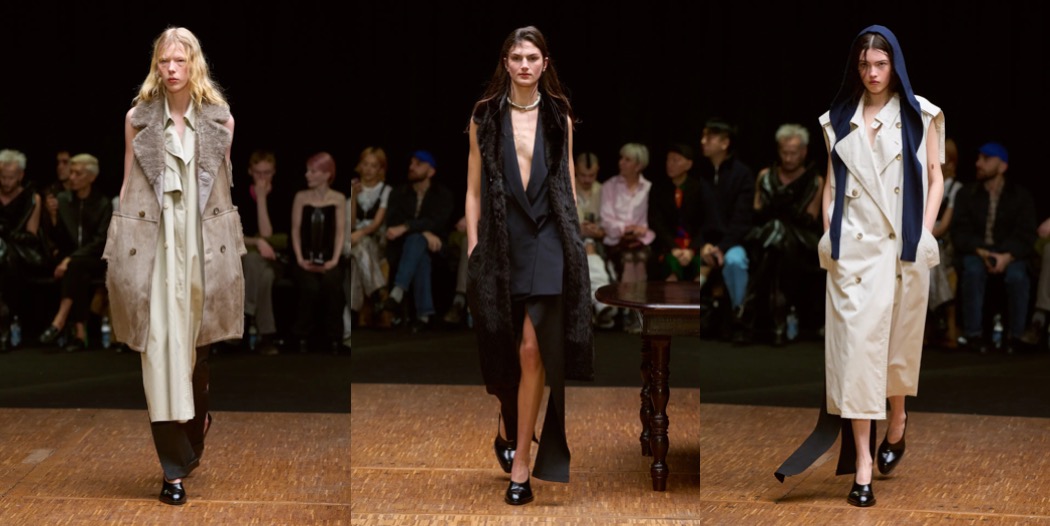
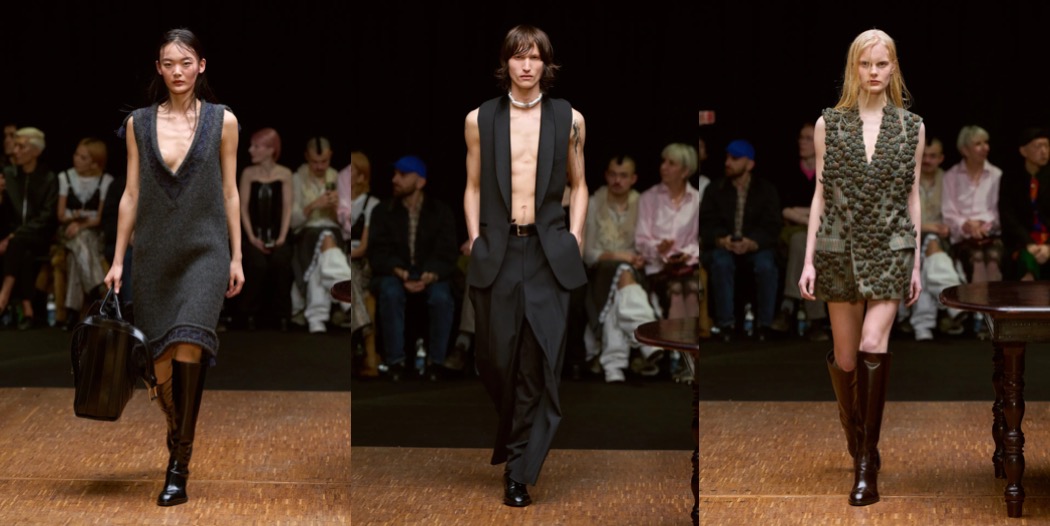
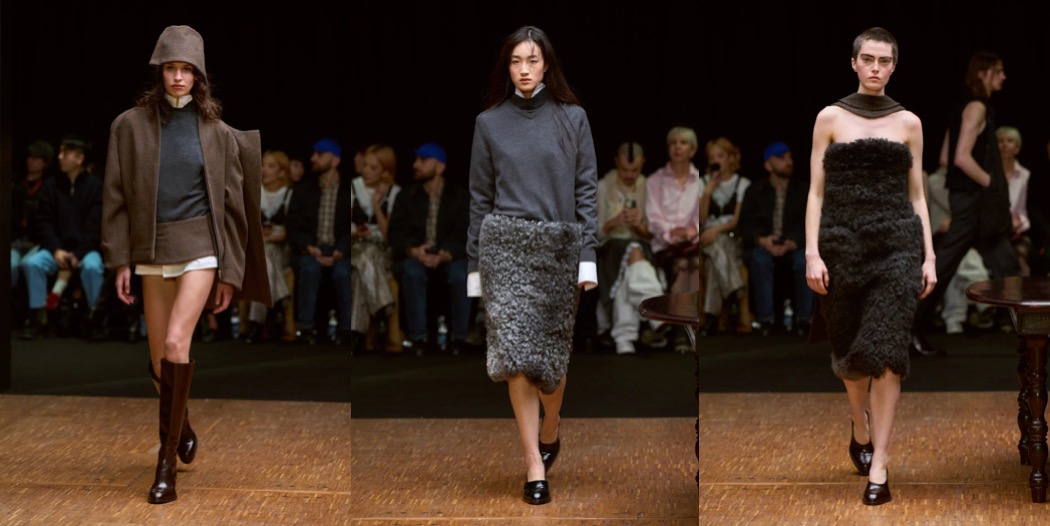
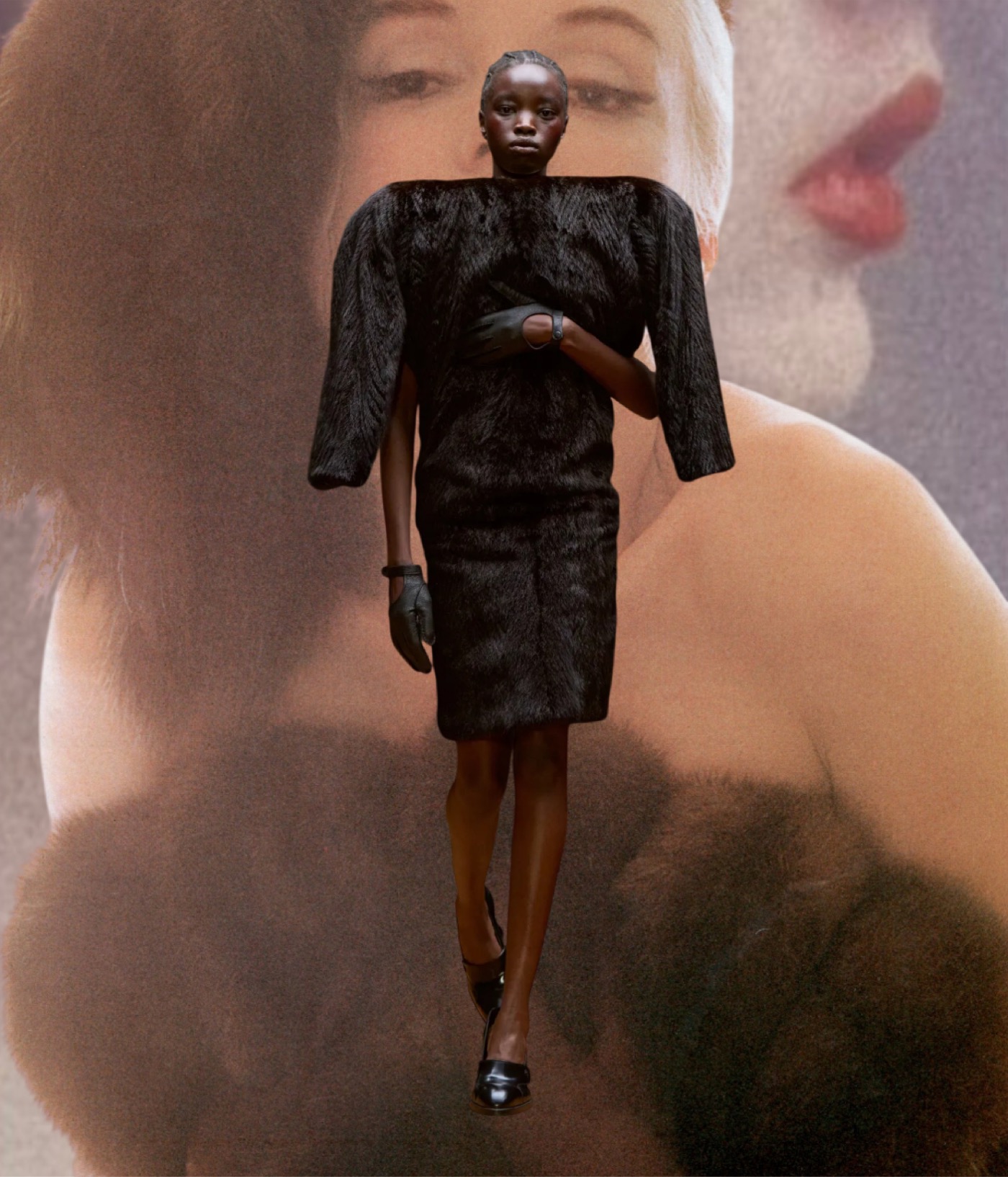
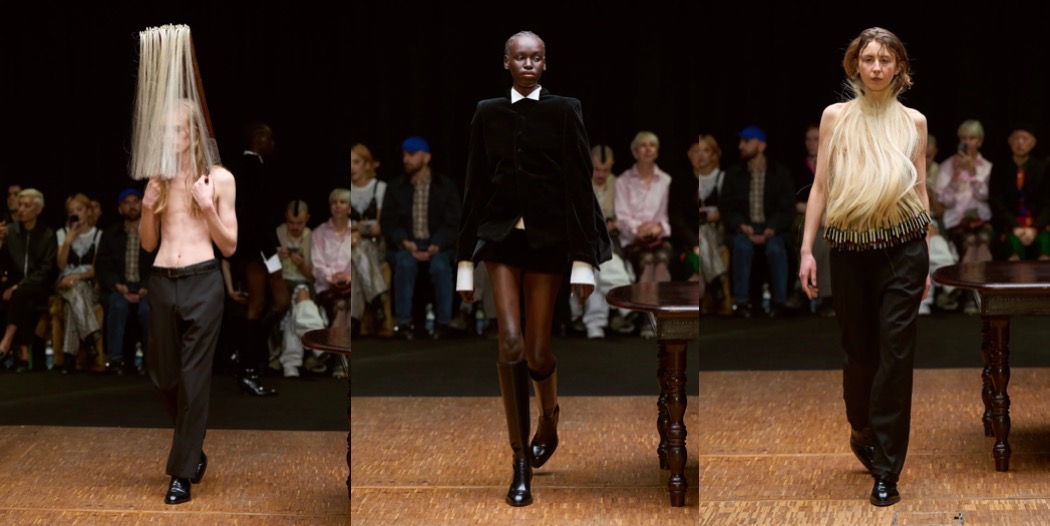
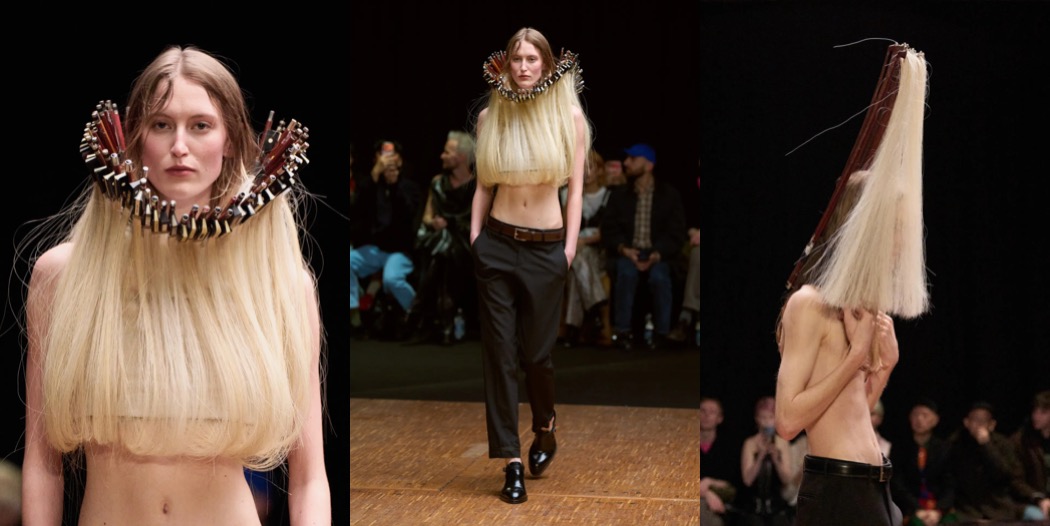
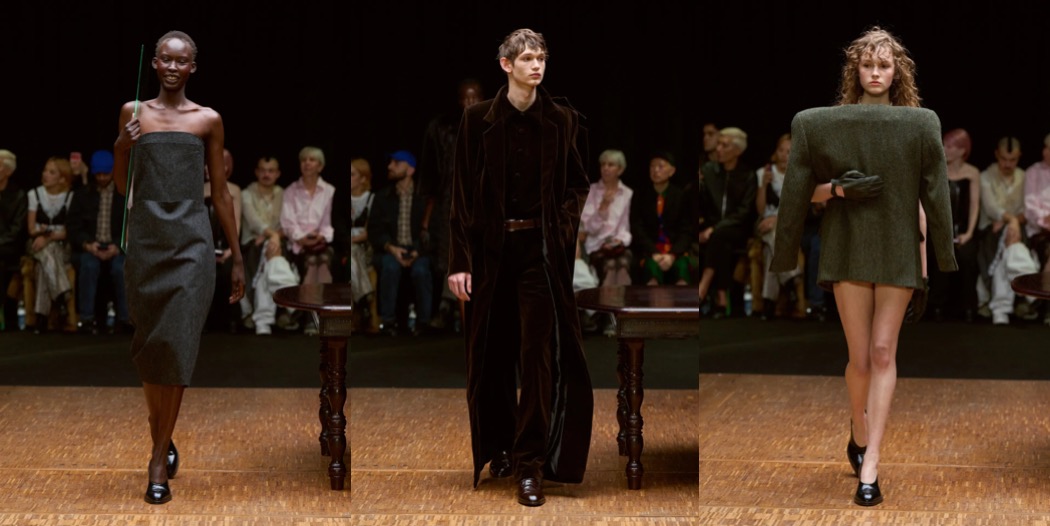
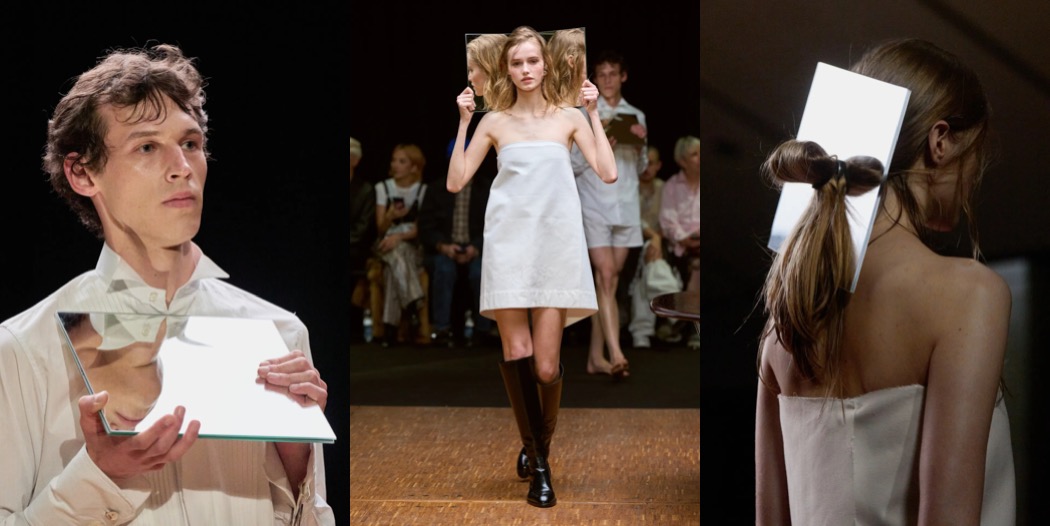
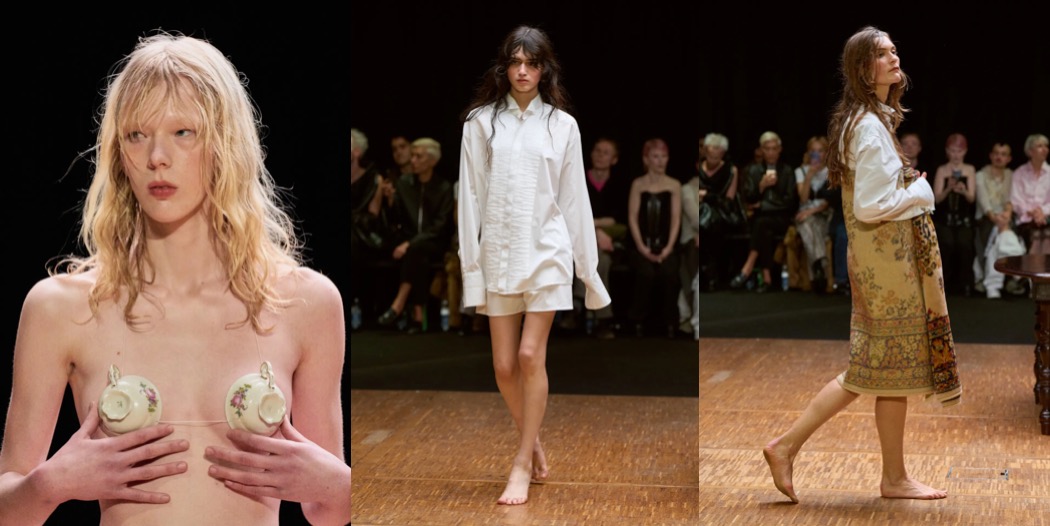
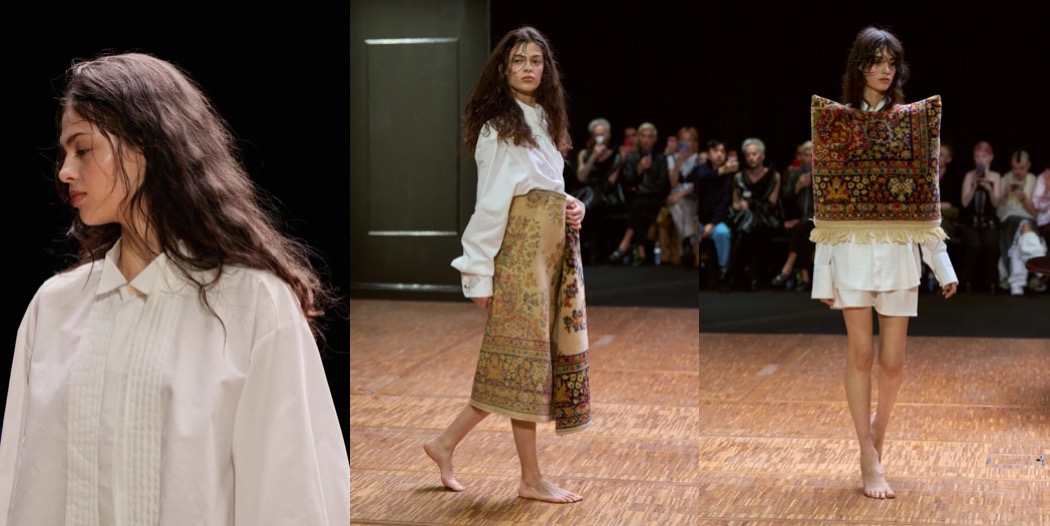
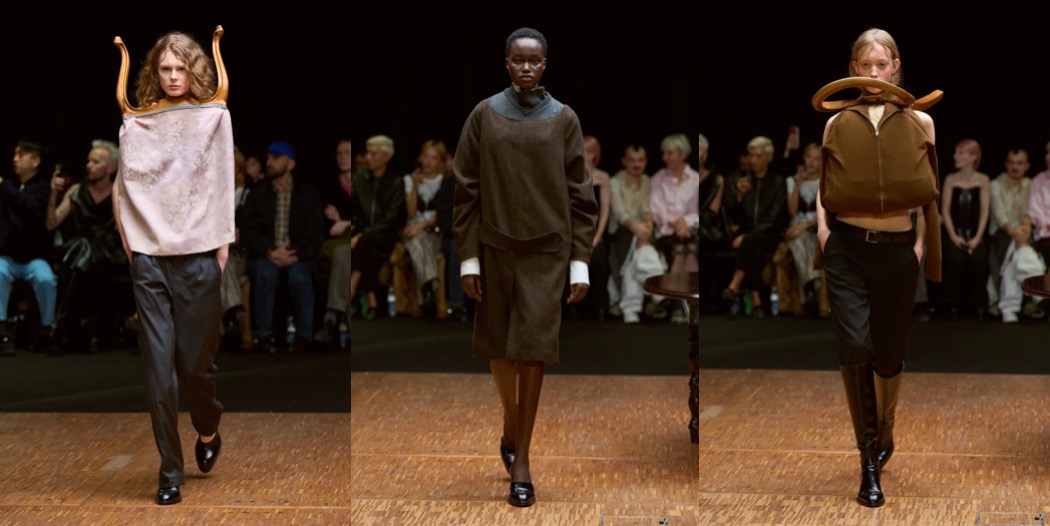
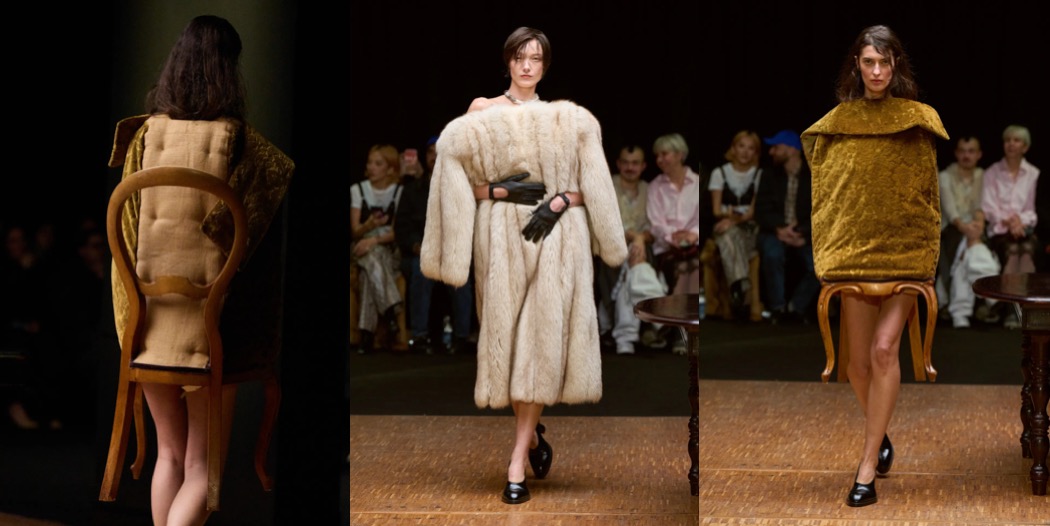
Collage by Edward Kanarecki.
Don’t forget to follow Design & Culture by Ed on Instagram.
Hey, did you know about my newsletter – Ed’s Dispatch? Click here to subscribe.


I really love how wildly nonconforming – and delightfully nuts – the first day of Paris Fashion Week was. Similarly to Julie Kegels, Ellen Hodakova Larsson explores the theme of deconstruction. But in her hands, the approach takes a distinctly material-driven twist. In Hodakova’s world, garments – being wearable objects – possess souls of their own.
For spring, she reimagines leather furniture covers as bulbous, body-morphing dresses; transforms vintage bed linens into oversized slips; and repurposes deadstock handbag frames as bras. The highlight of the collection, however, was the series of finale looks, which nodded to folkloric craftsmanship in a mystical, ritualistic Midsommar-esque way. Here, Larsson collaborated with Joar Nilsson of Dacapo, a Swede who recently founded a school to preserve the thatching tradition in Skåne.
The thatched mini-dress immediately brought to mind Arkadius’ spring–summer 2001 collection, where the legendary Polish designer dissected Slavic rural themes. In Hodakova’s case, however, the energy felt distinctly Nordic.
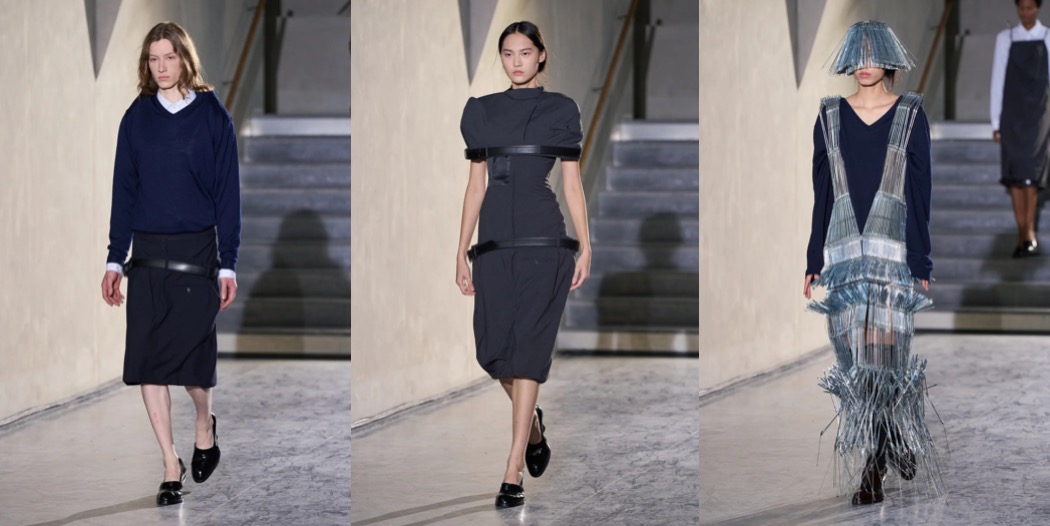
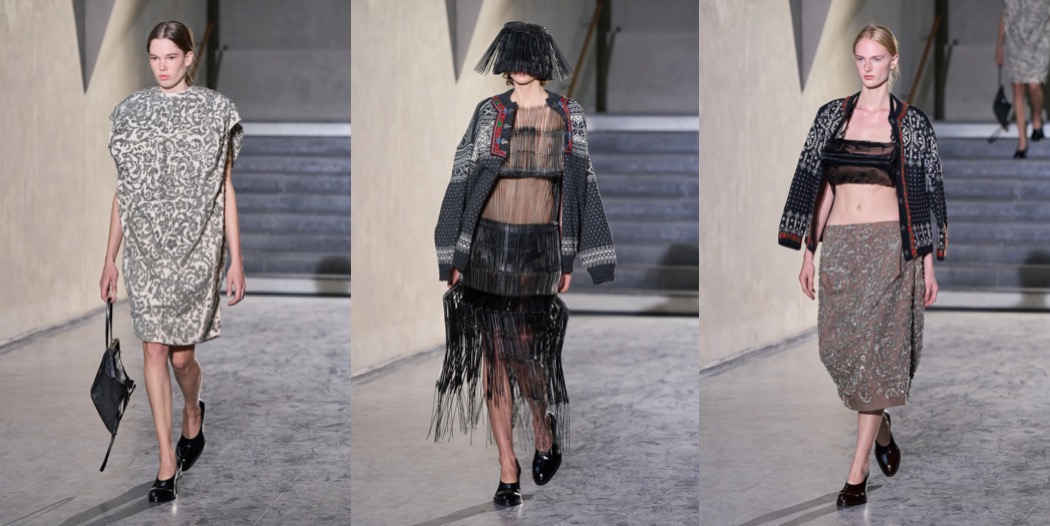


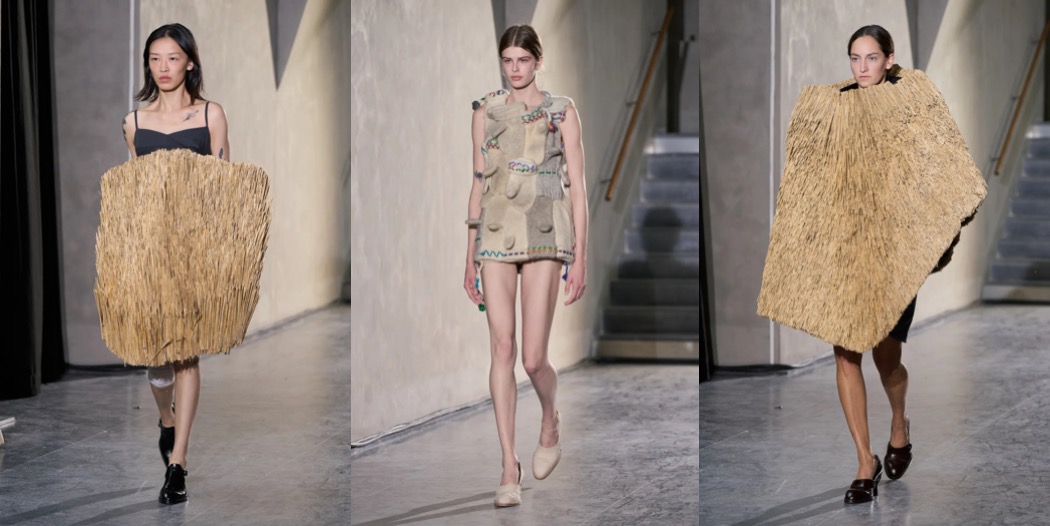
Collage by Edward Kanarecki.
Don’t forget to follow Design & Culture by Ed on Instagram!
Hey, did you know about my newsletter – Ed’s Dispatch? Click here to subscribe!
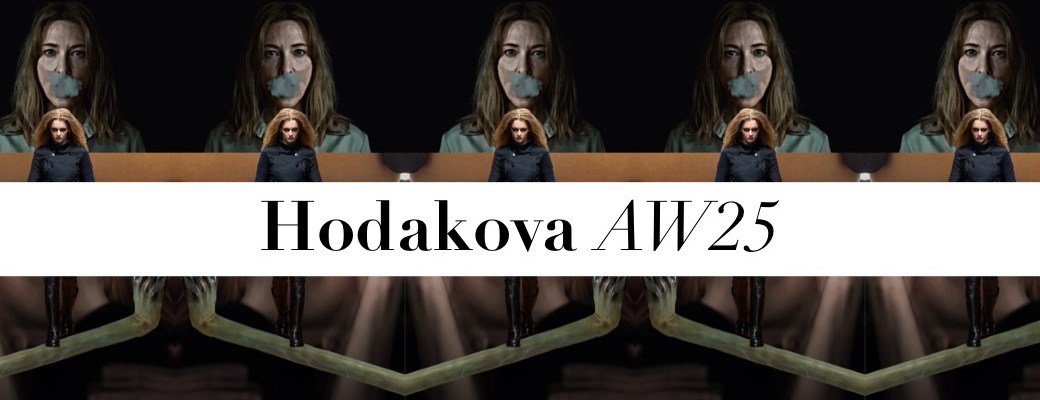

I really loved Hodakova’s collection for its roughness. Just like at The Row and Balenciaga, the line-up carried a sense of highlighting the mundane, the unfiltered reality. Ellen Hodakova Larsson’s interest in the theoretical concept of new materialism defines her brand – and has been her main focus ever since launching her eponymous label. Her garments, often made from pre-existing objects and materials, are full of personality. Coats made from upcycled fur and leather belts aggressively sticking out of sheath dresses are Hodakova’s most intriguing new-season experiments. The very riskily cropped pants gave the line-up sleazy sensuality… all that felt truly cool, yet somewhat disturbing – just like contemporary life. The penultimate look featured the base of a snare drum, which could have been an accessory or a skirt, and the finale was a model somewhat suffocatingly confined in a double bass, with her head and legs free. Cate Blanchett (who regularly wears Hodakova on the red carpet) playing Lydia Tár comes to mind immediately.


Collage by Edward Kanarecki.
Don’t forget to follow Design & Culture by Ed on Instagram!
Hey, did you know about my newsletter – Ed’s Dispatch? Click here to subscribe!

 Design & Culture by Ed