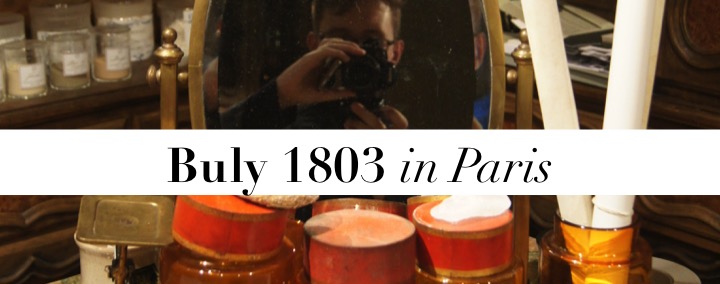
Buly 1803

SONY DSC

Starting in the late 18th century, the famed “Bully”, established in 1803 on Rue Saint-Honoré in Paris, made a name for himself (which he then wore with a double consonant). At the turn of the 19th century, perfumers were still the heirs of the craftsmen from the Ancien Régime, and the keepers of their trade secrets. The vogue of perfumes followed in the wake of a fresh openness to the world and to its novel, sometimes exotic flowers – as with Joséphine de Beauharnais, who imported to France and acclimatized new olfactory species and audacities. Bully welcomed the advances of science and cosmetics to formulate his own inventions in form of perfumes and scented oils. Among these, his remarkable skin care products achieved lasting fame. Throughout the Golden Century of beauty, which witnessed the invention of the first formulations of modern cosmetics and perfumery, the ‘officine’ gradually established itself as a trend-setter.

Today, Buly 1803 is reborn in Paris, on rue Bonaparte 6 in the sixth arrondissement, with a different spelling and a refreshed concept. Visiting their boutique was like entering a cabinet de curiosités, falling hard for the opulent marble furniture, antique illustrations on the walls, and Japanese porcelain flacons costing 3000 euros and up. Buly 1803 is a true gem and it’s quite unbelievable to find brands like this in our world of fast, mass-consumption.

Discover Buly 1803 finest products: Buly 1803 Pommade Concrète balmBuly 1803 Campagne D’italie candle & Buly 1803 tortoiseshell comb.

All photos by Edward Kanarecki

Café Henrie

img_2449-552x368

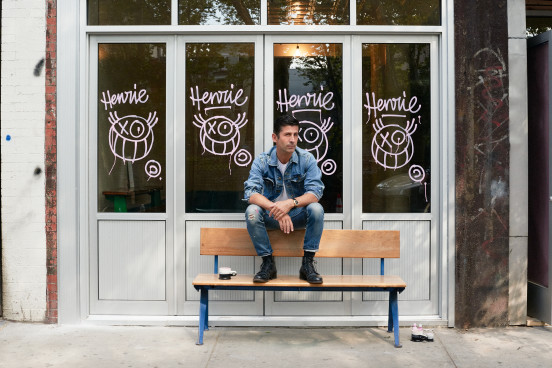
This place used to be a garage owned by a hot-dog booth. Now it is the most fashionable address in the Lower East Side. Café Henrie in the newest initiative of André Saraiva, a famous graffiti artist, who for many years has been a soul of Parisian parties and fashion events. His projects include the design of seductive Hotel Amour and chic Castel Paris. And then… he found out he needed a place in New York, where he could drink a delicious cup of coffee. Just a few steps away from his studio.

The interior reflects André’s eclectic aesthetics. There are the timeless benches of Jean Prouvé which for years have been collected at the Parisian flea markets. Pink neons designed by Petra Collins hang in the toilets. Colourful, ceramic vessels designed by  Peter Shire (one of members of the Memphis Group) are a good reason to take an Instagram-perfect picture. Café Henrie is constantly changing and the owner regularly invites his favourite artists to co-create this unique place.

And yet, Café Henrie is not only about its interior. It’s the food, and the signature menu of Camille Becerra that stands behind the restaurant’s success. Favourite dish of  New Yorkers?  „Dragon Bowl“, a bowl filled to the rim with avocado, herbs, pickled veggies and garden salad. Vegan nachos served with mysteriously called sauces (such as Beet Tahini or Gentlemen’s Relish), „Persian” meatballs or tea-and-ginger chicken are only some of the menu’s delicacies that attract everyone at Henrie.

Thanks to Chloë Sevigny herself, who is a frequent guest and a friend with André, Café Henrie is a cult spot. But at the same time, this place seems to be one of the most laid-back in the city, far from the turmoil of fashionable districts.

116 Forsyth Street / New York

Initially posted by me here.

Holiday Cafe

FullSizeRender-kopia 14

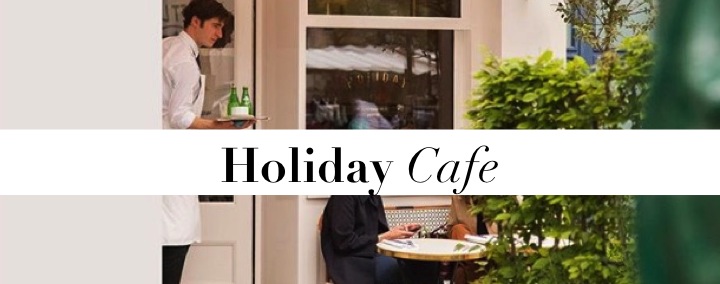
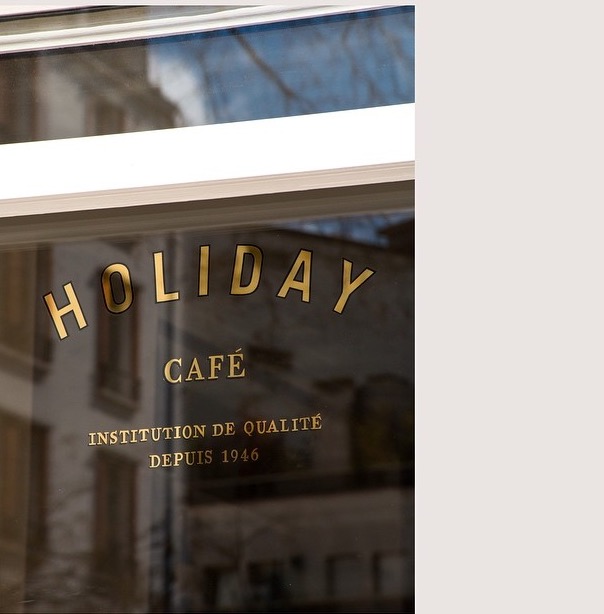
The amateurs of niche magazines are certainly familiar with the famous Holiday Magazine. In the years 1946-1977 the magazine covered the distant voyages of writers like Truman Capote. It also employed renowned photographers to present their personal perspective on the favourite holiday spots of America’s rich. After a long absence, the magazine was revived in 2014 by Atelier Franck Durand. The Parisian artistic studio gave a new meaning to the cult magazine. Focusing these days to a large extent on fashion, the magazine grew into a small capsule collection of clothes fit for travelling and… to a cafe in the quiet 16th arrondissement of Paris.

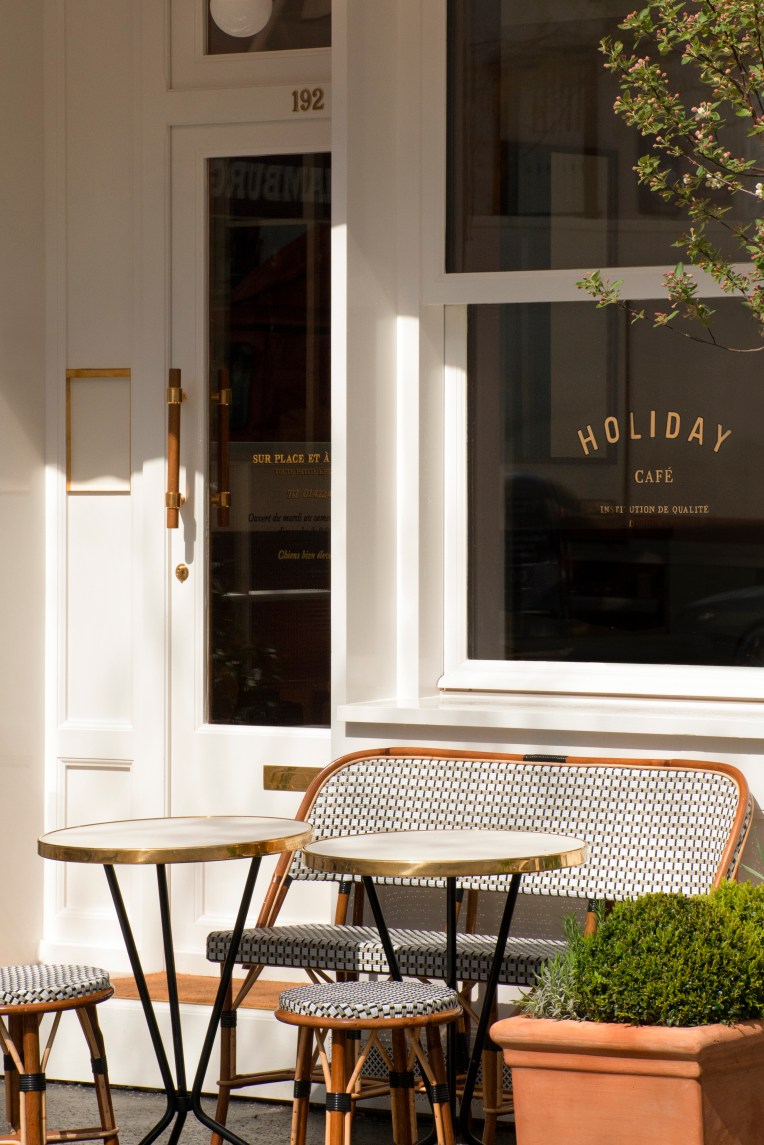
Yves Saint Laurent once said that “Fashions fade, style is eternal”. This is definitely true for Holiday Cafe, which doesn’t even try to compete with the most fashionable Parisian places. The interior is quite ordinary, but despite that, or maybe actually because of that, it has its own remarkable style. Slategray tablecloths, an intimate garden with a view on the old buildings, wooden finishings – they were all conceived by Franklin Azzi, an architect who has been working with Durand for many years.

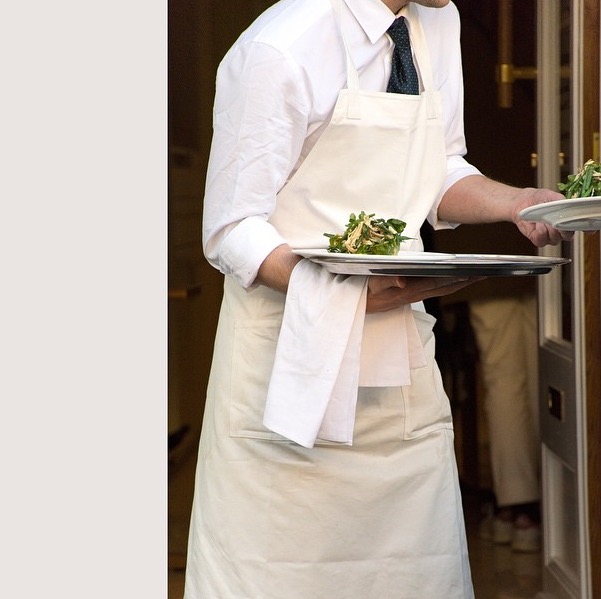
As for the menu, Holiday Cafe focuses on simple French cuisine, adding some sharp Japanese flavours. Daniel de la Falaise, the chef and author of the menu suggests trying his personal version of croque-demoiselle, an updated version of the classic croque-madame. The menu offers quail eggs with fine herbs salad, apple mousse with blueberries and strawberry torte with whiskey from Yamazaki distillery. But there is also a portion of white asparagus served with home-made mayonnaise, the well-known foie gras and a selection of fromages from the French craftsmen. Holiday Cafe accurately describes itself as “an eclectic assemblage of necessary luxuries: simple dishes of the highest quality”. (Note: I wrote this post for Usta Magazyn in Polish. Initial version is here.)

Avenue de Versailles 192 / Paris

holidaycafe_192avenuedeversailles_4

FullSizeRender-kopia 12

holidaycafe_plat_4

FullSizeRender-kopia 13

holidaycafe_exterieur

FullSizeRender-kopia 15

Zorza Bistro

IMG_0486
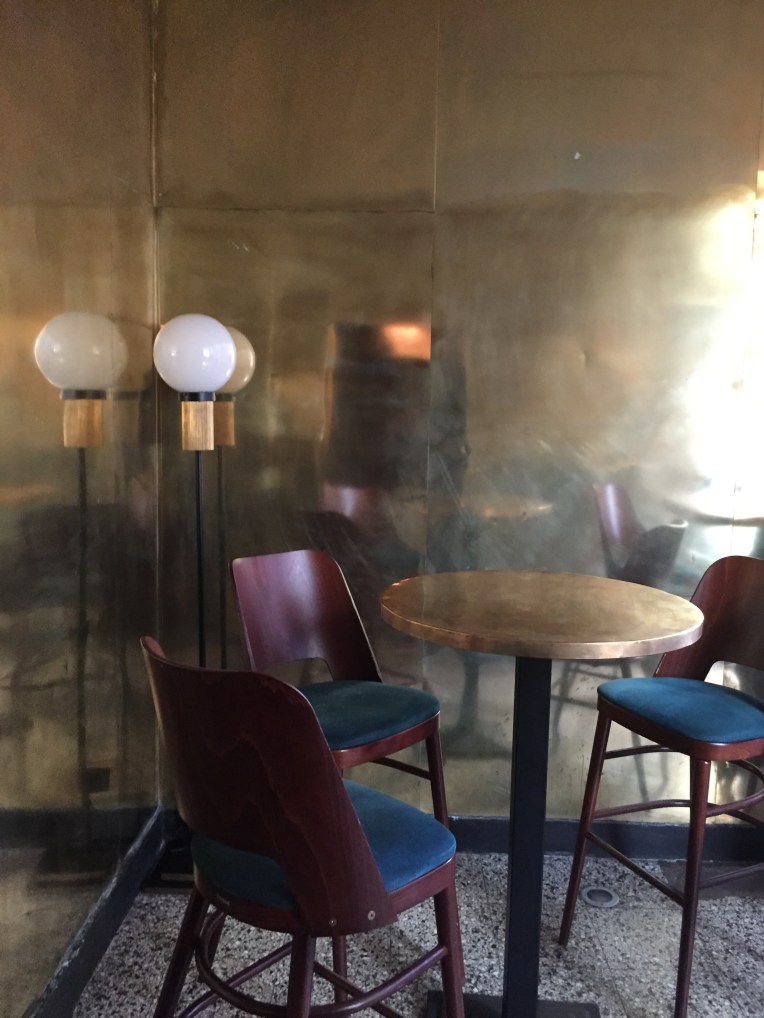
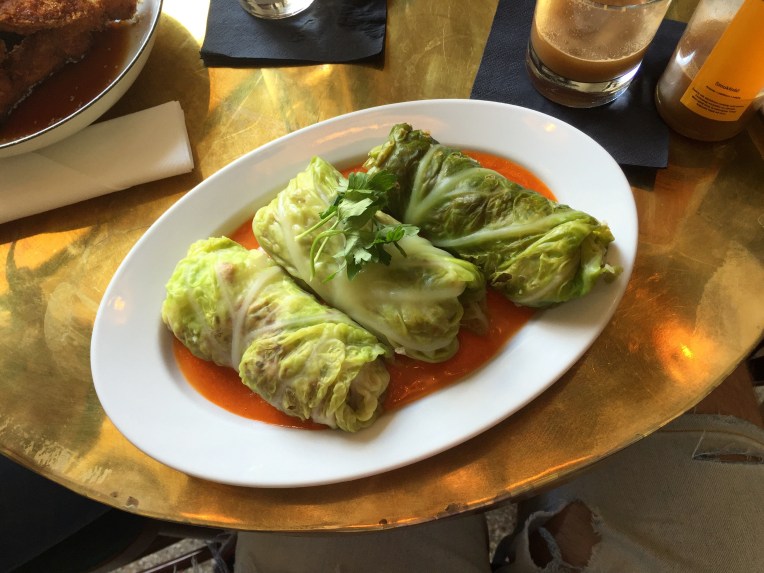
Zorza Bistro is a perfect example of today’s casual dining place, which attracts you with every detail – and if you don’t go inside right away, you feel really, really guilty. Social media is a dominating factor in today’s gastronomy. The first time I saw this place on Instagram (@zorzabistro), filled with stylish photos of bruschettas and cold soups, I knew I’m writing it down in my Warsaw agenda – and as I love well-executed branding matters, like typography, this was indeed a heaven for me. Visual identity of Zorza was developed by Kaja Gadomska, graphic designer, who decided to create something that would match the classical, yet very contemporary aesthetic of the restaurant. Just like her bold logo design, the interior is kept in a softly art deco manner, with brass tables, marble columns and preserved, stone floors. The cuisine at Zorza is diverse, spanning from roasted artichokes and hot dogs with home-made sausage to meat-stuffed cabbage and coated chicken in Asian sauce. If you’re still unsure whether you need to go to Zorza, then there’s one more, great feaure of this place – you can sit outside, and have a view on Warsaw’s brilliant street style.

Żurawia 6 / Warsaw

IMG_0500

IMG_0502

IMG_0487

IMG_0482

IMG_0485

FullSizeRender-kopia 7

Lukullus on Chmielna

FullSizeRender-kopia 8

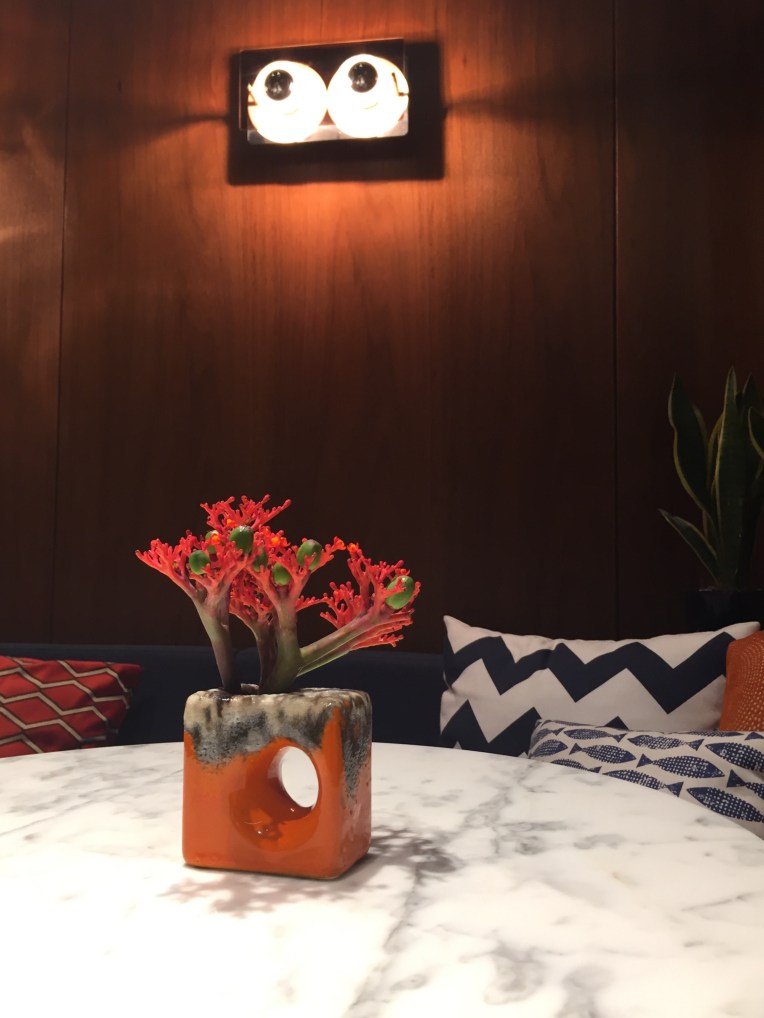
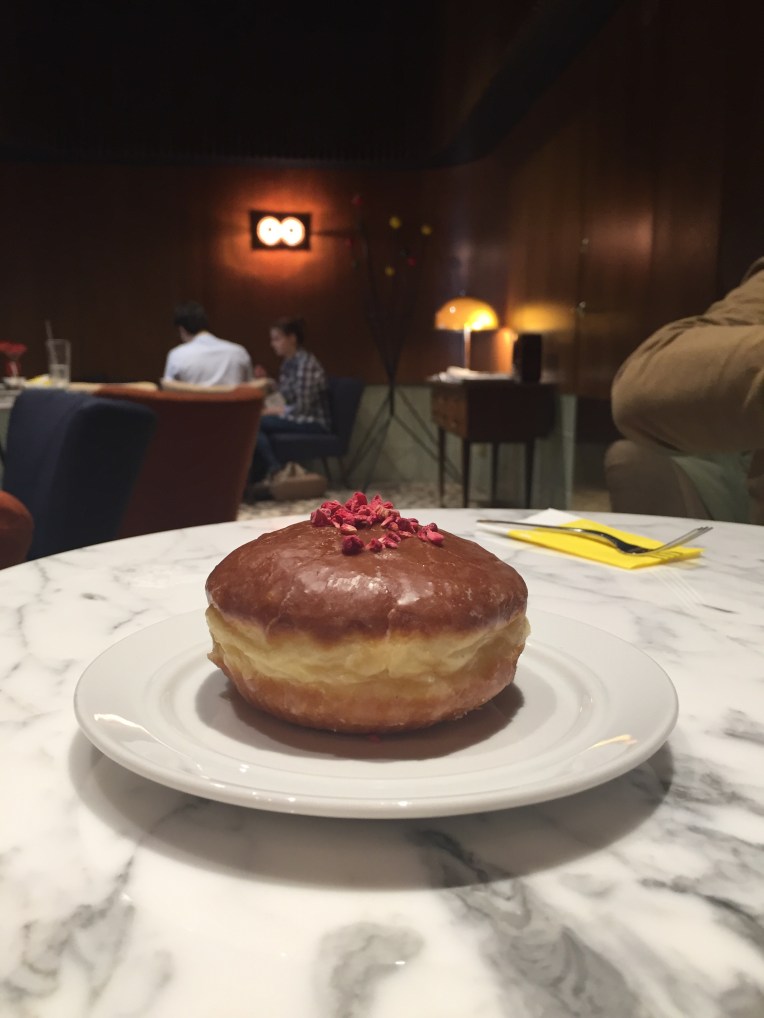
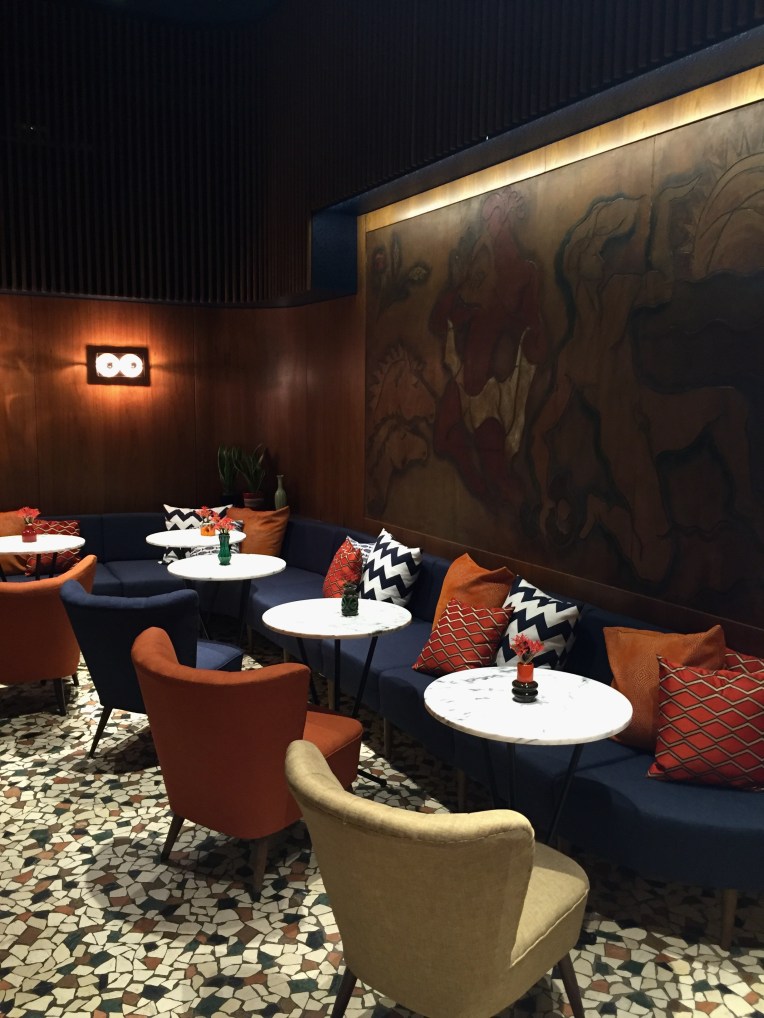
While Paris was all about haute couture, I spent my last week in Warsaw, discovering the city’s most outstanding spots together with my friends. As you might already know (and if you’ve read this one), I’m obsessed with Lukullus, a patisserie which was founded in 1946. The family business survived hard, socialist and early capitalist eras which severely affected Poland and after many years of renovations and rebranding, the brand expanded and opened a number of spots – and the one on Chmielna is Lukullus’ freshest addition. I can honestly say it’s my favourite one. Designed by Jan Strumiłło, acknowledged Polish architect, it fluently fuses the historic past with Warsaw’s modernity. Inspired with the neighbouring cinema Atlantic, Jan aimed to reference the old-school glamour with curvy neon on the entrance. Eclectic tiles match the bold, printed cushions, and a variety of flea-market finds from the 60s work perfectly with elegant, marble coffee-tables. But that’s not it – the ‘eating’ space makes you gasp with its beautifully preserved wooden mural, depicting a rural scene. Of course, describing a Lukullus patisserie can’t be done without mentioning the sweet part. Just like in all other locations, Chmielna offers the house’s classics – donuts filled with home-made jam, vanilla croissants, limoncello meringue or exotic mango cake. And many, many more delights… I need to stop, because I’m already drooling over the memory of those tastes!

Chmielna 32 / Warsaw

FullSizeRender

IMG_0406

FullSizeRender-kopia 11

IMG_0314

FullSizeRender-kopia 9

IMG_0370