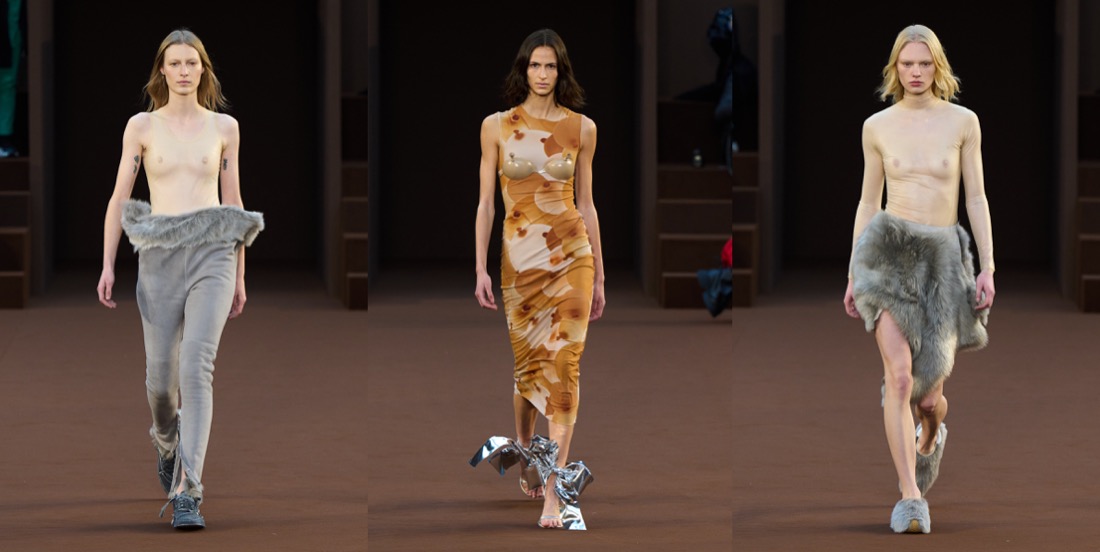
Men’s – What’s Modern? JW Anderson SS23

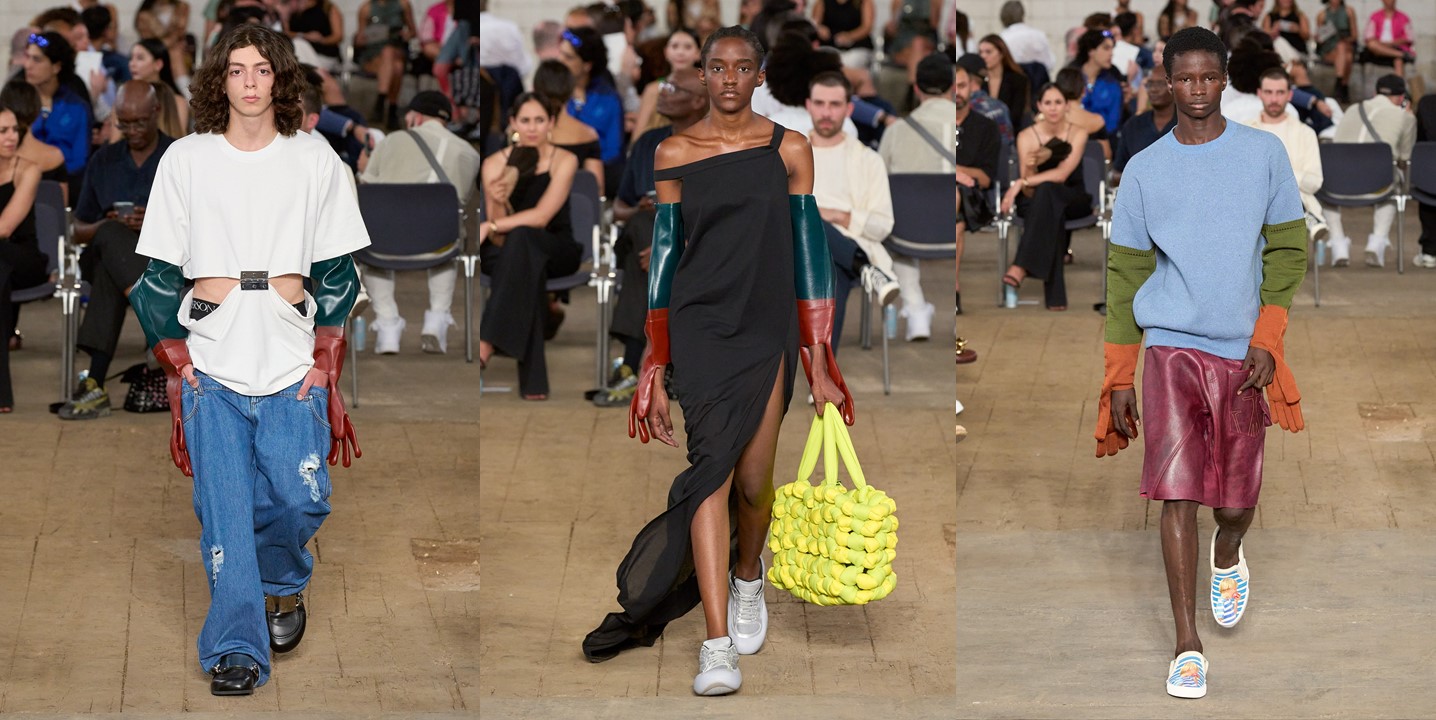
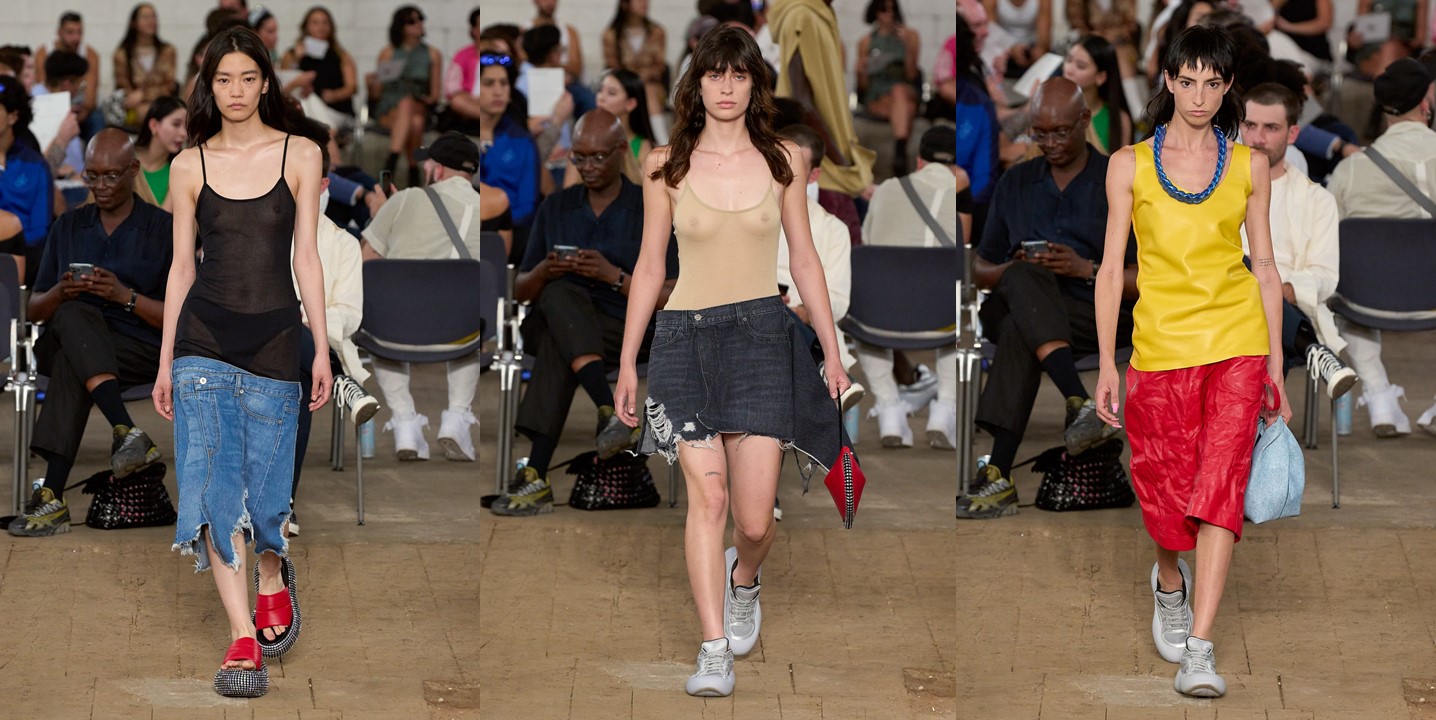
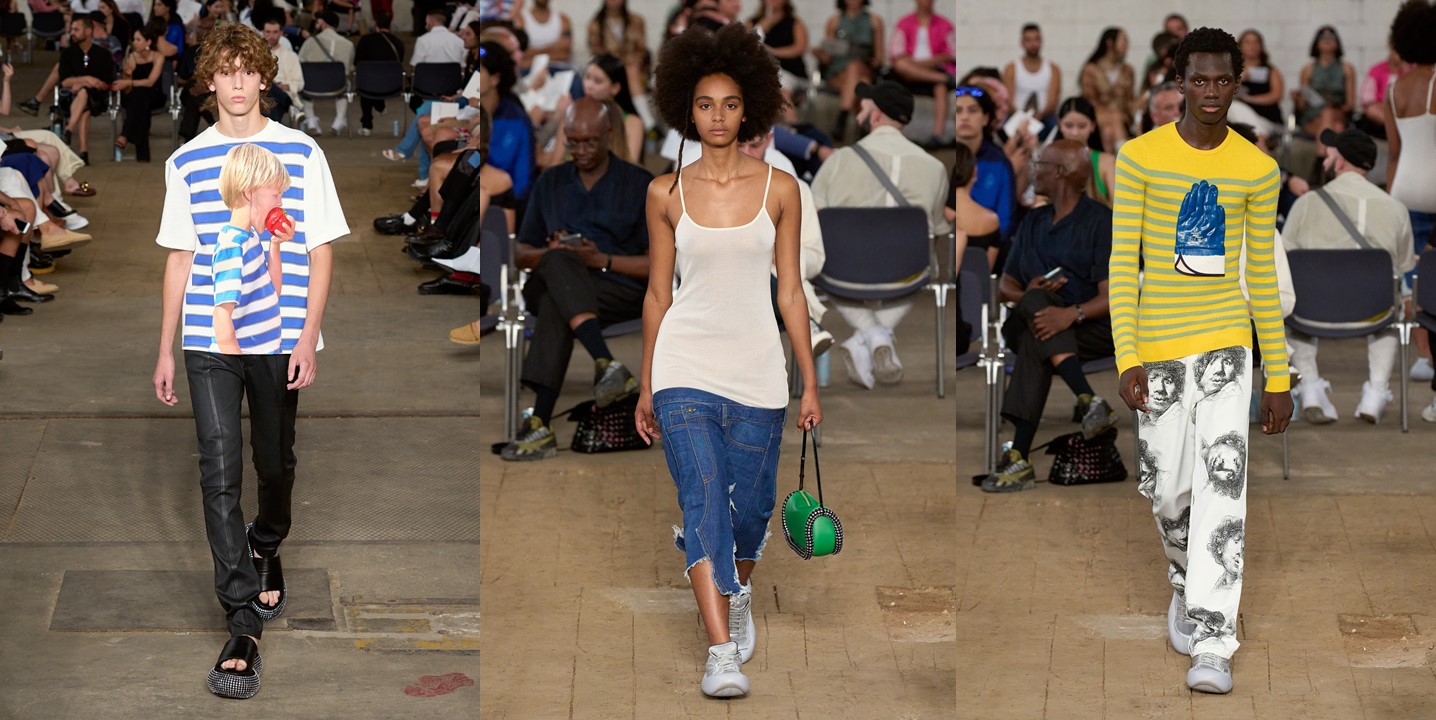
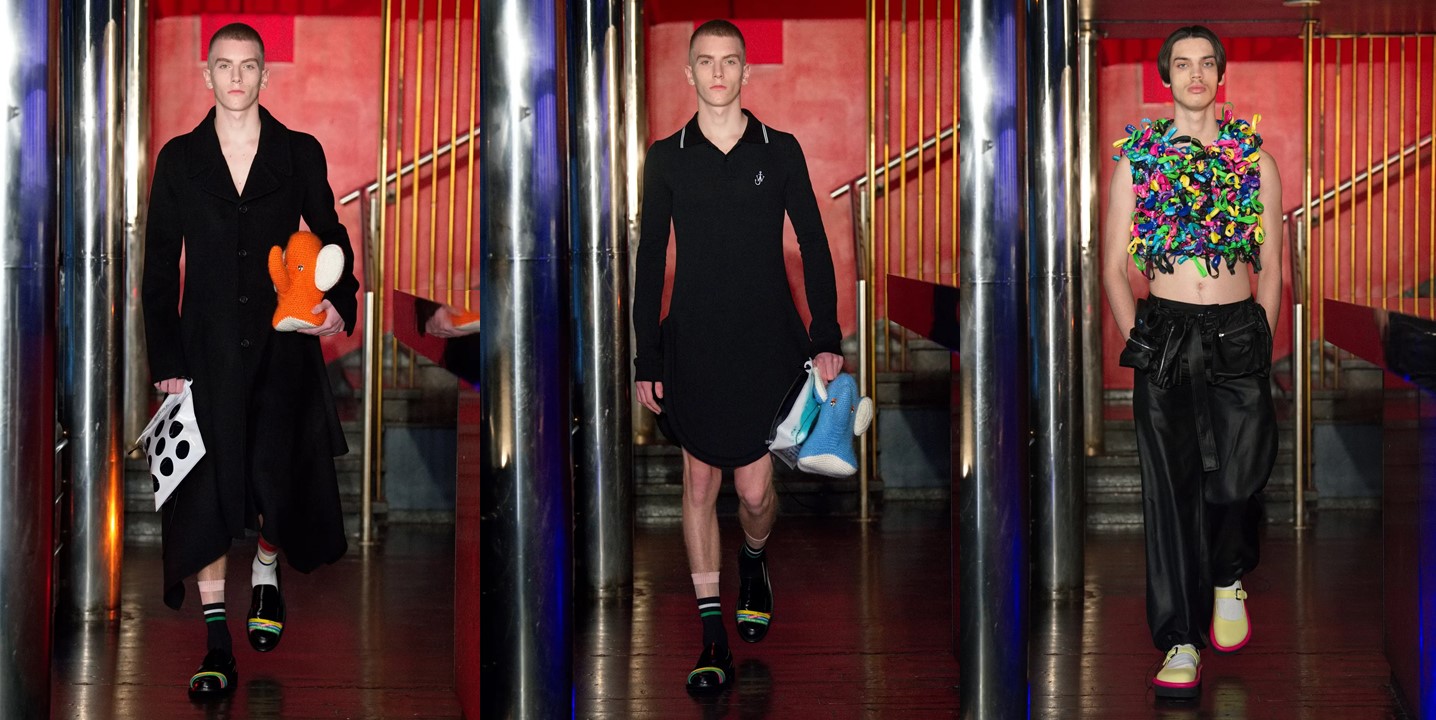
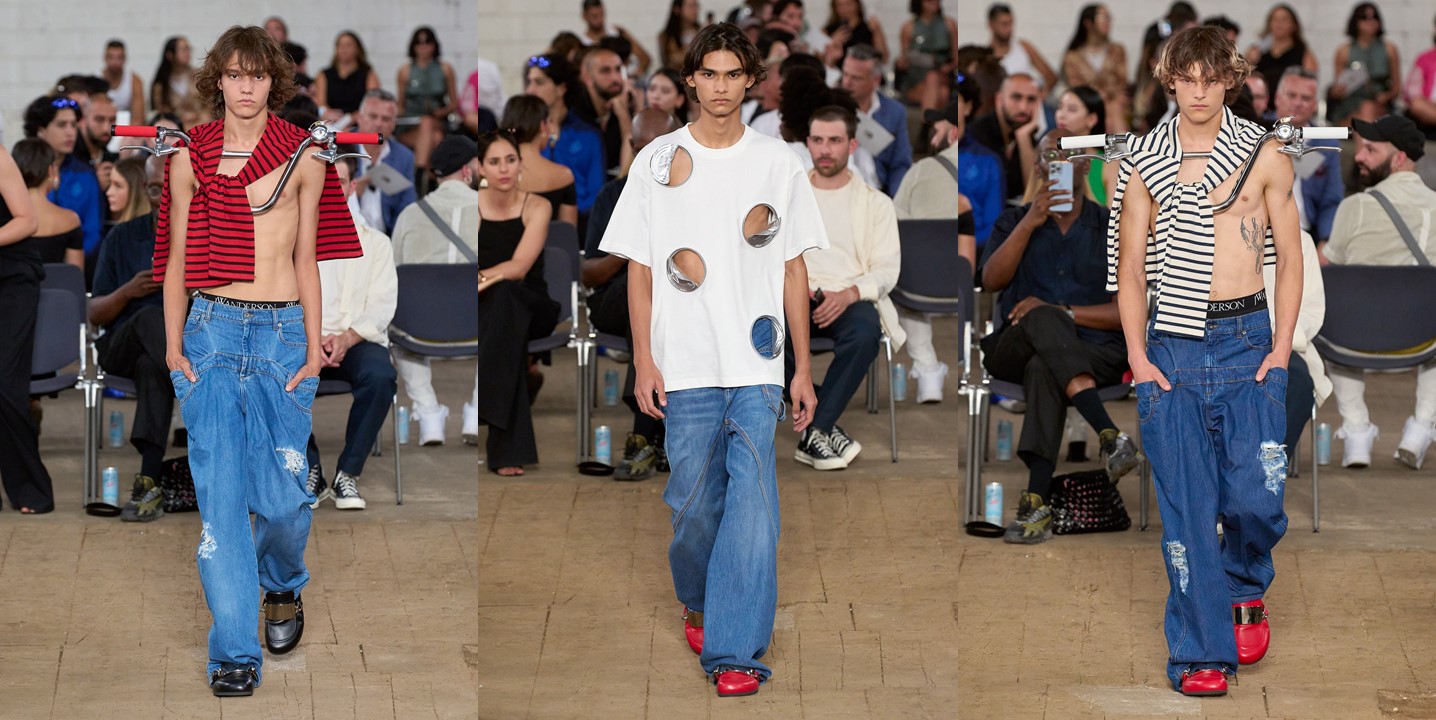
Jonathan Anderson is nailing it again, being in his surreal element. Back before Anderson started producing his in-your-face de-gendered mood-driven menswear in 2008 – the “shared wardrobe” concept that ironically led to him being practically frogmarched by his fans into expanding into in-your-face de-gendered mood-driven womenswear a few years later – he had plans to be an actor. That plan changed during an audition for Juillard in New York, where he performed a piece from the in-your-face ’90s play The Pitchfork Disney by Philip Ridley. Nearly a decade later The Pitchfork Disney, which he recently reread, was revived by Anderson as a central element in this first live Milan bow. Anderson said afterwards he’d been moved by “the shock of theater” that the play represented (some of the audience at its premiere in 1991 fainted) to shape a collection that tested our perceptions of clothing and modernity. The BMX handlebars, shattered skate decks and CDs were there to remind us of the intrinsic ephemerality of modernity, and its inevitable descent into anachronism. Anderson tried to add “eating canned goods” to this category of faded fads while speaking to the Italian press, but these pieces seemed more like witty acts of wearable assemblage. There was certainly a cheekiness to the project. The embedded bar codes made consumption provocatively both the ends and the means of engagement. “Fashion is a very modern device,” he said. “But it is not a modern act.” To underline the illusion of modernity he cast Rembrandt as the protagonist in his fashion play via intarsia reproductions on knitwear and prints on sneakers featuring the artist’s leery etching, Self-portrait in a Cap, Wide-eyed and Open-mouthed, from 1630. The nearly 400 year-old selfie stressed that while technology upgrades, the way in which we use it stays pretty constant. All these devices – along with industrial gloves, a stock photo of an apple-eating kid, and hardware-store door hinges – were placed within or adjacent to borderline generic contemporary canons of clothing. This created a have your cake and eat it result: you could wear JW Anderson-issued versions of 2023 uniform, and through those in-your-face interventions included within them simultaneously signal that you understood the narrative was entirely contingent – just a wearable moment in time.
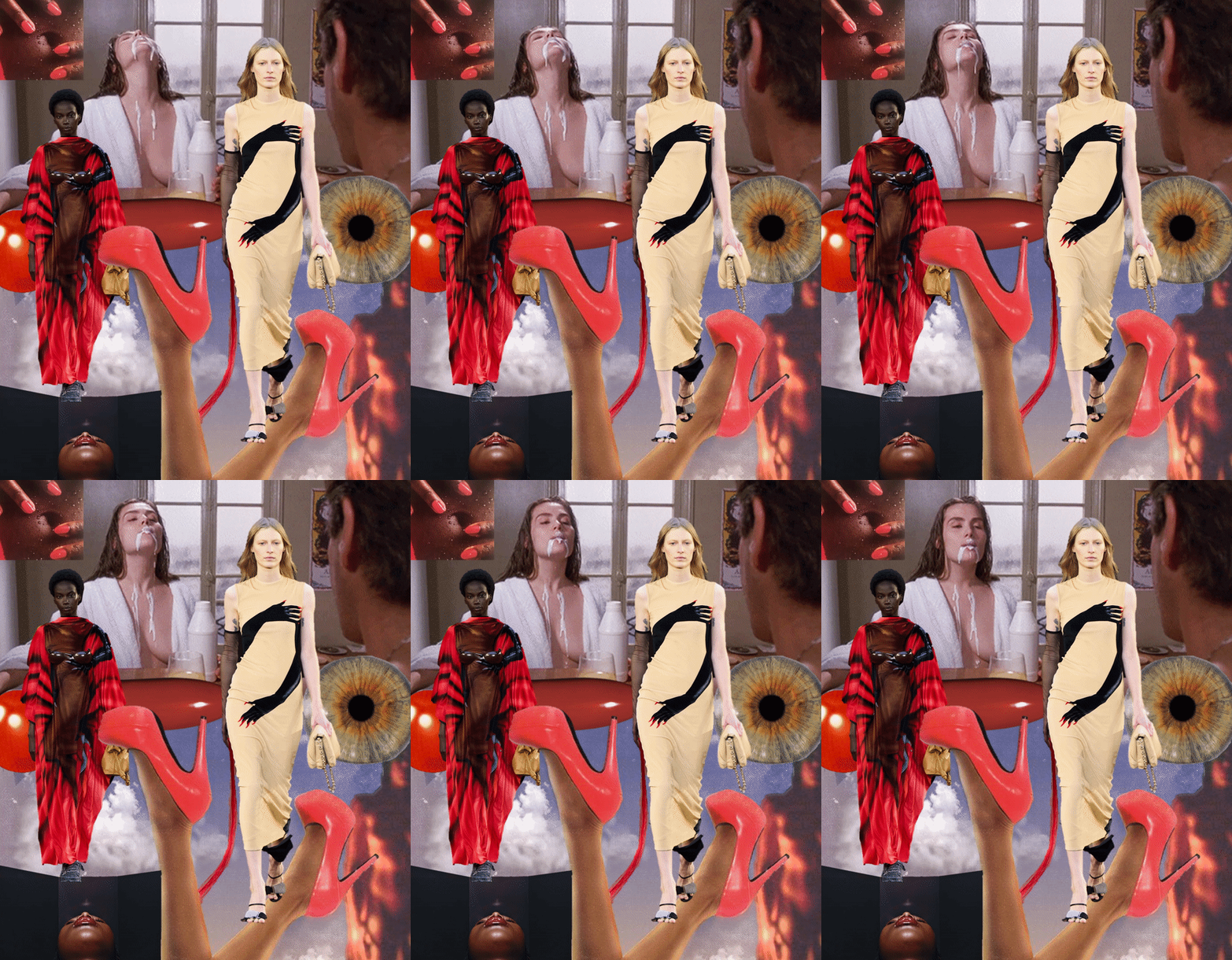
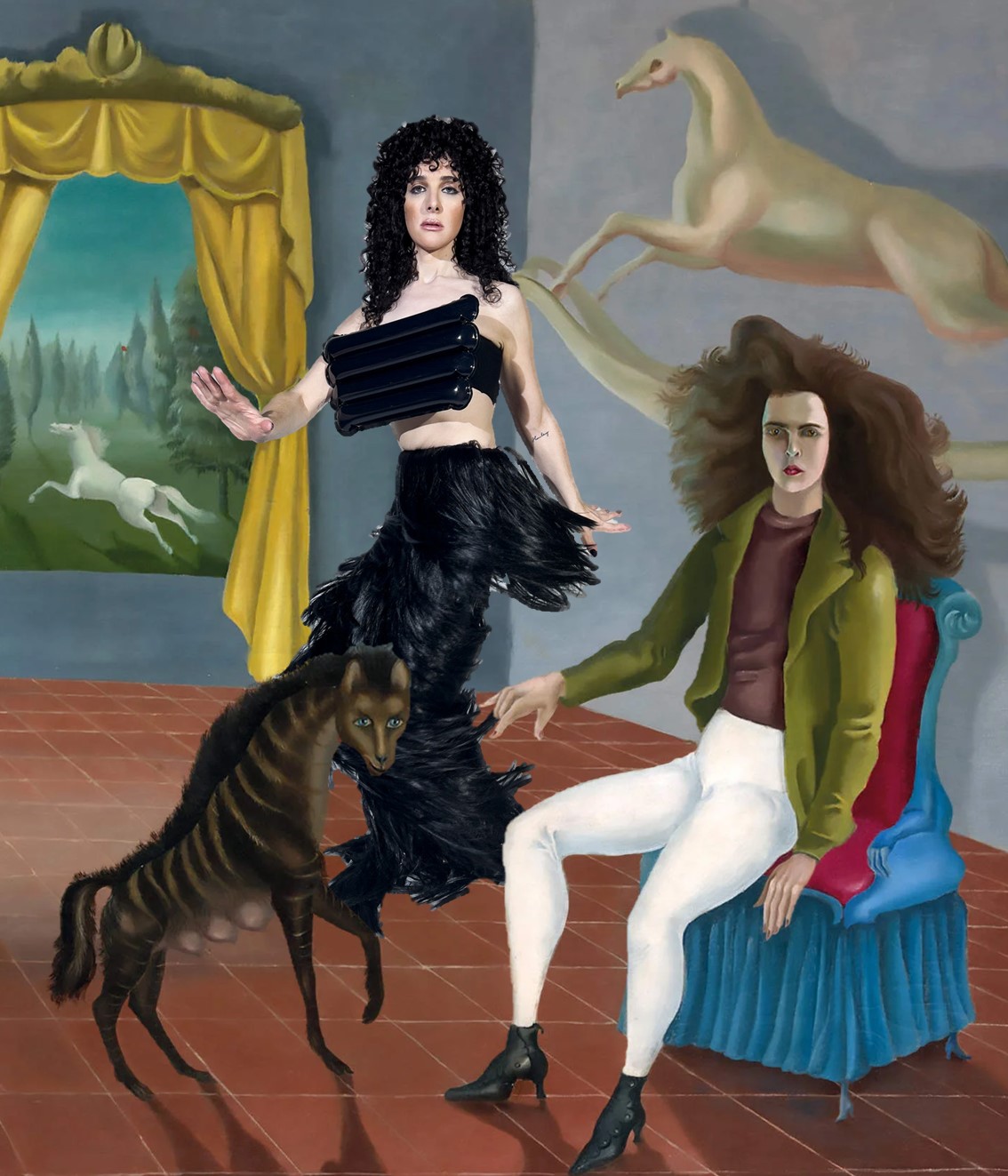
Collage by Edward Kanarecki.
NET-A-PORTER Limited

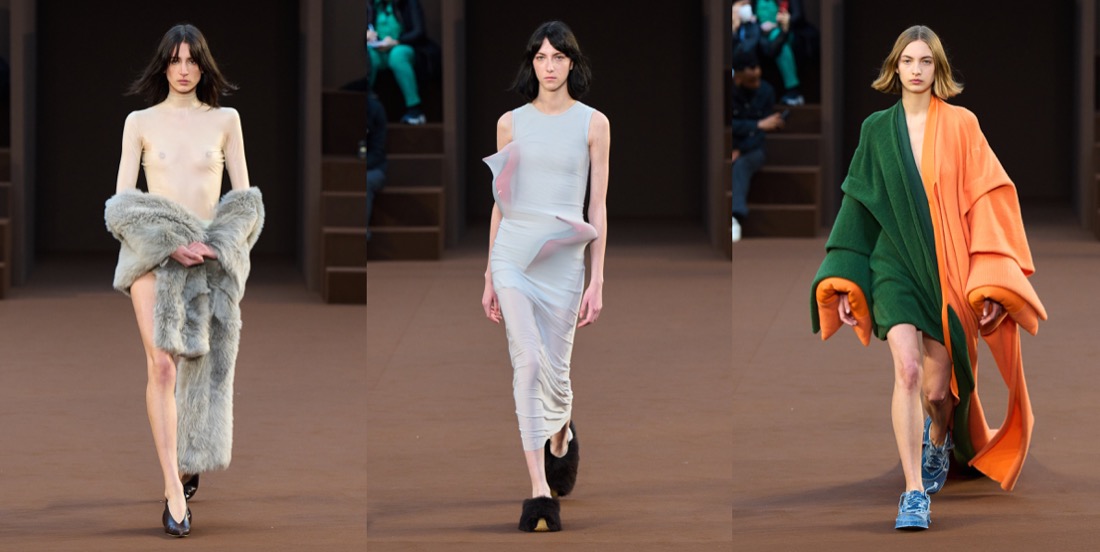
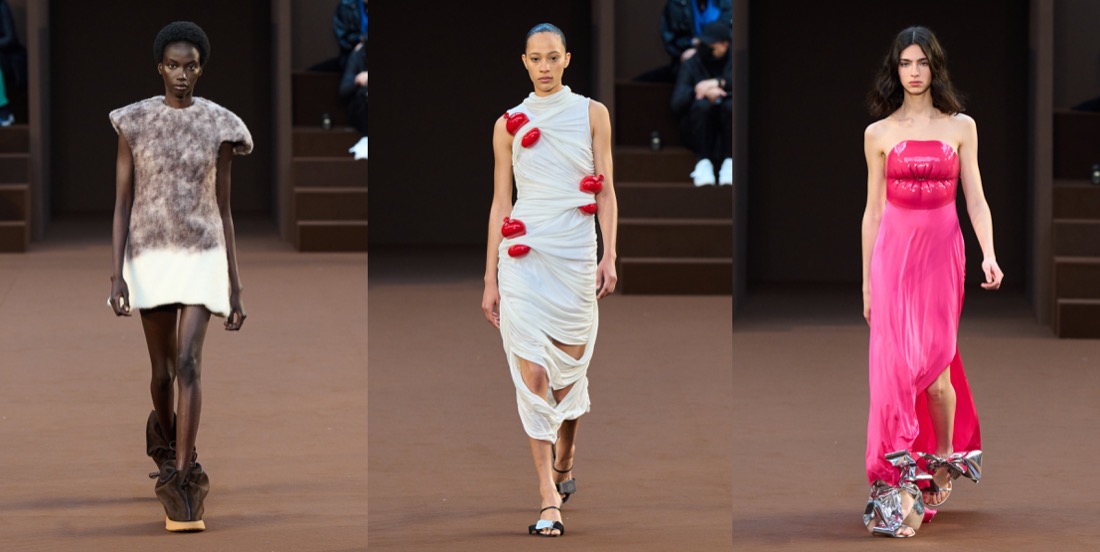
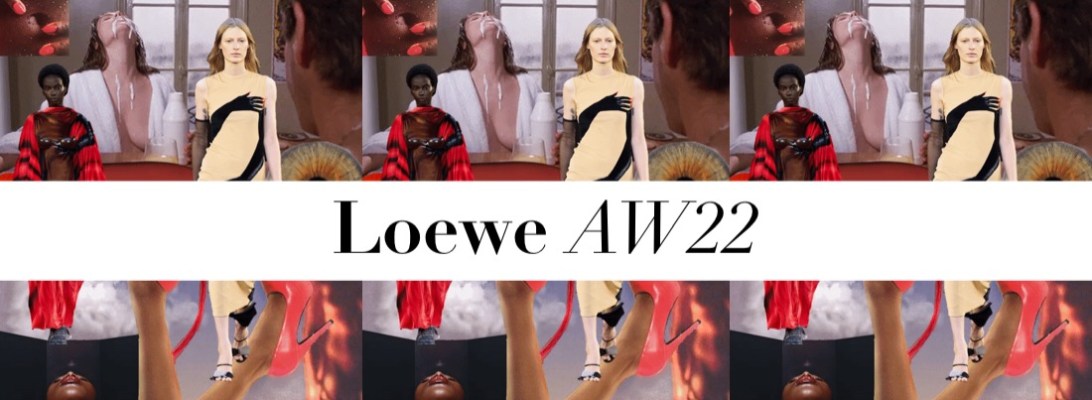
Pop It Up. Loewe AW22

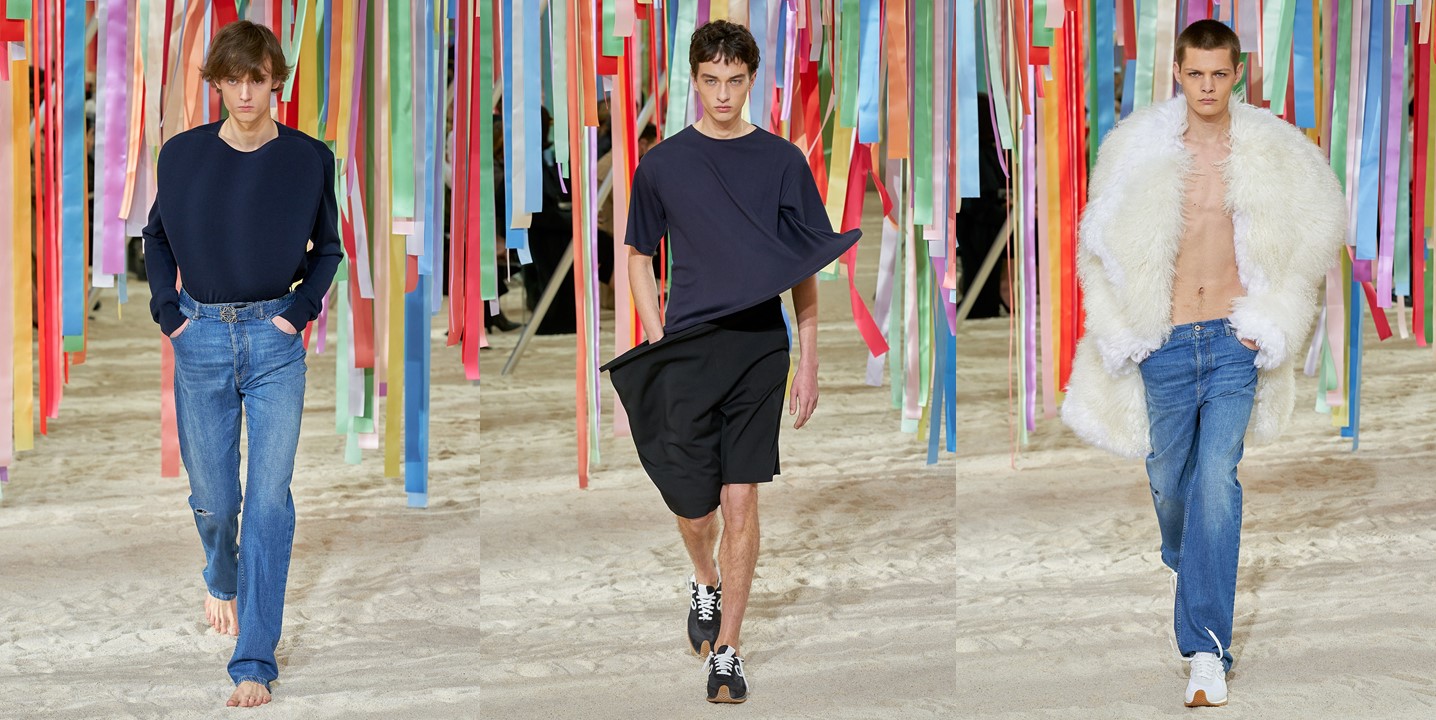
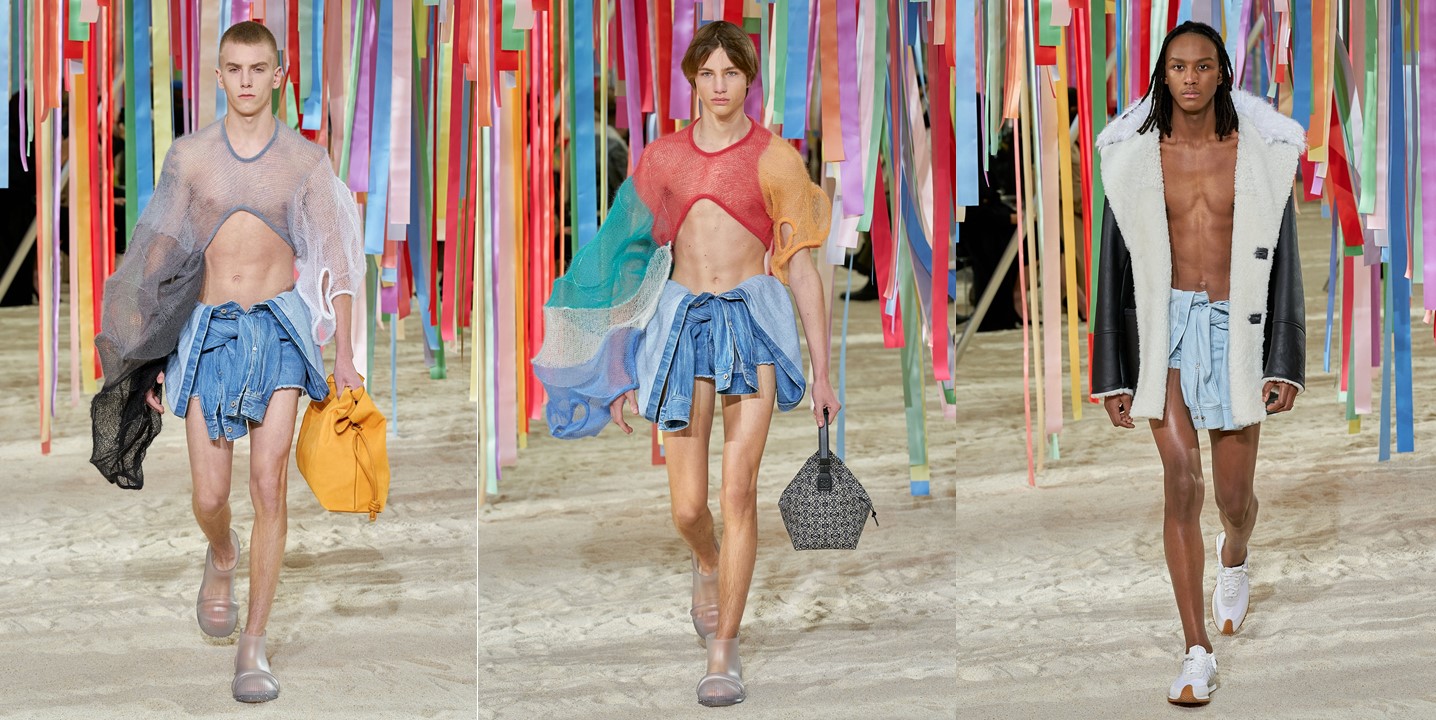
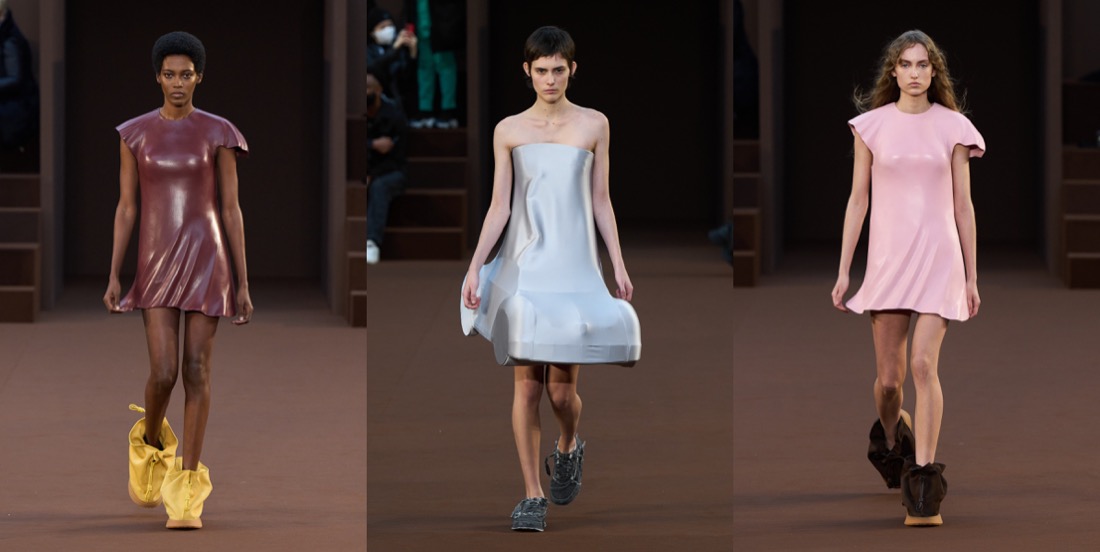
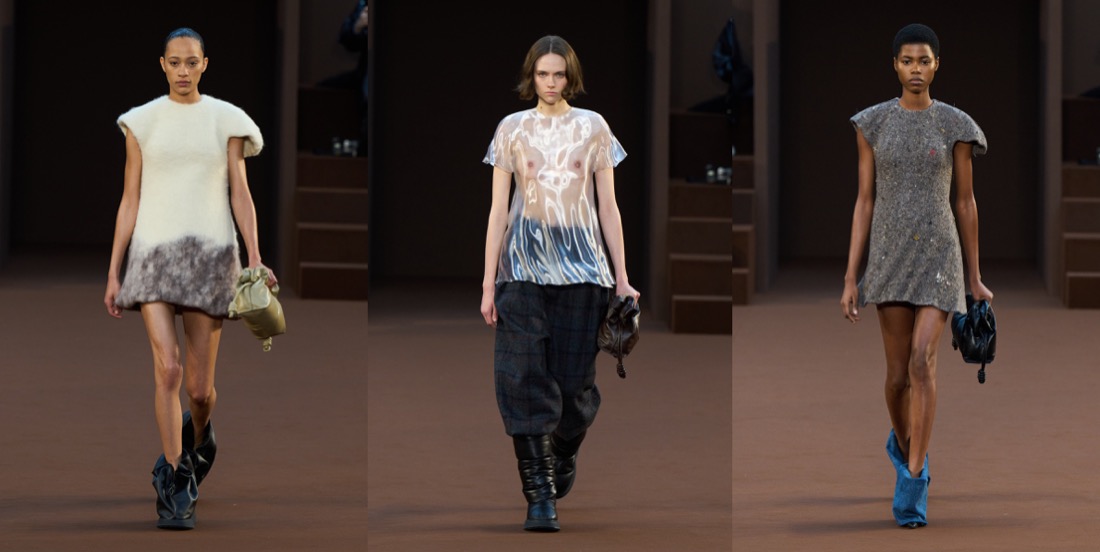
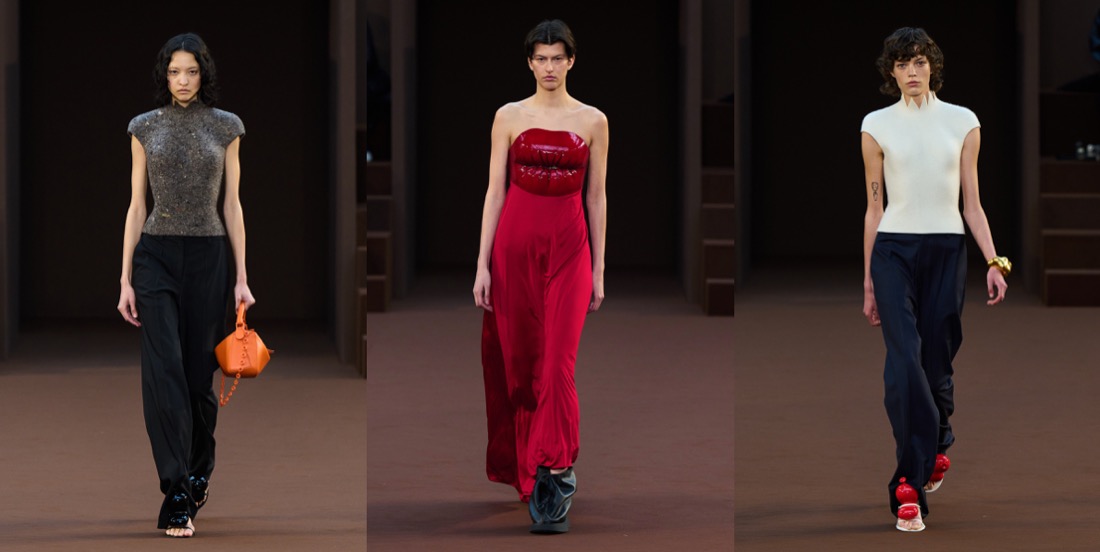
Jonathan Anderson is in his surrealist element, and his work has never felt so liberated and full of expression as now. The autumn-winter 2022 collection for Loewe, which has caused a stir on social media, is an intriguing and confident take on all things erotic and kinky, conveyed through impeccable and innovative craftsmanship. But also, in times when reality becomes outrageous and nonsensical, it’s only logical that fashion should start to reflect illogicality. Anderson’s new season clothes included the following: a mini trapeze dress with a car trapped in the hem; tube dresses with high-heel pumps stuffed down them; rough-cut shearling pervily butting against latex; shoes entirely sunk in some sort of drawstring-bag galoshes; and lots of balloons: red ones squeezed between shoe straps and oozing from bandage-dress drapery; brown and beige ones blown up as bras, the knots bobbling along as obscene parodies of nipples. “A balloon creates tension,” Anderson observed. “It will pop. It won’t last forever.

Surrealism – the art movement that turned pre–WW II mass psychological tension into art in the late 1930s – has never been more relevant. But Anderson was already going surreal-ward last season – reveling in the freedom of being unshackled from fashion rules, doing things instinctively, without reason. It parallels a time when it was only human to respond dementedly to the trampling of order all around us. But there’s plenty of method in Anderson’s madness. His opening series of short leather, cap-sleeve dresses, the skirts molded to seem as if swishing in the wind, had a lot of Réne Magritte about them. The polish and luxurious colors also had a lot to say about Loewe’s fundamental materials and skills as a leather-based house. Anderson mentioned that he’d also been looking at feminist art. There were references to the surrealist Meret Oppenheim (all the fluffy fur) and Lynda Benglis, who uses poured latex (the rubber tanks and mini-dresses), that art-knowledgeable people would clock as footnotes. Still, the biggest art-Anderson-Loewe connection was set out before the audience in the center of the show: a series of squashes by Anthea Hamilton. The British sculptor and Anderson have already got together on Hamilton’s art performances at the Tate. The squashes, it turns out, were constructed for her in leather by craftspeople at Loewe. There’s clever marketing in all of these interconnections, these compliments to the intelligence of avant-garde, art-appreciating Loewe women of the world. They buy fashion for such things as gallery openings and art fairs: Loewe, in all its wild eccentricities, is a uniform for them.

Collage by Edward Kanarecki.
NET-A-PORTER Limited

Characters. JW Anderson AW22

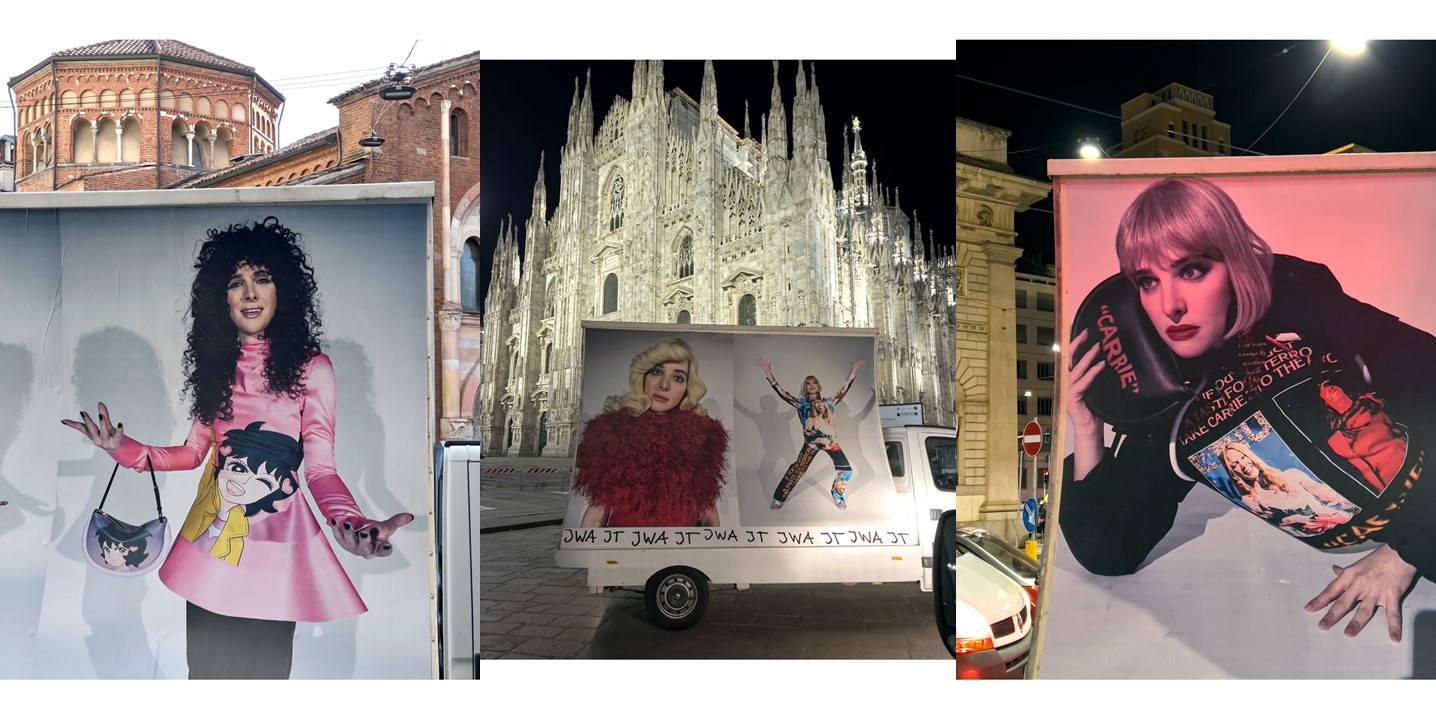
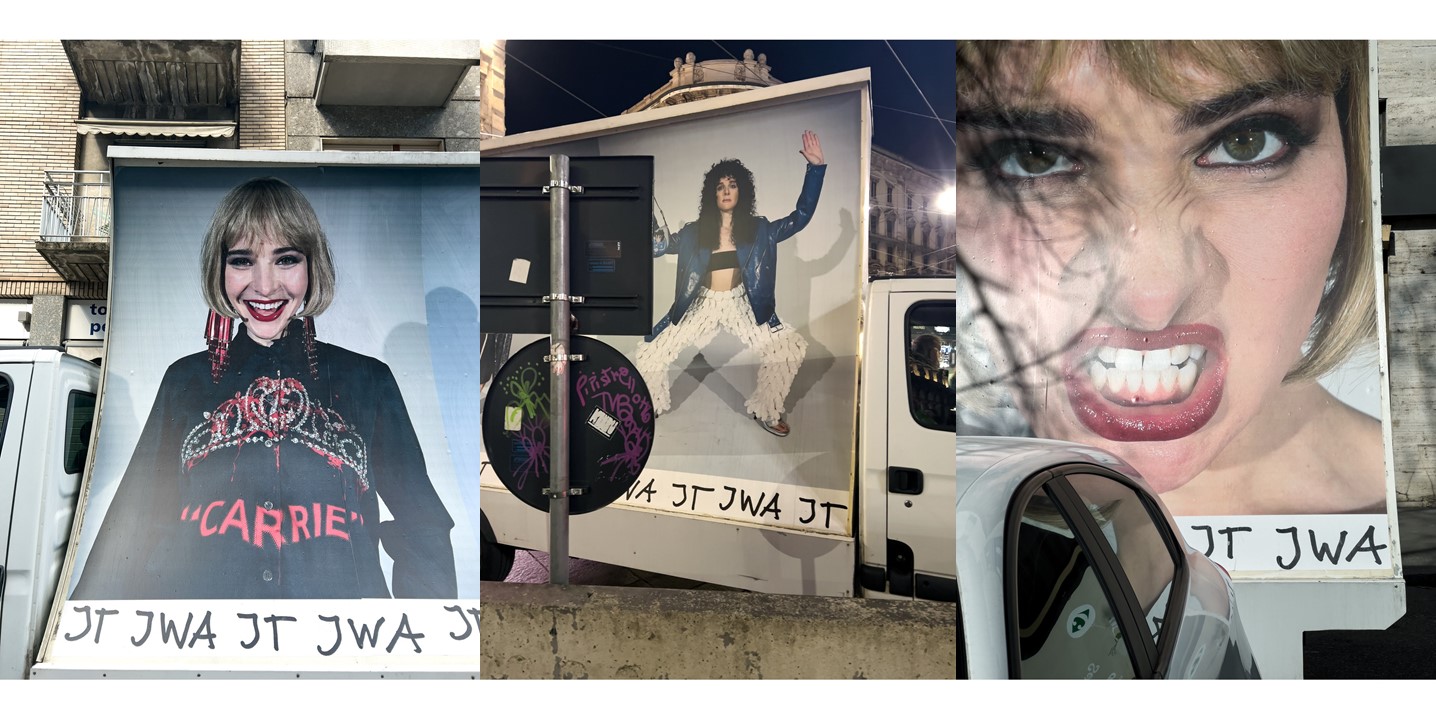
Jonathan Anderson left London and showed in Milan this season… to some extent. In the latest in his series of ingenious pandemic alternatives to putting models on a runway, he made a surprise intervention in public. “We have dozens of trucks with billboards of the collection images circulating Milan all day. Juergen Teller is out photographing them with people at gas stations and other stops. Content becomes content. Image becomes pictures of pictures. Fashion becomes part of the landscape”, the designer explained. As a device for creating a widely seen, soon to be endlessly Instagram-replicated public spectacle, it’s just the latest of JW Anderson’s super-smart manipulations of media – right in the middle of the Italian city where the institution of the fashion billboard has been part of the competitive pride of fashion week for years. And this, simply with one photographer and one model, his friend Hari Nef impersonating four pop-cultural ‘characters’ in a Cindy Sherman-esque, and a fleet of truckers. “We don’t have thematics any more. We’re doing bite-sized, light-hearted things like this,” Anderson said. “We have a young demographic, and we’re a small contemporary brand. With all the multiple issues we’re facing – going from one crisis to another crisis – there has to be learning from that. New types and ways of doing things.” Since the pandemic hit Anderson has been acing communication by playing with printed matter in delightful ways. He’s also re-focused his own-brand strategy on “two main seasons, and two experimental ones. So this is one of those experiments.”

Rolled out (literally) around Milan were pictures designed simultaneously to provoke lots of fun and push Gen-Z memory-buttons. “We’re playing with this media paradox in pop culture where there’s this constant going to the past, and bringing it forward. So things are just as valid as they were, but in a different context.” One set is around the movie posters for Carrie – original graphics from Sissy Spacek’s classic 1976 horror role as the awkward teenager who turns out to have gory telekinetic powers of revenge at the school prom. No random choice, that: “I feel like that movie is such an influence on teen TV series being made now,” Anderson acutely observed. Apart from the obvious T-shirt, sweatpant, and pajama-set graphics, there’s a one-shouldered silver silk satin prom dress. Quite ingeniously, it’s photo-printed all around the hem with “hyper realistic” balloons from Carrie’s own prom.

Collage by Edward Kanarecki.
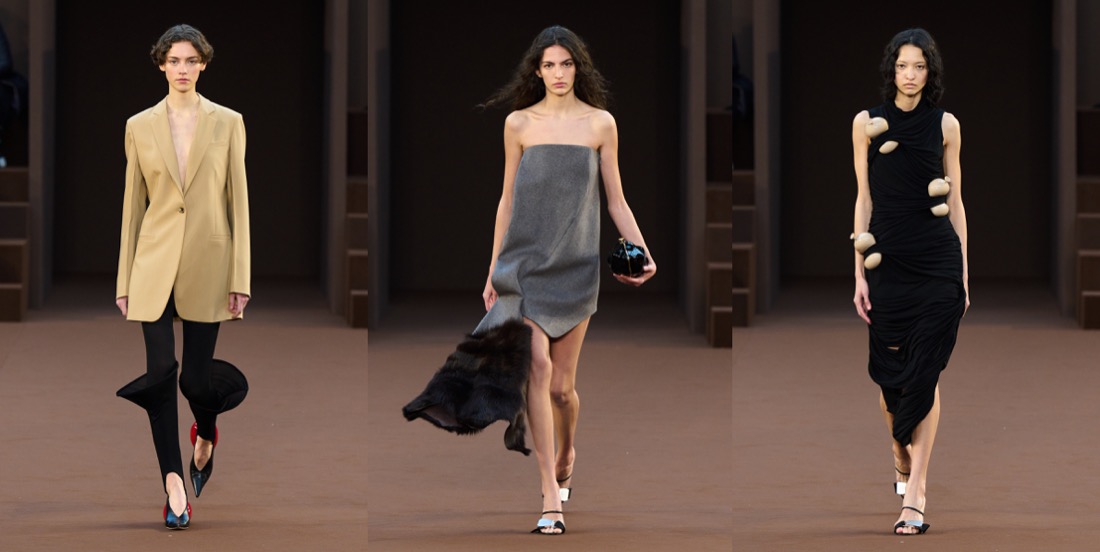
Men’s – New Surrealism. Loewe AW22

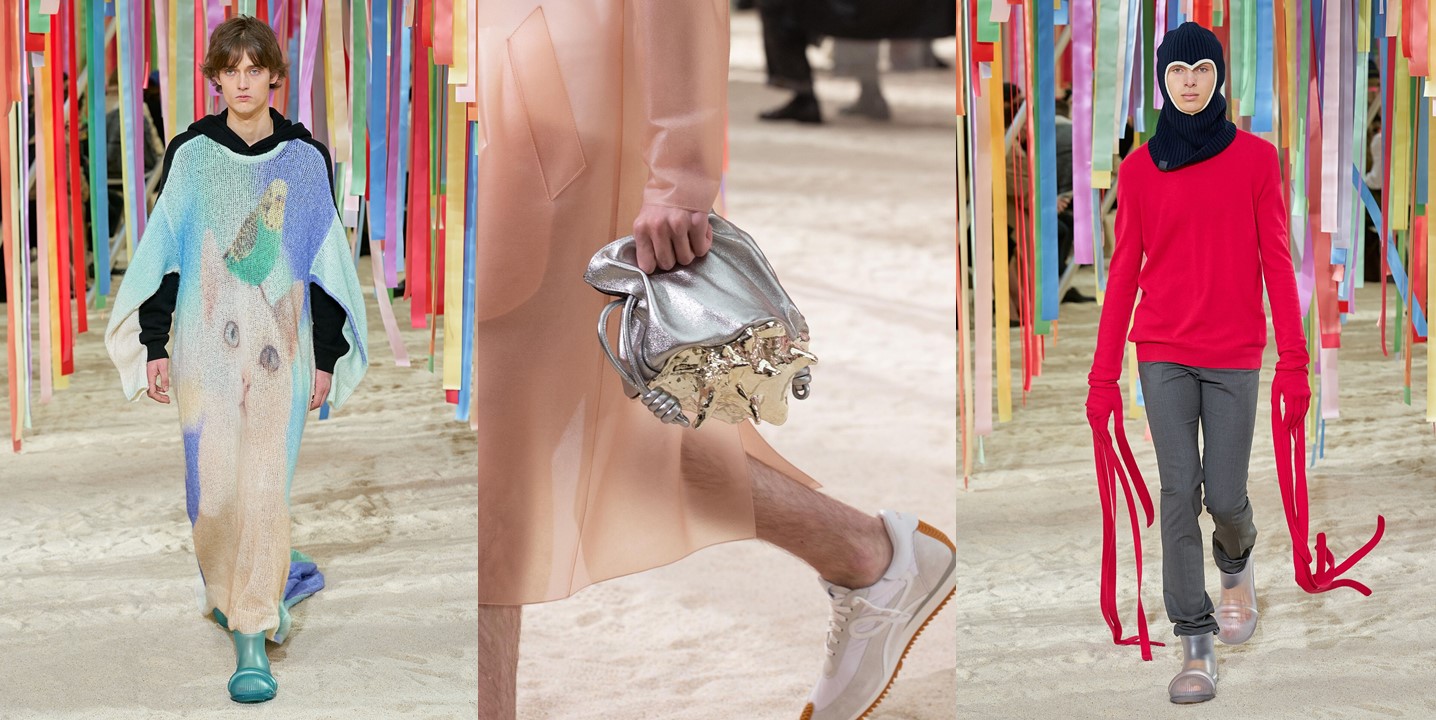
When Jonathan Anderson referenced “metaverse” in his J.W. Anderson collection last week, he said, “I was using it more in an ironic way. The idea that it doesn’t really do anything.” For all its brilliant and hilarious techy surrealism, his Loewe collection was not a wardrobe for the metaverse. In fact, it felt a lot like it was trolling the very idea of our digital lives lived on phones, and the hoopla whipped up around trendy concepts like the metaverse. If our attraction to VR and AR and whatnot is founded in the idea of possibility, Anderson’s collection was a twisted take on how these imaginings translate into real life. He illustrated it in decidedly normal things made abnormal. Shorts were embellished with sparkles that looked like raindrops, as if it had rained crystals. A wool coat had a gilded stain on its lower back “as if you sat on a park bench and it was gold.” Coats and tops were punched with big bathroom eyelets like you’d digitally dragged your most mundane morning surroundings into your wardrobe. Shoes looked like bags, and transparent coats were actually made of leather. Meanwhile, a series of garments satirized our relationship with technology. The sleeves and lapels of a furry coat had fiber optic lights inside them creating the illusion of wetness, the illuminated waistband of trousers made them seem like they were floating, and the entire frame of a coat was lit up. “It’s the idea that you become backlit because everything on a phone is backlit,” Anderson said, referring to the way we see things on our phones and the way our screens light up our faces. Balaclavas with heart-shaped peepholes played on the idea of digital frames. Similarly, the orbital hem of a shirt and the waistband of shorts were bent in separate directions so it looked like you’d skewed them in FaceTune. It evoked the DIY editing accidents you sometimes spot in people’s selfies where the person looks like a supermodel while the retouching process has turned the background into an abstract painting. We all follow someone like that. And those t-shirts and jumpsuits with faces and bodies printed on them like optical illusions? They were worn by the models who posed for them, distorting and reshaping their physiques the way we do it on those beautifying apps.

Anderson’s collection was an exercise in the surreal, but a post-digital era take on the genre, which he said was more “psychotic” in an existential way. “Who are we? Where are we going? Is it real, is it not real? Are we in that moment? Do we believe what we say?” In a world where we’re more fascinated with creating a metaverse than improving the real one, those were good questions.

Collage by Edward Kanarecki.
Men’s – Embrace The Weirdness. JW Anderson AW22

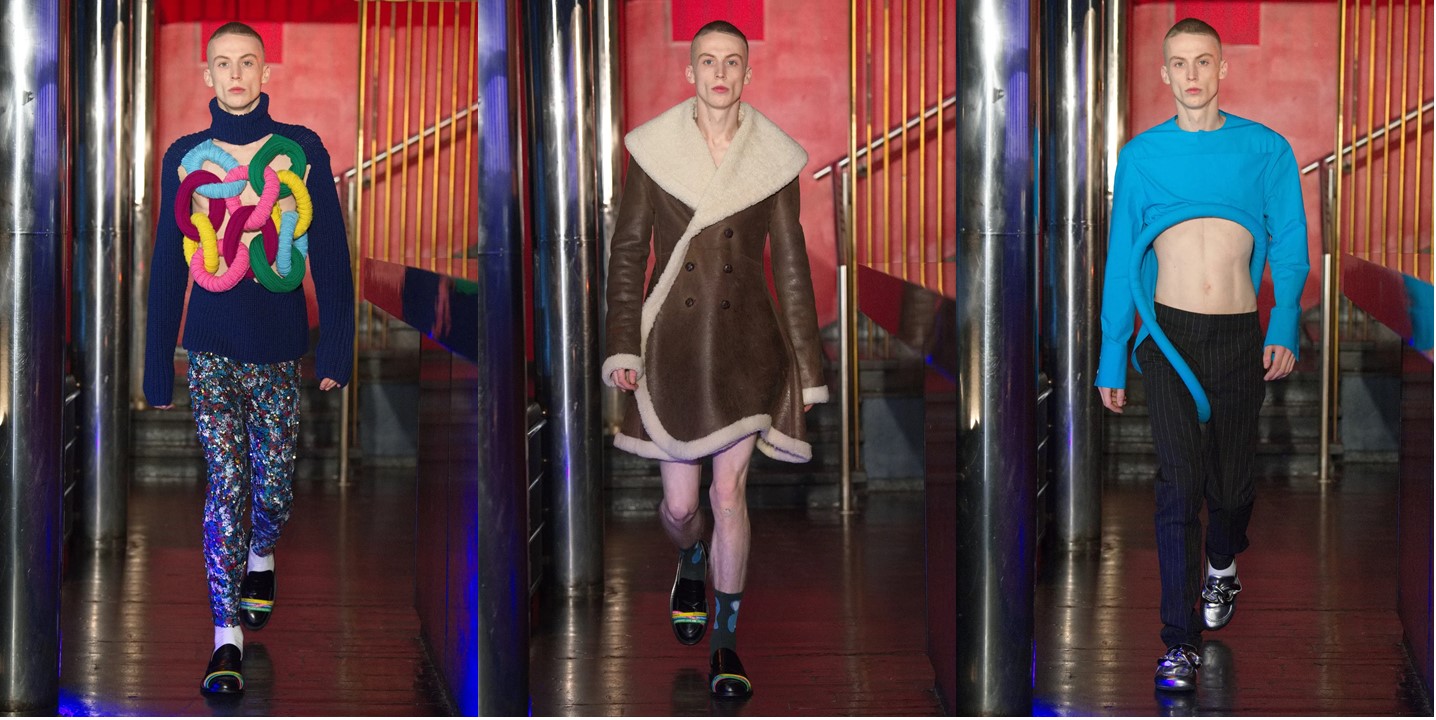
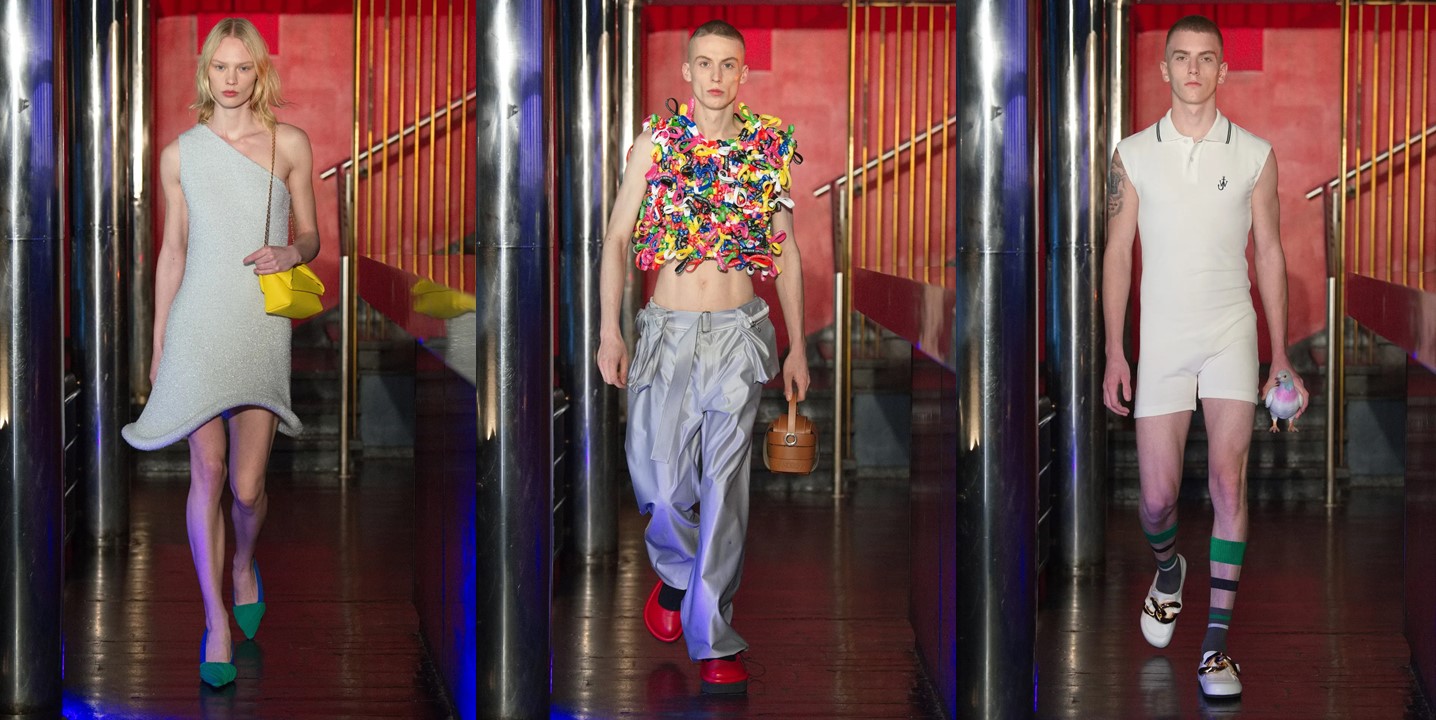
For autumn-winter 2022, Jonathan Anderson embraces all things “weird”, and seems to be aesthetically torn between the 1980s (sparkly party dresses) and now trending, early 2010s “indie sleaze” (metallic lycra jumpsuits). The JW Anderson collection was planned to be shown live in Milan with a late-night after-party. An IRL event would have enhanced and disrupted this season’s menswear week. As Anderson explained in a preview, however, the party element especially was nixed by Omicron restrictions and the live Milan debut has been pushed back until June. During that preview, Anderson used the word “weird” countless times: most often at a point at which he unlocked the thinking that had led to key elements in this collection. It was “weird” how a documentary on Cristiano Ronaldo inspired him to re-engage with “the limits of hyper-masculinity.” This lead to Anderson’s gleeful excavation of the polo shirt – “there is nothing more quintessential”—as a masculine cipher which he then disrupted by variously lengthening it into a hoop-hemmed dress, rendering it in micro-sequin with a vintage “Glamour Bonnet” hair net advert, or reconfiguring it as a high-shorted playsuit. This last look brought back fond back-in-the-day memories. When not watching documentaries “on everything and anything” Anderson spent much of his time weird-scrolling, and the results inflected this collection. The gorgeous eye-graphic dresses had a chin-strokily John Berger inference yet were sparked by a bout of engaging with the world of YouTube make-up tutorials. The menswear tunics peppered with rubber bands and sweaters featuring tubular protrusions that ran from one side of the hem, between the wearer’s legs, and up to the other hem with both pieces designed to generate sound through contact. “A lot of the materials have these odd sounds qualities that are kind of almost sexual… there’s a kind of tension,” he said. These were the by-product of spiraling into ASMR content on TikTok, another “weird” lockdown stop-off. When Anderson detects weirdness, he is not repelled but stimulated: for him “odd” and “bad taste” hold creative opportunity. Allied with his highly refined sense of beauty, the results are unorthodoxly compelling.

Collage by Edward Kanarecki.