
/

/

/
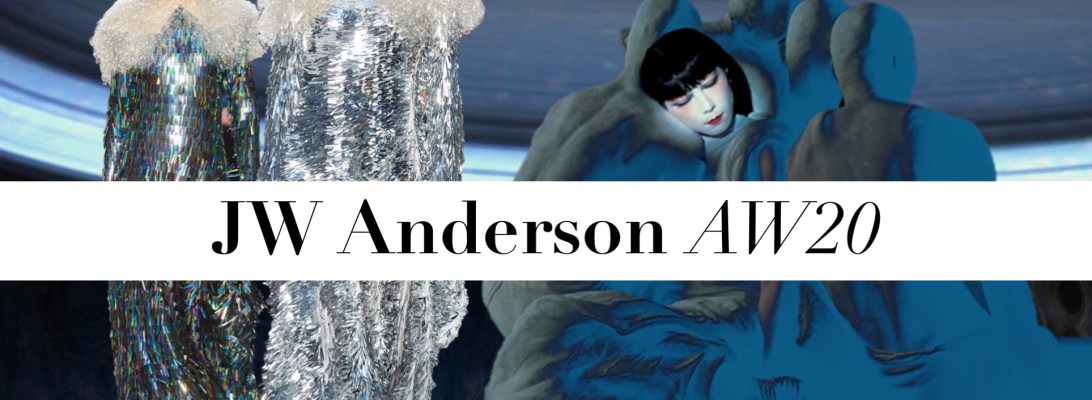

JW Anderson was brilliant! “Nouveau chic” was the term Jonathan Anderson coined for his autumn-winter 2020 collection. The designer mentioned he’d been thinking about what it takes to enter a room – and clothes are the first (and the best) communicators. The ability to take up space with a strong silhouette is part of that – starting with the impression one can make with a fabulous coat. There were three iterations of huge trapeze shapes in tweed, camel hair, and black wool: blown-up classics with generous leather shawl collars that will catch attention wherever you are. This season, not only the couture silhouettes stunned, but as well the innovative, sci-fi direction of the fabrics. It came with a puff of what Anderson called “antique celluloid” around the shoulders. It was part of the experimental theme that played around the sleeves of a series of black dresses. In a strapless version, it fell like an angel-wing cape around the model’s arms. The simpler offering was delightful as well. Take rib-knit dresses with caped shoulders or a shawl-collar black tuxedo suit. Now I can’t wait to see what Anderson cooked up at Loewe for this season…
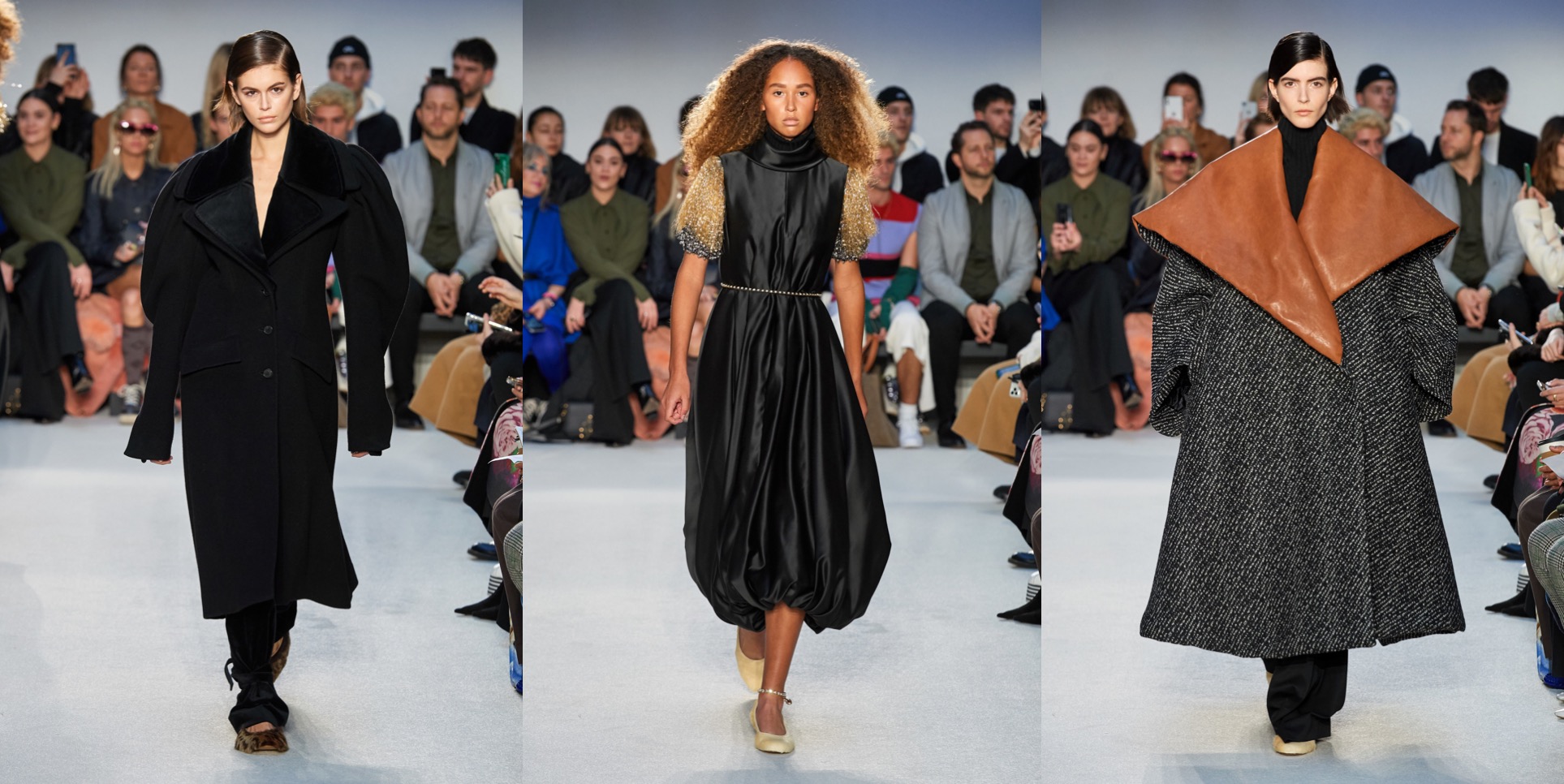
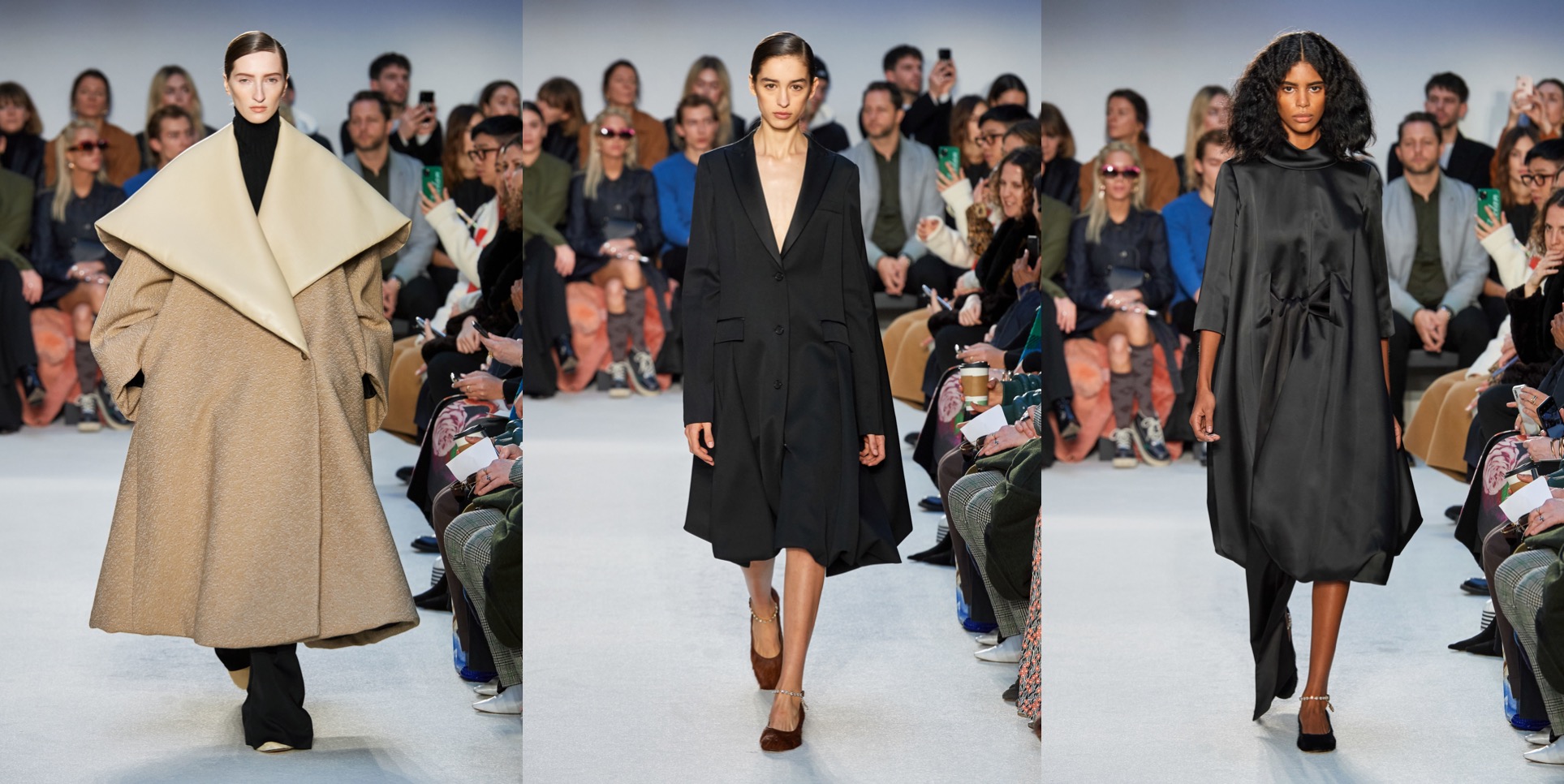
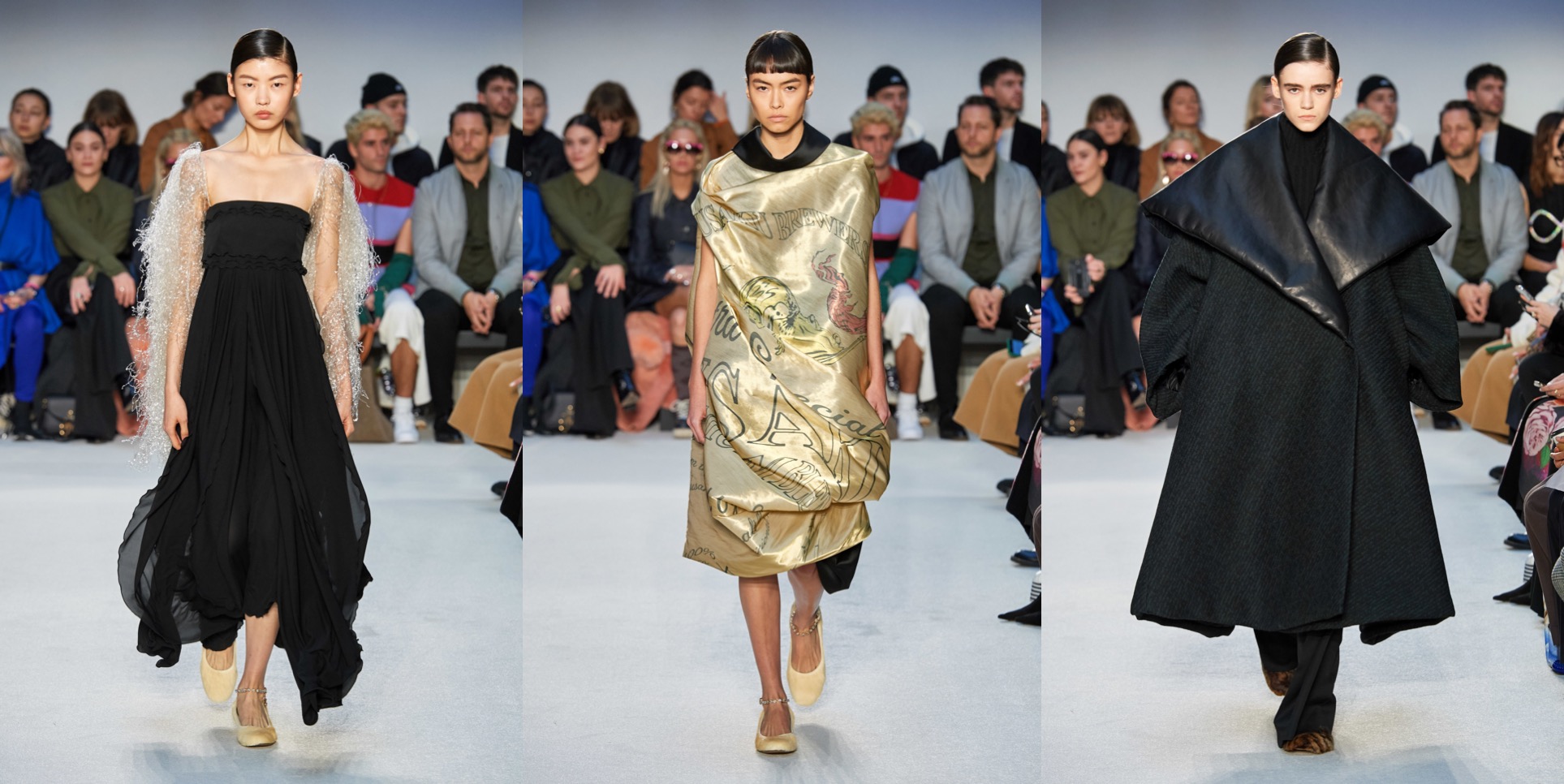
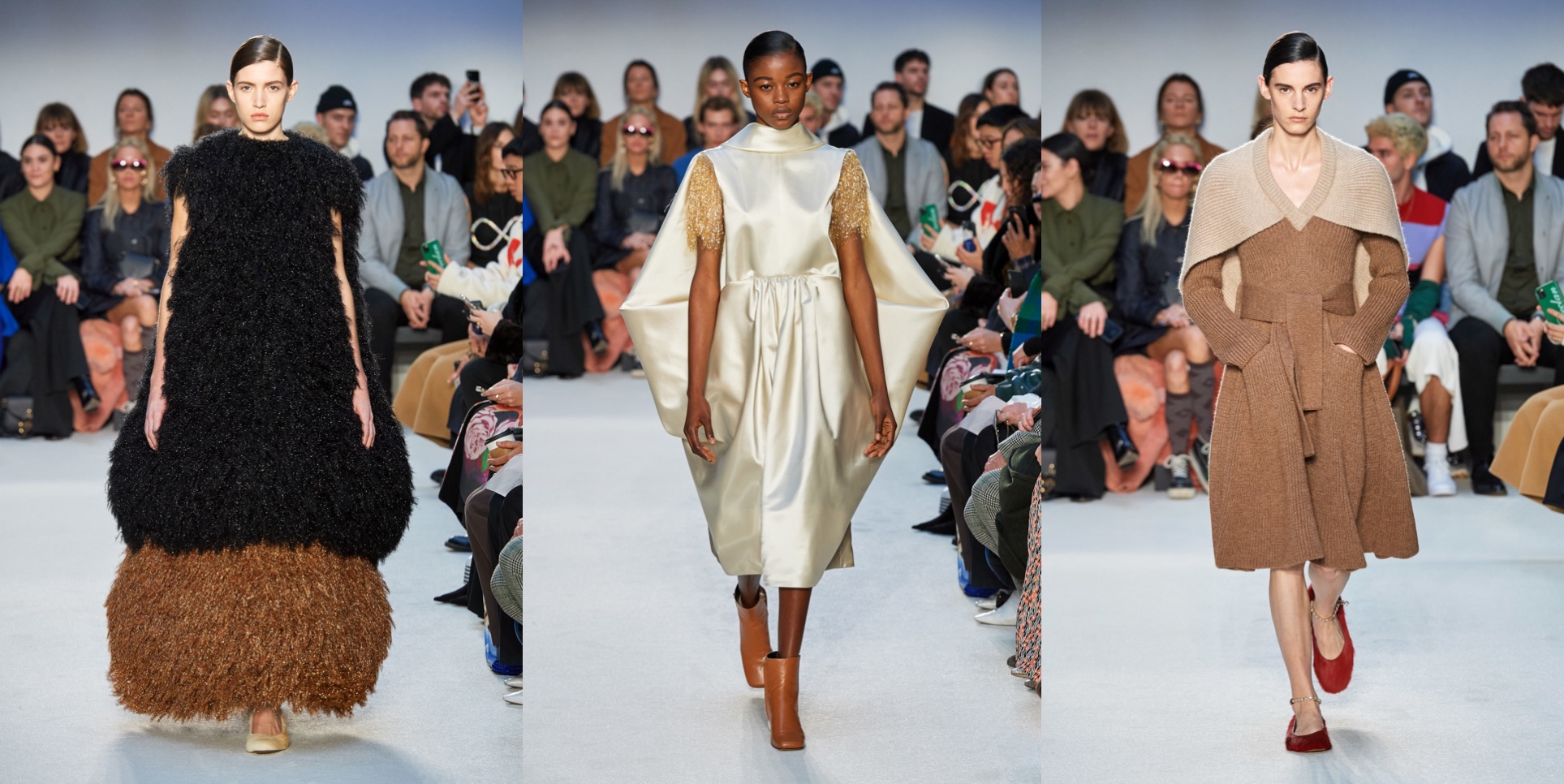
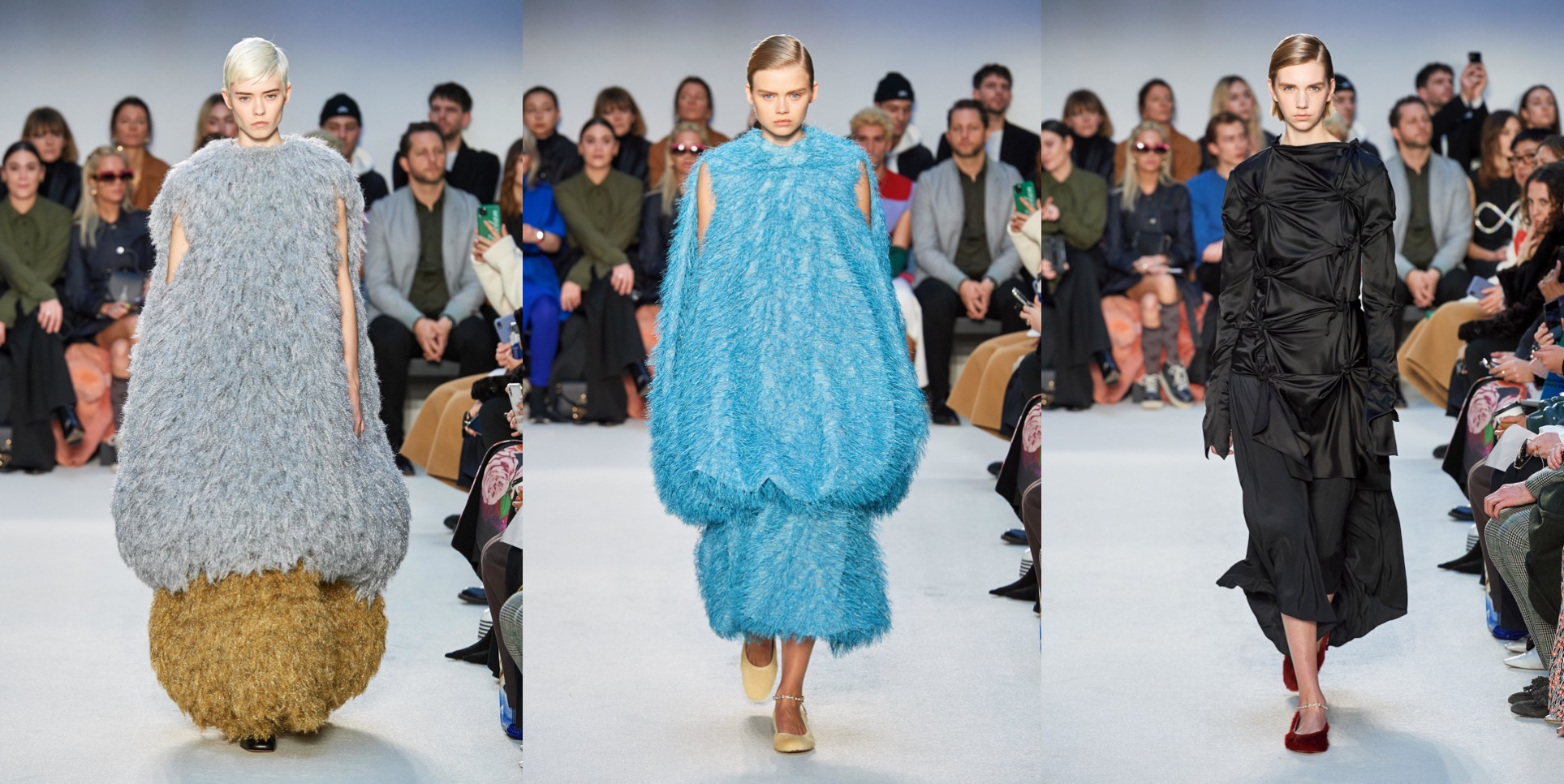
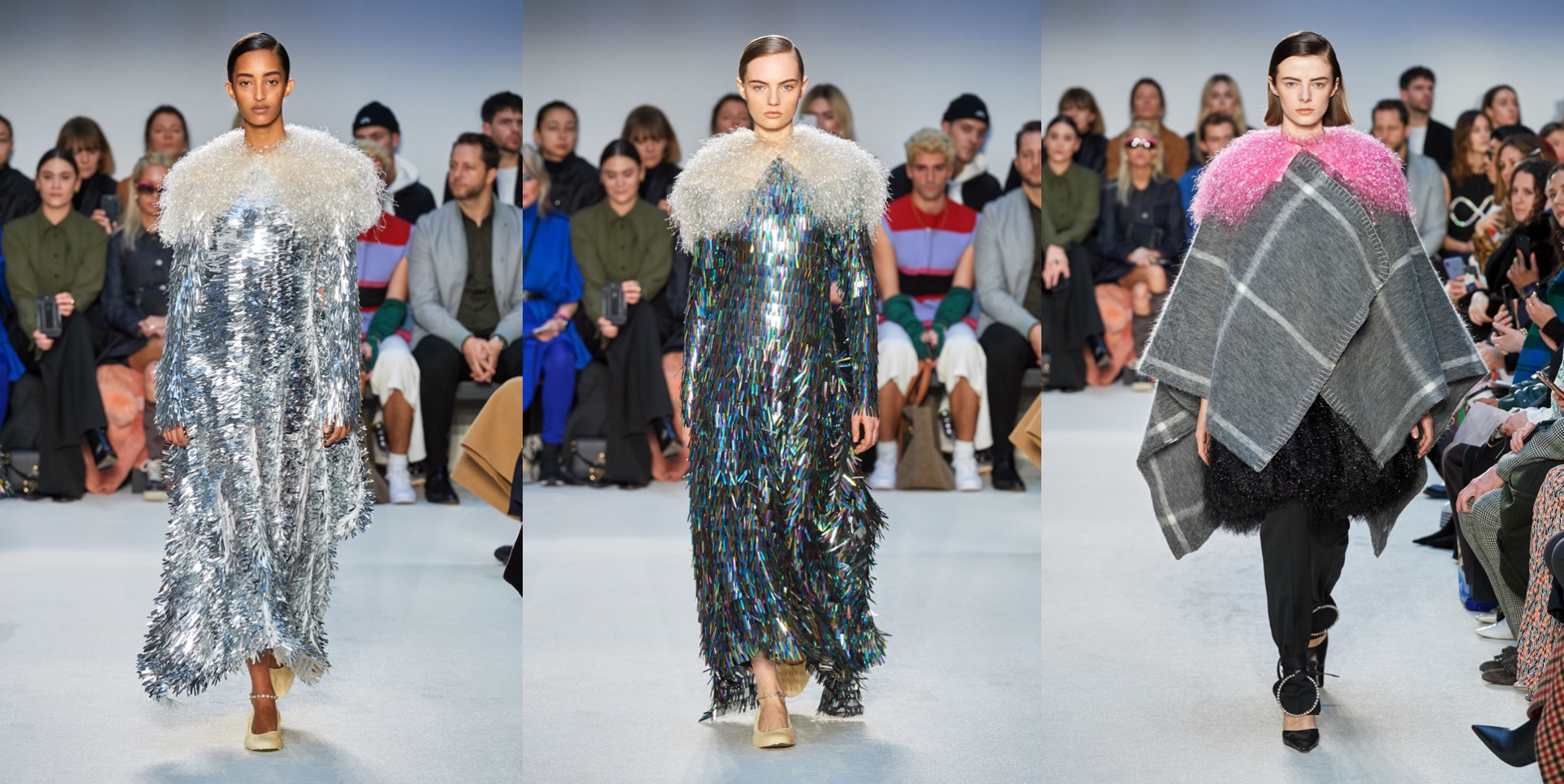
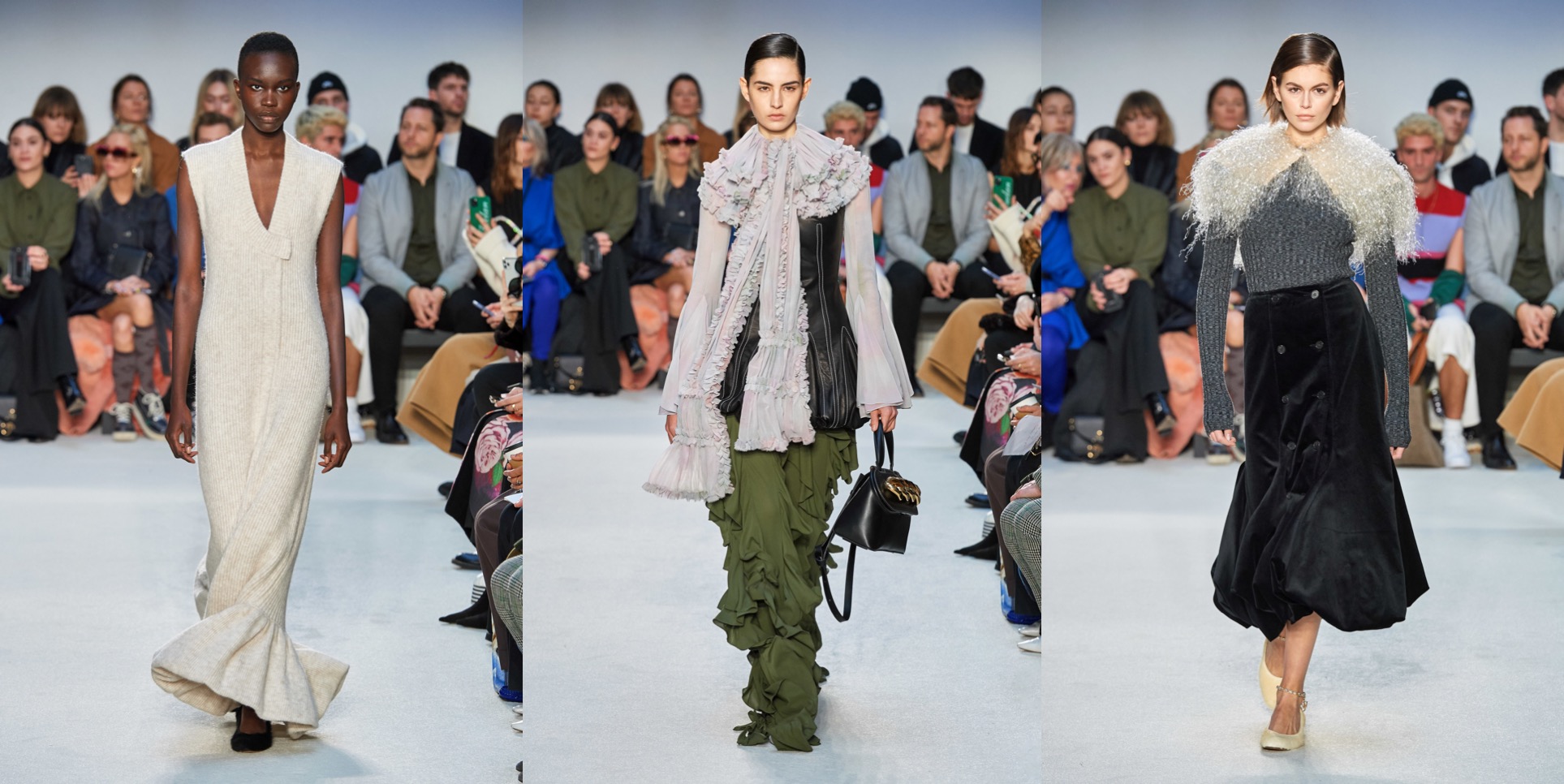
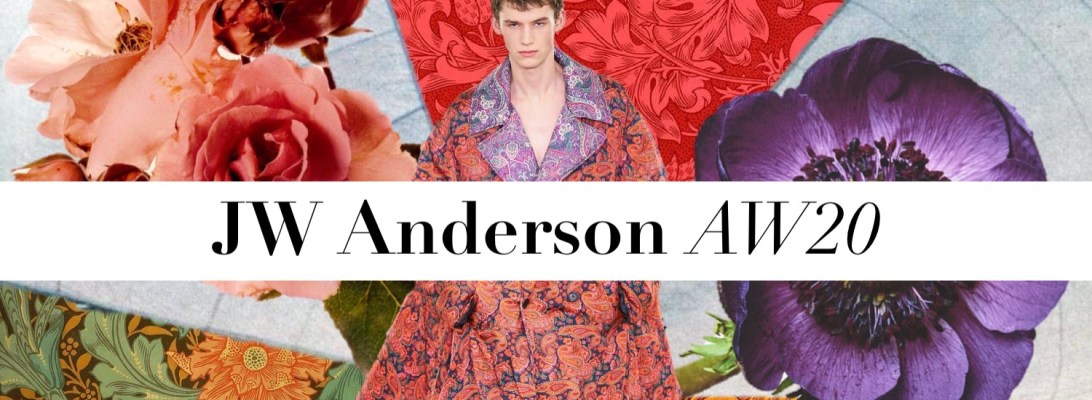
Collage by Edward Kanarecki.

/

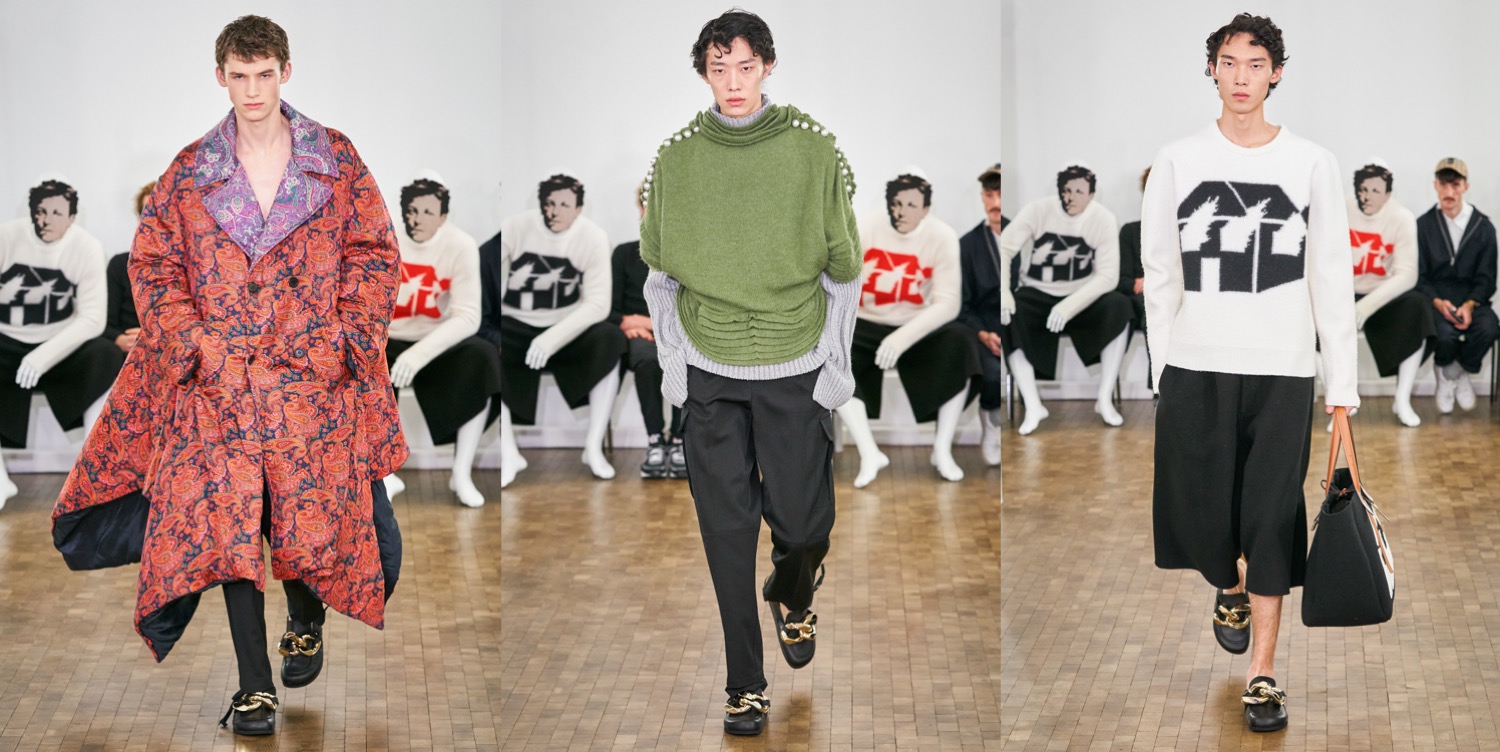
For the autumn-winter 2020 season, here’s where you should go for the best coats: JW Anderson. At his name-sake label, Jonathan Anderson offers gorgeous blanket-wrap poncho-like coats, made in a number of variations: classic grey wool, in paisley print, in hounstooth… some come accessorized with heavy gilt chains swathed as belts (the designer also used them as shoe jewelry and as sewn-on half-necklaces). A pictogram of a house on fire, a print that appeared on knits and in the general imagery of the collection, was Anderson’s take on AIDS activist and mixed-media artist David Wojnarowicz, who sprayed these on derelict East Village buildings in 1982. Anderson is known for bringing almost forgotten art to the ambiance of his shows – both for his own label and at Loewe. But this rediscovery struck a deeper chord for the generations protesting against establishment intransigence in the face of apocalyptic crisis. It resonated in Anderson’s remark at the end of the show. Amid the anguish of the AIDS fatalities in the 1980s and 1990s – which Wojnarowicz documented, fought, and eventually succumbed to – “it felt like the end of the world,” the designer observed. “But it wasn’t. As much as some of it’s really heavy, there’s an optimism. There will be a solution.”



Collage by Edward Kanarecki.

