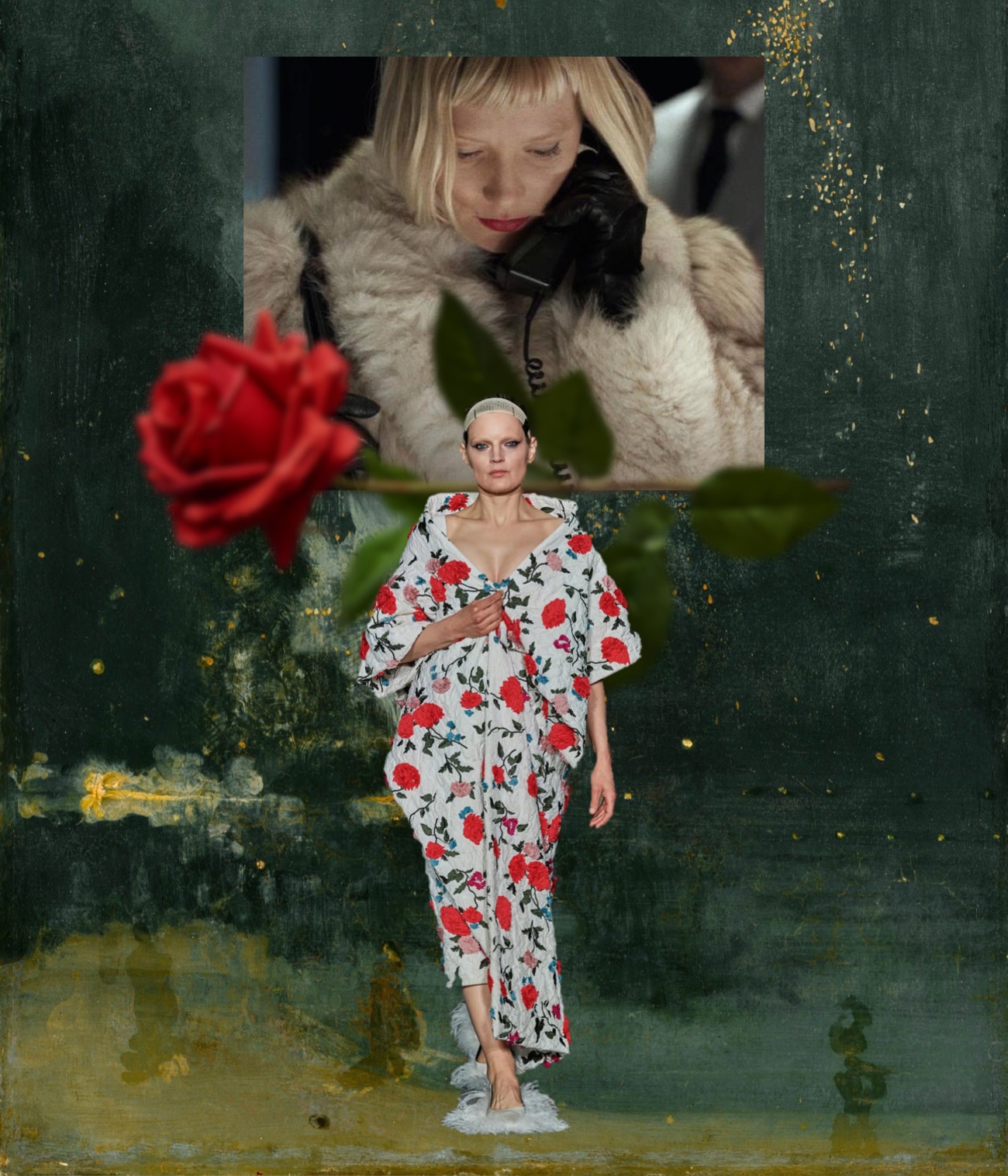
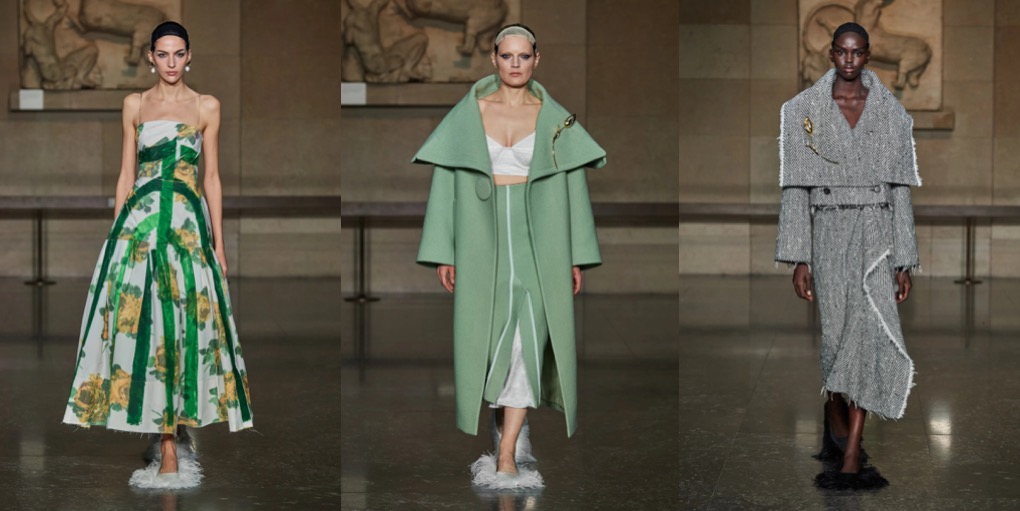
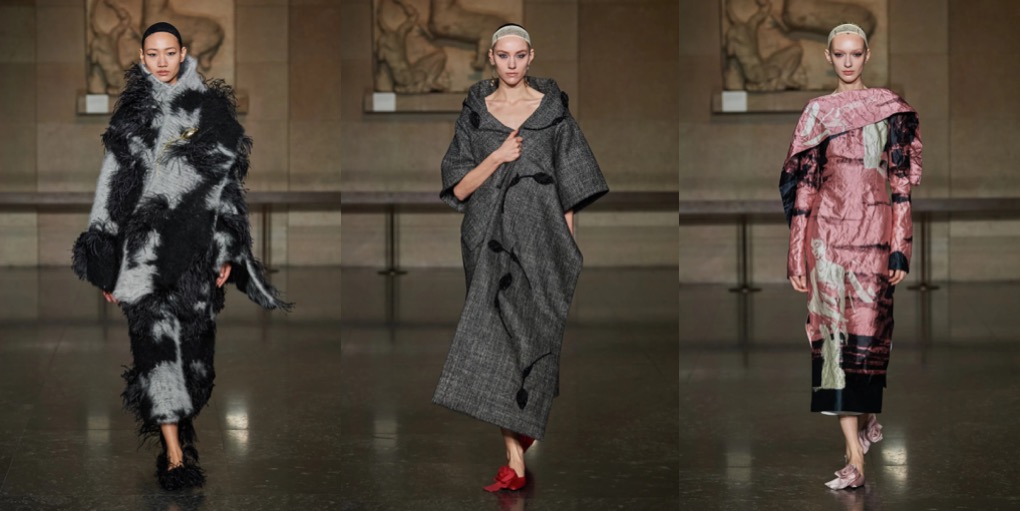
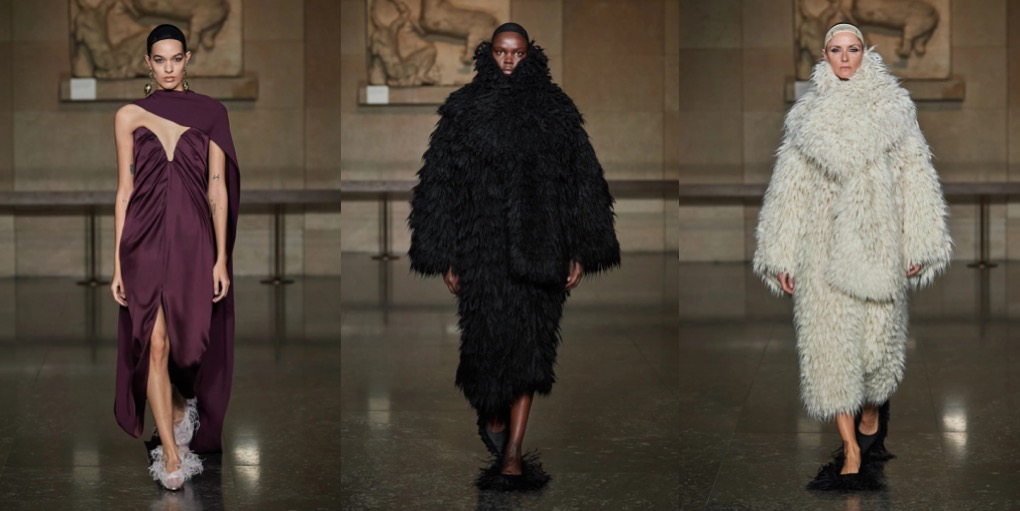
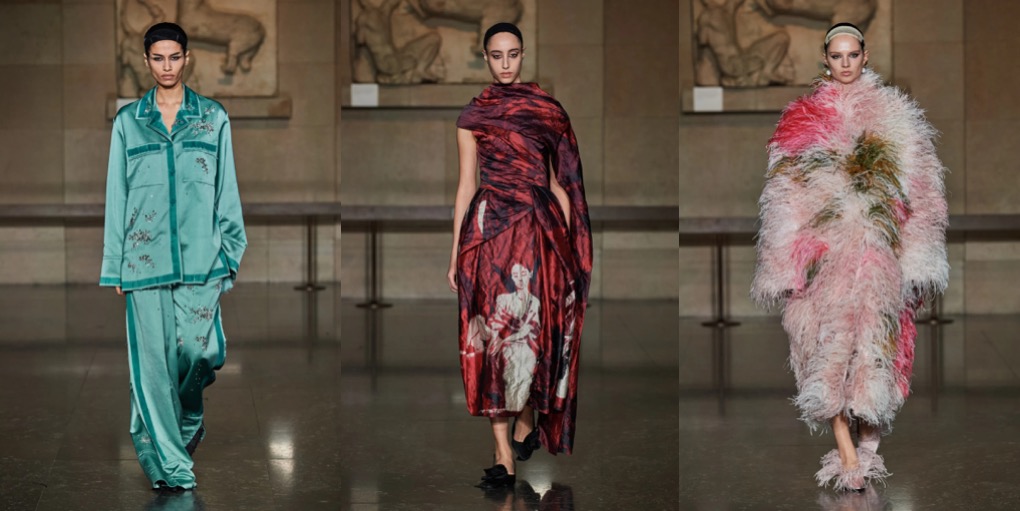
Erdem Moralıoğlu is at his best when he leaves behind his comfort zone of florals and regality. In the halls of the British Museum, amidst the ancient grandeur of the Parthenon Marbles, a modern muse was reborn through imagination of the designer. As the autumn-winter 2024 fashion show progressed, a vivid homage to the American-Greek soprano Maria Callas and her iconic debut as Medea at La Scala in Milan unfolded. From the pea-green opera coat with its extravagantly exaggerated collar at the start to the same silhouette at the finale, this time strewn with a rose print on white satin, but quilted, almost like the memory of a 1950s housecoat, this certainly was an exuberant Erdem moment. In between we had the designer’s extended tribute to Callas, her greatness, her status, and style “almost as a pop idol of the ’50s,” as he put it. The complex psychologies of extraordinary women of the past have always been the fuel for Moralioglu’s layered design approach; the plots always blending into his own design narrative: a romantic, flowered, maybe raw-edged recasting of formal social-occasion dress codes. Callas’ wardrobe – the tiny-waisted, full-skirted dresses; draped scarf necklines; swing coats – were in full force. Carmine red dresses, roses attached to the toes of slingbacks, as if thrown at her feet onstage, and then satin pajamas and shoes evoking marabou slippers were yet another hints we are looking at a modern-day interpretation of a legend’s wardrobe.
Collage by Edward Kanarecki. Don’t forget to follow Design & Culture by Ed on Instagram!
Hey, did you know about my newsletter – Ed’s Dispatch? Click here to subscribe!
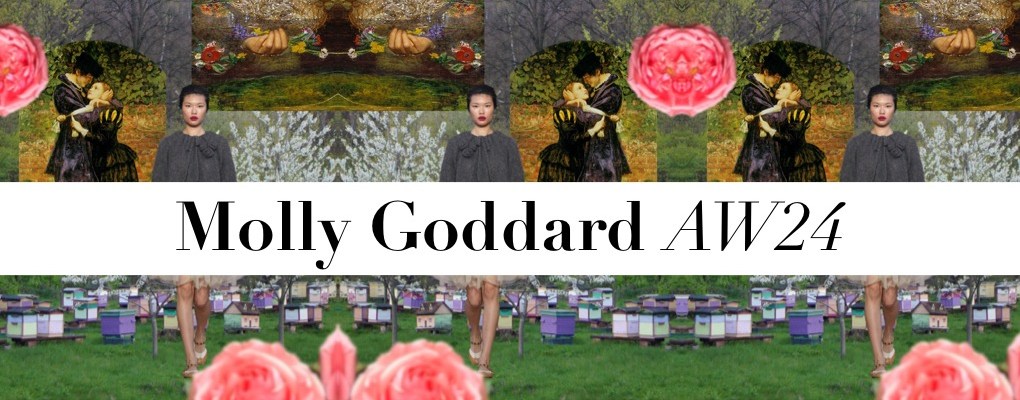
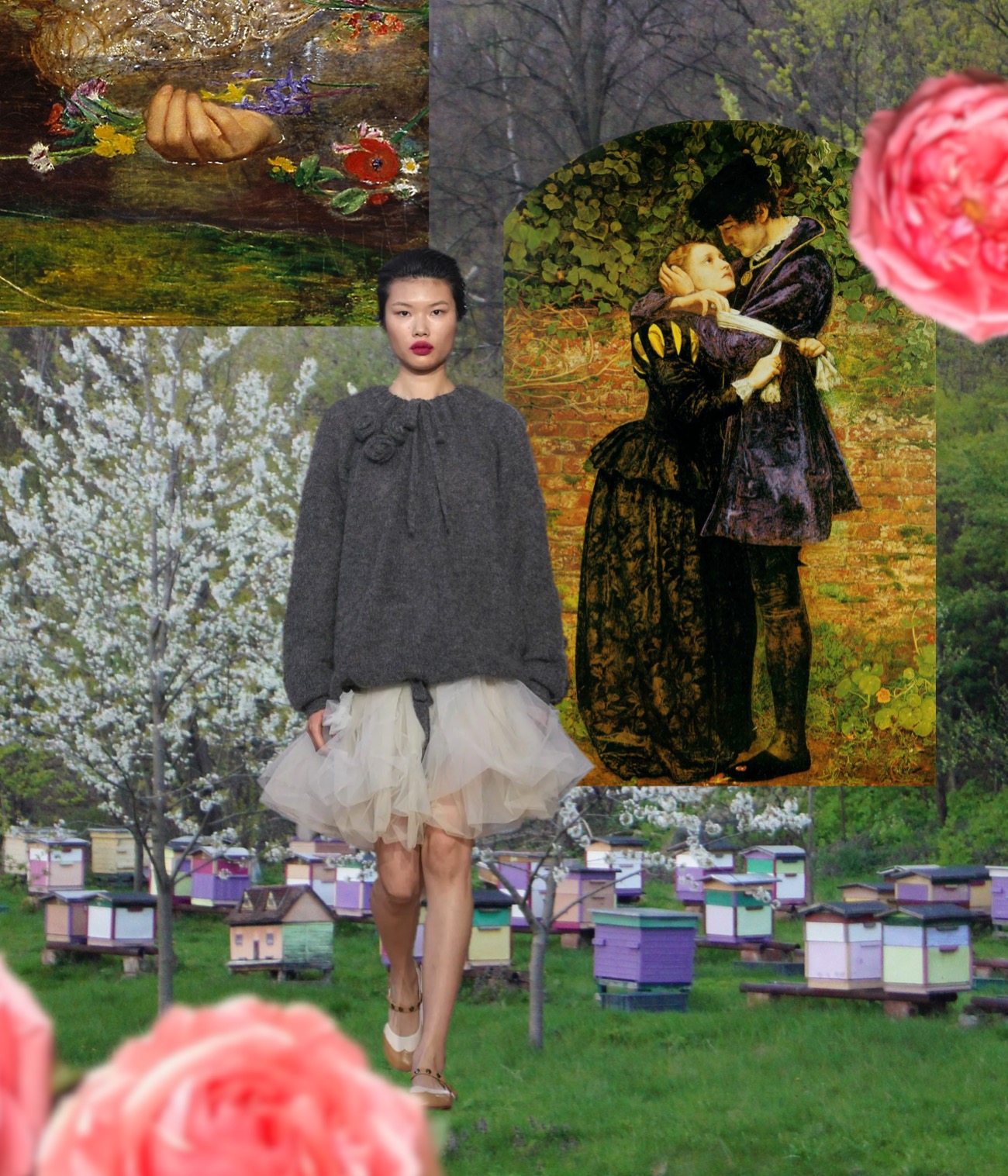
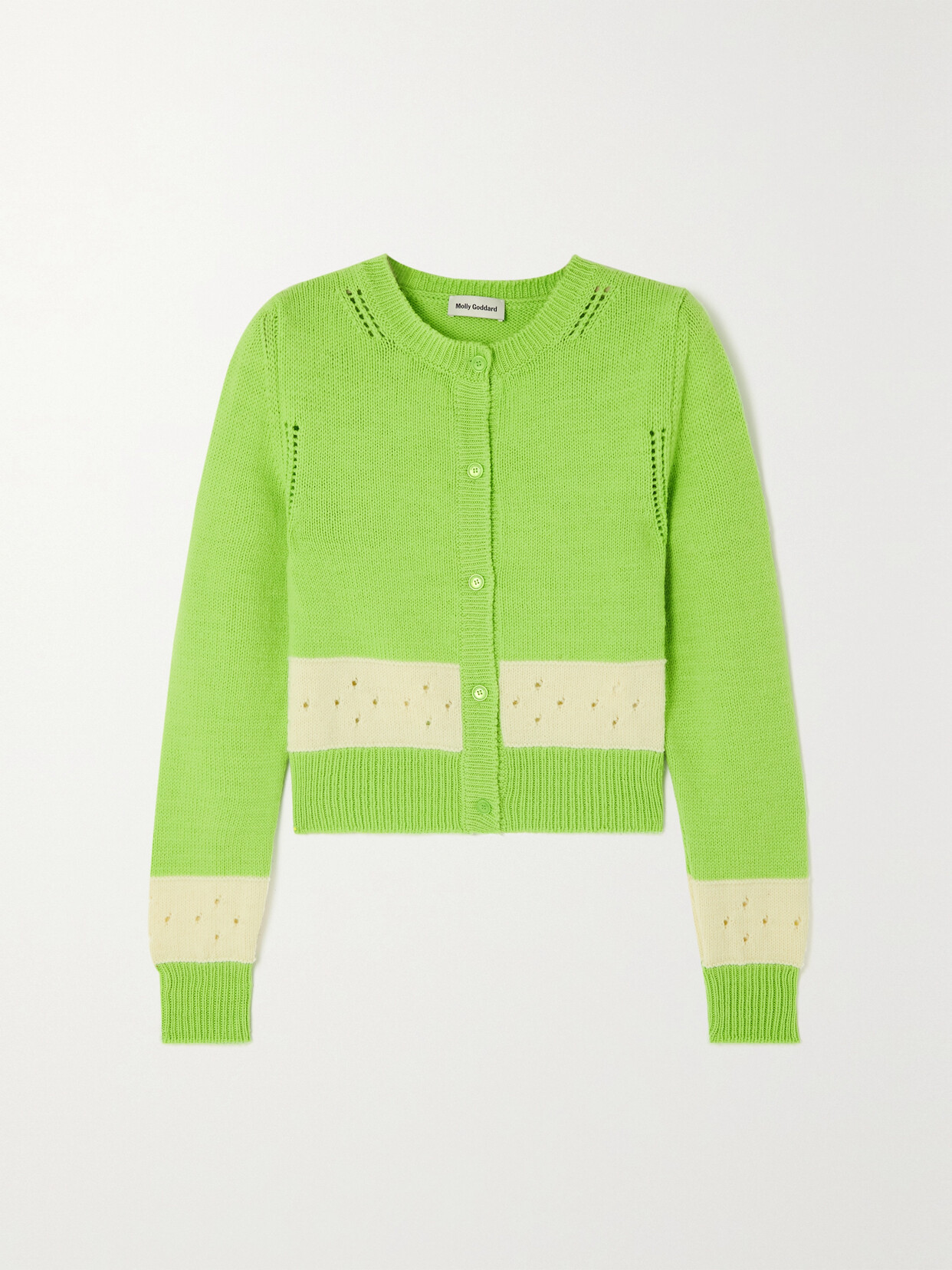
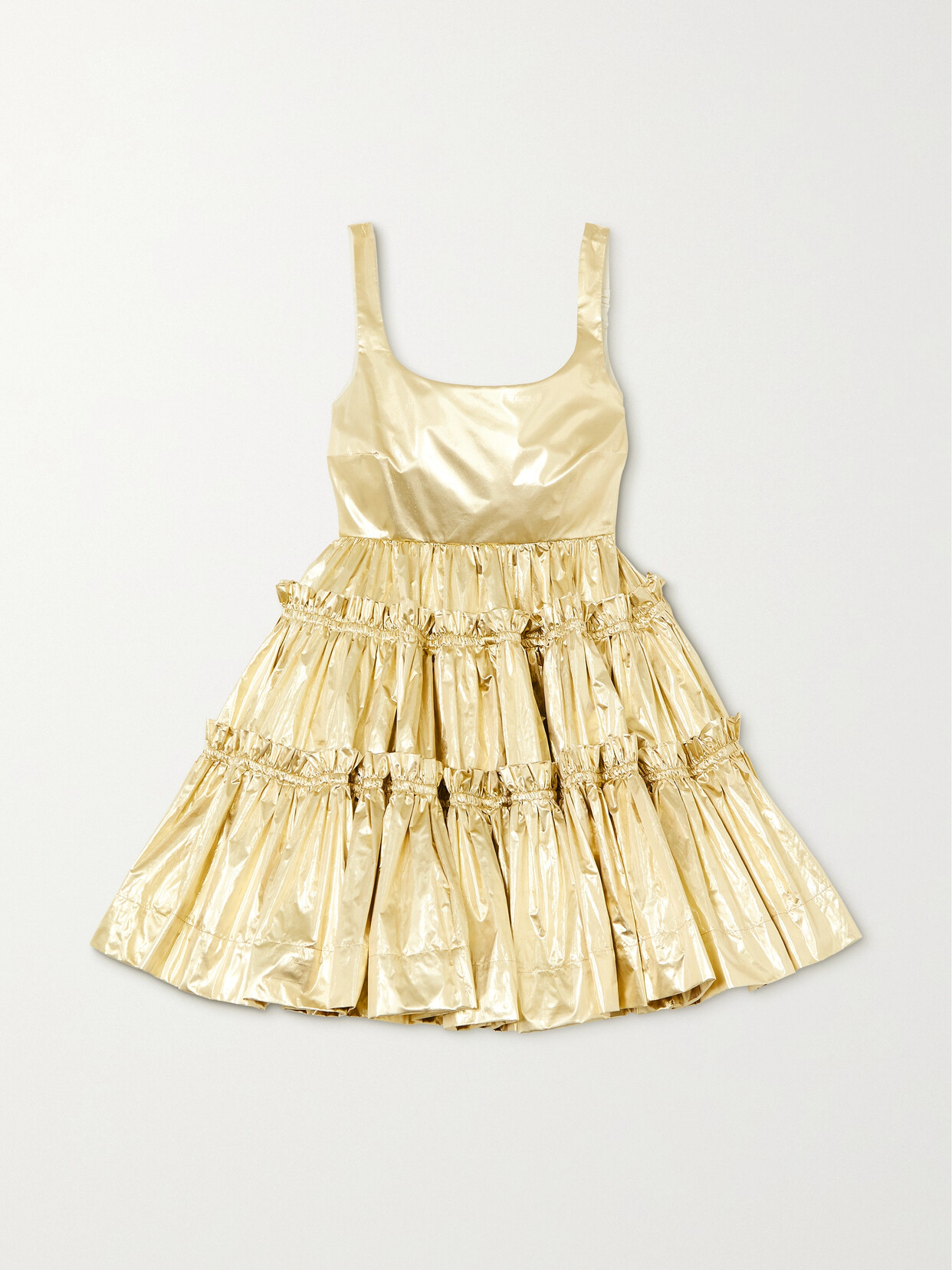
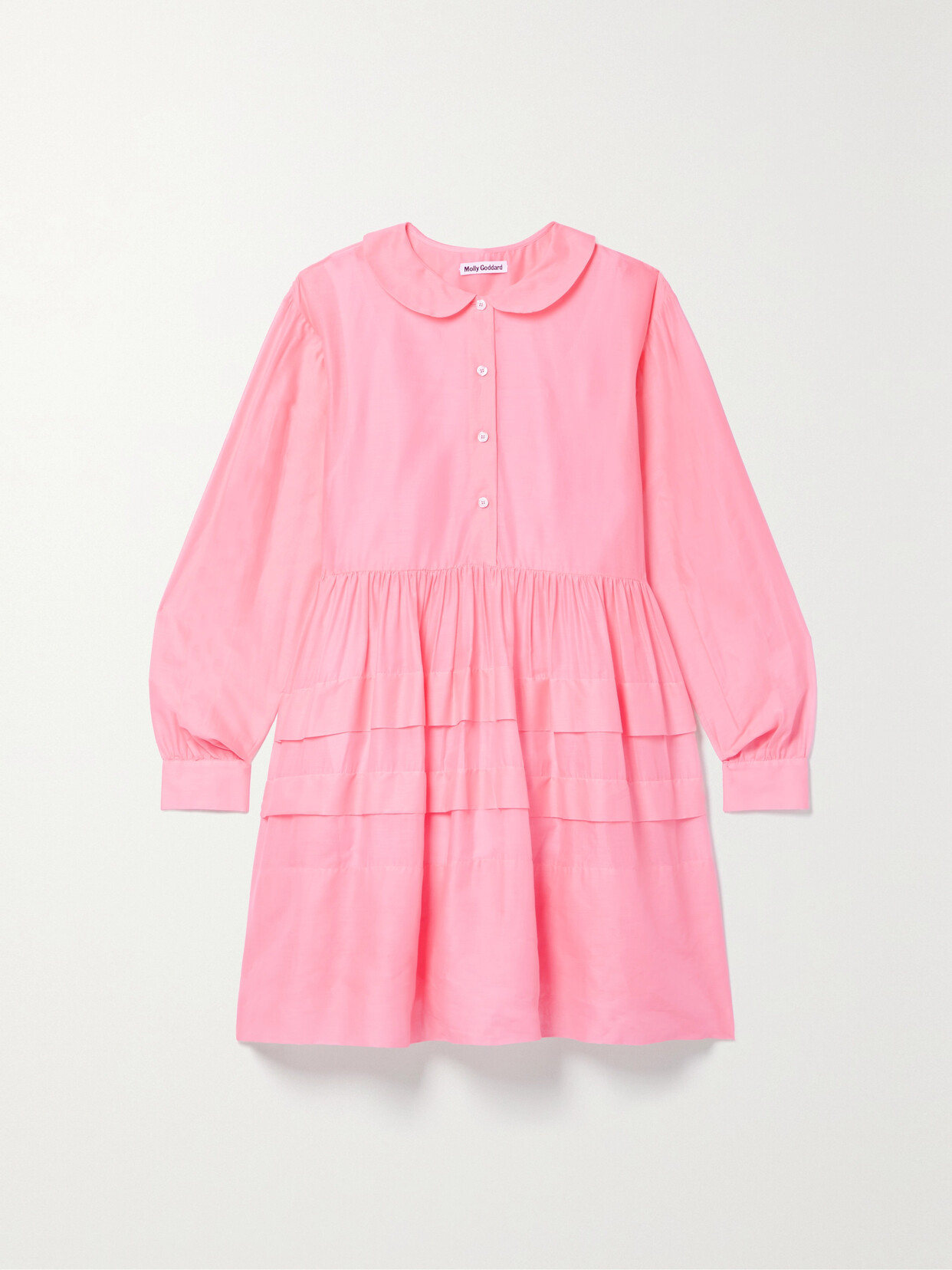
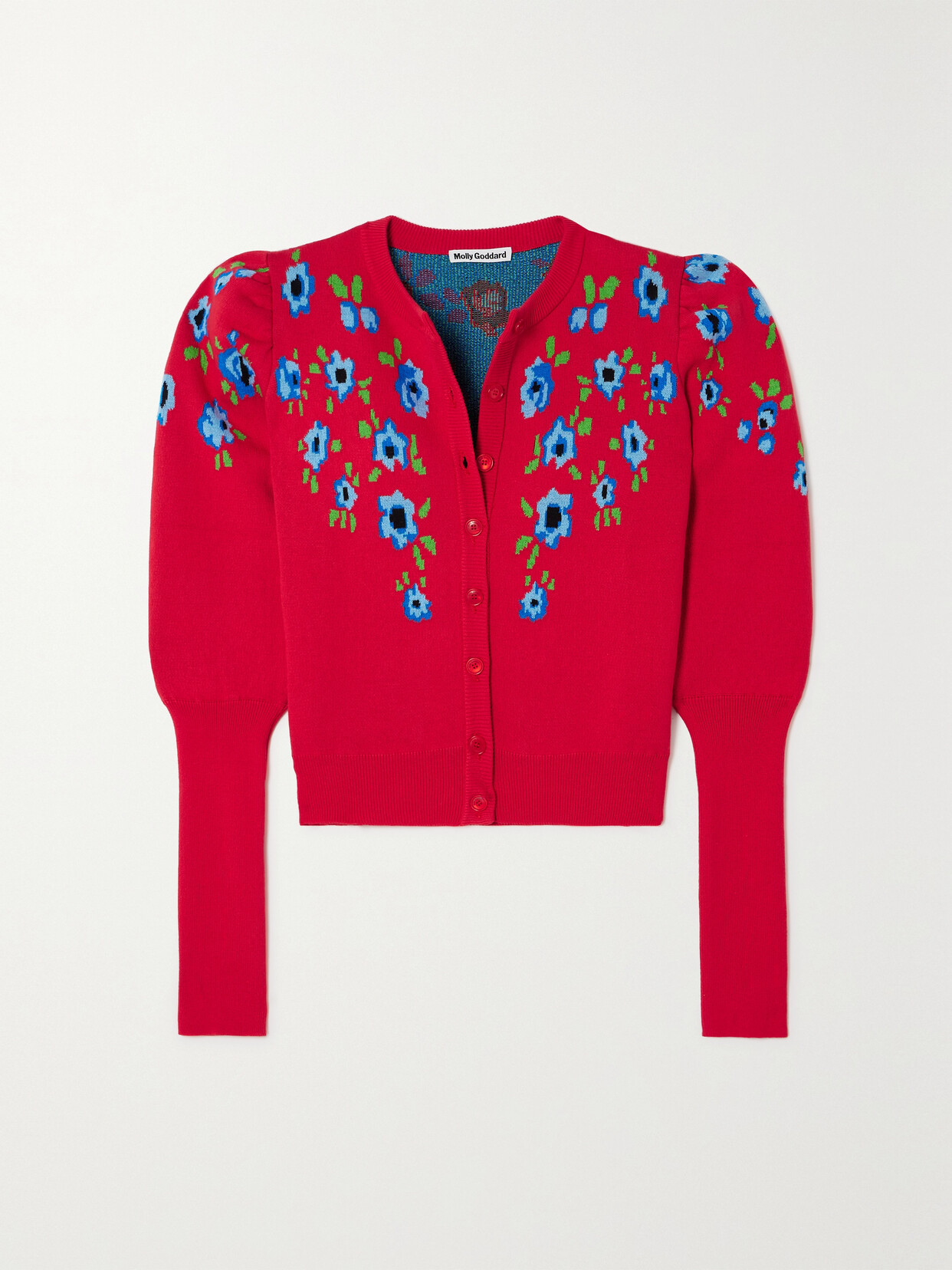
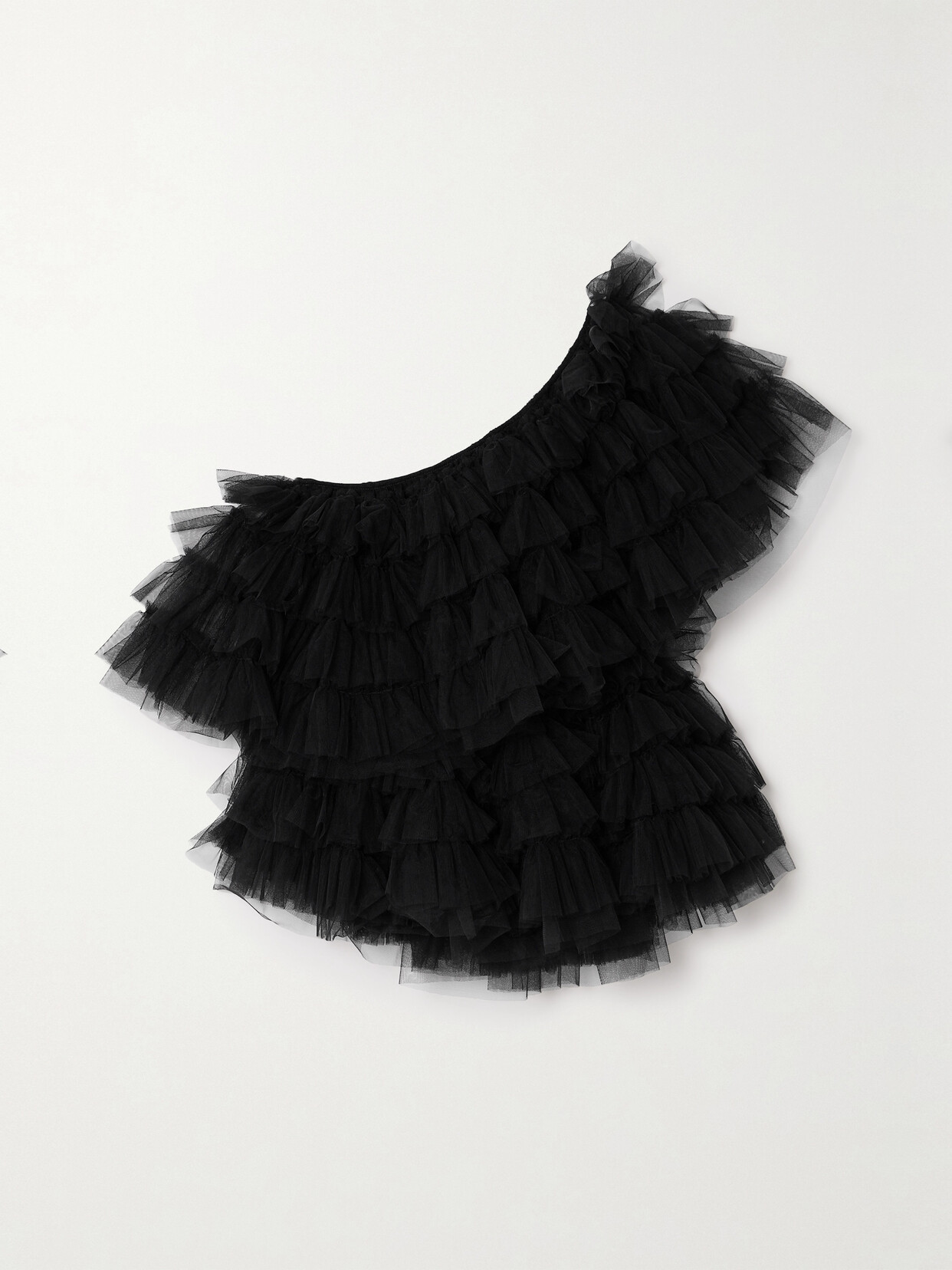
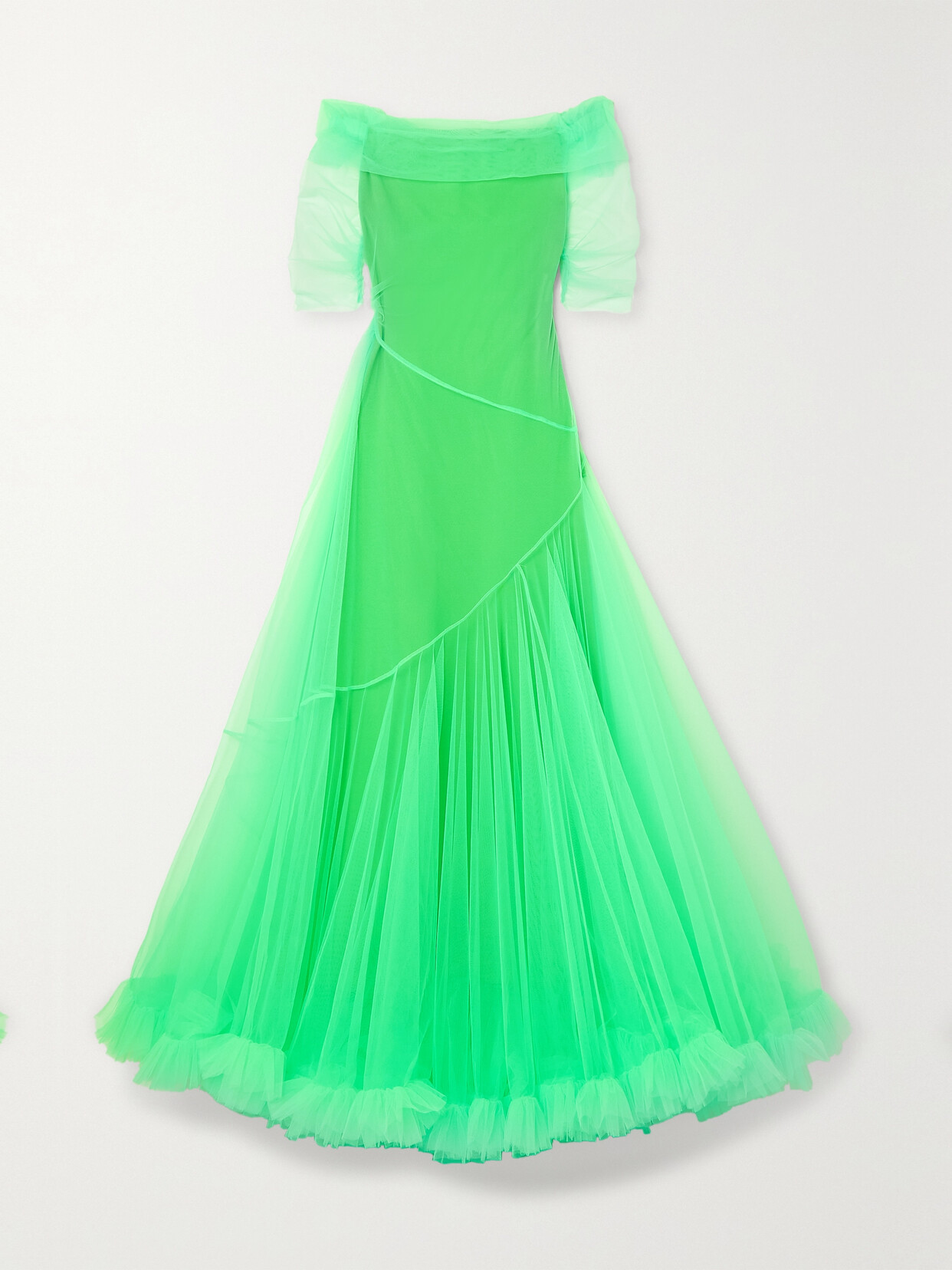
Molly Goddard‘s design language, consisting of signature tulle and romantic, magpie aesthetic, takes a beautiful, somewhat experimental turn for autumn-winter 2024. The play of volumes makes you think of the sensational Junya Watanabe’s 2000 “Techno Couture“ collection which was all about exaggerated, honeycomb ruffs inspired with European portraiture of nobility. Like some extraordinary dolls wrapped in layers and layers of tulle, the Goddard models could easily appear on the set of Yorgos Lanthimos’ “Poor Things“. Then there were all these charming cowgirl motifs, like embroidered roses on collars and full-skirts covered in XXL polka-dots, kept in a vivacious color palette taken straight out of a Pedro Almodovar film. Not every designer could pull off such portion of eclecticism and make it all look somehow consistent. But Molly Goddard is a creative who finds method in the madness.
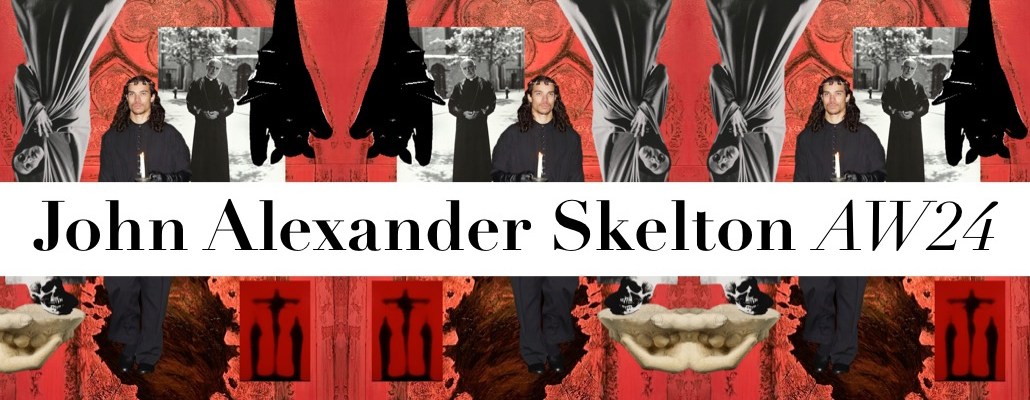
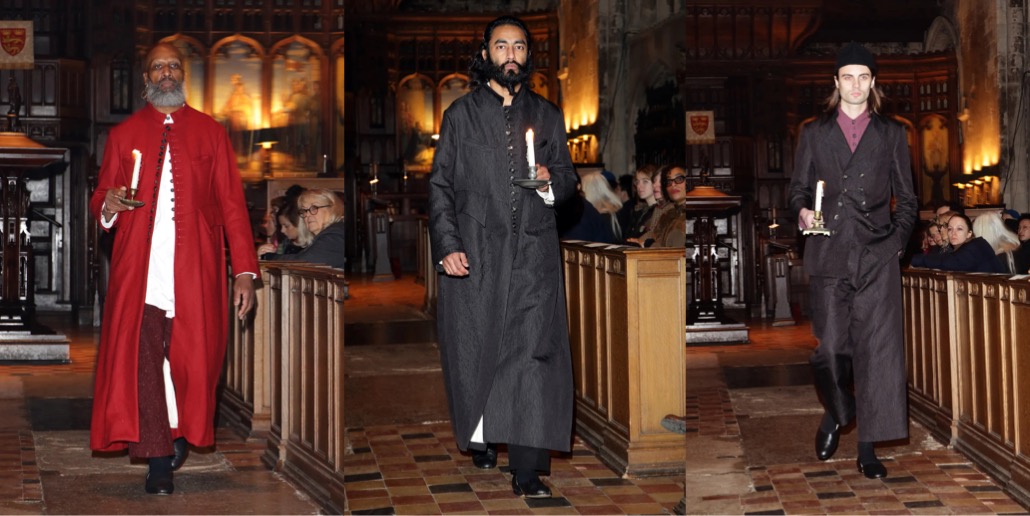
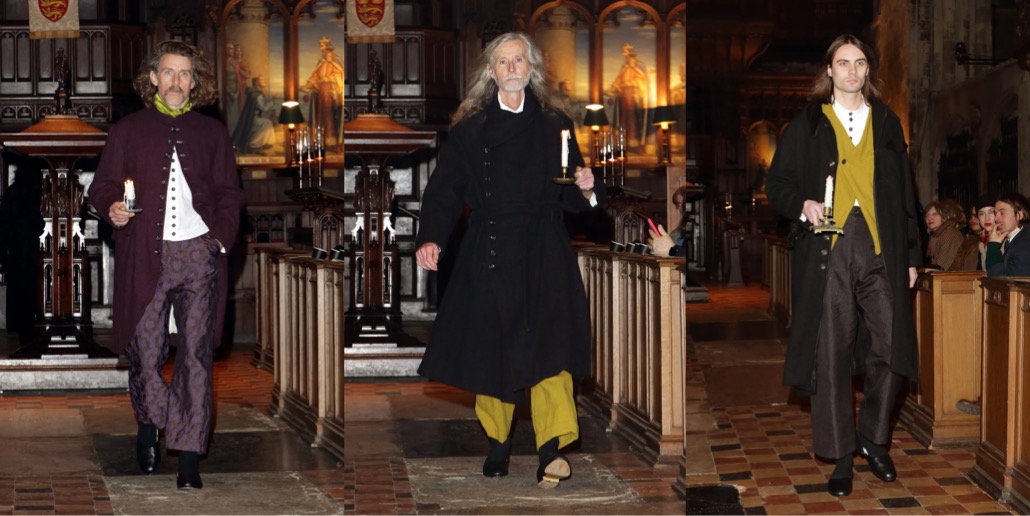
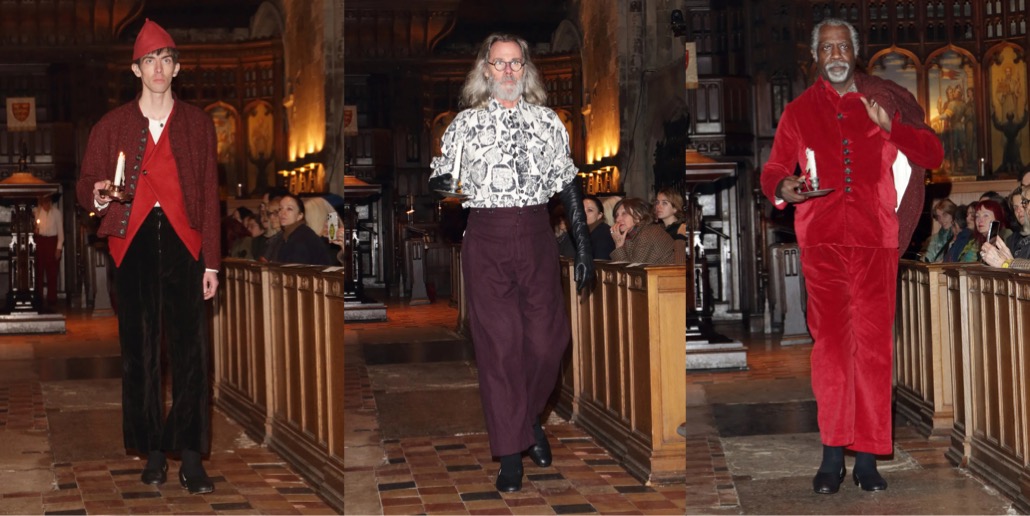
In London, (the unofficial) Men’s Fashion Week couldn’t begin in a more astounding, ecclesiastically-euphoric way. At St. Bartholomew the Great, London’s oldest parish church, with air heavy with incense, John Alexander Skelton had his triumphant return to the runway. For autumn-winter 2024, the designer -took inspiration from the gothic aesthetic and intangible emotions that This Mortal Coil, an ’80s dream pop collective, elicited. “It’s my emotional response to the music“, he said. That took shape in romantic longline coats, tailored suiting, knitwear and shirting, with Skelton’s signature horn buttons dotted throughout, and sported by stately models clutching lit candles in hand. Regal, but chic; mystical, but not whimsy.
Inky blacks composed the majority of this season’s palette, a choice Skelton attributed to examining 15th-century portraiture in which wearing black was “generally thought of as a power symbol,” he explained. It was contrasted with a drop of blood-red ruby, which took the form of meaty velvets. While John Alexander Skelton is often inclined to spin a rich and theatrical yarn around his collections, the essence of his appeal lies in the clothes themselves – just hold one of his shirts or tailored trousers in your hands, and the extraordinary craftsmanship and timeless textiles look and feel just as arresting as any of his runway spectacles.
Collage by Edward Kanarecki. Don’t forget to follow Design & Culture by Ed on Instagram!
Hey, did you know about my newsletter – Ed’s Dispatch? Click here to subscribe!
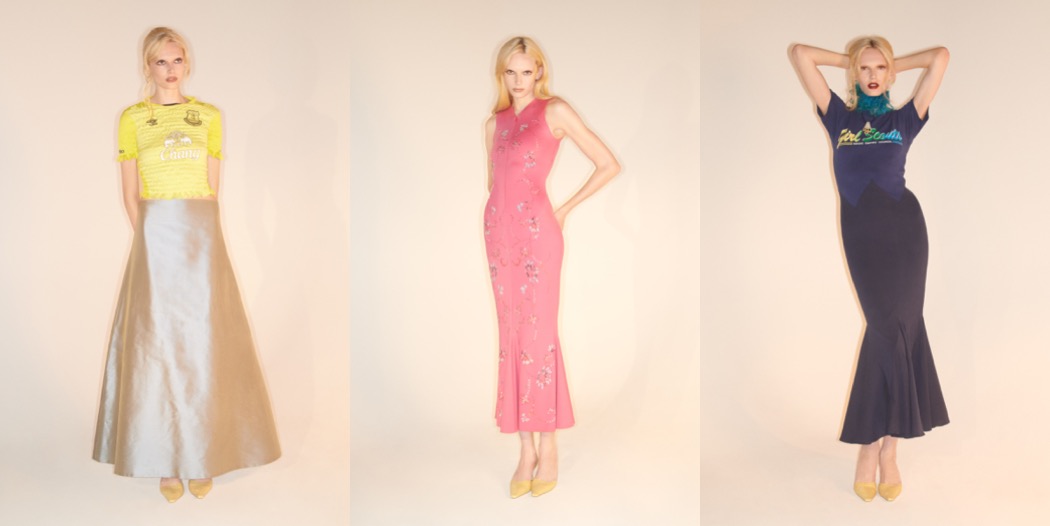
We live in the times of late capitalism. It’s also how Conner Ives entitled his spring-summer 2024 collection, which starting point was a TikTok video he stumbled across a few months ago of a girl live-blogging her experience queuing for a fashion sample sale in New York as smoke from the Canadian wildfires bathed the city in an ominous orange glow. “As much as it felt like the end of days, there was also a dark humor to it,” Ives said at a preview. “It’s the beginning of the end of the world, and we’re waiting in line at a sample sale.” “Late Capitalism” – a collection that invitates to talk more openly about the economic realities of what keeps the fashion world moving – is “a subject that makes me uncomfortable, which made me feel like it was something worth talking about,” he said. Ives is one of a generation of designers for whom sustainability is something of a given, meaning he hasn’t telegraphed his eco-credentials all that loudly in the past (although with his signature approach of lending deadstock and upcycled vintage clothes a glamorous new life, you didn’t have to dig very deep to notice it). But he now feels a greater urgency to share the various methods by which he’s carved out his own, more responsible lane. “I think part of me didn’t want to get up on my soapbox, as I wasn’t sure if anyone really cared,” Ives said, noting that in his few years of doing production at scale, he’s repurposed nearly 15,000 T-shirts destined for scrap yards, while a new partnership with Depop will see him use the platform to source bulk raw material for production. And he’s open to talking about the fact that the system still isn’t perfect. Sure, he’s made a firm commitment to only staging a runway show once a year, but he still needs to produce lookbooks in between to allow him to sell year-round and keep his business afloat. “I’m very aware there’s an irony to the ‘Late Capitalism’ collection being an answer to getting more items into stores,” he acknowledged.
So, then, to the clothes. In his signature spirit of character-driven styling, Ives’s lookbook- photographed by Johnny Dufort, and starring the TikTok-favorite model of the moment Alex Consani – began with one of his “archetypes,” a T-shirt and skirt decorated with a swan motif as an ode to Natalie Portman’s doomed ballerina in Black Swan. Once again, there was plenty of fun to be had identifying the various figures he was paying homage to, from Charlotte York to Carmela Soprano. Ives also continued his journey of expanding out from the spliced T-shirt dresses that made his name as a fashion editor favorite, continuing to develop his tailoring and elevate his eveningwear offering. Highlights included a series of T-shirt dresses with 1930s-inspired trumpet skirts made of recycled jersey, a sheer bias-cut dress cut from baseball jersey material, and a swishy black halter gown with a mother-of-pearl shell as a belt buckle. But perhaps the most striking looks came at the end, in the form of a dazzlingly intricate dress strung together from 9,000 soda can tabs, and a slip made from cowrie shells strung together in a bias lattice. Cowrie shells, being one of the earliest forms of currency in human history as Ives pointed out, is another nod to the collection’s meditations on commerce.
Collage by Edward Kanarecki. Don’t forget to follow Design & Culture by Ed on Instagram! By the way, did you know that I’ve started a newsletter called Ed’s Dispatch? Click here to subscribe!
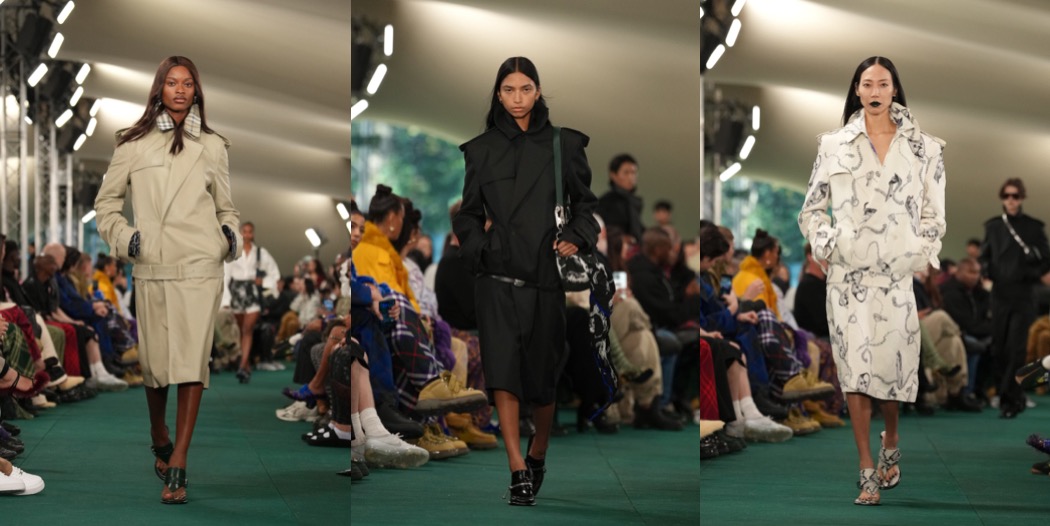
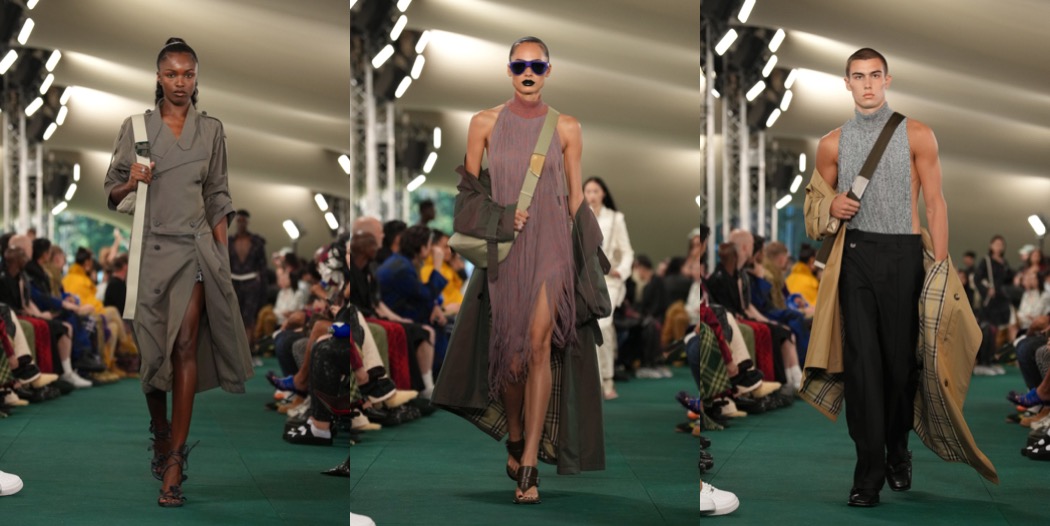
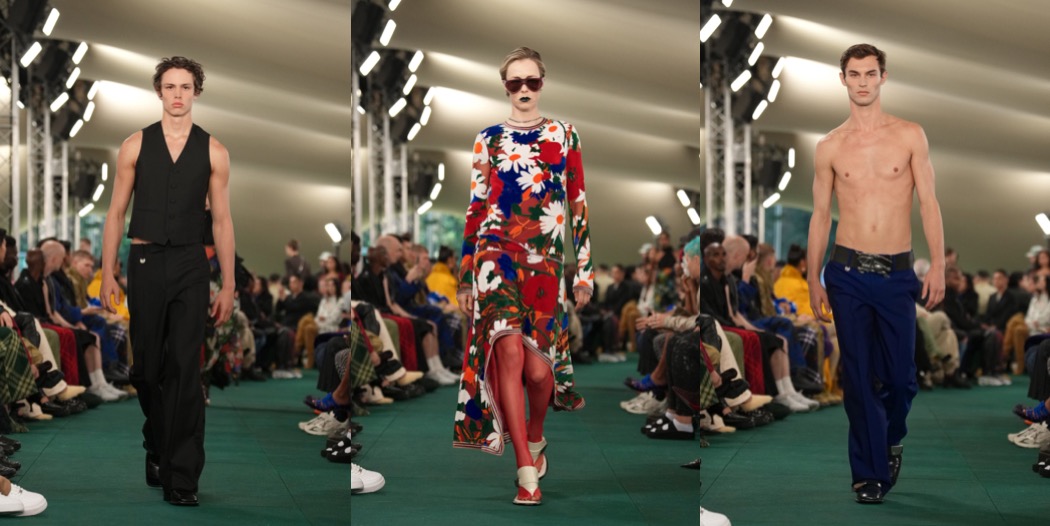
Daniel Lee‘s debut collection at Burberry signaled that he isn’t planning to reinvent the wheel at the brand. His sophomore collection, presented yesterday under the tent at London’s Highbury Fields, confirmed the assumptions about the designer’s direction for the house: clothes and accessories interweaved with Britishness. But is it enough to truly revive the brand? Unfortunately, the spring-summer 2024 failed to deliver a cohesive “look”. The knee-length, low-belted silhouettes with symmetric lapels and minimal epaulettes applied across womenswear and menswear could easily be Stella McCartney. Instead of last season’s blanket coats, Lee presented his take on the trench coat. The boxy shape looked neat and crisp, but it didn’t make my heart beat faster. Lee had moments dedicated to English summer flowers and fruit: cascading swarms of blue strawberries, blown-up meadow-flower prints. The clumsy-looking knitted dresses didn’t do it for me. While Burberry’s new visual communication thrives and the brand drastically increases prices on its goods (have you seen the knitted duck cap for 3000 euros?), Lee’s work – the heart of reinvention – needs more clarity.
Collage by Edward Kanarecki. Don’t forget to follow Design & Culture by Ed on Instagram! By the way, did you know that I’ve started a newsletter called Ed’s Dispatch? Click here to subscribe!













 Design & Culture by Ed