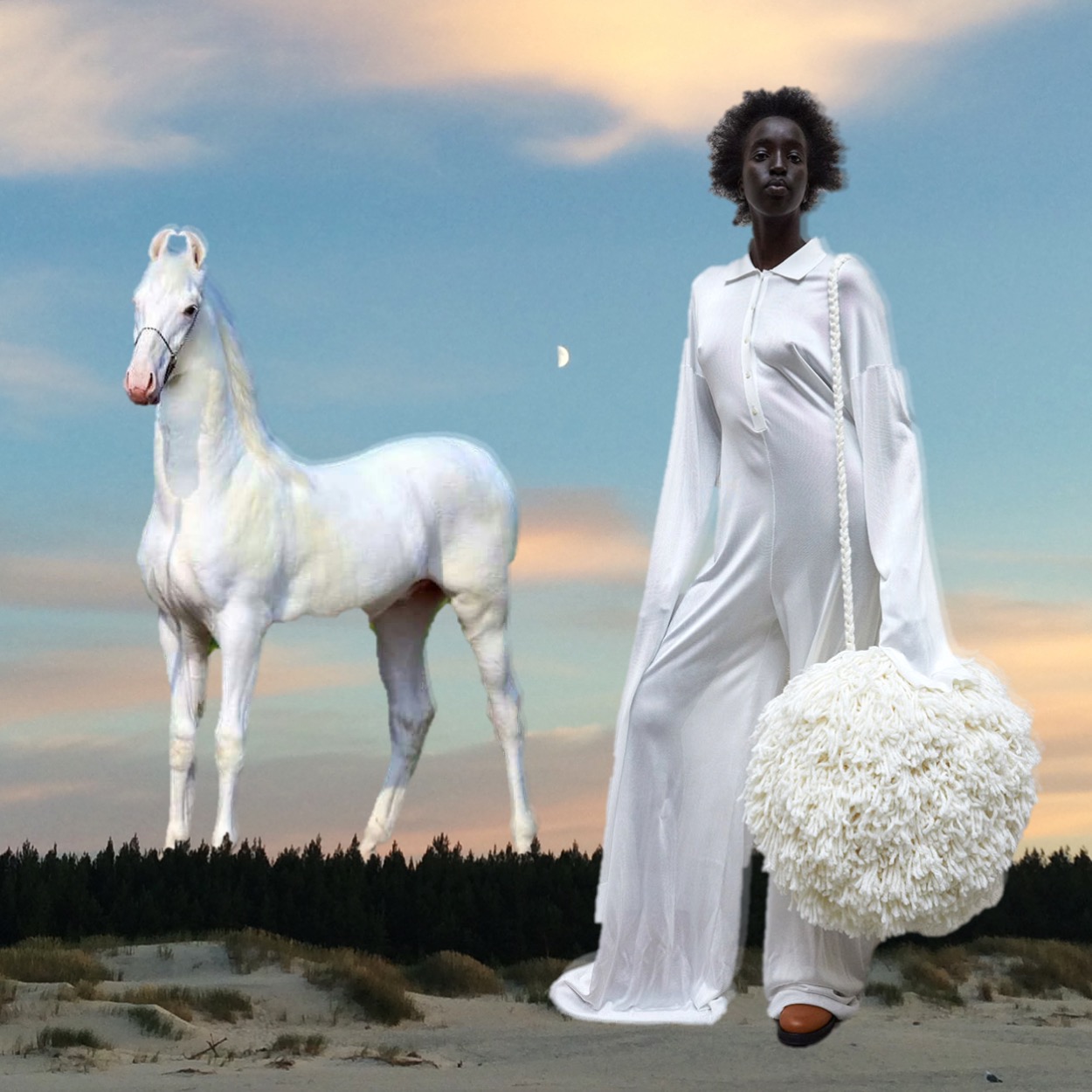
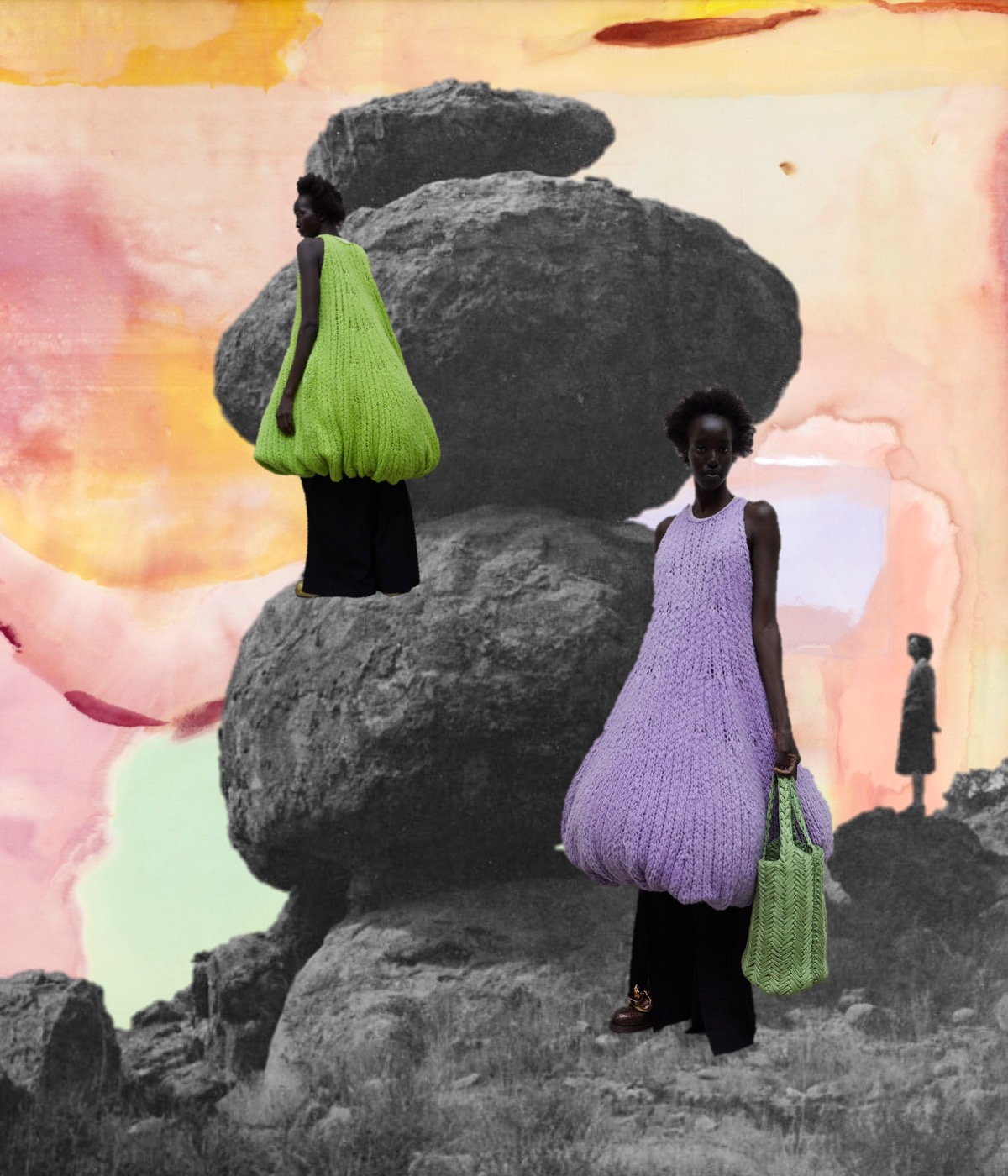
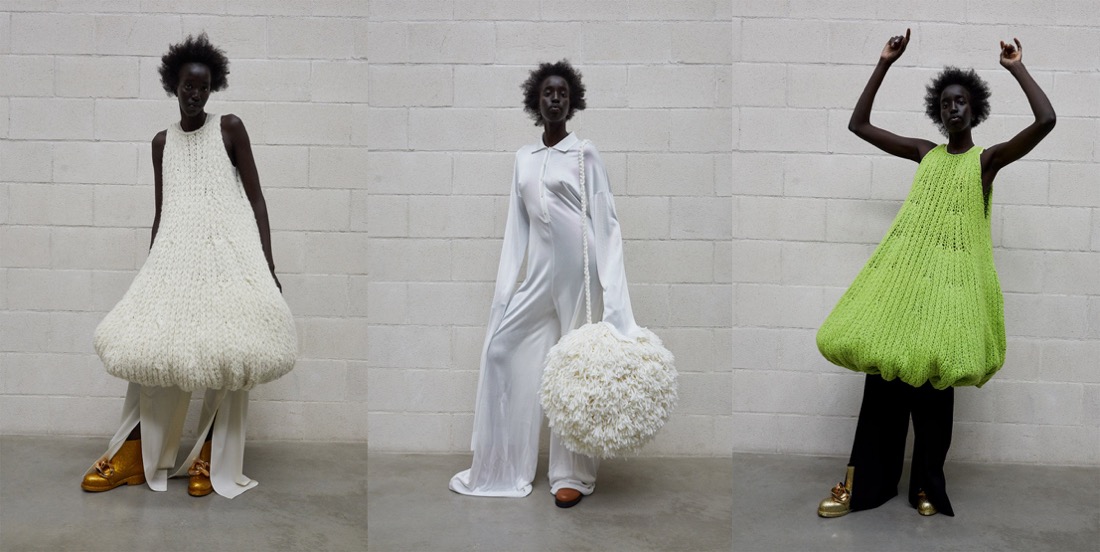
Flowing, ethereal, somewhat ephemeral… this elegant jumpsuit-dress from JW Anderson‘s autumn-winter 2021 line-up (lensed by Juergen Teller) is so dreamy. Just like the weaved bag worn with it. A beatiful dialogue between silhouettes and textures. Take a look back at the phenomenal collection here!
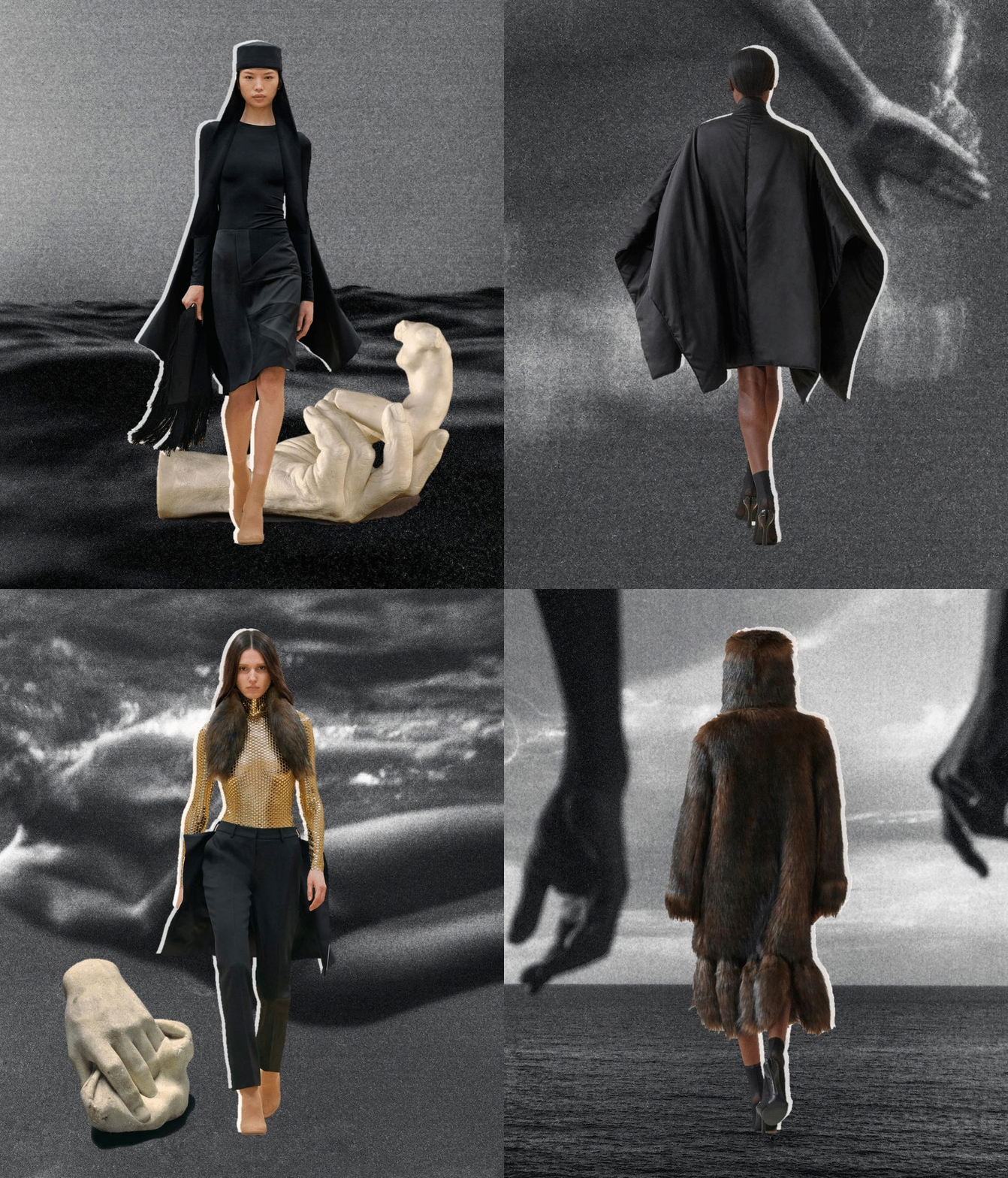
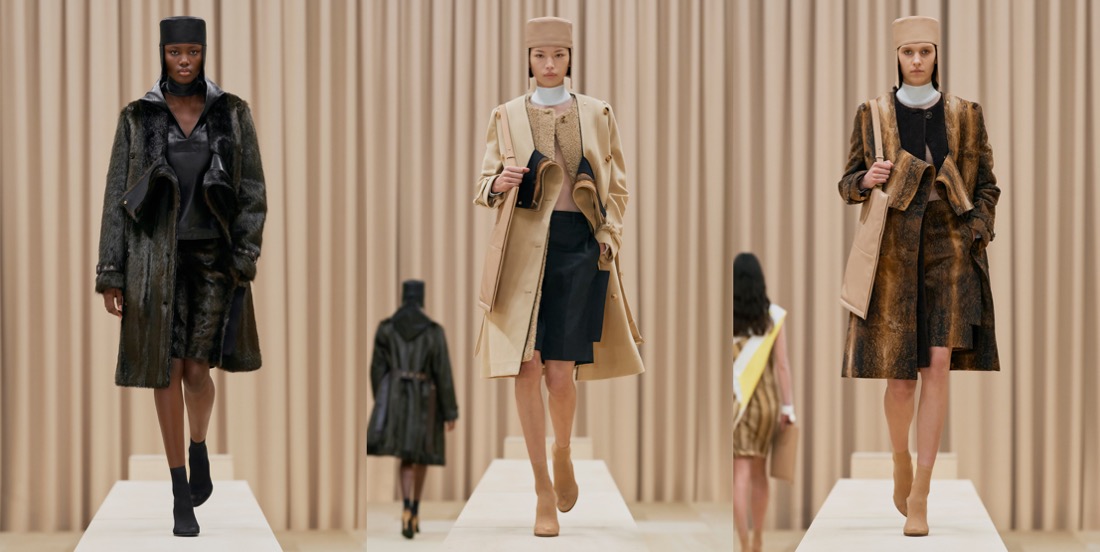
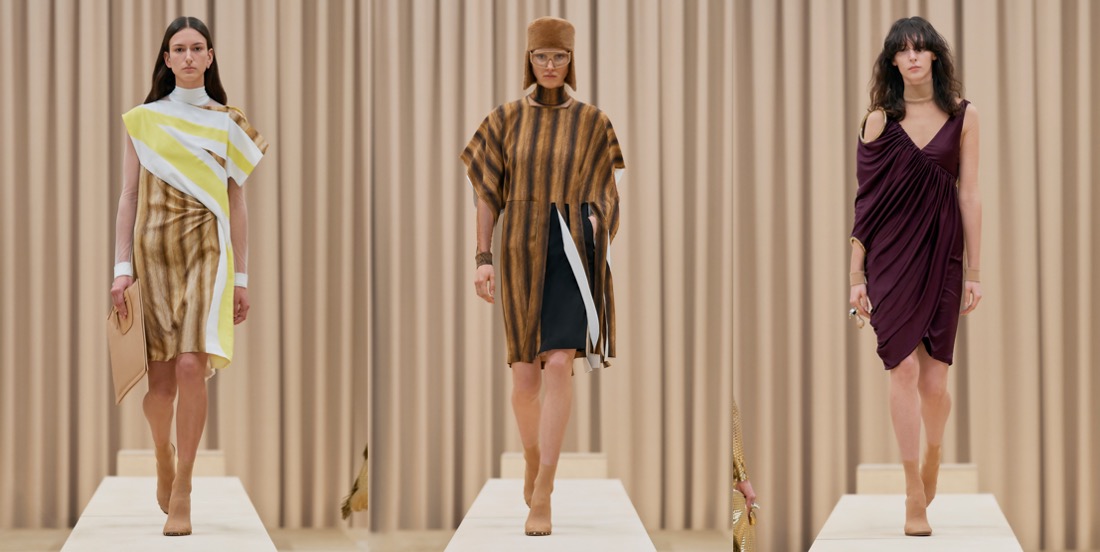
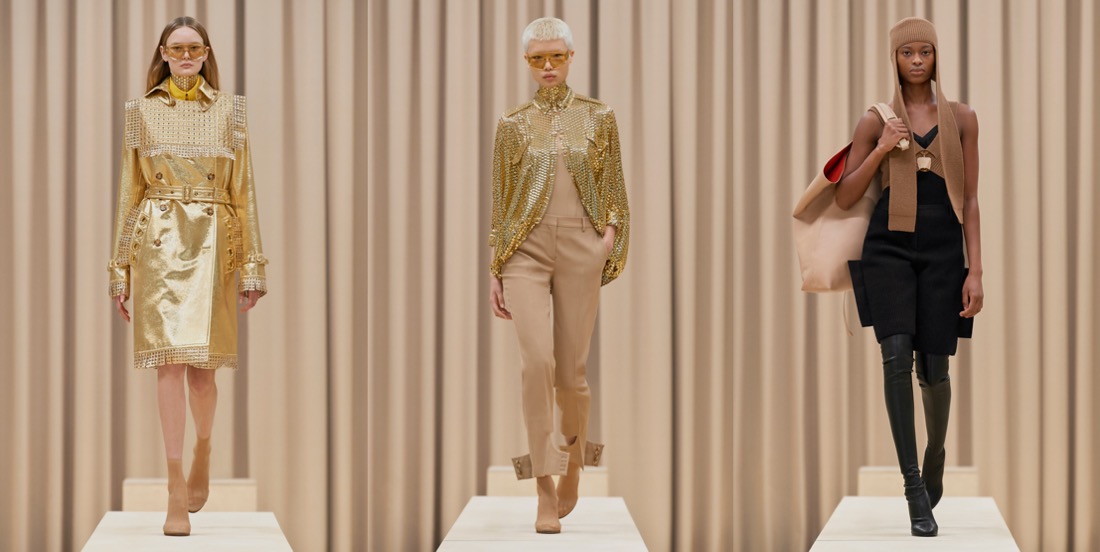
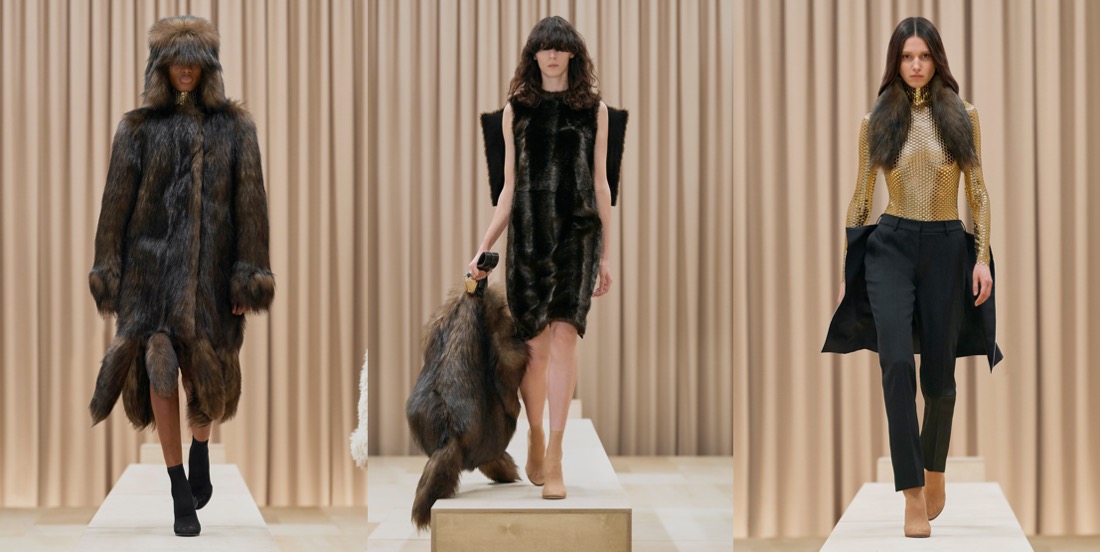
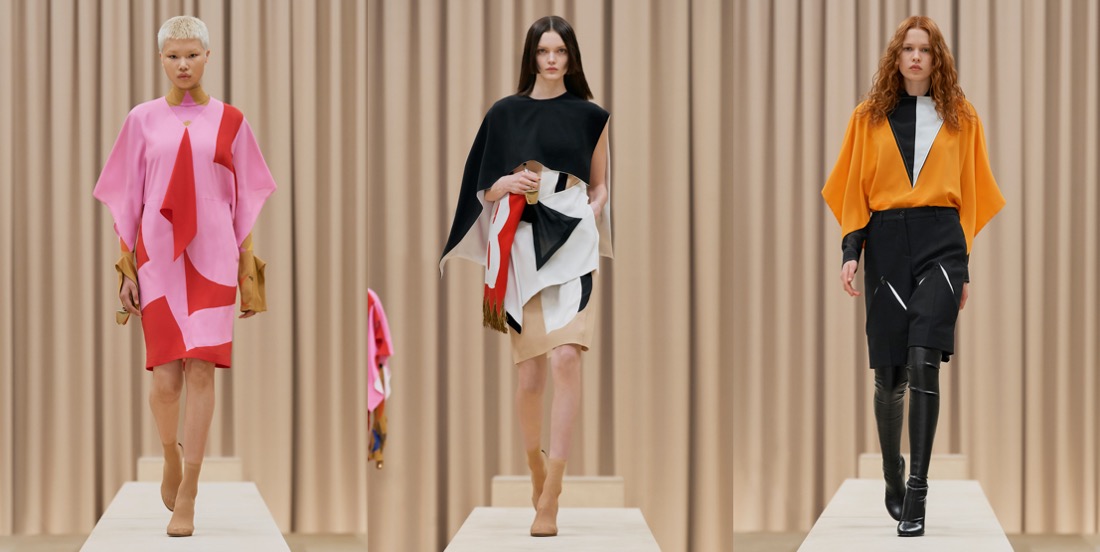
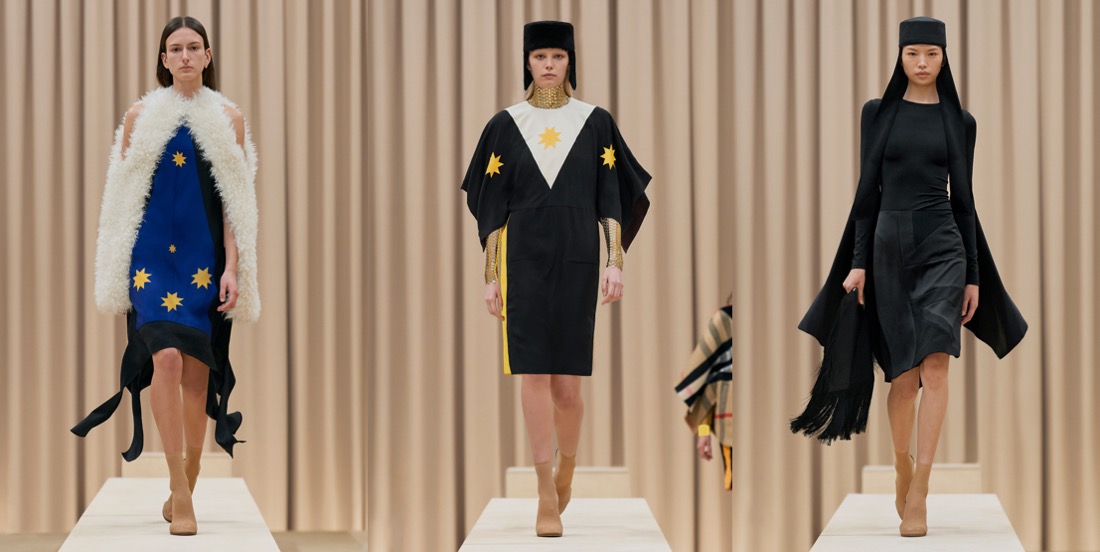
To some designers, the slowed down pace forced by the pandemic does wonders. Riccardo Tisci‘s latest collection for Burberry is his best yet for the British brand. The autumn-winter 2021 line-up reminds of Tisci’s early work at Givenchy: dark, well-edited, elegant, and perfectly balancing the feminine and the powerful. “Re-thinking a lot” was how he described his pandemic experience. “I had time to slow down. The fashion business is very fast. It’s a huge company. I was ticking boxes, and I was like, ‘Okay, stop.’ ” Rather than over-saturating his runway with multiple market categories and menswear, Tisci presented a focused women’s collection rooted in the ferocious and sensual but viable glamour that is his (slightly forgotten by the public) signature. “Slowly we’ve built an identity, and I realized my identity was very strong within the label,” he said, evaluating his tenure at the house. “It’s the most free collection I’ve done at Burberry.” Tisci expressed it through references to the clothes historically worn in nature, most specifically around the turn of the last century. “Through history, the costume of people going to the forest has been very ‘child-designed’: a naïve outline, but made much more sensual,” he said, explaining his approach to the idea. The ease and adaptability represented by those garments inspired dresses constructed as if from squares sewn together, and transformative takes on tailoring which could be de- and reconstructed by the wearer using closing techniques. There was an arts-and-craftsy character to the collection, backed up by manipulated flag and astronomy motifs and the lashings of eco faux-fur that drove home Tisci’s nature-centric message. His post-pandemic mindset had discovered a kindred spirit in the naturalist movements of the late 19th and early 20th centuries, which informed the collection. Fueled by the malaise of the fin-de-siècle, it was a time when instinct and whim were put above rationalism and materialism, when artists felt the call of the wild, and sought to de-program themselves from the rules of society. Before the show, Burberry released a video of a British-ly diverse crew of women reflecting on the meaning of femininity now. And the spoken-word show-opener by the British performer Shygirl, who starred as “Mother Nature,” was an homage to the waves of liberation and celebrations of identity washing over contemporary culture today. “It’s very sexy, I think, but without being vulgar. Femininity is something I really wanted to achieve at Burberry when I arrived, because it’s a very masculine company,” Tisci said, referring to the trench-tastic roots of the house. As with the progressive young generations to which his videos paid tribute, authenticity is key. For Burberry, it’s found in a menswear-y character that its female clientele probably expects. For Tisci, it’s the sensual and almost athletic glitz in which he excels. This collection showed that the two can co-exist on the same runway. As he said, “I feel like I’m starting to see my vocabulary at Burberry.” Finally.
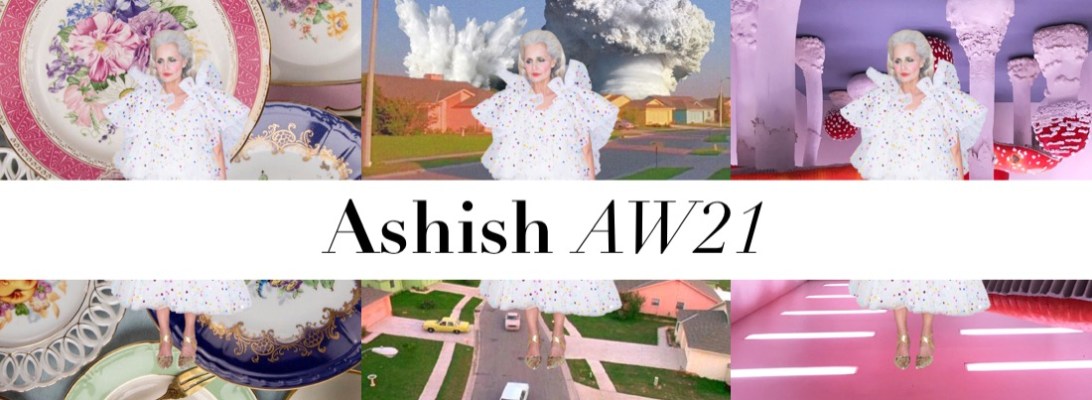
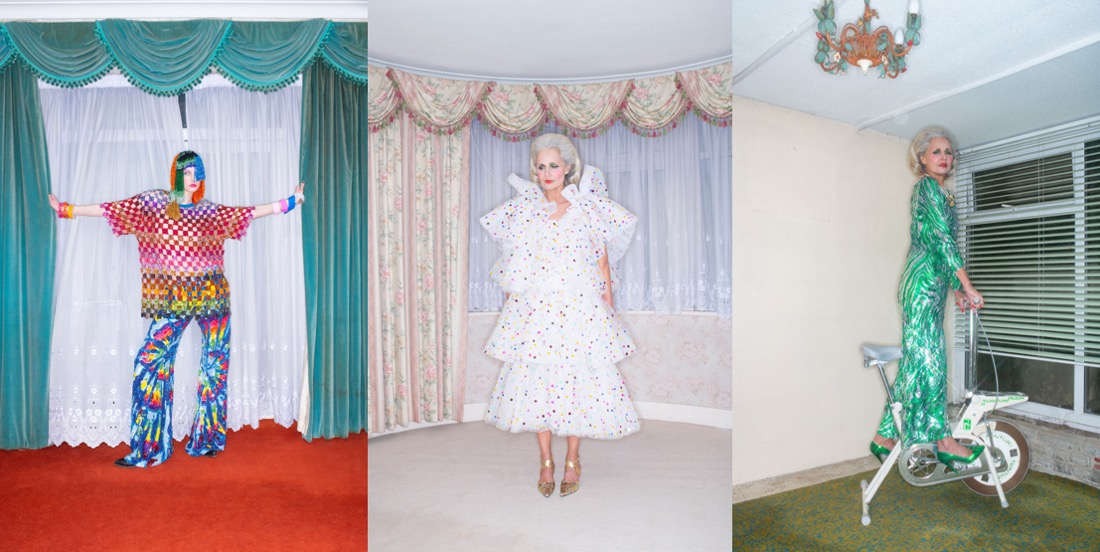
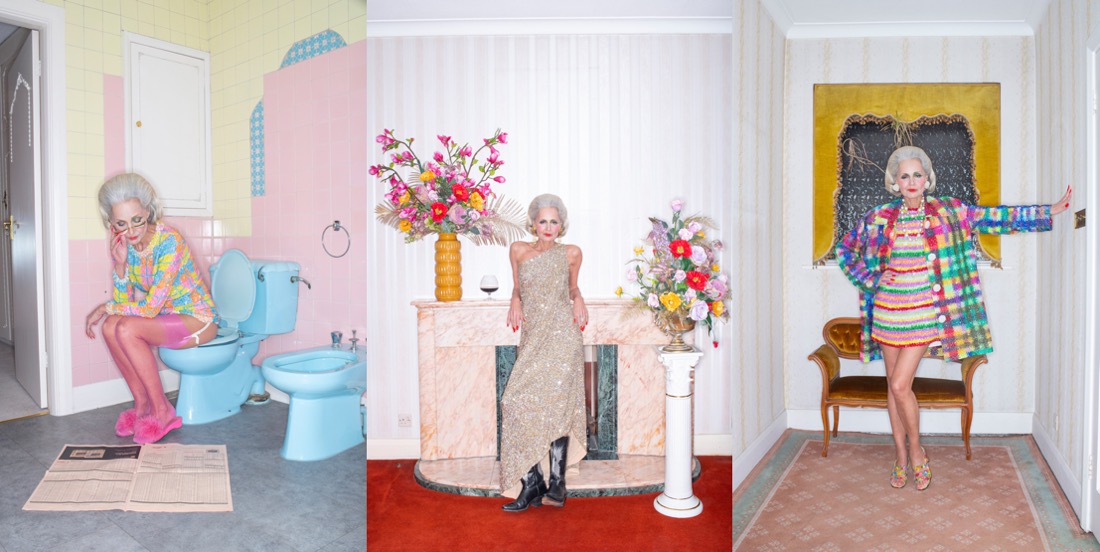
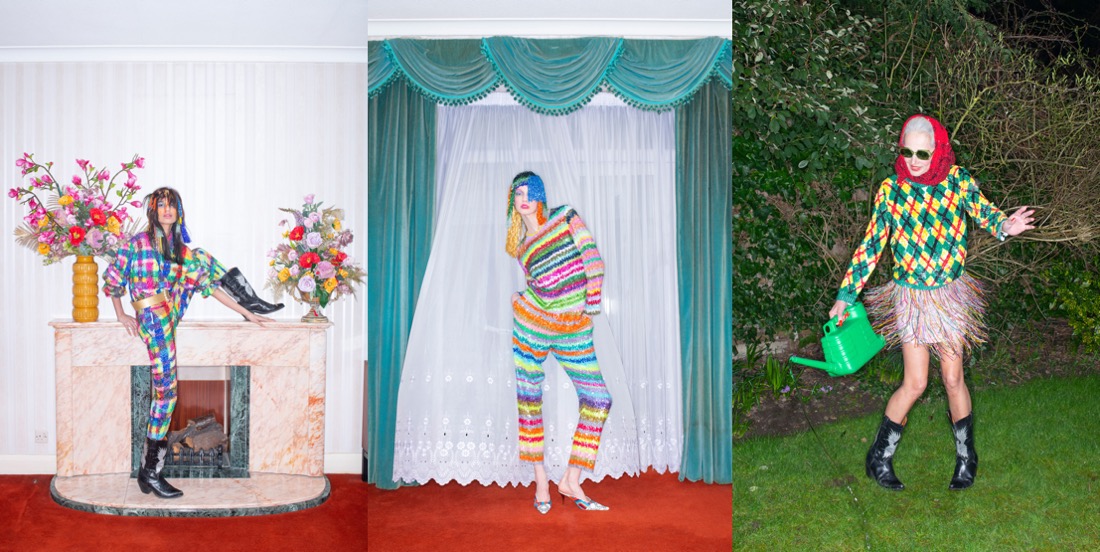
Brands and designers throw around the ‘stay-at-home-glam’ term for a year now, but most of the time it just feels forced and like a desperate attempt to sell eveningwear. However in case of Ashish‘ autumn-winter 2021, this notion of glamour in times of global pandemy is honest and at last makes sense. Ashish Gupta has the solution to fashion’s sweatpant-mania: simply offer garments that enable the consolatory comfort that we’ve grown fond of in isolation, combined with the communal joyfulness we’re aching to emanate. This collection fabulously demonstrates that comfort and joy can be mutually inclusive and mutually enhancing. When he was a student at Central Saint Martins, Gupta said he picked up this excellent line: “An evening gown should feel as comfortable as a T-shirt, and a T-shirt should feel as special as an evening gown.” And while he can’t recall where the line came from, he explained, “I’ve always carried it with me. So I always design my clothes to not be physically restrictive in any way. Even things that look body-con are cut on the bias and are super soft. Everything has pockets and zips, and there is never any corsetry; I think you should wear clothes you can slip out of very quickly and easily.” Shot in glamorous Finchley here in London, and impressively intricate to consider on the rail in Gupta’s house, this specific collection also seemed deeply easy to quickly get into, both as wearer and watcher. Gupta said the formula of its creation was to consider patterns and visible textures that have, through their history, the power to generate positive and comforting associations – “like when I think of tie-dye, I always think of beaches and holidays” – and then go to town on them via the sequin sequencer. The joyful result is the product of intense labor: a tie-dye long sleeve, for instance, took two Ashish employees two weeks to embroider by hand, once the exact order of sequins had been drawn and sorted. This collection also ran riotous gamut across the spectrum of so-called formalwear and so-called casualwear, two other categories whose perceived opposition seems increasingly anachronistic and redundant. Happily enhanced by these fantastic Sam McKnight wigs, this was a collection in which every piece of every look was made to enable joy and comfort in most conceivable circumstances. If these ’20s really are going to roar, Ashish is bringing the noise.
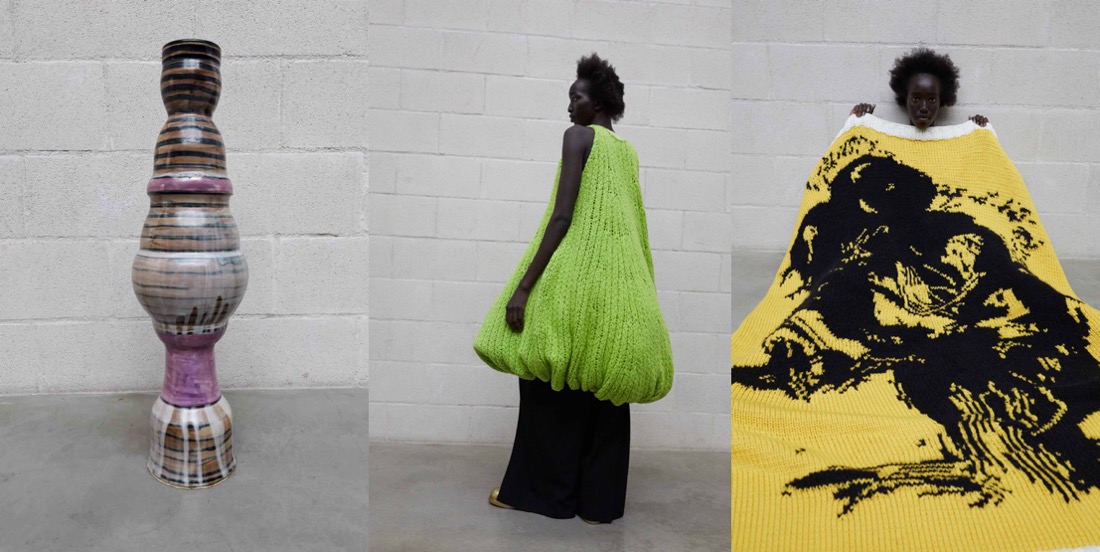
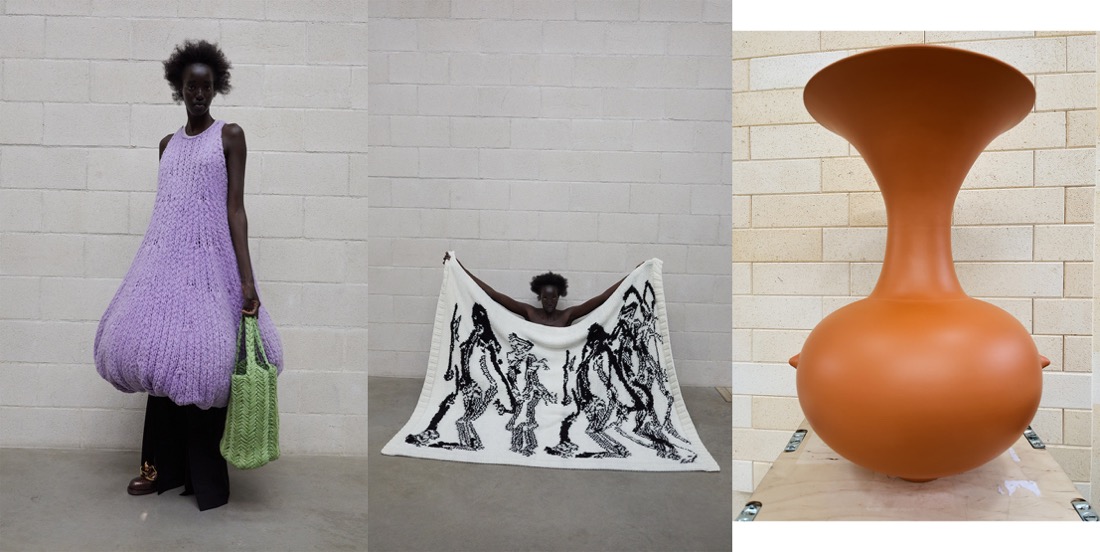
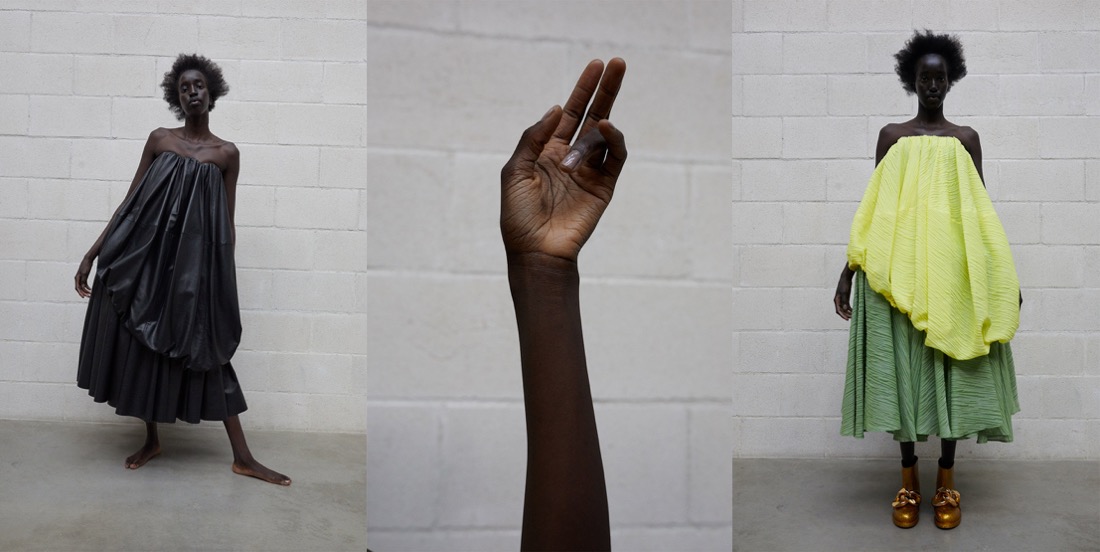
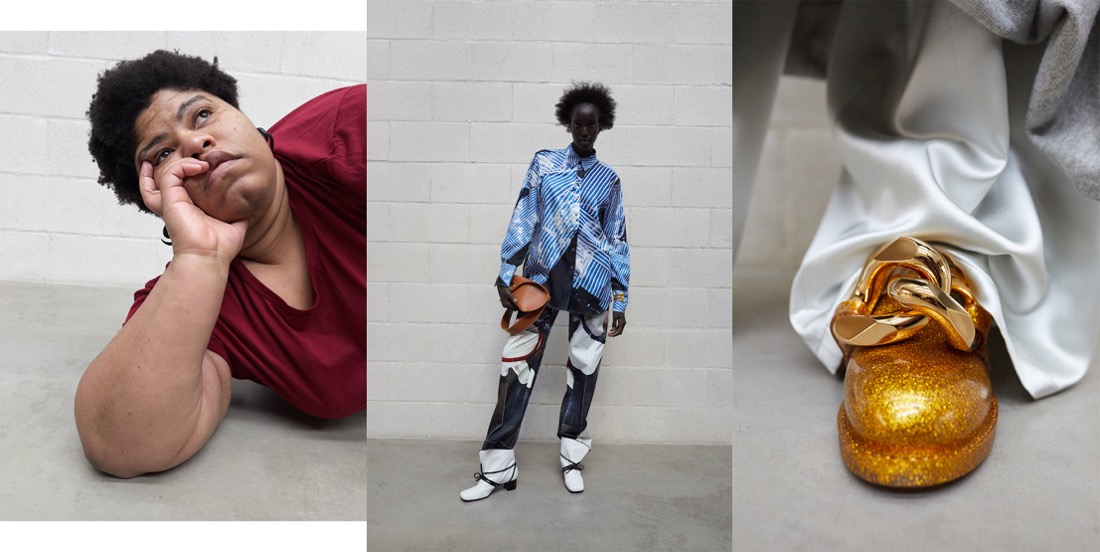
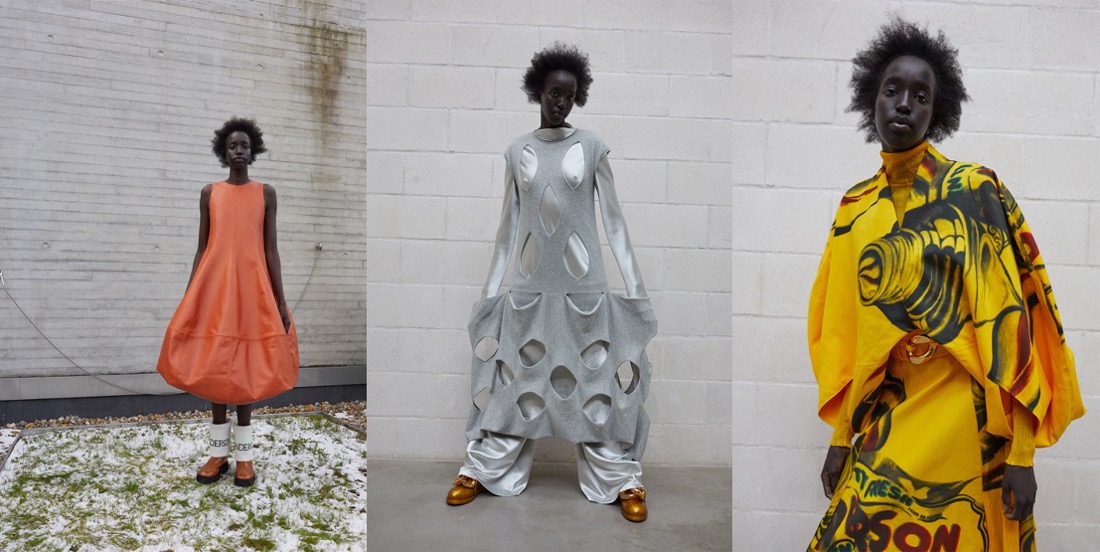
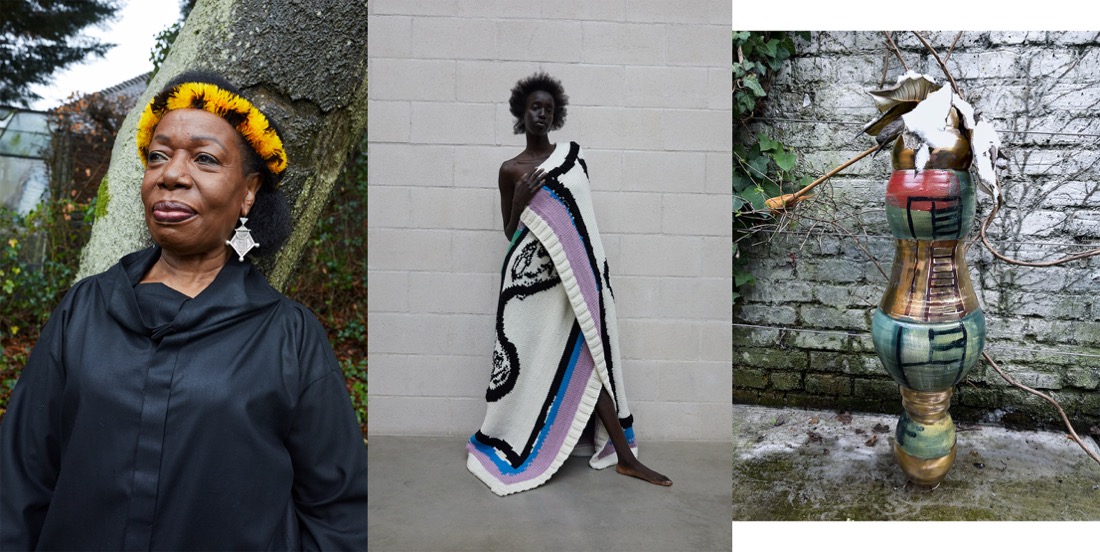
For some designers, the pandemic brought a sense of freedom, and also let them really rethink how to do things. Jonathan Anderson is an example. “I do not want to be bound by the idea that we have to show 60 looks, that we have to do this thing, that it has to be presented this way. I want to be able to have the freedom. I’m enjoying the freedom at the moment that we’re not part of the vehicle. And I didn’t want to put pressure upon pressure on my team – the last six months have been a nightmare. I said, ‘Let’s just focus on getting 19 fantastic propositions.’ I don’t want urgency. I want to just put it out when it’s ready.” Continuing with a format established several seasons ago, JW Anderson presented its women’s autumn-winter 2021 collection in the form of nineteen double-sided posters shot by Juergen Teller in addition to a video message from Jonathan Anderson. This season’s presentation is a curation and juxtaposition of Jonathan’s passions: art and fashion. Alongside the nineteen looks of the collection are portraits of Dame Magdalene Odundo DBE and Shawanda Corbett and their works. Anderson uses his fashion platforms as creative outlets for people he finds inspiring and wants to introduce to his audience. The designer got to know the internationally lauded Odundo when she loaned him pieces in 2017 for the “Disobedient Bodies” exhibition that he curated at the Hepworth Wakefield Gallery, a show that sparked comparisons between art forms and fashion forms (“I really look up to her. She’s one of the most important ceramicists of the 20th century”). He discovered the young American Corbett at the Corvi-Mora Gallery in London last summer. Corbett, who was born with one arm and without legs, creates vessels that she has described as “stand-ins for people,” as well as dance performances. “I went into that room, and there was nearly a landscape of people talking to each other,” he remembers. “It was incredible to feel the power and influence objects can have on you.” In both Corbett’s work and Odundo’s practice, he feels a physical connection. “This is about an exploration of two artists’ work, my own work, and the idea of the body. And that is what clothing is about.” For Jonathan the collection was an attempt to “boil everything down to beauty, silhouette and pose.” It is an exploration of volume, a recurring theme in JW Anderson womenswear collections, with a focus on totemic structures. Knitwear expands into extreme, cocooning shapes. The everyday becomes surreal in prints on trousers and tops. The body, grounded on sturdy boots with chain embellishment, is celebrated as a vessel. Like the art and the images, the fashion is “curated” (one of Anderson’s favourite words, both at his London-based brand and Loewe). The combination of art and fashion this season is embodied in hand-knit and woven blankets (four hand-knit blanket styles featuring works from Odundo and Corbett can be pre-ordered on the brand’s website) and the entire presenation is “one of the most personal projects I have ever done,” as Jonathan summed up.
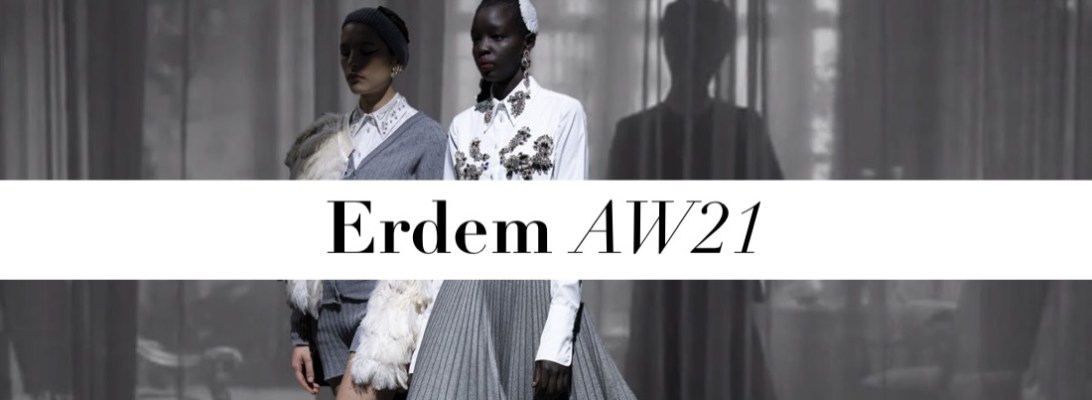
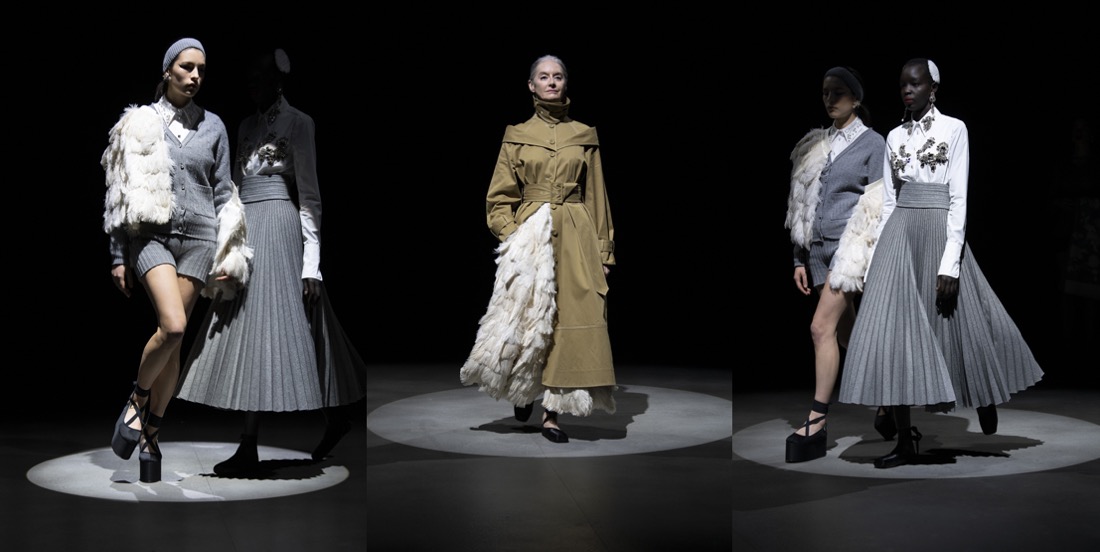
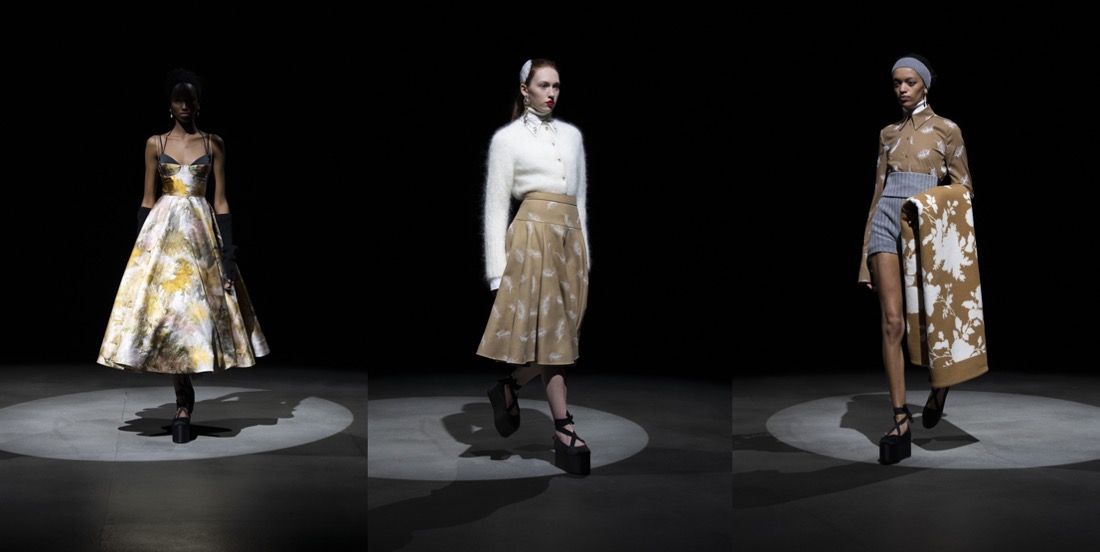
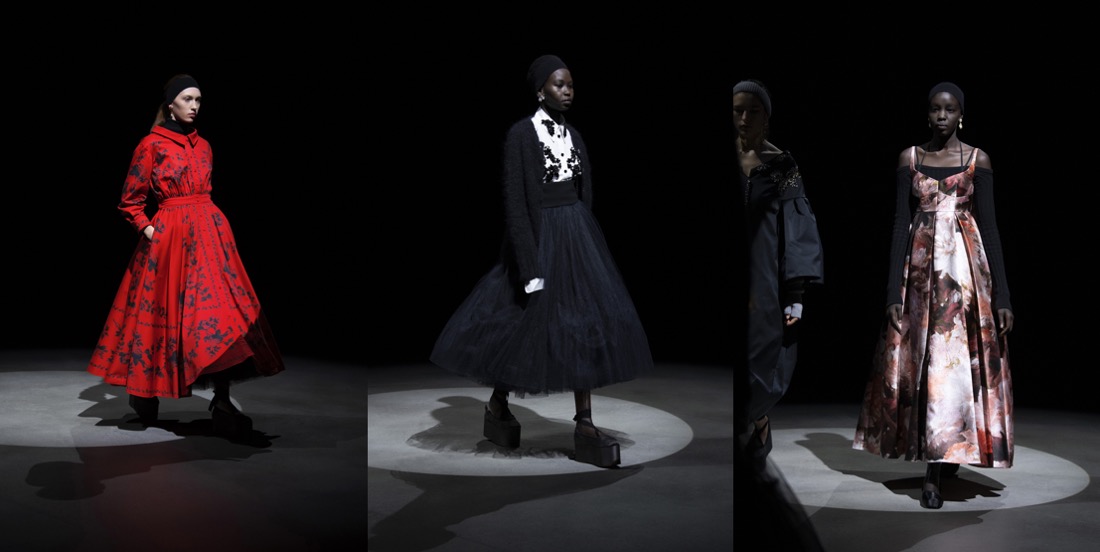
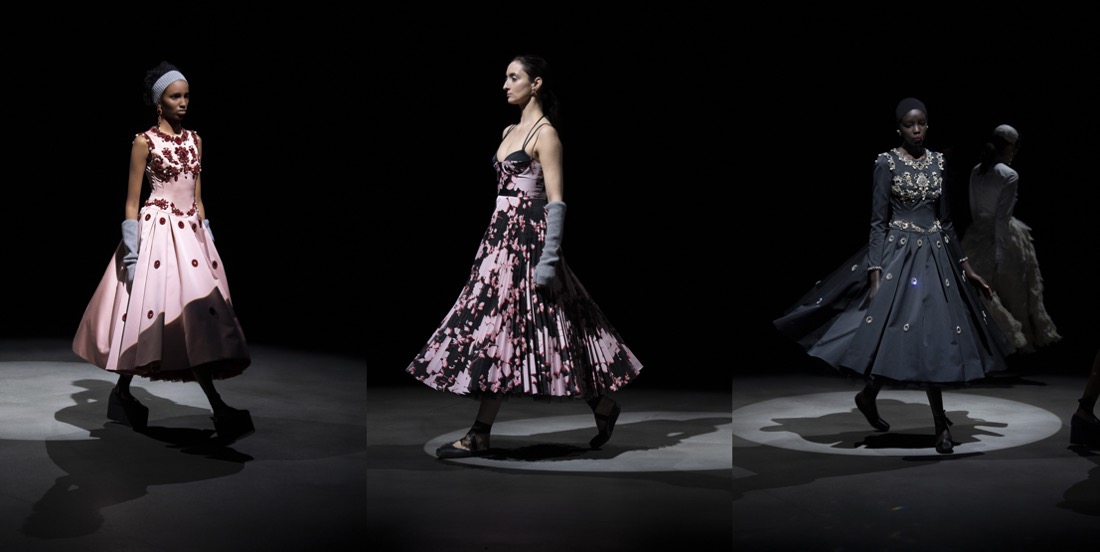
Erdem Moralioglu delivered a mesmerising collection. He is at heart a dramatist, forever living for theatrical moments. Conceived in the realm of ballet, his Erdem autumn-winter 2021 collection freeze-framed a dancer’s wardrobe between the stages of rehearsal and performance. “When I was working at the Royal Opera House, that was the moment I found so exciting: the dancers shifting around, criss-crossing, half-dressed in what they wear during the day and half-dressed in their costumes,” he said on a video call with Vogue, recalling Corybantic Games, the ballet he created costumes for in 2018. Incidentally, the contrast between a ballerina’s everyday dancewear and her ornate costumes served as a rather poetic illustration of our impending transition from domestic dressing to dressing up. The exquisiteness of feather-embroidered 1940s jackets, Swan Lake headpieces and plumed skirts, giant opera gowns daubed in night-time florals, and jewel-encrusted shirts came as no surprise. The gray ribbed knitwear fashioned into dramatic skirts that moved like pleats, into softly cinching cummerbunds, and body-conscious tops that had the elegance of eveningwear but the tactility of the comfort-wear of lockdown. With similar duality, he elevated ballet slippers onto stilted platforms that gave his silhouette an air of fetish. Perhaps that feeling was spurred by the narrative that underpinned his story: the relationship between Rudolf Nureyev and prima ballerina Margot Fonteyn, whose on- and off-stage wardrobe also informed proceedings. “The contrasts, the dichotomies of a dancer… that Hitchcockian self-possession and drive for perfection,” Moralioglu paused. “I find the psychology of it interesting.” Perfecting a look – a sculpted sleeve, a nipped-in waist, a little plumed hat, a pair of neat red slippers – seems shocking in our home-bound reality. It was pleasant to be reminded of that feeling.






 Design & Culture by Ed