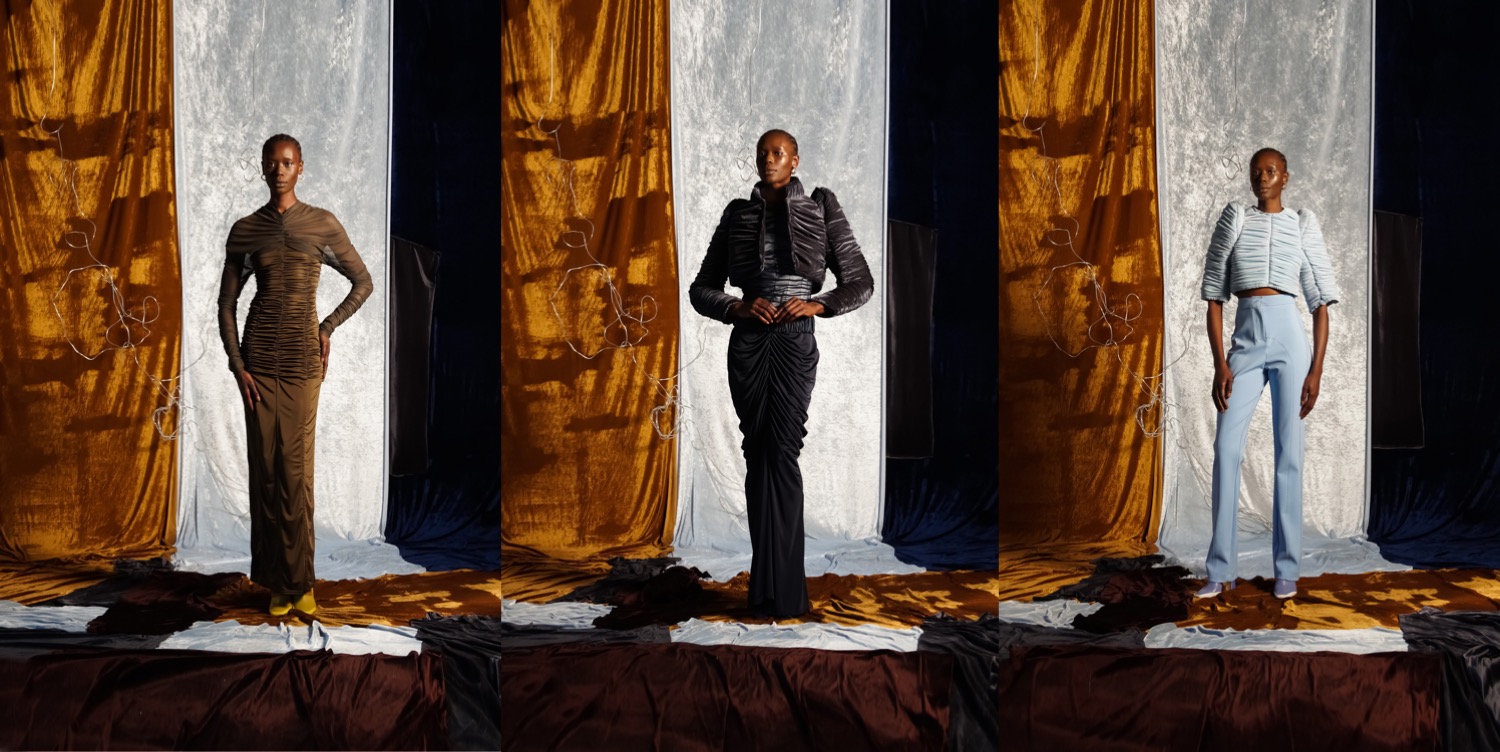
Refinement. Richard Malone SS21

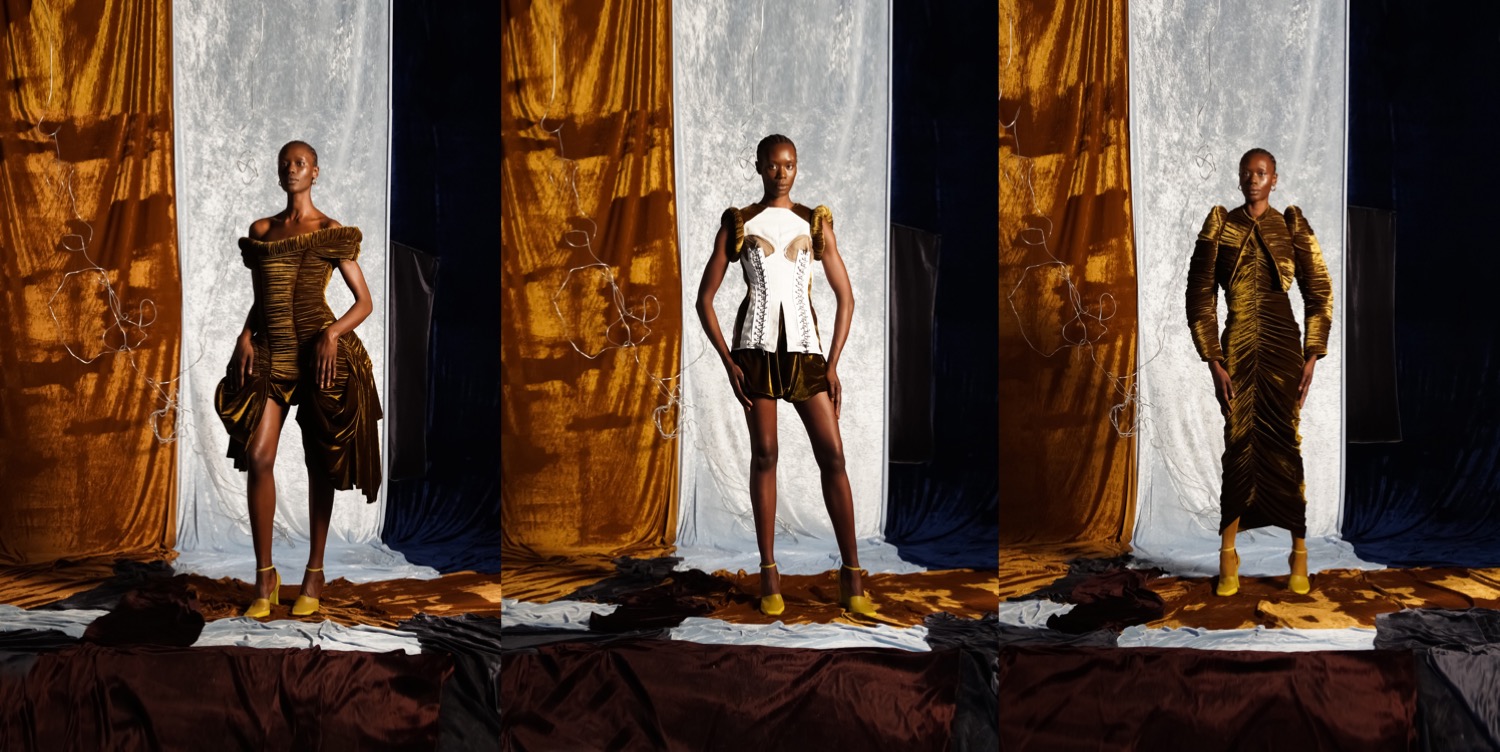
Who would have ever known, that during confinement, when our clothes were all about lazy-wear, one could come up with such beautiful refinement? Richard Malone, the Irish designer, brought back elegance to London Fashion Week, done in his signature, sustainable way. It was those months which became the genesis for the spring-summer 2021 collection, a period when, even without a team or regular resources at his disposal, he had the luxury of time: the opportunity to rifle through deadstock materials and hand-dye them in his bathtub, or tie them with twine and run them through his washing machine to achieve the right crinkled effect. “Because my language is very much making, perhaps lockdown wasn’t so bad for me,” he noted. “I could just do whatever I wanted in my studio. It was a distraction.” DIY as it was, the luxurious feeling that Malone came up with is just so refreshing: velvets dramatically draped into floor-sweeping Grecian numbers; discarded theater curtains cut into body-con glamour or gathered around padded bustles. “They’re fabrics that lend themselves to lounging—the velour is like Juicy Couture tracksuit material,” he smiles. “It’s comfortable; it’s loungewear.” He was clearly going for a sense of comfort in the armor of sutured breastplates and the padding of cushioned hips. “It wasn’t intentional but I was trying everything on as I designed it and I suppose it was in response to the moment,” he reflects (Malone has always worked as his own fit model in the formative stages of his collections). “I hadn’t worn shoes for three months. Everything, the very idea of clothes, felt abstract.” The abundant historical allusions, too, were instinctual rather than referential. Without access to research libraries, “I was reliant on the guise of memory,” he says. “And I read a lot of books about time: Iain Reid, Doireann Ní Ghríofa, Ali Smith… I was interested in the idea of how all these different time periods can somehow exist at once.” Cropped and gathered matador boleros, their shoulders warped into shrugs, evolved from the idea that “everything’s sort of fucked, so you shrug and you move on” rather than the usual archival imagery; corseted lace-up backs from the simple fact that Malone was having to somehow strap himself into the more elaborate numbers. Sometimes, the simplicity of an accident brings the most spectacular effects.

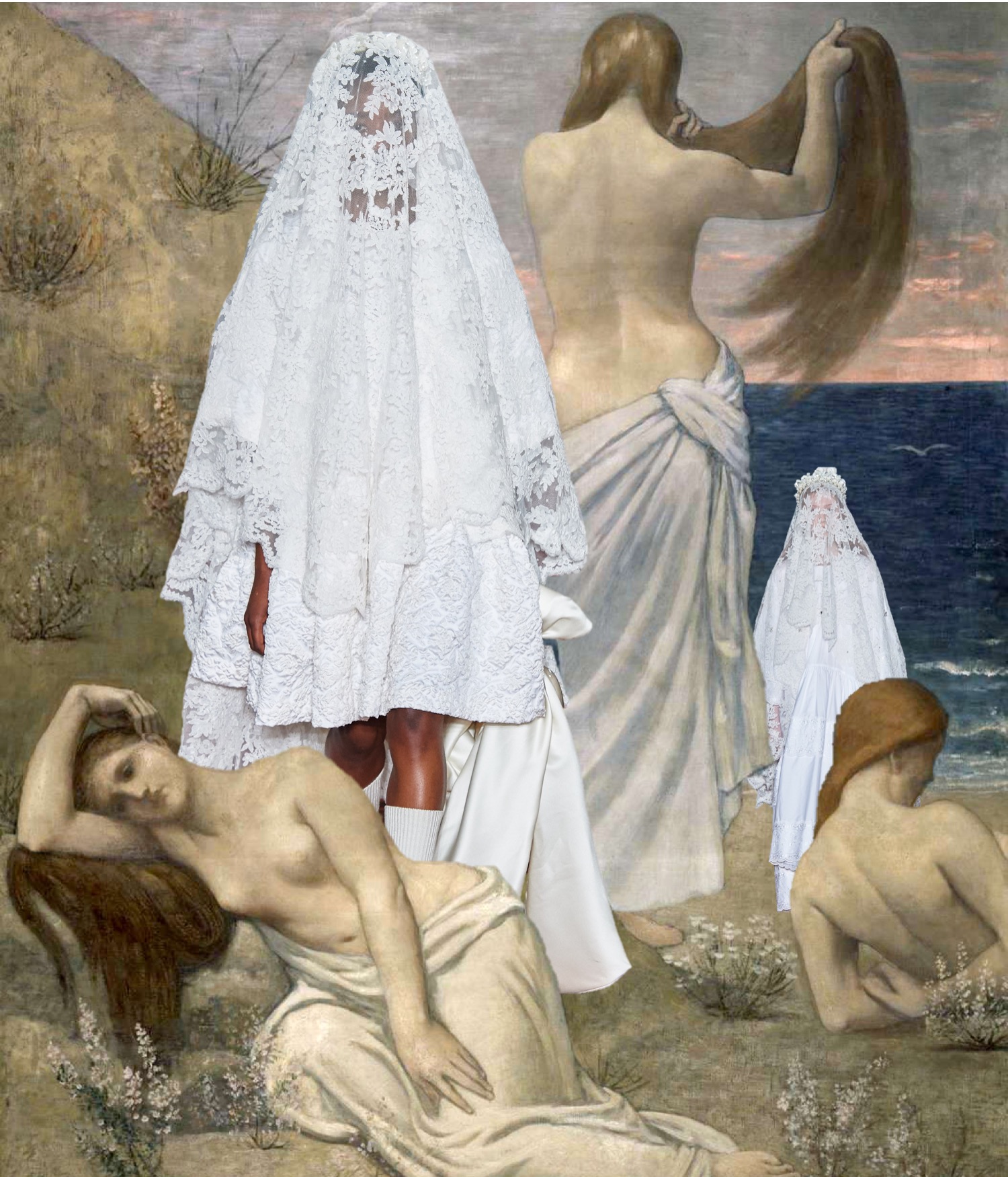
Collage by Edward Kanarecki.
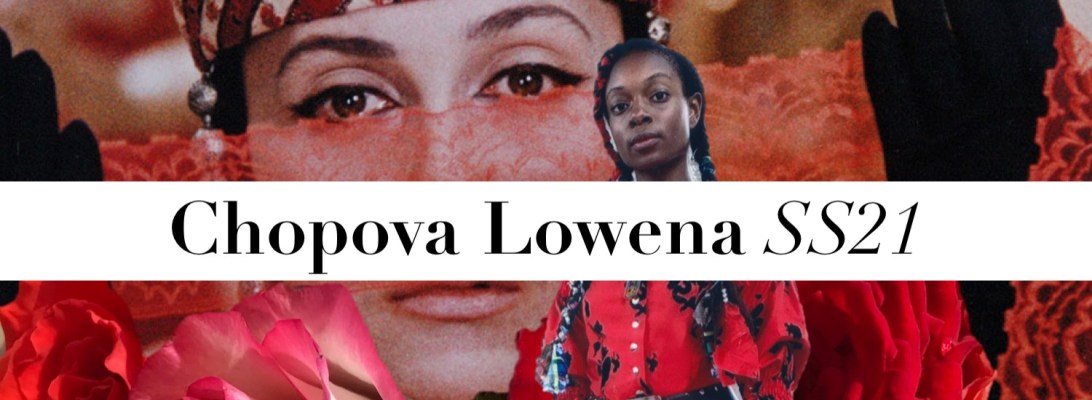
Blooming. Chopova Lowena SS21

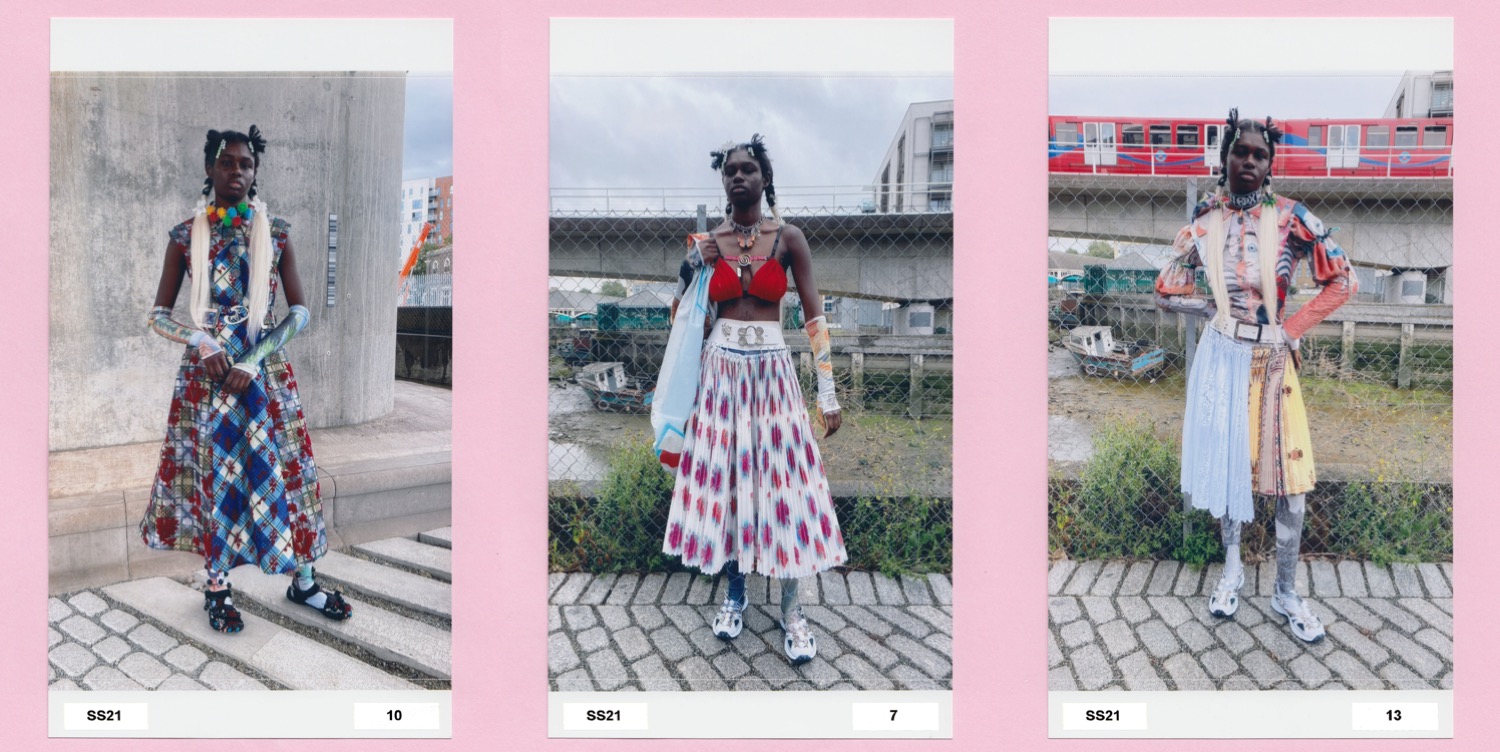
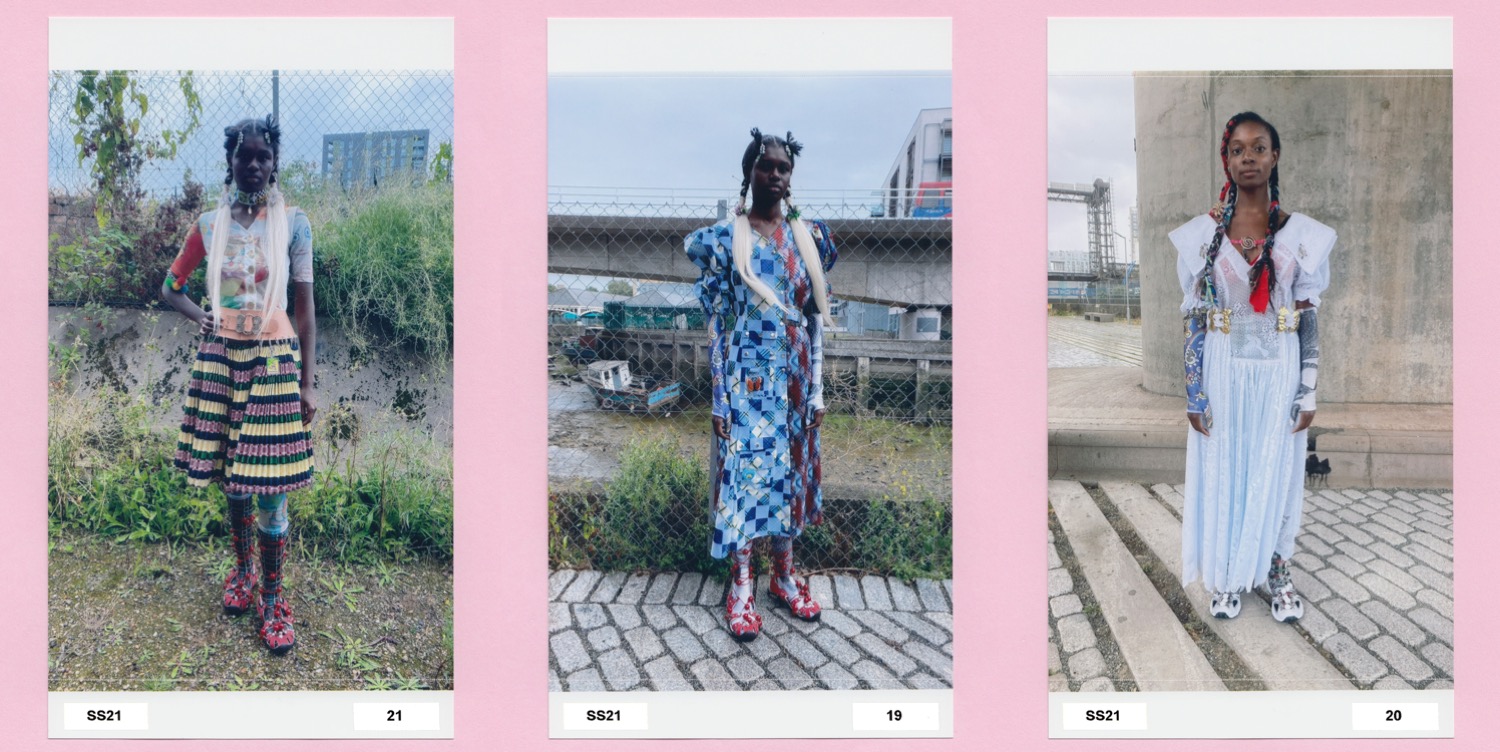
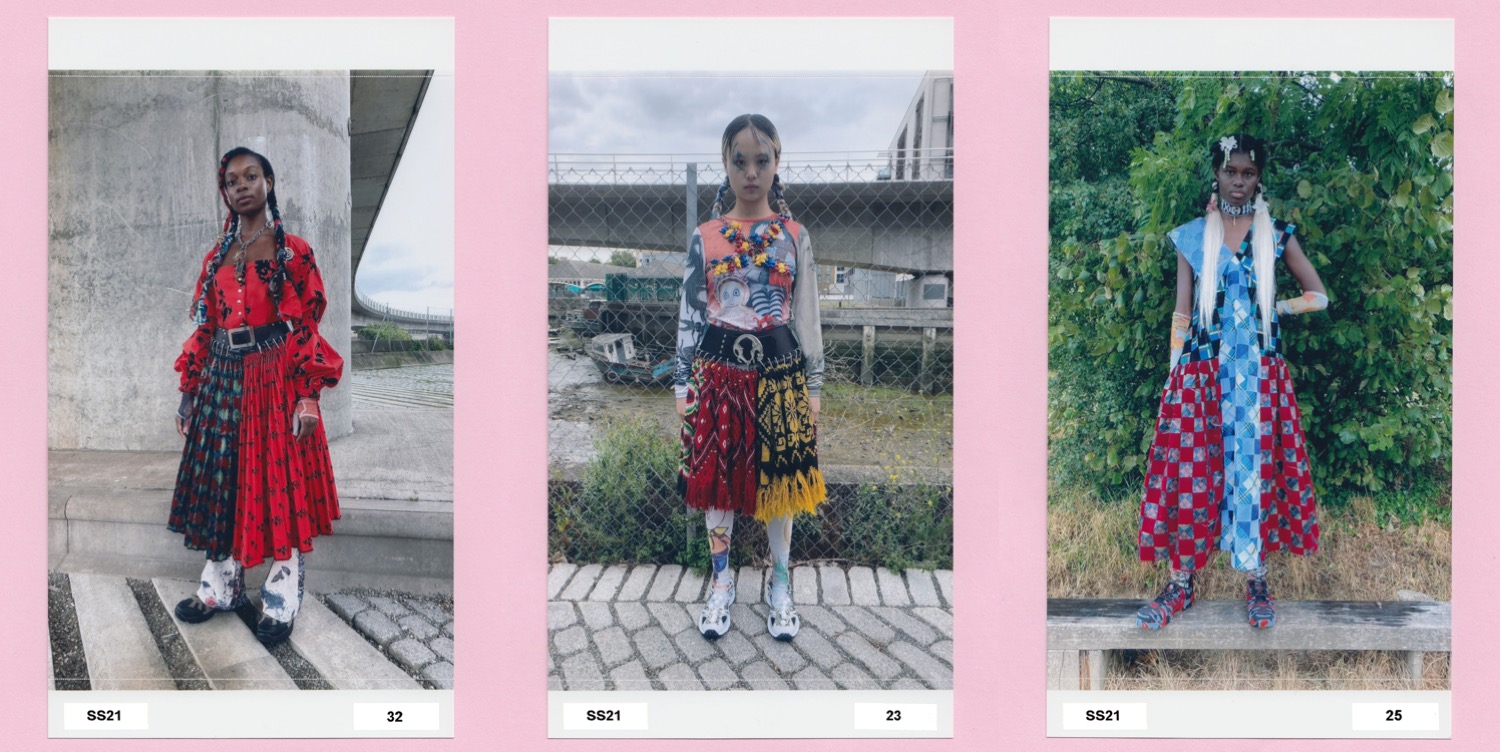
Seeing all the favourite, relatively small, unique brands in the London Fashion Week digital schedule this season is truly heart-warming. And with less pressure of being noticed in the presentations and showrooms marathons the editors and buyers usually have, look-books seem to let that tension off. I’m following Chopova Lowena since its start about two years ago, and I must say I’m impressed how this label evolves with such confidence and thought, simultaneously staying true to its style. Emma Chopova and Laura Lowena took a gathering of their collaborators and interns outside their studio in the postindustrial docks area of Deptford to shoot their spring-summer 2021 look book. “We did it ourselves on our iPhones,” they said, on a Zoom call with Vogue as they shared the pictures. “Everyone we collaborated with is in the look book, except for a Bulgarian woman, who we found on Facebook, who made loom-beaded pieces for us.” So here are their friends, standing on concrete and cobblestones under an overpass, with a washed-up wooden riverboat in one direction, a red commuter train shooting overhead, and the vivid green shoots of untended nature springing up beneath their feet. As a glimpse of a little-seen corner of the Thames shore, the backdrop is a perfect metaphor for the designers’ youthful energy – their uplifting knack of finding beauty and romance in overlooked places, and their ingeniously pragmatic ways of re-crafting fragments of the past into ideas that young women find irresistibly wearable. Some of the Chopova Lowena girl gang pictured are Faye, a painter who contributed designs for their burgeoning line of printed jeans; Jewel, a makeup artist; Ami, who made prints based on cut-up Bulgarian postcards of dogs, roses, and Easter eggs for T-shirts; and jewelry designer Georgia, who made charms. The label is focused on building up signatures, like their accordion-pleated kilts suspended on steel climbing hooks clipped to leather belts, and developing their penchant for dresses in checks and tartans made from deadstock fabrics. All of this continues with even more exuberance and multiple-check action here. Explaining the narratives of how they source and make in Bulgaria, which is Chopova’s family home, is also important to the designers. There are lots more vintage materials from her home country in this collection. “My mum helped me clean and recondition antique wall hangings. People traditionally used to hang them in their kitchens over stoves or above their sofas or beds,” Chopova relates. Bulgarian people are willing to part with them, she says, because they don’t use them anymore. “The fabrics have a lot of baggage. They remind them of communism and folklore, which don’t have favorable connotations.” Look 1, a lovely white drop-waisted linen dress with two deep flounces, is remade from kitchen hangings embroidered with line drawings of folk tales. There’s a top made from lace doilies too. The designers now feel they want to deepen the connection with tradition and with showing the authenticity of how their things are made and by whom. “I think in the pandemic, everyone in fashion has been thinking, What is our brand’s purpose in all of this?” They learned how much their audience likes seeing stuff being made when they ran a video of artisans in Turkey marbling white denim for their new line of jeans. In tough times, their priority is to keep supporting the Bulgarian women who work on the clothes – those with the skills to produce, for instance, the deep accordion pleats that are “made with the one remaining mold in the factory, which was always used to pleat traditional costumes.” Amazing.

Collage by Edward Kanarecki.
Force of Nature. Burberry SS21

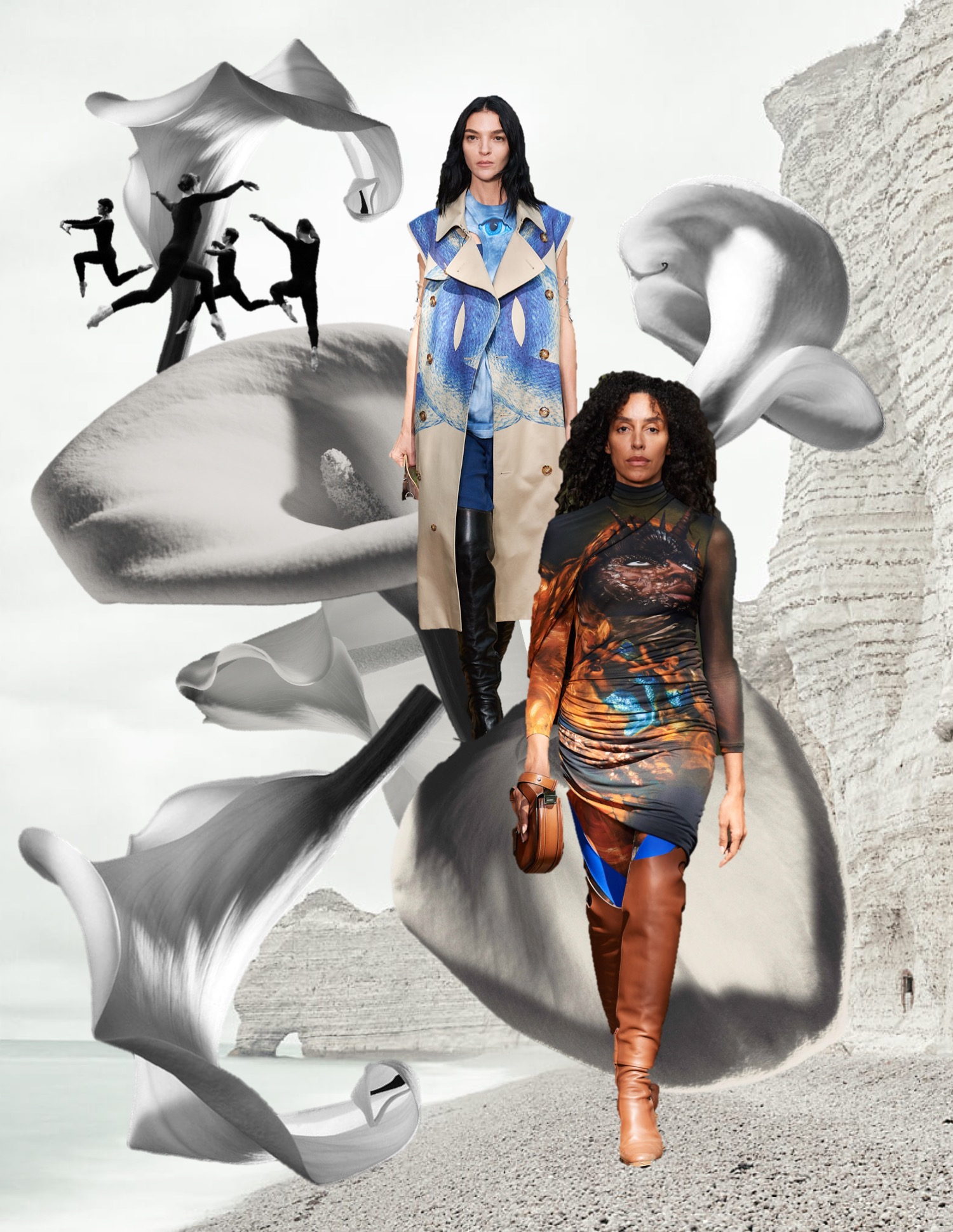
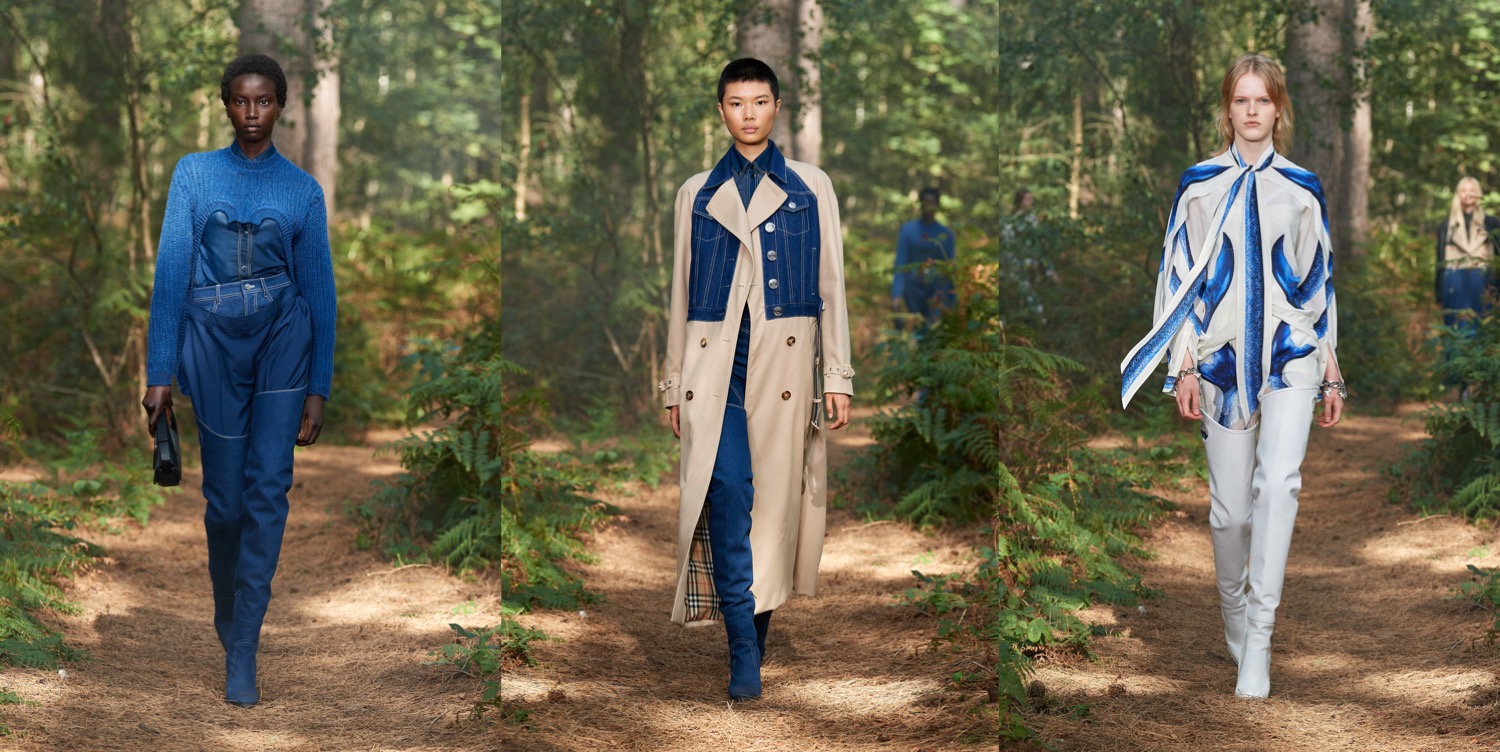
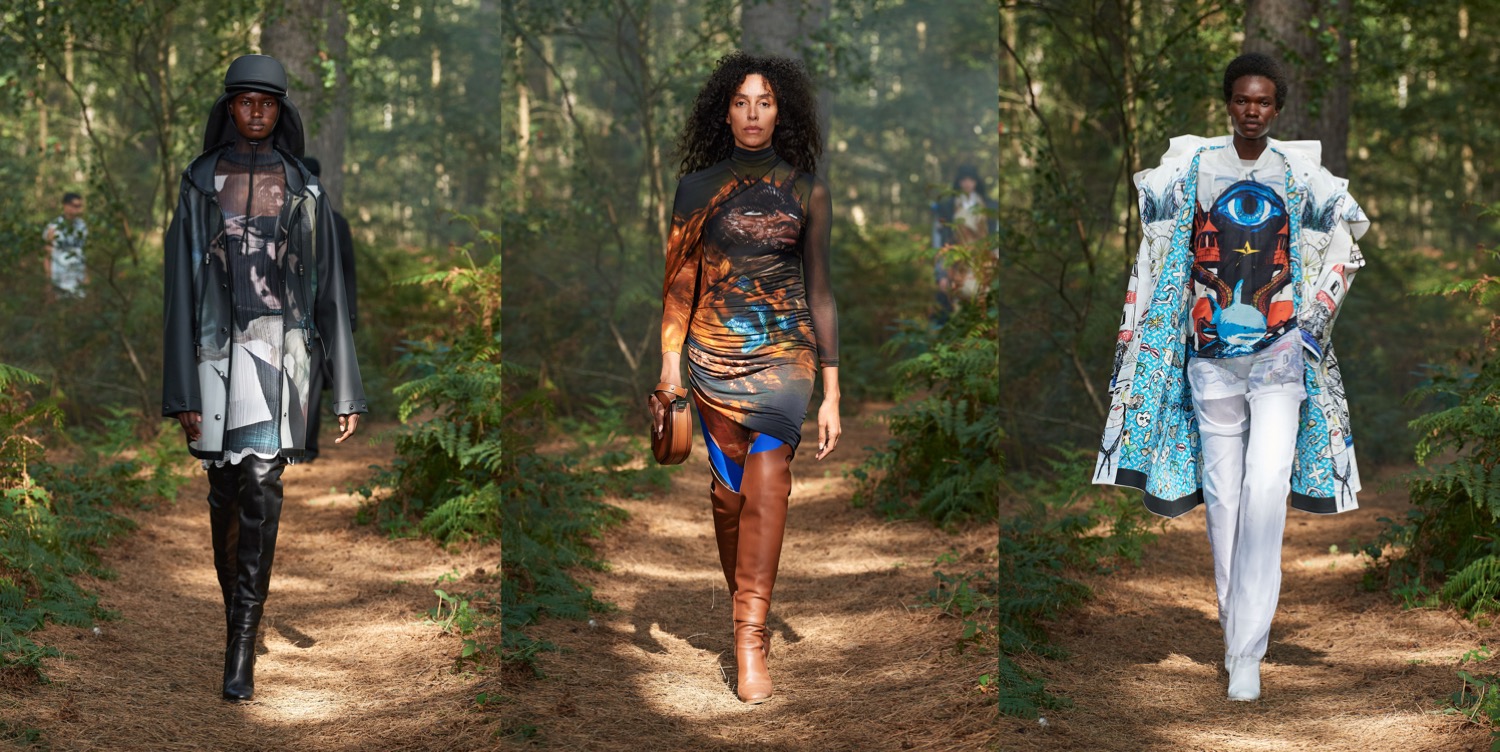
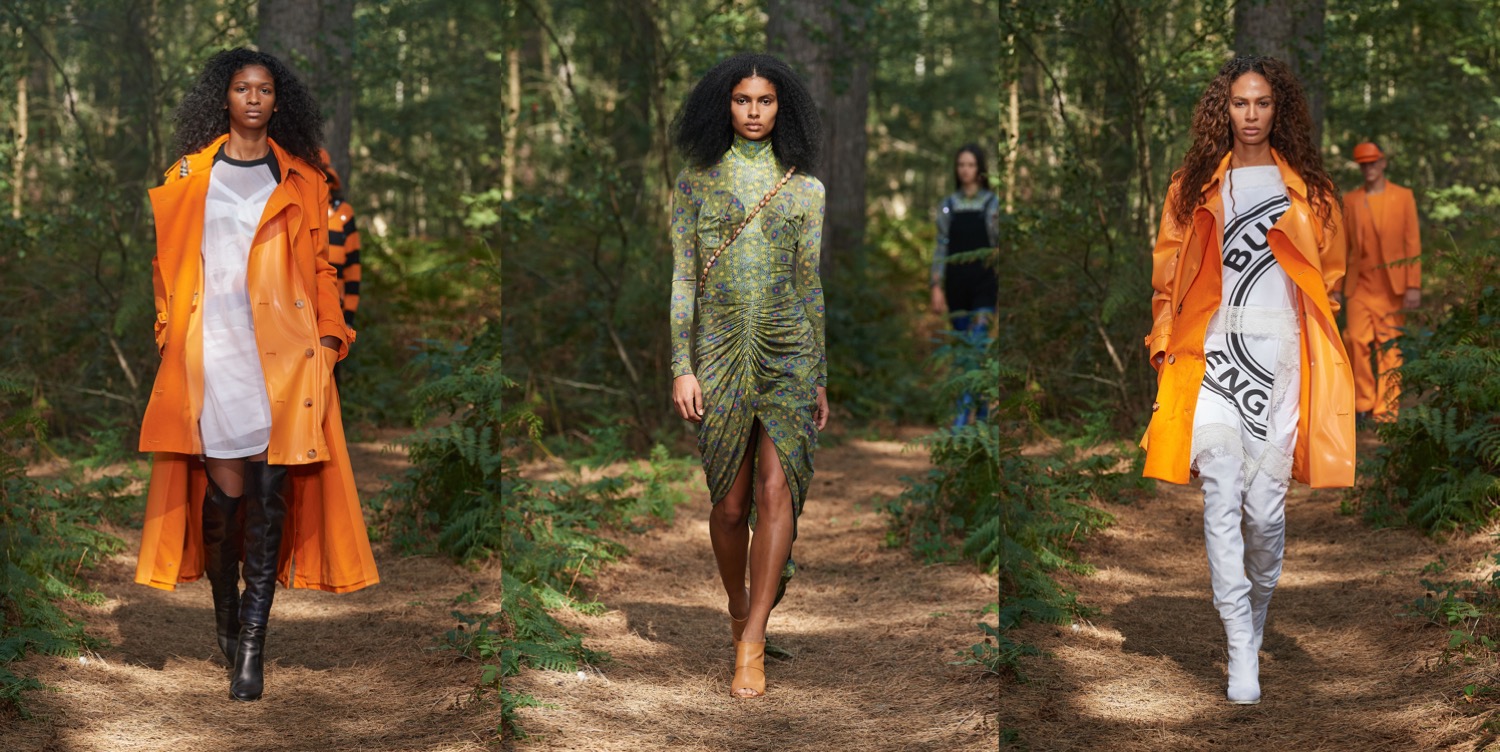
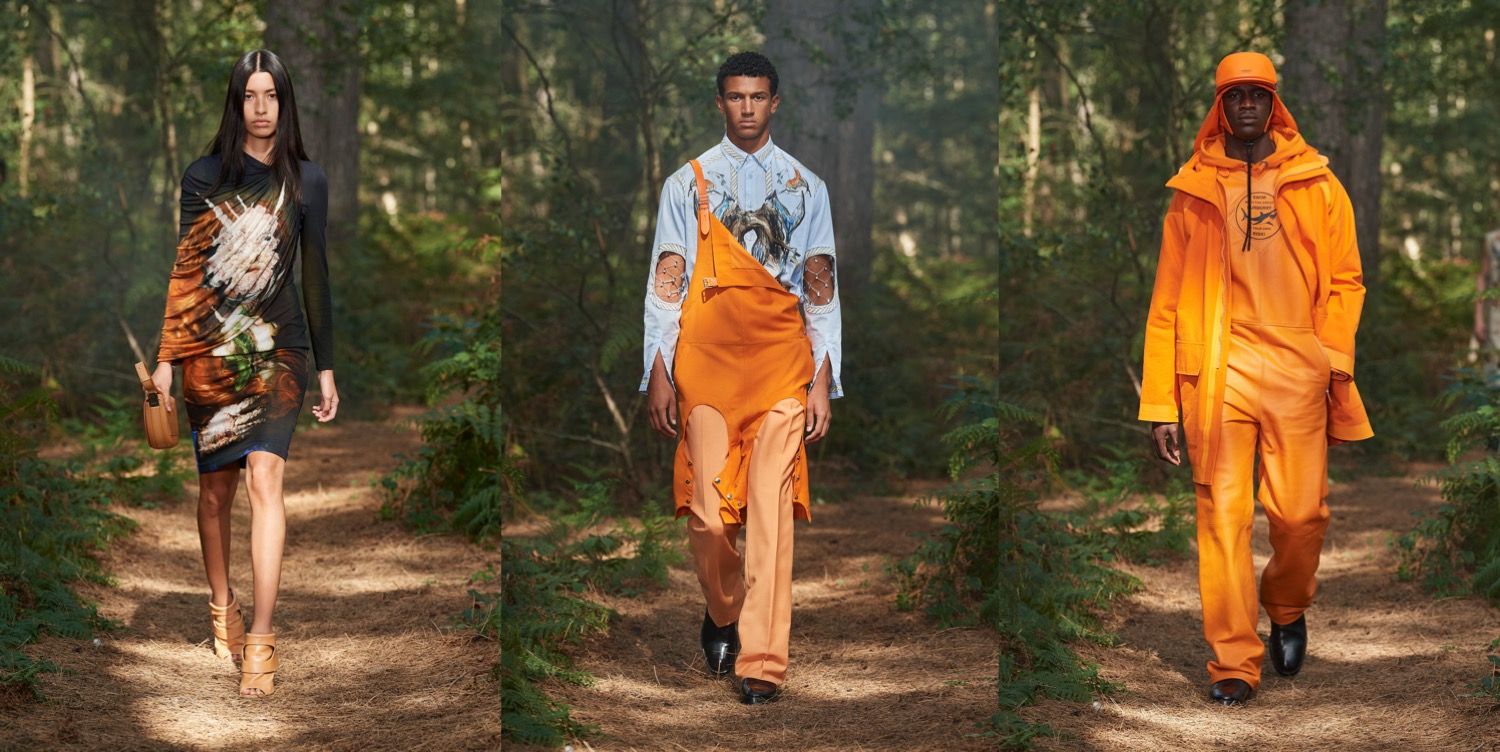
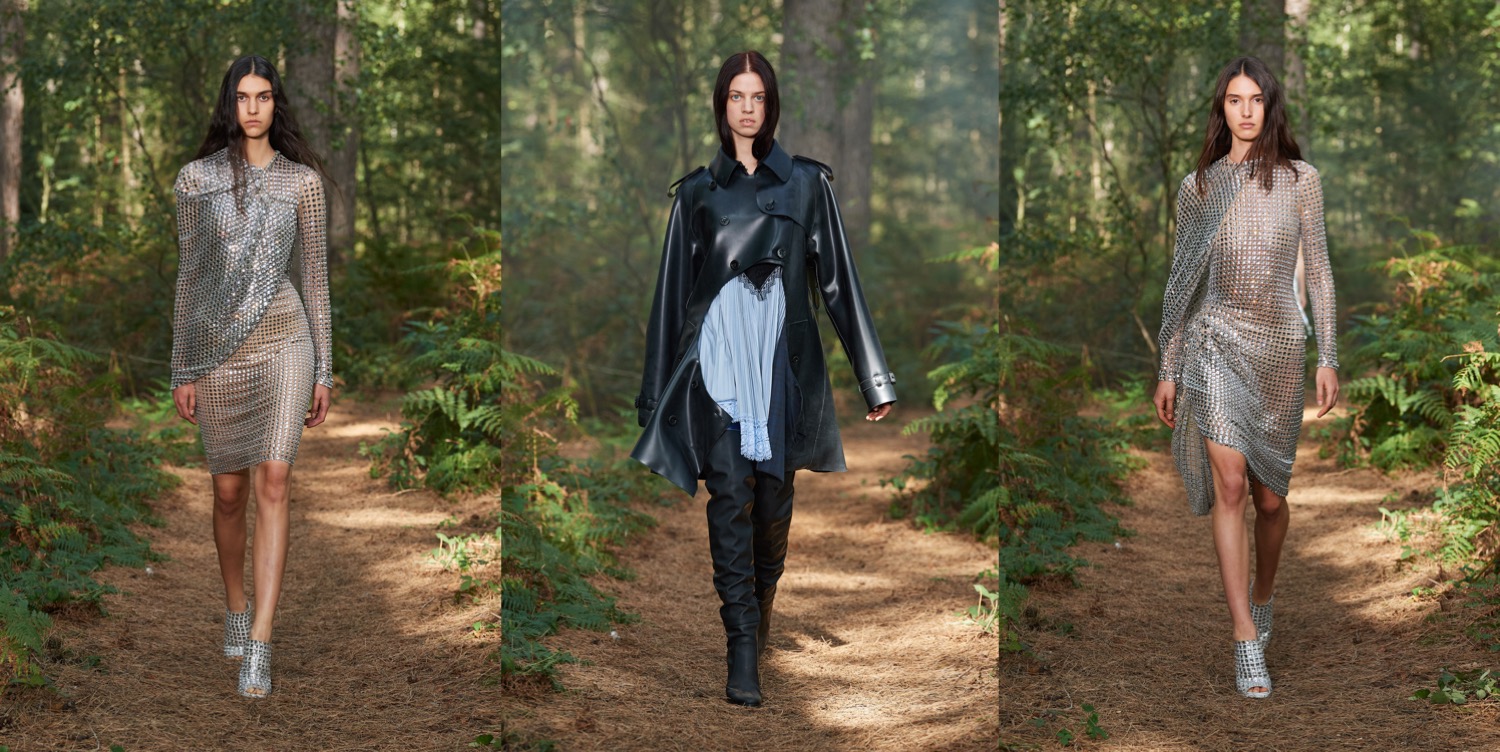
As far as I didn’t entirely get Riccardo Tisci‘s Burberry, his spring-summer 2021 virtual fashion-show-slash-performance was gripping. As far as humor goes, it doesn’t get much darker than “a love story between a mermaid and a shark.” It was Riccardo Tisci’s loaded reference for his post-lockdown collection. A metaphor for the events of the past seven months, it reflects the loneliness and thirst for freedom we all experienced in quarantine. But in his under-the-sea analogy – a theme that pervaded both garments and graphics – Tisci’s shark (a career trademark we remember from Givenchy) represented something more menacing than mere loneliness. In that sense, it was an accurate depiction of how many of us felt in lockdown: part zen and at one with nature, part terrified out of our minds. For the show, the designer took his models – and muses, like Mariacarla Boscono and Lea T – to a deep, British forest. Under the canopy of nature, every feeling that had washed over the designer during lockdown was released in an ominous performance created by the artist duo Anne Imhof and Elizabeth Douglas, who sang at the live-streamed event. Staged sans audience, the tactile performance that ensued could easily make you forget we were in the middle of a pandemic. Cameras captured models getting dressed inside claustrophobic boxes before they could escape and embrace the freedom of the forest. It all felt very liberating until groups of men in black suits and sunglasses popped up behind them. They followed the models to a clearing where white-clad performers engaged in a ritualistic dance macabre amidst billows of orange smoke that had young commenters on the streaming service Twitch, which hosted the show, rife with quips. Looking at the collection, it was just the right balance of street and fashion. The prints were finally as good as the ones Tisci spoiled as back at the French maison. Summing up, it was a very good collection, edited down (no 150+ looks, thankfully) and desirable. “Being scared made me realize how lucky I am to do this job,” Tisci said. “I want to be more creative. I want to give the best of myself. In the beginning, you want to get to a level you want to get to. When you get there, you’re working towards stabilization. But this was a wake-up call: let’s do our best.

Collage by Edward Kanarecki.

Looking Back At Simone Rocha AW20

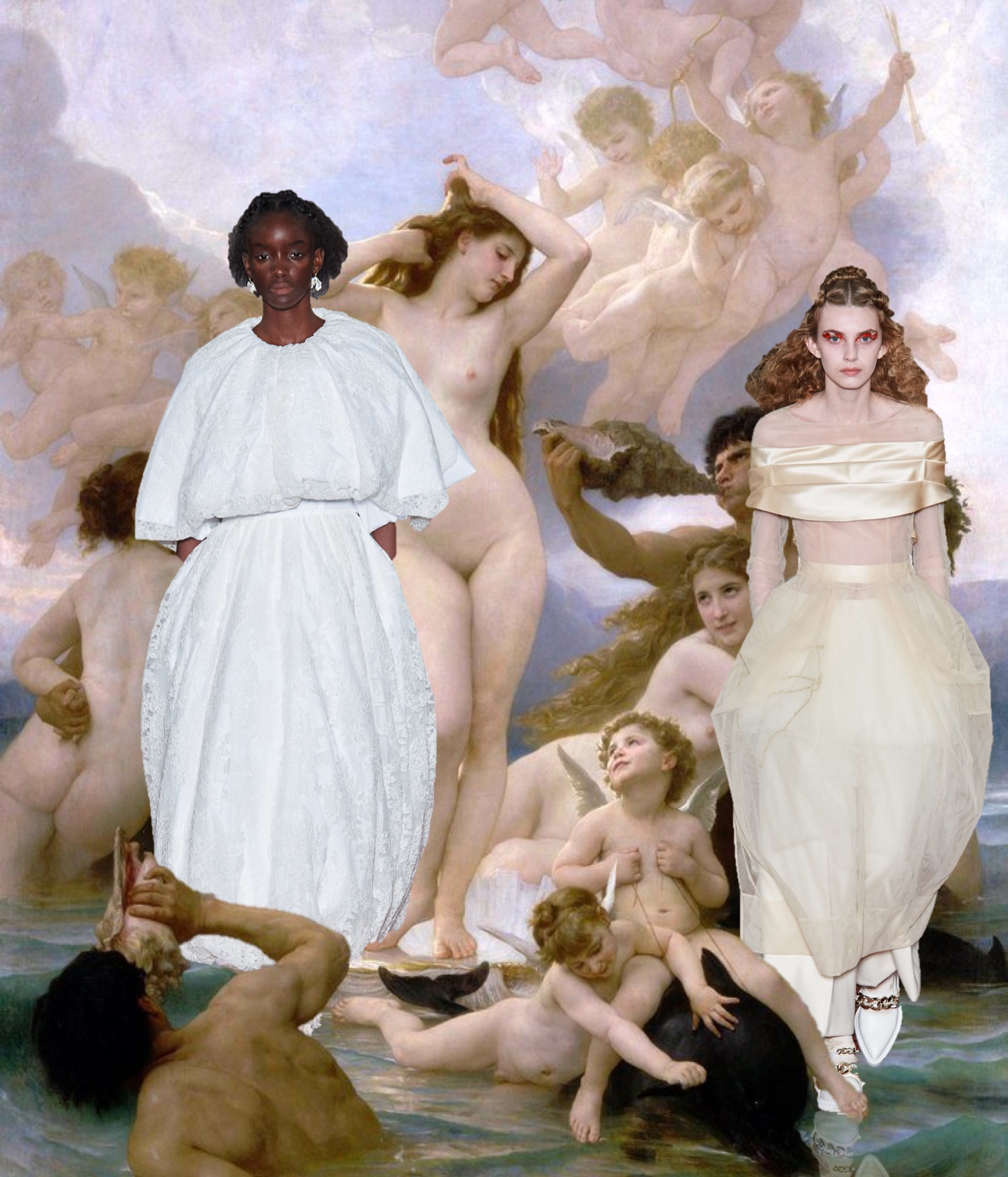
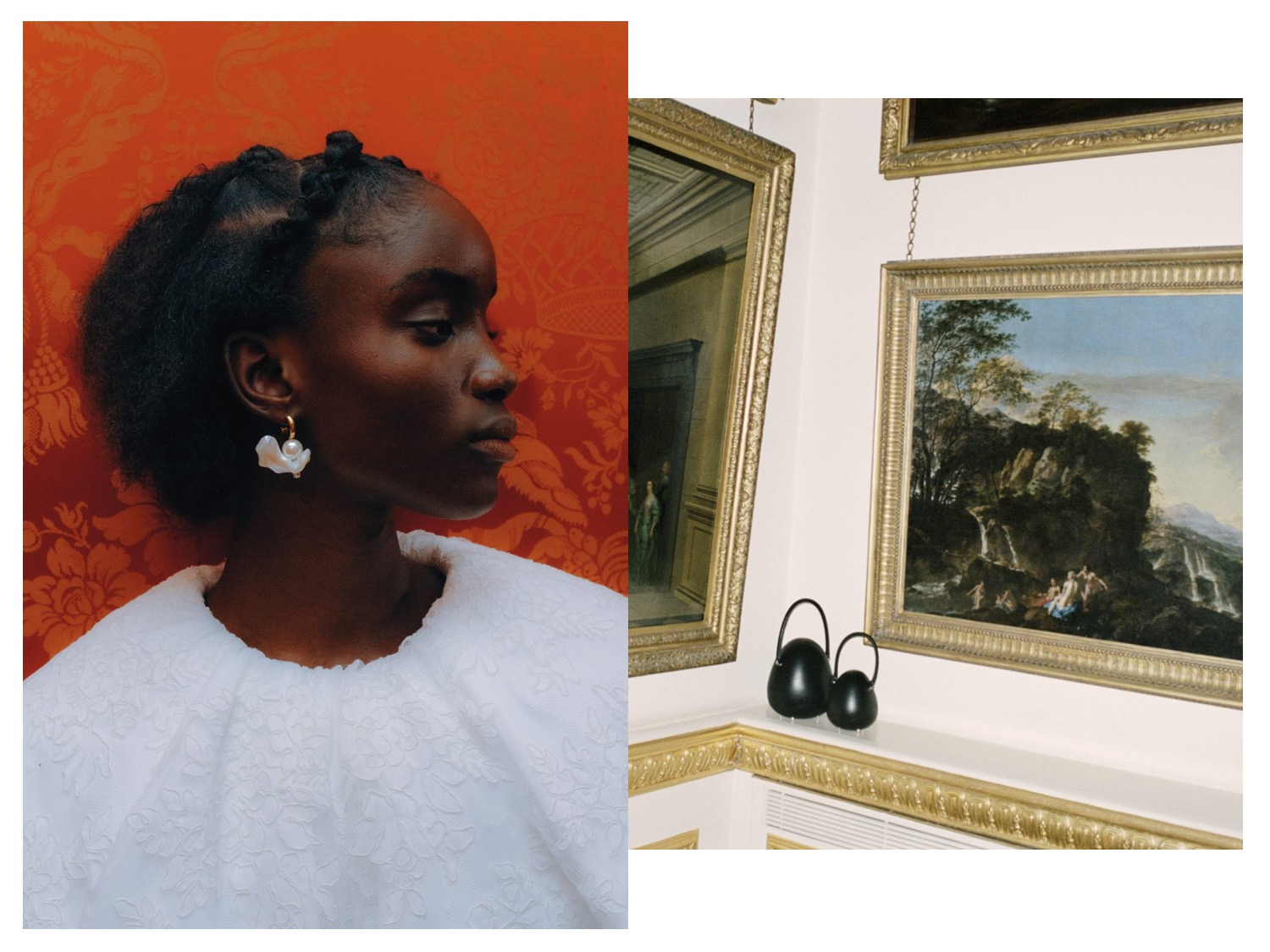
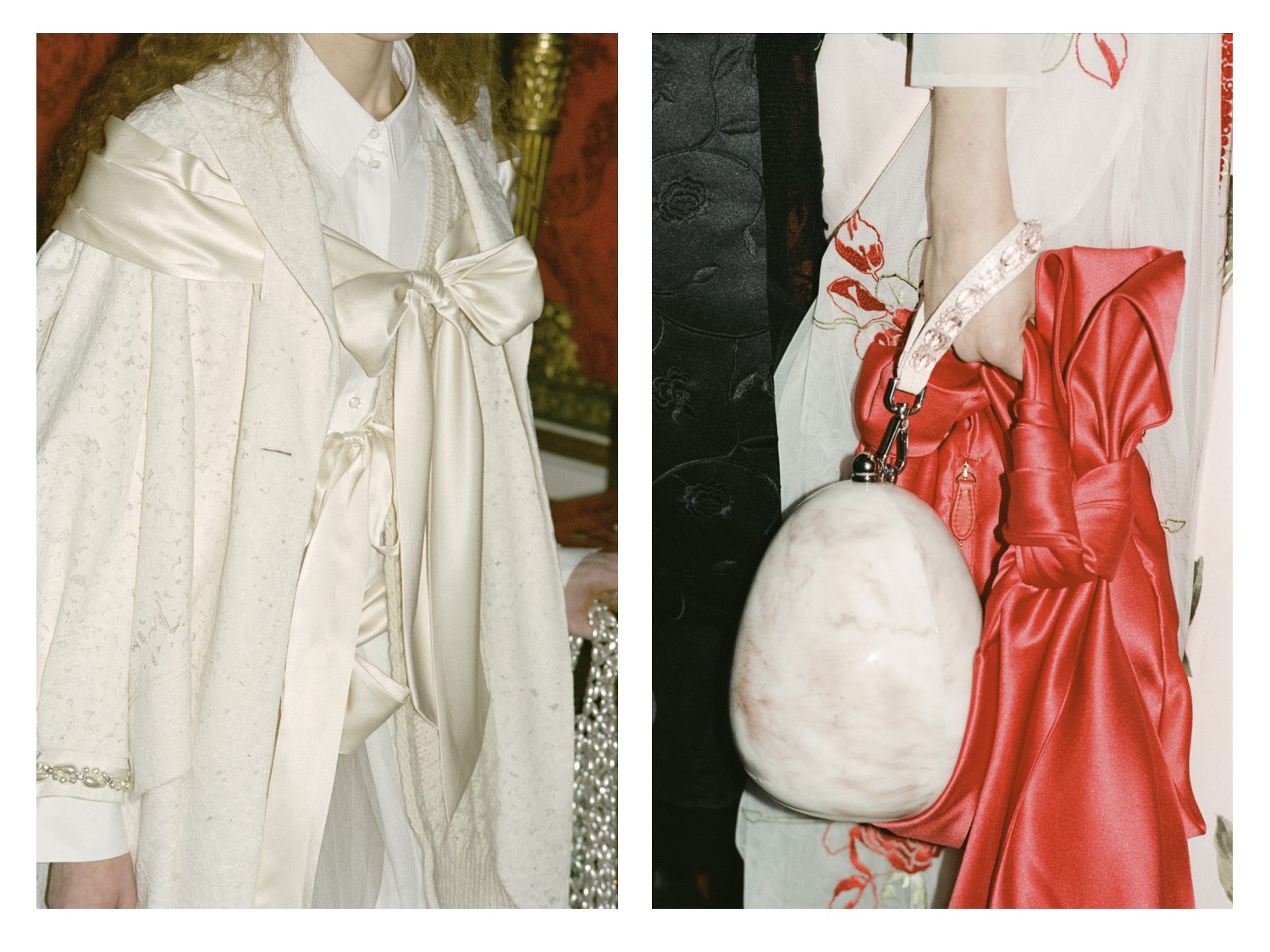
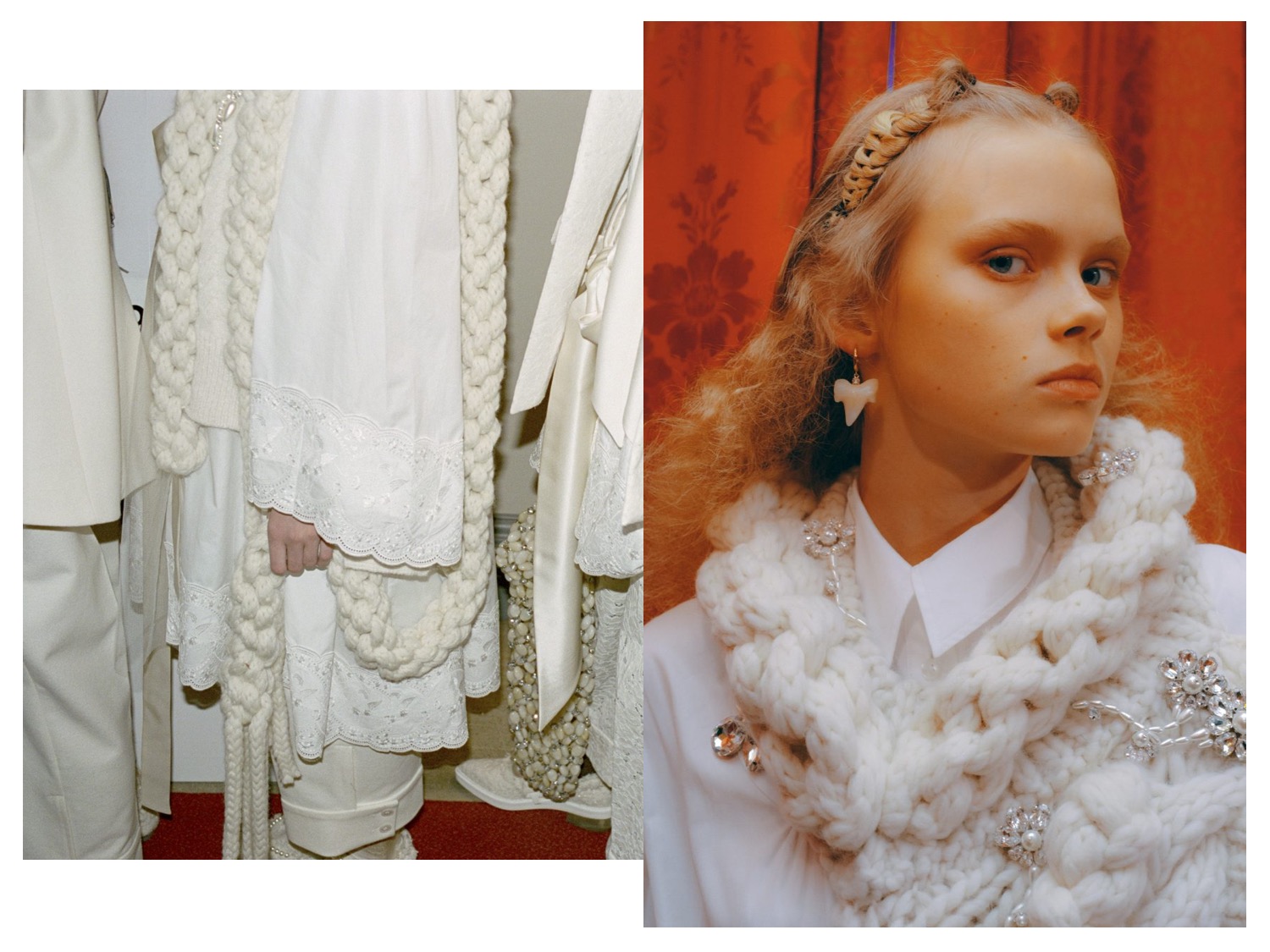
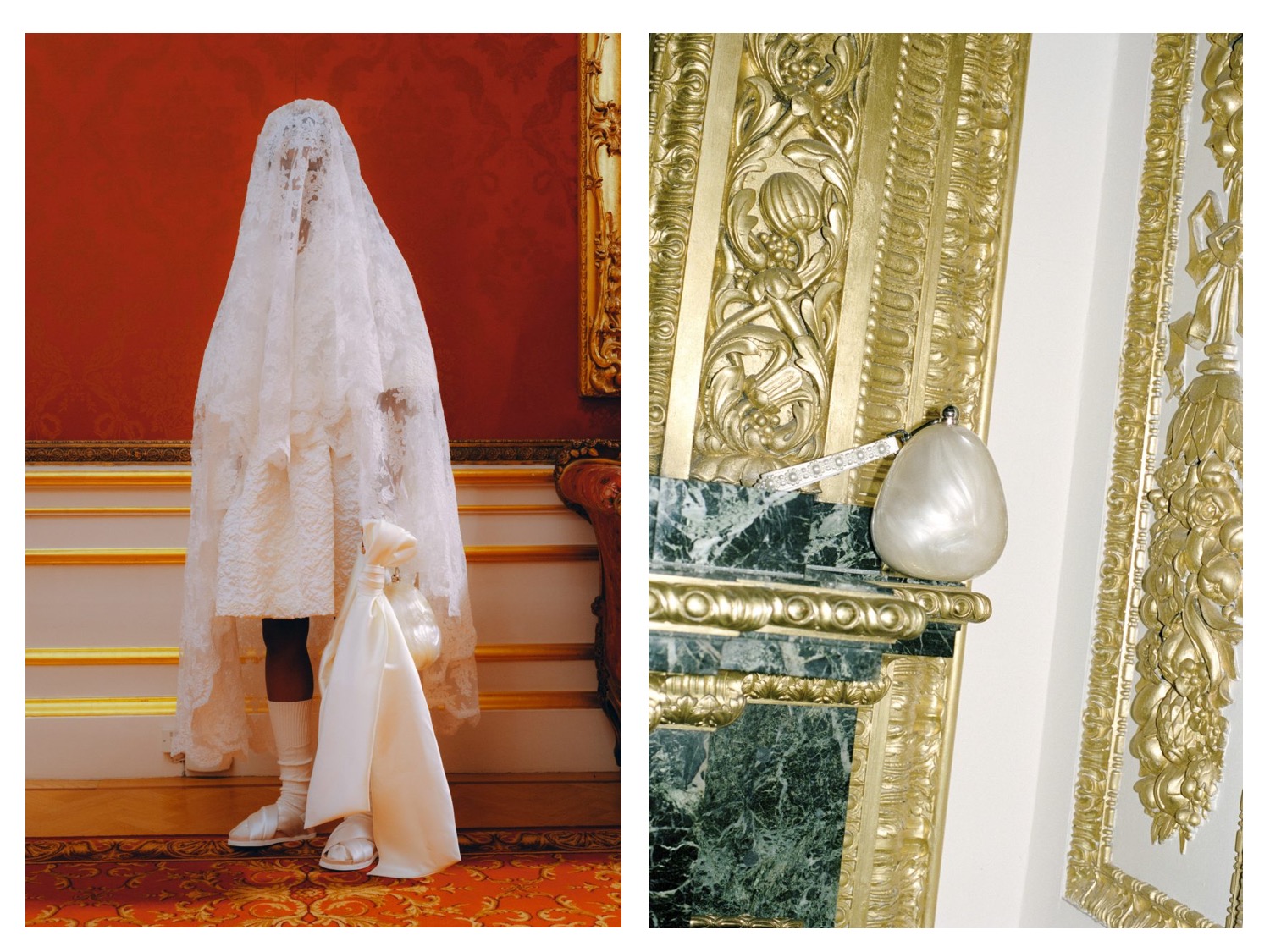
As the cropped and largely digital “fashion month” is about to start, I’m looking back at some of my favourite collections from autumn-winter 2020 season, and Simone Rocha‘s delightful line-up is definitely in my top of the top rank. There was something beautifully sacred and mystical about Rocha’s collection. Ribbons and ties, fisherman’s nets, white lace and baptism-like cotton cloths, pearl details from head to toes… and of course the Aran knits. “Procession, baptism; birth, life, and loss,” began the designer. “It’s about the Aran Islands, the life there, and J.M. Synge’s play about it, ‘Riders to the Sea’.” The cream wool Aran pattern is the centerpiece of Rocha’s collection – the Irish stitch is world-famous, even though if originates from a tiny sprinkle of islands off Connemara on the country’s west coast. “It’s the color of the unbleached wool from the sheep there,” Rocha explained. An what about the slightly nautical feeling? In the past, people on the remote islands lived only on sheep and the proceeds of battling with the sea – Synge’s drama is about the tragedy and the resilience of a woman who has lost her husband and sons to drowning. Rocha is never afraid of the less optymistic themes for her shows. But somehow, they never appear heavy or dull. After the virgin-white looks, something darker began to flow in. Women in mourning, church rituals, priests, legends, and the Virgin Mary all became wound into this one. Rocha never had a religious upbringing from her parents at home in Dublin, “so I never made my first Communion, so I never got to dress up in the white frocks, though all the girls around me at school did. Maybe that’s why I’m obsessed, making up for it,” she said with a laugh. “Of course, you can’t look at Ireland and not be influenced a little bit by Catholicism.” As always with Rocha, I’m completely in love.

Here are some of my picks from the collection: sheer pleated-detail blouse, Pearl Egg bag, ruched-detail slip skirt, cable-knit vest,mini bead embellished bag in purple & heraldic-motif socks. Click, click, click!

All collages by Edward Kanarecki, photos by Jacob Lillis for Simone Rocha.

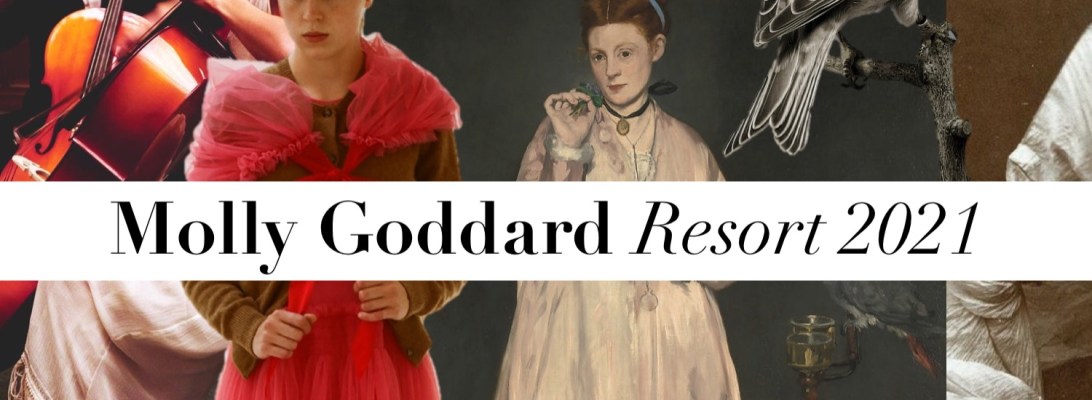
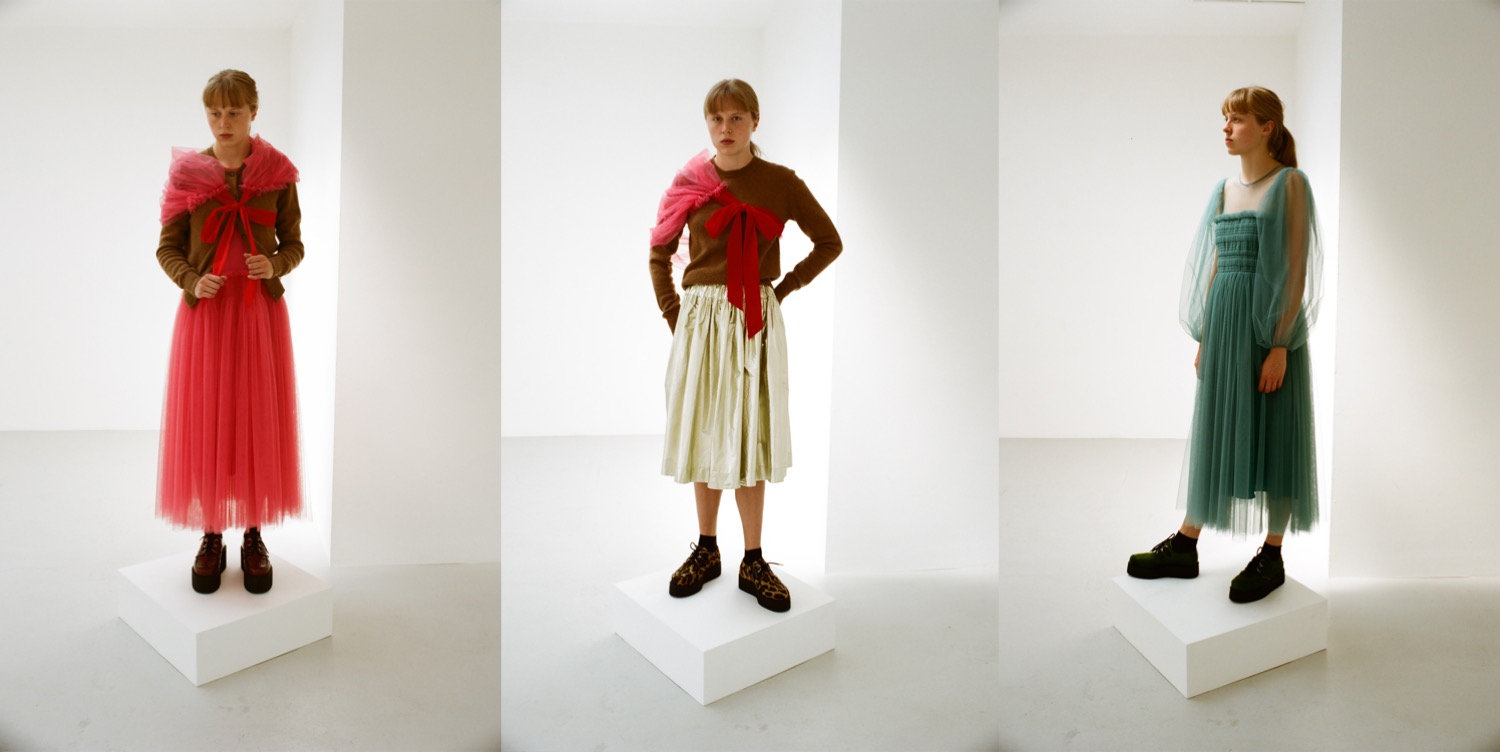
Simple Things. Molly Goddard Resort 2021

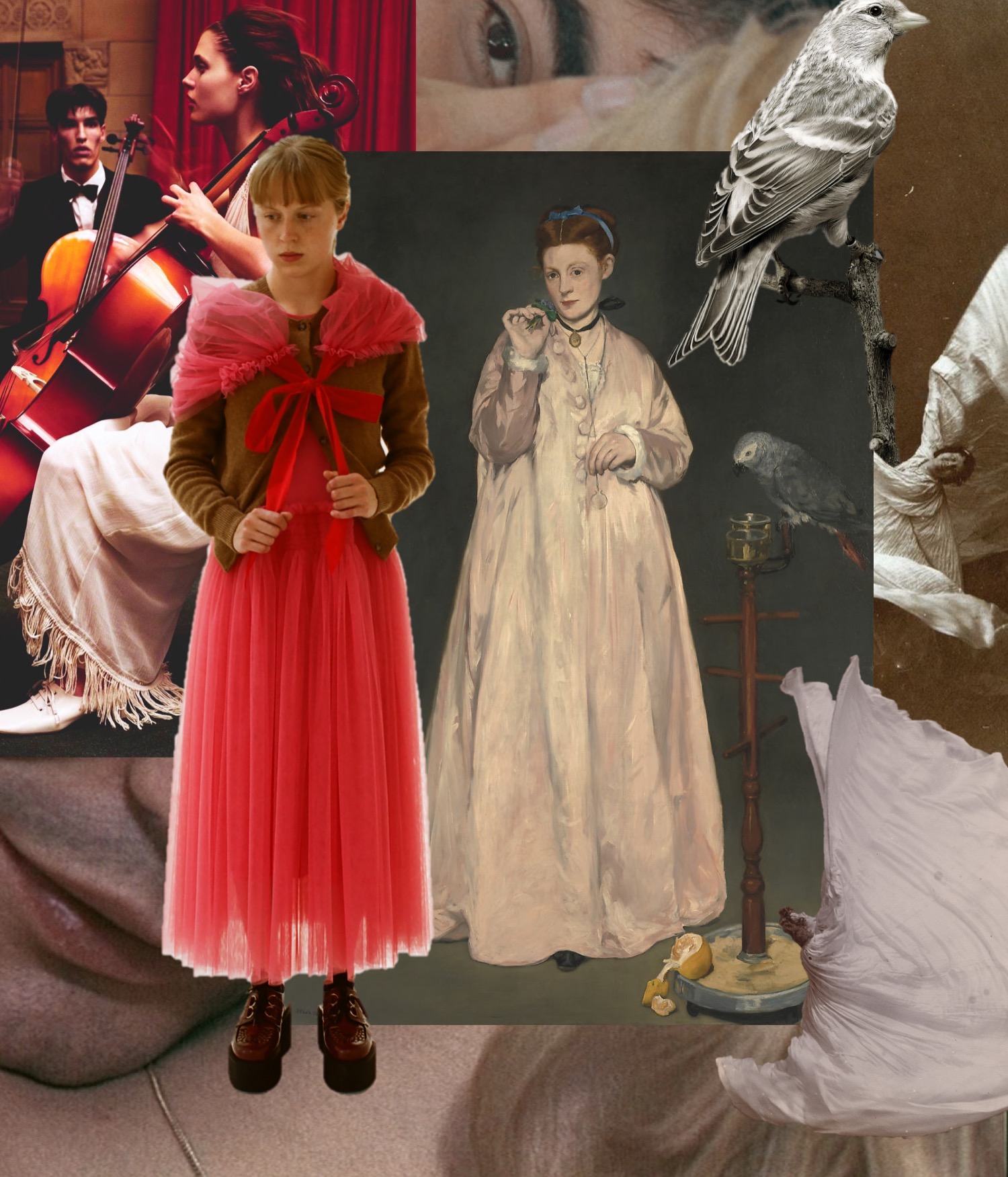
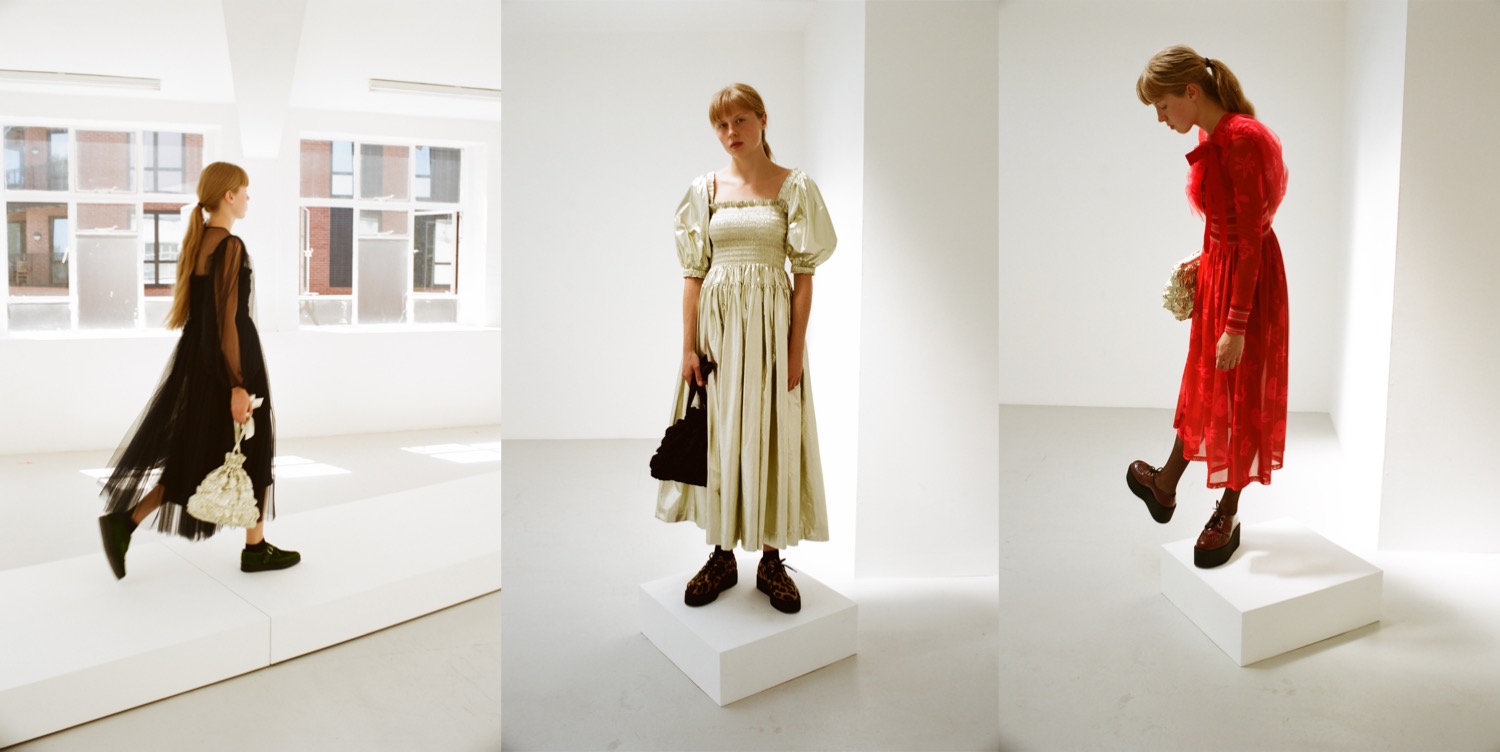
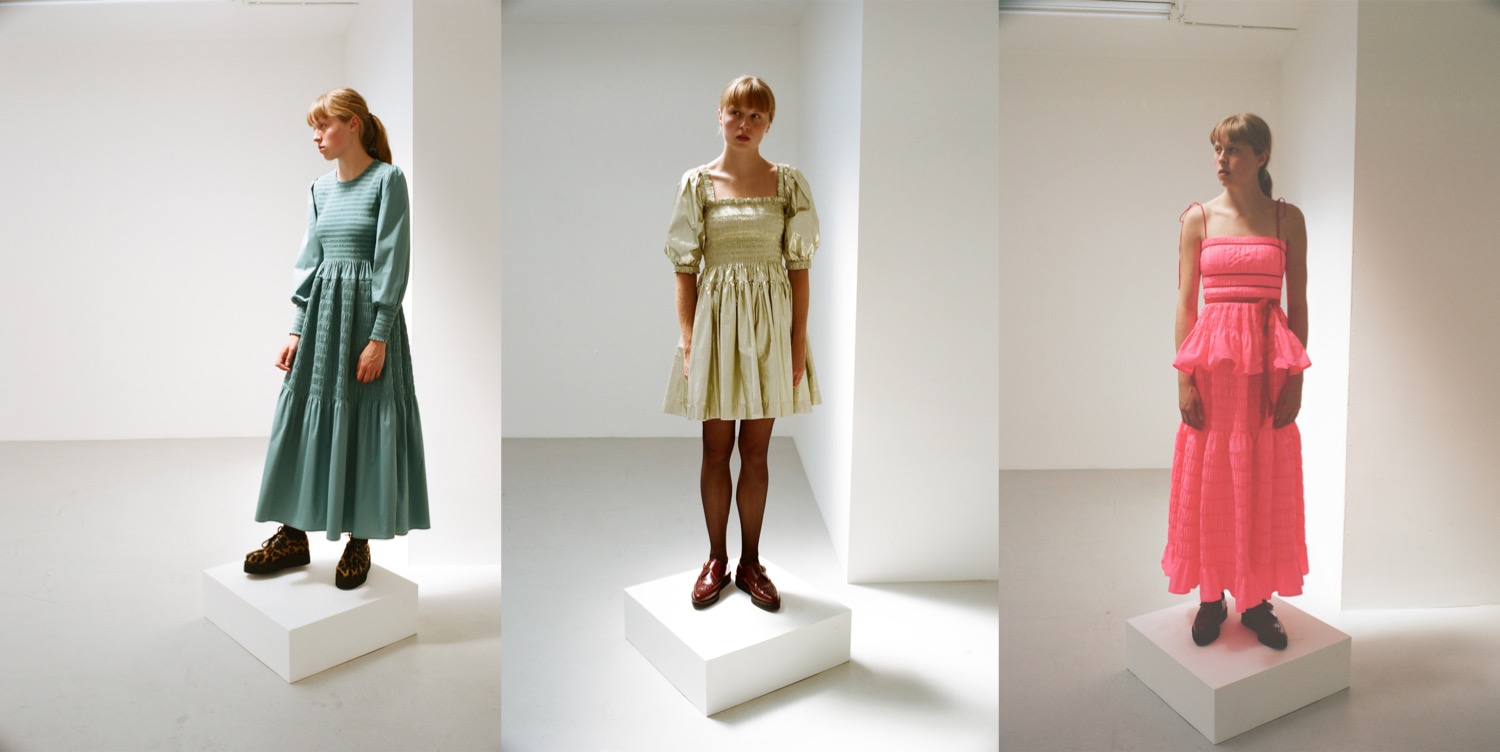
Going back to the roots, enjoying the simple things. In the uncertain times – and 2020 is a winner in this category – designers and labels yearn for a more organic approach, one that opposes mindless abundance. In her resort 2021 collection – which is more of a capsule really – Molly Goddard is serving her all-time signature, tulle dresses, in a more everyday mode.  Molly’s clothes are as cheerful as ever, dresses and skirts made “in all the ways I can think of,” she told Vogue, with the smocking and ruffling techniques she developed as a student. The shirred polyester taffeta – this season in neon pink with burgundy velvet trims, or inky blue flounces – is “so comfortable to wear, because it just stretches with you,” she explained. “So you can sit down, lie about, do anything in it. I think that’s why people like it. Because you can wear these things in an everyday way, not just for parties.” True to her hands-on resourcefulness, the designer decided to keep things going during the height of the lockdown. “We all worked remotely, doing fittings on ourselves, which was quite funny.” She runs a tight and friendly business. “I didn’t furlough anyone. I thought it’s important to maintain our relationships with all the people who we rely on, the fabric suppliers and the local London factories who managed to keep ticking over, with people taking work home.” There’s knitwear, too, now –  shrink-pleated stretchy sweaters and wool cardigans made in England. She’s also spent her time developing accessories: ruched bags made from her signature fabrics, and solid-but-perky leopard-spot and emerald green creepers in collaboration with the British brand Underground. And how does the designer see the future? Who knows whether there will be a usual London fashion week schedule this September. But then, do creators like Molly need those? “Really, I never meant to get into that whole fashion week thing of having huge shows and all the nightmare that goes with it,” she says. “Honestly, I’d love to get back to what we did at the beginning, just being able to do something that feels spontaneous and fun.

Collage by Edward Kanarecki.