Maison Margiela
The New Revolutionaries
Fashion is continuous in communicating on what’s happening in the world. Vivienne Westwood and Malcolm McLaren shaped the 70s punk scene in Great Britain, shaking up the aristocratic nation; Marc Jacobs took grunge into the world of high fashion at Perry Ellis in 1993. There was Raf Simons with studded, skinny pants for boys, and Hedi Slimane at Saint Laurent years later, reviving Yves’ (in)famous scandale spirit. All of those designers wanted to show rebellion, and made history. This season, the mood of rebellion was present, too, but introduced in a different way. If you want to look defiant, leave your mud-splattered boots behind.
Marc Jacobs and Lucie de la Falaise, Perry Ellis era
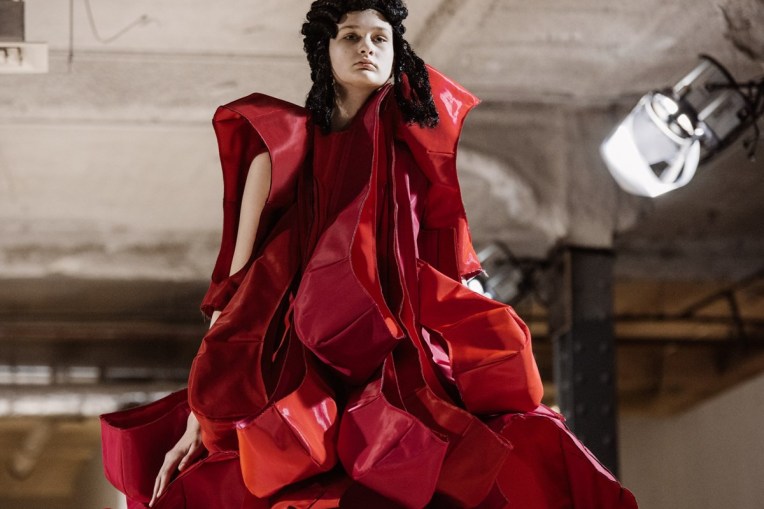
Take Rei Kawabuko and her autumn-winter 2016 collection at Comme des Garçons – it was an ode to the 18th century, but not in the way you might have expected. The silhouettes were voluminous, while the textures clashed with contrasts. Instead of embroideries and embellishments, opulence played a different role. “The 18th century was a time of change and revolution,” Rei said. “This is how I imagine punks would look, if they had lived in this century.” Think about French aristocracy, and just remind yourself some Marie Antoinette’s pouf hair-style or Louis XIV’s obsession with heels. Ball-dresses, splendour of colours – this is how the Incroyables originated, putting a barrier between them, and others. Their looks shouted “I’m in the elite – you’re NOT”. In fact that was a kind of punk gesture, if you look at that from another perspective. Paradoxically, Kawakubo wasn’t mistaken – punks, different punks, already existed before Dame Vivienne. Living in their saccharine wardrobes and eating cupcakes while the poor starved was to an extend… radical.
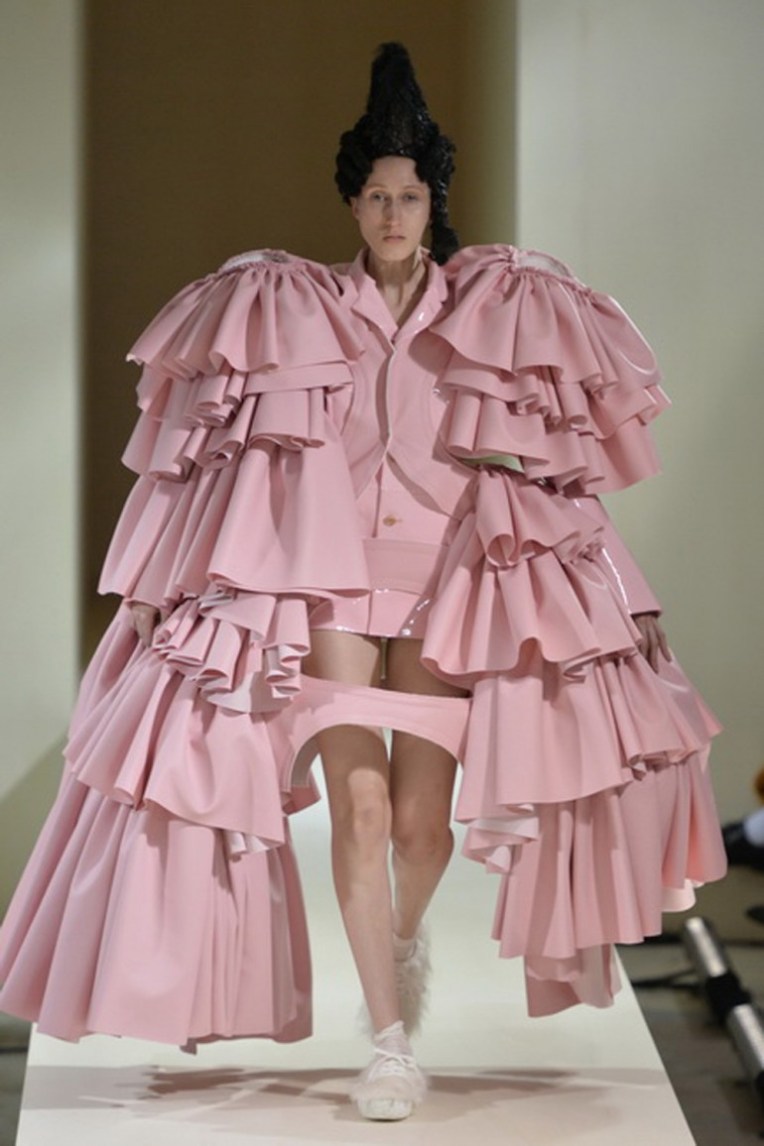
Comme des Garcons AW16
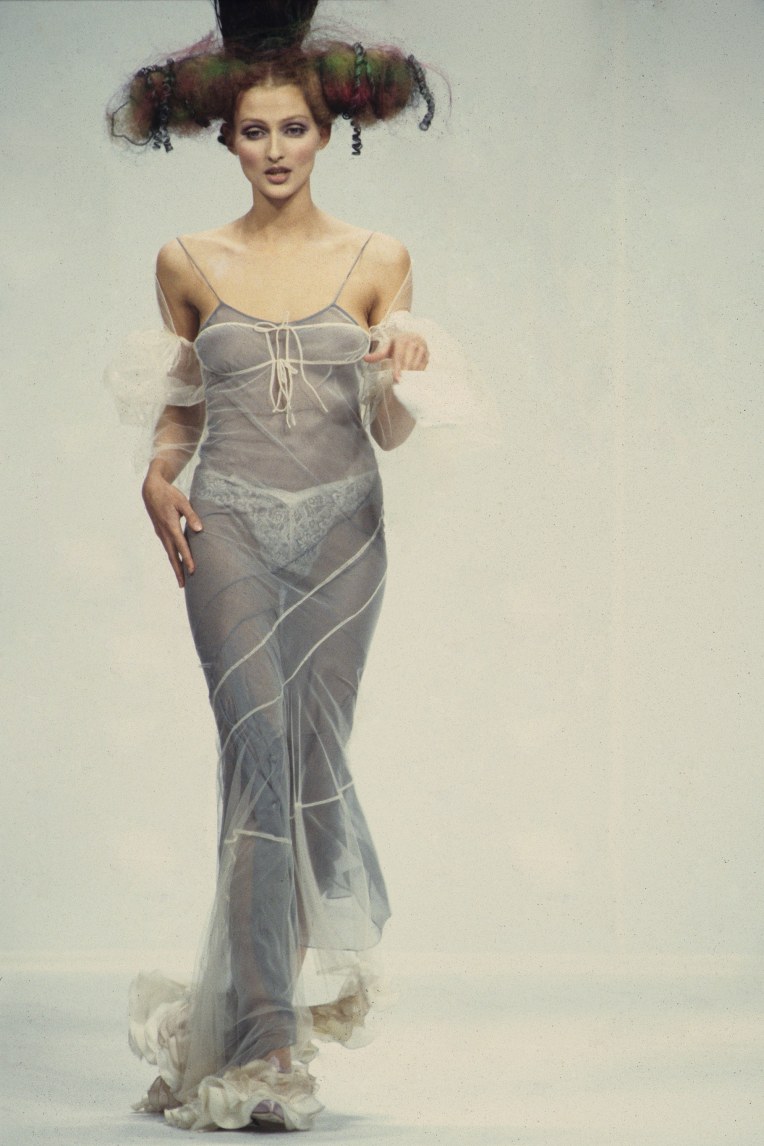
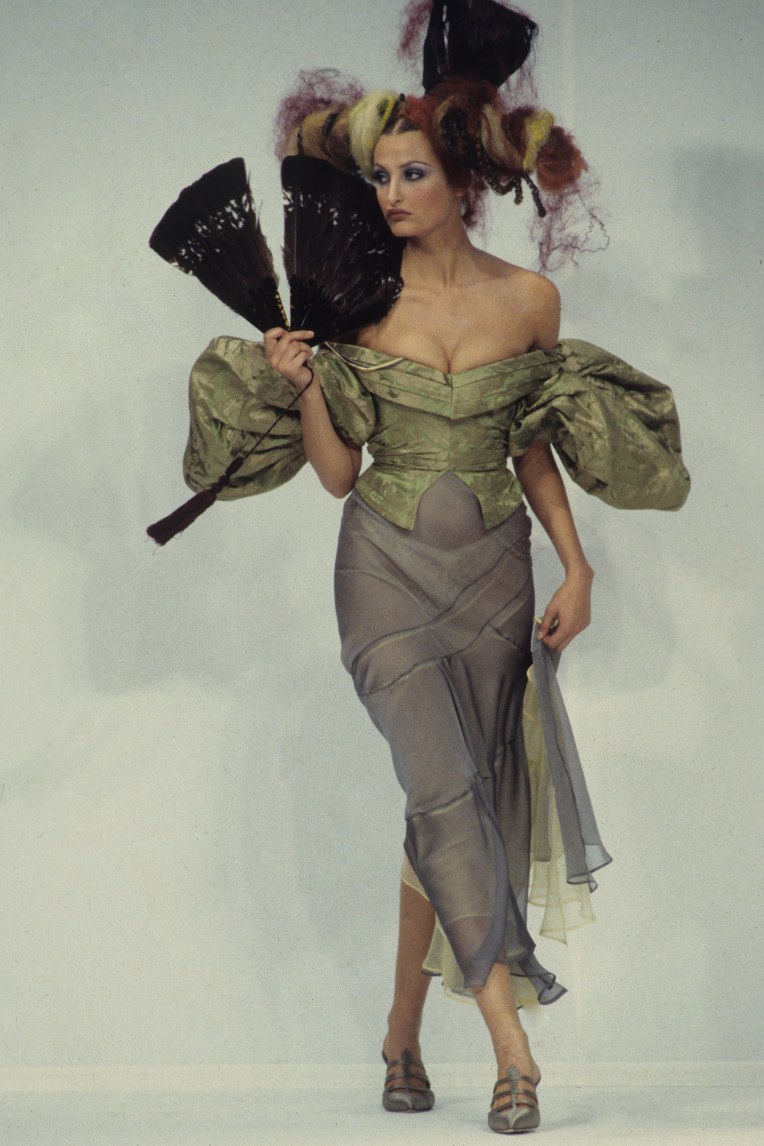
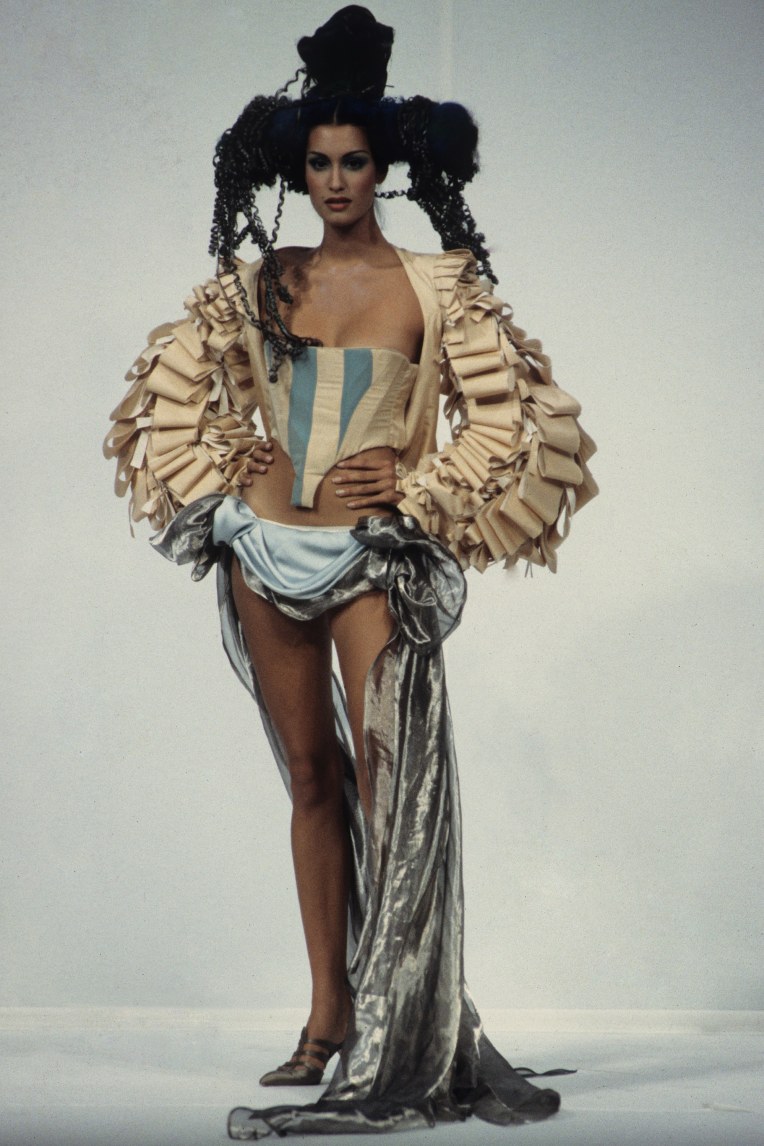
Good times changed for aristocracy, and the French revolution proves that. John Galliano‘s spring-summer 1993 collection was a modern-day interpretation, of how a Merveilleuse (female equivalent for Incroyable) could have looked before execution. Of course with grace! A sheer dress which looked nearly like a piece of underwear; her hair of fleek. Decapitation had to be chic, and Galliano’s spectacular collection filled with tattered frock coats, dilapidated chiffon, and extravagantly puff-sleeved gowns was a controversial success.
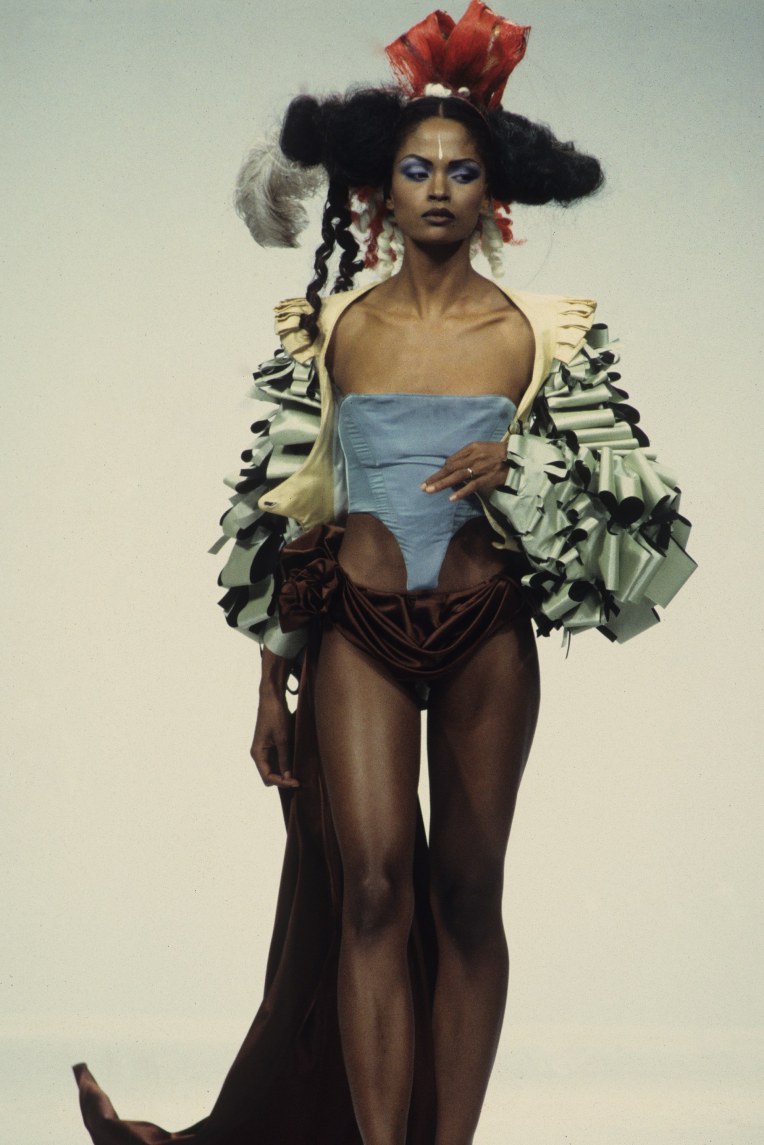
All of the above: John Galliano SS93
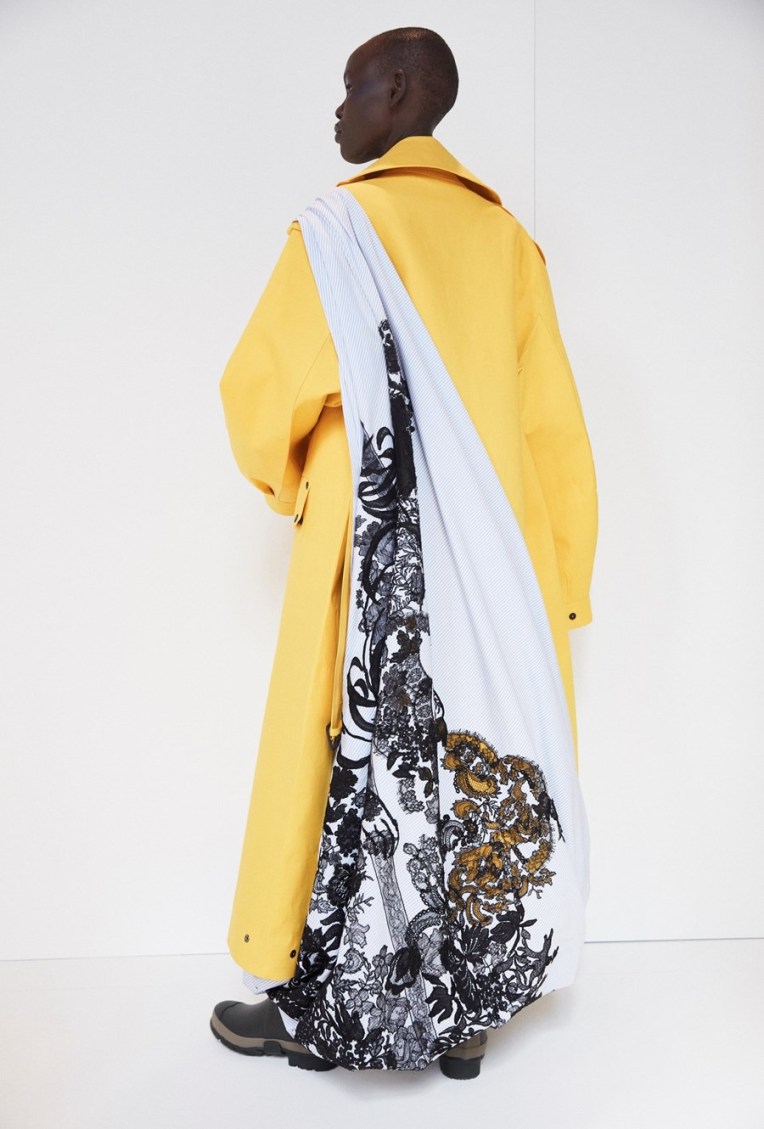
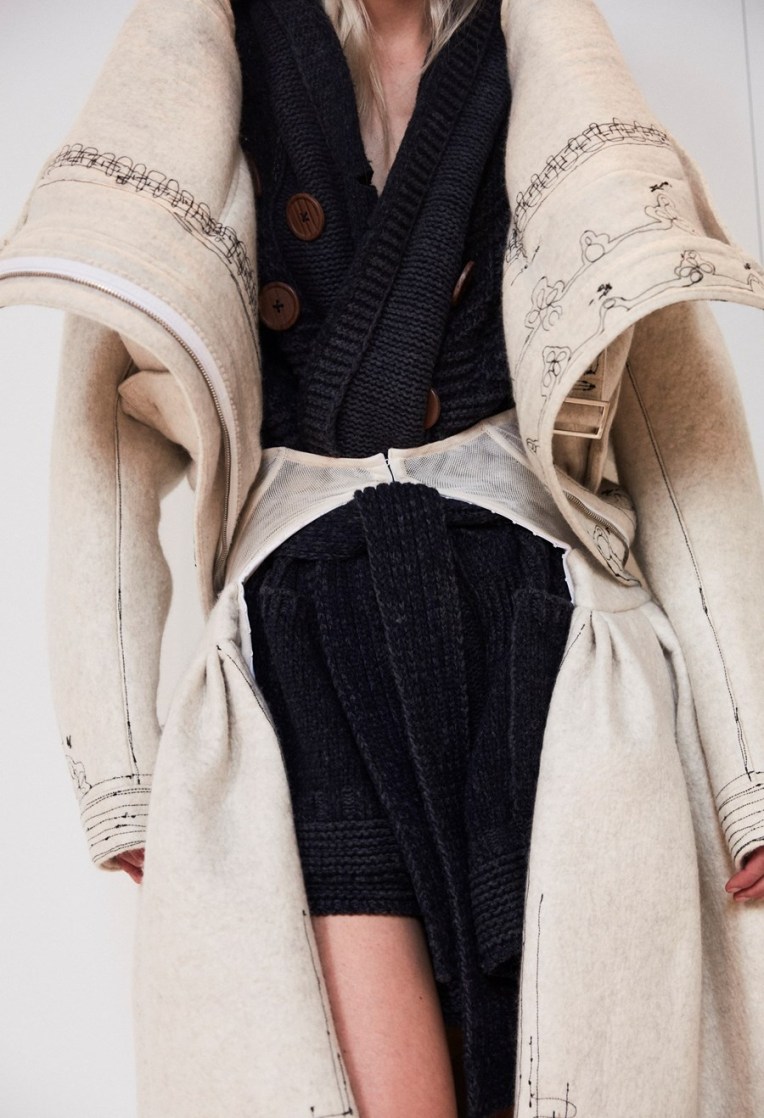
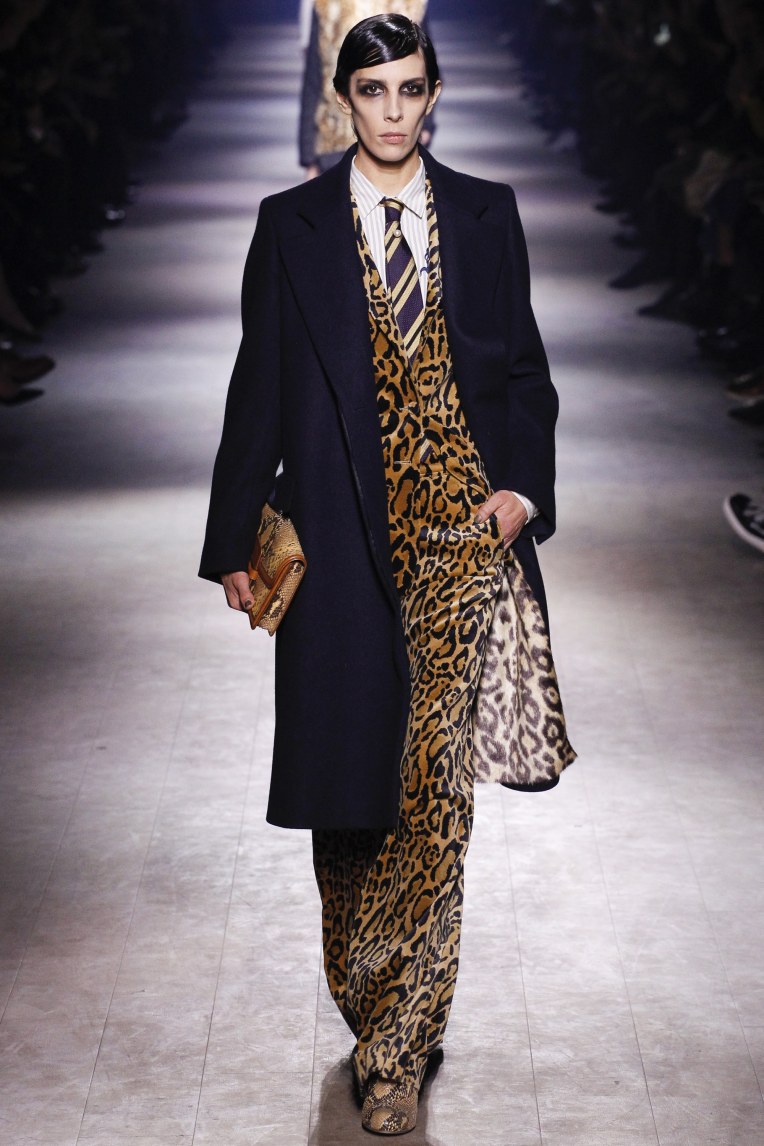
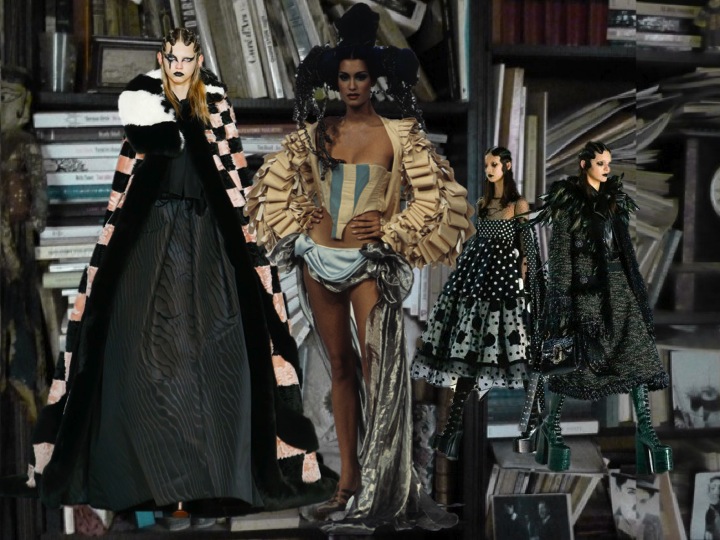
But coming back to 2016. Marc Jacobs‘ latest outing was all about full skirts and big dresses in polished leather. Platforms were there. Those ladies were like the bad queens and bad princesses from a fantasy, while their outfits were loud nods to monarchy looks. For Maison Margiela, Galliano devoted his haute couture collection once again to the Incroyables, presenting coats with exaggerated tails. But this time, the one-of-a-kind pieces were mixed with high-tech textiles and hand-made chantilly lace. John explained his artisanal season as a reflection of today’s world troubles. “I didn’t want to repeat what I did as a kid,” said Galliano. “But it has the rebellious attitude of youth.” Lastly, Dries Van Noten was inspired with Marchesa Casati’s avant-garde aura. She was, you’ve guessed well, an unconventional aristocrat, with her smokey eyes, layers of pearl necklaces and exotic furs. She looked different that all the other fancy dames from those times – and that’s why Dries felt appeal to her. An embodiment of punk? Yes.
Marc Jacobs AW16
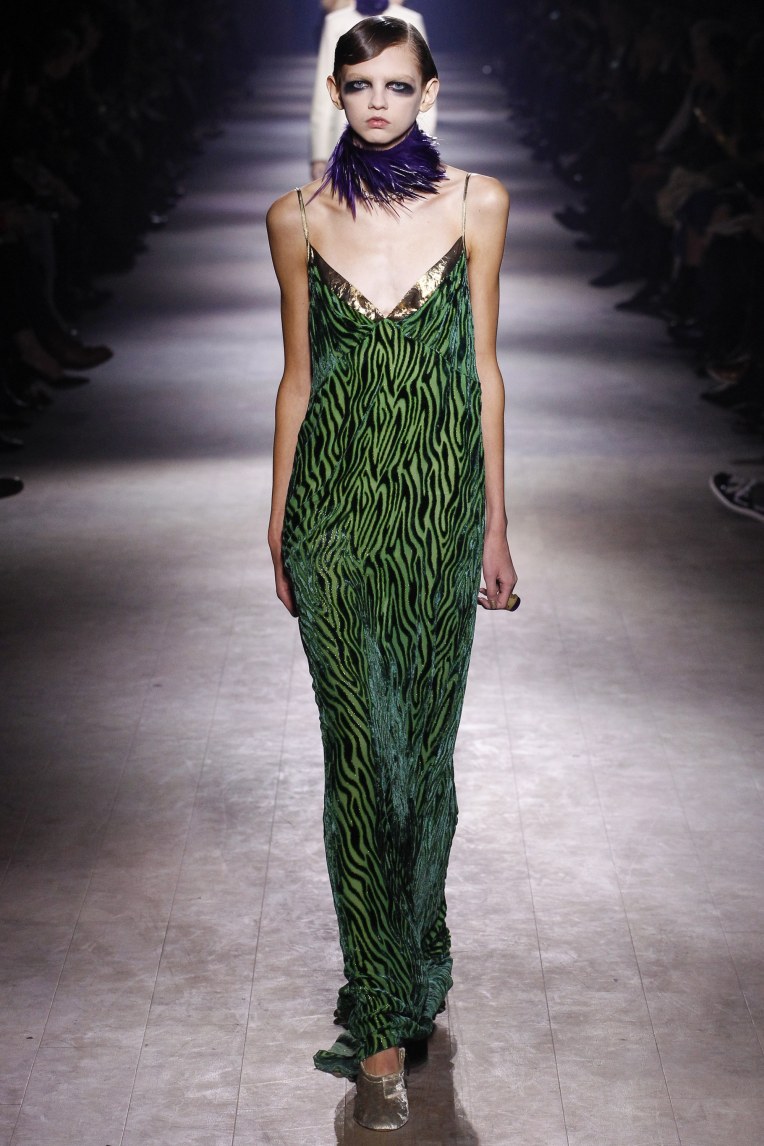
Dries Van Noten AW16
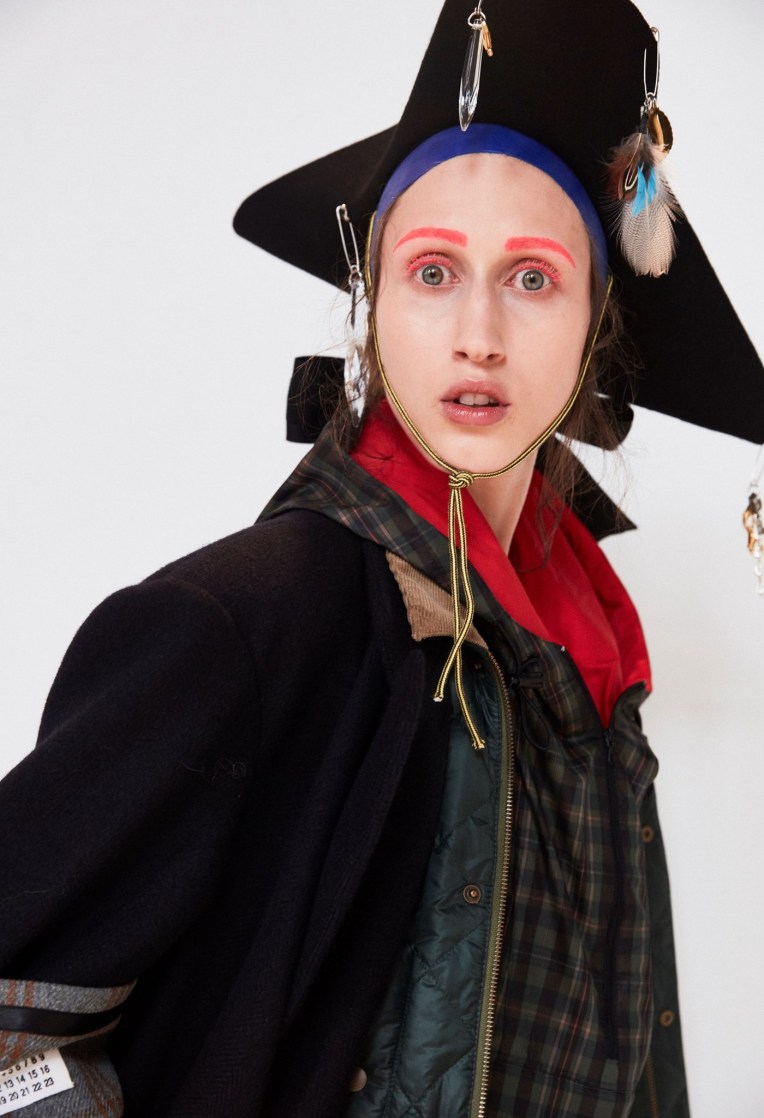
Above: Maison Margiela Haute Couture AW16
What’s Hot (5.8.16)
What’s Hot (1.8.16)
Couture – Giles, Maison Margiela, Valentino AW16
Giles – If you think of Giles Deacon and his fashion, first thing on your mind is his “fire burnt” gown or Kristen McMenamy in a white dress with extremely big shoulders – in other words, his most fantastic and surreal creations, which are on haute couture level. This season, forget about Giles’ ready-to-wear, as the designer decided not to show during the last London Fashion Week. Instead, he went to Paris for couture week to prove that he’s incredibly good in his love for “big, special pieces for the show“. Because, why not? Life’s too short to do something that bores us.
For his first couture collection, Deacon went eclectic, allowing his imagination take over the control. Voluminous ball dress in hand-painted, palm leaves print; purple mini-dress covered with three-dimensional petals; yellow, jacquard cape-like gown with embellishments. Should I list more? Oh, yes – the stand-out piece, so a regal velvet neckpiece in an Elizabethan style, which is of course detachable. As the queen wearing Giles wishes. There’s also the imperial ‘Faberge’ print gown, all covered in a variety of egg illustrations. Yum. That’s a wardrobe for a modern-day monarch – it’s not over-the-top kitsch, but adequately fancy. It’s visible that Deacon loves seeing his biggest love – couture – become a reality!
Maison Margiela – I’m again on fence with John Galliano. To me, everything he does at Maison Margiela is haphazard, without any order. It’s not ecleticism. It’s a play with random textiles and textures. But this doesn’t mean that John’s chaos doesn’t have its own appeal – it does, intimately. Wherever you look, autumn-winter 2016 collection focuses on the tiniest detail. The bright yellow, ‘artisanal’ cocoon coat was worn with an embroidered drape at the back, while the dramatic veil on models’ head reminded me of a perfect day-with-the-bees option. There was an adventurous, bared-shoulder dress; a plastic construction layered on a red mini-dress; a show-stopping muslin gown with a red lace boy embroidered on. The attitude of the collection was quite revolutionary, and as the show-notes suggested, French revolution period is the main reference. Anna Cleveland, who wore a Napoleon-esque hat, looked like she was ready for the fight. Still, I doubt wellies and a tweed skirt with feather applications are best choice for a “military” gear.
Valentino – You surely know that this Valentino show is the last one designed by the duo of Pierpaolo Piccioli and Maria Grazia Chiuri. At least, only one half of this pair stays; the latter, Maria Grazia, leaves for Dior. Which is quite unexpected, noting all these great collections (even if there were some ups and downs) and even greater couture presentations they did together. But on the contrary, Dior is really in a need for a designer with a strong vision after Raf Simons’ depature. Chiuri’s feminine point of view will surely match the ‘new look’, while her dresses are going to boost the sales (a new designer is always a gust of fresh air for a brand with heritage). Moreover, with her big step forward, she’s making history – she will become the first female creative director of Christian Dior’s maison.
Time will show what’s coming for Maria – for now, never mind, let’s take a look at Valentino’s latest outing. An old chapter should be ended with a bit of drama, and this Elizabethan wardrobe of puffed sleeves and clerical robes matches the slightly melancholic mood. The collection was presented on the occasion the 400th anniversary of Shakespeare’s death, so no wonder why there was a lot of Renaissance Italy feel in these theatrical clothes, origining from Romeo and Juliet and The Merchant of Venice. Richly embroidered and oozing with romance (as hot red as the closing, aristocratic gowns), the designer duo proved once again that they are (or rather were) the masters of elegance. However, ignoring the fact it’s the last collection designed with help of Maria Grazia, I guess it would be simply considered as another beautiful, enchanting, and so on… Valentino couture. I confess – I hoped for something more.