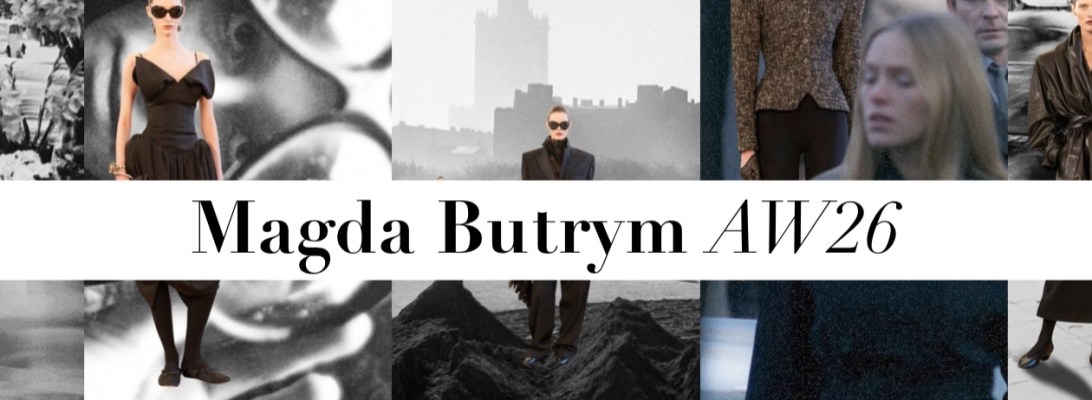
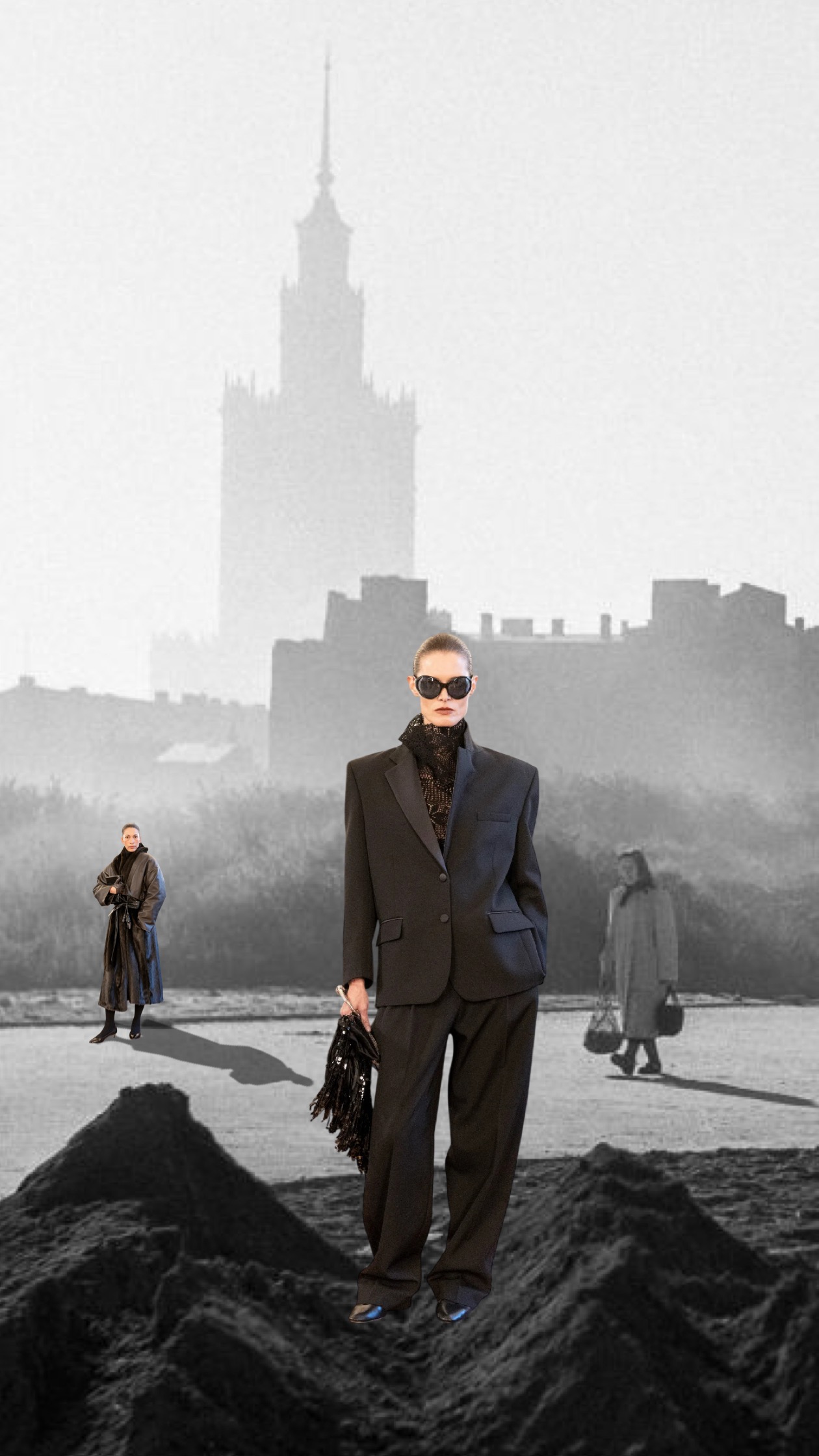
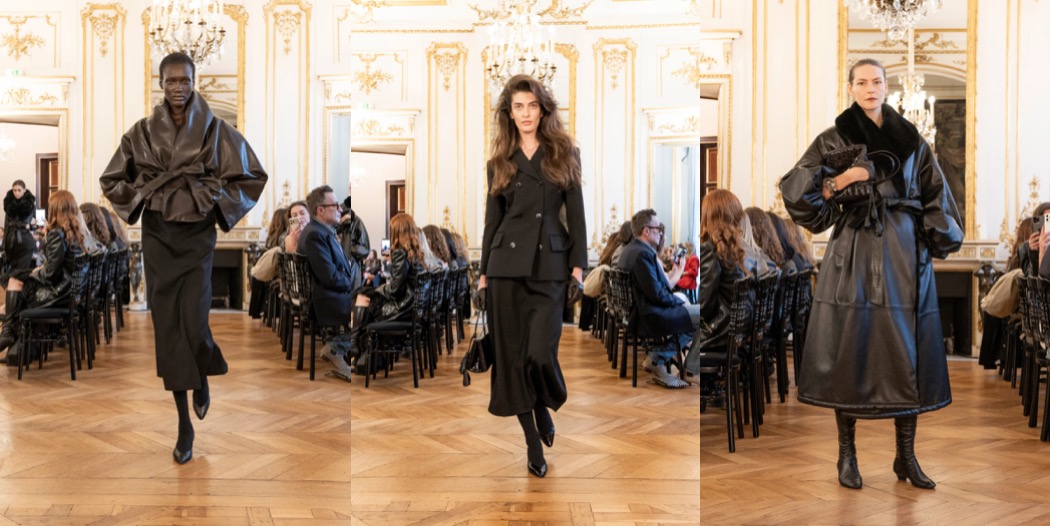
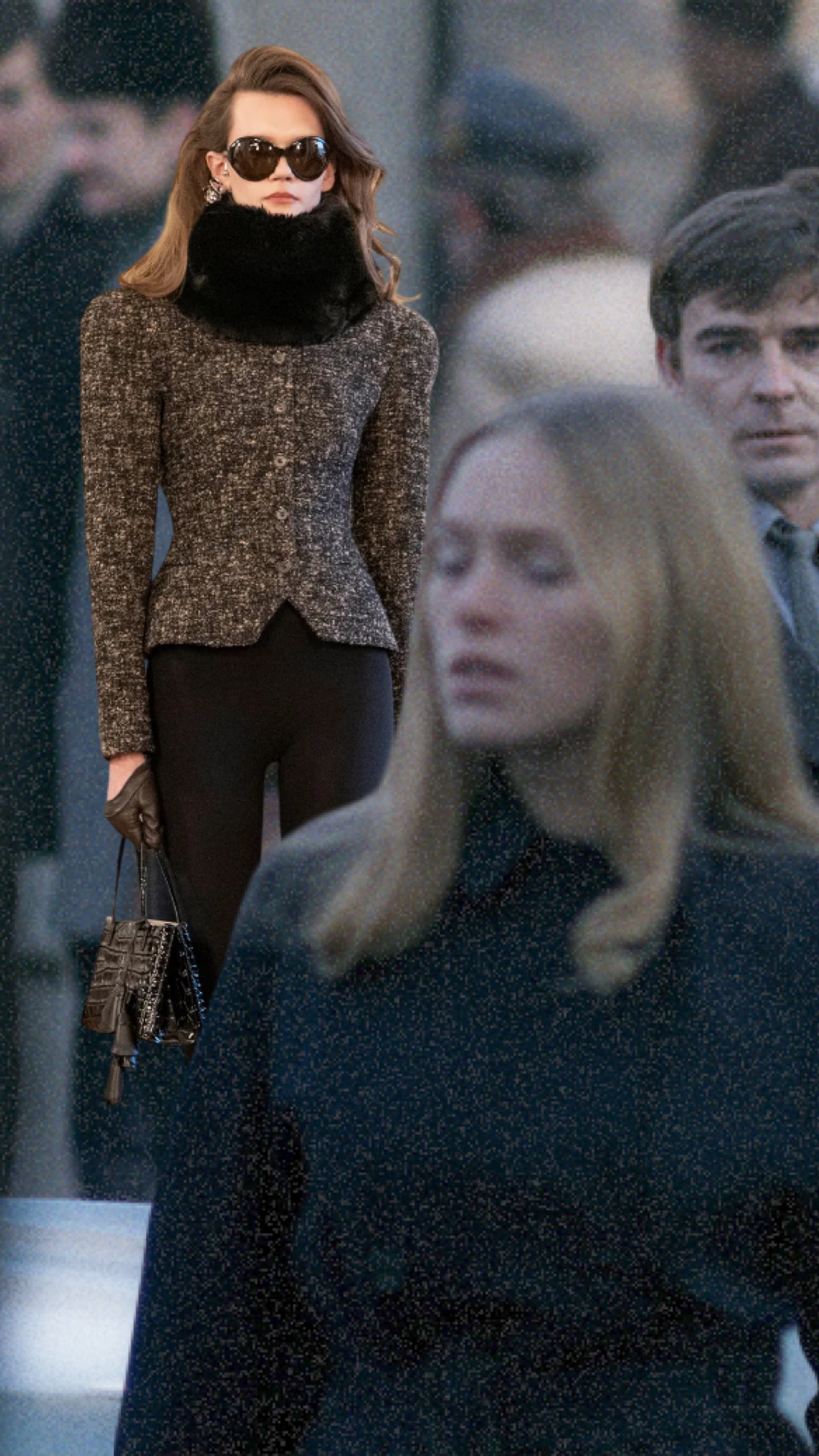
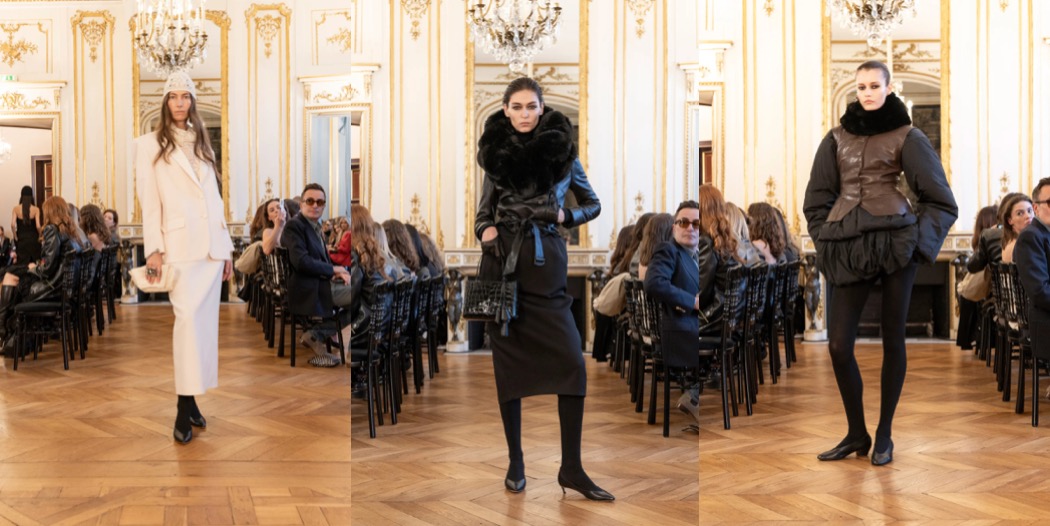
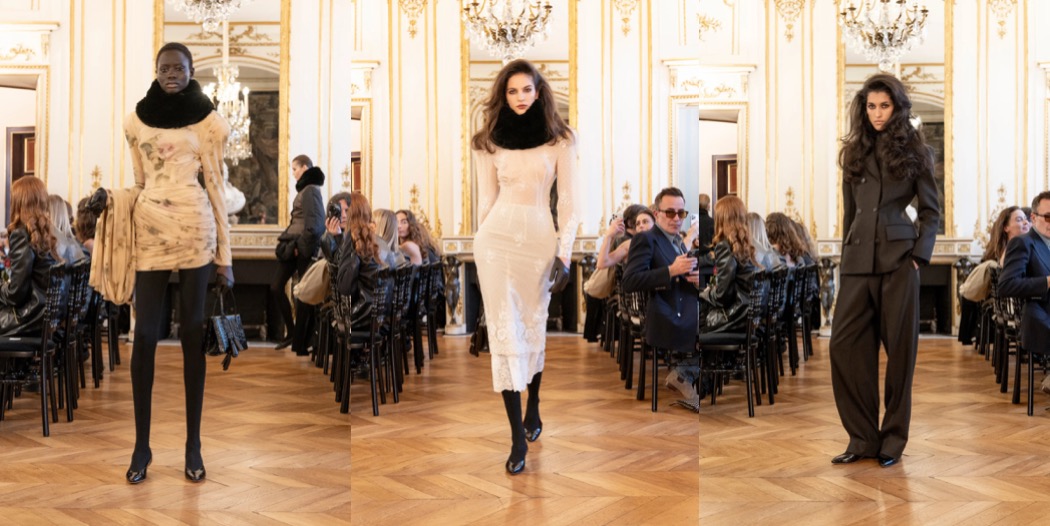
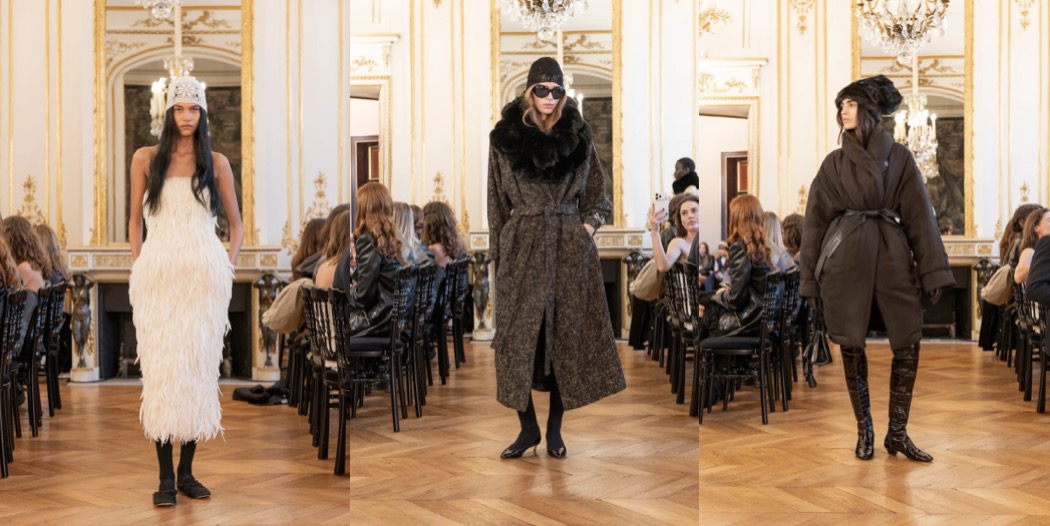
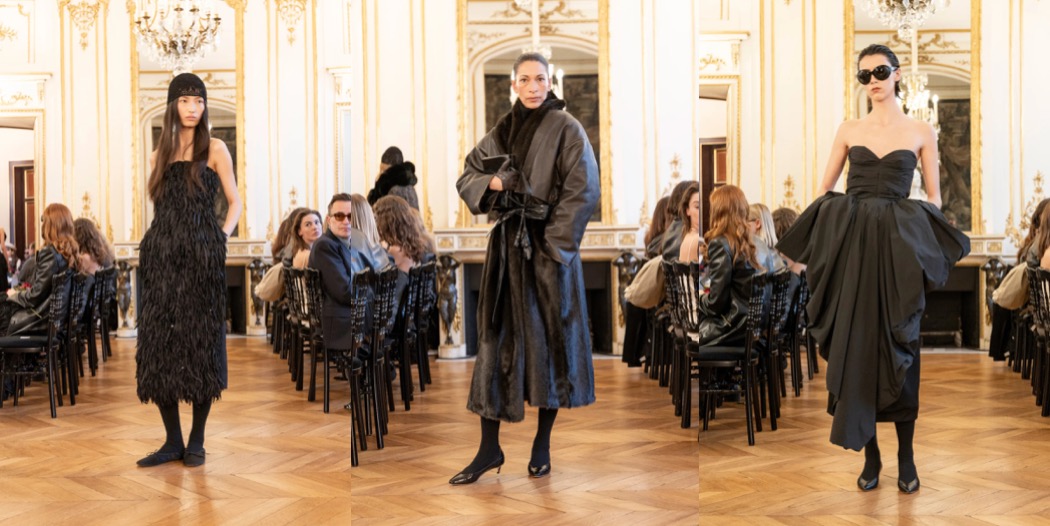
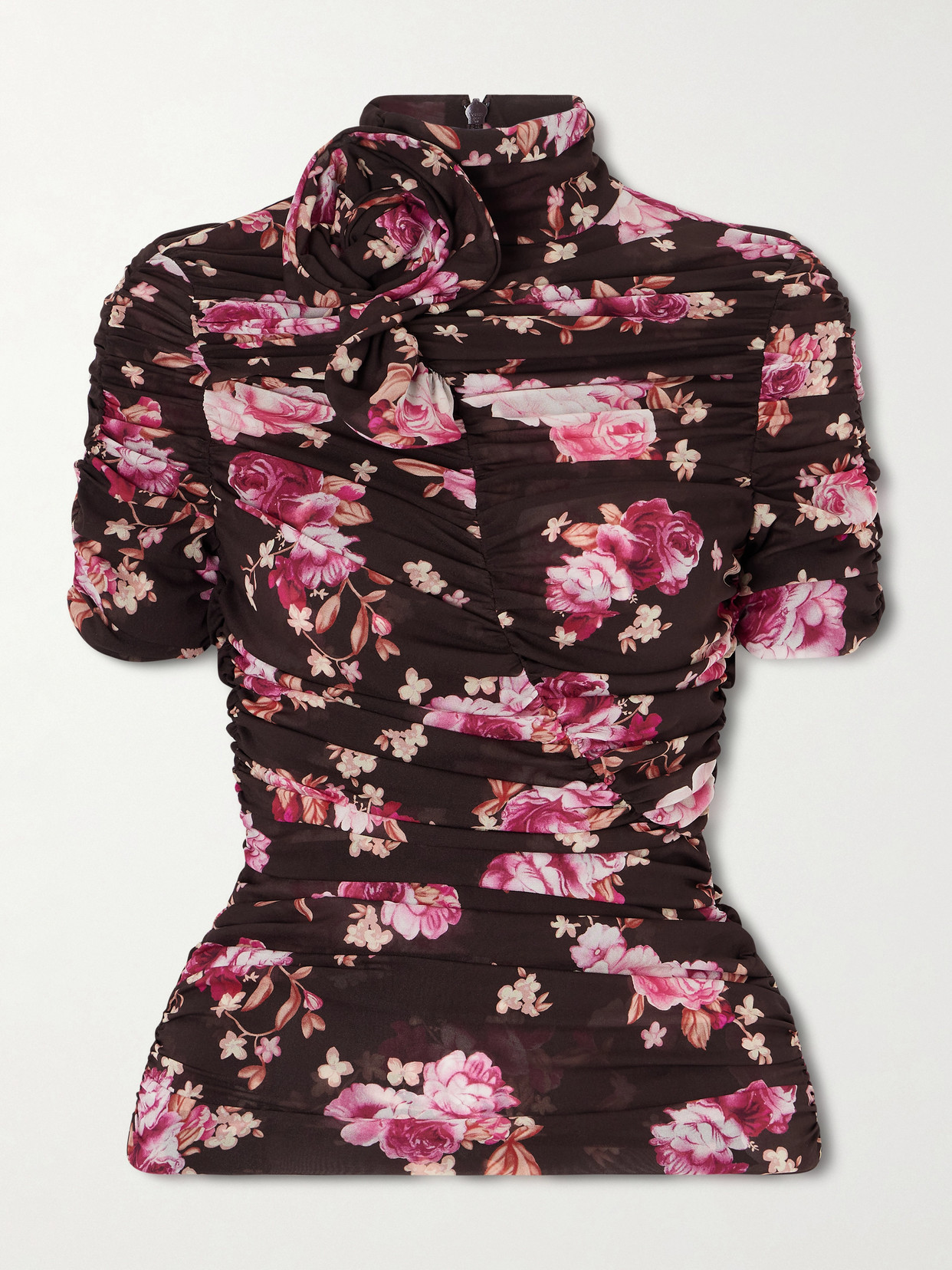
Inspired by Irena, the heroine of “Hunting Flies” directed by Andrzej Wajda, Magda Butrym’s fall–winter 2026 collection – presented last Sunday on Place Vendôme in Paris – channels the eternally modern woman of the Polish New Wave: elegantly sensual yet razor-sharp, regal yet mischievously playful, possessed of a magnetic, almost arrogant allure. She does not perform femininity – she commands it. Naturally. Instinctively. Effortlessly. READ MY FULL REVIEW HERE.
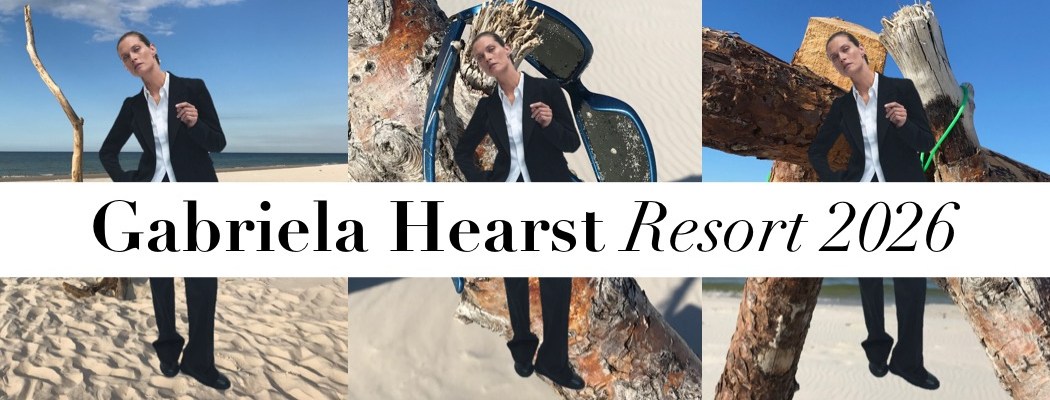
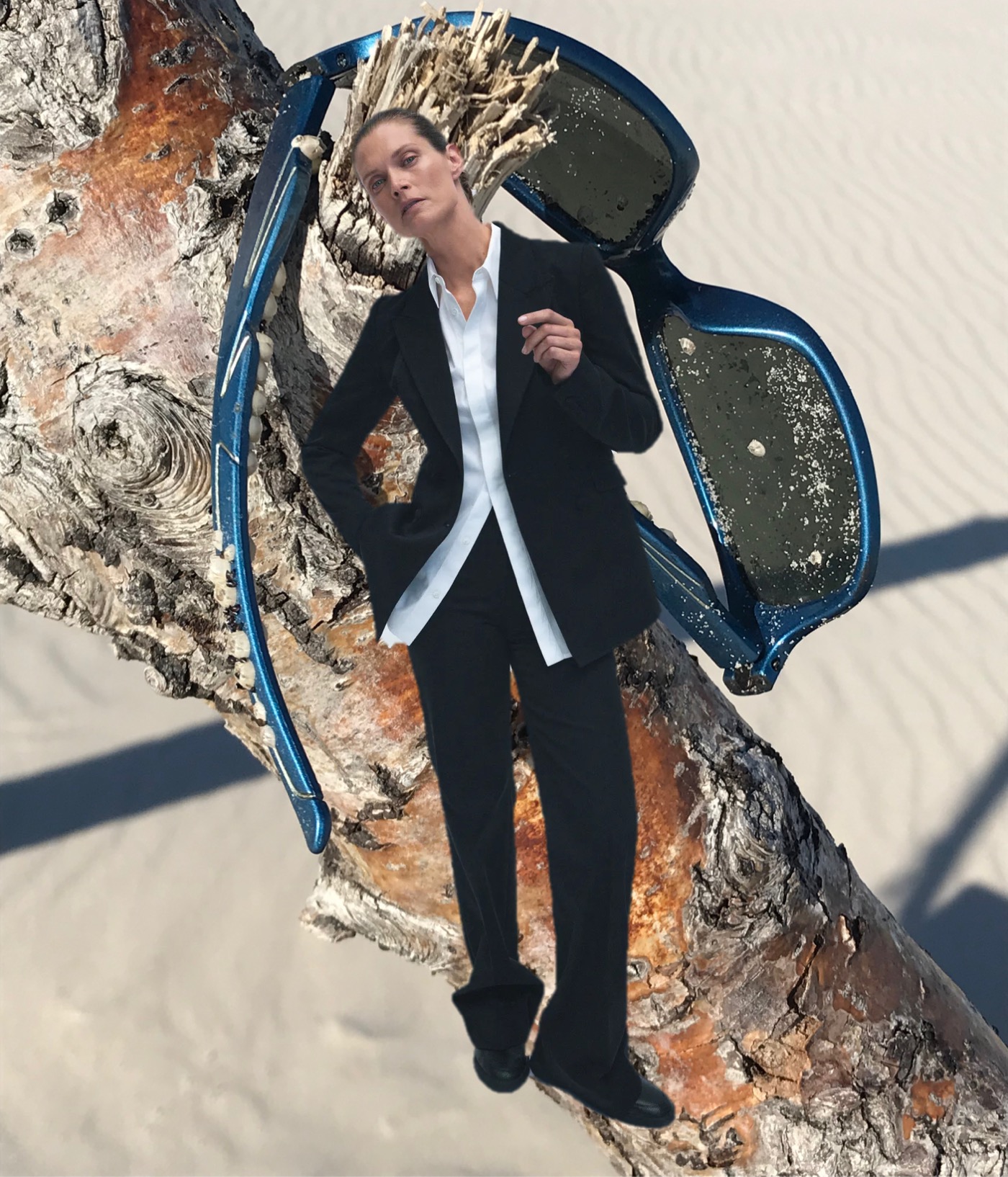
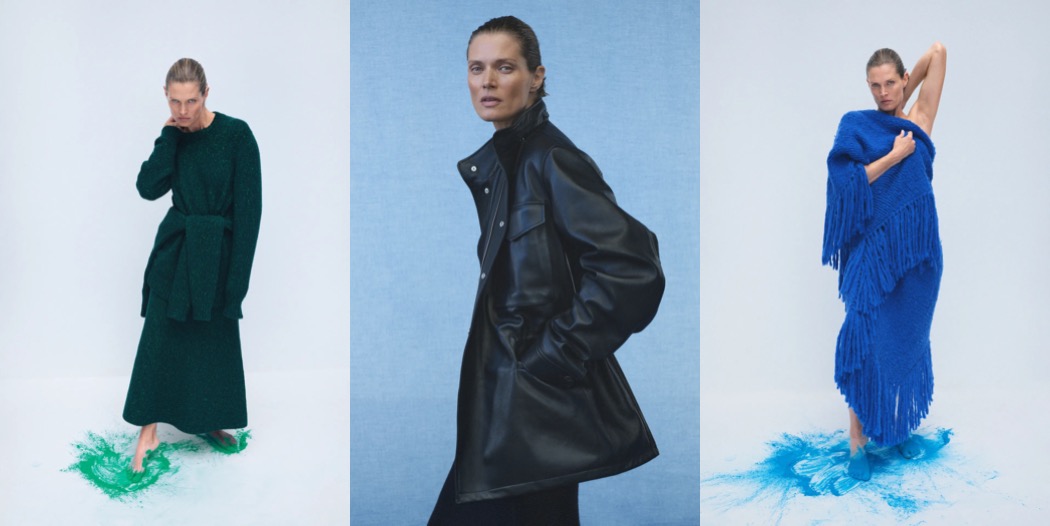
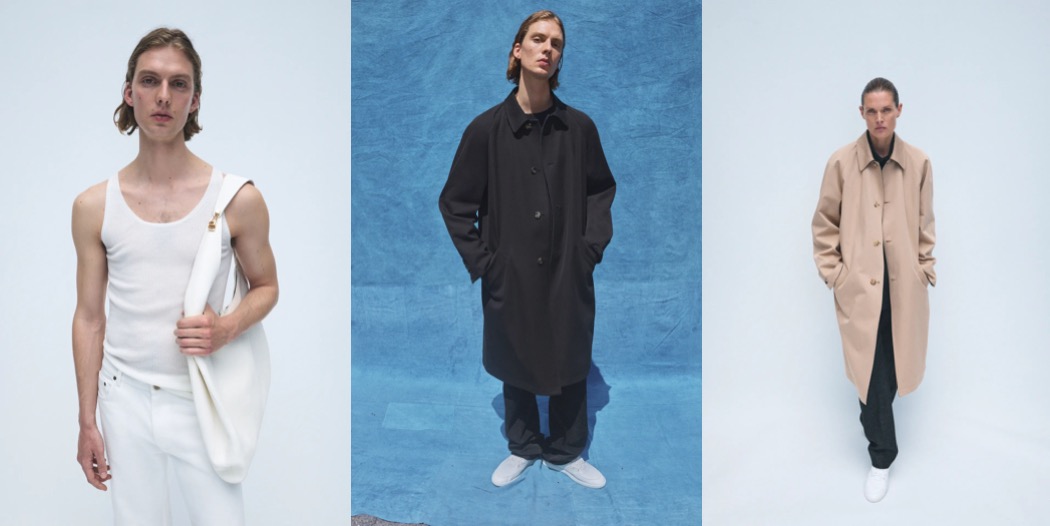
Gabriela Hearst makes no-nonsense clothes. Her work is often criticized for lucking “edge” – but then, somebody has to make proper, classic, always-good-looking clothes. And there actually is something edgy about her resort 2026 collection, starring Malgosia Bela, Leon Dame and Alex Olson, photographed by Zoë Ghertner. Some context: the designer is lately obsessed with Tarot, pulling a card each morning and writing down the results. The Lovers card in the Marseille deck gave this collection its radiant color palette: cobalt blue (take a look at the sumptuous cashmere poncho she did in this magnetic hue), with sprinkles of pastel-pink and bottle-green. It also gave her a template for this simple, but evocative lookbook. In the Marseille deck, there are three figures on the Lovers card rather than the usual pair: two women and a man. Hearst did some rearranging, and she’s got one woman and two men in these pictures. A power move. The garments, un-fussy and “un-styled”, are remarkably handsome: think M-65 field jackets, double-face cashmere coats and all-black eveningwear. Looking for edge? There’s the Americana-inspired cow print, a lovely springboard from the understated vibe Hearst’s clothes emanate with.
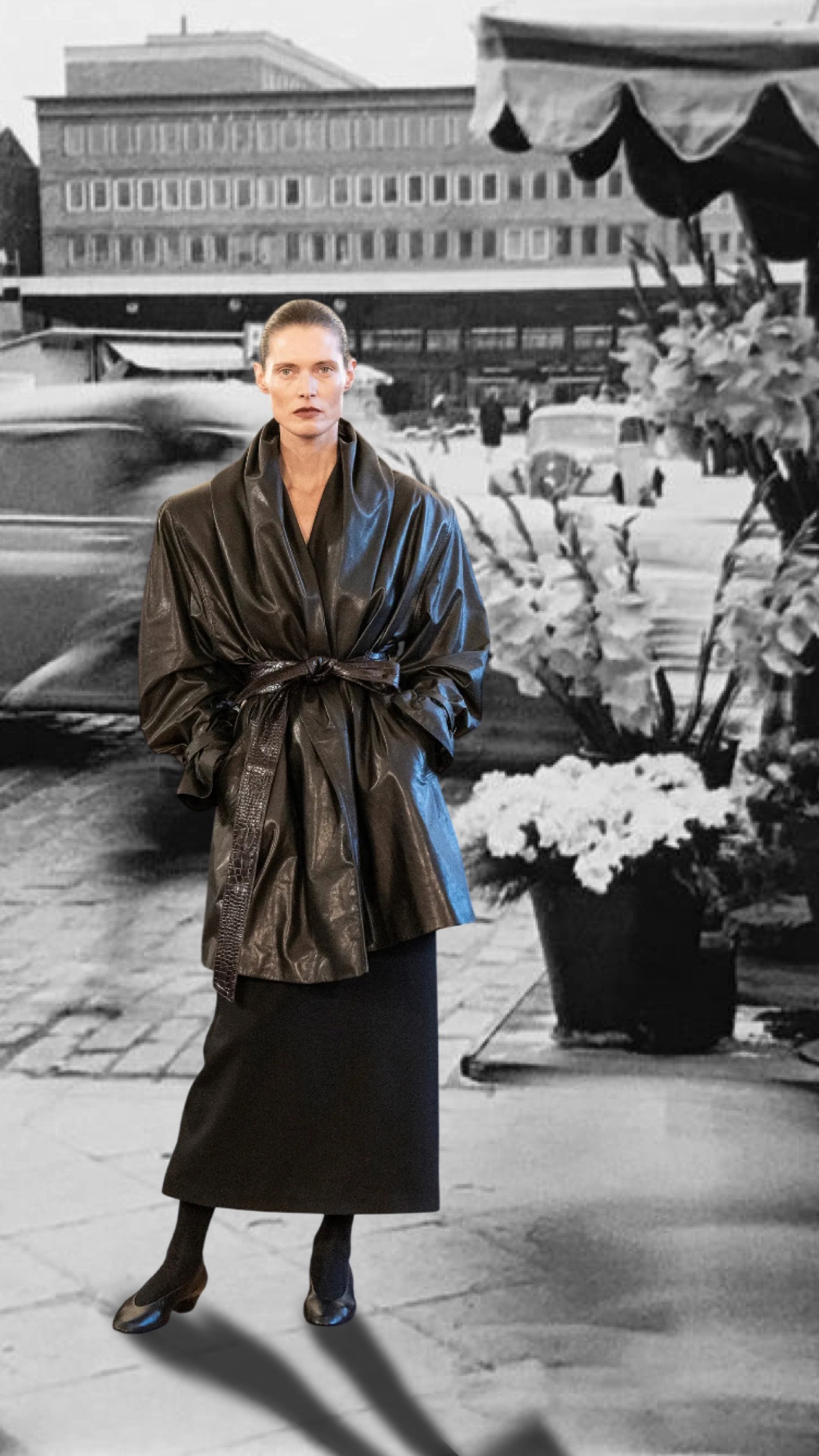
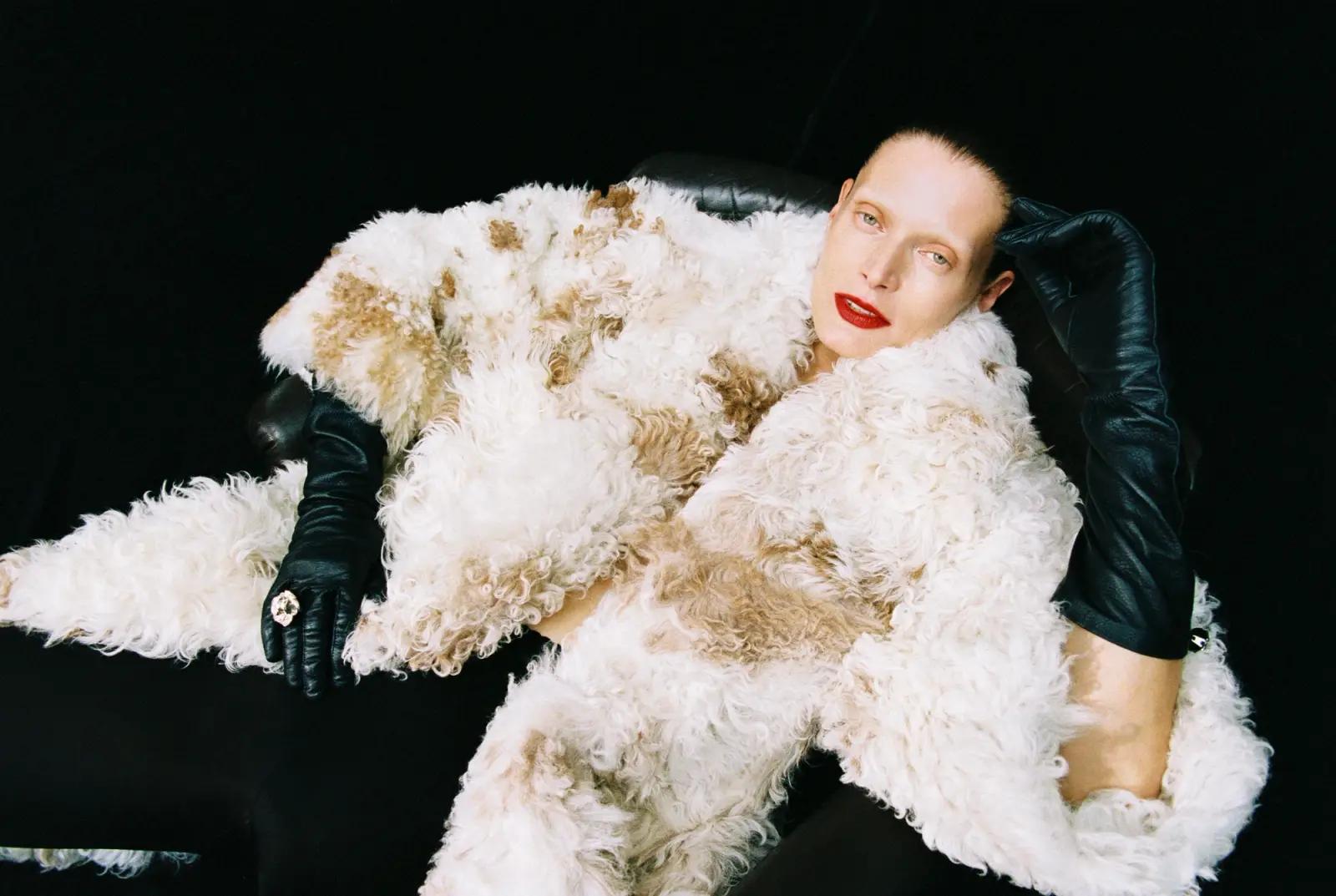
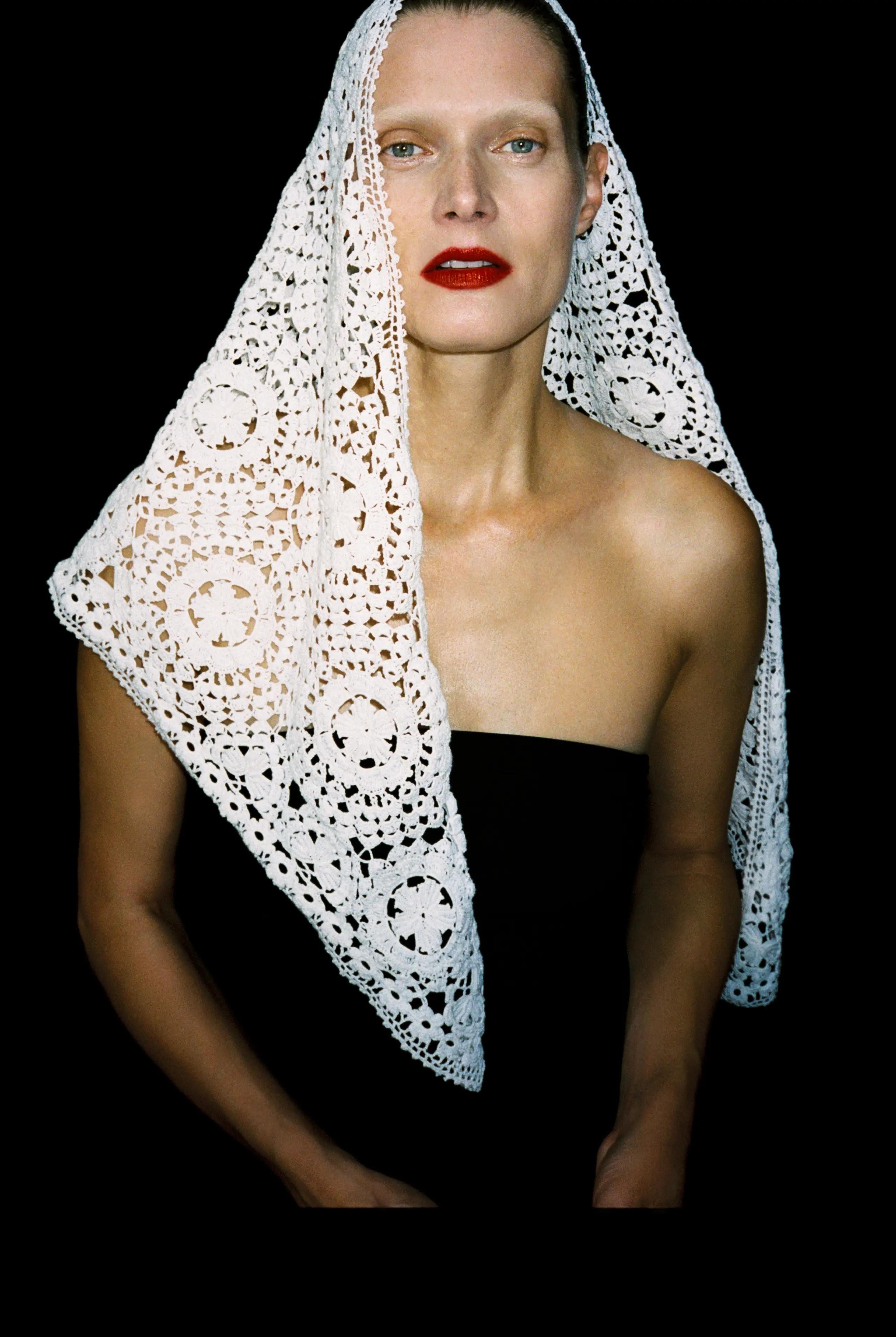
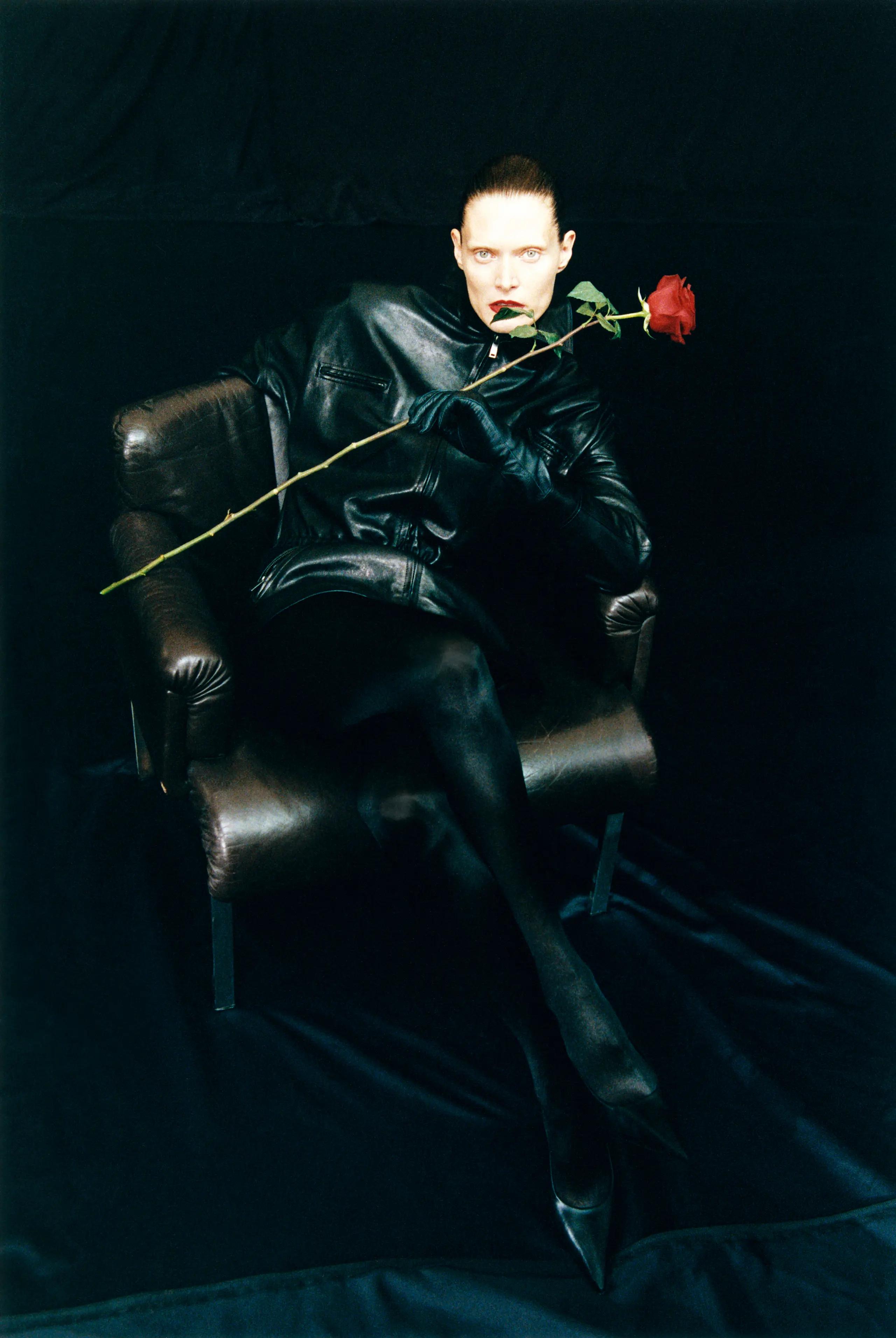
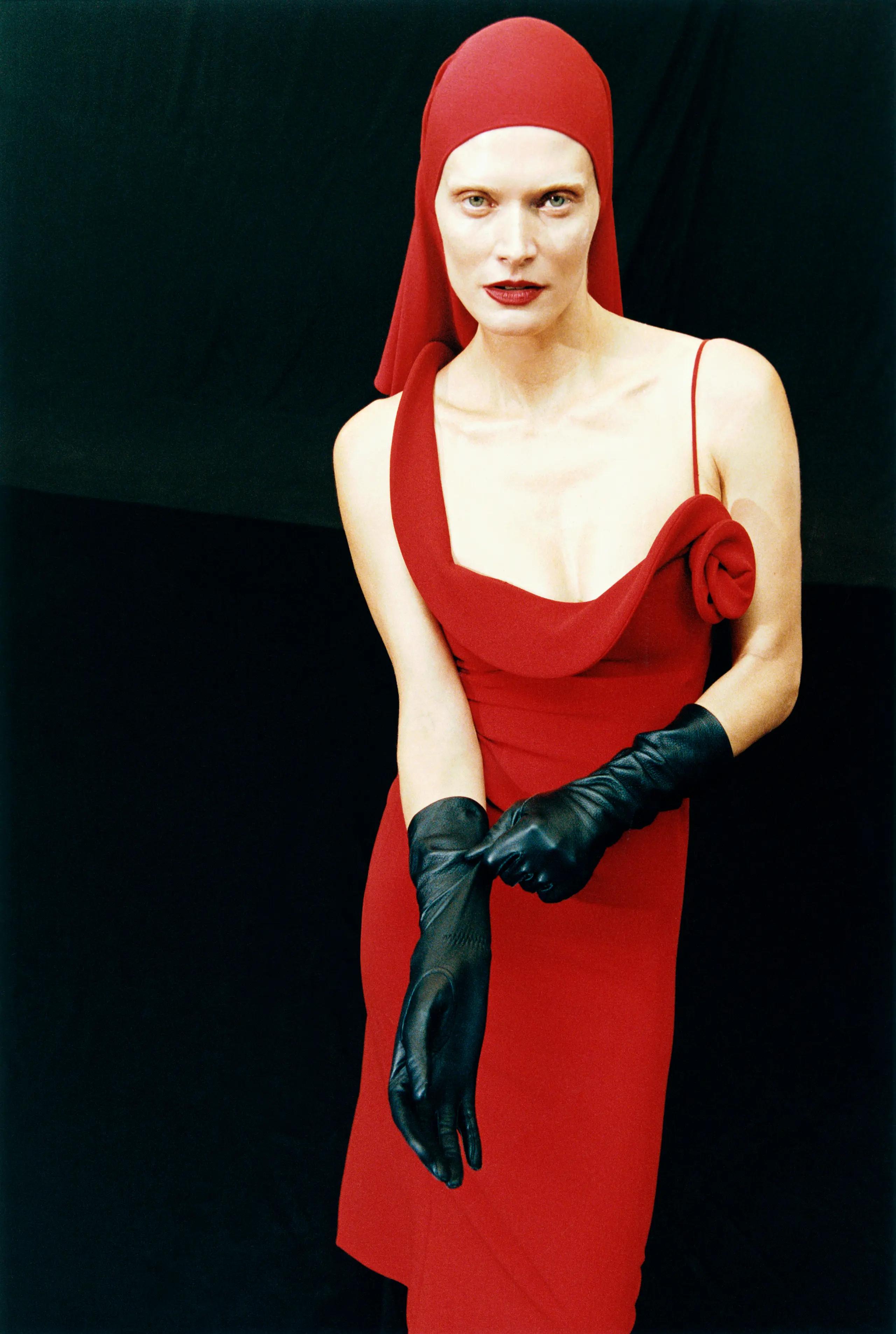
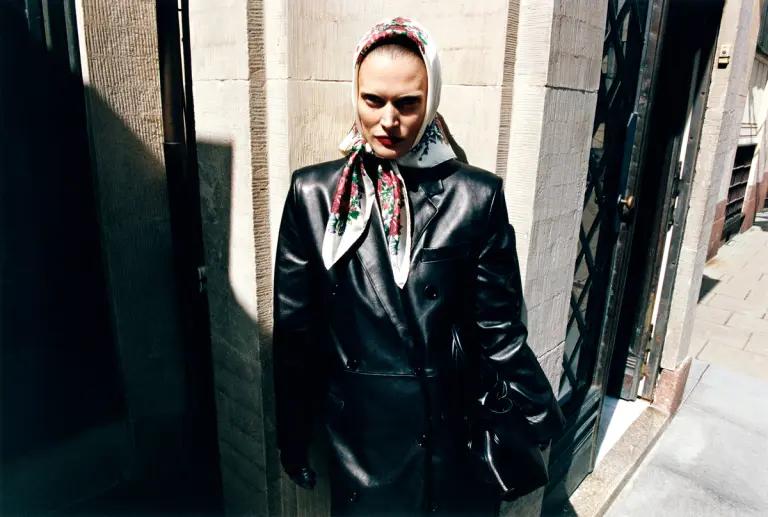
Magda Butrym proudly unveils her latest campaign, “Decade of The Rose,” celebrating ten years of redefining contemporary femininity. This visually stunning campaign, which blends intimate, dark backdrops with glimpses of Warsaw’s historic streets, perfectly encapsulates the brand’s signature aesthetic-a mix of romantic dreaminess, Slavic heritage, and modern empowerment.
The “Decade of The Rose” campaign – photographed by Vitali Gelwich and styled by Jacob Kjelgaard – artfully juxtaposes a mood of quiet intimacy with feminine confidence. Set against shadowy urban landscapes, the images feature evocative shots of the internationally acclaimed supermodel Malgosia Bela. Her role as the star of the campaign is not just a reflection of her global icon status, but also her embodiment of the sophisticated, sensual, and resilient femininity that defines the brand.
The autumn-winter 2024 collection clothing, including ink-black leather jackets, broad-shouldered coats, and petal-shaped red dresses, reflects the tension between softness and assertiveness. The rose motif-central to the brand- makes its presence felt in both the collection’s floral detailing and the overall theme of the campaign, symbolizing beauty, resilience, and feminine power. At the heart of the visuals lies a duality: a dark, cinematic mood intertwined with moments of softness and grace. The campaign resonates with Butrym’s ongoing dialogue with Slavic identity, subtly evoking folk influences through pieces like the floral headscarves and handmade lace from Koniaków.
More than just a backdrop, Warsaw plays an important role in this campaign. The city, with its blend of history and modernity, reflects the essence of Butrym’s design philosophy. From the cinematic alleyways to glimpses of historical architecture, the setting of Warsaw mirrors the contrasts present in the collection itself. For Magda Butrym, Warsaw is where her journey of fashion innovation began-a city that continuously fuels her creative process with its resilient spirit and cultural richness.
The campaign video, directed by Tatiana + Karol, is enriched by its soundtrack, featuring “Szał niebieskich cial” (“Frenzy of The Celestial Bodies“) by the legendary Polish band Maanam, sung by Kora. This iconic track, deeply rooted in Polish music history, encapsulates the passion and intensity of the campaign’s visuals. Discover – and fall in love with – the full video here.
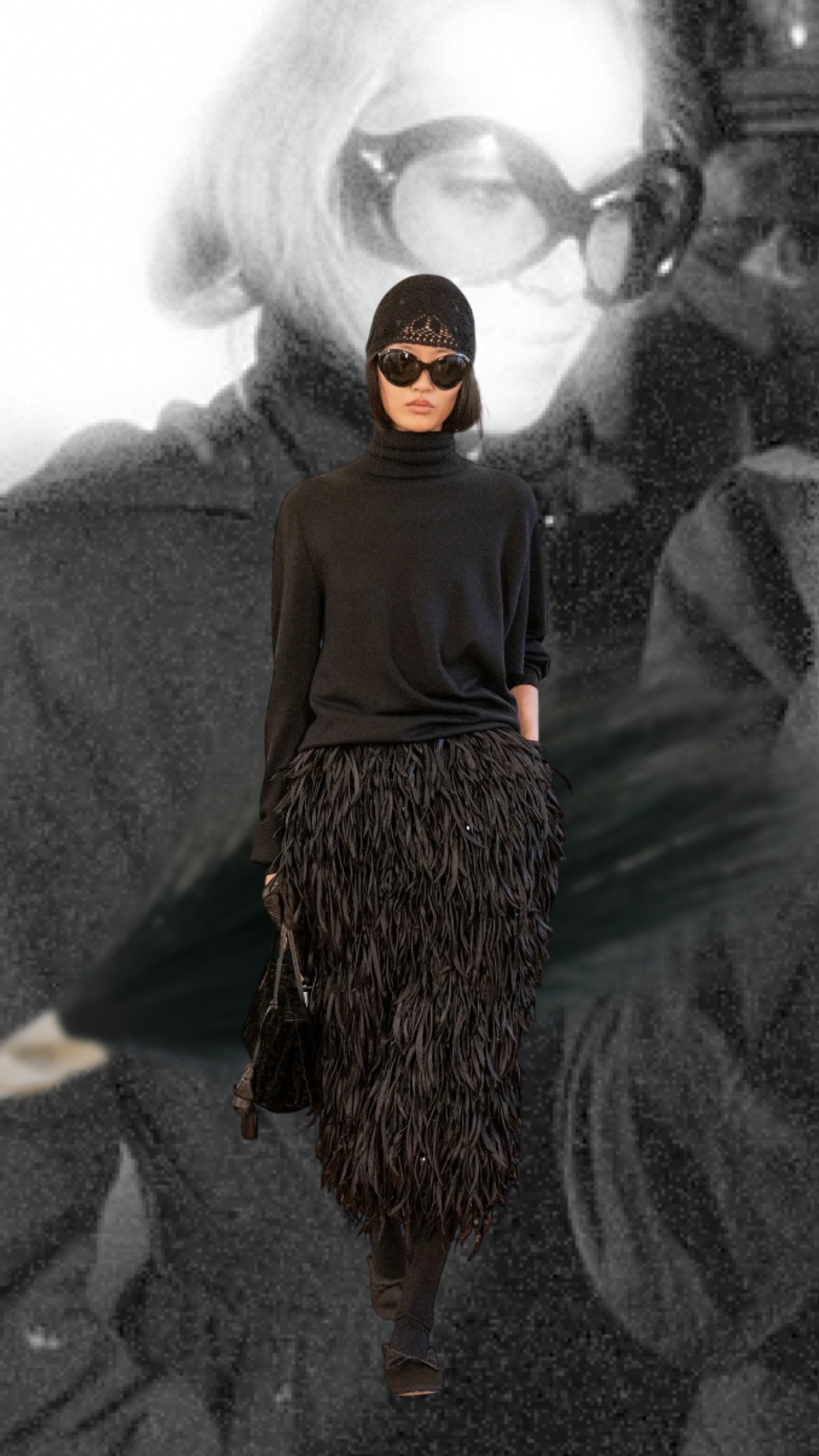
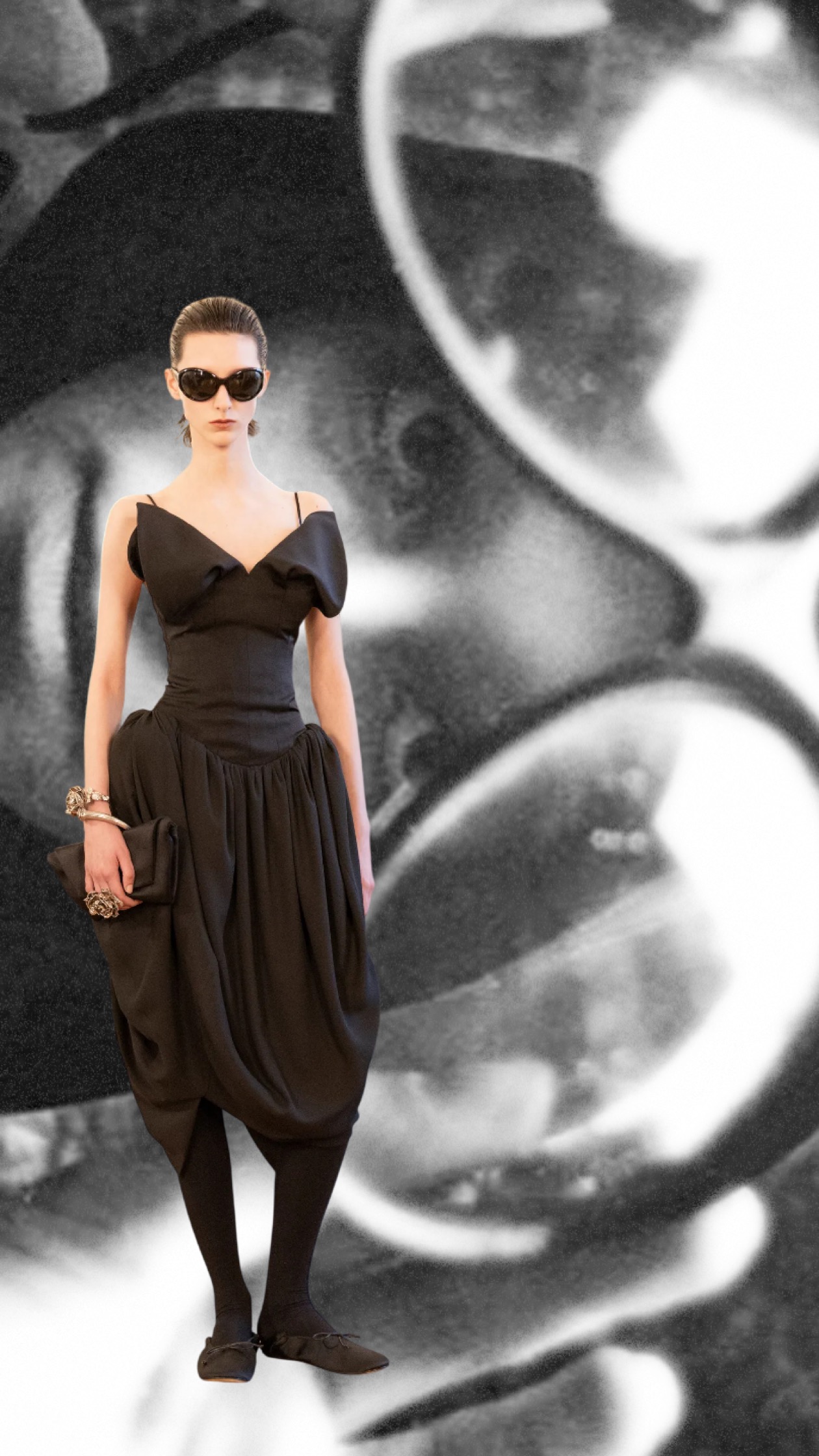
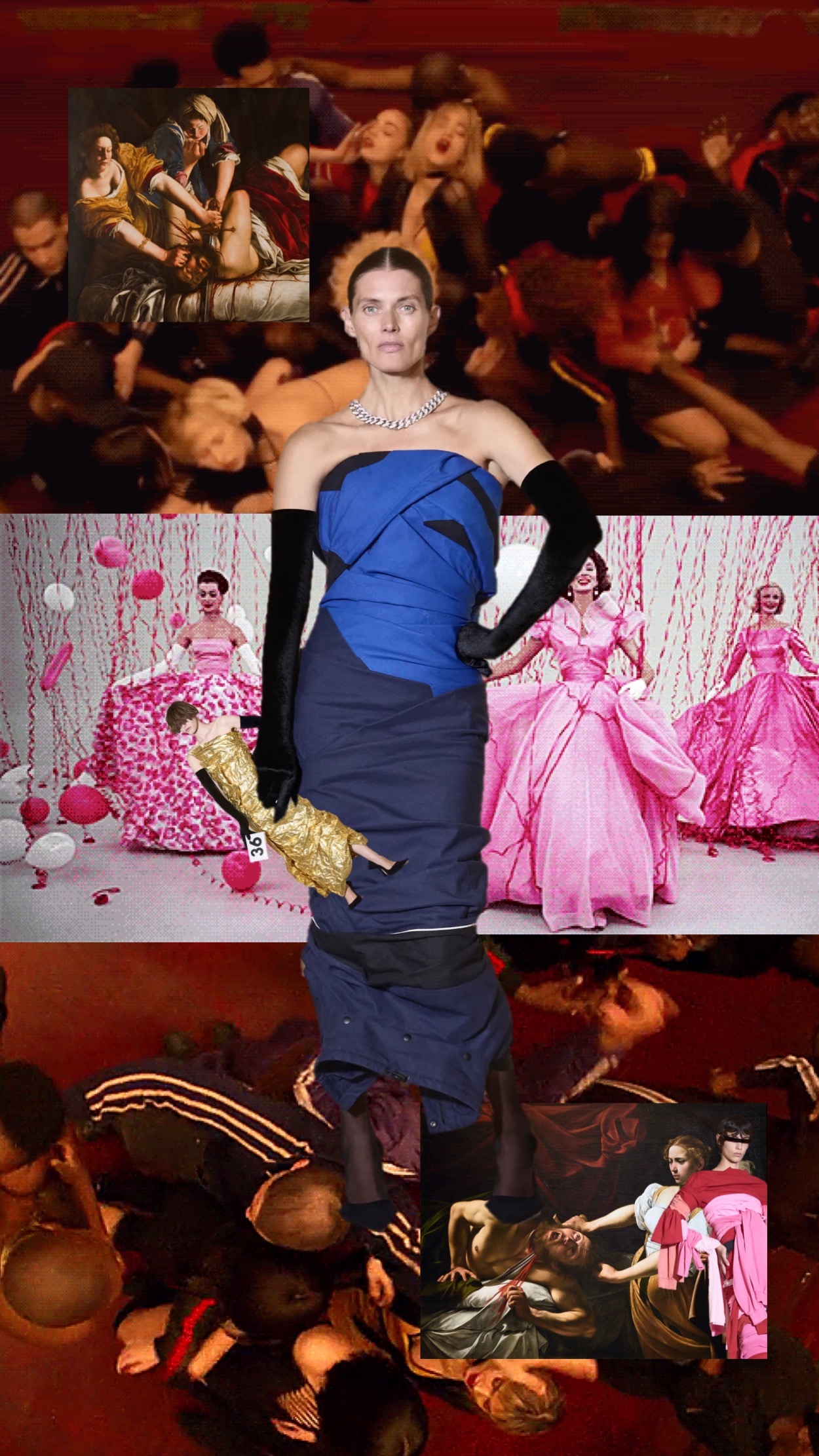
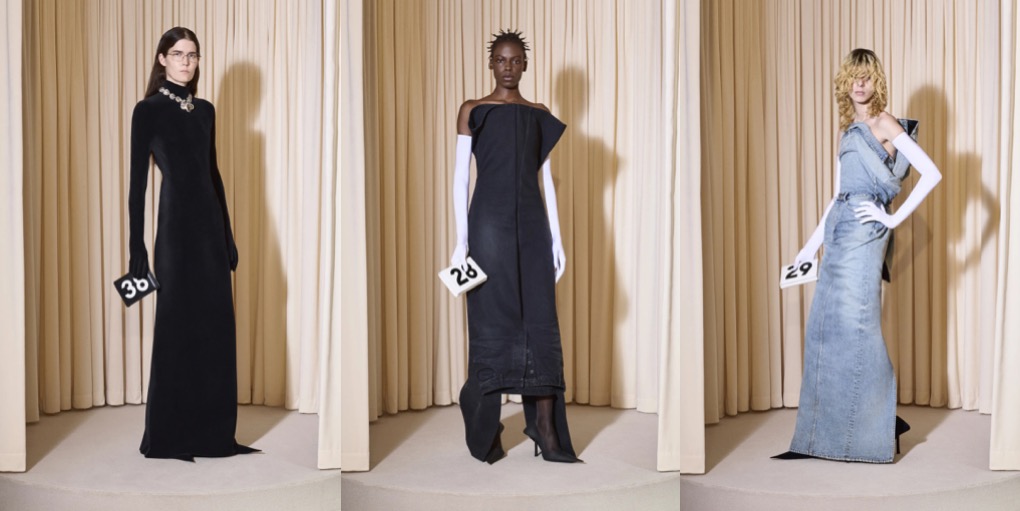
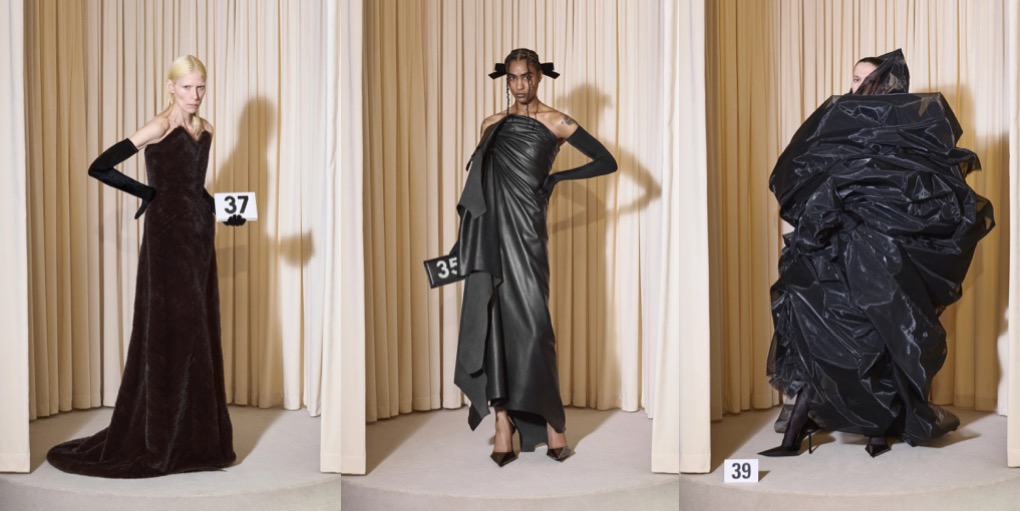
This was Demna‘s fourth haute couture collection for Balenciaga, and his most subversive in its rejection of the formality of this exclusive, highly-elite discipline. The designer is also returning to his Vetements roots via his shaping years at Margiela, which as a result gives a collection that riffs on subcultures and plays with garment (de)construction. “I wanted to create a fusion or a tribute to my personal vocabulary as a designer, which is subcultures… but I needed to bring in that kind of equilibrium with Cristóbal, obviously, because this is couture,” he said. The first mashup combined a sculpted oversize gray tee and slouchy faded jeans engineered to look like a jacket was tied around the waist, with a saucer hat of the kind he introduced in his memorable couture debut. As the show progressed, it moved from haute lumberjack shirts and hand-painted faux merch t-shirts styled with hysterical butterfly-wings masks (an IYKYK reference to Janine Janet’s 1950s and 60s window display installations for Cristobal Balenciaga’s Avenue George V salon – which today happens to be the brand’s couture boutique and show venue) into the fancy evening silhouettes associated with couture, only they were patchworked together from denim and colorful parkas that looked like they could’ve been repurposed from Demna’s earlier collections for the house. Or he constructed them with new fabrics and techniques; one column dress was made from melted plastic shopping bags molded onto the body and a strapless number was constructed with golden aluminum foil. It seems that the designer questions couture’s preciousness and the certain, imposed obligation of using the finest materials and the most fragile decoration – a stereotypical trap that literally engulfs couture work of such designers as Thom Browne. The final look was a swirling mass of black nylon, chosen because it best evoked Cristóbal’s precious gazar. It was constructed just prior to the show, a one-off piece of “ephemeral couture” that will come with three Balenciaga staffers for its assembly for the client who buys it. Love it or hate it, Demna still has it.
Collage by Edward Kanarecki. Don’t forget to follow Design & Culture by Ed on Instagram!
Hey, did you know about my newsletter – Ed’s Dispatch? Click here to subscribe!
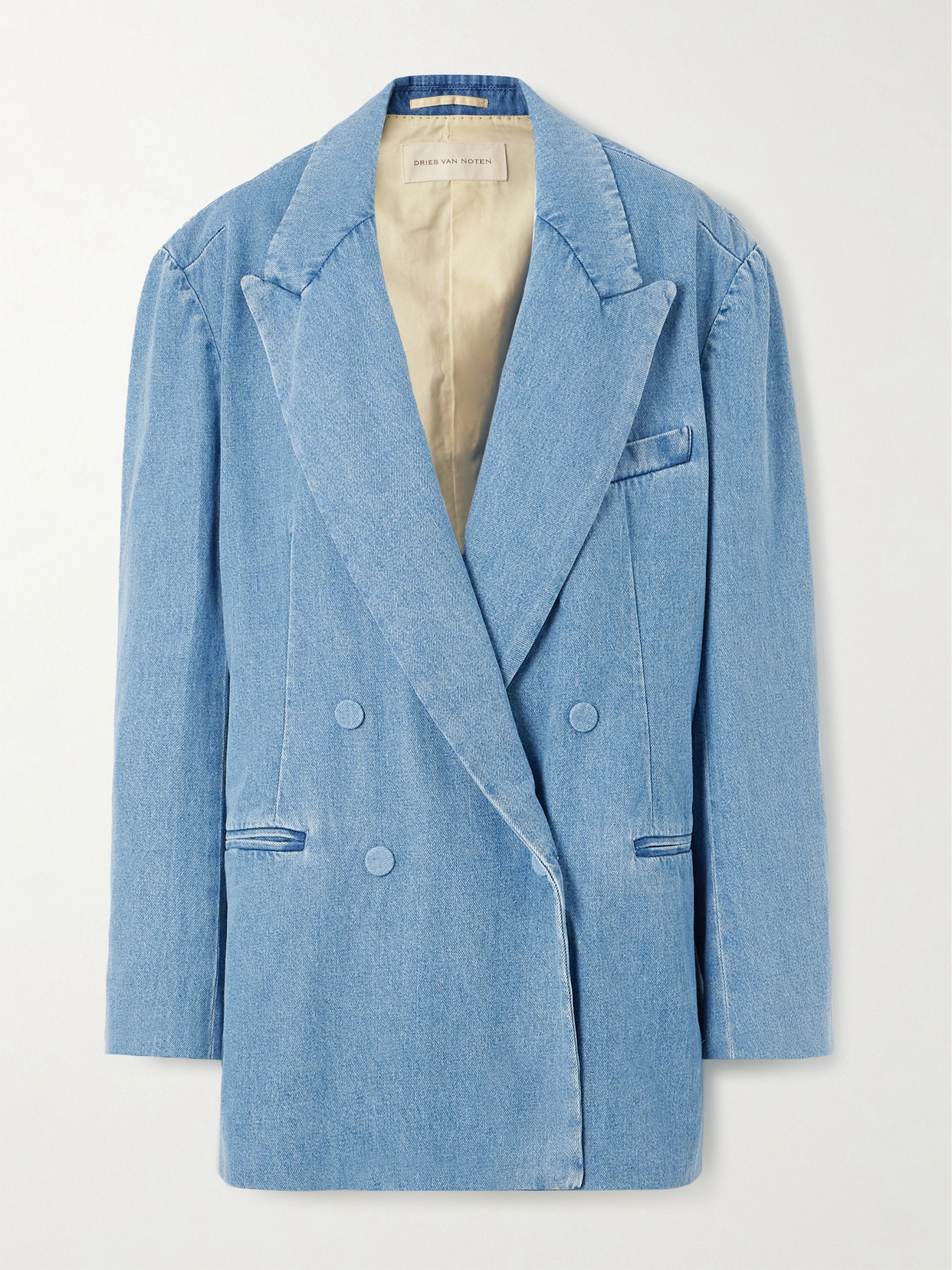
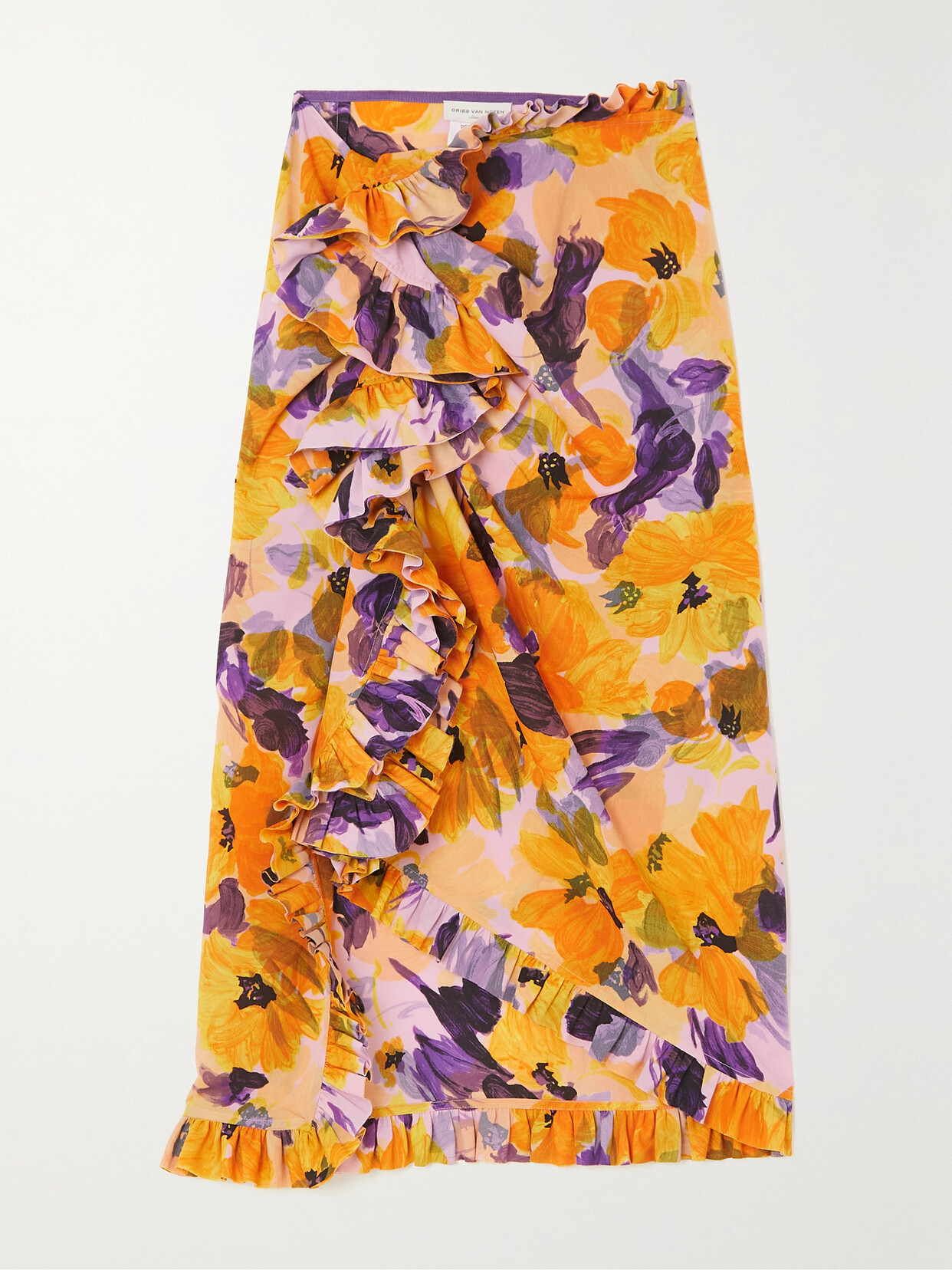
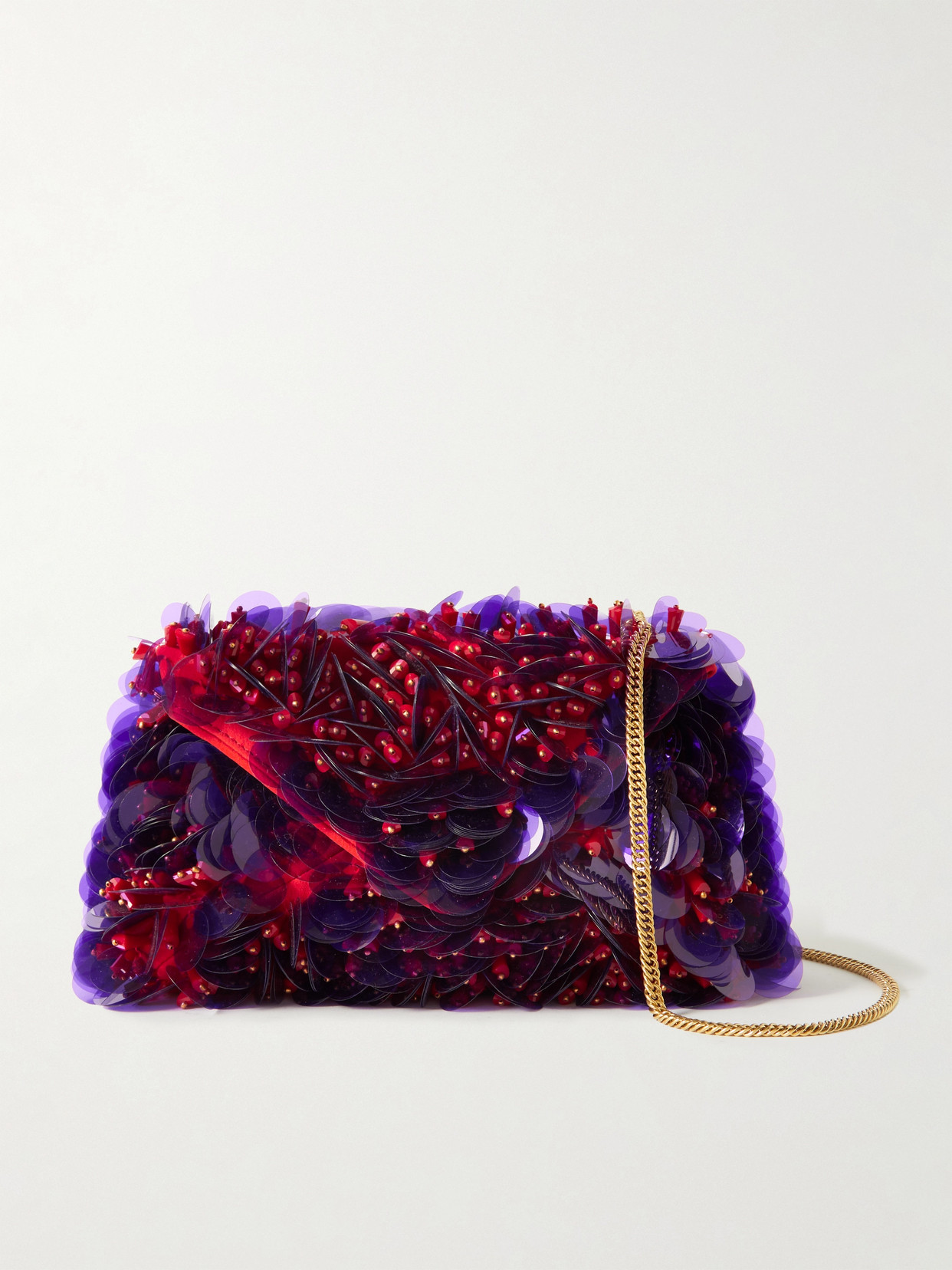
Who would have known a fashion heartbreak could hurt so badly? Yesterday, in anticipation of Dries Van Noten‘s last show ever, the fashion industry was going through a collective mourning. Today, it’s a collective hungover, and not the most uplifting one. The thought that spring-summer 2025 collection was the last Dries show by Dries, and that there won’t be a Dries moment every Paris Fashion Week is just way too much to handle. I can hardly imagine how will this brand operate without its founder, and please, whoever takes it over – don’t dare to remove “Dries” from the brand name. And I really hope it’s true that Van Noten will quietly advise the design team or the still unknown successor for the next couple of seasons. Still, I want to own every single piece from the Belgian designer’s final outing, his 120th one (he held his first ever Paris runway show back in 1991), as it’s absolutely, quintessentially DVN. The show was opened by Alain Gossuin, silver-fox model who walked Van Noten’s first show. The celebration of the designer’s maverick work was closed by a parade of his all-time favourite models – Małgosia Bela, Debra Shaw, Kirsten Owen – as well as new faces. This wasn’t a collection of literal “greatest hits”, but it had all ingredients that made Dries Van Noten a space for people who didn’t want fashion, but style. No dramatic gowns or somber eveningwear, but highly wearable garments for everyday life. Dries was really committed to innovation here, experimenting with unlikely fabrics like brushed wool fused to neoprene or a crinkled polyamide that he likened to glass. “I didn’t want to make old clothes, and things which are looking old,” he said backstage. “But you have the transparent tops which sometimes catch some memories, and that for me was important.” Then, the color palette. The transition across shiny ripe purples, that incredible pink silk overcoat, the apricot mohairs, and pistachio lurex… this was Dries in full bloom, and a reminder he’s the ultimate colorist in fashion. The runway laid out with silver foil was later on replaced with a huge disco-ball for the after-party. The designer didn’t want to make his good-bye a teary one (still, many tears were dropped, at the show and in front of screens), but rather joyous. He’s about to start a fresh phase of life, leaving fashion on his own terms. That’s what the greatest do!











 Design & Culture by Ed