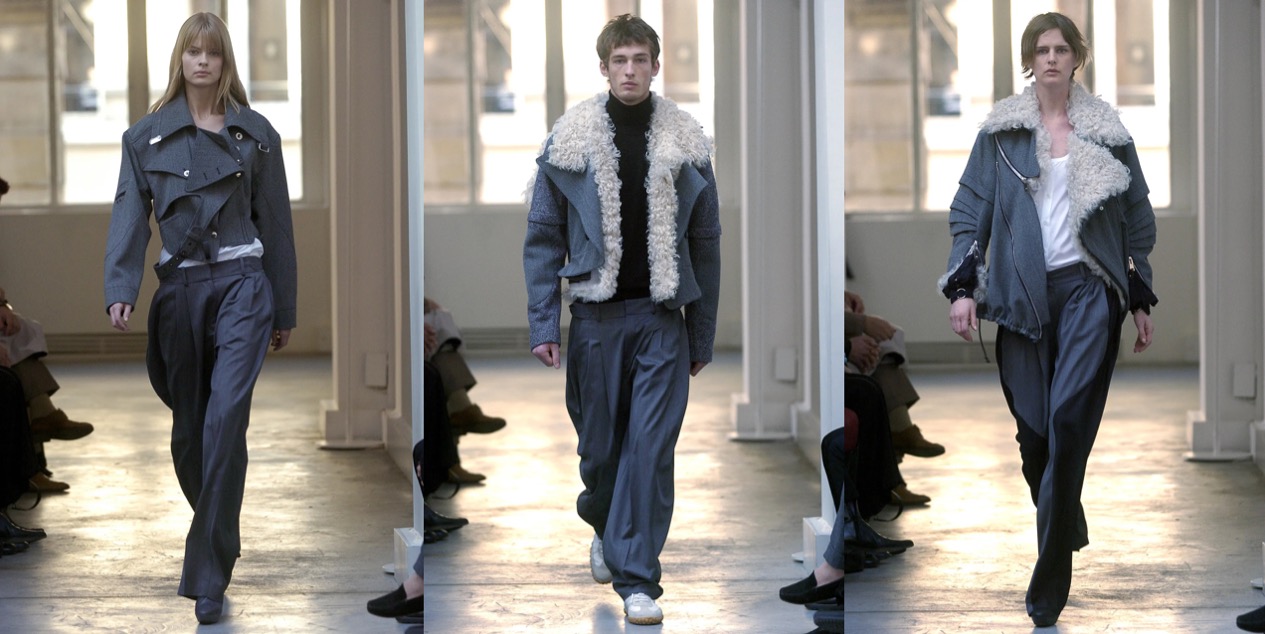
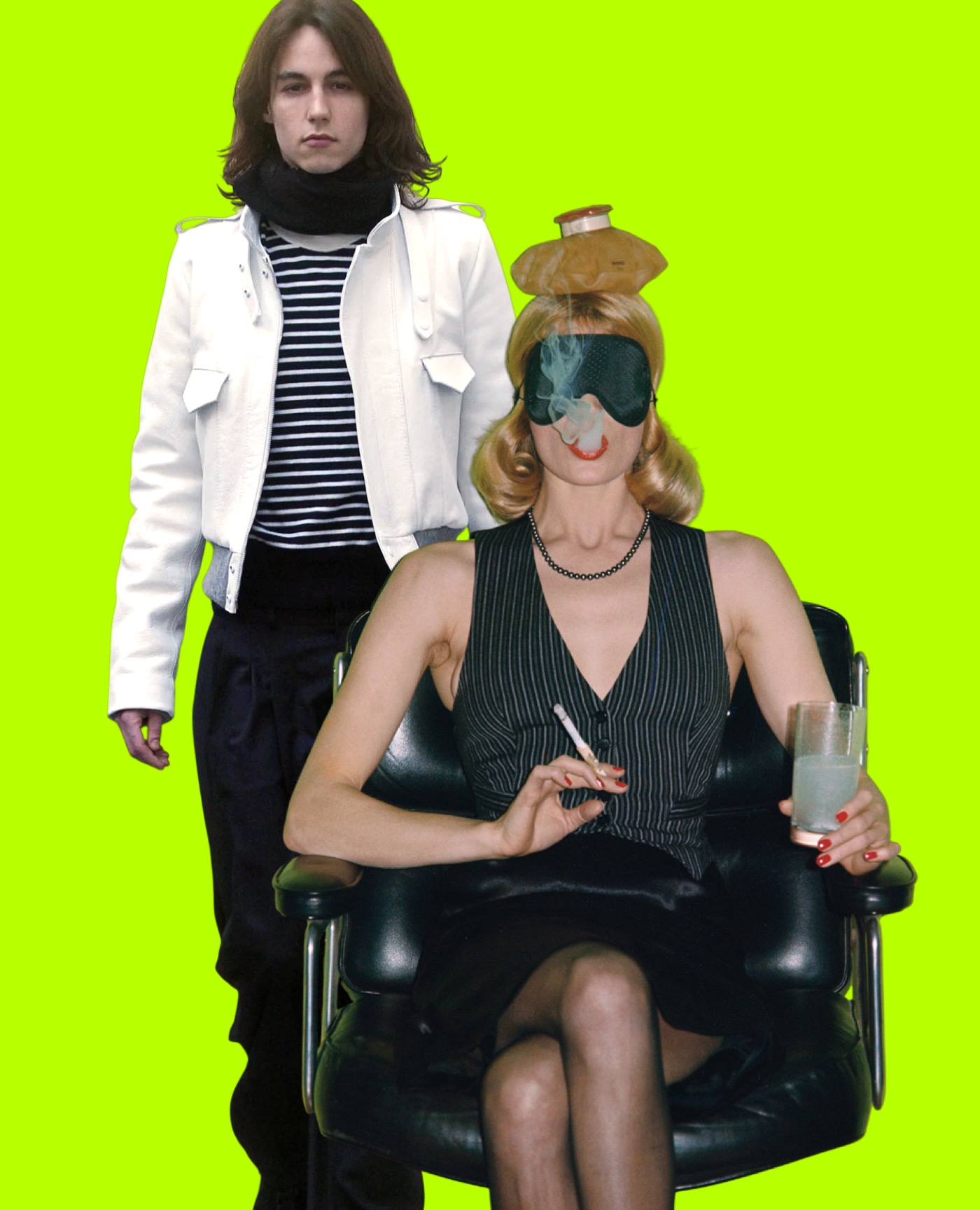
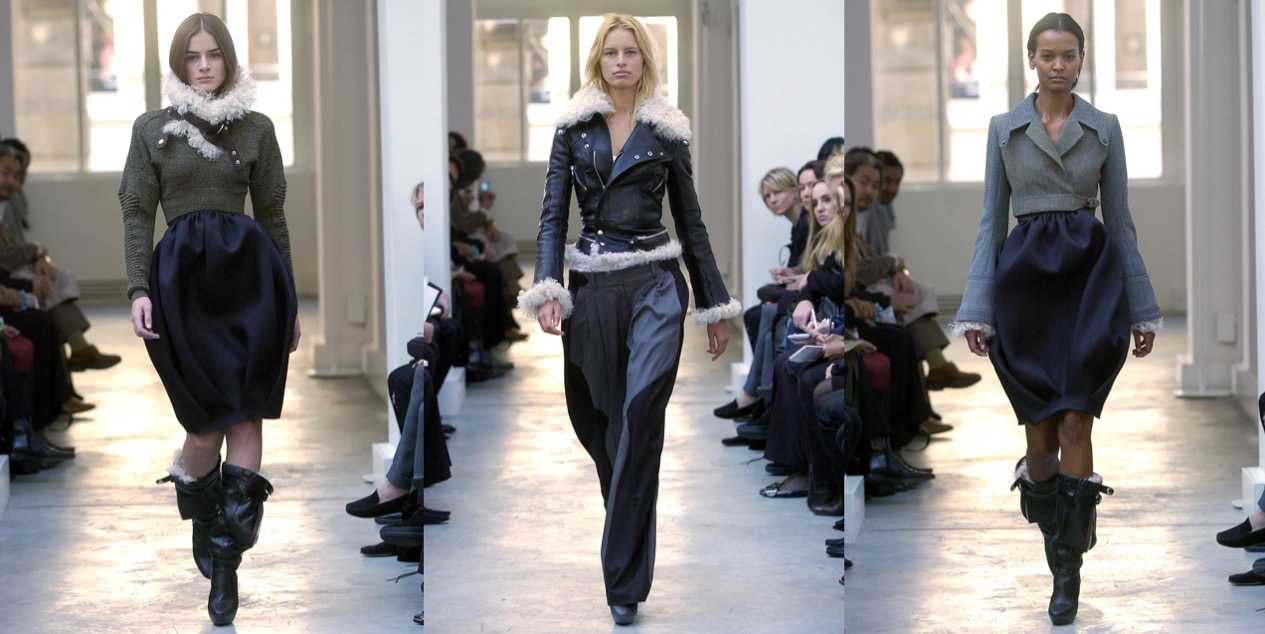
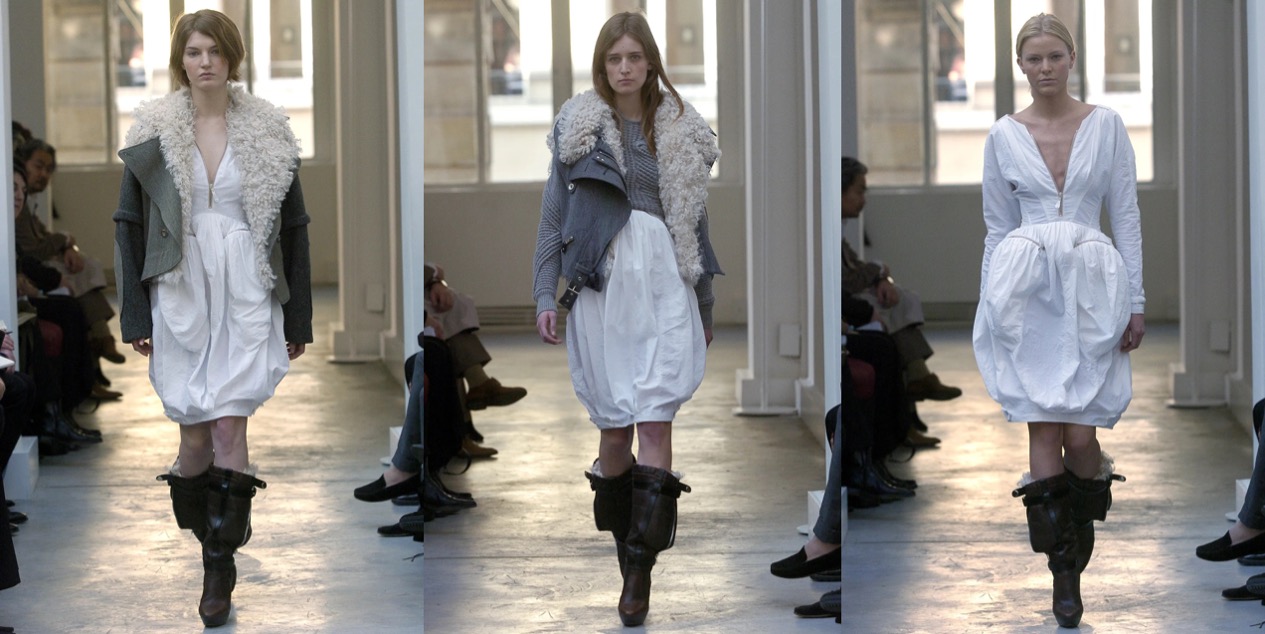
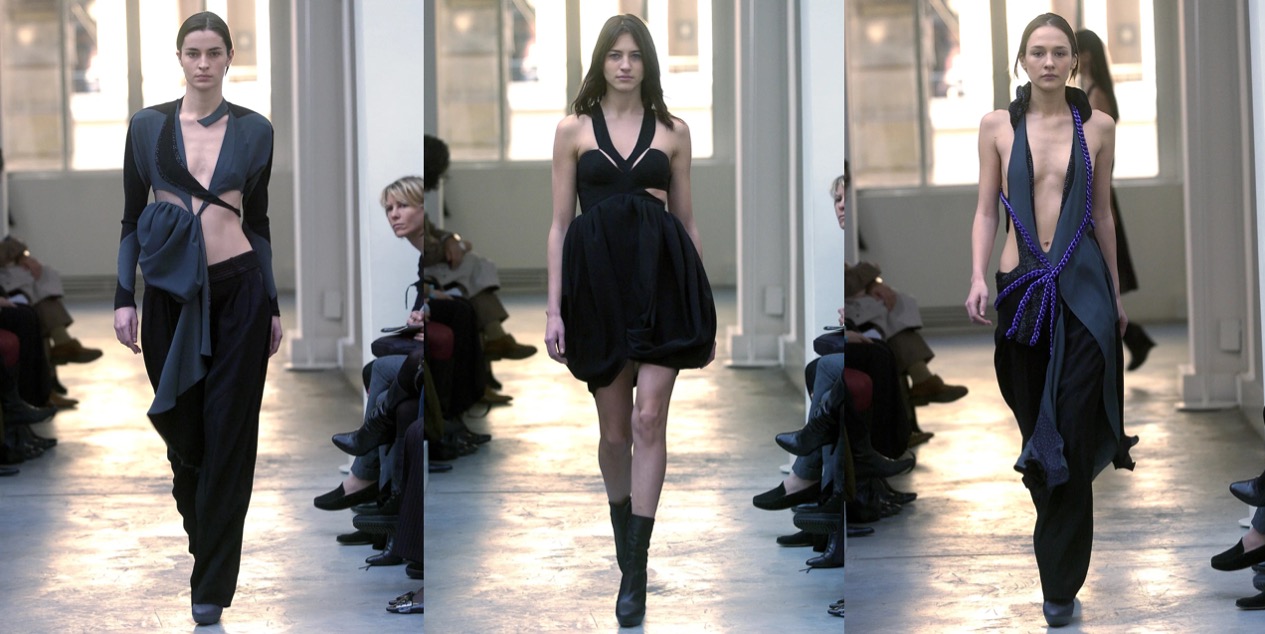
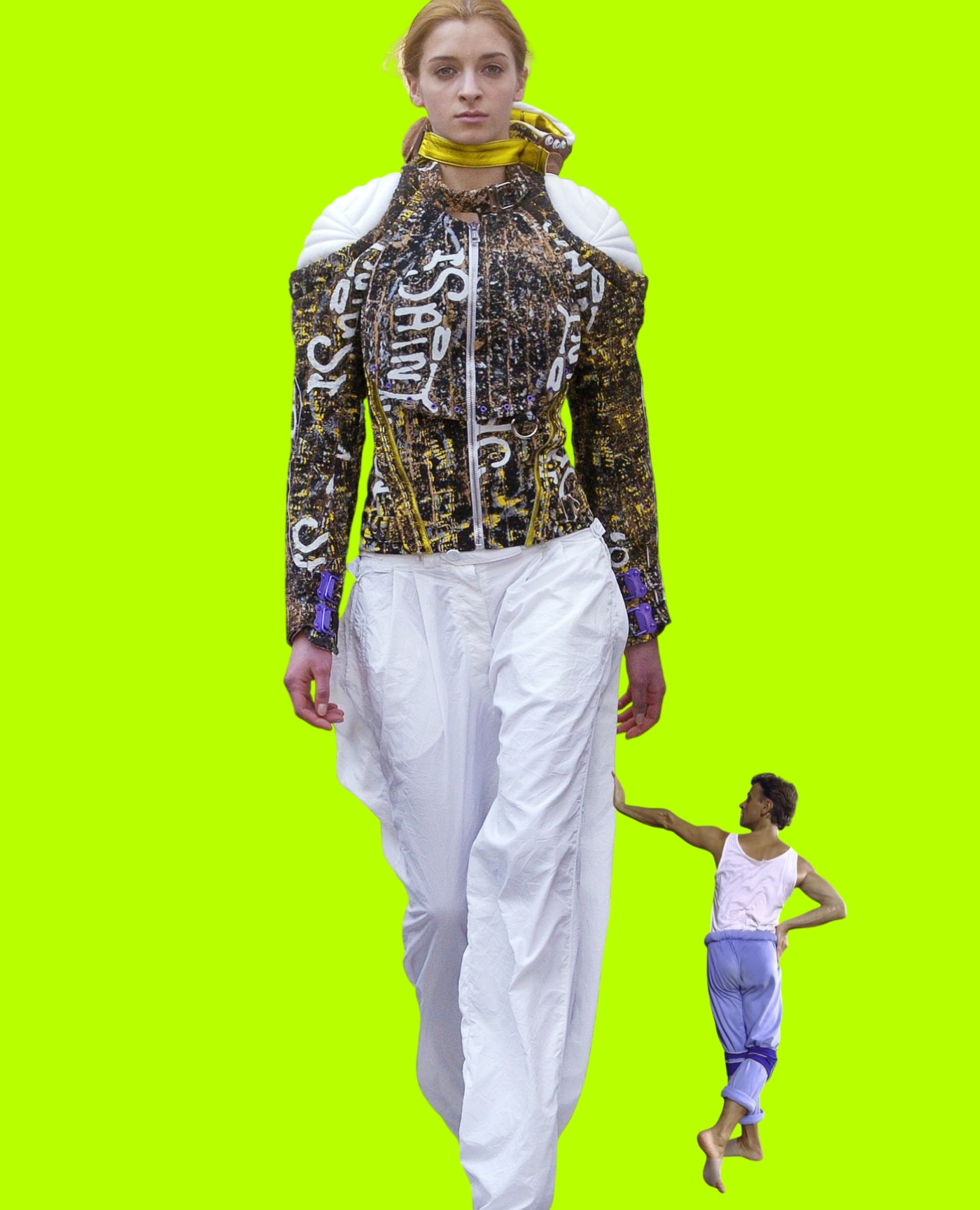
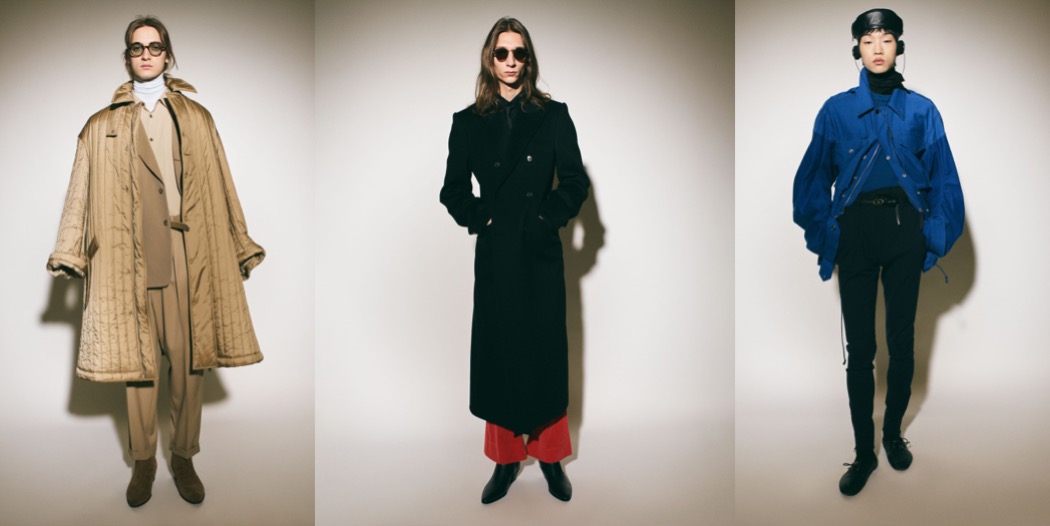
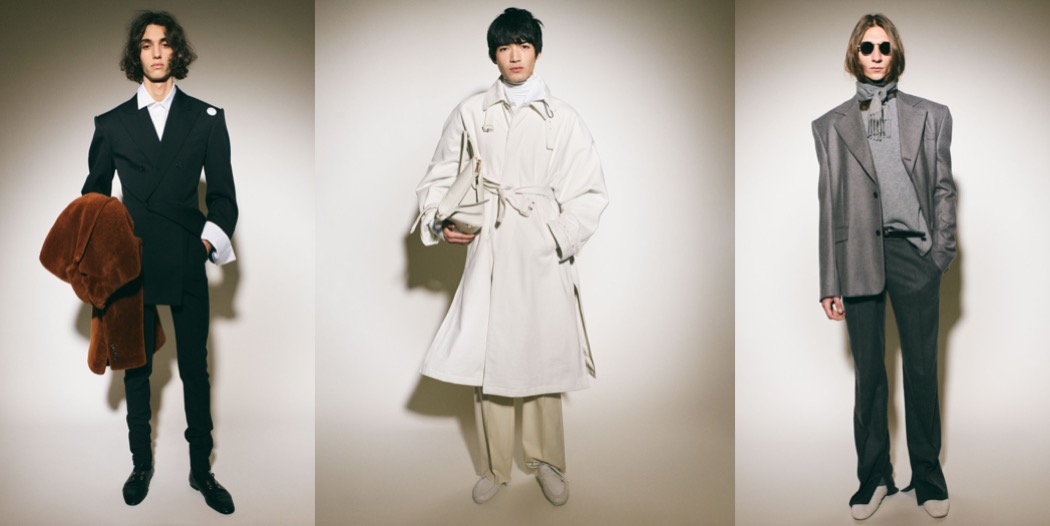
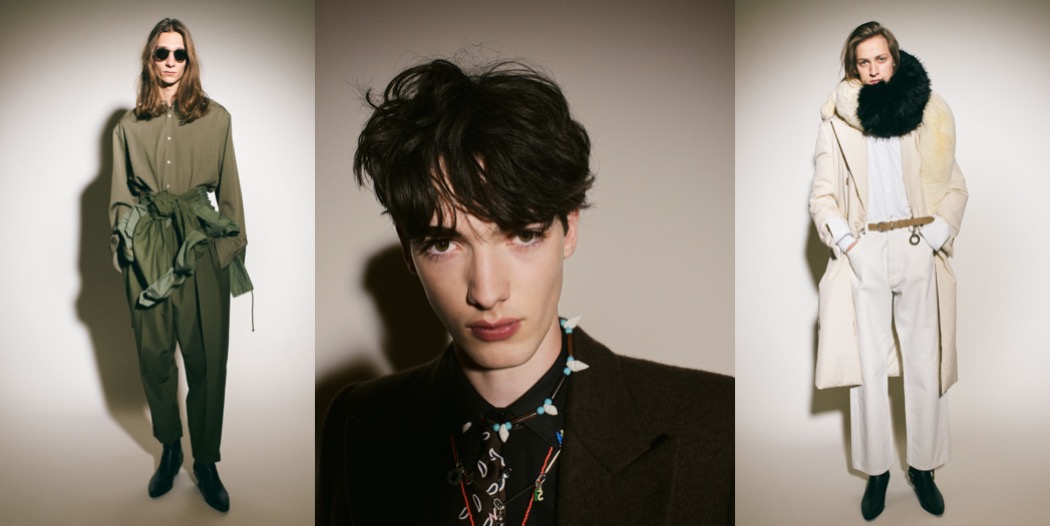
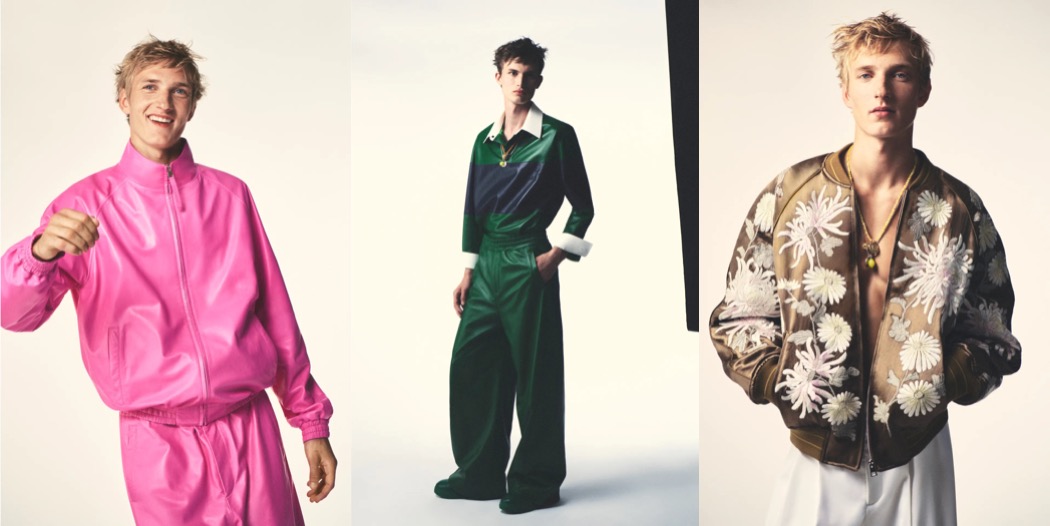
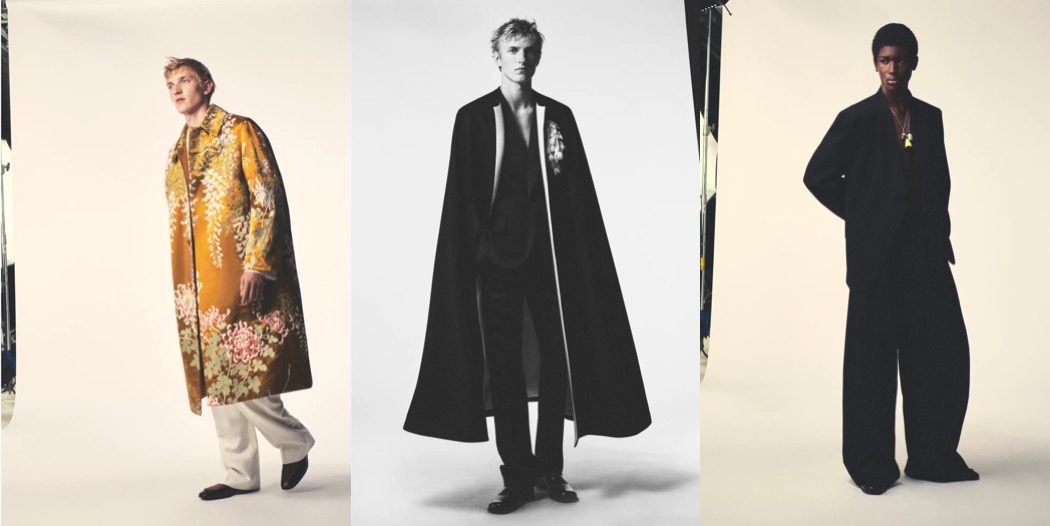
Shanghai. Maison Margiela AW26

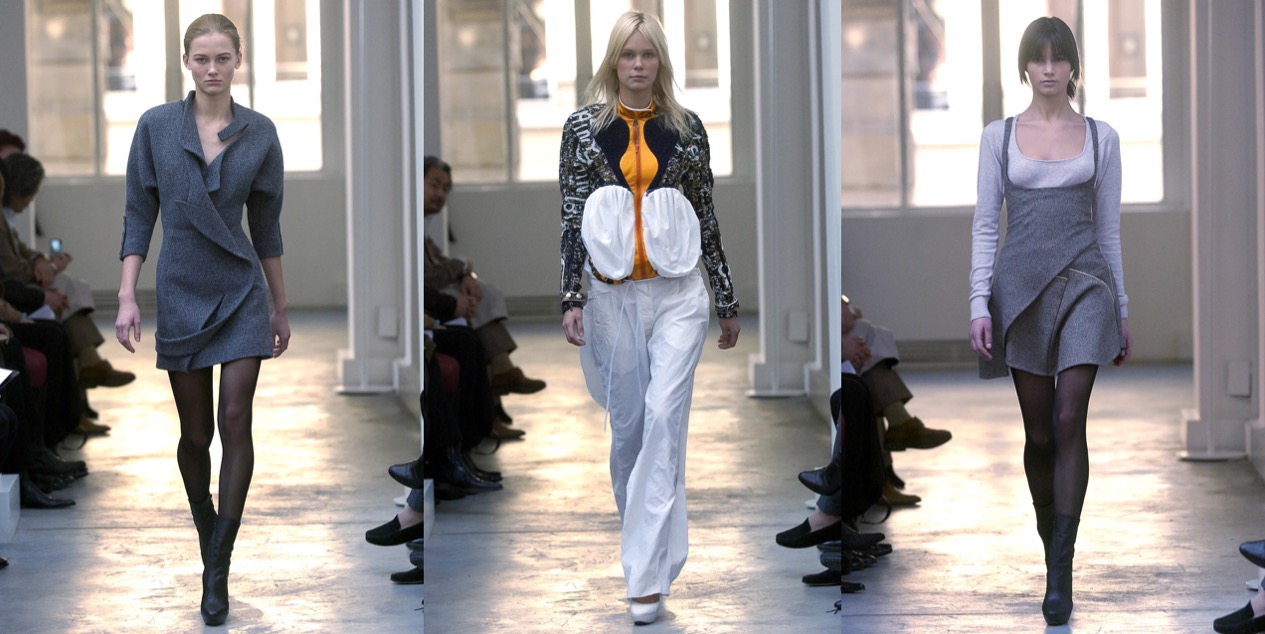
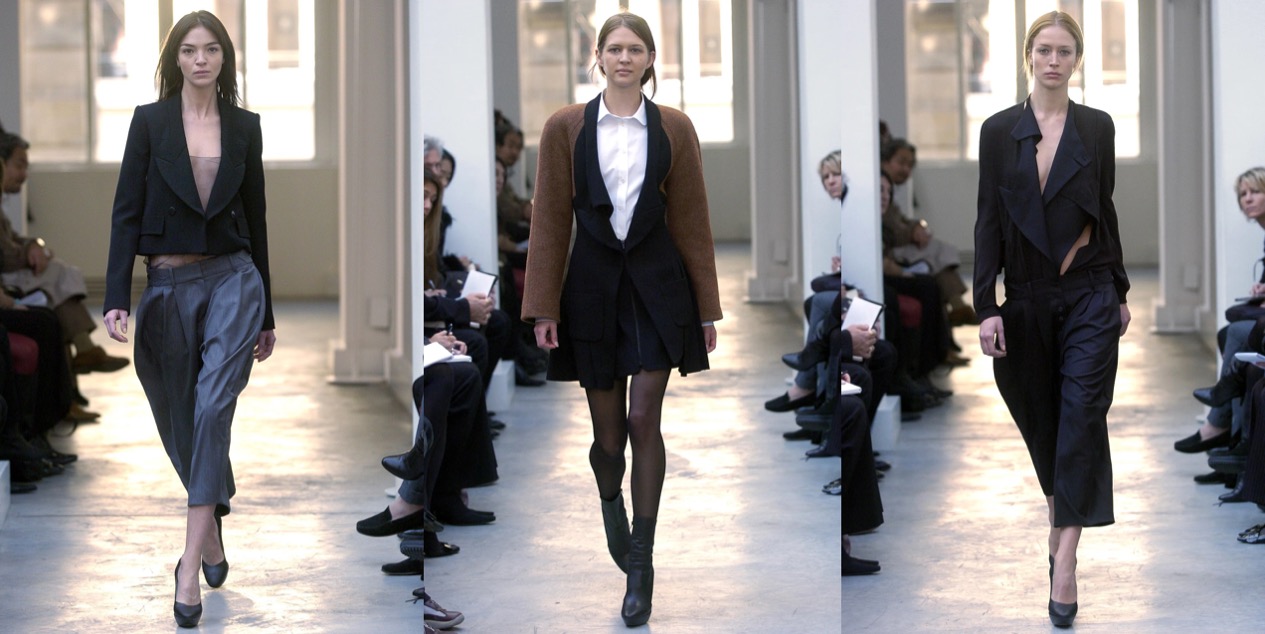
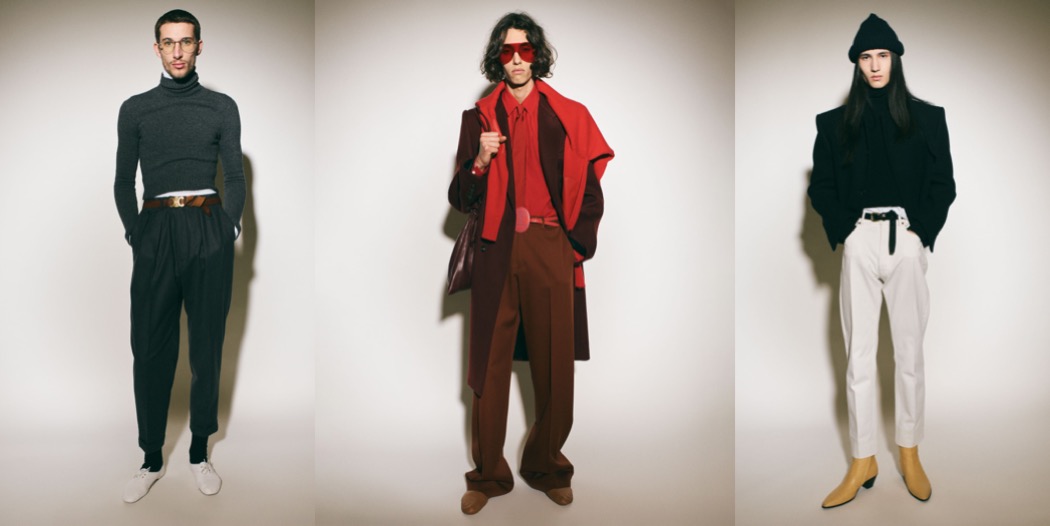
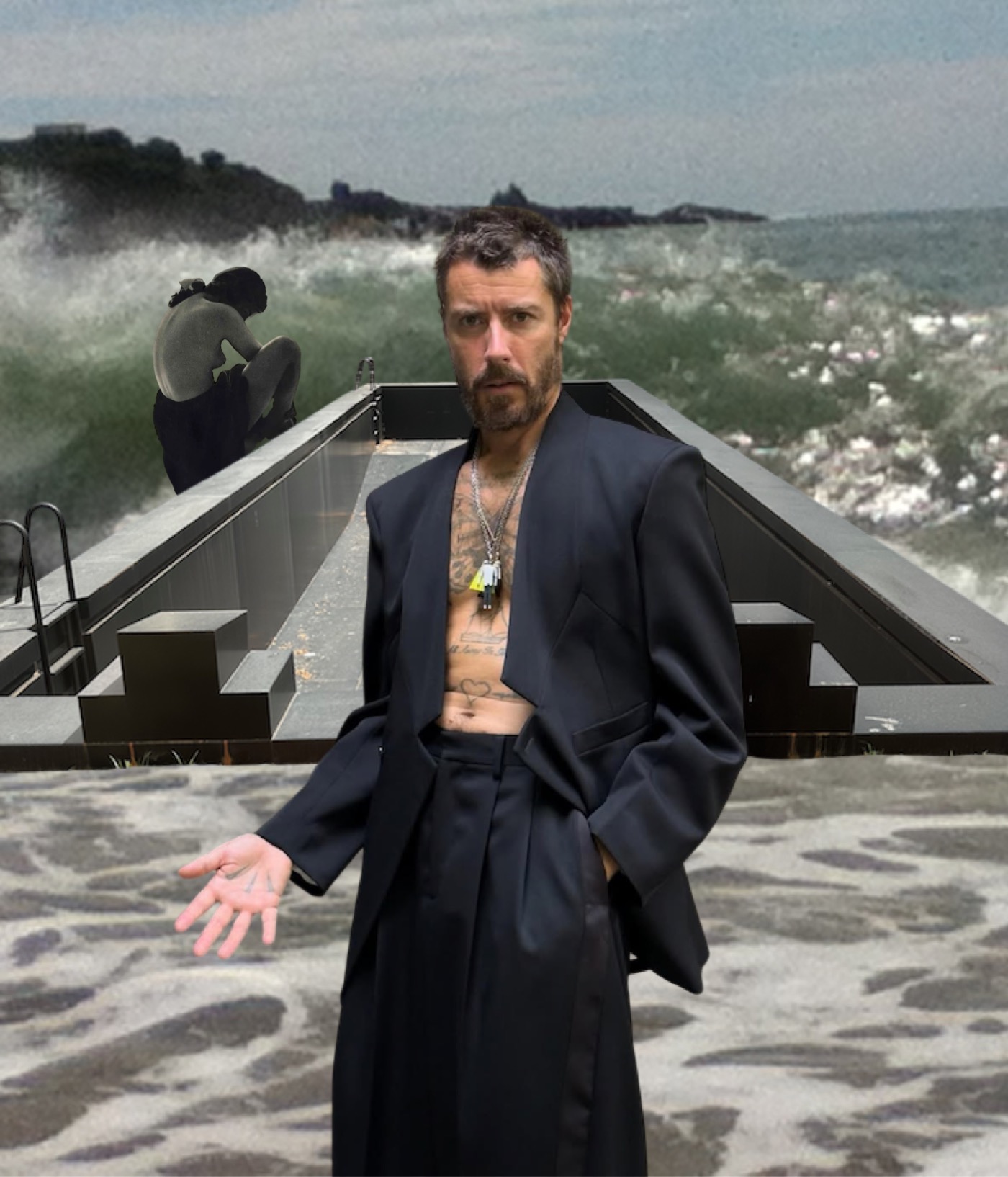
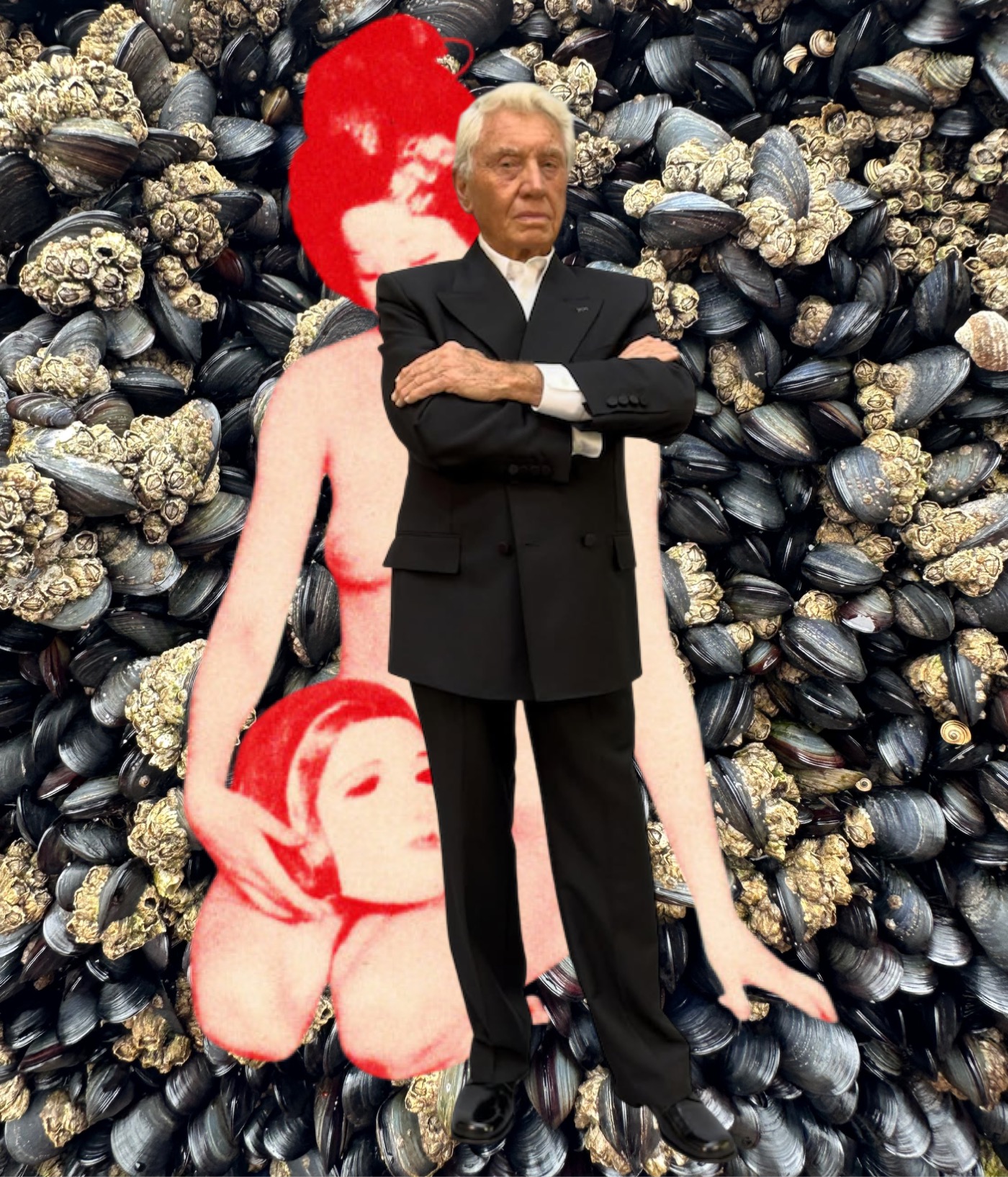
At this point, there’s little sense in trying to draw connections between what Martin Margiela’s brand once was and what it is today. In the days of the revolutionary Belgian designer, the scale was small, anonymity was essential, and no-nonsense ideas were paramount. Today, this is Renzo Rosso’s house being scaled up – not only through perfume lines or Miley Cyrus campaigns, but also by presenting its latest collection in Shanghai.

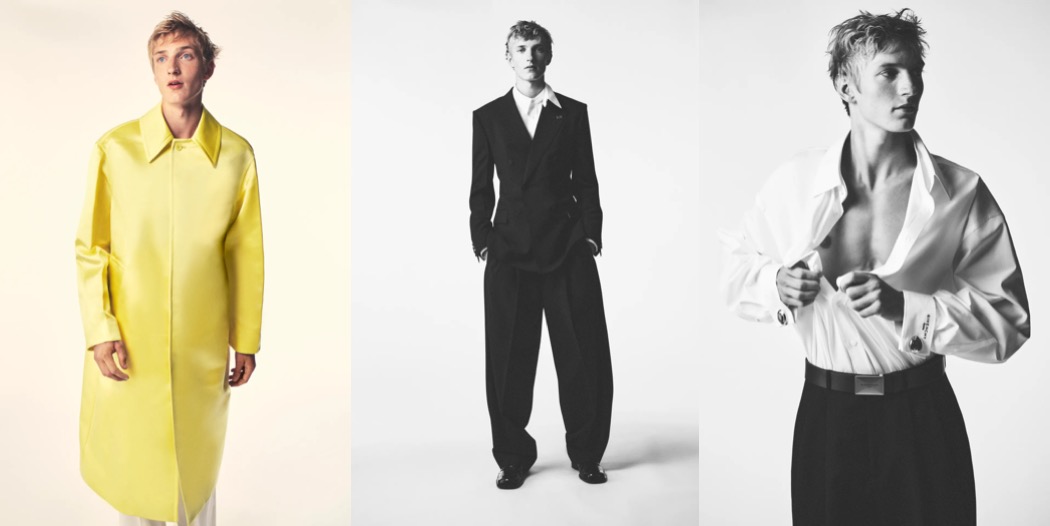
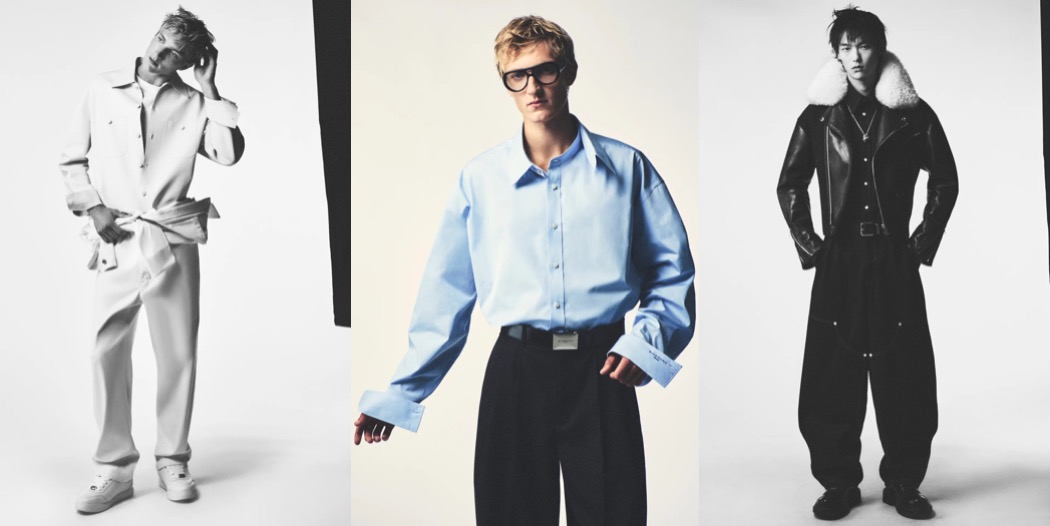
I don’t see Maison Margiela as a “destination” brand like Chanel or Louis Vuitton, so it’s difficult to justify this move as anything beyond commercial expansion. The autumn-winter 2026 collection marks Glenn Martens’ third outing. It is, so far, his strongest – far more compelling than his spring effort, with its inexplicable metal gags tucked into models’ mouths – yet that doesn’t mean I’m entirely convinced. READ MY FULL REVIEW HERE.

ED’s SELECTION:


Maison Margiela Tabi Ballerina Split-toe Distressed Velvet Pumps


Maison Margiela Dégradé Checked Woven Midi Skirt


Maison Margiela Embroidered Mesh-trimmed Wool Cardigan


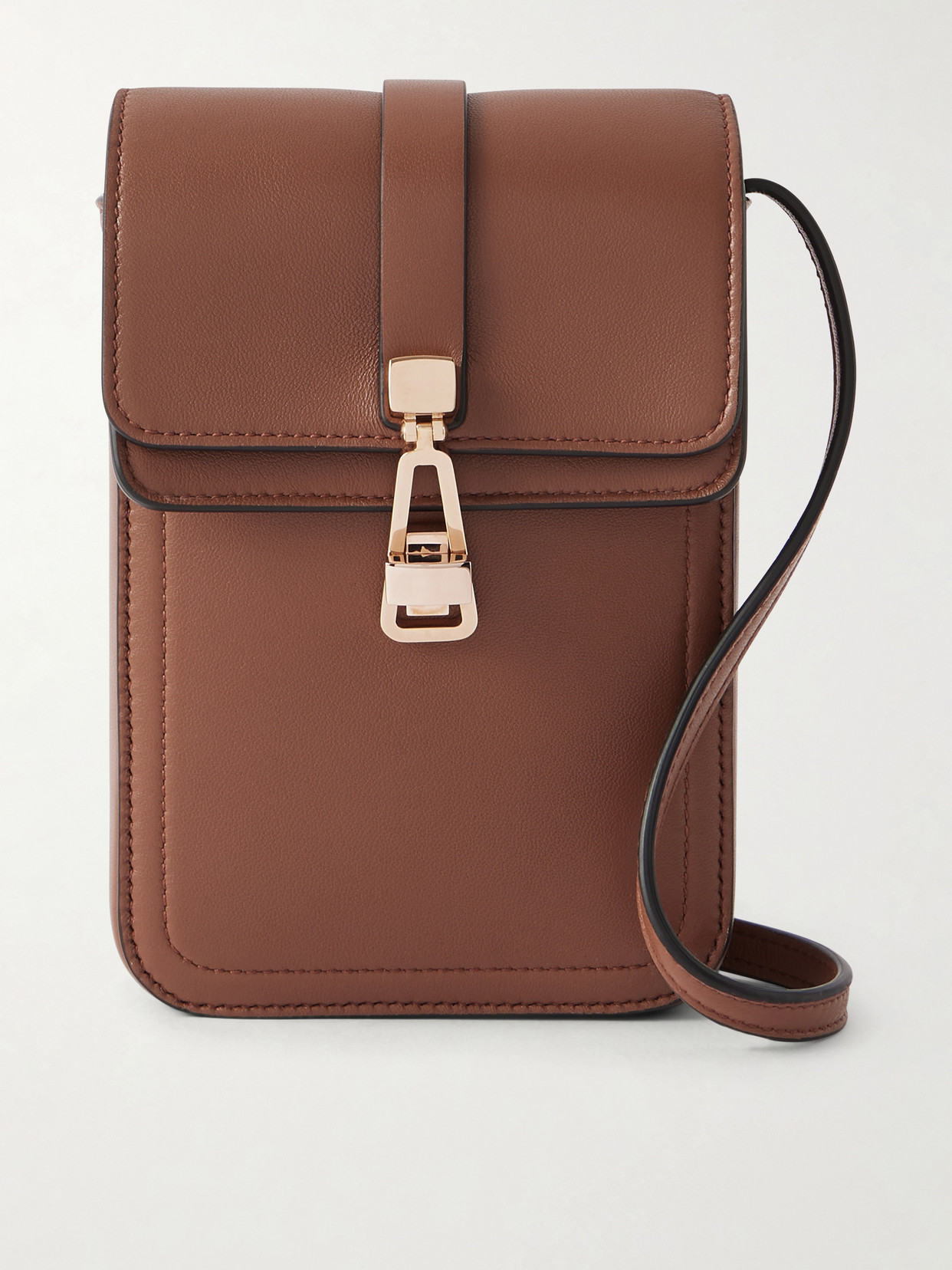
Maison Margiela Box Leather Shoulder Bag


Maison Margiela Padded Wool-trimmed Quilted Crinkled Shell Jacket


Maison Margiela Ombre Leather Anatomic Block-Heel Pumps

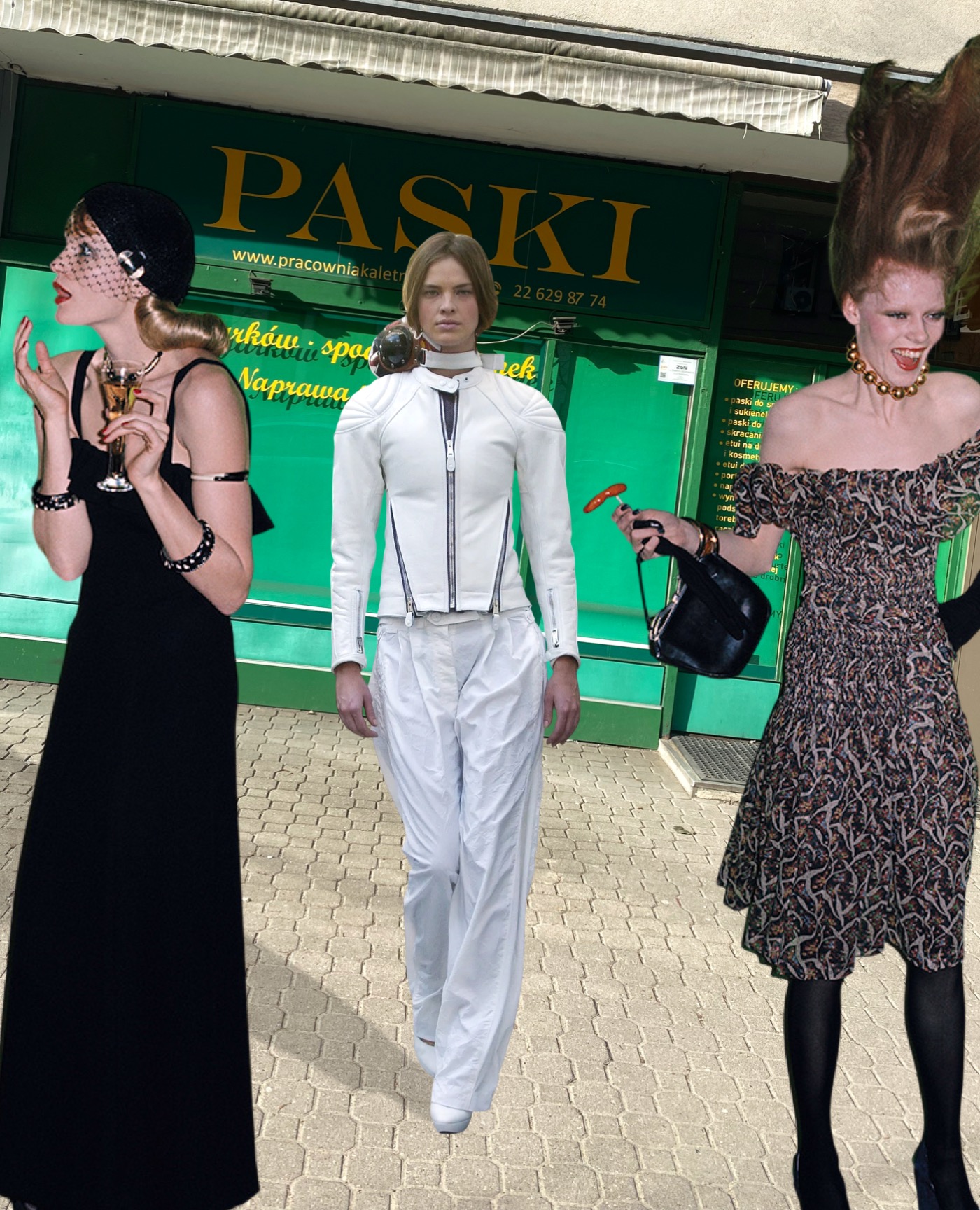
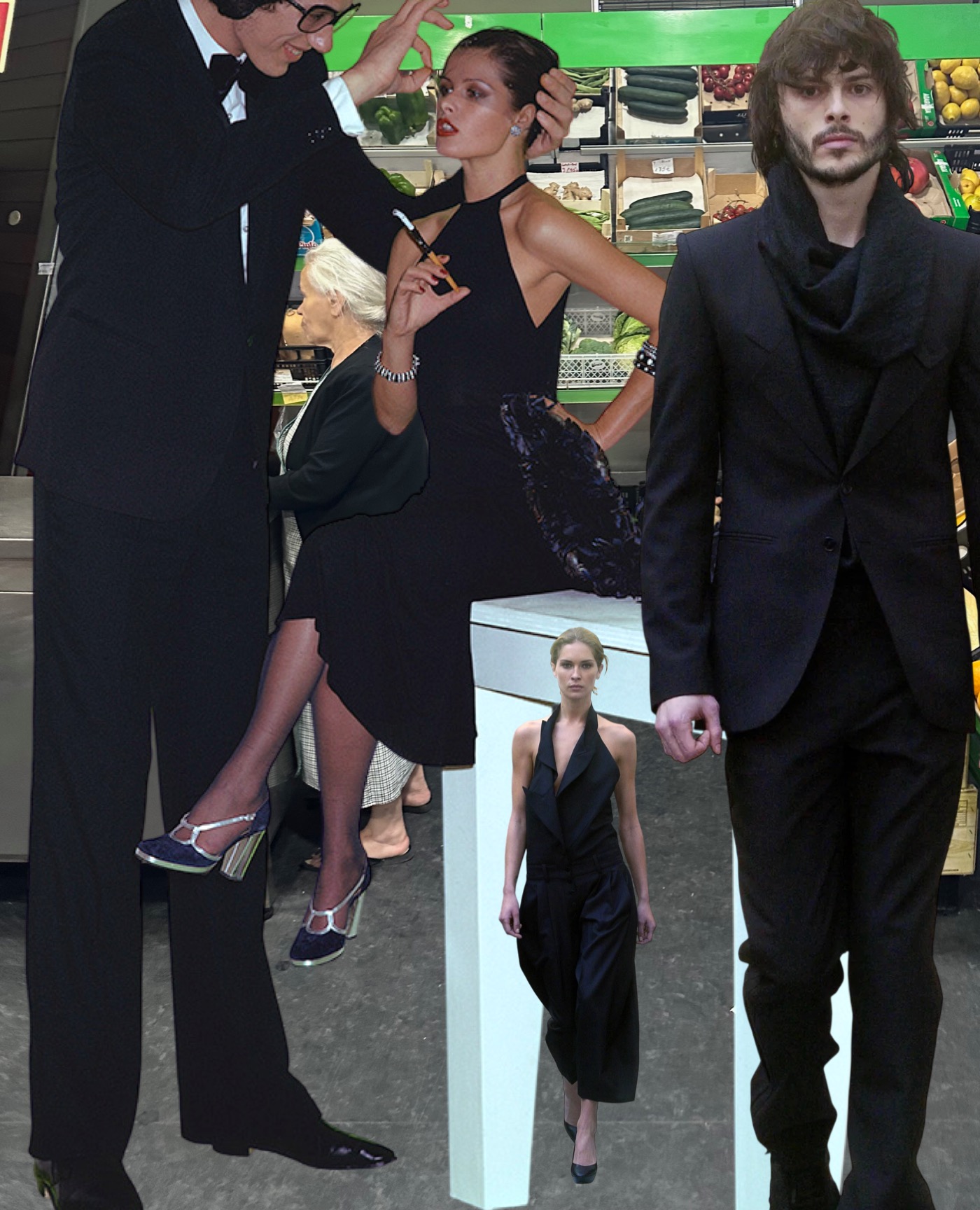
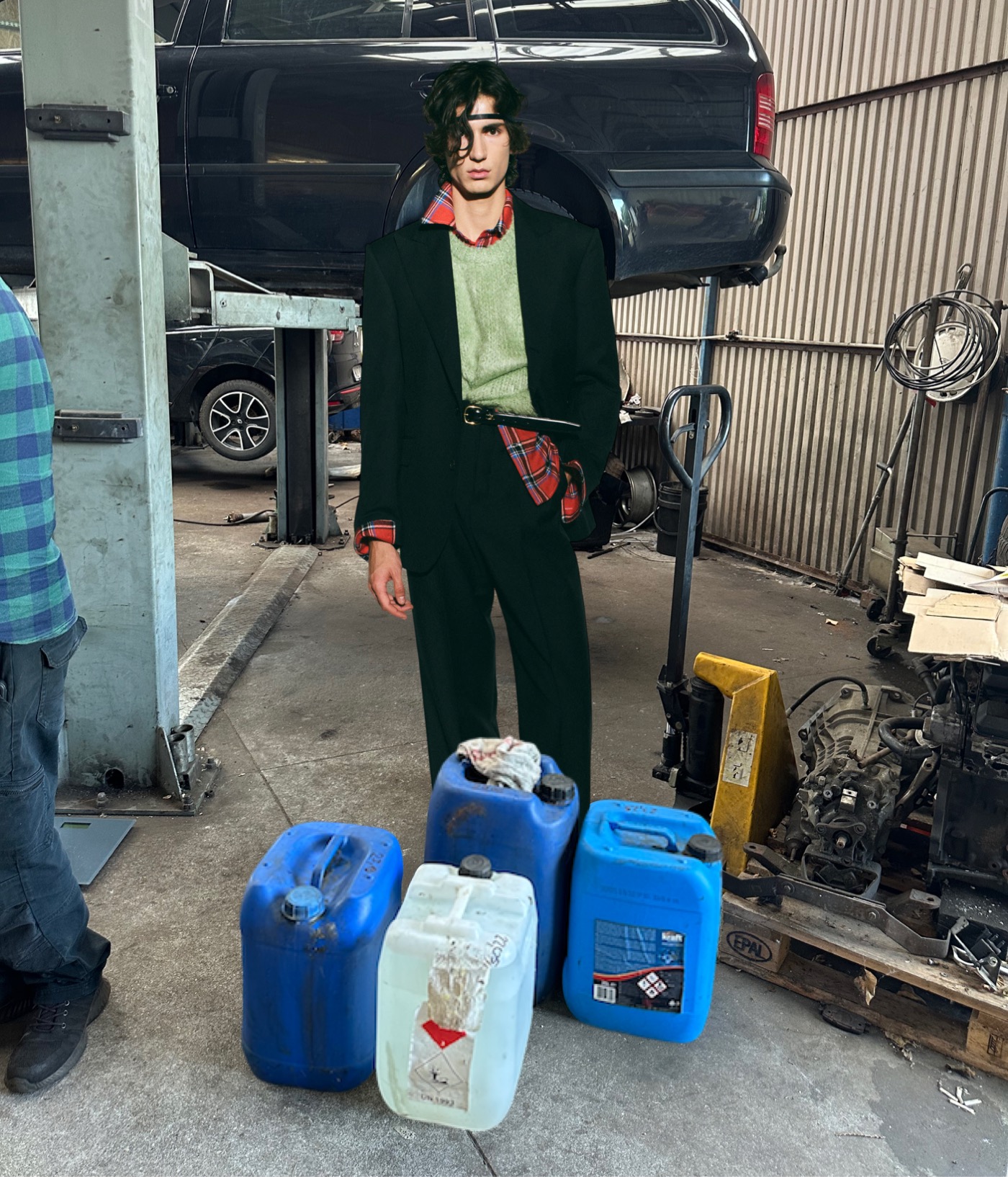
Collage by Edward Kanarecki.
Don’t forget to follow Design & Culture by Ed on Instagram.

Hey, did you know about my newsletter – Ed’s Dispatch? Click here to subscribe.

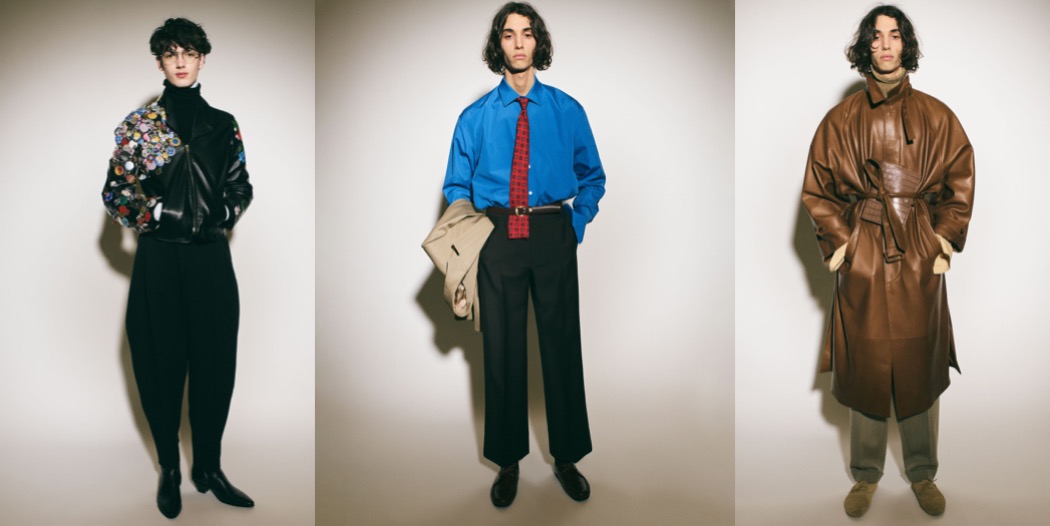
Regime. Gucci AW26

Everything about Demna’s Gucci runway debut made me feel nauseous. The monumental, neo-classicist venue designed by Sub.Global felt deeply discomforting to me – it immediately evoked Mussolini-era architecture, the kind that asserted power and signaled the omnipresence of a totalitarian regime. Playing with such tropes simply doesn’t sit right, especially in the context of figures like Giorgia Meloni shaping current politics. I was genuinely surprised that nobody else said this out loud. But then again, I suppose it’s easy to turn a blind eye when it’s convenient.

And what about the clothes? To me, they suggest that Demna – a designer I truly admired during his Balenciaga years – is at a creative standstill. Or downfall. READ MY FULL REVIEW HERE.

Collage by Edward Kanarecki.
Don’t forget to follow Design & Culture by Ed on Instagram.

Hey, did you know about my newsletter – Ed’s Dispatch? Click here to subscribe.
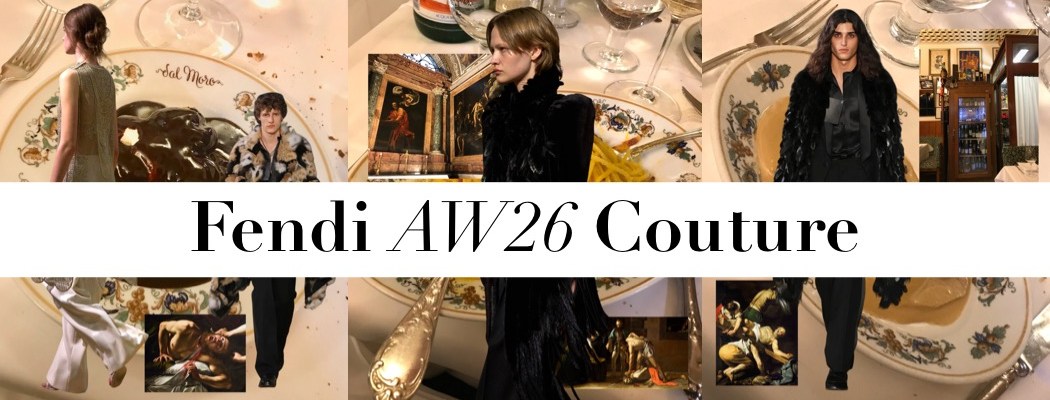
Nobody Is Fun Anymore. Fendi AW26

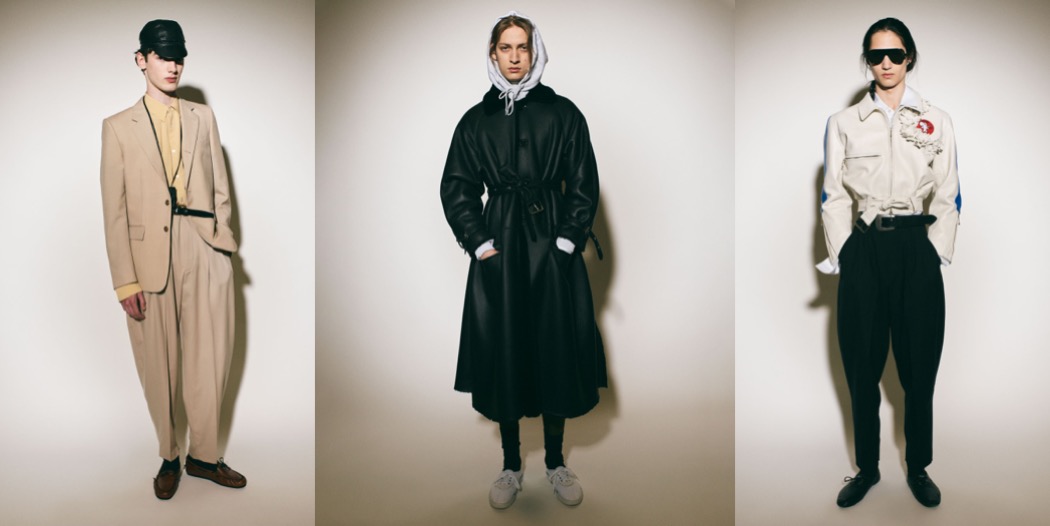
For some strange reason, I had hoped that Maria Grazia Chiuri’s debut at Fendi would surprise us all with something genuinely fun (believe it or not, once upon a time Fendi was fun – before Kim Jones turned it into yet another beige Italian brand). But there was no trace of that spirit on her runway. At least, it was nowhere to be seen beyond a passing statement in the press release.

It seems that the only thing distinguishing Maria Grazia’s current mindset from her years at Dior is a looser relationship to a unifying theme. Her Fendi woman is slightly less uptight – perhaps. Yet this newly found “chill” made the latest collection resemble Zadig & Voltaire more than Fendi: slip dresses, military references, velvet jackets, denim – the building blocks of a rather dated understanding of “cool.”

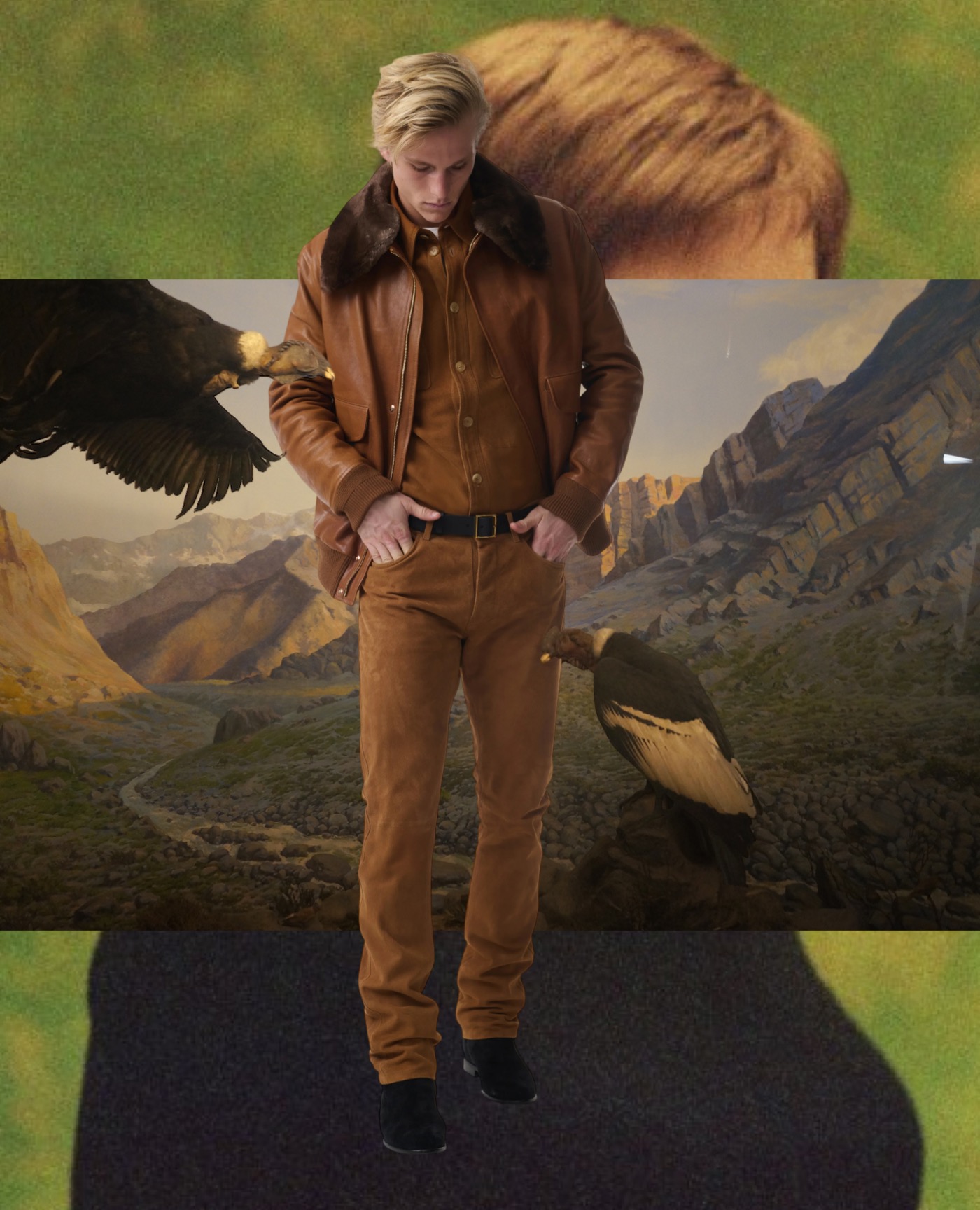
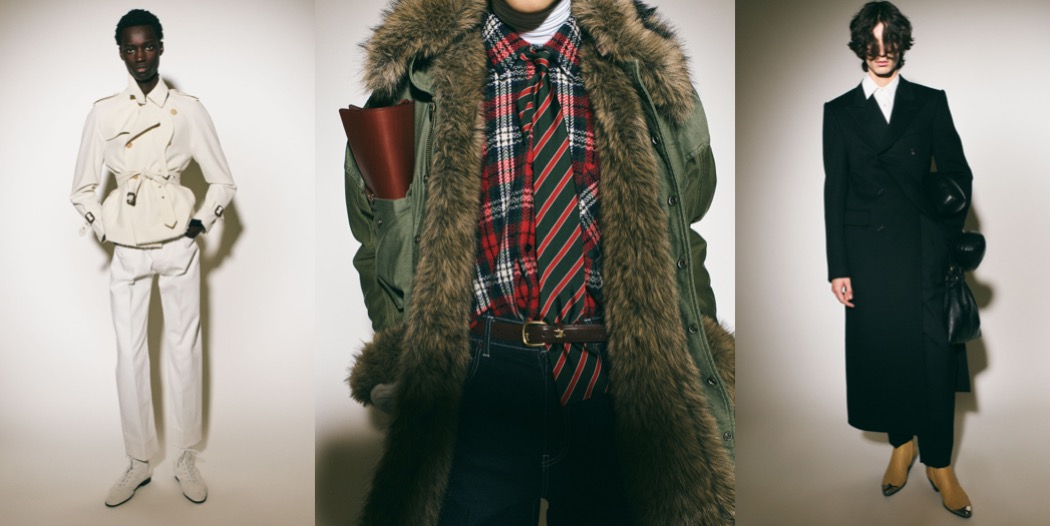
And the menswear? Perhaps because Chiuri hasn’t designed menswear in decades, it ended up being one of the most compelling aspects of the collection. Funnily enough, in her universe, men are allowed to wear more fabulous furs than women.

Collage by Edward Kanarecki.
Don’t forget to follow Design & Culture by Ed on Instagram.

Hey, did you know about my newsletter – Ed’s Dispatch? Click here to subscribe.
The Void. ERL AW26

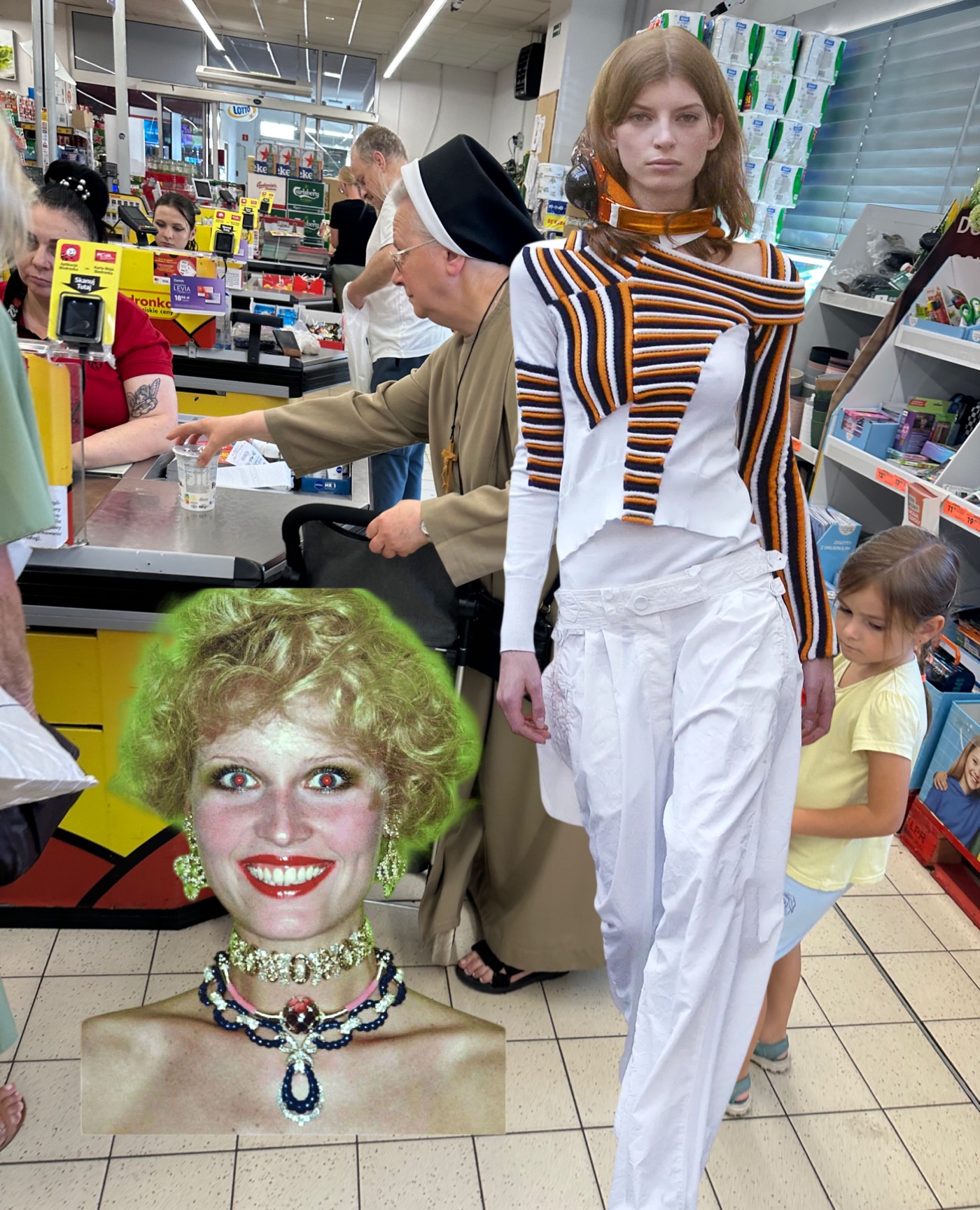
Consistent with the wayEli Russell Linnetz typically works, the latestERL collection is conceived as the wardrobe for a self-written film – an imagined narrative designed to channel his current fixations and reflections on contemporary culture. The plot unfolds as a revenge tale set in an elite Swiss international boarding school, where wealthy American students clash with their non-American peers. At its center stands a female protagonist who gleefully destabilizes the lives of the smug, privileged young men who casually dismiss her. Titled “The Void“, the film-collection becomes a vehicle through which Linnetz both lampoons and reanimates the aesthetic codes associated with inherited, so-called “old money” wealth. As he explains, he examines the visual language of trust-fund-baby luxury, contrasting how those with established fortunes actually dress with how aspirants attempt to imitate that image.

The opening and closing looks of his self-shot lookbook feature the narrator clad in garments constructed to resemble censorship bars, framing what lies beneath as if presenting unfiltered testimony. Meanwhile, the male antagonists appear in exaggerated collegiate attire: polos emblazoned with mock heraldic crests, deep red cricket sweaters, varsity jackets, and brightly checked tailoring. In two outfits, knitwear is layered excessively – cable-knit sweaters looped over the shoulders atop already worn argyles – pushing preppy styling into deliberate pastiche. As the narrative matures, the silhouettes shift accordingly, moving toward softly structured tailoring and eveningwear with a flashy 1980s inflection. Voluminous proportions emerge alongside elongated tweed coats distinguished by their richly textured, almost nubby surfaces. Extravagant, high-gloss jewelry by Tom Binns injects a note of rich-kitch. Skunk-like fur appears throughout, amplifying the collection’s nearly parodic take on affluence. Nobody does sociological commentary through the medium of fashion like Eli.

Collage by Edward Kanarecki.
Don’t forget to follow Design & Culture by Ed on Instagram.

Hey, did you know about my newsletter – Ed’s Dispatch? Click here to subscribe.
Embracing Awkwardness. Eckhaus Latta AW26

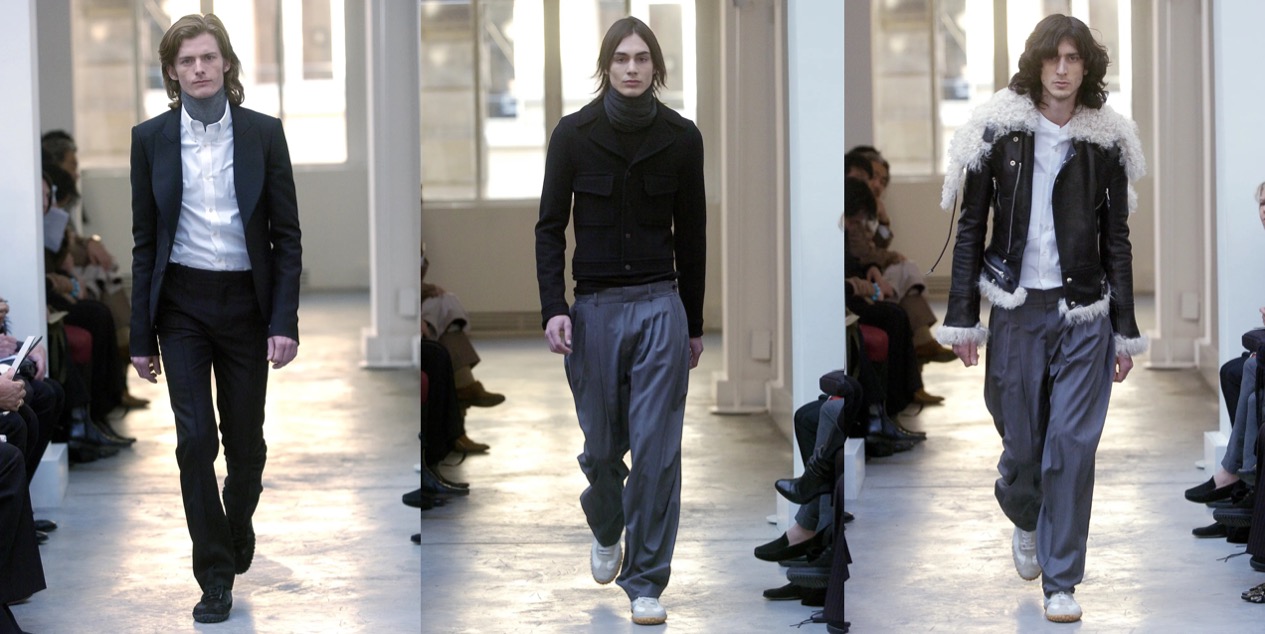
Mike Eckhaus and Zoe Latta effortlessly achieve what many contemporary New York designers desperately pursue: a gritty coolness that isn’t merely a vague nod to the ’90s. It’s not the polished vision of Carolyn Bessette-Kennedy filtered through Ryan Murphy; it’s what CBK might actually wear.

A high-necked black fur jacket paired with a sleek black pencil skirt; satin slip dresses and tops so airy they resemble barely-there mist; stretch jerseys constructed with subtle cutouts at the hip bones. Sexy, but not obvious. Eckhaus Latta grows more mature and refined with each season, yet, as one of the designers noted, the “pressure to make good, fancy rich-people clothes” has never been the point.

Instead, it’s about embracing an awkwardness that isn’t a pose or a performance, but a safe space – an undeniably chic one. And their tradition of casting real people only makes it all the more convincing.
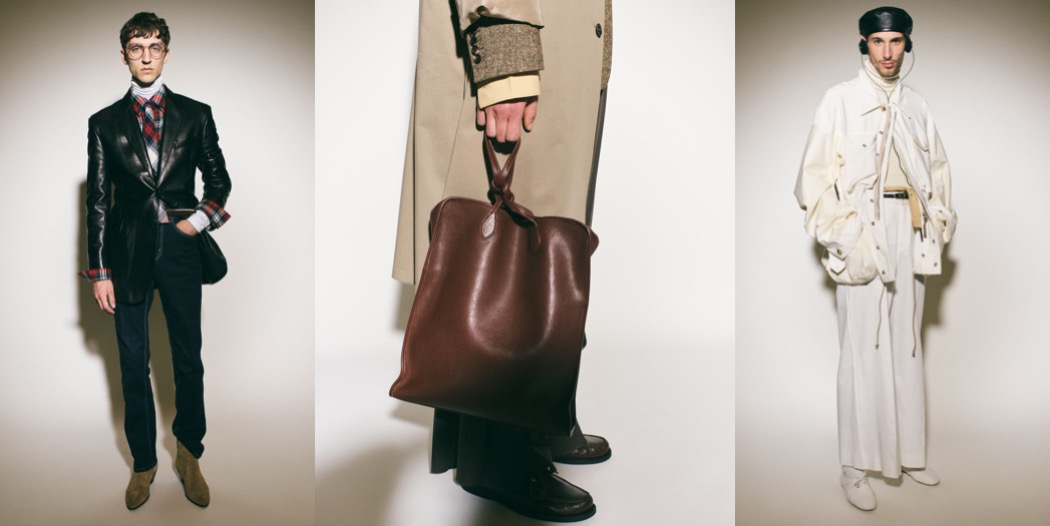
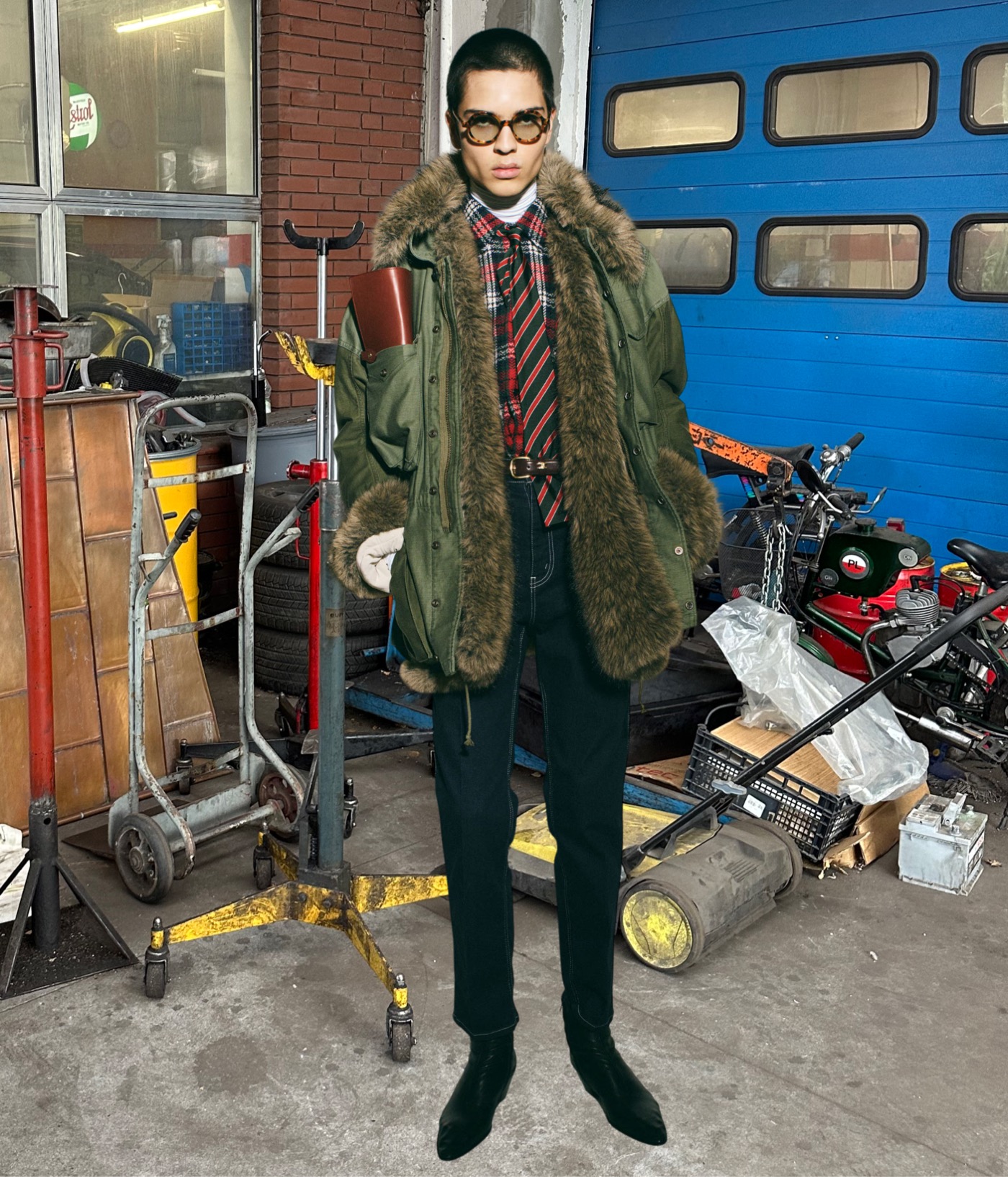
Collage by Edward Kanarecki.
Don’t forget to follow Design & Culture by Ed on Instagram.

Hey, did you know about my newsletter – Ed’s Dispatch? Click here to subscribe.