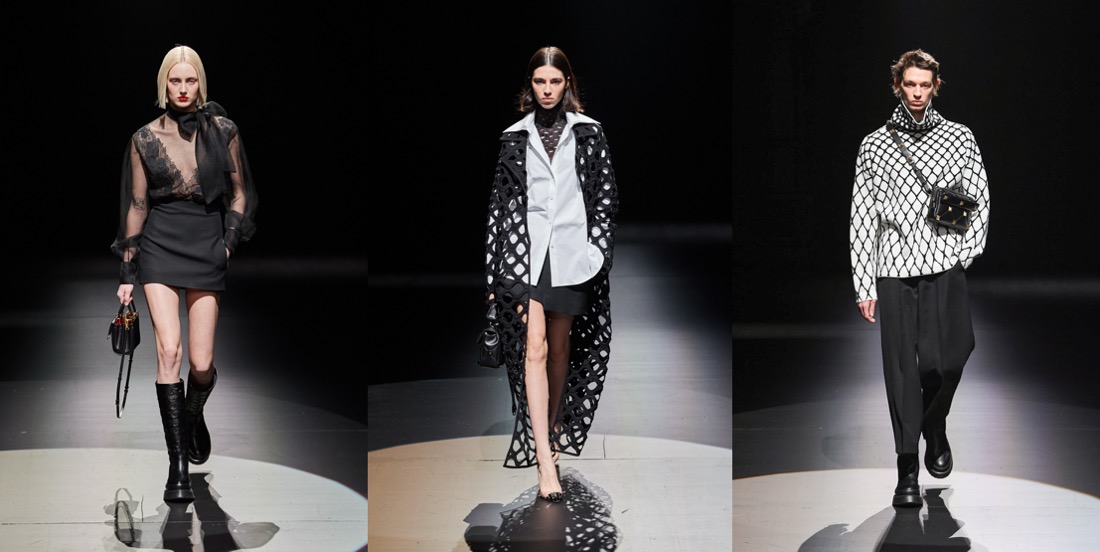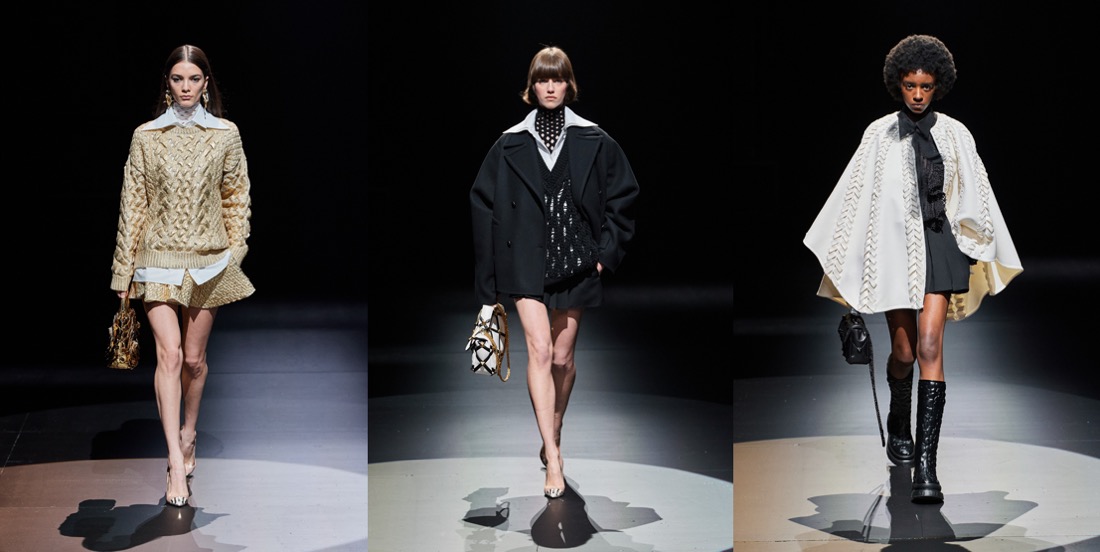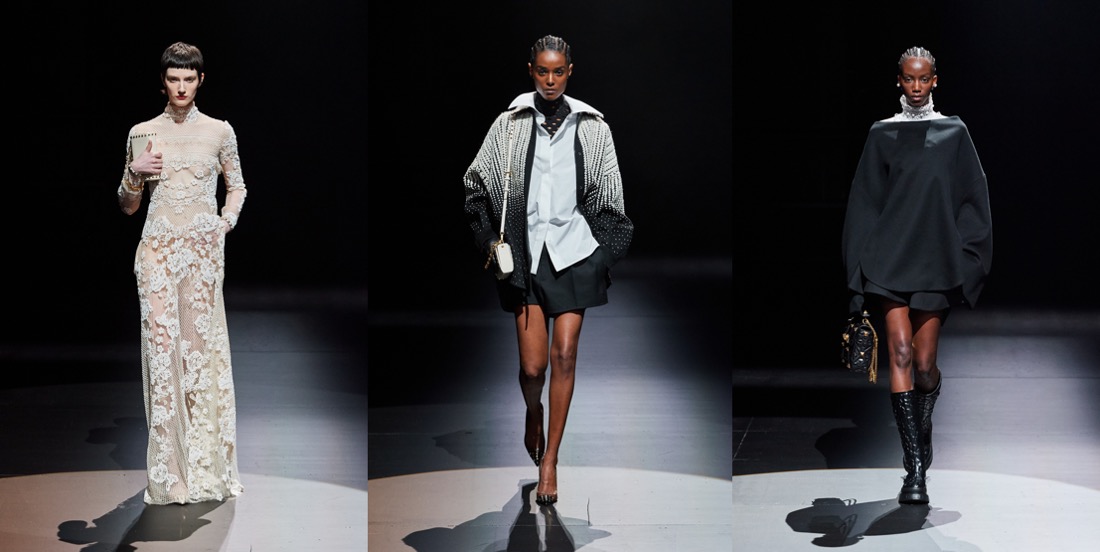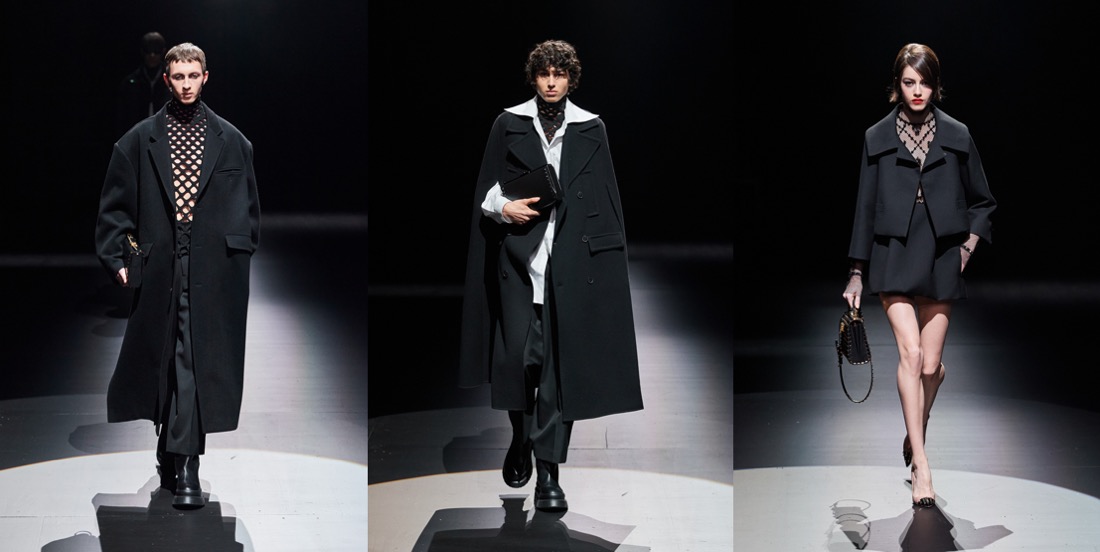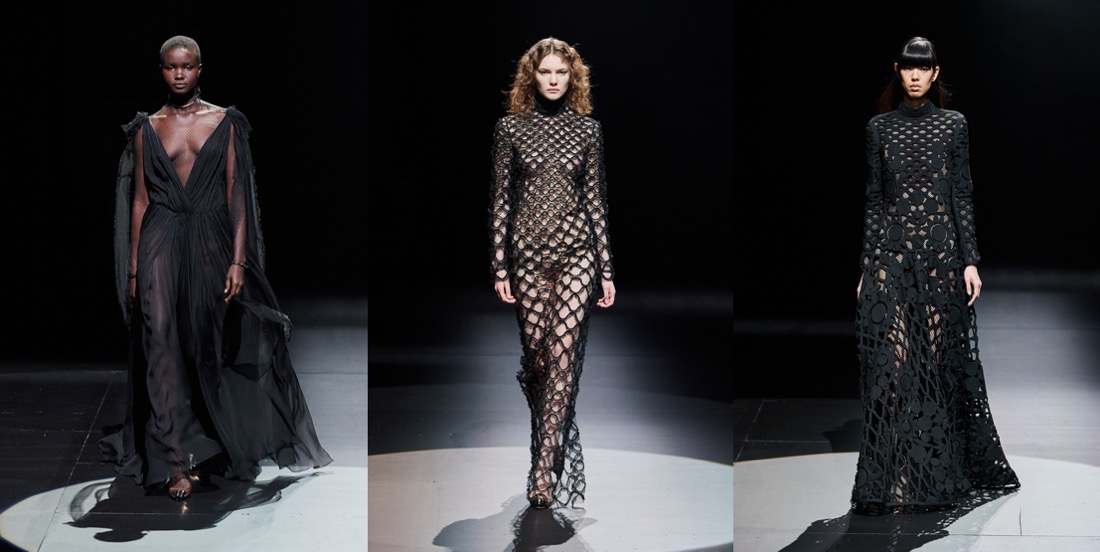
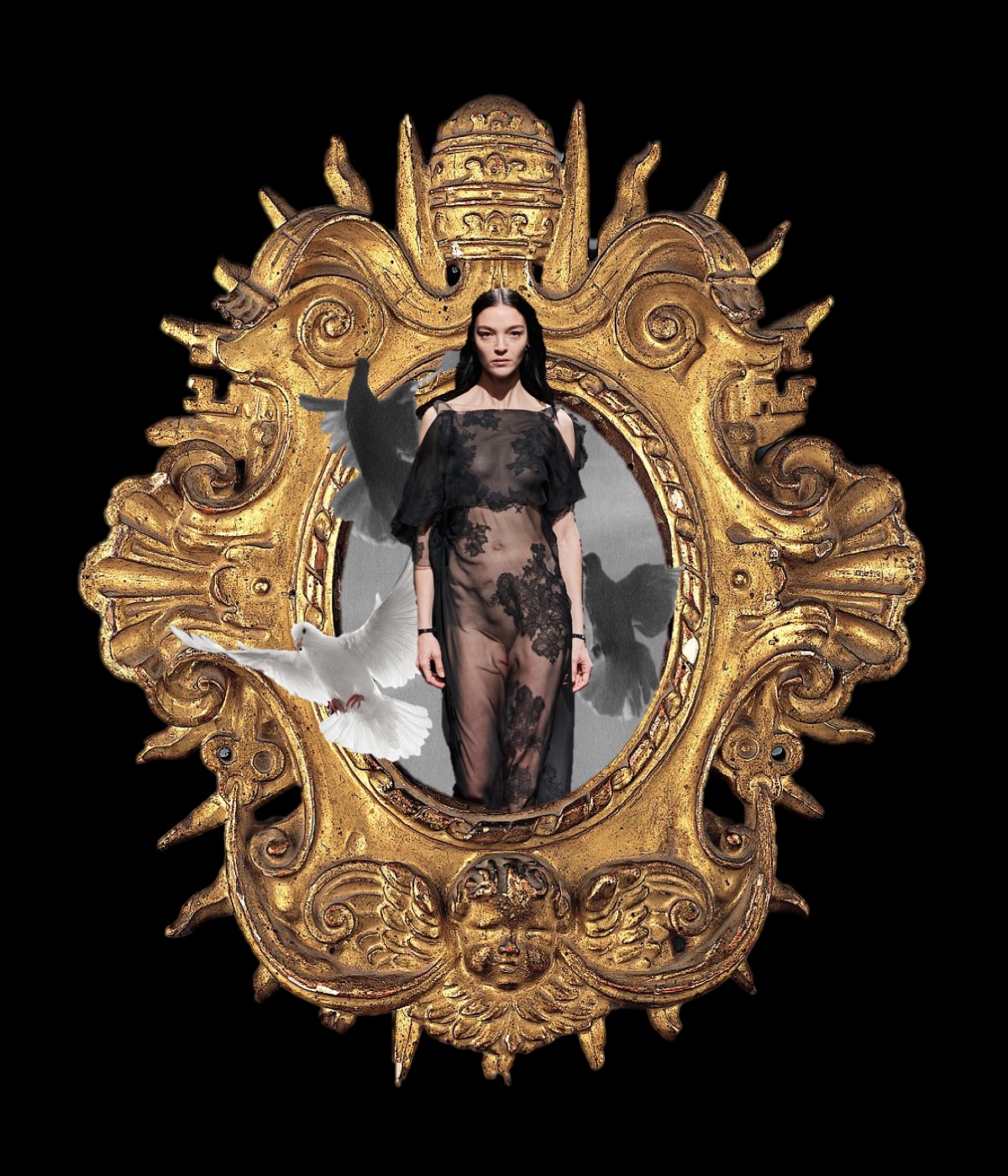
Realistic. Valentino AW21

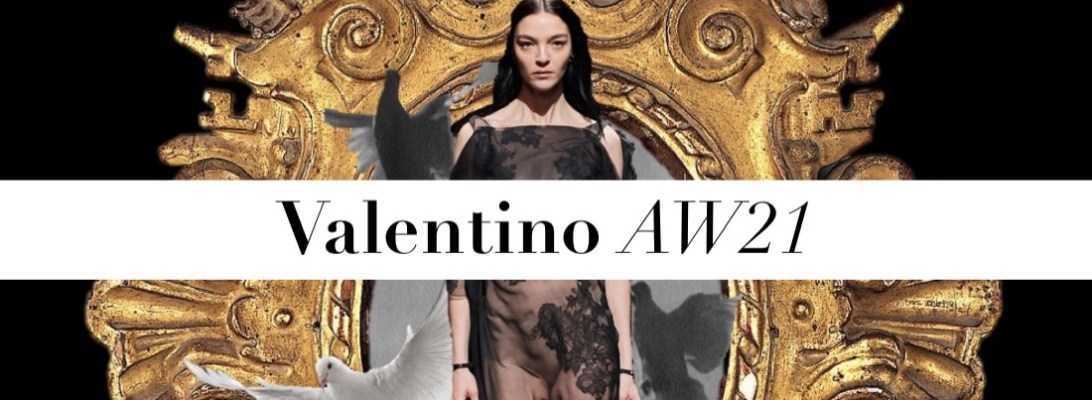
Approximately a year ago, COVID-19 hit Europe. Pierpaolo Piccioli was presenting his Valentino collection during Paris Fashion Week (who would have ever believed back then that fashion weeks will switch to digital?!) and the solemn, melancholic elegance he sent down the runway captured the first feelings of crisis. For autumn-winter 2021, you would have expected some sort of bold, joyful vision of future re-emergence most designers are desperately talking about this season. But surprisingly – especially having in mind his recent, extraordinary couture collection! – Piccioli decided to stay a realist, staying in the black-and-white colour palette. The line-up was livestreamed from Piccolo Teatro in Milan, as a gesture of love and support towards cultural institutions that are having a very tough time with all the lockdowns and limitations. The new season offering wasn’t exactly theatrical, but the dramatic lighting elevated the ready-to-wear silhouettes. Piccioli thought of a modern-day punk attitude with a romantic twist. From the sheer lace evening gowns to over-sized shirts worn as dresses, the collection looks towards the aspect of comfort, but not in a lazy way. Knitted capelets styled with heavy leather boots; ruffled blouses worn with simple mini-skirts (sexy is returning to fashion, as Tom Ford proclaimed); chunky cardigans contrasted with light pumps. Maybe this isn’t anything ground-breaking, but it’s a properly edited collection of clothes women will always want to wear. As for men, Piccioli leaves tailoring behind and decides for equally refined, yet easier wardrobe staples: an over-sized sweater, loosely-cut pants, a chic coat with a cape-like shape. The “net” motif comes in unisex turtlenecks and fantastic eveningwear. While the fashion industry is asking itself the million dollar question of ‘what will sell in the (close) future’, Valentino answers it with the right balance of stay-at-home, Zoom-ready classics and a sense of much-needed ‘dress-up’ for the better times.
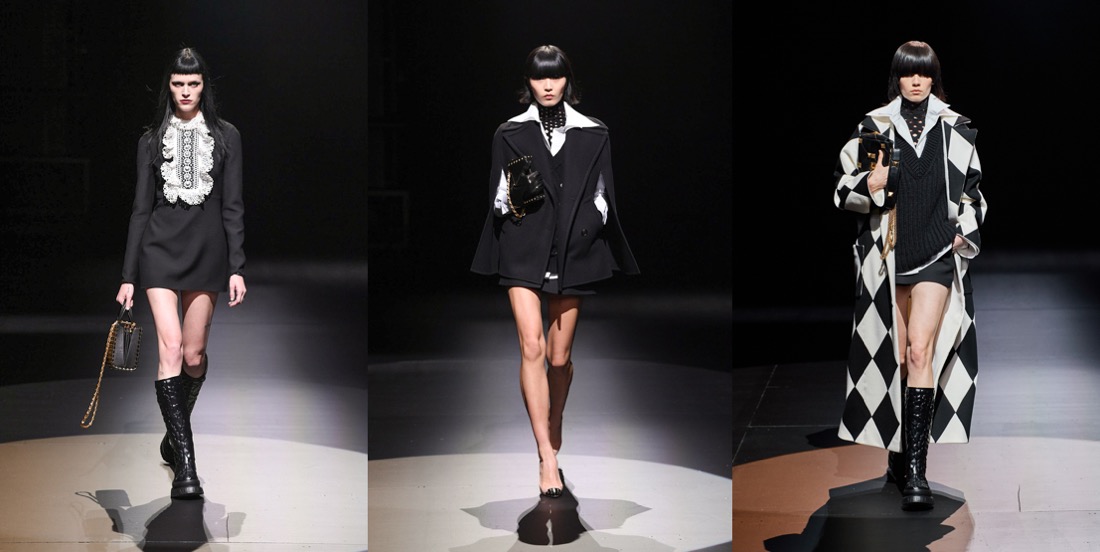
Collage by Edward Kanarecki.
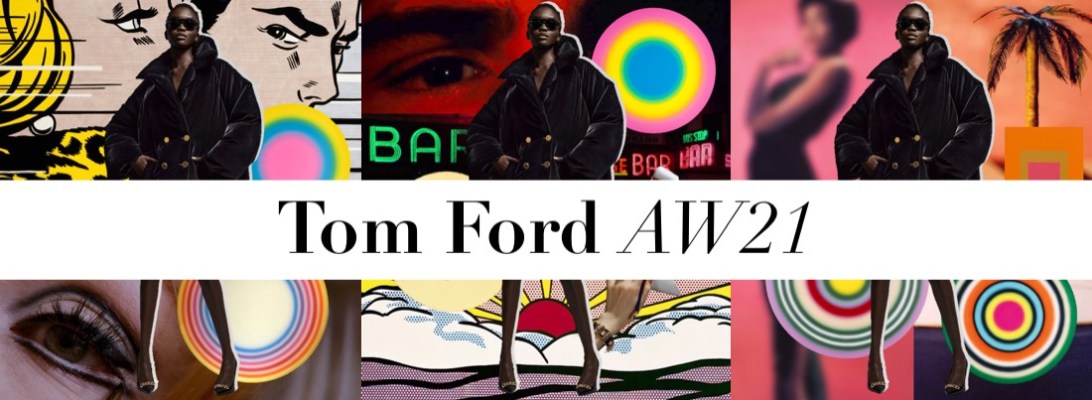
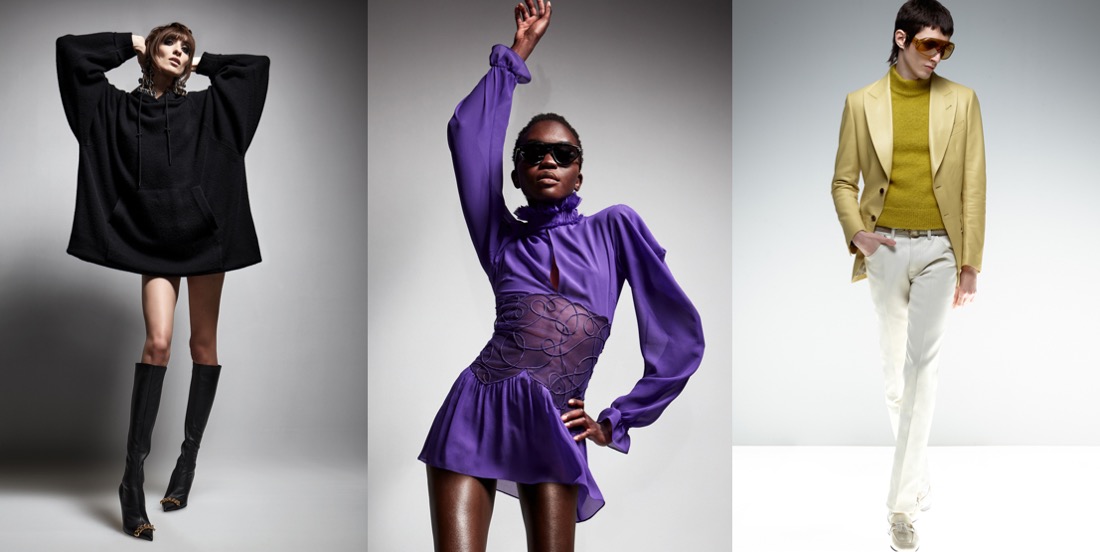
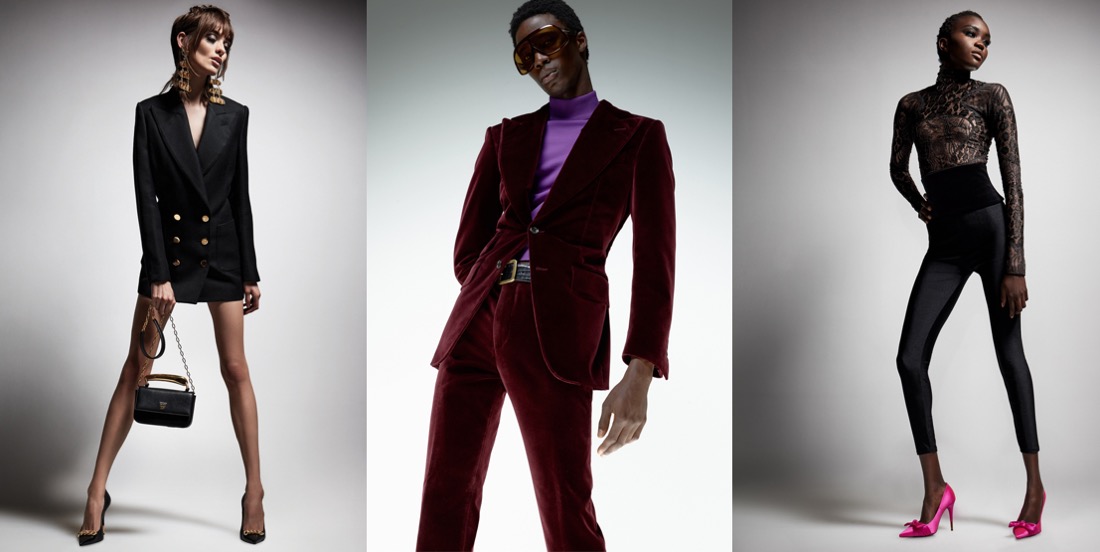
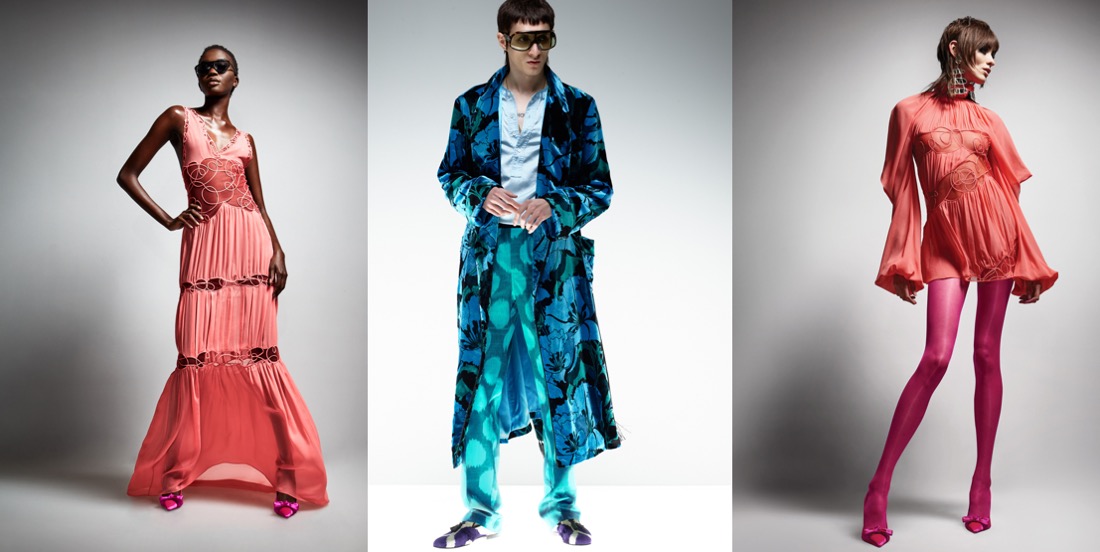
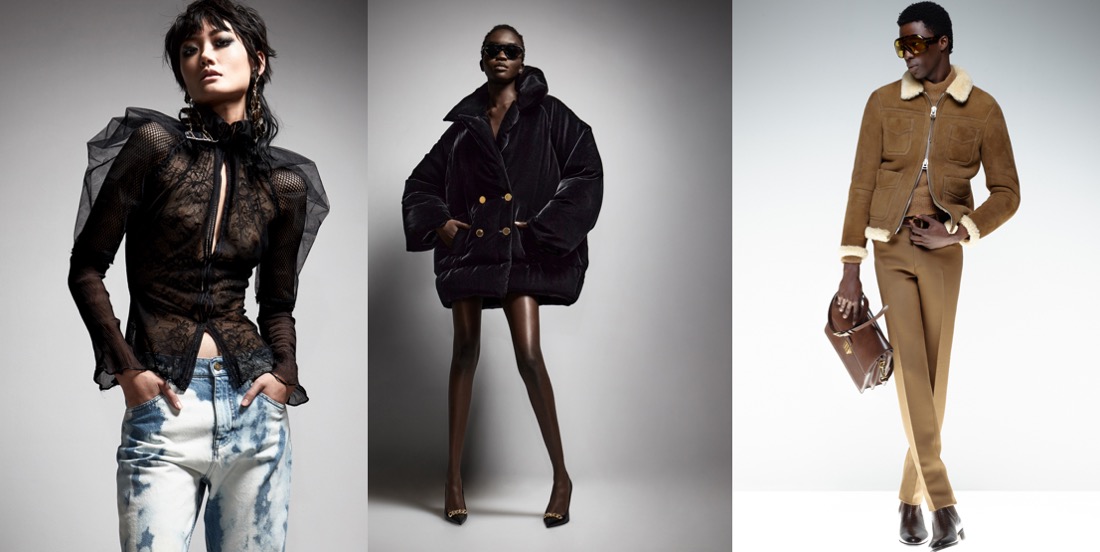
Hot & Short. Tom Ford AW21

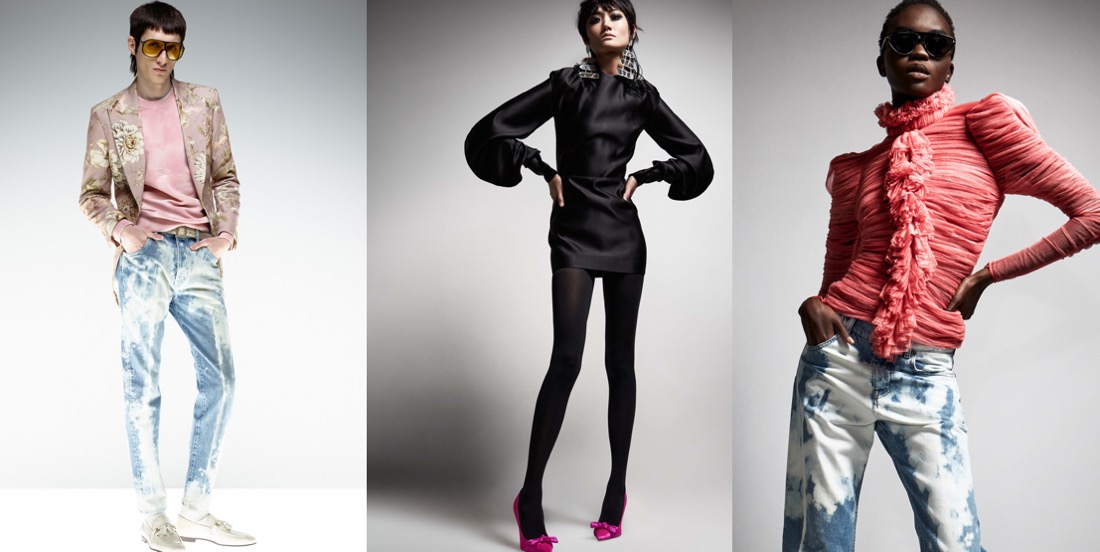
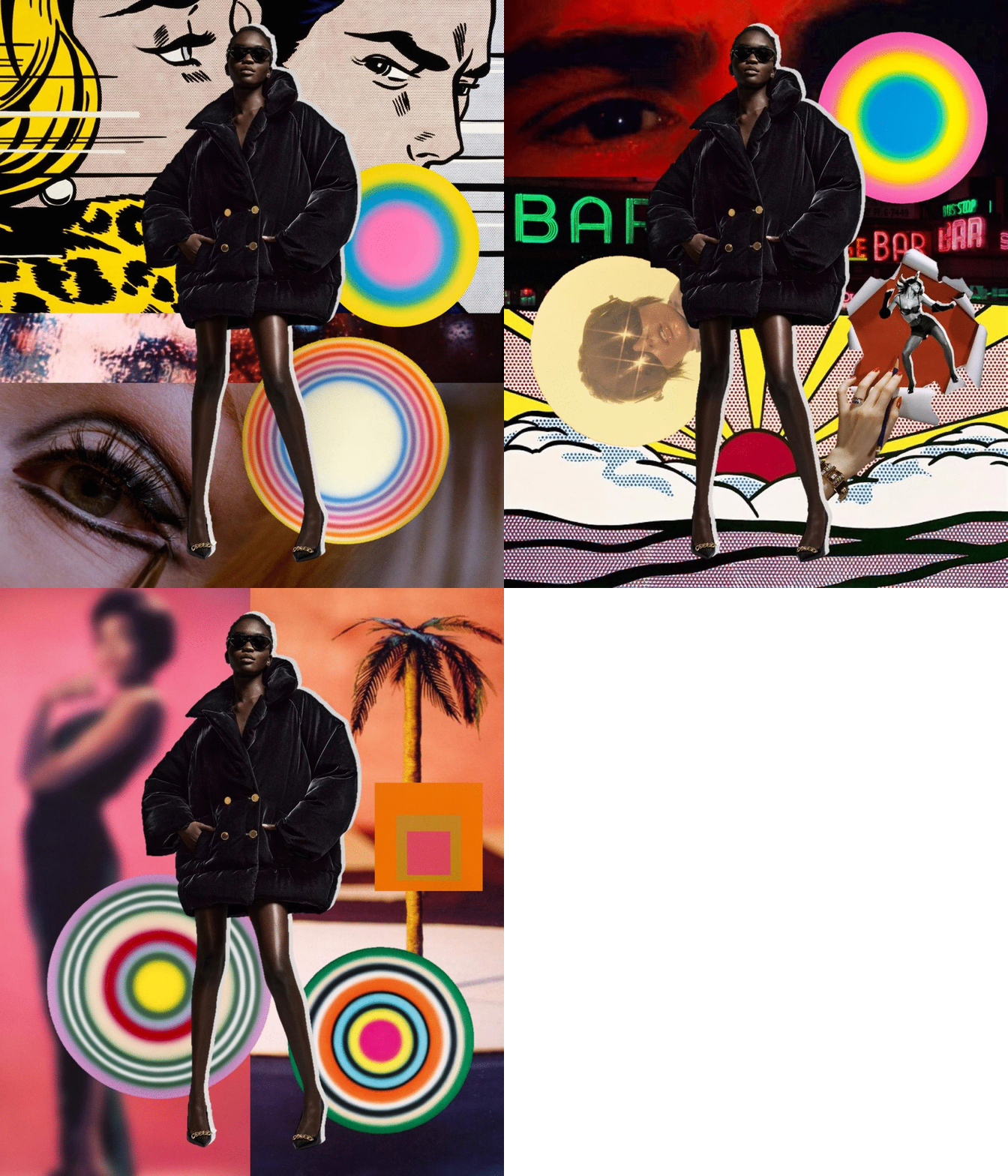
Tom Ford keeps it hot and mostly short. “The slight deconstruction of luxurious pieces is something that I feel will be a legacy of the pandemic for a few seasons to come,” he wrote in the press notes. Meaning, Zoom-perfect tops in lace and net were paired with bleached jeans, and dresses took their cues either from stretchy activewear or lingerie. Ford’s new hot pants, worn with turtleneck sweaters and puffer or aviator jackets bring that kind of sultry secutiveness he delivered in his Gucci days. Ford said the oversized jackets and underwear combos sprung from a lingerie ad he remembers from his youth. “It was also a very Edie Sedgwick thing to do,” he added. Another legacy of the pandemic he foresees will be the return of sexy. Meanwhile, the autumn-winter 2021 men’s look book includes three loungewear outfits that combine softly structured robes, button-front shirts, and elastic-waistband pants stitched with Ford’s logo (one thing I wish wasn’t there…). This is a distinctly Tom Ford collection – you want to be that girl or guy.

“Live” collage by Edward Kanarecki.

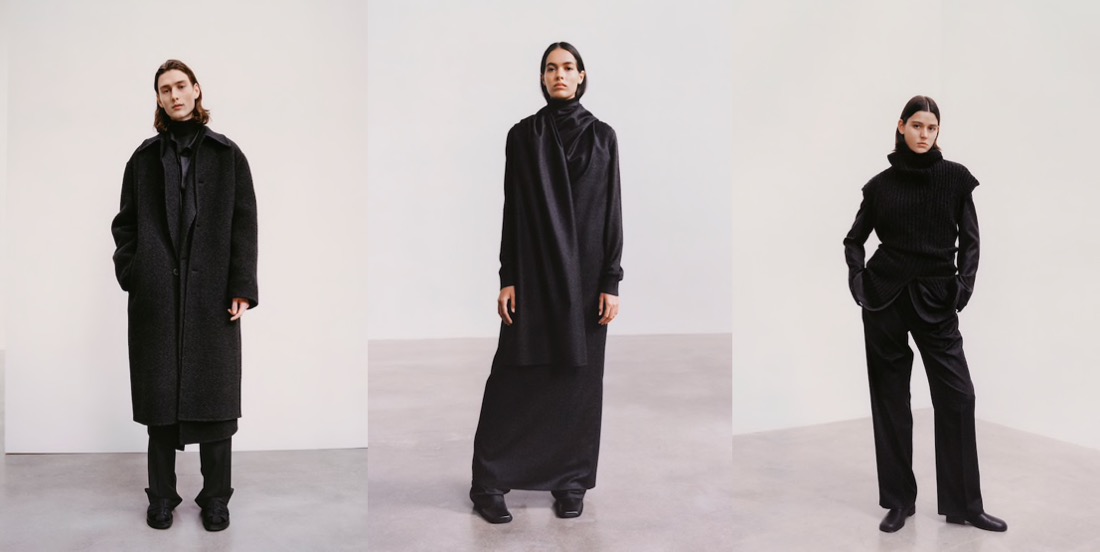
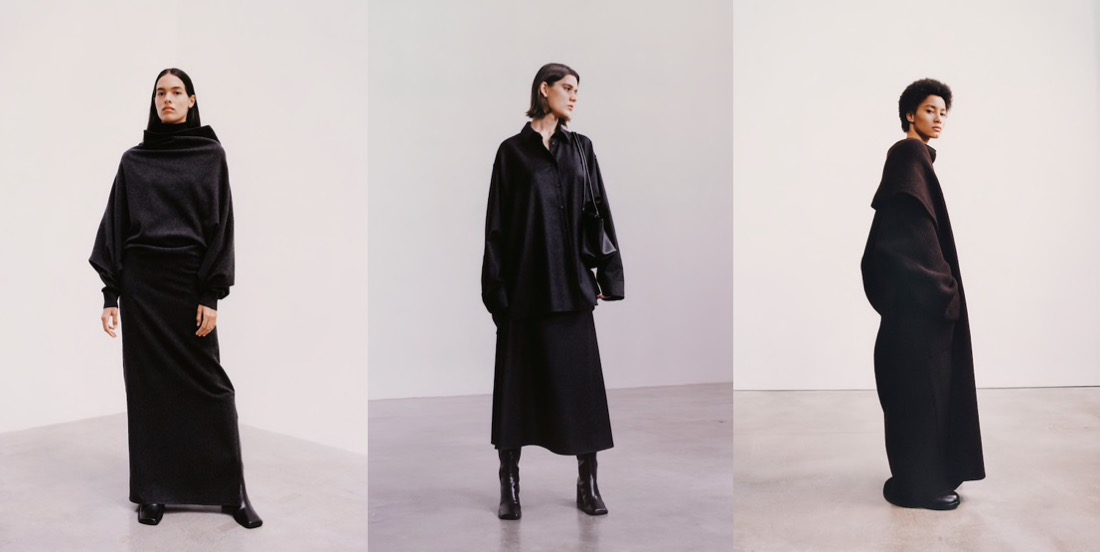
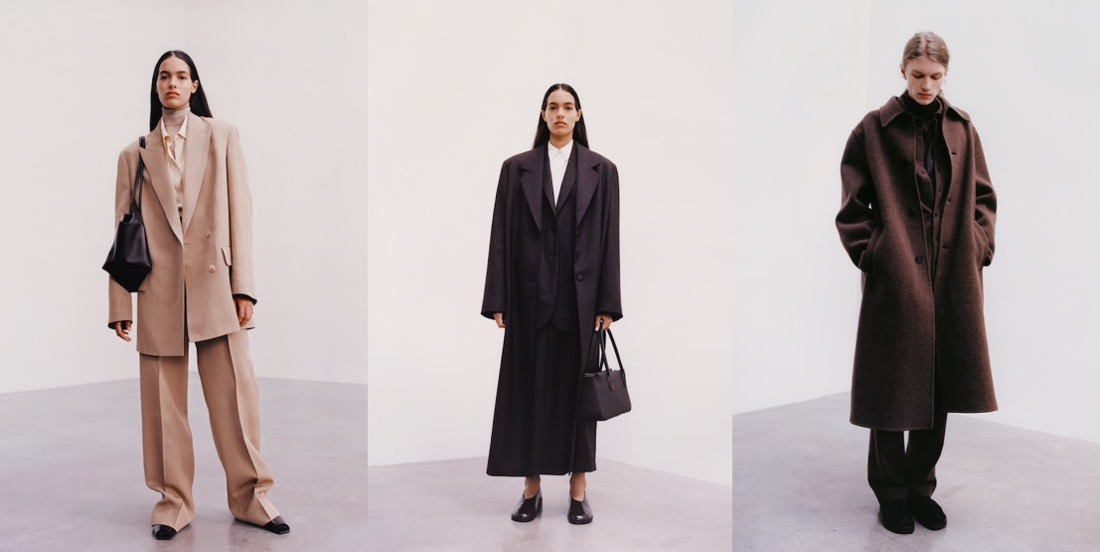
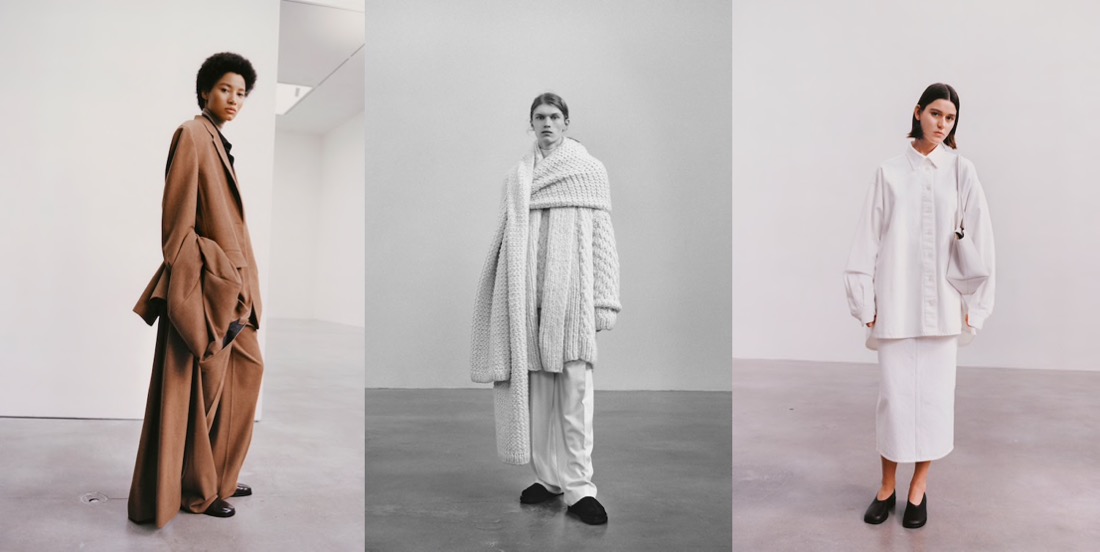
His & Hers. The Row AW21

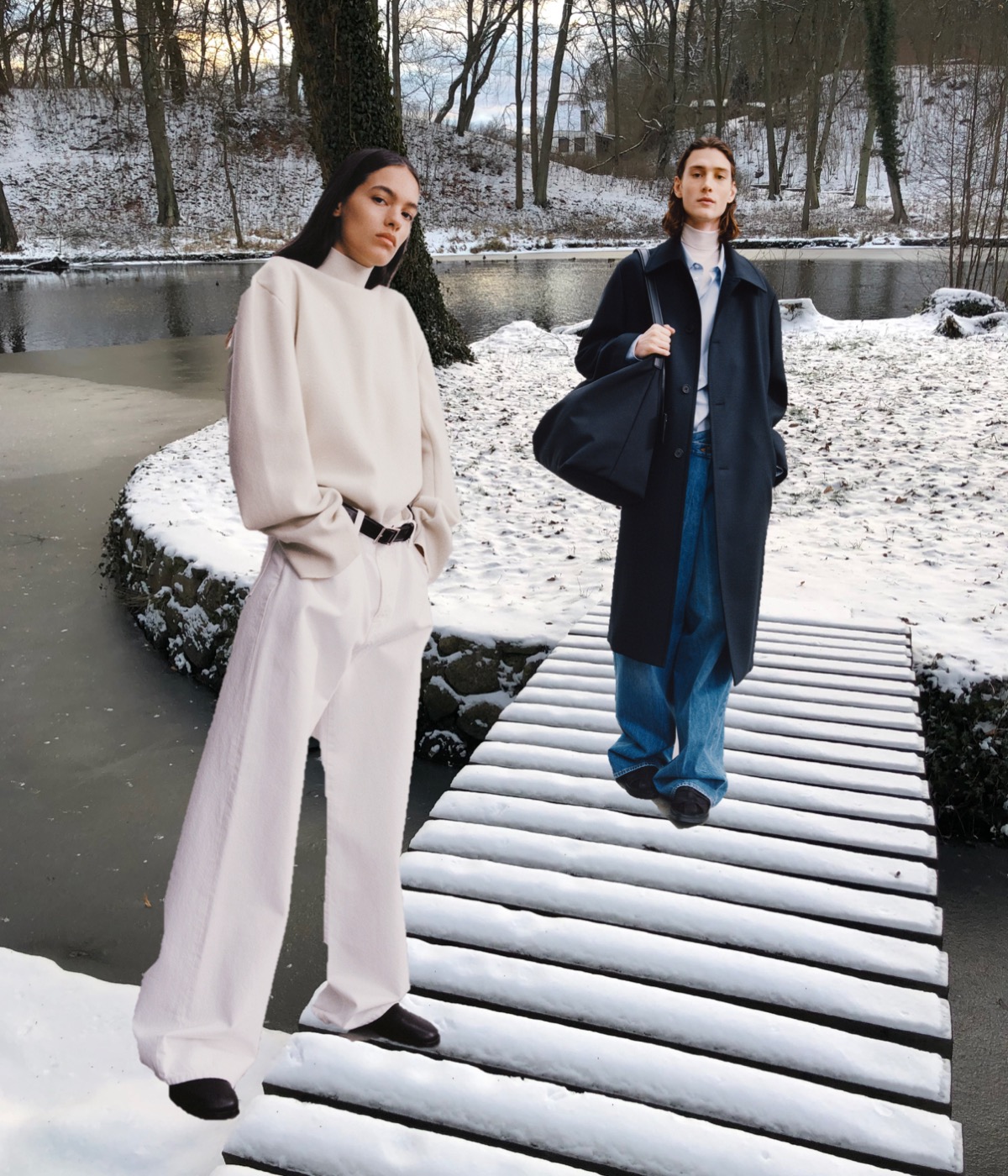
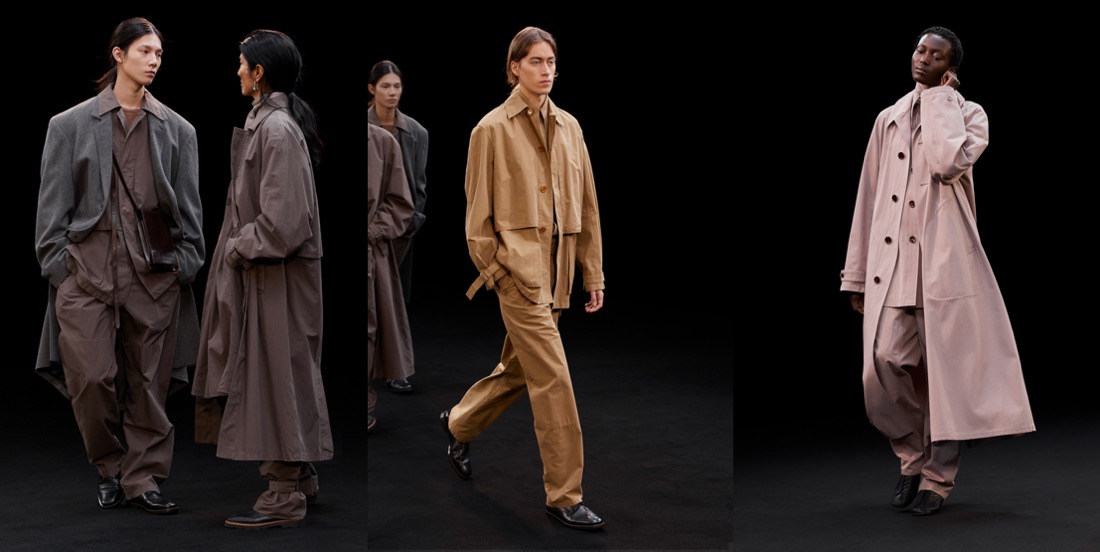
Seeing both The Row womenswear and menswear in one collection makes so much sense. Ashley and Mary-Kate Olsens‘ autumn-winter 2021 collection is like the full picture of their luxe minimalism world, now shared by her and him. The designers decided to modify their showing schedule, skipping New York Fashion Week altogether and showing in January and June. One of the reasons is logistics and sustainability. Both the women’s and men’s collections are rooted in minimal tailoring and they share materials across them; these include the double-felted wool of outerwear, wool flannel for suits, and a textural knit that they call fur cashmere, all of them subtly luxurious. Of course, the collection is delightful – and feels like detoxicating palette cleanse after all the couture fantasy we’ve experienced last week. Their autumn suiting is strong across both genders. The women’s jackets come with removable shoulder pads, as does a mock-neck, midi-length cashmere dress. Alongside the tailoring, they showed wrapped shapes, emphasizing comfort and warmth. A male model looks practically cocooned in a three-piece fur cashmere set. Amid the oversized proportions and the swaddled forms, a button-down with short three-quarter-length sleeves worn with washed linen wool pants that taper at the ankles stands out. On the accessories front sturdy burnished-leather rain boots in a range of lengths look like top sellers in the making. They’ve also added a nylon tote to their handbag offering. Comfort and practicality have become important talking points in the last year as the pandemic has impacted the industry in so many ways. The Olsens are taking on those conversations – and the one about collection timing, too – but they’re doing so in their usual elegant, refined way.

Collage by Edward Kanarecki.
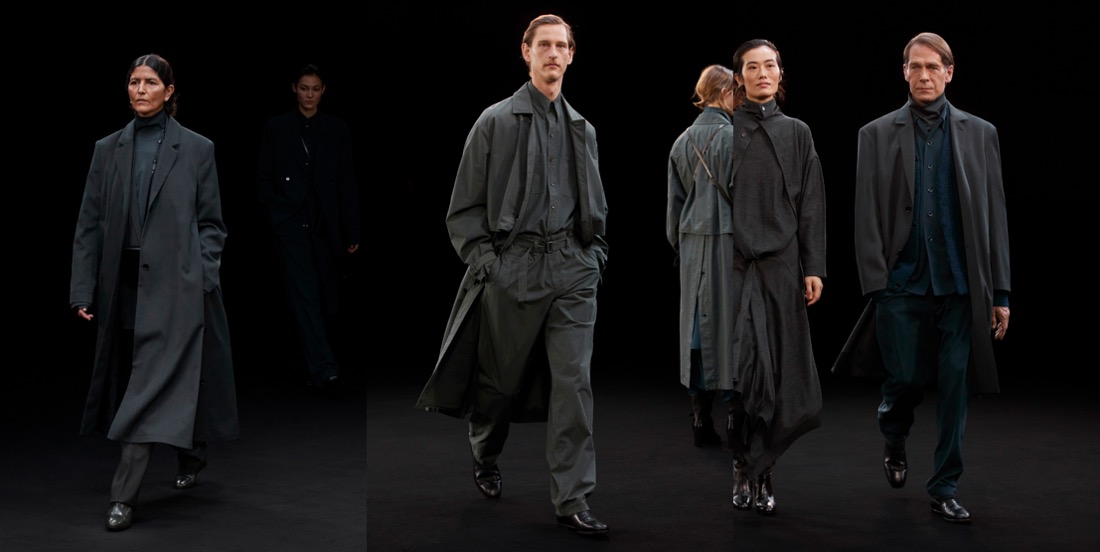
Feeling is Luxury. Lemaire AW21

I love Lemaire and I will acknowledge this a hundred times. I just don’t know how Christophe Lemaire and Sarah Linh Tran do it every single time. This level of goodness should be illegal. The co-ed autumn-winter 2021 collection is a dream, from the clothes (drooling over each garment, really) to the model casting. Partially as a result of confinement, the designers framed the development of this collection according to shifted criteria of demand: feel was as important as look, and adaptability inside and outside our front door paramount. The result was a hierarchy of layerable garments that began with a base of pajama-like pieces in cotton, silk and fine knits, in typically evocative earthy tones. These were arranged under mid-layers of Mod inspired tailoring and workwear sourced pieces, softly rendered but structured in appearance, plus Shetland knits and turtle-necks that were themselves contained within a protective carapace of excellent outerwear choices. These included a supremely livable-in reversible shearling, and greatcoats worthy of the name. Parkas and Afghans came trimmed in Mongolian wool (those pieces are delightful…); trenches and macs featured beautiful abstract marbled print; billowing robe-coats in down or alpaca were enveloping and arresting. Tran noted her favored heel height had been reduced in slouchy uppered boots as a result of her appetite for walking as much as possible when the opportunity presented itself, while men’s footwear included commando-soled slippers and the usual impeccable boot. Bags had a pouch cut like a mitten for double usage. Tran said: “during the confinement we were fantasizing about going out into the streets of Paris, and we were inspired by the idea of the flâneur from Baudelaire; going in the street with no special agenda in mind.” Taking pleasure in a purposeless saunter is a purpose in itself, and this was a collection beautifully built to enhance mindful loitering in every milieu. Added Lemaire: “Luxury is more about how you feel in the clothes than the image you project to others: this we have always been convinced of. And it’s more relevant than ever today… the changes in the rhythm of life and our habits have encouraged us to be even more attentive.

Collage by Edward Kanarecki.
Men’s – Familial Affection. Jil Sander AW21

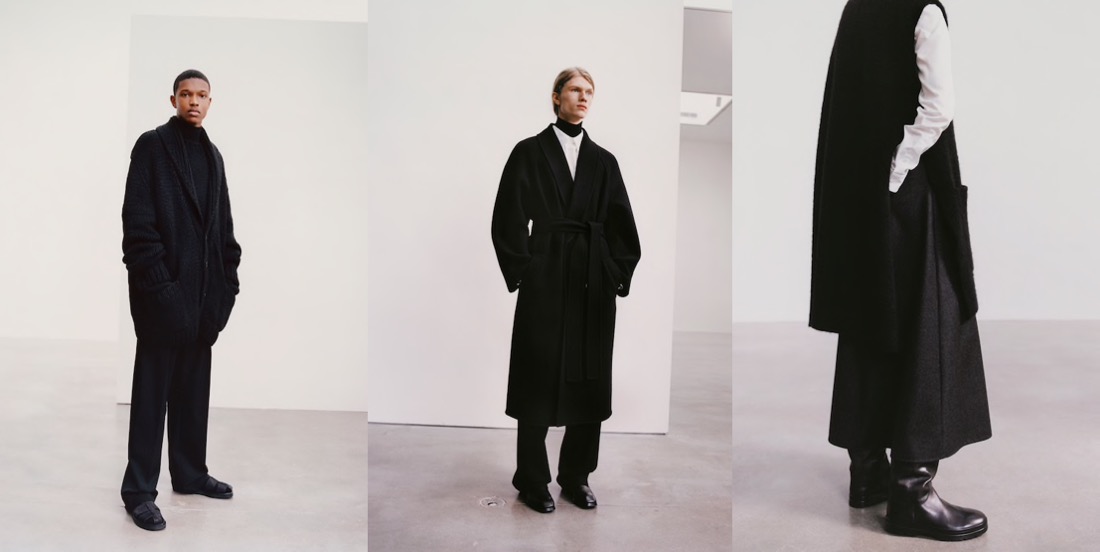
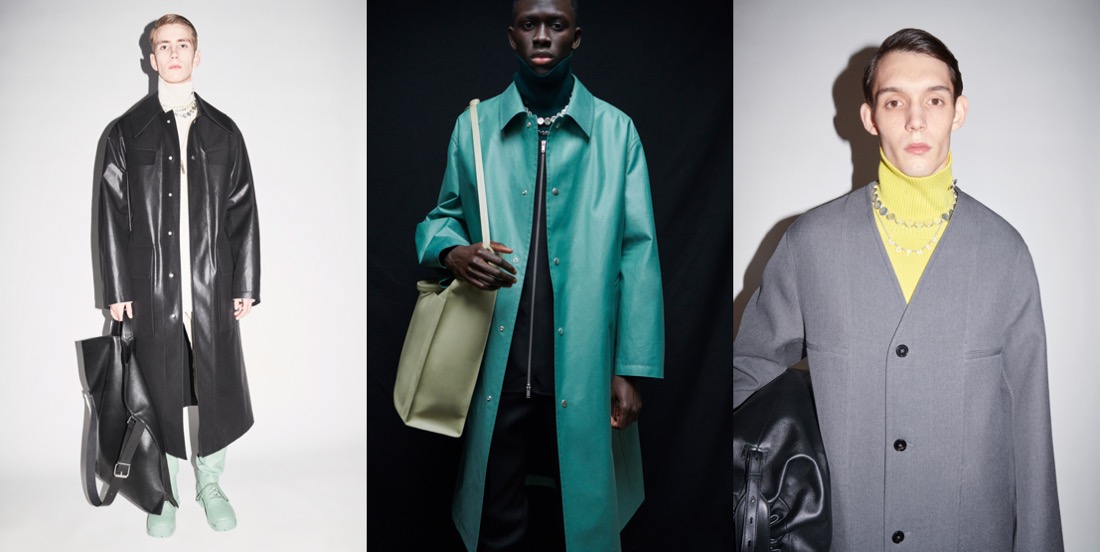
Lucie and Luke Meiers‘ soft minimalism also applies to their menswear collections at Jil Sander. This time, however, the designers seem to be a bit more serious than usual. Between their enveloping wool coats, elongated tailoring, roomy knitwear, fluid overshirts and comforting knitted collars, a more abstract interpretation of our wardrobe mindset than mere ‘comfort-wear’ took shape. Clinical wellies in dusty tonal colors evoked those worn with quarantine suits in science fiction and leather sashes easily conjured visions of spaceship uniforms. Most expressive of the feeling were woven metal necklaces and breastplates, and primitive pendants that spelled out “Mother.” References aside, the pieces spelled out the emotions of solitude and loss of familial contact the designers perceived over the time. “The letter forms are very simple. It’s the feeling he could have just found the metal and made it himself. But it’s very close on his body,” Lucie said. Sewn onto coats and knitwear were panels of frayed canvas printed with photographic portraits of flamboyant young female art students at the Bauhaus shot by Florence Henri in the 1920s. Worn by the un-eccentric young men that made up the cast, the effect wasn’t camp but very human; the male idea, perhaps, of missing a formidable female family member or friend. “It’s a show of familial affection,” Luke noted. The Meiers’ earnest design practice can feel stark or cold, but between its muted colors and themes of loneliness and longing there was an expressed emotional core to this collection that gave it warmth. “There’s a certain personal approach here. I try most of the things on, and I wear most of the pieces,” Luke said.

Collage by Edward Kanarecki.