Men’s – Updated Classics. Fendi AW21

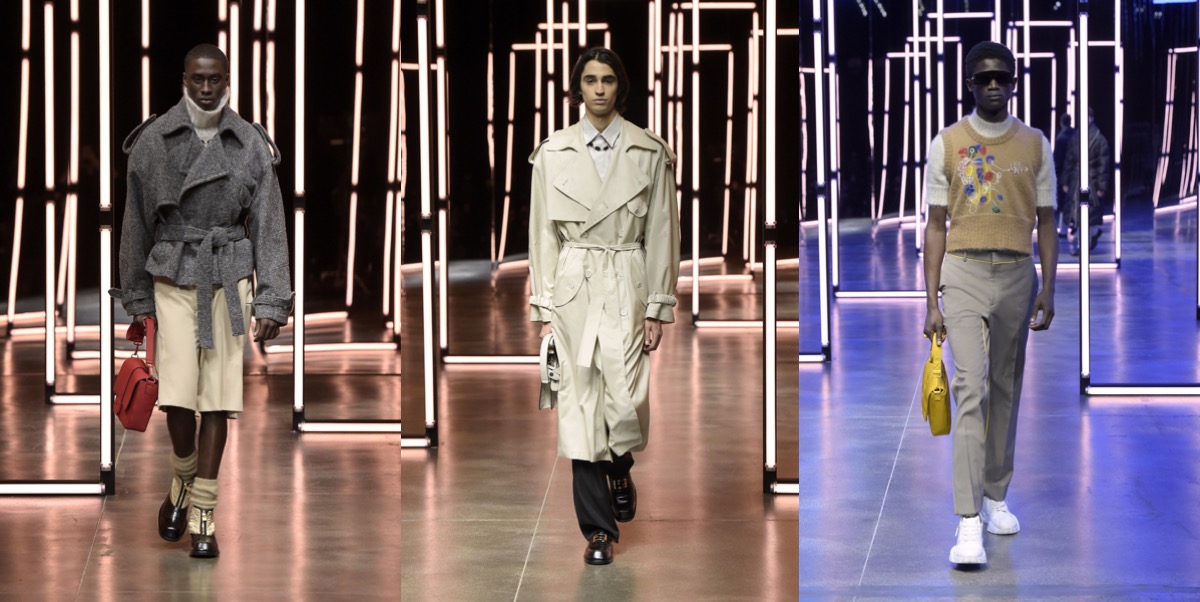
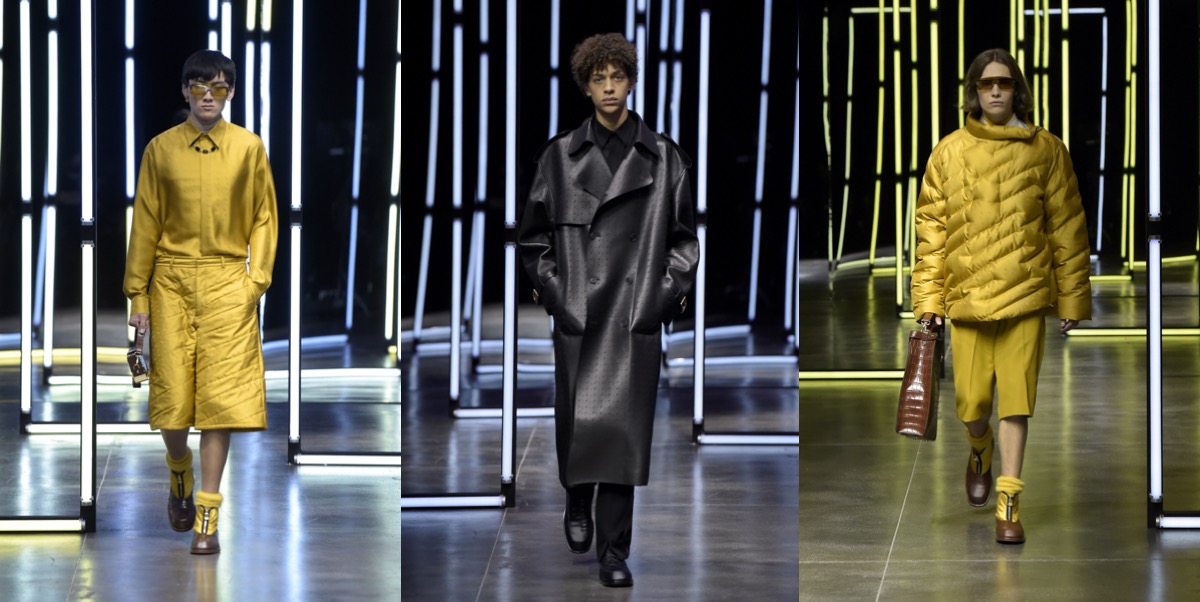
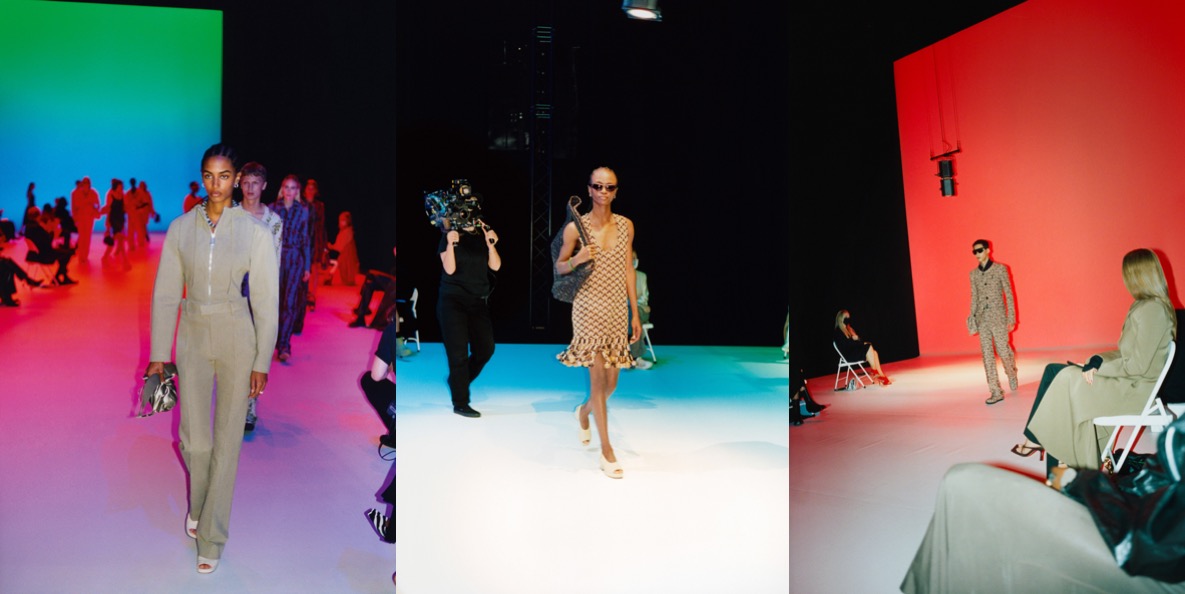
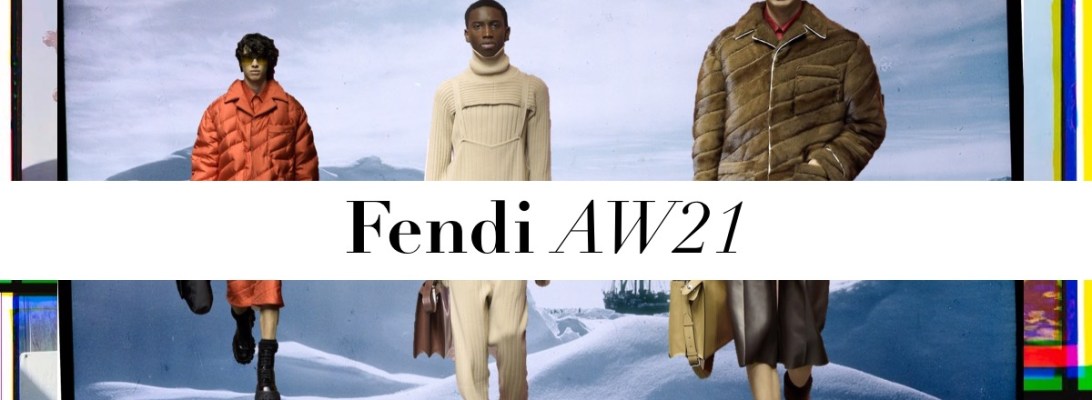
While Kim Jones is about to present his vision at Fendi, menswear is Silvia Fendi‘s territory. This collection contained both examples of bed-to-bodega attire, along with gorgeous intarsia shearling coats and powerfully colored piumino pajamas. Hidden in plain sight among them was a look that Silvia Fendi laughingly conceded was arguably this season’s most transgressive: a black evening suit that was made extra thanks to its pajama-acknowledging blue piping and a louchely low double-breasted construction, but which was a black evening suit nonetheless. The collection was all about laid-back and relaxed feel, however layered with luxury. Camel hair topcoats; hooded shearlings; mink liner-jackets – that reflected a collection of pieces she called: “very tactile – so soft you can sleep in them – and also very functional. Clothes that make you feel good. Because I do think that fashion can have a therapeutic aspect.” Accessories included slipper-spats for seamless indoor-outdoor footwear functionality, and mini-trolleys to reflect our shrunken but still aspirational physical horizons. As Fendi demonstrated, many of the garments were reversible to double their dosage of potential therapy. And the population of patients who might benefit, she added, was purposefully broad: “To avoid that fashionista attitude, I like to consider menswear through many different men who keep their personality… I think in the future, fashion is going to be more individualistic, and I wanted to keep that idea in the show.” One attention grabbing aspect was the inclusion of artwork (including that cursive Fendi lettering) by Noel Fielding. Probably best known as a host of more recent series of The Great British Baking Show, Fielding is a stalwart of British alternative comedy – see The Mighty Boosh and The IT Crowd – of whom Fendi said: “I like him as a man, and he is a multifaceted talent: writing, comedy, music, art. This is something we all have to do today, I think, to change our own skins. And speaking of therapy, in his graphics you can read what you want to see, like colored yarns that have been thrown on the floor to make a pattern.” What Silvia wants, or at least hopes for, she said, is that this collection “will be something that can be worn on the street next winter, and be enjoyed for its bright colors and tactile feel.

Collage by Edward Kanarecki.
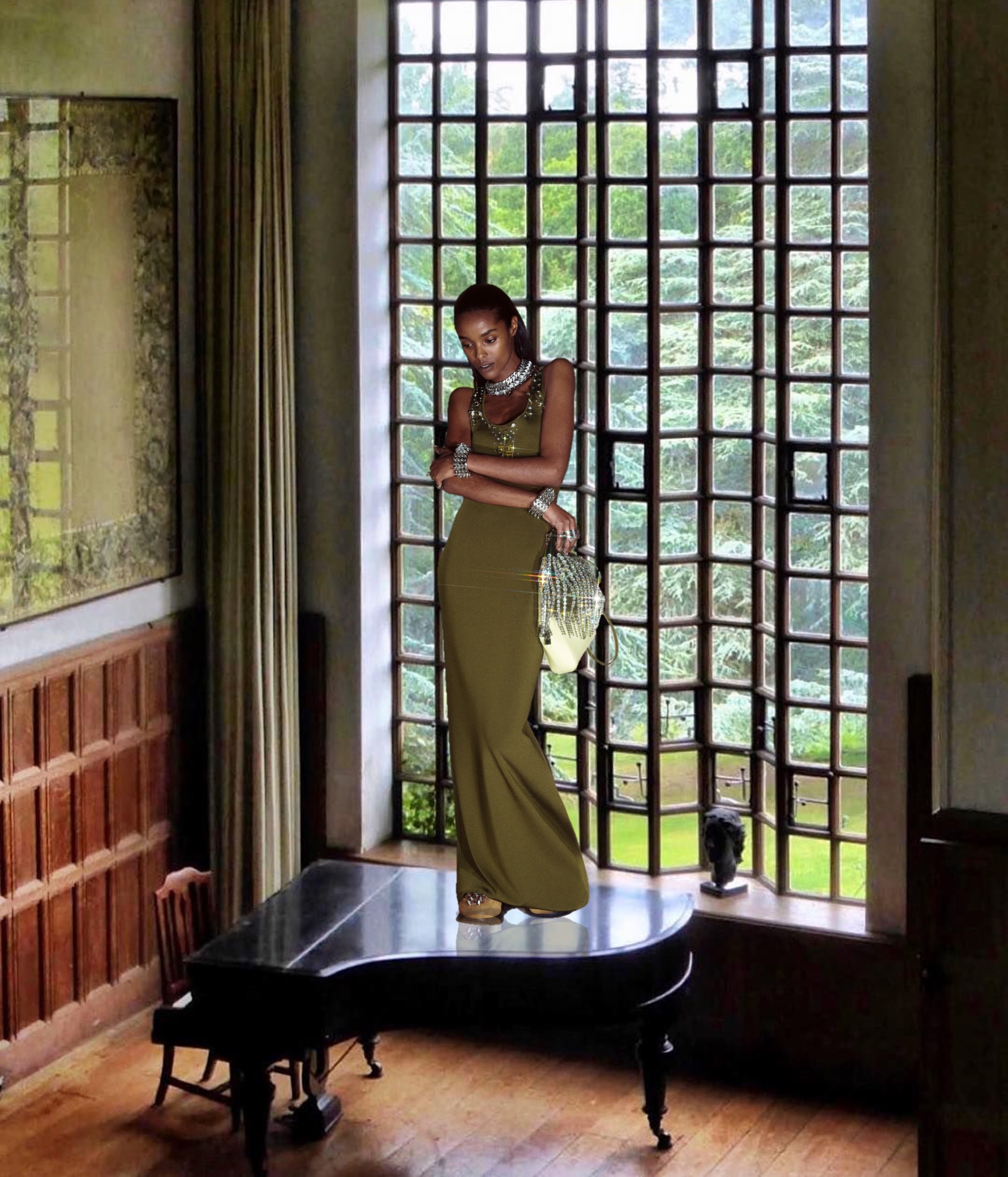
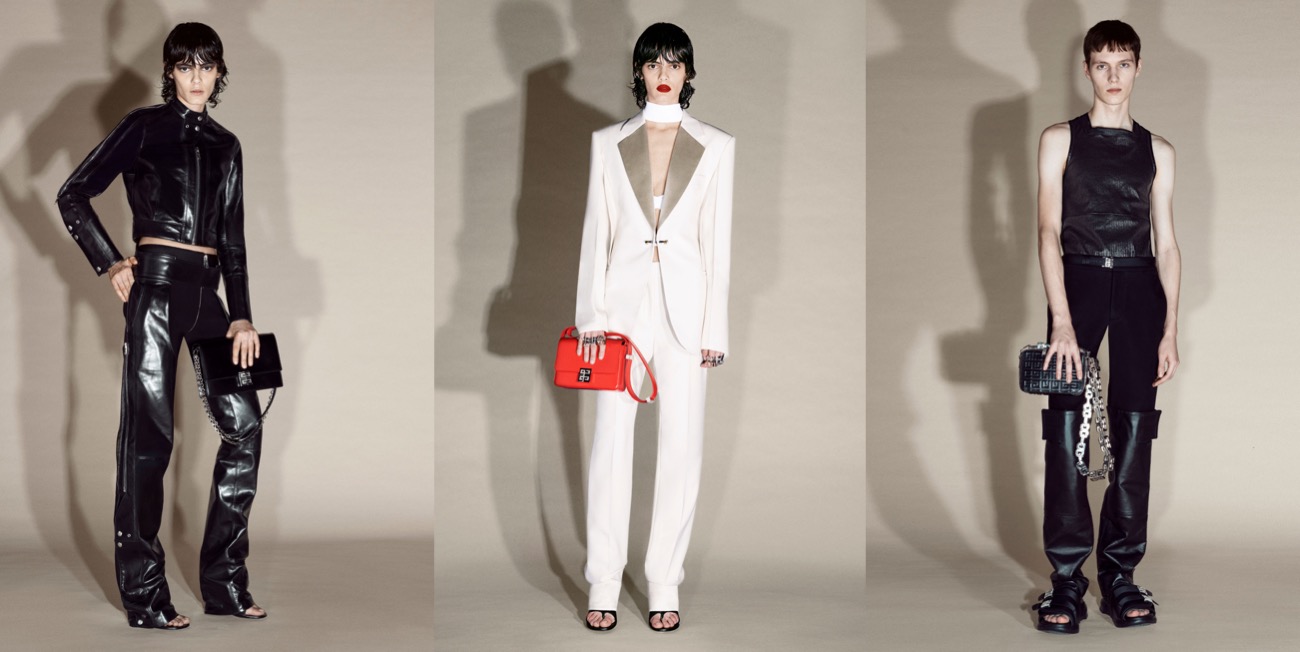
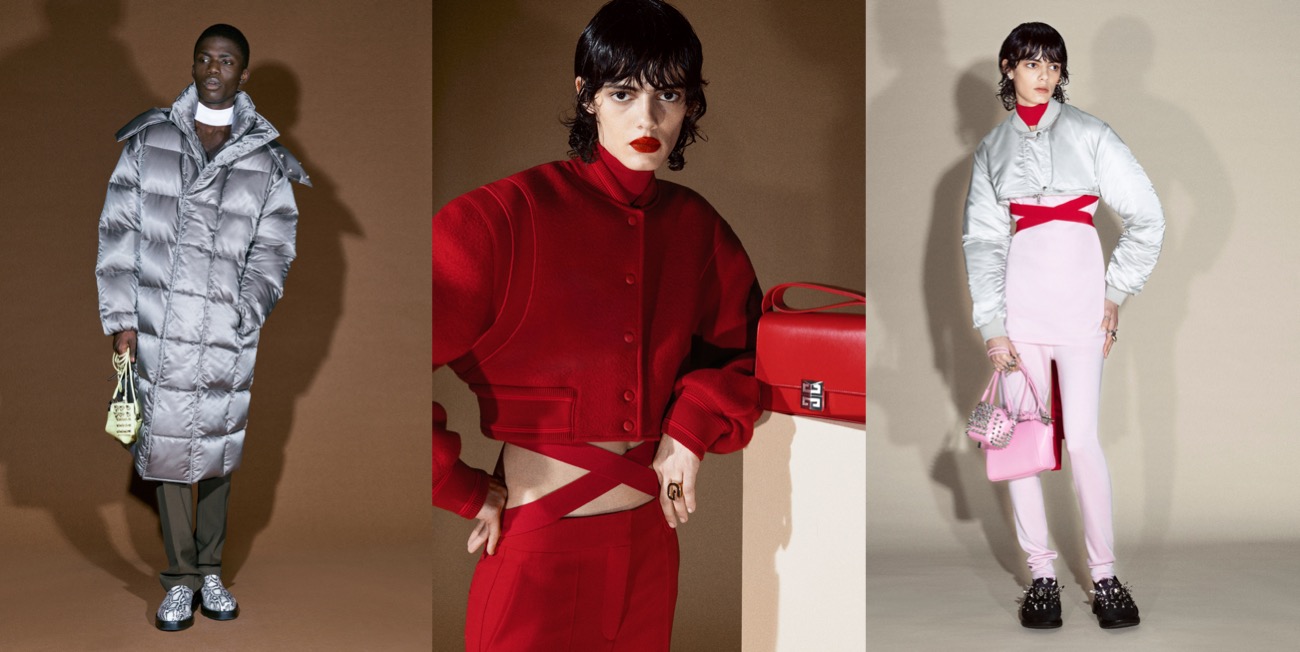
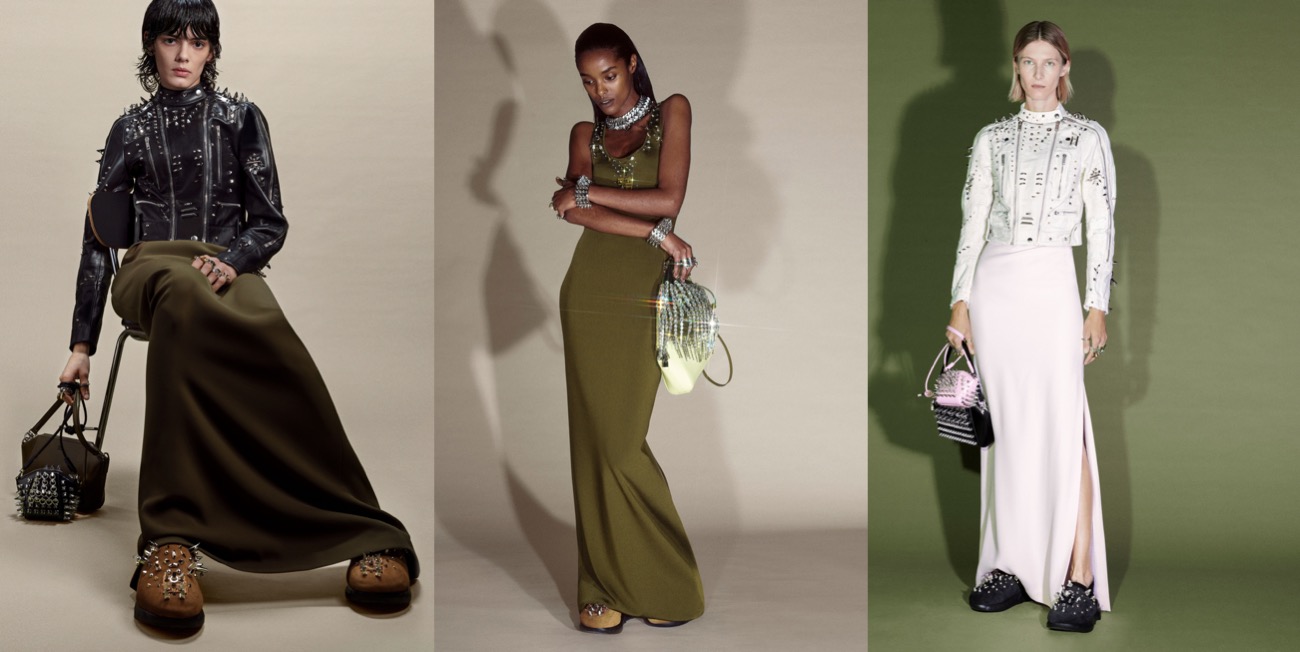
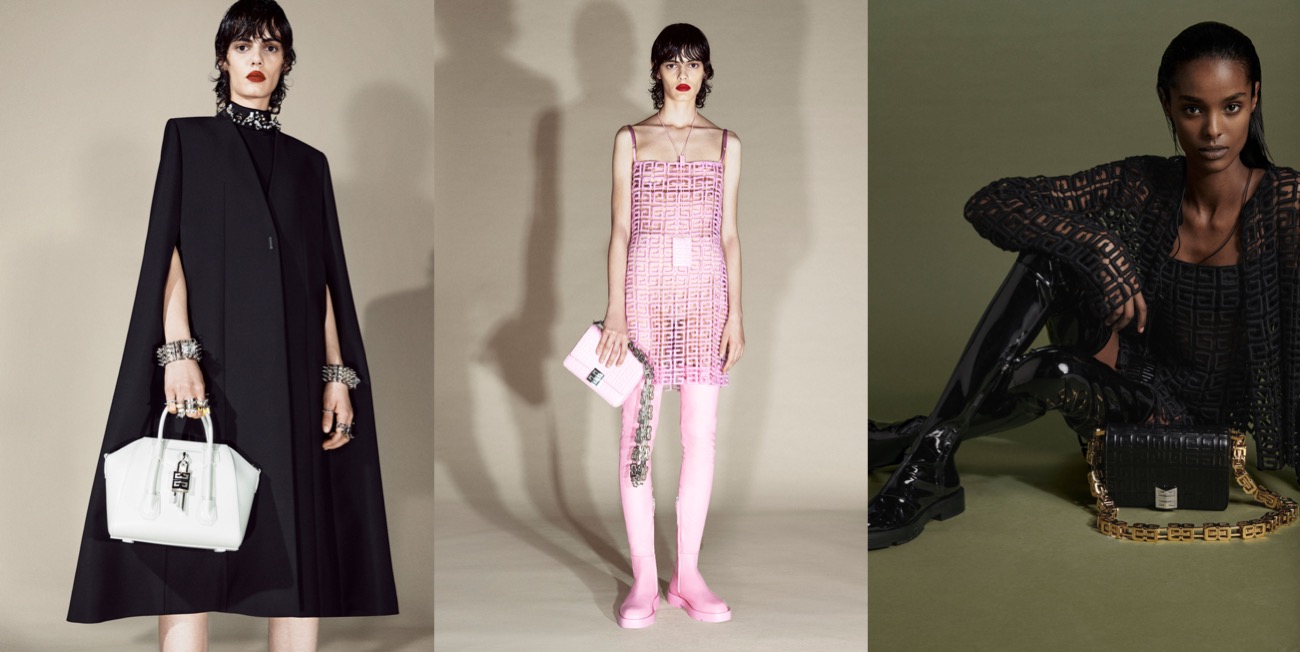
Revisited Classics. Givenchy Pre-Fall 2021

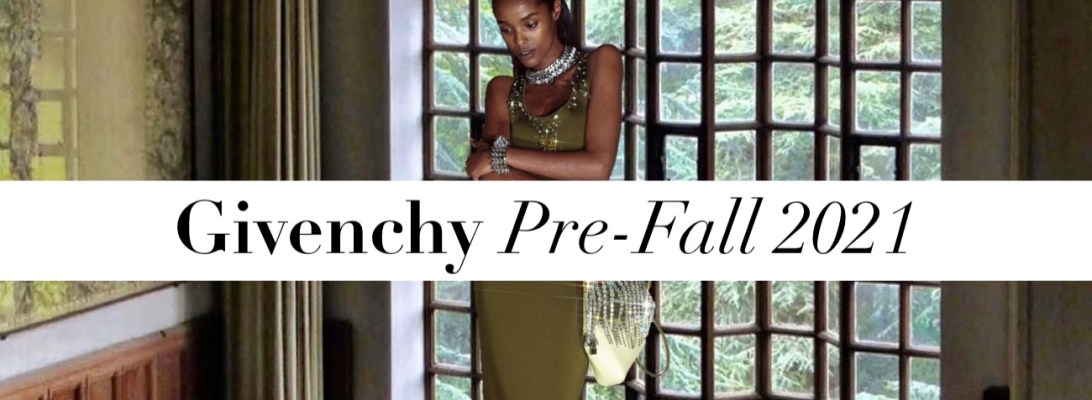
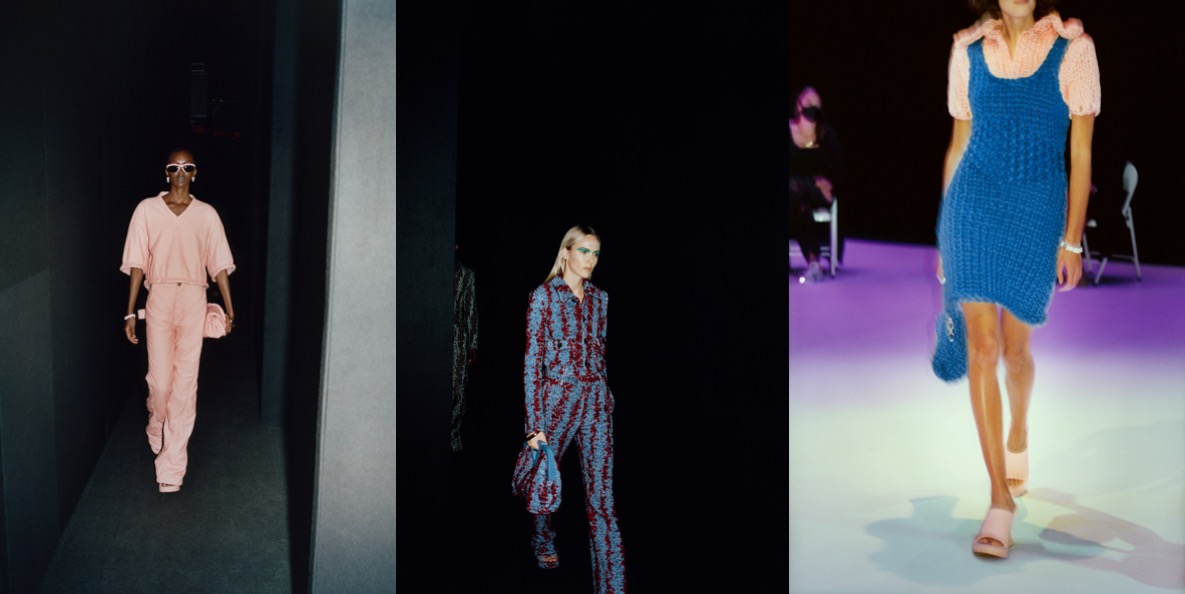
You might be on fence with Matthew M. Williams‘ style and aesthetic, but you’ve got to admit one thing: this guy knows how to shake up a brand and make present it all over the place (even if that revamp isn’t overly ground-breaking). Talking about his first pre-collection for Givenchy, he evaded questions of the specific visual references that may have inspired it, choosing instead to focus on nerdy things like cuts and fabrication. No mood-boards here. “I don’t really work like that, actually. I’m more on the body, touching materials. Sometimes there’ll be imagery that inspires things, but it’s very instinctual,” he told Vogue. Williams is emblematic of a new wave of designers for whom fashion is often less about producing the flashy statement piece than about perfecting the unassuming wardrobe staple – of course, with an endlessly-studied twist. “What I find exciting is often things I would wear myself,” as Williams said. “As somebody who shops, if I’m buying a suit and I want to wear a t-shirt with the suit instead of a button-up, I want that brand to have a nice t-shirt for me to wear.” His new collection for Givenchy proposes a series of wardrobe staples subverted through his soft-versus-aggressive lens. A classic letterman jacket chopped into a bolero and realized in a super luxe, tonal red knitwear; a rather normal long-sleeved black day dress hacked up at the waist like a little piece of architecture; business-ready blazers with complex lapel and collar structures seemingly morphing in and out the fabric. “For me, it’s really finding that tension between my real world – how I wear clothes on a daily basis – with this magical dream world of the maison,” he said. The knitted, slightly figure-hugging dresses continued to outline his womenswear silhouette for Givenchy, which debuted in his first line-up, while silk leggings and EVA-soled suede sliders represented the elevated sportswear element of the collection. Interestingly, Williams’s take on Givenchy isn’t too sporty. “I do wear suits,” he reiterated. “It feels more like me.” Of course, that’s not to say that a generous amount of logos – another pillar of the social media generation – didn’t find their way into the collection. This kind of makes Williams’ vision feel like Riccardo Tisci’s logo-heavy Givenchy off-spring. Williams latticed a lace dress in Givenchy’s archival four-G logo, embossed them on bags and forged them in bag chains. Well. While every fashion magazine has a new Givenchy special in it, 500 million people were reached in October with the brand’s social media campaign featuring everyone from Kim Kardashian to Julianne Moore, and first designs designed by Matthew are hitting the stores, time will show if that “perfect” recipe actually works.

Collage by Edward Kanarecki.

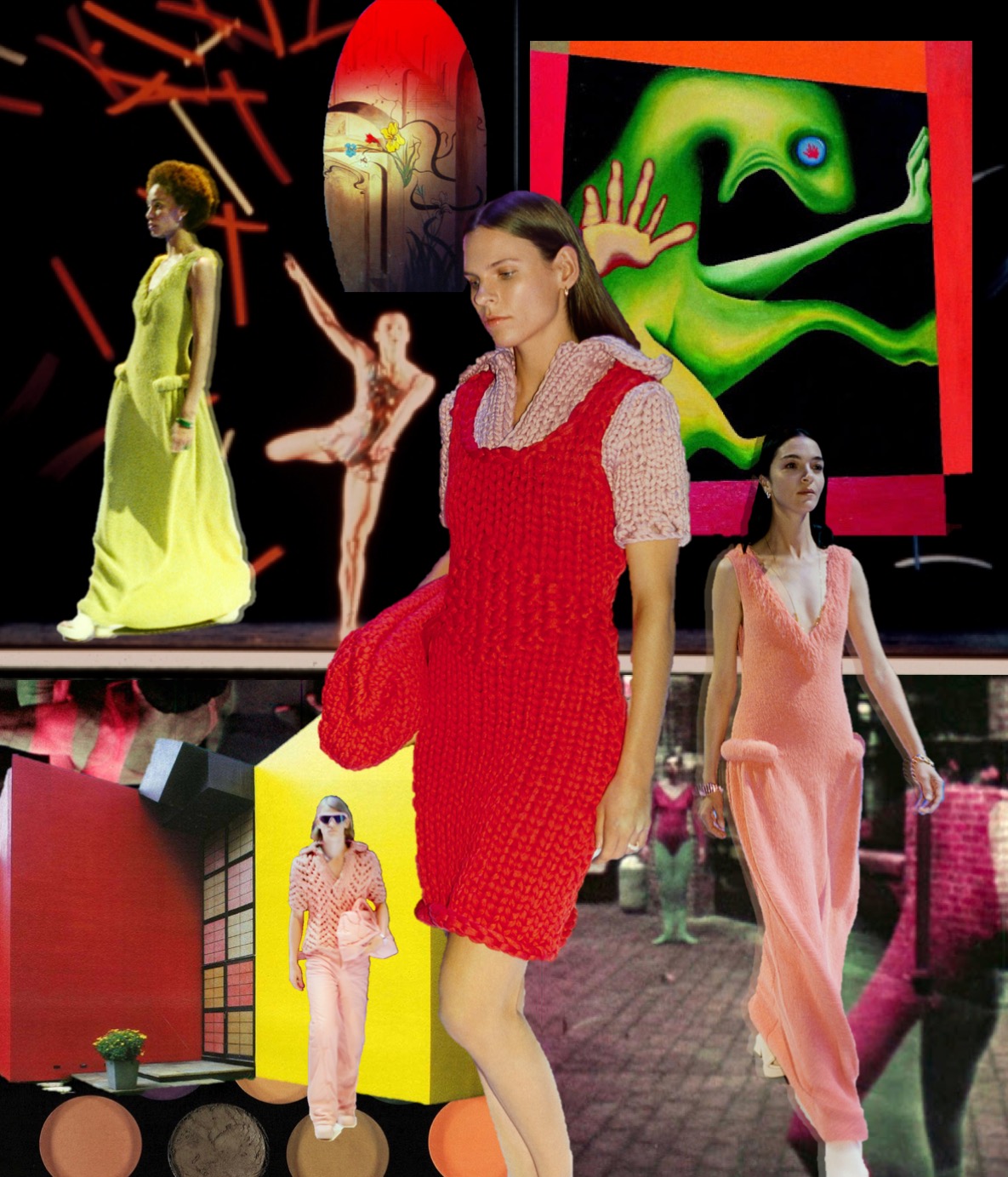
Intimate Tactility. Bottega Veneta SS21

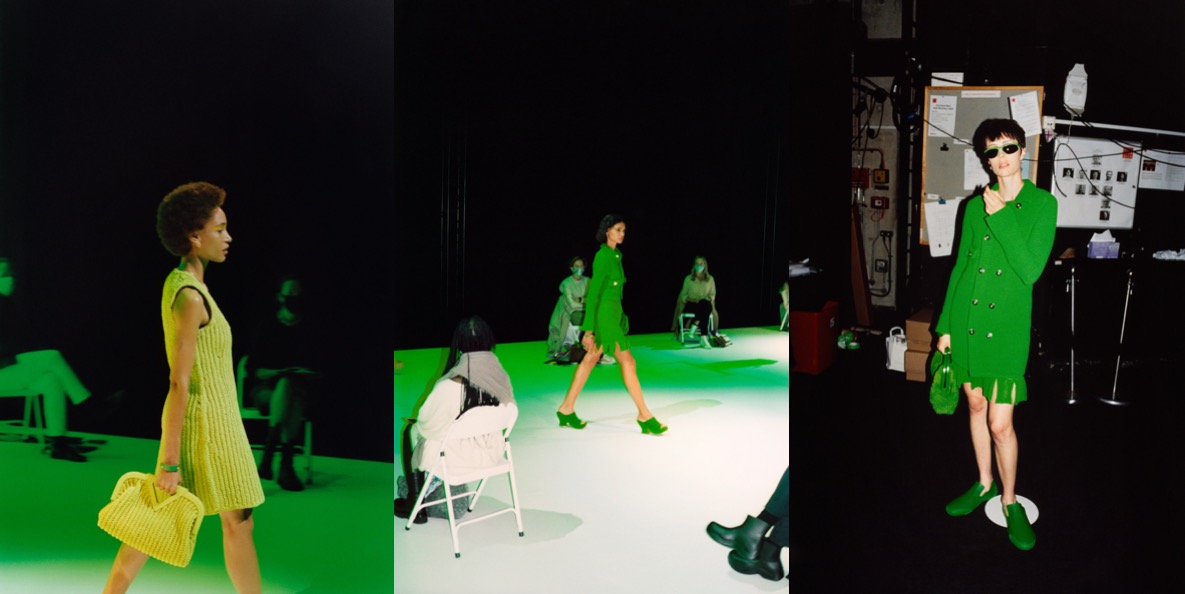
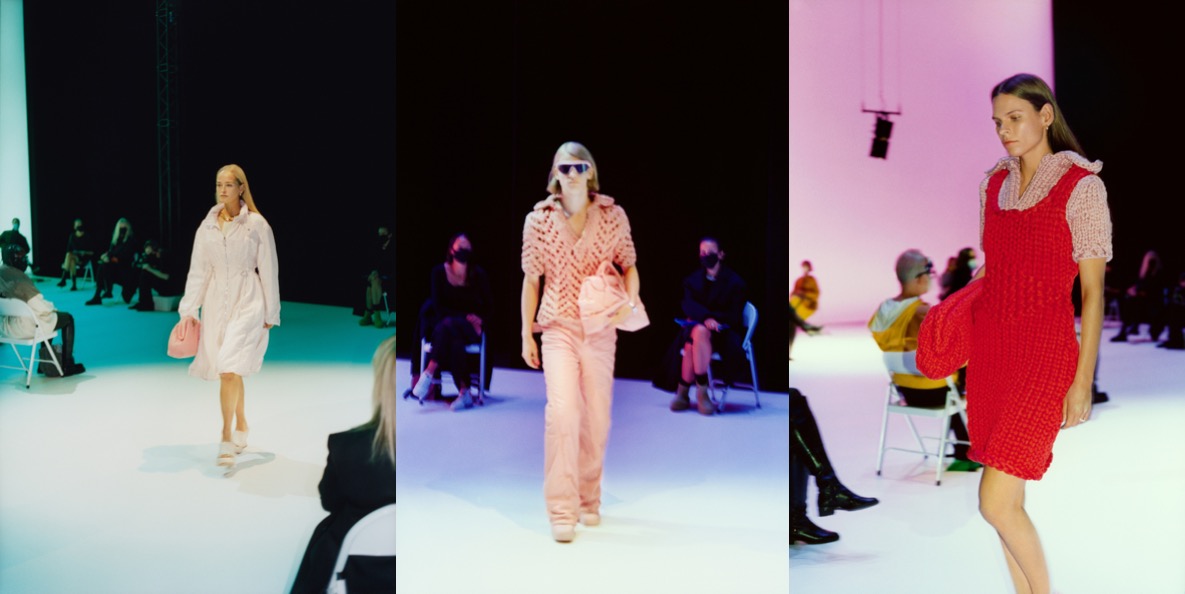
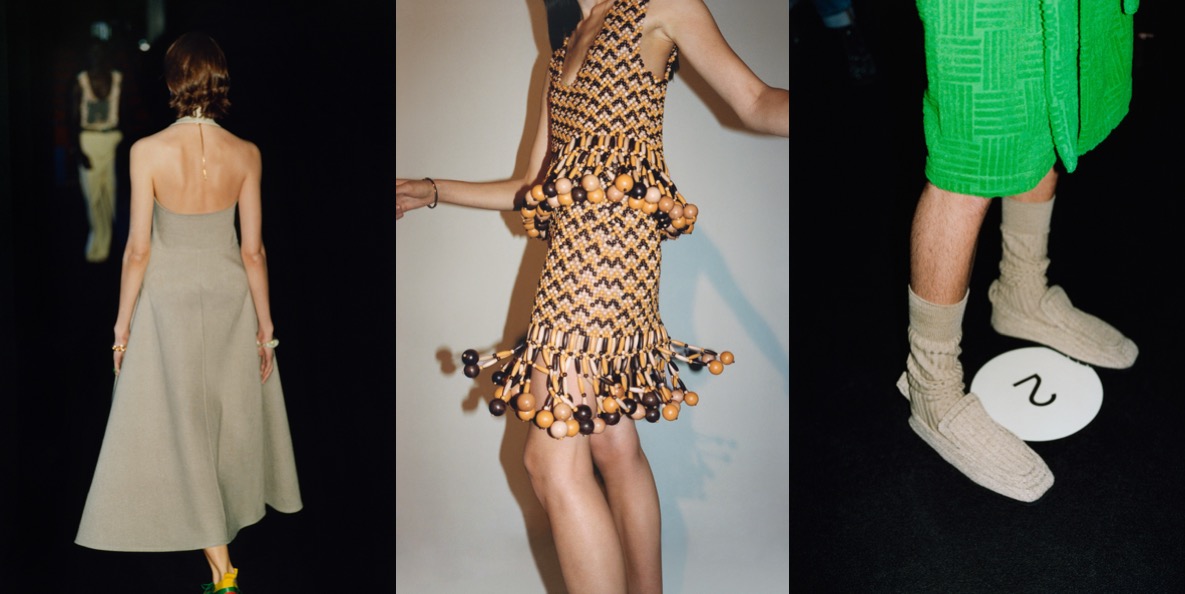
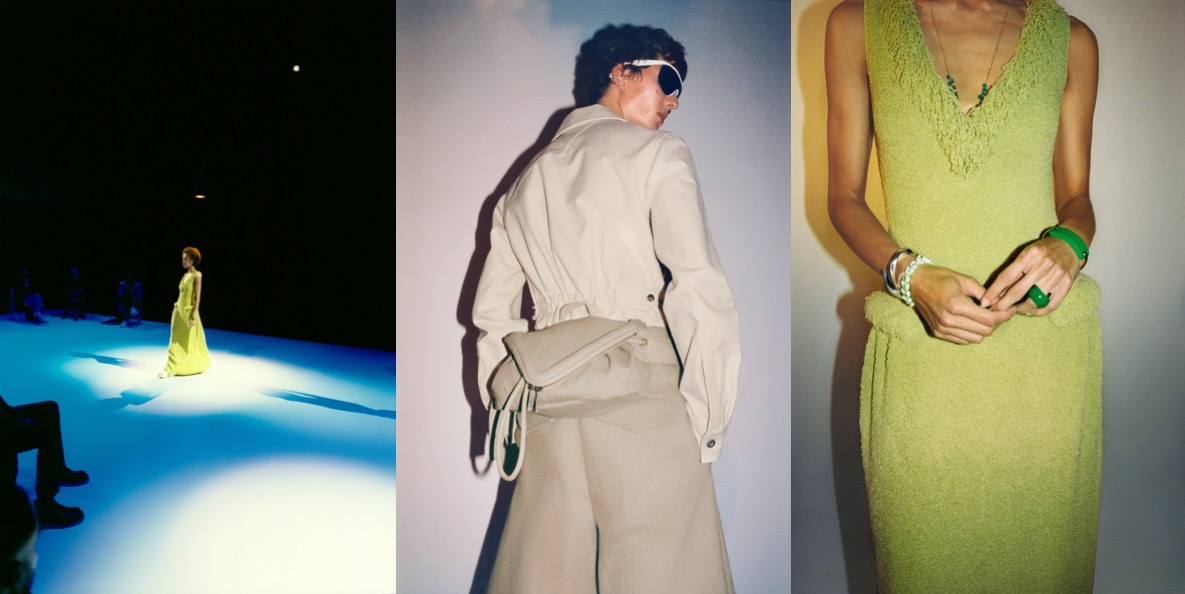
Here it is: one of the most anticipated collections of the season, presented publically three months after the usual spring-summer schedule. Daniel Lee came up with the most challenging and intriguing line-up yet, proving that his Bottega Veneta isn’t just about hype accessories. Back in October, selected guests arrived at Sadler’s Wells in London and sat on the stage immersed in light and sound as models wearing Lee’s new collection snaked through the socially distanced chairs. Had the pandemic not prevented it, Lee would’ve liked to take the concept around the world. “It was a bit like going backwards and thinking about how fashion shows began. This idea of salon shows,” he explained. “It felt extremely intimate and much more personal.” Throughout the show, which rather felt like an improvised happening, Neneh Cherry’s musings on style and clothes were the soothing soundtrack. The collection is defined by its tactility. Much of it is knit, sometimes in quite thick-gauge yarns. The jacquards practically pulsate, and there are dresses made entirely from car seat beads or tiny shards of pearlescent shells. Lee studied knitwear at Central Saint Martins, so no wonder why he feels confident with this medium. Case in point is the stretch-knit skirt suit in Bottega green that opens this look book. With its buttoned-to-the-neck cropped jacket and its mini-length carwash hem skirt, it doesn’t so much speak to our shut-in moment as it does gleefully anticipate our reemergence. “I wanted to create a world and a universe that felt very glamorous and done up, but also quite stripped and quite pure,” Lee said. “I’m always interested in this idea, of how you can feel done up and elegant at the same time as feeling comfortable. That’s really my kind of mission for Bottega.” Lee saved his boldest experiments for silhouettes. Many of the dresses are built up at the hips with padding. On a raw linen sundress the padding is hidden inside, but on a series of knit dresses it’s exposed as surface decoration. He explained that they were looking at the Tudor period, Henry VIII specifically. It’s a demanding shape, which will definitely keep the clients surprised and amused. And yes, all this creativity emerged from the early months of the pandemic makes it more impressive. On that subject Lee said: “A lot of us moved to Milan for Bottega, and obviously with the world shut down, all we really have is each other at the studio and the work. It’s almost like a therapy. It gets you through the darkest times because you can completely lose yourself in making a beautiful fabric, a beautiful garment.” So, not everything is becoming virtual, after all.

Collage by Edward Kanarecki.

Trippy Elegance. Dior Men Pre-Fall 2021

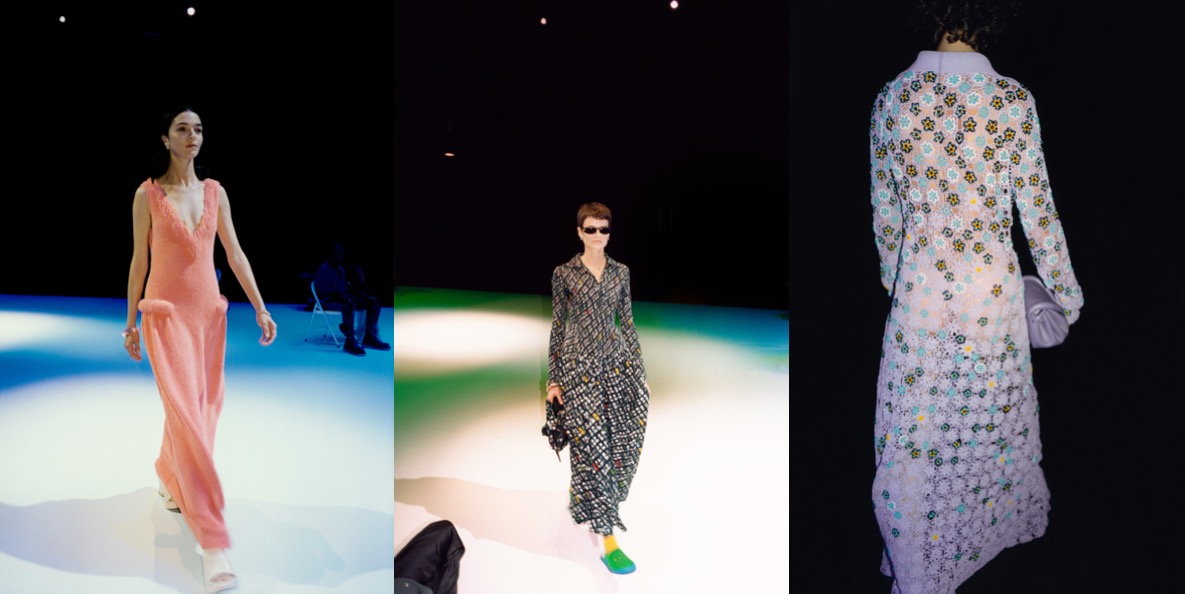
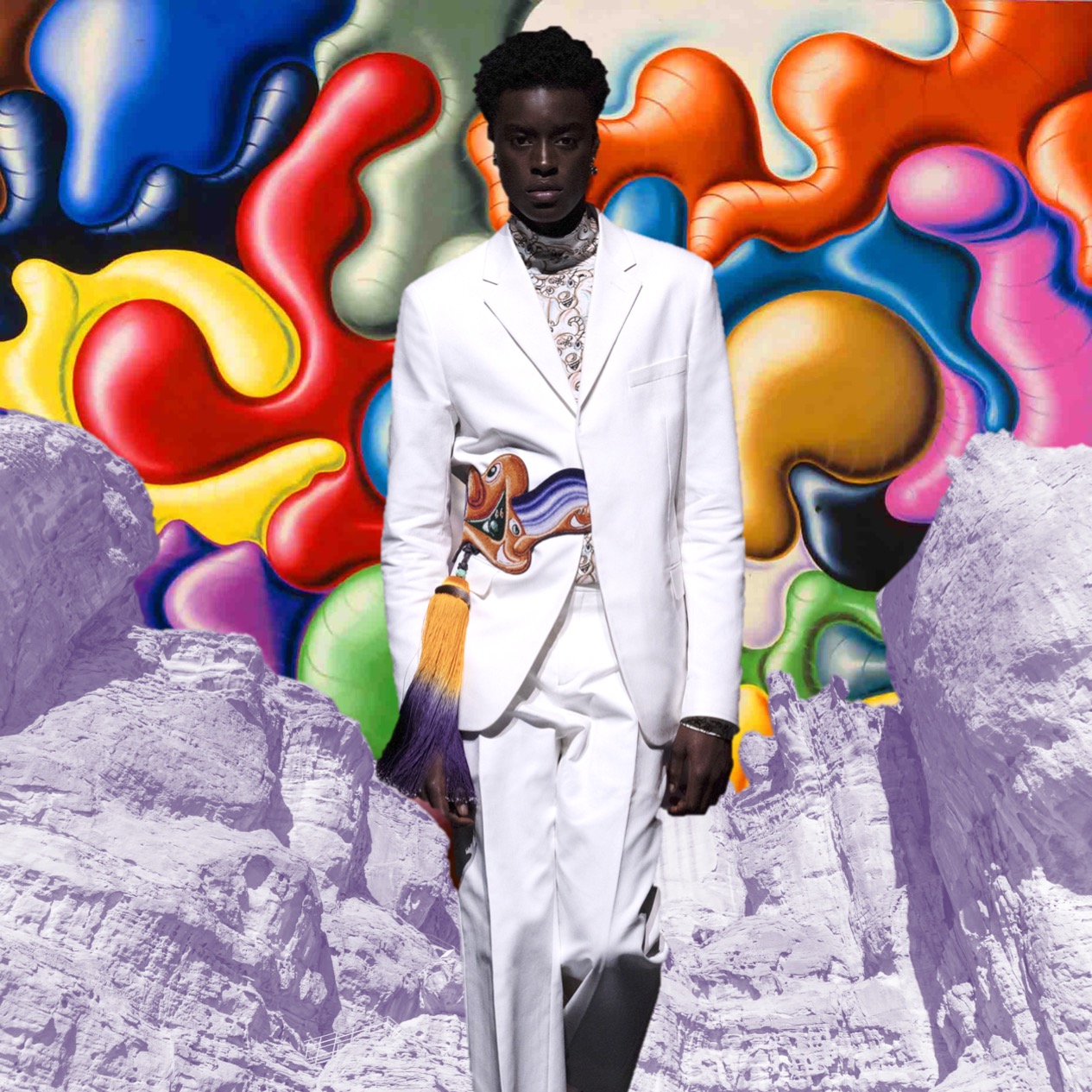
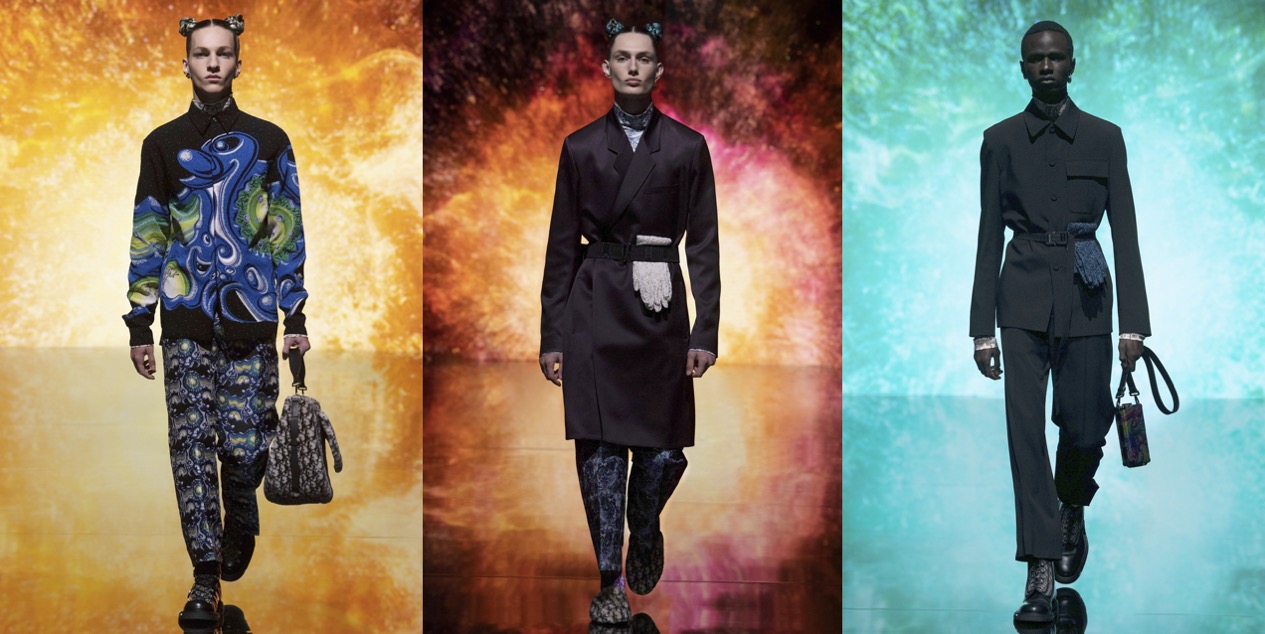
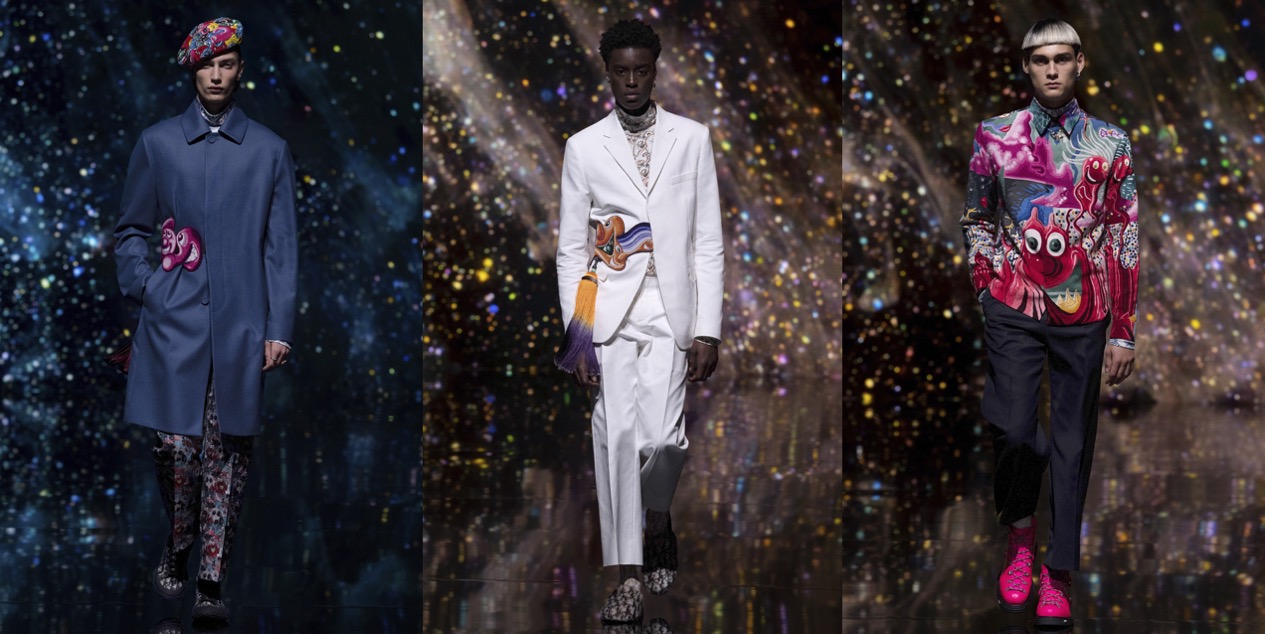
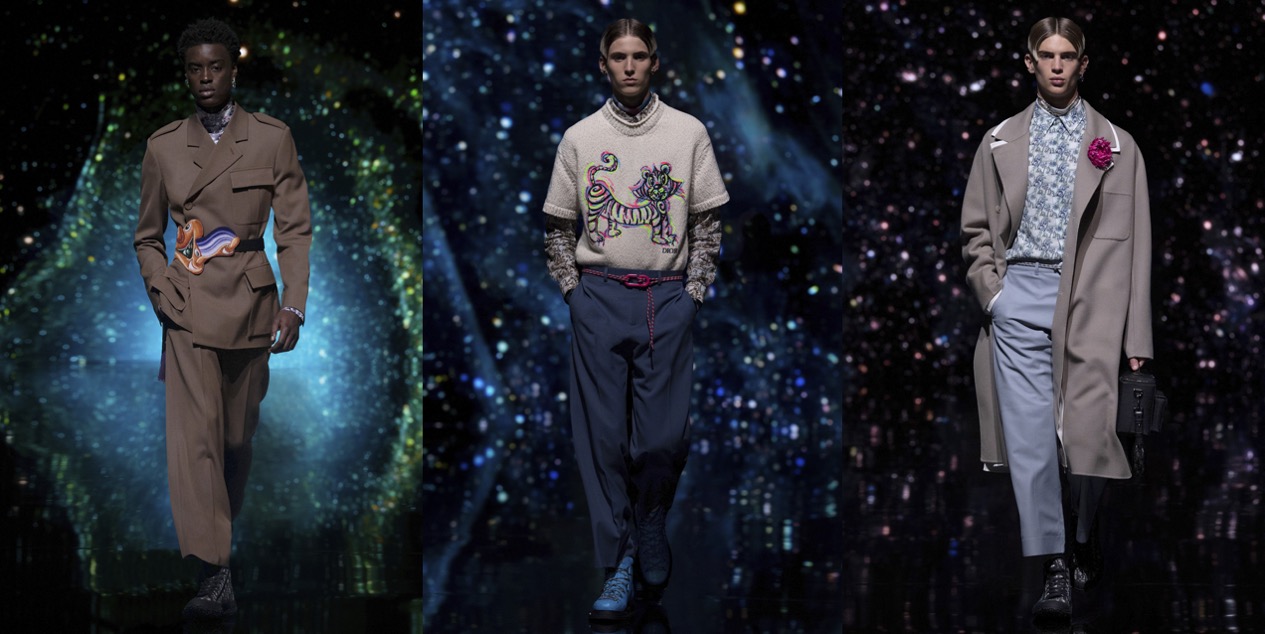
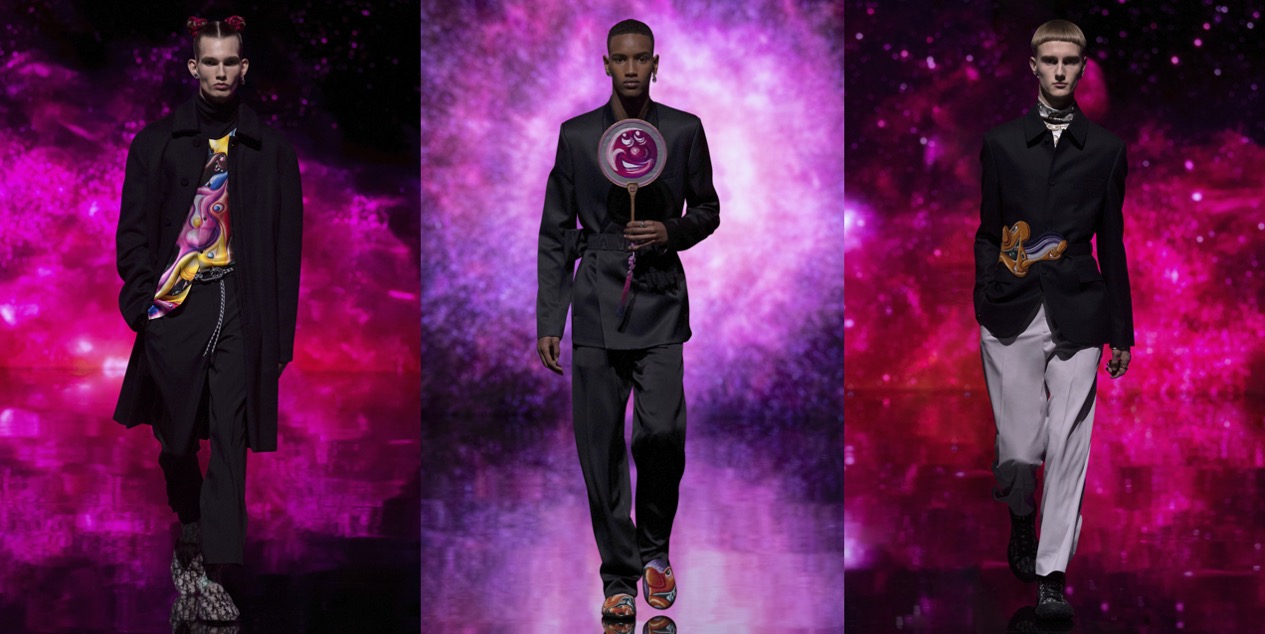
This time last year, Kim Jones’ many fans across the fashion and art worlds were gathered in Miami Beach. His Dior Men show was a Basel-adjacent affair, complete with a walk-through of the new Rubell Museum. Last moments of old reality. The pandemic scuttled plans to stage a show in Beijing for Jones’s latest outing, and this way sole focus was directed at the clothes. Last year, Jones revealed a colorful collaboration with Shawn Stussy, the streetwear OG. This season, he tapped Kenny Scharf, an American artist who emerged from the 1980s East Village scene, making street art alongside his friends Keith Haring and Jean-Michel Basquiat. “The fun and the energy of that time – you see young kids being excited by Kenny Scharf’s work. It’s speaking across generations,” Jones told Vogue via Zoom. Scharf’s canvases can now fetch up to six figures, but he still has street cred: via “Karbombz,” a public art project, he’s tagged upwards of 300 cars with his imaginary creatures – all for free. Scharf, whose first show was at New York’s Fiorucci boutique in 1979 and earliest fashion hookup was with Stephen Sprouse, is the perfect Jones collaborator. His work gleefully obliterates boundaries too. “I’m one of the inventors of all that,” Scharf said on a call from his L.A. studio. He raved about Jones: “He’s a listener, he’s a learner, and that shows. He went really deep into what I’m doing.” Together, the designer and the artist selected contemporary pieces and older ones to reproduce, including When the Worlds Collide, a 1984 canvas in the Whitney’s permanent collection. Scharf also designed 12 Chinese zodiac signs for the show’s knits and underpinnings, and, of course, he had free rein to reinterpret the Dior logo. “I just wanted it to be a very full-on version, using specific techniques to recreate his work in really beautiful ways, to make it even more Pop,” Jones said. In some cases, the Dior ateliers were joined by Chinese artisans who rendered Scharf paintings in delicate seed embroideries. Silhouette-wise, Jones’s instinct was to soften his distinctive tailoring and give it a more lounge-y attitude. Jackets are belted like robes and pants are easy; some of the models wear Oblique-patterned slippers. We are still locked in, after all – lets keep it stylish.

Collage by Edward Kanarecki.

Stimulating. Balenciaga AW21

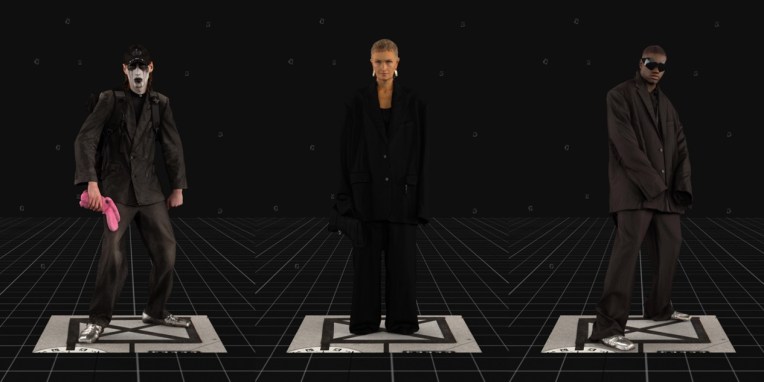
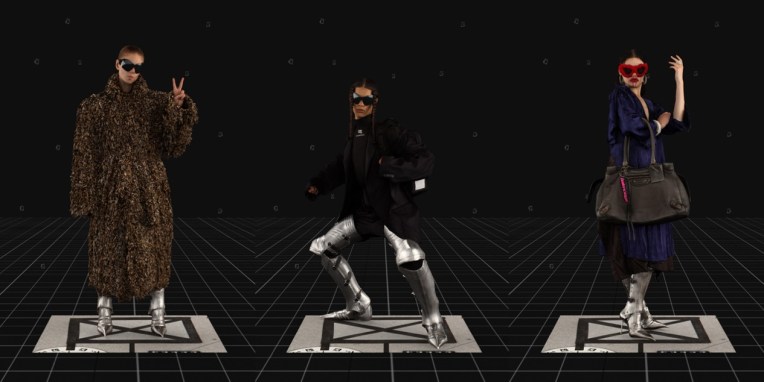
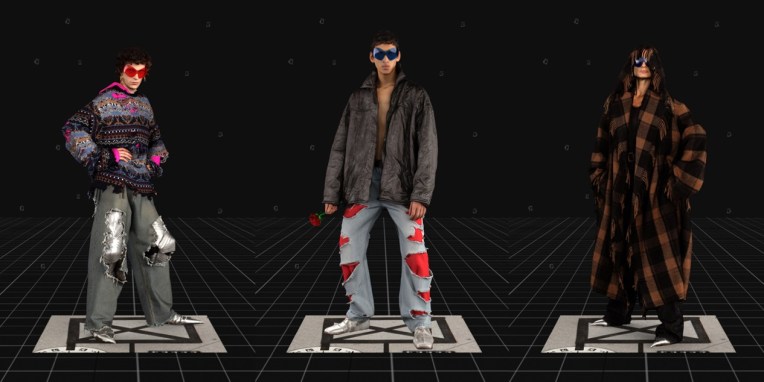
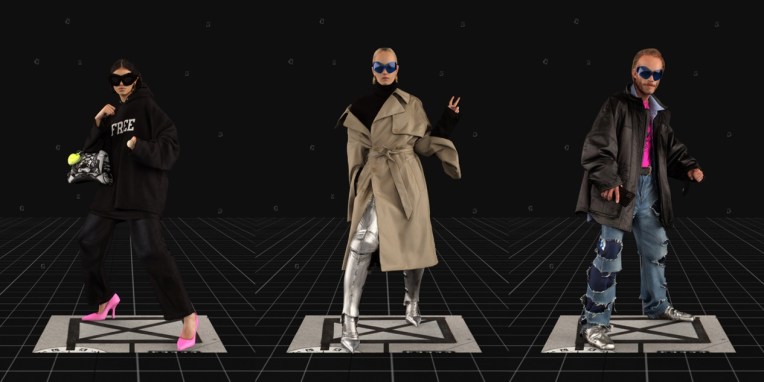
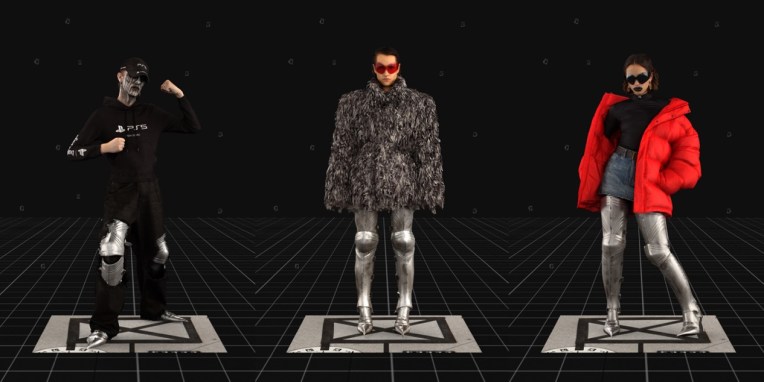
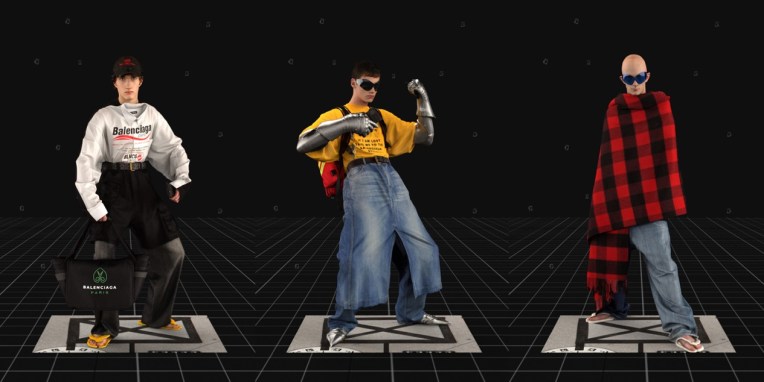
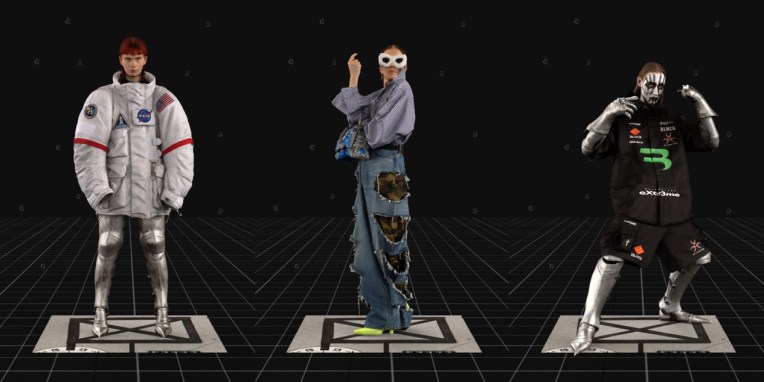
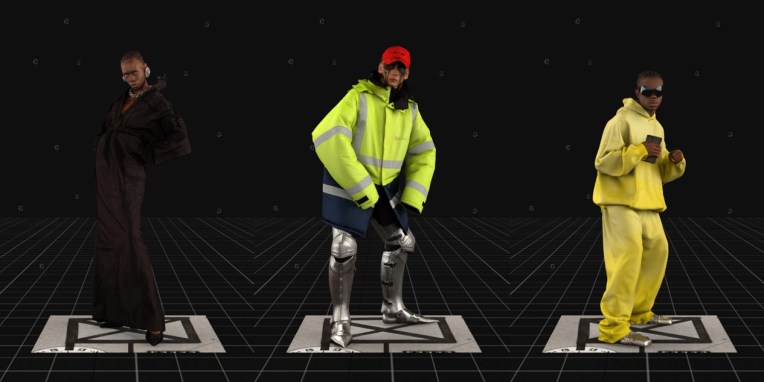
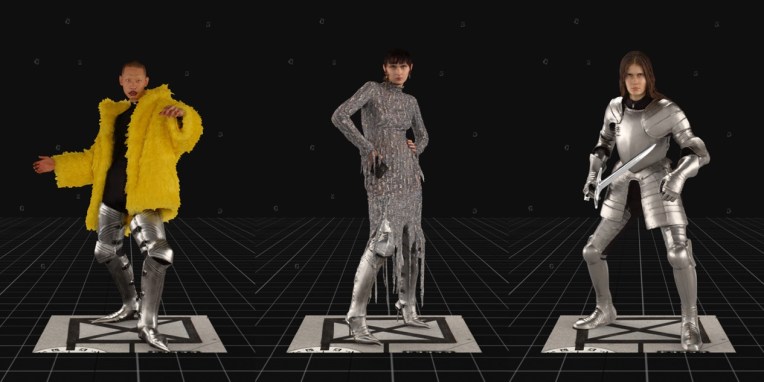
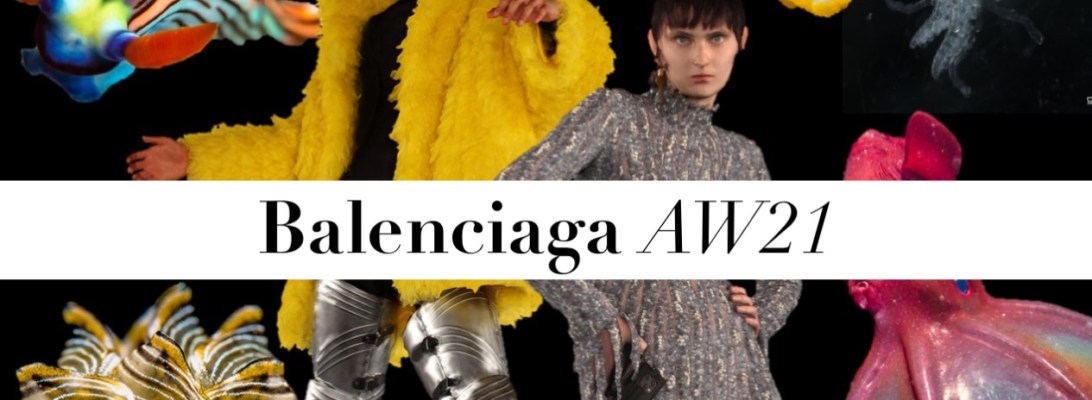
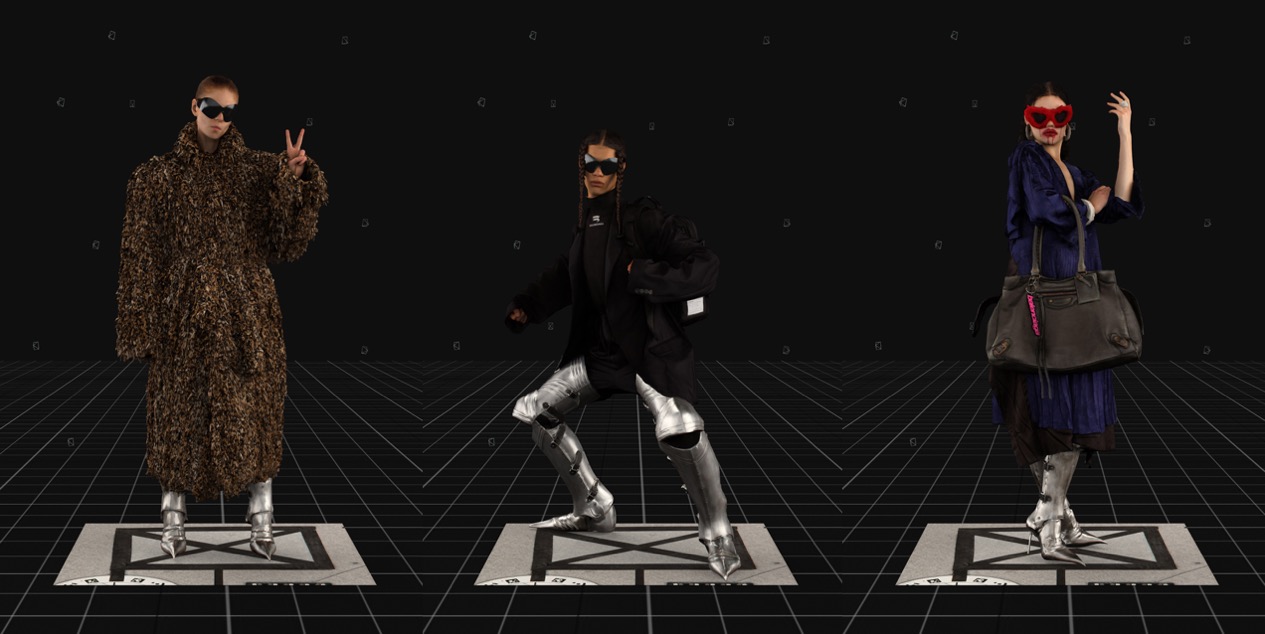
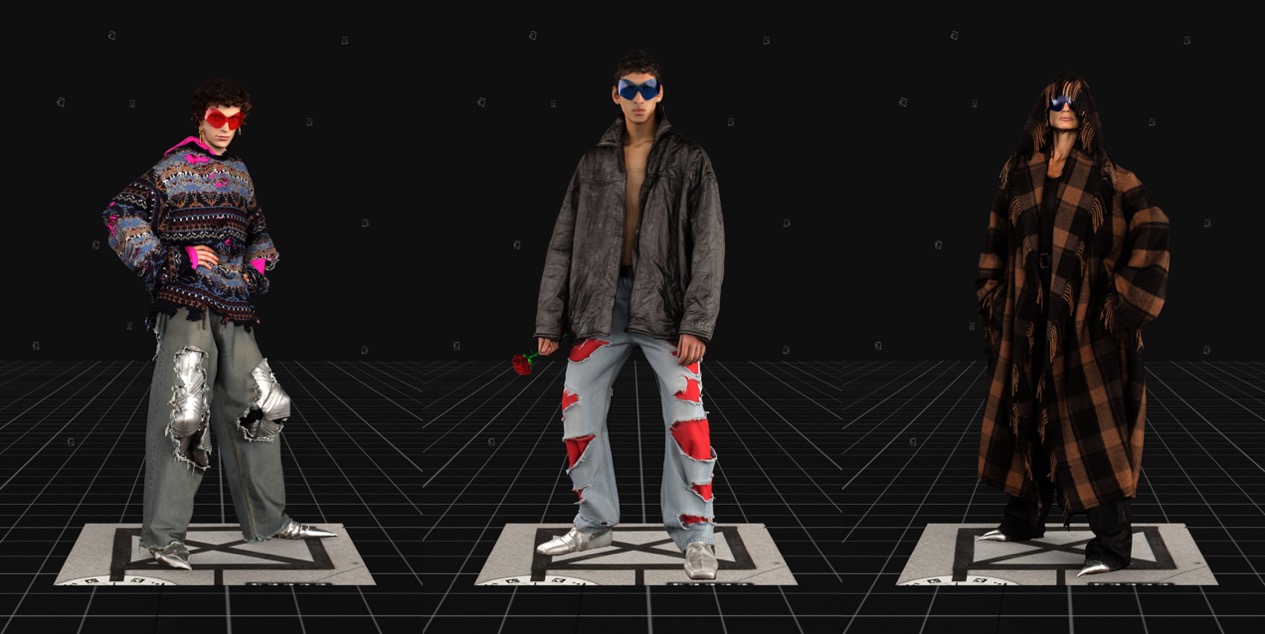
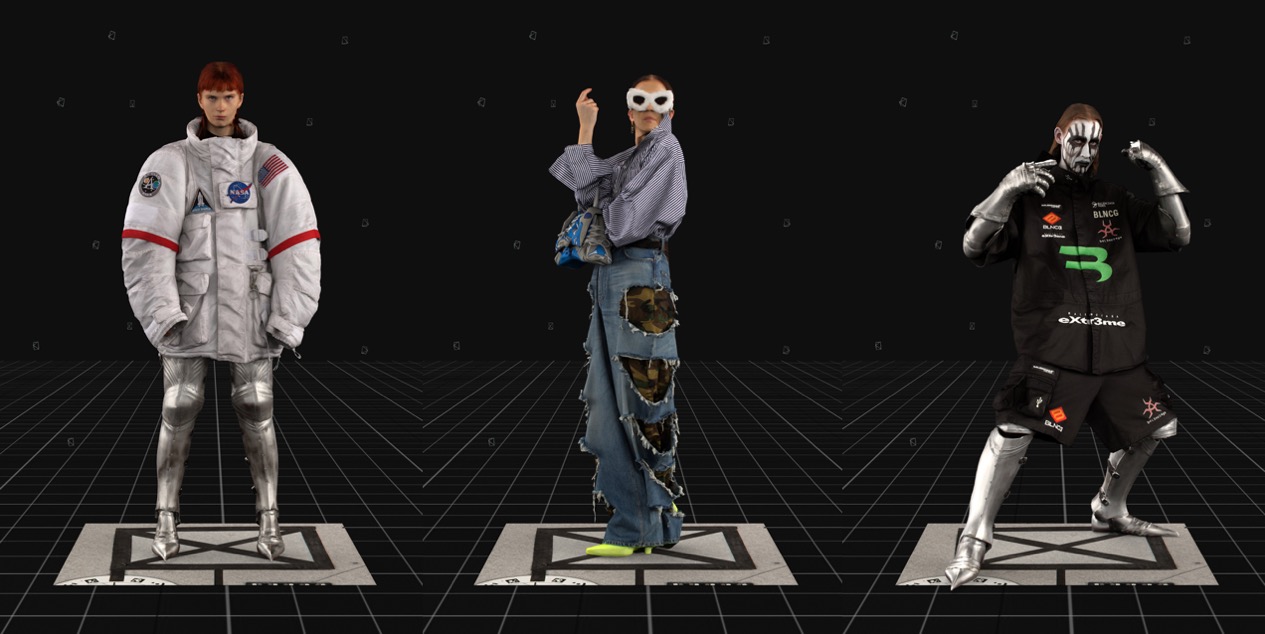
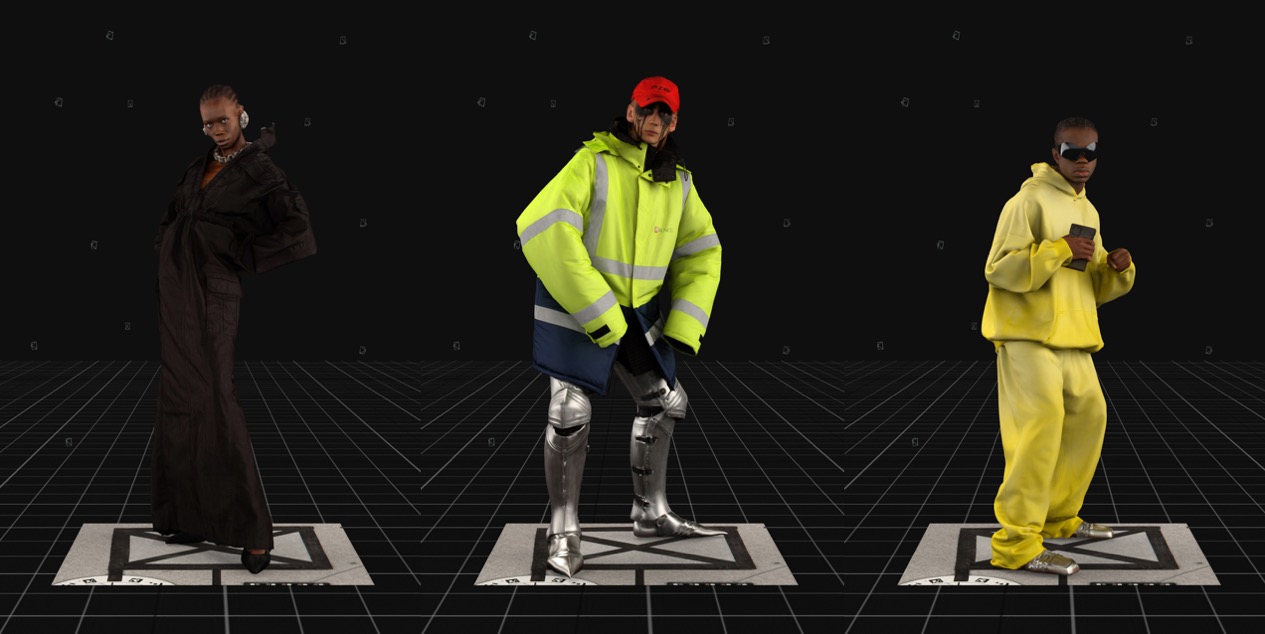
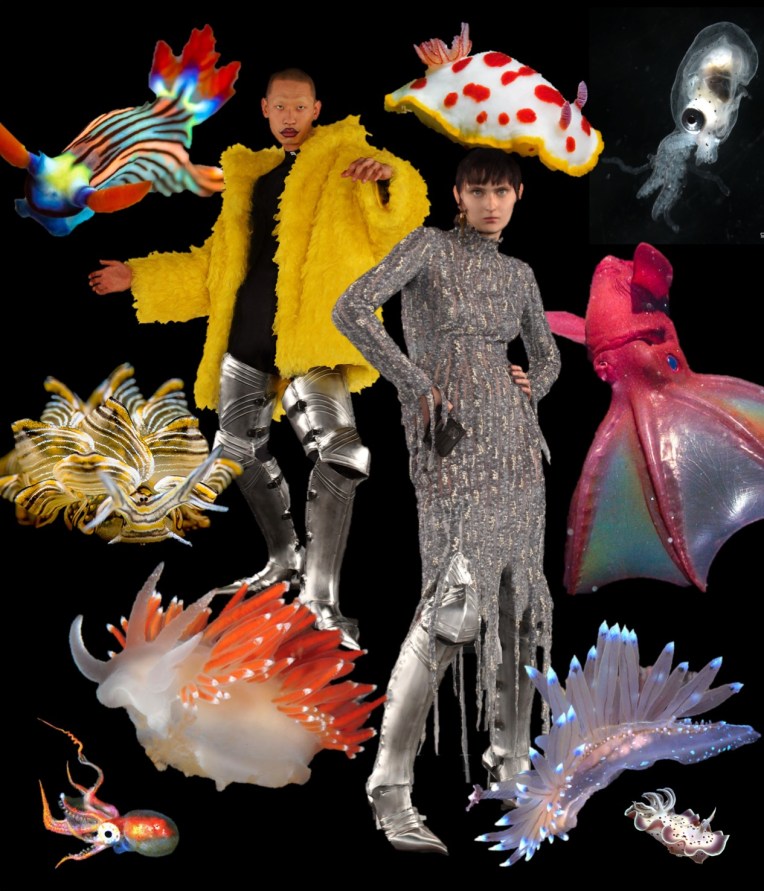
The global pandemic pushed the fashion industry into abrupt reflection of how to show clothes, but most brands decide on a safe look-book or a film (and even episodes directed by renowned artists). And then, we’ve got Balenciaga‘s autumn-winter 2021 collection. I can’t recall a more stimulating fashion show presentation in a while. It’s not even a presentation, but a game. Yes, that’s what fashion can be in contemporary times. And Demna Gvasalia is a genius for acknowledging and embracing that. Afterworld: The Age of Tomorrow is an allegorical adventure, simultaneously a collection, and a break into the lived world of millions of players. “I hate the idea of fashion film. I find it very dated,” the designer tells Vogue. “We started working on this in April, since we knew that fashion shows would be out of the question.”  There are levels and levels to explore in what Gvasalia is engaging with now, and only one of them is the fact that on the tech side he teamed up with Unreal Engine, the games engine of Epic Games. He says it took a hundred people to pull off what is boasted of as a record-breaking “volumetric” video project escapade—meaning the hours of expertise and advanced technology that it took to digitally scan the Balenciaga models and their movements in a studio in Paris, and then transform them into avatars. “I asked them to imitate couture poses, which actually turned out to look like how gaming characters stand at the beginning of a game.” So that’s the start – and how the basic look book content was shot IRL. The “hero’s journey” narrative should be experienced first hand. I played the game, and I must say it’s brilliant. Maybe you’re not really doing anything, but the whole thing is immersing. Pandemic-wise, with everyone locked up in their homes, it’s a realm of escape; and connecting with others – that’s only mushroomed in emotional significance. Which is where Afterworld: The Age of Tomorrow comes in, constructed as Gvasalia’s projection into 2031 – 10 years hence, a gamified future where people will have battled through the anxieties of our present dark age to reach a better place, armored with some Balenciaga medieval boots as they go. “It’s about the comeback of youth – where nature and youth coexist,” he says. “Kind of hallucinogenic. It starts in a Balenciaga store in a city center, which could be anywhere. People go to meet in different suburbs, an arty underground area. Then you go to a black forest, led by a white rabbit to an illegal rave. Like you see people have been having this year.” The future of clothing aesthetics, Gvasalia imagines, is the logical extension of what’s already happening among the climate-emergency-aware generation. “People will keep wearing clothes they love until they fall apart. I do myself. So things look quite destroyed, worn in, pre-crinkled.” For outdoor dancing in the cold, there’s the signature Balenciaga red puffer (a look he made his name with in his first season), adapted to skew off one shoulder. Or the option of a shaggy gray padded coat. “It’s made of shredded deadstock. We cannot do fur today – and thank God. This gives that drama, instead. And it’s really light and warm.” It’s down into a cave next. Gvasalia swears this is not the same place of apocalyptic darkness he immersively evoked at his last Balenciaga show in March, where sinister black-clad people walked on black water under a burning sky. It was days before the world went into pandemic lockdown. “Some people called me prophetic after that. But fashion is a reflection of life,” he reasons. “We have been through dark times, but I don’t feel this darkness anymore. I feel hope. More positivity than despair.” There’s a hoodie, printed varsity-style with the word free on it. “People want to get to the other side of this.” In the gloom of the Afterworld cave, fashion-gamers will meet artist Eliza Douglas, Gvasalia’s emblematic Balenciaga model, dressed in armor as a modern-day Joan of Arc. “She takes a sword out of a stone, like in the myth of King Arthur. But she’s a modern-day pacifist warrior.” The high-heel armored boots she wears are the opposite of virtual. Gvasalia had them made by a man in the South of France who forges medieval armor. “It reminded me of how they make robots today,” he adds. “We’ve made some of them in softer leather. They’re going to be expensive. Limited.” Finally, the tribe of Balenciaga avatars – some dressed in old-style NASA space jackets, others in T-shirts printed with game-convention logos – will reach a mountaintop and see the sun rising. “The game ends with breathing in, and exhaling. It leads to a breathing app. A horizon where you can breathe,” says Gvasalia. “It’s making a reconnection, a balance with nature.” It’s drawing those parallels between ancient, mystical powers and modern consciousness that he’s really interested in. “I believe in a future that is spiritual. Loading a forgotten past.” He’s divined that right. Living through these times is absolute hell, but talk to many young people now, and spirituality, magic, and beliefs centered on the search for something greater soon rises through conversation. End of day, it’s an alternative to the “experiential” destination travel the insider fashion world got so extravagantly involved with in the past few years—just going to a far more democratically open-to-all realm, minus the mass expenditure of flight carbon emissions. Is there a future in more Balenciaga video games – maybe a shoppable one? “I would like to further explore it. I see a lot of potential in merging fashion with games, and in-game shopping is certainly the tool to be considered in the near future.” For now, though, he’s also spending his time reveling in the novelty of designing at completely the opposite end of the spectrum – the first haute couture Balenciaga collection that he’ll be presenting, when the time is right, in a physical show next summer. I can’t wait for this to finally happen. As Demna concluded, “I love it so much. We have time to do it, and with the craftsmanship we can use—it can be with Lesage embroidery or high-tech people from California. The sky’s the limit. Every time I go into that studio, it’s like Christmas every day.

Collage by Edward Kanarecki.