Men’s – Embrace The Weirdness. JW Anderson AW22

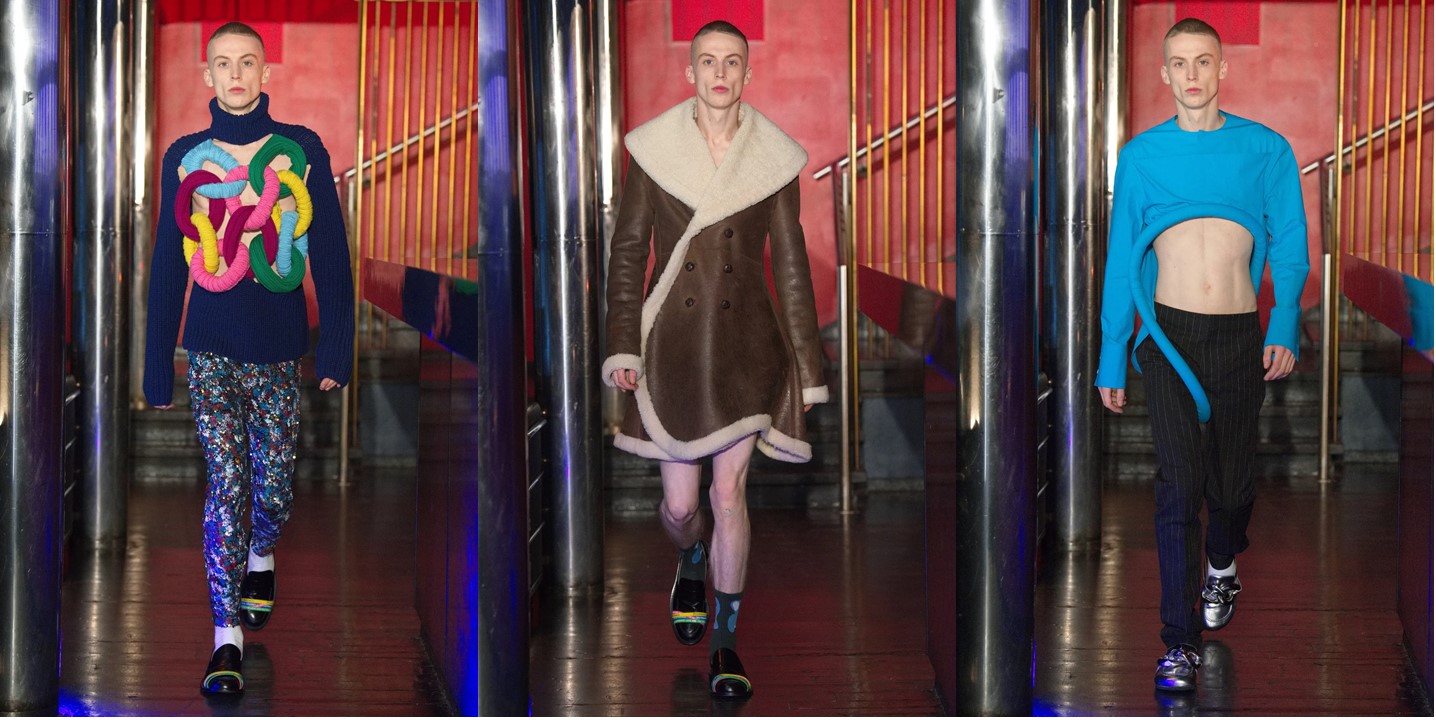
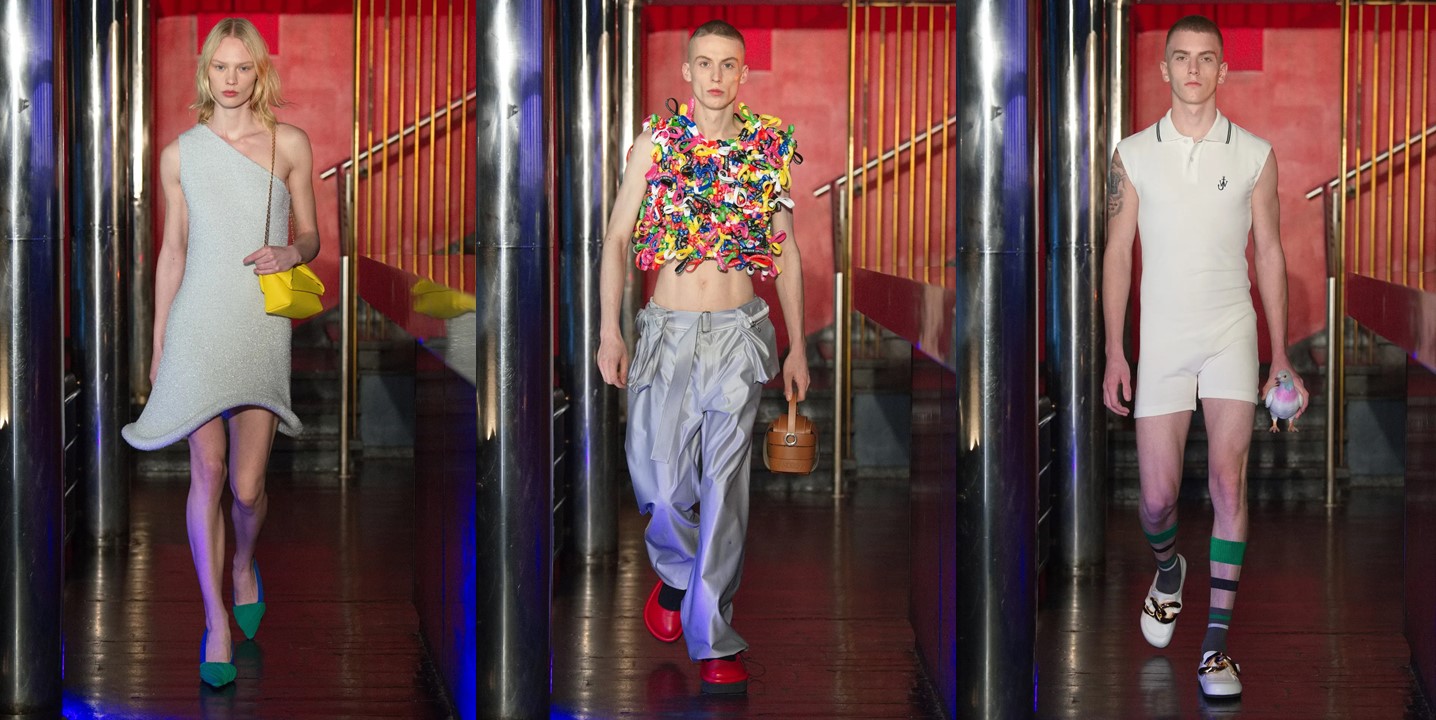
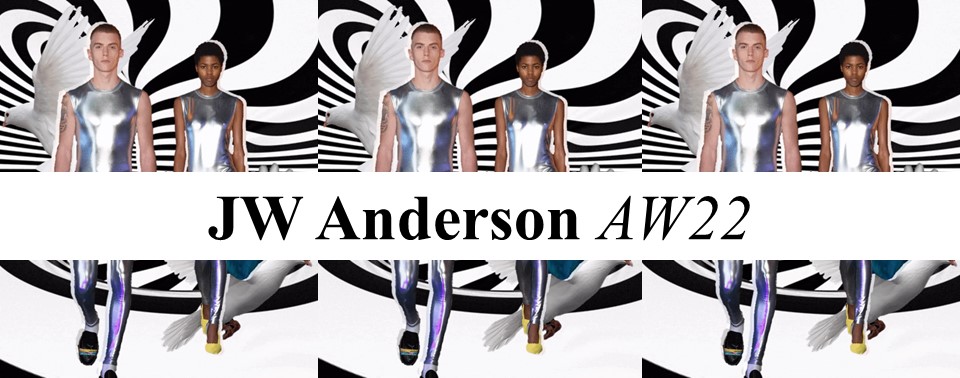
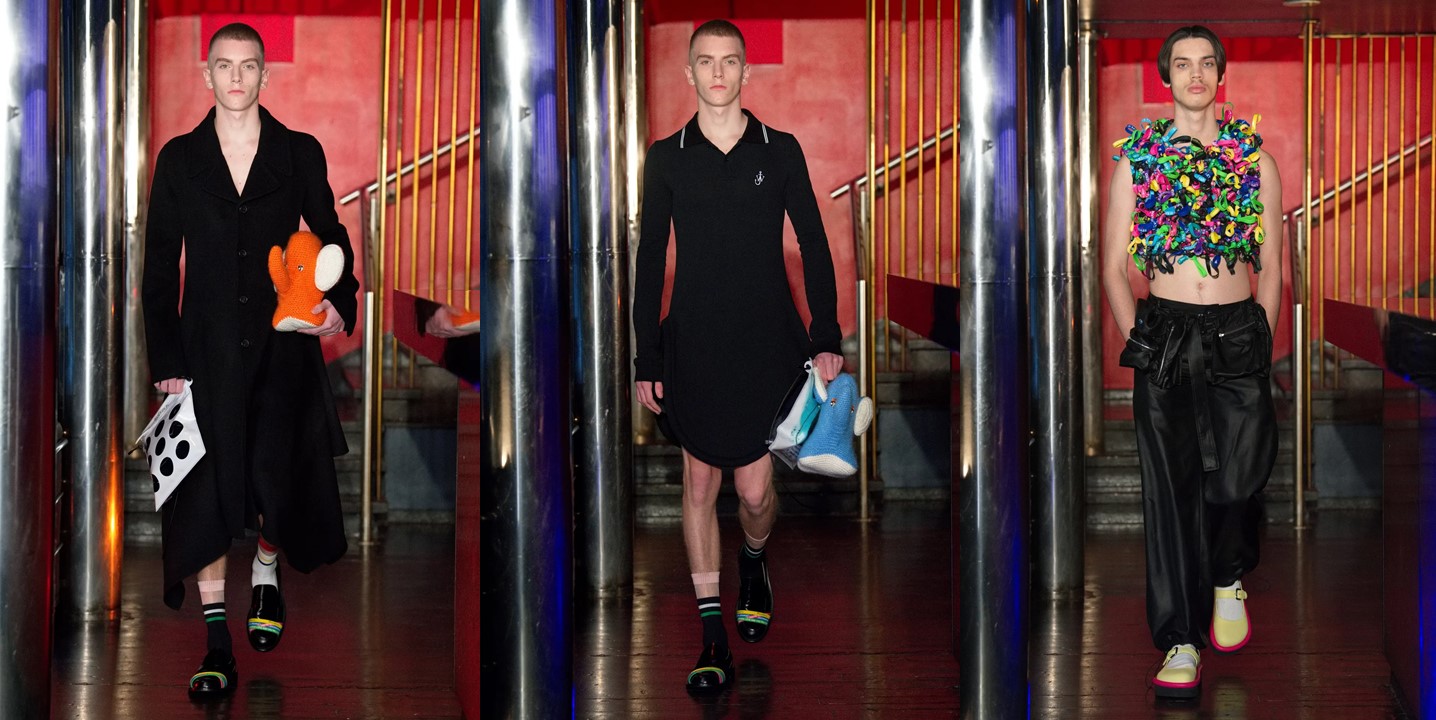
For autumn-winter 2022, Jonathan Anderson embraces all things “weird”, and seems to be aesthetically torn between the 1980s (sparkly party dresses) and now trending, early 2010s “indie sleaze” (metallic lycra jumpsuits). The JW Anderson collection was planned to be shown live in Milan with a late-night after-party. An IRL event would have enhanced and disrupted this season’s menswear week. As Anderson explained in a preview, however, the party element especially was nixed by Omicron restrictions and the live Milan debut has been pushed back until June. During that preview, Anderson used the word “weird” countless times: most often at a point at which he unlocked the thinking that had led to key elements in this collection. It was “weird” how a documentary on Cristiano Ronaldo inspired him to re-engage with “the limits of hyper-masculinity.” This lead to Anderson’s gleeful excavation of the polo shirt – “there is nothing more quintessential”—as a masculine cipher which he then disrupted by variously lengthening it into a hoop-hemmed dress, rendering it in micro-sequin with a vintage “Glamour Bonnet” hair net advert, or reconfiguring it as a high-shorted playsuit. This last look brought back fond back-in-the-day memories. When not watching documentaries “on everything and anything” Anderson spent much of his time weird-scrolling, and the results inflected this collection. The gorgeous eye-graphic dresses had a chin-strokily John Berger inference yet were sparked by a bout of engaging with the world of YouTube make-up tutorials. The menswear tunics peppered with rubber bands and sweaters featuring tubular protrusions that ran from one side of the hem, between the wearer’s legs, and up to the other hem with both pieces designed to generate sound through contact. “A lot of the materials have these odd sounds qualities that are kind of almost sexual… there’s a kind of tension,” he said. These were the by-product of spiraling into ASMR content on TikTok, another “weird” lockdown stop-off. When Anderson detects weirdness, he is not repelled but stimulated: for him “odd” and “bad taste” hold creative opportunity. Allied with his highly refined sense of beauty, the results are unorthodoxly compelling.
Collage by Edward Kanarecki.

Men’s – Cosmic Dandy. Prada AW22

For autumn-winter 2022, Prada “ate” (that’s how TikTok kids communicate that something is absolutely brilliant). There are two reasons why this collection, which opens the fourth season of Miuccia Prada and Raf Simons‘ ever-exciting creative dialogue, is truly mind-blowing. Exactly 10 years ago, Prada invited some of her favorite actors to walk the runway, from Adrien Brody and Gary Oldman to Willem Dafoe and Tim Roth. That 2012 collection was a refined, at points ironic, take on the Old World elegance. In 2022, the brand invited a new pack of actors, with Kyle Maclachlan opening (he’s definitely Team Raf – this is the ultimate Calvin Klein 205W39NYC guy!) and Jeff Goldblum closing the show (the Prada-print-loving-Insta-Zaddy is an obvious Team Miuccia choice). All the men that were casted for the show walked out of an “A Space Odyssey“-like entrance, wearing garments that can be described with two words: “cosmic” and “dandy”. The line-up focuses mainly on investment tailoring and voluminous outerwear. Exaggerated shoulders and faux-fur patches in unexpected colours are this season’s key take-aways, and I really loved how Prada and Simons managed to make this futuristic style feel elegant (please, lets have a major comeback of elegance in menswear!). You could see how these garments elevated the movements of the models. And Goldblum looked utterly alien-chic in his long, black coat. There were also nylon boiler-suits, plenty of rubber-ish leather and a great selection of color-block turtlenecks. The Internet, as always, debates whether this collection is more Miuccia or Raf. To me, it’s a balance, which wasn’t always present in their previous creative endeavors.

Collage by Edward Kanarecki.

Men’s – Wild ‘N Preppy. Etro AW22

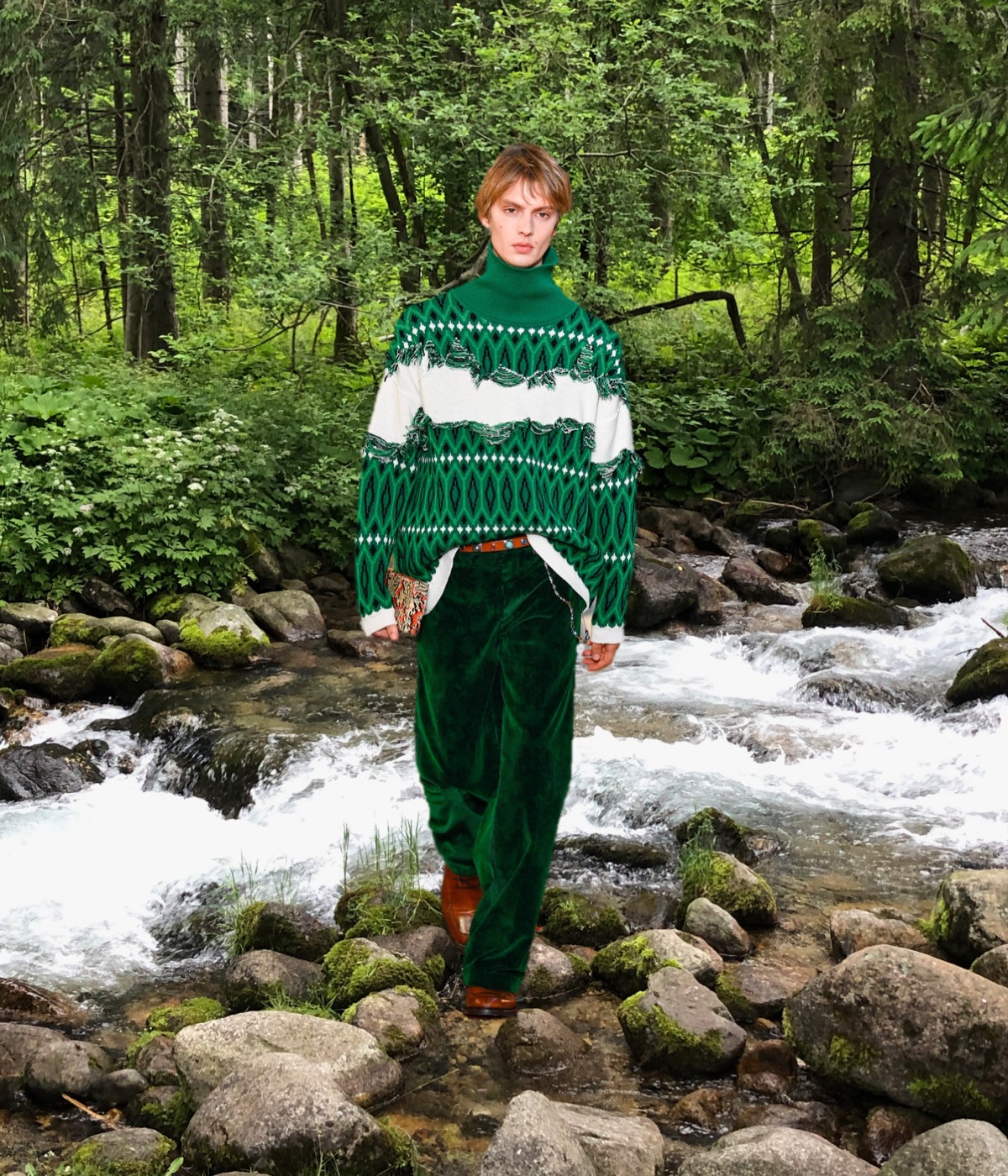
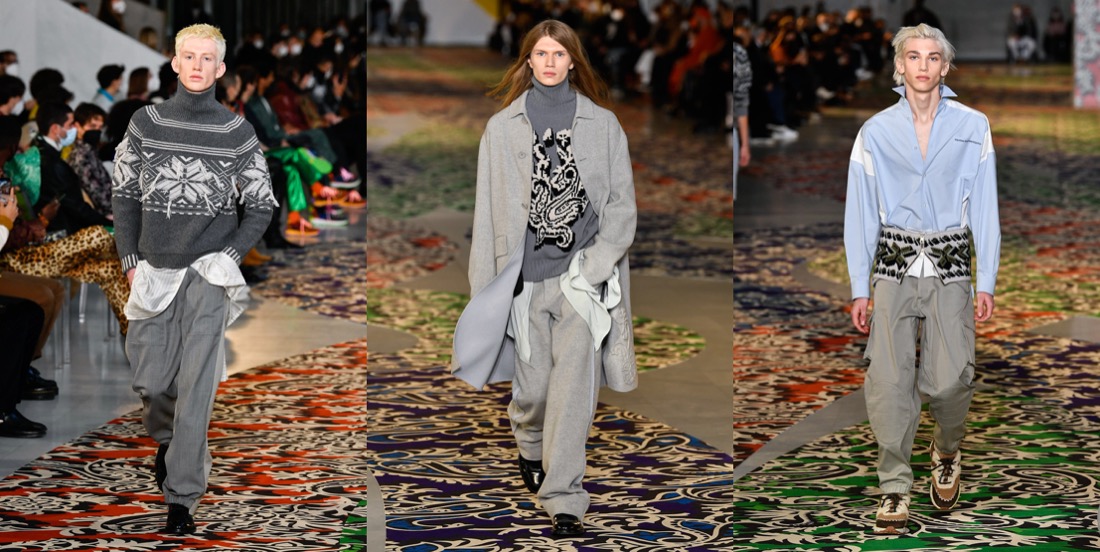
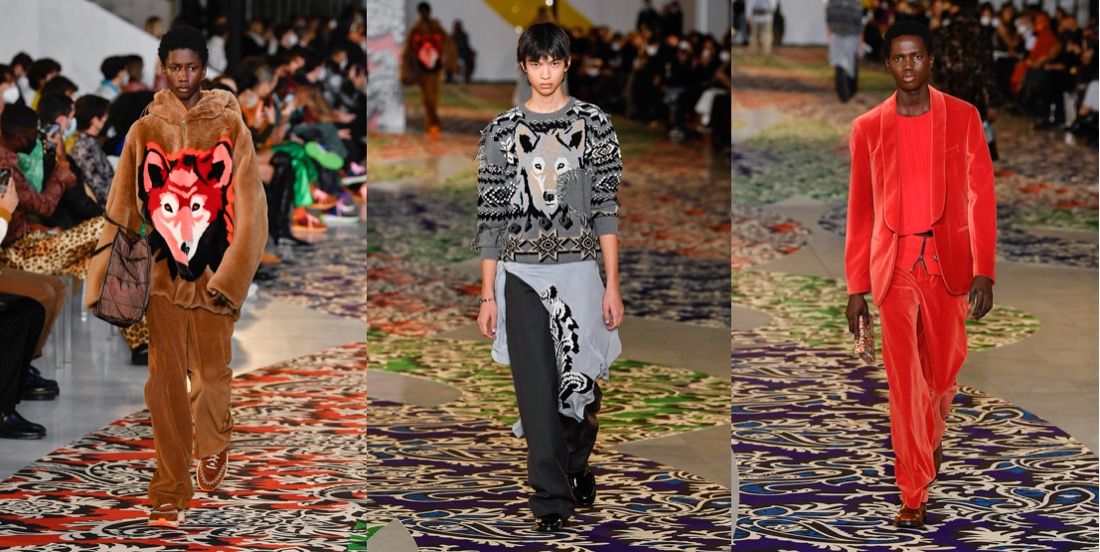
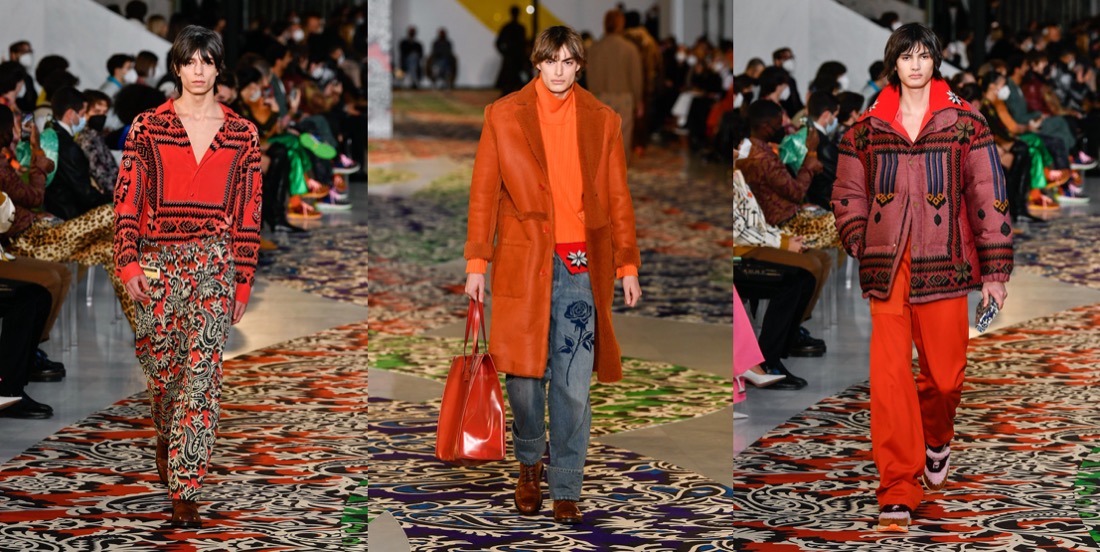
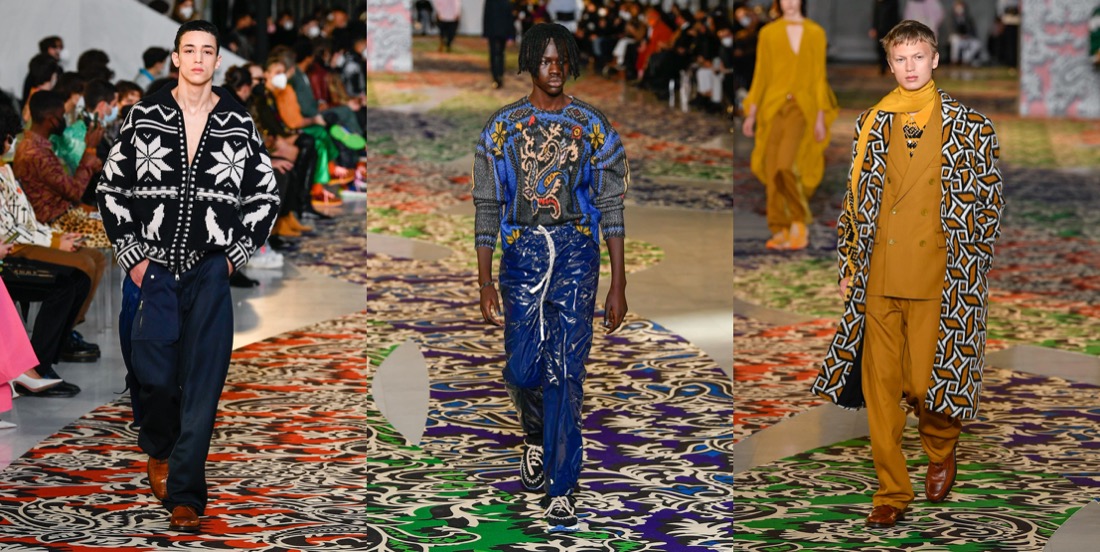
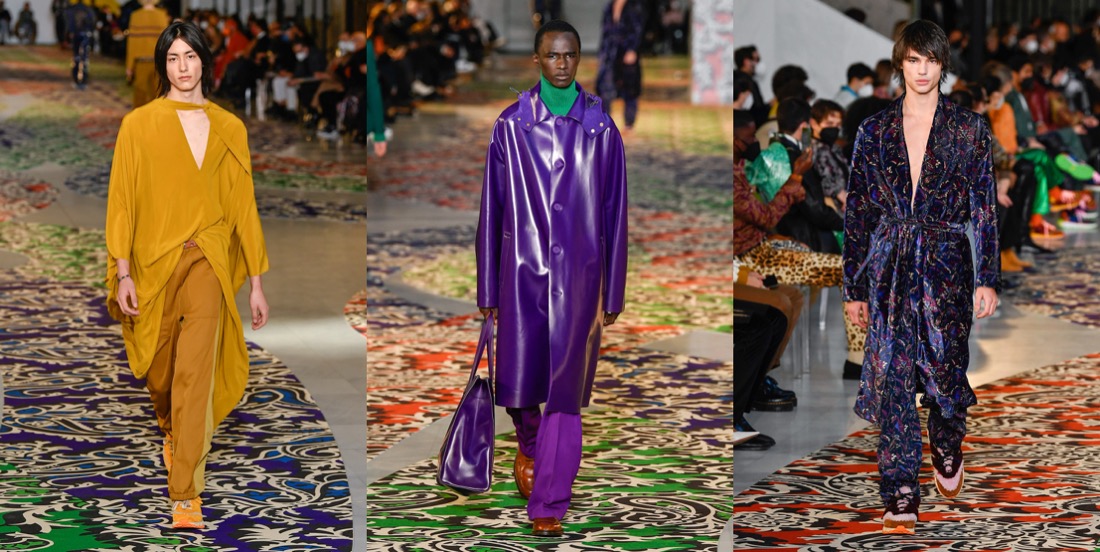
Kean Etro‘s autumn-winter 2022 collection is to die for! The Etro offering for men delivered rushes of wildness and preppy, a combination that isn’t that easy to pull off. Royal velvets meet knitted sweaters with tearings; shearling jackets with folklorish embroideries styled with slightly scruffy, vintage-y denim pants; wolf motif layered over the brand’s signature paisley pattern. This is certainly a wardrobe for lovers of eclectic dandy-ness with a hedonistic twist. I wonder if Etro had Luke Edward Hall‘s style on his moodboard, because I definitely see him wearing most of these outfits. The collection orbited around the idea of contrasts. We’ve got a cool, solid PVC coat in purple, and the other moment a billow-y, romantic, chest-revealing silk blouse in mustard. This is one of those collections that are both desirable and filled with styling tips ready to be implemented into a guy’s autumn wardrobe.

Collage by Edward Kanarecki.

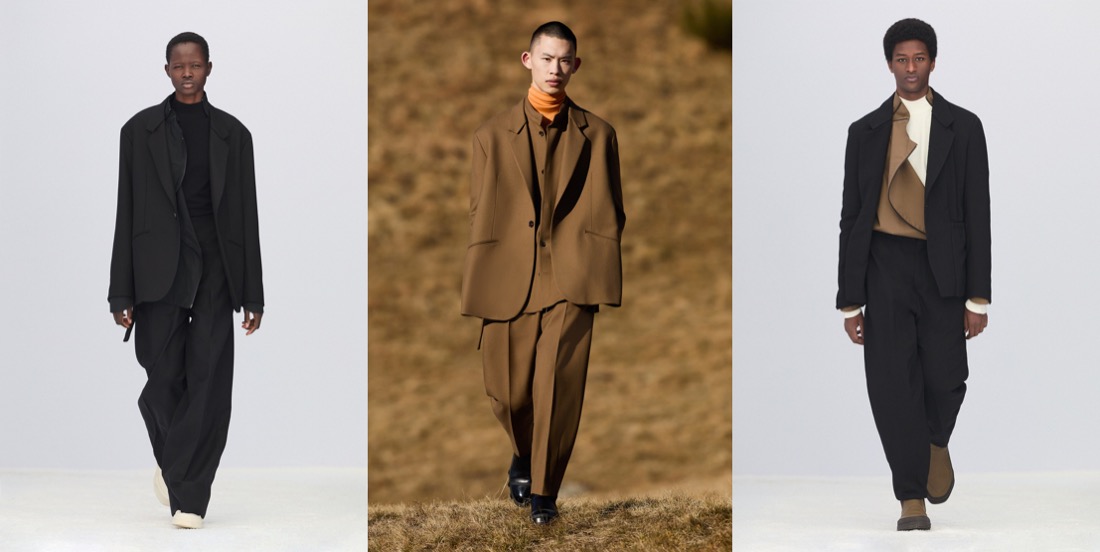
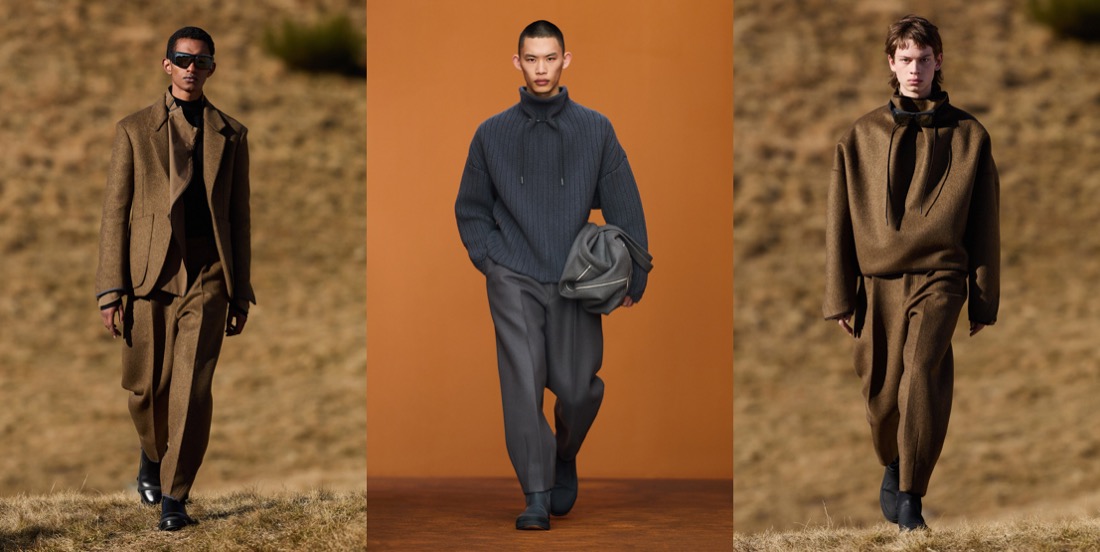
Men’s – Il Nuovo Abito. Zegna AW22

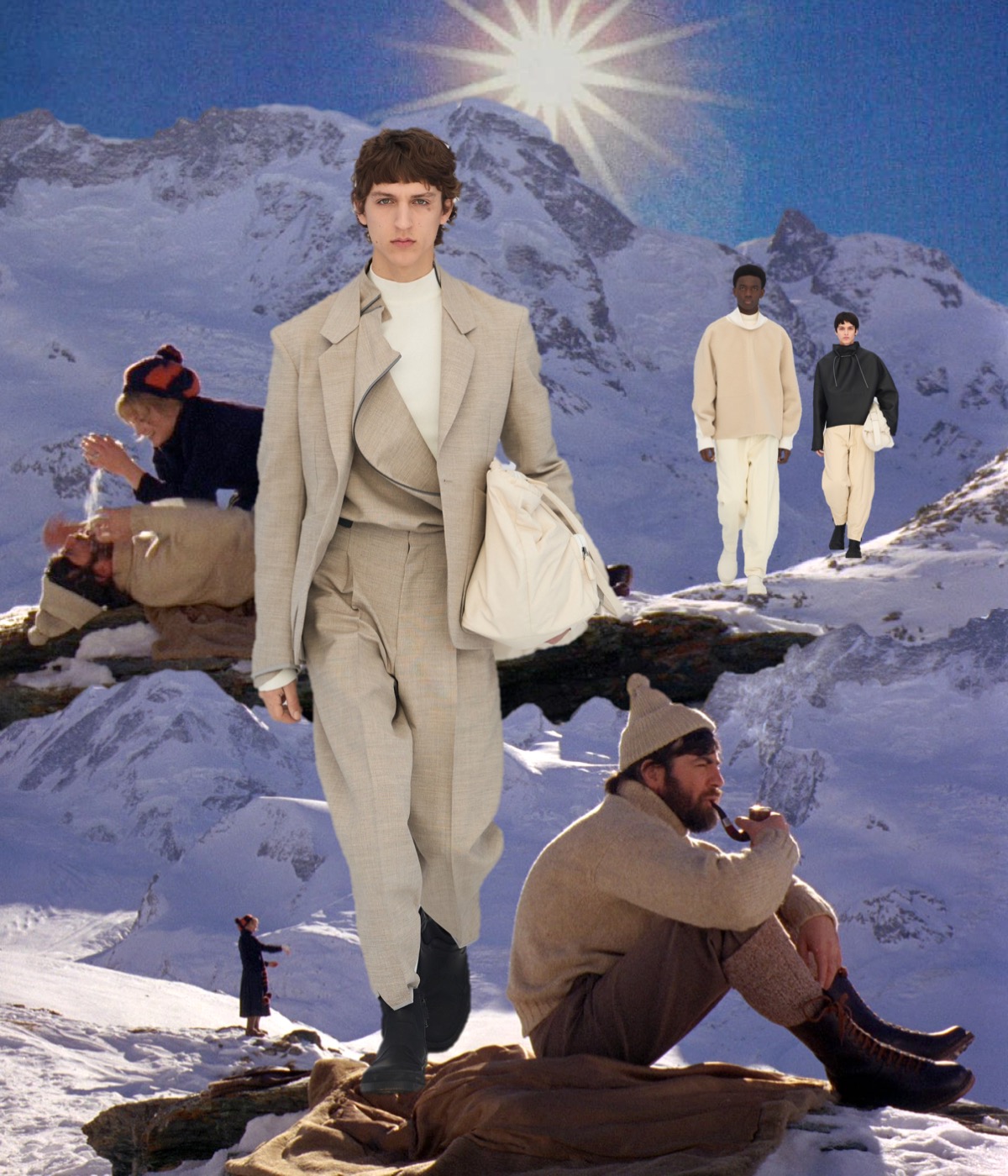
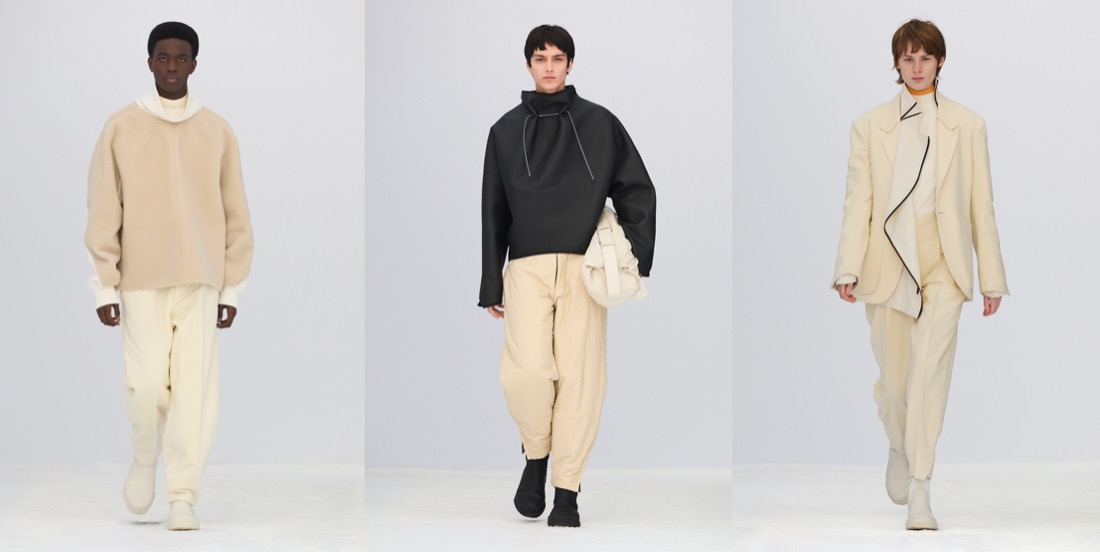
Men’s Milan Fashion Week has officially started! And here’s lesson number one: you just can’t go wrong with Zegna. I know it myself – I’ve got a couple of my dad’s clothes coming from the brand, and really, this brand is not just timeless, but its quality is indestructible. Alessandro Sartori, Zegna’s creative director, embraces what the Italian brand stands for with every season, delivering absolutely desirable, refined and relevant investment pieces for a contemporary man. For autumn-winter 2022, Sartori said he was presenting “il nuovo abito“: the new suit. Yet this collection represented something far bolder than that. It was a tilt at meeting that migration by erasing the categorical imperatives that have long codified menswear. These old-fashioned either-ors include formal and casual, sartorial and sporting, street and fashion, executive and worker, masculine and feminine – all of them habit-forming dichotomies that signpost the traditional menswear roadmap. This shift came in sync with multiple others in Zegna’s landscape. Early last month the company dropped the Ermenegildo from its title and also quietly phased out the really excellent sub-brand Z Zegna in order to combine everything under one mainline menswear empire. The simplification is meant to add emphasis to the Zegna identity, which is now represented by a signifier-logo that sandwiches the brand name within two vicuna-toned strips of brown with a strip of black between them. The logo represents the road that winds through the 100 km2 of land – the Oasi Zegna – that the original Ermenegildo purchased, reforested, and conserved in order to increase the quality of life and wellbeing of the employees and their families at the original Zegna lanificio, which continues to operate today. Another categorical dichotomy that Sartori has worked to blur is that of physical vs digital – fashion-wise, phygital was first coined here back in 2020. Today’s presentation had been planned as what Sartori today called “metatheater – not the metaverse – a combination of cinema, fashion, and live… My goal is a digital background to a live presentation, and I am sure we will do it in June.” The latest offering was shot between the Oasi Zegna and a Milan TV studio over five days. But those clothes don’t need any additional, fancy background. A dark, gabardine jacket that featured an eye-catchingly unorthodox notch lapel construction, no bolstering material in the shoulder, and no buttons at its split cuff. This was worn atop matching pants, vaguely carrot shaped like most here, and the handsome galvanized slip-on ankle boots that were also shown on most looks treading through the snow in the Oasi. Under the jacket was an oatily-toned midlayer that featured a one-sided, curved flap that lent the look a roguish, piratic air. When the model took the jacket off, it turned out that midlayer was a soberly silhouetted technical turtleneck whose curving came from the shape of the zippers running across the body. You could see the fossilized remains of both sportswear and tailoring in the look’s elements, but when worn as an ensemble it did, indeed, look like an outfit that was uncategorizable as either. Other highlights included sharply silhouetted deformalized jackets and pants in ultra-thin padded fabrics, parkas in wool ripstop, and shirting with fabric-soft panels of leather cut into their cashmere whole. Knitwear featured tonal jacquards whose abstract shapes reflected the patches of forest and snow they were shot against. Whether in camel hair, scuba, or cashmere, the shacket-and-pant fusion ensemble – a luxury-chore-jacket-workwear outfit meets supremely-soft pajama – was well represented and made a powerful candidate for Sartori’s post-abito habit.

Collage by Edward Kanarecki.

Happening. Marni SS22

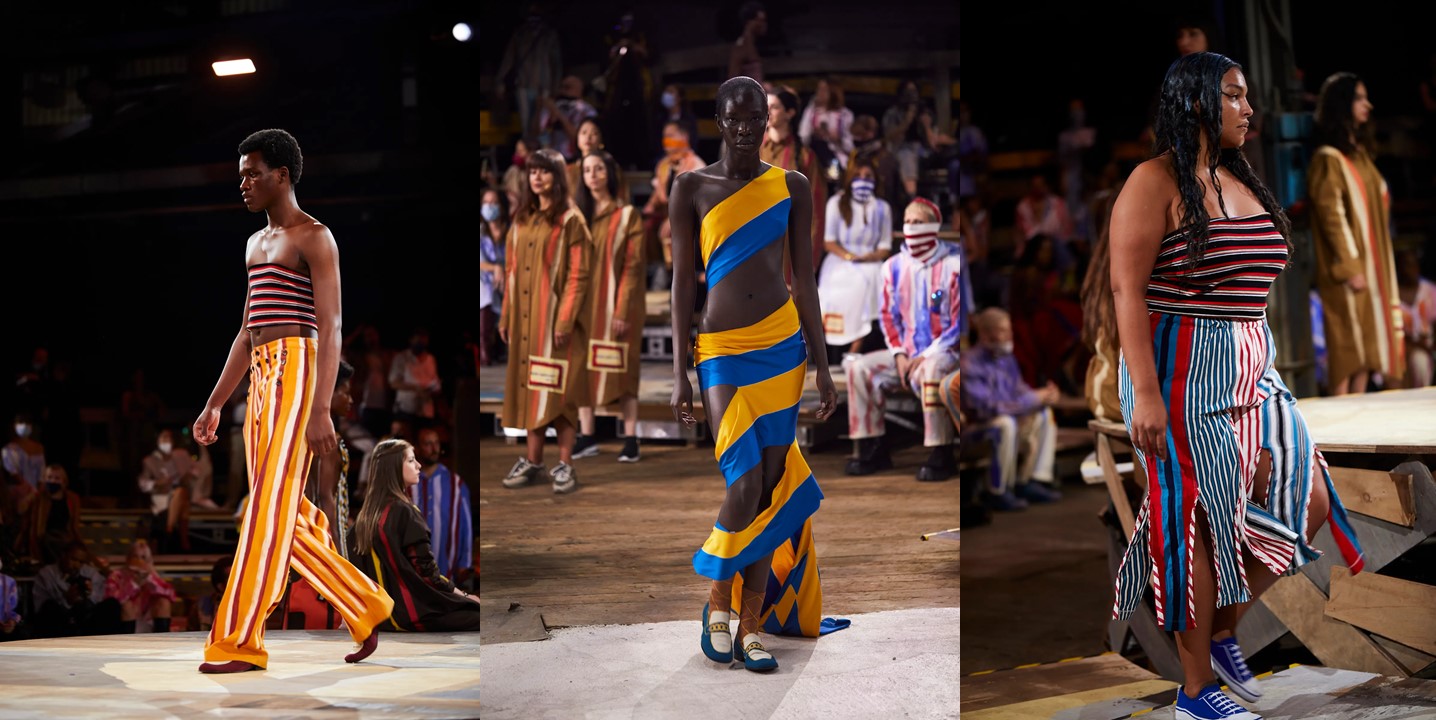
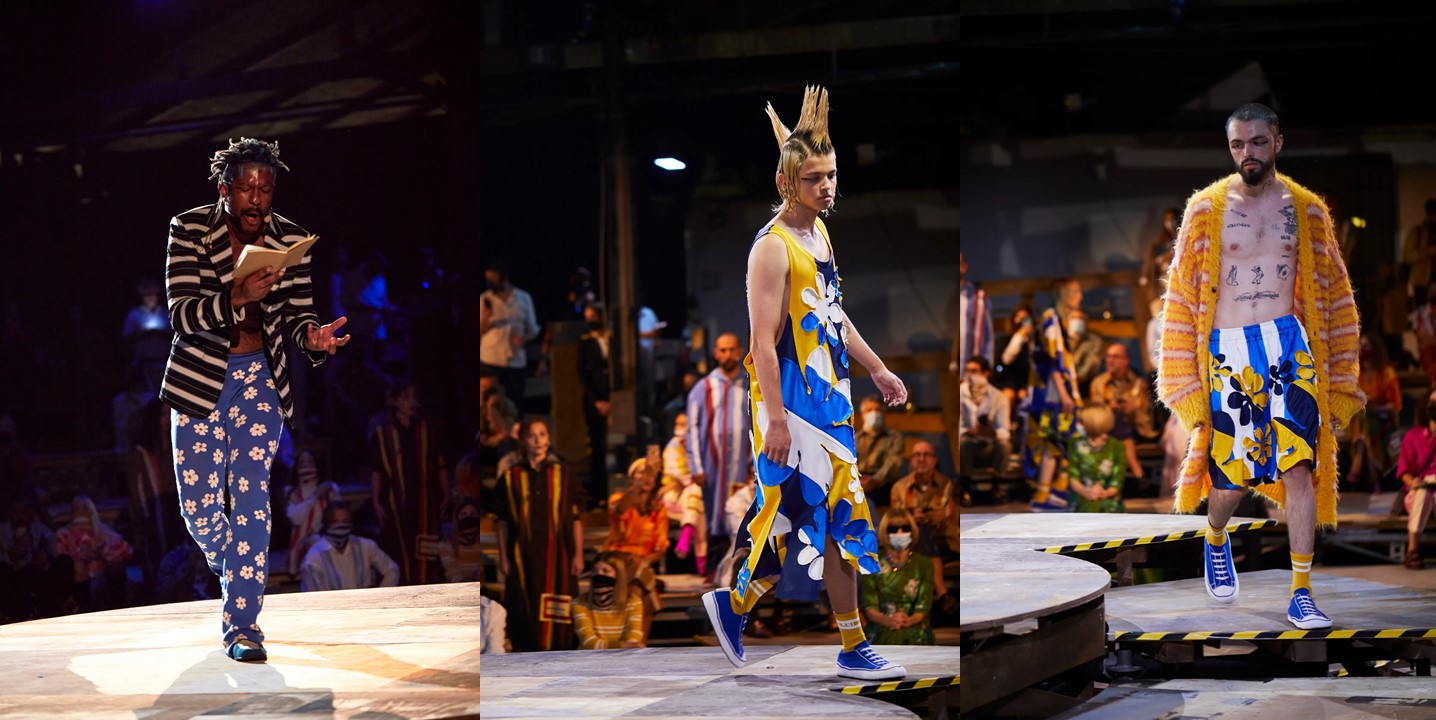
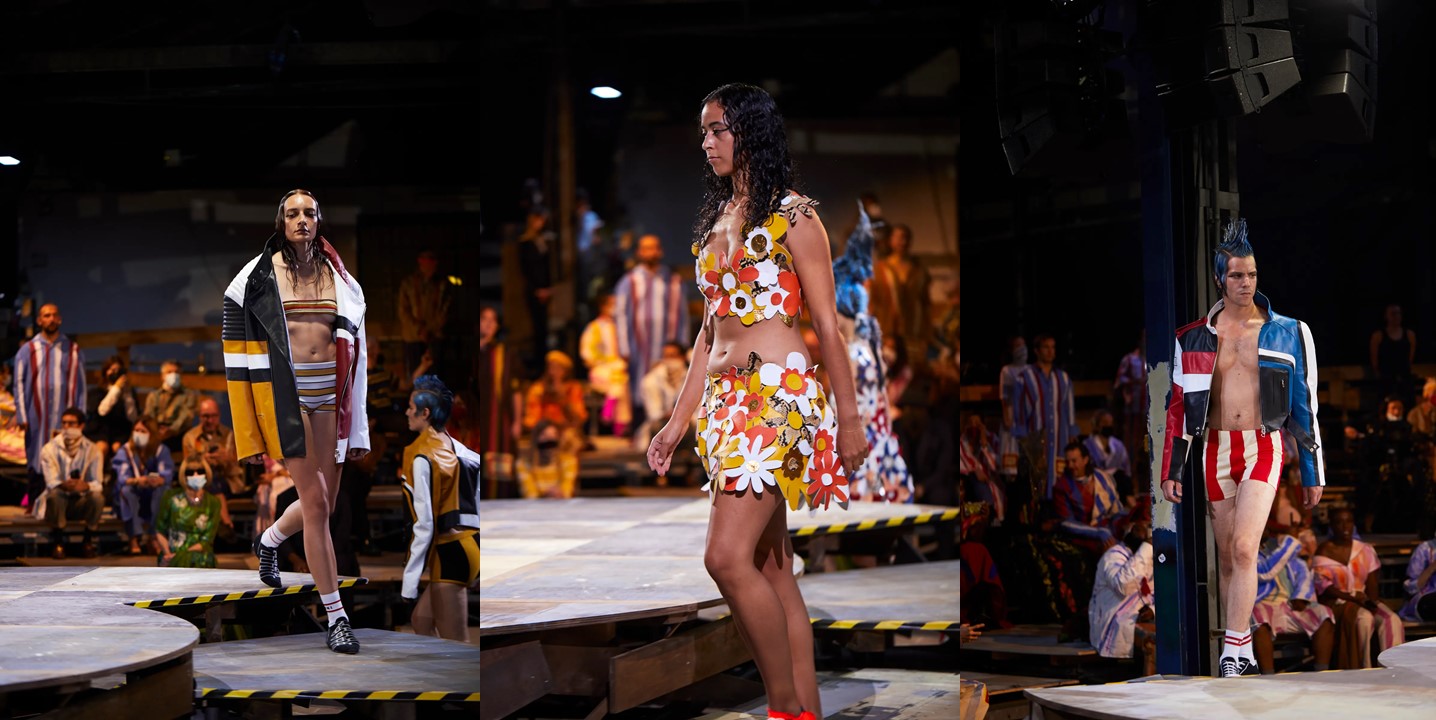
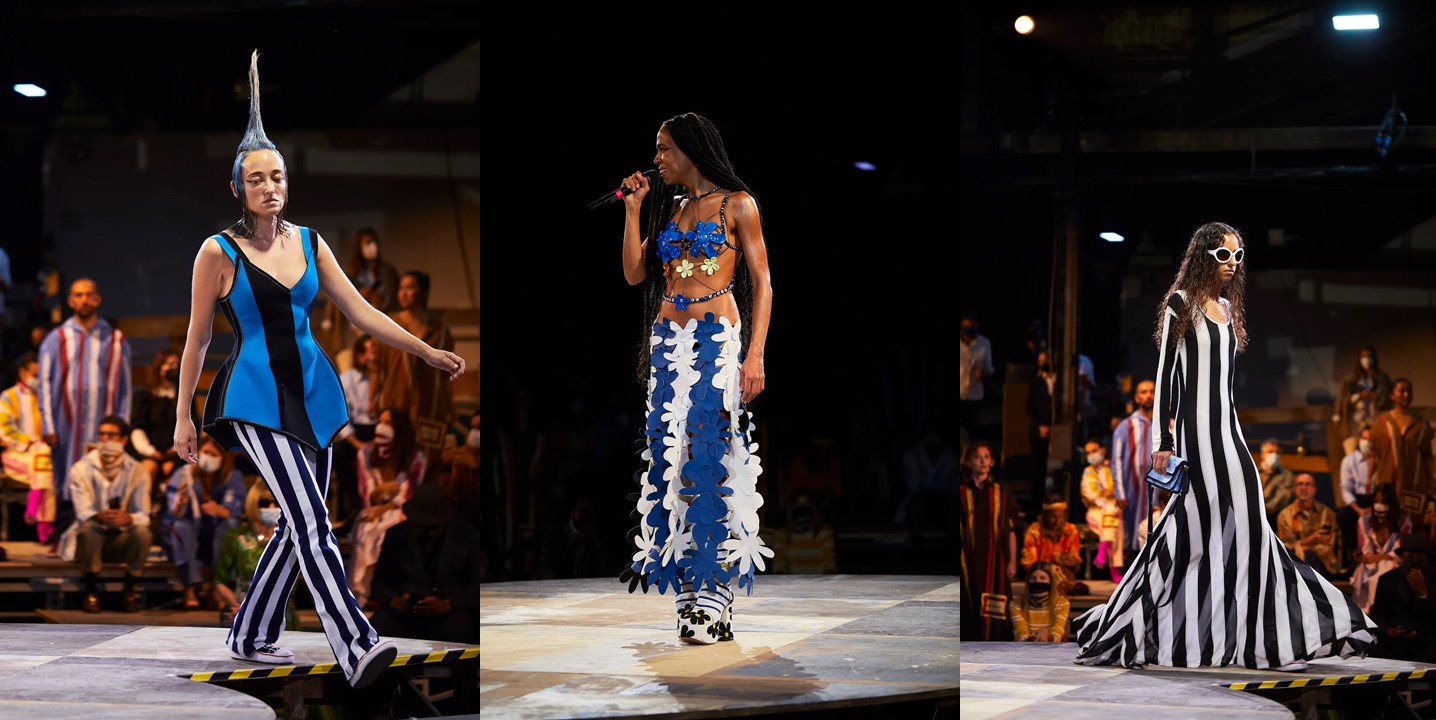
Francesco Risso‘s spring-summer 2022 fashion show for Marni was actually a happening – which in art terms is defined as an theatrical event, often with elements of dada and surrealism. The name was first used by the American artist Allan Kaprow in the title of his 1959 work 18 Happenings in 6 Parts which took place in 1959 in New York. Happenings typically took place in an environment created within the gallery and involved light, sound, a multitude of sensations and the audience’s participation. To an extent, Risso checked all the points, redefining and expanding the concept with, of course, fashion. In the days leading up to the show, the designer and his team conducted fittings for 400 people. The models got the new spring collection, while the show’s performers and guests wore upcycled cotton separates hand-painted with colorful stripes. Risso grew discouraged by the digital focus of the job during the lockdowns. His idea, he explained, “was about going back to the practice of what we do, which is making clothes for people, one to one.” He said the process was just as significant to him as the final result. But, oh, what a final result. All season, we’ve been waiting for a designer who was up for the hard but necessary work of addressing the last year-and-a-half of pandemic and racial justice reckoning. Who acknowledged the changes the world has gone through in our mutual isolation, and, in turn, changed the way they do things. For the “fashion happening”, Risso invited Dev Hynes for the music; the poet Mykki Blanco did a spoken word performance; the singer Zsela was joined by a heavenly sounding choir. On the program notes, Babak Radboy, who’s known for his work with Telfar Clemens, shared creative direction. The cast had the racial diversity, body inclusivity, and gender fluidity.

The spring collection’s two main motifs were stripes and daisies. Sometimes, the simplest ideas are the most effective. “Stripes are strongly associated with direction, where daisies are new beginnings and resilience; they’re banal concepts,” Risso said. But in a palette of blues and yellows, they weren’t boring. Navigating a spiral seating arrangement before reversing the circle on a central stage, the models wore slinky bias dresses in graphic rugby stripes, color-blocked blazers, Breton stripe ponchos, easy woven caftans, and shaggy cardigans and shawls, one of which was modeled by Risso himself: everyday clothes with a feeling of the hand. And then came the daisies, which felt more eccentric: naively embroidered on signature Marni shapes, intarsia’d on trompe l’oeil knits, and on the striking final look, hand-painted on a floor-length T-shirt dress. “I kept thinking about sports, not because the collection has references to sports in its details, but because of how teams work – that union,” said Risso. “At the end of the day, who is our trainer? It’s our heartbeat, it synchronizes everyone.” As the models circled the crowd at the finale and Szela sang Dev Hynes’s moving original composition “Guide You Home,” the audience erupted in applause. It went on for some time.

Collage by Edward Kanarecki.