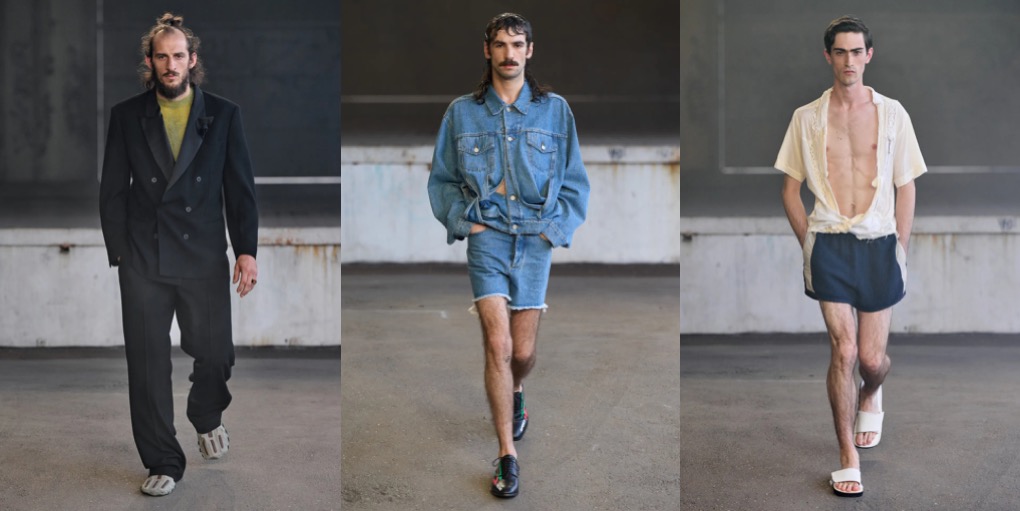
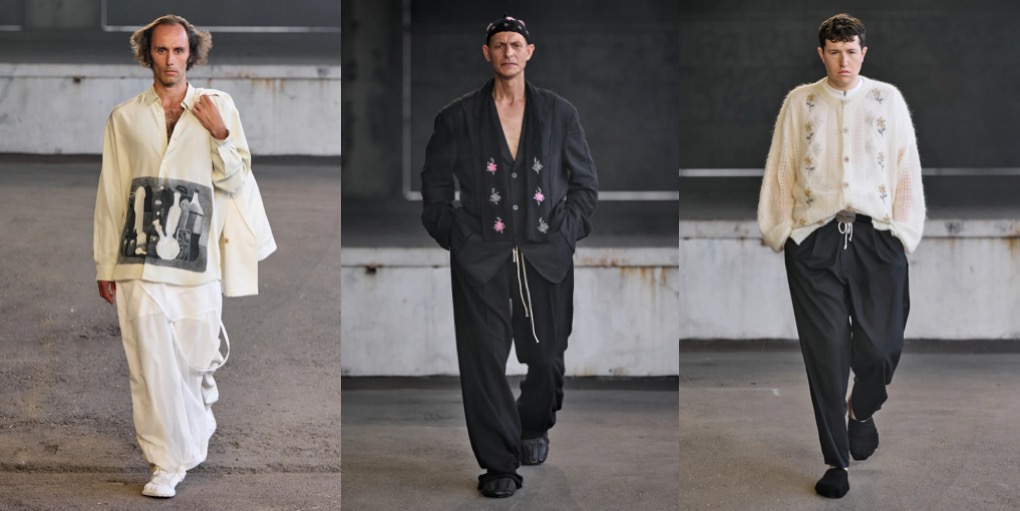
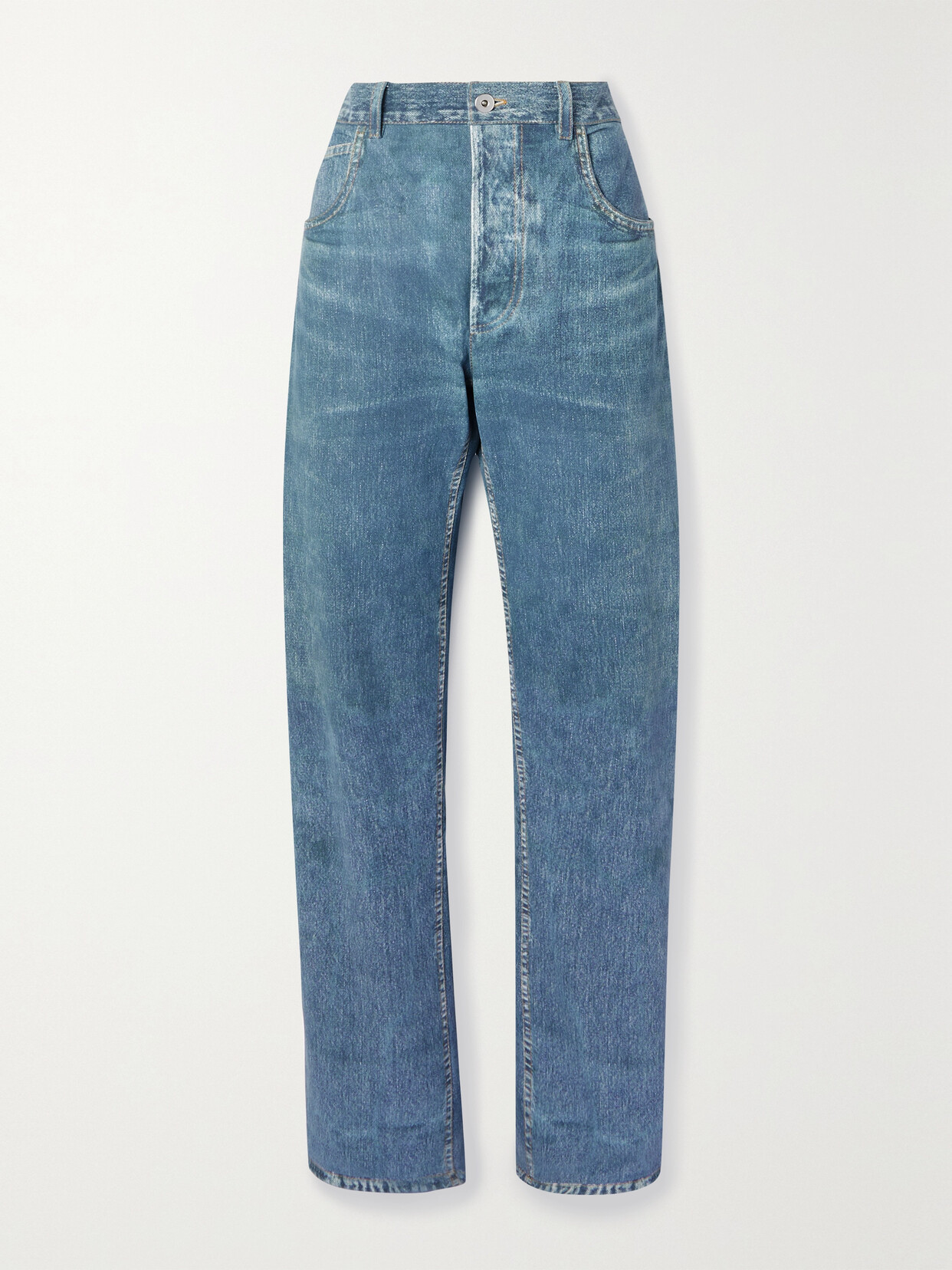
Magliano is the much-needed antidote to Milan Fashion Week’s gloss and perfectionism. LVMH Prize-winning Luca Magliano does clothes that are functional but at the same time poetically deep. The designer channels a kind of wrong and cramped beauty. In his charming spring-summer 2025 fashion shows, street-casted models sported romantic shirts with asymmetrical closures and folded trousers revealing waistline measurements. Printed, washed denim and faux fading, along with well-worn peacoats in towel-like fabrics, add a touch of artisanship to the offer. Note the striking pops of bubblegum pink, just to balance all that grittiness. The collection is honest in its simplicity, driving expertise through unexpected materials and retro silhouettes pulled into the present with precision.
Collage by Edward Kanarecki. Don’t forget to follow Design & Culture by Ed on Instagram!
Hey, did you know about my newsletter – Ed’s Dispatch? Click here to subscribe!
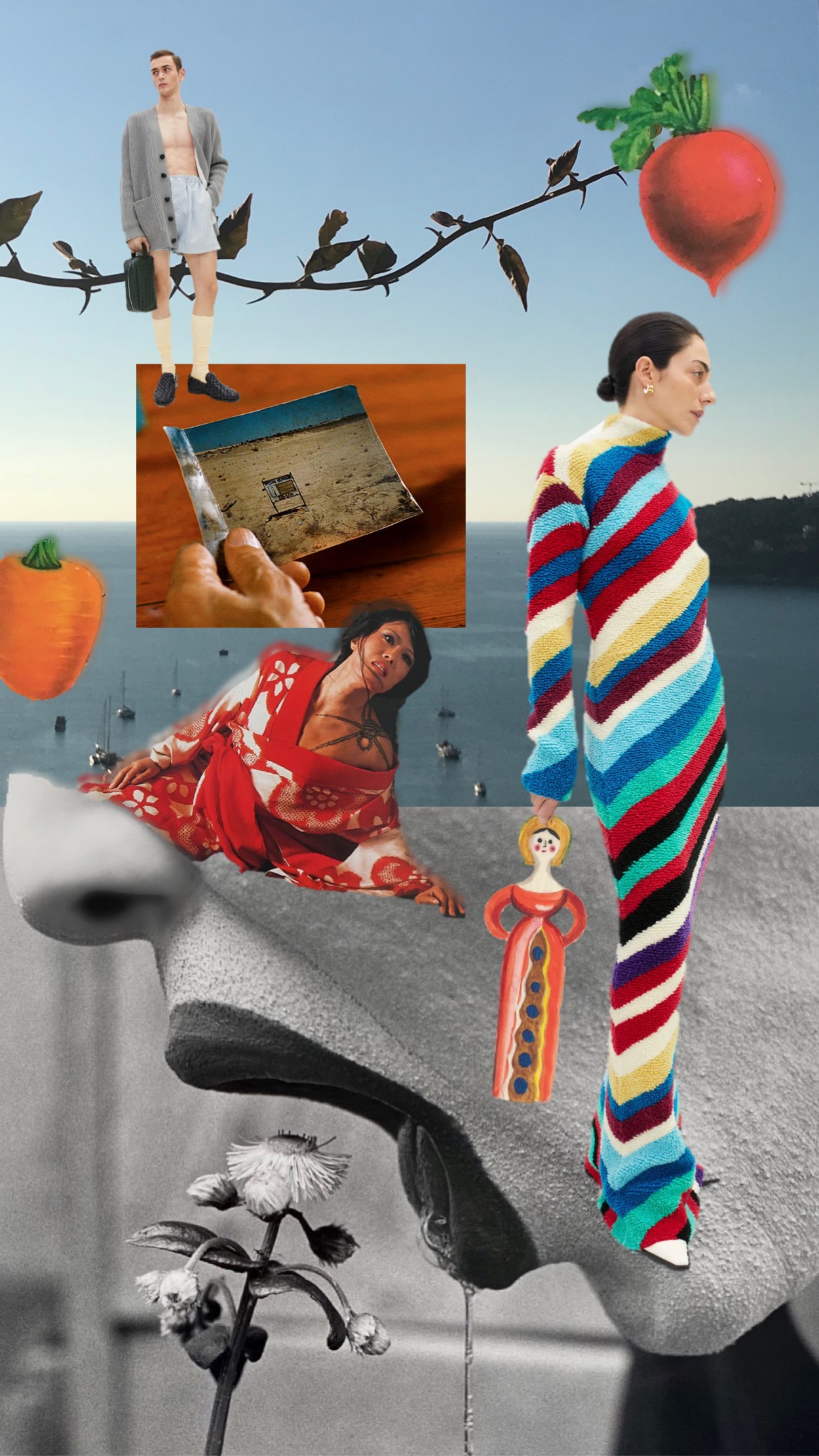
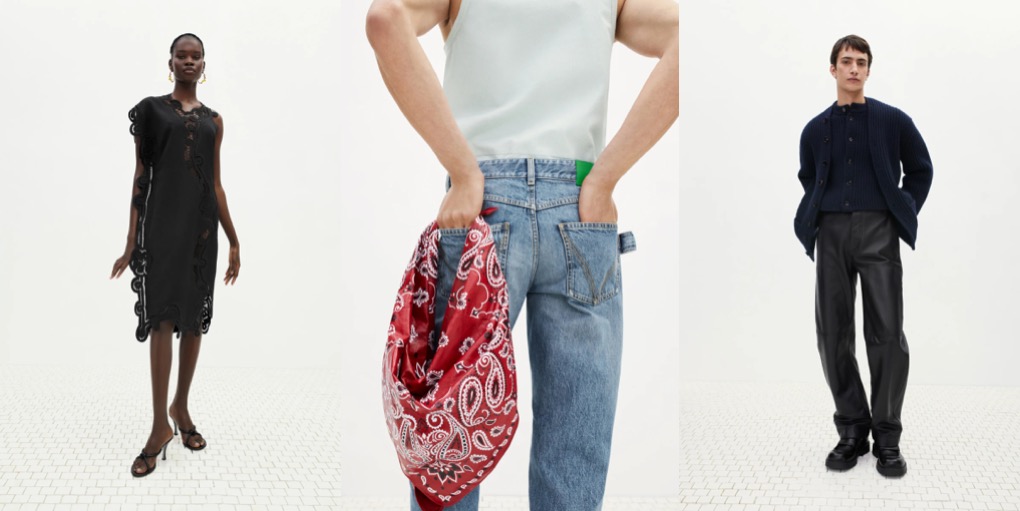
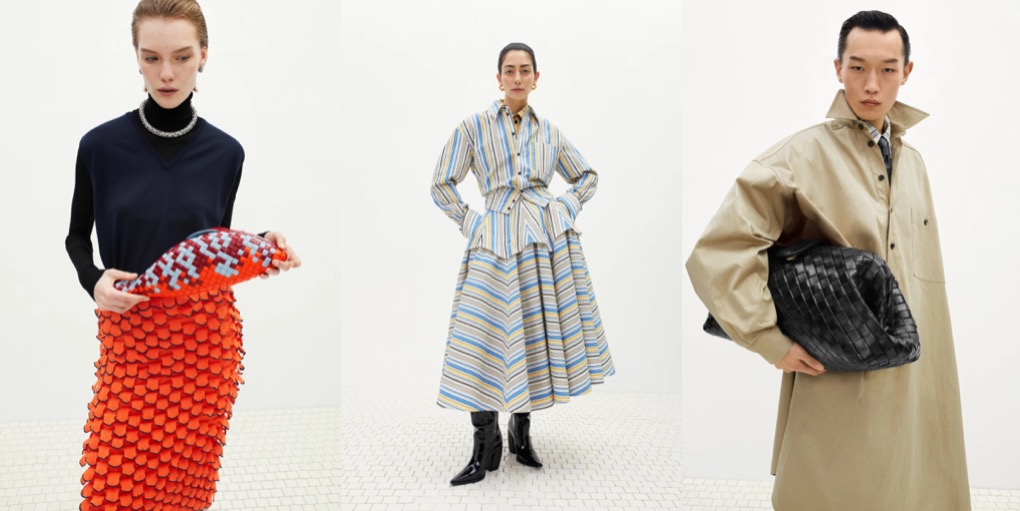
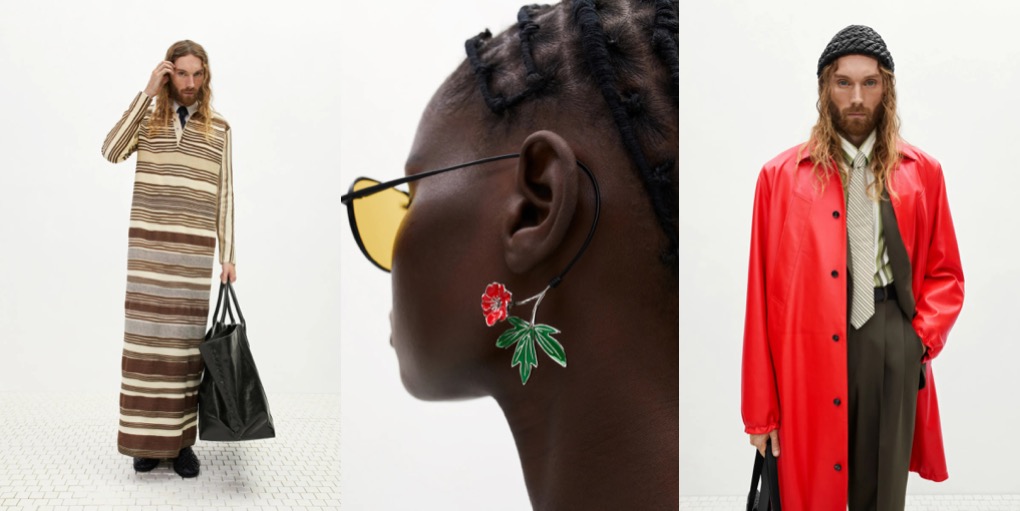
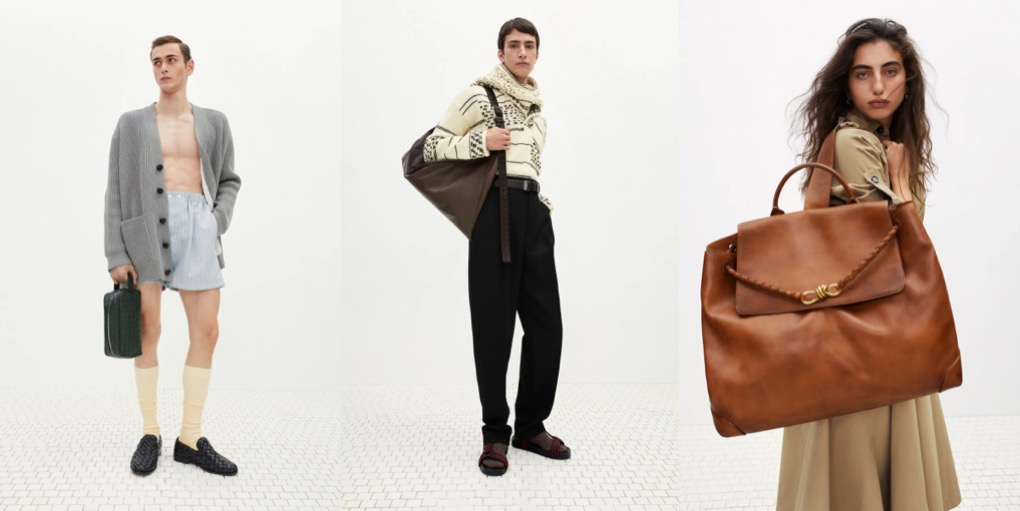
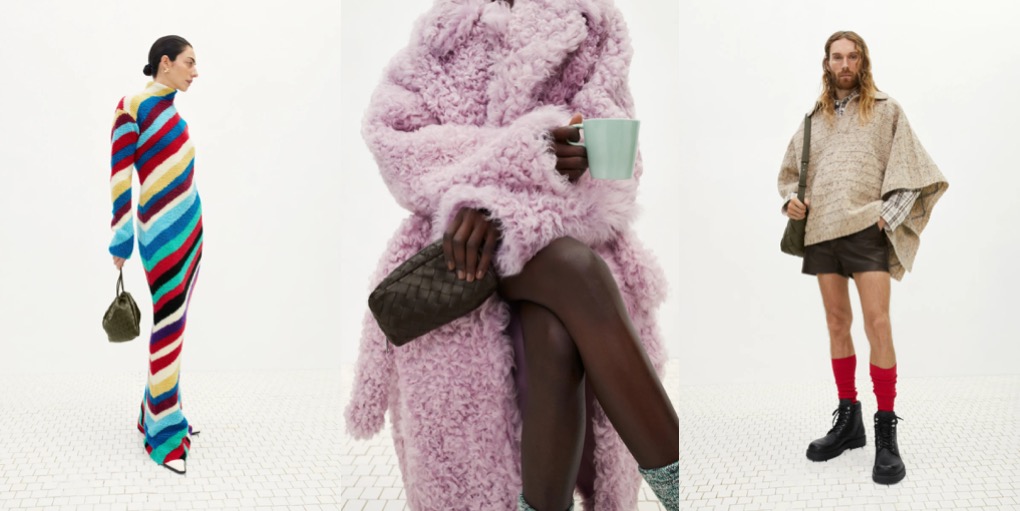
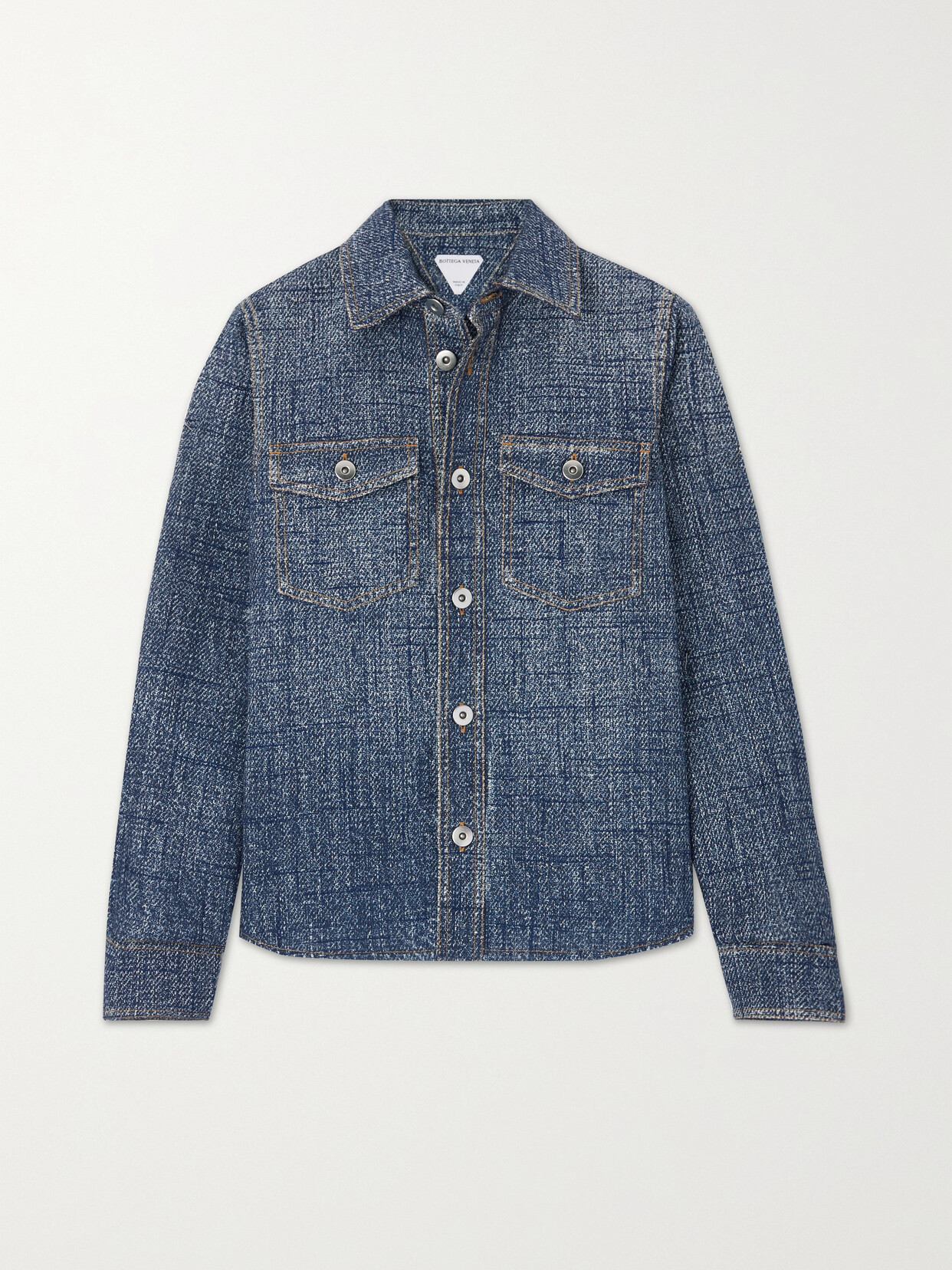
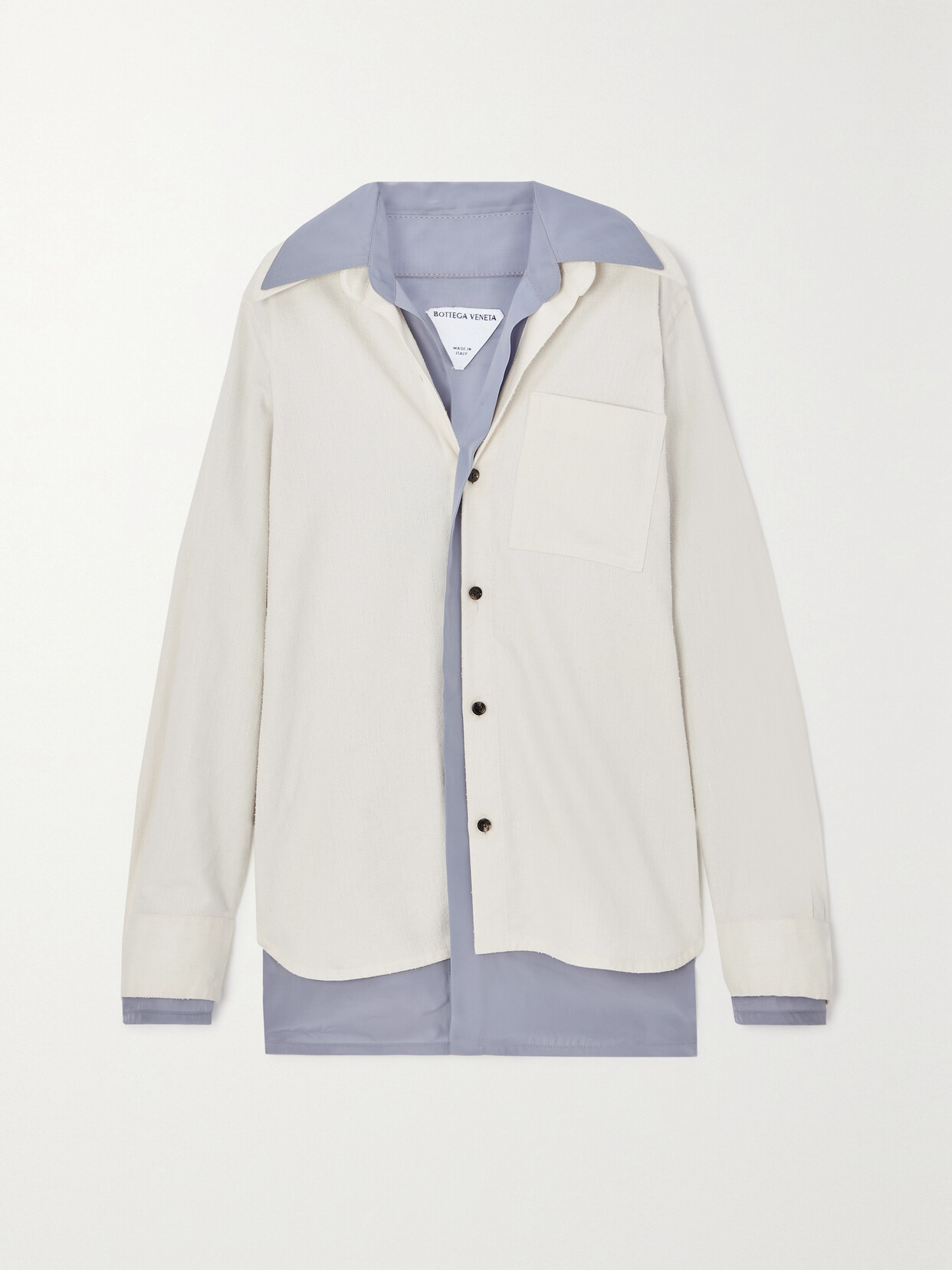
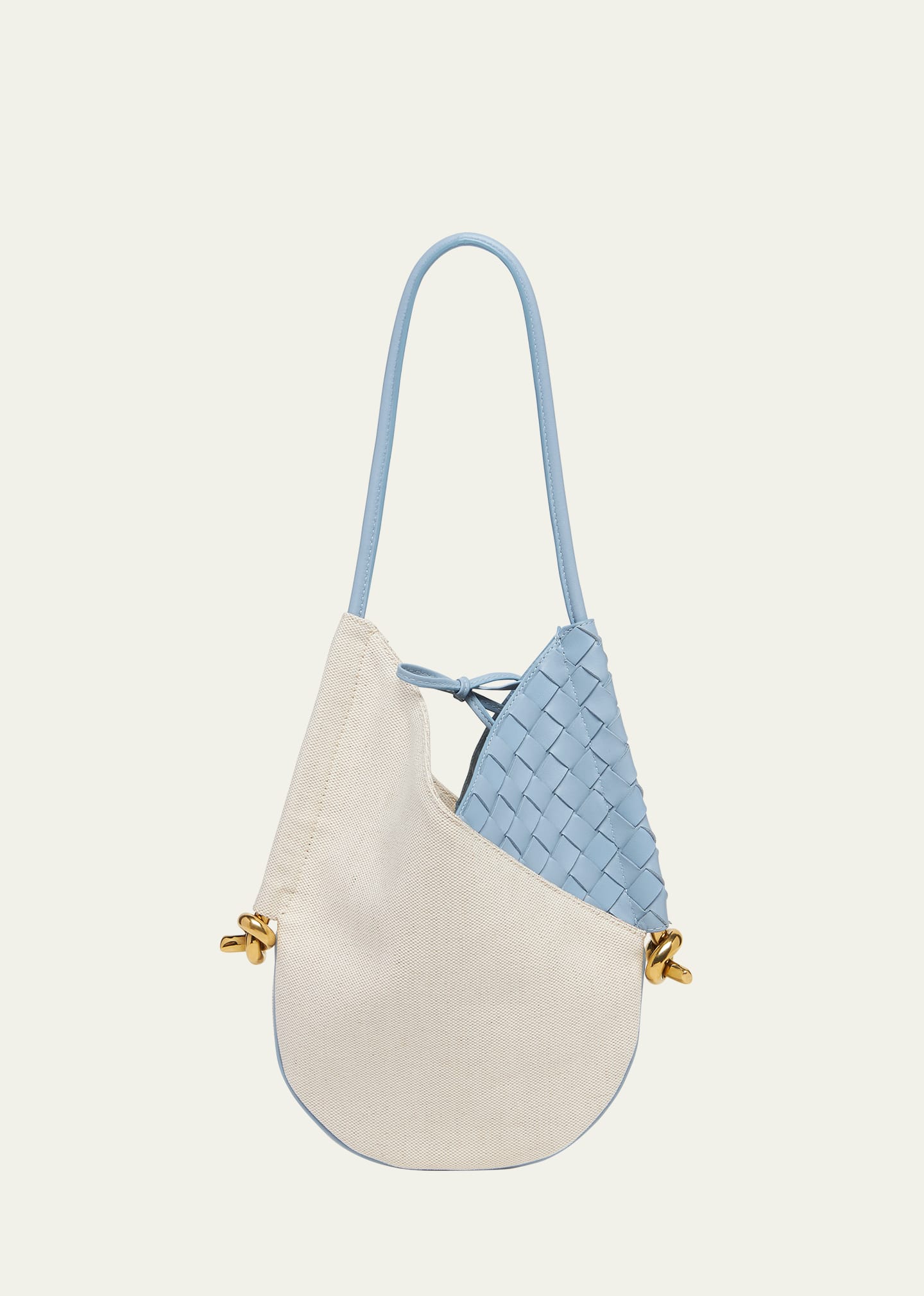
Bottega Veneta has released a stunningly stimulating, pre-fall 2024 collection. It’s so evident that Matthieu Blazy found his groove at the brand: his last runway shows are delightful to the senses. But it’s the pre-collections that really validate whether a designer has formed their vocabulary for a house, and Blazy definitely knows what his direction is. While other brands try to propose total looks and stay in one aesthetic lane, the Belgian designer rather pursuits the idea of style that’s diverse and truly authentic. Bottega Veneta isn’t a brand that intentionally creates Instagrammable products – even though social media is increasingly raving about Blazy’s take on the brand. People are catching up with his celebration of humanity which is conveyed in the striking artisanship Bottega stands for.
For pre-fall, “the initial talk I had with the team was what would’ve been the ready-to-wear of Bottega when they started to make the bags in the late ’60s and ’70s. Of course, the idea was almost to work on something anachronic – we don’t want to go too literal, it was the idea of a modern time traveler.” The development process involved lots of photo research, including in old Interview magazines – “Andy Warhol loved Bottega,” he explained – to see “how people layered and mixed and matched.” It led to results like the suede skirt layered over suede pants, and the trim crewneck and striped collar shirt tucked belted gray jeans. The spirit he was channeling was “bourgeois, but decontracté,” he suggested, pointing to a checked button-down worn with a leather bomber and a khaki twill pencil skirt, and another checked button-down with a full skirt. There is much more to restlessly drool over in this lookbook: the pastel pant suits, the colorful suede intrecciato separates, the homoerotic-coded bandana bag, and a vibrant horizontally striped knit dress with the nubby pile of a carpet. Each piece is a wearable, meaningful artwork – that might be the ethos of Blazy’s Bottega Veneta.
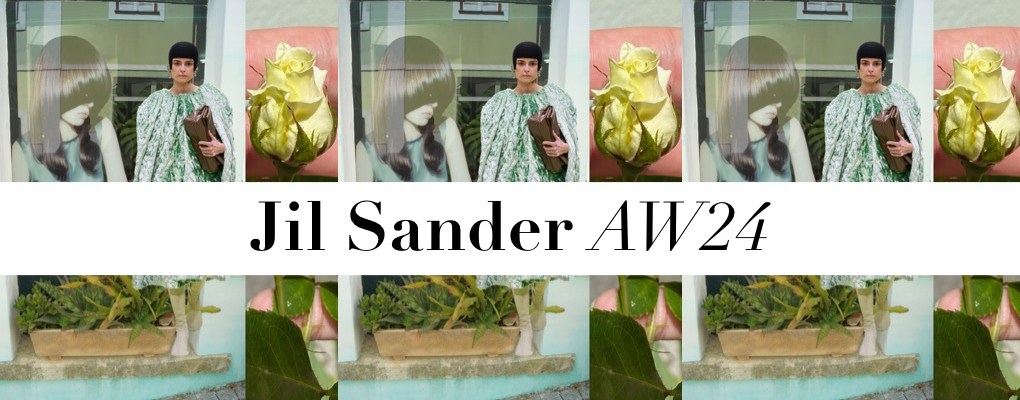
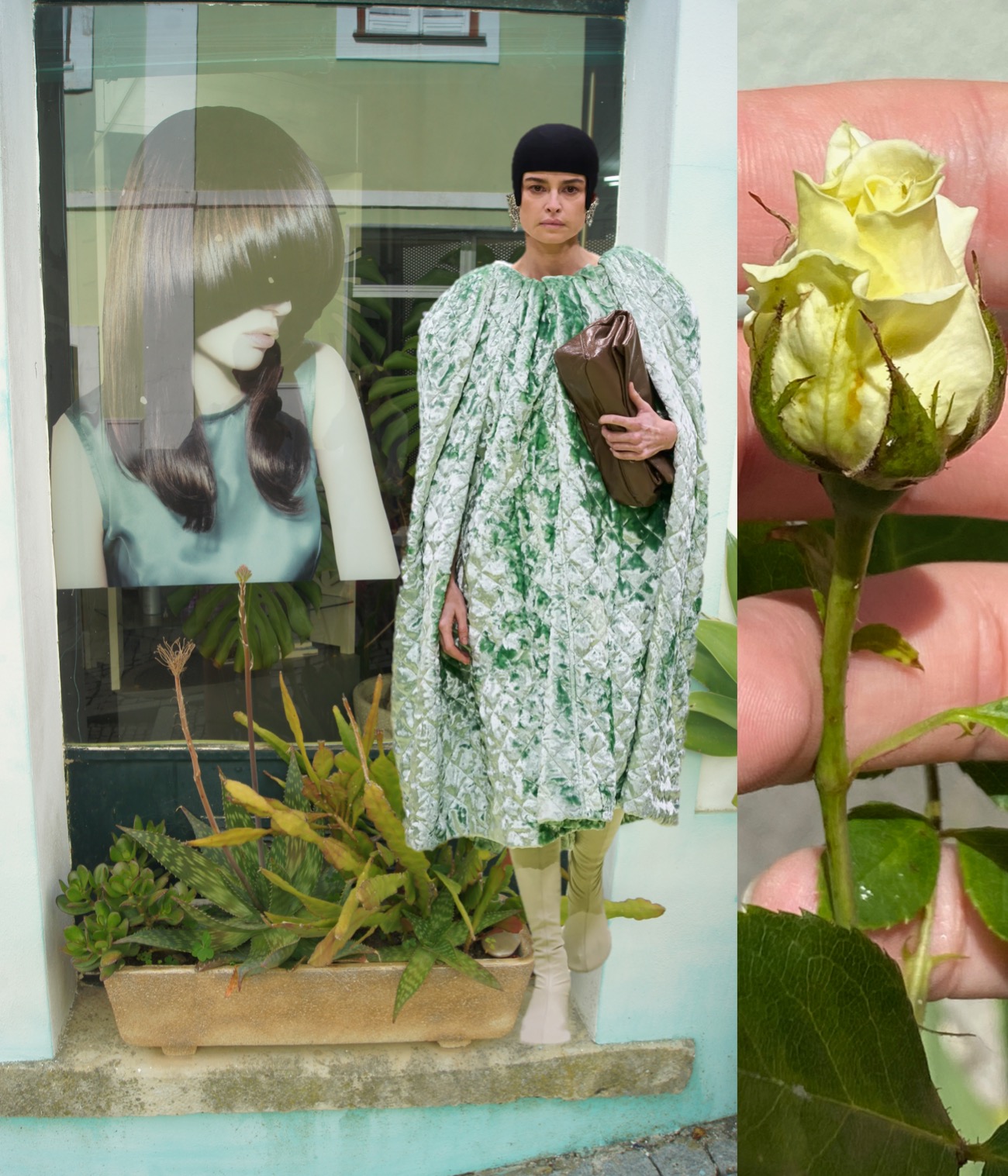
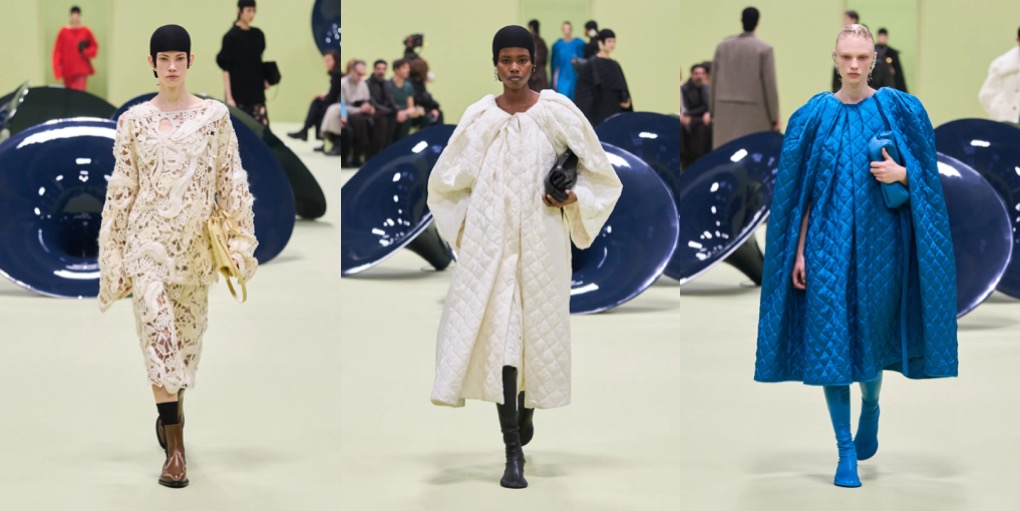
Lucie and Luke Meier are in their experimentation mode at Jil Sander. Gone are the days when their vision of the brand orbited around the idea of minimalism in its traditional, Sander-esque sense. Trying new things is crucial in order to develop and progress your style. But I’m not entirely share the antiquated space-age aesthetic the designers went for their autumn-winter 2024 collection is necessarily a breakthrough. They leaned too much on the diamond quilting, which if overdosed can feel utterly outdated, and the chainmail details are Paco Rabanne’s territory, especially when we’re talking about 1960s sensitivity. As Cathy Horyn wrote in her review, the collection gave “tragically old lady” vibes, and its hard to disagree.
Collage by Edward Kanarecki. Don’t forget to follow Design & Culture by Ed on Instagram!
Hey, did you know about my newsletter – Ed’s Dispatch? Click here to subscribe!
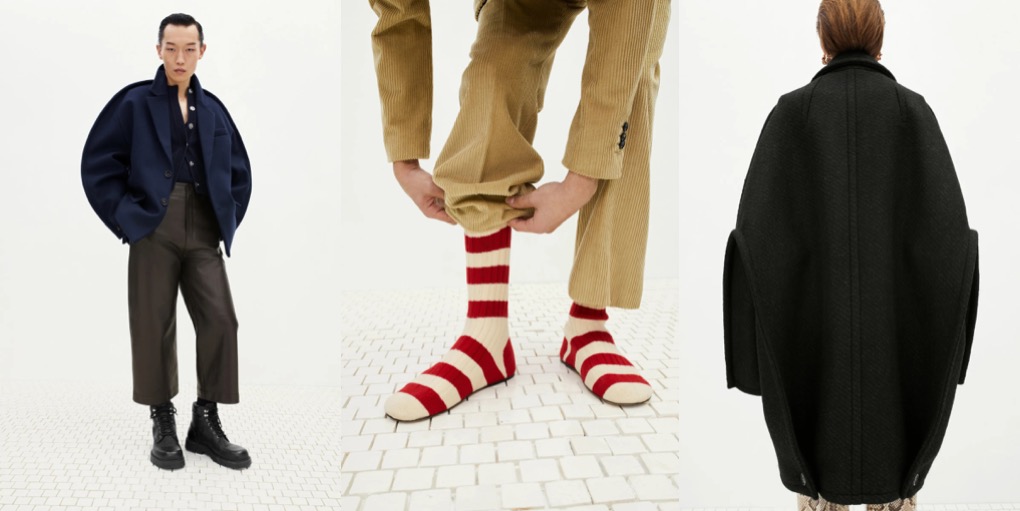
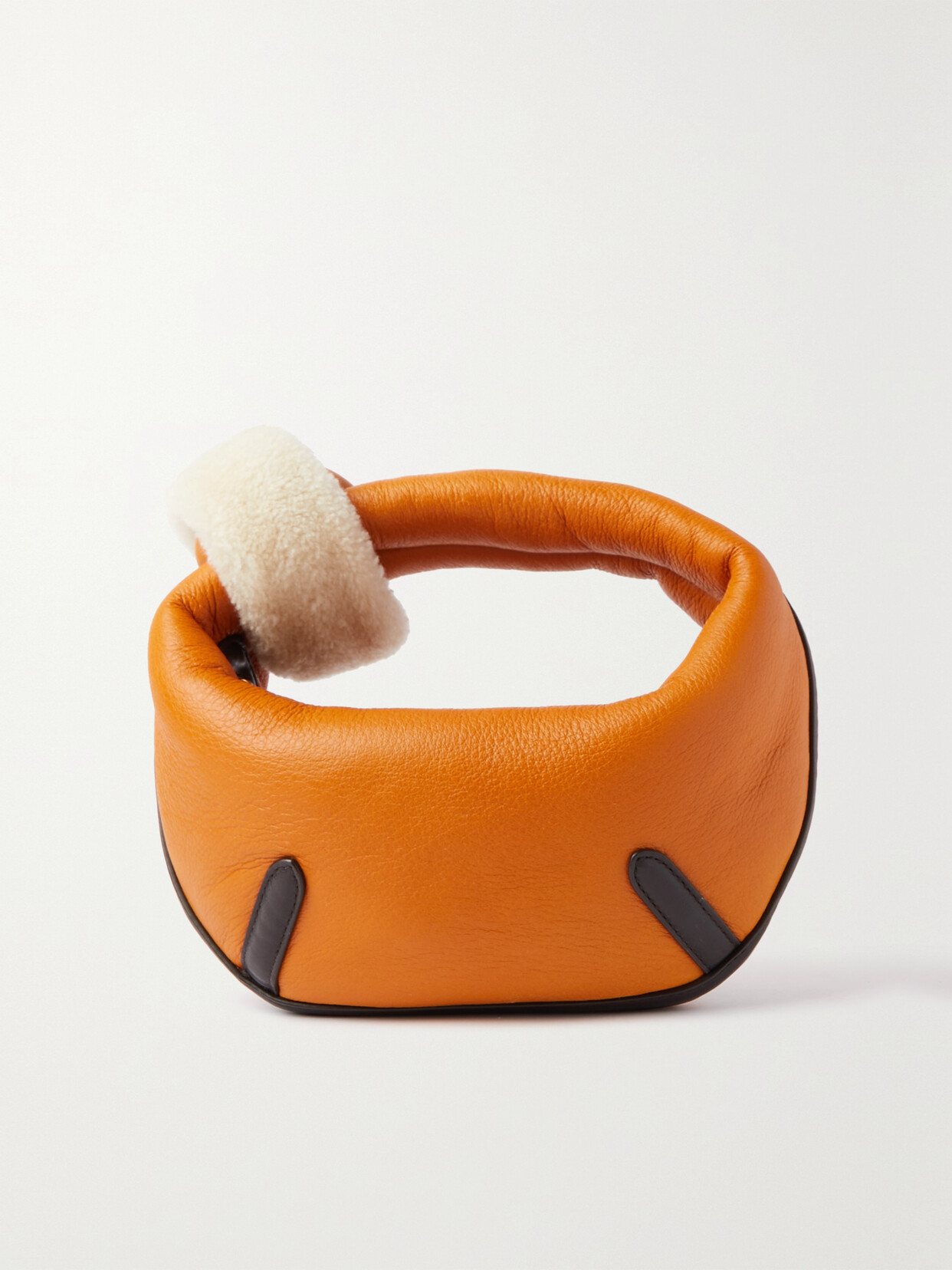
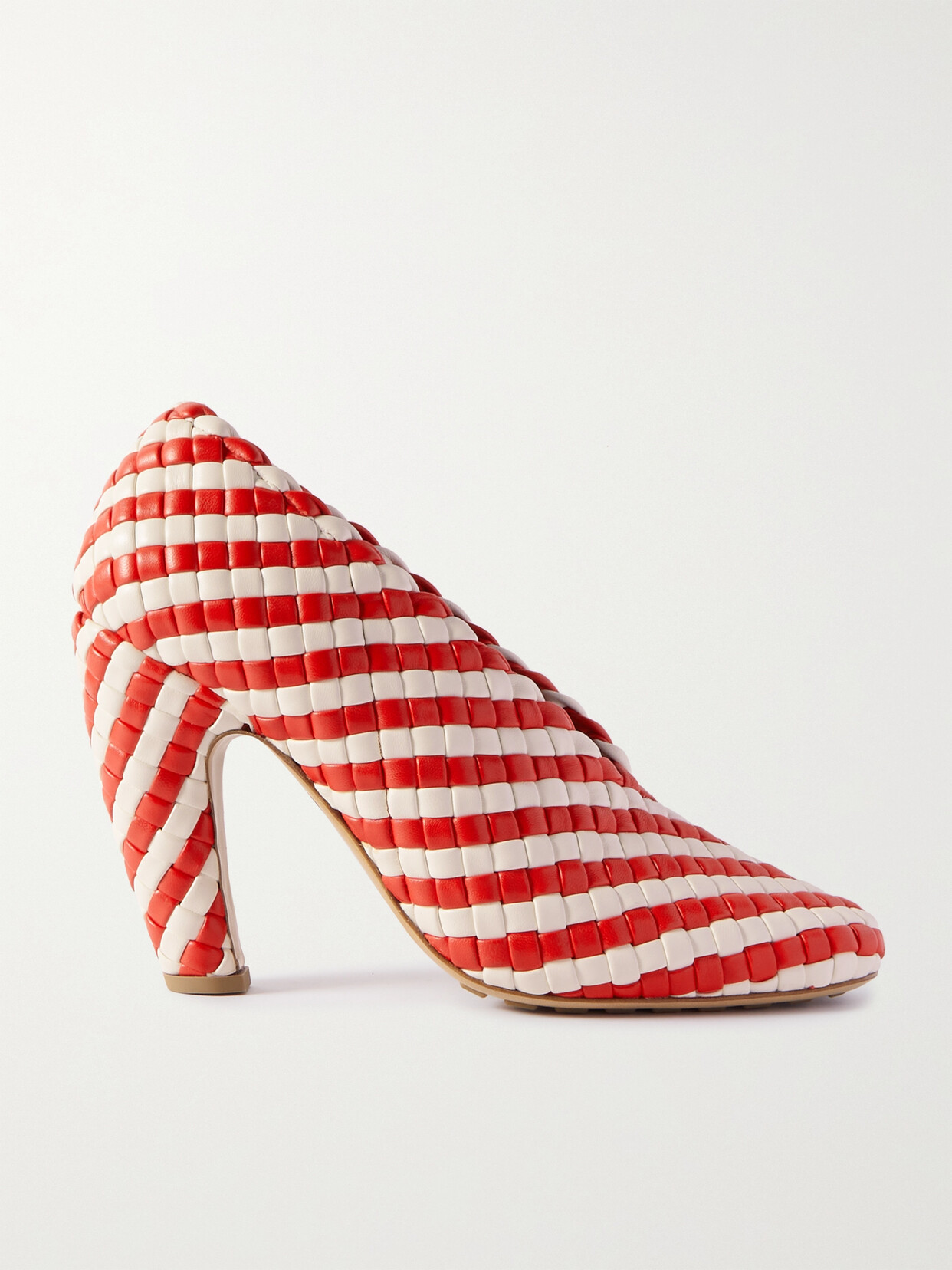
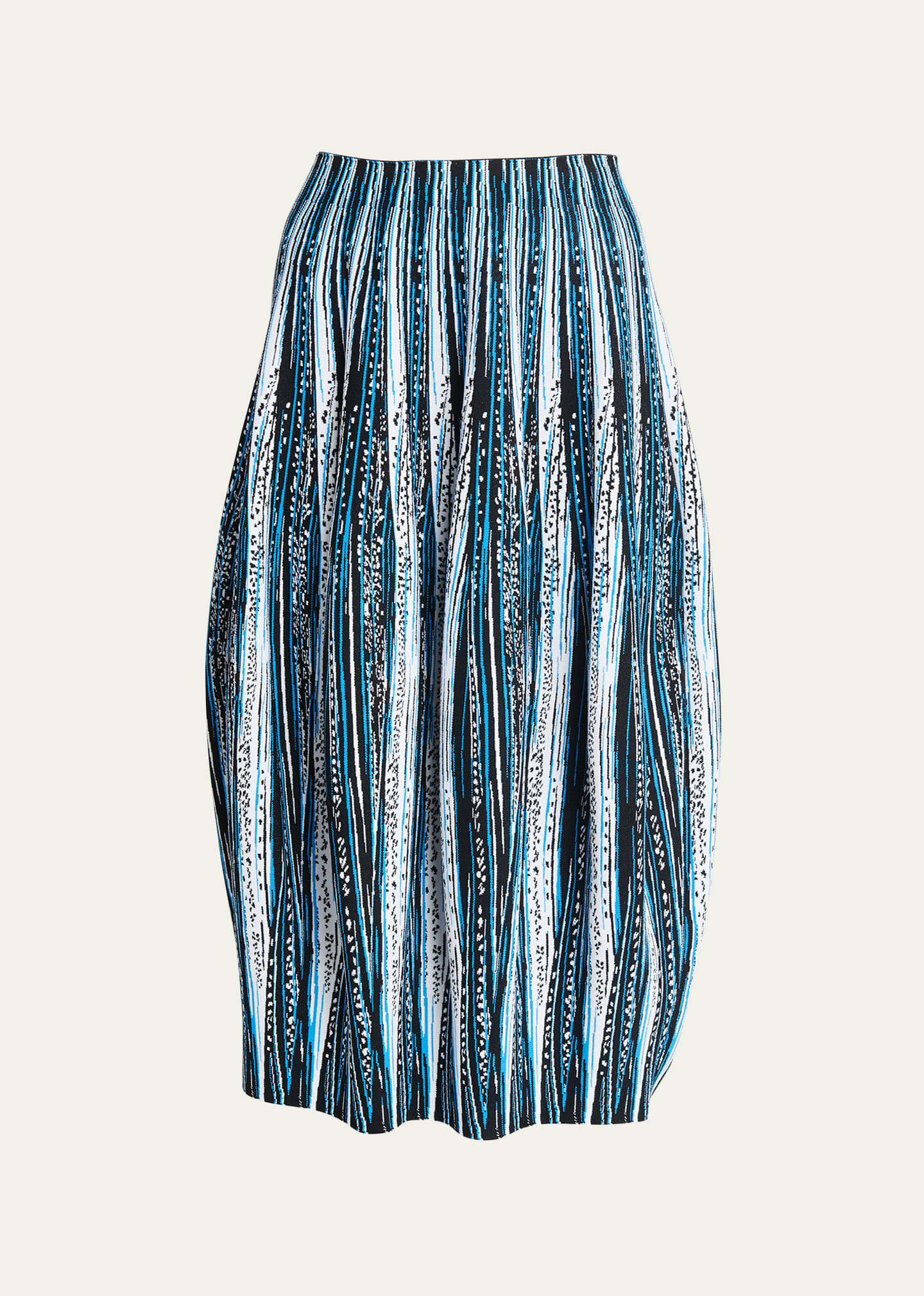
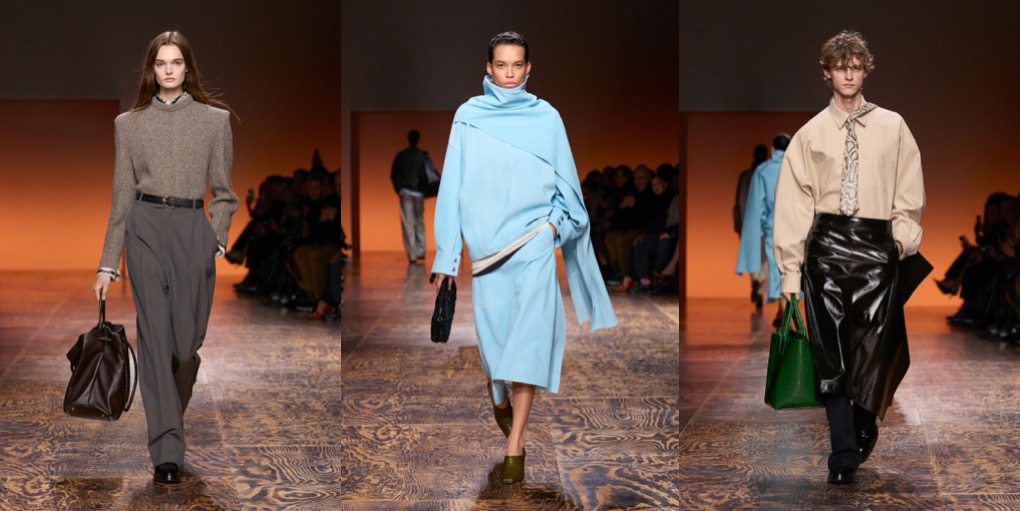
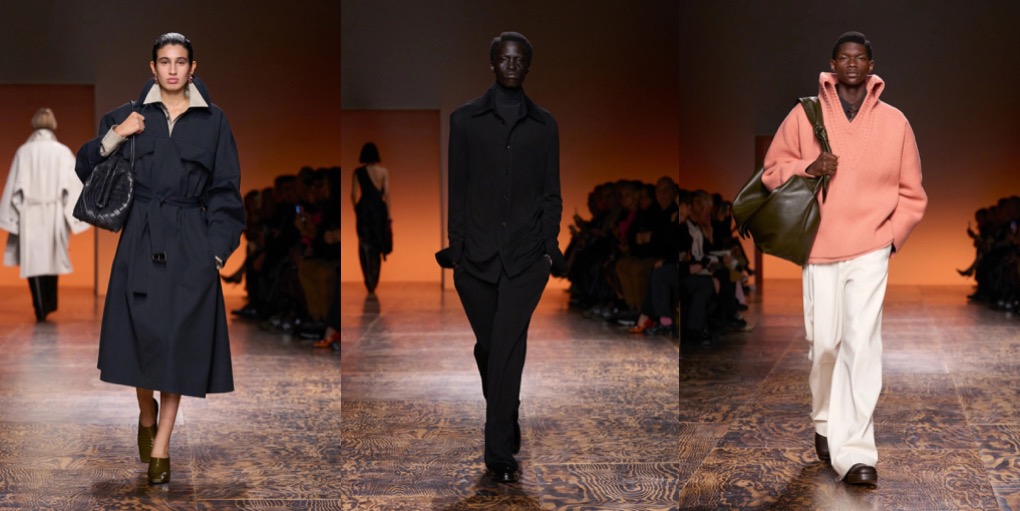
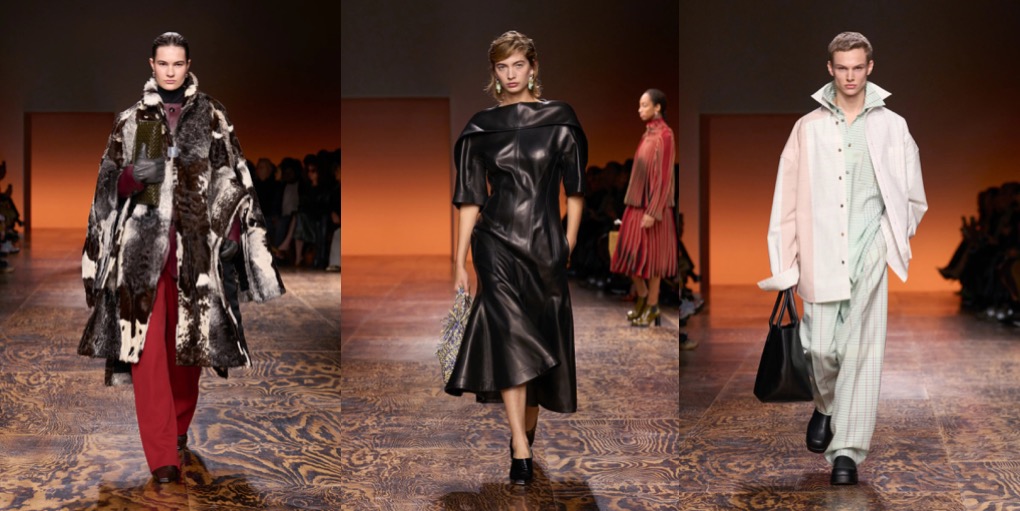
At Bottega Veneta, Matthieu Blazy delivered his best collection to date. The reason the autumn-winter 2024 show felt this good was not only because Blazy found a way to make his love for artisan detail finally look light and spontaneous, sprezzatura-way. The Bottega Veneta line-up delivered a sense of authentic style, a true rarity to observe during fashion month. That might have come to Blazy with a change in his creative mindset. “The initial idea was to reduce the collection to almost the function of clothes – only reduce not to the minimum, but to a maximum. I was interested in making a monument out of the everyday.” It started with the first look, a couture-ish black cocoon coat whose rounded, three-dimensional silhouette was the result of the folding in of its sides and sleeves, which were secured with big brass buttons. Unfasten them and the coat becomes more or less flat. The nonchalant, unstudied result is stunning. This season’s clothes are refreshingly stripped back: gone were the embroideries and embellishments that defined last season’s collection, but there was no shortage of impressive workmanship. Blazy said, “I wanted the technique to be in the fabric itself.” A fine example of that was the “memory” prints made from layer upon layer of passport stamps that he used for a trio of willowy looks with swooping tiers on their skirts. As we see 2024 fashion unveil, there’s a strong flux of “everyday” clothes; amid all the crises, the understandable tendency among design houses and their executives is to play it safe. As we’ve seen so far this season, that can lead to same-y fashion, indistinguishable from one runway to the next. Blazy is immune to that risk.
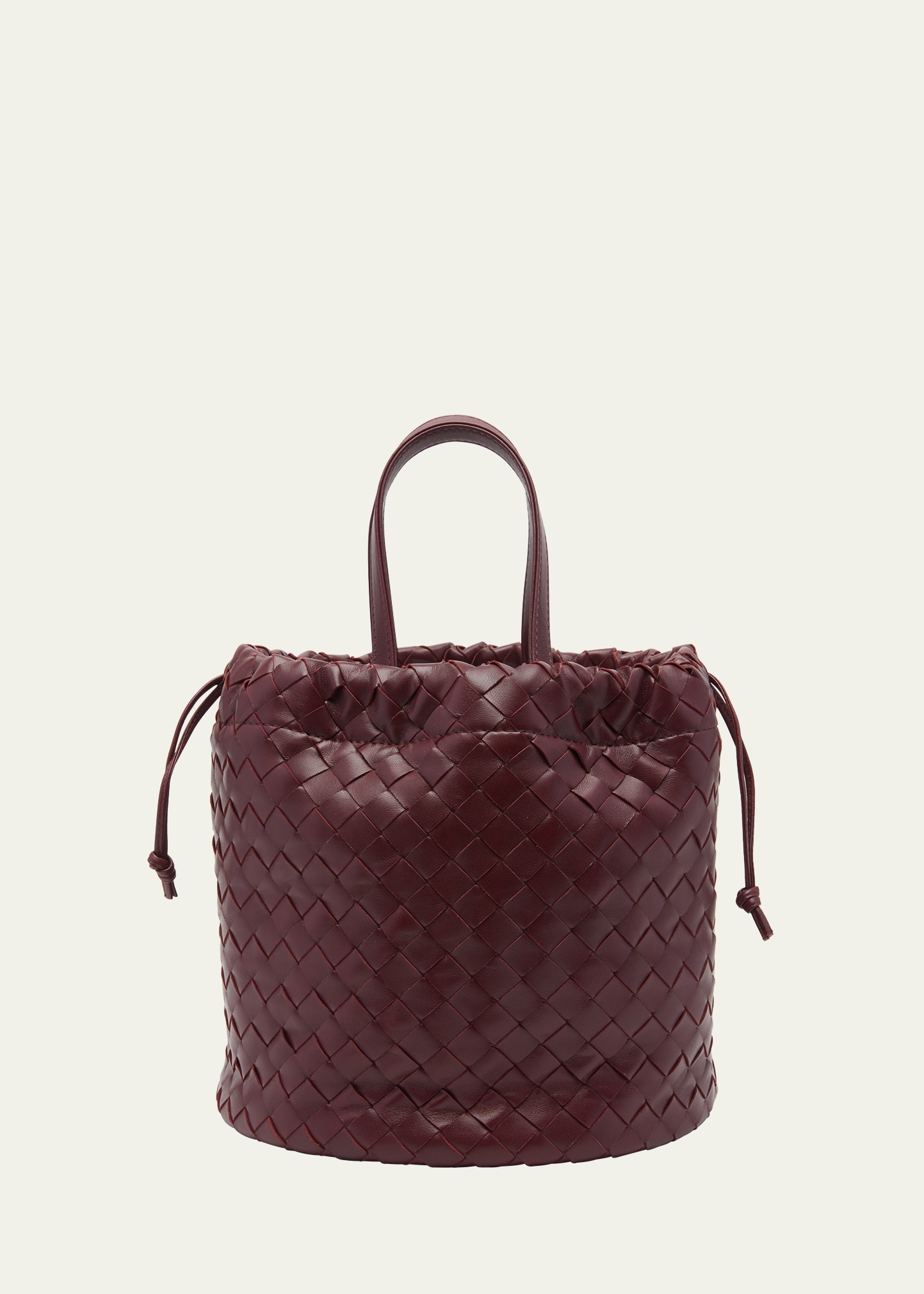
A couple of my favorite artisan masterworks coming from Blazy’s Bottega…
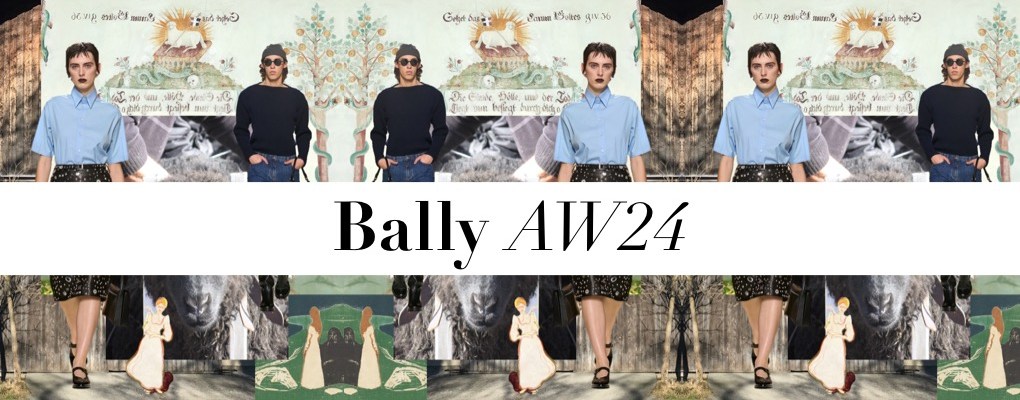
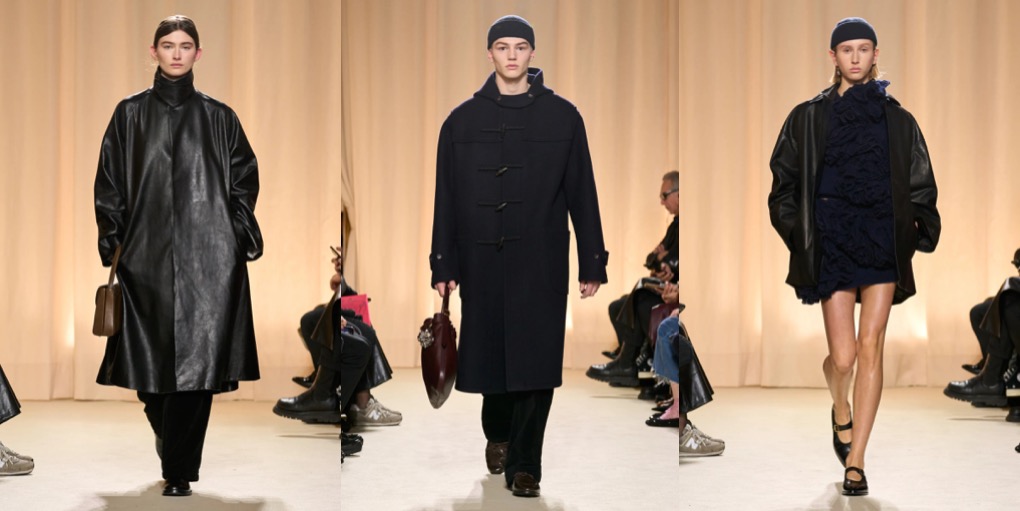
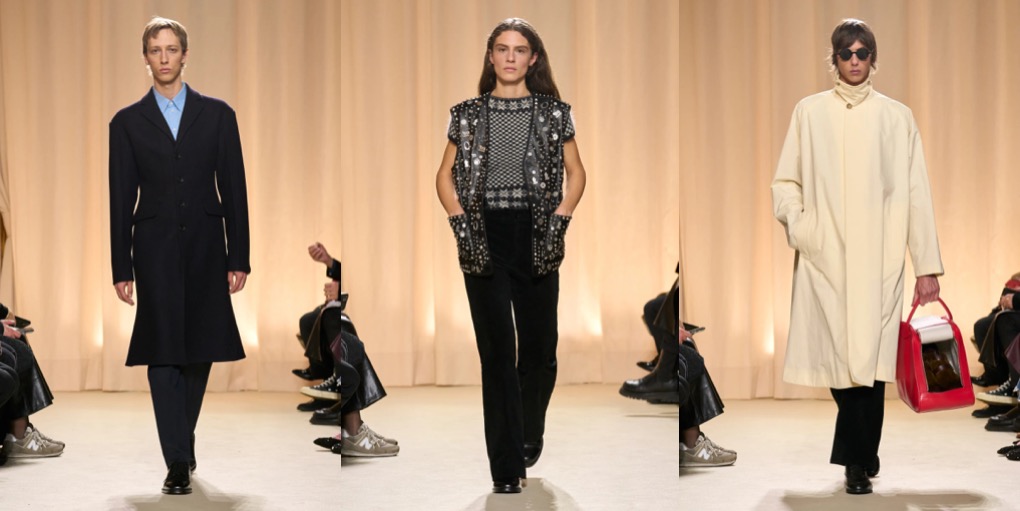
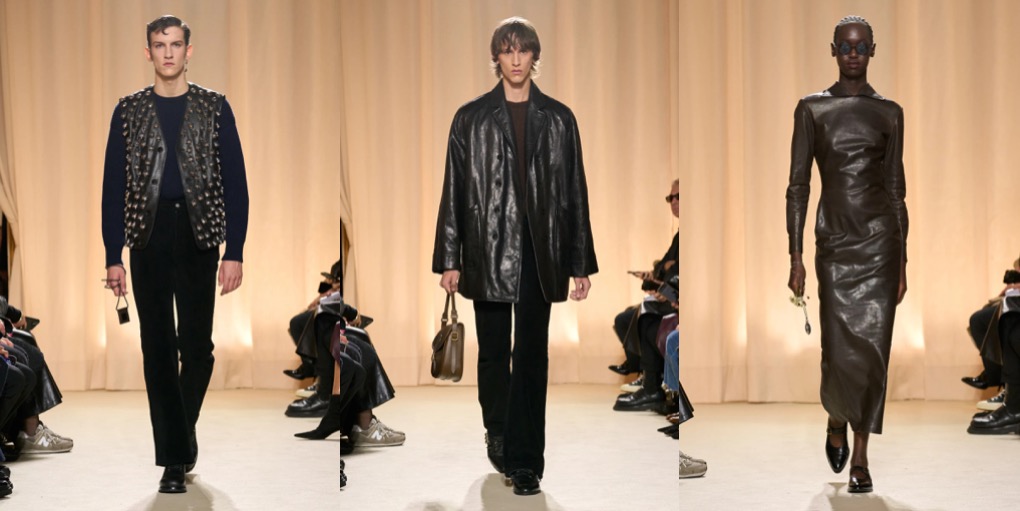
Simone Bellotti‘s sophomore collection for Bally was Milan Fashion Week’s quiet star. This is the line-up where actually something cool happened. The designer found that sense of “cool” in a place that doesn’t necessarily affiliate with “coolness“: Zurich. Its street style and ambience inspired Bellotti and the autumn-winter 2024 runway; simultaneously drawing upon the pastoral symbolism of Swiss folklore and Alpine mysticism, the designer has managed to create a truly distinct vocabulary for Bally within a year of his tenure. Steering clear of literal translations, he combined severity and grace, austere poetry and functional Swiss precision. On a neat double-breasted swing loden coat, the skirt flared into the shape of a treichein bell; a masculine crisp poplin shirt, tucked into high-waisted jeans, was worn under a knitted gilet revealing a furry back, hinting at a wilder, less disciplined side. Like the soft pelt of an untamed creature, a fur insert peeked out from under a strict, asymmetrical knee-length felted wool dress, held on one side by a silver safety pin. Black leather was made into protective yet supple blousons, car coats, and capes. Introducing a cautious note of disorder, a knee-length pencil skirt as well as a masculine waistcoat in black leather were studded with traditional Appenzeller motifs of hearts, cows, and edelweiss interspersed with punkish metallic grommets, hinting at the photographic work of Swiss queer artist Karlheinz Weinberger, whose late-1950s homoerotic portraits were published in the book Rebel Youth. It was a subtle nod to a discourse rooted in the now that makes Bellotti’s work at Bally all the more contemporary and utterly desirable.
Collage by Edward Kanarecki. Don’t forget to follow Design & Culture by Ed on Instagram!
Hey, did you know about my newsletter – Ed’s Dispatch? Click here to subscribe!

















 Design & Culture by Ed