Men’s – Il Nuovo Abito. Zegna AW22

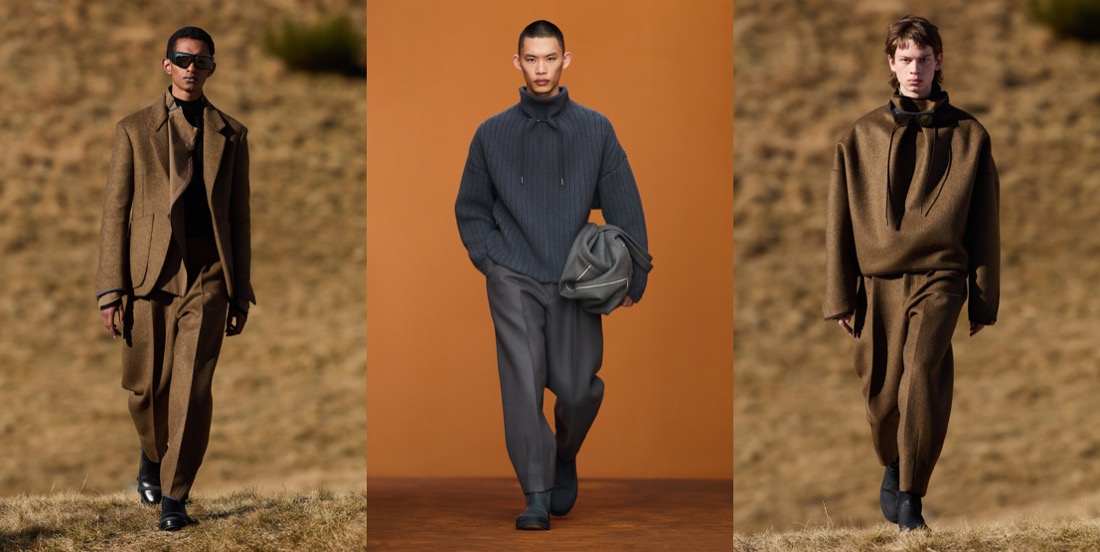
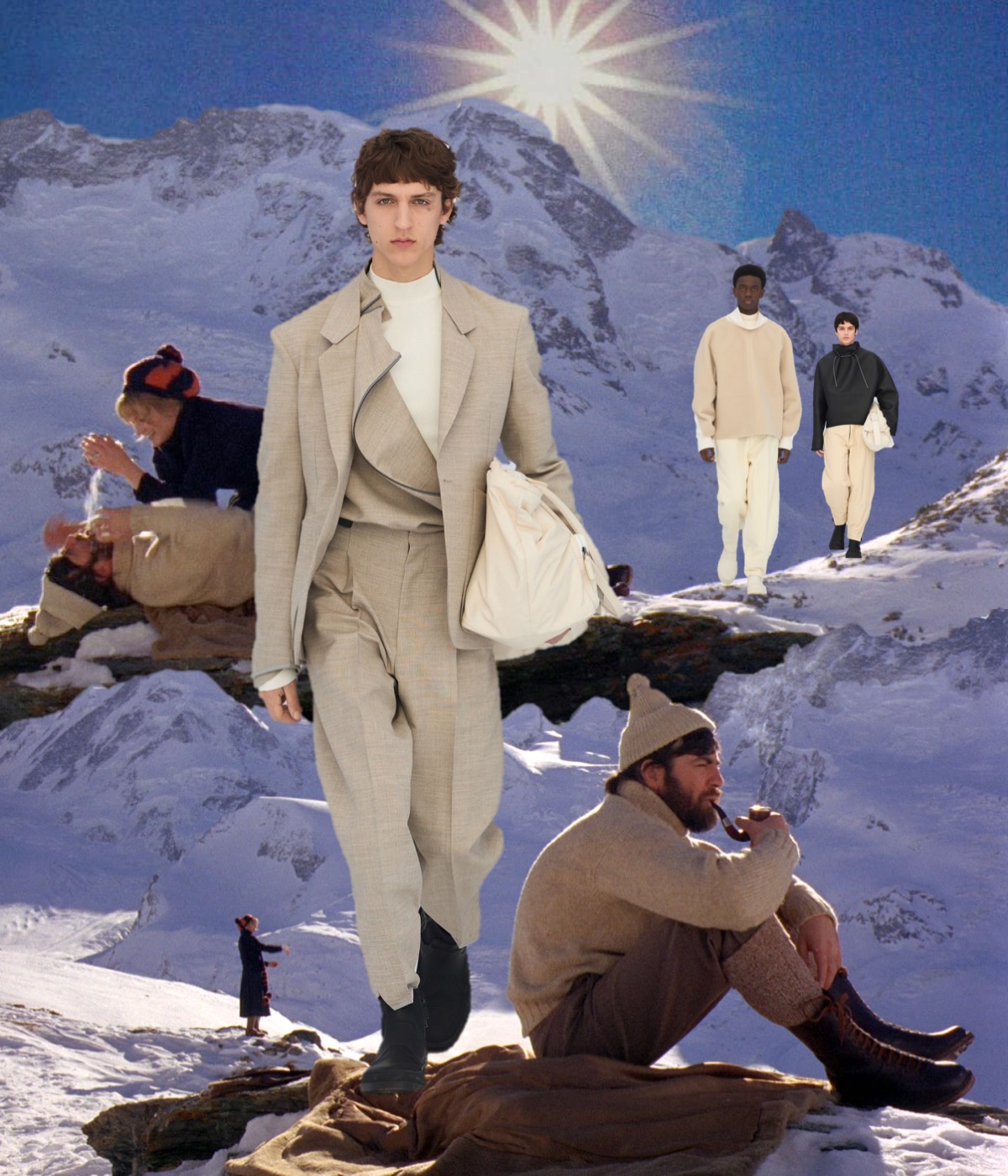
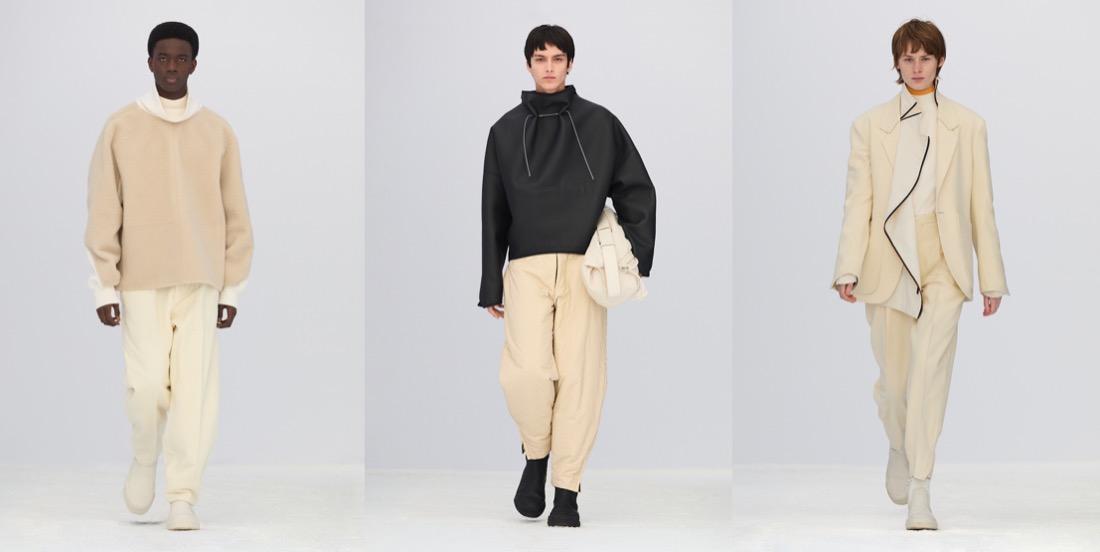
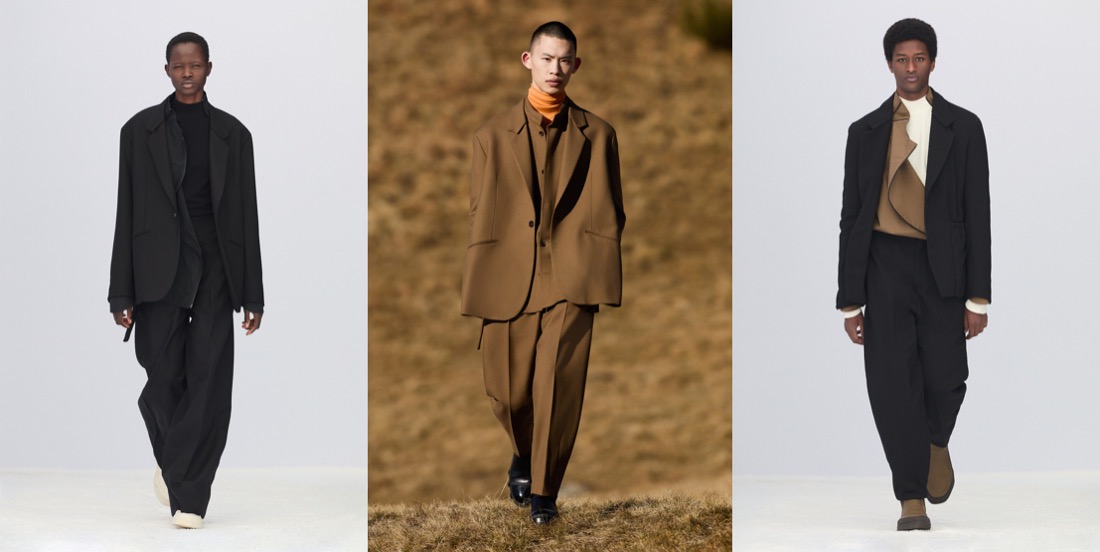
Men’s Milan Fashion Week has officially started! And here’s lesson number one: you just can’t go wrong with Zegna. I know it myself – I’ve got a couple of my dad’s clothes coming from the brand, and really, this brand is not just timeless, but its quality is indestructible. Alessandro Sartori, Zegna’s creative director, embraces what the Italian brand stands for with every season, delivering absolutely desirable, refined and relevant investment pieces for a contemporary man. For autumn-winter 2022, Sartori said he was presenting “il nuovo abito“: the new suit. Yet this collection represented something far bolder than that. It was a tilt at meeting that migration by erasing the categorical imperatives that have long codified menswear. These old-fashioned either-ors include formal and casual, sartorial and sporting, street and fashion, executive and worker, masculine and feminine – all of them habit-forming dichotomies that signpost the traditional menswear roadmap. This shift came in sync with multiple others in Zegna’s landscape. Early last month the company dropped the Ermenegildo from its title and also quietly phased out the really excellent sub-brand Z Zegna in order to combine everything under one mainline menswear empire. The simplification is meant to add emphasis to the Zegna identity, which is now represented by a signifier-logo that sandwiches the brand name within two vicuna-toned strips of brown with a strip of black between them. The logo represents the road that winds through the 100 km2 of land – the Oasi Zegna – that the original Ermenegildo purchased, reforested, and conserved in order to increase the quality of life and wellbeing of the employees and their families at the original Zegna lanificio, which continues to operate today. Another categorical dichotomy that Sartori has worked to blur is that of physical vs digital – fashion-wise, phygital was first coined here back in 2020. Today’s presentation had been planned as what Sartori today called “metatheater – not the metaverse – a combination of cinema, fashion, and live… My goal is a digital background to a live presentation, and I am sure we will do it in June.” The latest offering was shot between the Oasi Zegna and a Milan TV studio over five days. But those clothes don’t need any additional, fancy background. A dark, gabardine jacket that featured an eye-catchingly unorthodox notch lapel construction, no bolstering material in the shoulder, and no buttons at its split cuff. This was worn atop matching pants, vaguely carrot shaped like most here, and the handsome galvanized slip-on ankle boots that were also shown on most looks treading through the snow in the Oasi. Under the jacket was an oatily-toned midlayer that featured a one-sided, curved flap that lent the look a roguish, piratic air. When the model took the jacket off, it turned out that midlayer was a soberly silhouetted technical turtleneck whose curving came from the shape of the zippers running across the body. You could see the fossilized remains of both sportswear and tailoring in the look’s elements, but when worn as an ensemble it did, indeed, look like an outfit that was uncategorizable as either. Other highlights included sharply silhouetted deformalized jackets and pants in ultra-thin padded fabrics, parkas in wool ripstop, and shirting with fabric-soft panels of leather cut into their cashmere whole. Knitwear featured tonal jacquards whose abstract shapes reflected the patches of forest and snow they were shot against. Whether in camel hair, scuba, or cashmere, the shacket-and-pant fusion ensemble – a luxury-chore-jacket-workwear outfit meets supremely-soft pajama – was well represented and made a powerful candidate for Sartori’s post-abito habit.
Collage by Edward Kanarecki.
Eclectic Elegance. Jil Sander Pre-Fall 2022

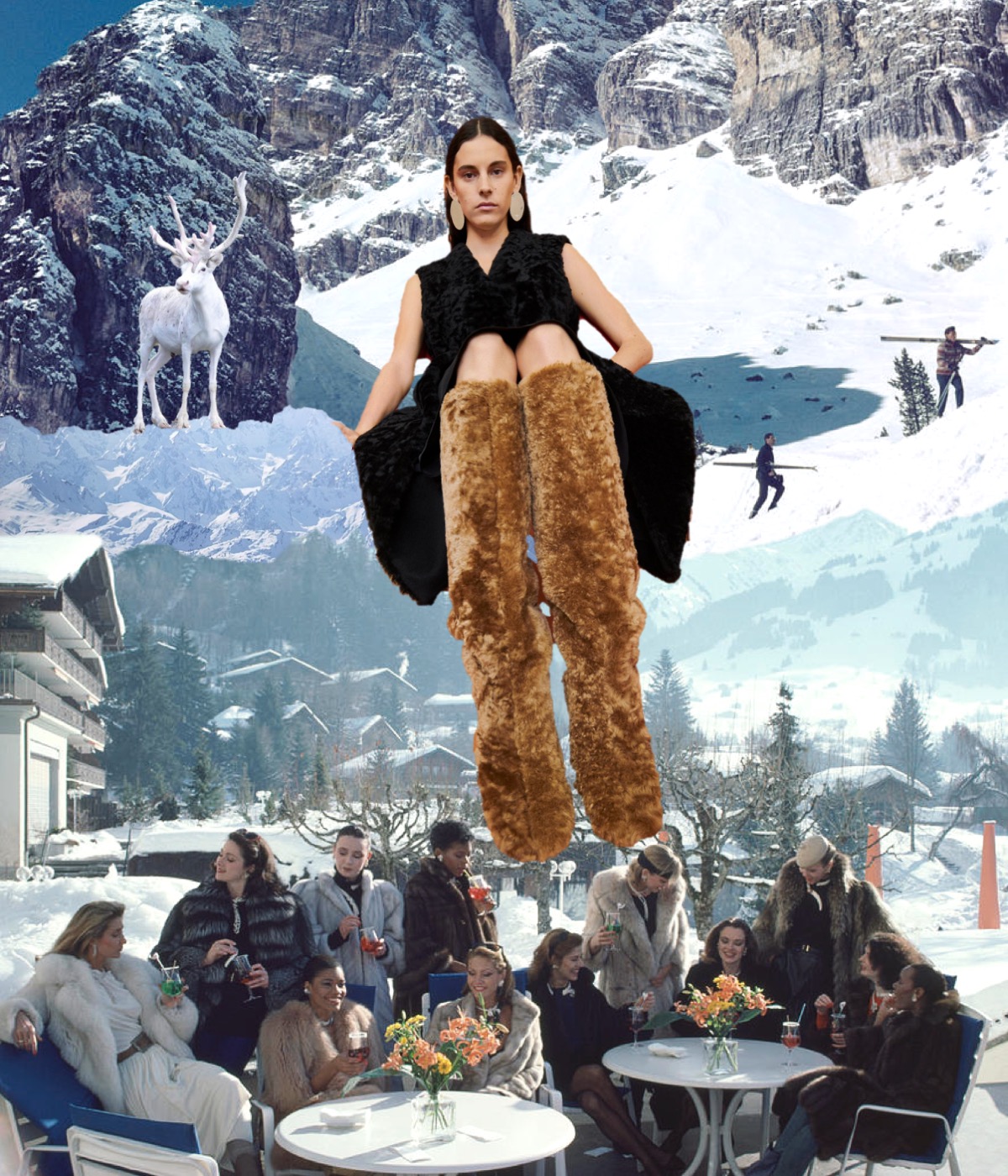
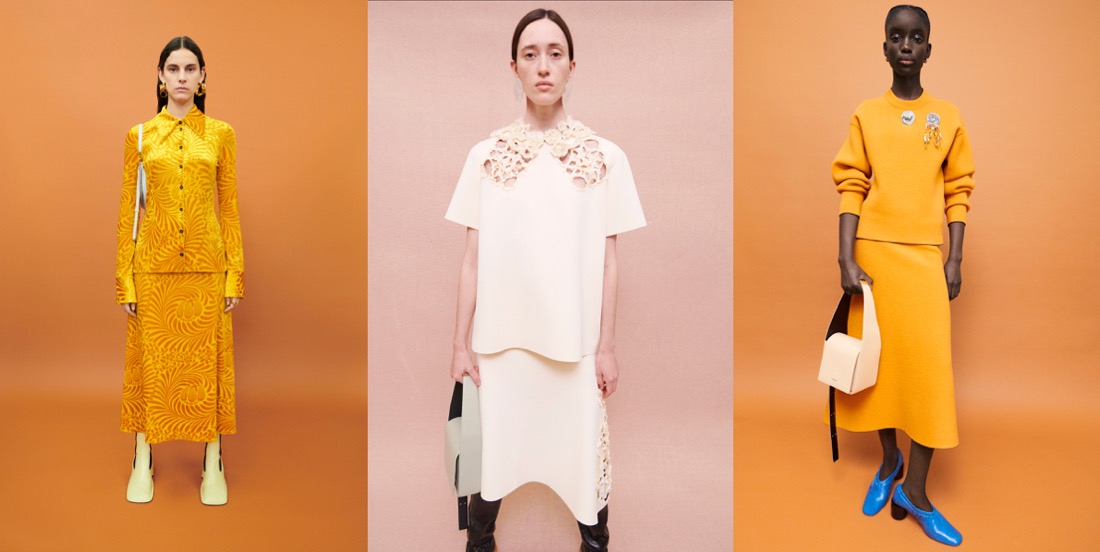
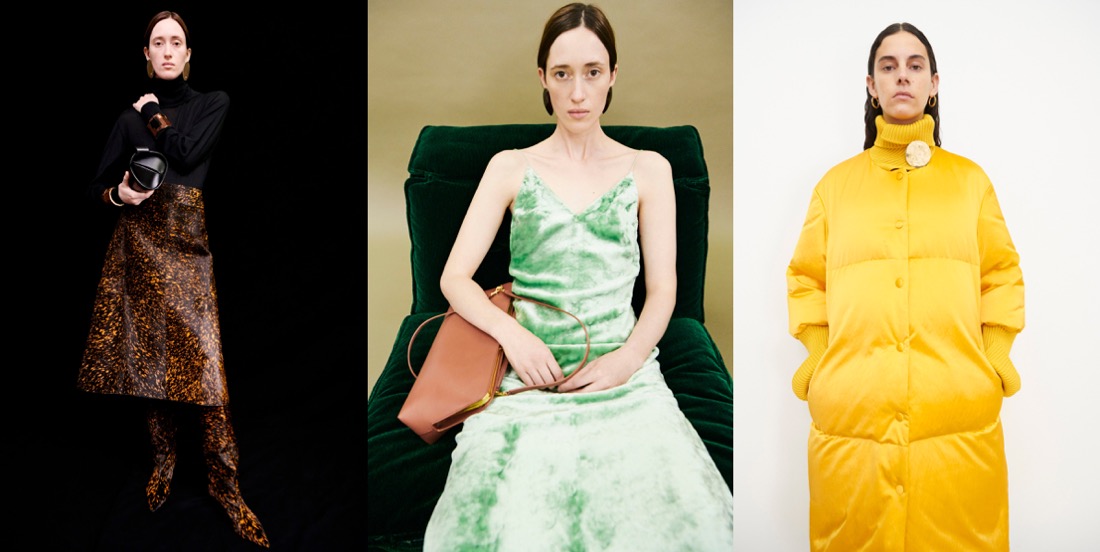
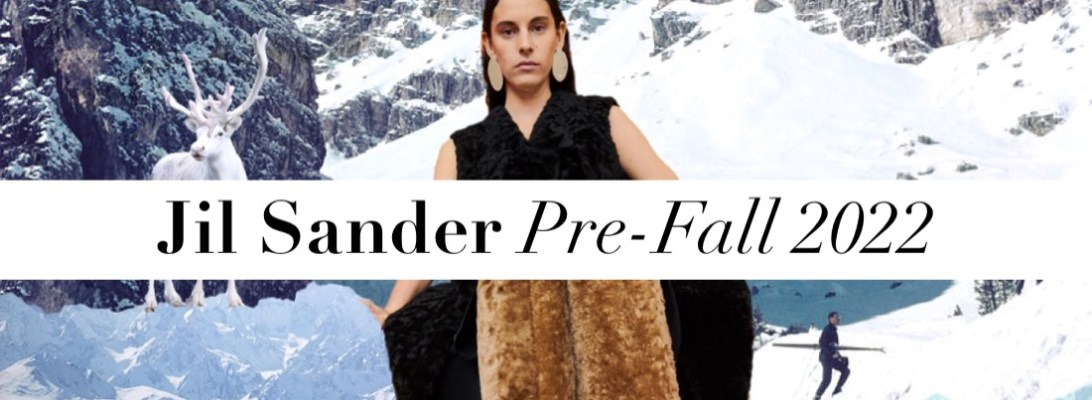
The celebration of individuality is what drives creatively Luke and Lucie Meier at Jil Sander. “For us it’s really important, the idea of working around the character,” they told Vogue during a preview of the pre-fall 2022 line-up. “The person in its humanity and uniqueness is at the center of our creativity.” What the Meiers have brought to Jil Sander is a progressive yet thoughtful approach, articulated with intelligence in a narrative both consistent and nuanced. Their repertoire is expanding; whimsy and eccentric flair now embellish their disciplined, exacting range. “We’re not considering stereotypes, rather multifaceted attitudes and personalities. Human beings are complex animals,” they said, suggesting that inspiration finds its way through a texture of emotions and connections, leaving excessive analyzing in the background. “We’ve been thinking a lot about our friends, people we know, even ourselves, all the different emotions we’ve been through. So it just felt right to be almost more impulsive, to indulge the spur of the moment, enjoying a certain freshness and lightness.” The collection was bookended by two similar looks, both two-piece propositions – a sharp-cut top/skirt ensemble in ivory double-faced matte viscose knit, compact and sculptural; and a turtleneck/skirt combination in off-white ribbed wool. Beautifully embroidered with sequined crochet intarsia at the collar, on the sides, or at the hem, they draw attention to the decorative as a subtext to Jil Sander’s sartorial clarity. “Both looks have a chandelier kind of shape, they look rather decadent. It’s nice to offer something special, less ordinary.” The offering’s standouts exuded the boldness and confidence of one-of-a-kind pieces. Among the noteworthy examples: an exquisite bias-cut evening dress in soft undyed silk in a pearly shade of ivory, its skirt opening up in a corolla shape garlanded with long silky fringes; a cocooning wrap coat in spongy wool in a delicate hue of eau-de-Nil, jacquarded with a curlicued abstract motif, a bavolet at the back sporting twirled fringes made from the yarn; and a sharp-cut skirt suit in black double-faced wool, embroidered with an inserted guipure piece breaking the severity of the design. And of course, lets not forget about the teddy-bear boots. Those will sell out fast. “It’s about eclectic elegance and strong individuality,” is how the designers summed up this brilliant collection.

Collage by Edward Kanarecki.

Be Bold. Bottega Veneta Resort 2022

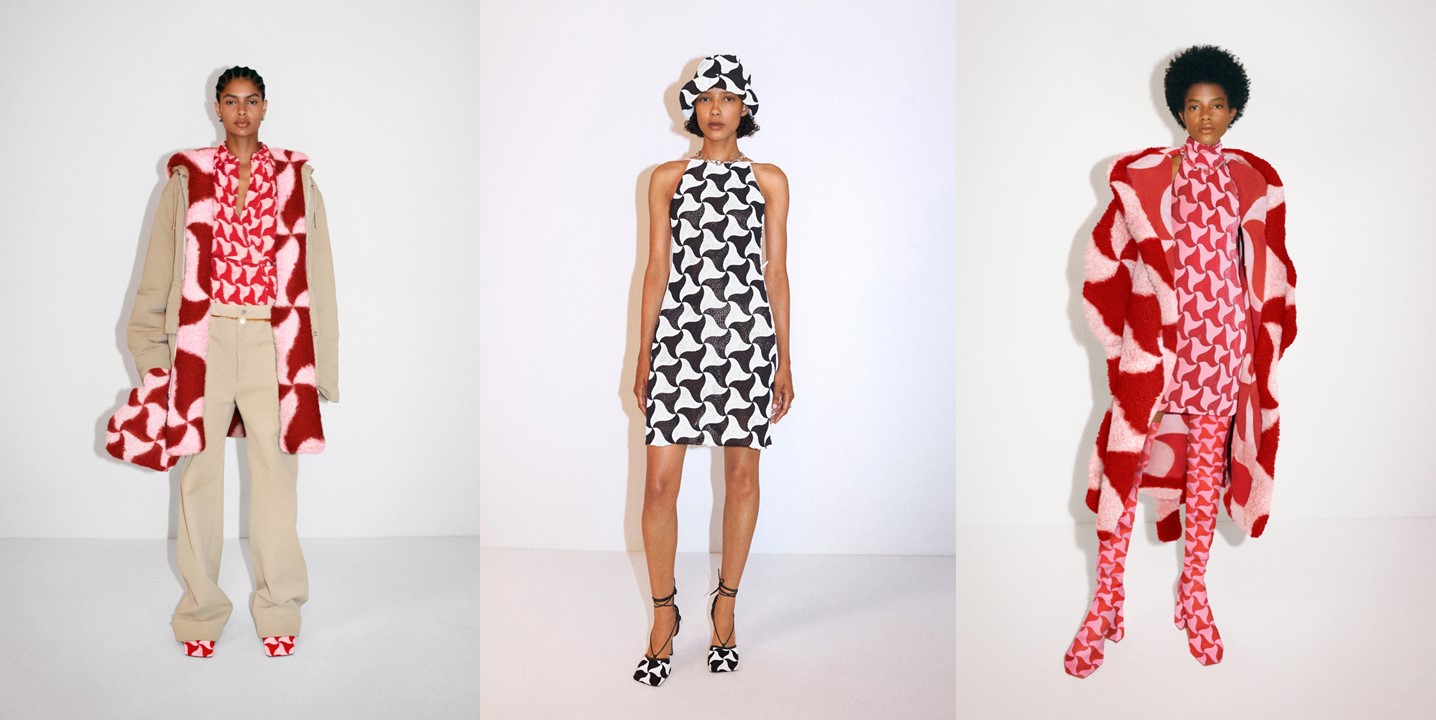
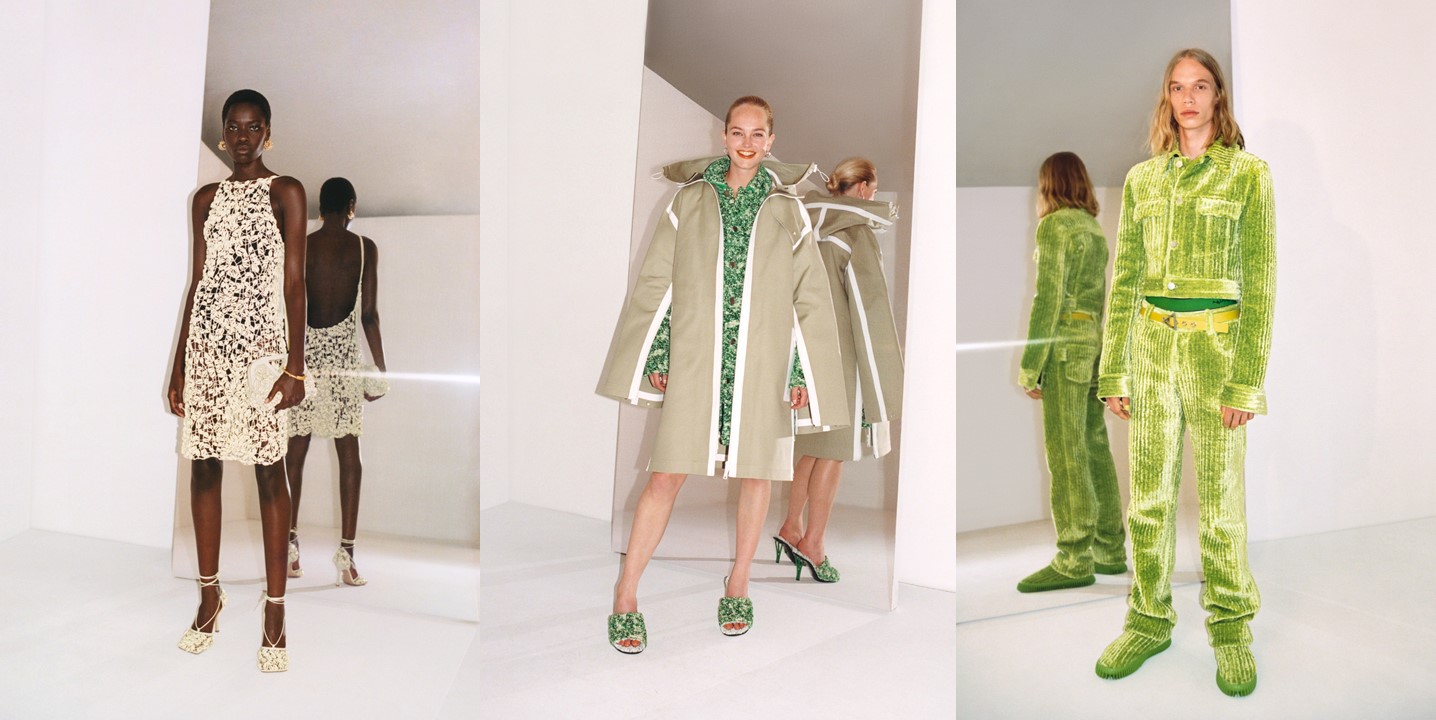
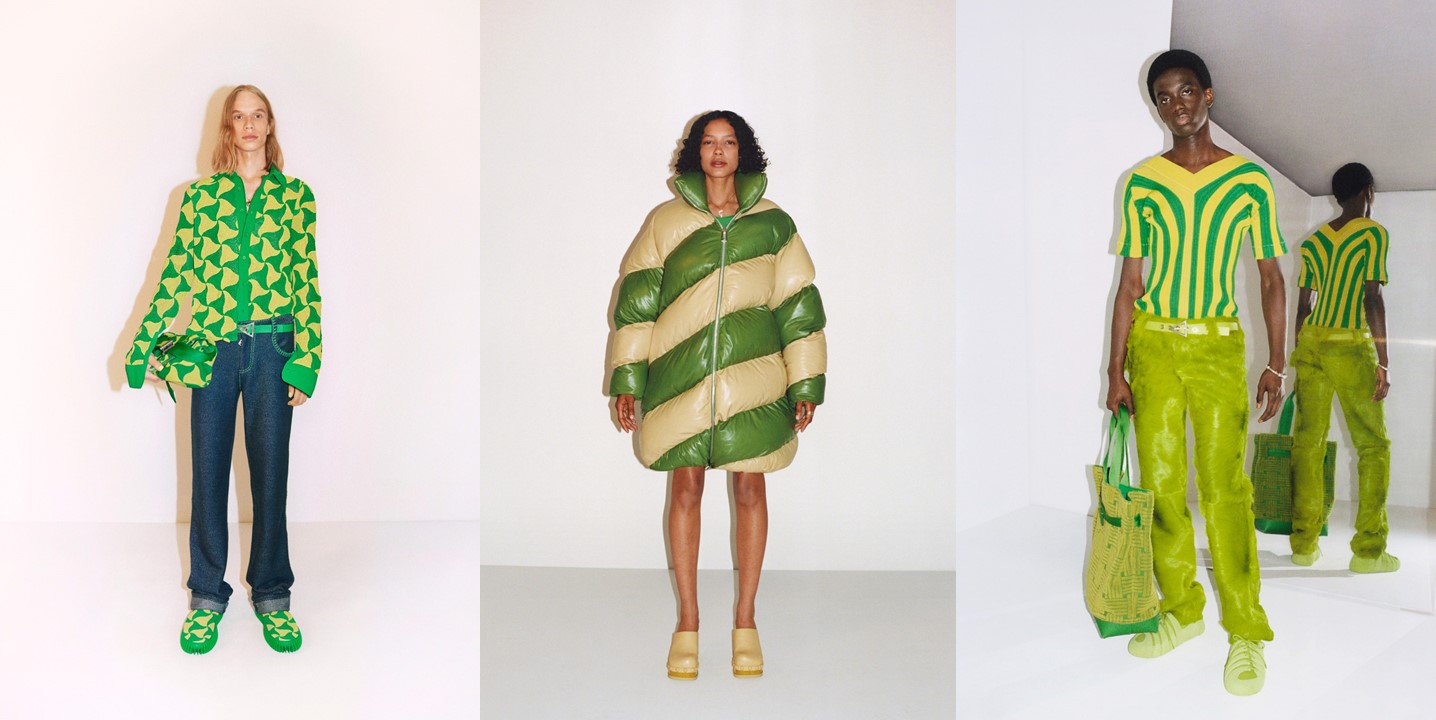
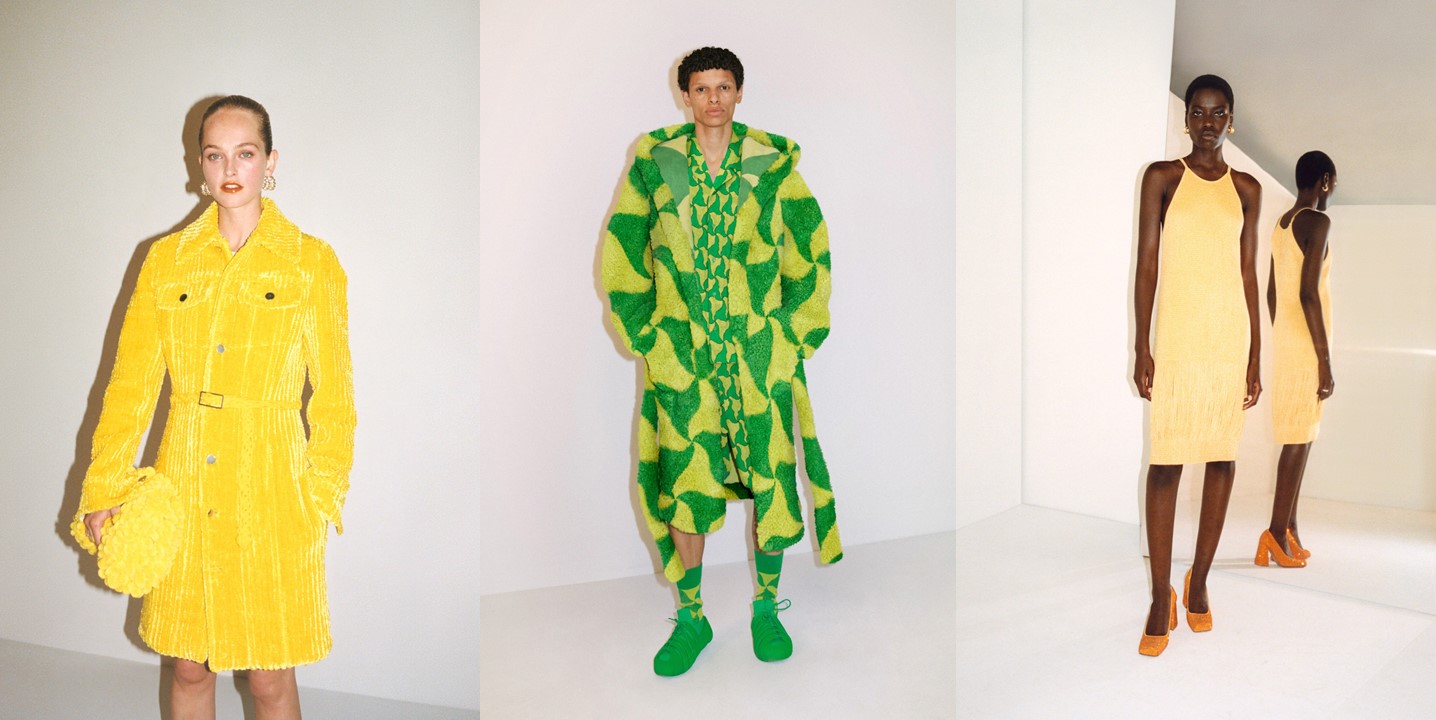
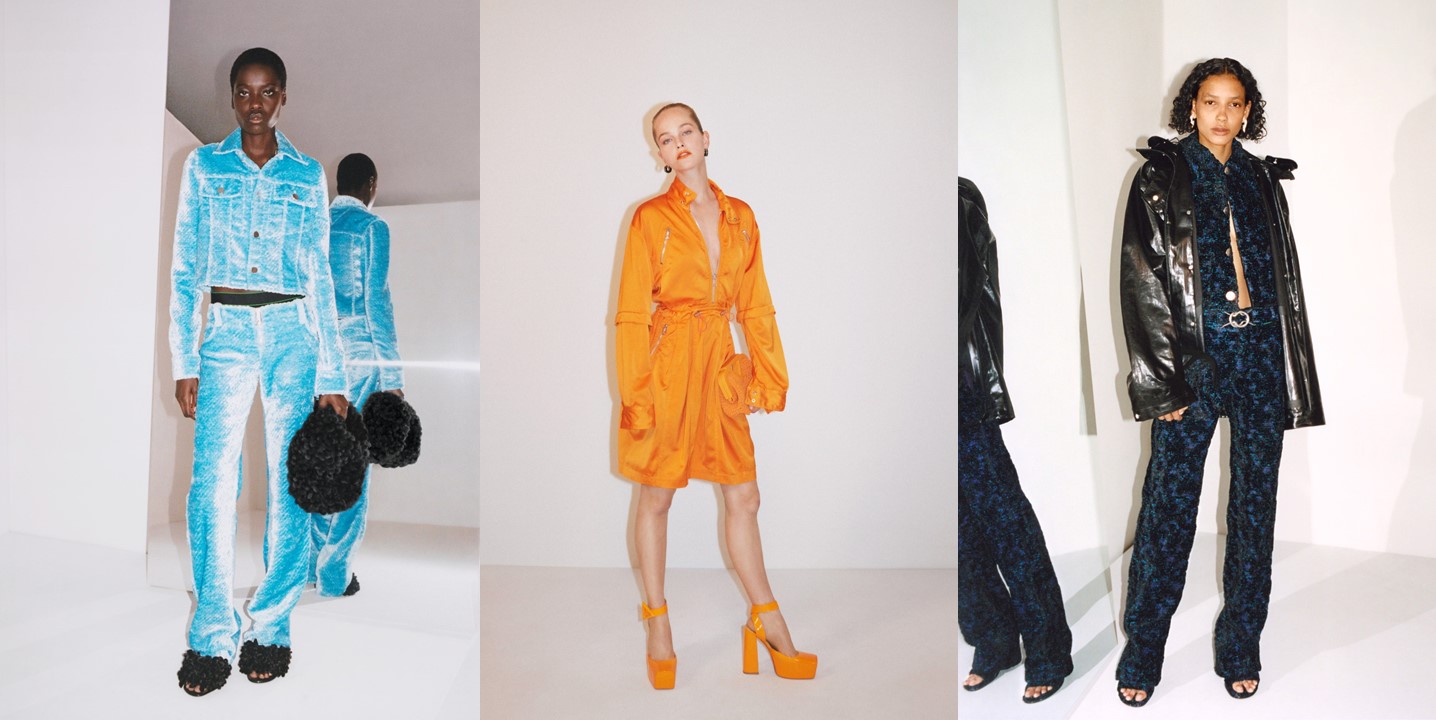
Daniel Lee and Bottega Veneta parted ways last month, yet before we see Matthieu Blazy’s debut in February, there’s Lee’s resort 2022 collection which is the essense of his work for the brand. Development-wise, the collection predates the spring outing – Salon 03 – that took place in Detroit in October. The ideas here are much more precise and will definitely appeal to the New Bottega fans who will symbolically buy Lee’s final designs. It’s bright and upbeat, awash with juicy citrus and berry shades, and cut in rich, touchable textures. Not quite hedonistic but close; it’s a wardrobe for good times. In place of the directional tailoring that has distinguished preceding collections here, there was denim and corduroy, but done the Bottega Veneta way, meaning that the denim is knitted with jumbo stitching, and the corduroy comes in acid colors. Another no-brainer item that got the house treatment is the puffer; quilted on the bias in glossy orange and Hockney blue leather, it’s no run-of-the-mill jacket. If coming at everyday items with an elevated touch was one part of the Bottega Veneta story under Lee, the other was to emphasize high craftsmanship—to make things at a couture-like level without bending to couture-ish propriety. The hand-crocheted and -beaded dresses here belong to that rubric, even though they’re designed in the bare, easy shapes of beach cover-ups. Likewise, the intarsia shearling bathrobes. A dress underneath one of the robes, in a smaller version of the coat’s interlocking pattern, is cut from classic swimsuit material; together they really do channel the Miami-in-December vibe. And now the big question: after three years of Lee’s reign, which was cut abruptly, where will Blazy take the brand?

Collage by Edward Kanarecki.
Free Spirit. Etro Pre-Fall 2022

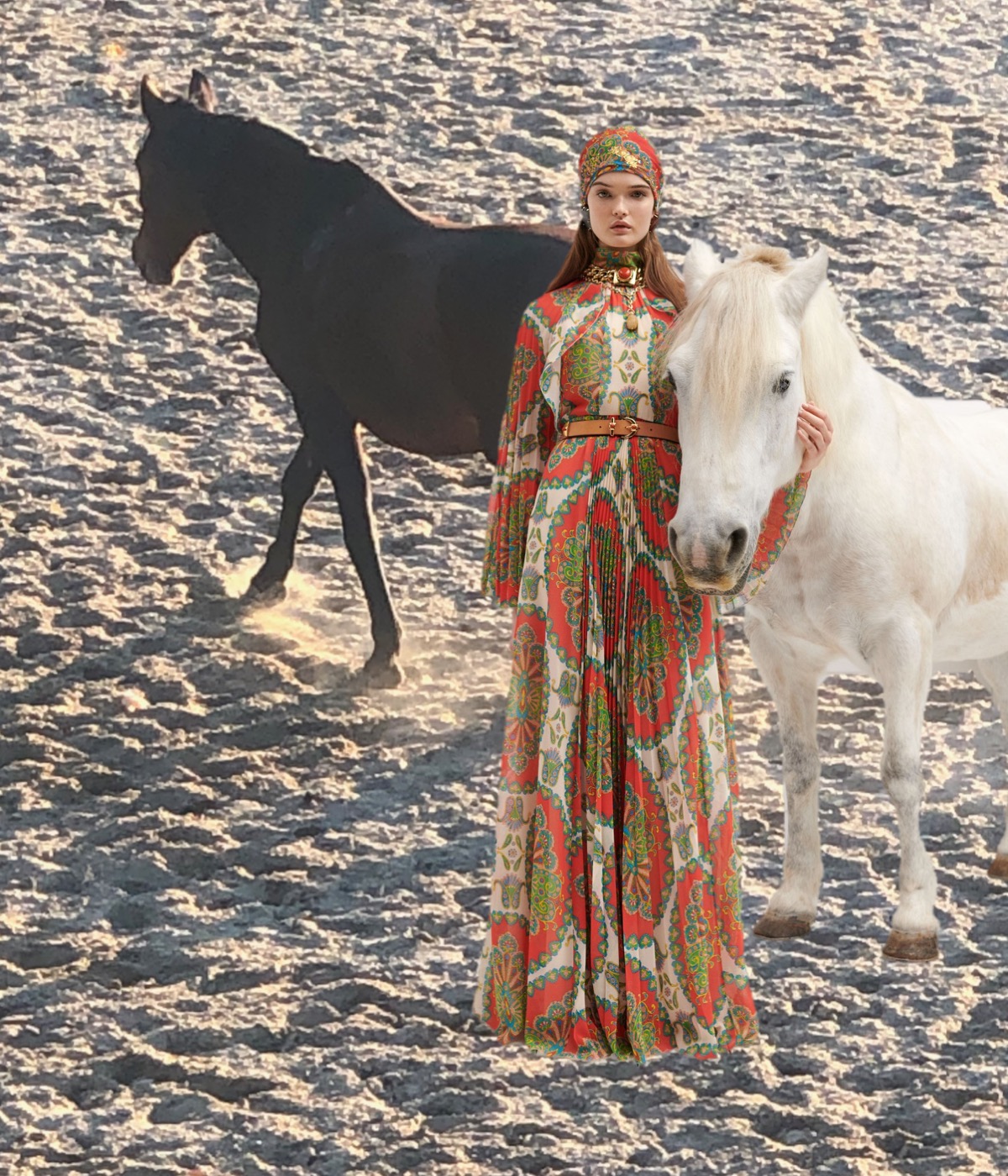
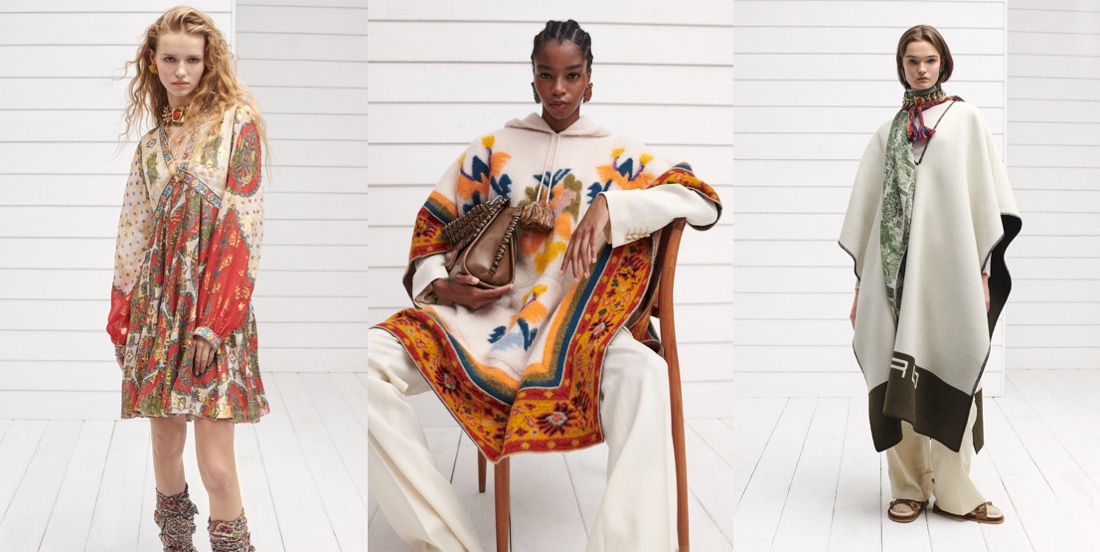
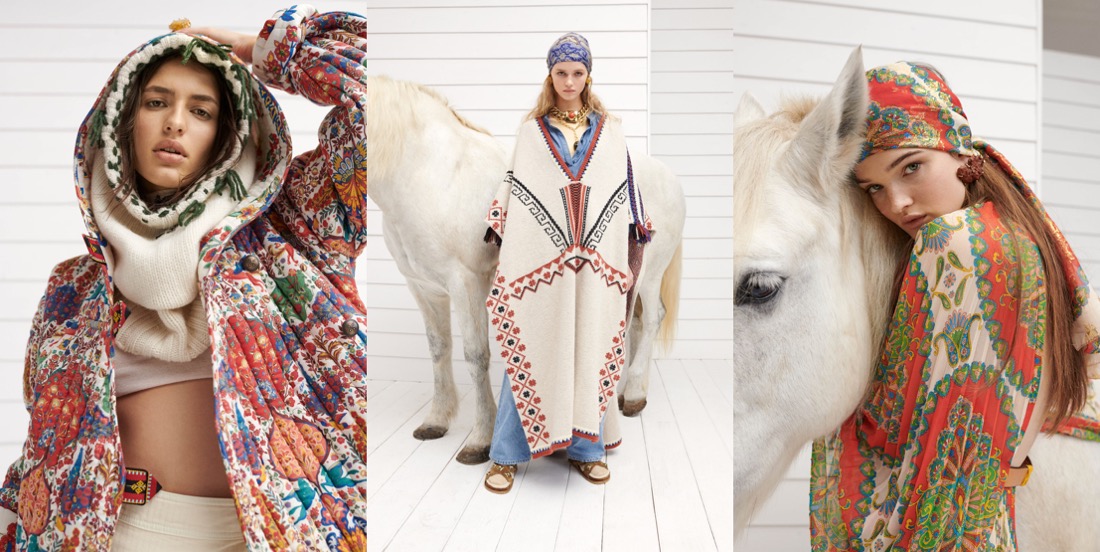
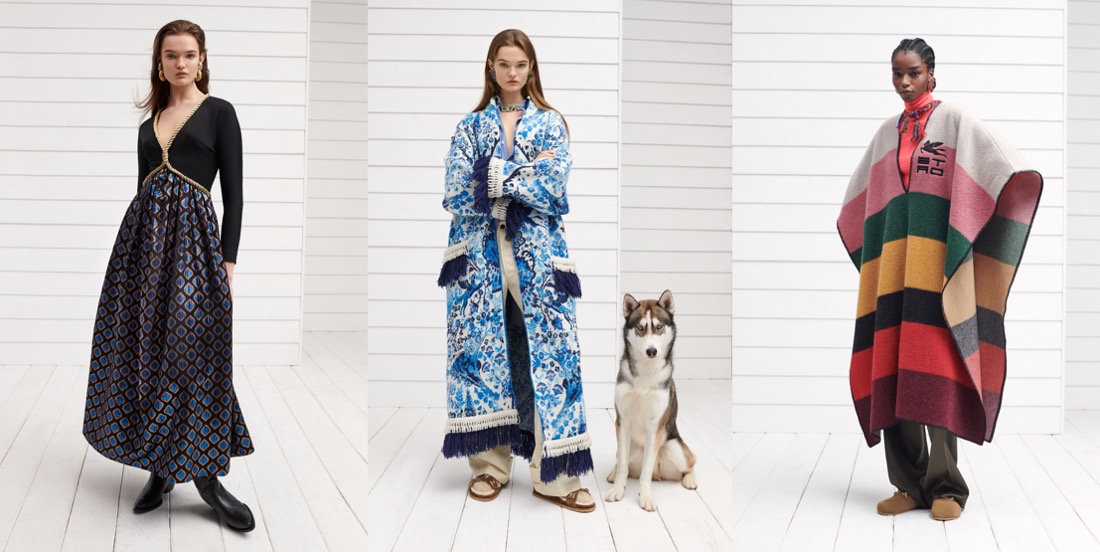
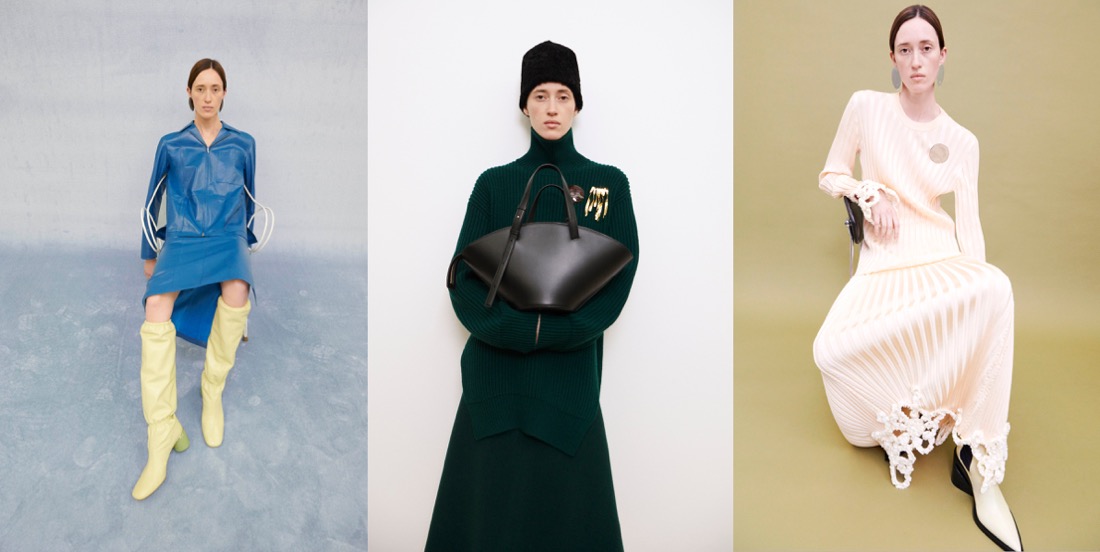
When you think of Etro, you’ve got an instant image in your head: a boheme free-spirit, wearing layers of paisley-printed chiffon and embroidered suede. She’s a global citizen, but as well quintessentially Italian. Looking at the pre-fall 2022 collection, which oozes with that distinct Etro DNA, the brand’s new investor (LVMH-backed private equity giant L Catterton) is certainly into embracing what the brand stands for. On the creative side, Veronica Etro and brother Kean seem to be energized by the change, working together on updating collections with a younger, gender fluid flavor – a move which has recently led to artistic collaborations with unconventional talents, like the Italian rock band Måneskin and British designer Harris Reed. “It’s about constantly elaborating and expanding our lexicon of wanderlust and bohemia with newness and a fresh ésprit,” Veronica summed up. To boost visual appeal of the signature Etro prints, the designers gave them a lighter spin, making the motifs more rarefied and luminous, “almost if they were floating on a white background”. Oversized intarsia’d and crocheted knitwear was proposed in lieu of outerwear; ponchos, capes and blankets featured in abundance; and piuminos were knitted and textural, quilted with pretty floral-printed linings. Languid loungewear-inspired robes, loose-fitting pajama suits, chic caftan dresses, and kimono jackets were offered in sumptuous printed velvet or elaborate jacquards with a silver sheen. The Etro client – both the one that shopped there 30 years ago and the one that is just starting to invest in a timeless wardrobe – will be happy.

Collage by Edward Kanarecki.

Happening. Marni SS22

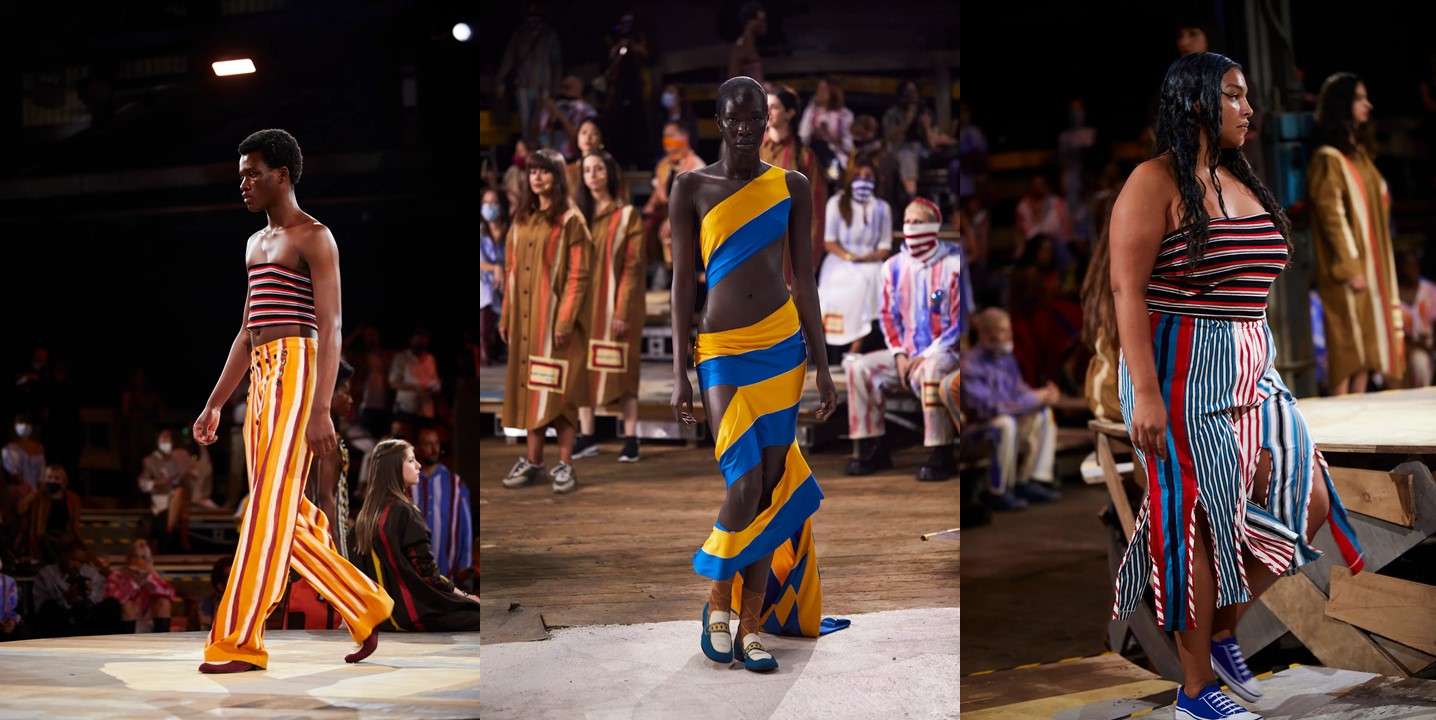
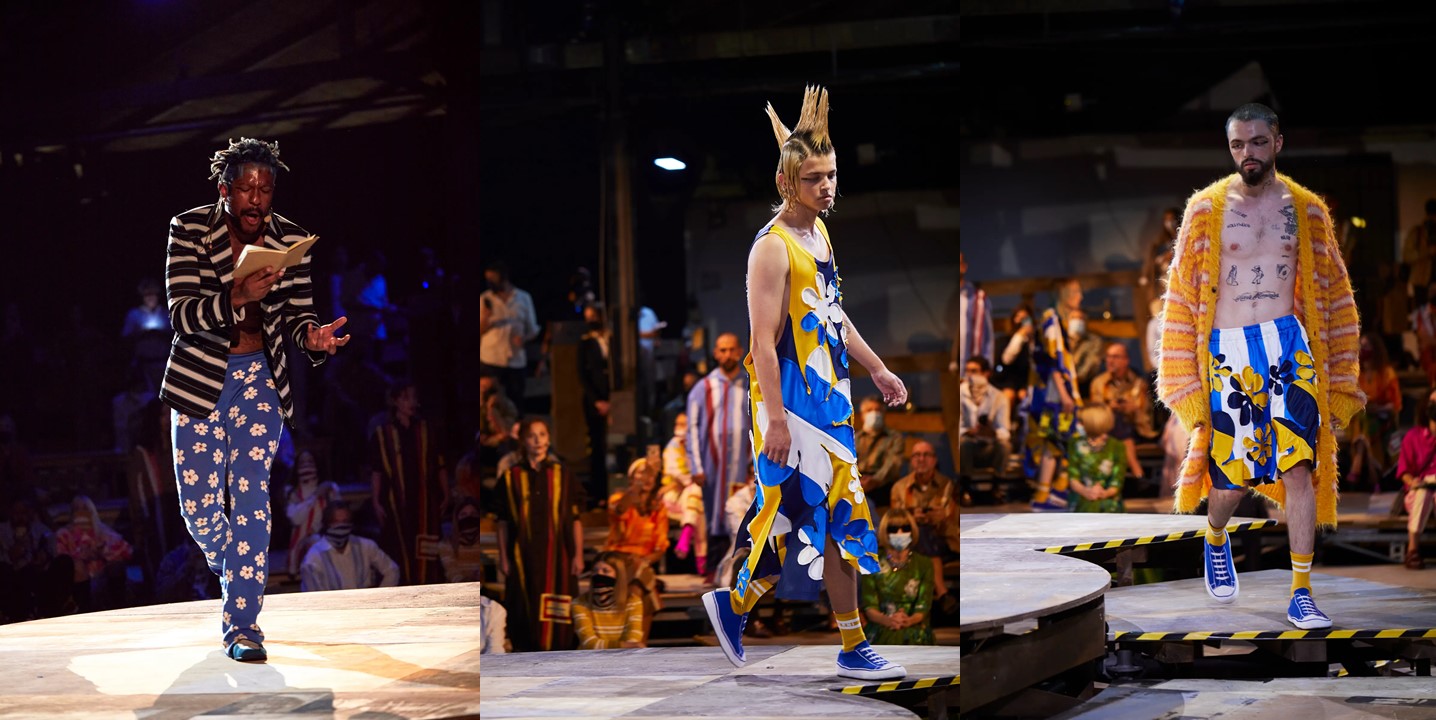
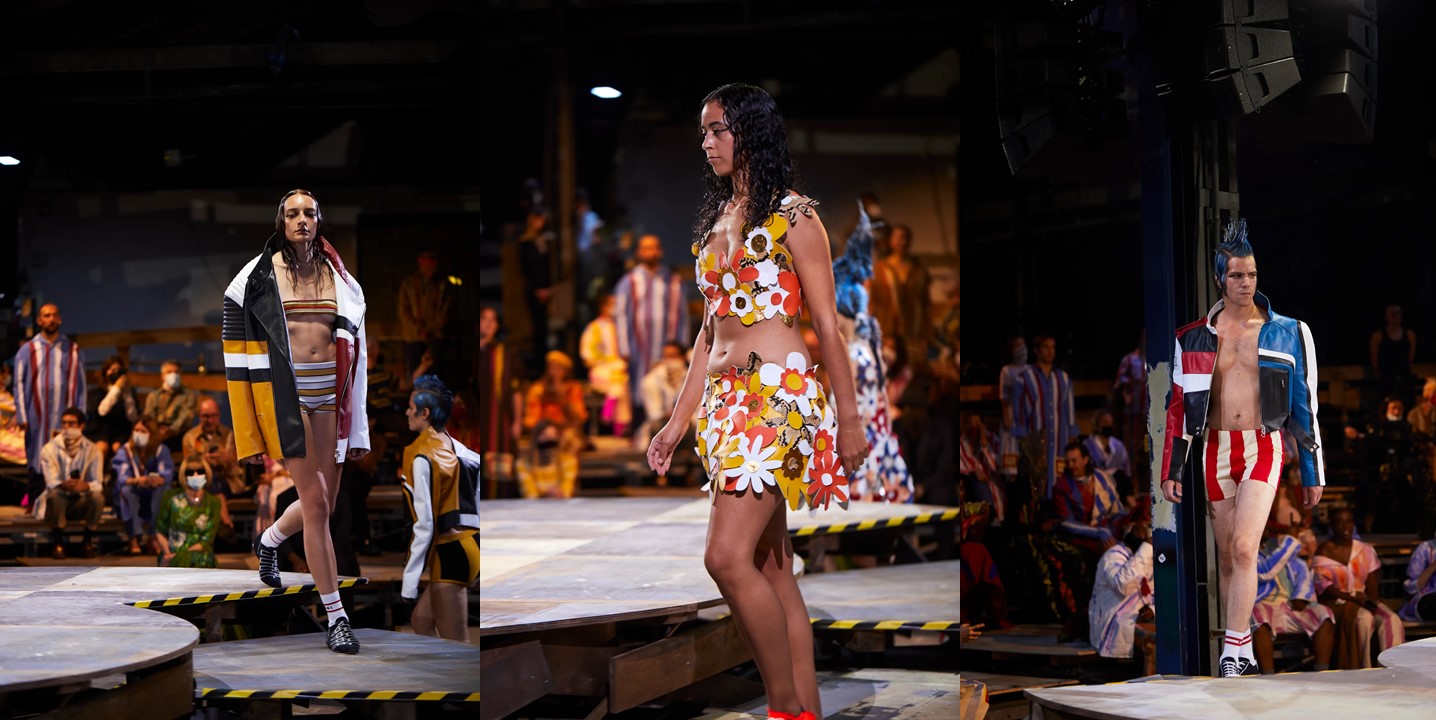
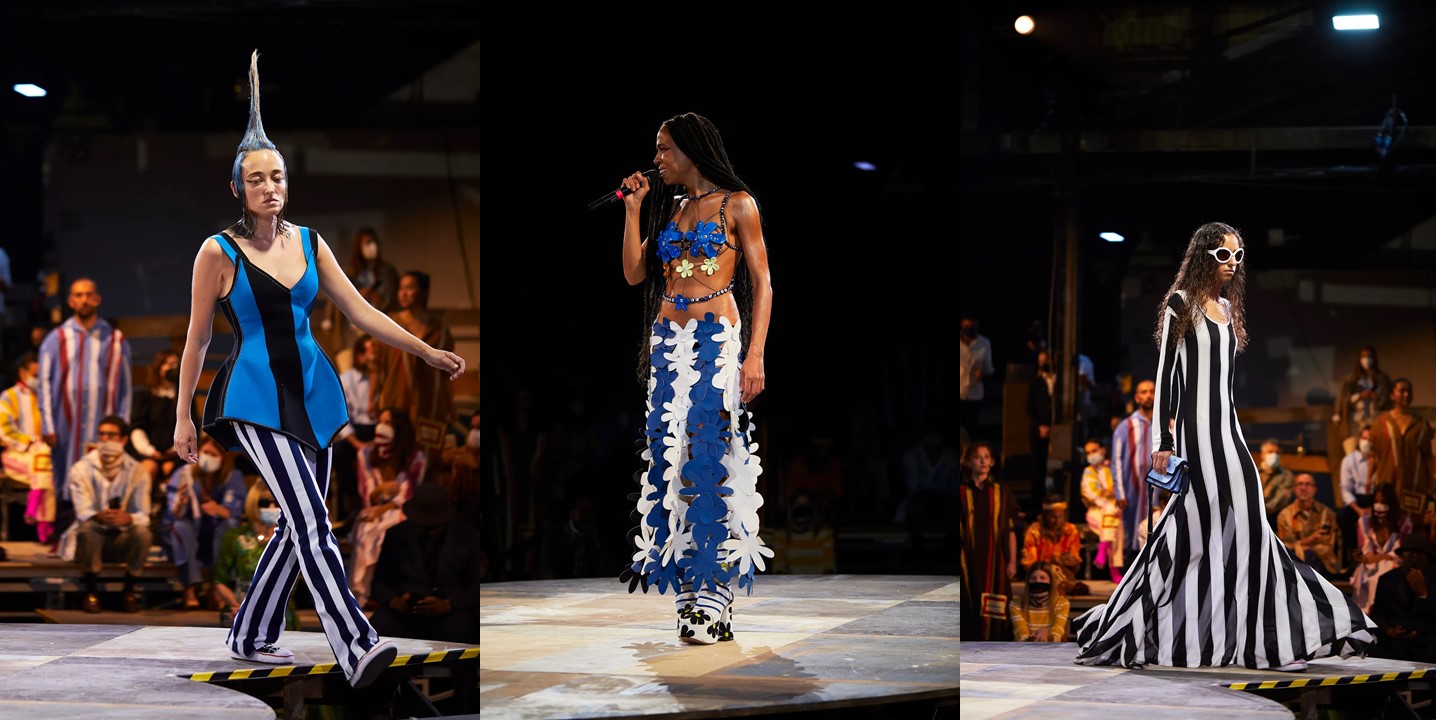
Francesco Risso‘s spring-summer 2022 fashion show for Marni was actually a happening – which in art terms is defined as an theatrical event, often with elements of dada and surrealism. The name was first used by the American artist Allan Kaprow in the title of his 1959 work 18 Happenings in 6 Parts which took place in 1959 in New York. Happenings typically took place in an environment created within the gallery and involved light, sound, a multitude of sensations and the audience’s participation. To an extent, Risso checked all the points, redefining and expanding the concept with, of course, fashion. In the days leading up to the show, the designer and his team conducted fittings for 400 people. The models got the new spring collection, while the show’s performers and guests wore upcycled cotton separates hand-painted with colorful stripes. Risso grew discouraged by the digital focus of the job during the lockdowns. His idea, he explained, “was about going back to the practice of what we do, which is making clothes for people, one to one.” He said the process was just as significant to him as the final result. But, oh, what a final result. All season, we’ve been waiting for a designer who was up for the hard but necessary work of addressing the last year-and-a-half of pandemic and racial justice reckoning. Who acknowledged the changes the world has gone through in our mutual isolation, and, in turn, changed the way they do things. For the “fashion happening”, Risso invited Dev Hynes for the music; the poet Mykki Blanco did a spoken word performance; the singer Zsela was joined by a heavenly sounding choir. On the program notes, Babak Radboy, who’s known for his work with Telfar Clemens, shared creative direction. The cast had the racial diversity, body inclusivity, and gender fluidity.

The spring collection’s two main motifs were stripes and daisies. Sometimes, the simplest ideas are the most effective. “Stripes are strongly associated with direction, where daisies are new beginnings and resilience; they’re banal concepts,” Risso said. But in a palette of blues and yellows, they weren’t boring. Navigating a spiral seating arrangement before reversing the circle on a central stage, the models wore slinky bias dresses in graphic rugby stripes, color-blocked blazers, Breton stripe ponchos, easy woven caftans, and shaggy cardigans and shawls, one of which was modeled by Risso himself: everyday clothes with a feeling of the hand. And then came the daisies, which felt more eccentric: naively embroidered on signature Marni shapes, intarsia’d on trompe l’oeil knits, and on the striking final look, hand-painted on a floor-length T-shirt dress. “I kept thinking about sports, not because the collection has references to sports in its details, but because of how teams work – that union,” said Risso. “At the end of the day, who is our trainer? It’s our heartbeat, it synchronizes everyone.” As the models circled the crowd at the finale and Szela sang Dev Hynes’s moving original composition “Guide You Home,” the audience erupted in applause. It went on for some time.

Collage by Edward Kanarecki.