Surrealism & Other Myths in Warsaw

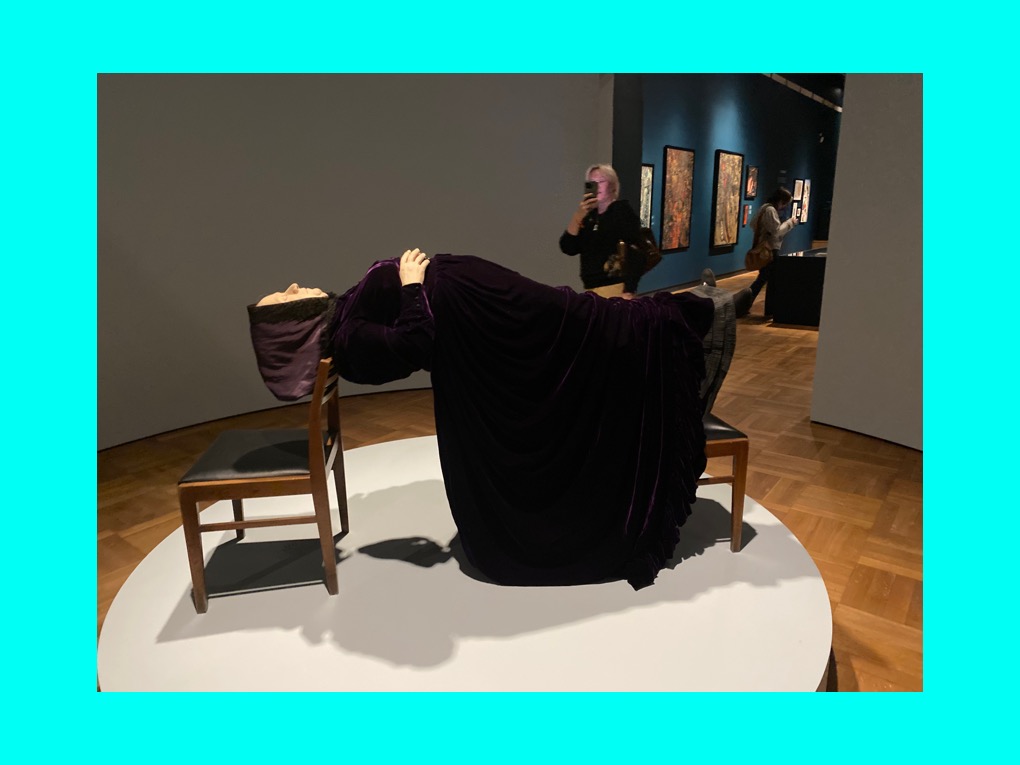
Goshka Macuga’s “Madame Blavatsky”

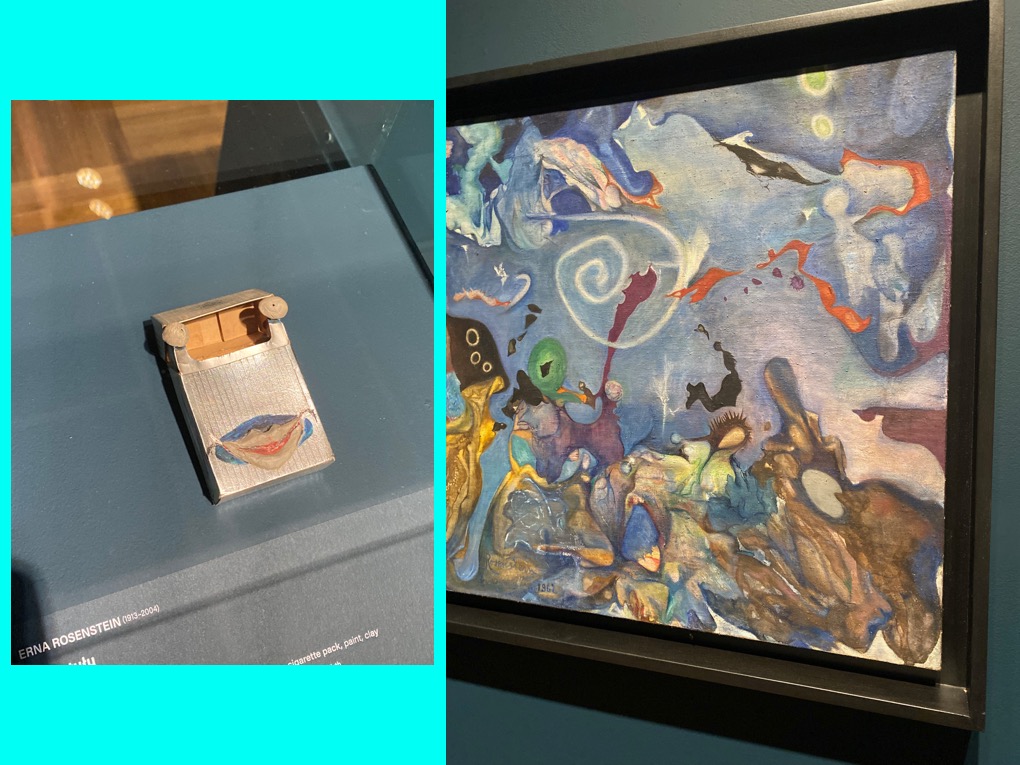
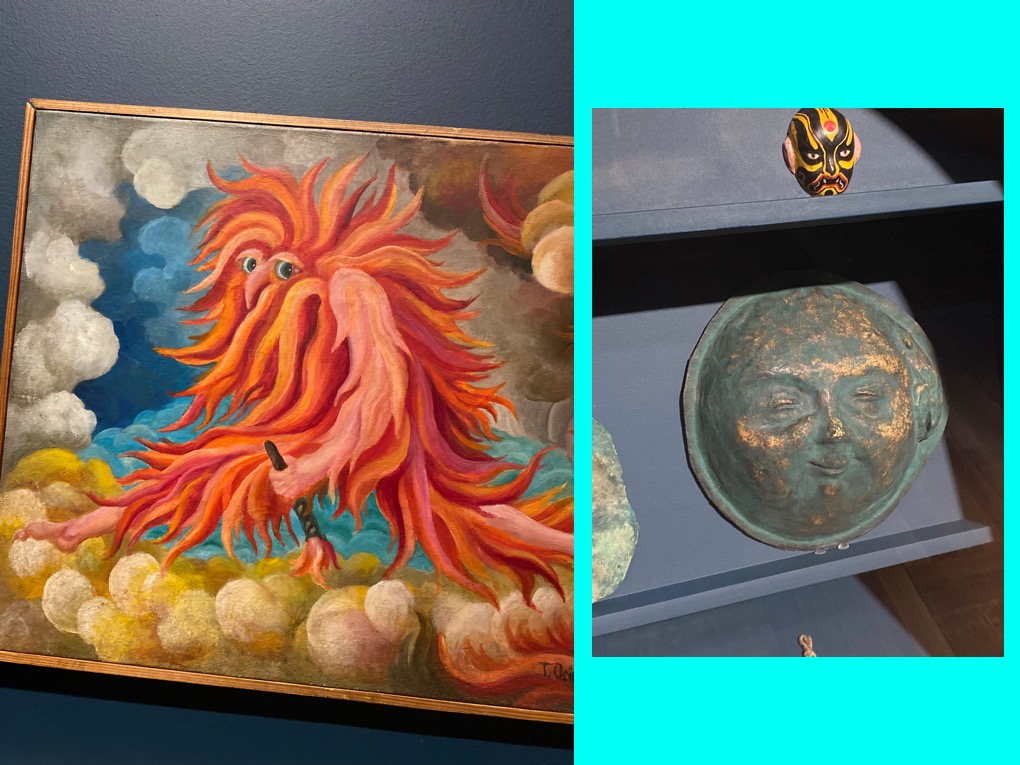
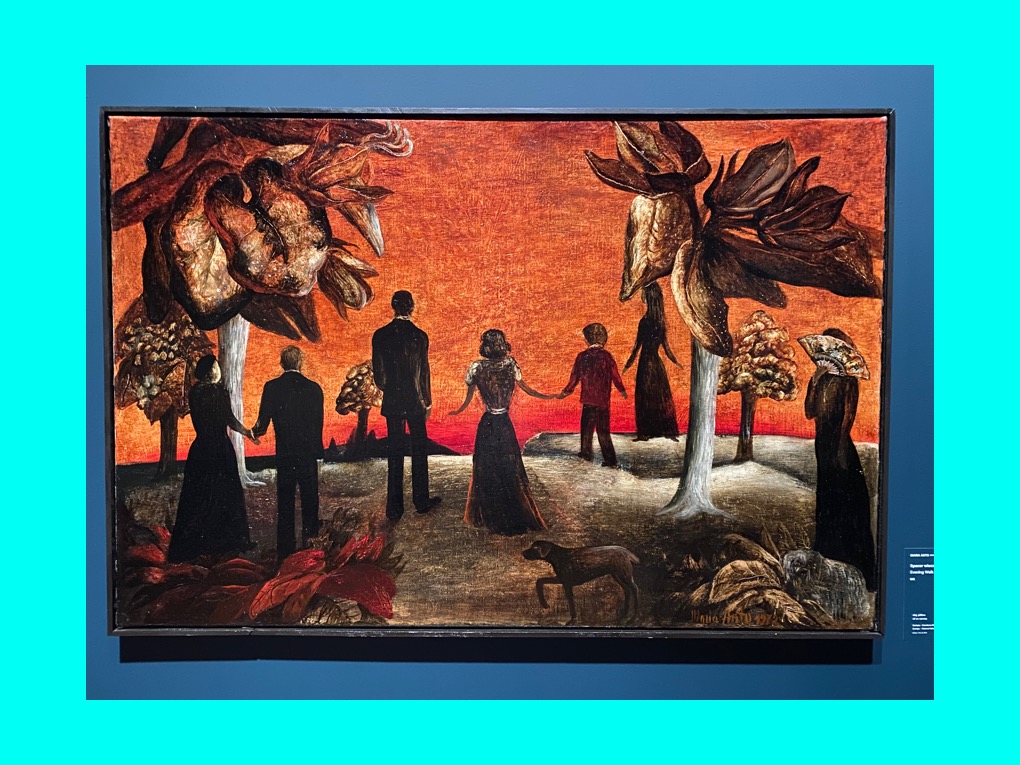
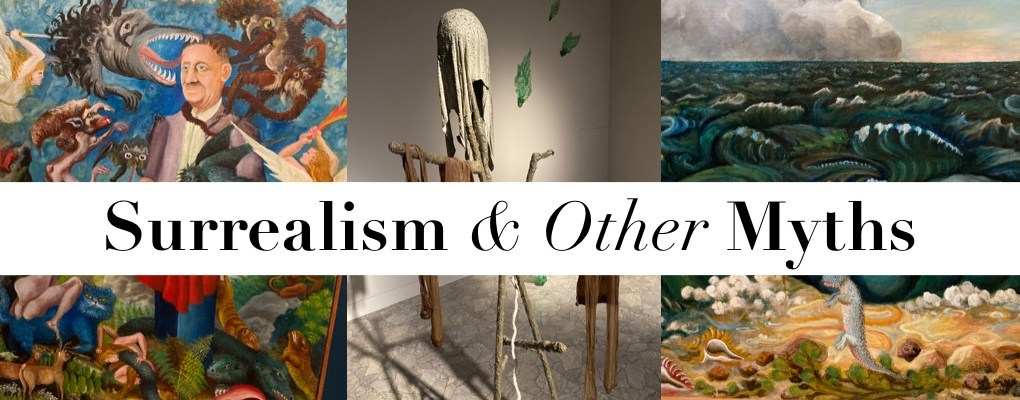
The exhibition “Surrealism. Other Myths” (curated by Hanna Doroszuk) that has just opened at the National Museum of Warsaw is coinciding with the one-hundredth anniversary of André Breton publishing his famous “Manifesto of Surrealism“. The show however refutes the orthodox thinking on Surrealism as a historical art movement having a defined time-frame and fixed geographic boundaries. Instead it treats the movement as a global, inclusive and diverse phenomenon that’s reflected in Polish art, modern and contemporary. The exhibition’s historical narrative begins with works from the interwar period and ends with the output of artists connected with the international “Phases” movement, founded in the 1950s. 

The exhibition is a unique opportunity to discover and admire works by more than sixty artists, including Marek Włodarski, Marek Piasecki, Jerzy Kujawski, Erna Rosenstein, Władysław Hasior, Zbigniew Makowski, Teofil Ociepka and Max Ernst. Their pieces exemplify the range of techniques typical of the Surrealists, like decalcomania, grattage and frottage. Also on view are examples of Surrealist objects and a large selection of photographs. In addition to items from the NMW collection, the exhibition features works on loan from other Polish museums and private collections. “Surrealism. Other Myths” proves that surrealism is breathing and well alive.

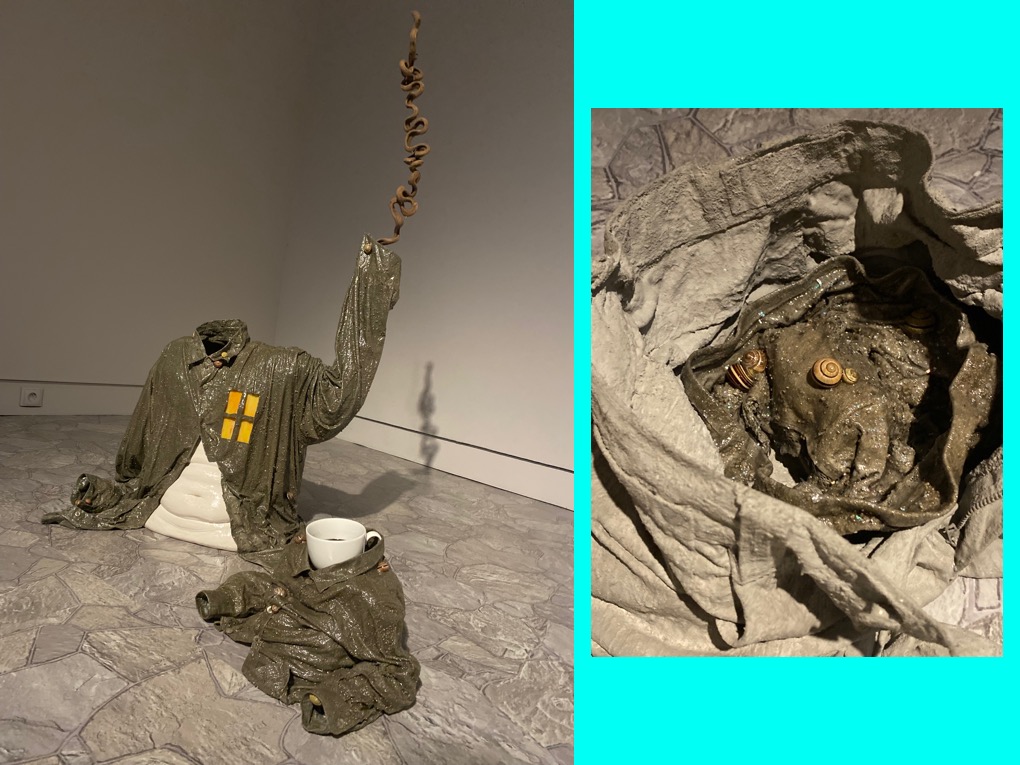
The part of the exhibition that drew my attention the most was Dominika Olszowy’s – one of the most talented contemporary, Polish artists out there – “Nocturne“. The artist has devised a quasi-domestic space inspired by nocturne painting tradition and by the world of night-time experiences. Permeating the room arranged by the artist is an emotional tension manifesting in physical responses like muscles tightening and bodies freezing in motionless. The objects and sculptures comprising “Nocturne” thus reside in a dead space where action is rendered impossible and the only escape is to wait out the night. In this space where the boundary between dream and reality dissolves, anxiety takes on a material and viscous form. Yet, deep in the crannies, a faint glimmer of the approaching sunrise breaks through. Experiencing this artwork reminded me why I love art. Make sure to follow Olszowy on Instagram!

And here are other details I captured at this fascinating exhibition:

The exhibition is on view until 11th of August 2024.

If you’re in mood for digging deeper into Surrealism, here are some books to indulge in!

ED’s SELECTION:
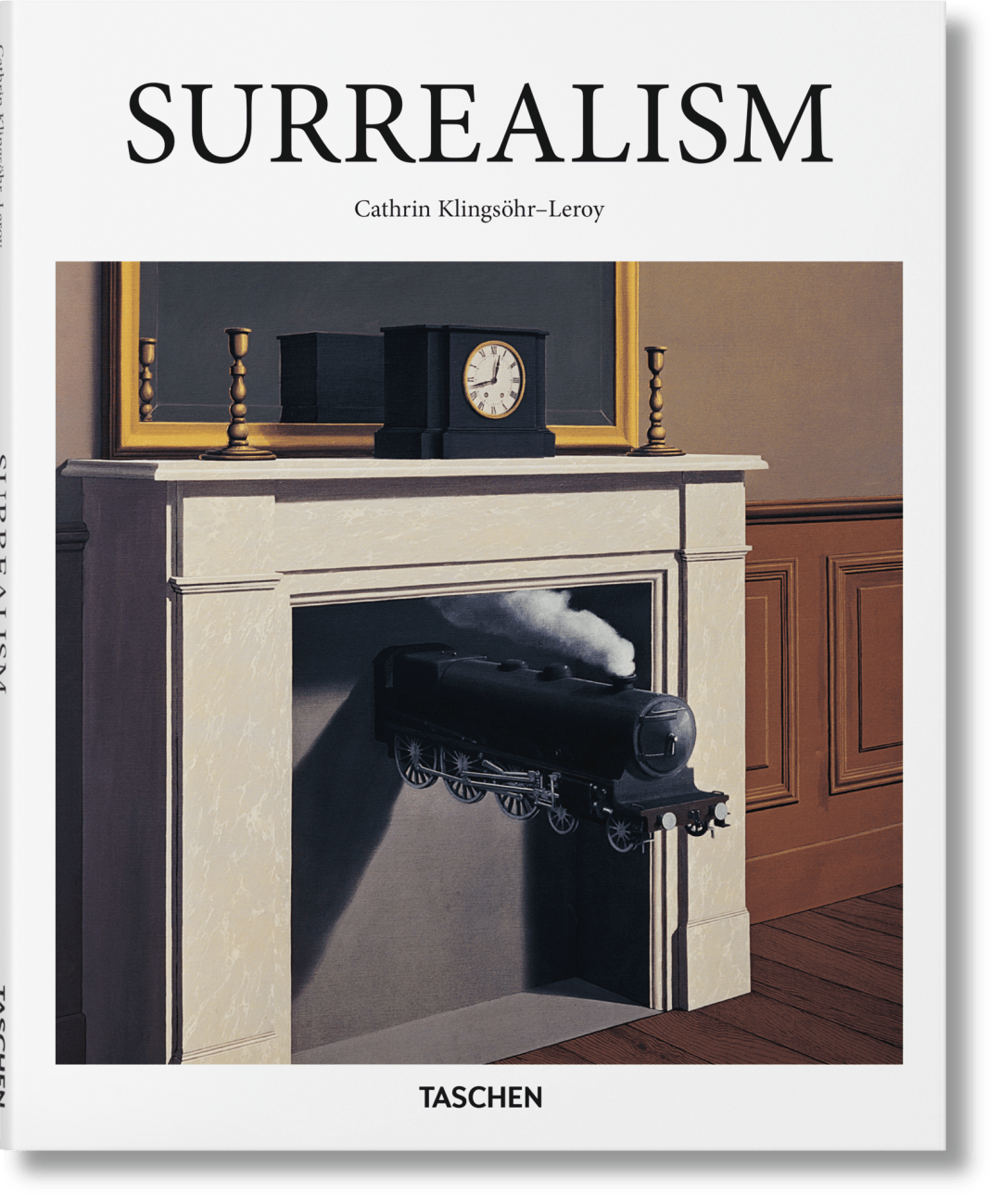

“Surrealism” by Taschen
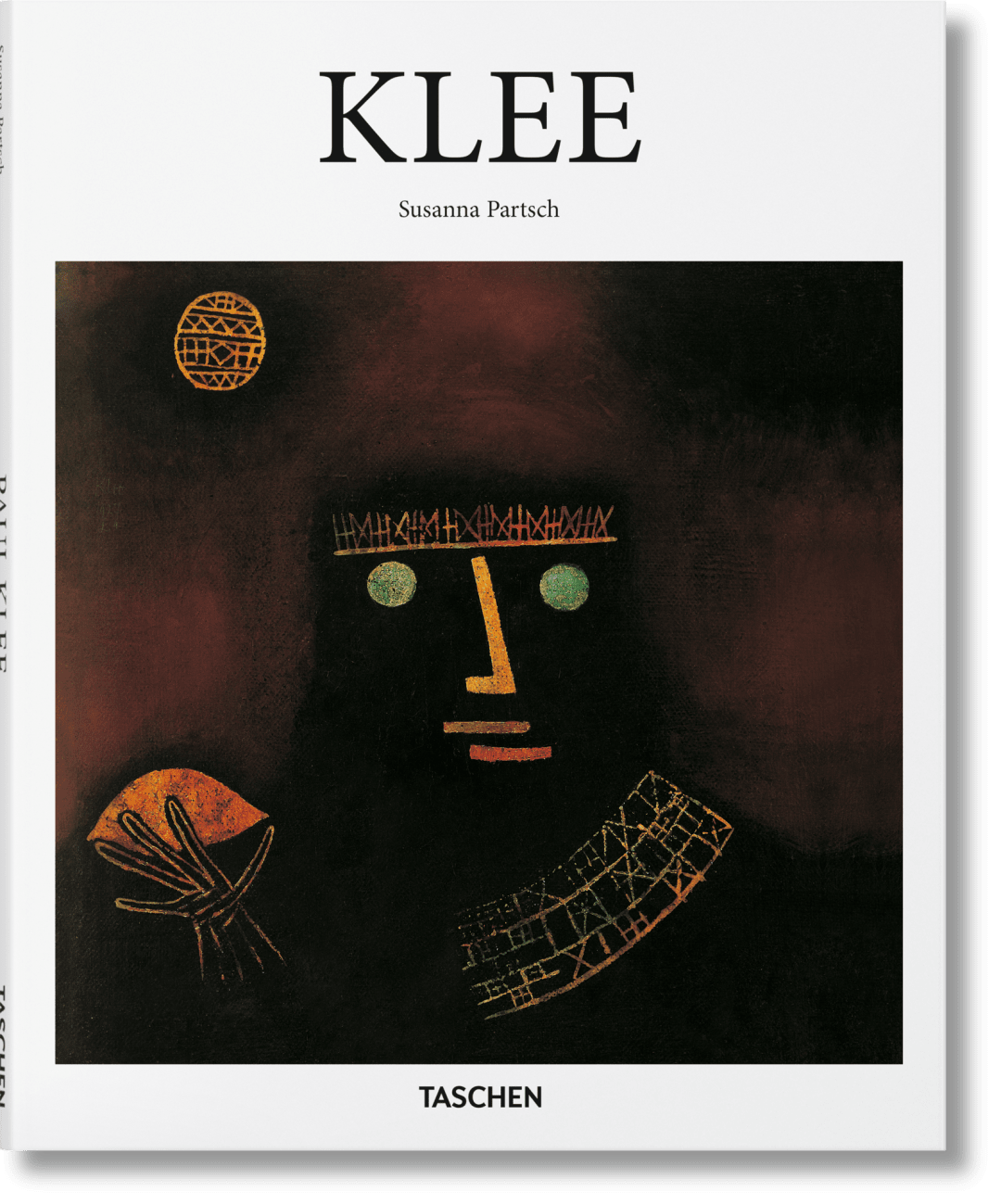

“Klee” by Taschen
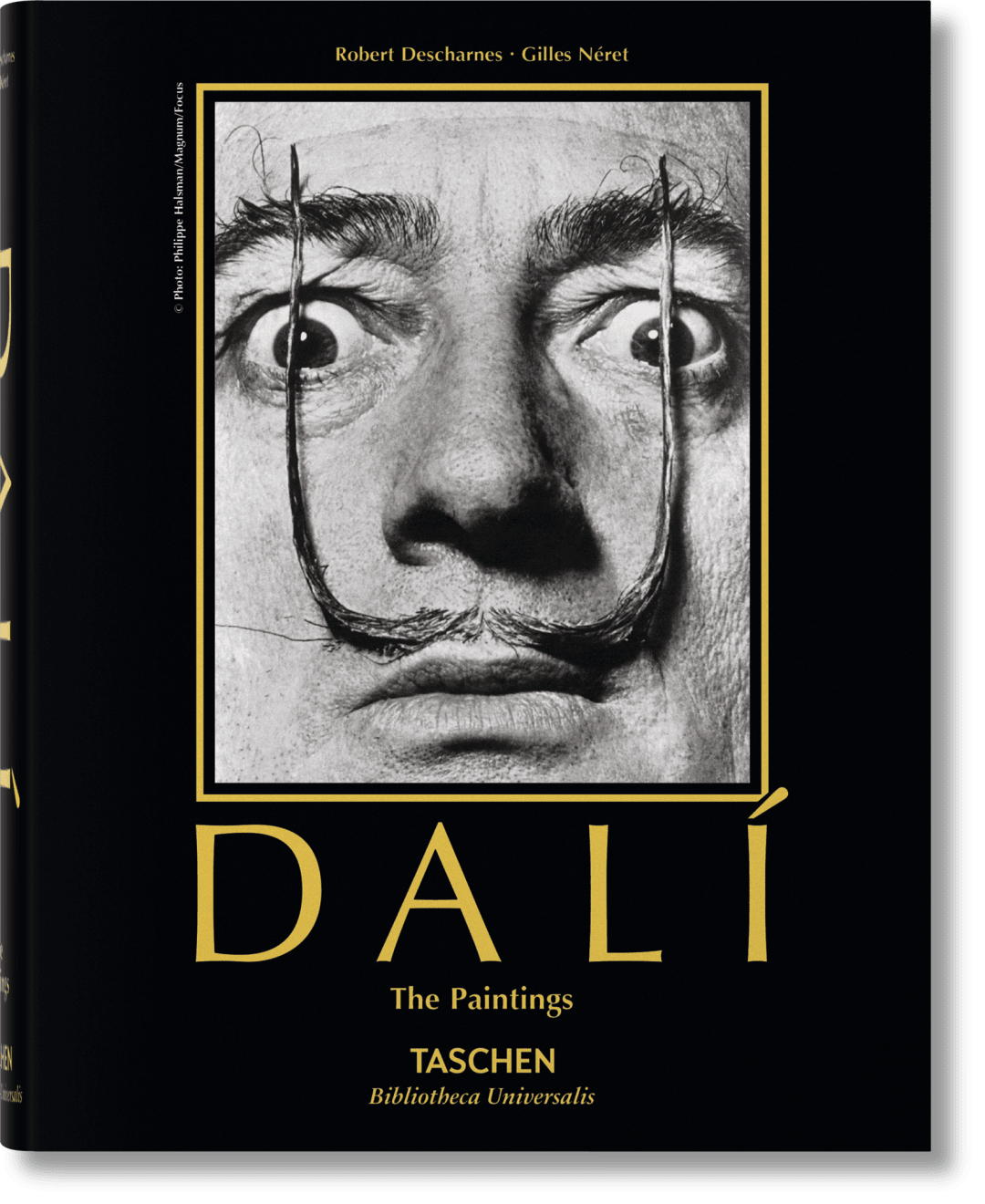

“Dalí. The Paintings” by Taschen
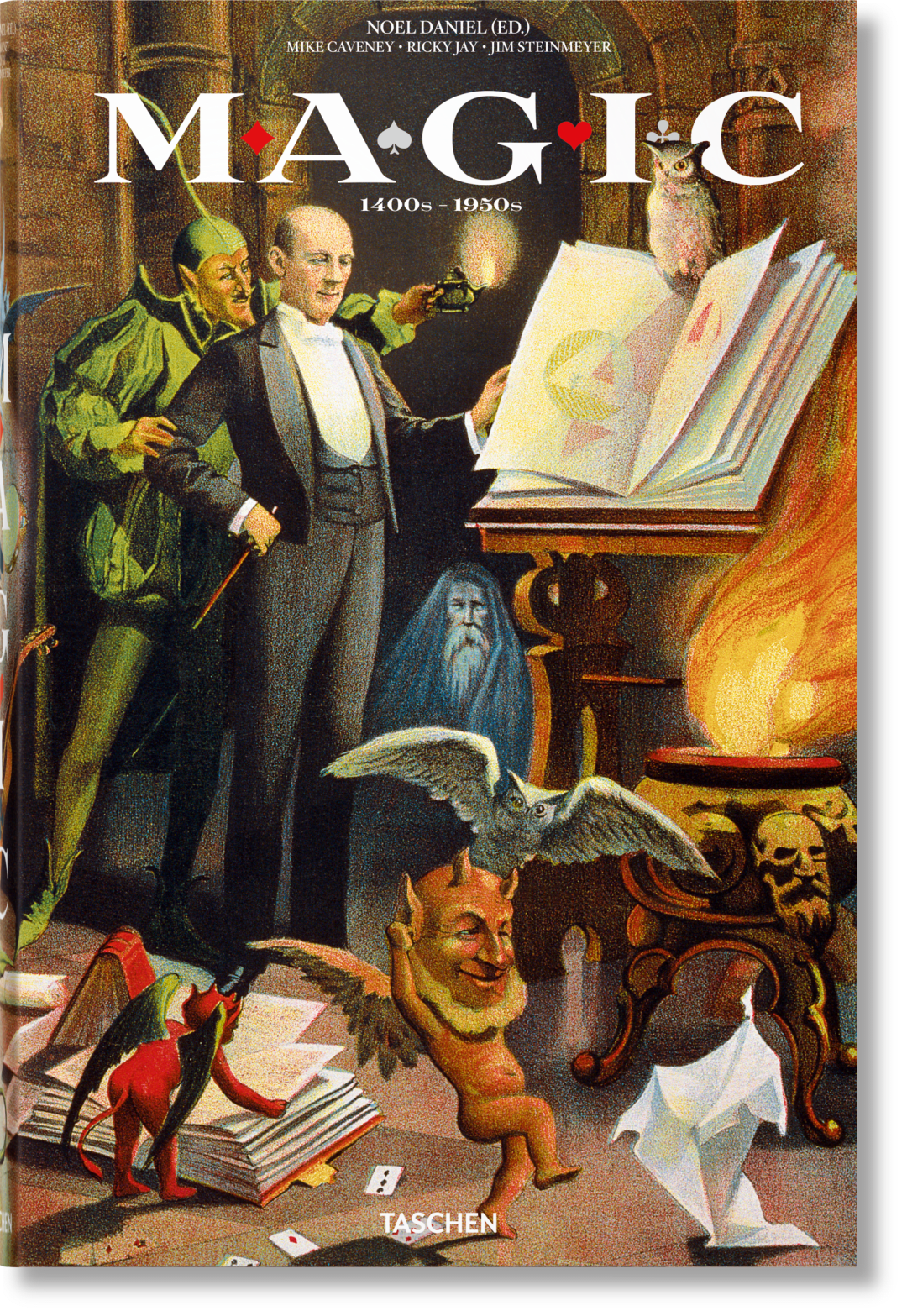

“Magic 1400s-1950s” by Taschen


“Magritte” by Taschen


“The Magic Mirror of M. C. Escher” by Taschen

All photos by Edward Kanarecki.

Don’t forget to follow Design & Culture by Ed on Instagram!

Hey, did you know about my newsletter – Ed’s Dispatch? Click here to subscribe!
NET-A-PORTER Limited

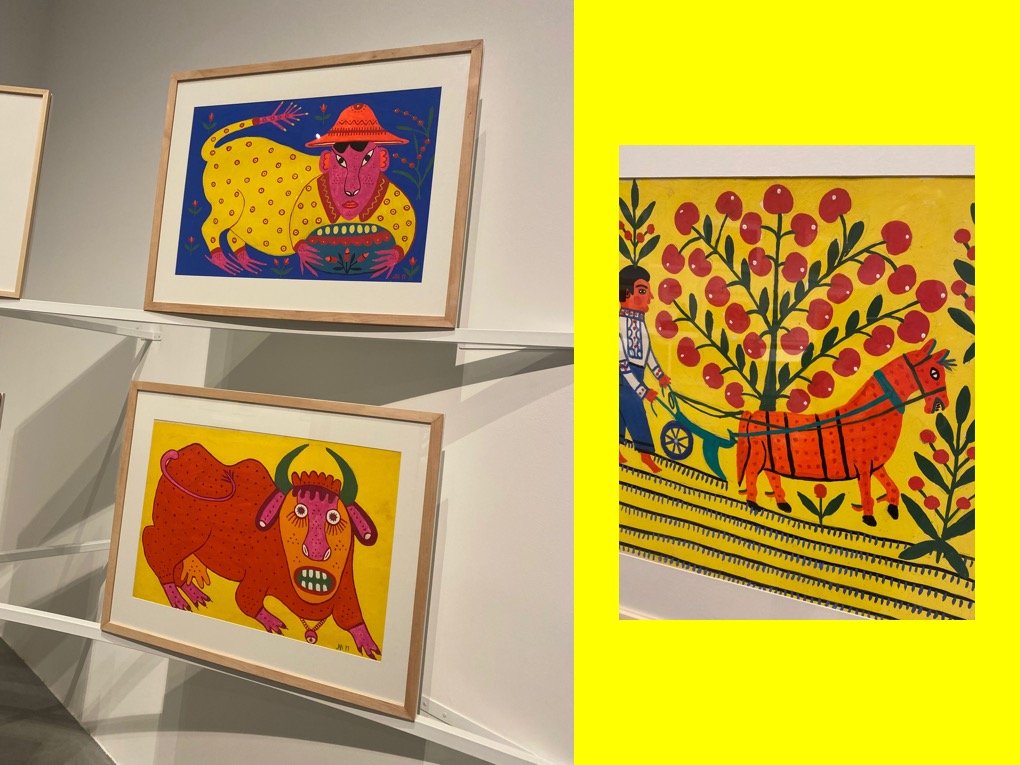
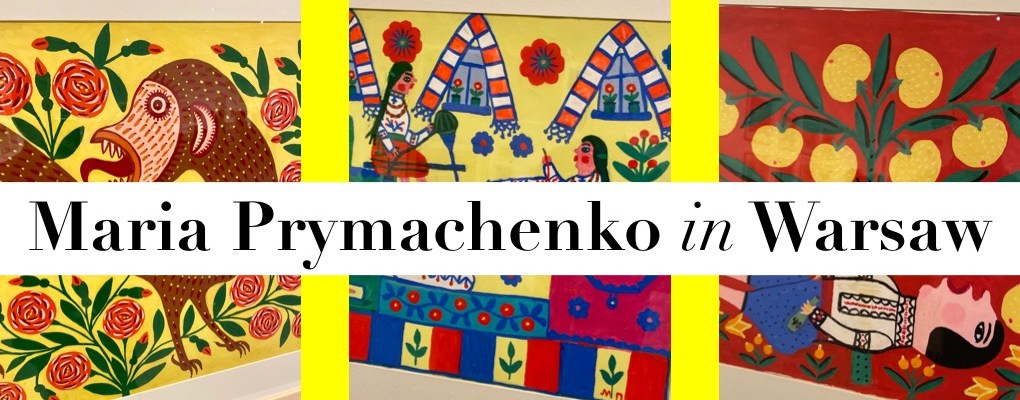
Art of Maria Prymachenko in Warsaw

Maria Prymachenko (1909–1997) is an icon of Ukrainian art. Her oeuvre has helped shape Ukraine’s cultural heritage. The exhibition “A Tiger came into the Garden” at Museum of Modern Art in Warsaw is the first presentation of the artist’s work in Poland of such breadth. The gouaches shown here, from 1982-1994 period, derive from the private collection of Eduard Dymshyts, and are a selection from among hundreds of works by Prymachenko.

For over six decades, Maria Prymachenko created art in the village of Bolotnya in the Polesia region, midway between Kyiv and Chernobyl, an area she never left. She survived the Holomodor, the Second World War, and the nuclear disaster at Chernobyl, and lived to see an independent Ukraine. She was “discovered” as a folk artist in 1935 and hired as an embroiderer at the Central Experimental Studio at the Museum of Ukrainian Art on the grounds of the Pechersk Lavra in Kyiv. Her works were shown at the First Republican Exhibition of Folk Art in Kyiv in 1936, and then at the World Expo in Paris in 1937 and in numerous European cities, including Warsaw, Prague and Sofia. She was a painter, embroiderer and ceramicist, and an illustrator of children’s books. She became a professional folk artist. Starting in the 1960s, she led an art school in Bolotnya. She continued creating art until the end of her life.

Following Russia’s invasion of Ukraine, Prymachenko’s works have taken on particular relevance, in part due to their anti-war message. In 2022 the Local History Museum in Ivankiv, not far from Bolotnya, was burned down, although some of her paintings there were rescued. The Maria Prymachenko exhibition at MSN Warsaw is a continuation of efforts to promote broader knowledge of Ukrainian culture.

In her work, Prymachenko depicted the connections between humanity and nature, drawing on folk traditions of Polesia, rich in symbols and metaphor. She painted people, animals and plants in her everyday surroundings. Her images of the world built on observations of the everyday life of Bolotnya undergo a magical transformation—they do not so much portray reality as undergird it and exert a positive influence on its fate, casting a spell. One of the motifs in her painting is fantastic creatures and birds, both mythological and inspired by pagan beliefs.

Her characteristic bestiary, containing numerous depictions of “humanized creatures” in an archaic composition with heads forward and bodies in profile, comprises numerous elaborate allegories, often expressing moral judgments, mocking human vices, or celebrating the delights of everyday life.

Prymachenko’s recognizable style involves a decorative line, and flat, intense patches of colour. Initially she used watercolours, but in time only gouache (watercolours mixed with chalk). In her work, language is another transformational force. Prymachenko often gave her works poetic, descriptive titles, which sometimes help decipher the paintings, or serve as dedications or wishes, as well as modified quotations from folksongs (“I give sunflowers to those Who love to work on the land And love all people on earth; I give red poppies to people, So they won’t be no-good slobs, But love the holy land And work on it“).

The garden mentioned in the title of the exhibition represents nature, which coexists harmoniously with humans, and in exchange for their work gifts them with all its bounty, while the tiger symbolizes the mysterious, fantastic and wild (“The tiger came into the orchard And rejoiced That the apple trees have borne fruit, Apples aplenty“). It may also point to efforts to represent the element of danger. After the Chernobyl disaster, Prymachenko also created a series of works connected with nuclear threat and war (“Nuclear war – May it be cursed! May people not know it, And shed no tears!“). Through the power of her surrealistic imagination, sense of humour, and also a certain dose of optimism, her works are dominated by a humanistic message and a vision of harmonious coexistence of the human and non-human worlds. Prymachenko’s dream was that “people would live like flowers bloom.

Curator: Szymon Maliborski; co-curator: Eduard Dymshyts. The exhibition is open until 30.06.

Collage by Edward Kanarecki.
Don’t forget to follow Design & Culture by Ed on Instagram!

Hey, did you know about my newsletter – Ed’s Dispatch? Click here to subscribe!

NET-A-PORTER Limited

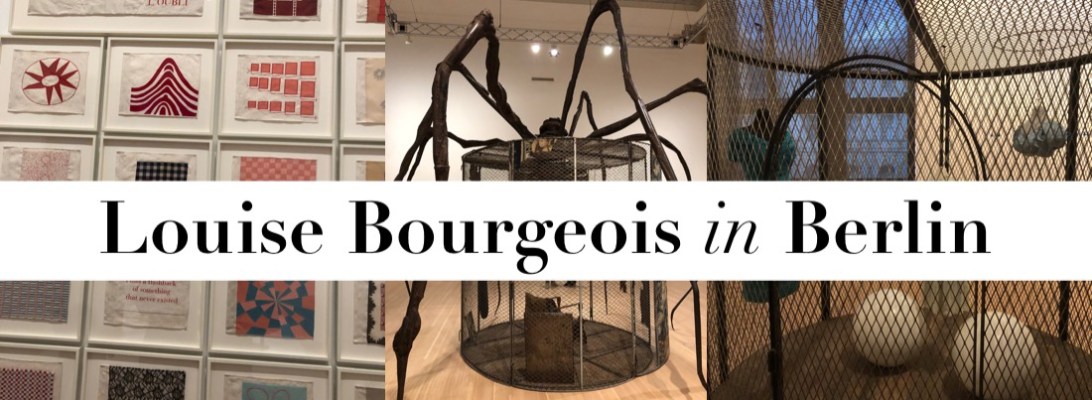
“The Woven Child”: Louise Bourgeois Retrospective in Berlin

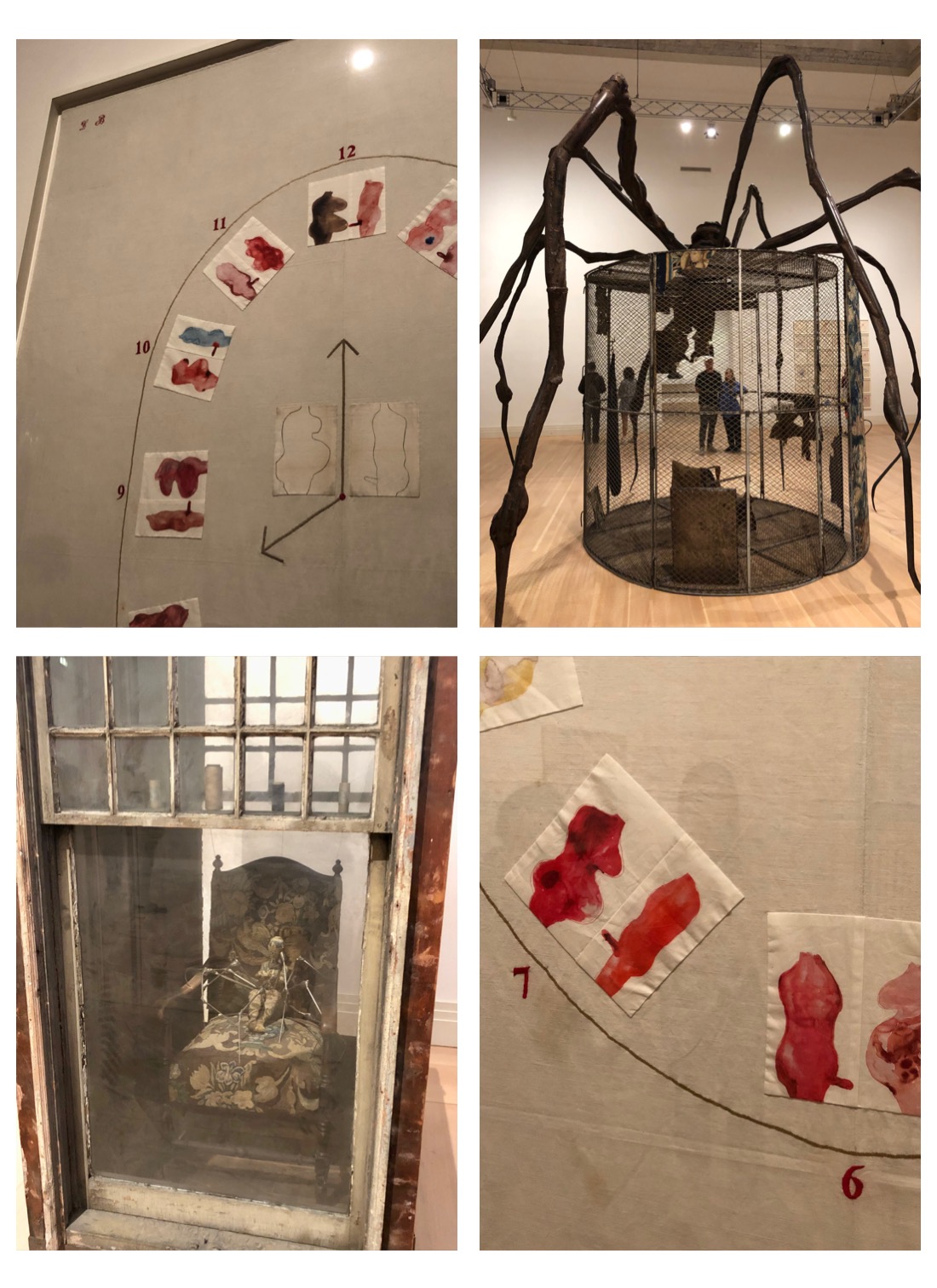
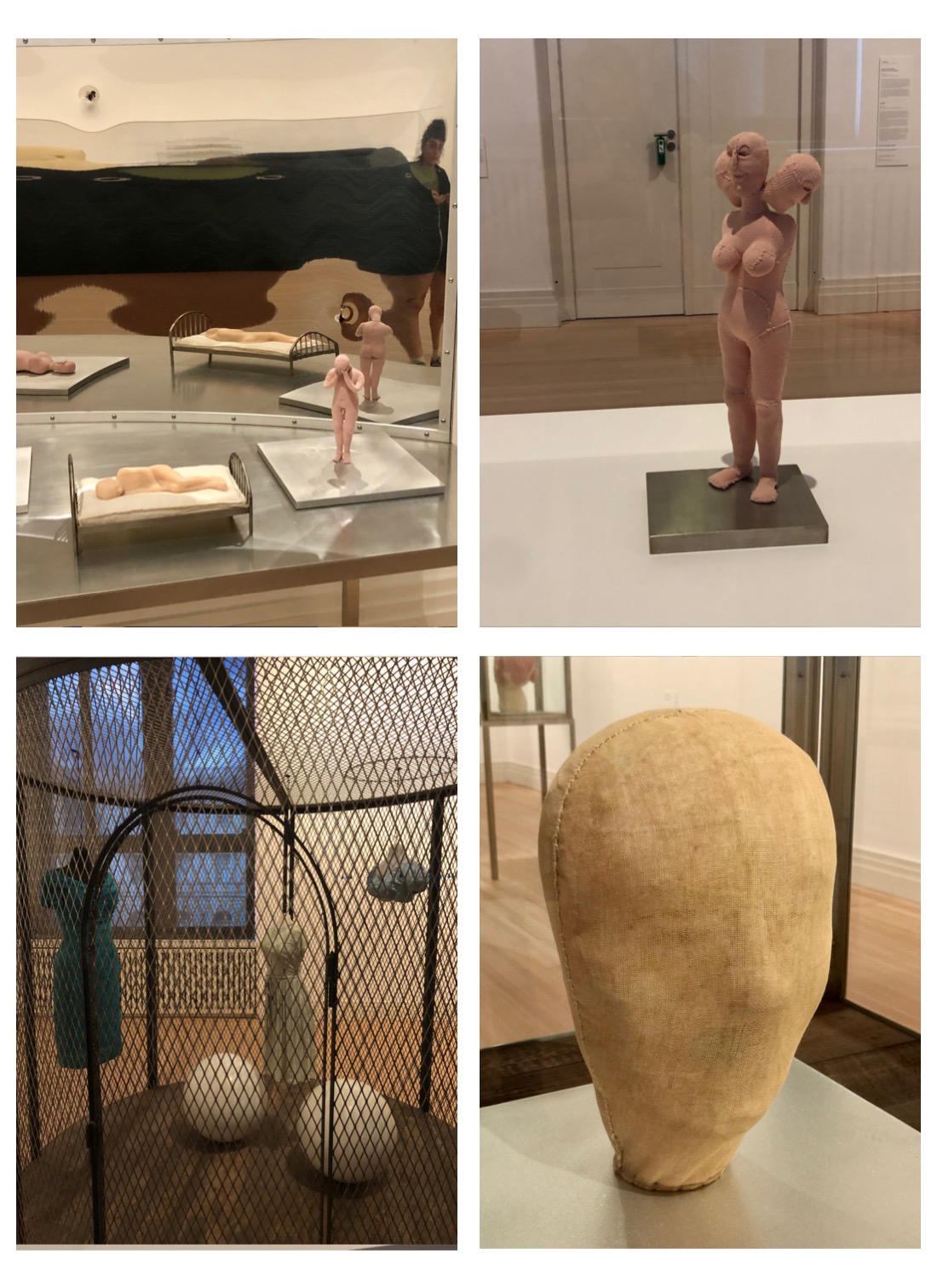
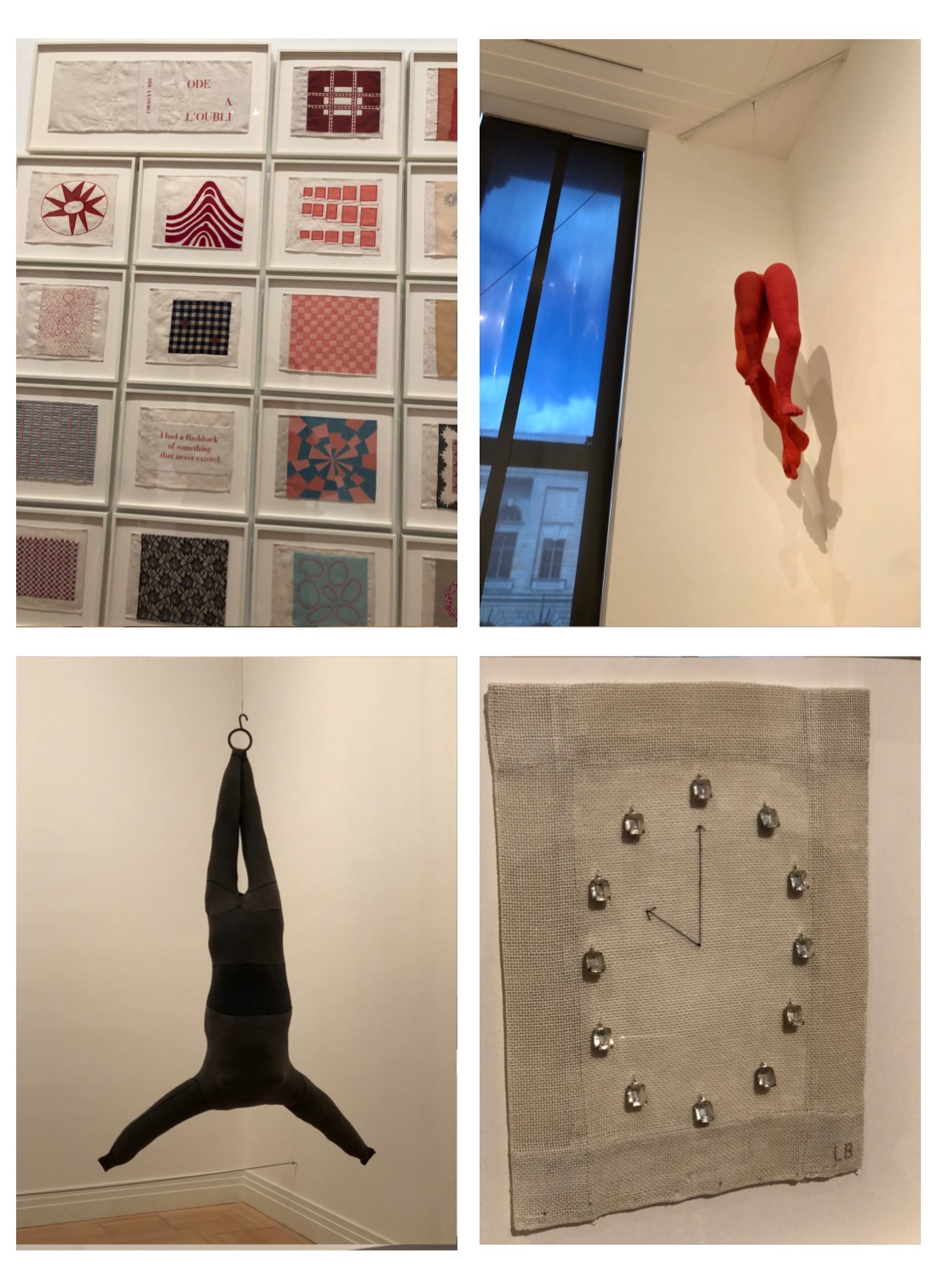
The Woven Child” is the first major survey to focus exclusively on Louise Bourgeois’ fabric-based works. The exhibition charts the artists’s lifelong connection to textiles, and the memories they conjure, through a diverse body of sculptures, installations, drawings, collages, books and prints. Bourgeois’ fabric works, that she only began working on in her eighties, are among her most compelling and intimate creations. The late decision to create artworks from her clothes and household textiles was a means of transforming as well as preserving the past. Bourgeois incorporated these objects, which held memories associated with specific places and people, into sculptural installations that are on display at the Gropius Bau, such as her Cells and free-standing “pole pieces”. The exhibition sheds a new light on Bourgeois by linking her fabric works to her material processes, her own biography, and themes of the body, memory, femininity, trauma and repair. Highly recommend, the exhibition and Bourgeois’ oeuvre absolutely absorbs the soul!

Curated by Ralph Rugoff, Director, Hayward Gallery, and Julienne Lorz. Exhibition open until 23rd of October 2022.

Gropius Bau / Berlin / Niederkirchnerstraße 7

Photos by Edward Kanarecki.
Don’t forget to follow Design & Culture by Ed on Instagram!

NET-A-PORTER Limited

Beirut & THe Golden 60s At Gropius Bau

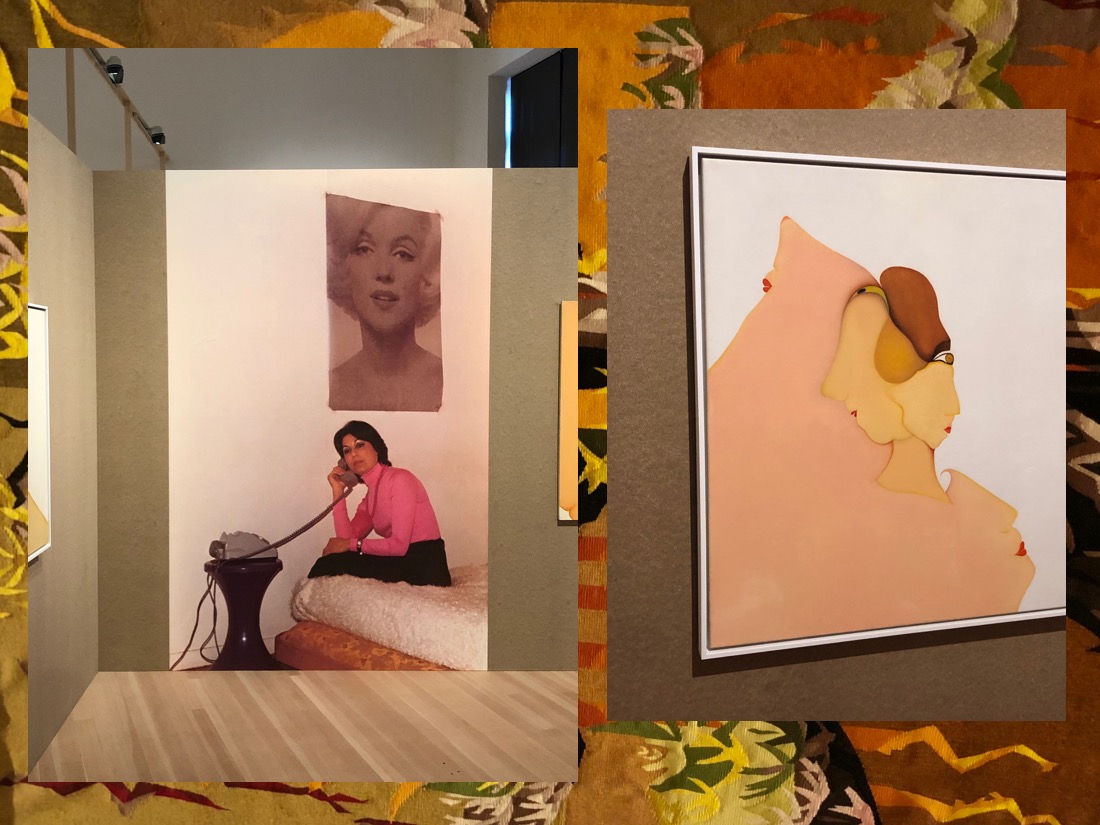
Until the 12th of June, there’s an incredible exhibition going on at Berlin‘s Gropius Bau. “Beirut and the Golden Sixties: A Manifesto of Fragility” revisits a dazzling yet moving chapter in Beirut’s modern history. Spanning the period between the late 1950s and the 1970s, from the Lebanon Crisis in 1958 to the outbreak of the Lebanese Civil War in 1975, the exhibition traces the complicated tension between Beirut’s artistic cosmopolitanism and its pervasive transregional and political antagonisms. At that time, the city’s character was shaped by the influx of people and their inexhaustible ideas. A heterogeneous mix of artists from Lebanon and abroad articulated their different and sometimes contradictory visions of modernity. Their drive for formal innovation was often as strong as their political convictions. With 230 works by 34 artists and more than 300 archival documents from nearly 40 collections, this is the most comprehensive exhibition to date of a crucial period in Beirut’s history. It reveals the complex connections between the city’s past and its current problems and challenges the romanticized portrayal of Beirut’s so-called Golden Age, which ended in the outbreak of the Lebanese Civil War in 1975. Beirut and the Golden Sixties: A Manifesto of Fragility tells the story of a city’s hunger for life and its contradictory ambitions.

Niederkirchnerstraße 7 / Berlin

Photos by Edward Kanarecki.

NET-A-PORTER Limited

Neue Nationalgalerie

The Neue Nationalgalerie in Berlin is dedicated to 20th century art – and the place itself is an artwork. The museum is the last major project completed by the internationally famous architect Ludwig Mies van der Rohe. His long-term preoccupation with creating fluid, open spaces culminated in the design of the glazed upper pavilion of the gallery. With its steel roof and gracefully austere architectural language, the Neue Nationalgalerie not only stands as an icon of modernism, but as testament to a visionary architect. The history of the Neue Nationalgalerie is inextricably linked to the political division of Germany and the city of Berlin that was a consequence of the Second World War. The Nationalgalerie’s collection, originally on display on the Museumsinsel (Berlin’s Museum Island) and later, in the 1920s, also in the Kronprinzen Palais on the boulevard Unter den Linden, was initially managed by the Municipality of Greater Berlin in the immediate post-war years. The founding in 1949 of two German states, with opposed political systems and differing ideologies concerning art and its role in society, marked the end of a unified collection. While the East Berlin Nationalgalerie could stay in its original building (following repairs), in West Berlin there was initially no dedicated space for the collection. Beginning in the late 1940s, the West Berlin authorities took strides to rebuild the collection by setting up a “Gallery of the 20th Century.” Further to this, part of the National Gallery’s original collection of nineteenth-century artwork, found in West Germany after the war, was absorbed the newly established Stiftung Preußischer Kulturbesitz (Prussian Cultural Heritage Foundation). As these two art collections were to be united, in 1962 Mies van der Rohe was commissioned to design a new museum building to house them both. In September 1965, the architect came to Berlin for the laying of the foundation stone. Two years later he also personally attended the most spectacular construction stage: the hydraulic raising into place of the gigantic steel roof. The building was opened on 15 September 1968 and bore the name Neue Nationalgalerie (New National Gallery). Its name signalled the idea of departing from the old and beginning a new chapter – the cultural rebirth of West Berlin.

The building’s architectural structure has remained virtually unchanged ever since. But the collection of the Neue Nationalgalerie is on-goingly re-visited. It brings together an array of key artworks from the twentieth century by various artists from Europe and North America, including Francis Bacon, Max Beckmann, Salvador Dalí, Max Ernst, George Grosz, Hannah Höch, Rebecca Horn, Ernst Ludwig Kirchner, Paul Klee, Lotte Laserstein, Paula Modersohn-Becker, Edvard Munch, Pablo Picasso, Gerhard Richter, and Andy Warhol. Among the Neue Nationalgalerie’s most famous and iconic works are “Potsdamer Platz” by Ernst Ludwig Kirchner, “The Skat Players” by Otto Dix, and “Who’s Afraid of Red, Yellow and Blue IV” by Barnett Newman. If you’re in Berlin, make sure to visit this amazing place. Plus, the site-specific text installation by Barbara Kruger in the iconic, upper-level hall is on until the end of August!

Potsdamer Straße 50 / Berlin

Photos by Edward Kanarecki & Zuzanna Wagner.

NET-A-PORTER Limited