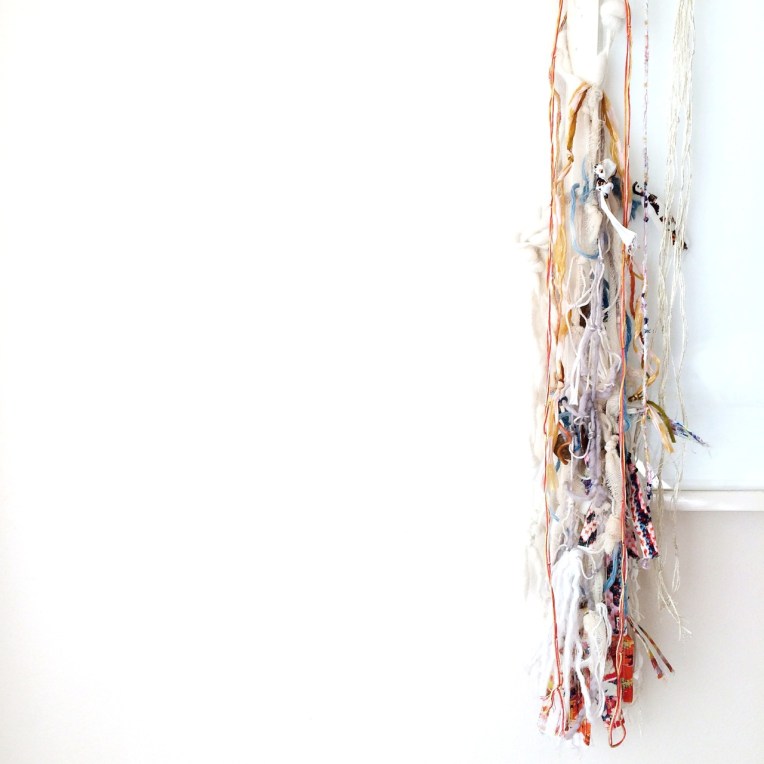
In late January, I’ve met up with Abigail Doan (@lostinfiber) on Instagram – her moody, calm feed made me feel interested in her specific approach to art. As I learnt later, Abigail is an environmental artist and writer who divides her time between NYC, Eastern Europe, and Tuscany. Her work as a fiber artist offers a unique view into the materials, methods, and life cycle of handmade textiles, slow fashion garments, and related environmental issues. Doan’s most recent curatorial projects include Fete for the Senses as reviewed on Trendtablet, (Re)Fashioning Fiber in NYC, and Fashioning Self and the Environment at the Textile Arts Center in Brooklyn. And now, specially for Design & Culture by Ed, Abigail agreed for an interview… so here is our little collaboration!
How do you explain or describe your mood and approach to textiles and slow fashion garments?
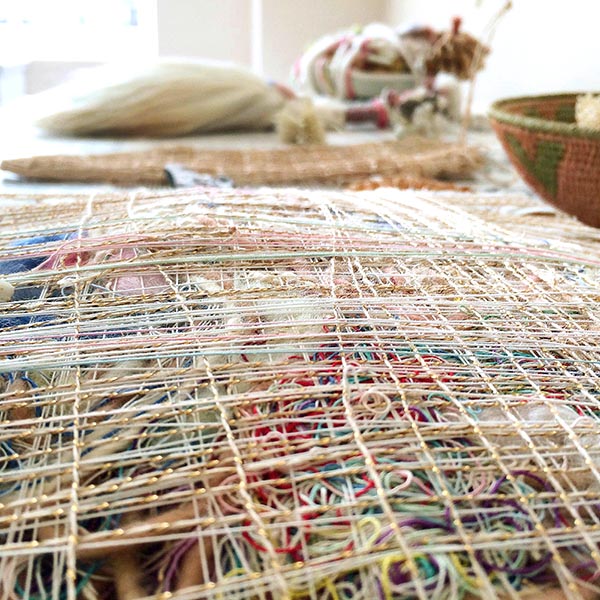
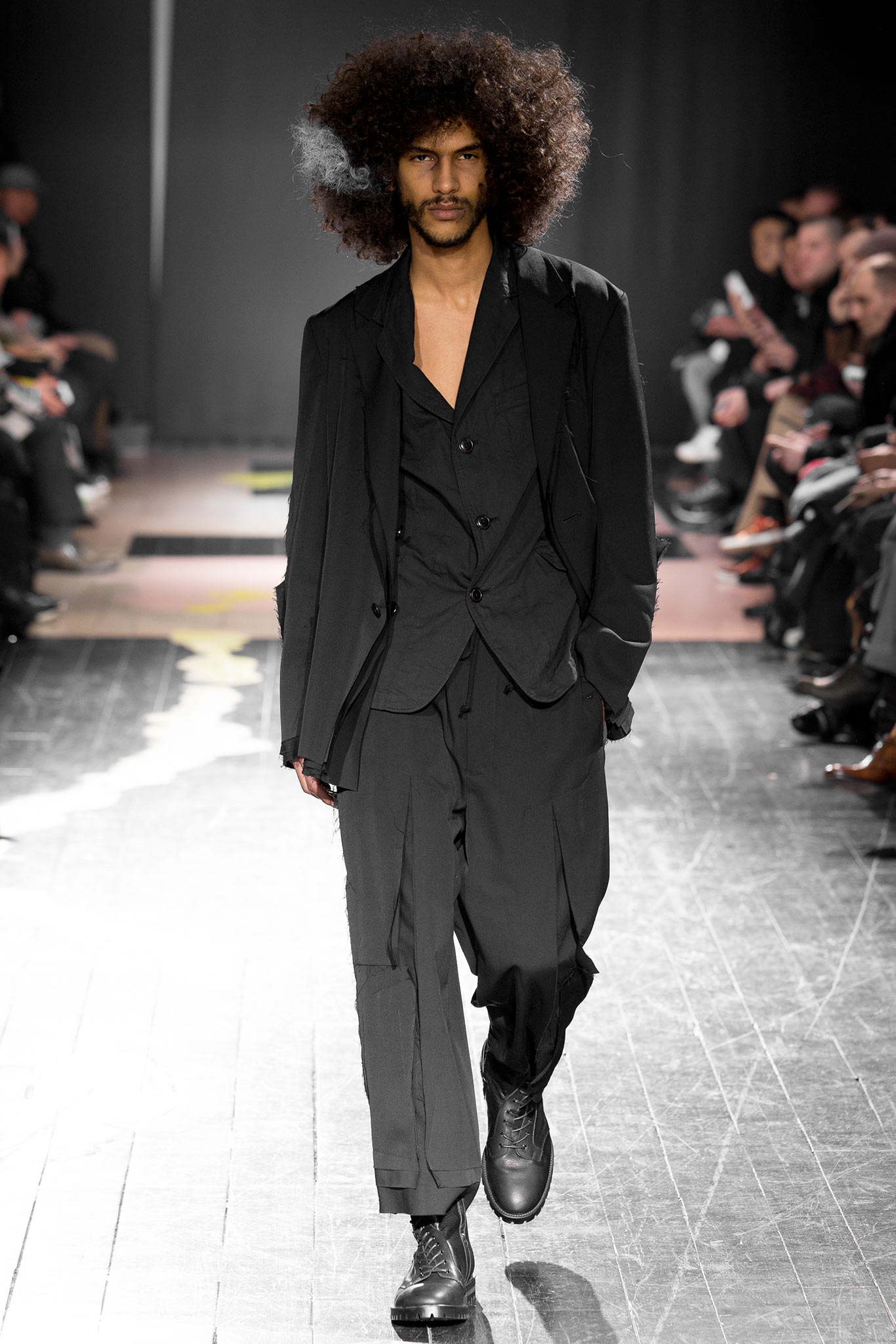
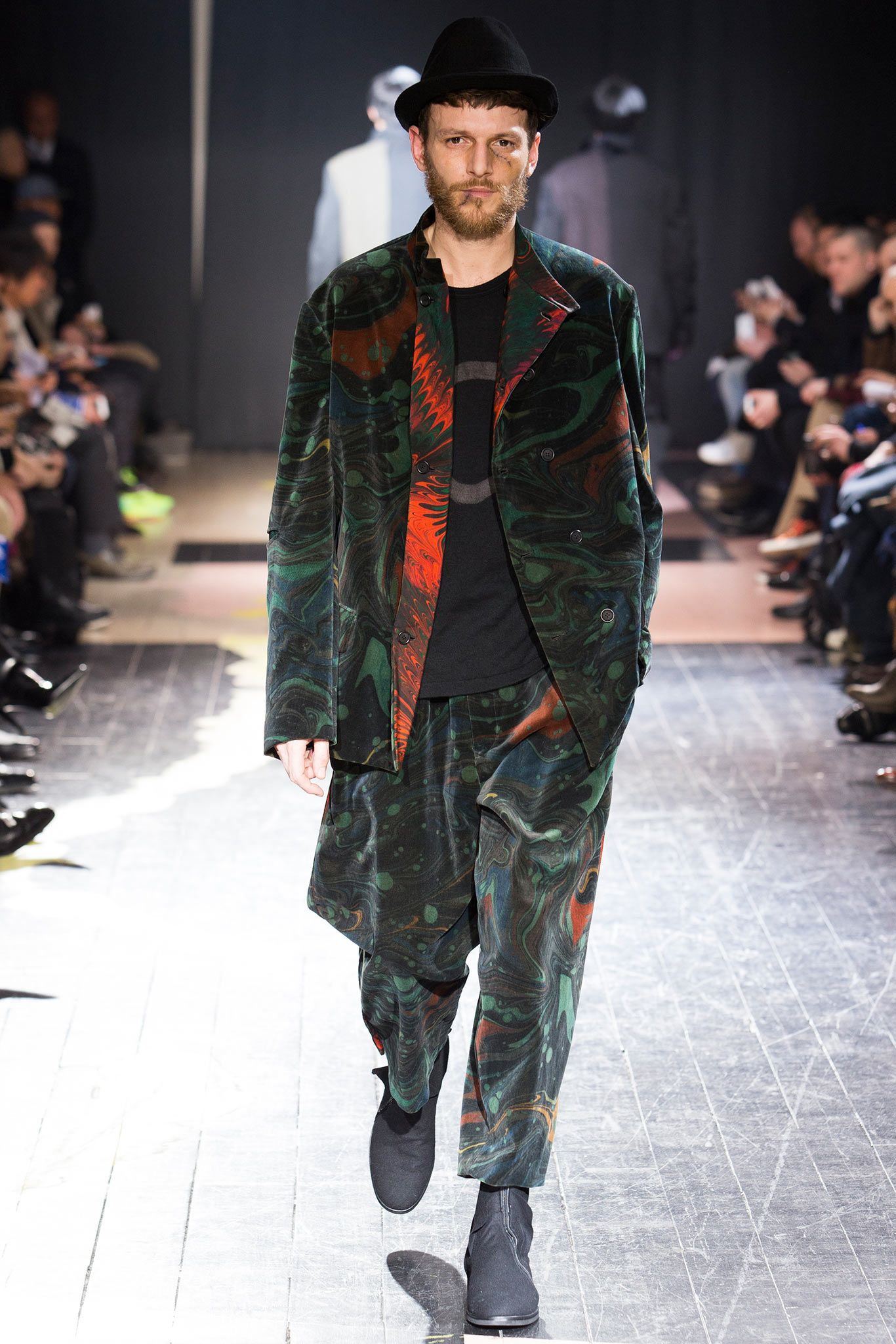
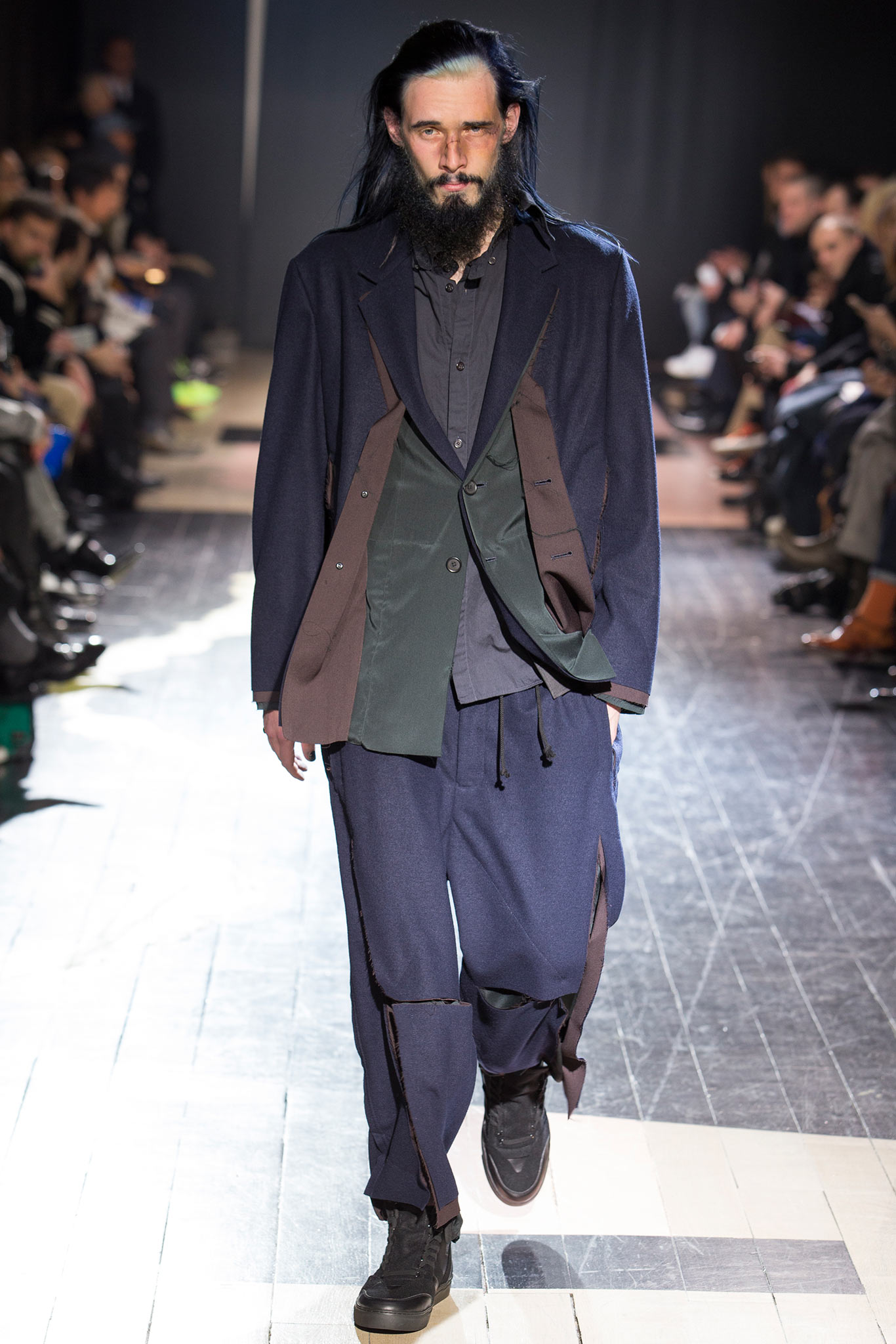
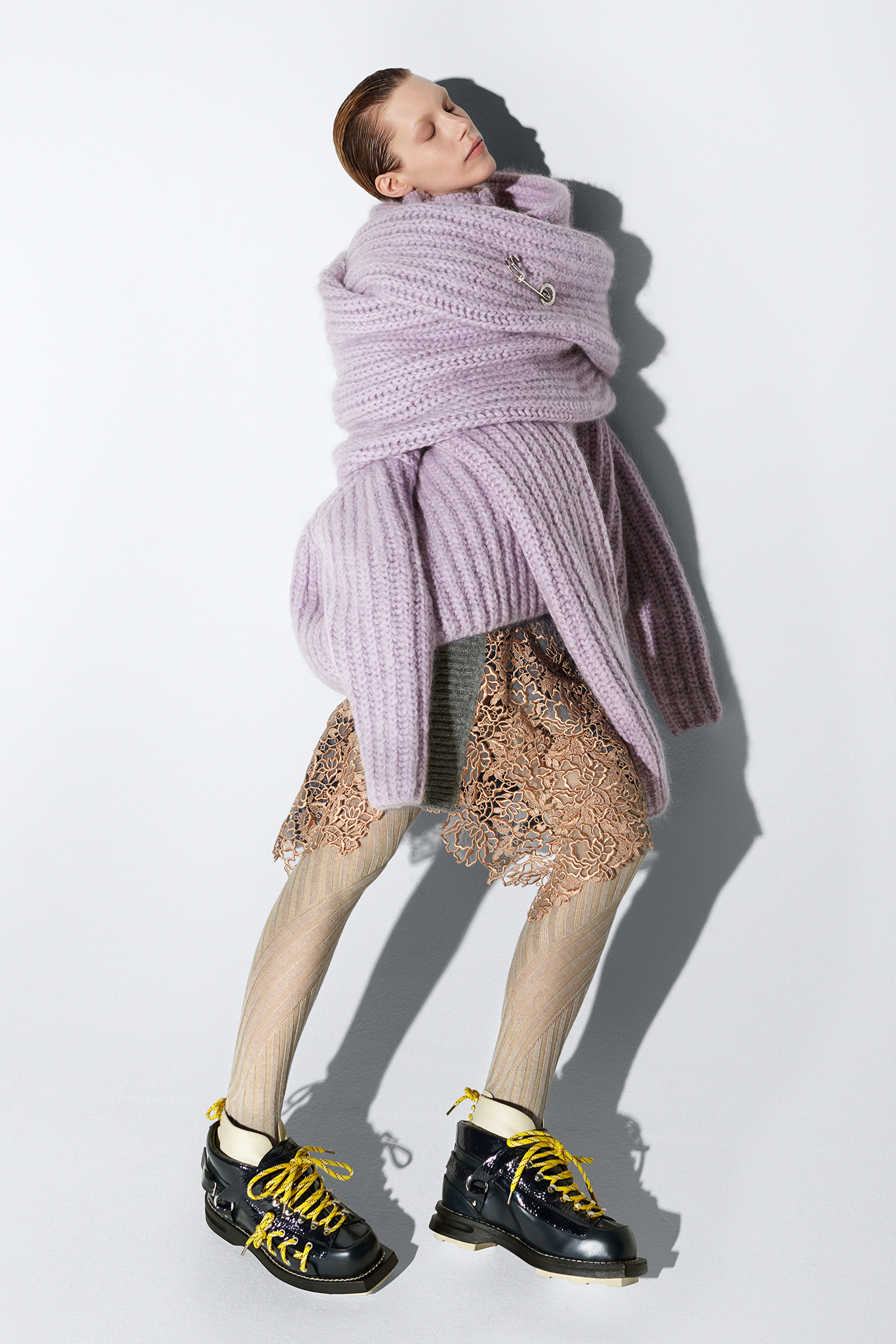
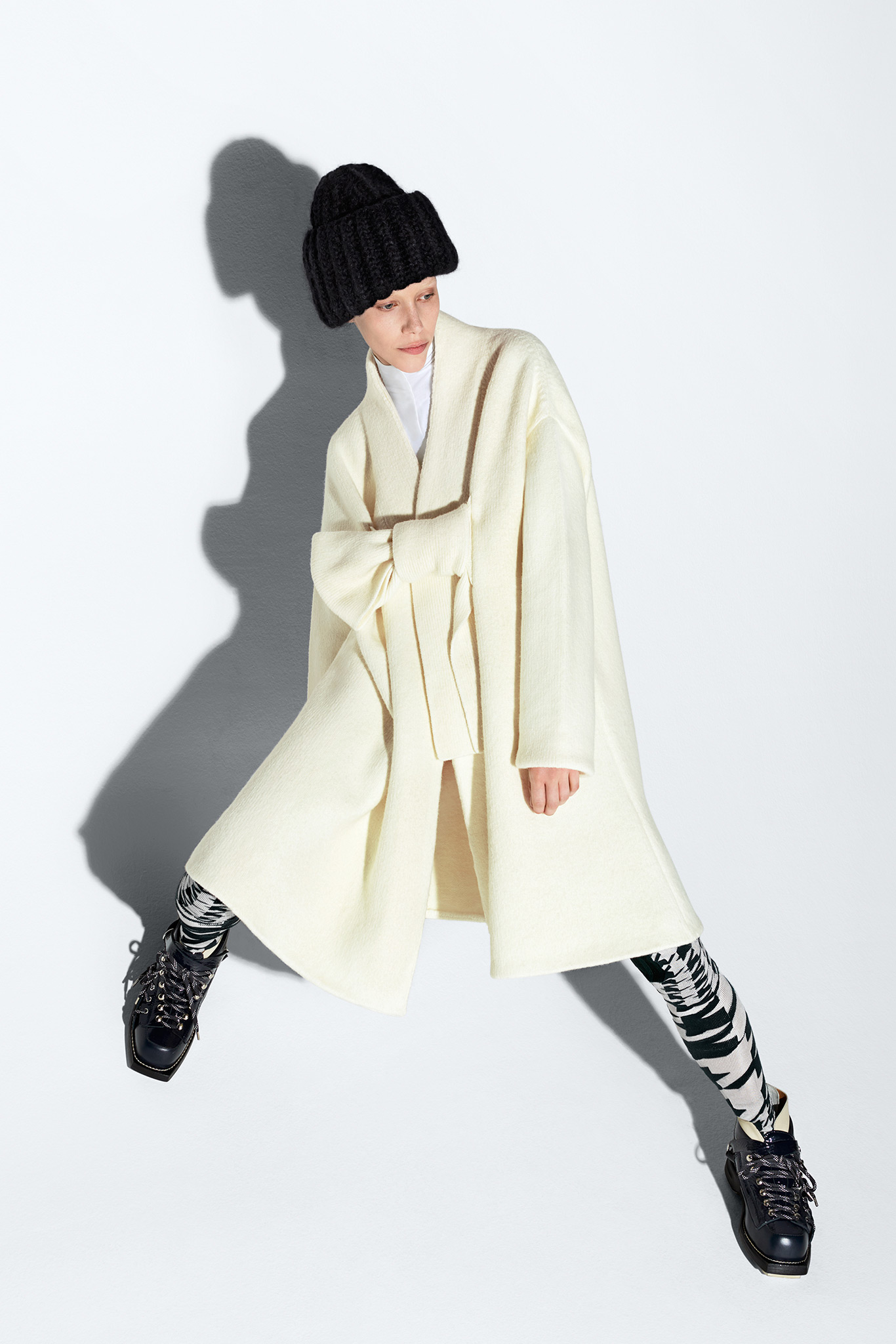
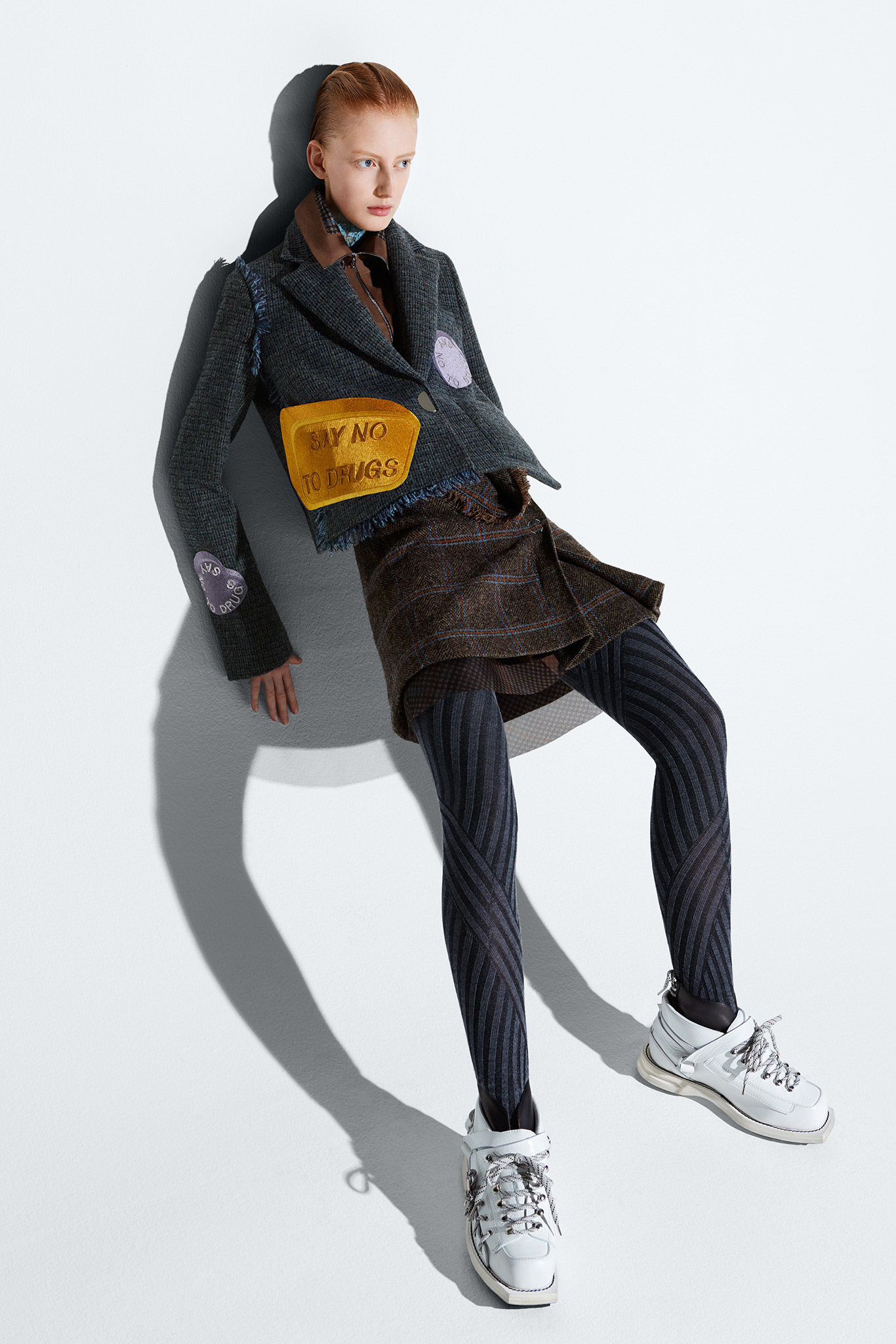
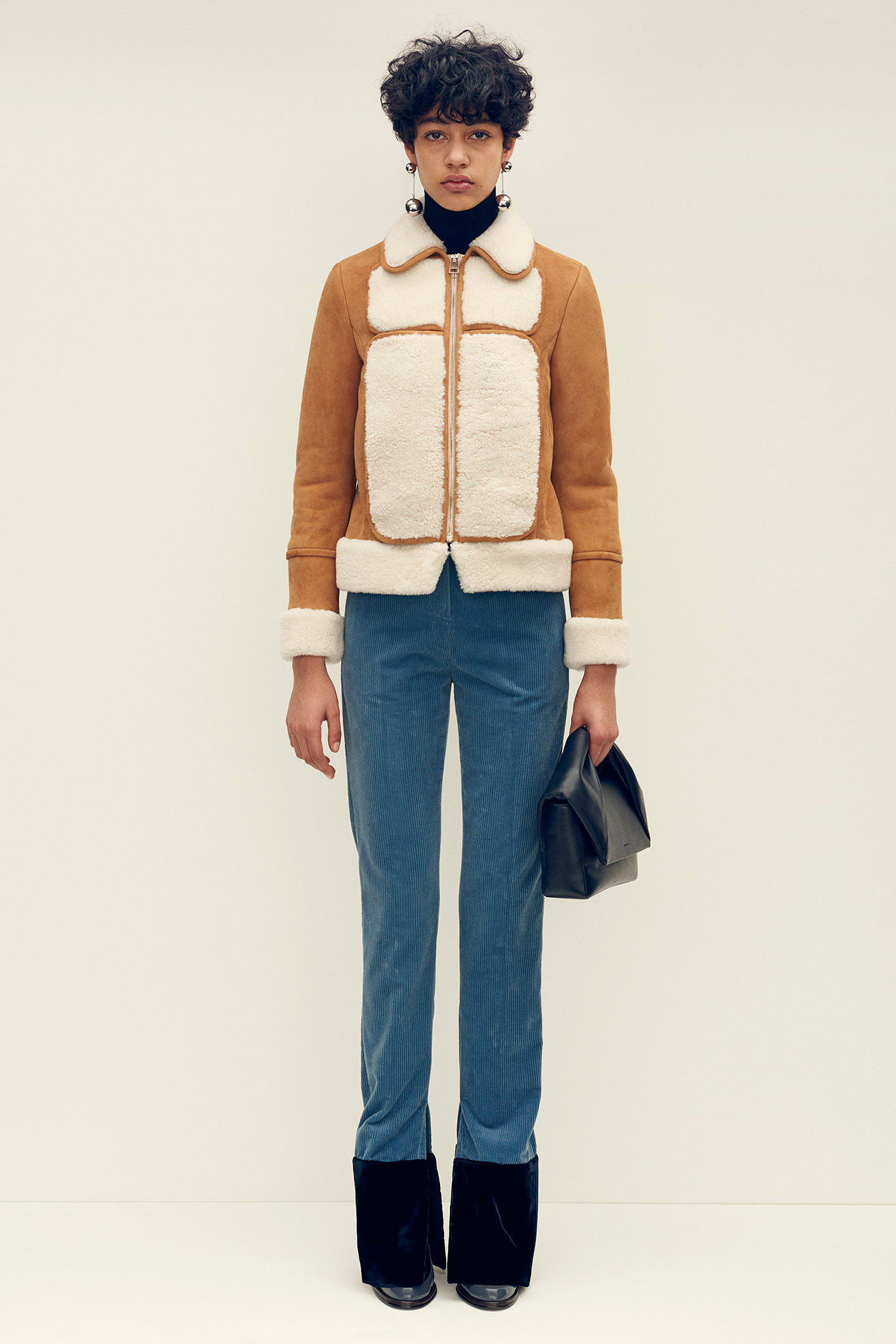
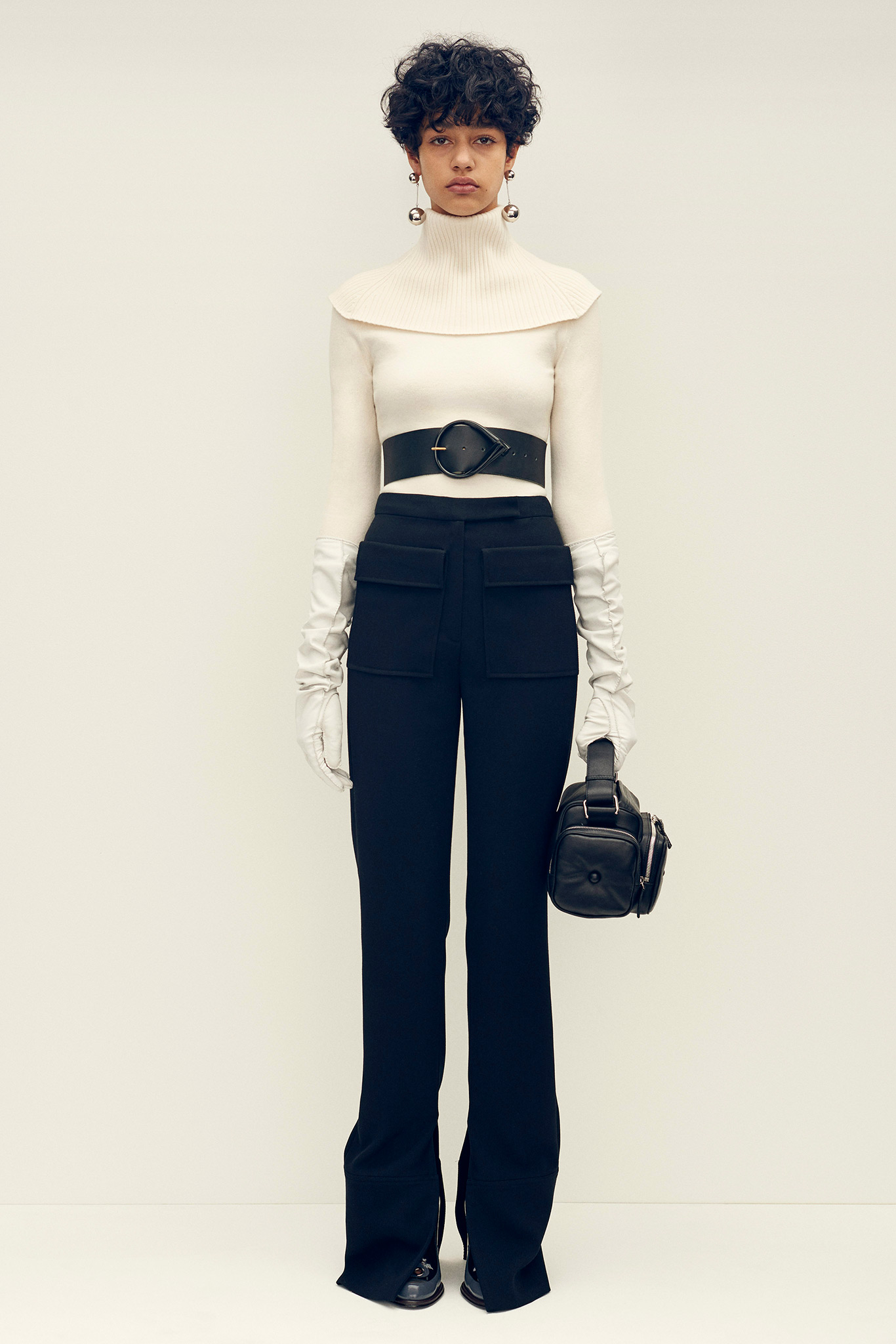
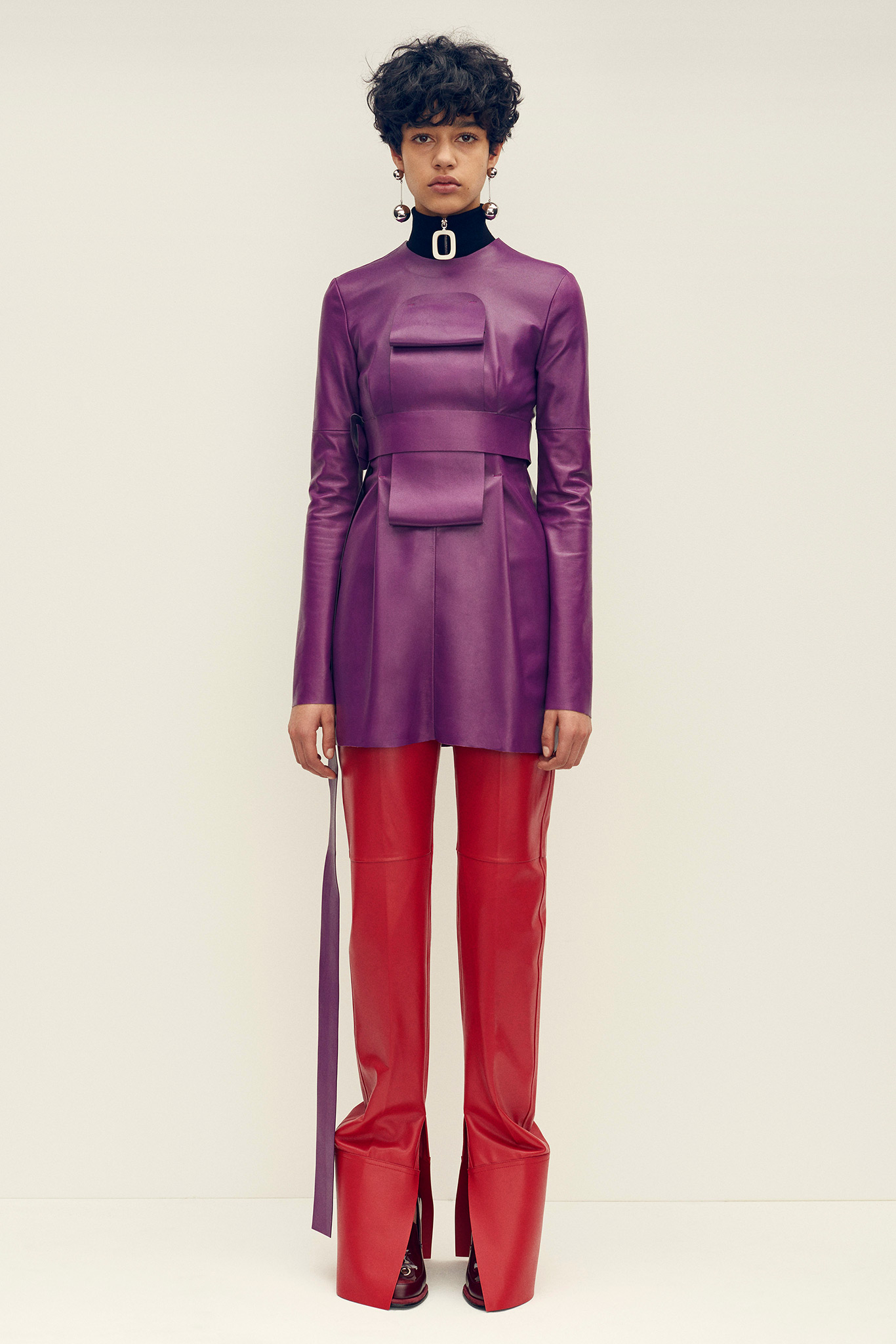
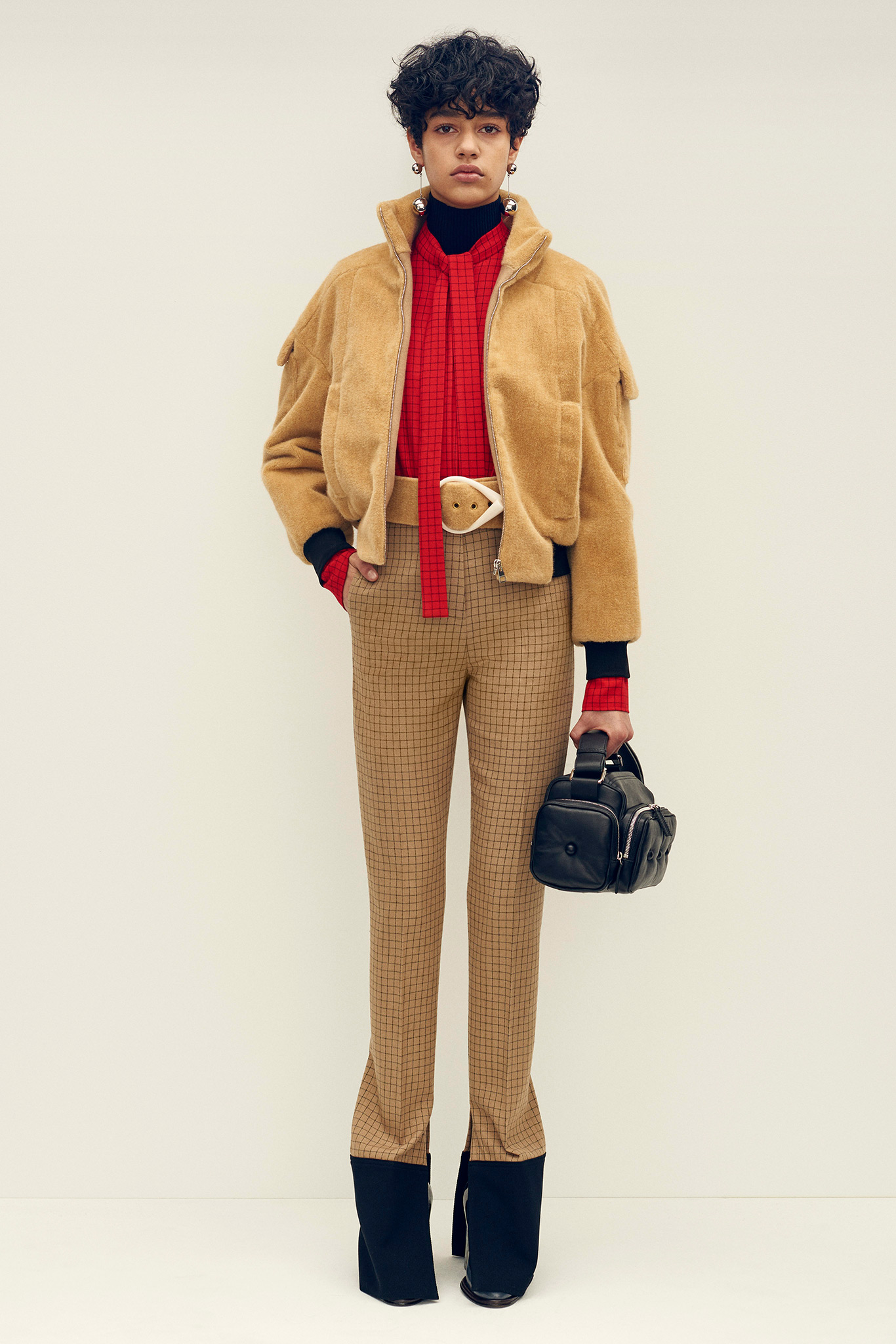
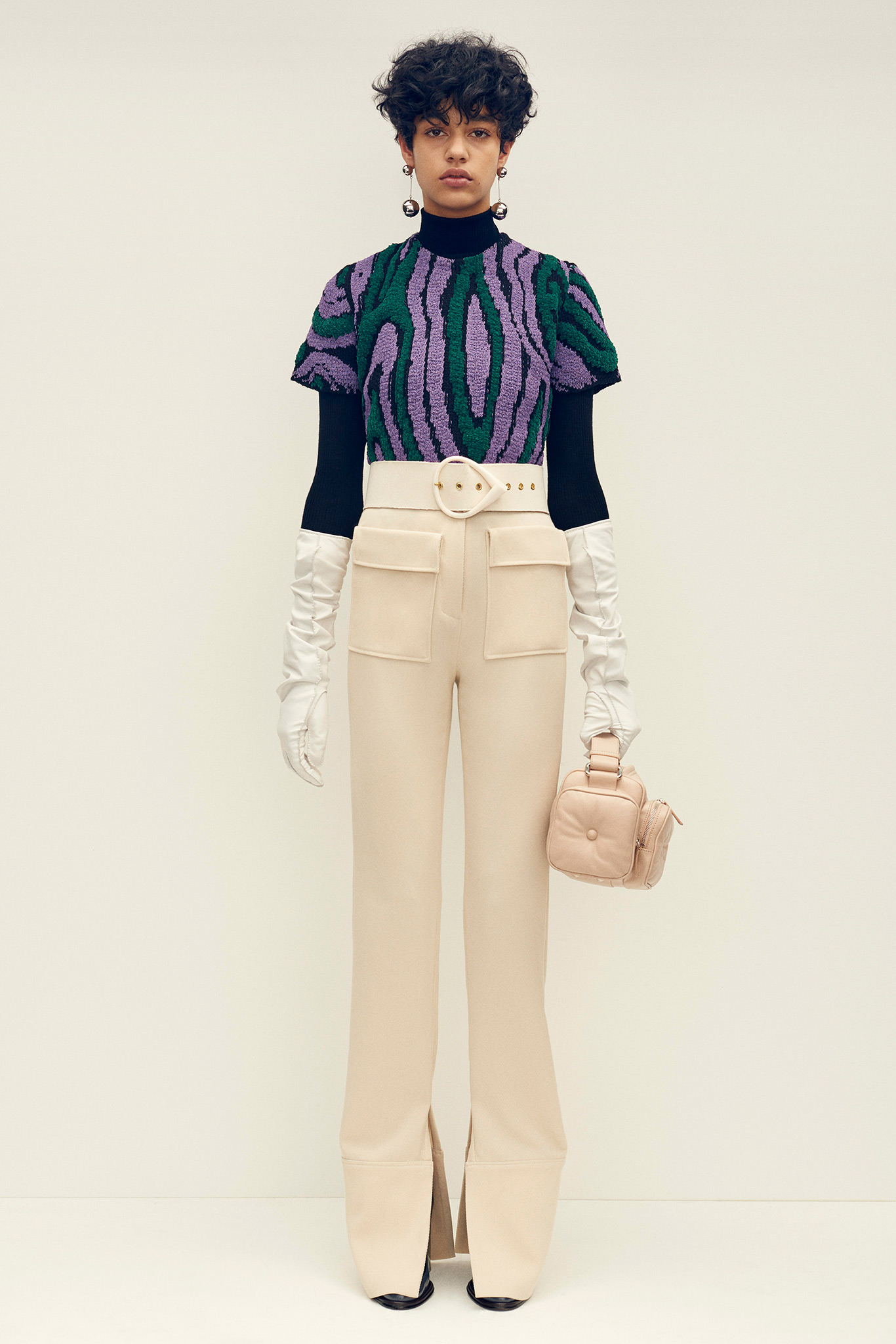
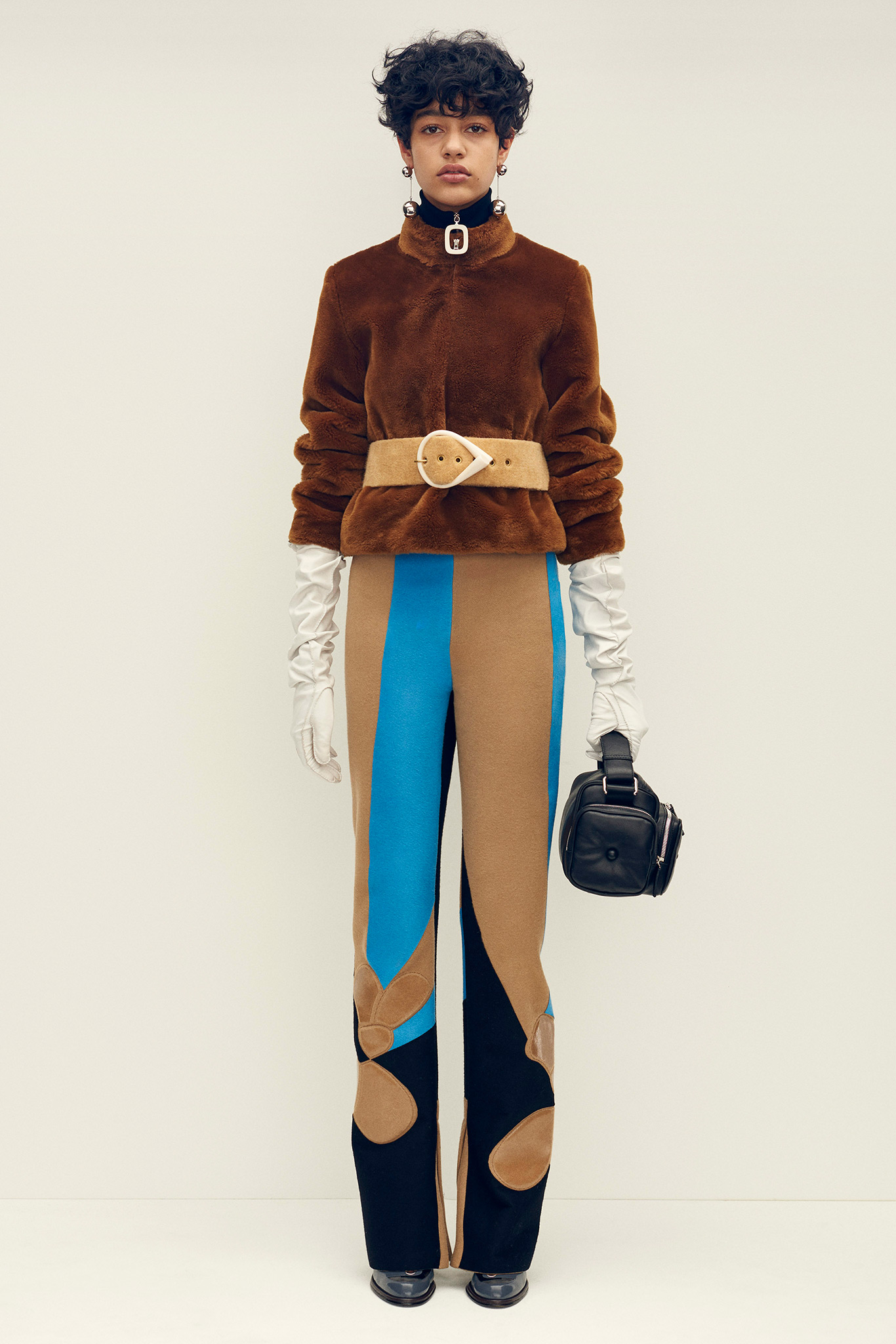
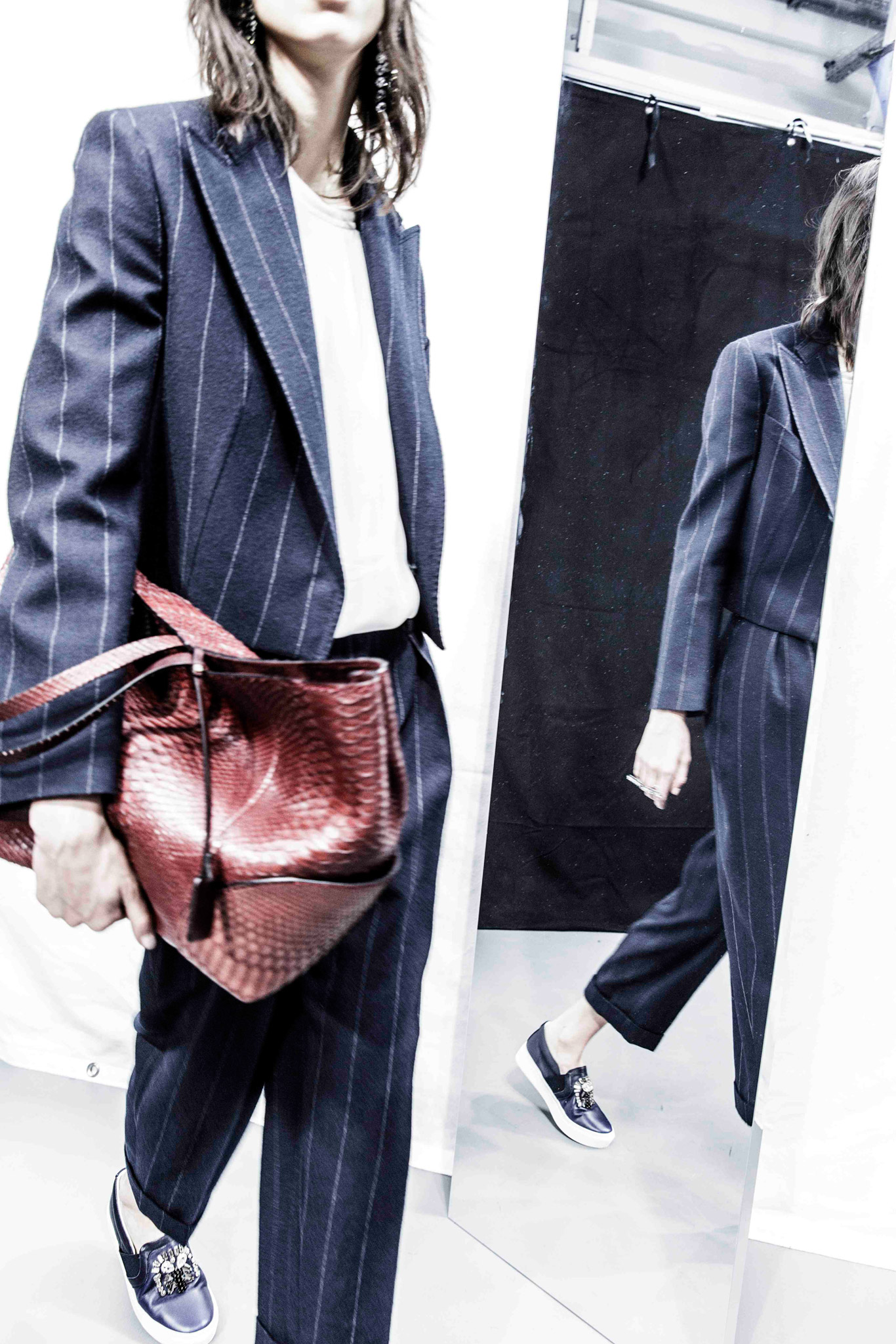
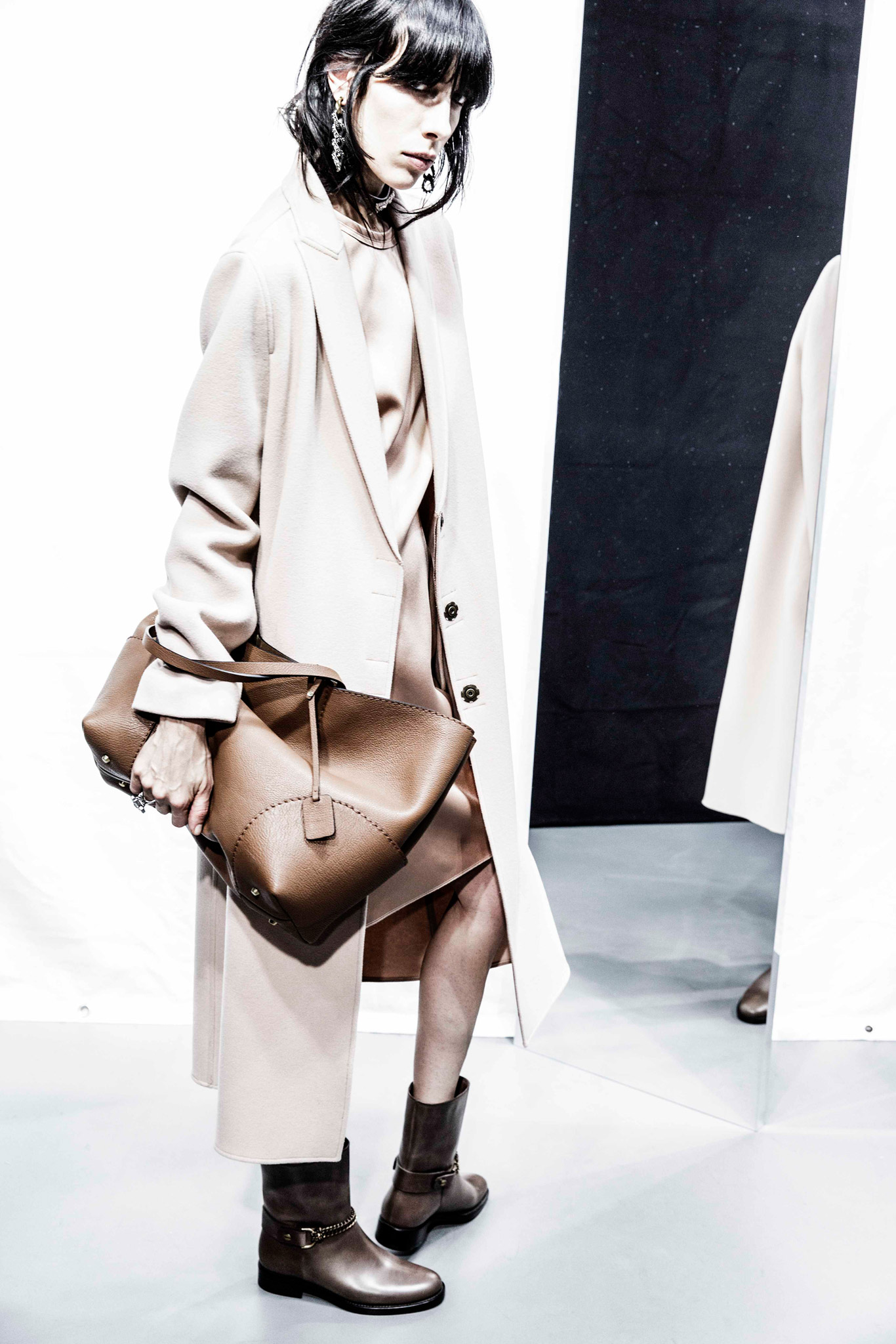
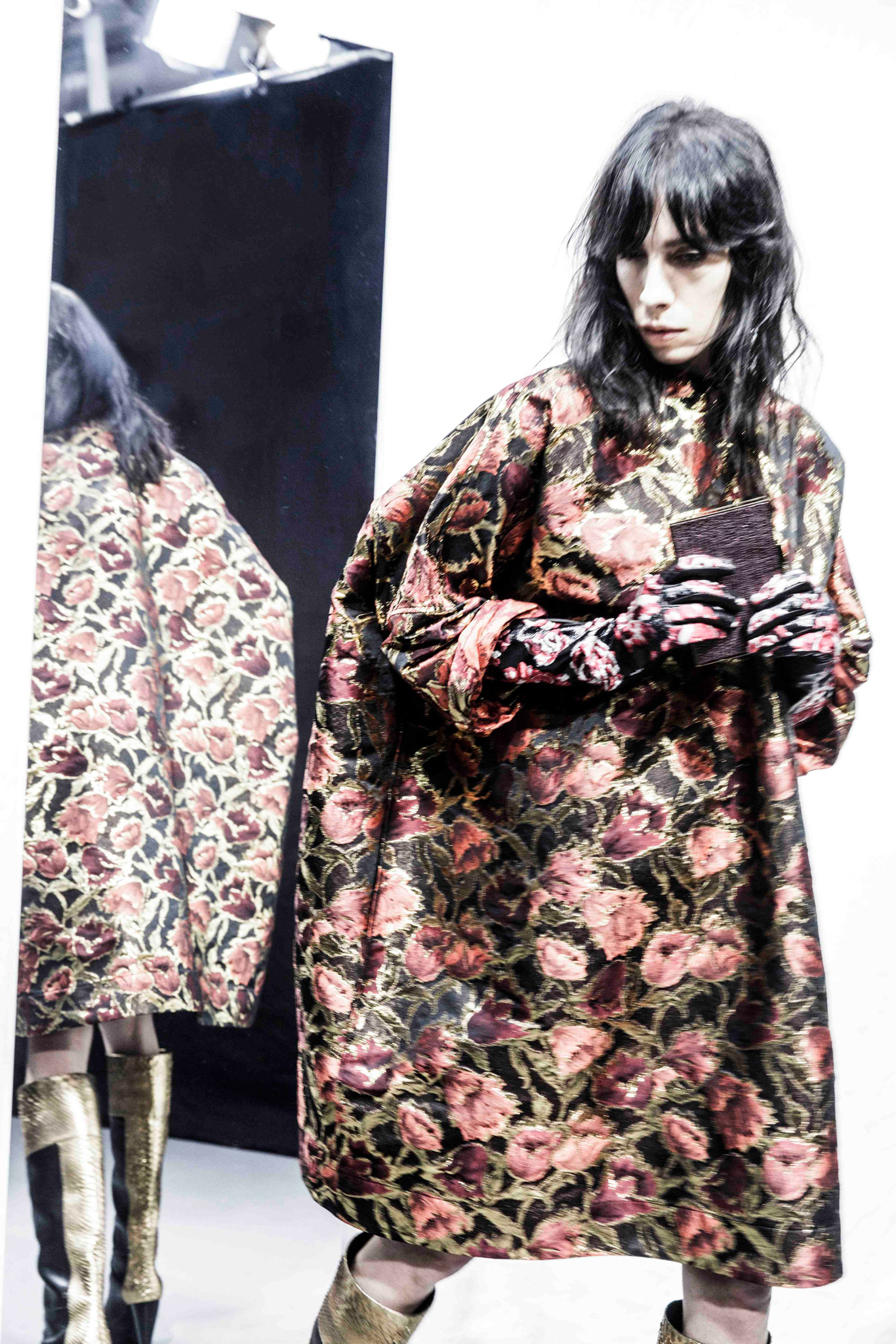
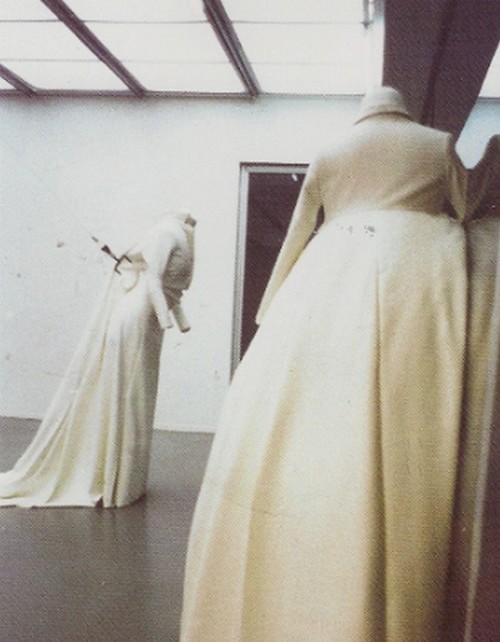
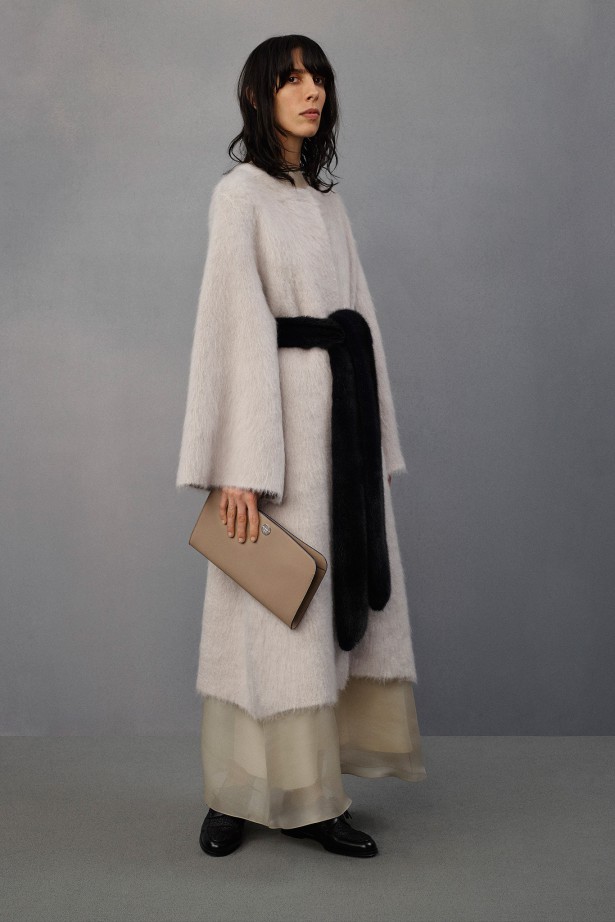
I am first and foremost an artist expressing aesthetic ideas that share territory with art, design, fashion, and textile traditions. For this reason, I hesitate to categorize objects, as I am attracted to the material exchange between realms and the subtle details that are unexpectedly revealed. Slow for me is basically about cultivating a connection to place as well as an understanding of self in relation to the environment. Immersing ourselves in the art of slow fashion might allow for deeper connections, more efficient flow, as well as identification of softer tools for implementing change. Local wisdom is certainly part of this equation as well as increased sensitivity to the cultural experiences and conditions/talents of people’s globally. (here are her fashion inspirations from her tumblr)
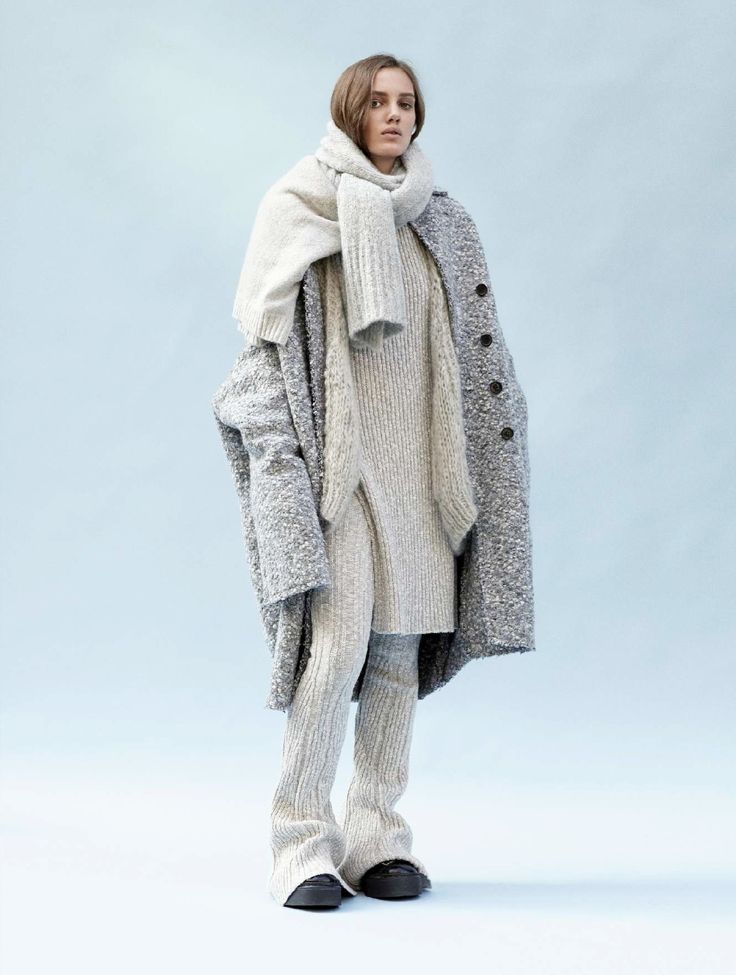
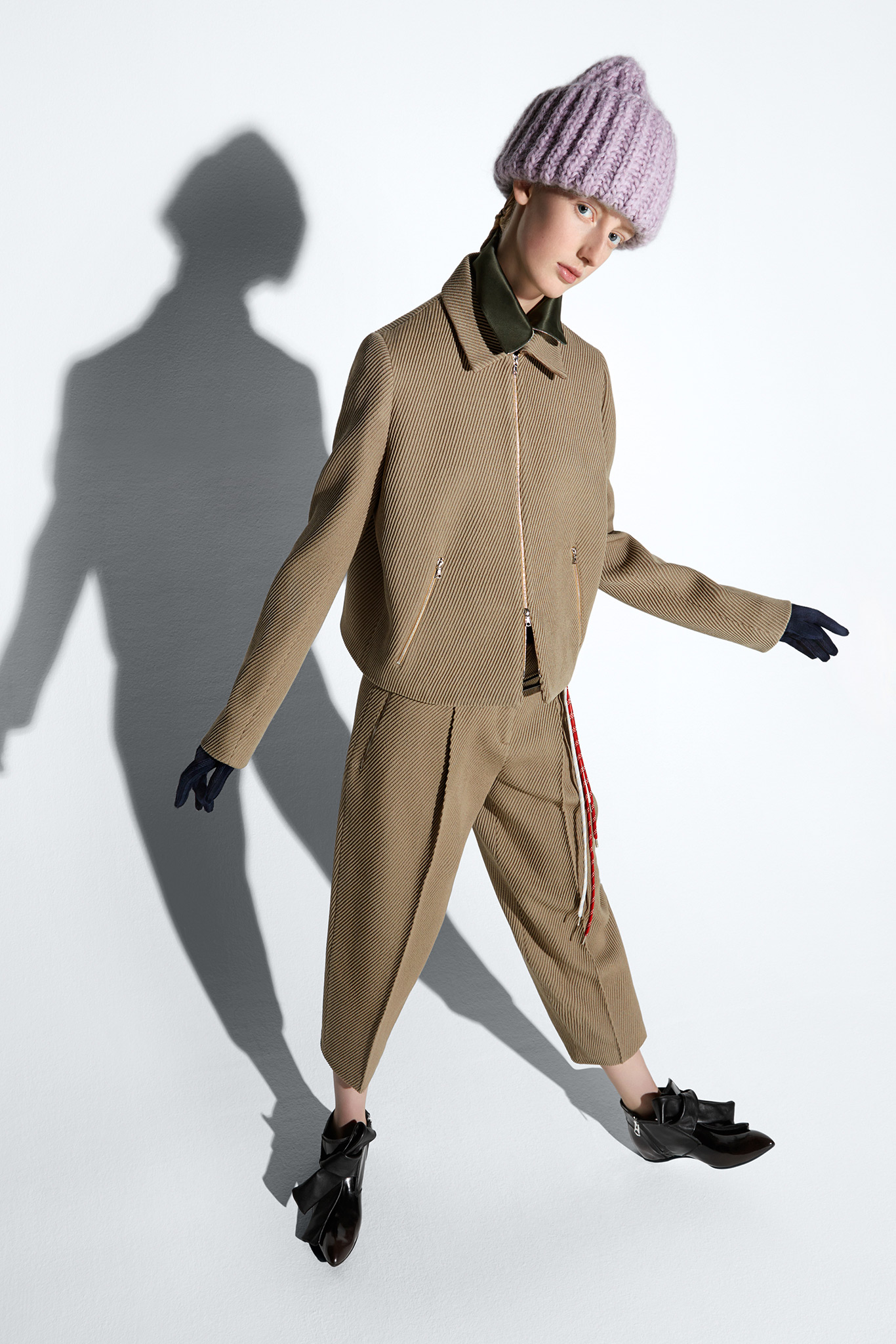
Jalouse Magazine by Alice le Paige

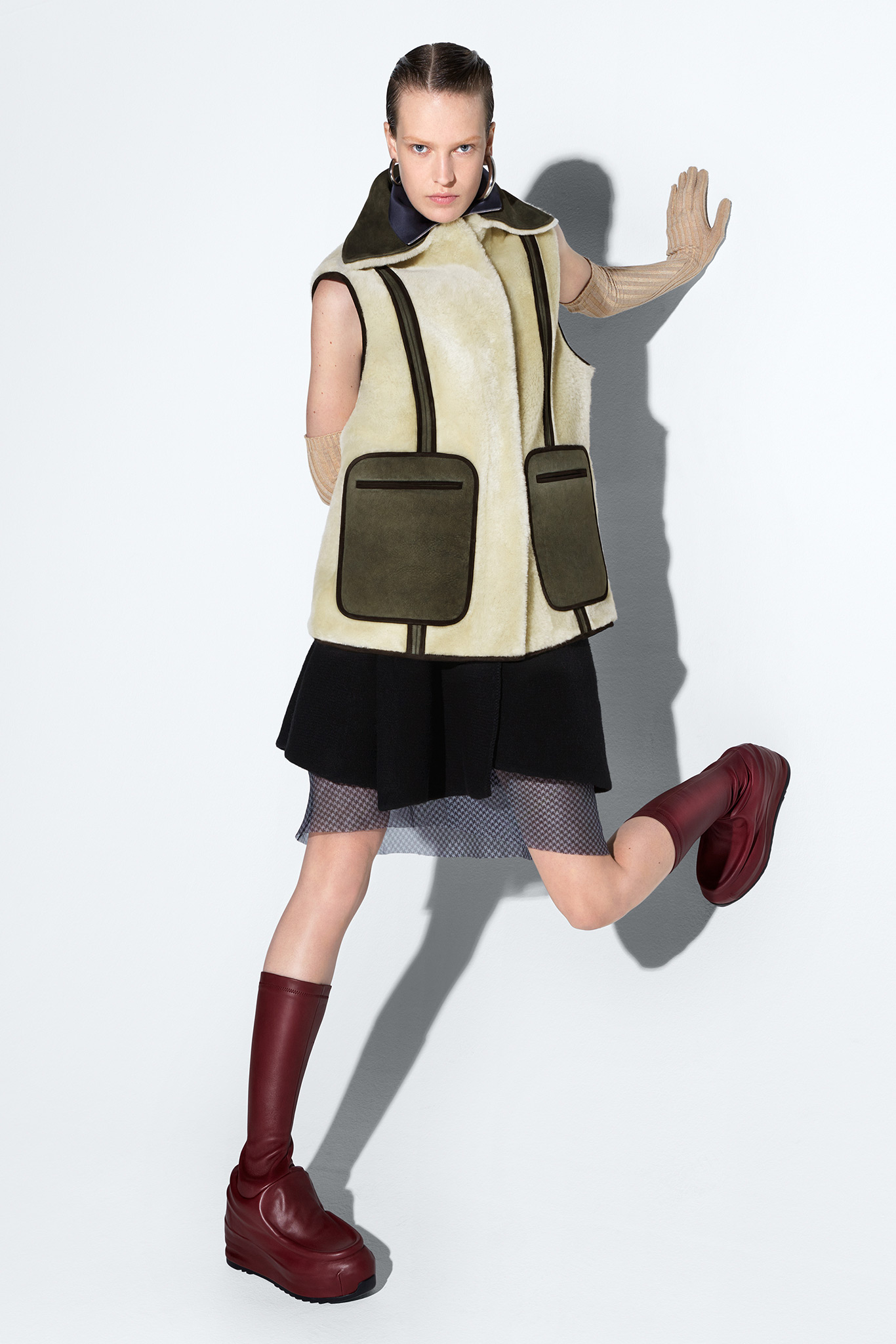
Viktor & Rolf installation 1994

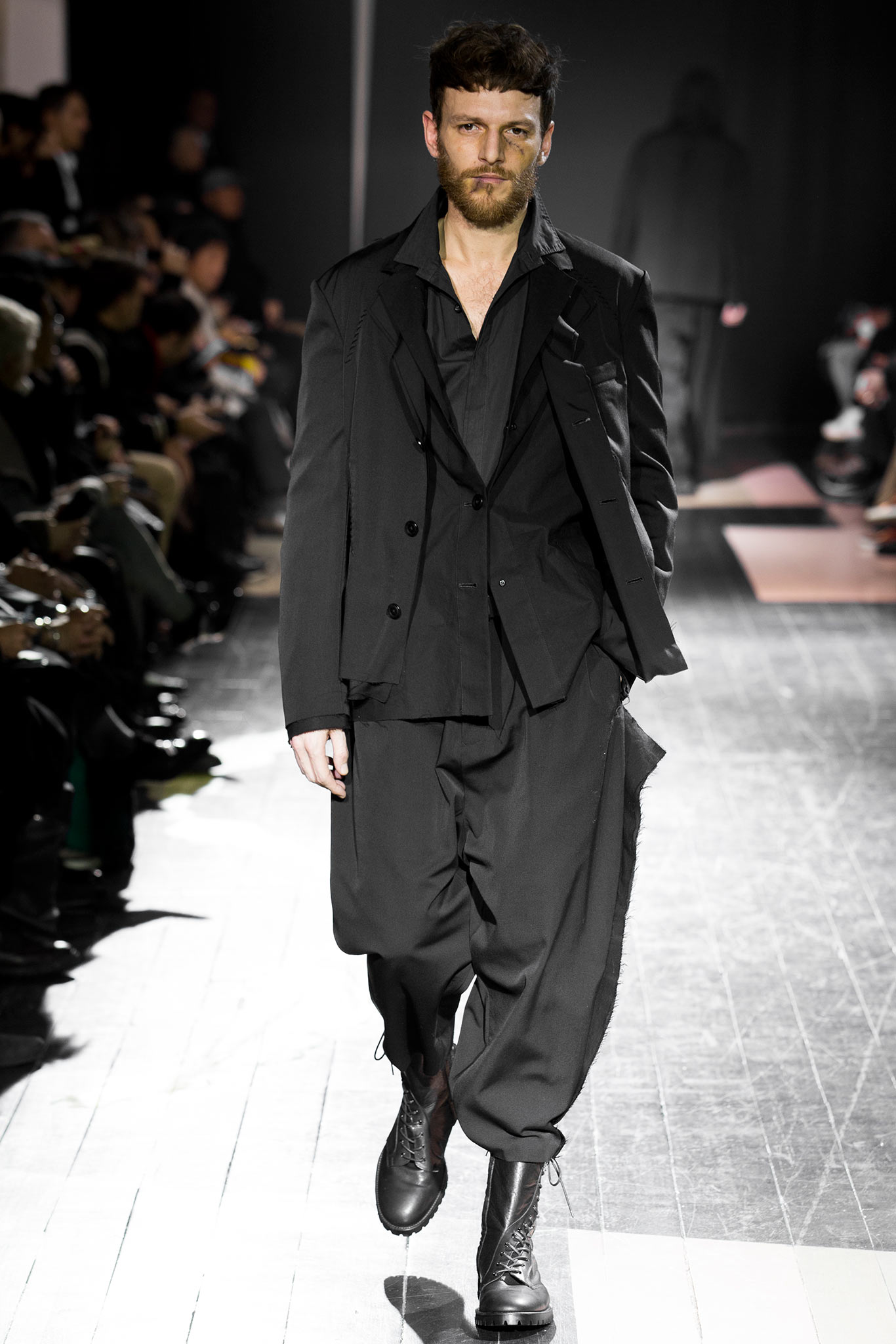
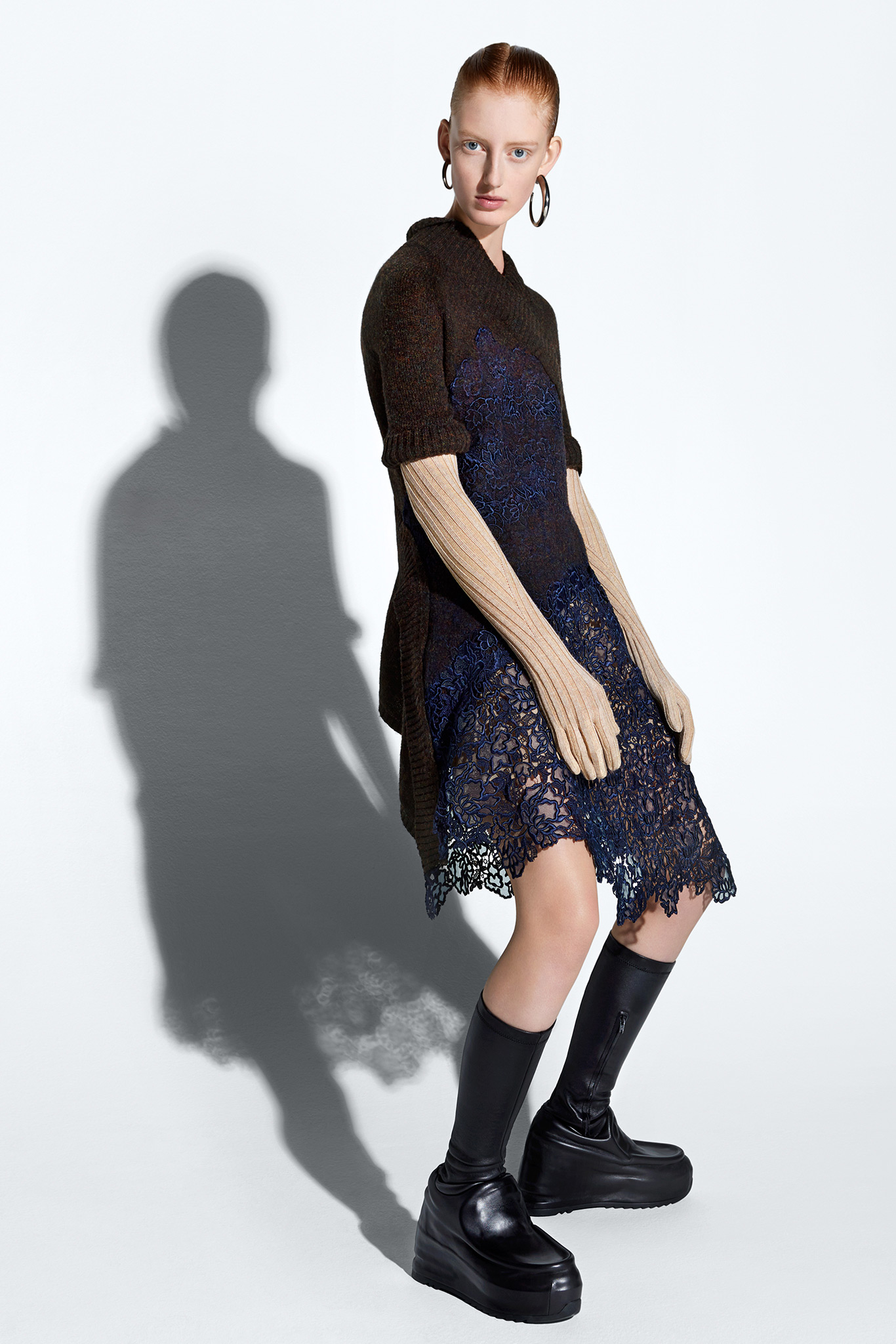
The Row Resort 2015
In three words, describe your work.
Connective, place-based, tactile.
On your Tumblr called Lost in Fiber, you show a lot of beautiful, cozy handmade textiles and artifacts. What is the idea behind posting these images?
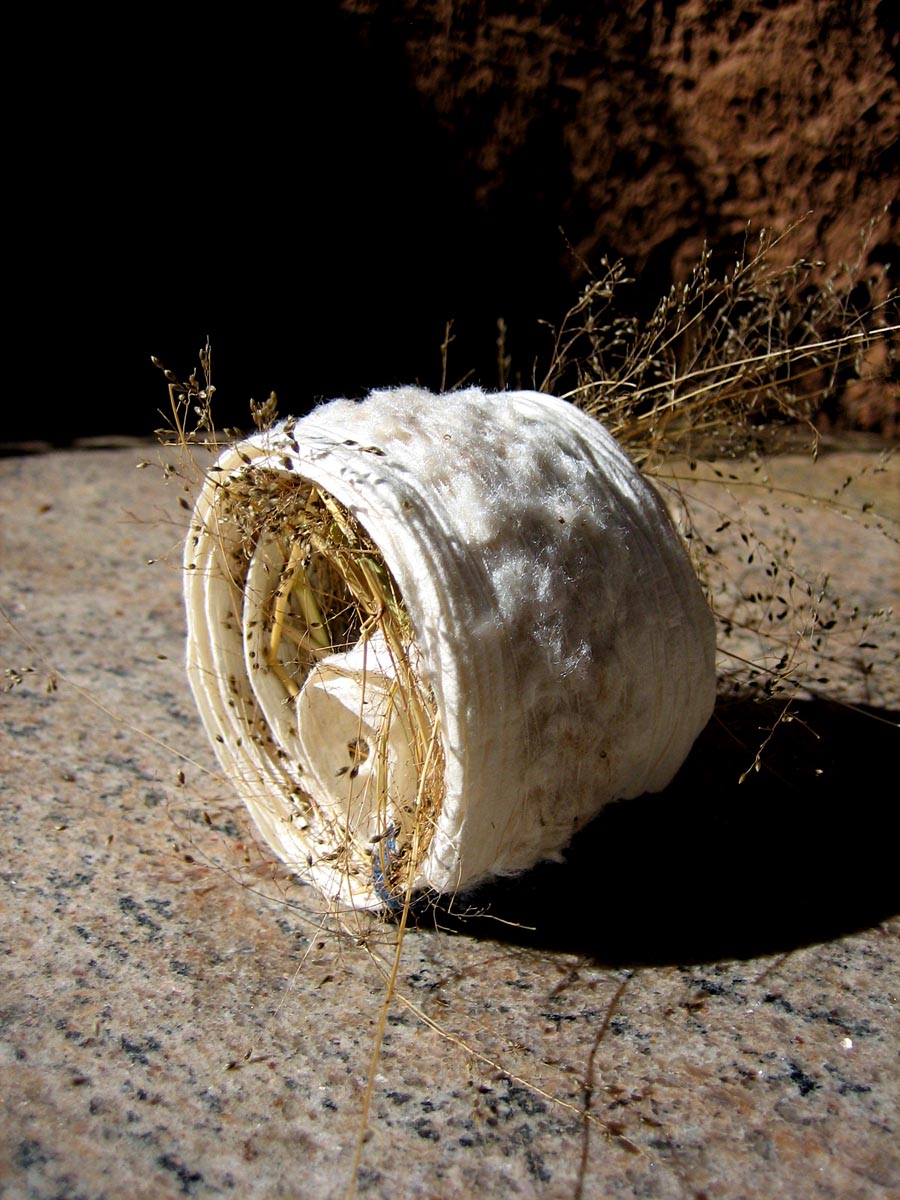
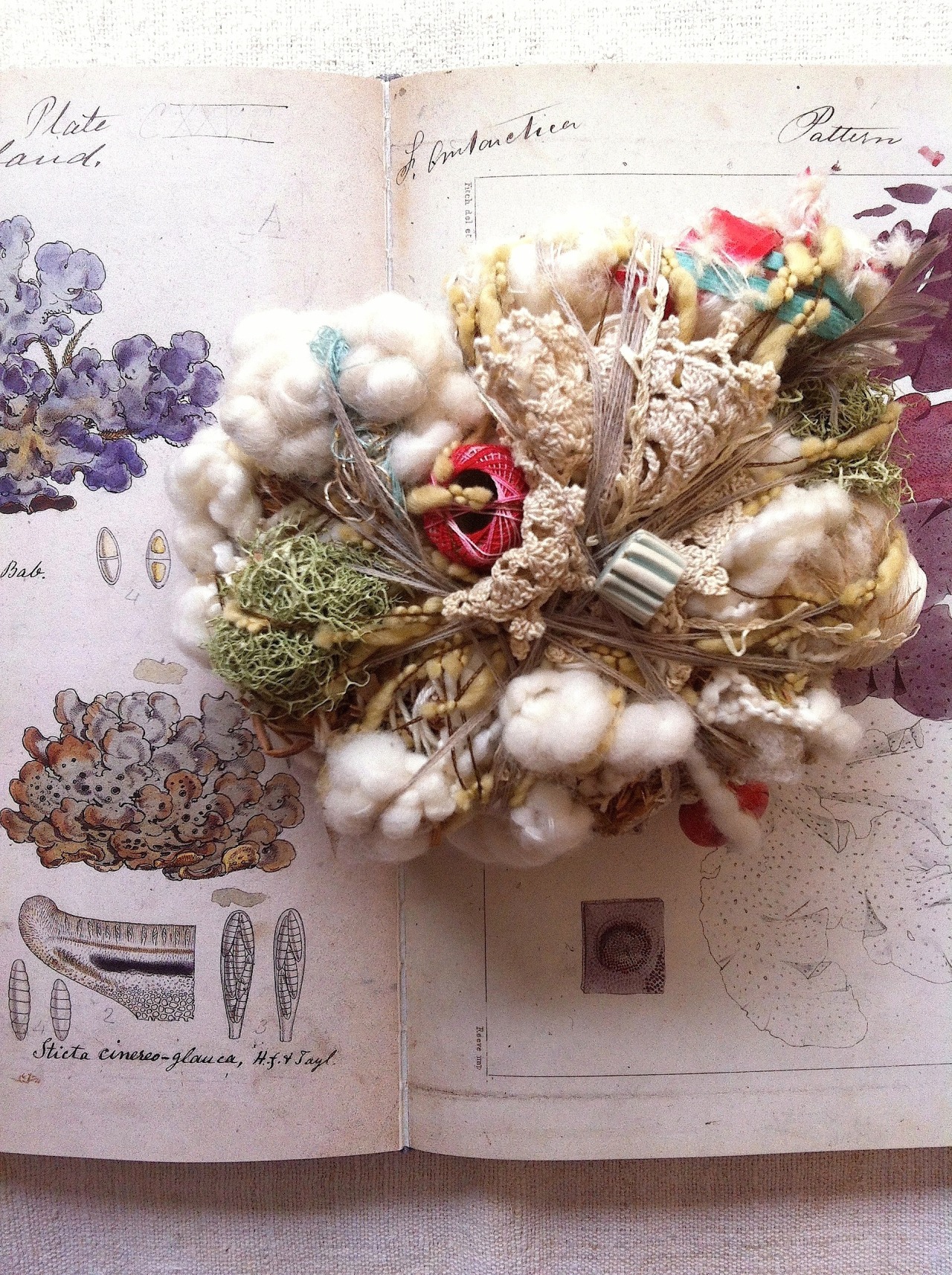
I keep several Tumblr archives as a way to demonstrate visually intuitive connections between objects, places, textures, textiles, and sculptural wearables. Lost in Fiber is a new skin on a previous project that explored ideas related to fashioning self and the environment. The site’s featured images are meant to spark the imagination while also archiving ideas relevant to ongoing research and collaborations with others. I often intersperse images of my own work and travels in order to illustrate an overall narrative of creative process and like-mindedness.

While searching your site (and Instagram feed) I noticed not only NYC, but also places like Tuscany and Eastern Europe’s countries. What do they mean to you?
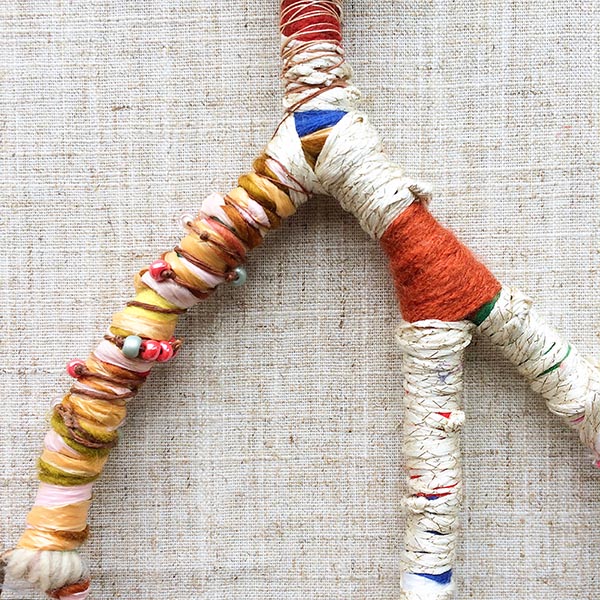
I have my principal studio in NYC but my family and I have ties to Bulgaria and Italy. I decided early on to try to live and work in these places so that my children would also cultivate connections and memories (nostalgia) for these landscapes and their unique histories. I recently returned to NYC after five years of living in Sofia growing a small family foundation that works to cultivate cultural outreach and educational efforts in Bulgaria. This was a tremendously valuable experience for me as it allowed me to further explore slow crafting methodologies in Eastern Europe as well as connecting with artists and designers in these regions who are (re)interpreting traditions and contemporary phenomena in eye-opening ways.

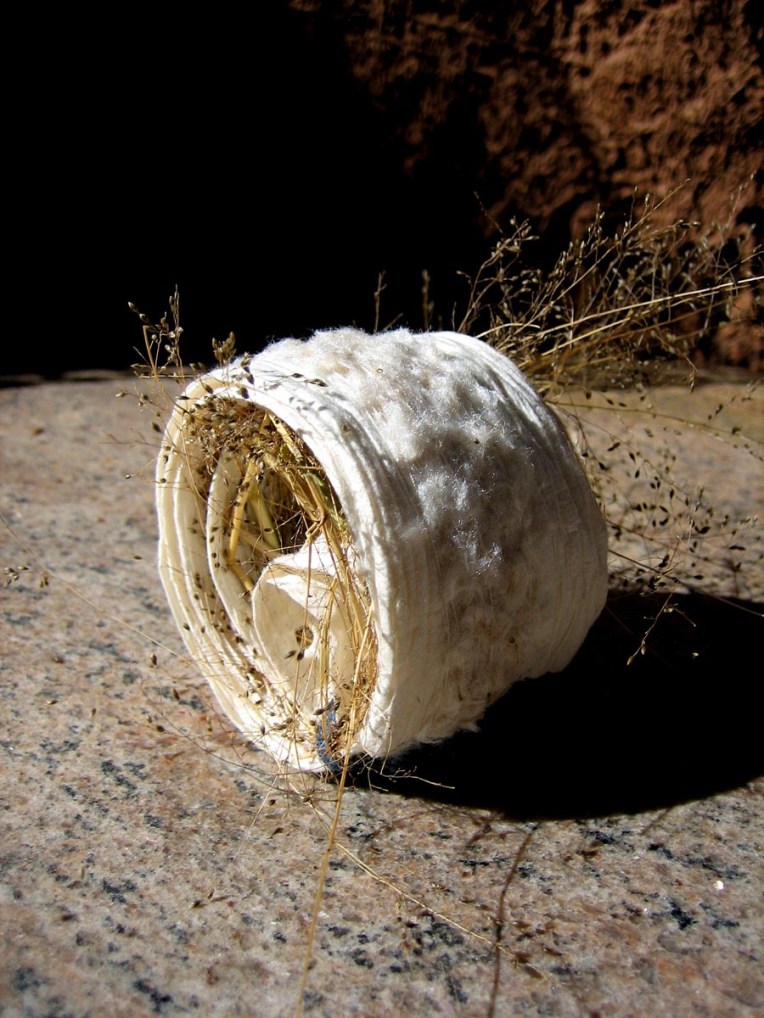

Last, but not the least, you have also another Tumblr called Thracian Threads and as I am Polish, I see a lot of Slavic inspirations behind it. Is it so?
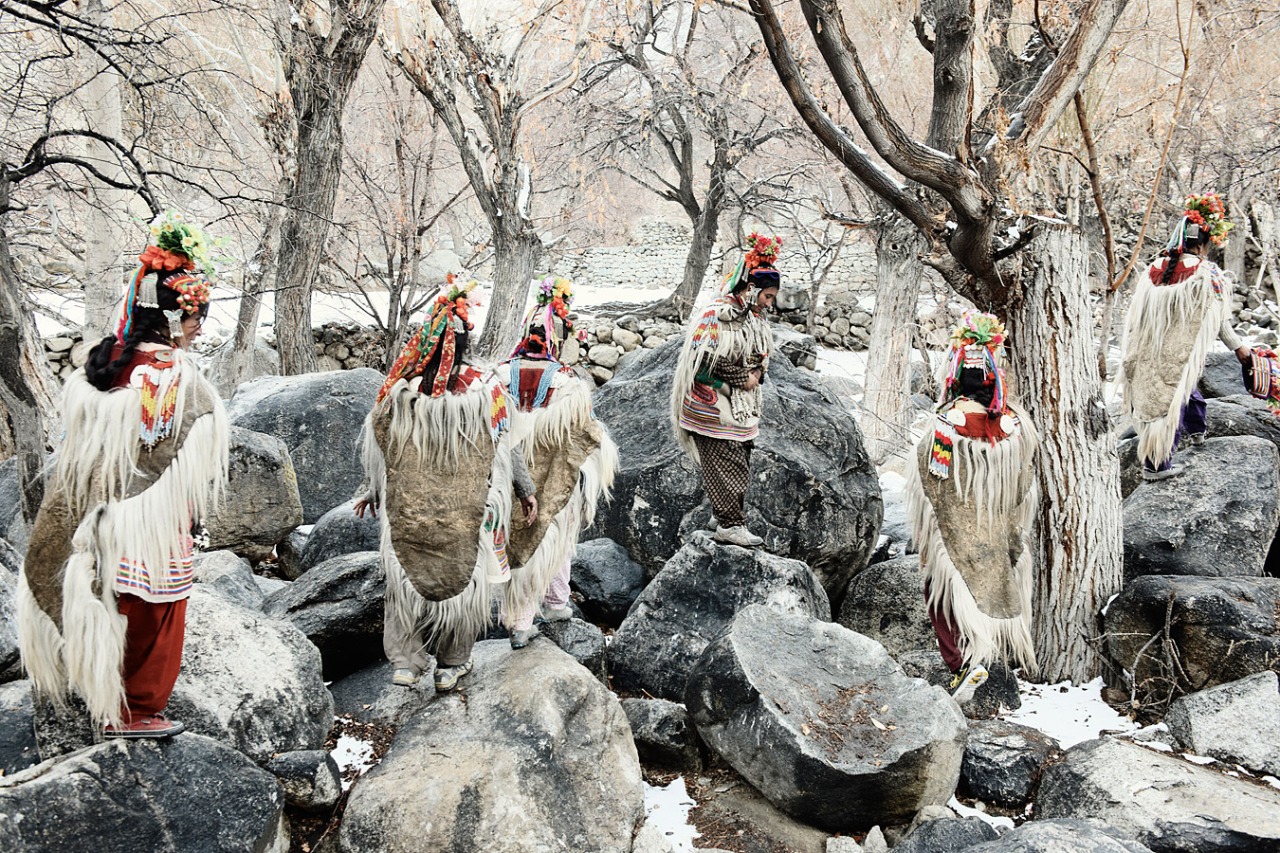
Yes, it is true. Thracian Threads is a stash of images that I started collecting and documenting while living in Bulgaria and traveling to neighboring countries. I decided to focus on the idea of Thrace as a way to get back to some of the core traditions from the region and the rich history of these ancient crossroads, particularly in relation to costuming and the handmade. Thrācia in Latin is derived from thrāssō, meaning to trouble or stir in Ancient Greek. Let’s just say that I want to stir things up a bit – slowly, thoughtfully, and across our perceived time and space borders. This is what my currently project Lost in Fiber 2015 will be all about.

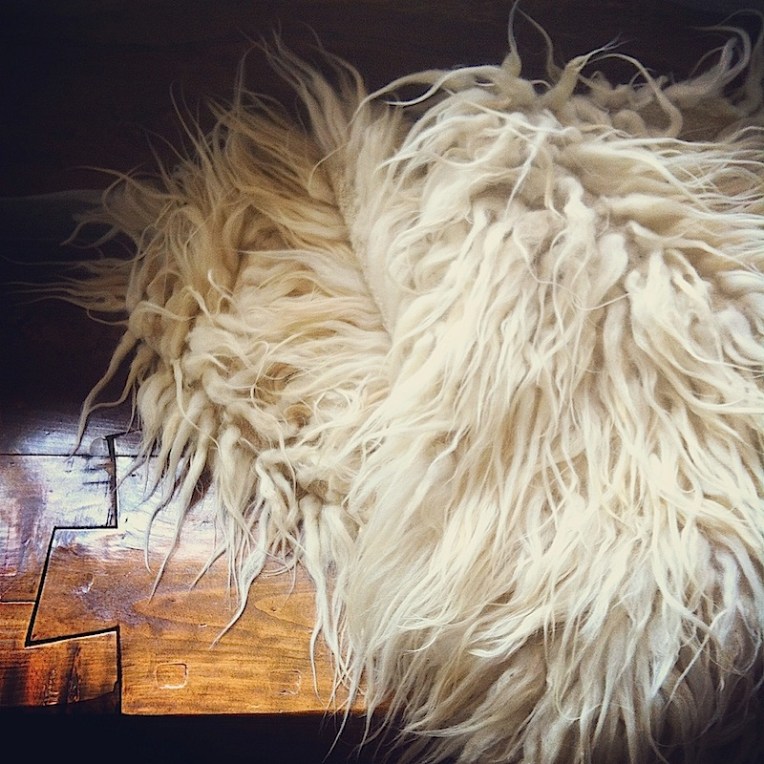

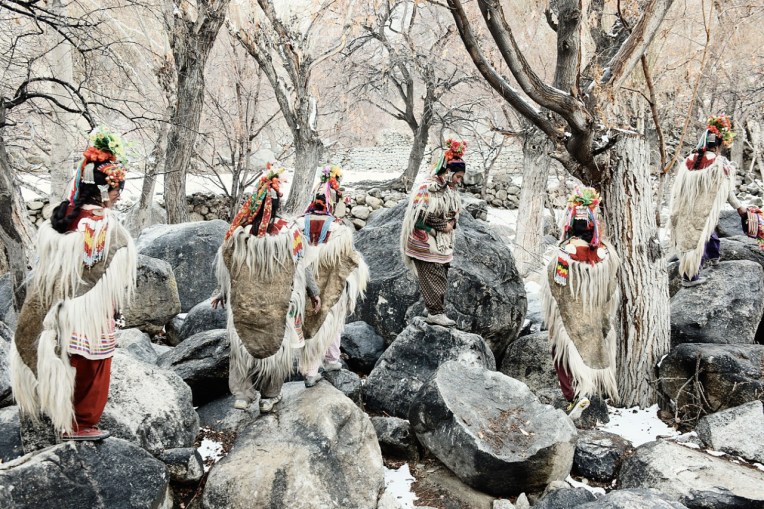
Thank you Abigail for this lovely interview. If you are interested in her art and want to immerse into her mood, check her sites:
abigaildoan.com
abigaildoan.tumblr.com
lostinfiber.tumblr.com
thracianthreads.tumblr.com
abigaildoan.blogspot.com
















 Design & Culture by Ed