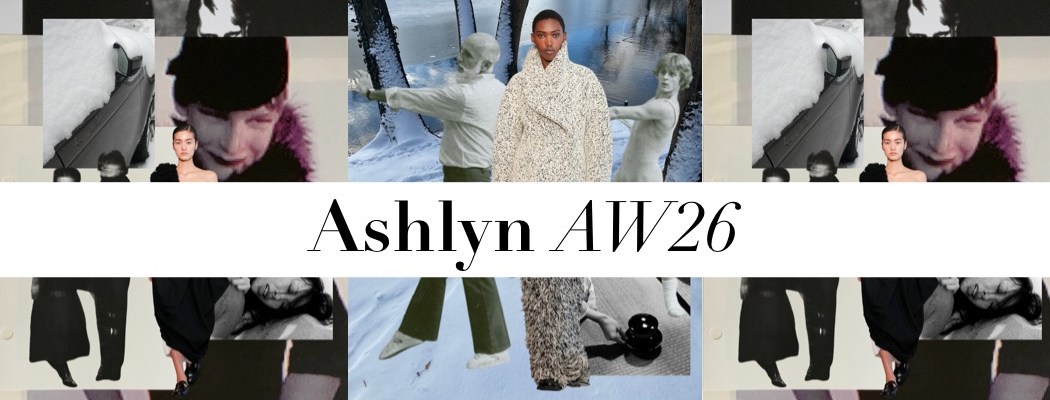
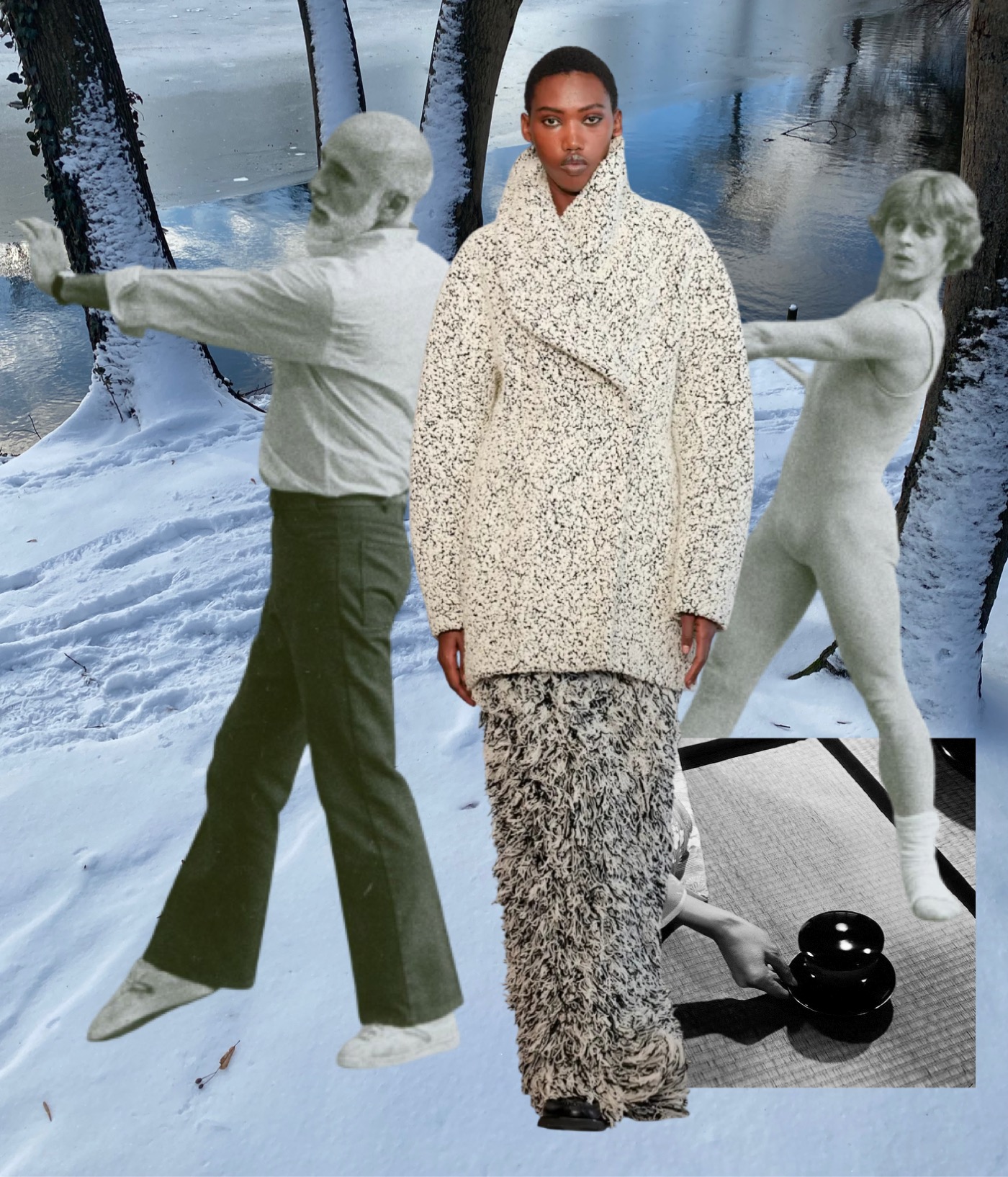
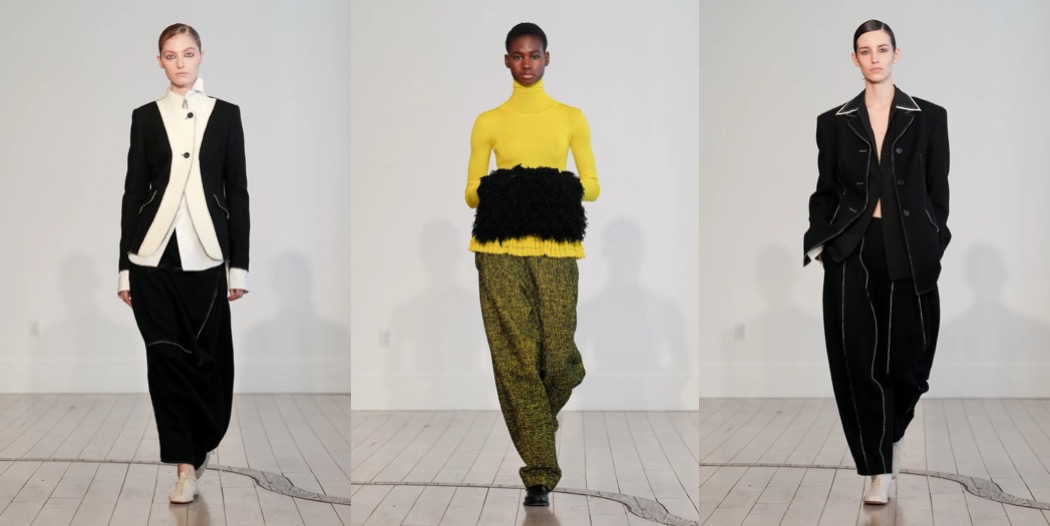
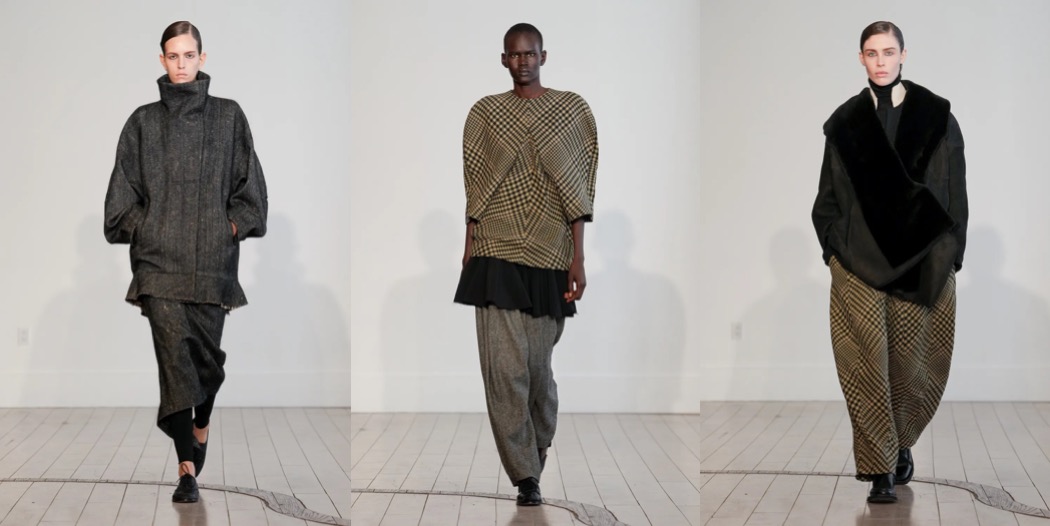
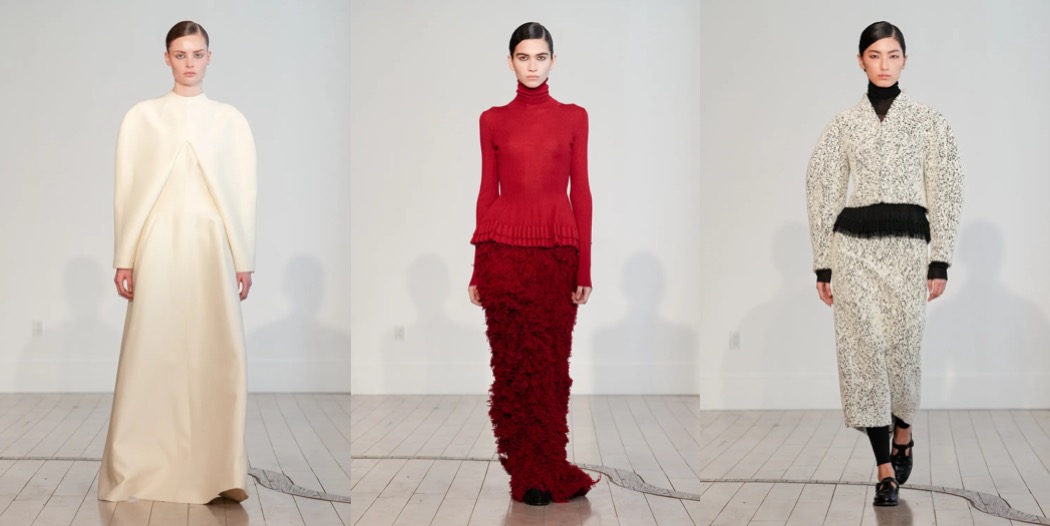
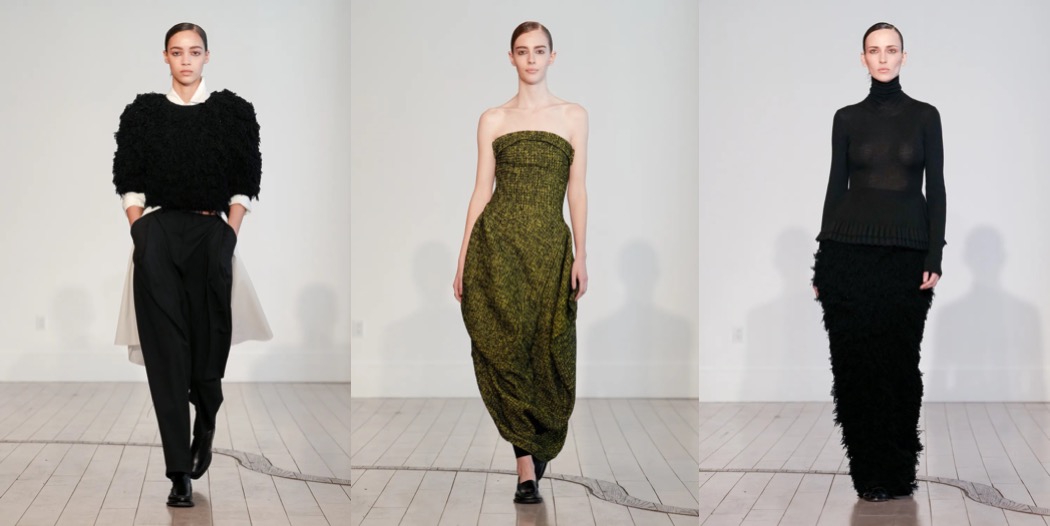
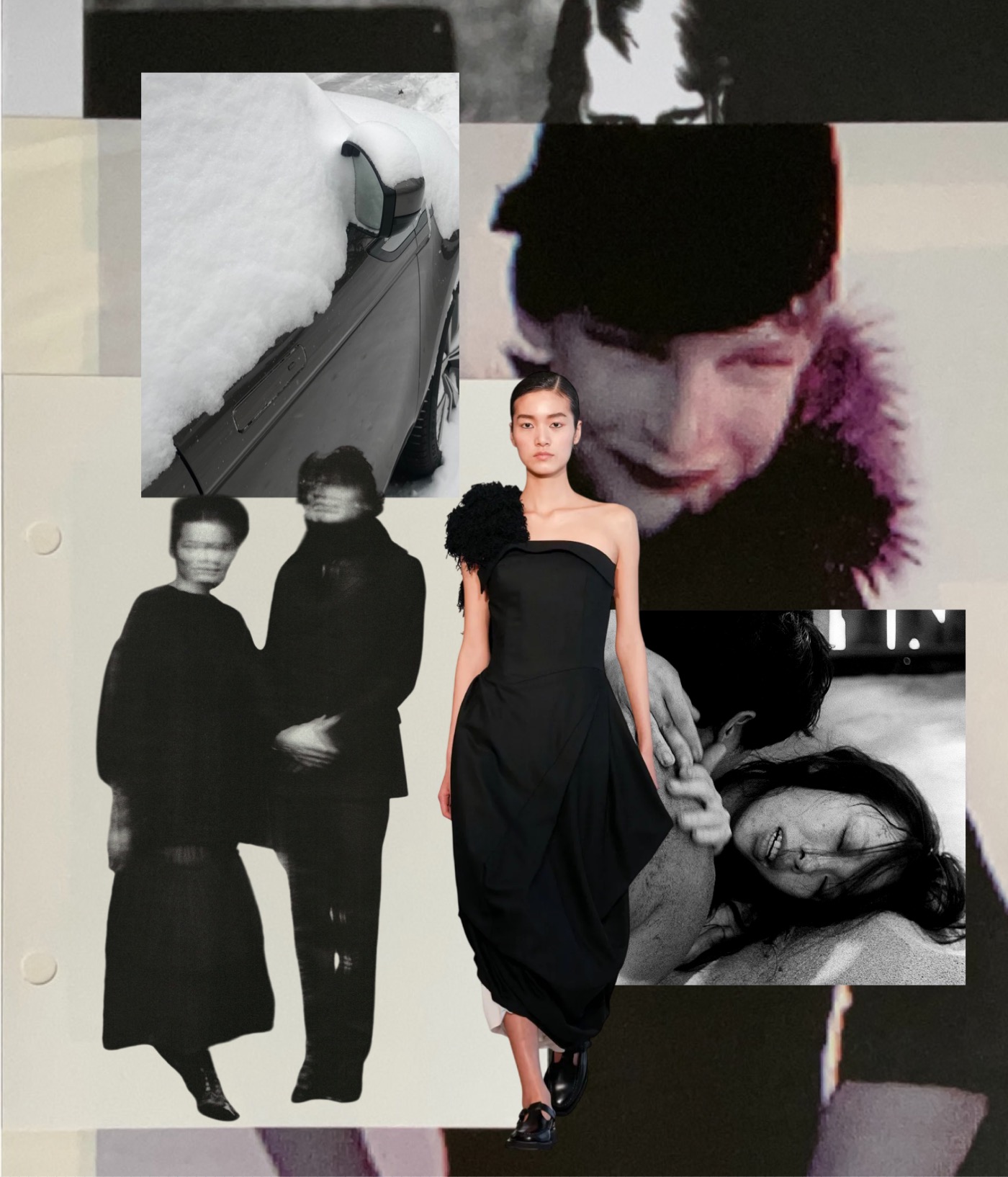
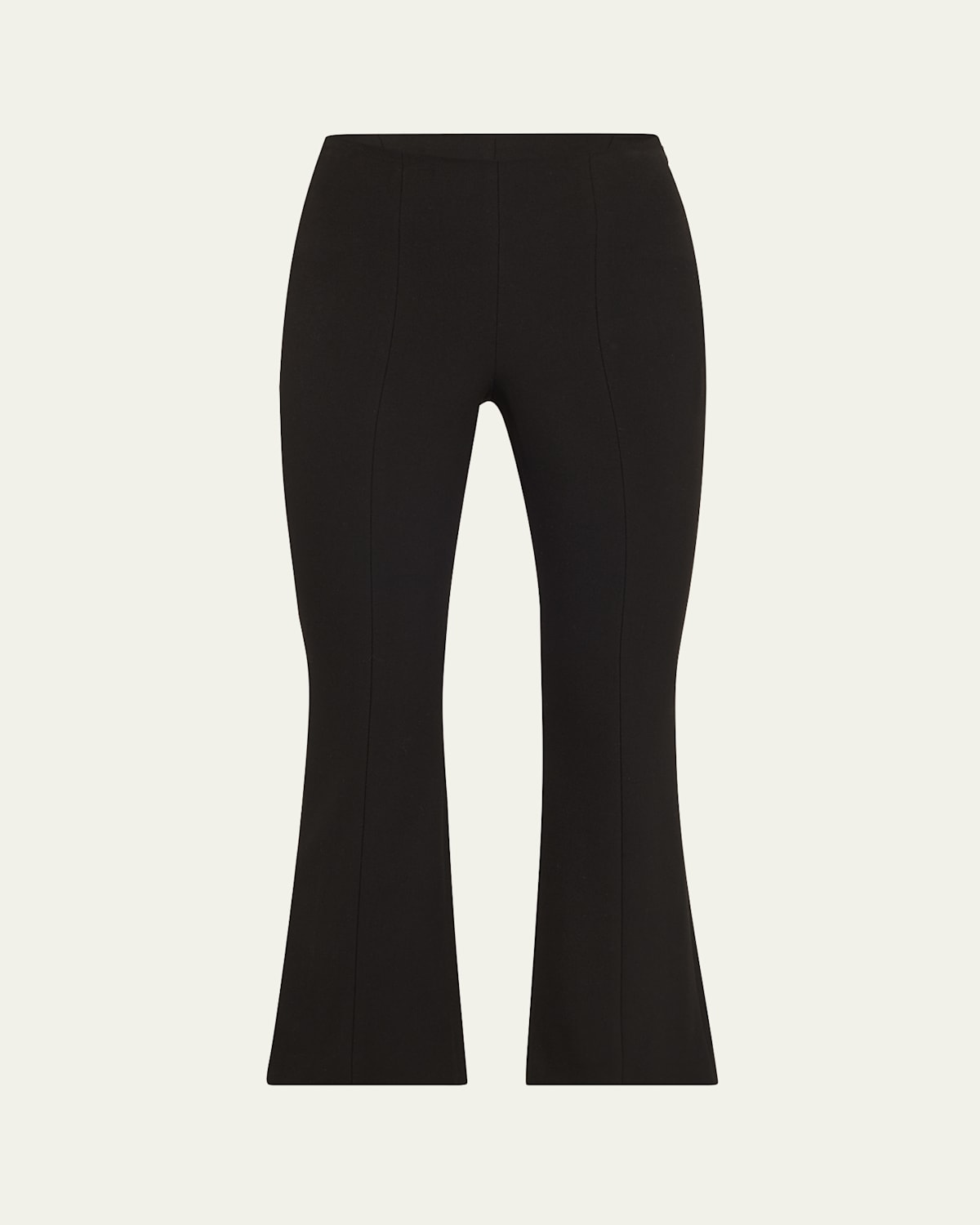
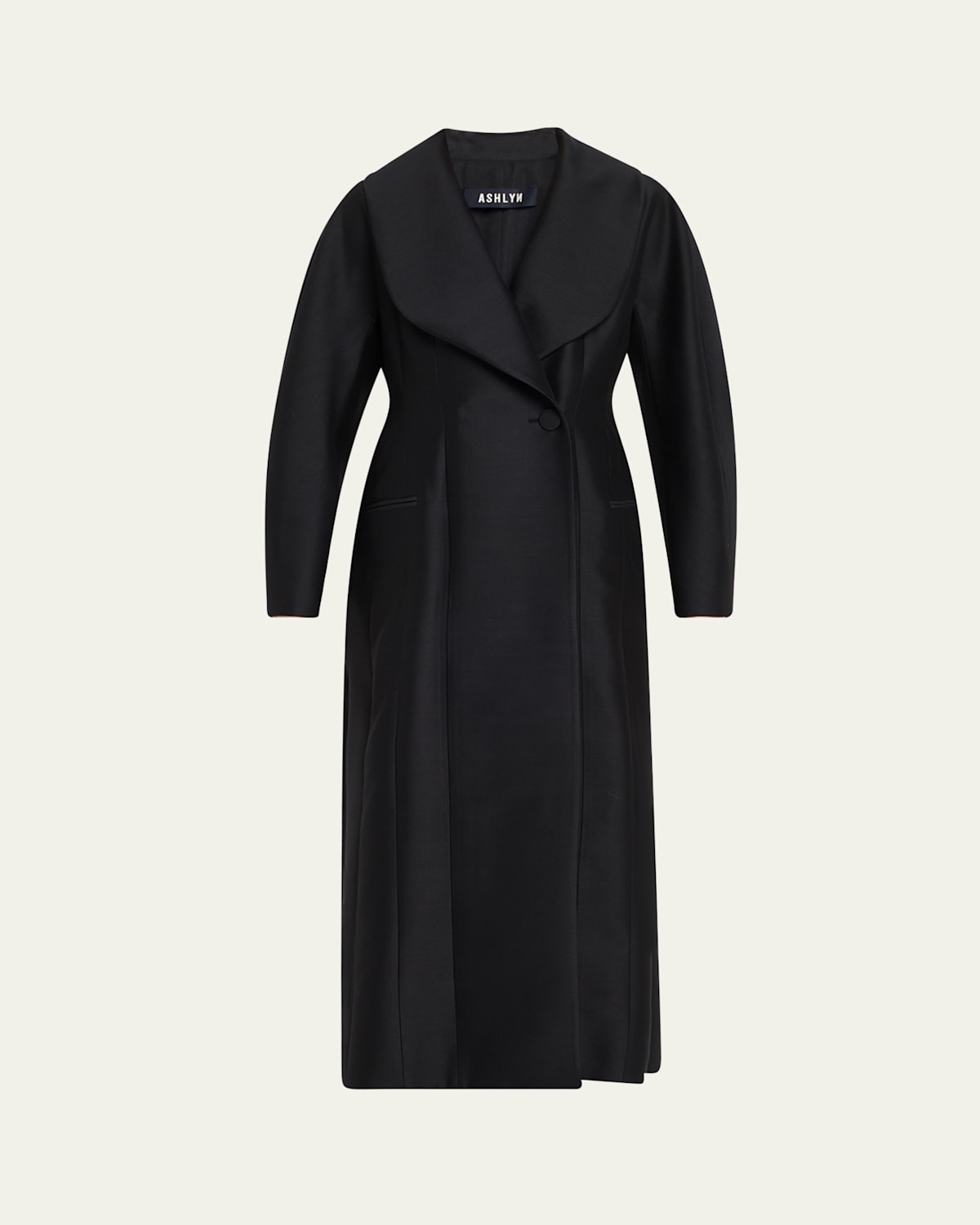
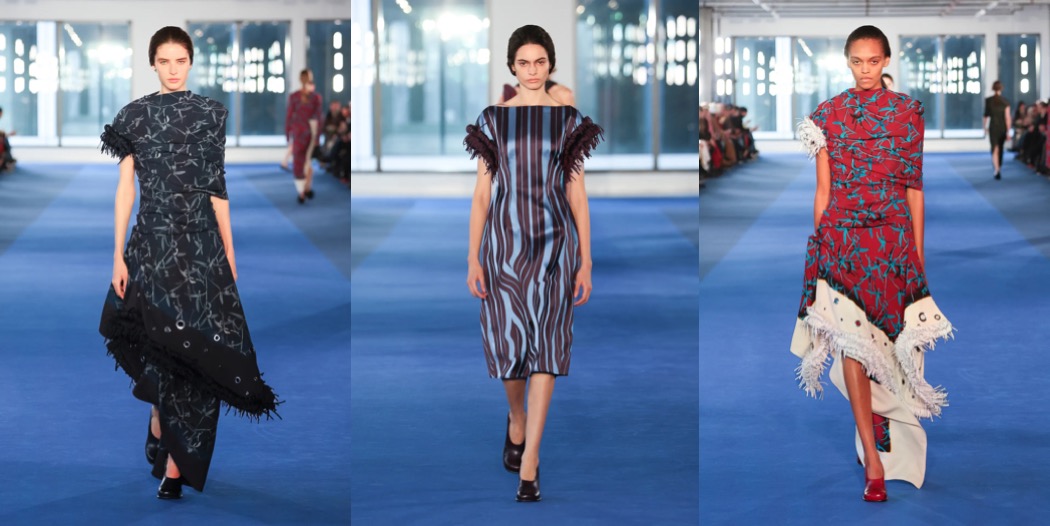
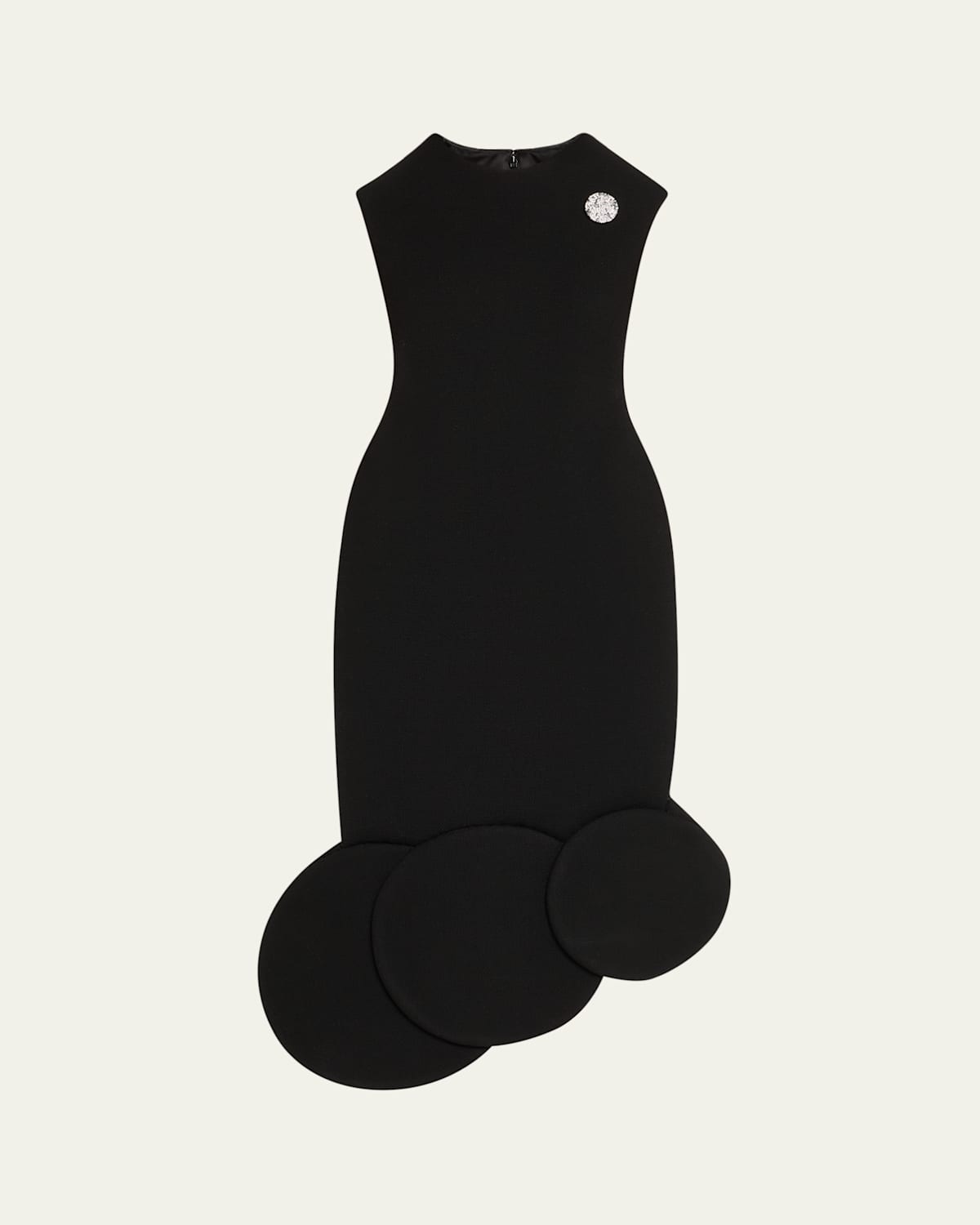
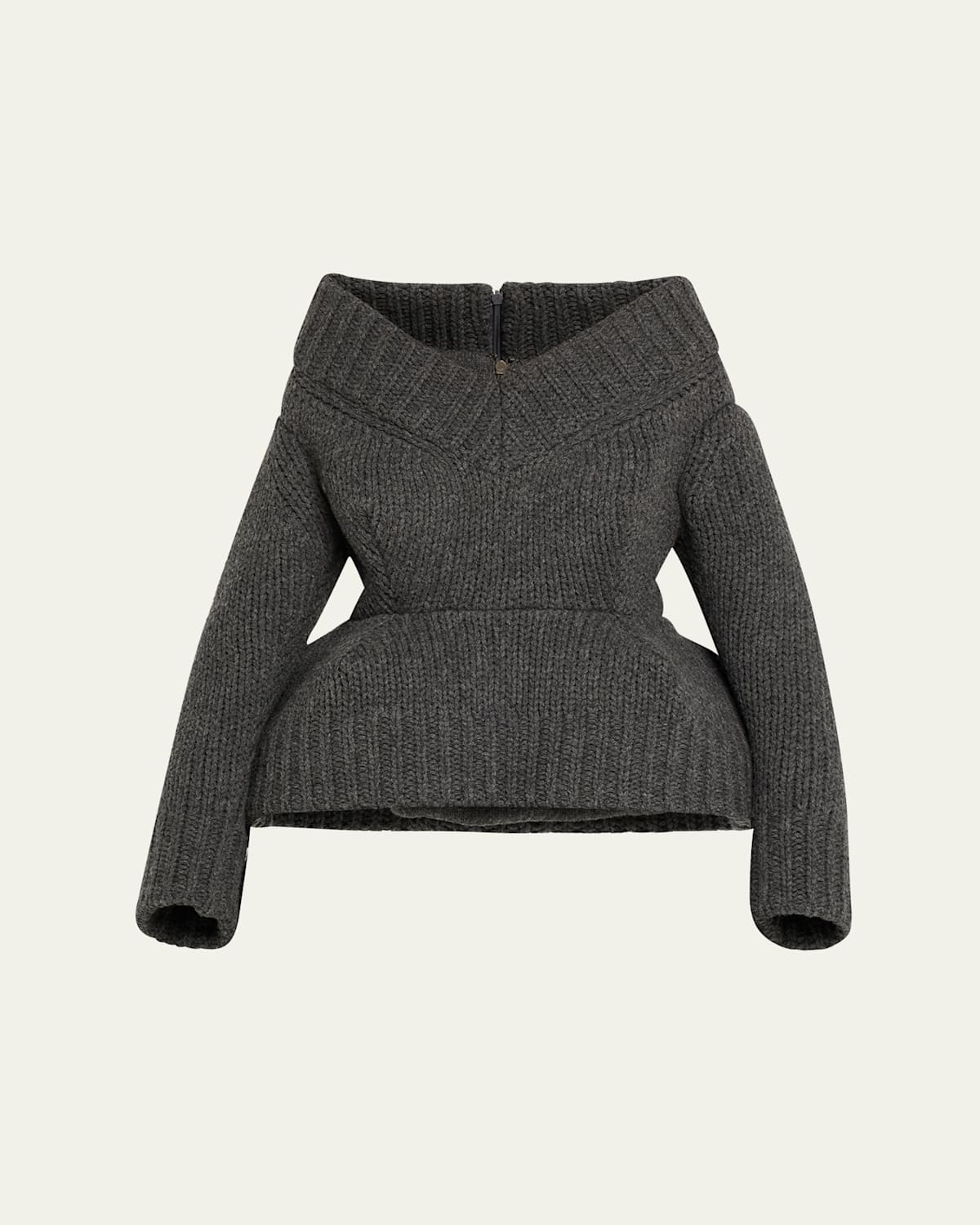
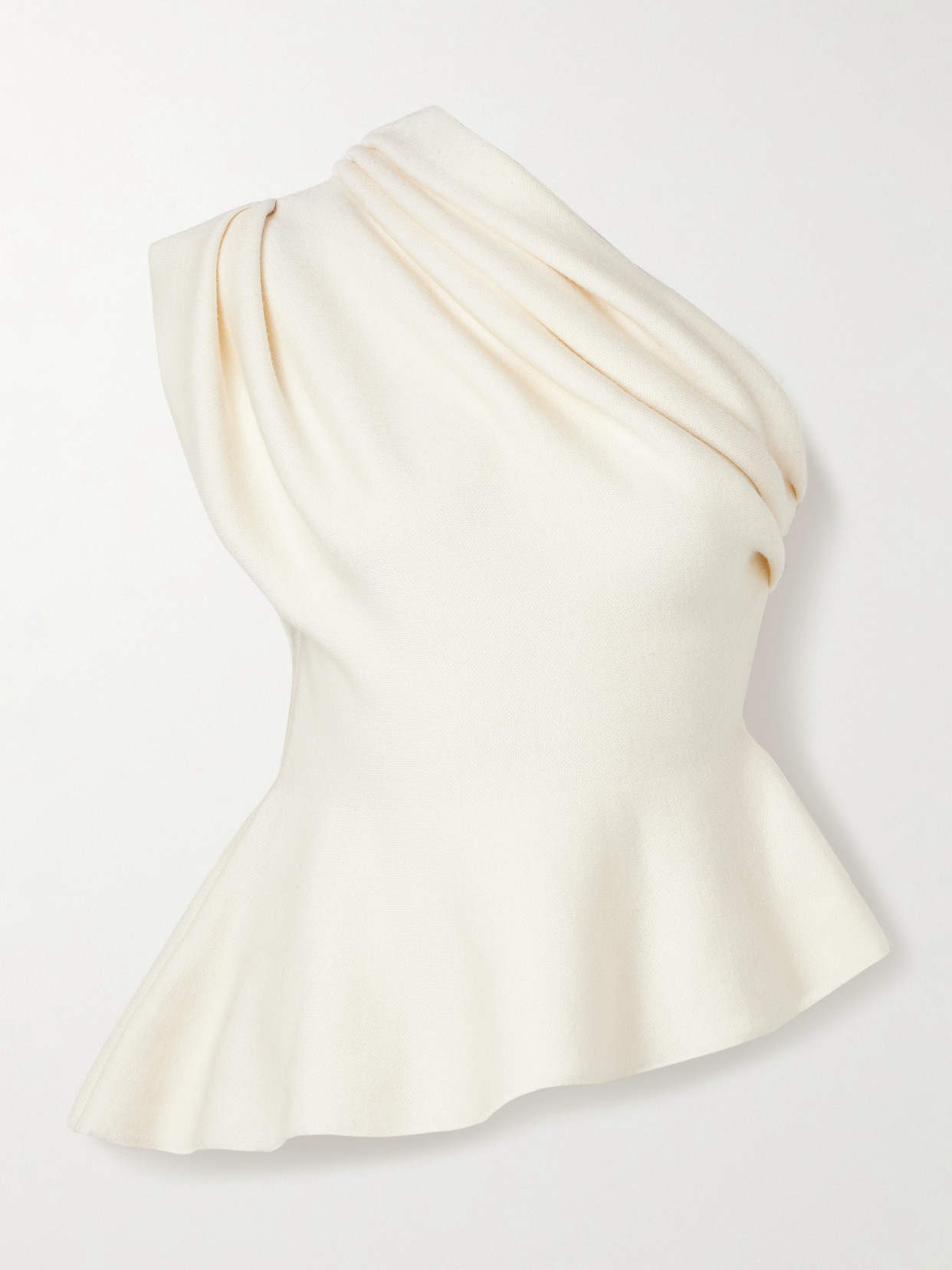
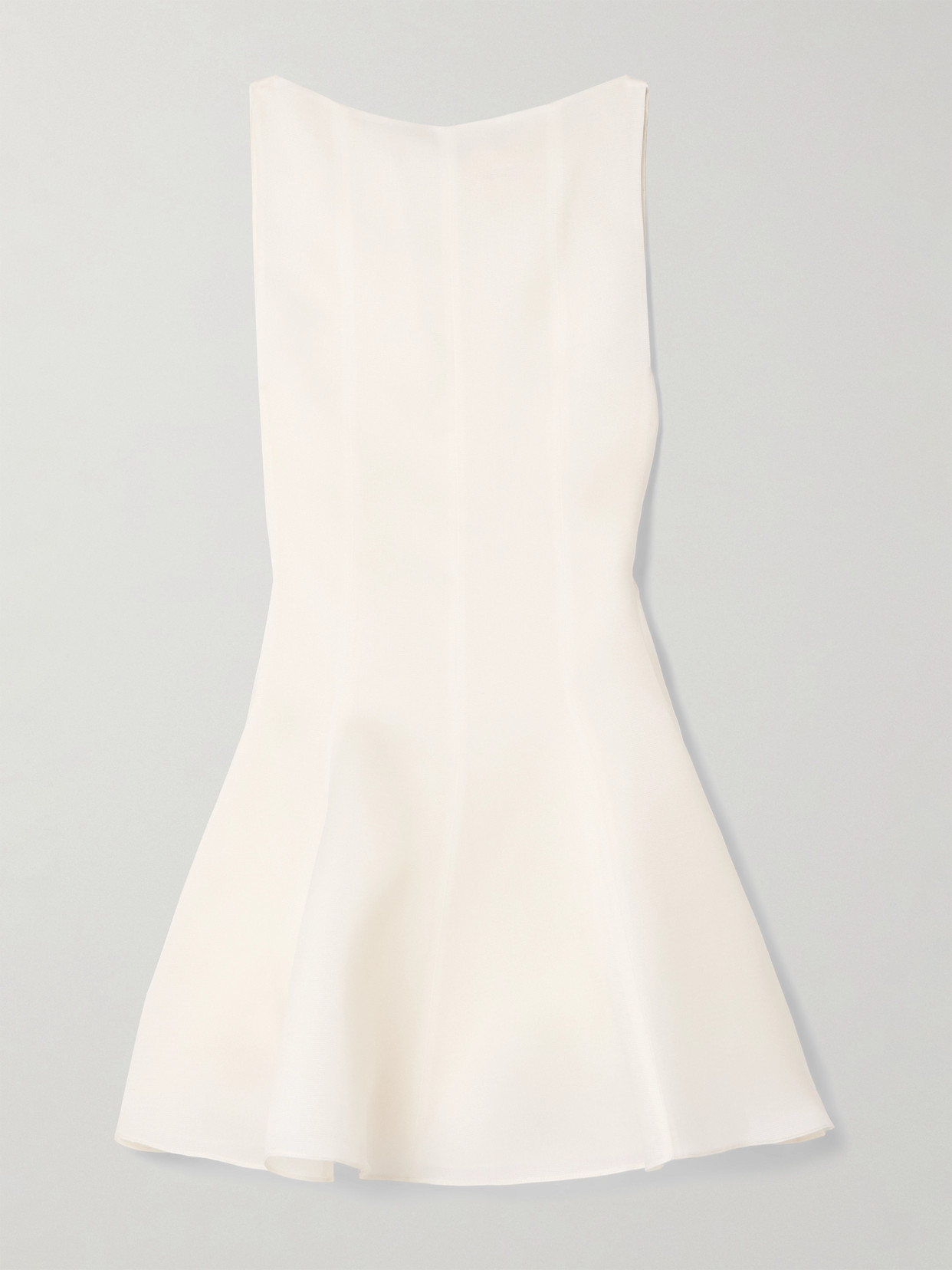
Of all the contemporary New York designers, I truly think you should keep Ashlynn Park on your radar. She’s a designer I genuinely hope retailers choose to invest in. A Yohji Yamamoto alumna, she knows how to shape a peplum so that it feels not overly ladylike, but unmistakably modern, and she has an instinct for poetic line. Her namesake brand, Ashlyn, strikes a beautiful balance between restraint and impact – a quietness of gesture offset by punchy, deliberate details. READ MY FULL REVIEW HERE.
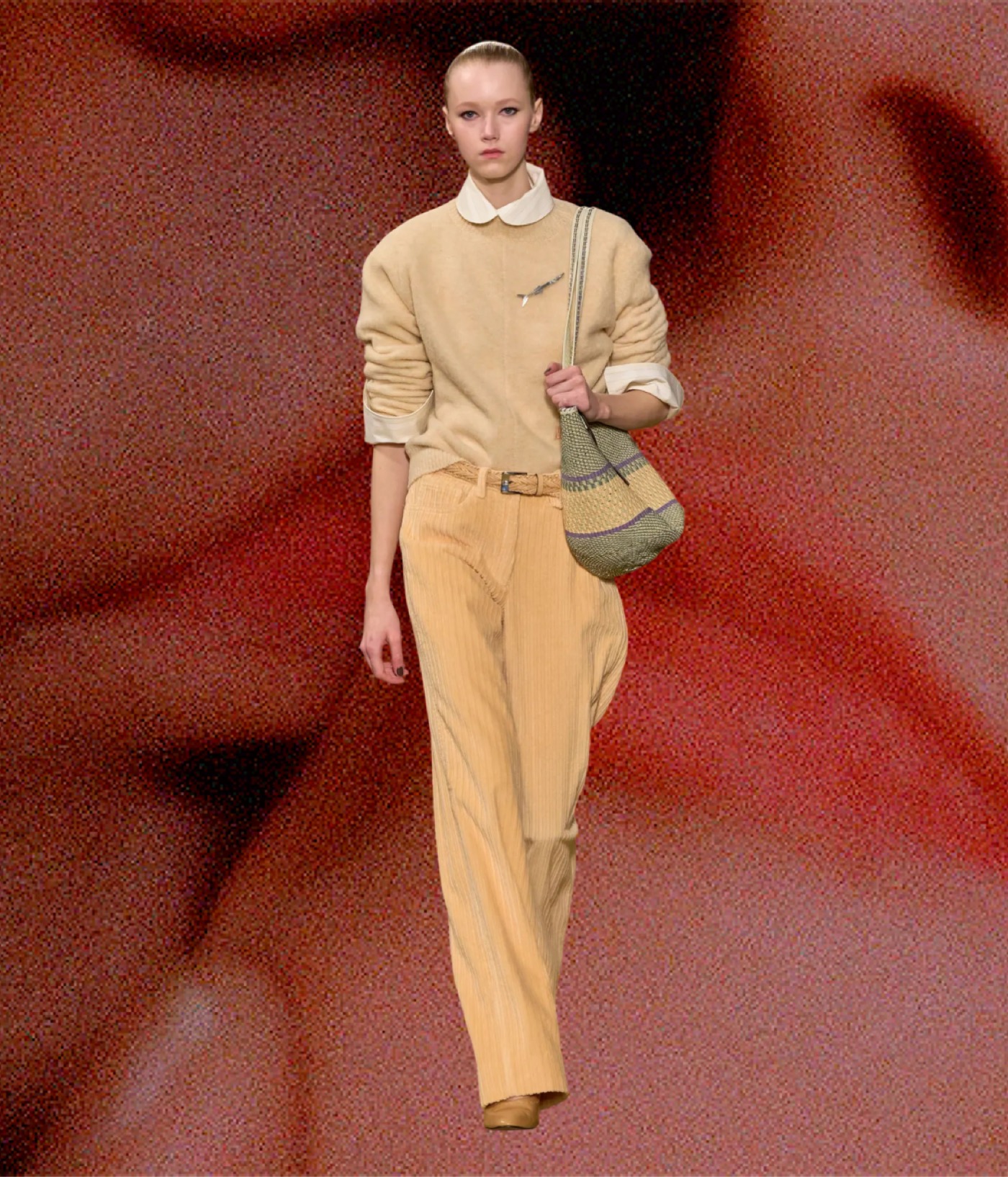
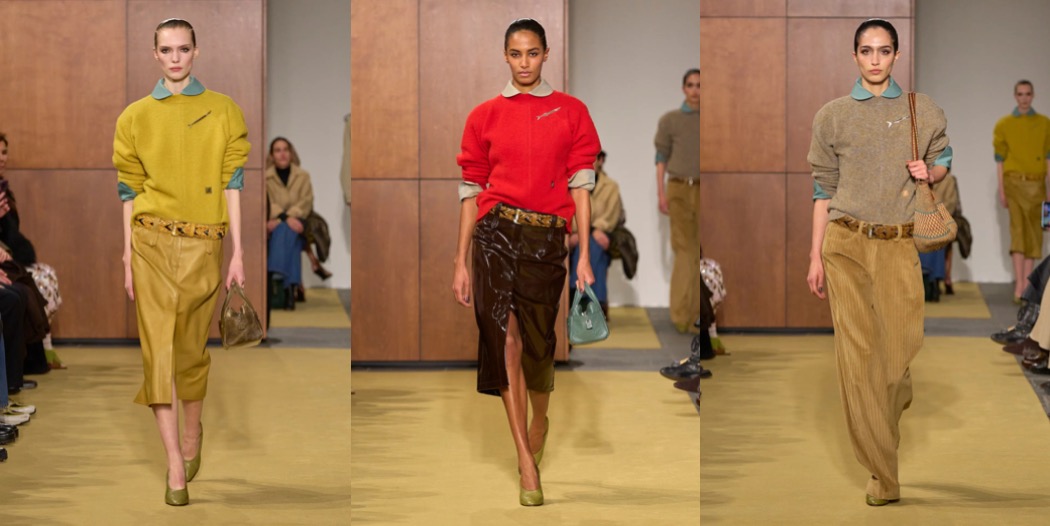
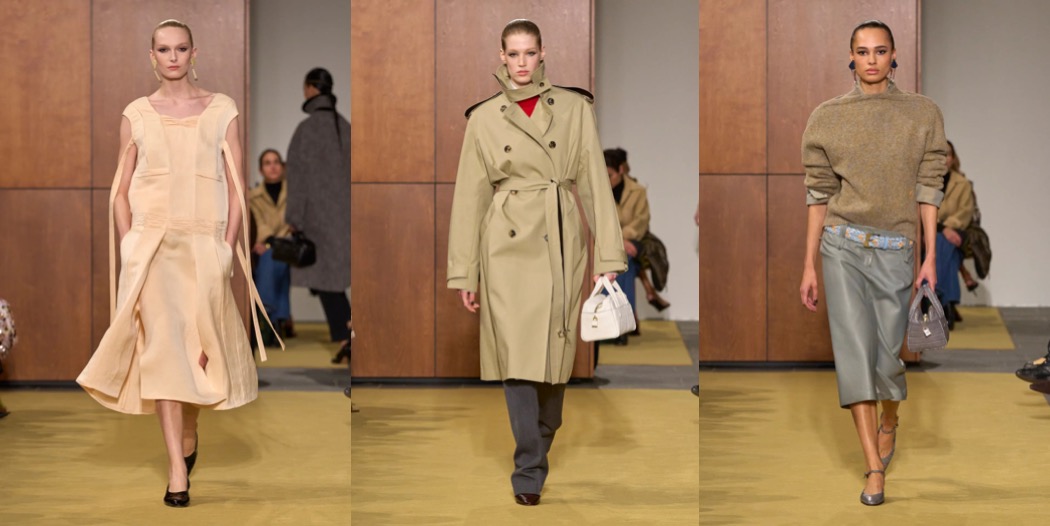
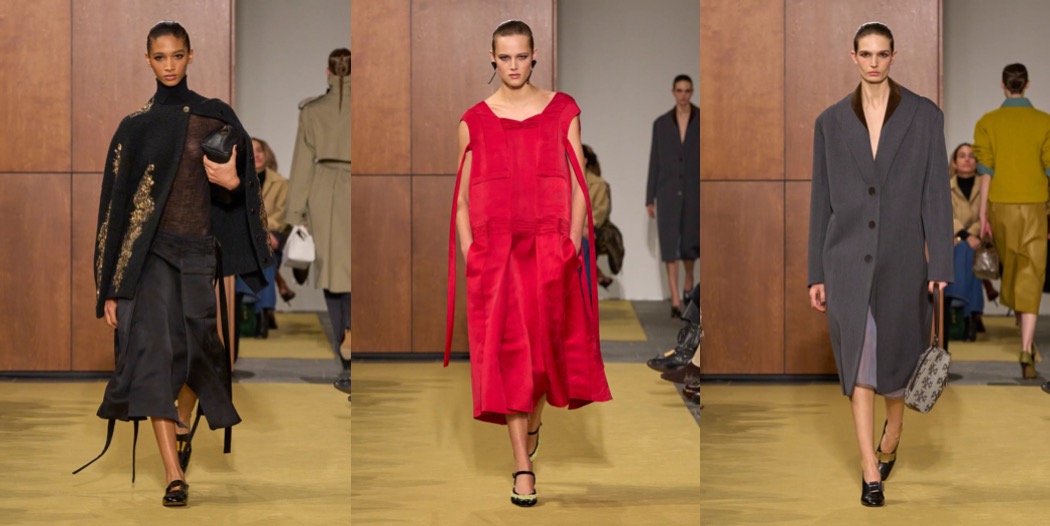
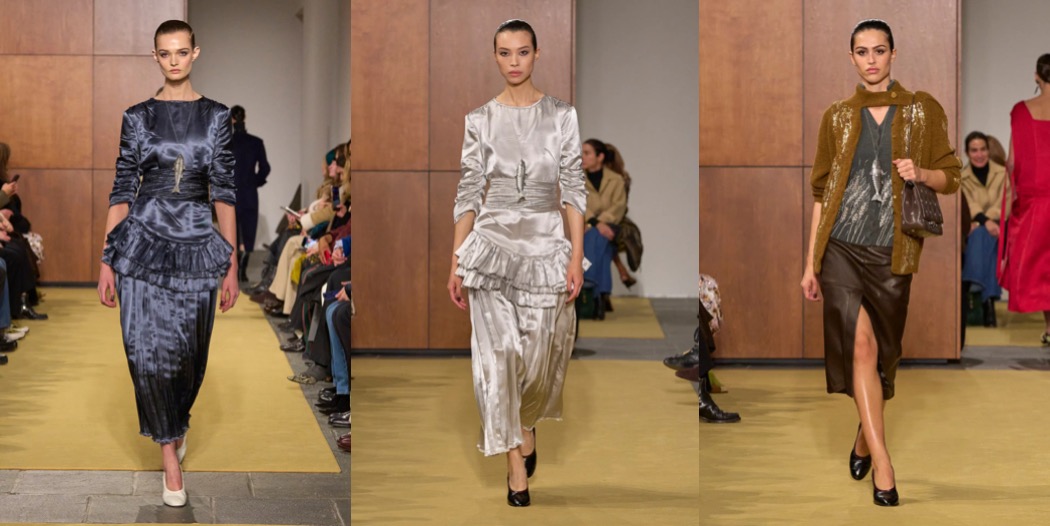
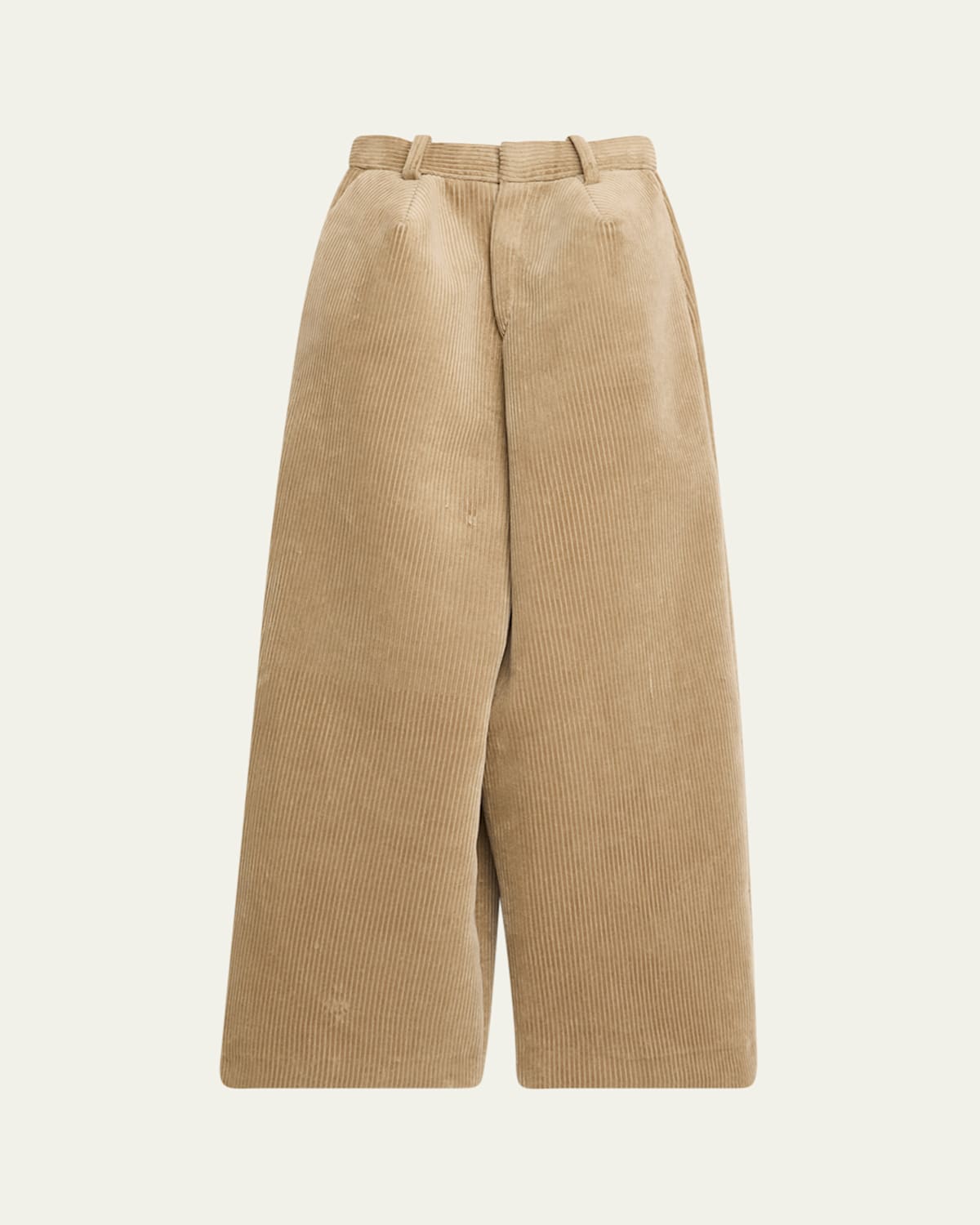
You can always rely on Tory Burch – she never disappoints and consistently makes New York Fashion Week worthwhile. Her autumn-winter 2026 collection delves deeper into the interwar period she has been exploring of late, offering stunningly effortless drop-waist flapper dresses, elegantly contrasted with a subtle garçon-esque flamboyance in more utilitarian ensembles. Enter the meaty corduroy trousers – inspired by her father’s well-worn pair – and chunky sweaters layered over crisp shirts, collars peeking out from underneath. The strong lineup of highly wearable, unpretentious pieces was enlivened with silver fish pins and pendant necklaces. Woven raffia baskets for winter? Unexpected – and undeniably cool. This is a collection for the Leandra Medines of the world: women who dress eccentrically and instinctively, with wit, intelligence, and attitude.
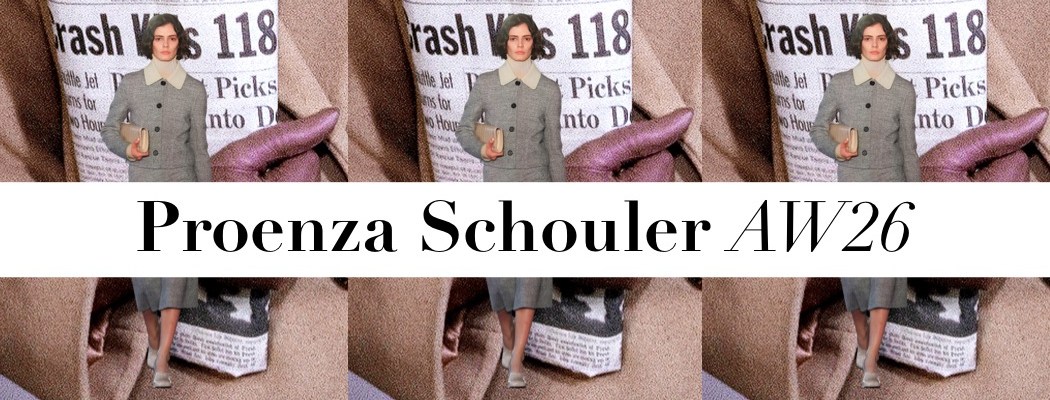
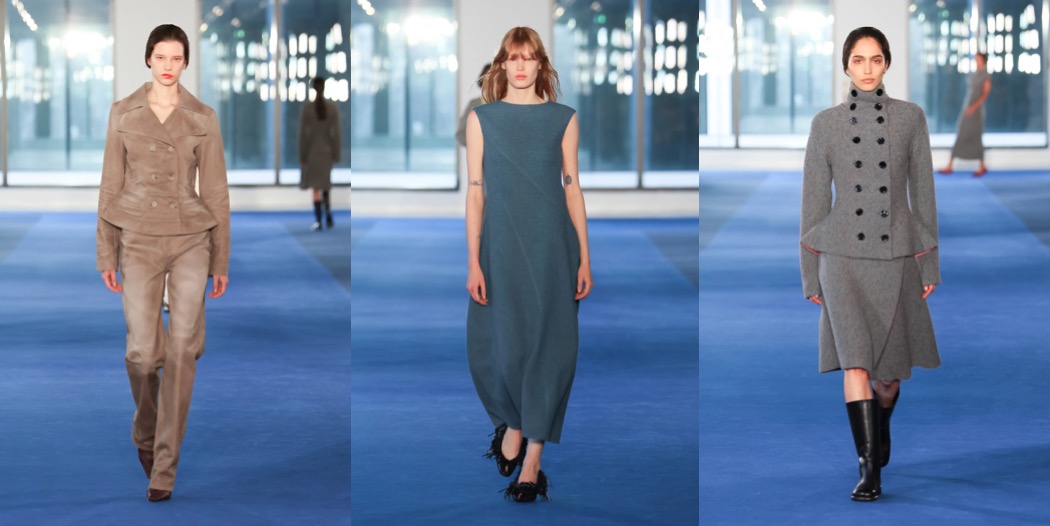
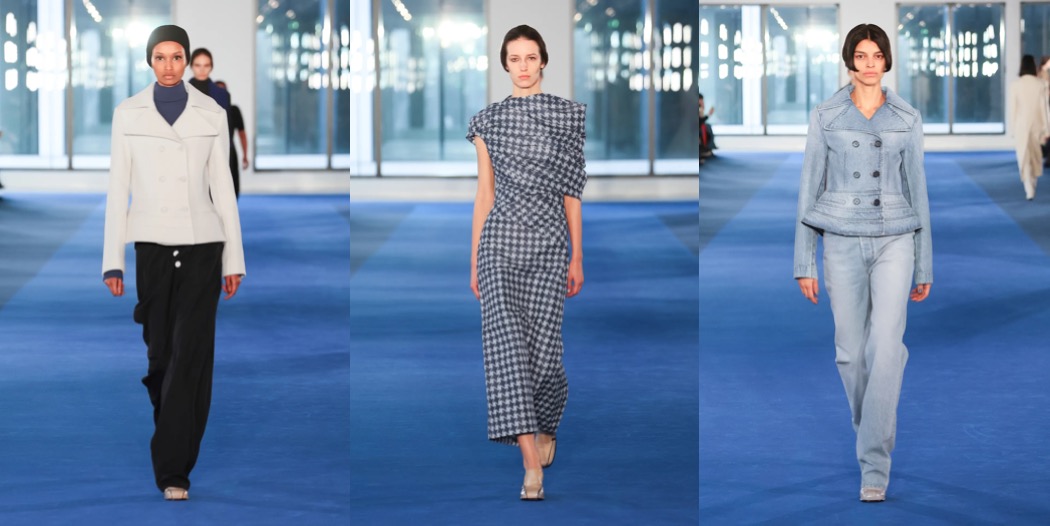
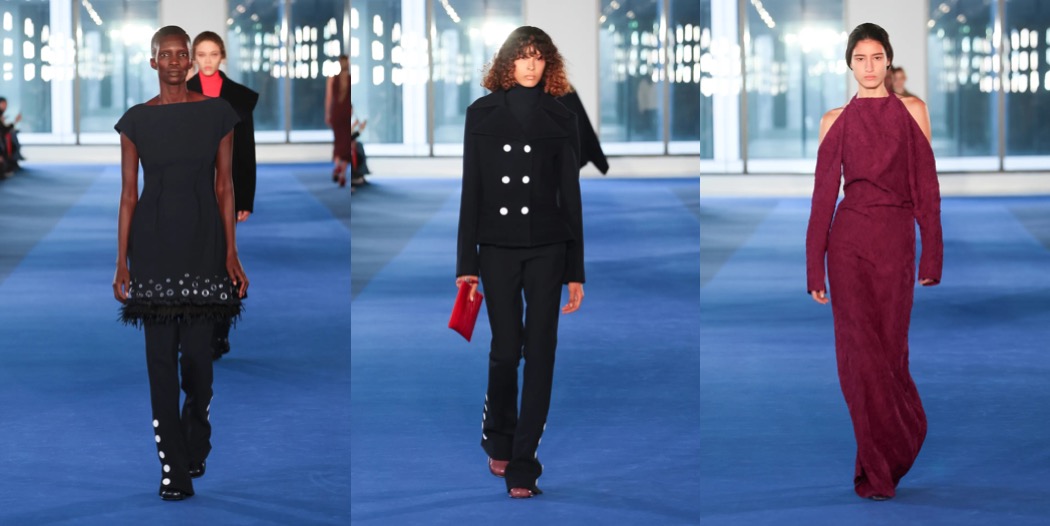
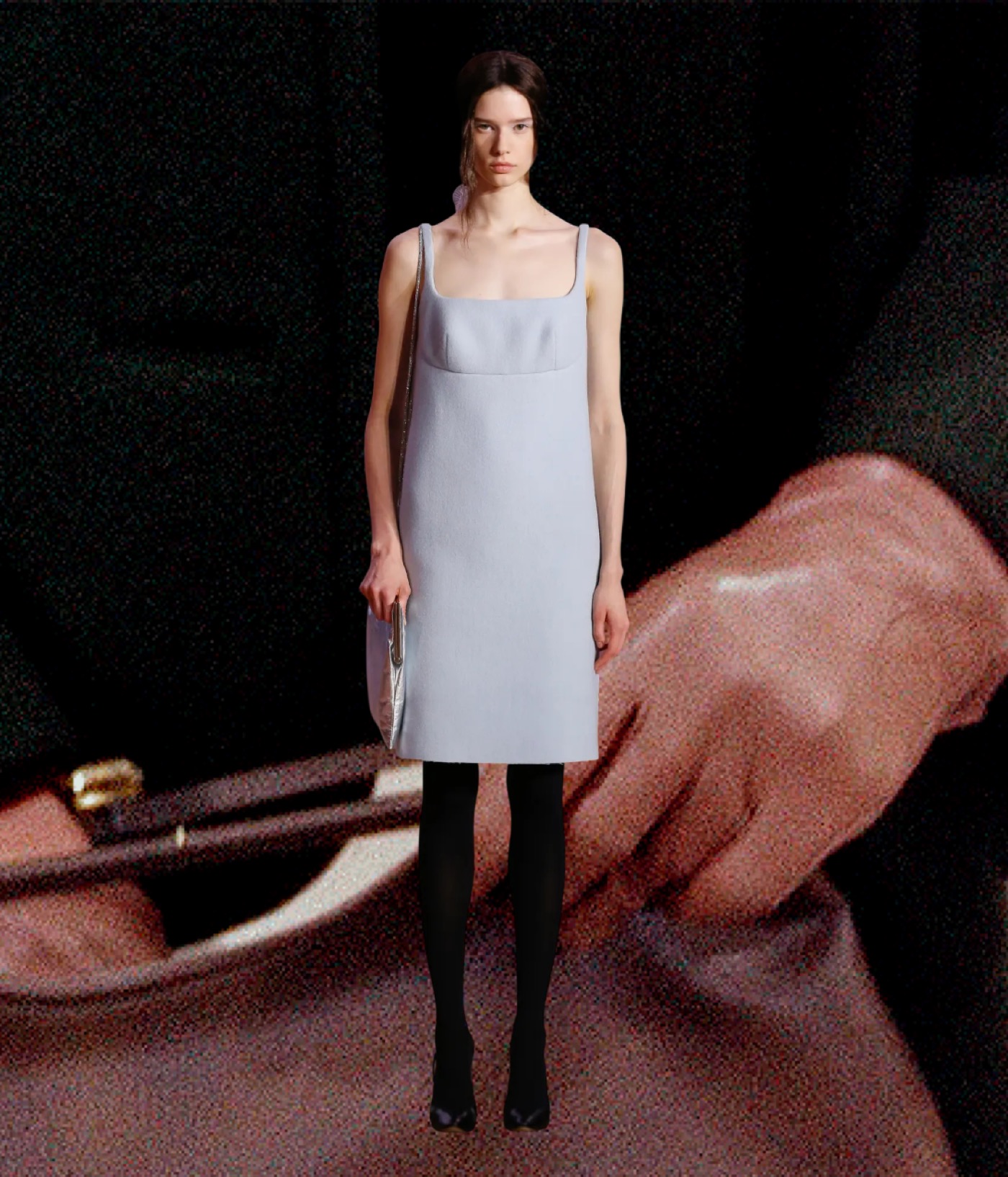
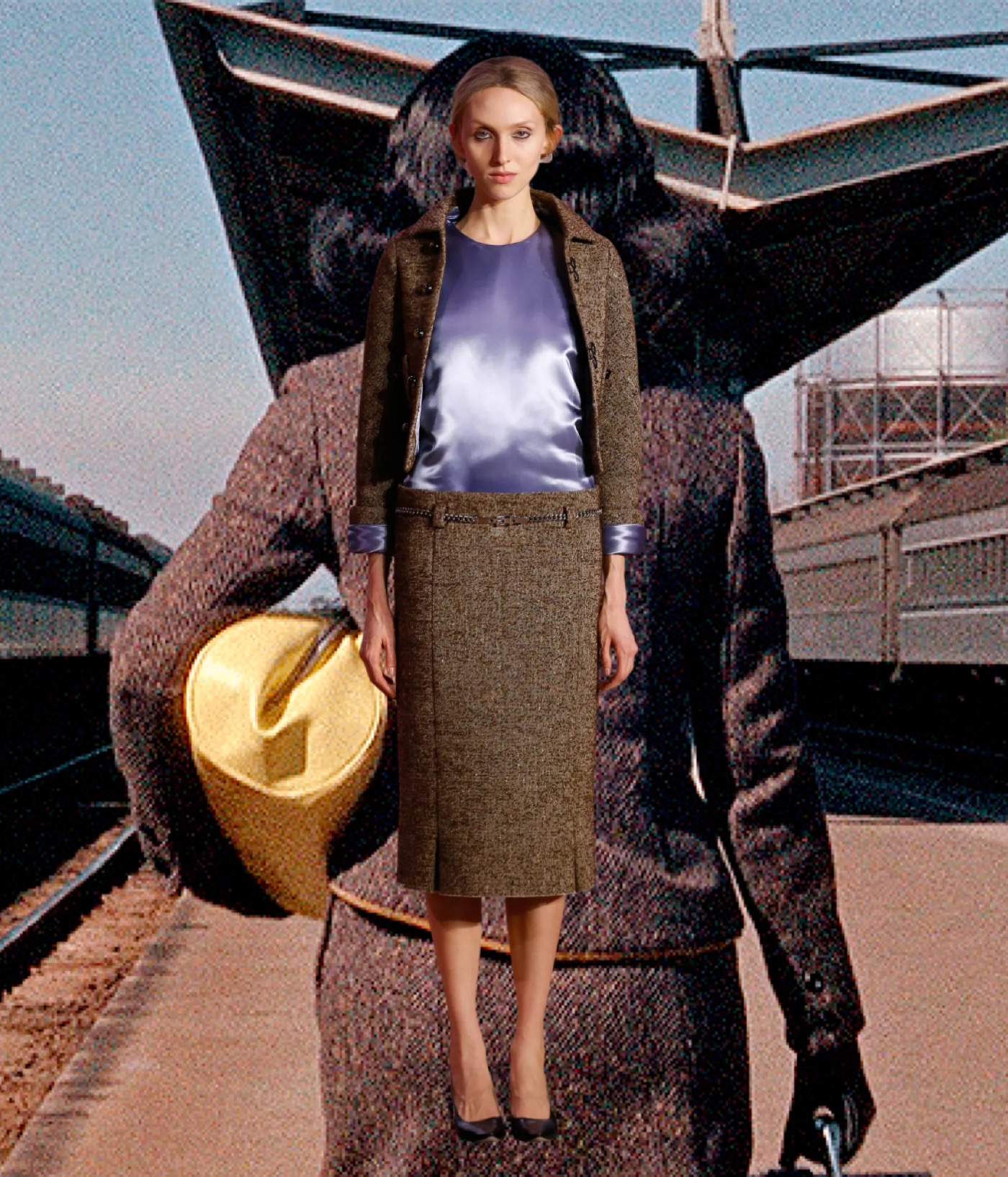
Proenza Schouler officially opened New York Fashion Week with Rachel Scott’s official debut (following last season’s “dialogue” with the studio). On the positive side, the Proenza woman no longer resembles a hybrid of Philo’s Céline, the Meiers’ Jil Sander, and Lee’s Bottega Veneta, as she often did in the later years of Lazaro Hernandez and Jack McCollough. The downside? The collection left you feeling somewhat underwhelmed. It was proper and prim – there was nothing wrong with the gray sleeveless dress featuring a sculptural roundness in the skirt, nor the neat midi-length skirt suits that followed – but it makes you wonder: will this be remembered a week from now?
This is a brand that needs to exit the stale “quiet luxury” jargon and reclaim a spark of excitement (which was actually present last season). Rachel Scott is the designer behind Diotima, a brand admired for its exquisite crochet and knitwear; I wish she were more confident about infusing that special, upbeat energy she transmits so well there. Debuts are never easy, and they don’t always land exactly as the designer intended. Scott certainly has a thing or two to reflect on.
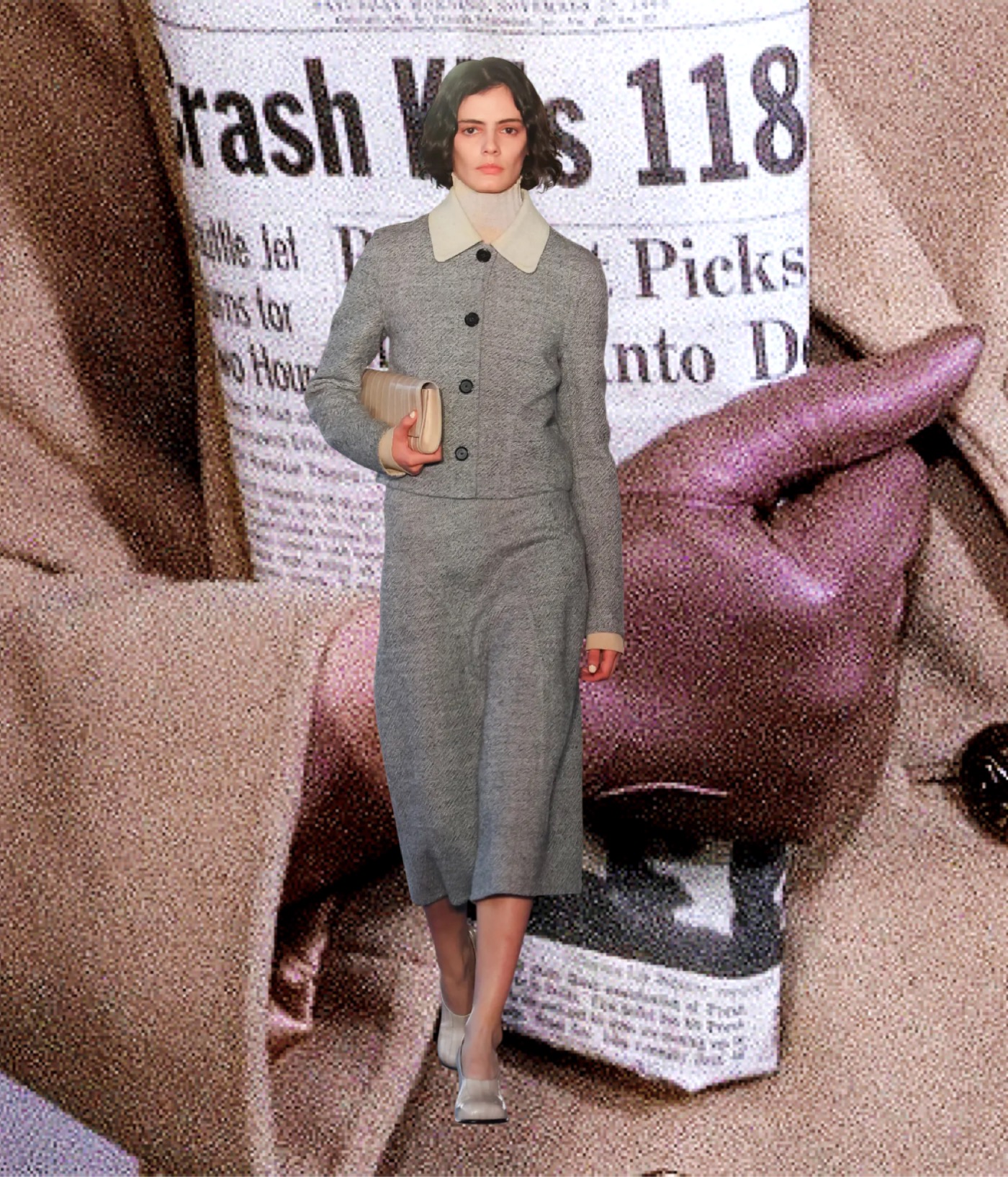
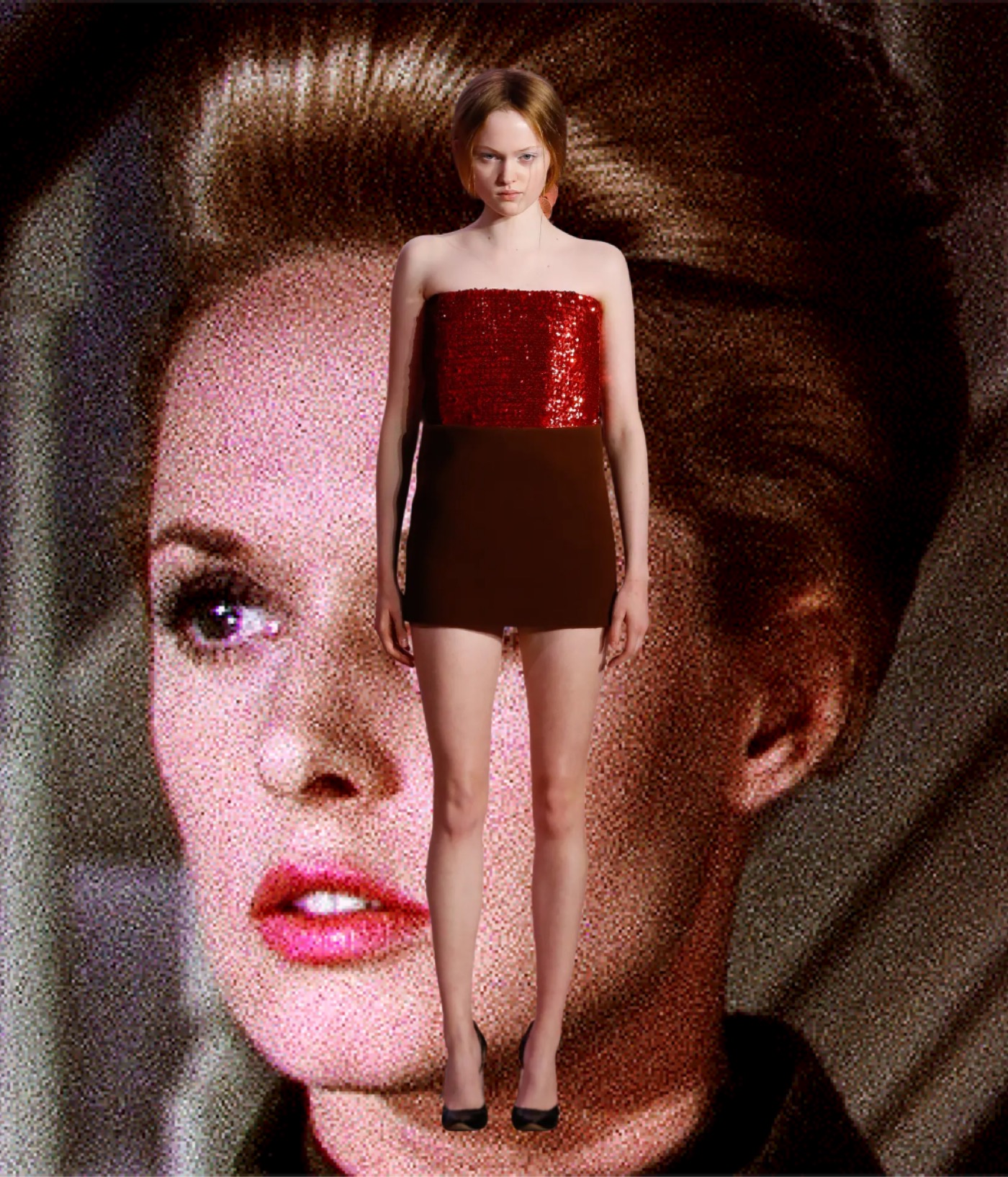
Collage by Edward Kanarecki. Don’t forget to follow Design & Culture by Ed on Instagram.
Hey, did you know about my newsletter – Ed’s Dispatch? Click here to subscribe.
Do you ever think about the fact that our experience of time – divided into seconds, hours, and years – is a human-made framework rather than an inherent feature of the universe? Events occur, of course, but the 60-minute hour is a social convention, created to organize society, navigate daily life, and measure duration, often varying by culture. Time in fashion takes an even funnier turn. Something is awkward – but cool – today; tomorrow, it’s the hottest thing on the planet; the day after, it gives us the ick. Fifteen years later, it’s back, and people act like it never happened before: the next new thing. Add to that the cardiac-arresting rhythm of the industry – endless fashion months and the diktat of seasonality – and time becomes a topic nobody truly wants to acknowledge.
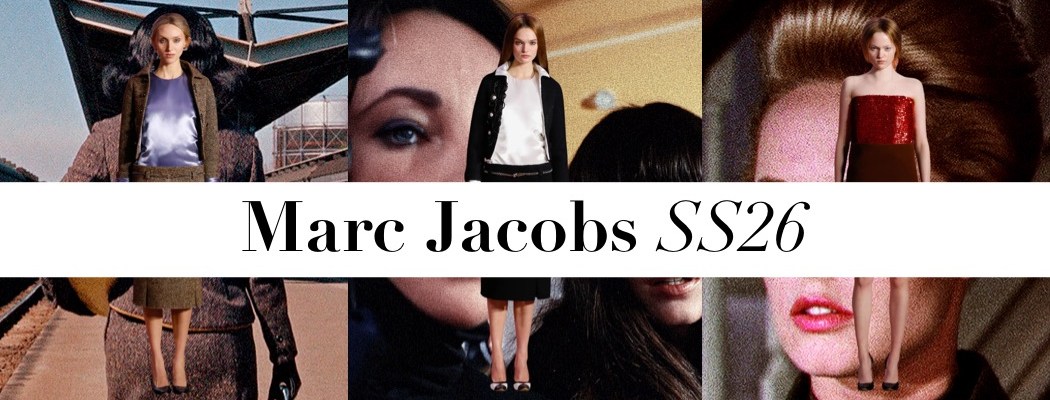
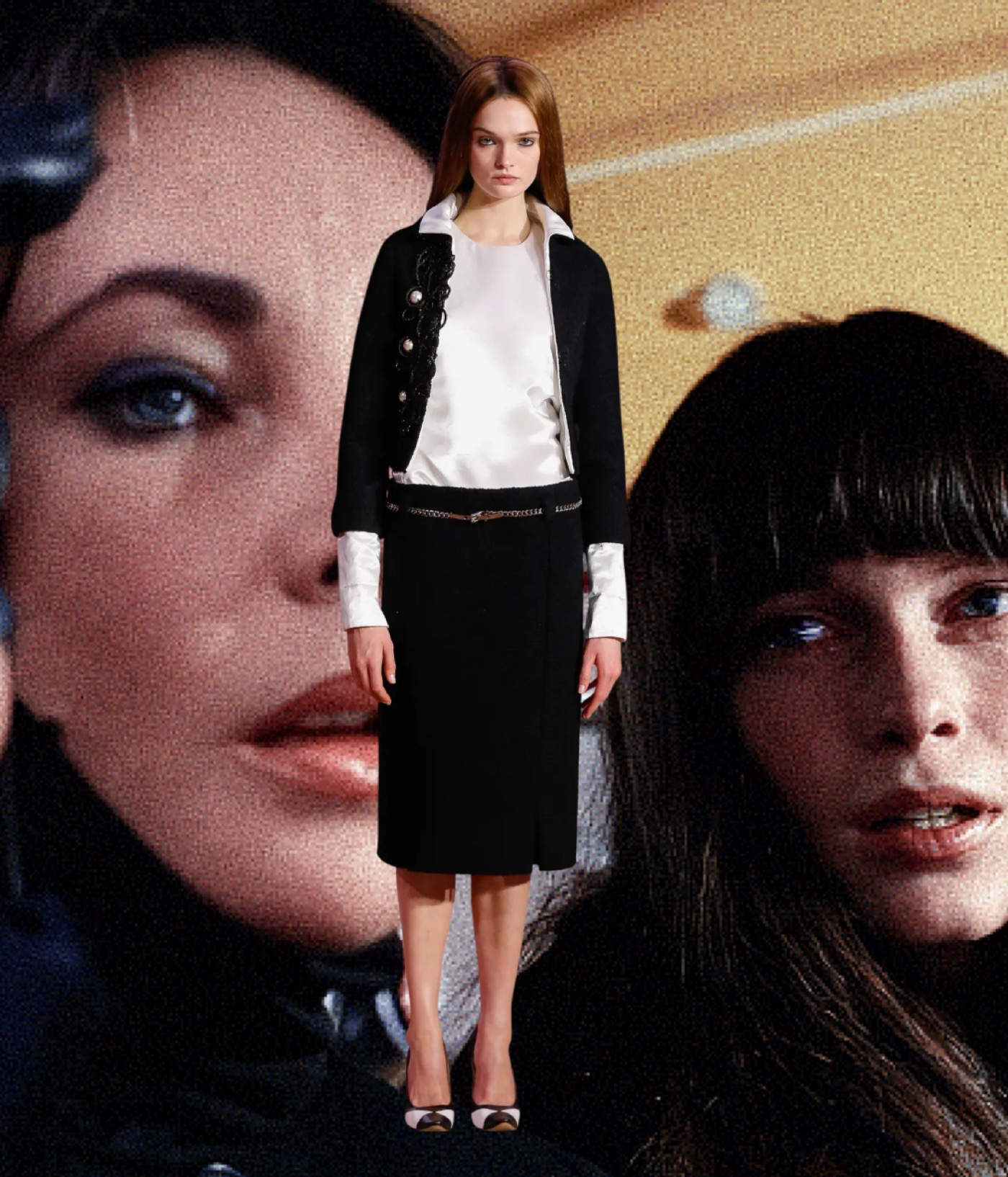
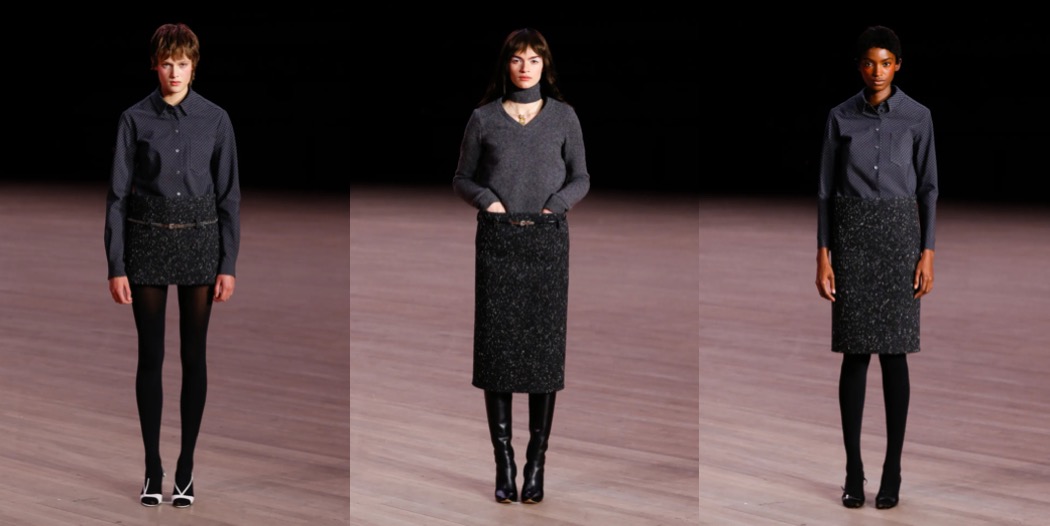
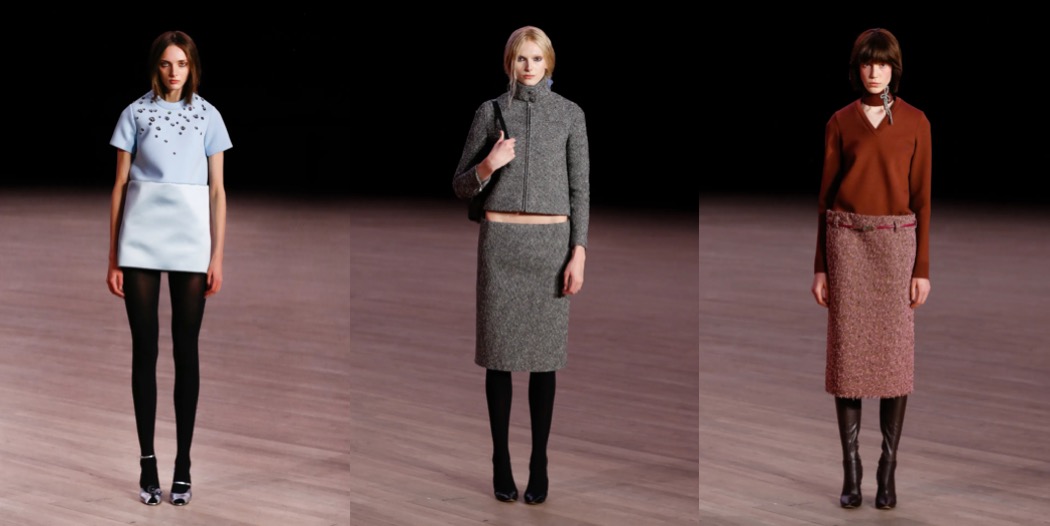
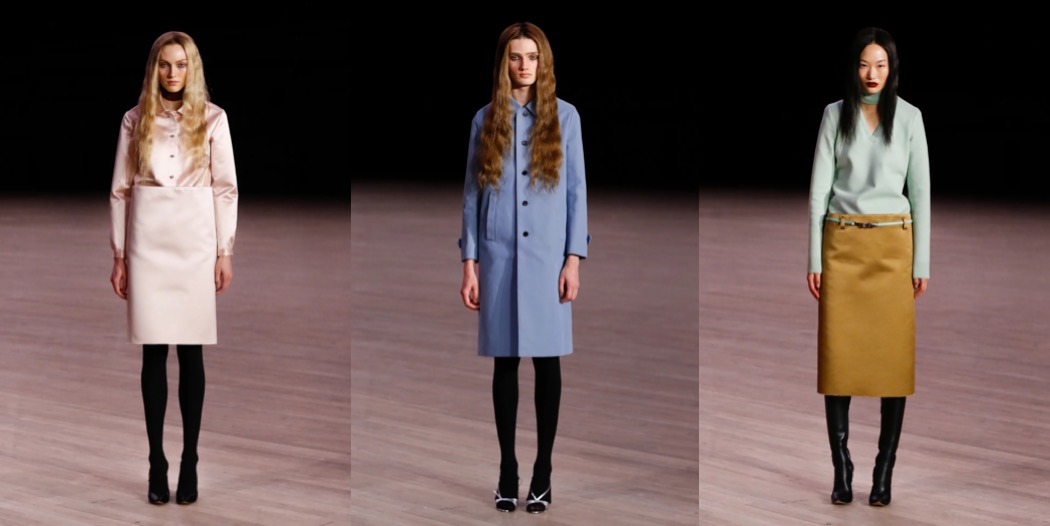
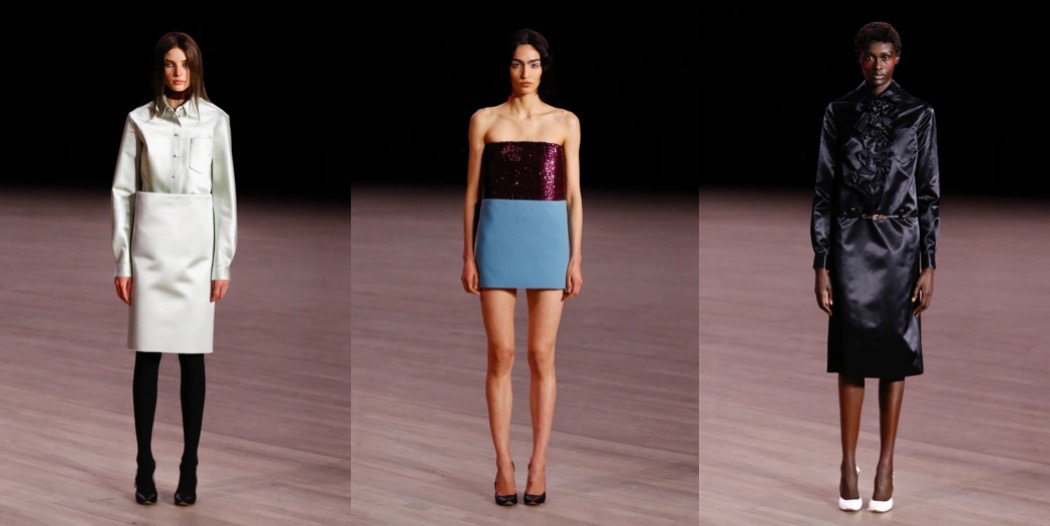
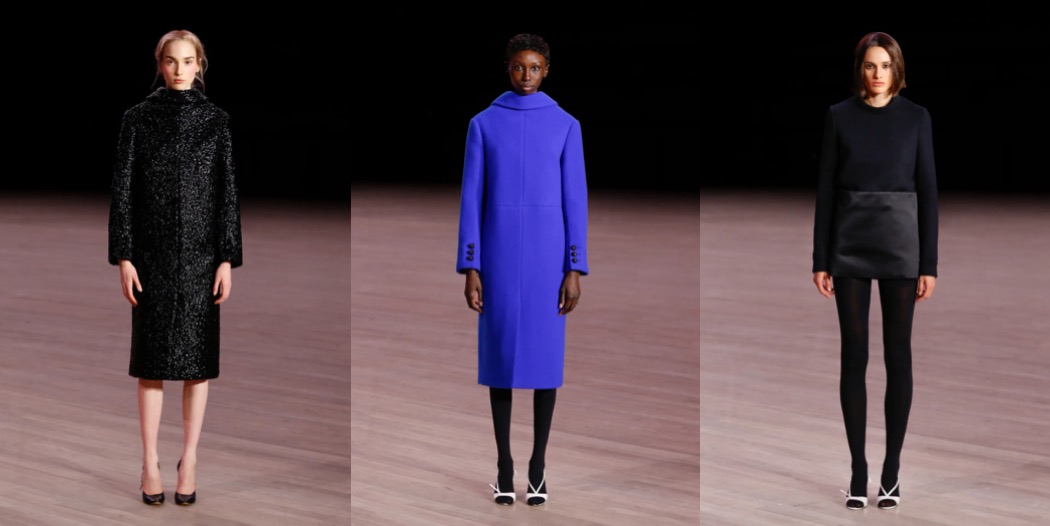
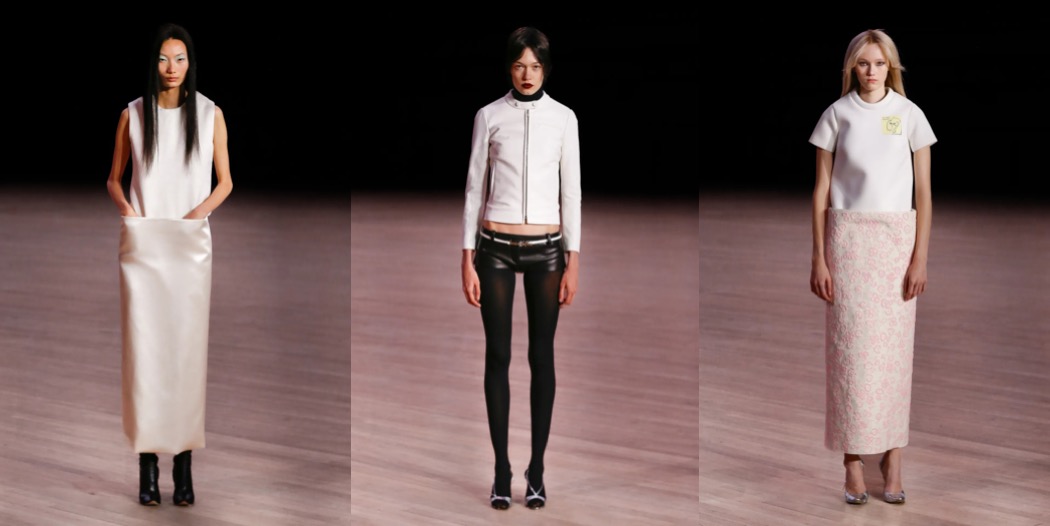
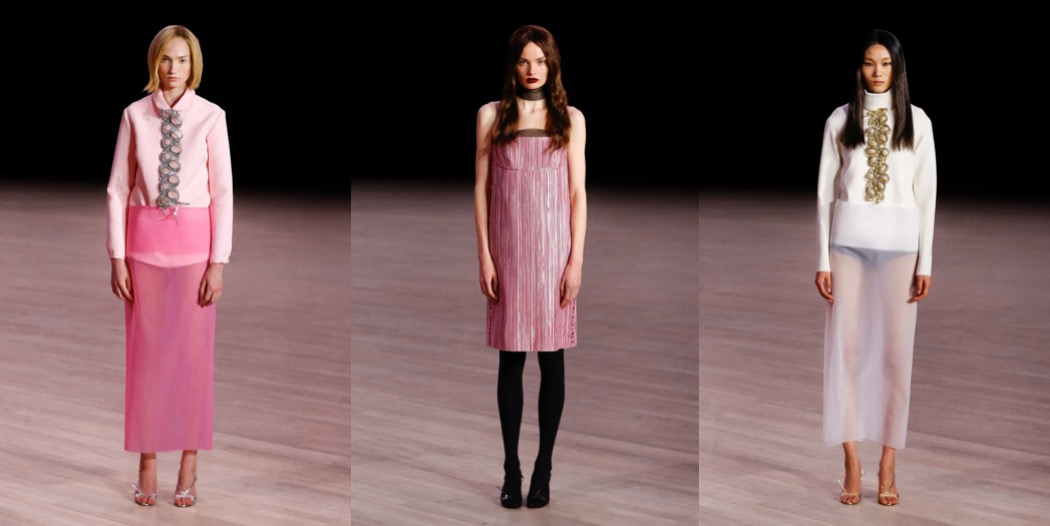
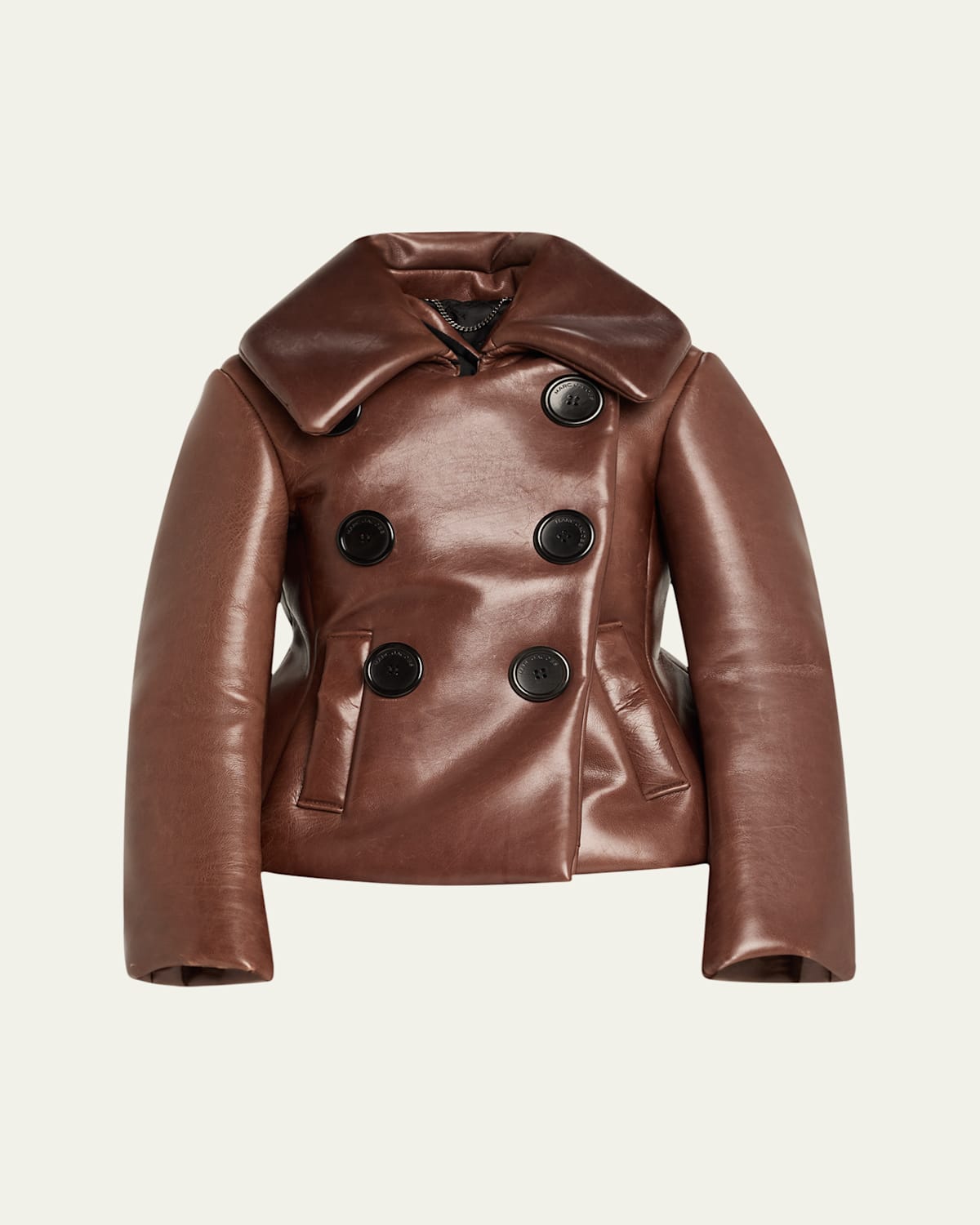
That’s why Marc Jacobs’ runway show yesterday felt so on point – and so honest. He titled it “Memory. Loss”, referring to the way our memories mingle, disperse, disappear, or stay with us forever, good or bad. He approached this abstract theme by revisiting his favorite moments in fashion history. While most designers shy away from straightforwardly referring to other creators, Jacobs is a proud student of fashion. READ MY FULL REVIEW HERE.
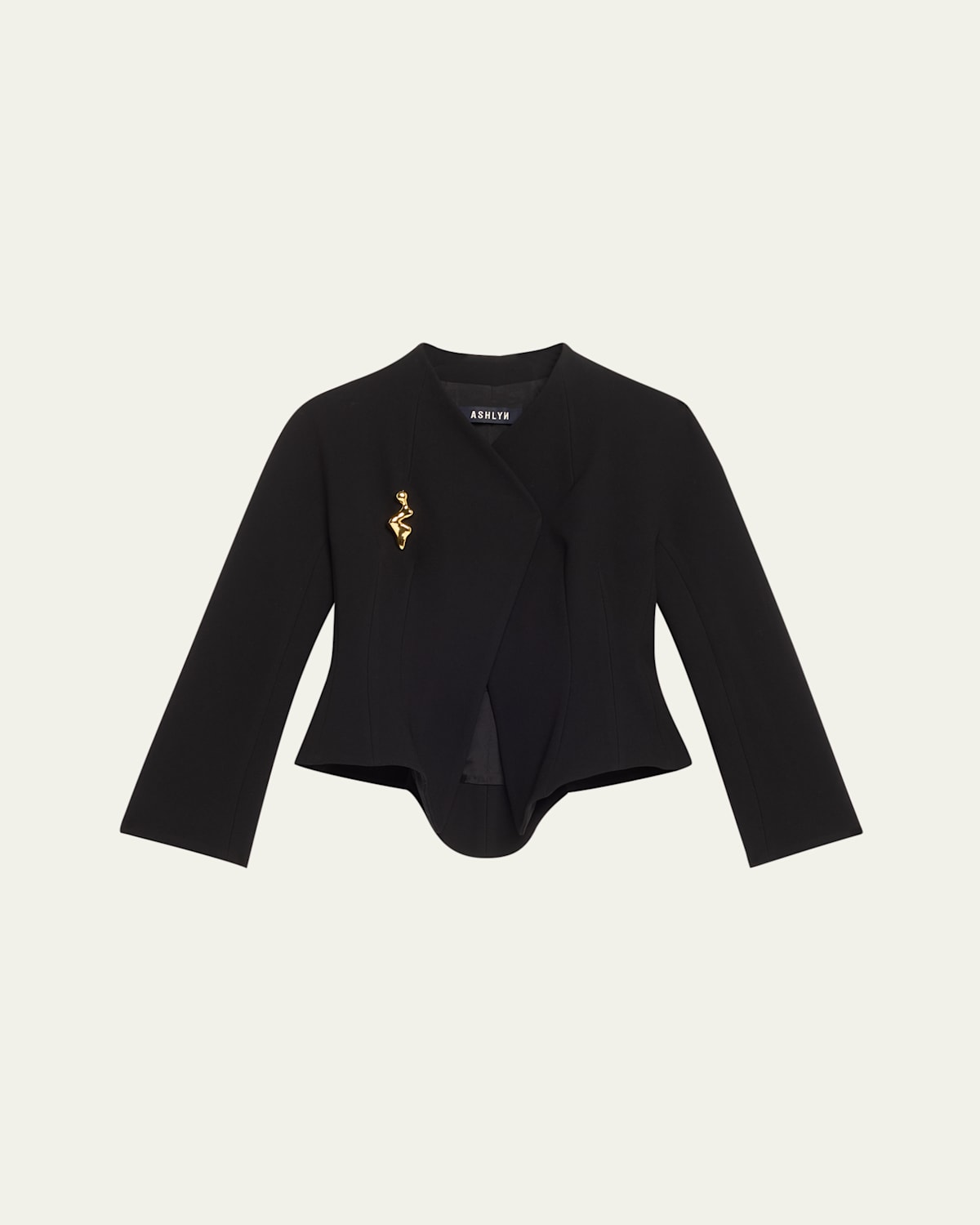
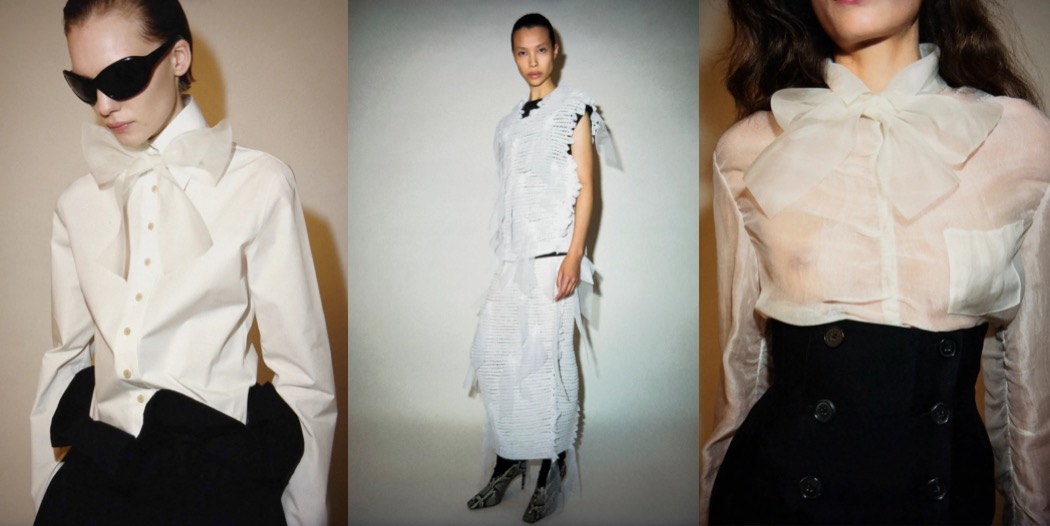
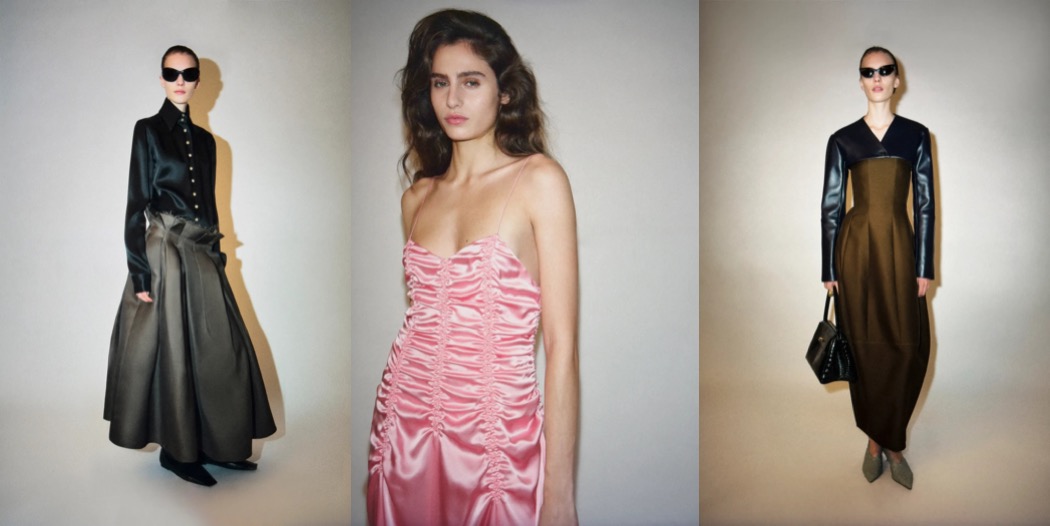
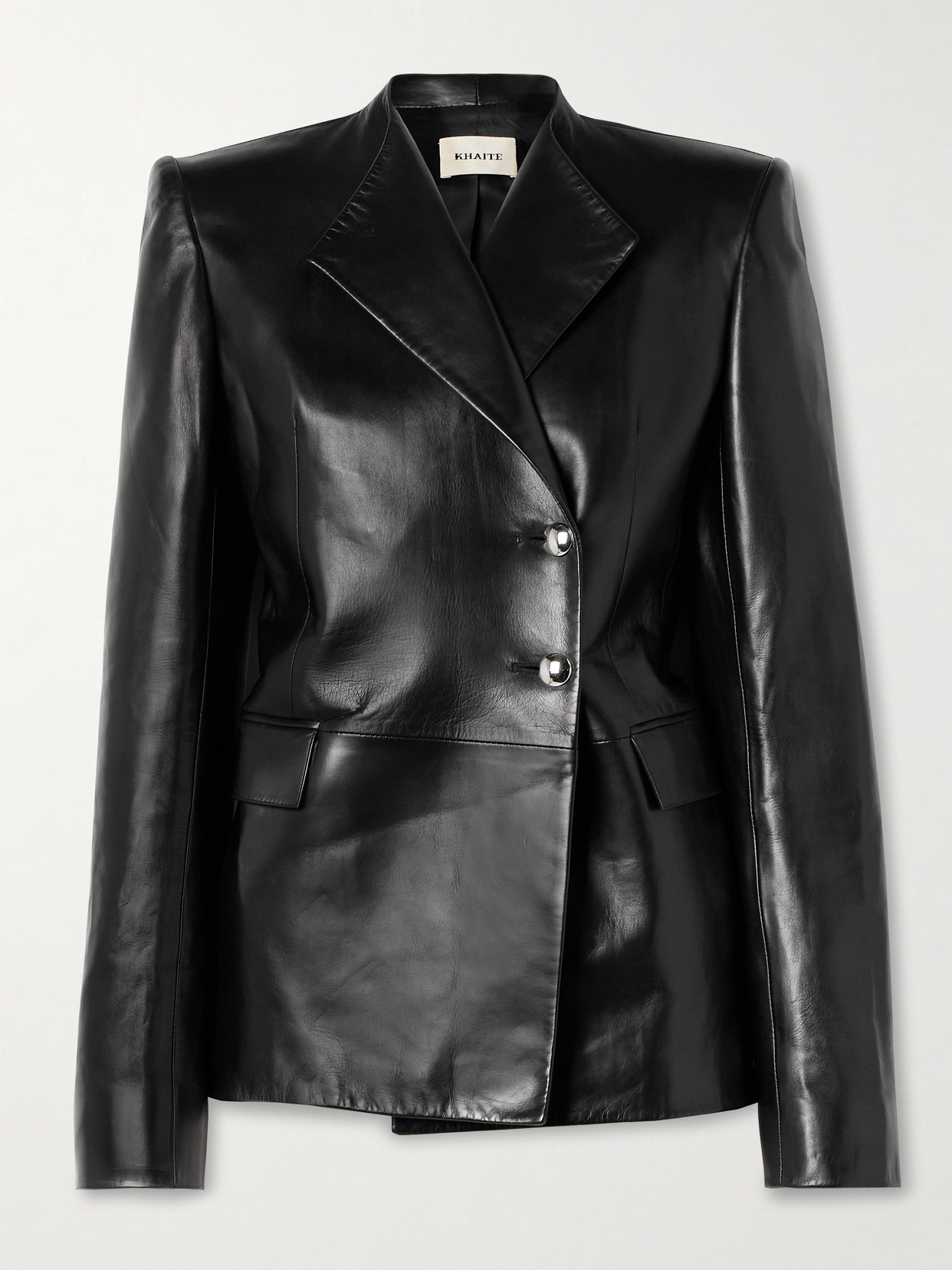
You know I haven’t been Khaite’s biggest fan in recent seasons, but Catherine Holstein’s pre-fall 2026 lineup arrives with a refreshing sense of clarity. Women have long gravitated toward the New York–based brand for its leather pieces, and they’ll be more than satisfied with the no-nonsense black jacket here – cool, streamlined, and completely assured. The same goes for a sculptural little black dress with deliberately off-kilter proportions, and for crisp white shirts punctuated by oversized, almost meaty bows tied at the neck. In essence, Holstein has returned to making clothes that resist arty posturing in favor of genuine wardrobe enhancement.
There’s also an unexpected dose of playfulness, particularly in the ruched pink dresses: one in vintage-washed silk charmeuse, the other in what she calls “light veil silk.” Holstein frames this season’s experimentation through two lenses – Courtney Love’s grunge sensibility and her own evolving experience of motherhood. She explains that after having two babies, her body changed so dramatically that “as things weren’t fitting anymore, but I still wanted to wear them, it led to this kind of questioning: What’s the right way to wear something? The right way for things to fit?” Embracing what she now calls “bad fits” became both a creative and personal shift.
That shift also sparked a new impulse: when she encounters something “really sleek and standard,” she now feels compelled to disrupt it – “to break these boundaries I’ve put on myself for so many years.” In doing so, Holstein finds a freer, more instinctive way of dressing, one that gives this collection its renewed confidence and ease.






 Design & Culture by Ed