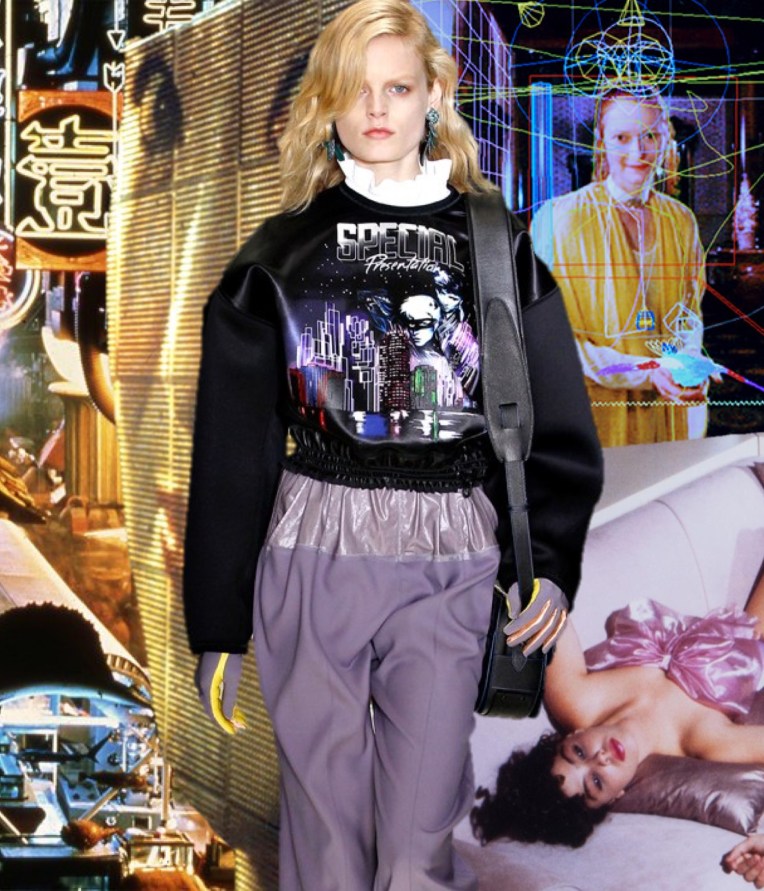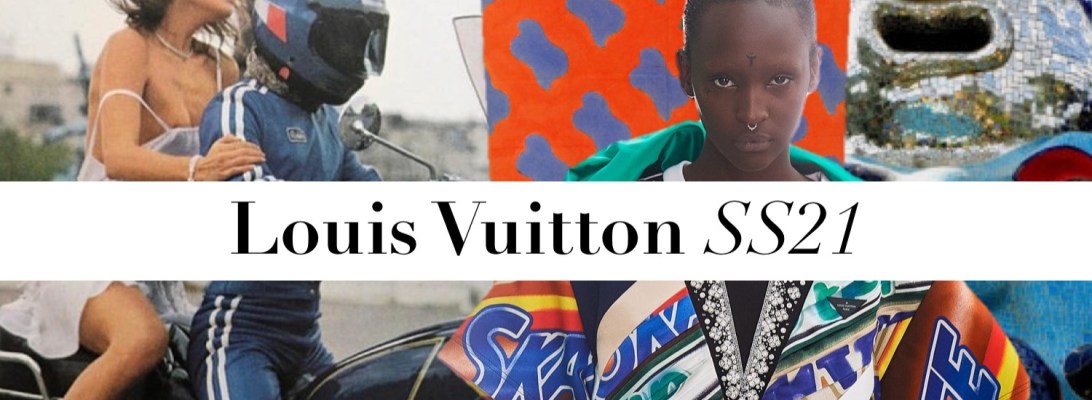
In Between. Louis Vuitton SS21

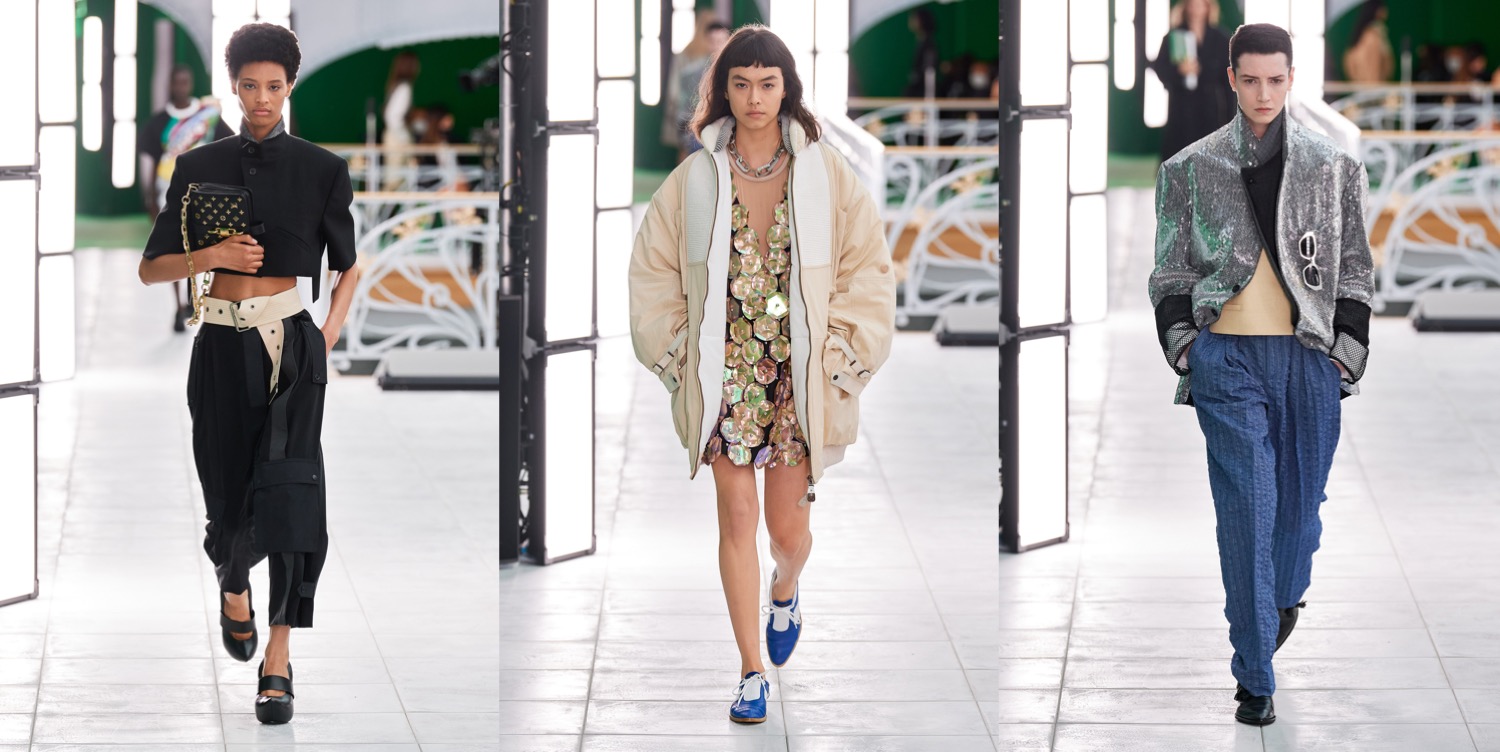
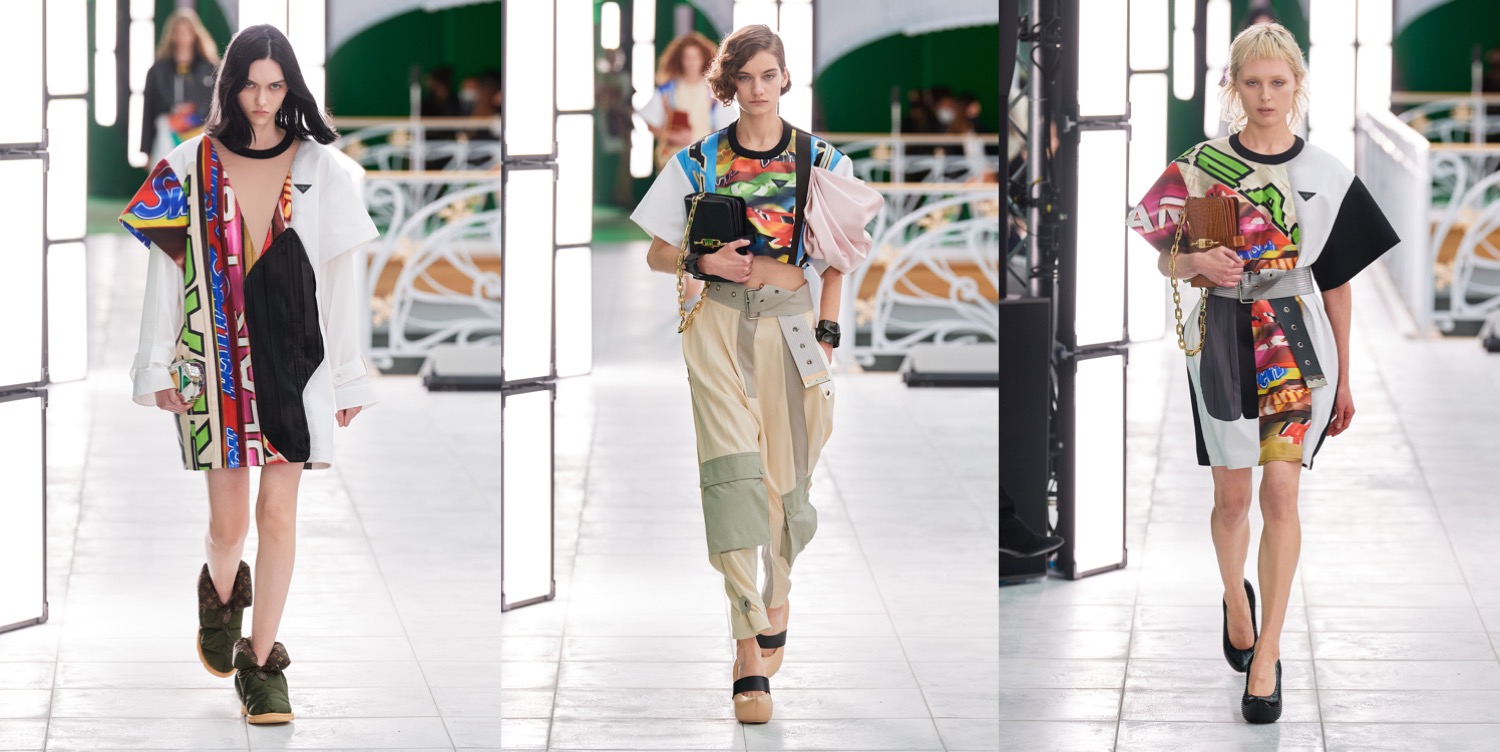
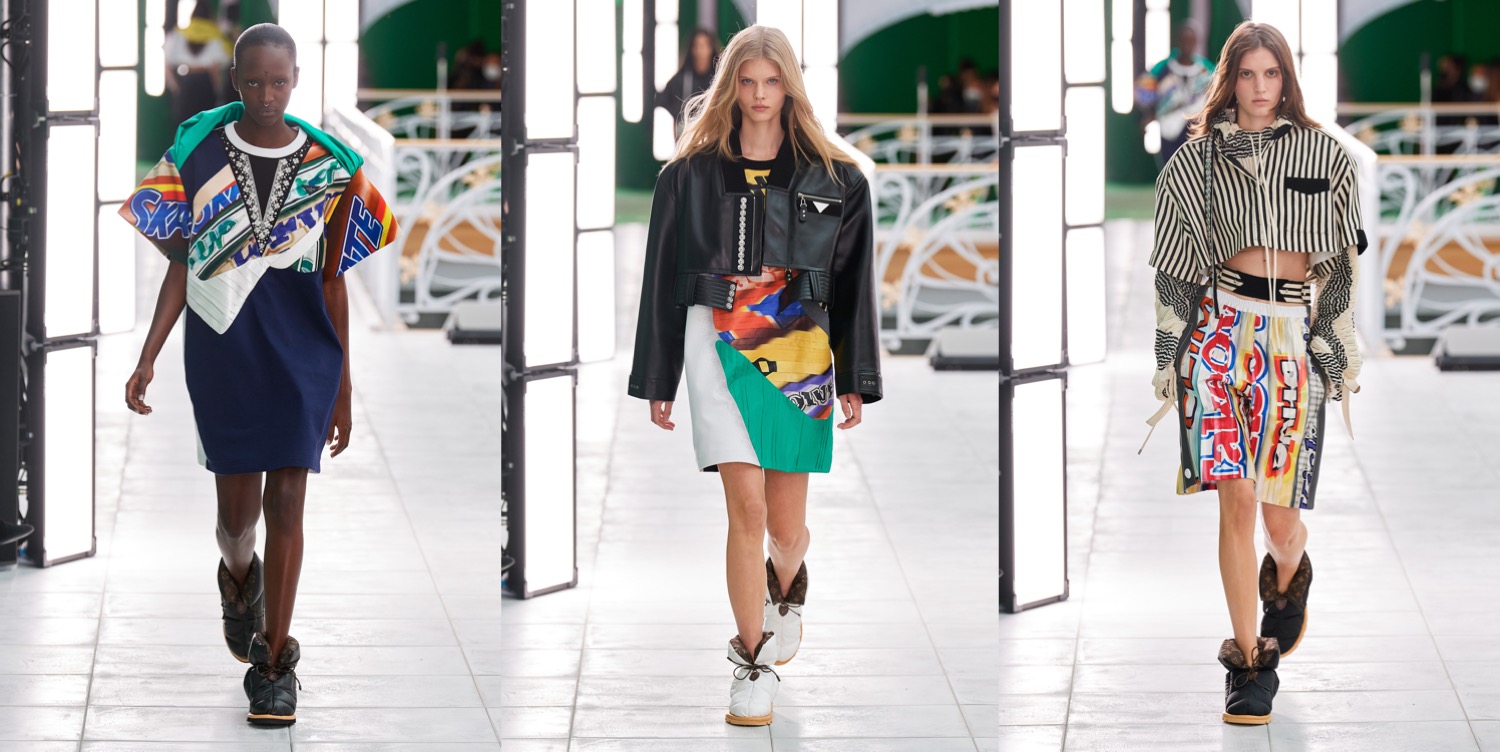
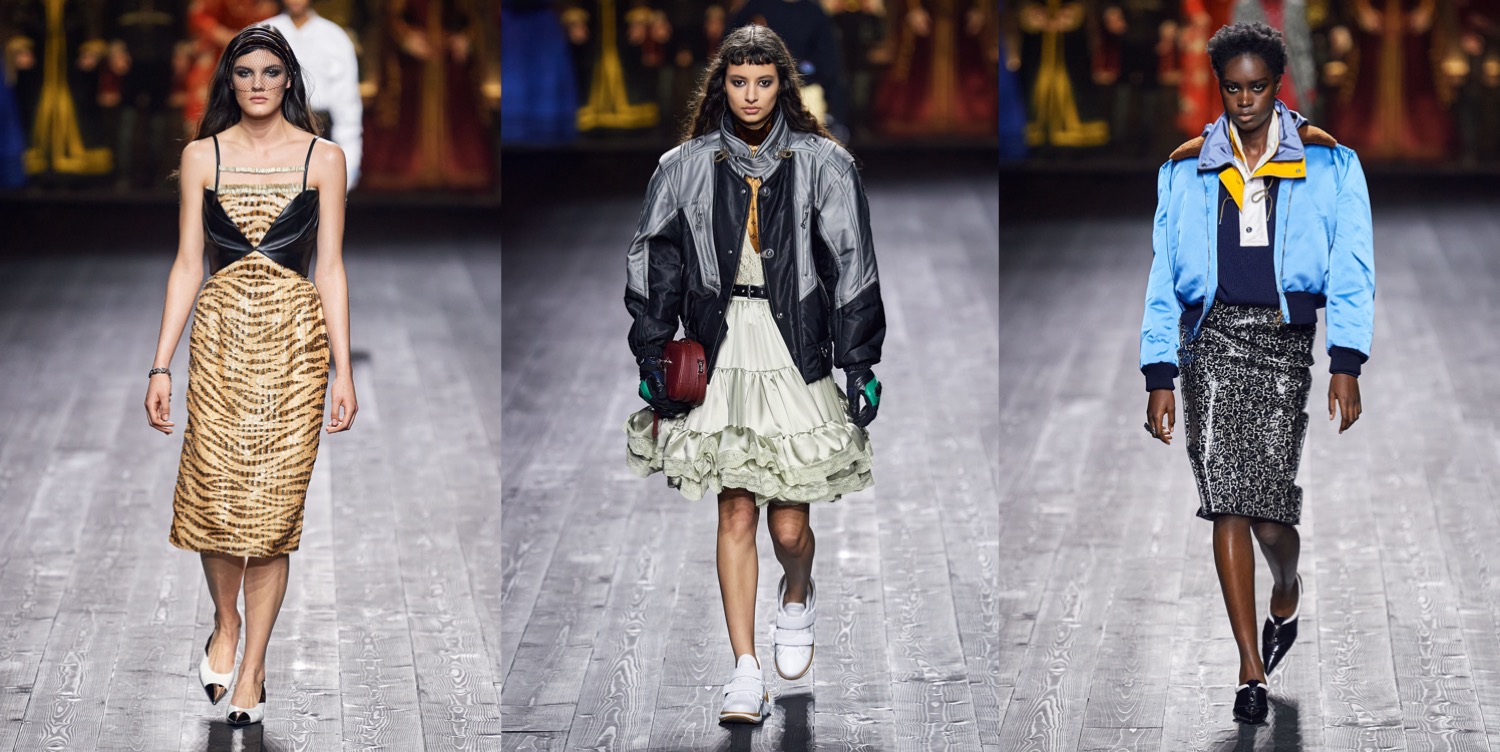
I’m really unconvinced by this Louis Vuitton collection delivered by Nicolas Ghesquière. It just felt so clumsy and messy. Which can’t be said of the show’s venue, which nearly each season looks better than the actual clothes on Vuitton’s runway (sorry…). Interspersed among the live audience in the freshly remodeled-by-LVMH La Samaritaine department store were 360-degree cameras that allowed viewers at home to swivel in their chairs, watch models coming and going, and see who did and didn’t score a better seat. It was almost like being there. “This season is very new in every way. The conditions that we’re facing are making us think differently. We came up with the idea of different degrees of presence.” In addition to the 360-degree cameras, green screens lined the walls and, in some places, the floors of La Samaritaine. Viewers of the livestream – the third way to watch and hear the show (there were live mics) – saw footage from Wim Wenders’s film Wings of Desire. Beyond the ’80s-ish silhouettes that have long been a touchpoint for the designer (and I think that’s the problem!), the connection between the Wenders movie and Ghesquière’s collection, was angels, which have two wings, but no gender. “My question this season was less about one theme; it was about this zone between femininity and masculinity,” he explained. “This zone is highlighted by nonbinary people, people that are taking a lot of freedom dressing themselves as they want, and, in turn, giving a lot of freedom to all of us. I found it inspiring to explore what the items are that represent this wardrobe that is not feminine, not masculine. I wanted to zoom in on that section in between.” The show began with a look that combined a timely Vote t-shirt (his absent American friends appreciated that) and baggy pleated chino pants cinched with a thick belt. It was emblematic of a collection that felt more spontaneous and street-ready than some of Ghesquière’s more glamorous outings. Basically, the entire line-up was kept in this sporty style. I’m intrigued by Nicolas’ take on the genderless fashion hitting such bourgeois brand as Louis Vuitton, but the clothes just don’t express that to me.
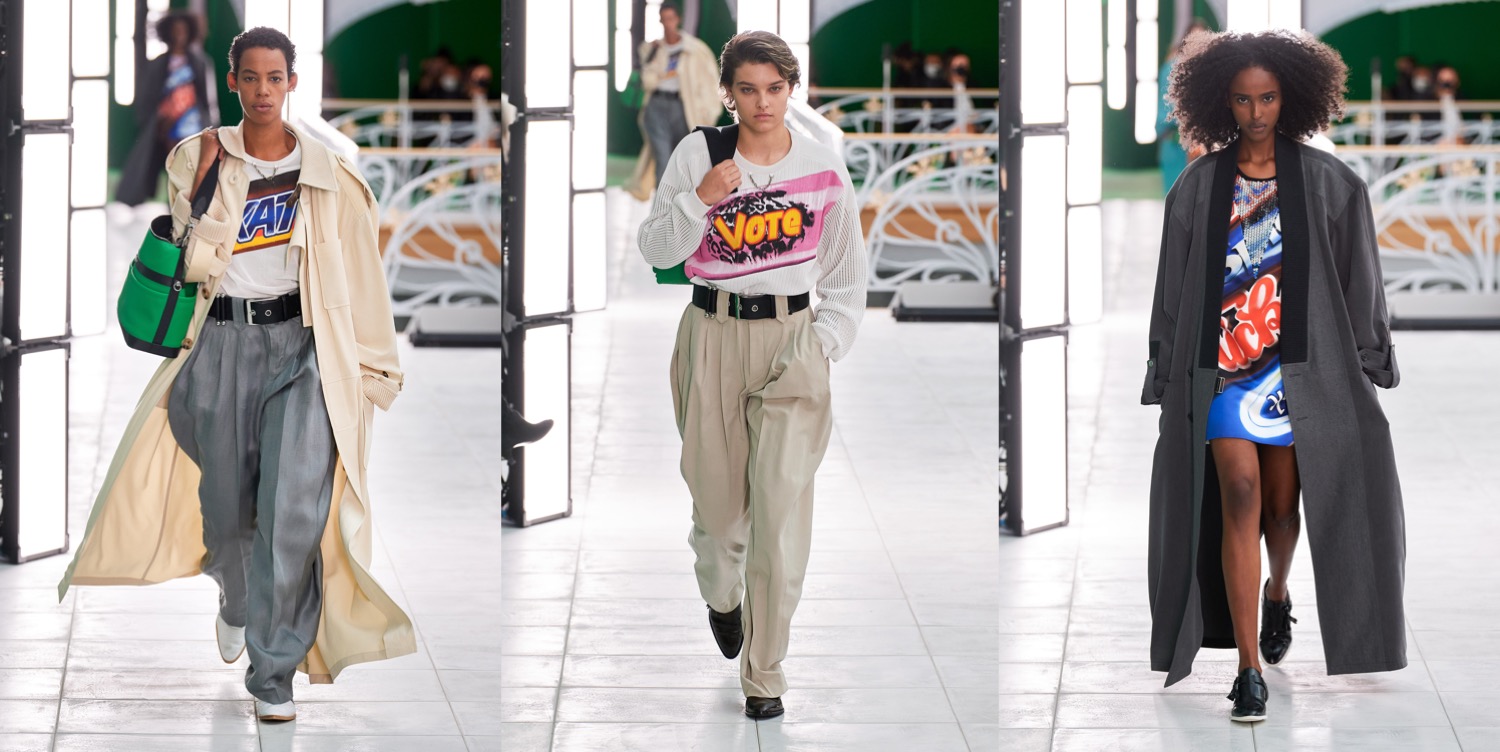
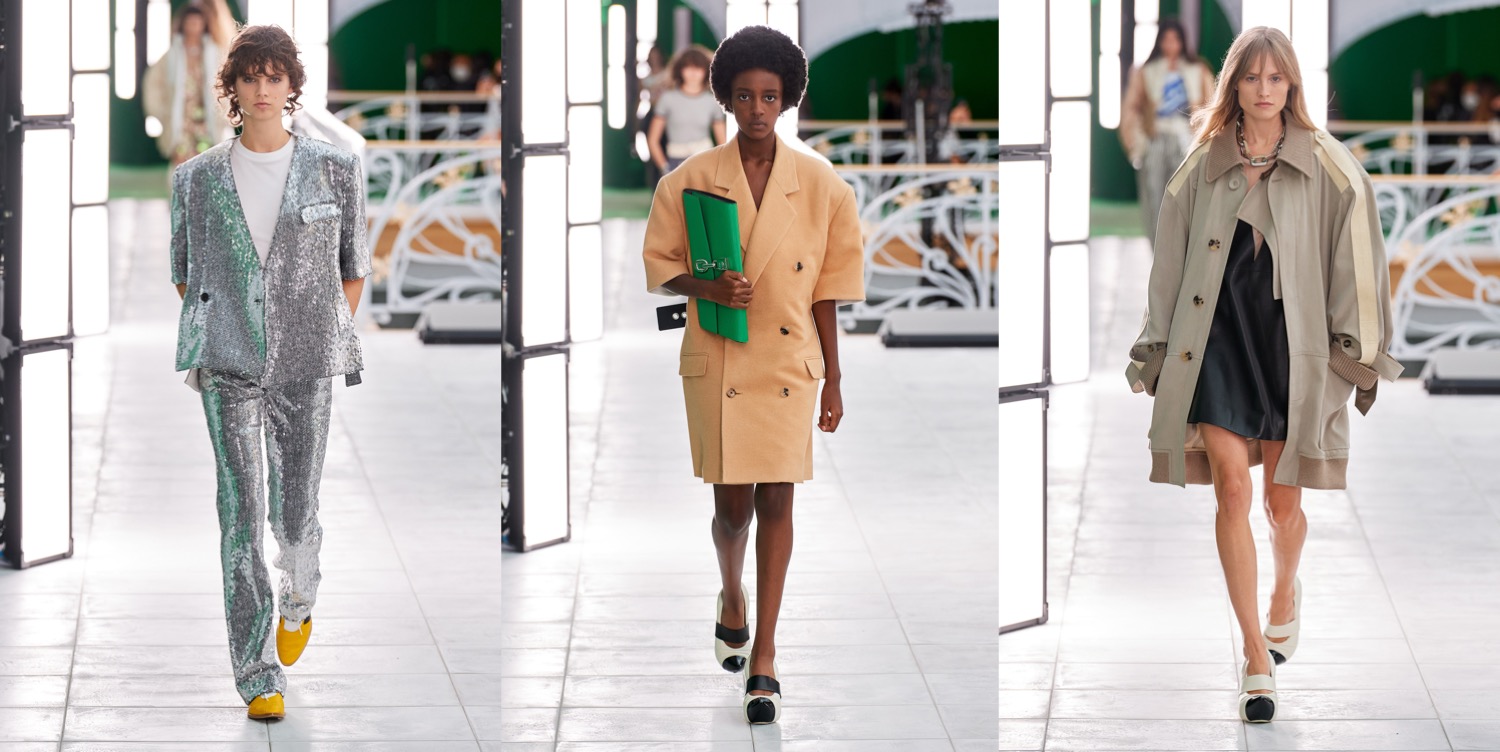
Collage by Edward Kanarecki.
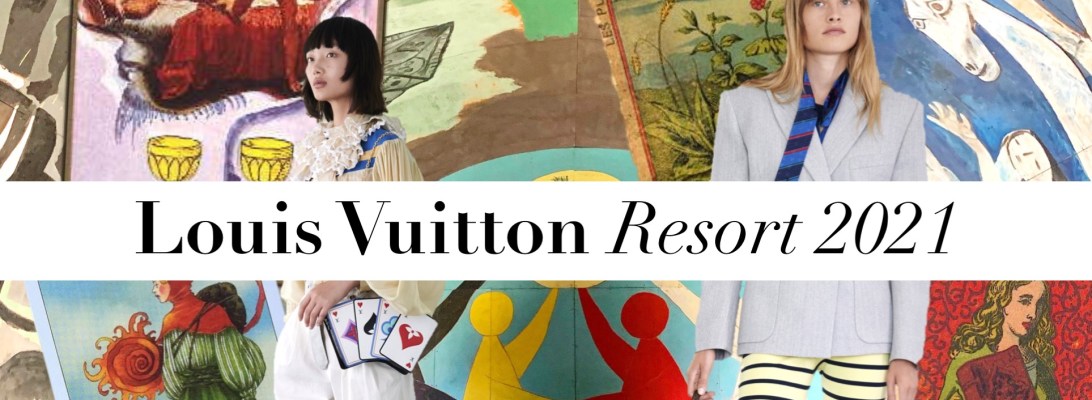
Back To Office (Someday). Louis Vuitton Resort 2021

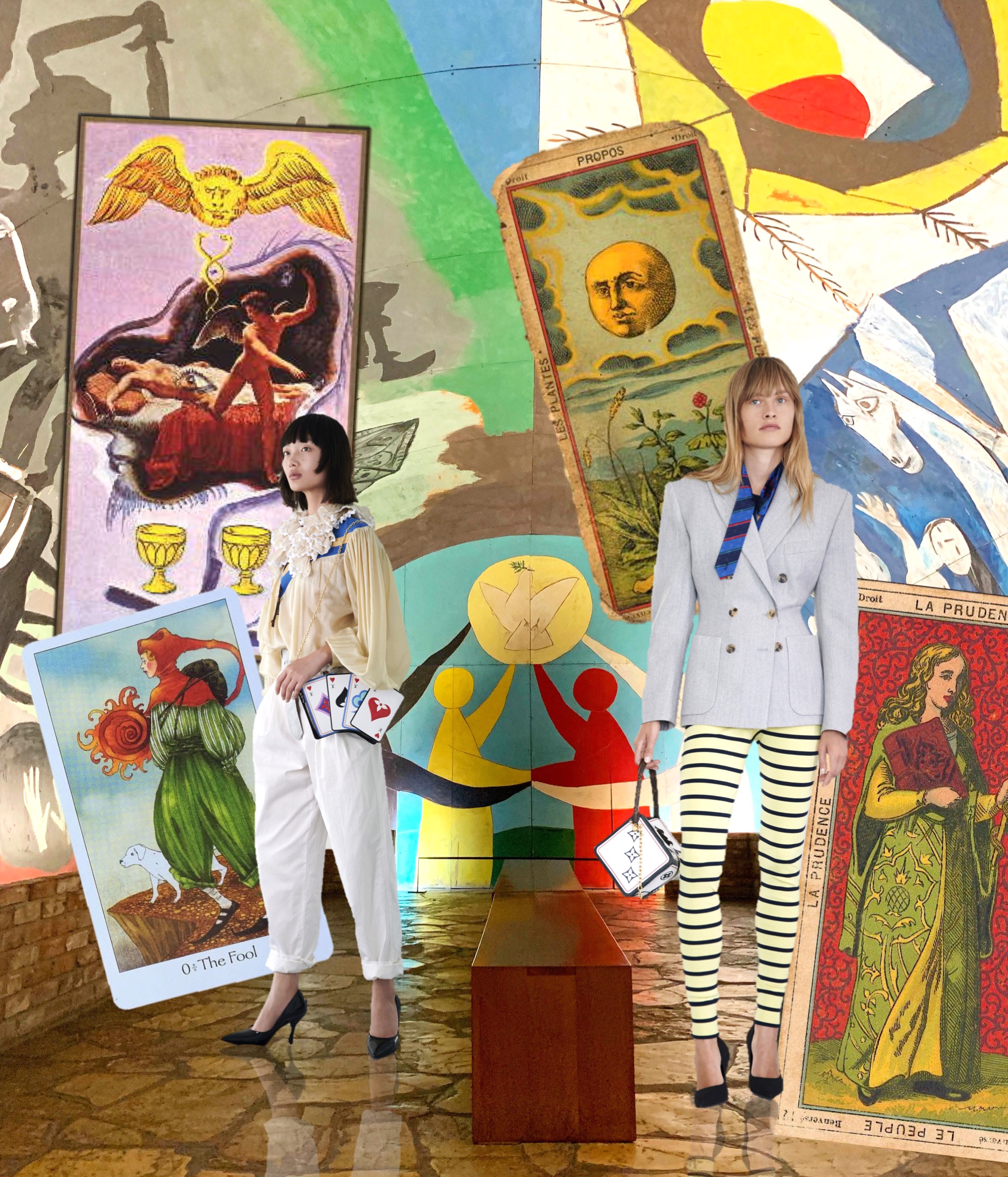
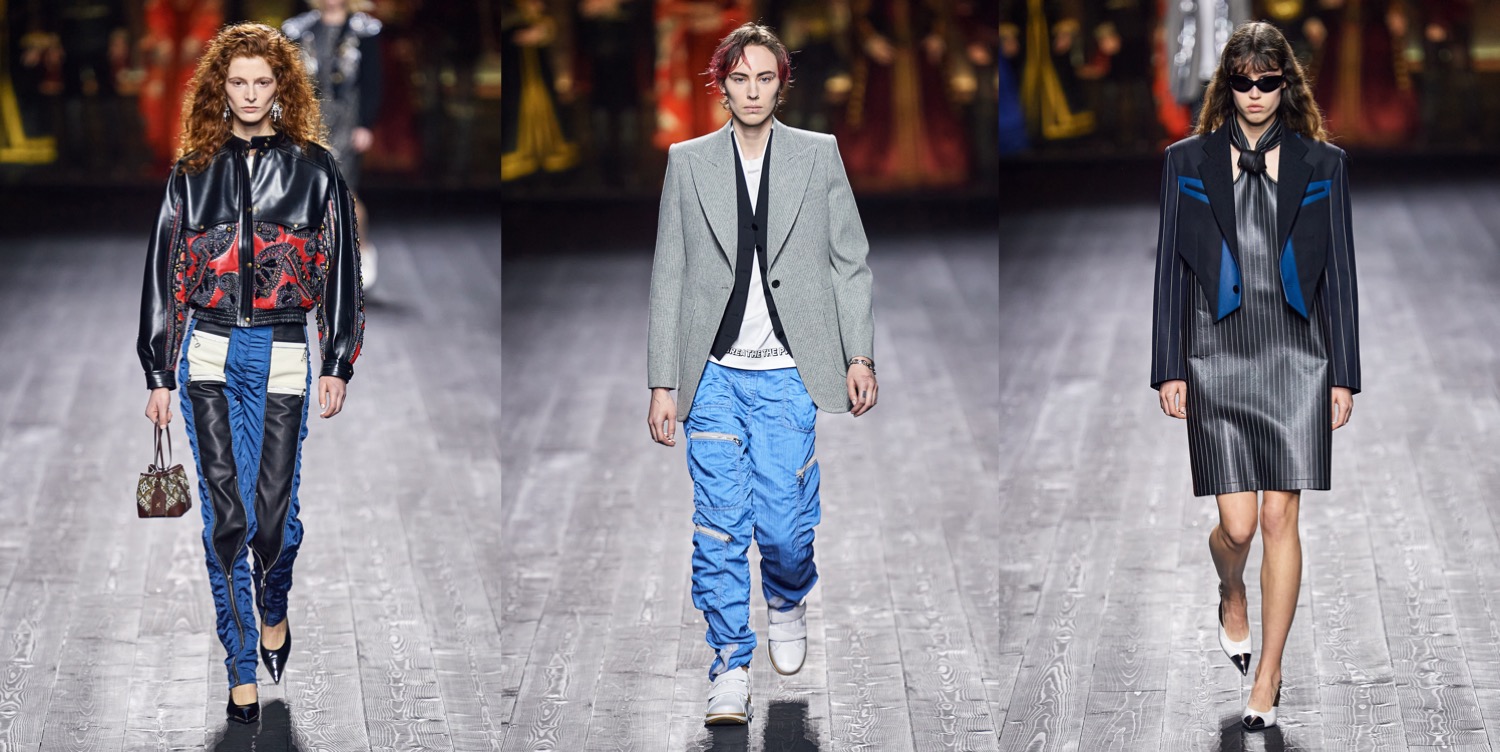
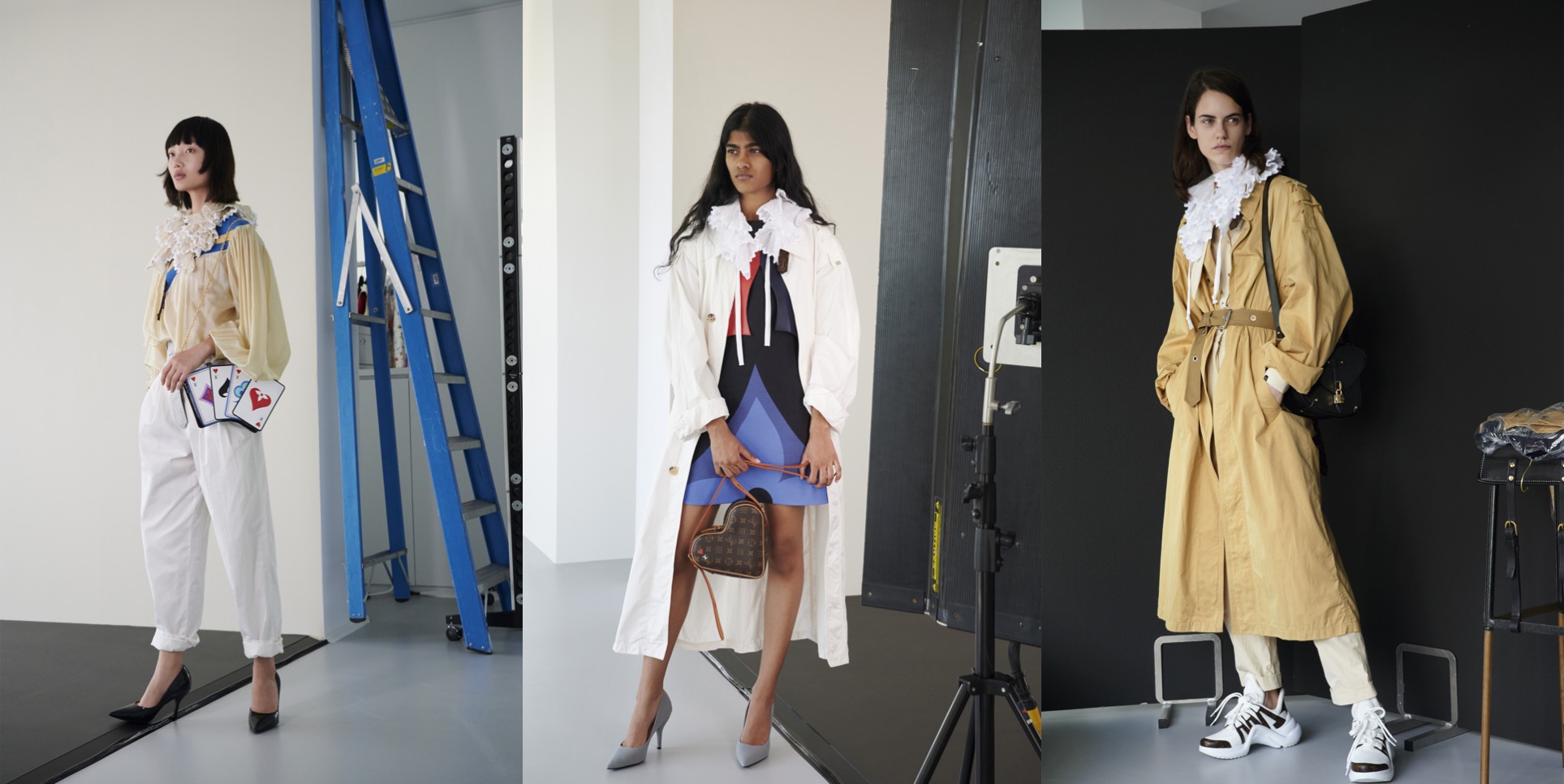
For many people still working from home, the word “office” sounds abstract. Tailoring isn’t a novelty in the resort 2021 collections, but only the Louis Vuitton line-up by Nicholas Ghesquière makes you think that some day, the “business” dress-code will come back to our lives and replace the lazy Zoom homewear. Emphasizing the more everyday, less editorial aspect of his ready-to-wear, the look-book was shot on location in Louis Vuitton’s Paris headquarters. A photocopier stands at attention in the opening shot, and exit signs and fire doors appear in the background of others. The promise of gorgeous hourglass blazers and chic silk blouses makes the longing for “back to life” life even more intense… but this wasn’t the only aspect of the collection (which, by the way, was good without any far-fetched venue location). “I looked somewhere that has been calling out to me for a long time, somewhere I hadn’t taken the time to go back to. It was like a reset to uncover one inspiration after another, to imagine the next steps and how to create and work within this new context. I took the time to explore my creative identity and prepare the future.” Confronted with the unknowns of the coronavirus and the crushing recession it precipitated, designers have been revisiting their past successes. Nicolas Ghesquière is among them, though the search for lost time is not only a quarantine pursuit for him. On his autumn-winter 2020 runway, with the then as-yet uncanceled Met Gala and its theme of “Fashion and Duration” still on the horizon, Ghesquière held up a mirror to his own work. For this resort collection, he followed similar guidelines – lifting cargo pants from one collection and frilly rococo collars from another, and reuniting with the blouson shapes of the 1980s he likes – with results that read more easier than his runway outings typically do. Additionally, running through the collection is a playing-card leitmotif. When asked, Ghesquière claimed “the tarot” as his favorite card game, “because it can be used in many different ways. And the cards are full of symbols.” Nonetheless, he made effective use of the clubs, diamonds, hearts, and spades of the playing-card deck. They bear more than a passing resemblance to the elements of the Louis Vuitton monogram, which Ghesquière made the most of by hybridizing them and then either adding them as decorative details on bags, or supersizing them as color-blocked patterns on streamlined mini and maxi dresses.

Collage by Edward Kanarecki.
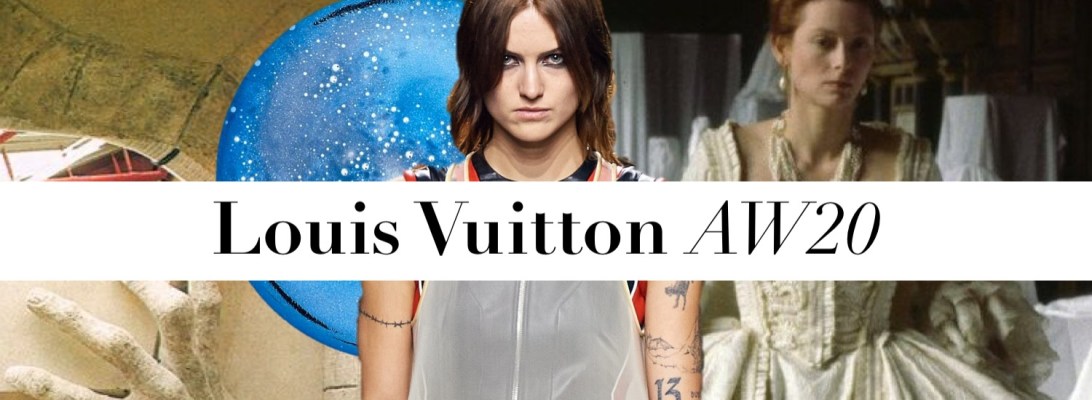
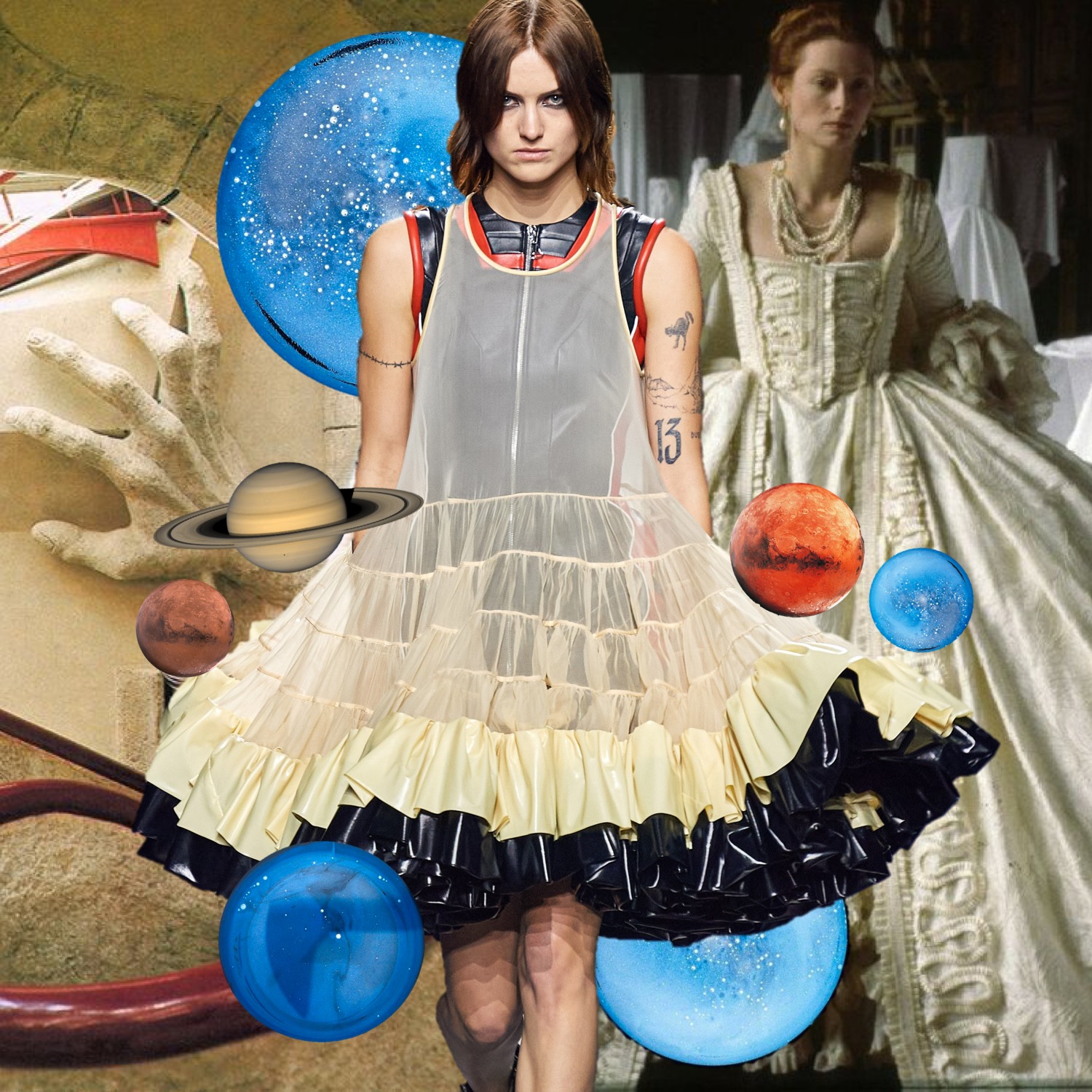
Past, Present, Future. Louis Vuitton AW20

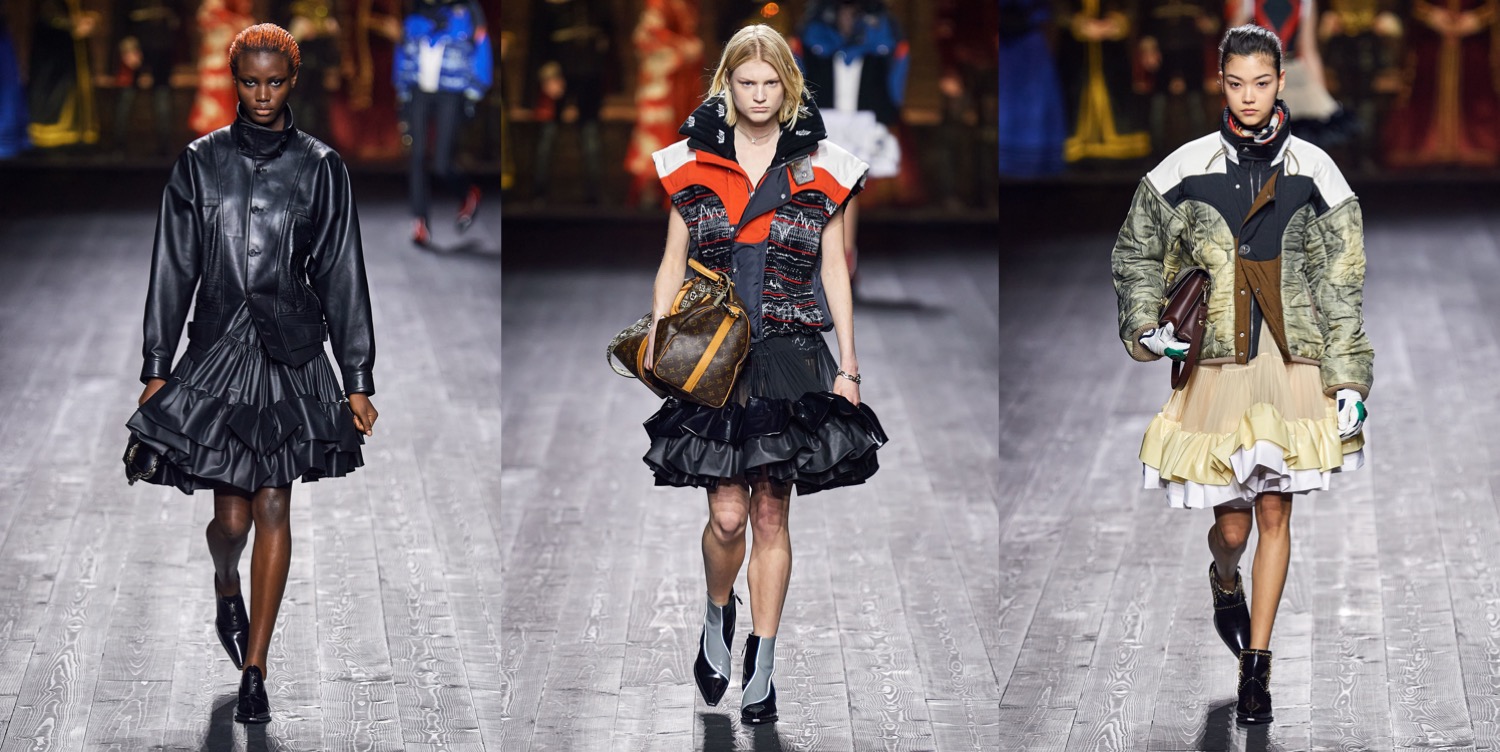
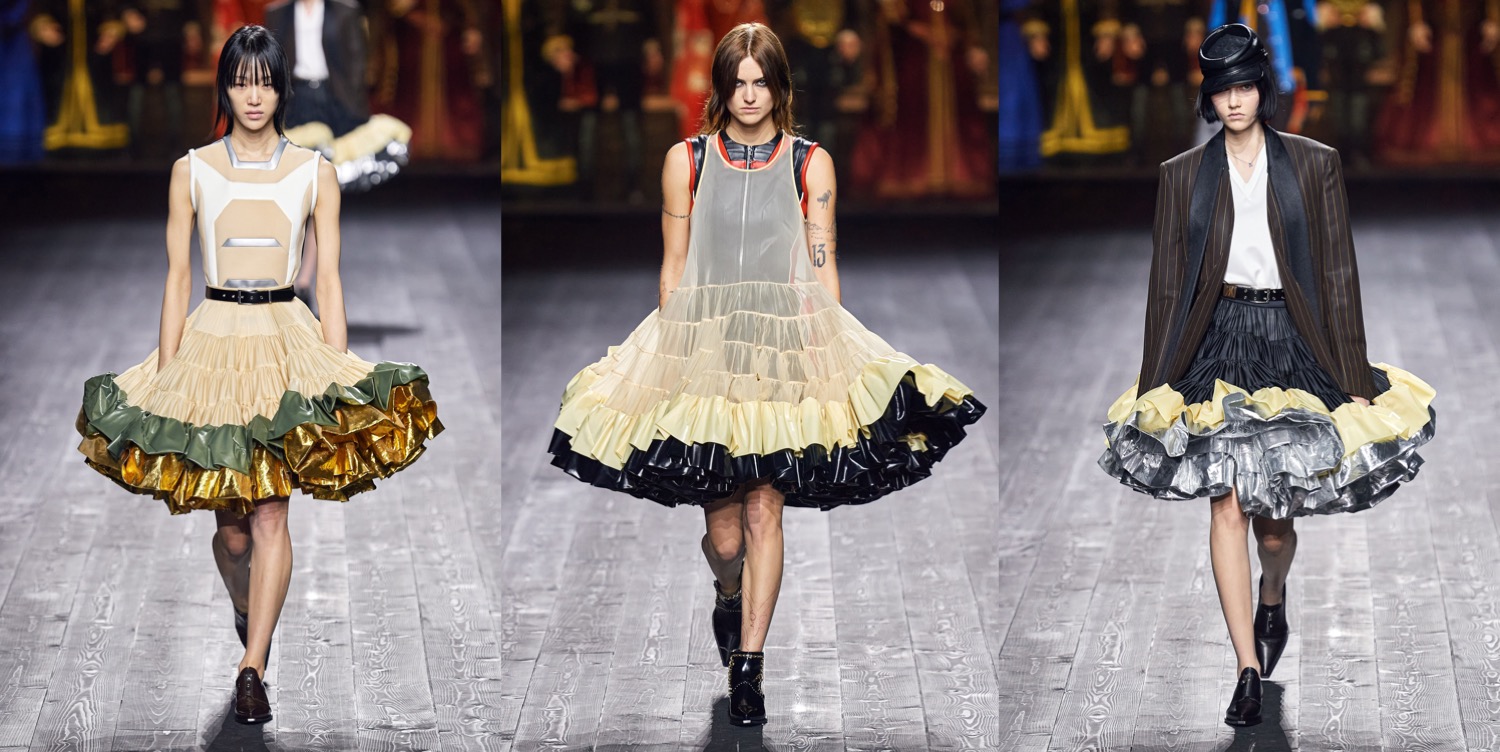
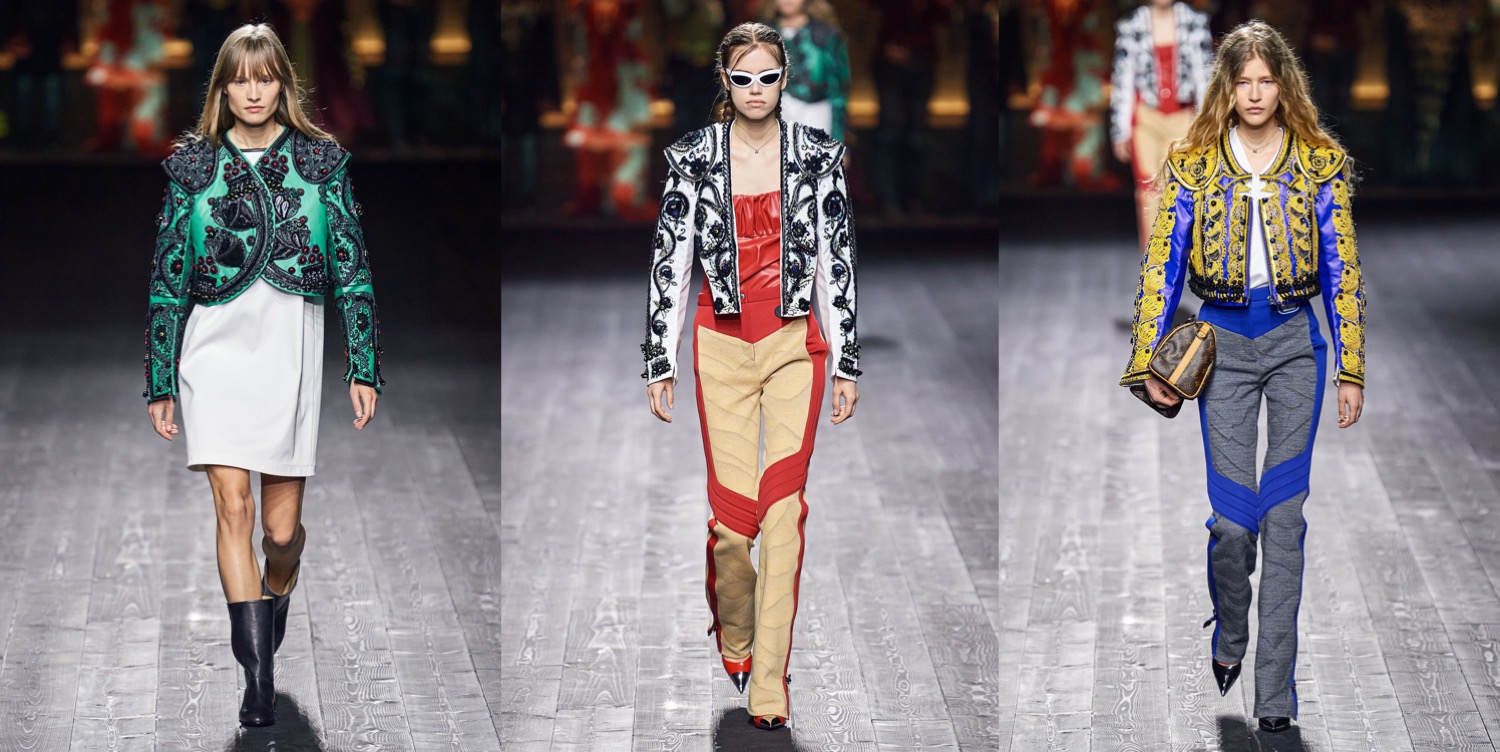
This season, Louis Vuitton‘s Nicolas Ghesquière enlisted the costume designer Milena Canonero, a frequent collaborator of Stanley Kubrick’s, to create a monumental backdrop of 200 choral singers, each one clothed in historical garb dating from the 15th century to 1950. It was a mammoth undertaking, and a truly beautiful one. “I wanted a group of characters that represent different countries, different cultures, different times,” Ghesquière explained beforehand. “I love this interaction between the people seated in the audience, the girls walking, and the past looking at them—these three visions mixed together.” The time-collapsing sensation was heightened by the fact that the chorus performed was a composition by Woodkid and Bryce Dessner based on the work of Nicolas de Grigny, a contemporary of Bach’s. All of today’s fashion is a synthesis of the past, but Ghesquière makes a closer study of it than most. He’s compelled by the anachronous. A few seasons ago he clashed 18th-century frock coats and the high-tech trainers, creating a look as full of contrasts as the times we live in. For autumn-winter 2020, he offers even more time clashes: jewel-encrusted boleros (I can already see Rosalia performing in one of those) meet parachute pants, buoyant petticoats are paired with fitted tops whose designs looked cribbed from robotics, bourgeois tailoring is layered over sports jerseys. My favourite look of the collection – a sheer tulle dress with latex finishings worn over a leather motocross body – carried the quintessence of Ghesquière’s concept. The collection comes perfectly in time with the upcoming Met Gala (which is scheduled for the beginning of May and isn’t surrendering to coronavirus – for now) and its theme. Nicolas is the cohost of the gala, and Louis Vuitton is sponsoring the Costume Institute exhibition, “About Time: Fashion and Duration”. Just as in the exhibition’s idea, the collection says it out loud: fashion is a mirror of the present moment, built from the past. And it has future, as well.

Collage by Edward Kanarecki.

The 2010s / Nicolas Ghesquière’s AW12 for Balenciaga

Slajd2-kopia 6

Believe it or not – I can’t! – but we’re heading towards a new millenium. So, how do you choose the most important collections, designers and labels of the decade? The ones that made an actual impact in the 2010s? Well, it’s not an easy task. It all began in September 2009 with New York’s spring-summer 2010 shows and ended when the autumn-winter 2019 haute couture shows wrapped in Paris. Few thousands of shows, by the way. There will be 19 posts (that’s really the only possible minimum!) reminding about the best – and if not the best, then strongly influencing – moments in fashion.

Nicolas Ghesquière‘s AW12 collection for Balenciaga – “Join A Weird Trip“!

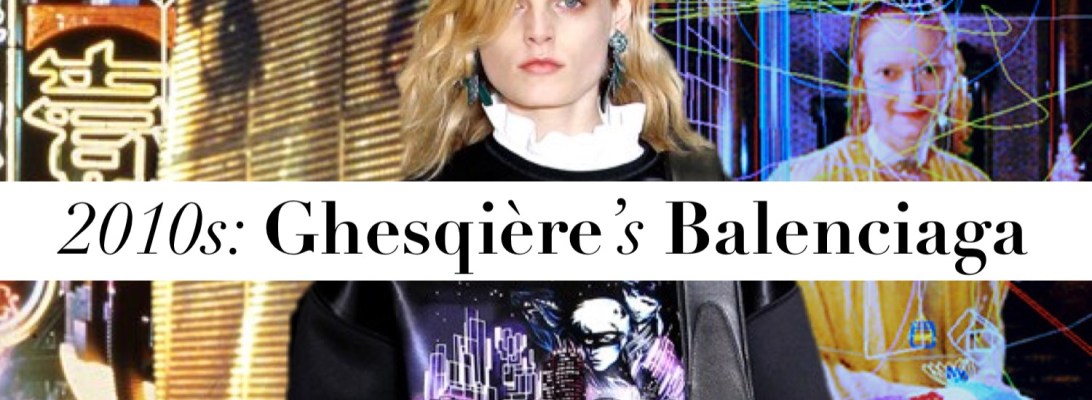
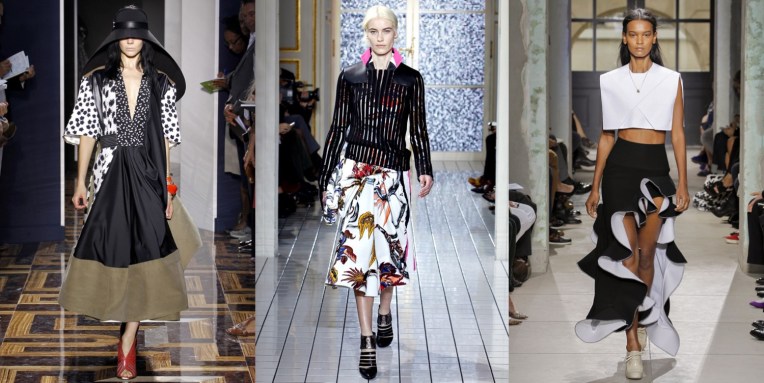
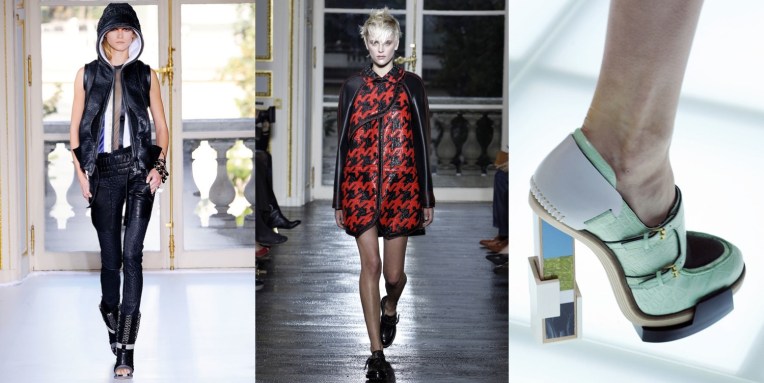
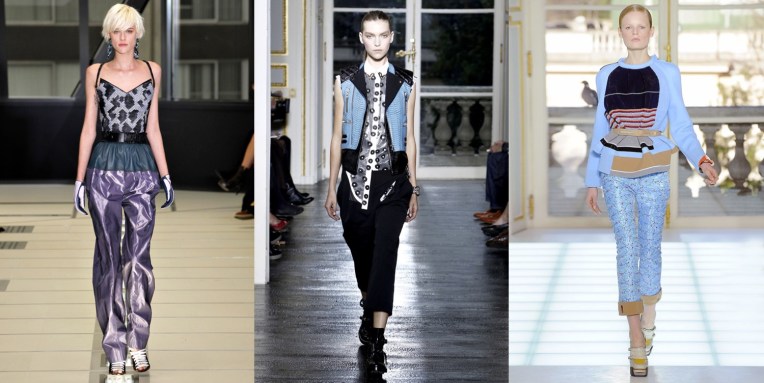
Nicolas Ghesquière’s time at Balencaga defined the 2000s and the first years of 2010s. And his autumn-winter 2012 collection is one of the greats. The corporate spies and outer-space agents on fluorescent-lit runway: that’s a fashion moment you just can’t forget. The designer moved the fashion conversation along  in a few different ways with this line-up: by proposing new silhouettes with exaggerated, even challenging proportions (bonded leather coats with shoulders out to there, sculptural padded sweaters over stiff A-line skirts with doubled front panels); by deliberately trafficking in items of “questionable” taste (those black satin sweatshirts with spacey slogans like “JOIN A WEIRD TRIP” and “OUT OF THE BLUE” are today the ultimate collector item!); and by continuing to emphasize fabric research. The IT girls wore jumpsuits made from a hi-tech parachute material, and his animal prints came two ways—as a jacquard snake on the wool bodices of the office rebels’ strapless dresses and as leopard spots that looked like liquid mercury on the executives’ jackets. Incredible. Of course, to be honest with you, any Balenciaga collection by Ghesquière is a favourite, so here’s a brief recap of the best moments starting from 2010:

ttt

SS12, AW11 and SS13.

yyy

SS10, SS11 and AW10.

uuu

AW12, SS11 and AW10.

/

Collage by Edward Kanarecki.


Belle Époque Today. Louis Vuitton SS20

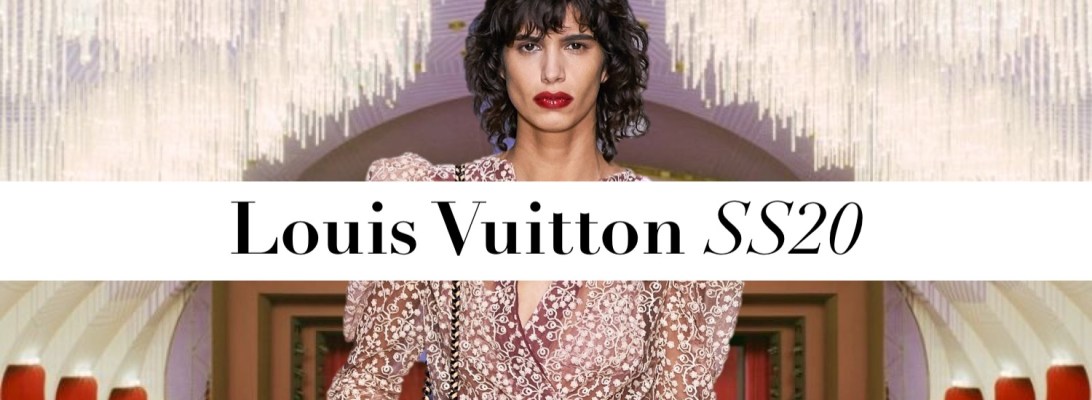
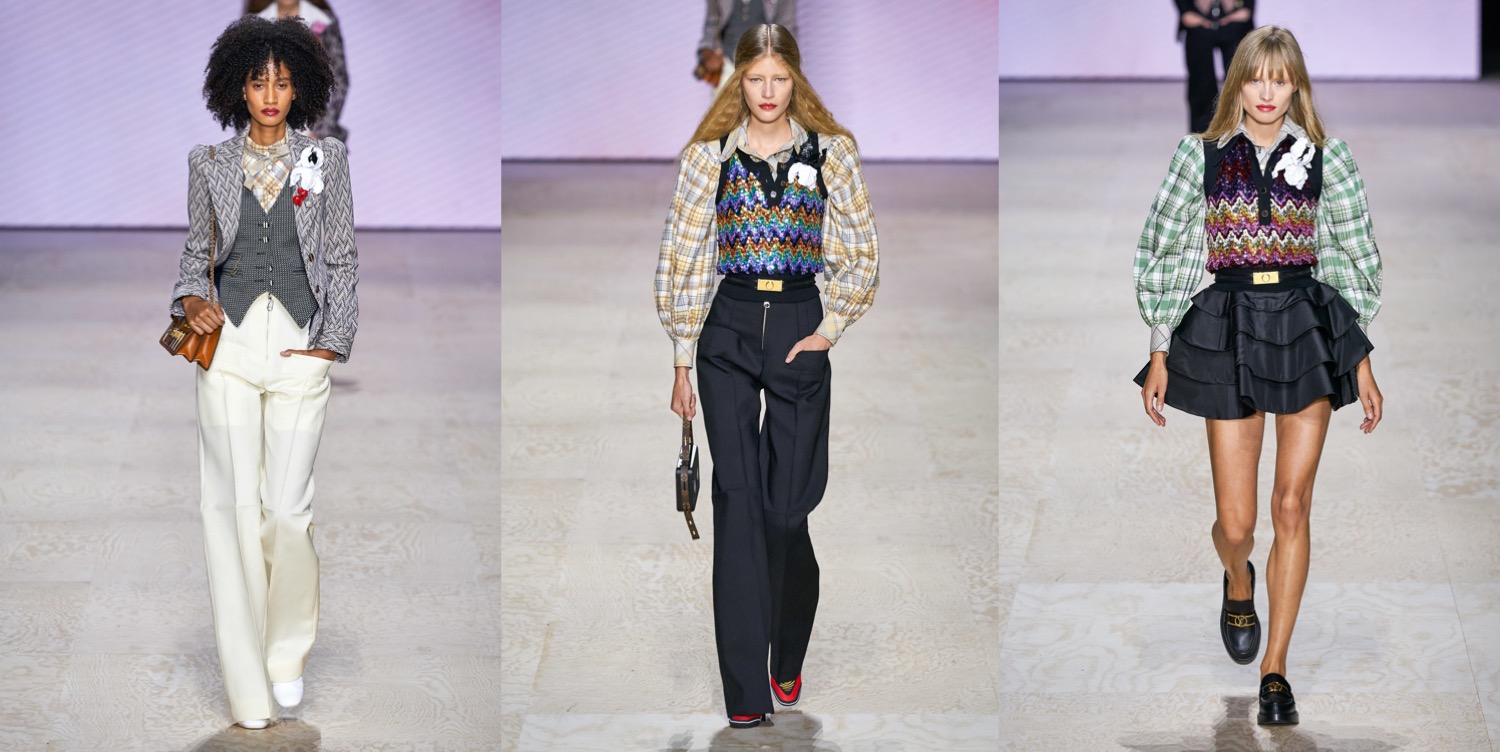
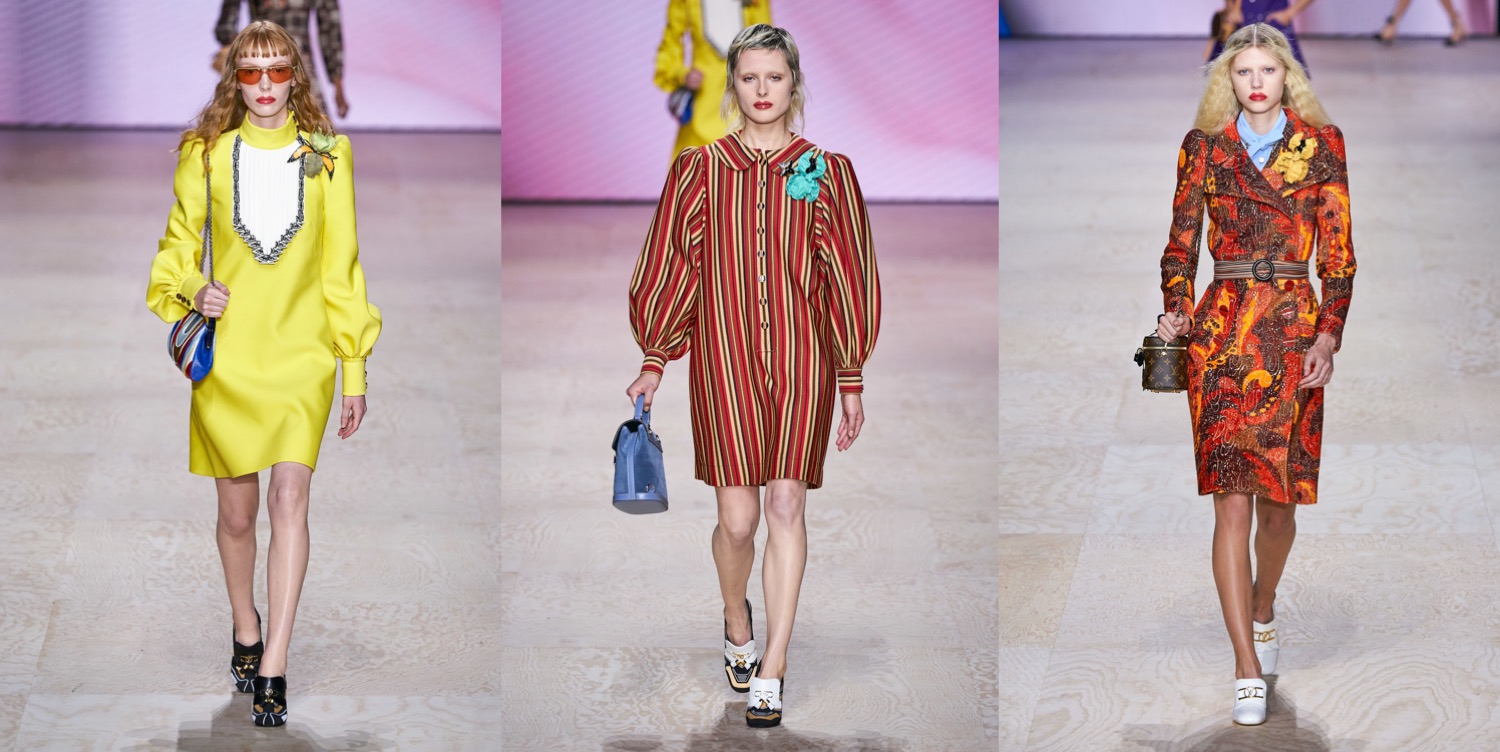
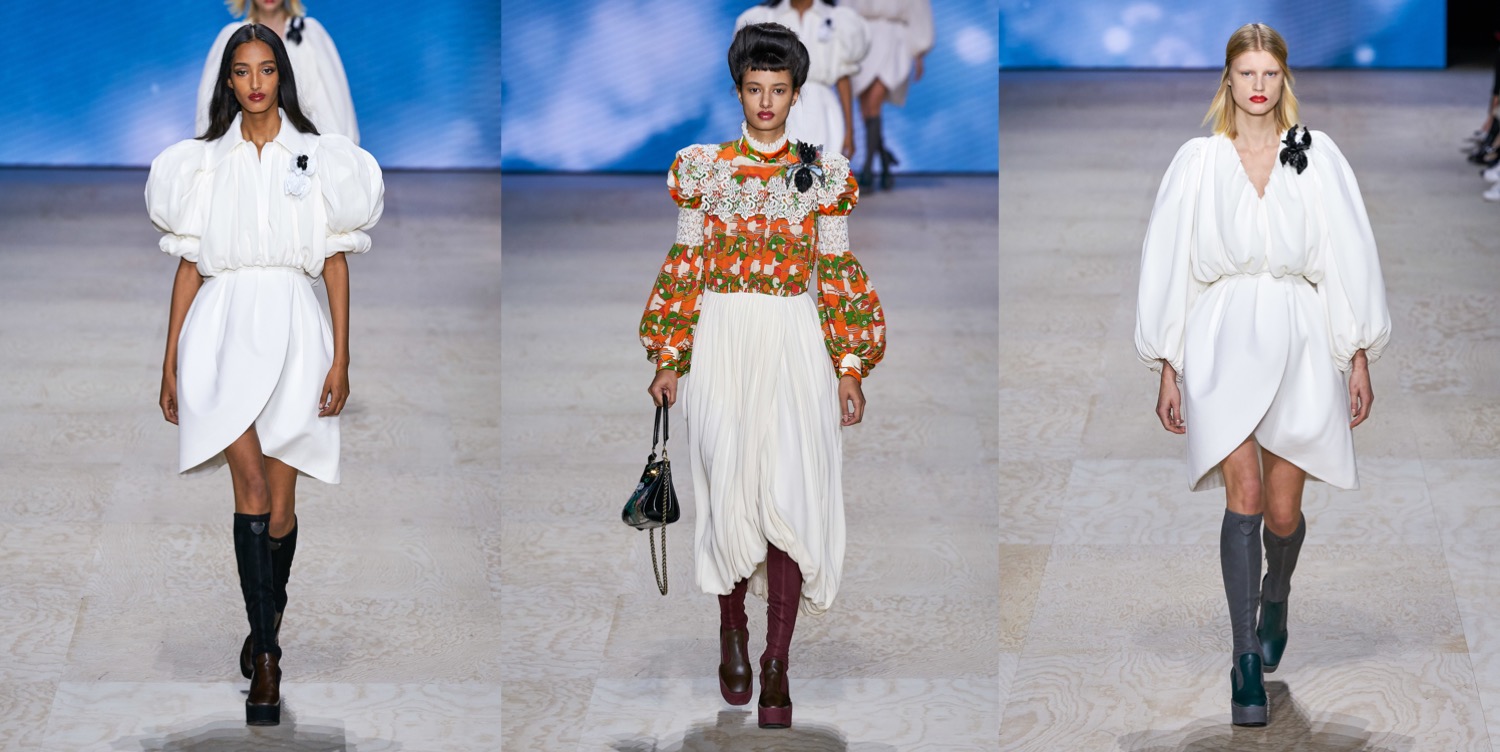
And here is the last collection of Paris Fashion Week: Louis Vuitton. It’s been a season of joyful nostalgia and bold dressing, and Nicolas Ghesquière ticked both boxes with his line-up. For spring-summer 2020 Ghesquière took us to Belle Époque–era Paris after his last season‘s venture to the 1980s. “It’s a part of French history that’s very interesting in art, as well as culturally, in terms of emancipation of women, and, of course, in literature with Proust,” he explained. It’s also a period that more or less coincided with the birth and rise of the house of Louis Vuitton. In the late 1800s, advances in construction and technology ushered in a new era of travel for the elite, to whom Monsieur Vuitton sold his  monogram trunks. There were many Belle Époque references in this collection: the pouf sleeves of shirts; the iris boutonnières, each one different; the Gibson Girl hairdos, and all the Art Nouveau touches, from the psychedelic swirls of a green jacquard coat to the painterly flowers on dresses to a little leather jacket hand-painted with angelic faces. In a way I miss the times when Nicolas did future-wear: we’ve got Gucci, Paco Rabanne and a bunch of other labels that dig in the past for references. Still, the huge screen that featured super-futurist Scottish musician SOPHIE performing an extended version of “It’s Okay to Cry”  while the models walked the runway somehow matched with the clothes’ historical background. And this sort of time-spanning eclecticism is very Ghesquière.

Collage by Edward Kanarecki.