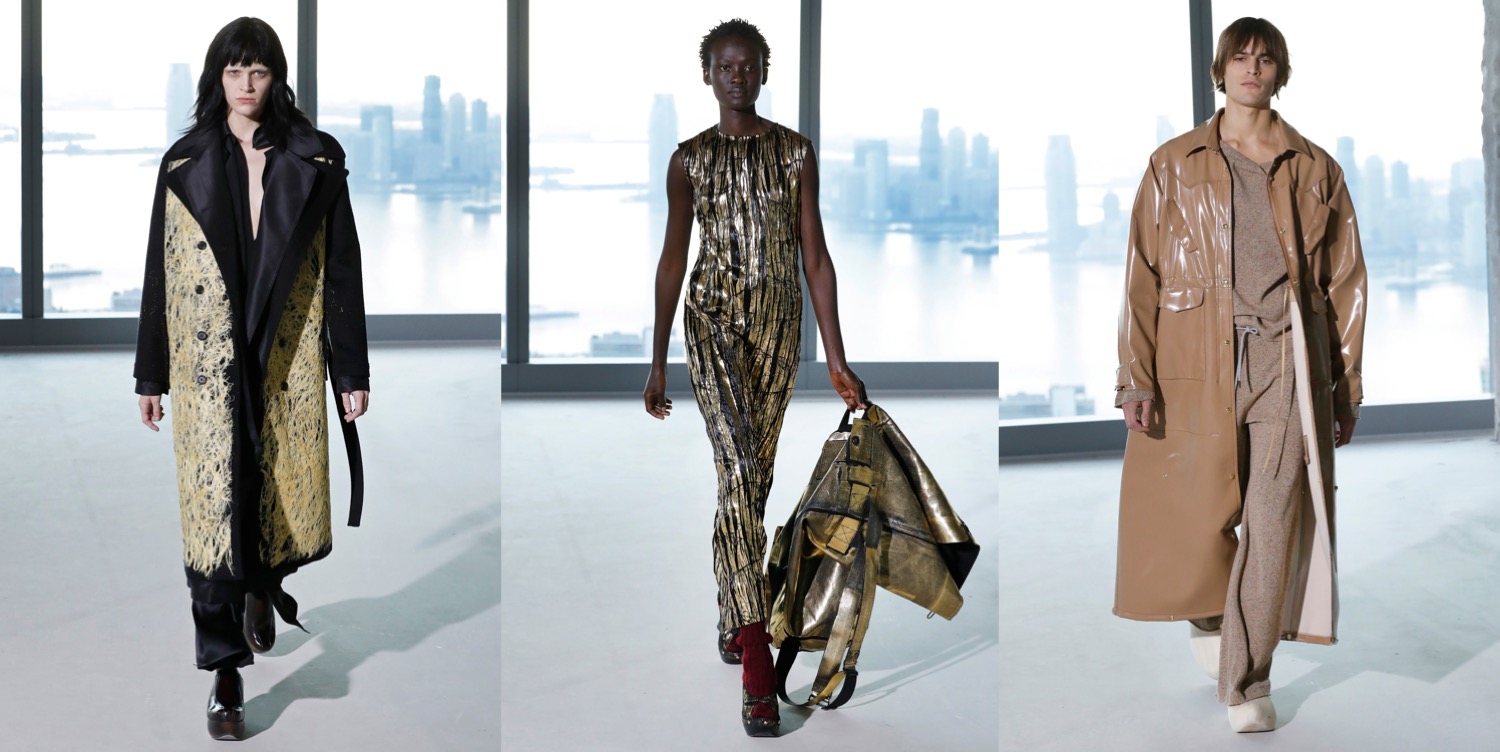
Dutch Heritage. Sies Marjan AW20

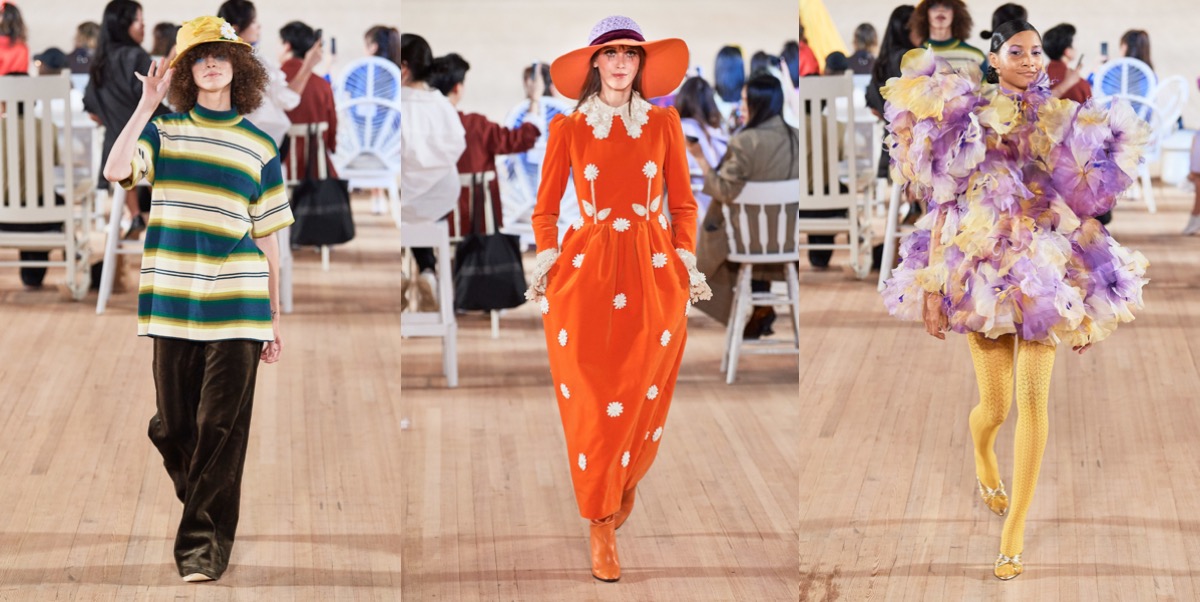
This was one of the best collections coming from Sander Lak’s Sies Marjan to date. The designer is known for his incredible skills in colour combinations, and this time he nailed it with the earthy tones, gorgeous metallics and warm nude palette. The shoes – which were inspired by the traditional wooden, clogs from Netherlands – hinted that the designer might have thought of the masterful colours used by Dutch masters. And you can really see Vermeer, Ruisdael and Ter Borch in these mixes of browns, yellows and greens. Another factor that shaped the collection? Later this month, New York’s Guggenheim Museum will host Rem Koolhaas’s “Countryside: The Future” exhibition. The exhibit is a radical break from the fine art displays typically housed inside the Frank Lloyd Wright–designed rotunda. Instead of art, per se, it will exhibit scientific and cultural research collected by Koolhaas and his AMO team relating to the broad idea of the countryside and all its functions. Sies Marjan is one of the exhibition’s sponsors, and to mark the partnership between the brand, the museum, and Koolhaas, Lak themed his autumn-winter 2020 collection around ideas of the countryside. After a year-long deep-dive into the broadest notions of the theme, he went down material paths, collaborating with Cornell University on plant dyeing techniques that produced the floral patterns in the collection through hammering leaves directly onto fiber. A Dutch artist, Claudy Jongstra, lent her sustainable wool material made from sheeps’ sheddings to shaggy blue-green vests and blankets. A raffia-like material on a black top is actually made from plant roots engineered by artist Diana Scherer to grow in specific patterns. These natural textile developments lent a beautiful connection to the Earth within Lak’s collection. He continued this rawness in his produced fabrics by screen printing a gold film onto cotton twills and a mossy fil coupé. It’s rare to see a collection filled with so much thought – and looking this easy! In the end of the day, we’ve got some very genuine clothes for both women and men.
Collage by Edward Kanarecki.

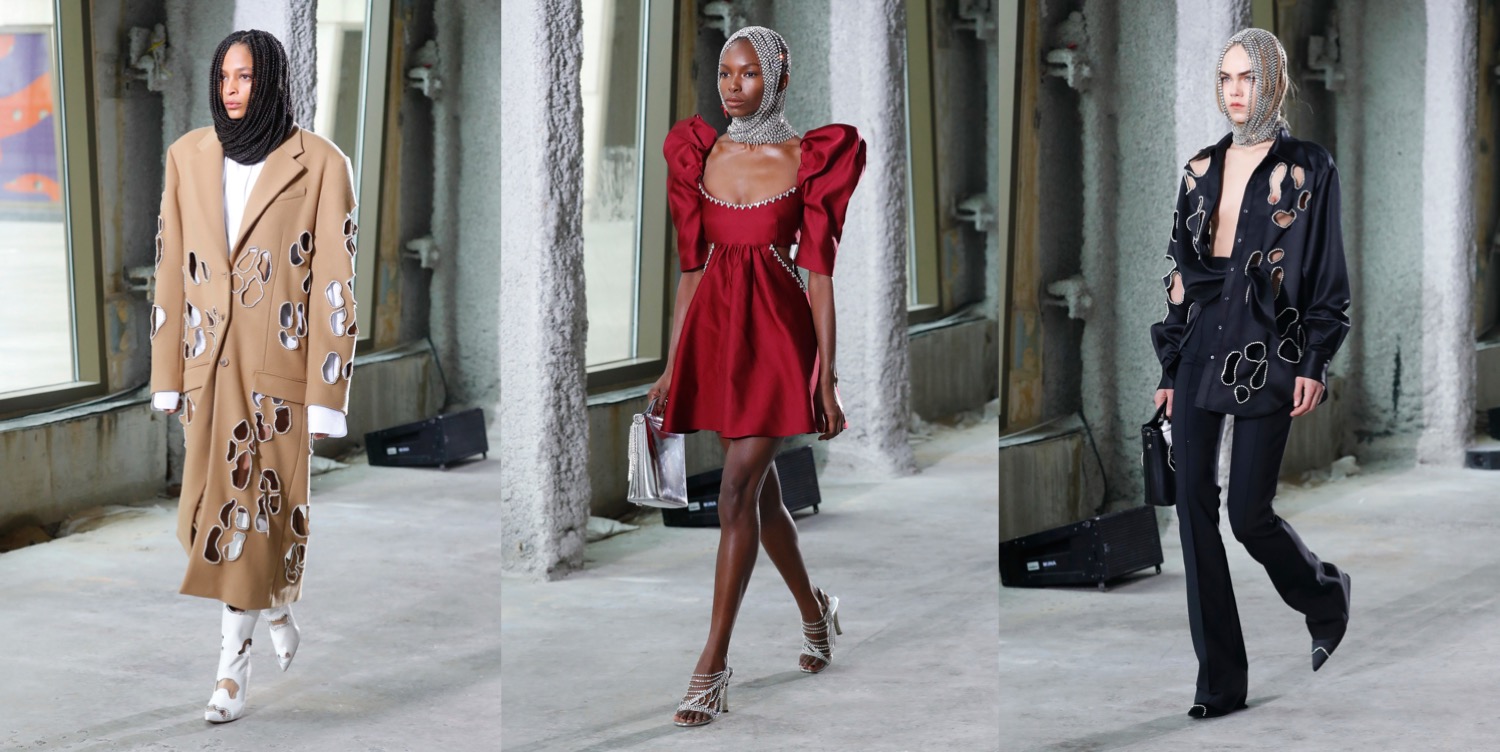
Boundary Free Globalism. Area AW20

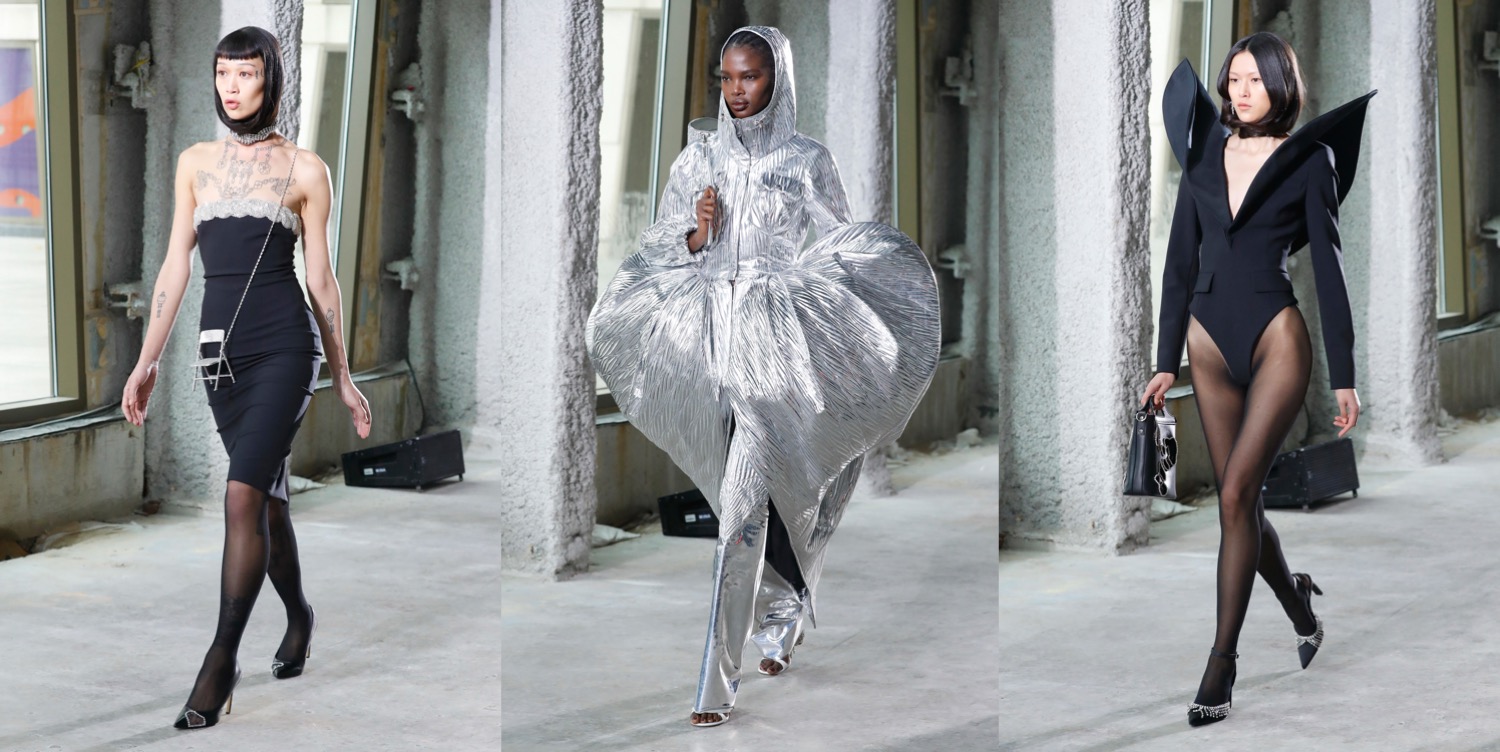
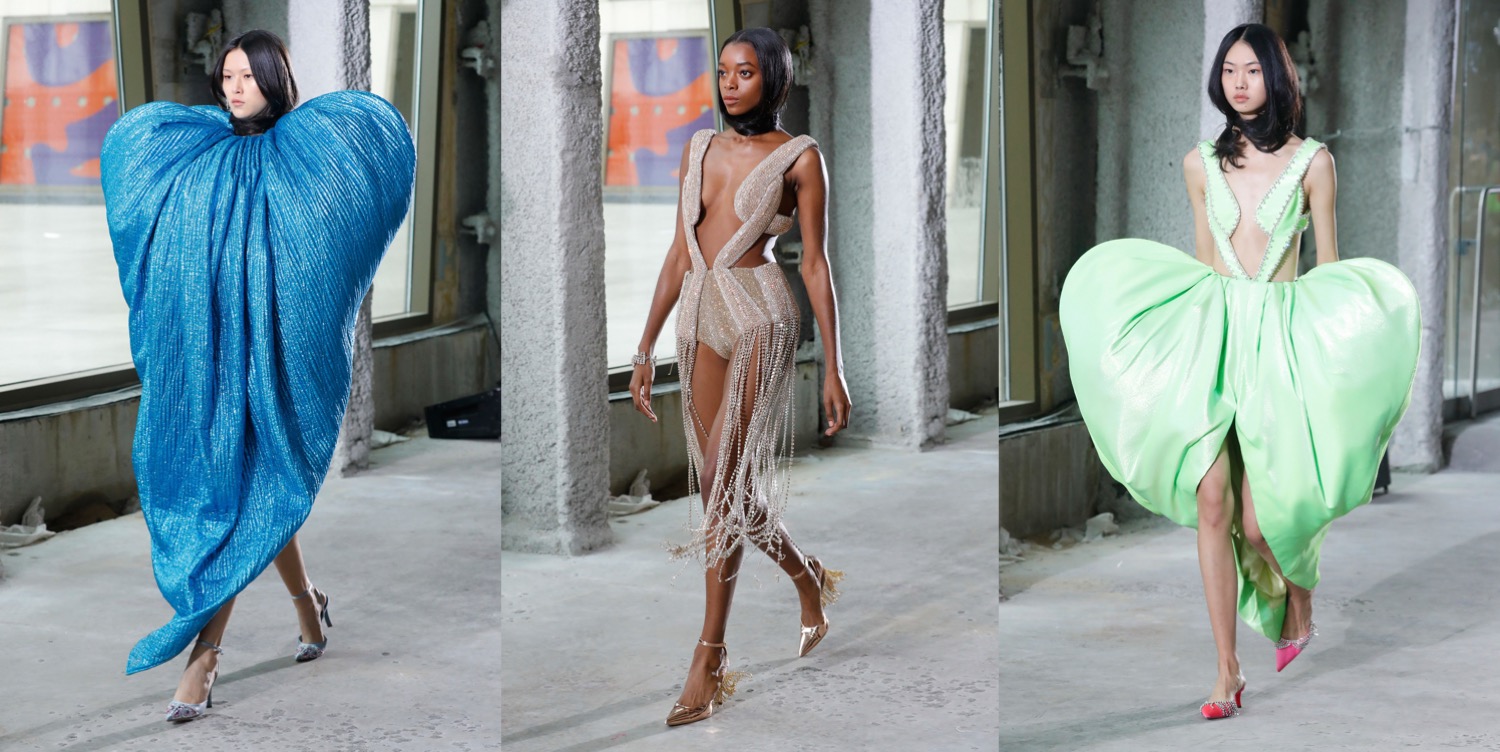
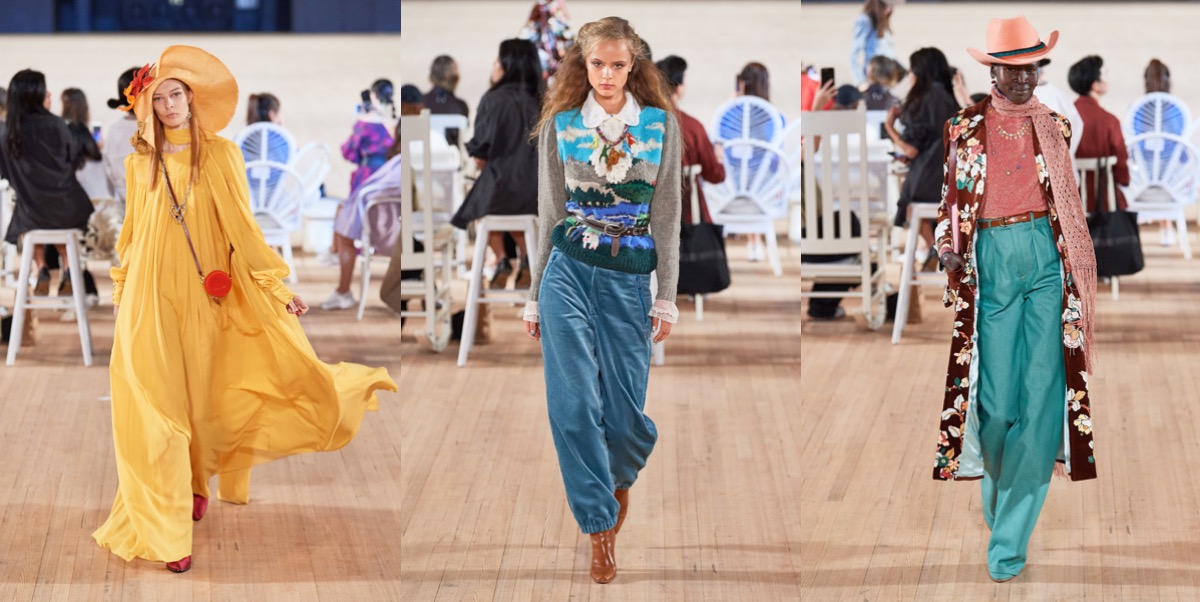
Finally, somebody brought life back to the sleepy first days of New York fashion week. You can always count on Area’s Beckett Fogg and Piotrek Panszczyk to deliver something unexpected, fun and bold. And intelligent. The duo’s The autumn-winter 2020 line-up was one of their most intensive yet, exploring fabrics, history, new technologies, collaboration, and cultural impact through garments that truly do not look like anything else on the market. Fogg and Panszczyk began their research this season with their venue, The Africa Center. The nonprofit cultural hub and museum was moved to the Upper East Side’s Museum Mile almost 10 years ago, but development stalled when funding fell out. The brand has inked a partnership with the center in the hopes of spotlighting African culture and craft in the USA. Weaving techniques native to Africa helped inform the show’s opening looks, too, but an Area collection is never just about one thing. There was plenty of other references: Japanese tropical postcards, the pleating and draping of Madame Grès, leather costumes by Eiko Ishioka for Francis Ford Coppola’s Dracula, interior design by the New York–based duo Myreality (the chair bags!) and Romeo Gigli’s heart motifs. Most important is the idea of boundary-free globalism. As designers, the pair pull inspiration from wherever they please, but what makes their clothing so interesting is the way they melt these ideas together in a spectacular alchemy. It’s reflective of the way they see the world, and how they see New York in particular: a borderless community of free spirits. Clothes-wise, those are garments for the daring ones who love being extra 24/7, that’s for sure. But then, some of the pieces put separate – like knitwear, tailoring and coats, all pimped up with rhinestones – are great for everyday style. I wish some big musician finally discovered Area and wore their extraordinary garments on tours and the red carpet.

Collage by Edward Kanarecki.

Modern Uniforms. Peter Do AW20

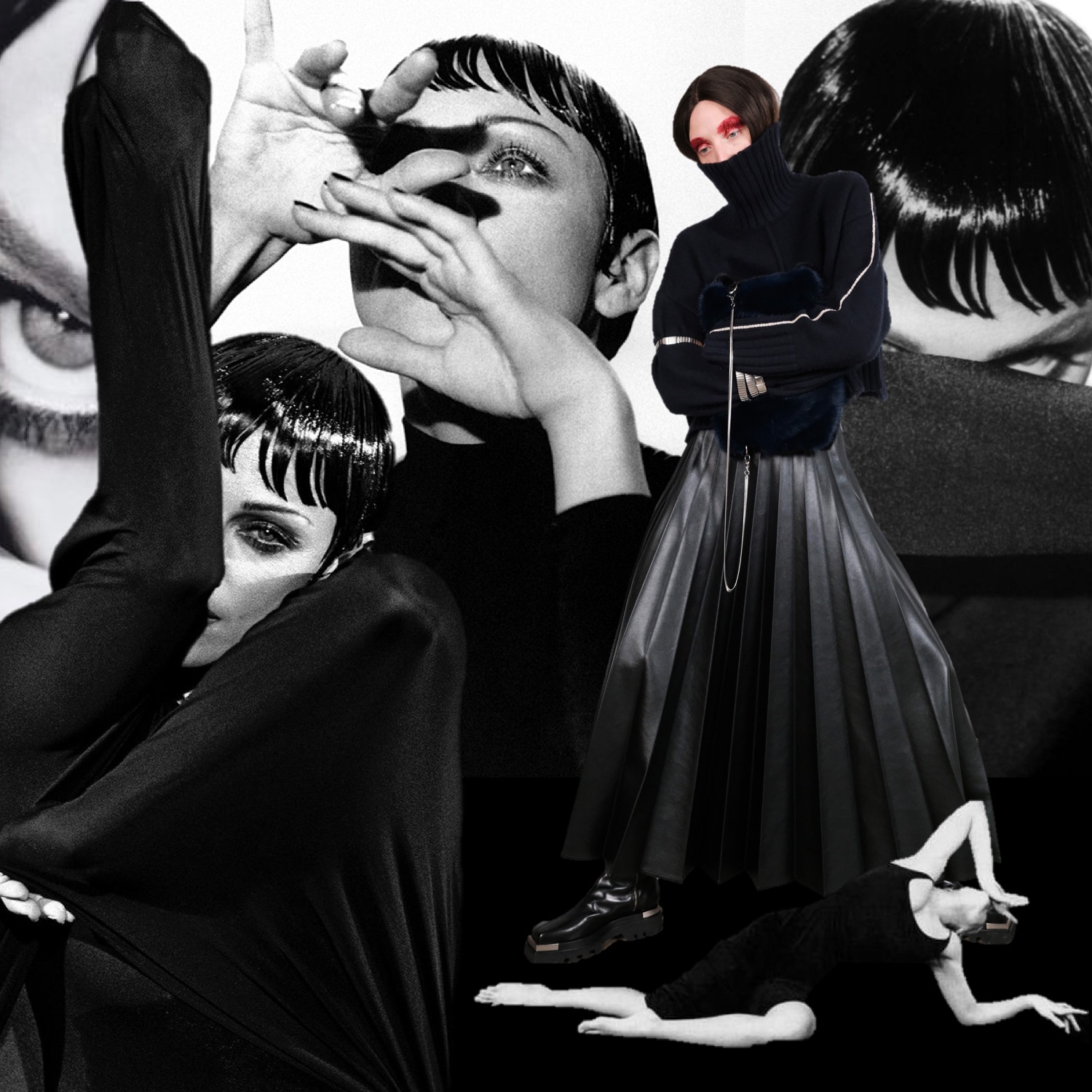
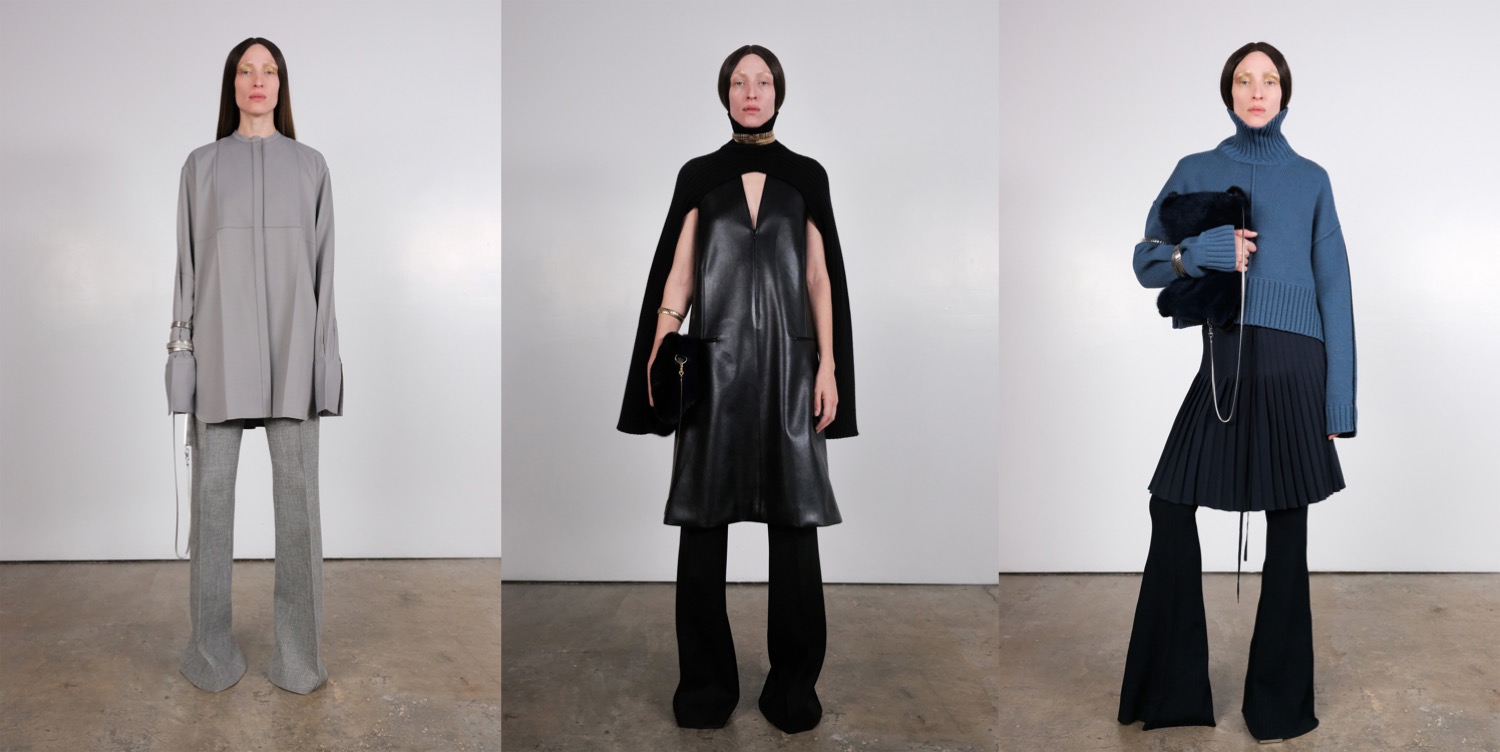
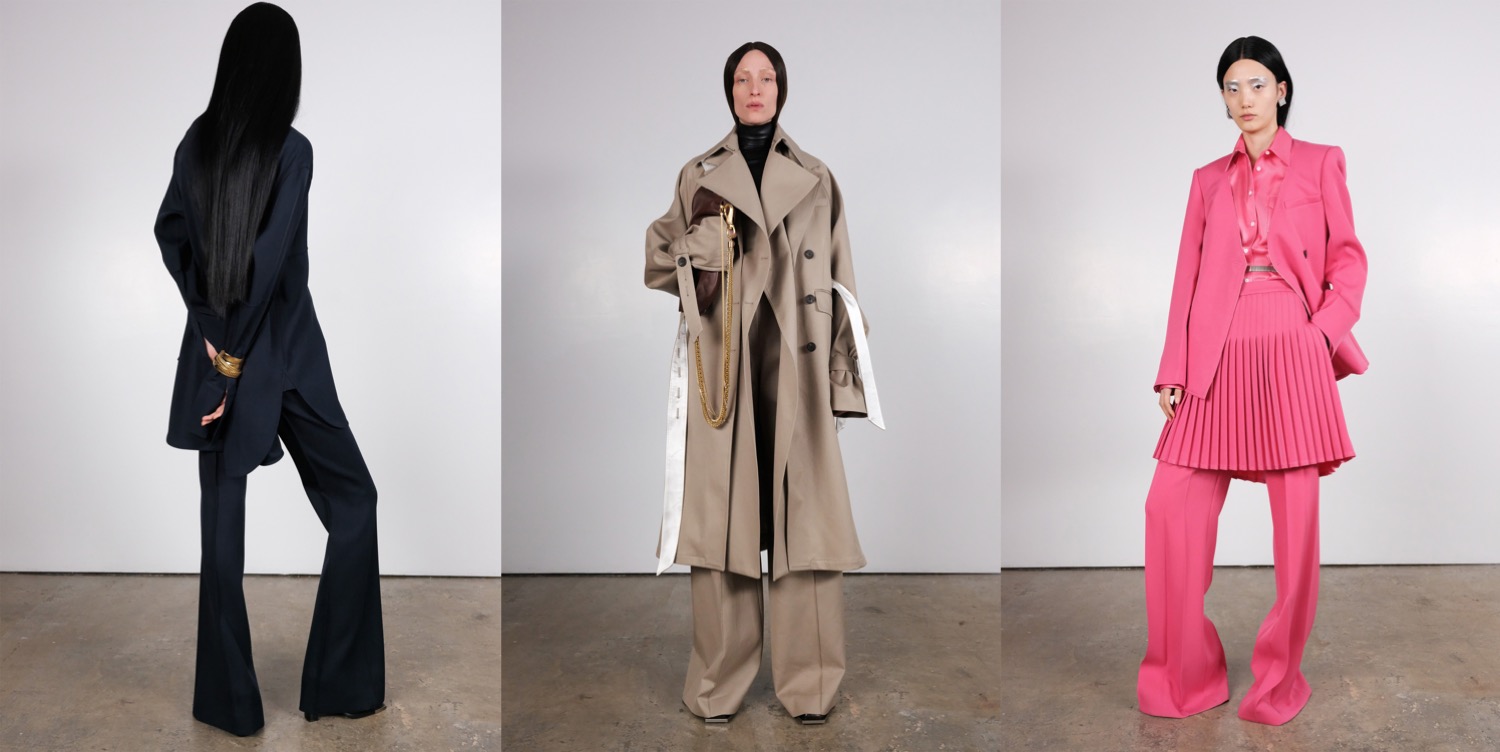
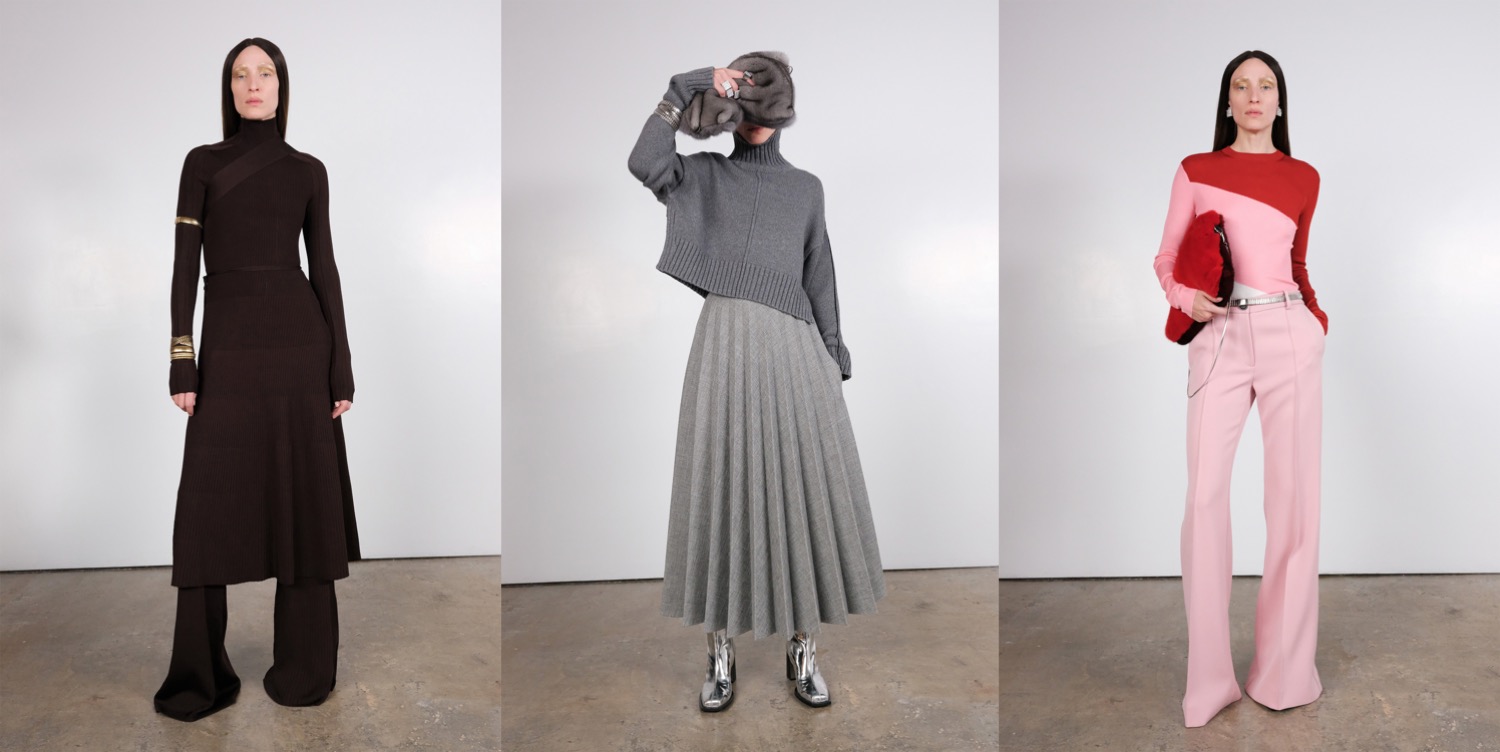
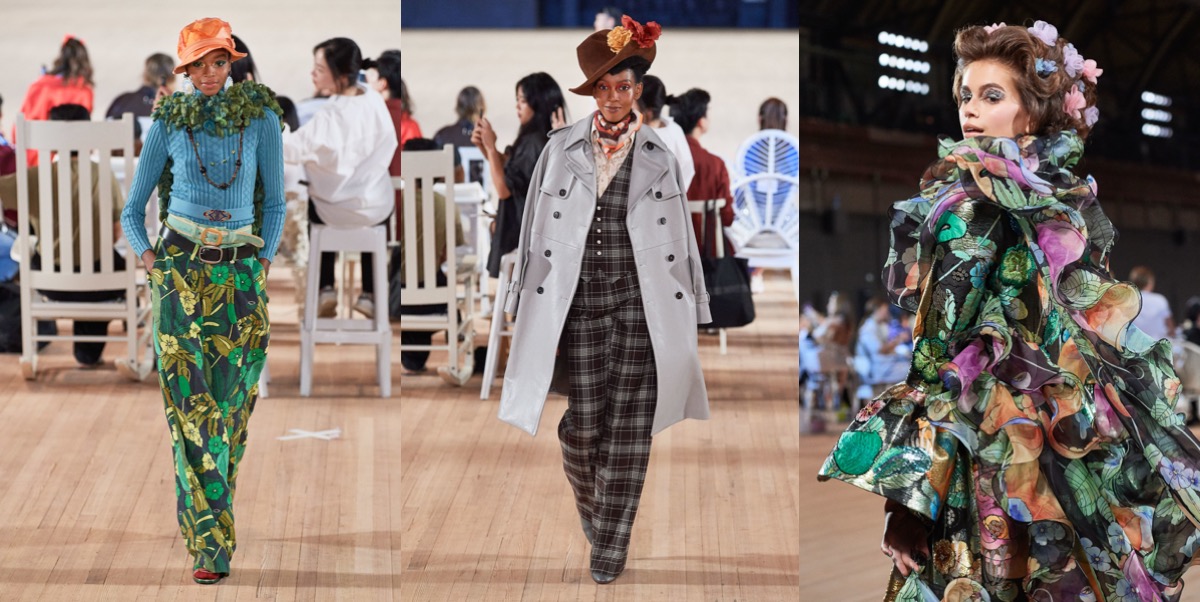
Peter Do is the “old Céline” guard, who developed his aesthetic and style under Phoebe Philo. Add a succesful Instagram performance and thoughtful visual communication, and it’s a label that immediately got on everybody’s lips. It’s Do’s second official season, and here’s what we’ve got: modern uniforms of exceptionally tailored pieces which are both functional and fashion-forward. The autumn-winter 2020 palette is a treat: gray, accented with rose, scarlet, and hunter green. The black, all-sequinned blazer and matching pleated skirt is a great alternative to eveningwear. The label also debuts with footwear, which is all about heavy, polished-leather boots with metallic elements. Some looks felt over-sophisticated, like the oddly sharp cuts of the jackets’ lapels, but when you put the clothes apart, those are some very, very good wardrobe essentials.
Collage by Edward Kanarecki.

The King of New York. Marc Jacobs SS20

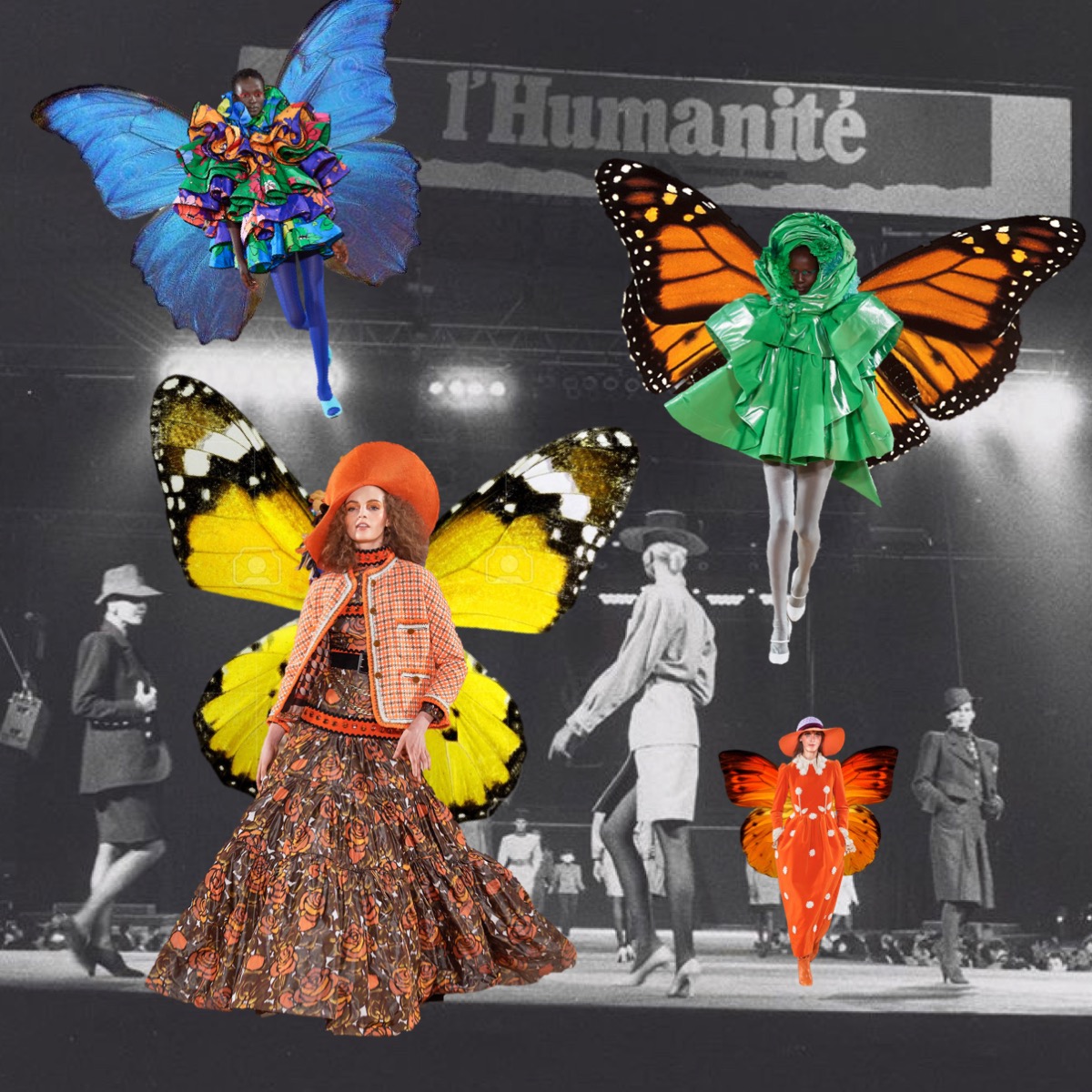
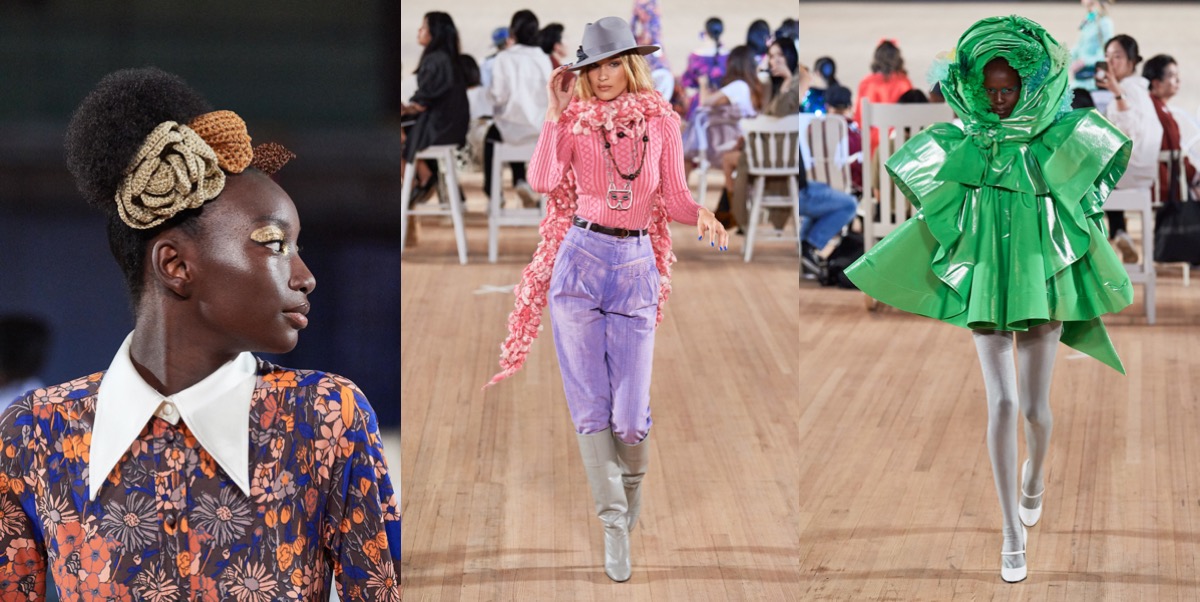
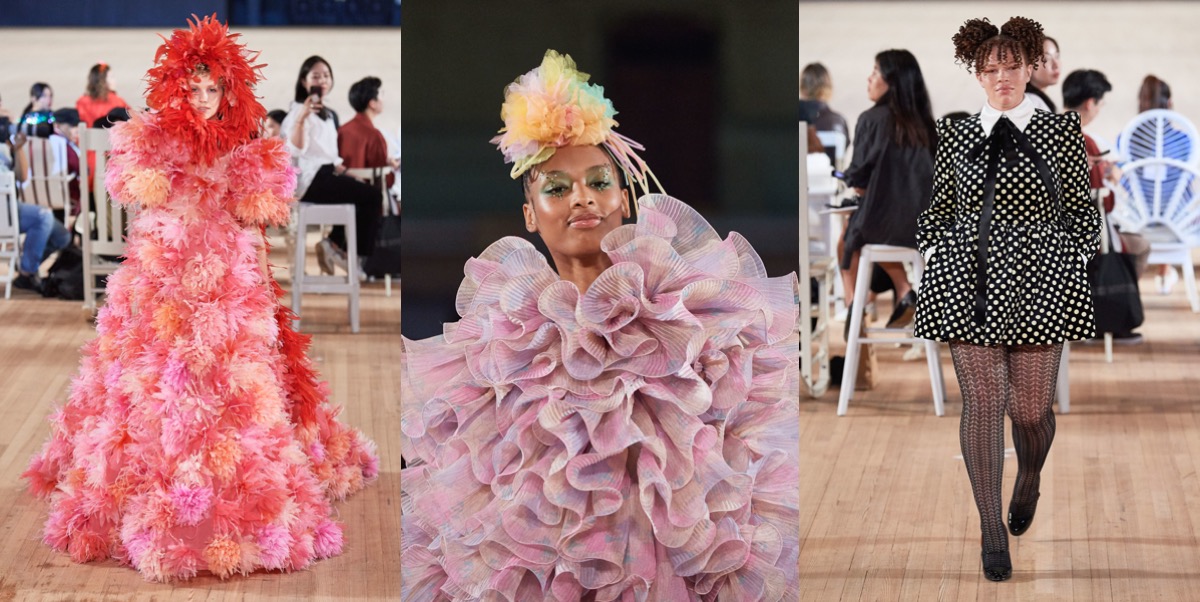
Traditionally, Marc Jacobs’ collection was the grand finale of New York Fashion Week. In a completely empty space, with different vintage chairs (painted white) standing in the middle as the guest seatings, a flock of paradise creatures emerged out of one side of the Park Avenue Armory, went across the audience, and disappeared. And then they came back, one by one, dancing and twirling according to Stephen Galloway’s choreography. A maxi velvet dress in orange, emberoidered with hippy florals; granny-ish knits with cats and kitschy landscapes; floor-sweeping gowns made for spectacular, late night dancing; patchworked denim flares; knitted mini-dresses that make you think of Quentin Tarantino’s Once Upon a Time in Hollywood and Margot Robbie’s Sharon Tate wardrobe; old school rockstar wife look as seen on Bella Hadid; another gorgeous ball dress and Savile Row-esque pantsuit… Describing each look in the collection is a non-sense, because they should all be seen. This was one of Jacobs’ most optimistic collections ever, full of dreams and emotions, love and happiness. For spring-summer 2020, the 60s, 70s and 80s were mixed and fused with Marc’s most beloved personalities and their bodies of work: think Yves Saint Laurent, Karl Lagerfelfd, Shelley Duvall, Anita Pallenberg and Marina Schiano. But simultaneously, it all feels… Marc. One more thing that should be praised in this line-up: it’s a mindful balance of wearable pieces that will actually sell in stores, and delightful fantasy. This is what the designer struggled with for the last few years. And he finally overcame it. Marc continues to be the ultimate king of NYFW. Dream a little dream of me

Collage by Edward Kanarecki.
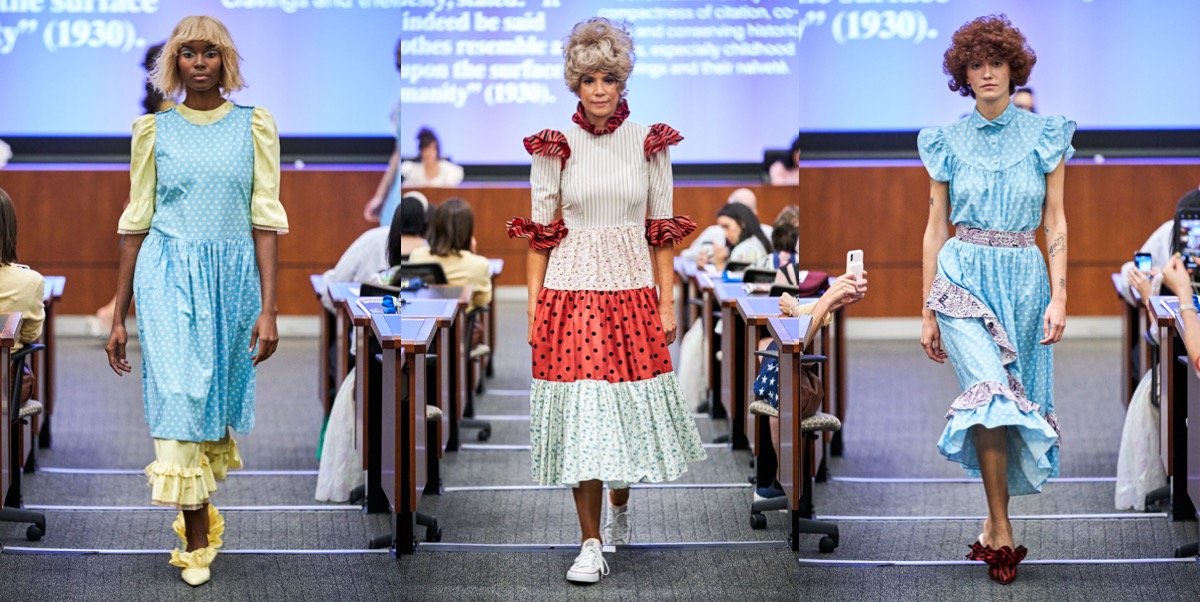
The Law of Batsheva. Batsheva SS20

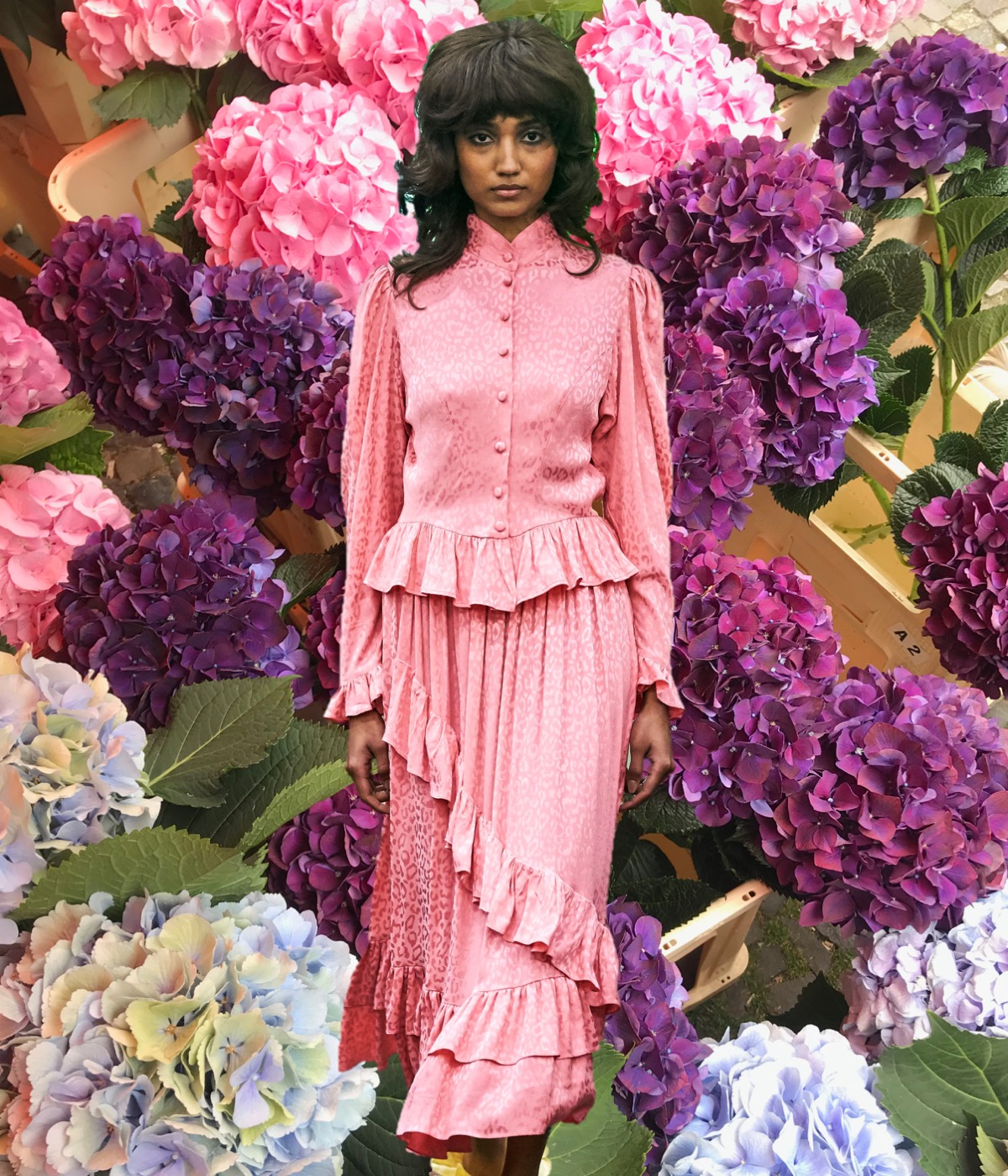
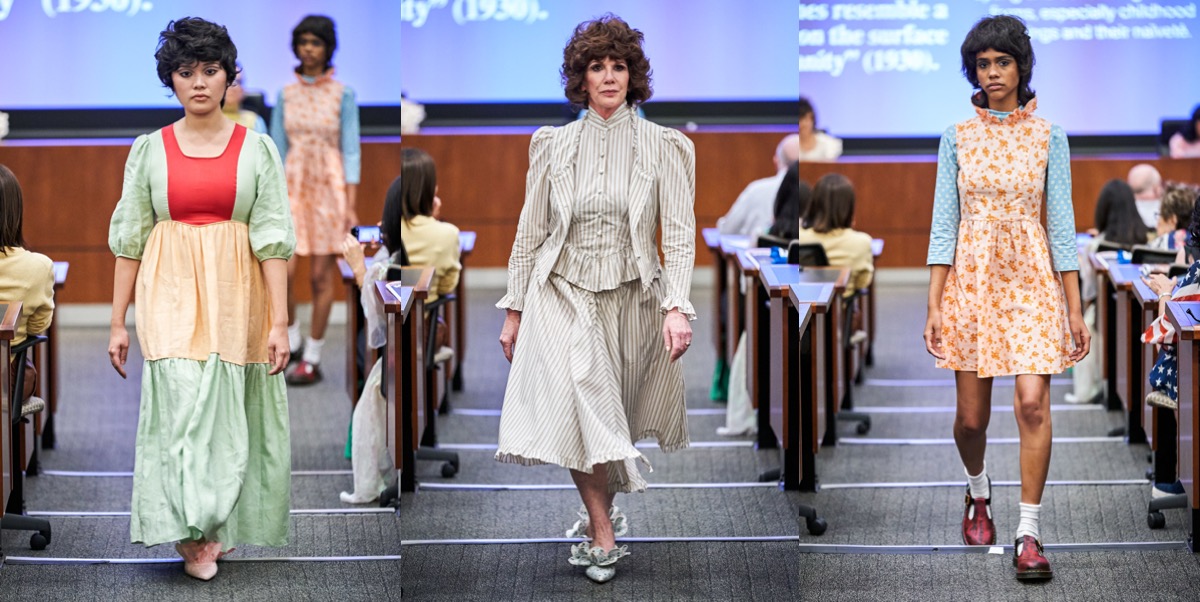
Within just a couple of seasons, a Batsheva dress became a classic in New York. No wonder why: her signature prairie dresses, often made out of vintage textiles, are comfortable, flattering and the wearer never really has to think how to wear it: they work with everything. Batshave Hay‘s spring-summer 2020 show at the New York Law School (fun fact: before starting her label at home, Batsheva was a lawyer) was an actual lecture. Jamieson Webster (a psychoanalyst), Chiara Bottici (a philosopher) and Melissa Ragona (an art historian and theorist), three academics in three diverse fields, engaged critically with Batsheva’s newest collection, while models walked through a lecture hall. Writer and podcaster Aminatou Sow introduced and moderated the panel. “They make me feel like a pioneer woman who can’t be fucked with,” Sow said of Batsheva’s garments. The lecture was called “Neck, Wrist, and Ankle: Recurrence in Batsheva’s Clothing” and each speaker presented her essay accompanied by a PowerPoint presentation of pertinent details and helpful quotes. Hay’s panel of critics laid out lots of excellent points, including a description of her clothing as “defense of the tender areas of the body”. Fashion being intellectual is a rare, but great sight. Especially, when the clothes keep up with the theory. The prairie dress was present in the line-up for a few times, in tiny florals, polka-dots and print patchwork, but there were also some new additions: blazers with big, Victorian shoulders (speaking of the Victorian topic, the ‘Victorian Secret’ pun on the finale dress was brilliant, by the way), a ruffled day dress in a red zebra pattern and gorgeous shoes made in collaboration with Brother Vellies.

Collage by Edward Kanarecki.