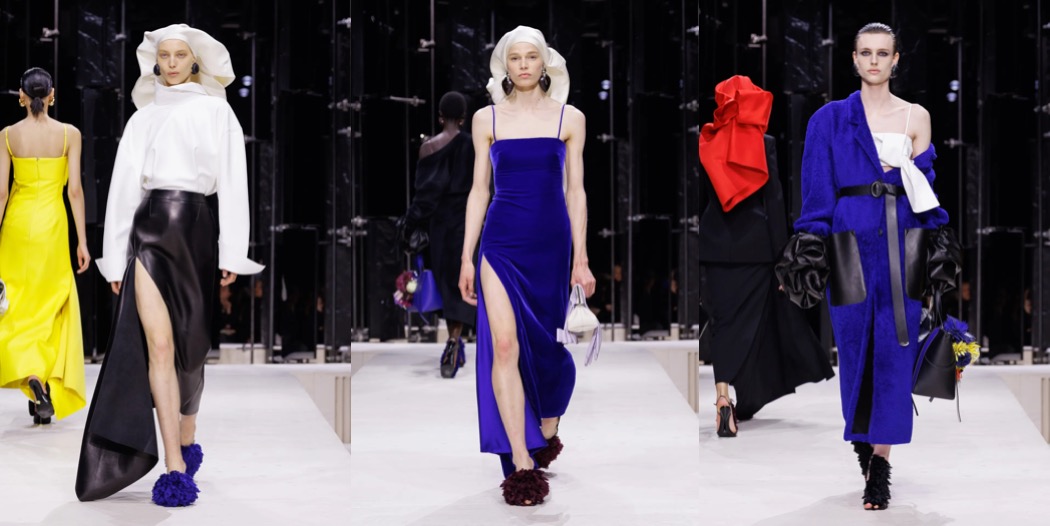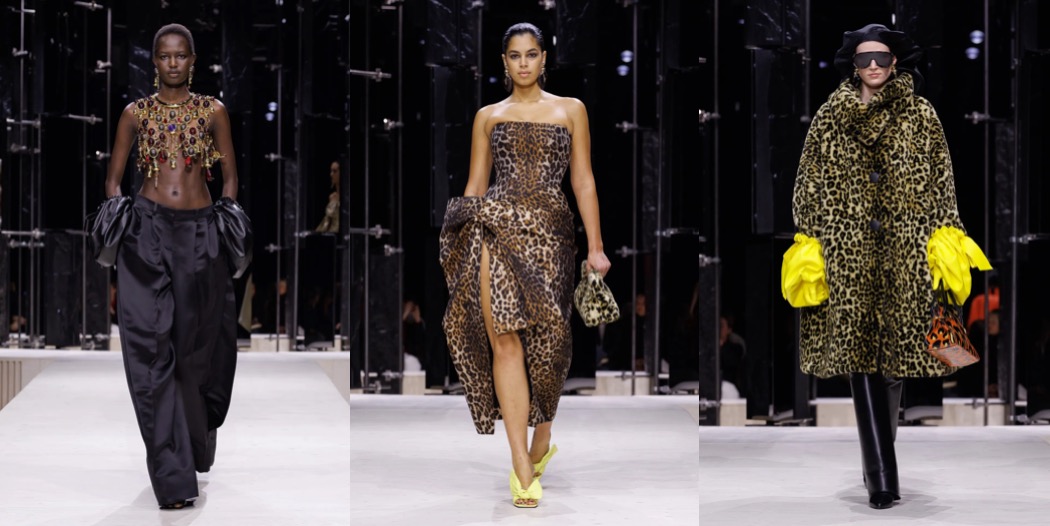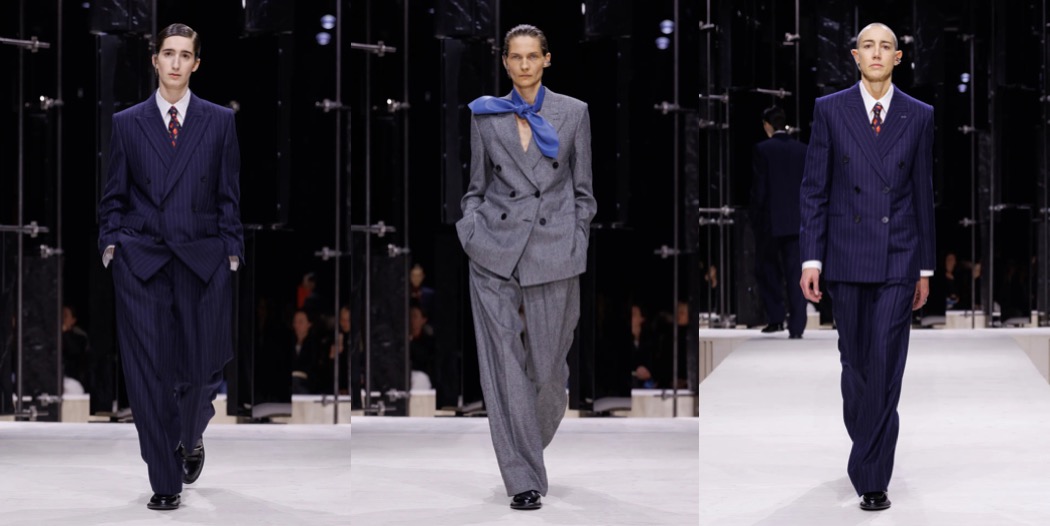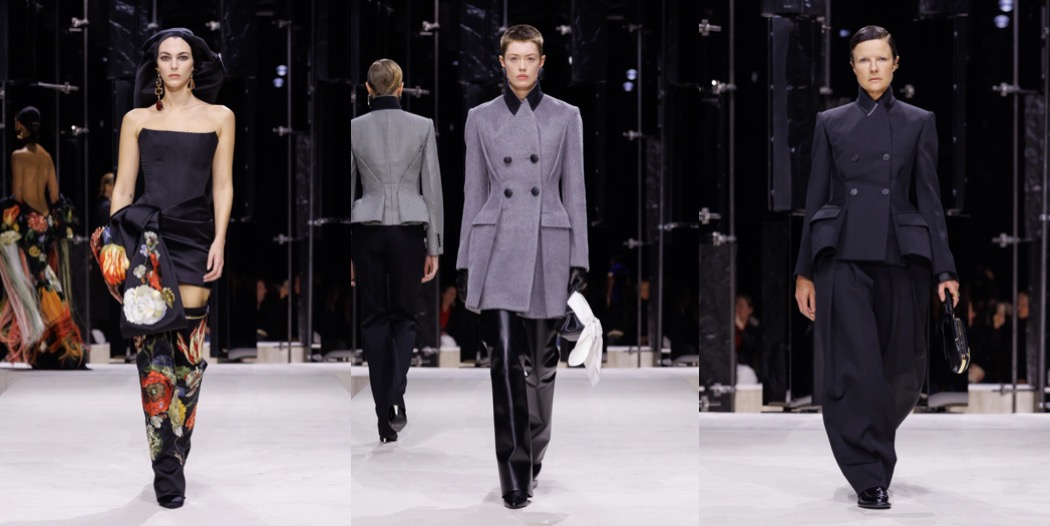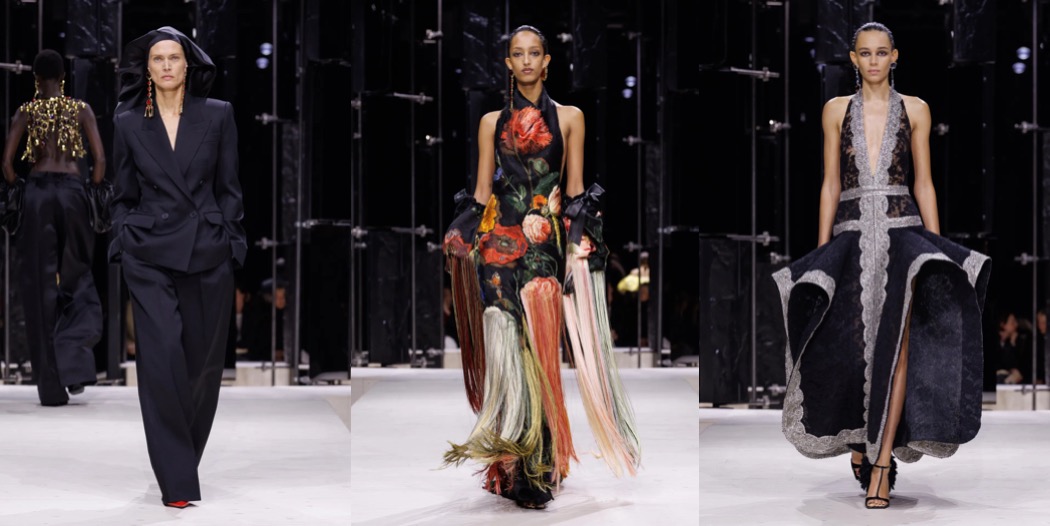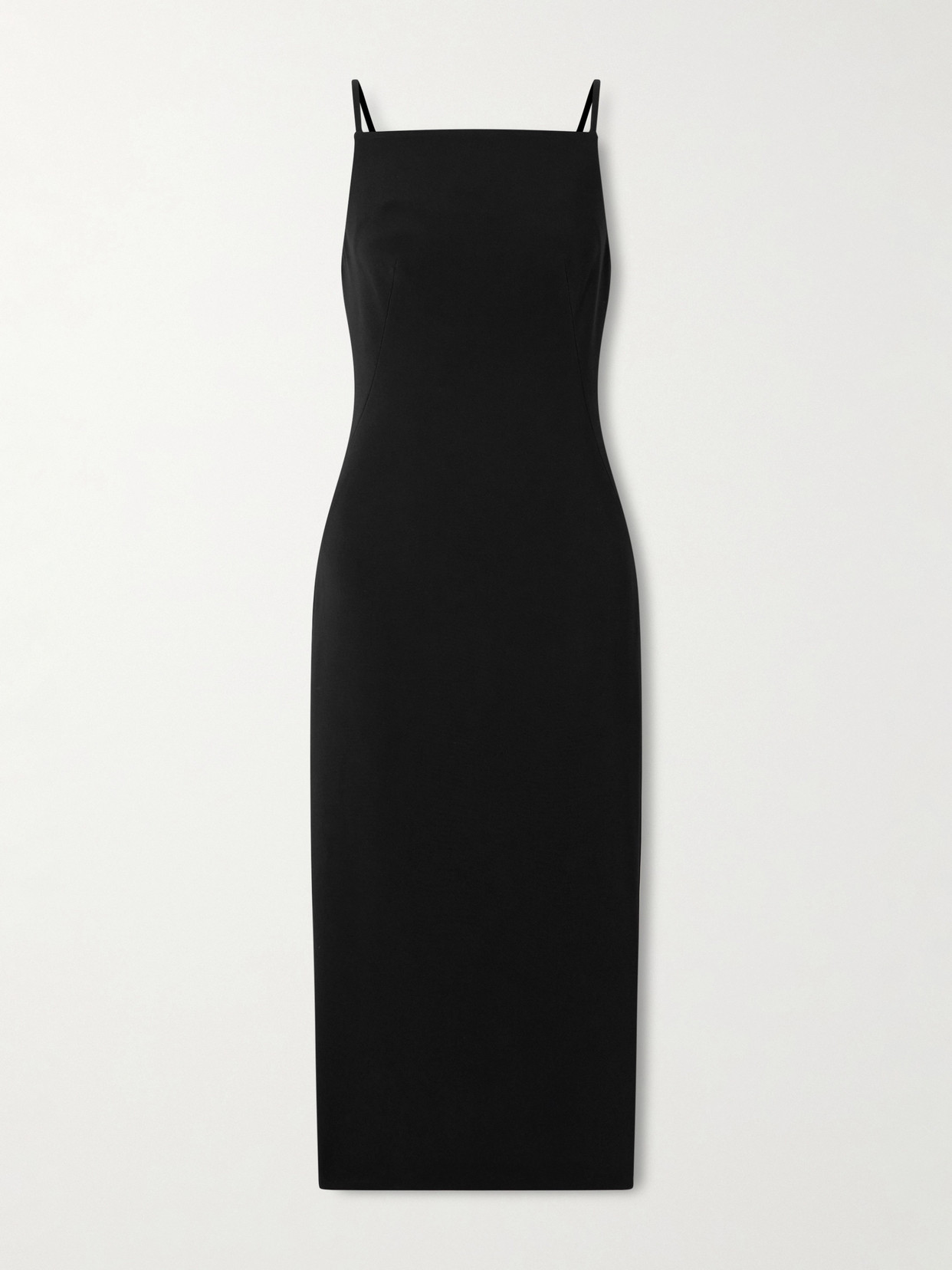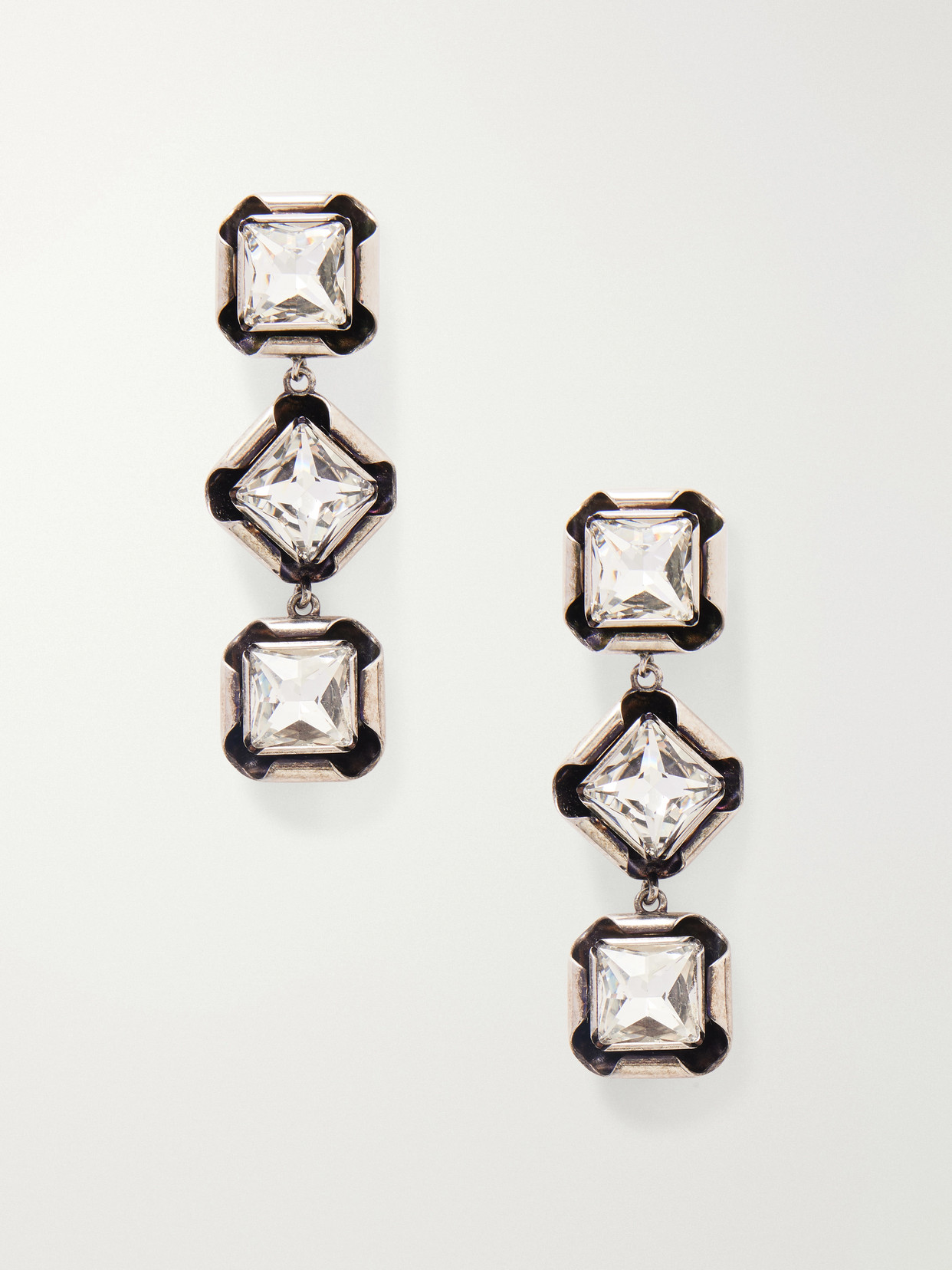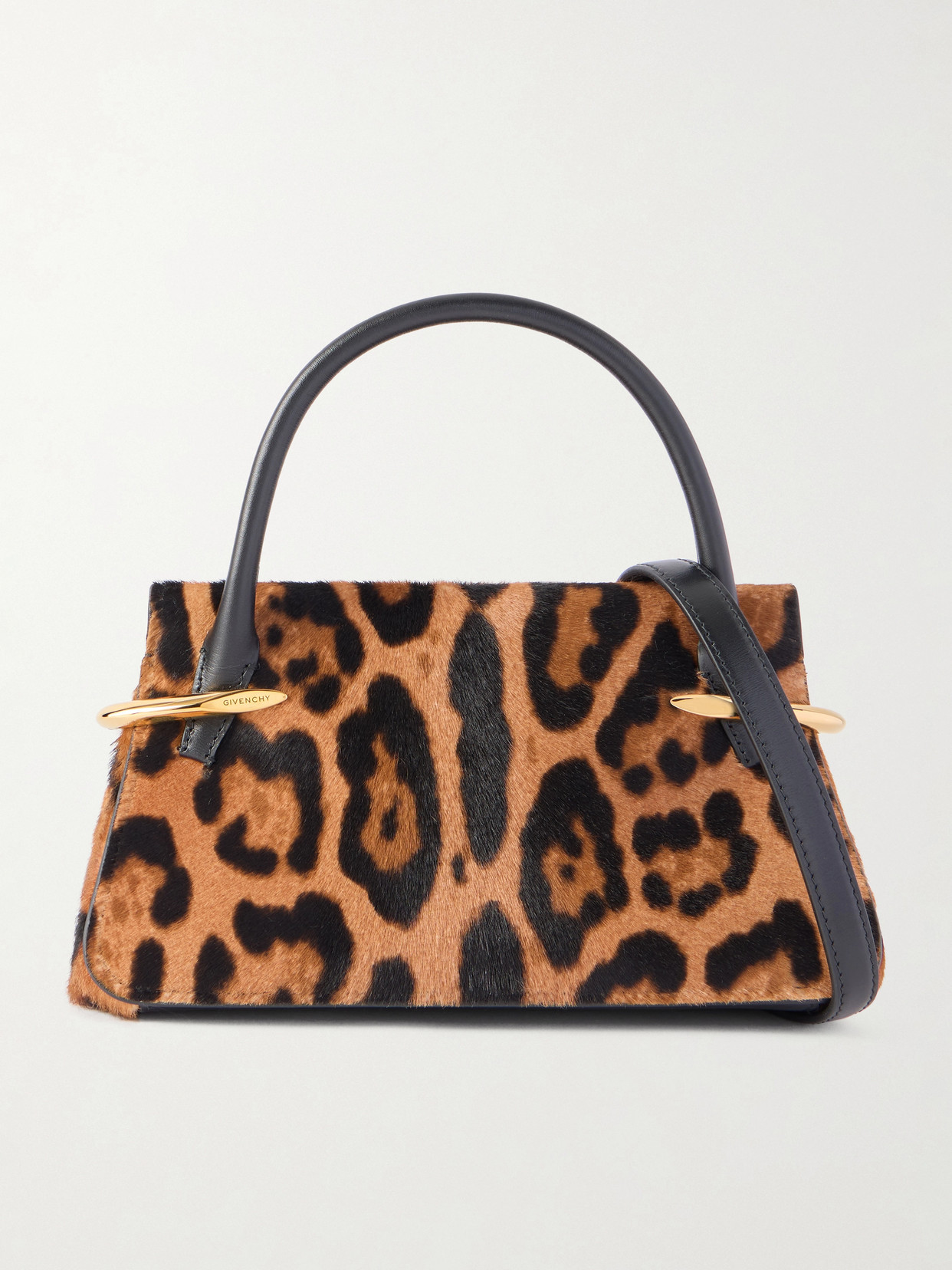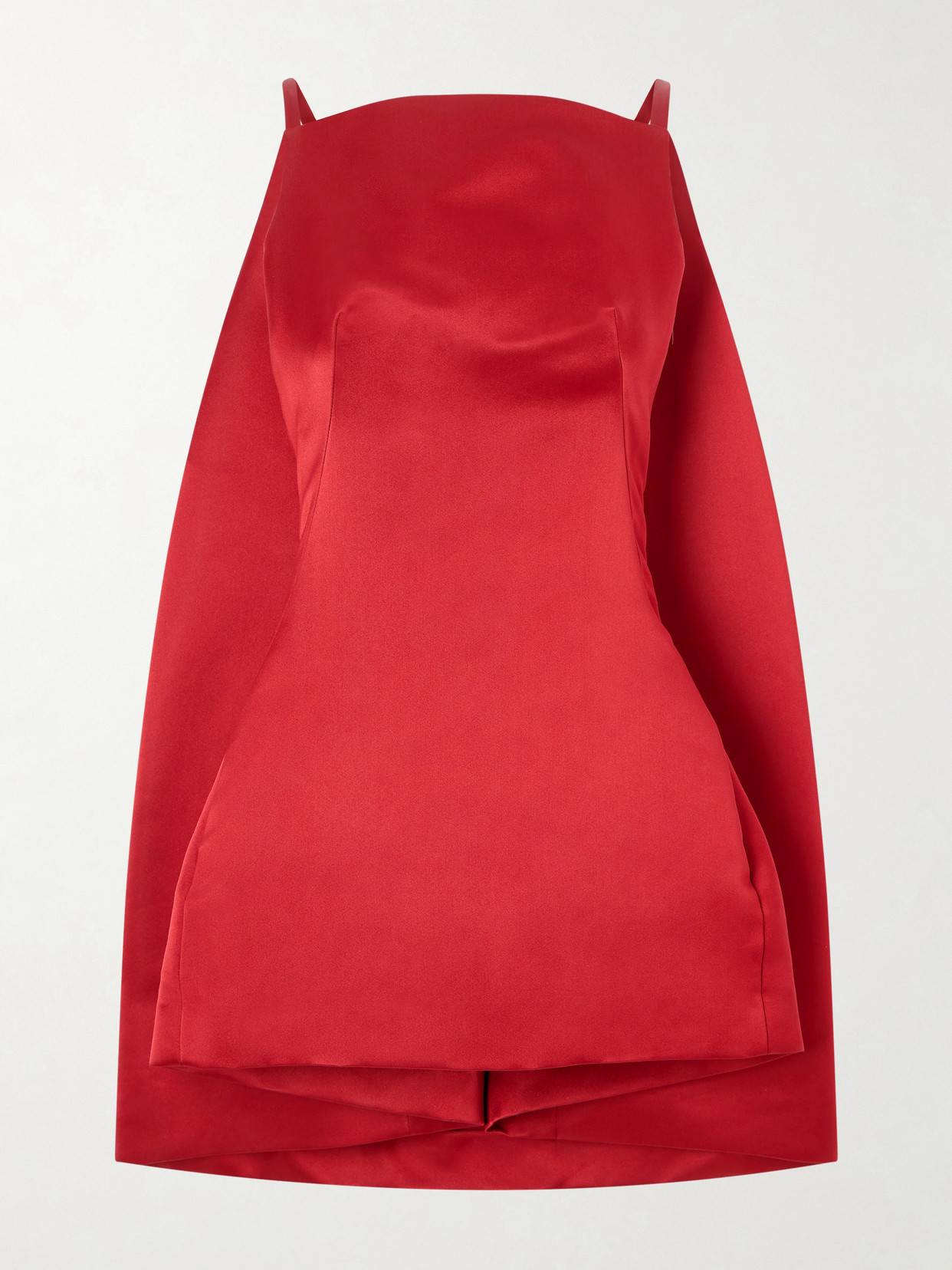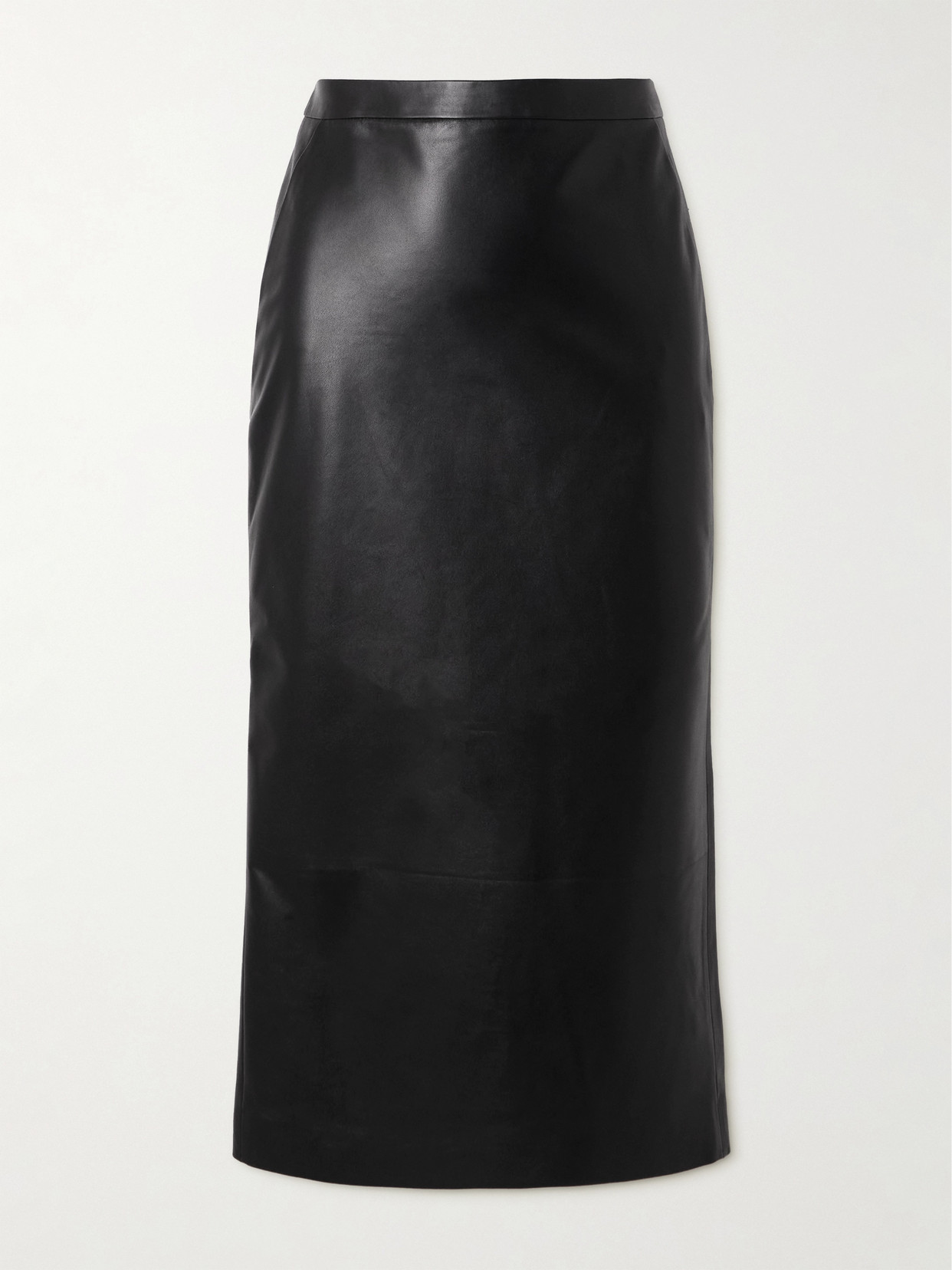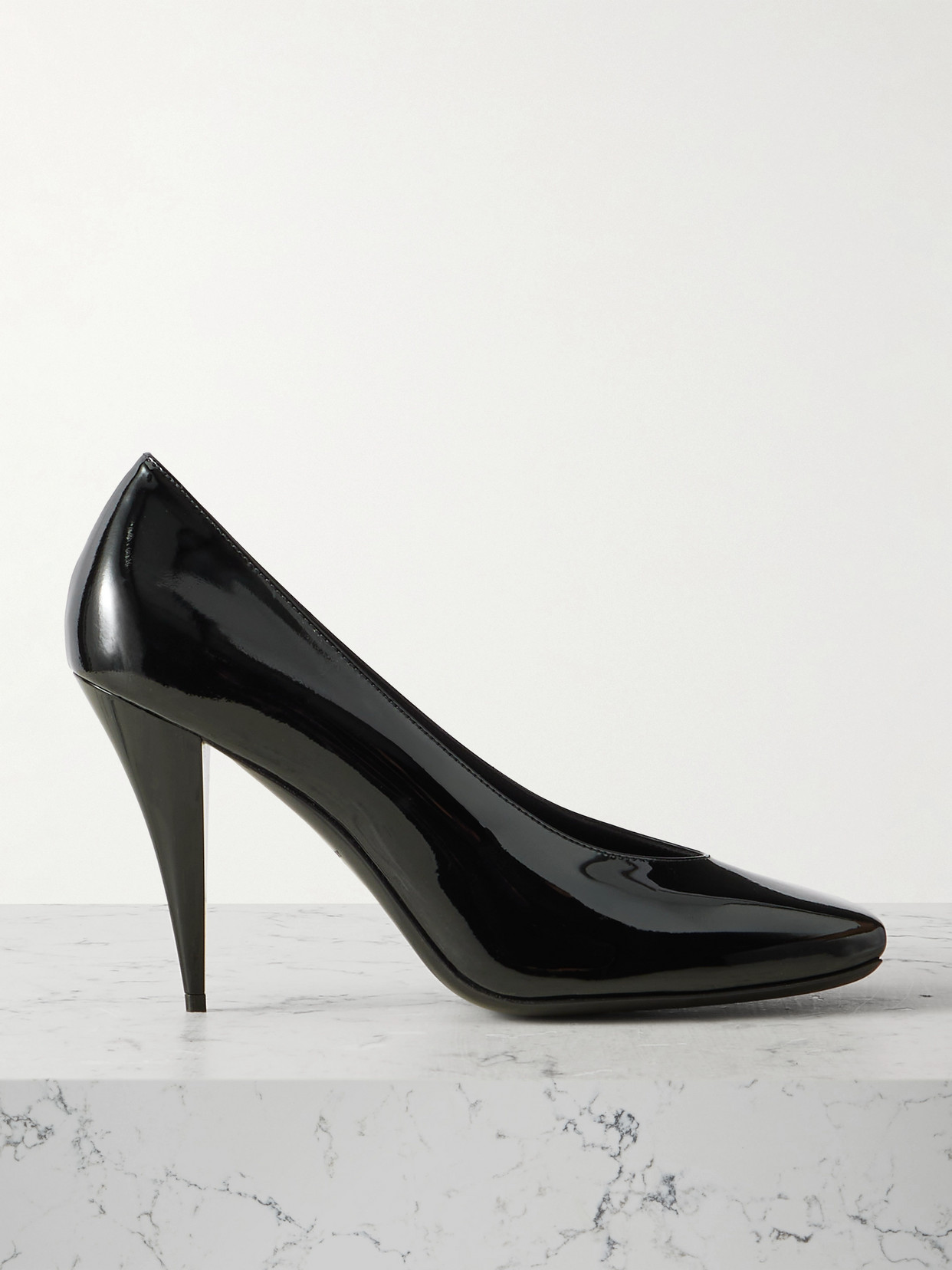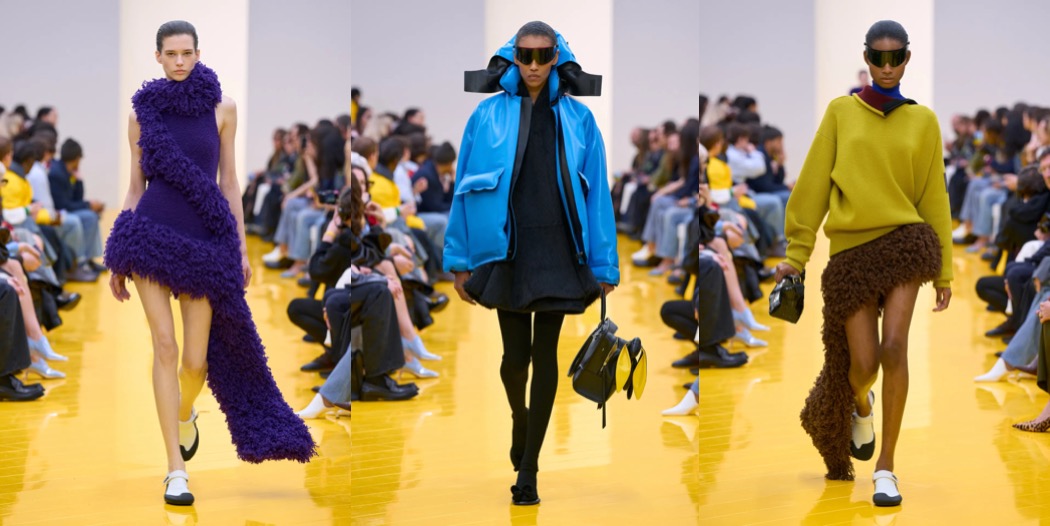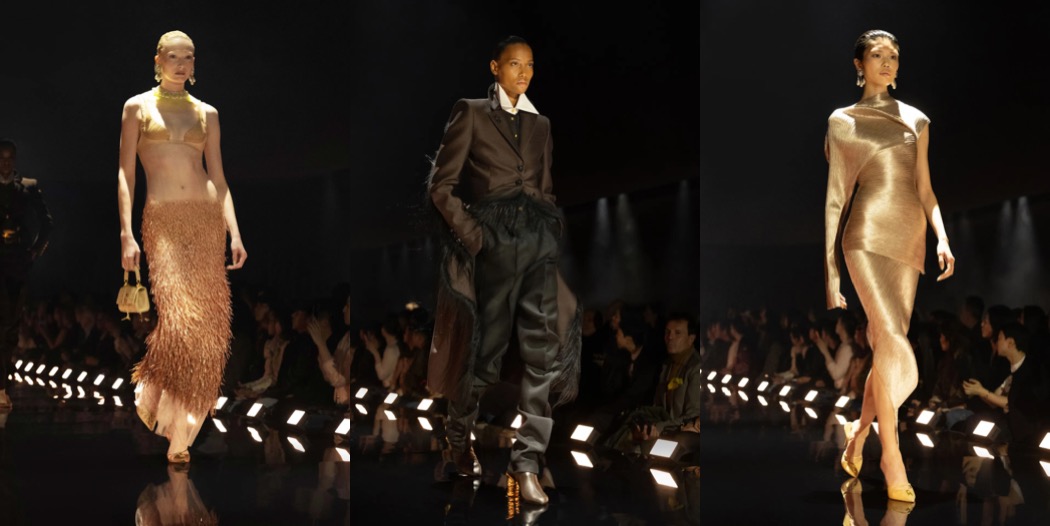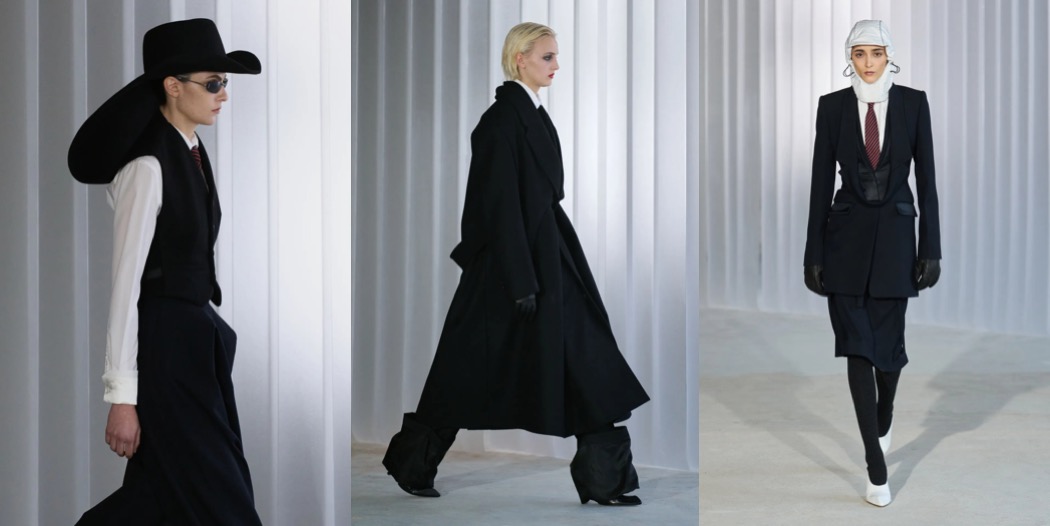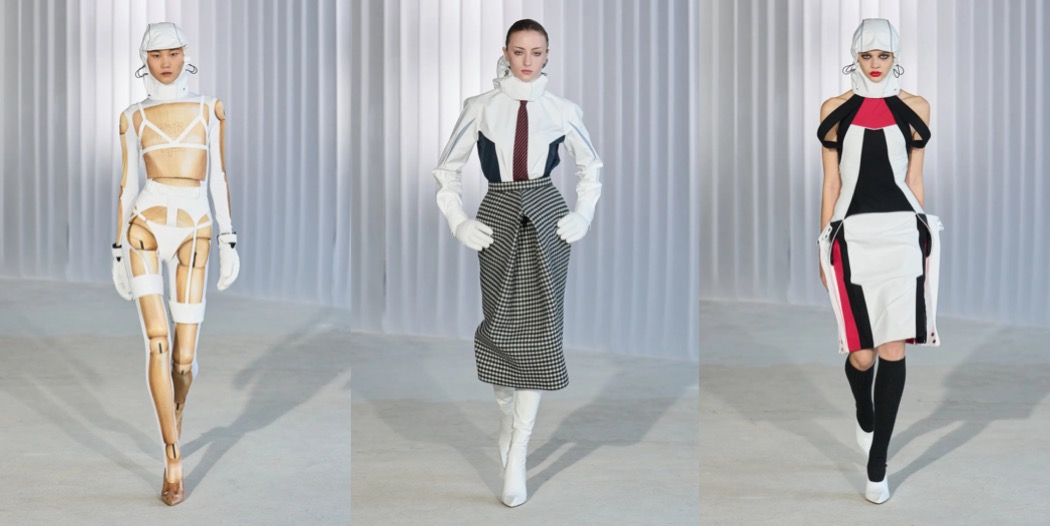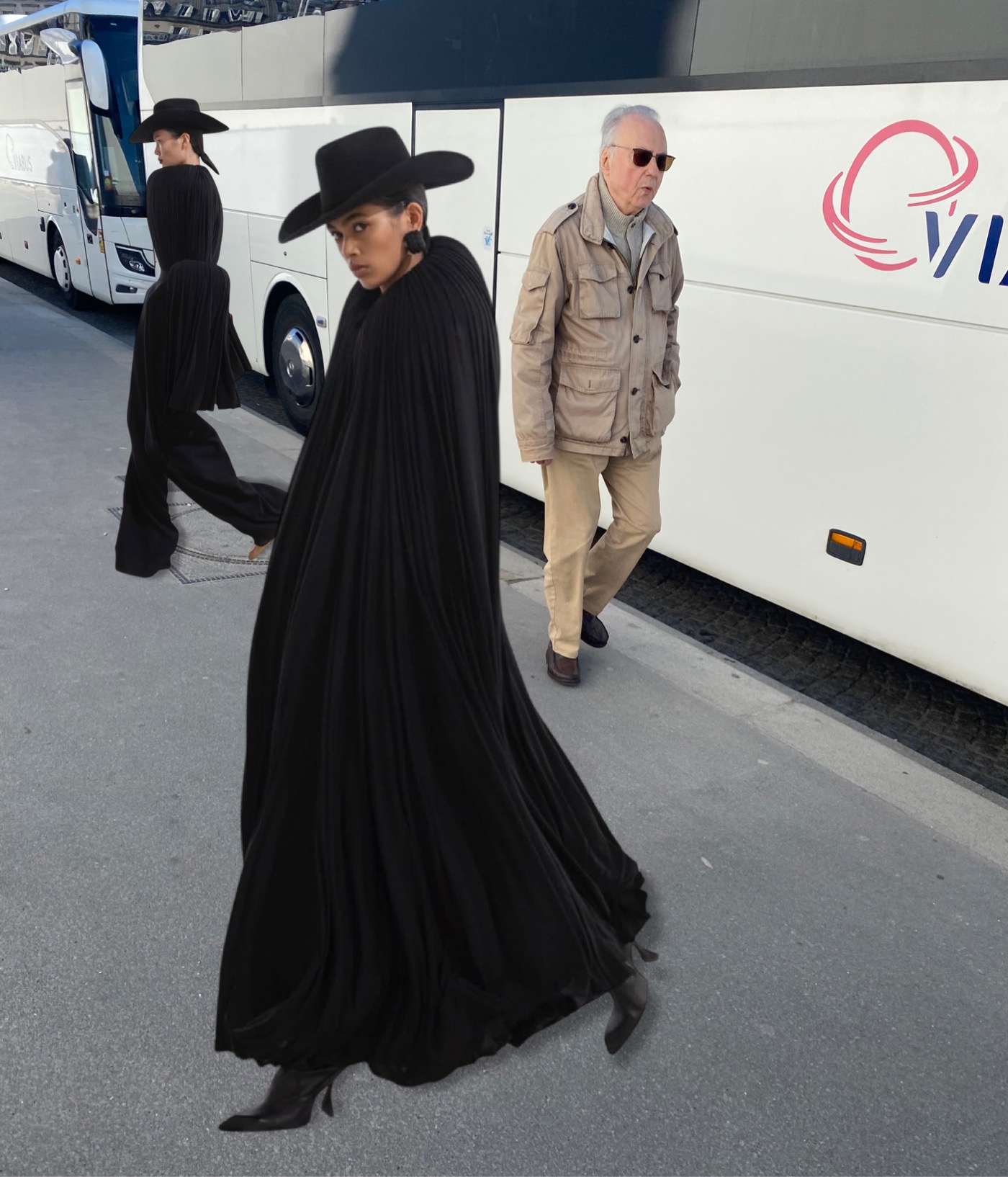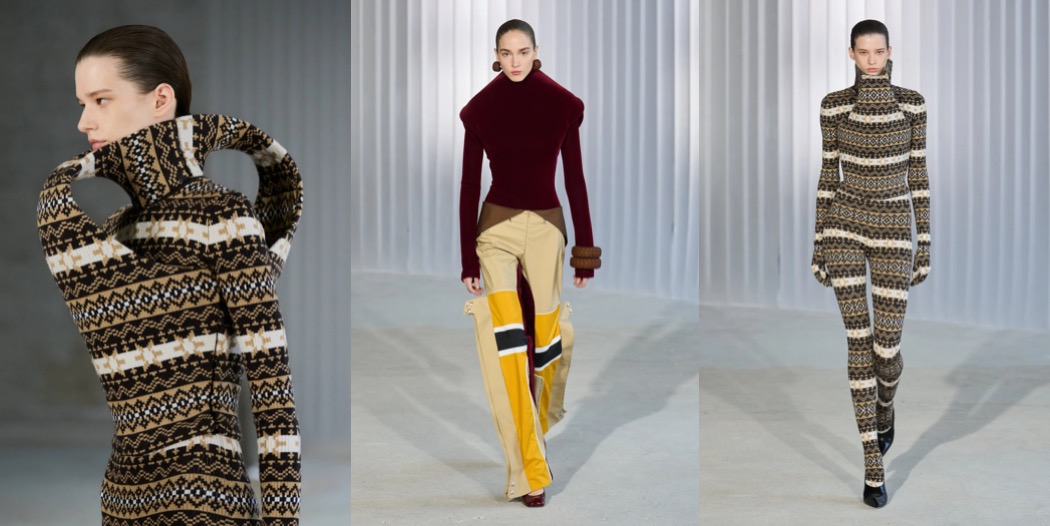
Lightness. Chanel SS26 Couture

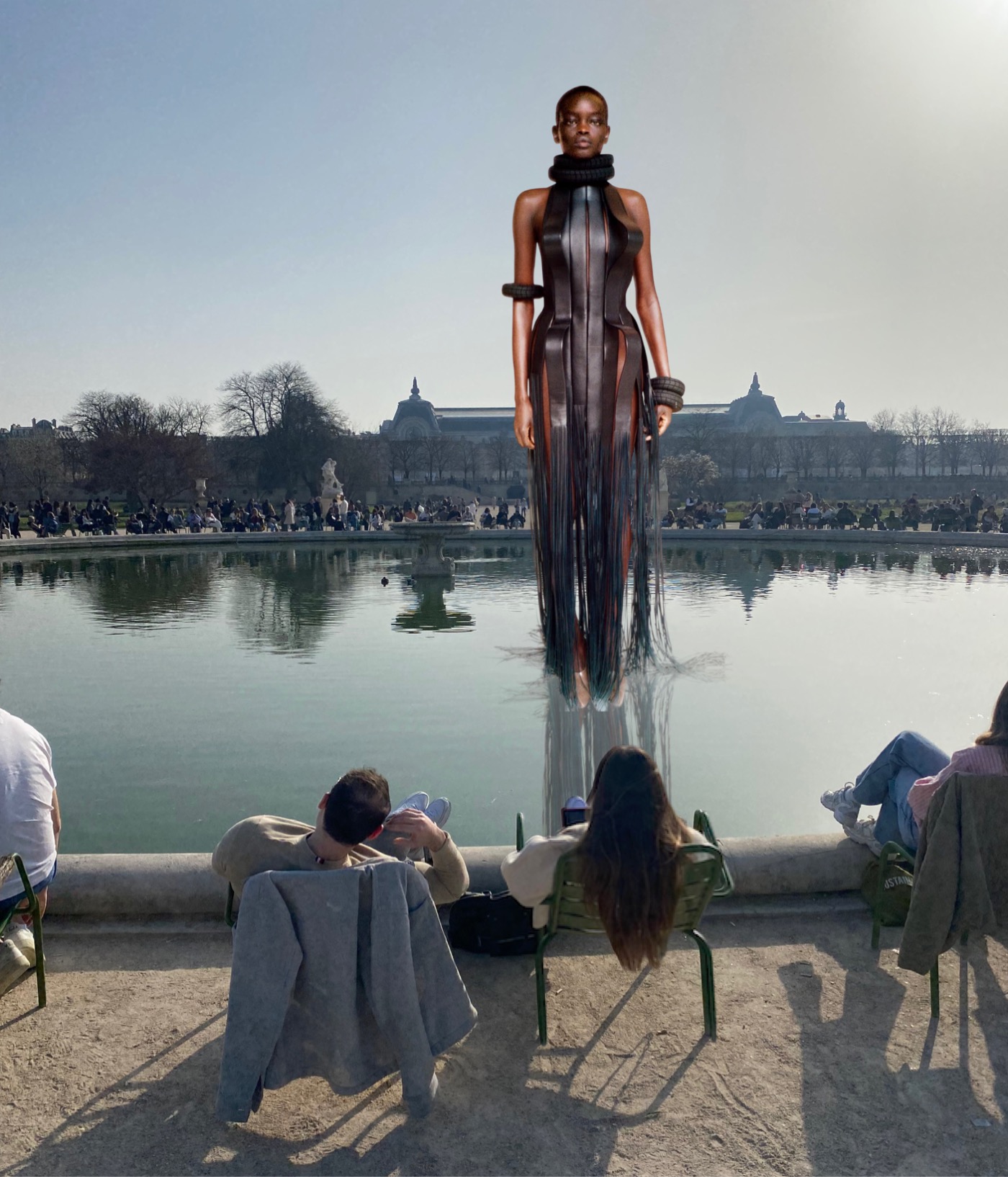
Matthieu Blazy’s debut Chanel couture collection was yet another triumph of beauty during these utterly mind-blowing days in Paris. The sense of haute lightness he managed to carry into this line-up – something one so often longed for during Virginie Viard’s tenure, and even at times during Karl Lagerfeld’s – is nothing short of unbelievable. Near-transparent organza trousers played trompe-l’œil with denim. Flapper dresses were so airy they seemed like mist. “Ghost” 2.55 bags floated like medusas suspended in air.

Blazy did not lean heavily on Coco Chanel’s biography; instead, he returned to her attitude toward “clothes for women to go to work, to go to a play, the cinema, whatever,” as he put it. The oversized mushroom setting at the Grand Palais? I loved Tilda Swinton’s interpretation: symbols of ideas that magically grow after the rain. And you could see just how deeply obsessed she was with the collection – her eyes truly went starry at the sight of the dégradé velvet pyjama in shades of royal blue.

Can we also take a moment to appreciate the black suits, finished with quartz buttons and striking brooches? Just incredible. So Chanel, 100%. This was an elaborate take on contemporary couture – one that makes you daydream.

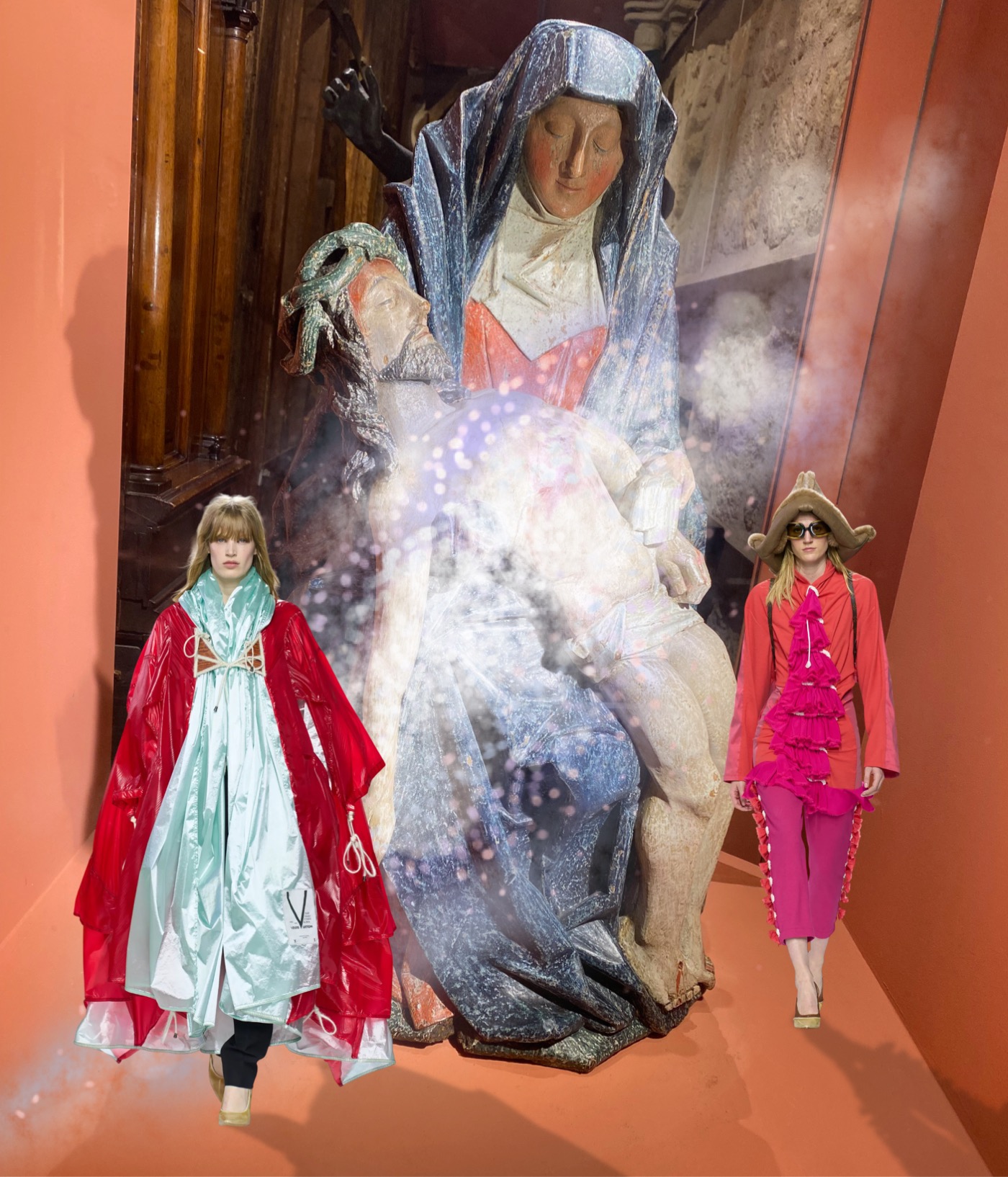
Collage by Edward Kanarecki.
Don’t forget to follow Design & Culture by Ed on Instagram.

Hey, did you know about my newsletter – Ed’s Dispatch? Click here to subscribe.
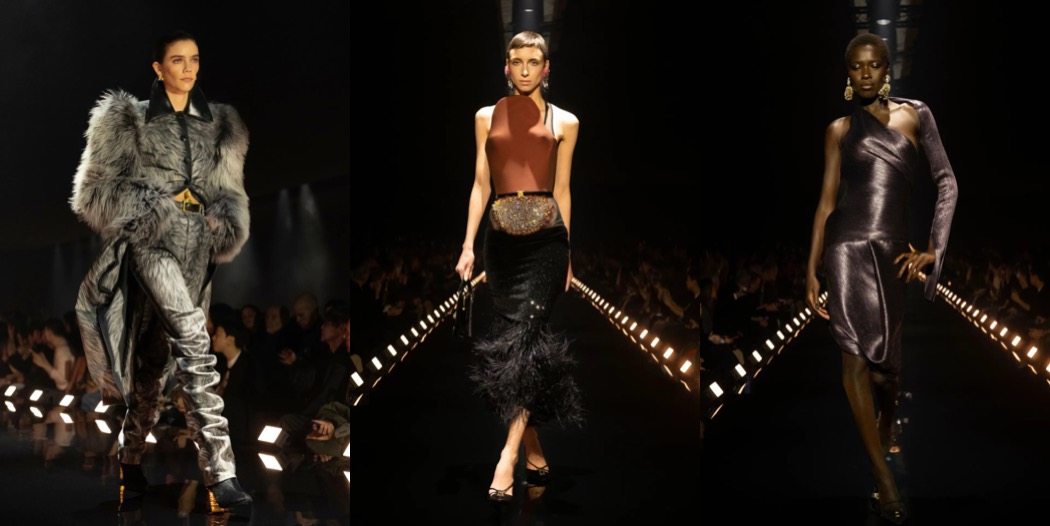
Untamed Beauty! Schiaparelli SS26 COuture

This really is a delightful couture season, with a renewed emphasis on the haute. Daniel Roseberry presented one of his strongest Schiaparelli collections to date – peacock-y enough to dazzle without tipping into gimmickry. “The idea,” he said, “was to keep the rigor of the last few seasons but make it far more expressive.

Among the beautiful creatures stalking his runway were “Isabella Blowfish“, a rigorously cut tailleur bristling with spiny spikes and named after the late couture collector Isabella Blow, and a pair of “Infanta Terribles“: one a bustier top, the other a fitted jacket, both adorned with almost menacing scorpion tails that curved outward and upward from the small of the back. “Alien” meets the Sistine Chapel? Hell yes.

There was something extraterrestrial and otherworldly about the collection, yet also animalistic in the most untamed sense. Roseberry pushed that energy into new realms with a wing sprouting from the back of a strapless black dress, and with claws erupting from the breasts and shoulder blades of feathered jackets. Yes, there were unmistakable echoes of Alexander McQueen – but Roseberry is an A-plus student of fashion history, and he understands Schiaparelli as the ultimate sanctuary for fashion obsessions and passions, a place where they can freely collide, mingle, and fuse.

Collage by Edward Kanarecki.
Don’t forget to follow Design & Culture by Ed on Instagram.

Hey, did you know about my newsletter – Ed’s Dispatch? Click here to subscribe.
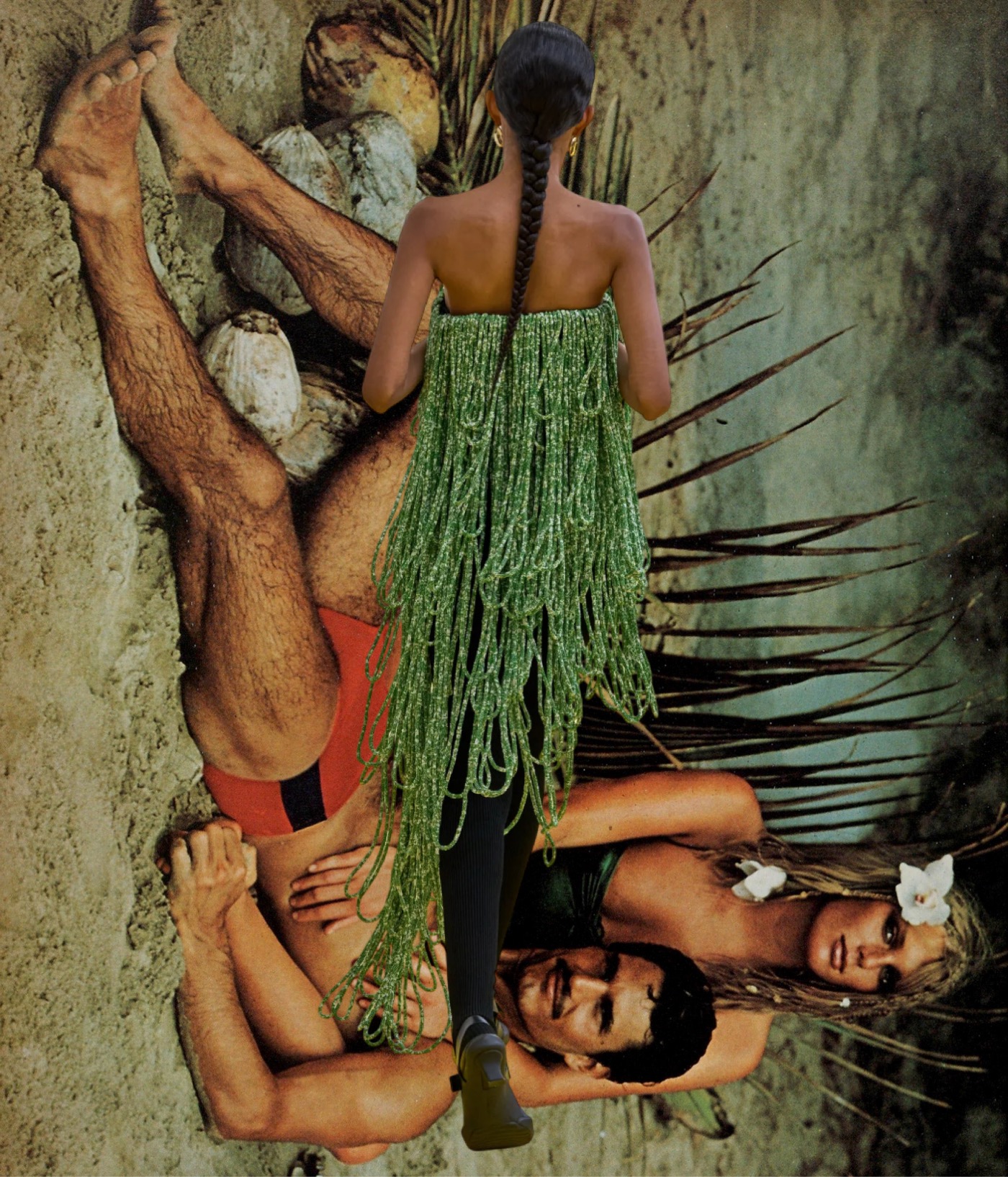
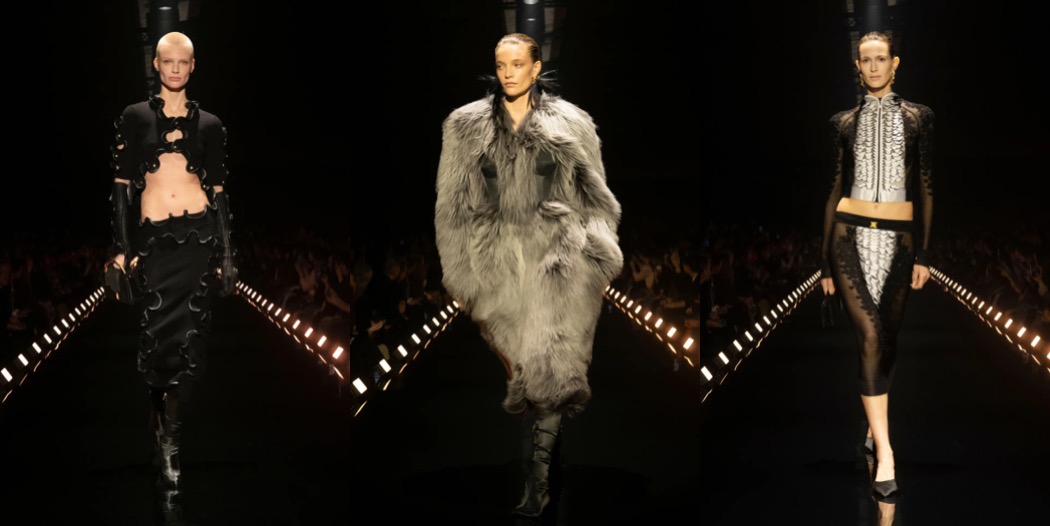
All Is Full Of Love. Dior SS26 Couture

This haute couture season isn’t legendary only because of two debut collections at two major maisons. It will be remembered as the fashion week when couture finally leaped into a new era. It is relevant again.

Jonathan Anderson’s Dior collection had been in the making for over six months, and it shows in every single detail. Everything is imbued with passionate love for craft, art, and… FASHION. John Galliano not only blessed the project, but in a way initiated its birth with a cyclamen bouquet he gifted Anderson at the very beginning of his tenure at the house. The fragile purple flowers – symbols of lasting feelings, sincere affection, and tender love – were not only present in the show’s scenography, but were eternalized by Jean-Pierre Ollier’s atelier, which created thousands of handmade, hand-painted silk flowers. These blooms adorned the collection’s hero accessories: oversized brooches, bomb-shaped earrings, and more.

Above all, this was a couture show that exercised surrealism in the most extraordinary way, turning to the beauty of Mother Nature for inspiration. Dresses were airy like dandelions; skirts could easily be mistaken for hydrangea bushes; 18th-century-inspired portrait brooches were framed with orchids. One silk skirt in a subtle chinoiserie print appeared to explode with tiny green cones. The opening look’s bag referenced a couture hanger, yet it was entirely covered in hand-dyed, extra-long grass.

In the hands of another designer with the same haute couture possibilities, such effects might have veered into saccharine sweetness, or worse, princess-y costume. In Anderson’s, however, the collection struck with delightful eccentricity – and, above all, modernity. This was conveyed effortlessly through cool pink bangs (Sandy Hullett’s work), cocoon-like coats, and astonishing knitted dresses that quite literally flowed down the body. Jonathan Anderson has insisted that, for him, haute couture is something you collect. This enchanting, breathtaking collection could easily stand as the sole subject of a Metropolitan Museum of Art exhibition. Yet it also feels confident enough for a beautiful, bold life beyond the museum walls.

Yes – this is exactly what haute couture should be in 2026.

Collage by Edward Kanarecki.
Don’t forget to follow Design & Culture by Ed on Instagram.

Hey, did you know about my newsletter – Ed’s Dispatch? Click here to subscribe.
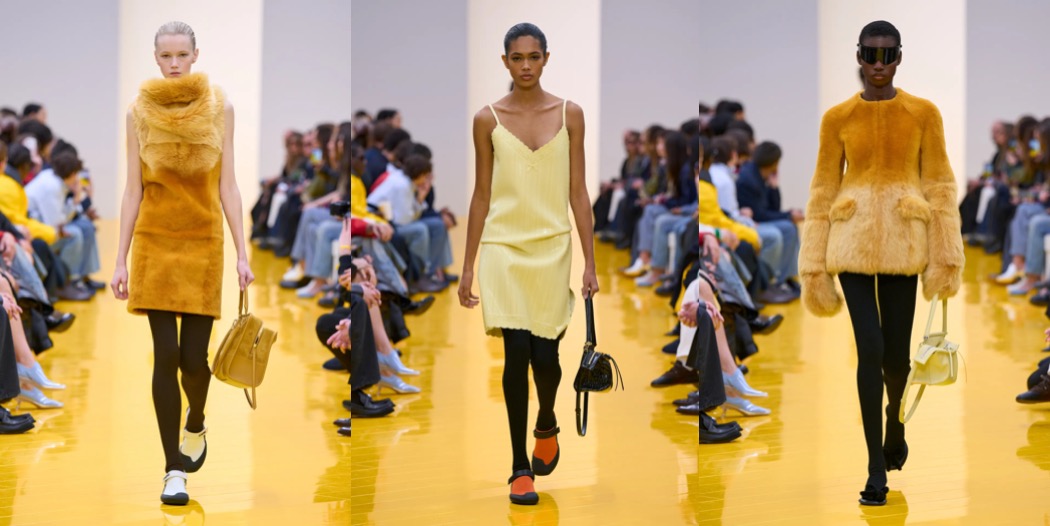
Debonair Cool. Magda Butrym Pre-Fall 2026

Introducing Magda Butrym’s pre-fall 2026 lookbook: an updated wardrobe imbued with a modern sense of urgency.

In this latest pre-collection, Magda reflects on the meaning of elegance – something fragile and subtle, expressed as much through attitude as through form. For the Warsaw-based designer, elegance is refined yet spontaneous, sophisticated but never complicated. It is about impeccably constructed garments in which a woman can move and feel at ease, never constrained. They carry an unmistakable, debonair cool. READ MY FULL REVIEW HERE.

Credits:

Creative Director: Magda Butrym
Photographer: Robin Galiegue
Video: Tatiana + Karol
Stylist: Jacob Kjeldgaard
Talents: Karyna Maziar, Athiec Geng, Kris Krystal
Styling Assistant: Ioana Ivan
Make-Up: Lucy J. Bridge
Hair: Damien Boissinot
Nails: Marzena Kanclerska
Set Design: Anna Szczęsny
Art Coordinator: Edward Kanarecki
Casting: Piergiorgio at DM Casting

ED’s SELECTION:


Magda Butrym Crocheted Cotton Hat


Magda Butrym Embroidered Cotton-blend Jacket


Magda Butrym Ruched Floral-print Stretch-silk Mock-neck Top


Magda Butrym Studded Snake-effect Leather Wedge Mules


Magda Butrym Brigitte Embellished Suede Tote


Magda Butrym Crocheted Cotton Mini Skirt

Collage by Edward Kanarecki.
Don’t forget to follow Design & Culture by Ed on Instagram.

Hey, did you know about my newsletter – Ed’s Dispatch? Click here to subscribe.
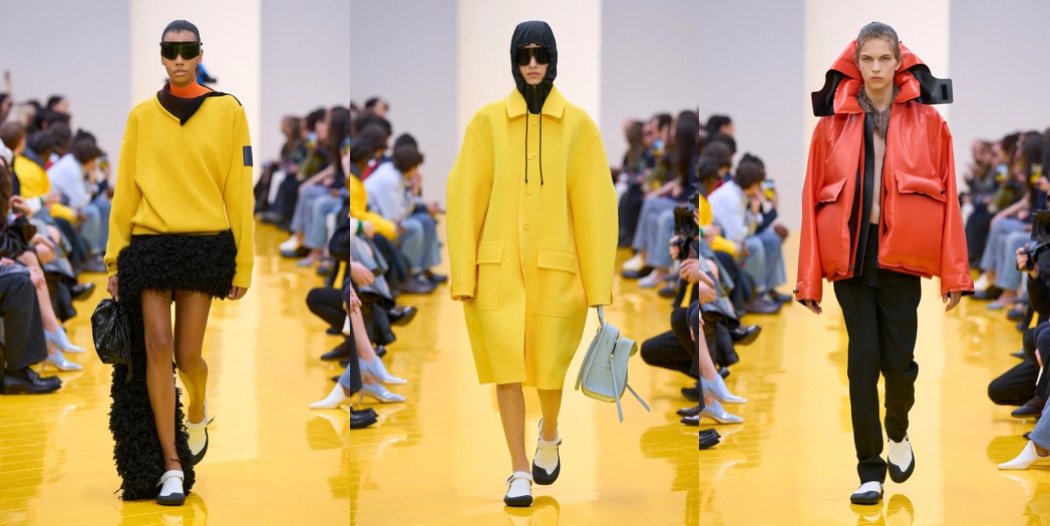
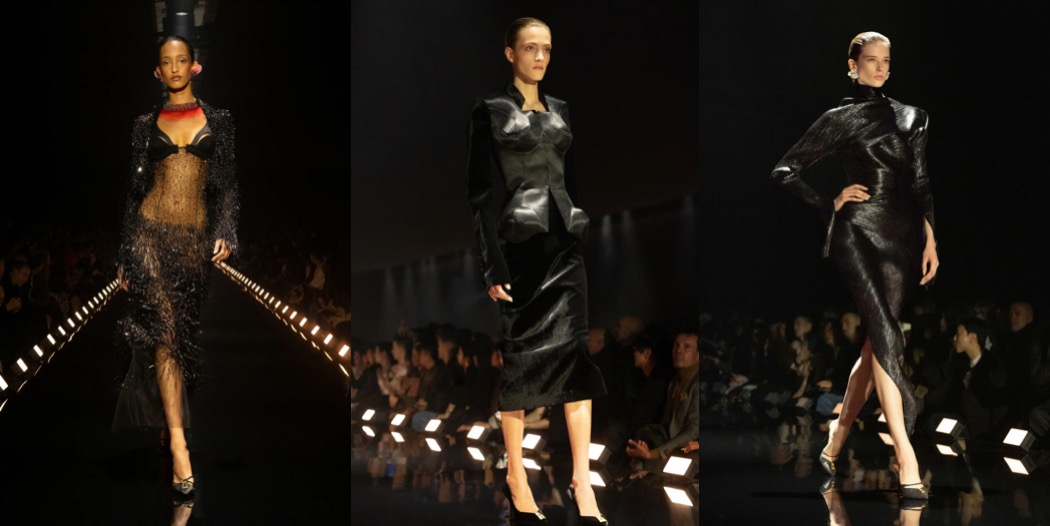
Defiance. Yohji Yamamoto AW26
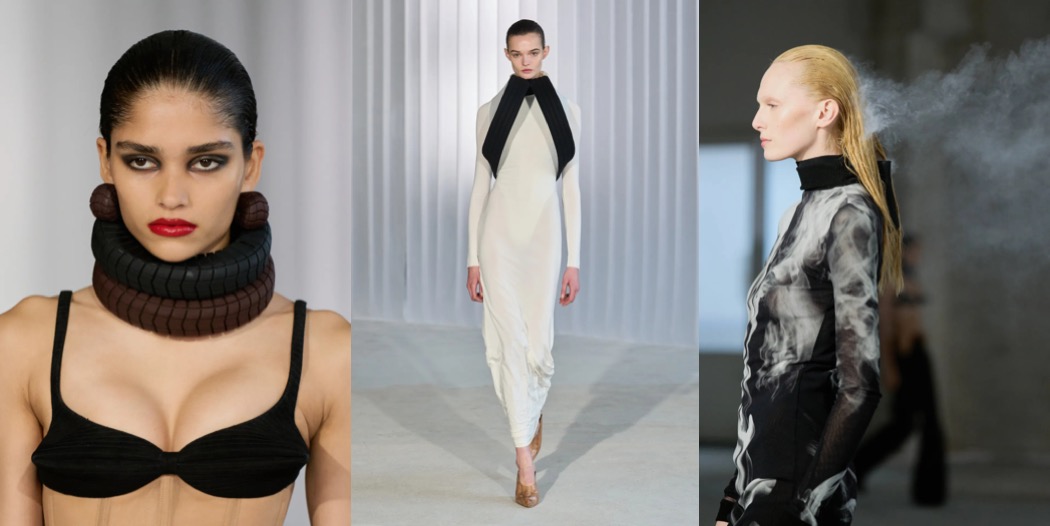
Yohji Yamamoto, a designer so often – and so productively – faithful to black, detonated expectations this season. Guests entering the show space were met by two suspended speed bags, hovering between the ceiling and the runway. When the models emerged, some punched the bags, others barely brushed them; one kissed one, while a few simply stared. It was a telling prelude to a collection about confrontation and restraint, aggression and dignity – about how clothing can act as a kind of moral armor.
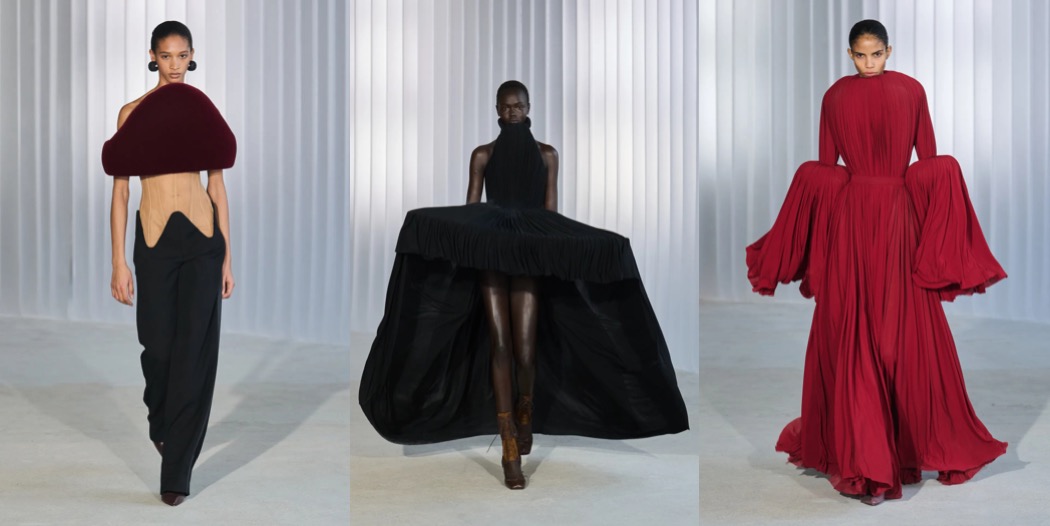
On the runway, that armor took tangible form. Yamamoto delivered one of his most colorful collections in years, though “colorful” here still meant disciplined, weighted, serious. The opening looks carried militaristic undertones: camouflage patterns coated double-breasted jackets and padded boilersuits, establishing a mood of readiness. Voluminous overcoats were paired with trousers cut from meaty corduroy and utilitarian jumpsuits in thick cotton, many printed with paint-like marks that looked less decorative than combative.

Elsewhere, padded coats arrived in stony beige; hair was teased into frizzy, defiant bouffants; and crushed beer cans were reassembled into a waistcoat and headgear – wry, César Baldaccini–inspired gestures that felt like survivalist poetry. In a fashion system obsessed with novelty and noise, Yamamoto continues to propose something rarer: clothes as stance, as shield, as a way of moving through the world with controlled defiance. It is precisely this posture – sharp, slightly arrogant, unyielding – that makes him not just relevant, but essential, one of the last designers of his generation for whom dressing remains an ethical act.

Collage by Edward Kanarecki.
Don’t forget to follow Design & Culture by Ed on Instagram.

Hey, did you know about my newsletter – Ed’s Dispatch? Click here to subscribe.