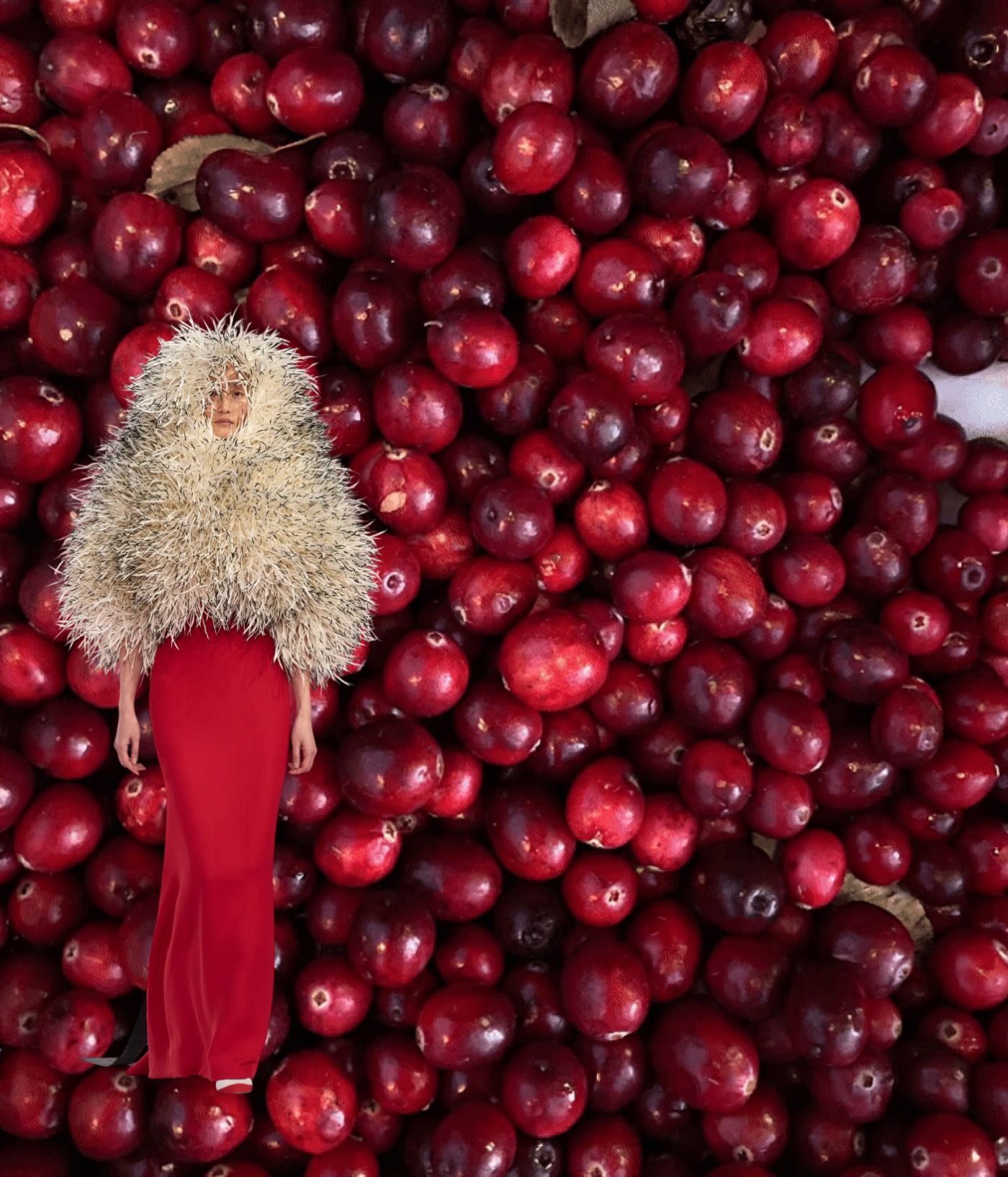
Fashion! Fun! F*ck! Vaquera AW26

Fun! F*ck! Fashion!

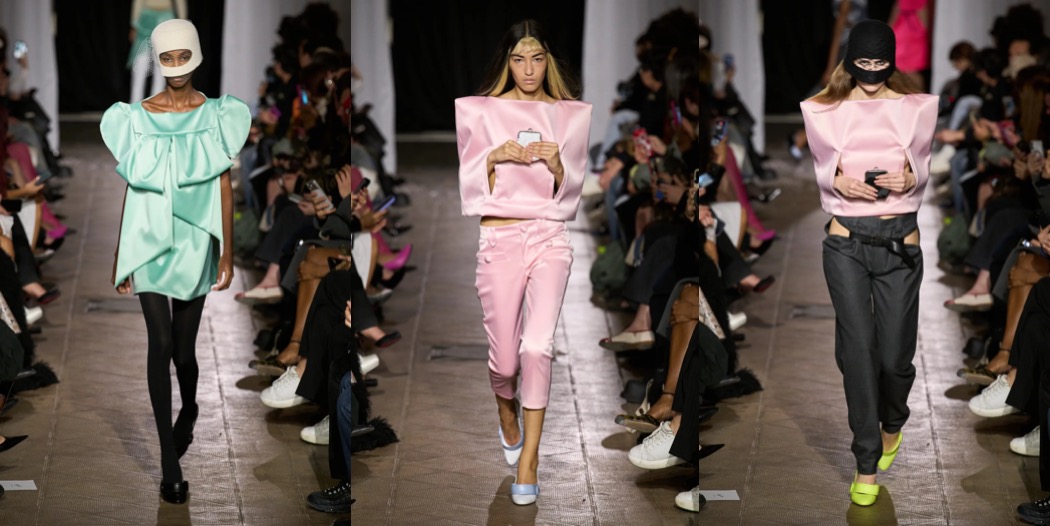
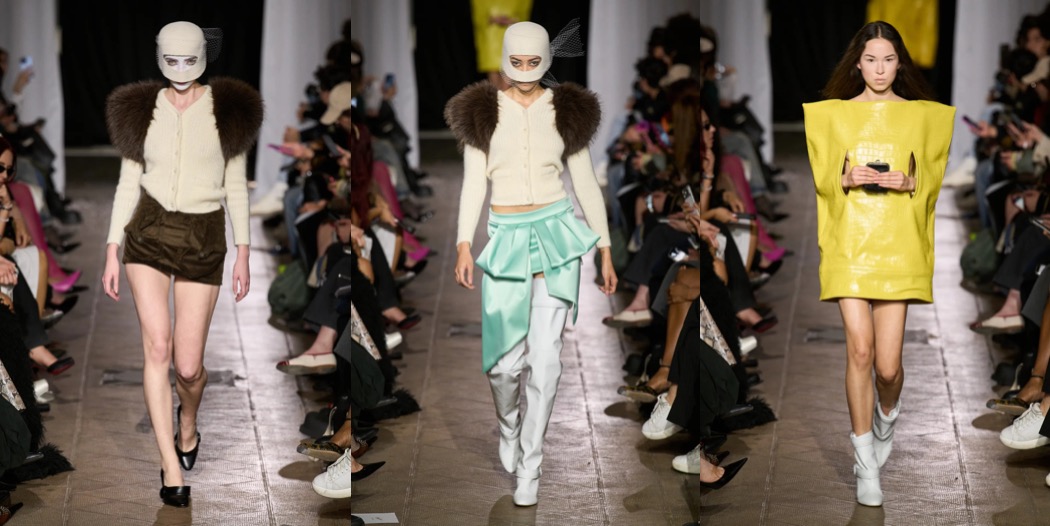
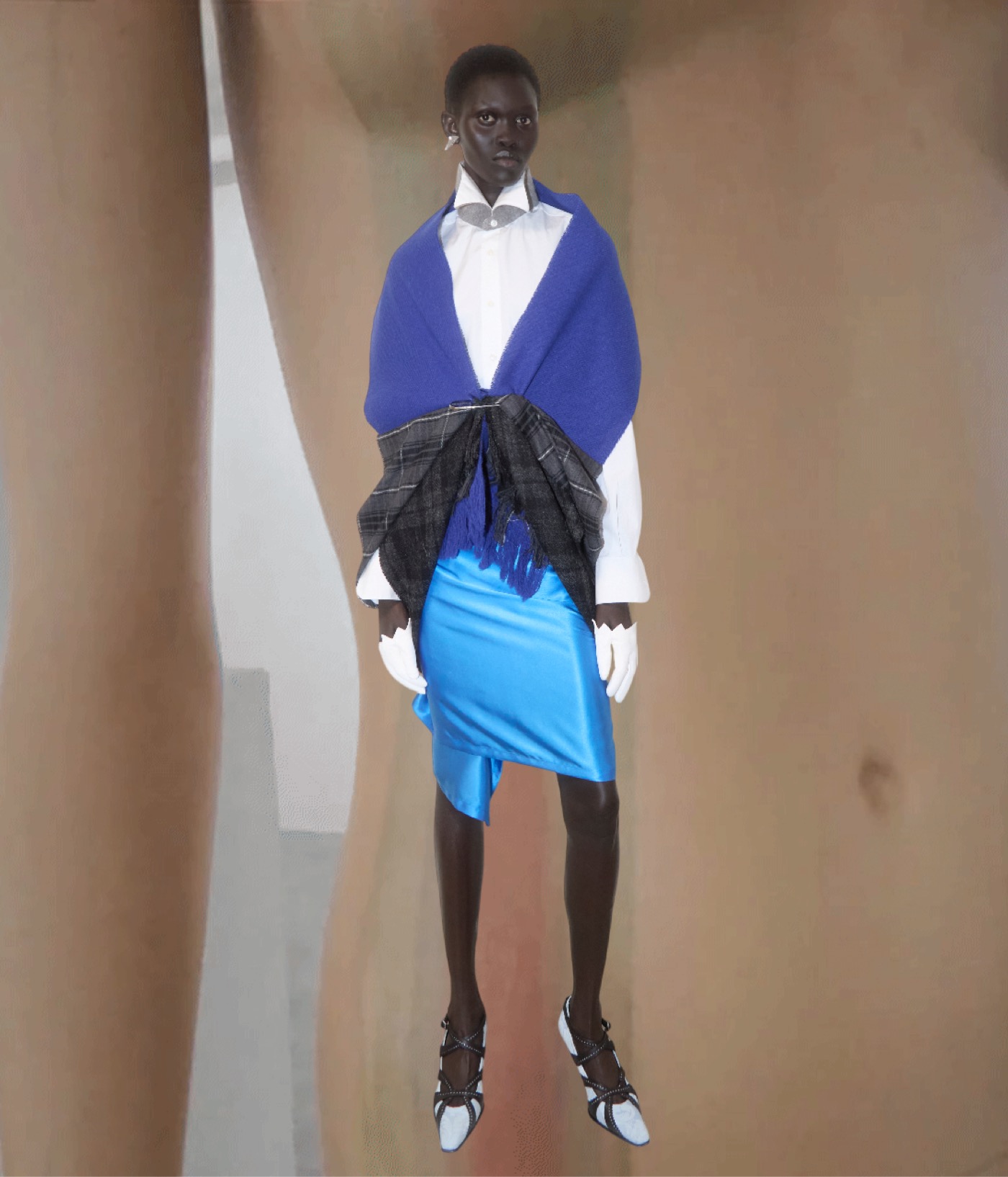
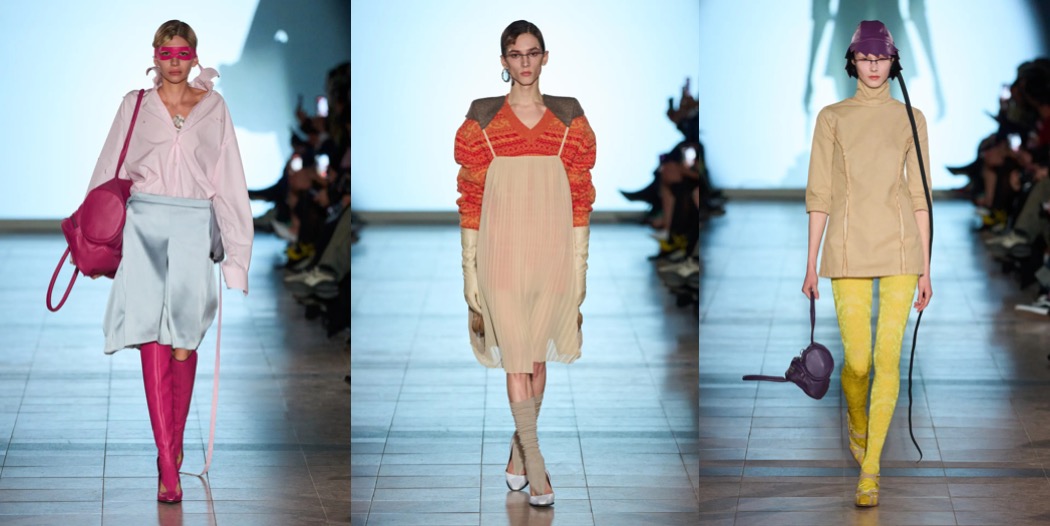
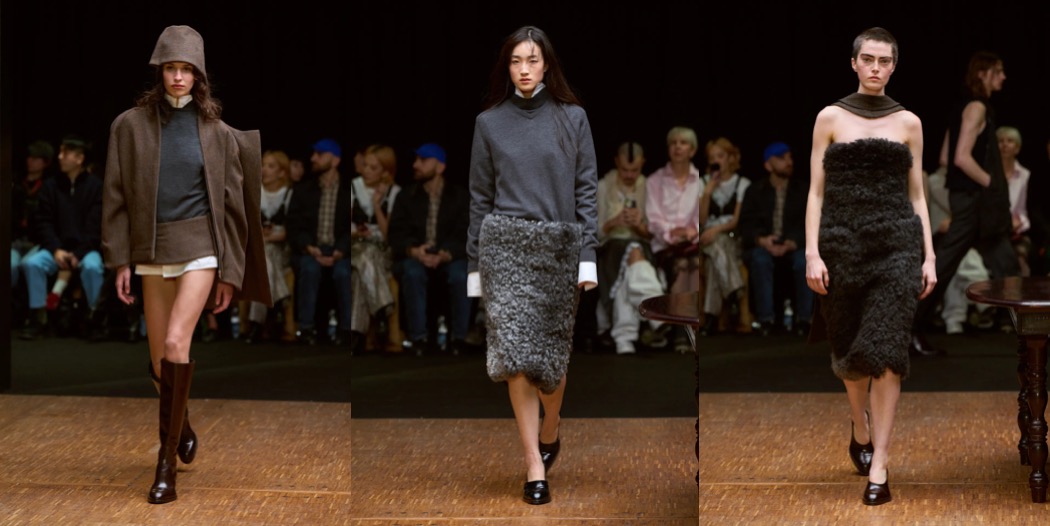
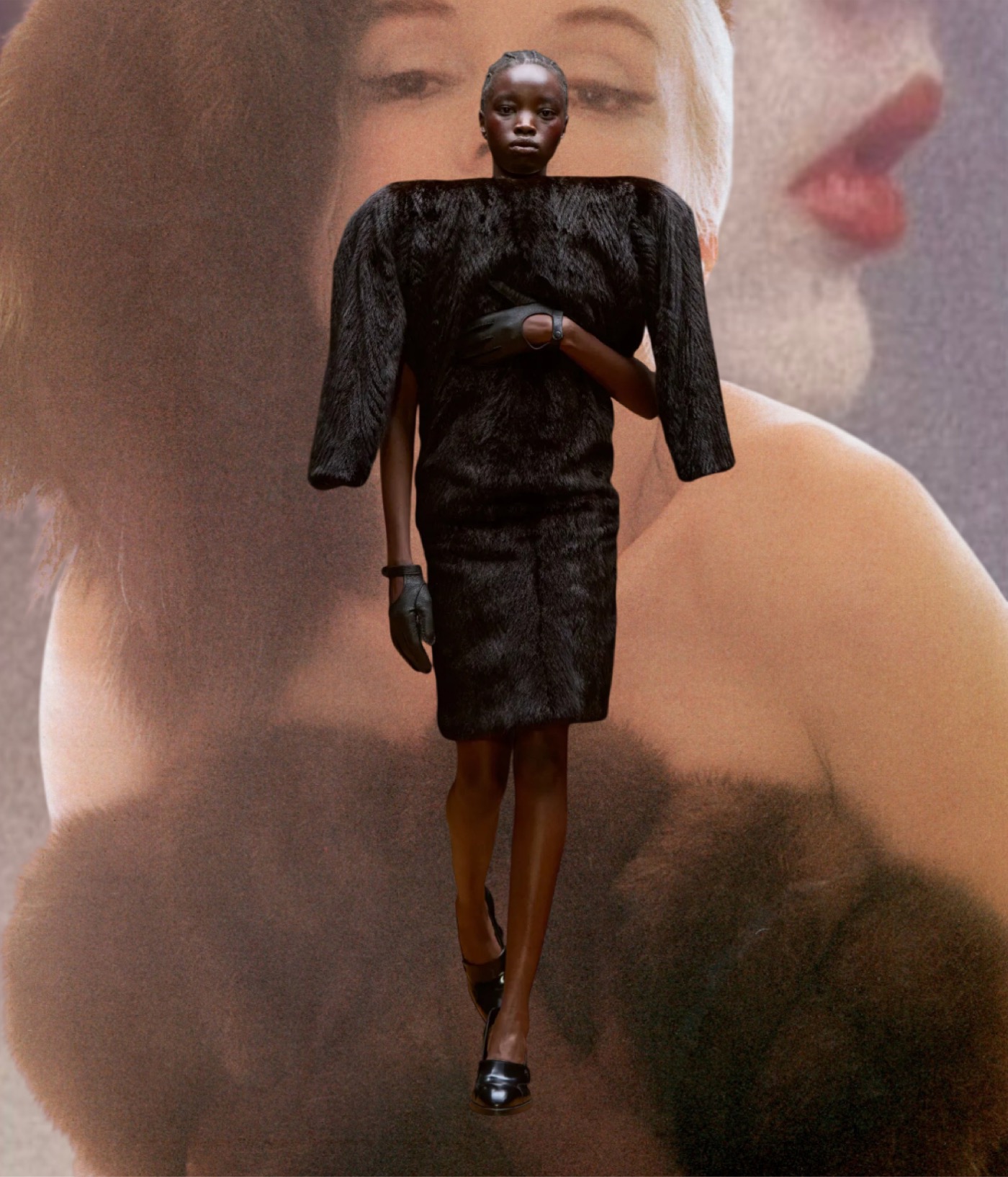
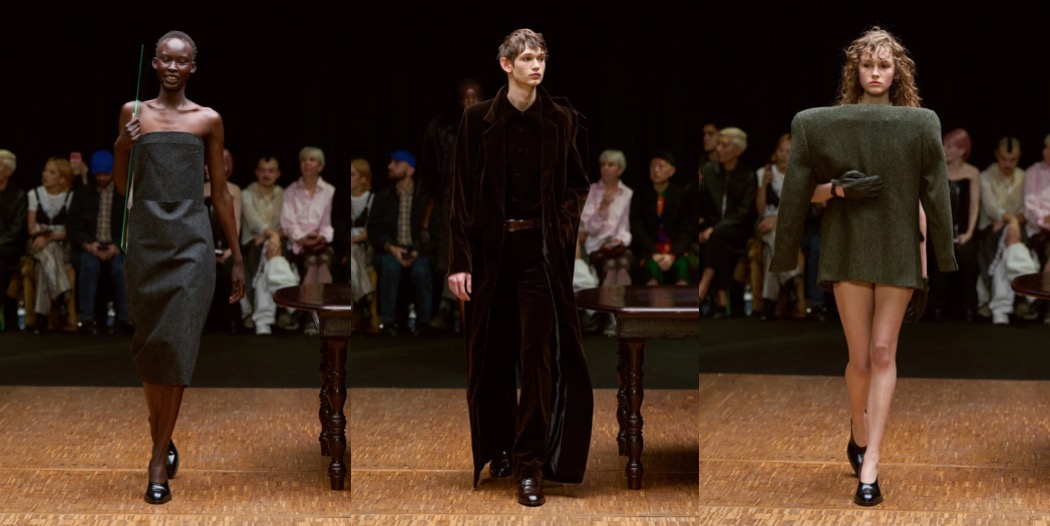
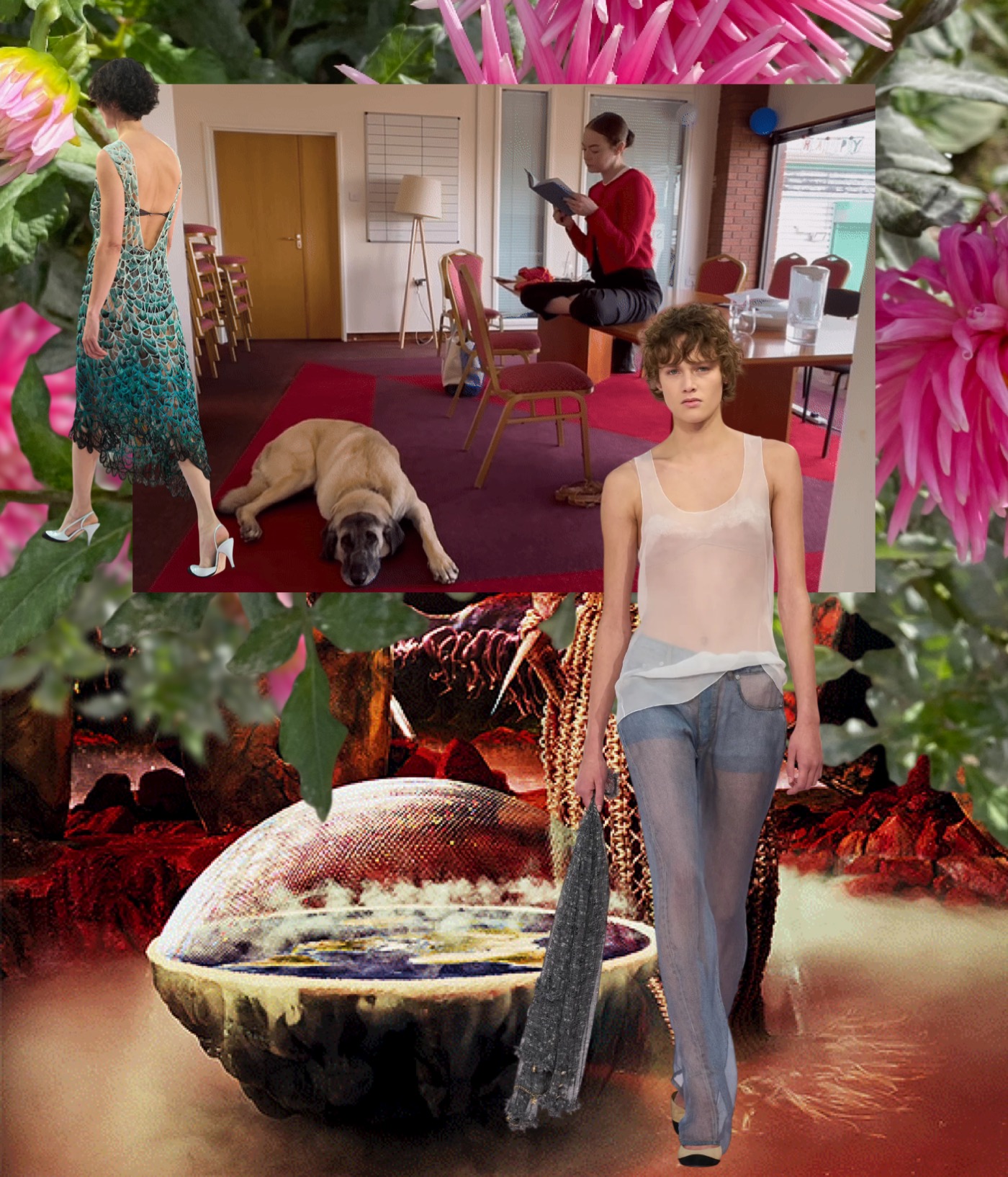
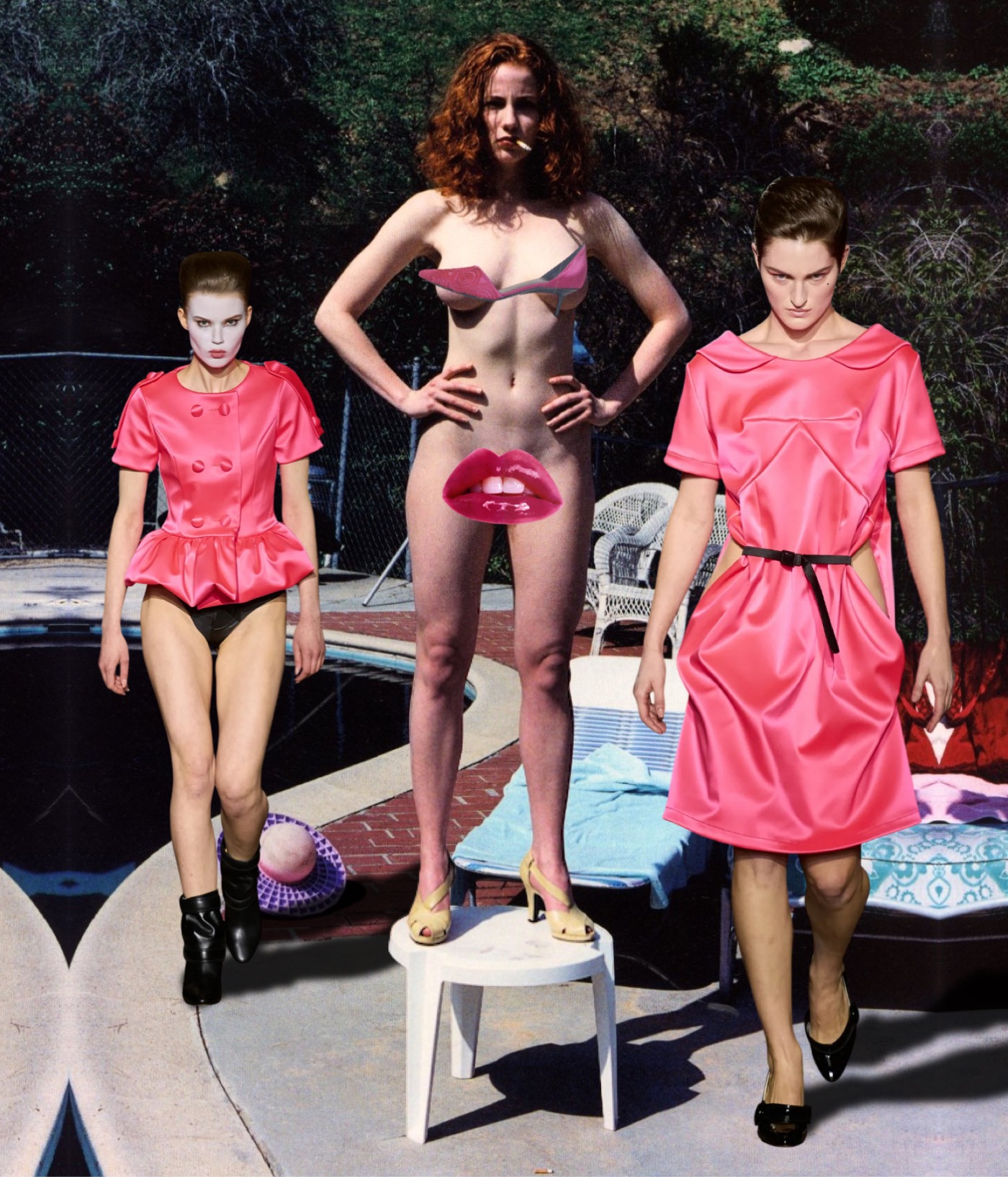
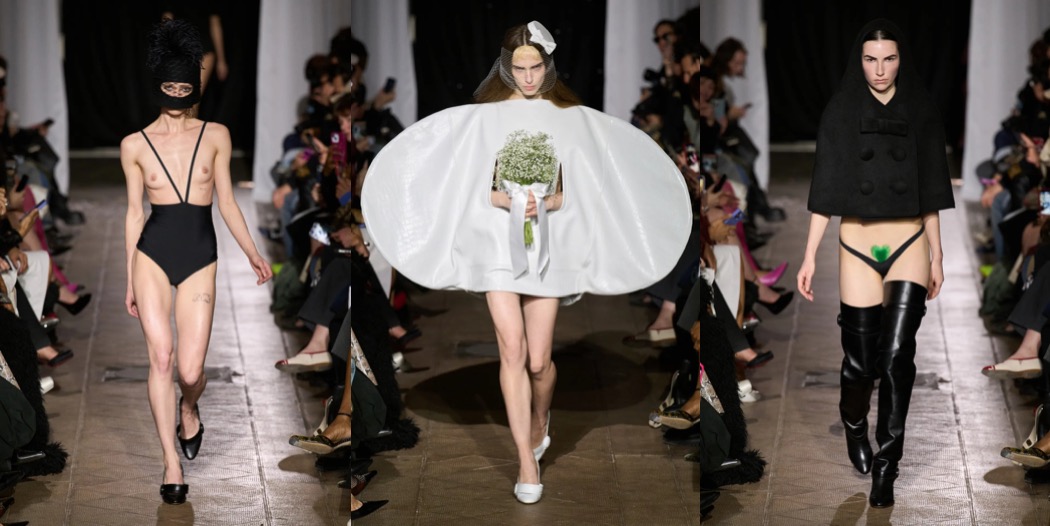
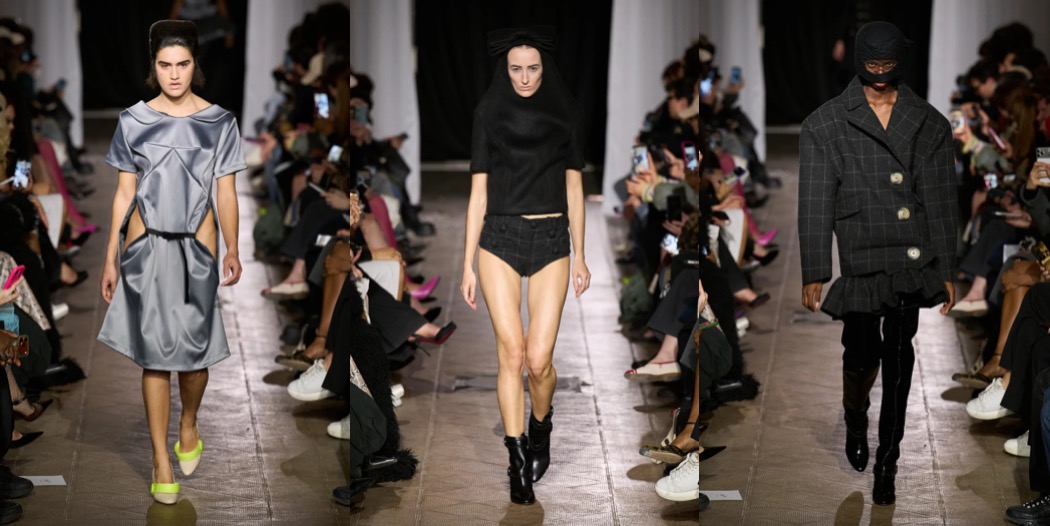
Vaquera’s Bryn Taubensee and Patric DiCaprio’s autumn-winter 2026 collection is a reckless, badass love letter to fashion history. The opening looks echoed Rudi Gernreich and his eternally scandalous 1964 monokini. From there, the designers turned their scruffy lens toward Balenciaga’s 2006 collection by Nicolas Ghesquiere, in which he reinterpreted the great Cristobal Balenciaga’s radical experiments with shape. (Interestingly, about a year ago another Paris-based designer, De Pino, referenced the same collection – proof of just how seismic Ghesquière’s work once was.)

Amid this wild clash of worlds and styles, the Vaquera duo slipped in 1950s-inspired satin sack dresses—cut with risqué slits, so not quite so prim after all – alongside baby-doll peplum tops. “Interview“’s Dara Allen was obsessed; expect to see the looks on Addison Rae soon.

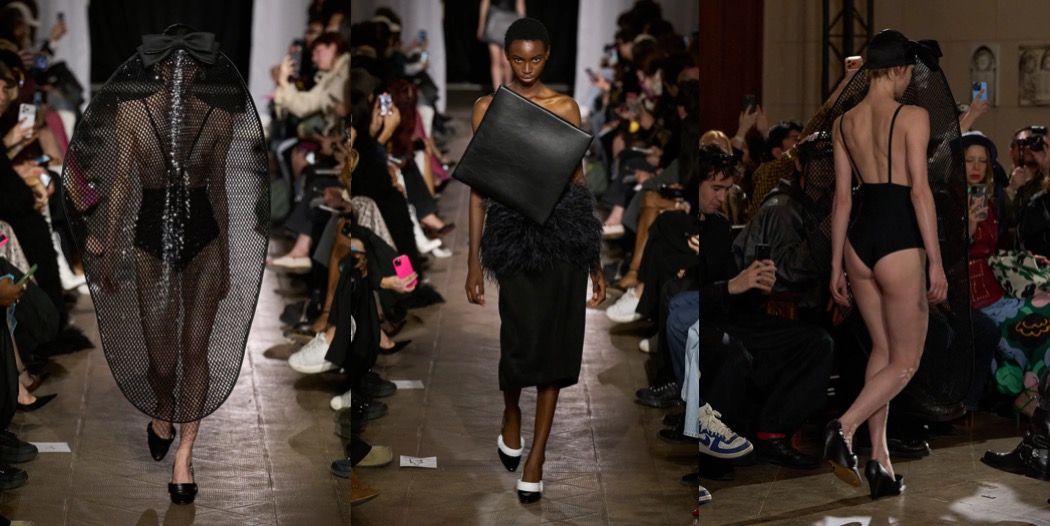
I’m on the fence about whether this already idea-saturated collection really needed the leather squares and triangles that covered the models’ bodies near the finale. Taubensee and DiCaprio excel at tweaking what’s stereotypically “pretty” or “classic,” and these avant-garde, Pierre Cardin-esque experiments felt somewhat disconnected from the rest. Still, they bring a welcome sense of humor to Paris, which can at times feel overly petulant.
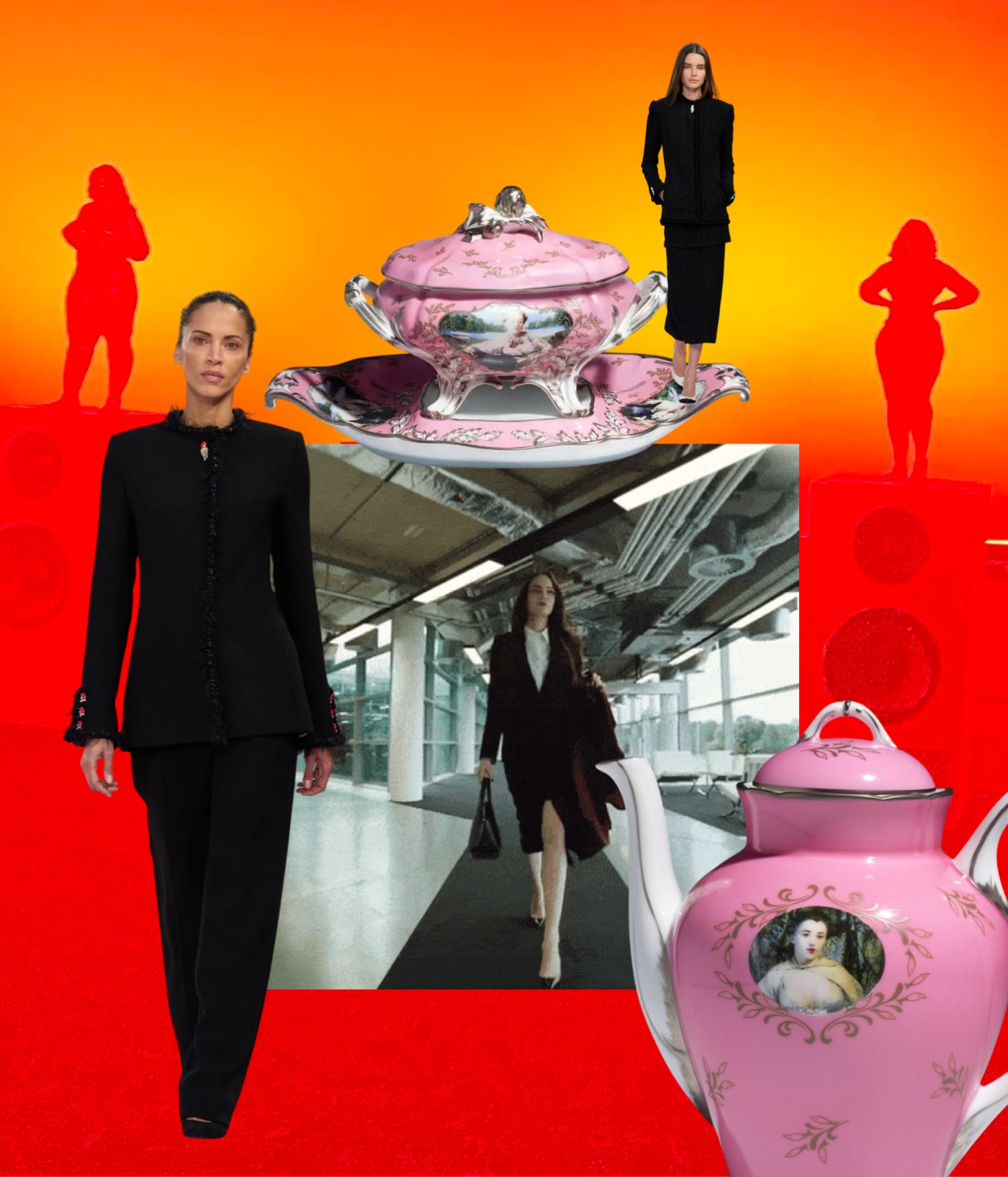
Collage by Edward Kanarecki.
Don’t forget to follow Design & Culture by Ed on Instagram.

Hey, did you know about my newsletter – Ed’s Dispatch? Click here to subscribe.
Double. Julie Kegels AW26

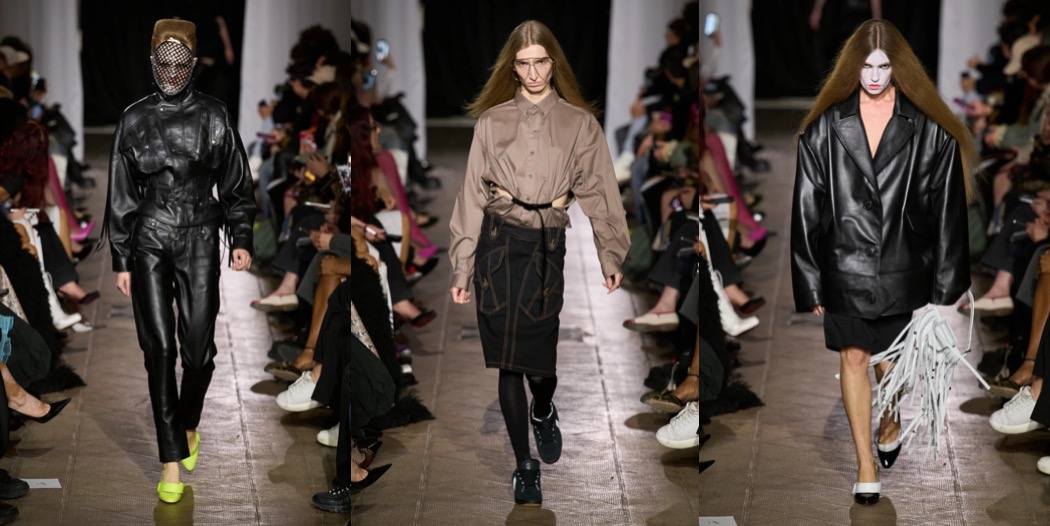
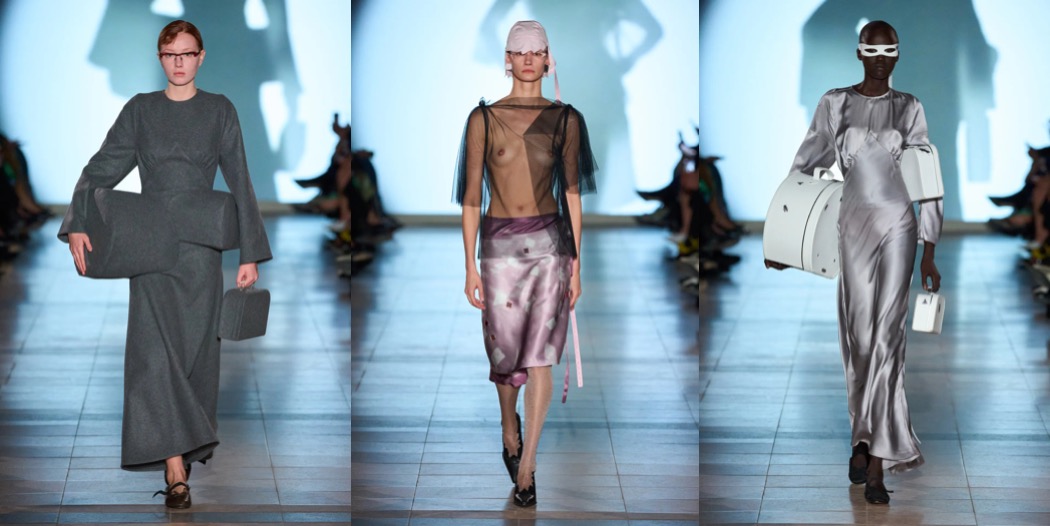
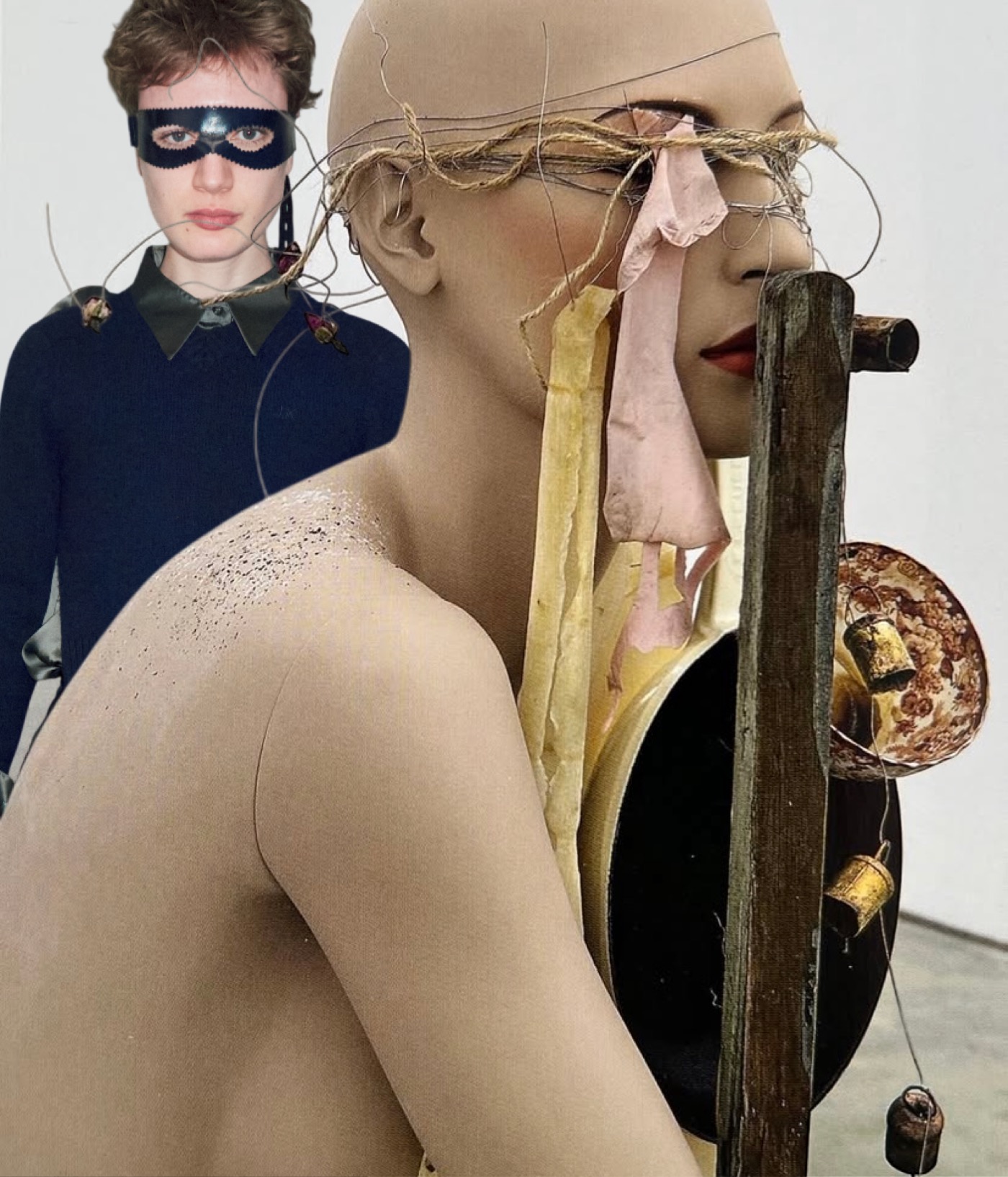
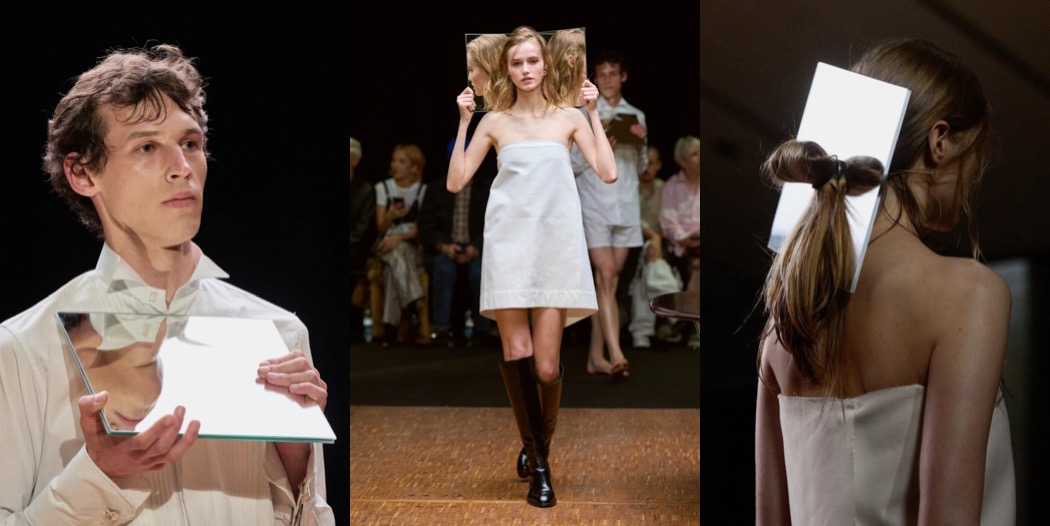
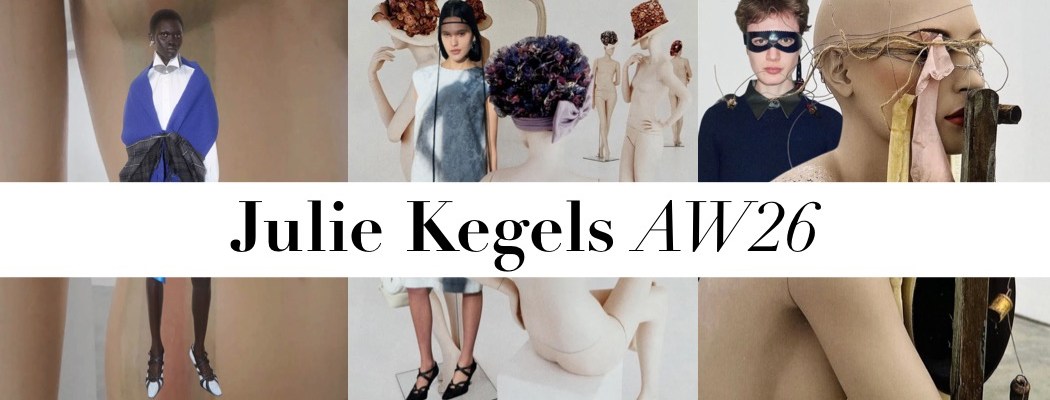
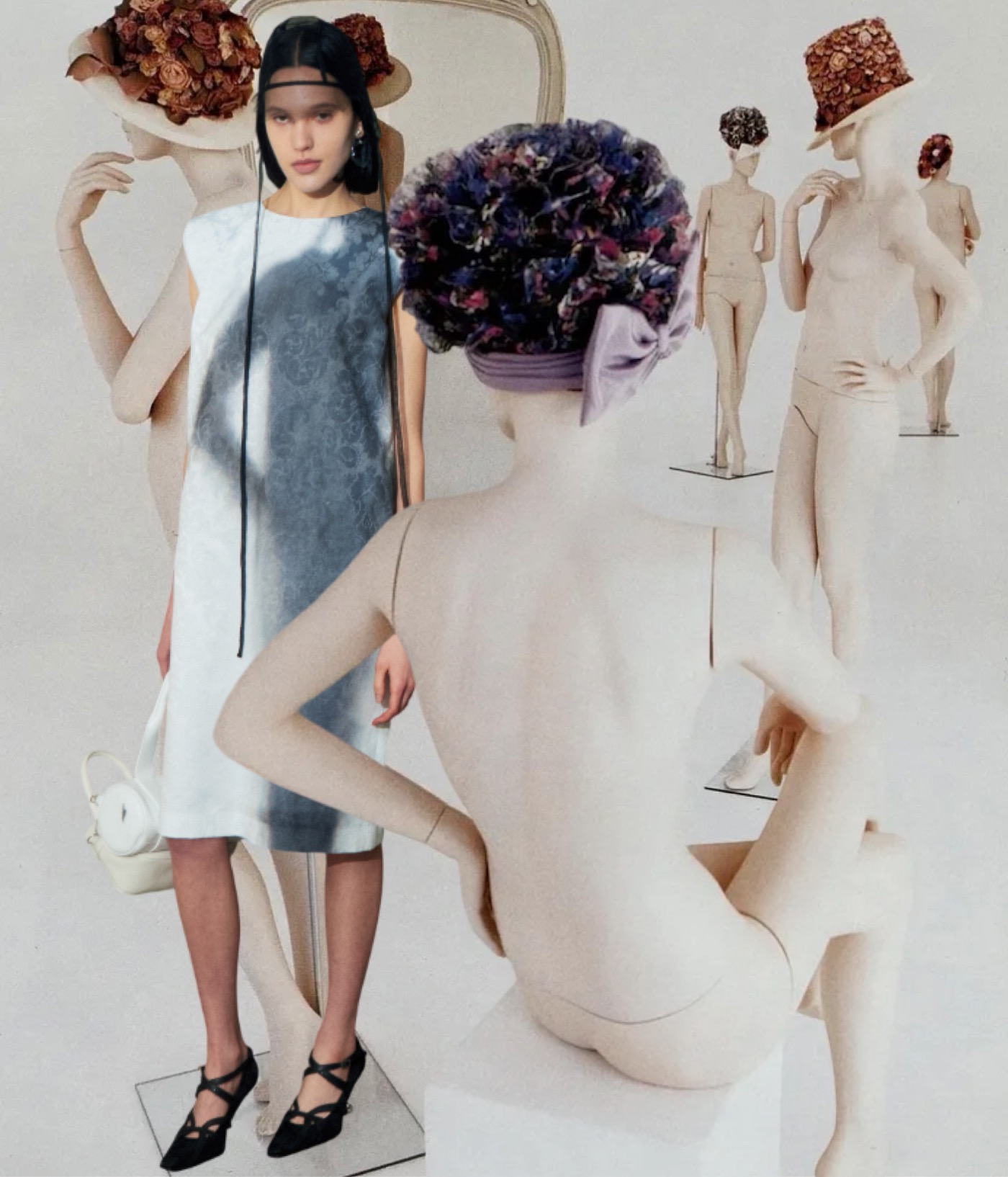
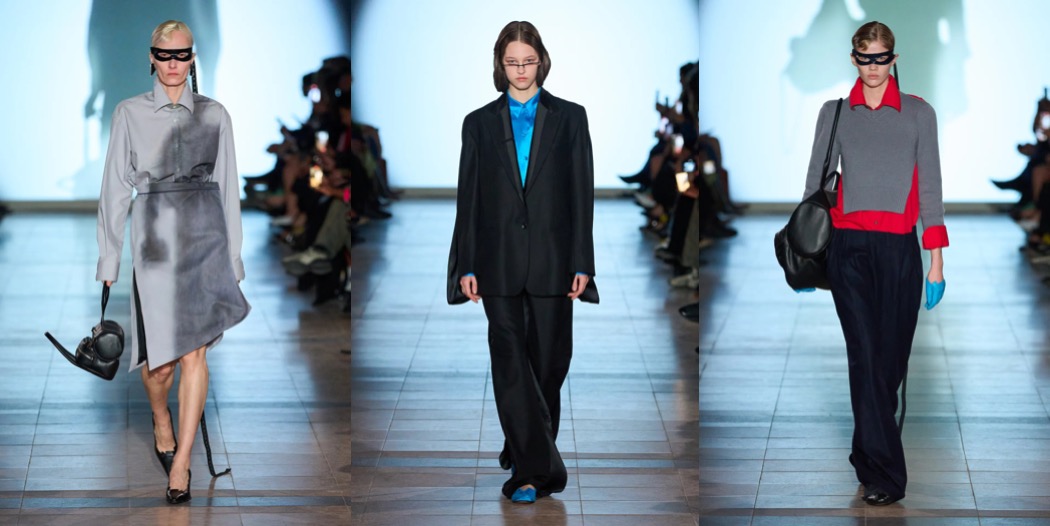
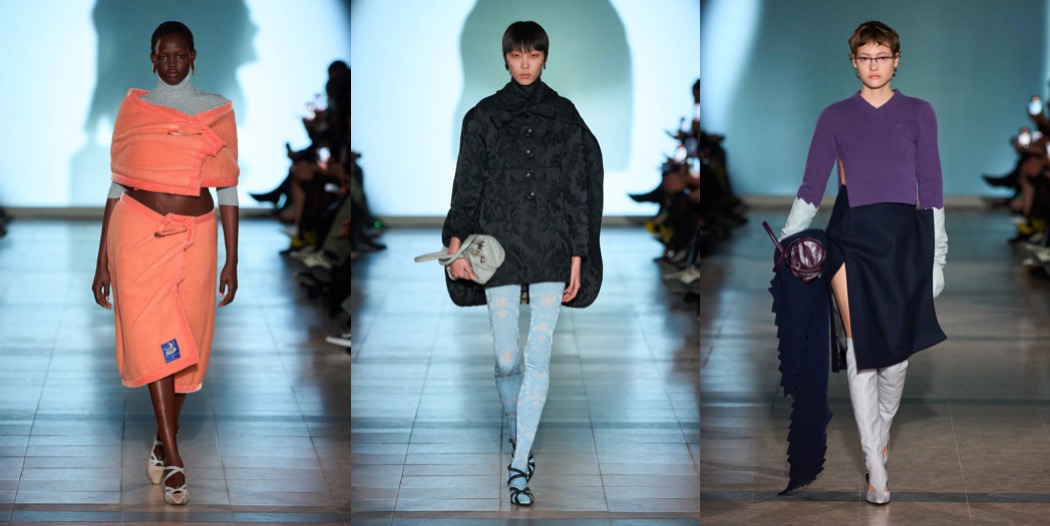
Julie Kegels has a sharp instinct for the way women manage an entrance. Her latest collection, “Face Value“, is less about revelation than about calibration – how much to show, how long to hold back. She’s examining the gap between self and projection – and suggesting that the gap is where the real power sits. In a culture that mistakes exposure for honesty, she proposes that mystery still has value. That’s why the collection’s best idea is the double. Shadows are printed, mirrored, refracted in sequins. One model’s silhouette reappears on another look’s dress. Chandelier scraps cast real light; faux-crystal shadows lie flat on silk. The effect isn’t decorative so much as pointed: the image precedes the person. The zigzag leather masks land somewhere between superhero and fetish. They conceal – but theatrically. Control on the surface, vulnerability underneath. As in case of Kegels’ work, proportion does most of the work. Boiled-wool sweaters are shrunken and tense; collars climb the neck. Circular sleeves push the arms outward, nudging the body into a faintly defiant stance – a subtle piece of behavioral tailoring. Other sleeves are cut far back, pitching the torso forward, as if the wearer is slightly ahead of herself. She’s there, but the moment you blink – she’s already somewhere else.

Collage by Edward Kanarecki.
Don’t forget to follow Design & Culture by Ed on Instagram.

Hey, did you know about my newsletter – Ed’s Dispatch? Click here to subscribe.
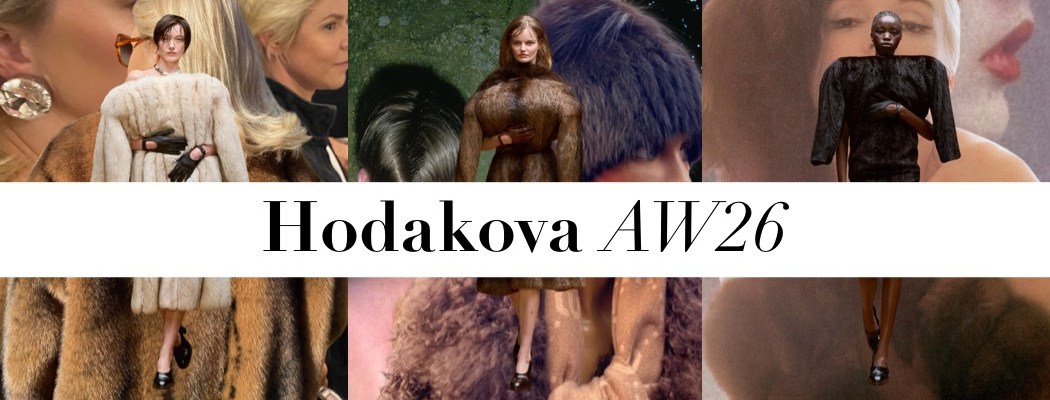
Home. Hodakova AW26

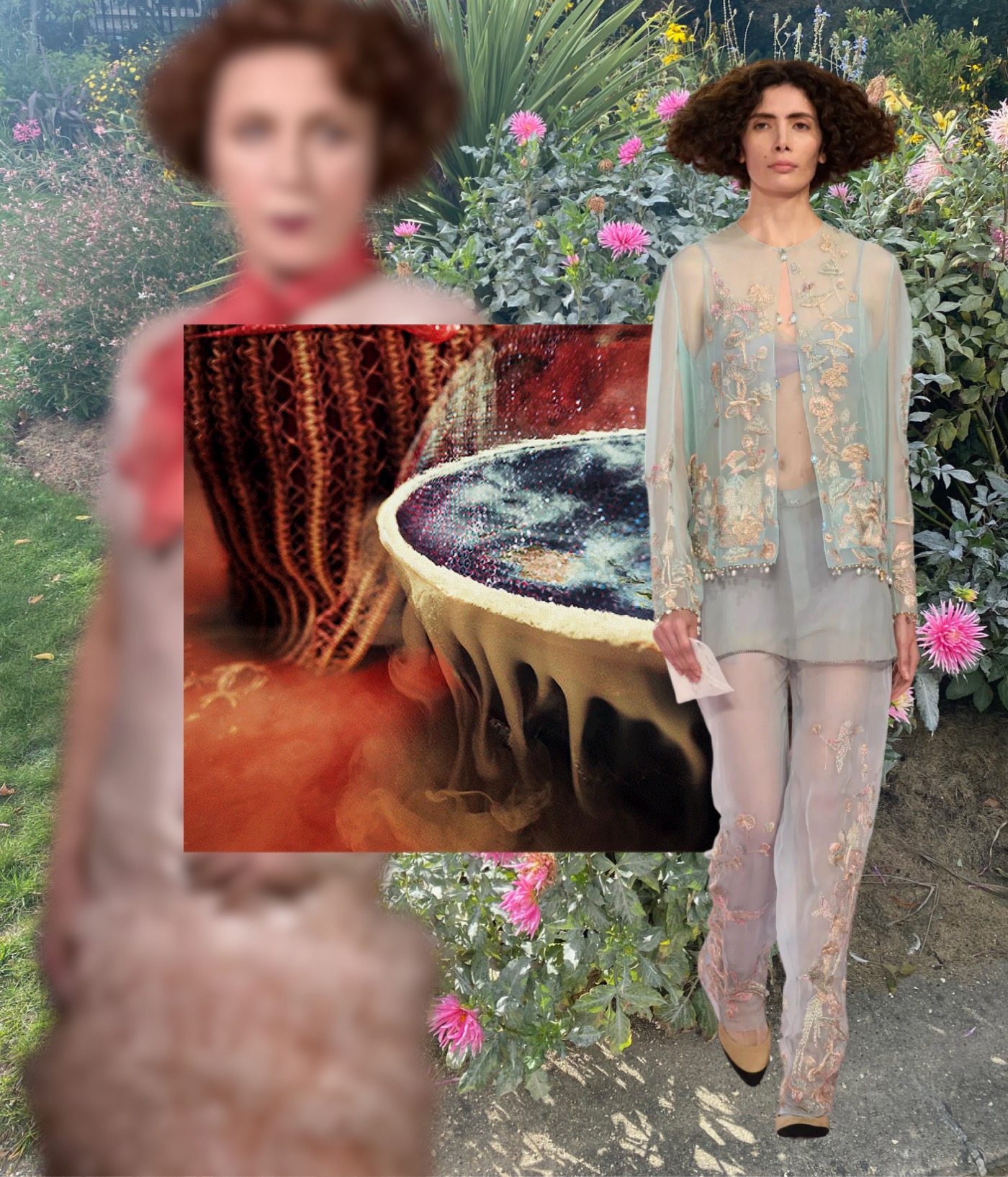
I haven’t been this struck by fashion in a long time. What Ellen Hodakova Larsson did on the opening day of Paris Fashion Week was so profound, heart-wrenching, and purely beautiful that I almost wonder whether the term “fashion” even applies.

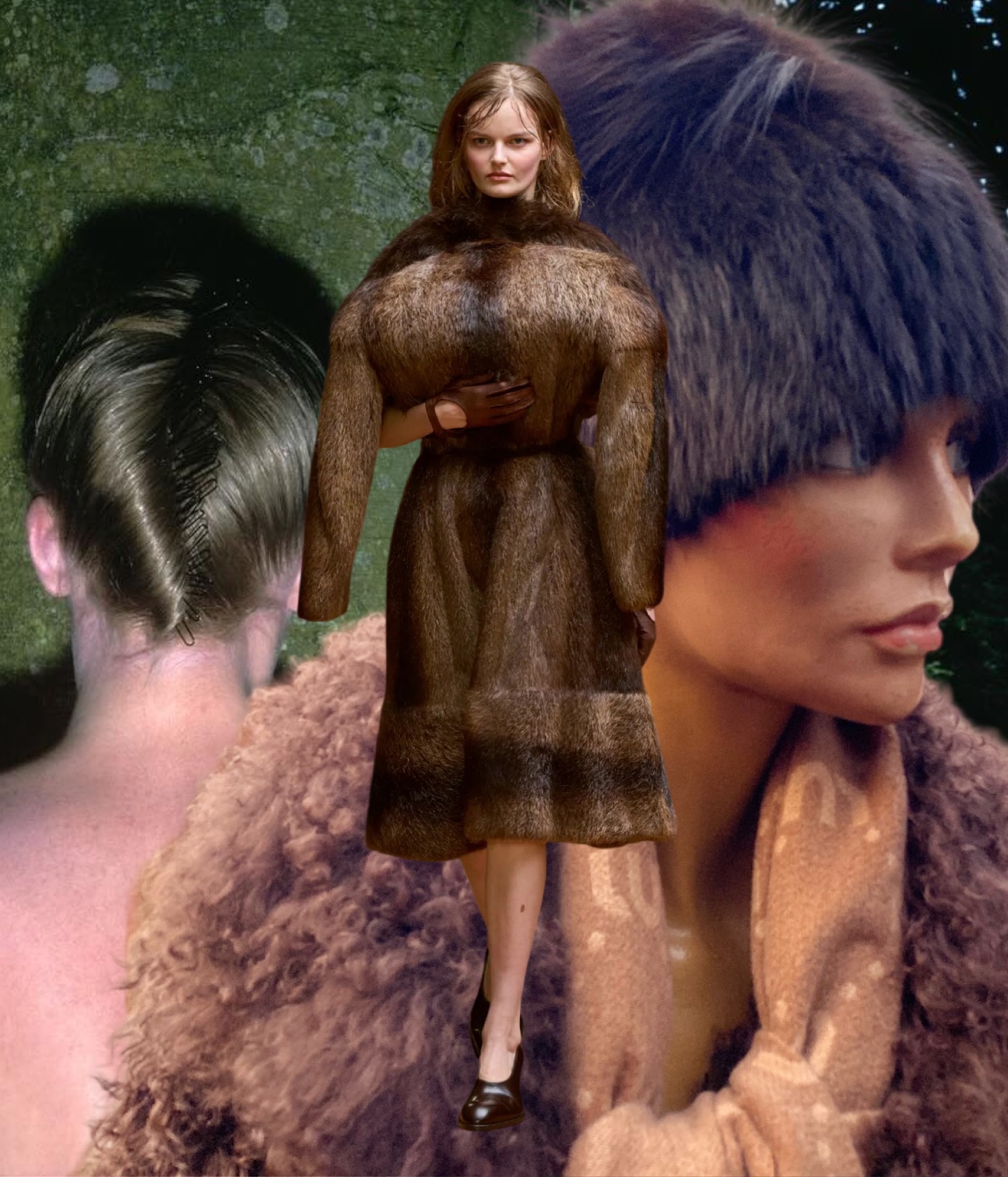
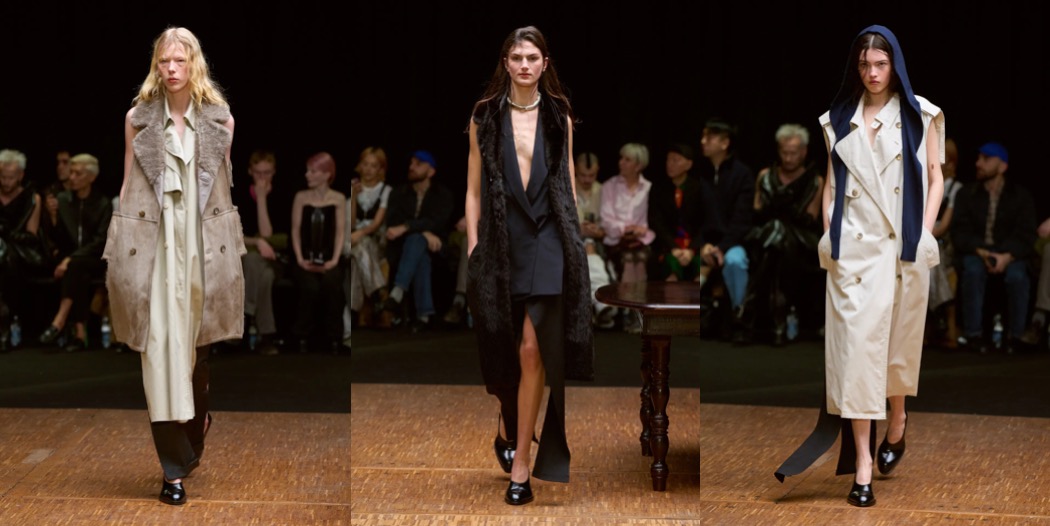
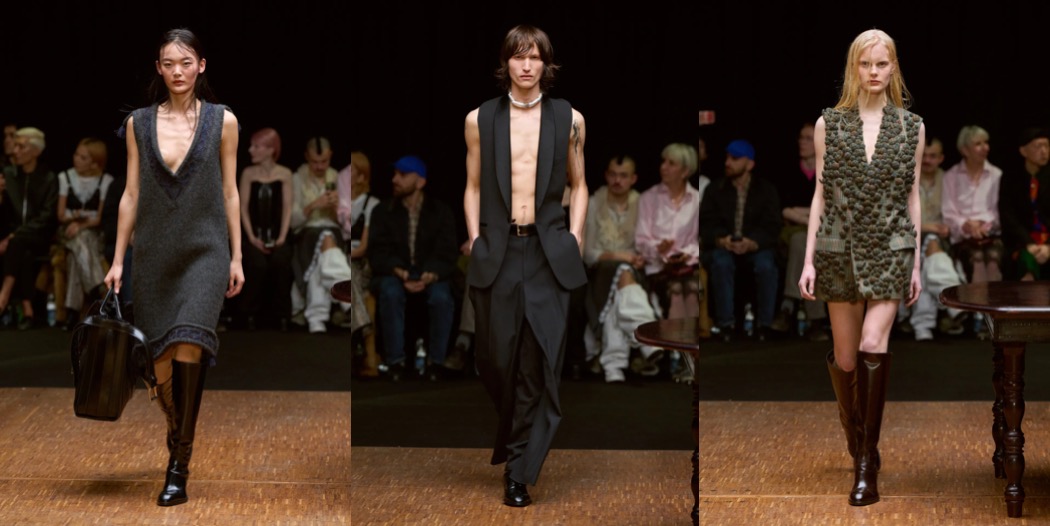
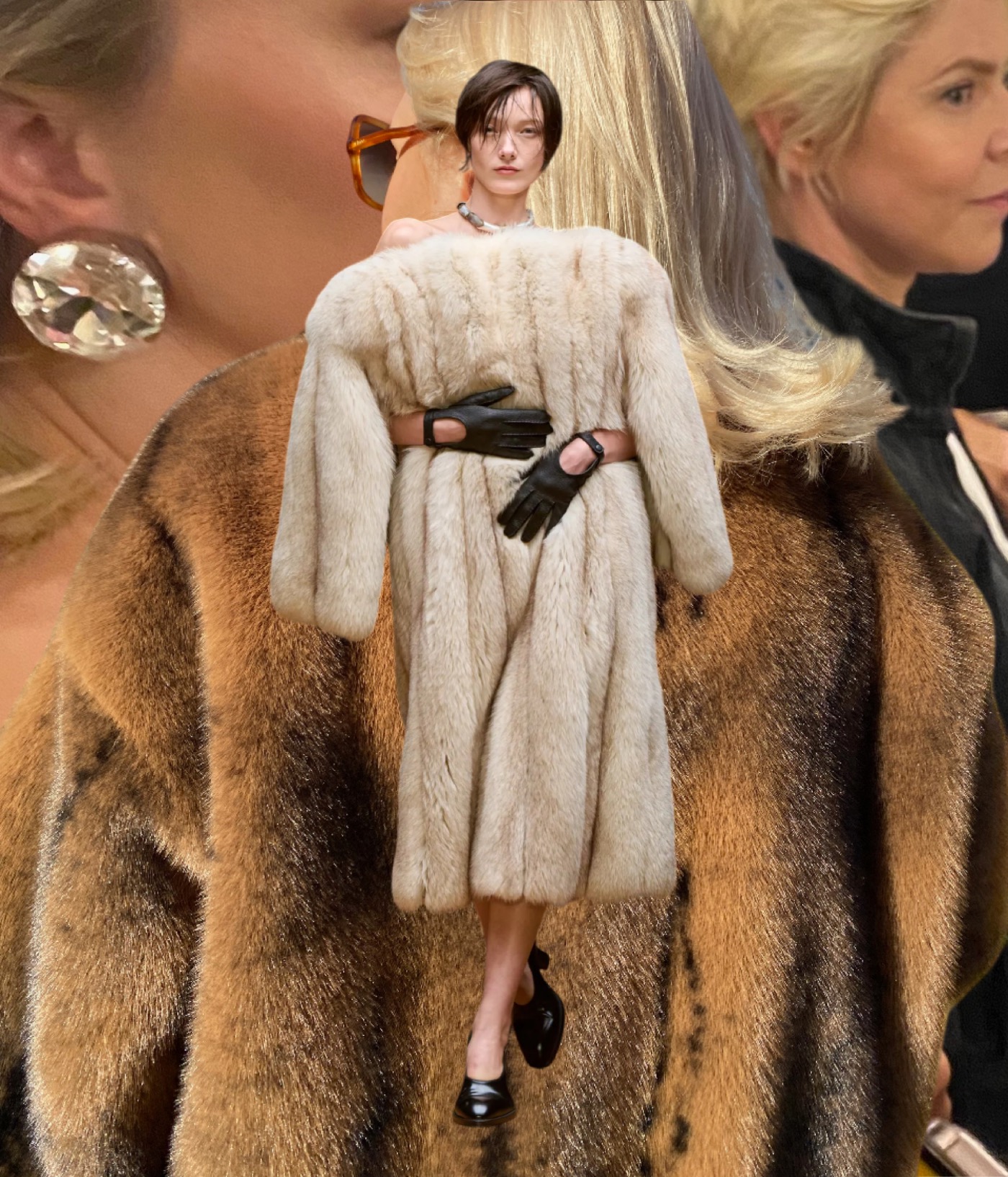
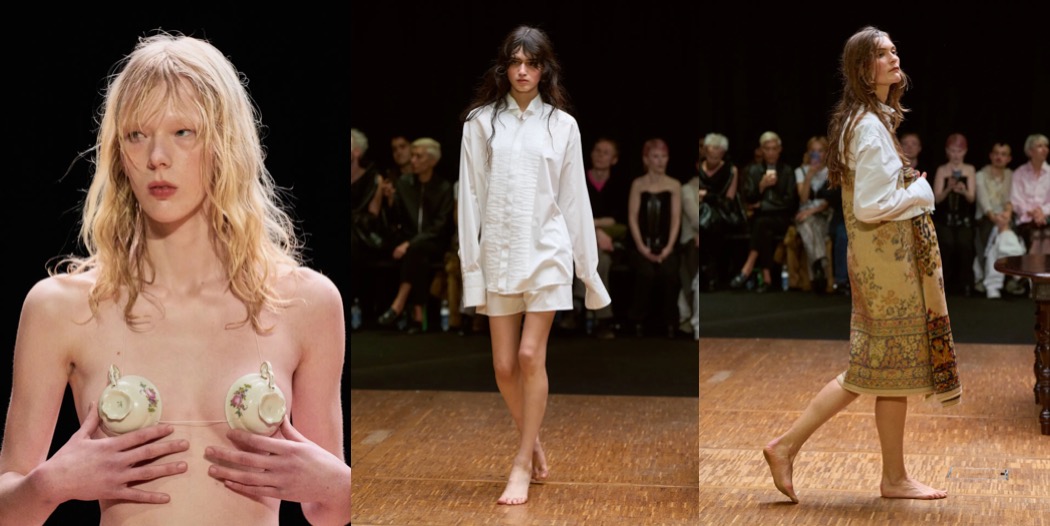
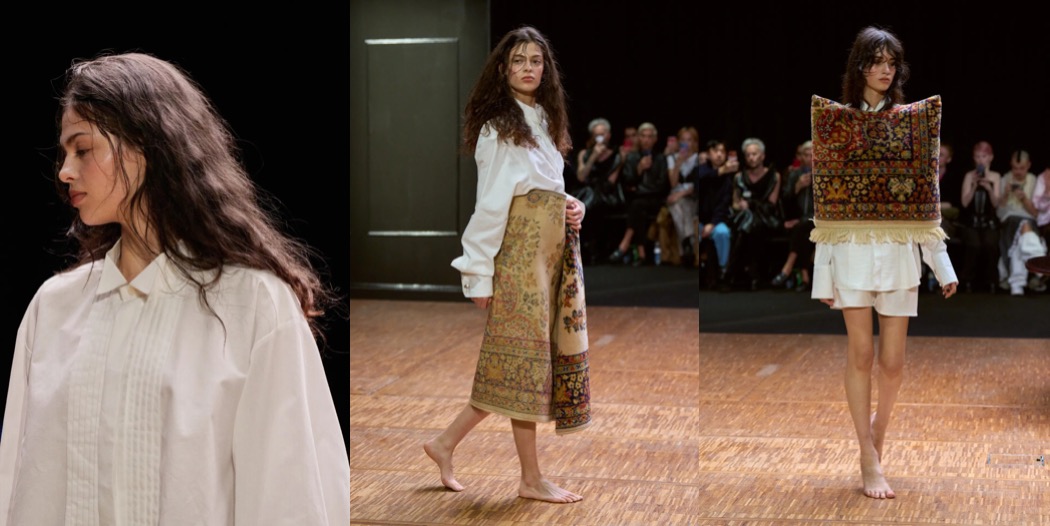
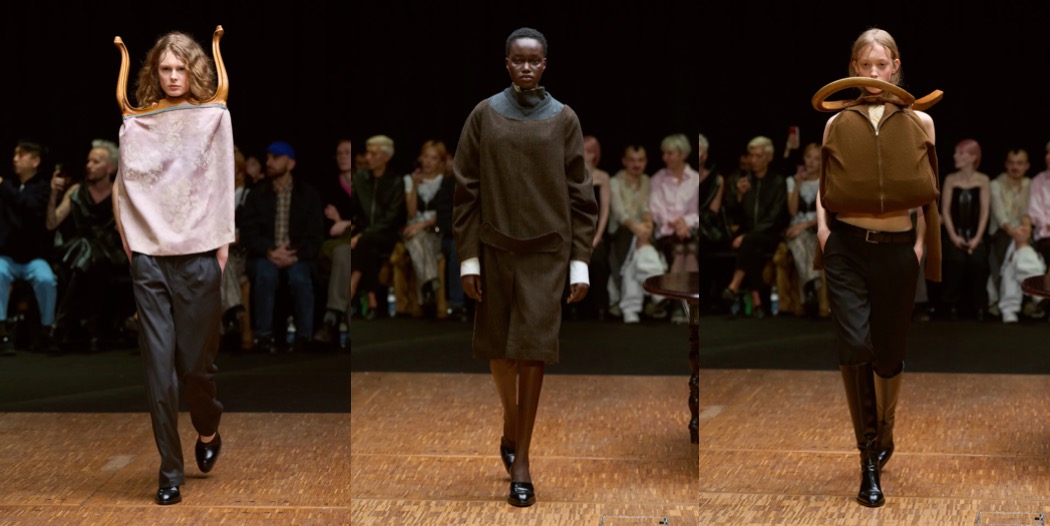
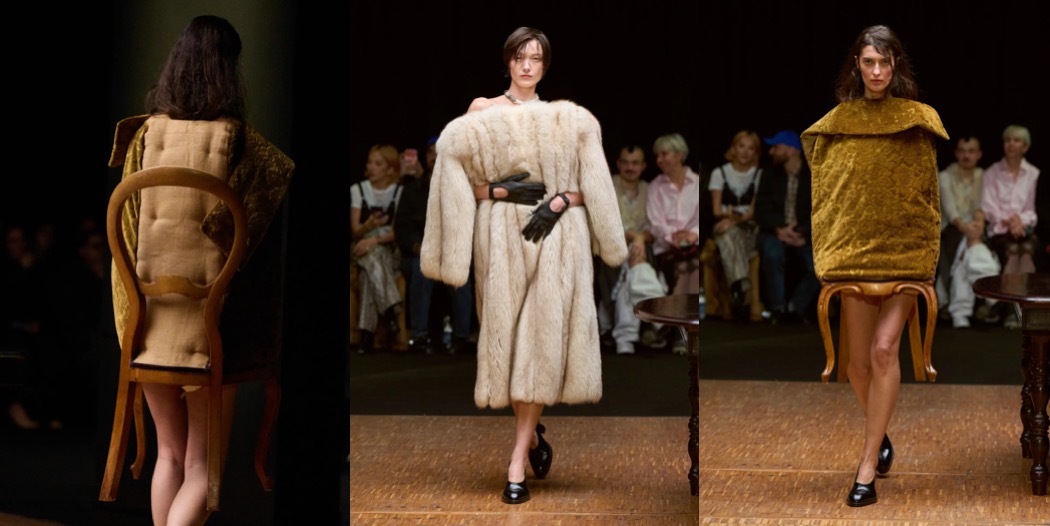
For autumn–winter 2026, Hodakova returned to the idea of home – a theme she has explored for some time, but which here felt more substantial and powerful than ever. True to her practice, she transformed everyday objects into garments: an itty-bitty bra fashioned from teacups; a rug crafted into a capelet; pieces incorporating parts of chairs. The effect was as subversive as when Meret Oppenheim covered a teacup in fur: feminine decorum gone rogue, yet also wildly sensual.

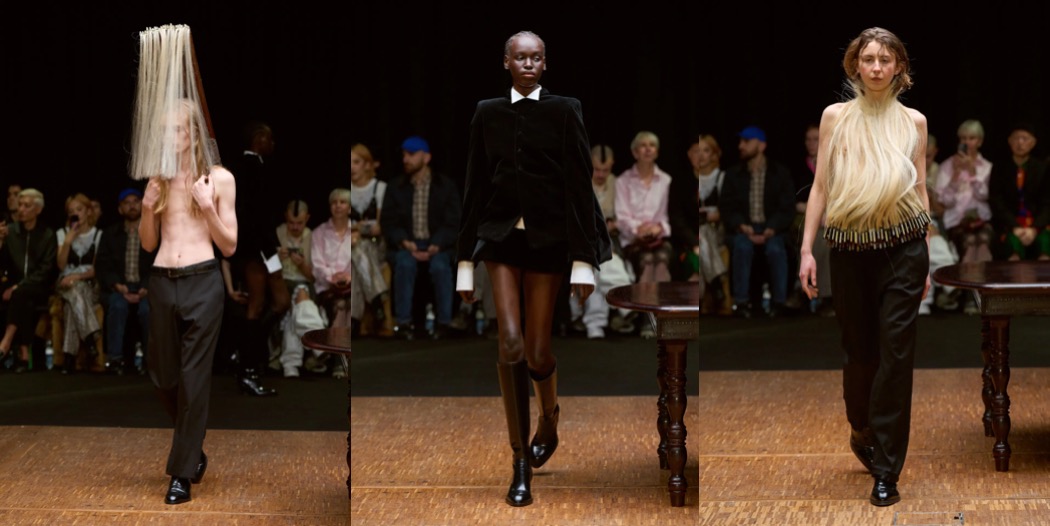
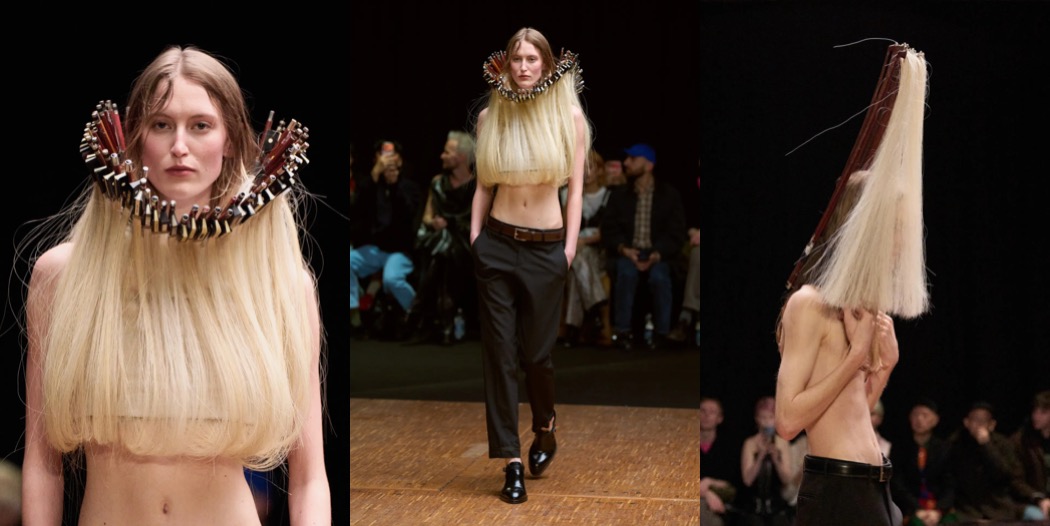
But the distortions and subtle provocations did not end there. Mirrors appeared as accessories – an ode to vanity, but also to introspection. Silken strands that snaked up the body and fastened at the neck (where zippers might once have been) were not samples of blonde hair, but horsehair violin strings. She imagined a musician impeccably dressed for a performance, only to lose herself entirely in the music. And the fur coats that seemed to levitate, hovering like oneiric corpses above the models’ bodies? A literal “home for the body”, staged in a manner reminiscent of an Olivier Saillard and Tilda Swinton performance.

Hodakova’s work is at once literal and strangely elusive: like a dream that floods you with feeling, only to dissolve the moment you awaken. That is not to say her clothes are ephemeral. On the contrary, she is a designer who, like few others, champions a return to meaty, tactile, hyper-real materiality. Her latest collection marks a striking plunge into the sartorial world, with deconstructed Harris Tweed jackets and coats anchoring the vision.

A very, very good start to Paris.

Collage by Edward Kanarecki.
Don’t forget to follow Design & Culture by Ed on Instagram.

Hey, did you know about my newsletter – Ed’s Dispatch? Click here to subscribe.
Lightness. Chanel SS26 Couture

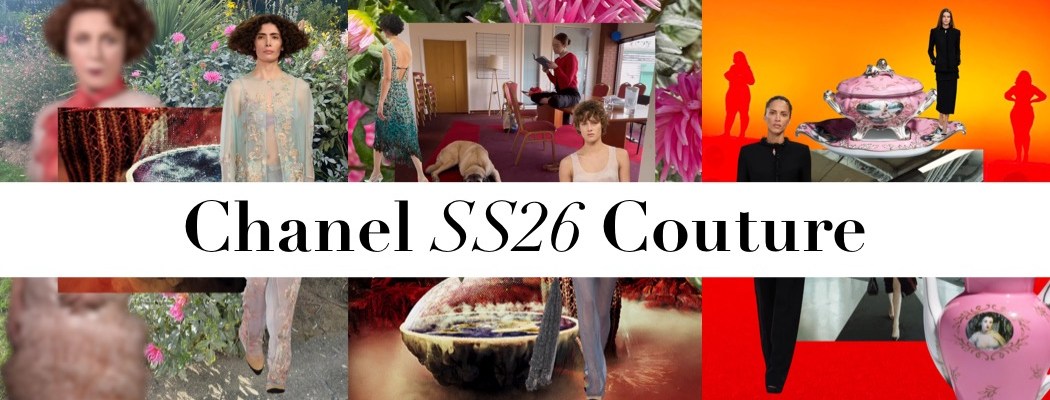
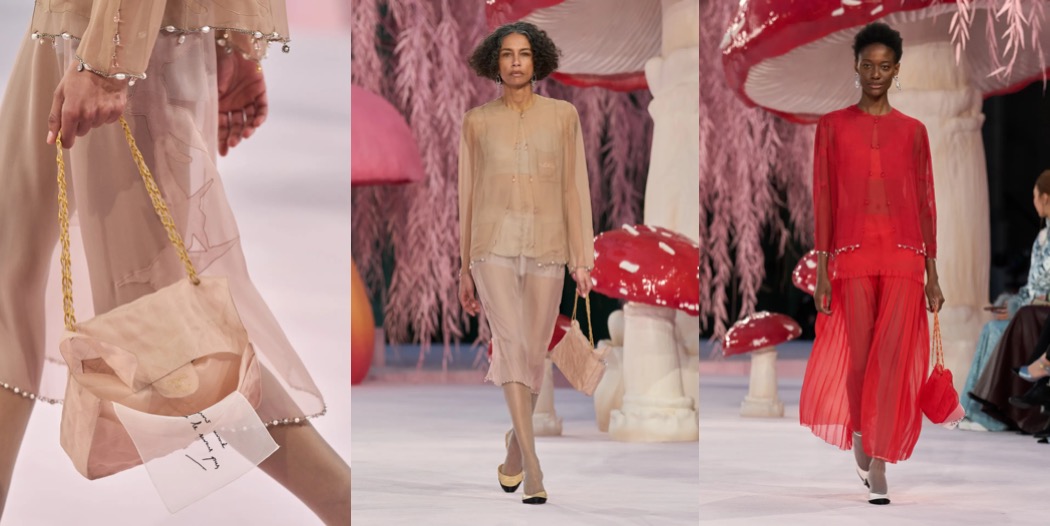
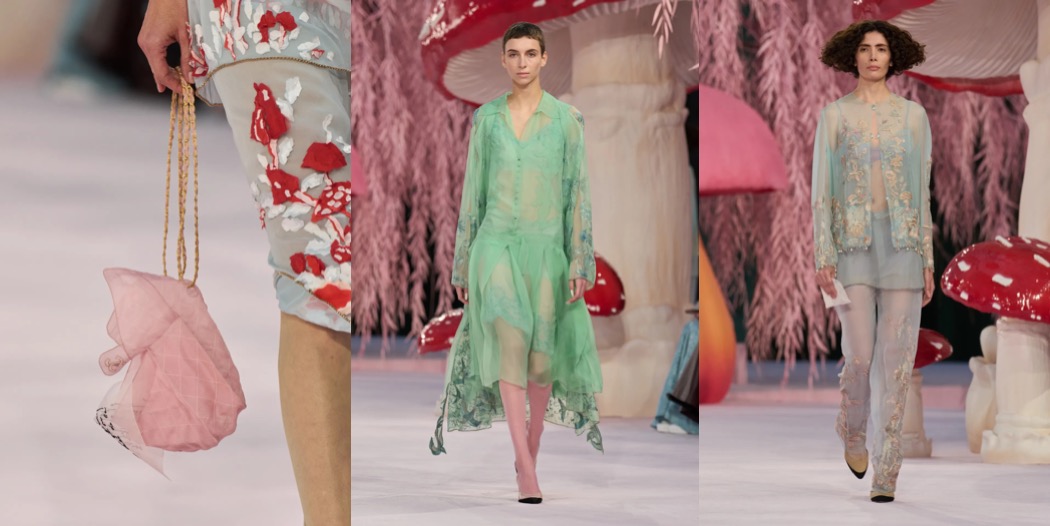
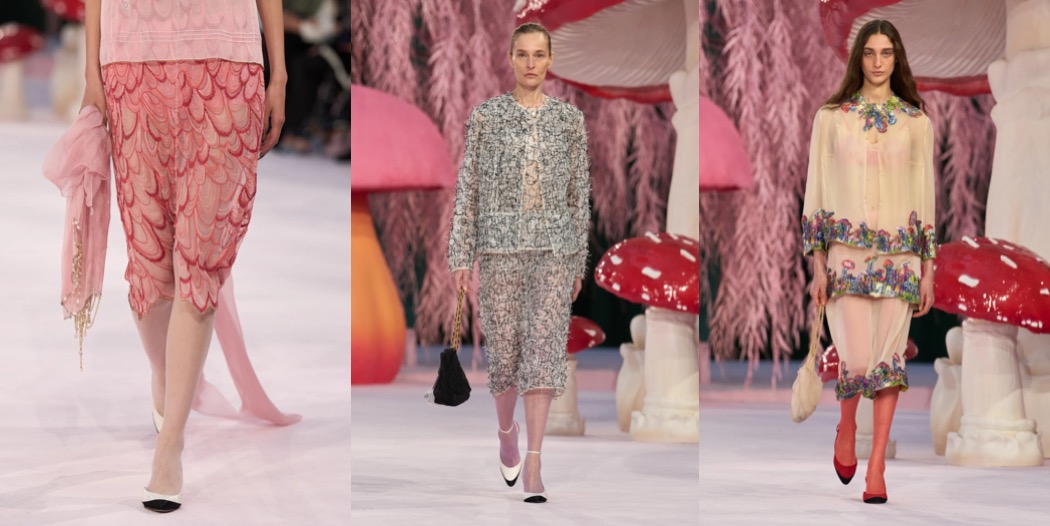
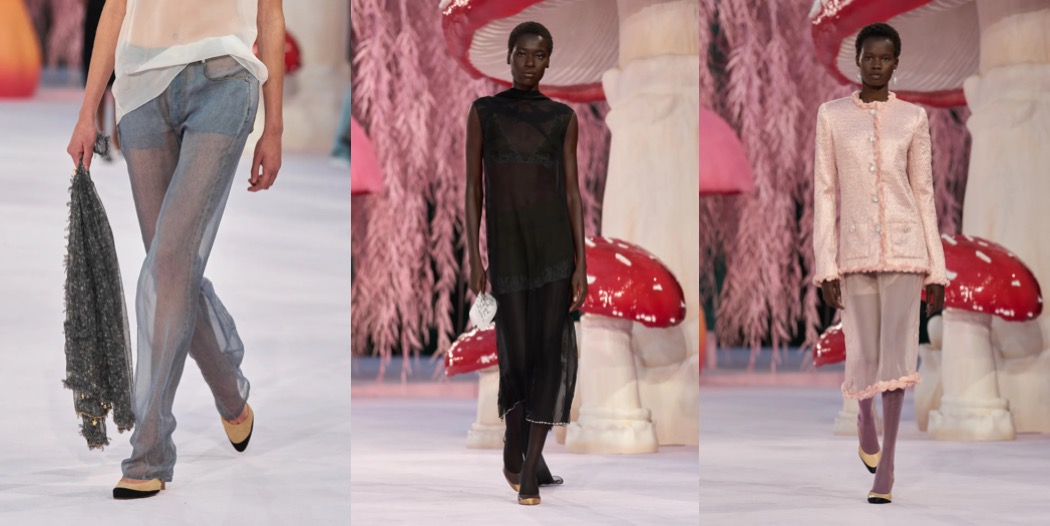
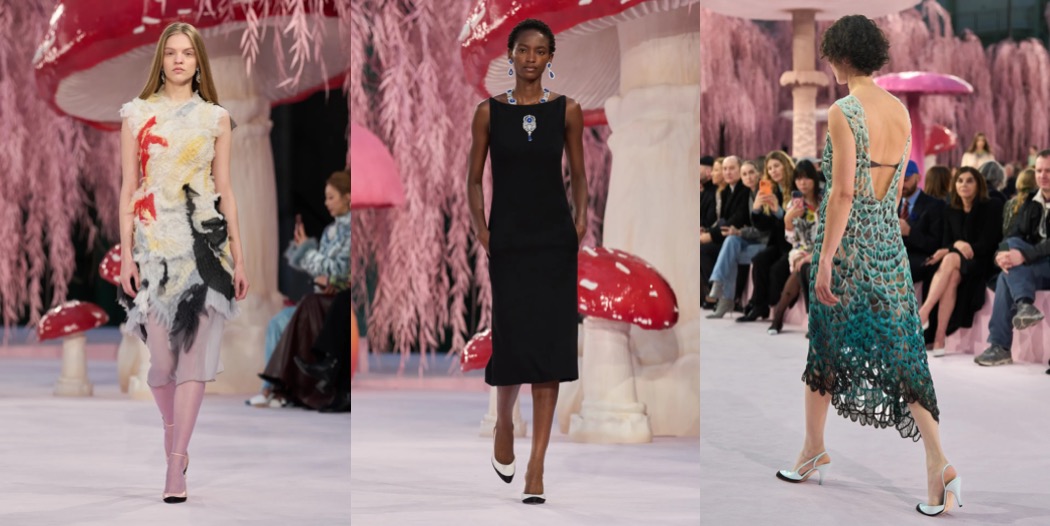
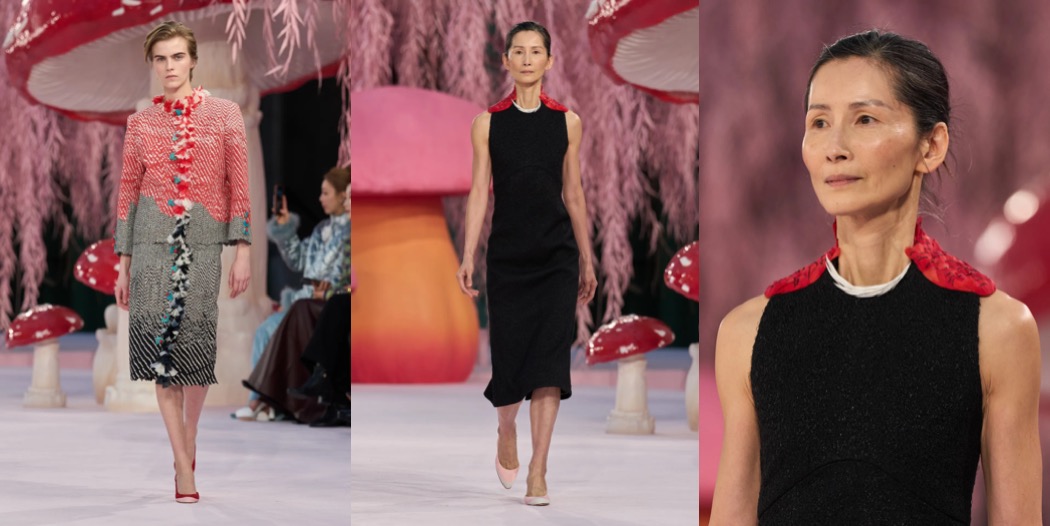
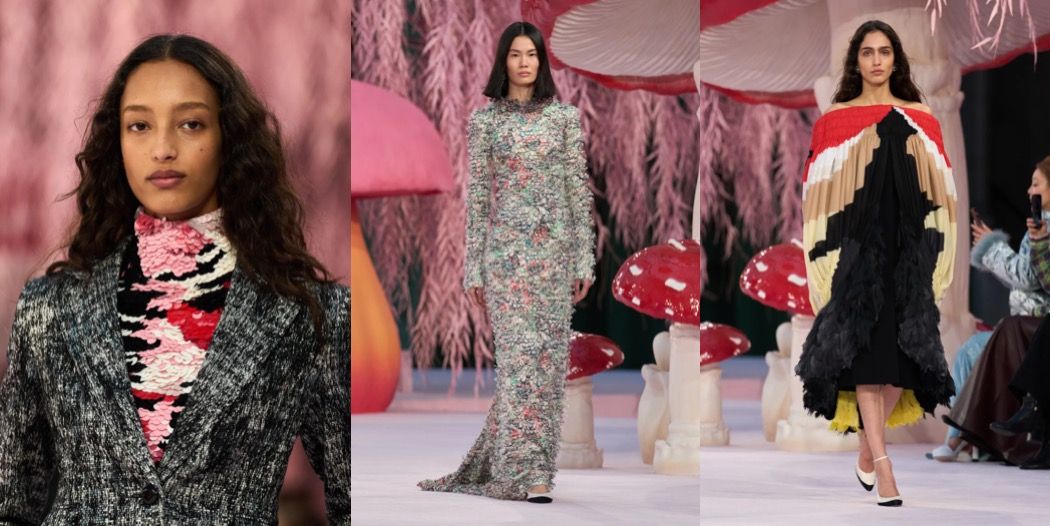
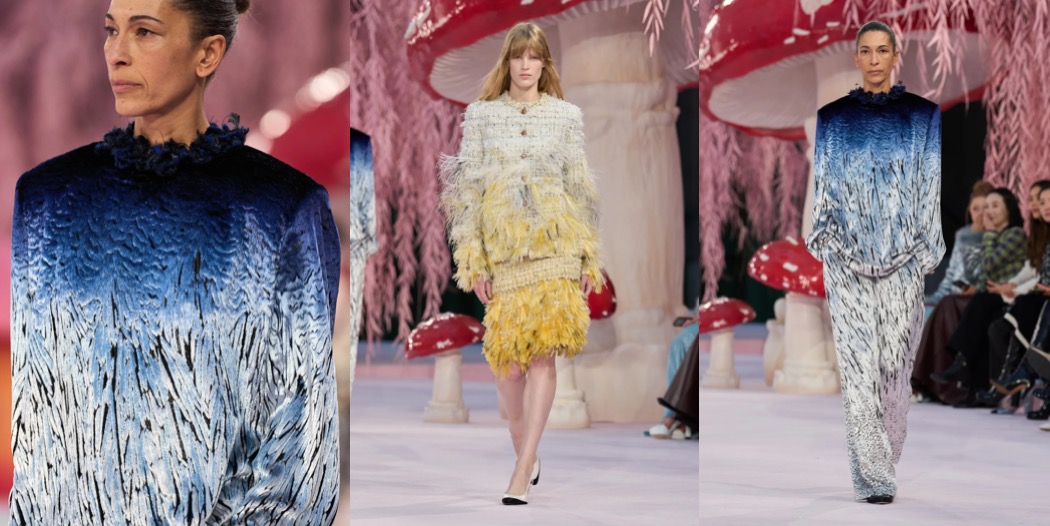
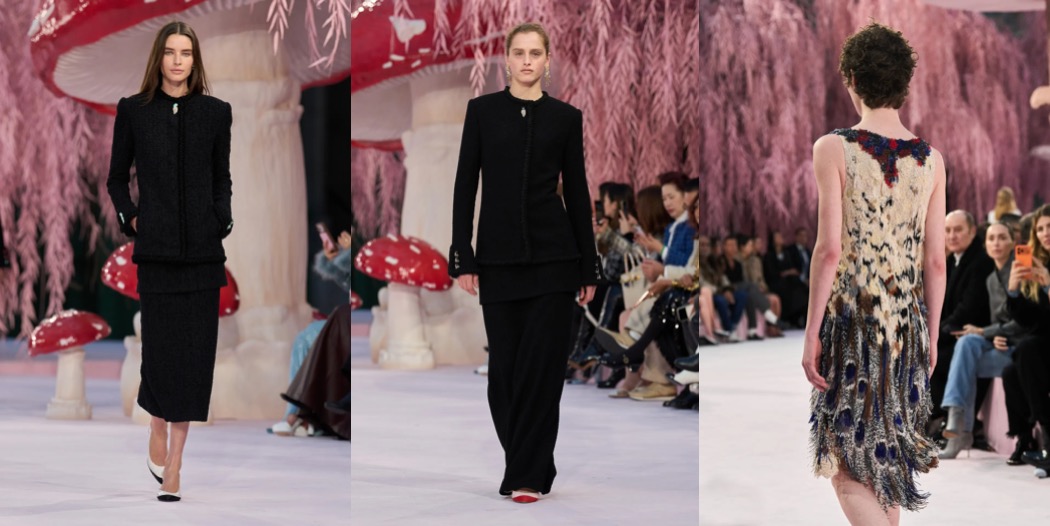
Matthieu Blazy’s debut Chanel couture collection was yet another triumph of beauty during these utterly mind-blowing days in Paris. The sense of haute lightness he managed to carry into this line-up – something one so often longed for during Virginie Viard’s tenure, and even at times during Karl Lagerfeld’s – is nothing short of unbelievable. Near-transparent organza trousers played trompe-l’œil with denim. Flapper dresses were so airy they seemed like mist. “Ghost” 2.55 bags floated like medusas suspended in air.

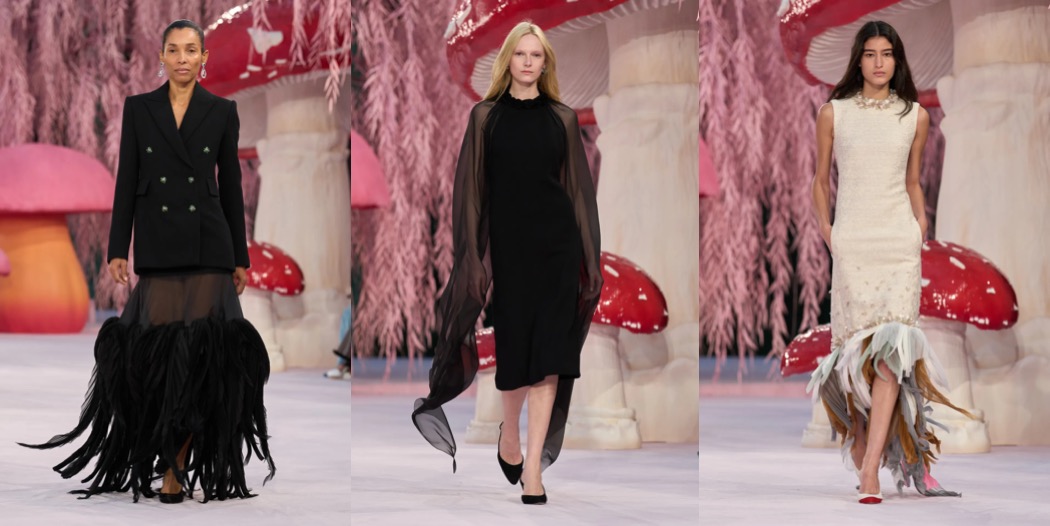
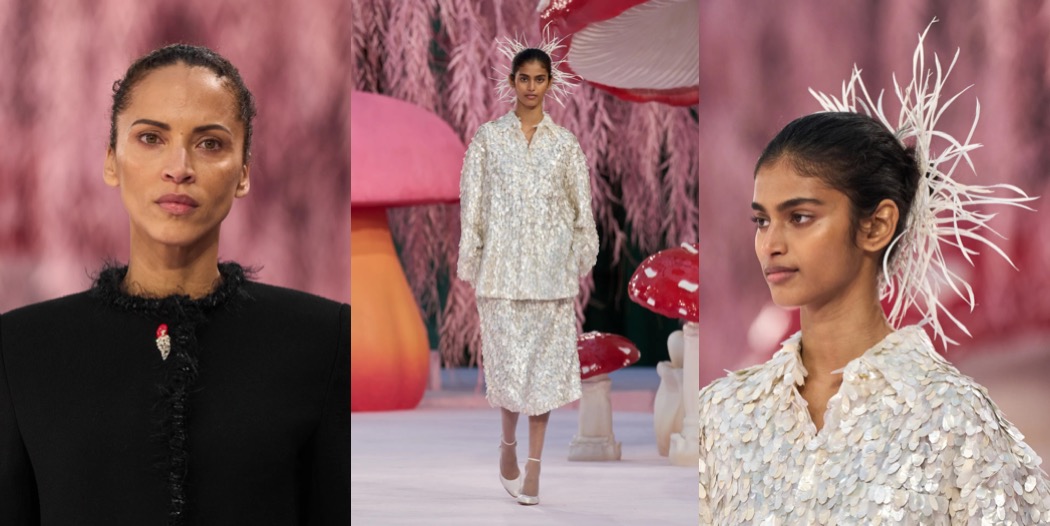
Blazy did not lean heavily on Coco Chanel’s biography; instead, he returned to her attitude toward “clothes for women to go to work, to go to a play, the cinema, whatever,” as he put it. The oversized mushroom setting at the Grand Palais? I loved Tilda Swinton’s interpretation: symbols of ideas that magically grow after the rain. And you could see just how deeply obsessed she was with the collection – her eyes truly went starry at the sight of the dégradé velvet pyjama in shades of royal blue.

Can we also take a moment to appreciate the black suits, finished with quartz buttons and striking brooches? Just incredible. So Chanel, 100%. This was an elaborate take on contemporary couture – one that makes you daydream.

Collage by Edward Kanarecki.
Don’t forget to follow Design & Culture by Ed on Instagram.

Hey, did you know about my newsletter – Ed’s Dispatch? Click here to subscribe.
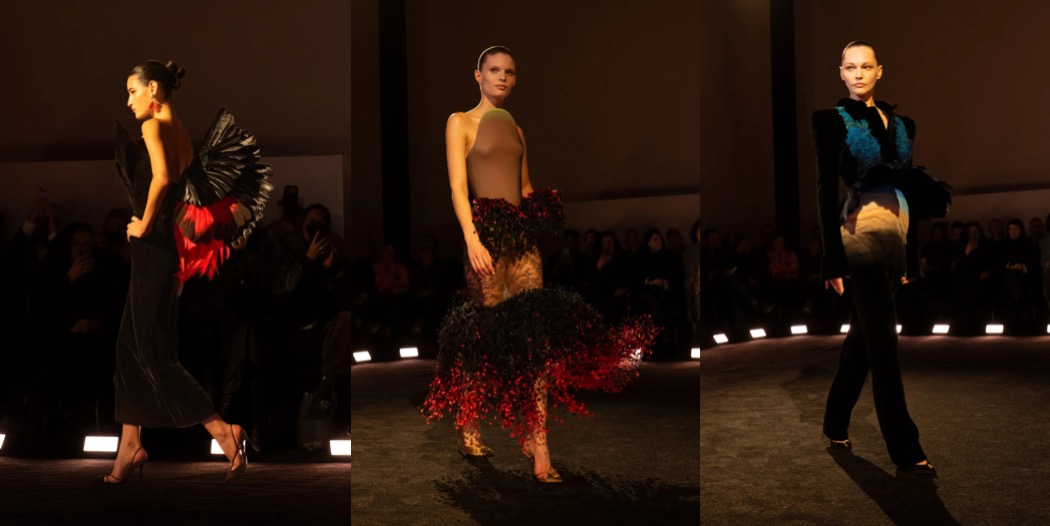
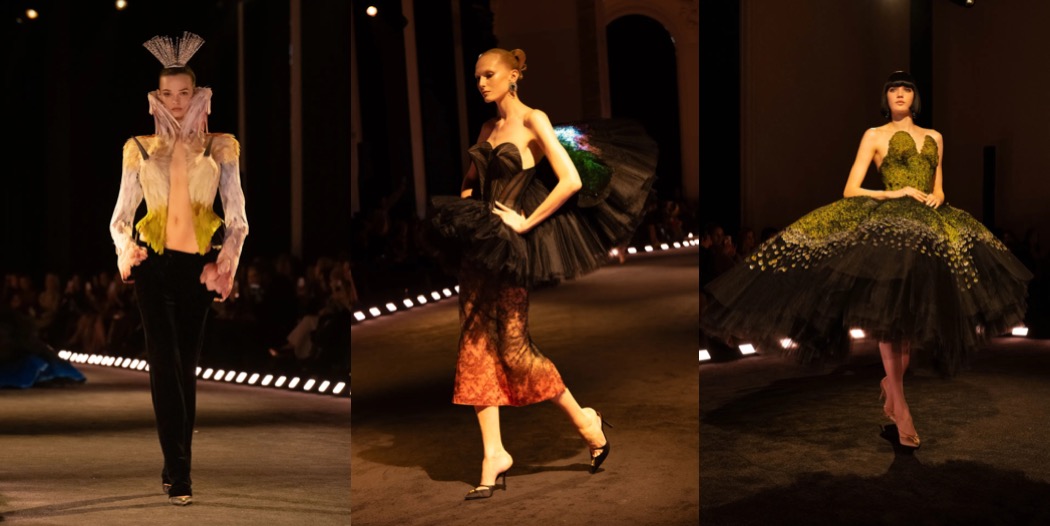
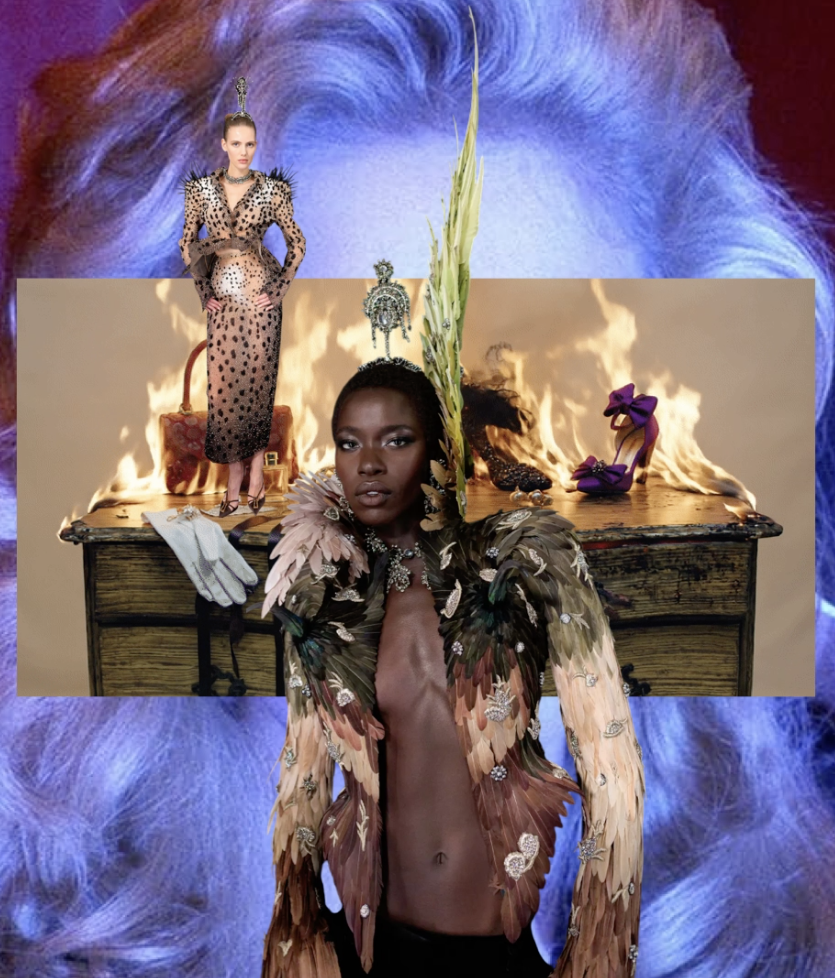
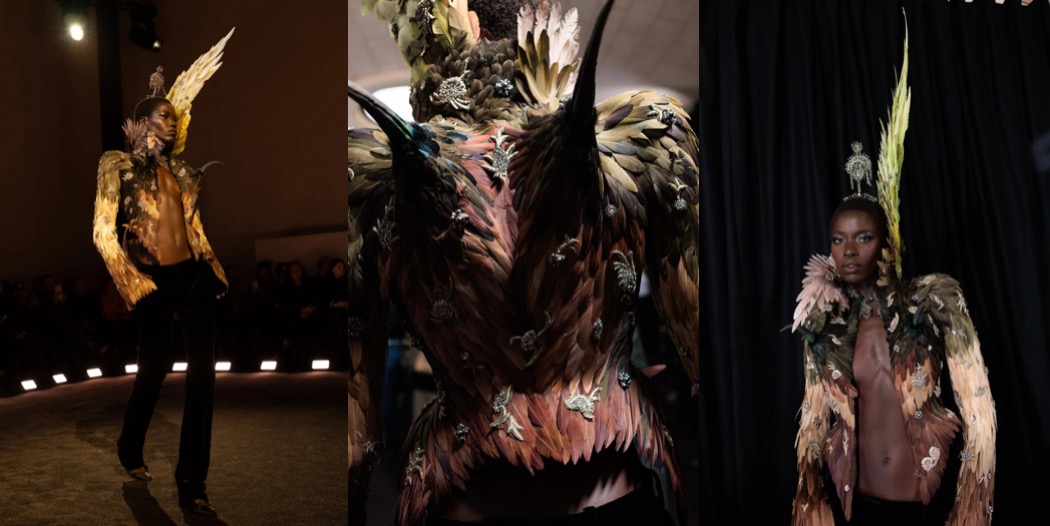
Untamed Beauty! Schiaparelli SS26 COuture

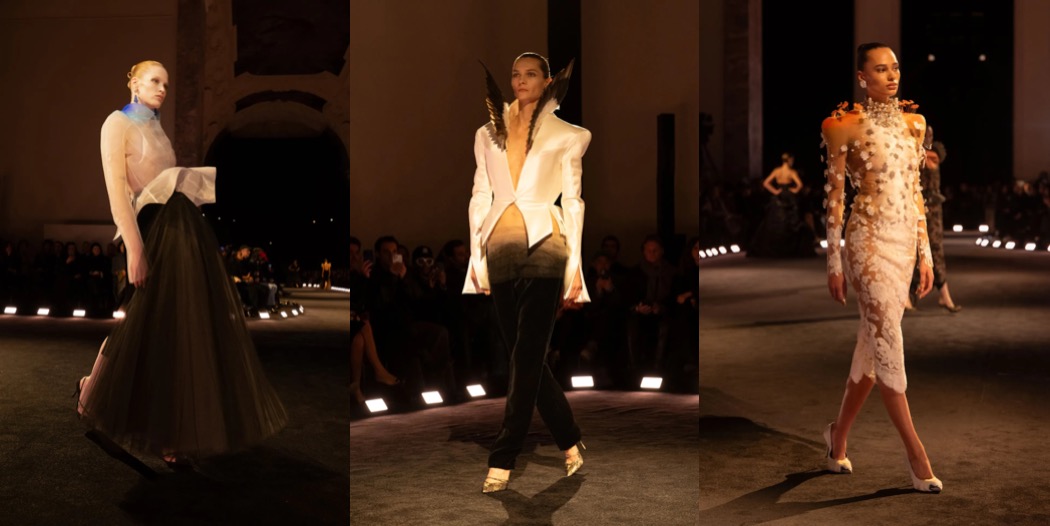
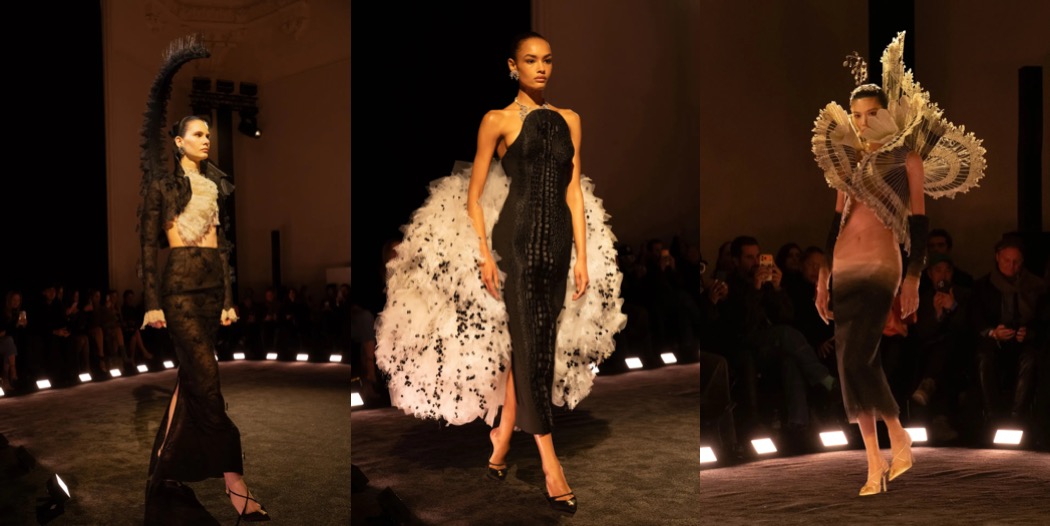
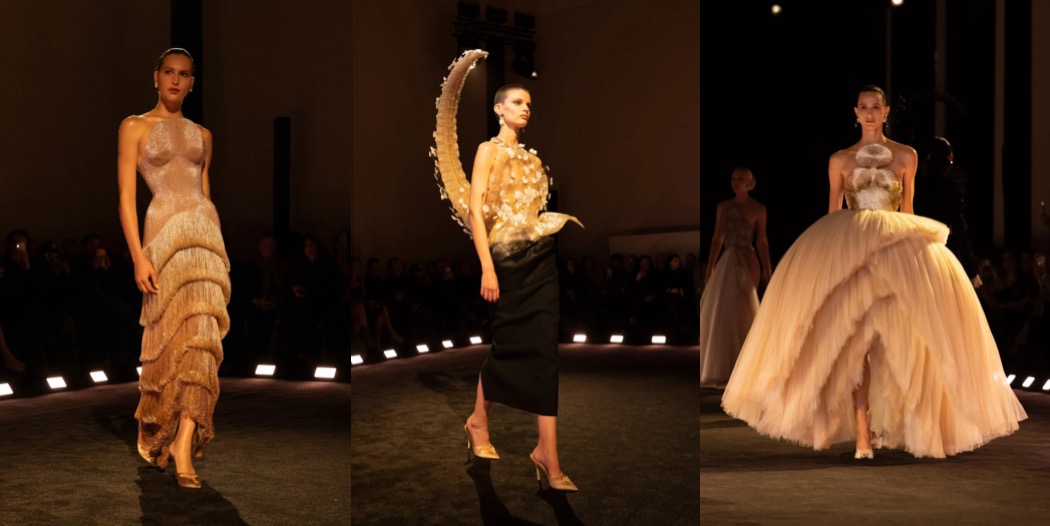
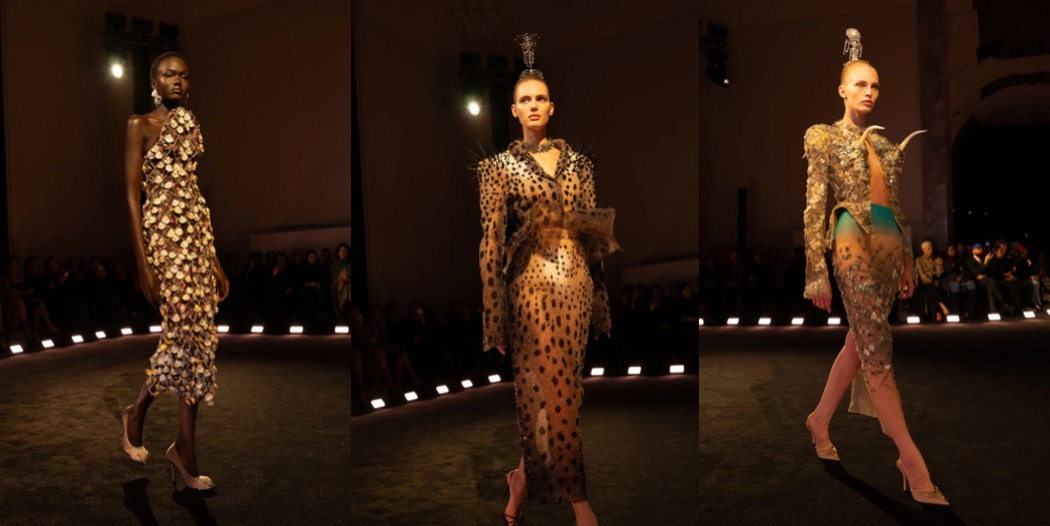
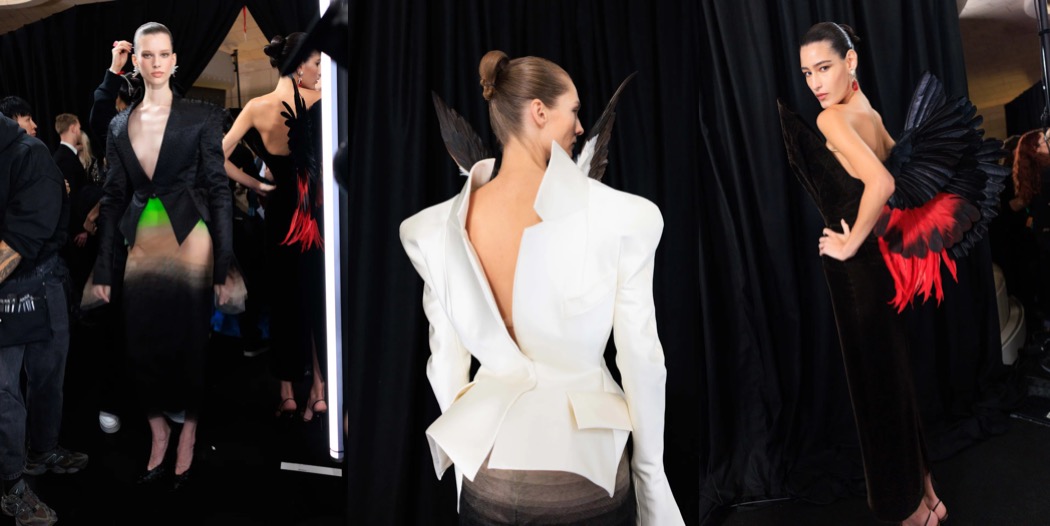
This really is a delightful couture season, with a renewed emphasis on the haute. Daniel Roseberry presented one of his strongest Schiaparelli collections to date – peacock-y enough to dazzle without tipping into gimmickry. “The idea,” he said, “was to keep the rigor of the last few seasons but make it far more expressive.”
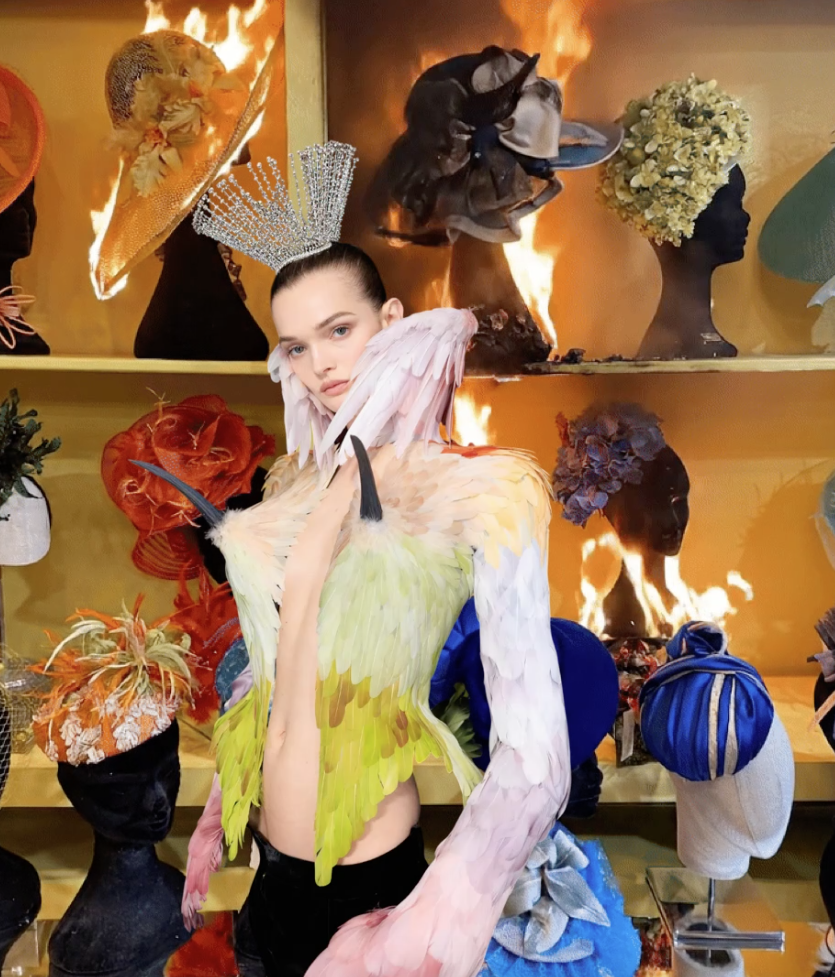
Among the beautiful creatures stalking his runway were “Isabella Blowfish“, a rigorously cut tailleur bristling with spiny spikes and named after the late couture collector Isabella Blow, and a pair of “Infanta Terribles“: one a bustier top, the other a fitted jacket, both adorned with almost menacing scorpion tails that curved outward and upward from the small of the back. “Alien” meets the Sistine Chapel? Hell yes.

There was something extraterrestrial and otherworldly about the collection, yet also animalistic in the most untamed sense. Roseberry pushed that energy into new realms with a wing sprouting from the back of a strapless black dress, and with claws erupting from the breasts and shoulder blades of feathered jackets. Yes, there were unmistakable echoes of Alexander McQueen – but Roseberry is an A-plus student of fashion history, and he understands Schiaparelli as the ultimate sanctuary for fashion obsessions and passions, a place where they can freely collide, mingle, and fuse.

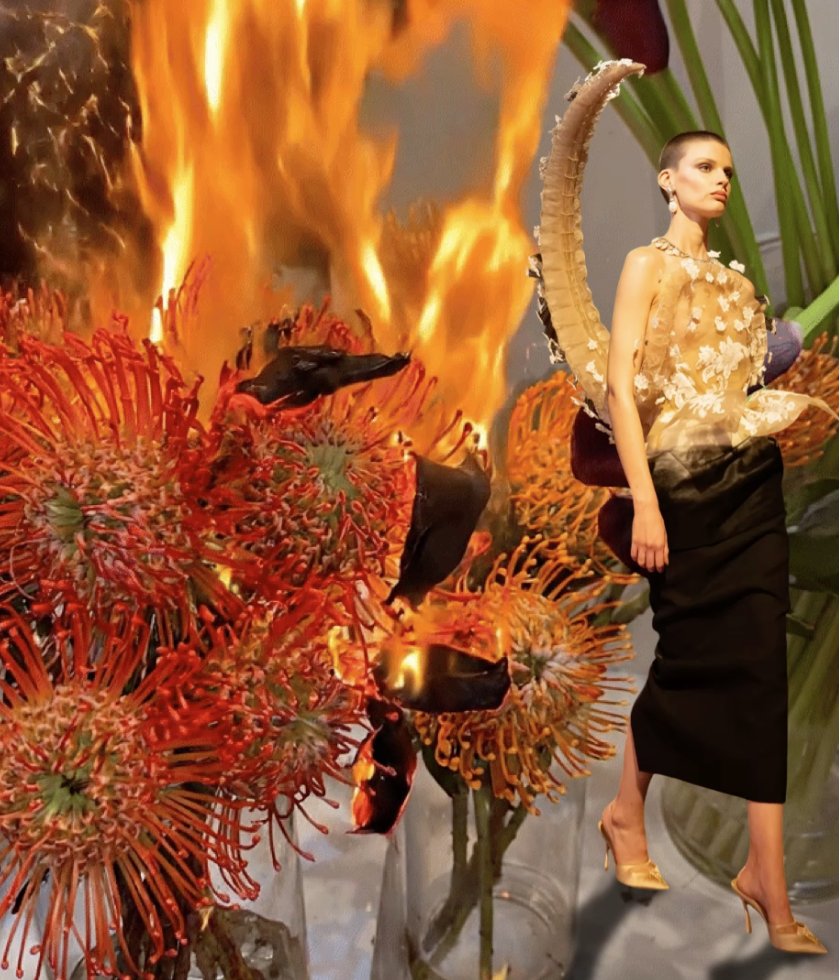
Collage by Edward Kanarecki.
Don’t forget to follow Design & Culture by Ed on Instagram.

Hey, did you know about my newsletter – Ed’s Dispatch? Click here to subscribe.