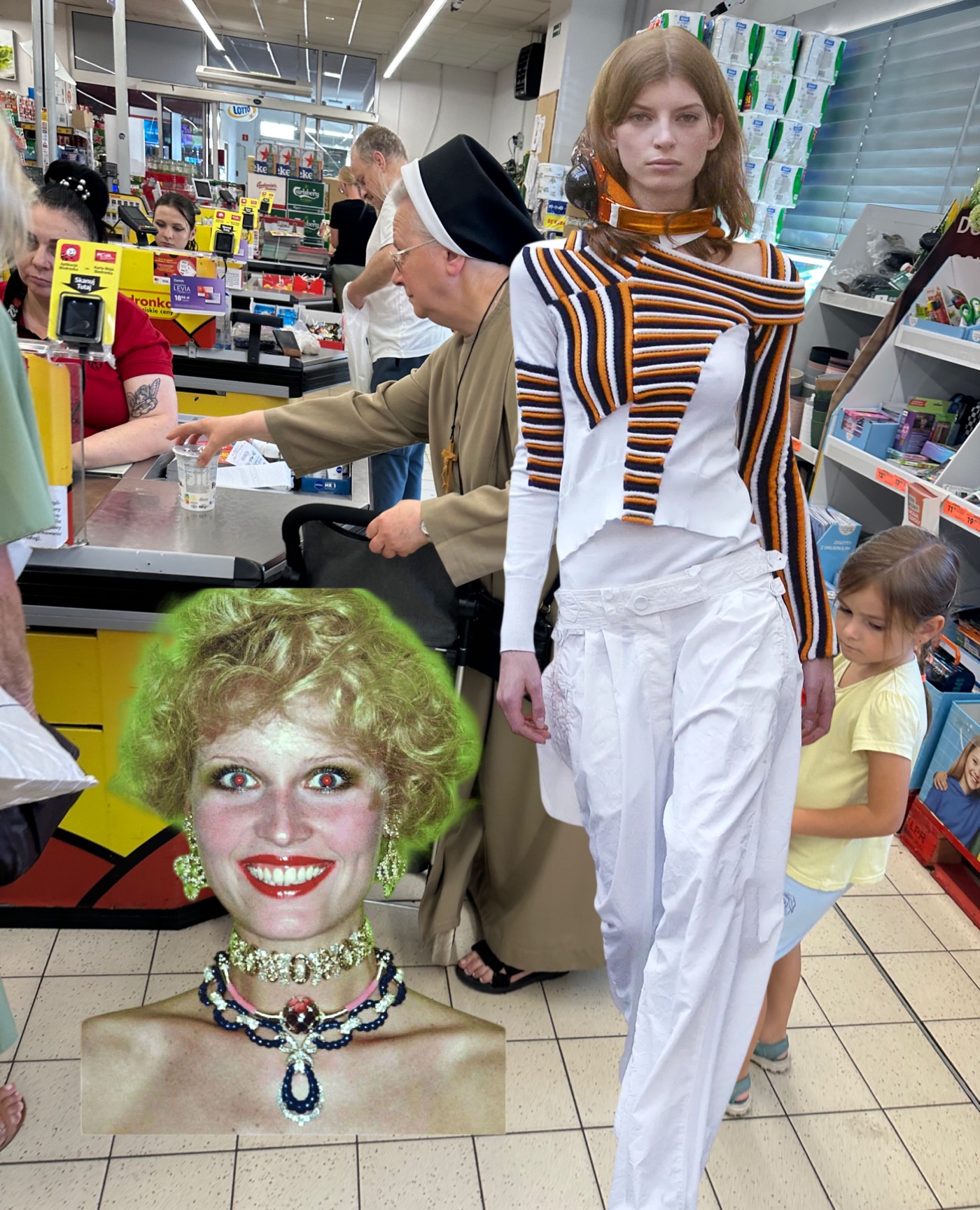
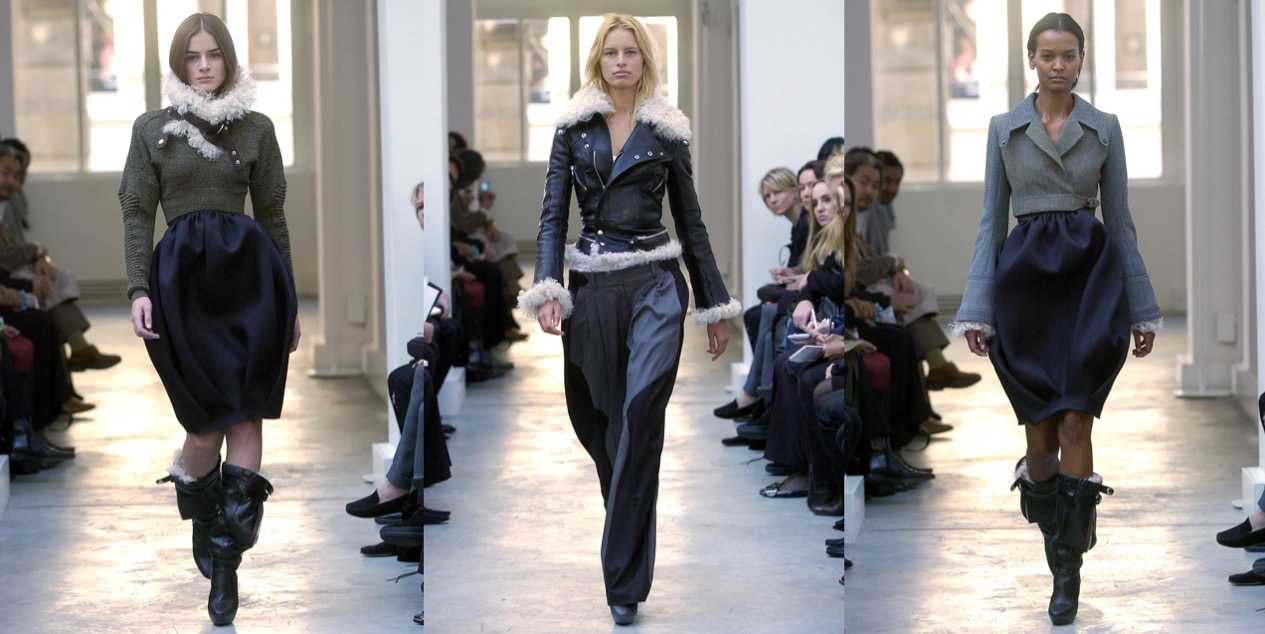
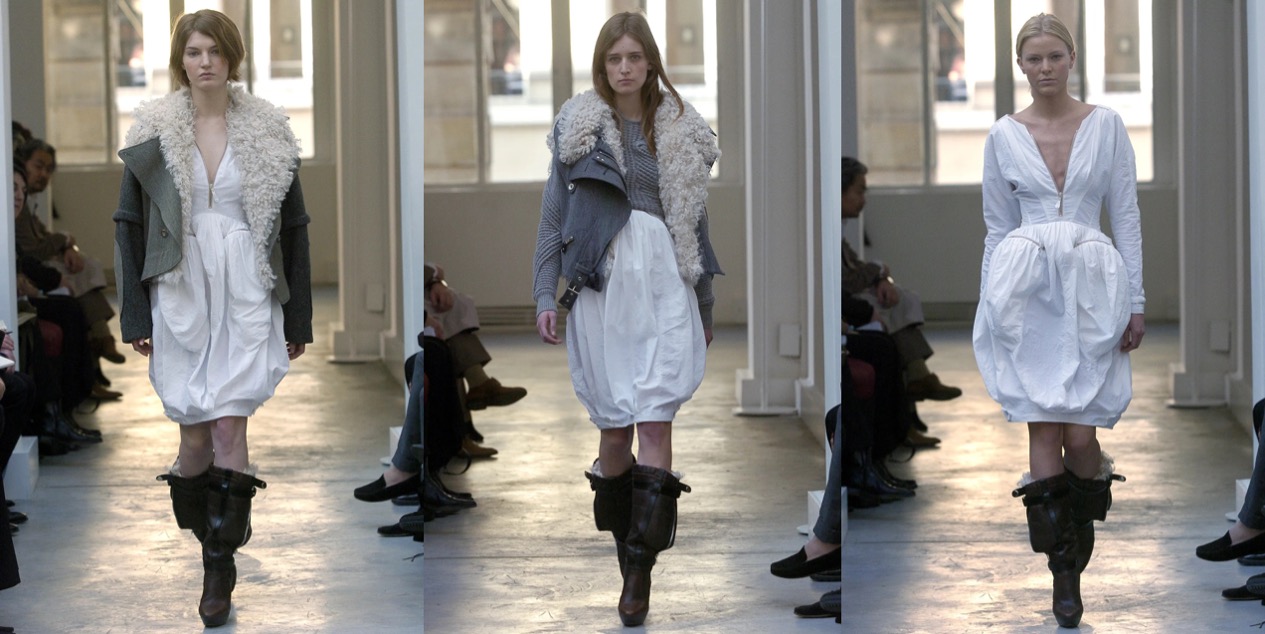
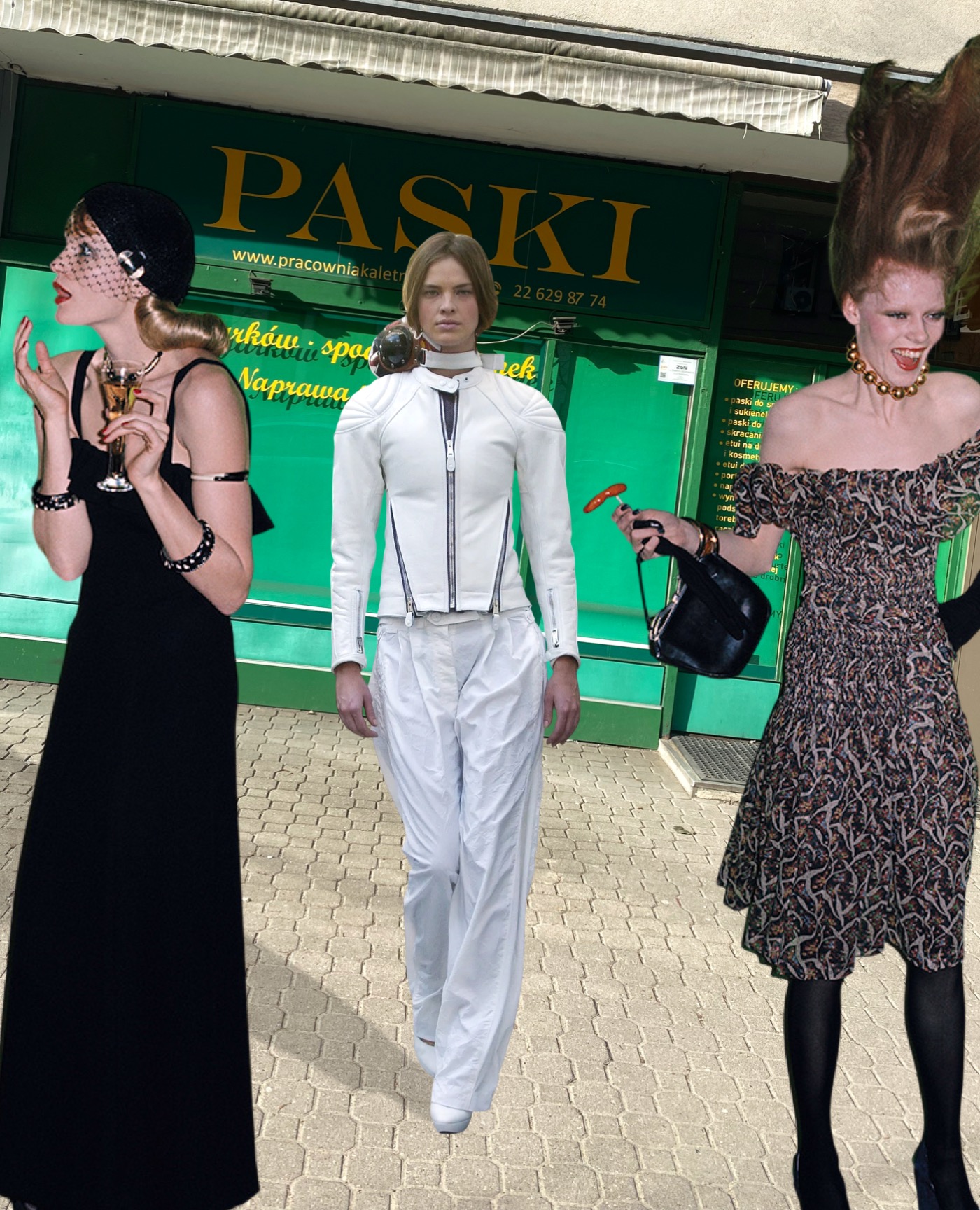
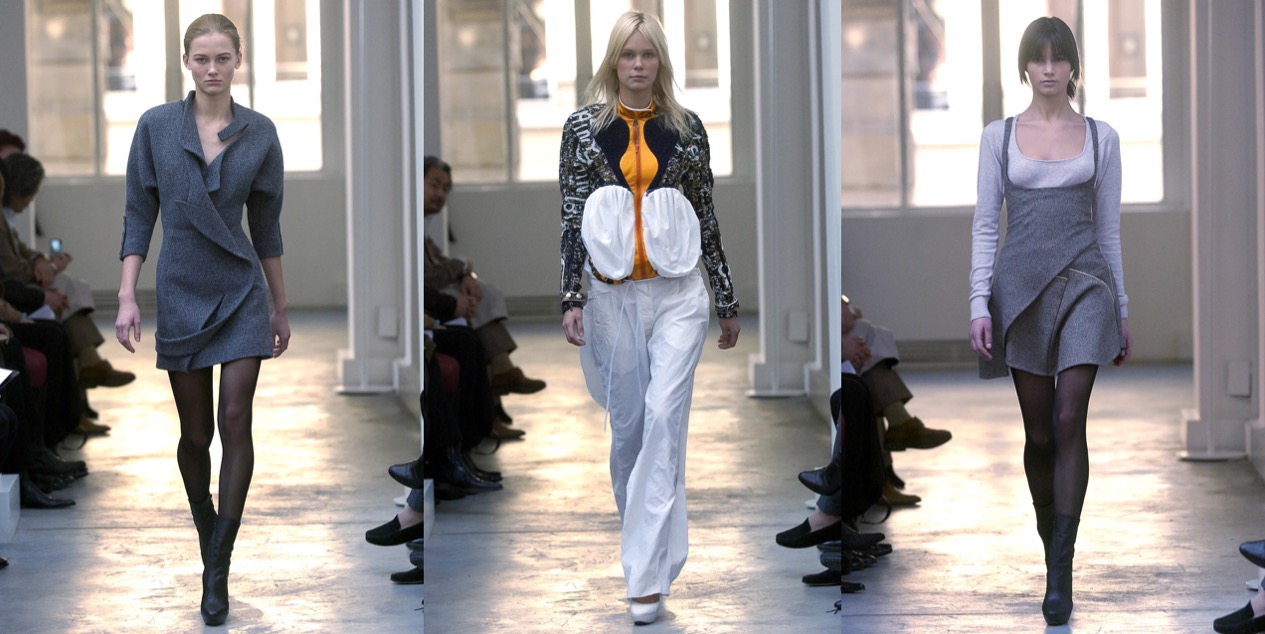
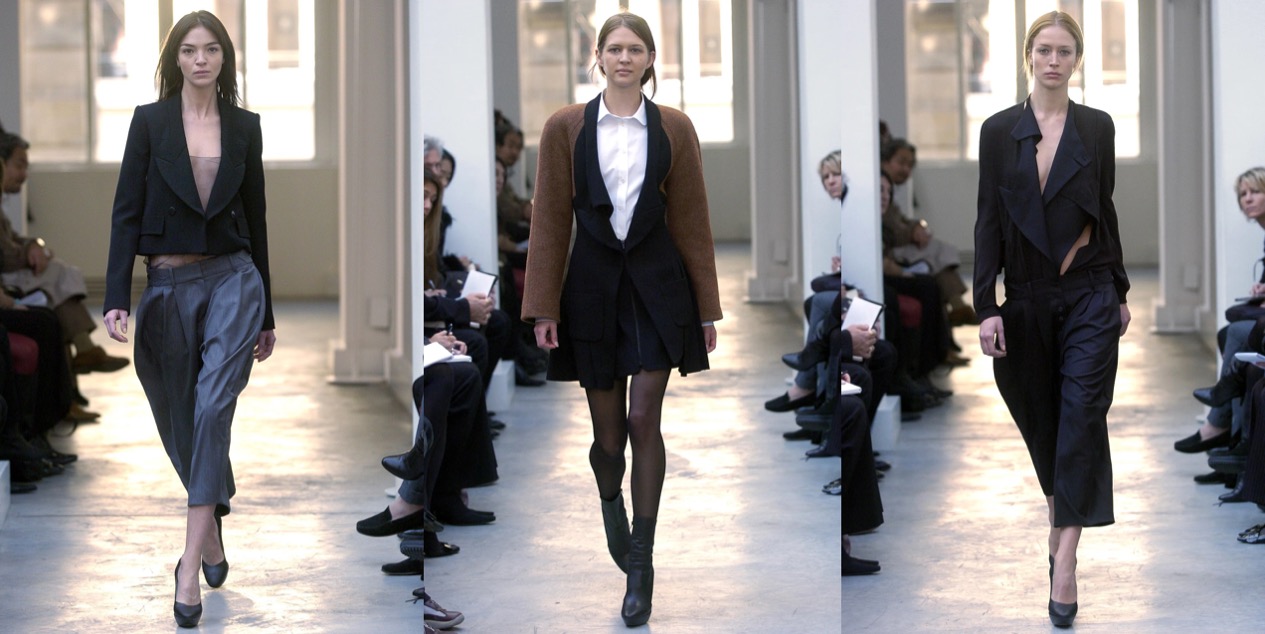
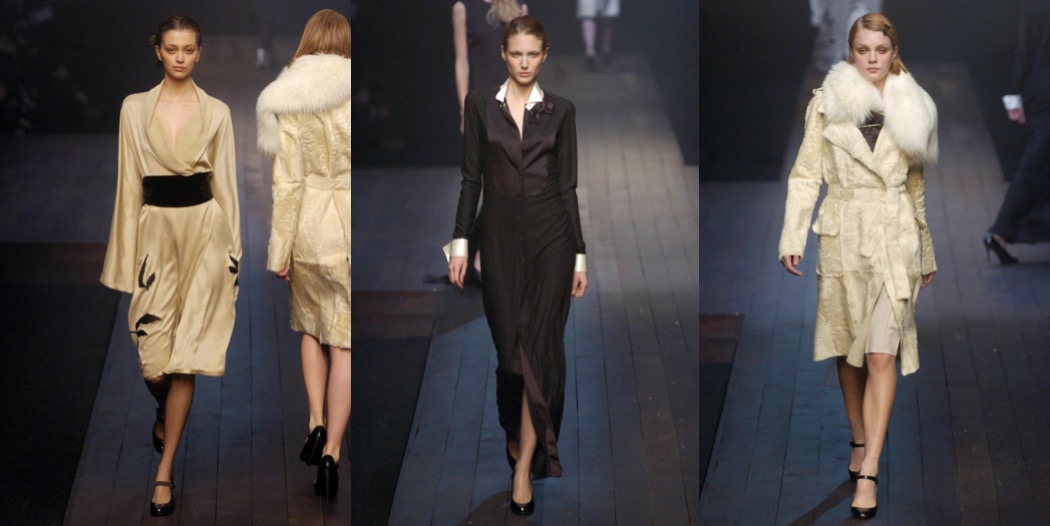
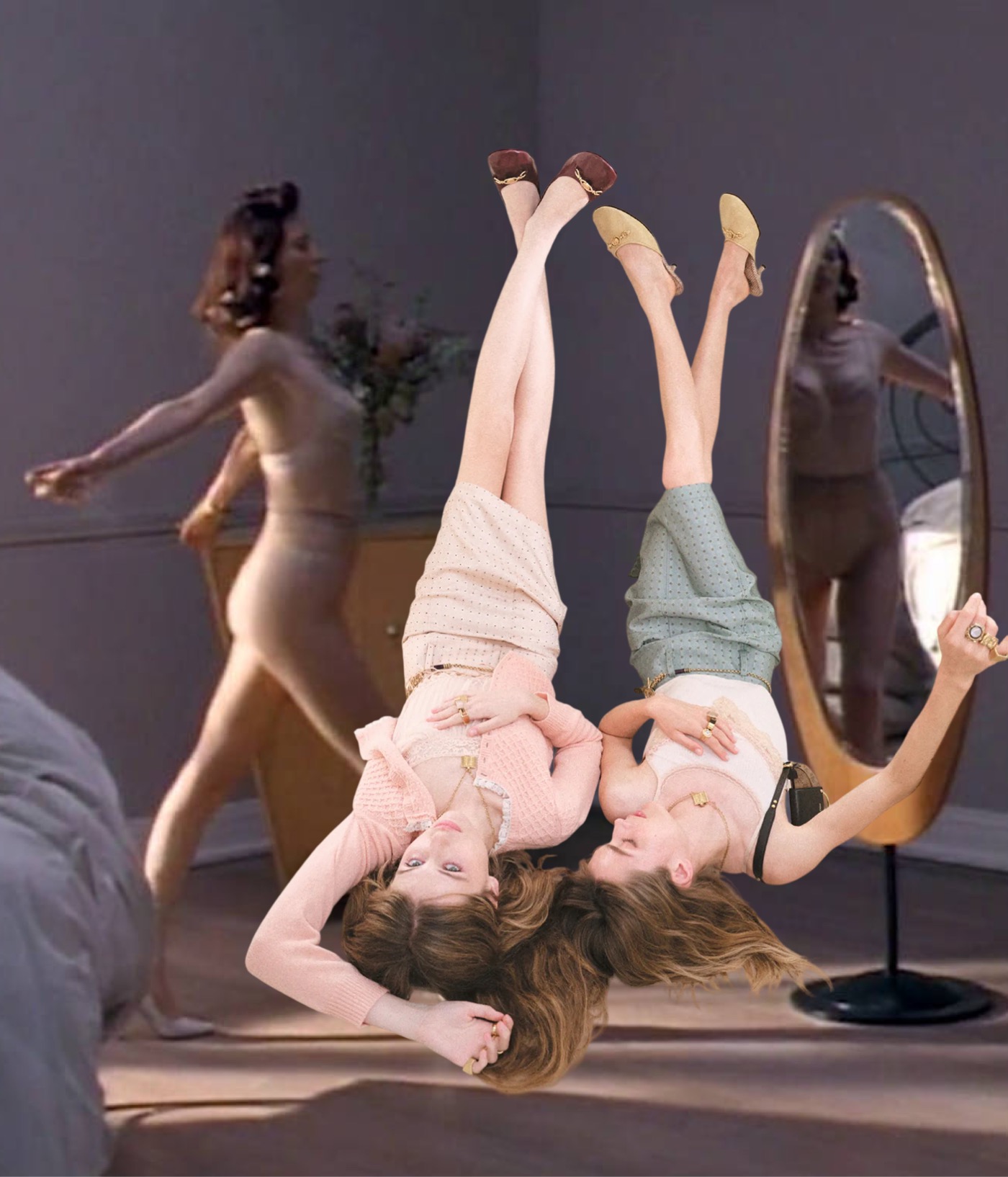
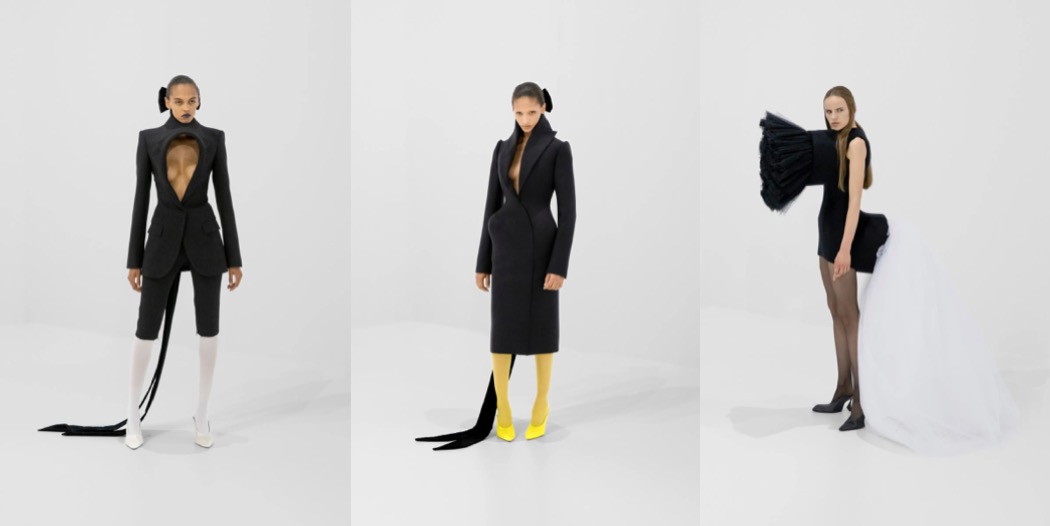
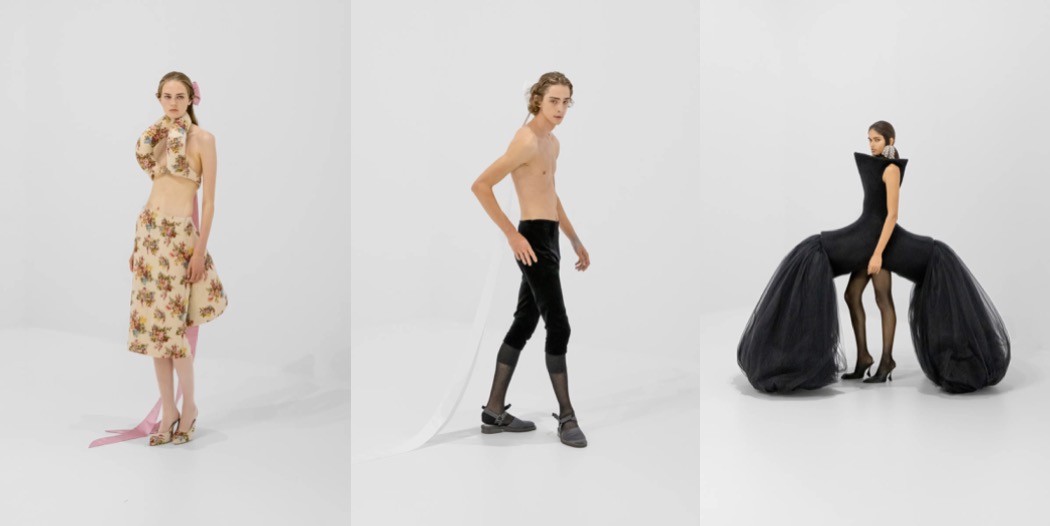
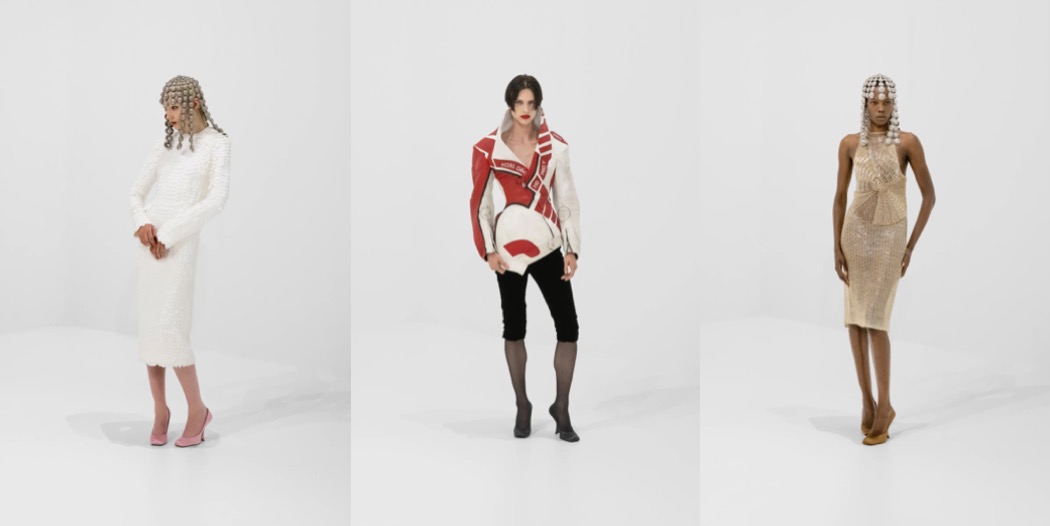
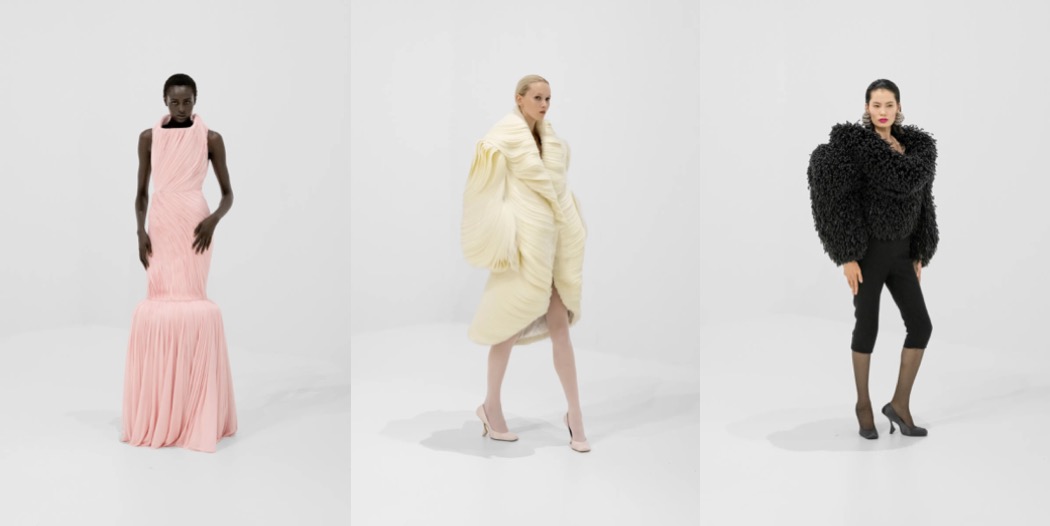
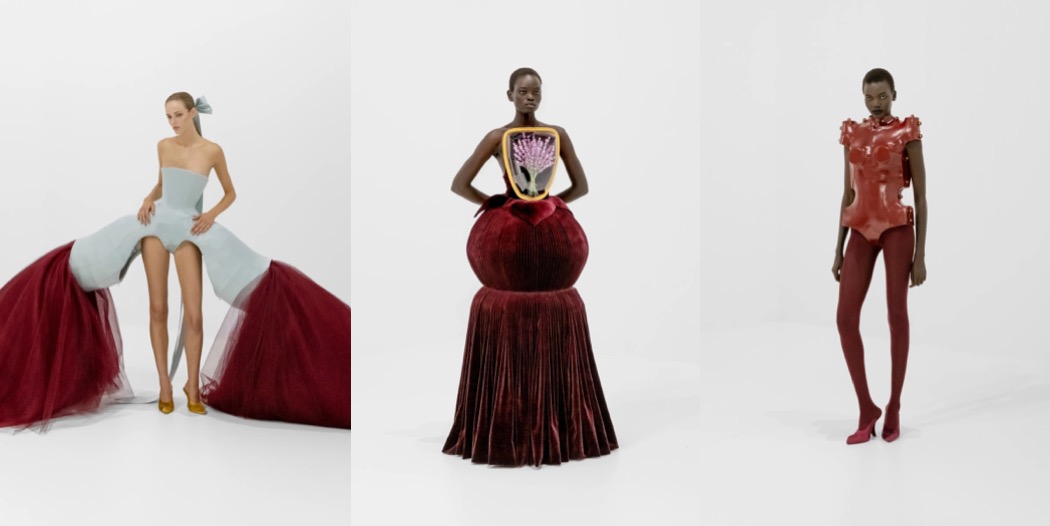
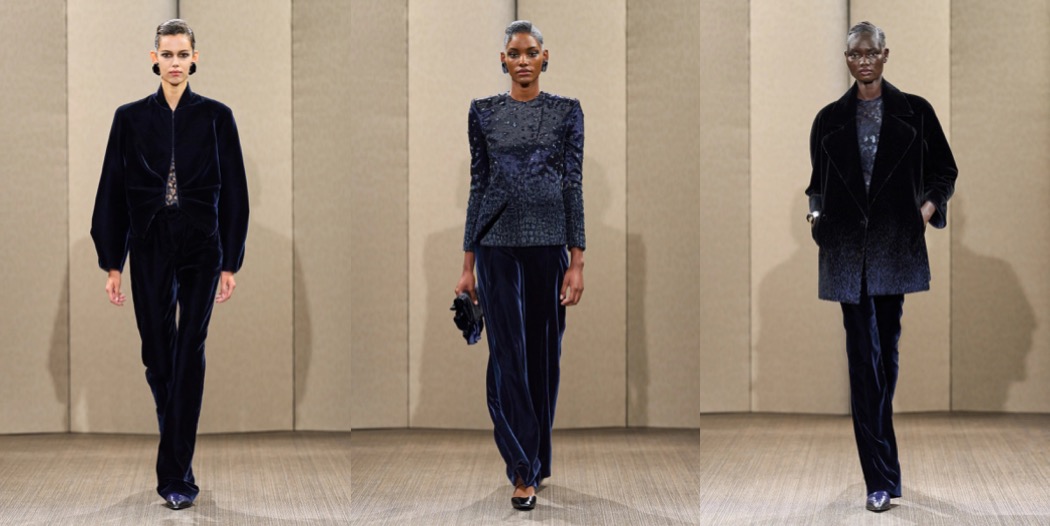
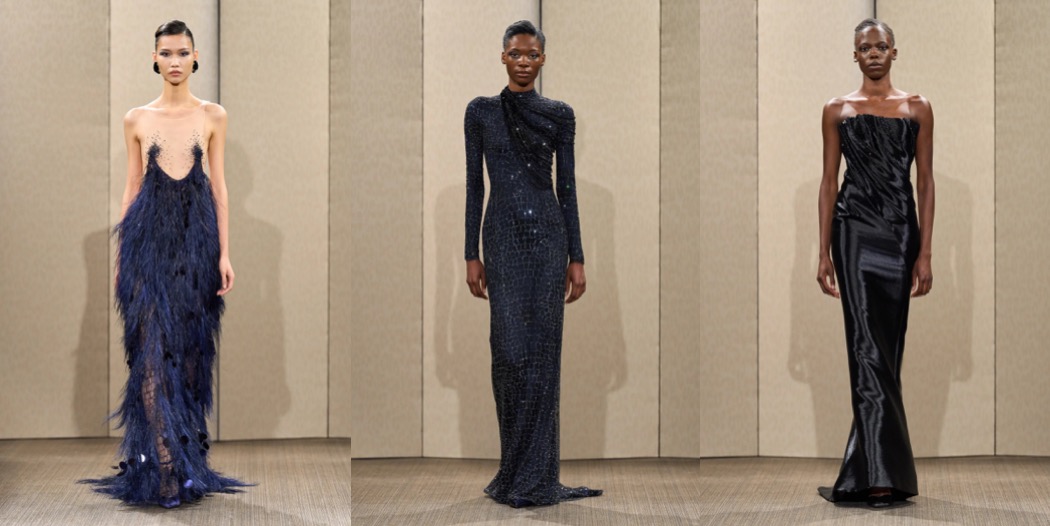
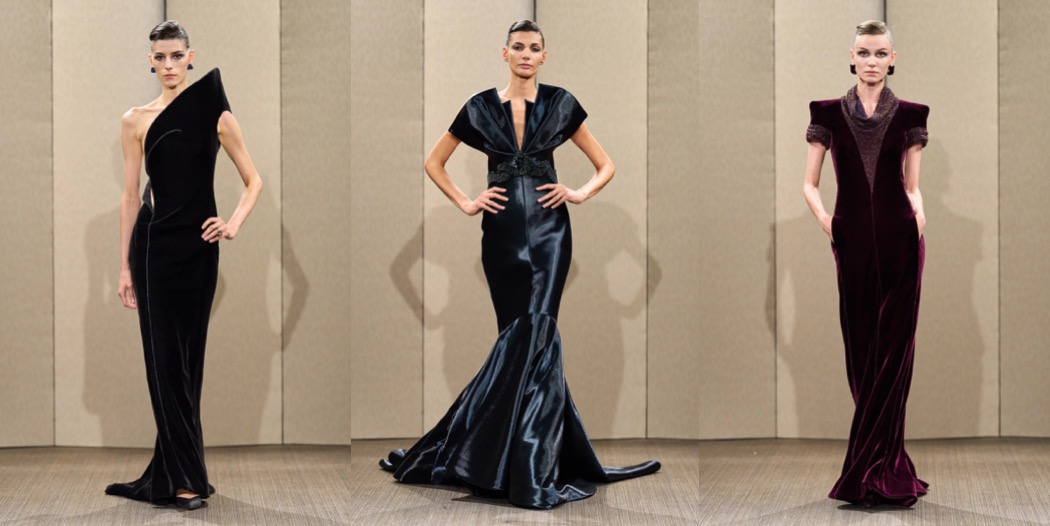
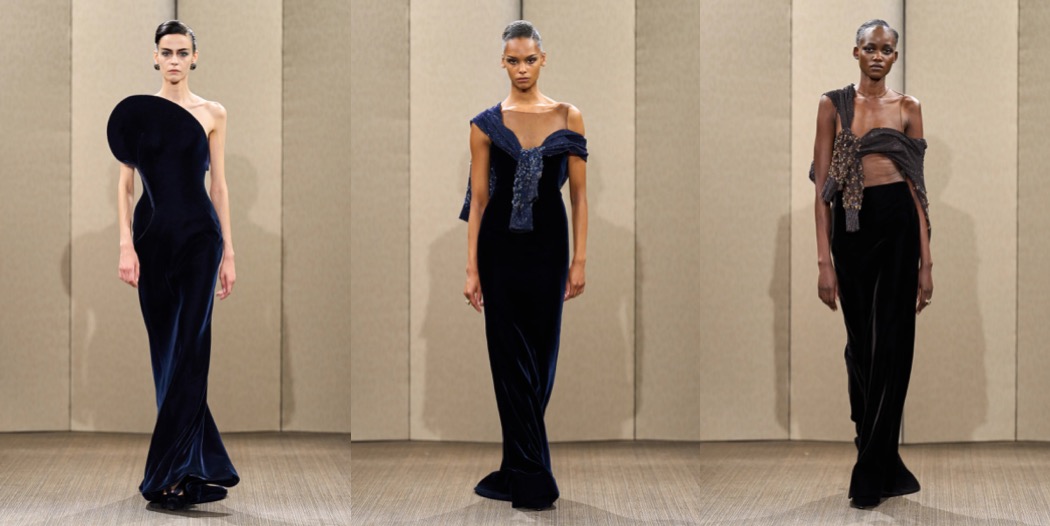
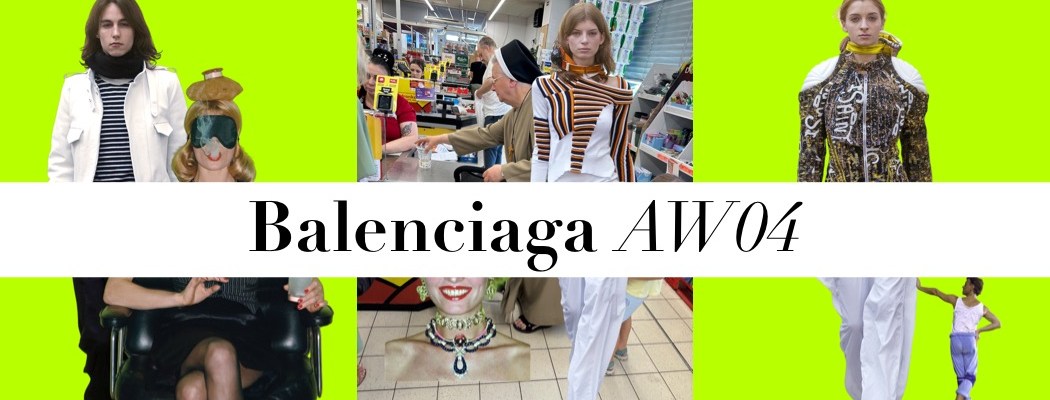
Balenciaga has released its resort 2027 lookbook. It’s Pierpaolo Piccioli’s strongest work for the house so far – which doesn’t necessarily mean it’s good. Maybe he’s getting there. But I still think he needs to decide what exactly he wants his Balenciaga to be, because at this point, I’m still clueless.
The collection spans more than 80 looks, photographed inside Cristóbal Balenciaga’s couture salon. The space itself carries enormous symbolic weight, especially considering it was Demna who restored, reclaimed, and reactivated it not a while ago. Using it this early in Piccioli’s tenure feels almost too obvious. Rather than communicating a convincing new chapter, the setting keeps pulling the conversation back to the previous one. Visually, it feels less like a fresh beginning and more like reheated nachos. READ MY FULL REVIEW HERE.
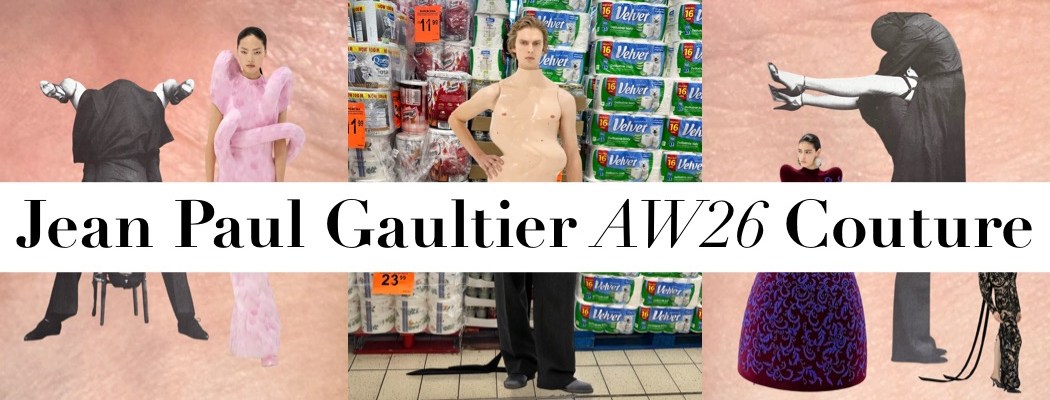
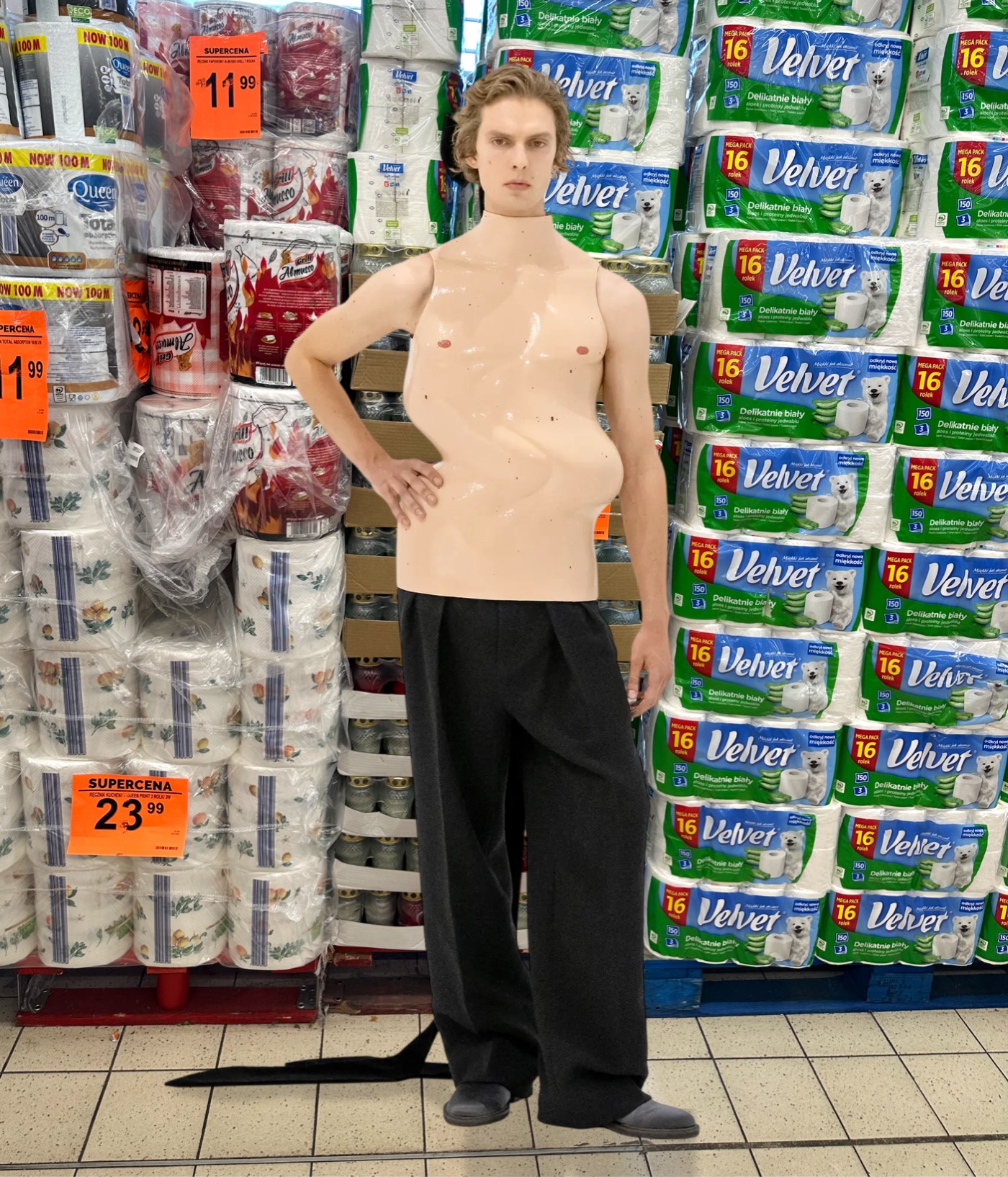
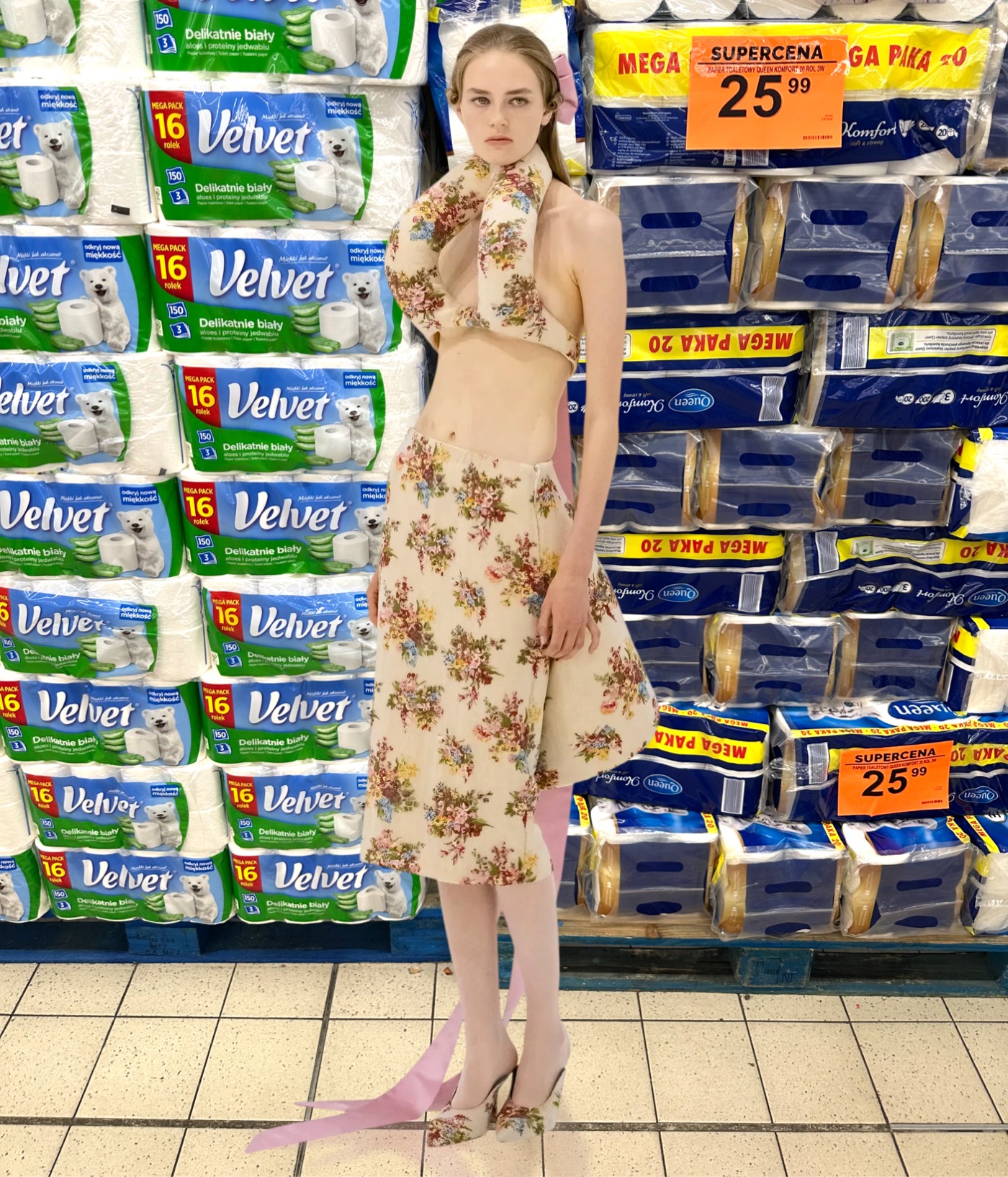
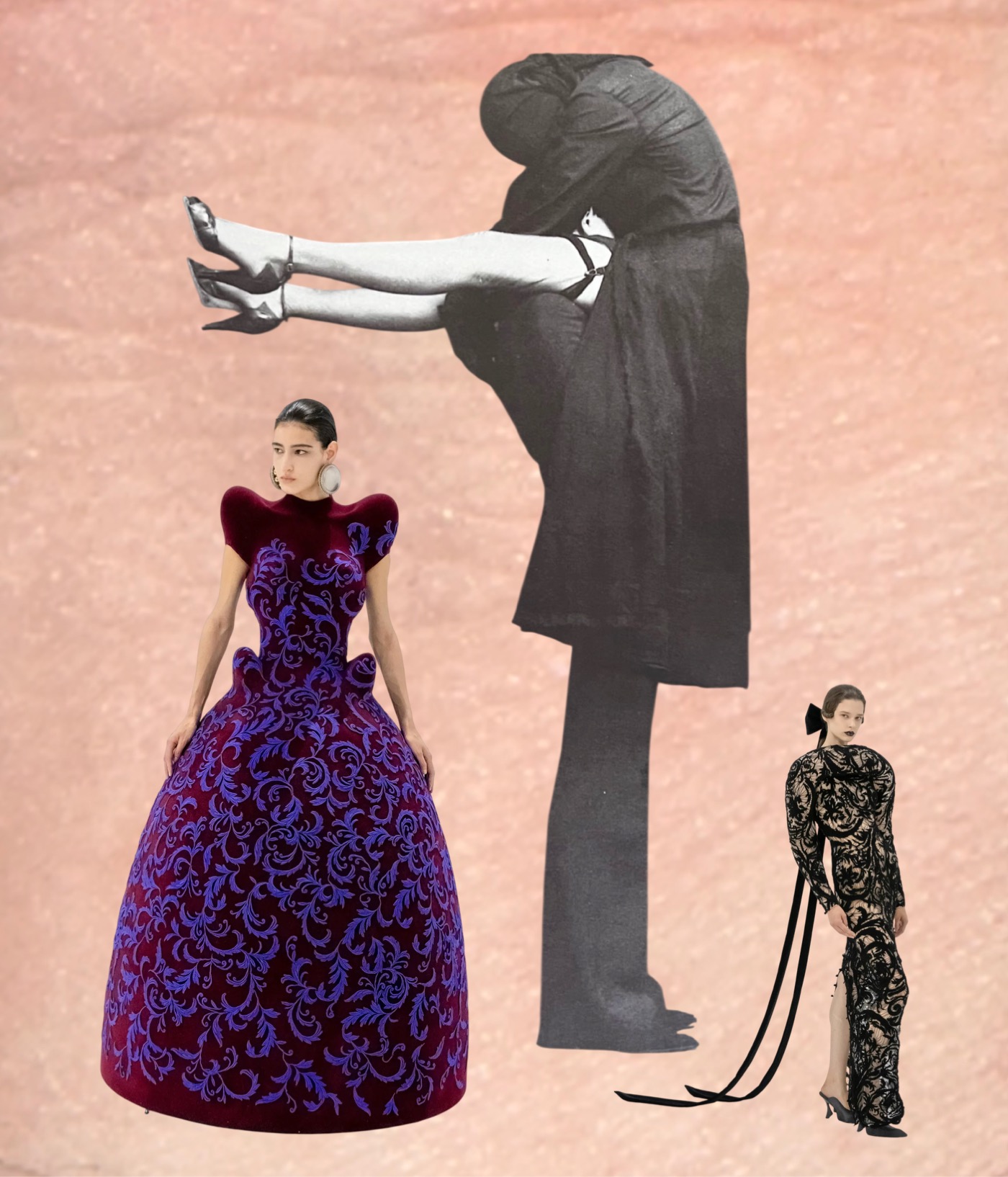
Collage by Edward Kanarecki. Don’t forget to follow Design & Culture by Ed on Instagram.
Hey, did you know about my newsletter – Ed’s Dispatch? Click here to subscribe.
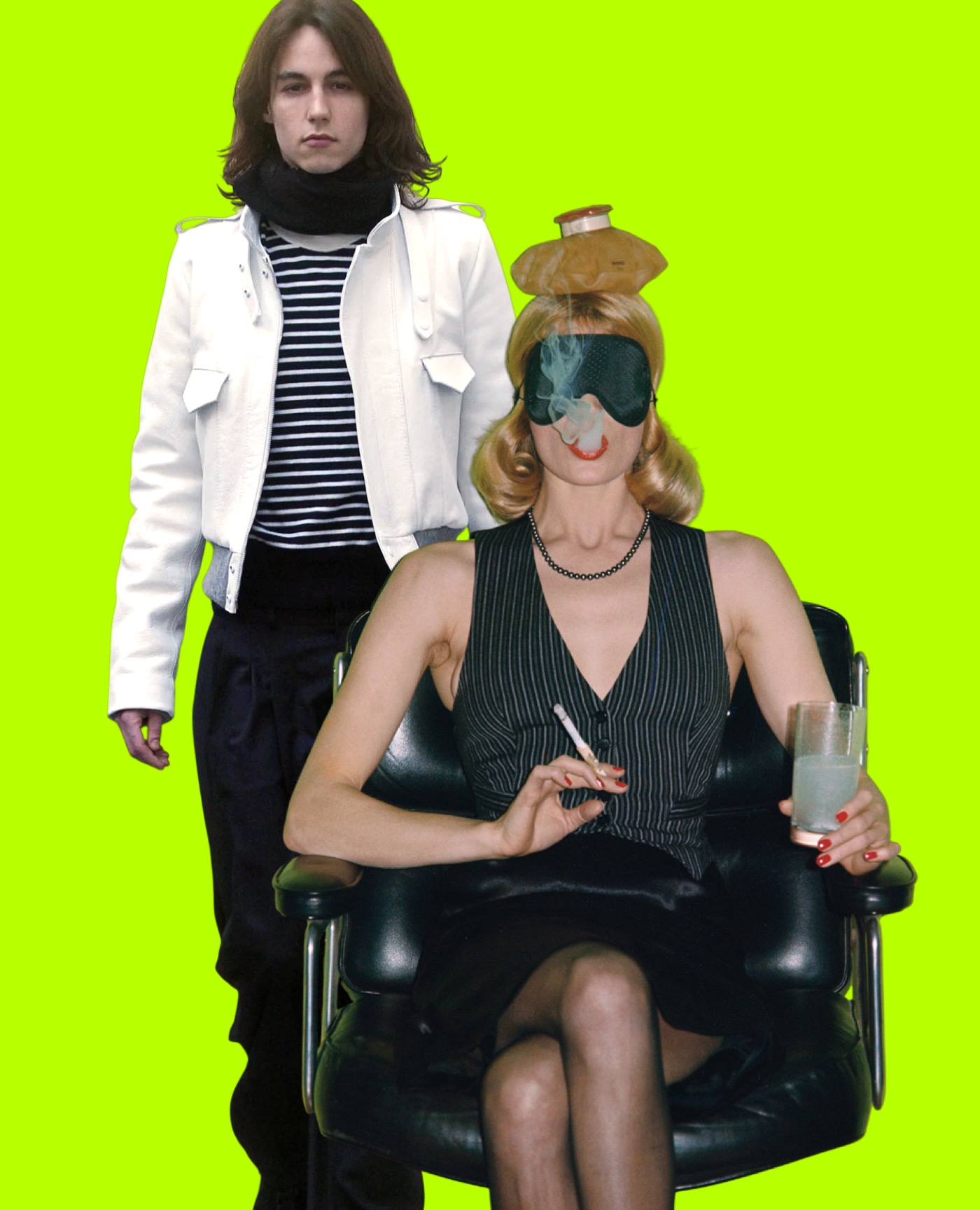
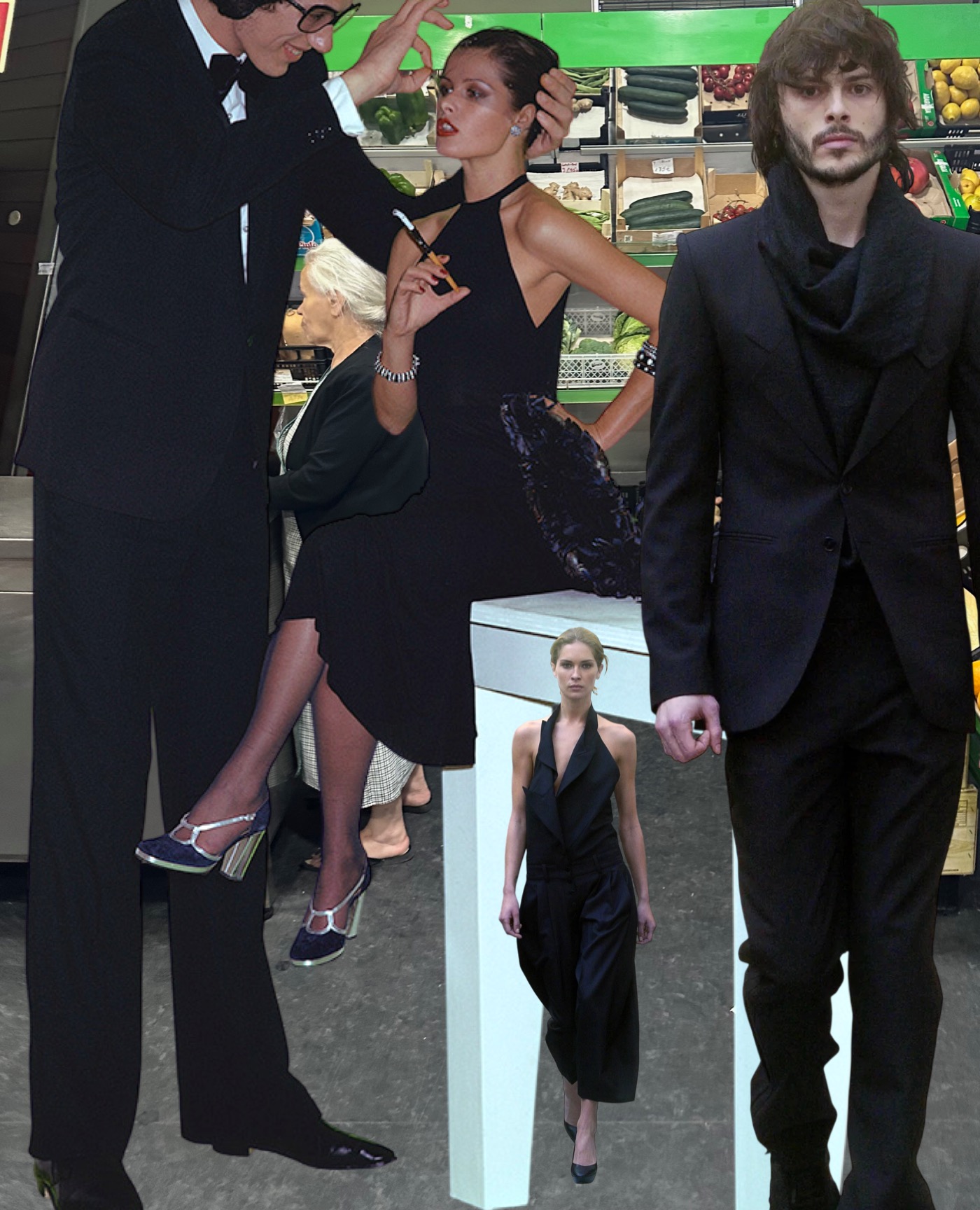
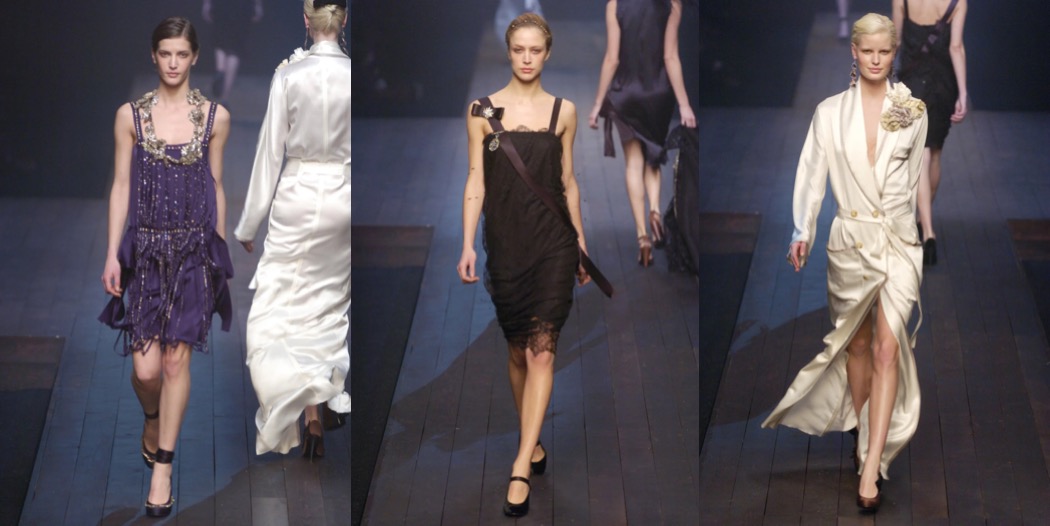
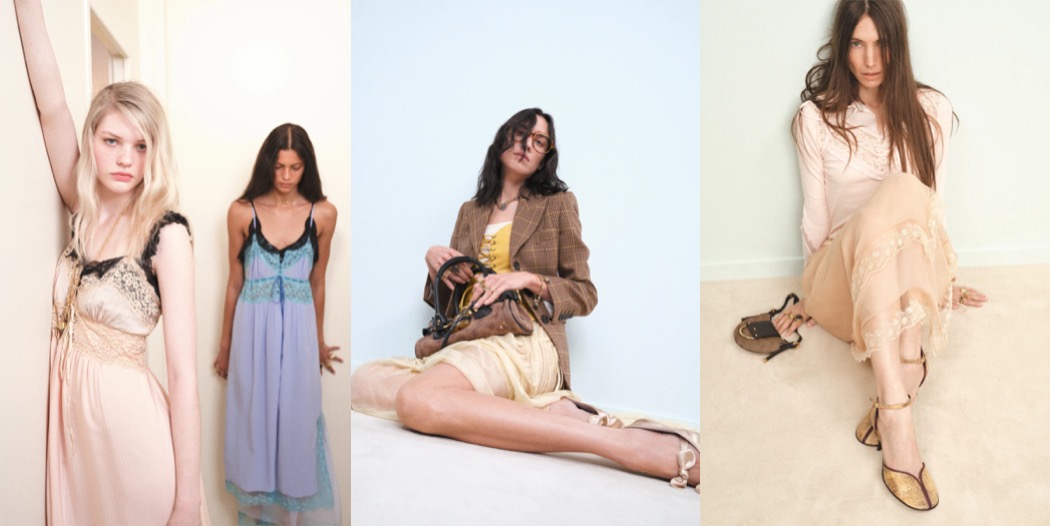
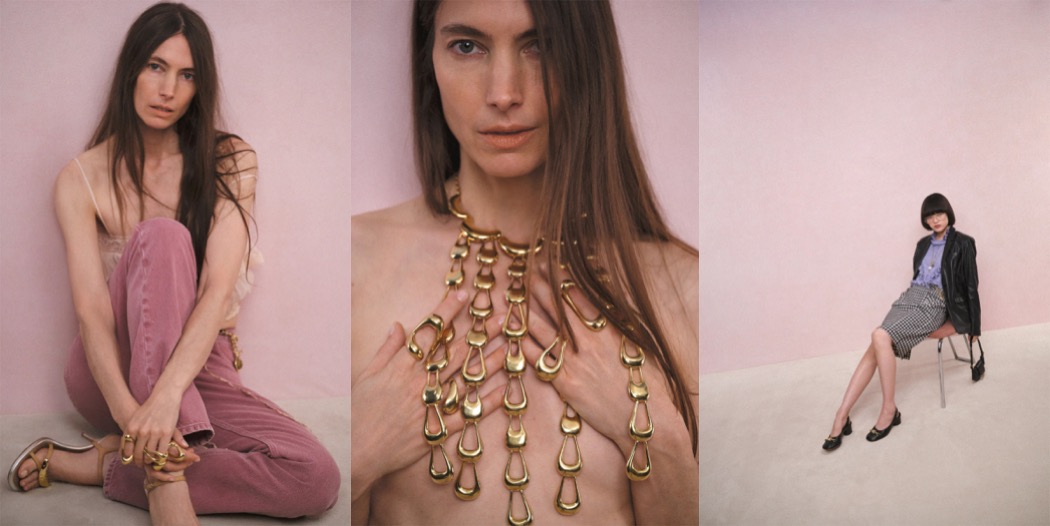
Noting how quickly everything shifts in fashion, Anthony Vaccarello’s Saint Laurent has become a contemporary classic. The lingerie-inflected separates and gilded lace may be edging toward formula, but the Zoë Kravitzes of the world still can’t get enough of that smoky, after-hours boudoir allure – and Anthony, naturally, delivers again this autumn (and winter too, if the March show was any indication). Shearling is in, sheer black-stockinged legs are in, and the YSL Smoking now comes paired with bermudas. Some collections could have been an email, and there’s nothing wrong with that. This lookbook reads like a reassuringly concise memo on the virtues of absolute consistency.
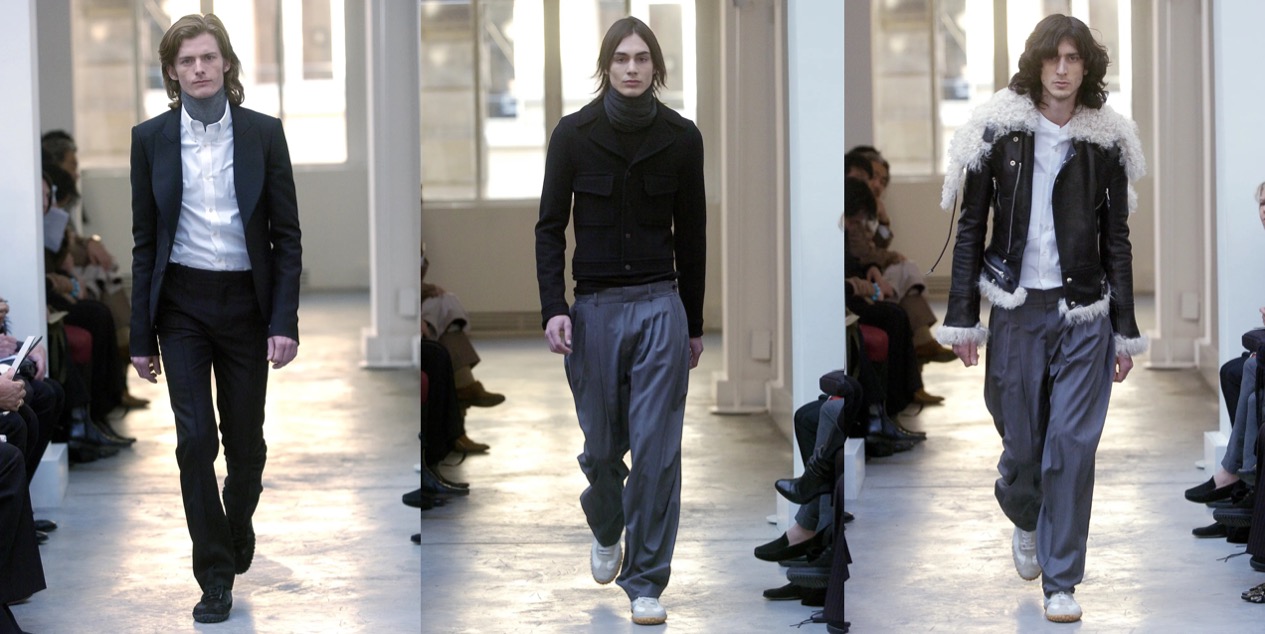
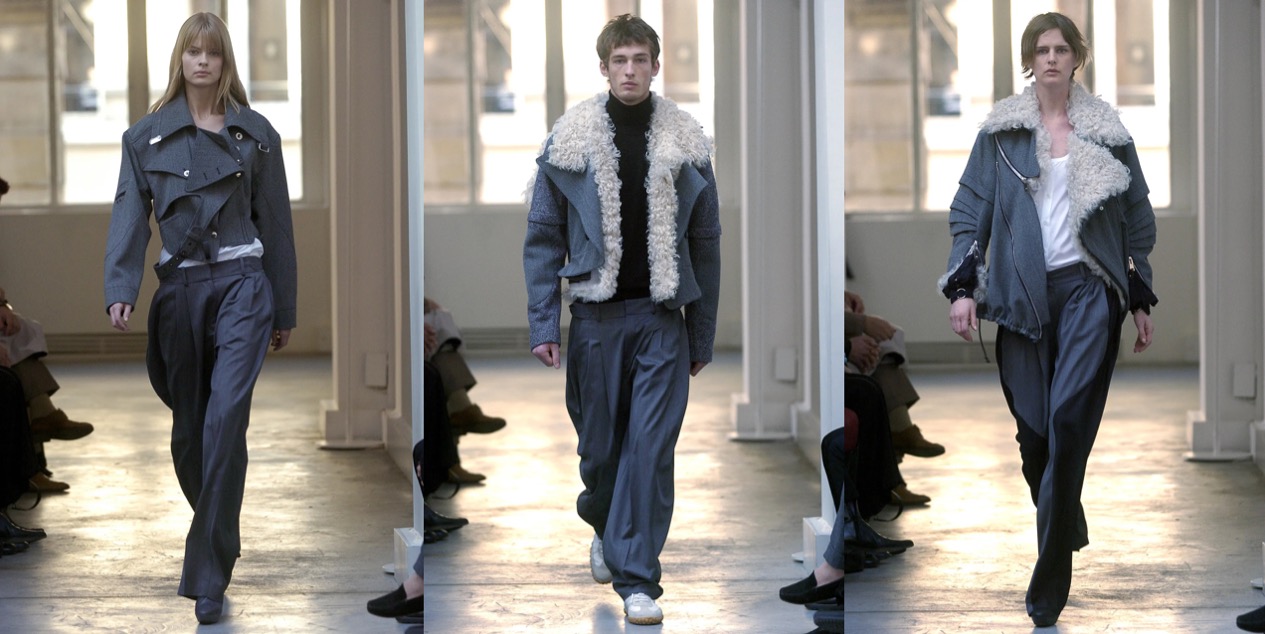
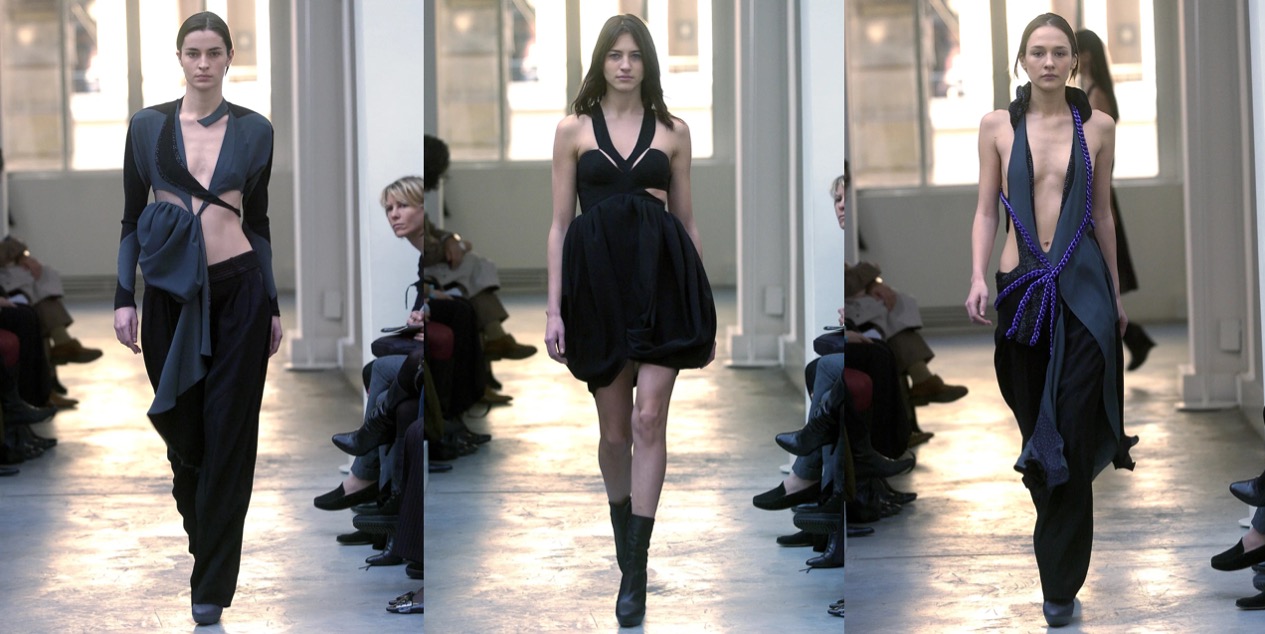
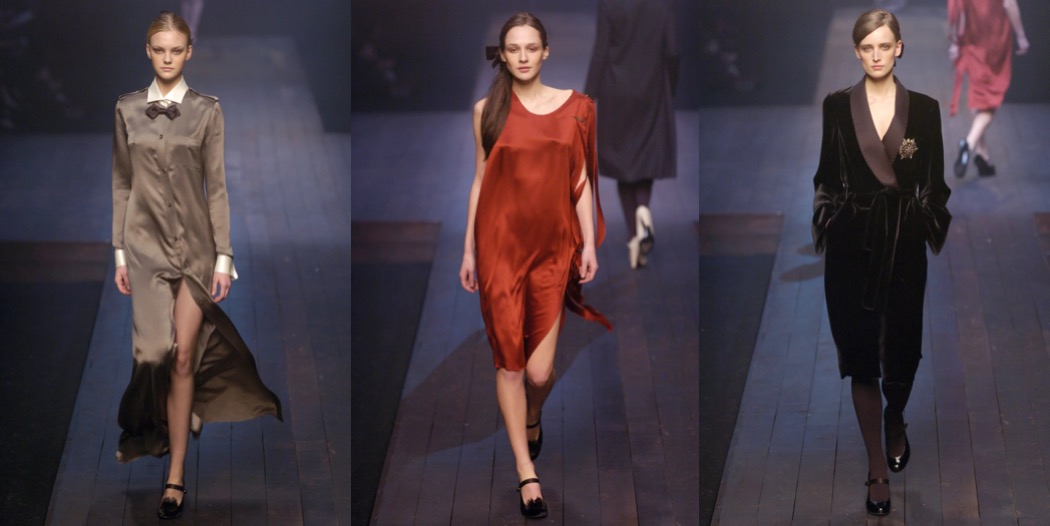
Just when it seemed that Carven had finally found its perfect leading man, news broke in April that Mark Thomas would be leaving the brand. Although the British designer’s winter 2026 runway show marked his final outing for the maison, the pre-collection has only just been released – and it is yet another reminder that the brand’s owners made a mistake in parting ways with such a talent.
Thomas served as Louise Trotter’s right hand while she was reviving Carven from its slumber before departing for Bottega Veneta, yet his solo collections – distilled to perfect forms and lines, focused on chic classics that required no excessive styling, and unmistakably Parisian without ever slipping into cliché – represent some of the finest moments in the brand’s recent history. The pre-fall 2026 offering is now landing in stores, and this is your last chance to catch Mark’s jackets and coats, evolving from rounded shapes into sharper, more masculine double-breasted constructions. They form a sublime dialogue with lighter silhouettes built around delicate, ladylike convergences of organza and lace. Pieces rendered in crisp cedarwood brown, paired with leather skirts and fluffy shearling, conjure the image of a quintessential Carven madame, and one can easily imagine the many chic scenarios she inhabits.
To put it simply, this untimely separation arrived just as the brand seemed on the verge of discovering its contemporary rhythm.
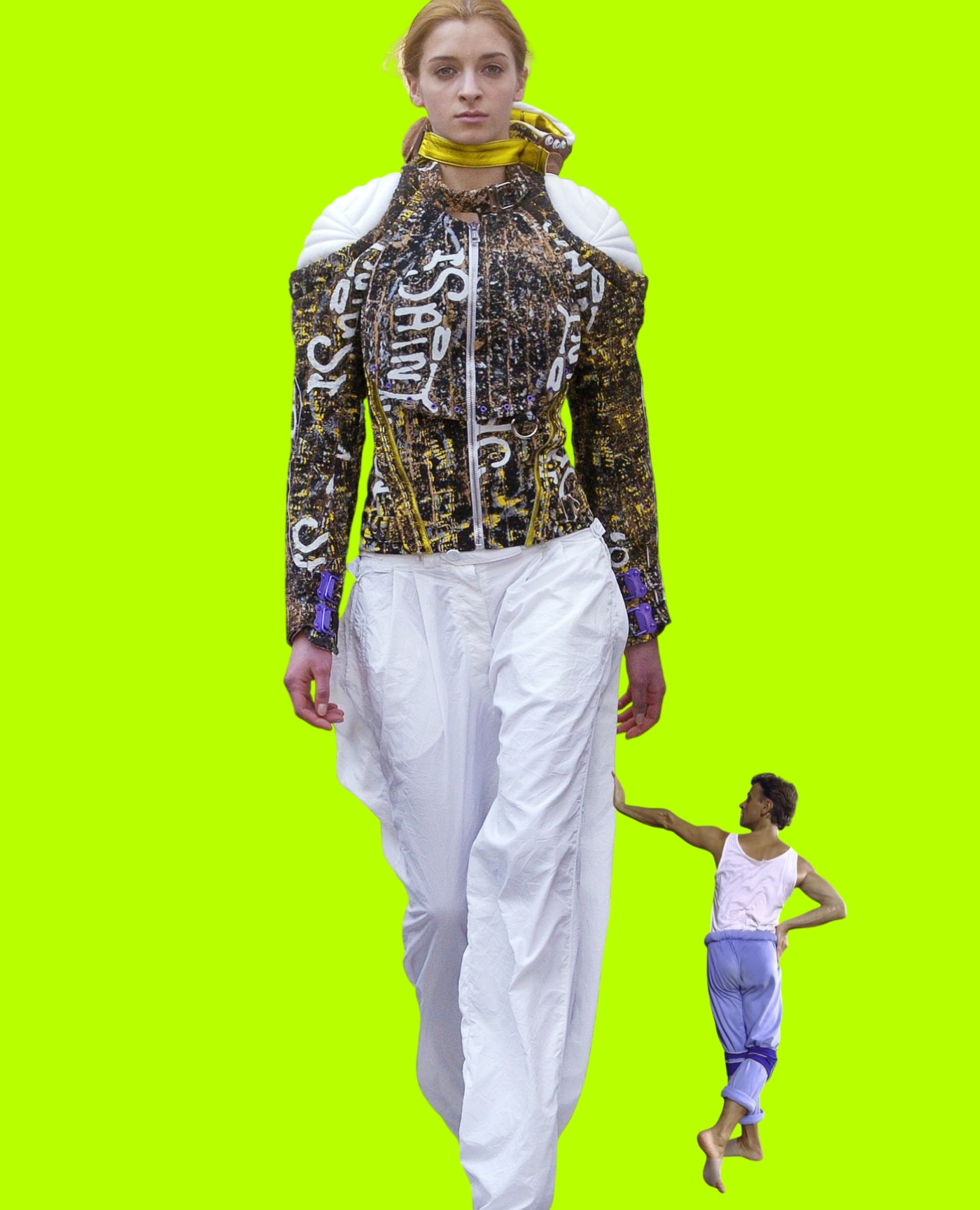
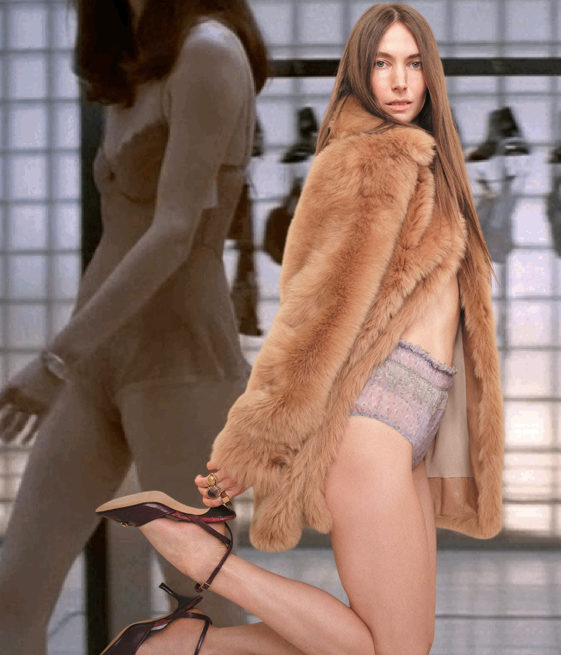
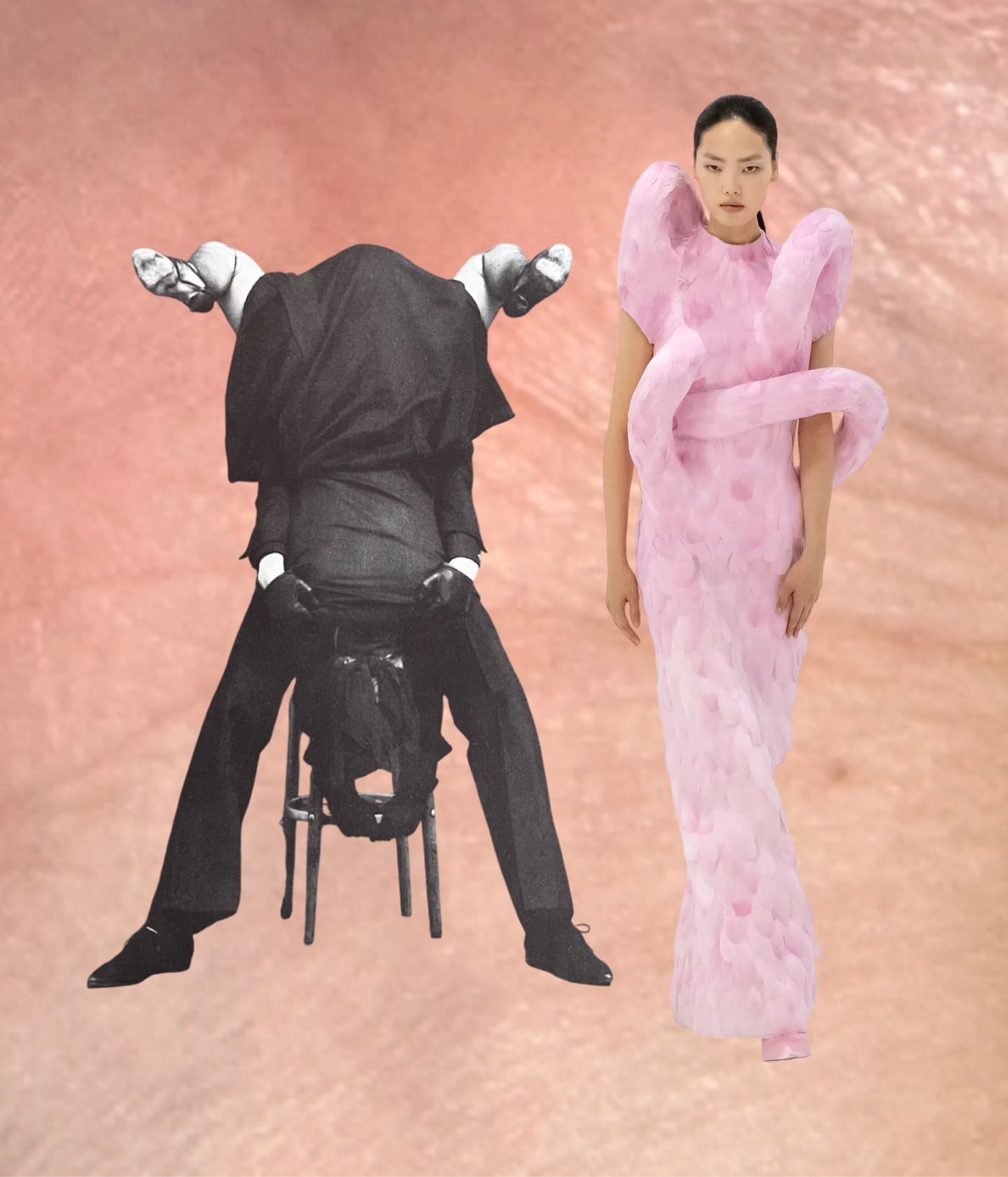
For Abraham Ortuño Perez, the kids are all right. While designing his autumn-winter 2026 Abra collection, the Spanish designer – who has spent years building his reputation with some of the most imaginative footwear for leading brands – found himself thinking about his niece and nephew rummaging through their parents’ closet, piling on whatever they could get their hands on. He recalls his own childhood with similar fondness: he and his sister played with roles, she the tomboy and he the girly one. “At some point, we kind of blended together.”
That spirit of childlike naïveté – so beautiful, and so fleeting – runs through Perez’s latest ready-to-wear collection. Sack dresses are slashed and patchworked from contrasting materials, while blazers and jackets hang several sizes too big. The playful energy continues in confetti-like dresses, and long gilets crafted from vintage rabbit-fur belts feel like something discovered in an attic treasure chest – exactly the kind of find that would spark a child’s imagination.
We need fun, and Abra is where seriousness goes to die.
Collages by Edward Kanarecki, featuring backstage photos by Jamie-maree Shipton. Don’t forget to follow Design & Culture by Ed on Instagram.
Hey, did you know about my newsletter – Ed’s Dispatch? Click here to subscribe.
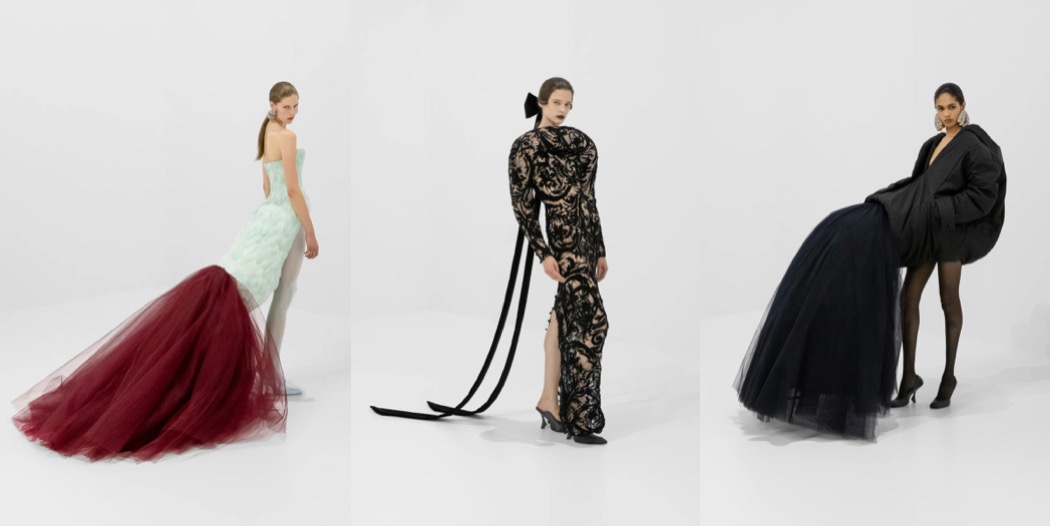
Shanghai Fashion Week is an increasingly important player on the global stage, and the clearest proof of this is the guest show by Maison Margiela. Yet the true highlight of the week is Samuel Guì Yang, a brand I have followed for quite some time and one that has become a genuine magnet drawing audiences to Shanghai. Among all the labels presenting their work, the collaboration between Samuel Guì Yang and Erik Litzen feels the most authentic – and, crucially, not derivative of their Parisian or Lodnon counterparts. The label possesses a distinct aesthetic that cannot be found elsewhere.
As the designers themselves explain, what is often referred to as “Chinese style” encompasses an expansive and complex world: it resists simplification, as it draws equally from history and contemporary life – from the rhythms of the street to color, humor, and everyday experience. This multiplicity informs their refusal to confine themselves to a singular cultural framework; instead, they embrace lighthearted fluidity.
At a time when fashion is increasingly returning to a mode of freely drawing inspiration from global cultures – as seen, for instance, in the autumn–winter 2026 collections of Louis Vuitton and Loro Piana – Samuel Guì Yang stands at the forefront with its nuanced (and very chic) exploration of cultural provenance. A double-faced silk qipao, for example, was cut to fall from the body at the right hip before winding down to the floor like an evening gown. Elsewhere, a fringed poncho was tied with a piece of blue string, achieving a sense of harmonious ruralism. Additional elements – a striking feathered cloaklet layered over a raincoat, headpieces seemingly constructed from repurposed garments, and a square parasol with a trailing black canopy that nearly obscured the entire look – introduced a subtly folkloric dimension without referencing any single tradition directly.
As Litzen notes, his and Samuel’s process begins intuitively, followed by careful refinement to ensure that the results remain respectful and avoid coming too close to specific cultural boundaries. This balance between instinct and critical editing ultimately defines the unique strength of their joint effort.
Collage by Edward Kanarecki. Don’t forget to follow Design & Culture by Ed on Instagram.
Hey, did you know about my newsletter – Ed’s Dispatch? Click here to subscribe.