Théâtre de la Mode. Dior AW20 Couture

Yesterday was the first day of the autumn-winter 2020 haute couture “week”, digitally streamed from Paris due to confinement reasons. To be honest, I had a huge dilemma with it. After seeing all the look-books and pretentious, confusing videos, I felt like everybody would be completely fine with skipping this season entirely – designers the most. Schiaparelli released a look-book featuring Daniel Roseberry’s sketches, just to have a brief moment going on on Instagram. Illustrations are beautiful and all, but the execution of this concept felt completely empty. Olivier Theyskens couldn’t imagine a worse timing with his Azzaro debut – the blurry music video the label released tells nothing about his vision for the brand, and it would be simply best if they postponed it. But the fashion industry seems to still not know that word: “postpone”. Everything must be immediate, even if there’s nothing to show.

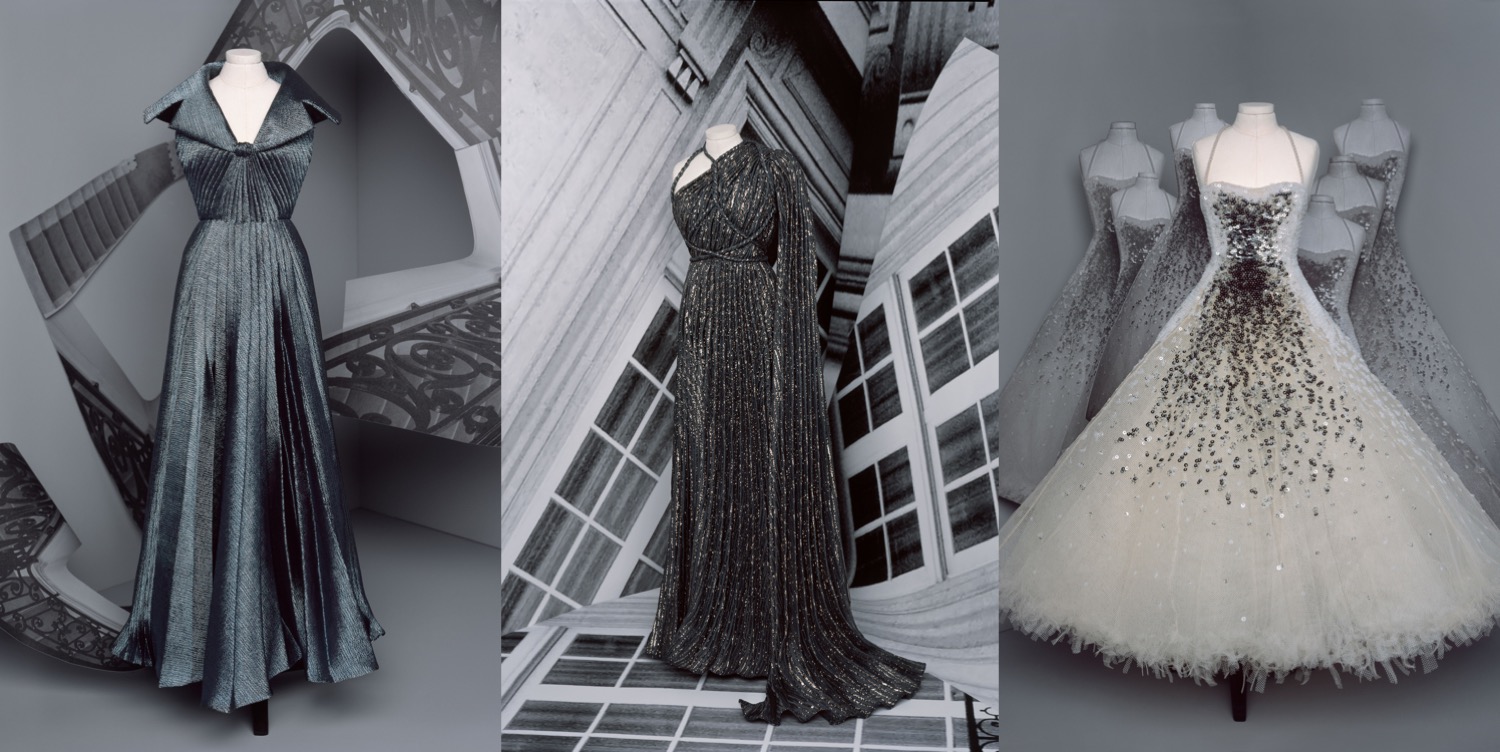
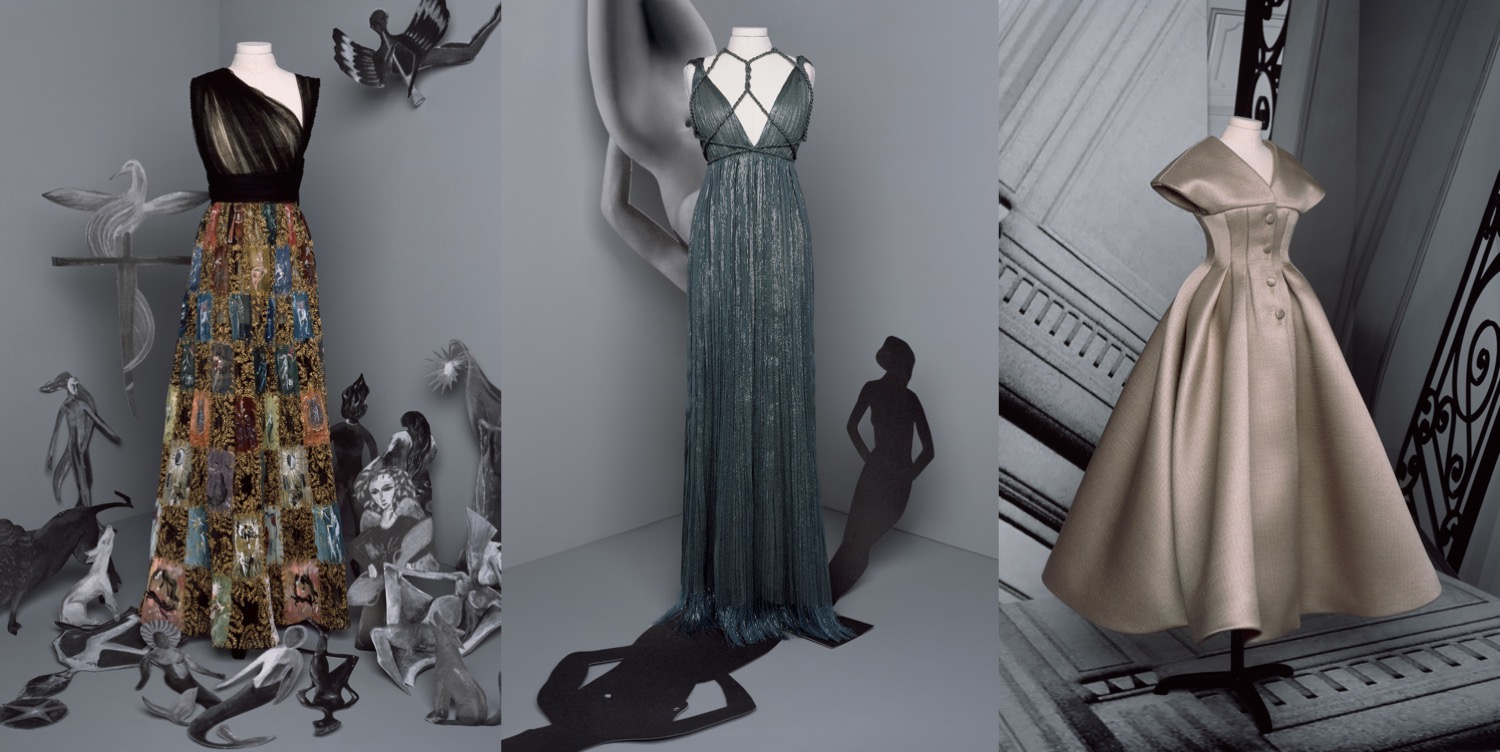
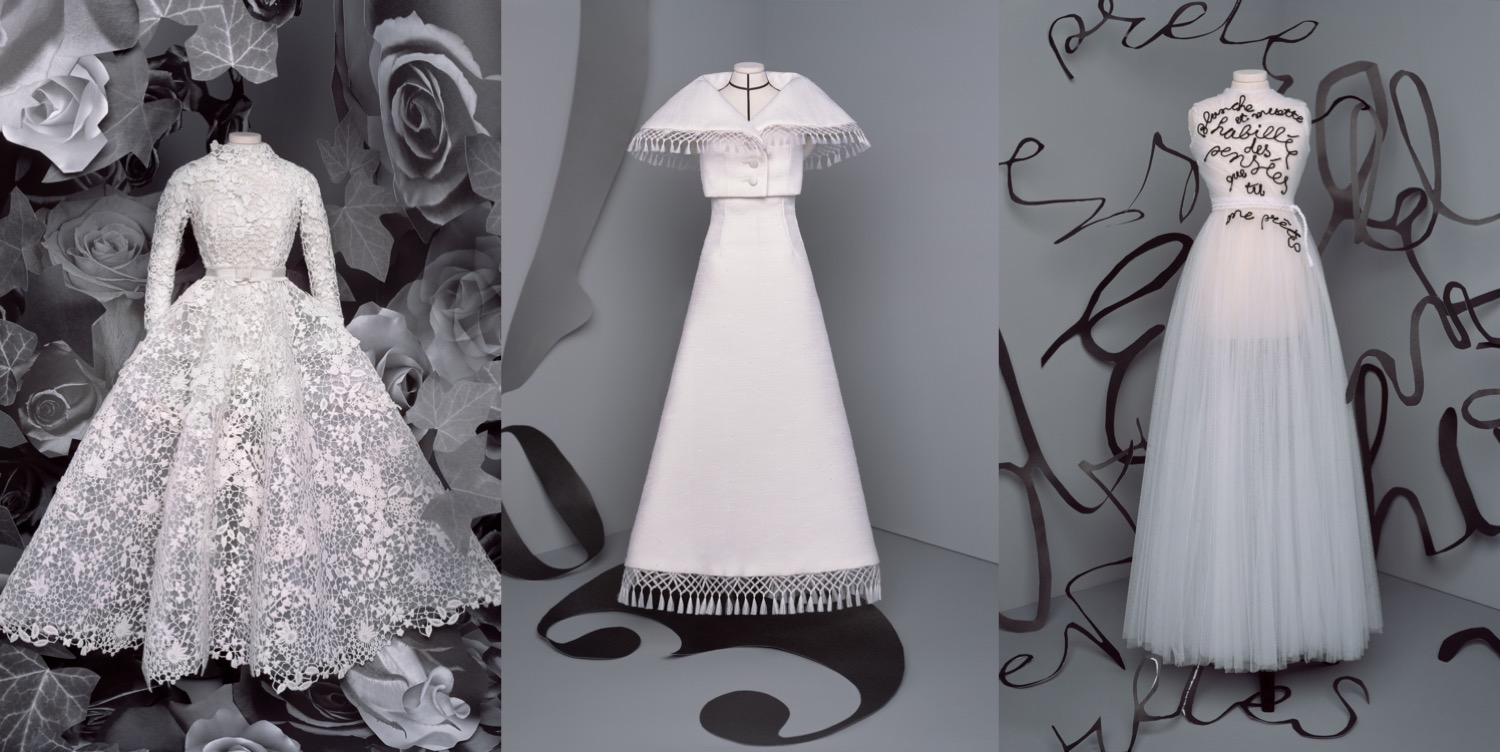
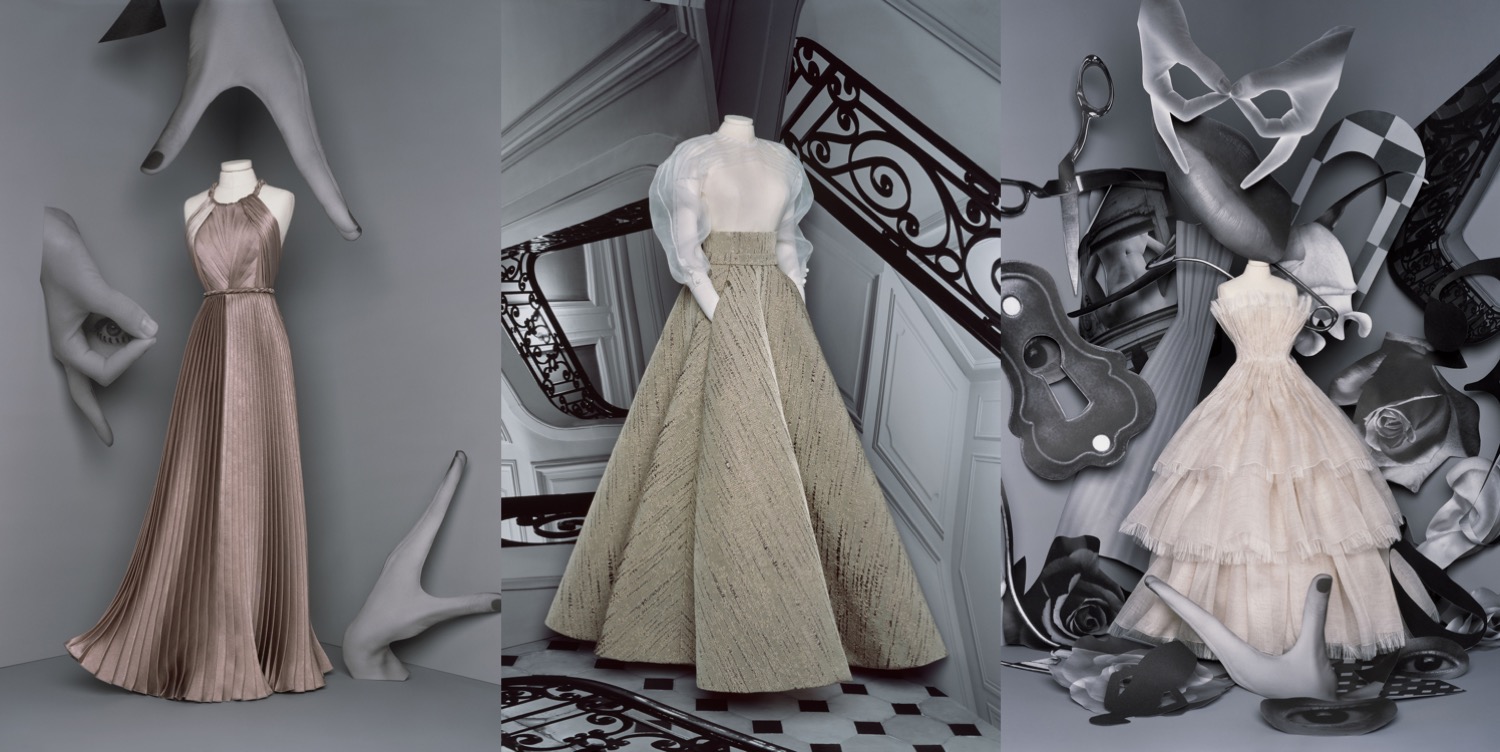
Maria Grazia Chiuri‘s Dior collection, clothes-wise, was surprisingly good. And they really, really could just leave it the way it is, a proper look-book photos of mannequins wearing couture and a well-written press release. Unfortunately, the brand decided to start with a visual, where everything went wrong. I’m talking about the film directed by Matteo Gerrone, which I found cheesy in production and, well, so, so ignorant towards current events going on in the world. As if Black Lives Matters never happened, an all white cast without a single model of colour held it all back to the maximum. And having models of colour in a casting is the easiest way for a brand to confront the term “diversity” – something Chiuri used to say was so important to her, with all her “feminist” themes… – and believe it or not, Dior failed with it. Which is sad and frustrating. Ok… lets go back to the collection. The film showed mermaids, nymphs, a live Venus statue and a travelling trunk of dresses (a nod to Théâtre de la Mode, the tour of miniature gowns on dolls in 1945-46 to revive the French fashion industry post-war) exploding into the woods in an Ancient dreamscape, and all that lead us to a collection filled with references of Greek mythology, fairytales and pre-Raphaelite times. Maria Grazia Chiuri name-checked the likes of Lee Miller, Dora Maar, Leonor Fini and Jacqueline Lamba – 20th-century women who are often remembered by history for their beauty or for their famous lovers and husbands, but in fact did important work of their own as artists. With a surrealist twist, that was a line-up of delightful diaphanous gowns and voluminous New Look-inspired coats, all kept in neutral colours. The bondage details in some of the dresses made me think of Man Ray and Lee Miller’s work, were kinky merged into sensual. At some points it all looked overly historical, even theatrical. Not sure if it’s relevant couture, like the one Virginie Viard does at Chanel. But if any sort of MET Gala is coming up in 2020, those dresses will perfectly match the About Time: Fashion and Duration theme.
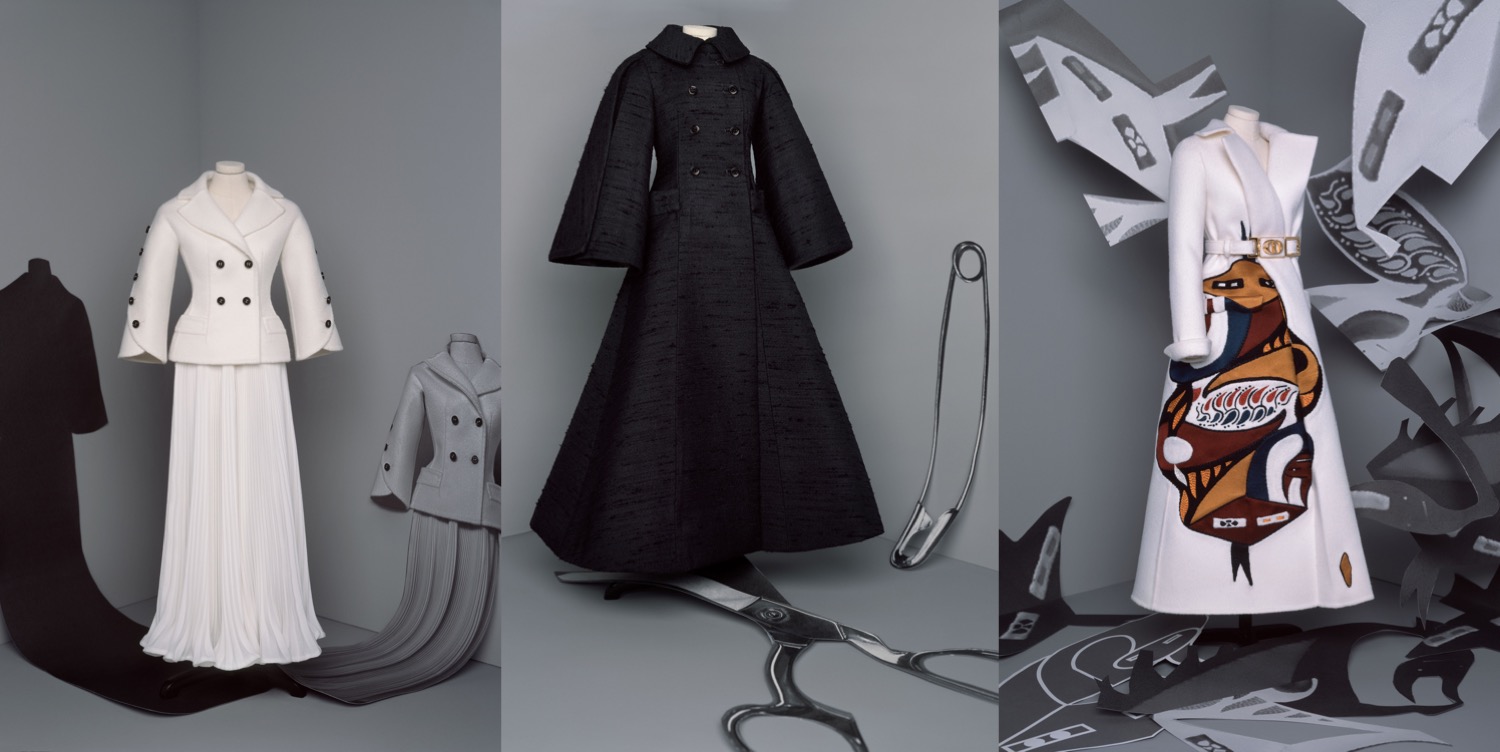
Collage by Edward Kanarecki.

New Reality. Y/Project Resort 2021 + Men’s SS21

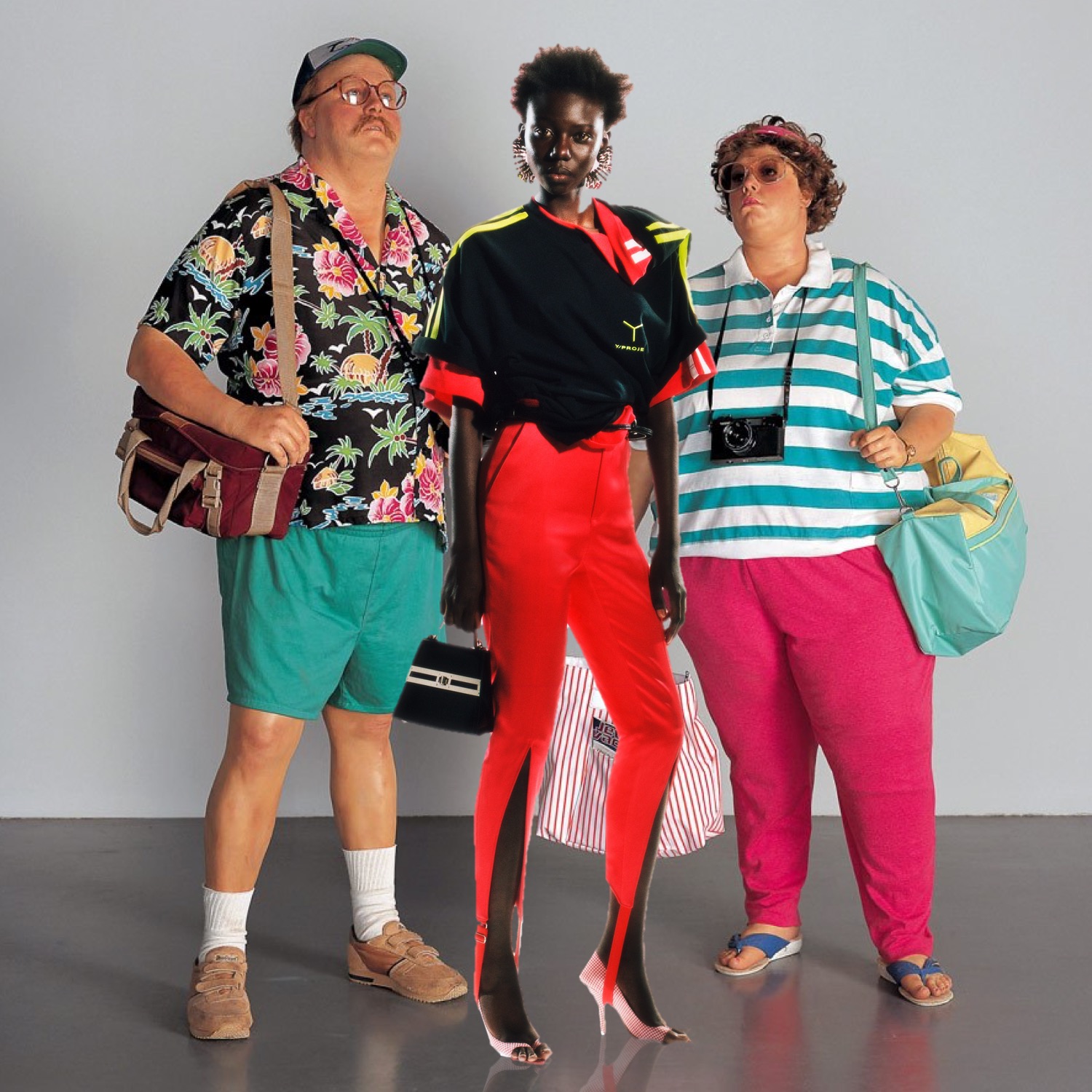
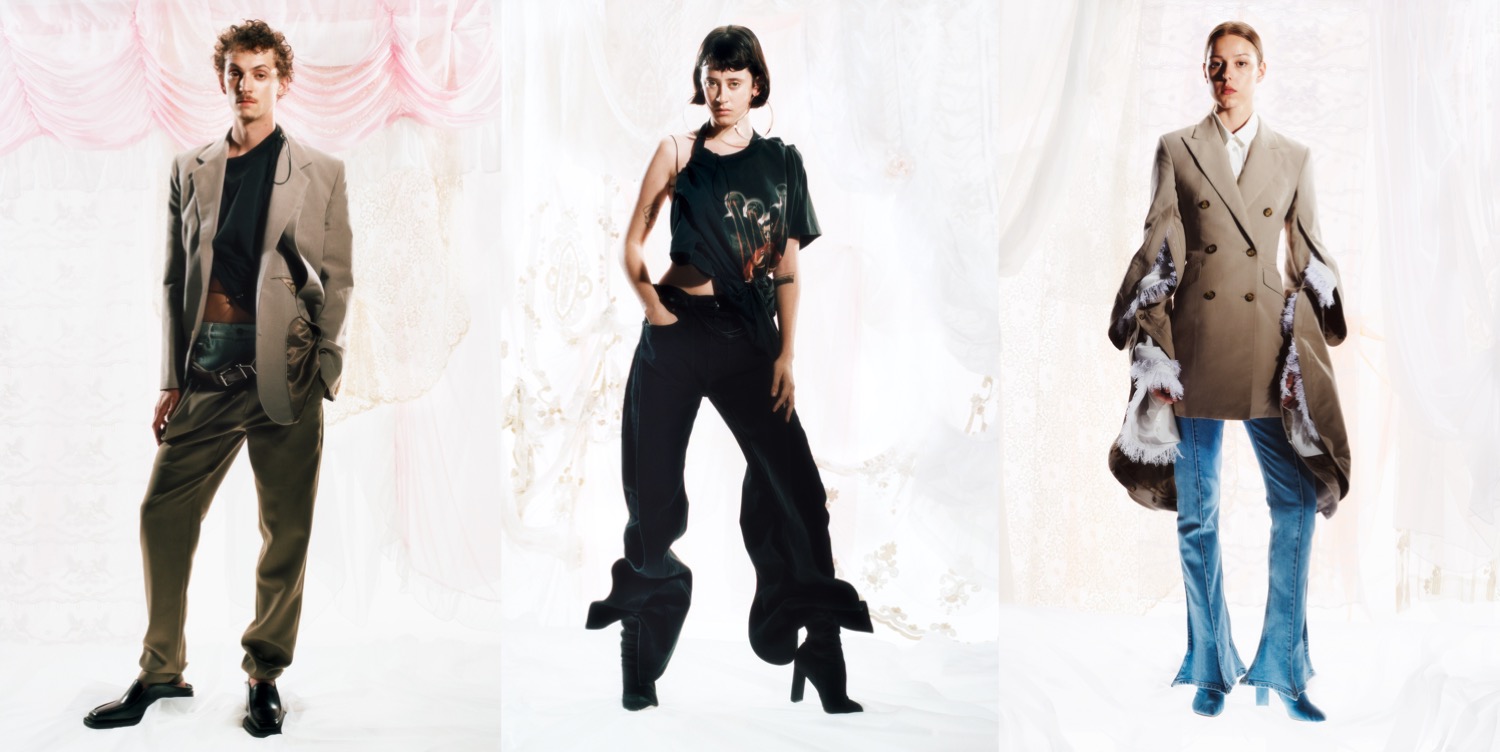
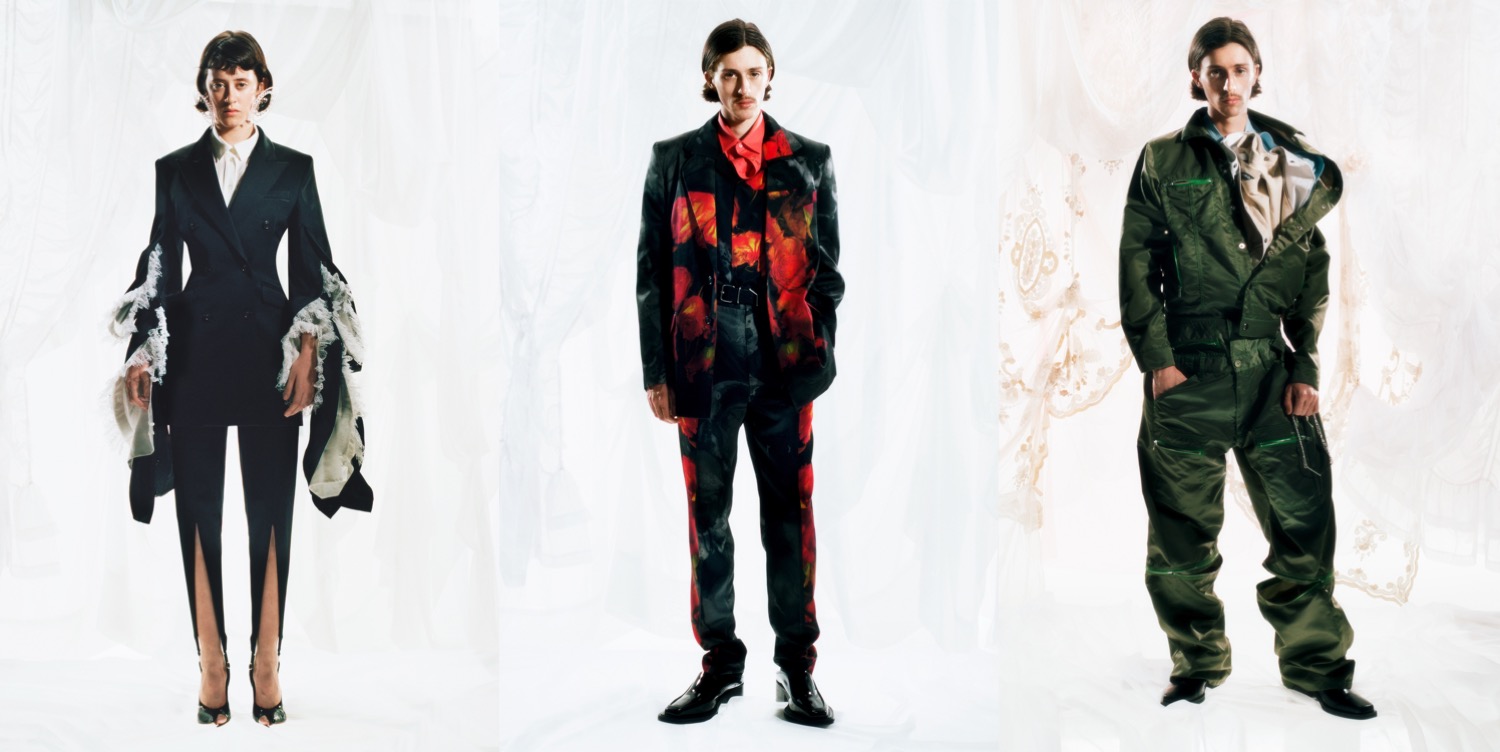
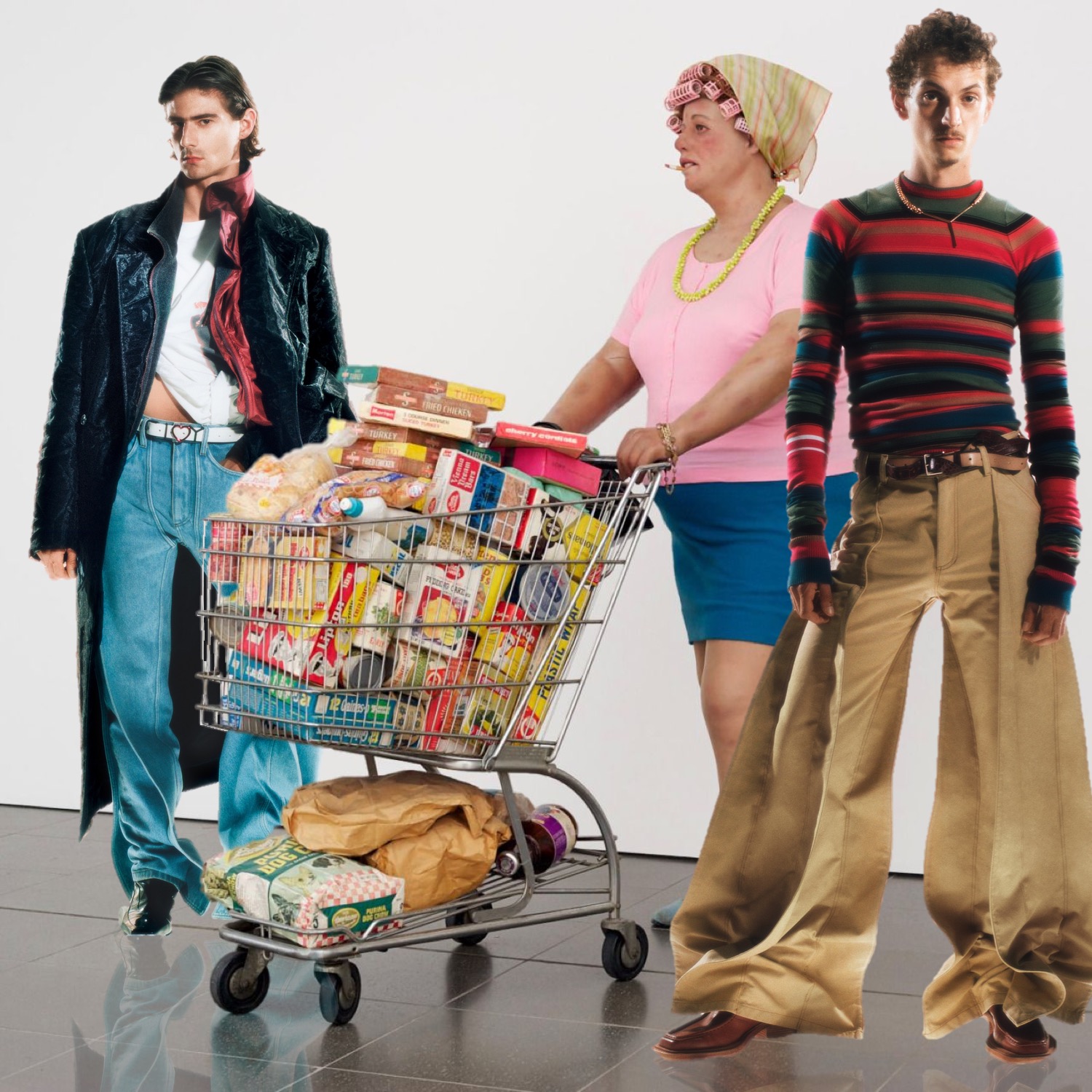
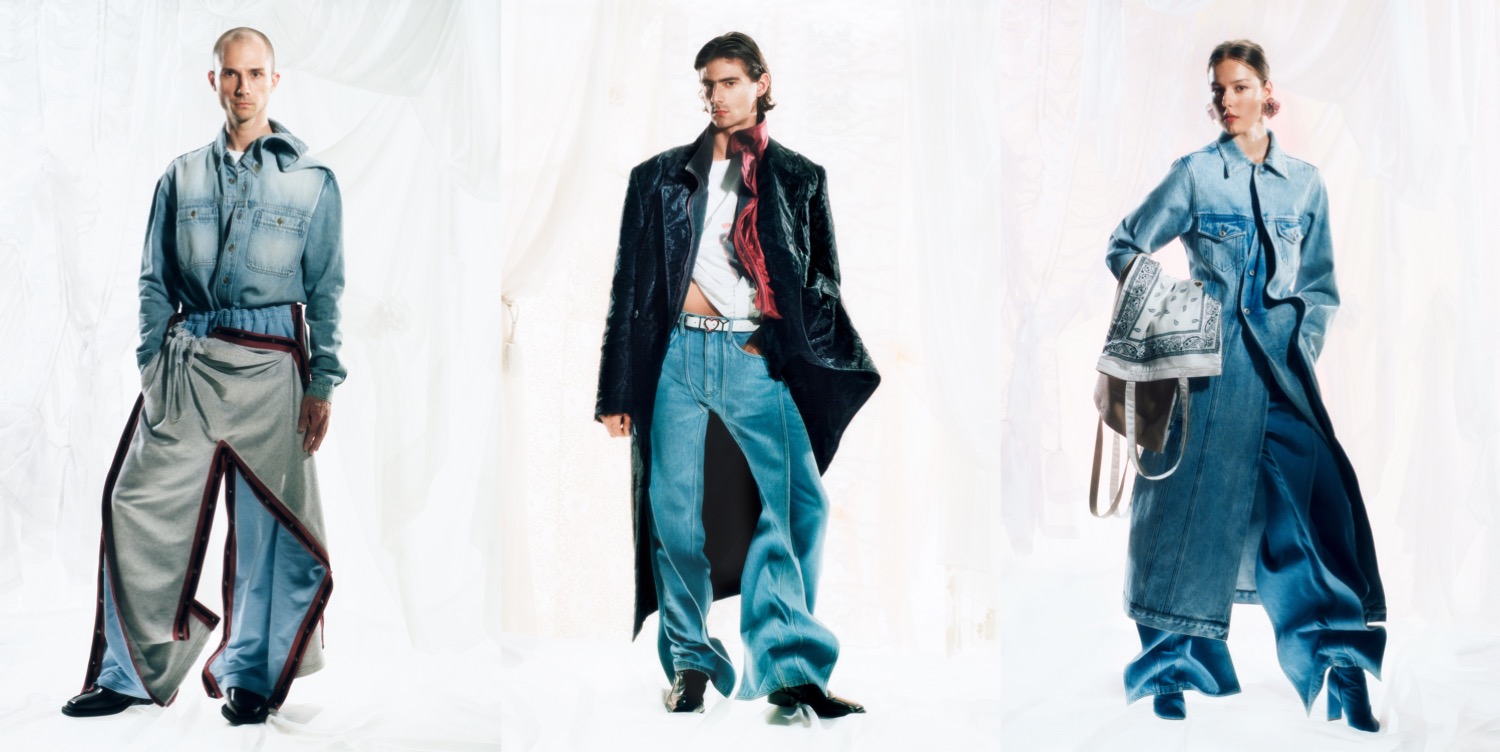
Business really isn’t as usual in the times of COVID-19 (and even in the “post” moment that’s now in Europe). Traditionally, end of June and beginning of July is the the moment for all the resort and men’s collections, and in general this time of the year is a sort of “summer September” of fashion. But not entirely in 2020. Showroom visits for the press and buyers are done via Zoom only. Majority of collections feel very safe and are based on the brand’s signatures. Still, some of the line-ups impress, and moreover, appear to be some of the best work coming from the designer in a while. Glenn Martens‘ Y/Project is a great example of how crisis and chaos can bring new ideas and trigger a kind of brand evolution. Martens’ innovatively constructed, apparently woozily skewed garments whose conventional templates are drawn from across the demographic landscape of womenswear and menswear, are brain-bending at first glimpse, and often only make sense upon second look. “Obviously, these looks are distorted, and that is part of the fun of the brand. But most of them you can wear calmed down. Have you seen the video?”, he told Vogue. This season, instead of holding a menswear fashion show, Martens worked to create a video show-and-tell for Y/Project newbies that he said was partially inspired from the opening scene of Dangerous Liaisons, in which Glenn Close is laboriously installed into her pannier dress. Here Martens and two colleagues show how looks from these jointly digitally presented collections can be worn; take a fitted, ruched-body womenswear jacket, pull a drawstring, and – ta-da! – you have a full-length dress. Or reach into the innards of a louchely cut suit and – voilà! – you have a double-layered look with a new denim foundation. Martens concluded: “It’s a kind of lava lamp of looks… showing how you can personalize your clothes and how you can make it look as crazy as you want or you can tone it down as much as you want.” The collections here are around a third the size of a normal-times Y/Project offering, and Martens said that the restrictions of lockdown meant that many of the pieces were hewn from deadstock. The collection includes past designs that have been redesigned and upgraded to be even more twisty the second time around. This is a virtue, as is that distorted adaptability that is at the core of Martens’s work – for what could be more sustainable than a single garment that you can wear in a multitude of ways? Also, as the press was informed, Martens discussed Evergreen, which is the title of a new all-sustainable collection of core Y/Project pieces that will start with a launch of 16 pieces online in September, and then be added to going forward. “It’s a selection of garments, which I believe can go into your wardrobe forever. And we also decided to only make them in the most basic materials which are not at all oriented to a season, so it’s really black, white, and denim.” These garments are not “basics” – the initial lineup includes Y/Project’s much-socialed, super-skimpy, jean/panty “janty” hybrid – and bear all the usual twisty codes of Martens’s design-eye, including rotating-collar shirts and hoiked-shoulder blazers. Looking forward to see it!

Collages by Edward Kanarecki.

Focus On: Kenneth Ize

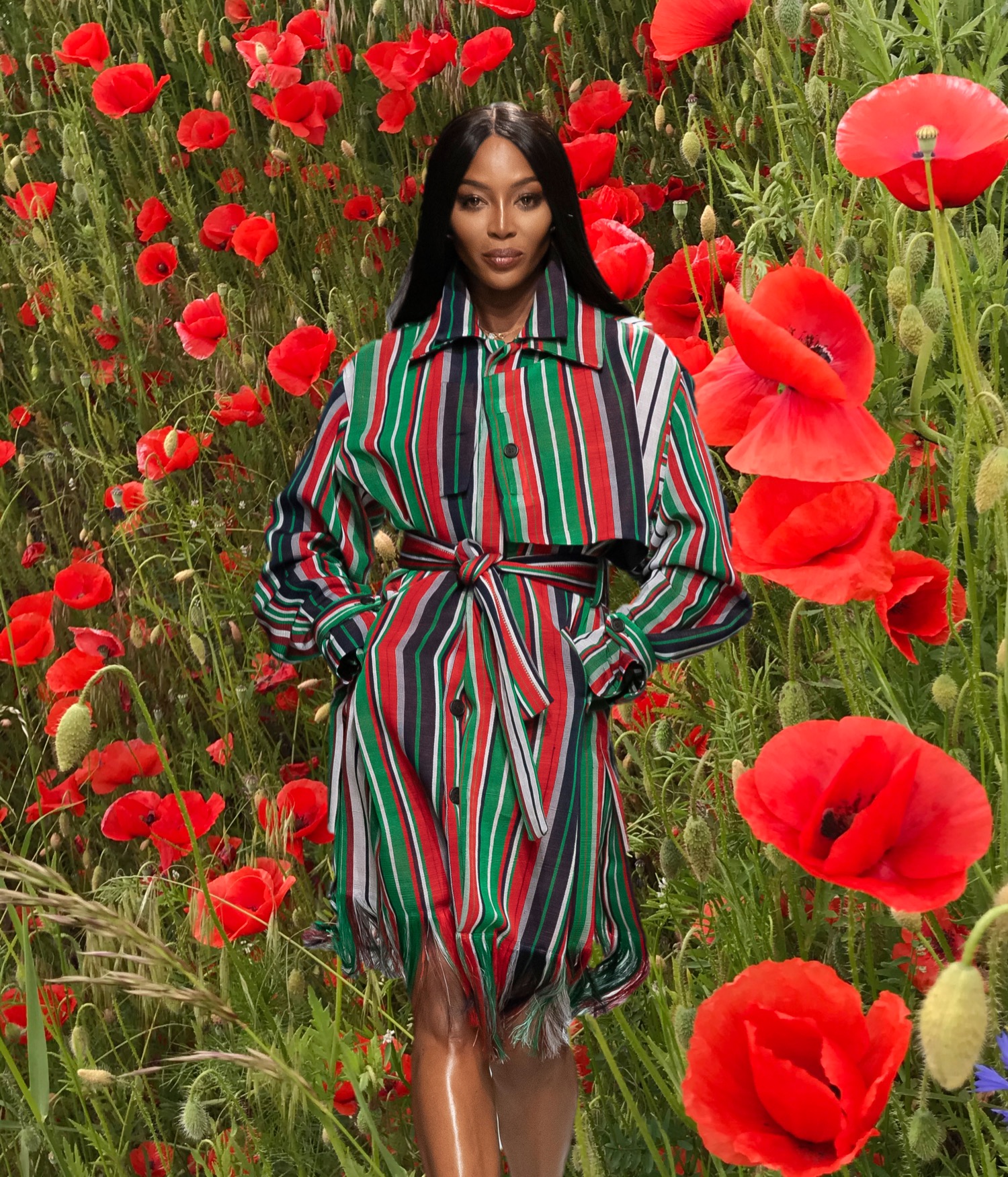
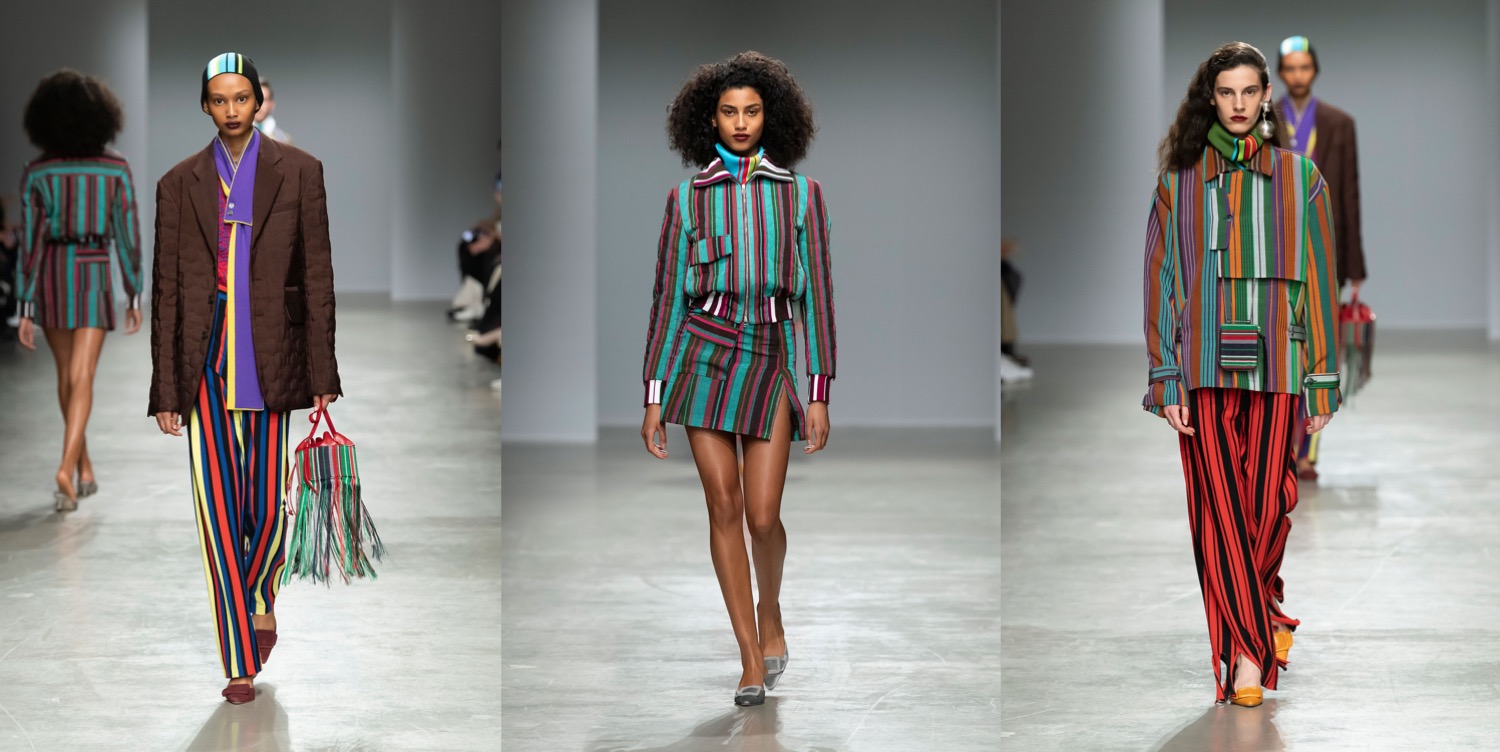
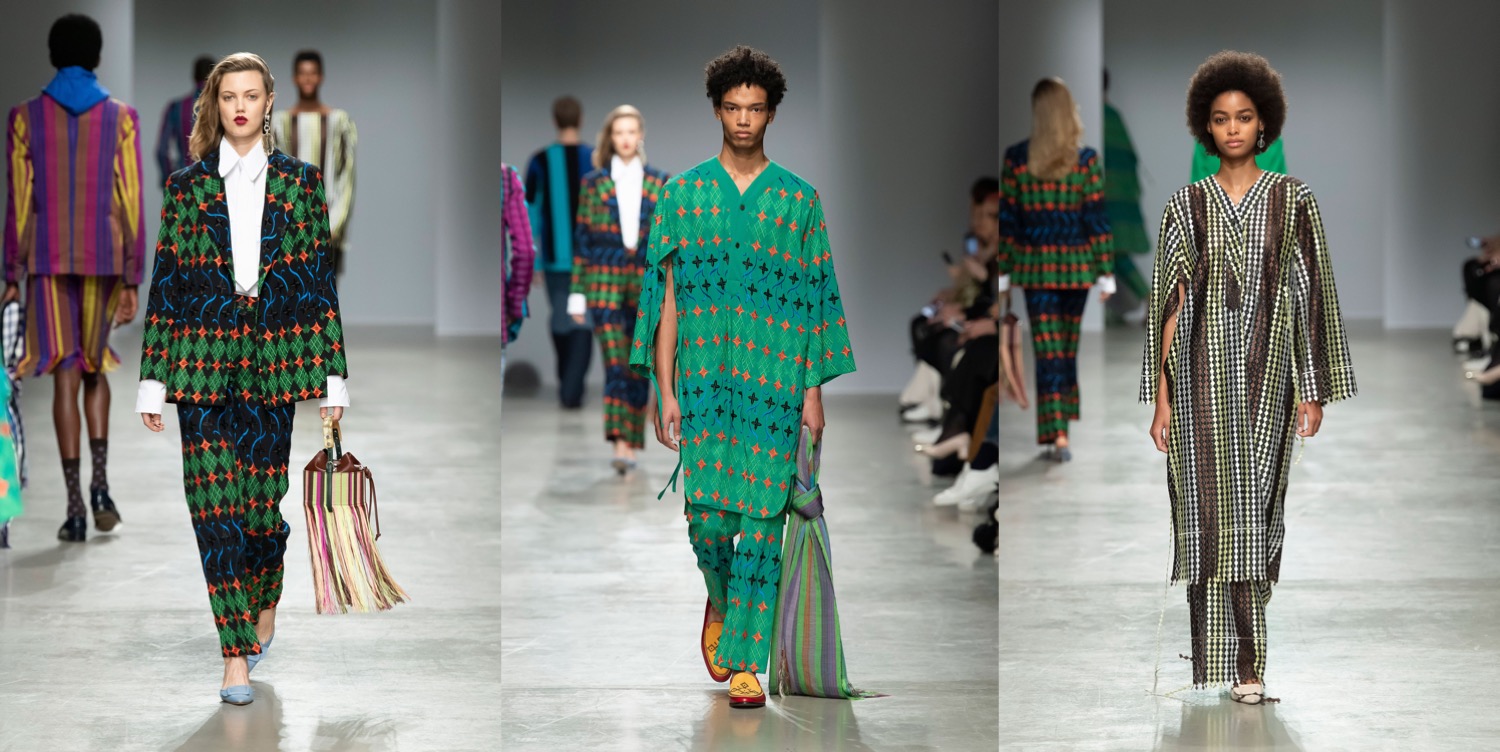
In support for the Black community, I continue celebrating and highlighting the talented individuals that shape fashion today. Take notes! Kenneth Ize made his official debut at Paris fashion week this season, though his eponymous label has been making waves on the international circuit for the past few seasons. The Austrian-Nigerian designer was an LVMH prize finalist this past September, having first caught the world’s attention at Lagos Fashion Week a few months earlier. Images of Naomi Campbell and Imaan Hammam striding down Ize’s runway in his signature handwoven checks, a traditional Nigerian fabric known as asoke, caused a global social media frenzy within minutes. Both super-models were present at his autumn-winter 2020 show – Hammam opened, while Campbell closed what was a truly impressive first outing for Ize. The designer is best known for his men’s tailoring, though he kicked things off on a distinctly feminine note with a quilted striped miniskirt and matching funnel-neck zippered jacket. Ize is also inspired by workwear – think carpenter pants spun from silk and fringed at the hem. Adwoa Aboah looked especially striking in one of his quilted boilersuits. Ize has been working with a small circle of asoke weavers in Nigeria with the hopes of preserving the centuries-old craft from the brink of extinction. For autumn-winter 2020, he expanded on that commitment to local artisanship by collaborating with Austrian lace-makers in Vienna where he was born and raised. The green and orange lace tunics and suiting were a nod to Ize’s mother, who, like many West African women, would source Viennese lace to make custom outfits for special occasions. The collection was largely inspired by her meticulous approach to Sunday best in particular; the devil was in the details here, with matching fringed bucket bags and clutches made in collaboration with Austrian accessories label Sagan. It’s exquisite transcultural fashion experiments like these that will make Ize’s brand stand out in the fashion crowd. Discover more of Kenneth’s work here!

Collage by Edward Kanarecki.
Dreaming of a Party. Miu Miu Pre-Fall 2020

While pre-collections might soon become outdated thanks to Gucci’s Alessandro Michele smart move, a few look-book line-ups (photographed in pre-corona times) got recently dropped as the new season is slowly popping in stores (as if anybody actually bought anything from the spring-summer offerings…). Miu Miu‘s pre-fall 2020 foreshadows the main collection’s thread, which was about glamour and the joy of dressing up, from a young woman’s point of view. The visuals by Douglas Irvine suggests the mix of feelings a person might have before any party or wedding reception. Excitement. Anxiety. “Get the party started“. “Not going“. “Ok, fine, I’m coming!” It’s a heavy throwback to late 1960s and early 1970s, and quite possibly Miuccia Prada reflected on her own style navigation from that time. Some of the dresses – especially the prairie baby doll fits and the maxi ones with vintage-y ruffles – made you think of Batsheva and The Vampire’s Wife signature specialties. Miu Miu has them in arty patchwork pattern prints, and it seems that the label didn’t think of using pre-existing fabric leftovers for the collection. And that’s a pity, as it would really make sense in the current sustainability conversation the industry is having. The rest of the collection was quintessentially Miu Miu: so-odd-it’s-good colour clashes, knitted tights, cute embroideries and embellishments, fun faux-fur stoles. Of course, back in 2019 when that collection was being finalised, nobody had a clue that 2020 would be that crap. Yet still, I’ve got to ask this: where will she wear those dresses? Thanks god we’ve got Zoom parties…

Collage by Edward Kanarecki, look-books photos by Douglas Irvine for Miu Miu.

Taking Time. Alaïa AW20

In times like this, it’s strange to write about fashion. But at the same time, oh how I want fashion… Don’t get me wrong: less collections a year is an initiative that needs praise and support. But when I hear such radical things as “no more fashion weeks” or “no more fashion shows”… then what’s the actual sense of it all, other than just clothes? Also, I fear that not only small and emerging labels might struggle and drown in financial problems, but as well independent, legendary houses that don’t have the deserved spotlight. One of them is Alaïa. After producing 10 collections without the house’s founder, Azzedine Alaïa‘s studio has pretty much found its stride, taking liberties while never straying too far from home base. It also found ample inspiration in two satellite events: the exhibition at the Galerie Azzedine Alaïa entitled Alaia and Balenciaga, Sculptors of Shape, and the book Taking Time, a selection of conversations compiled over the years around Alaïa’s imposing, eclectically populated dinner table. Among those featured are Jonathan Ive and Marc Newson, who speak of time as “the first ergonomic product.” For the autumn-winter 2020 line-up, the studio picks up on the late designer’s fascination with ergonomy, in particular through jersey knit. Starting with archival samples and a lifetime’s worth of research, it delved into origami-inspired pleating and came up with a new, openwork iteration that, while visibly true to house codes also pushed the story forward. For the first time, a cape coat ordinarily cut from cloth resurfaced in a dense knit, textured in ovoid reliefs. Knits also proved a foil for a leather corset belt with fringes that fell to mid-thigh. Impractical though it may be, in a season heavy with fringe, that would-be skirt was one of the most compelling pieces around. In that spirit, there were also a few fringed jackets extrapolated from one Mr. Alaïa had left unfinished on a mannequin in his studio. With Alaïa’s original, iconic zip dress headed to the Met exhibition, About Time (which has been indefinitely postponed due to coronavirus), the studio offered up a new, simpler take on that idea in a little black dress. His signature leopard print also appeared in various iterations, in a gathered and belted coat or a knit bodice on an evening gown. Other highlights included velvet dresses in black, deep burgundy (sublime!) or forest green, and an eye-catching jacket and skirt ensemble in laser-cut, embroidered leather that amped up the contrast of matte and shine. That’s why we will always need brands like Alaïa: it’s not just the history and the person, but a place, where you will find a perfectly timeless dress.

Collage by Edward Kanarecki.