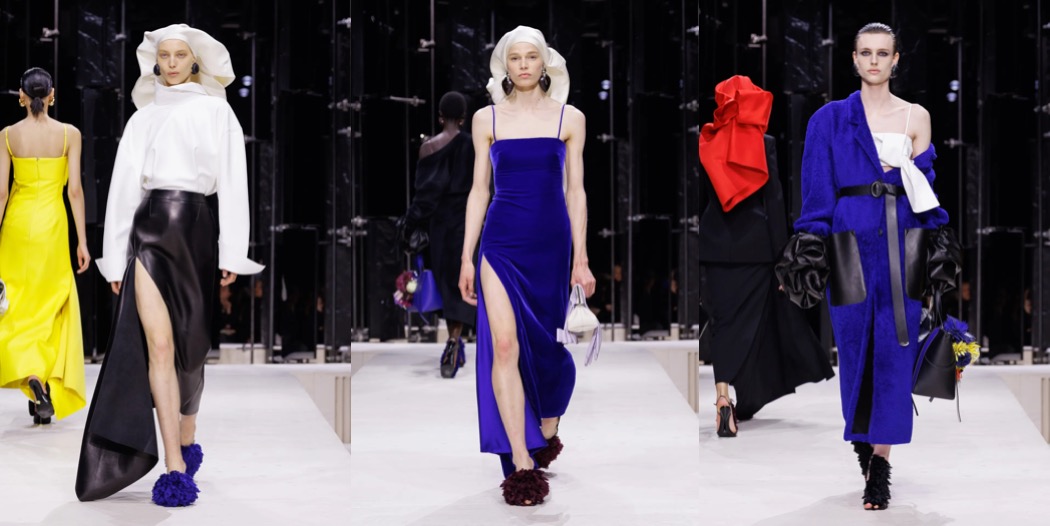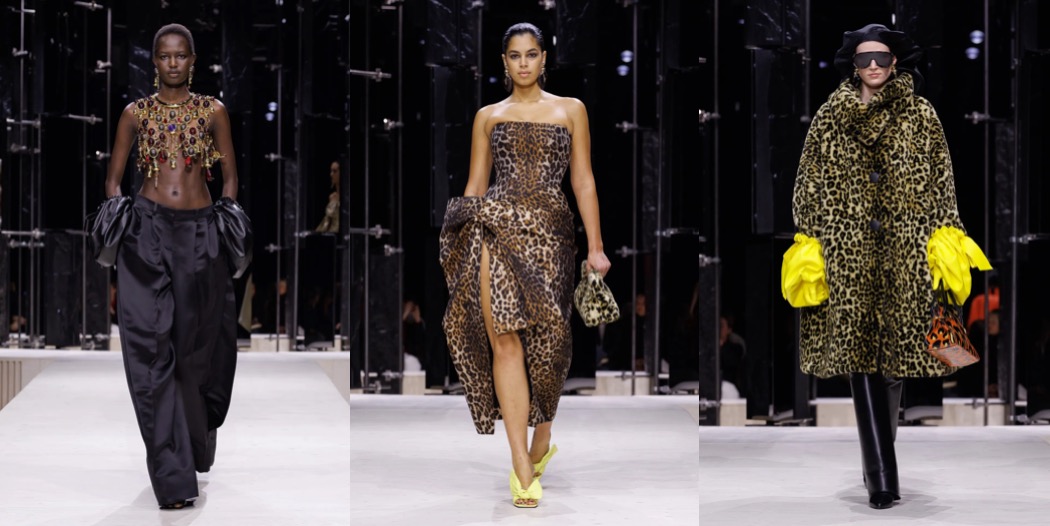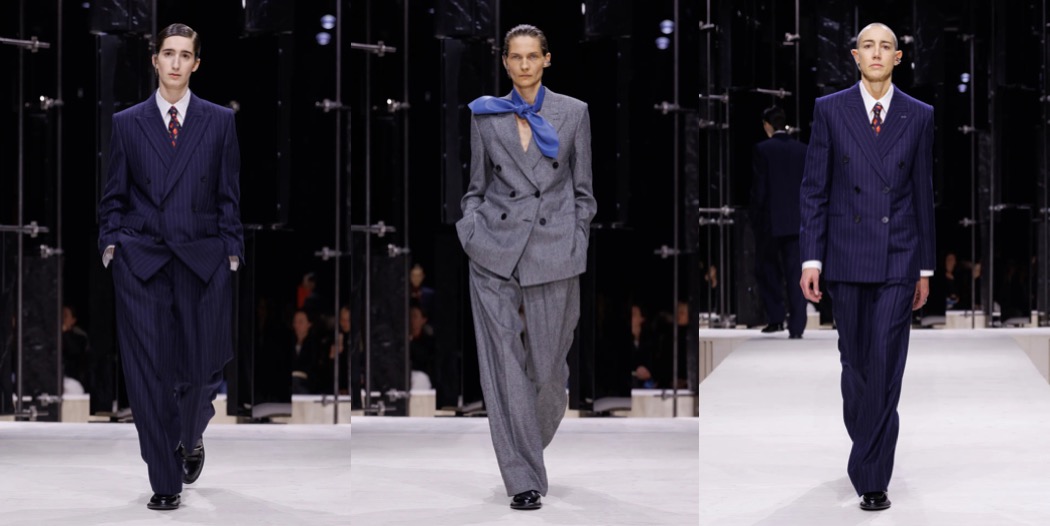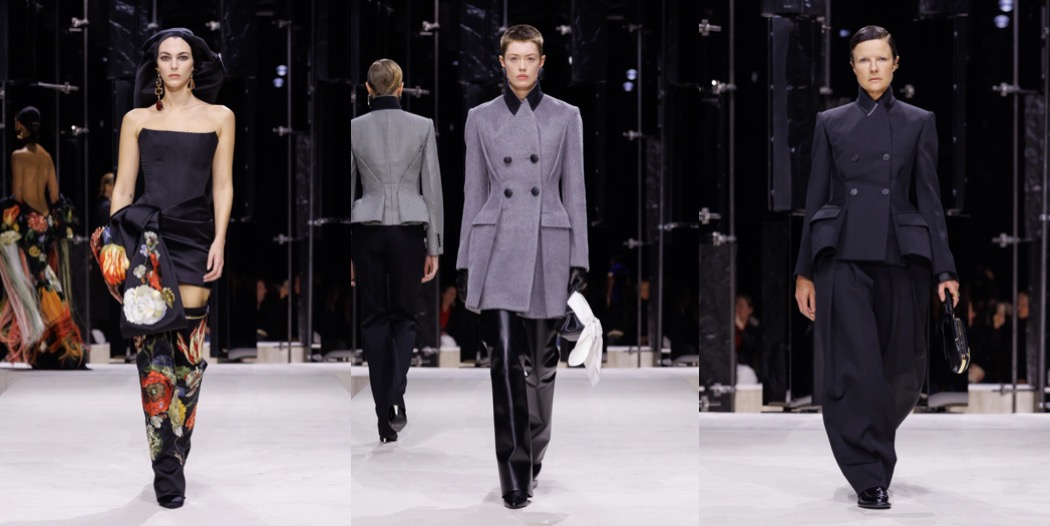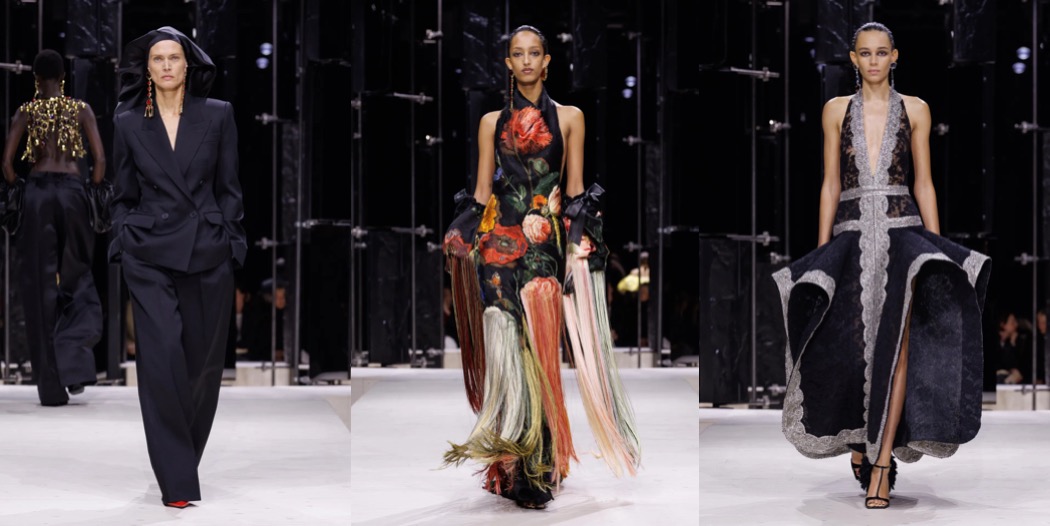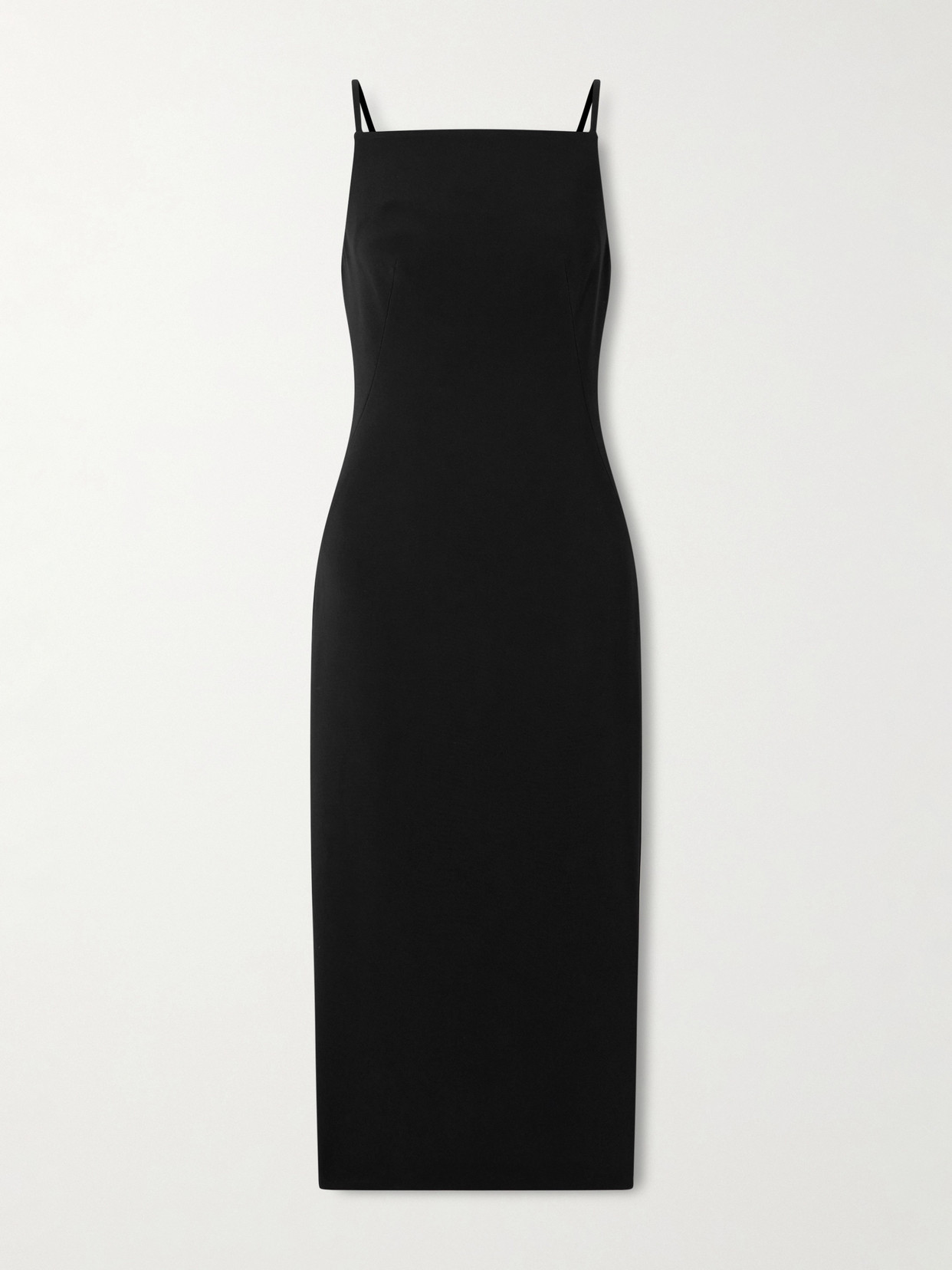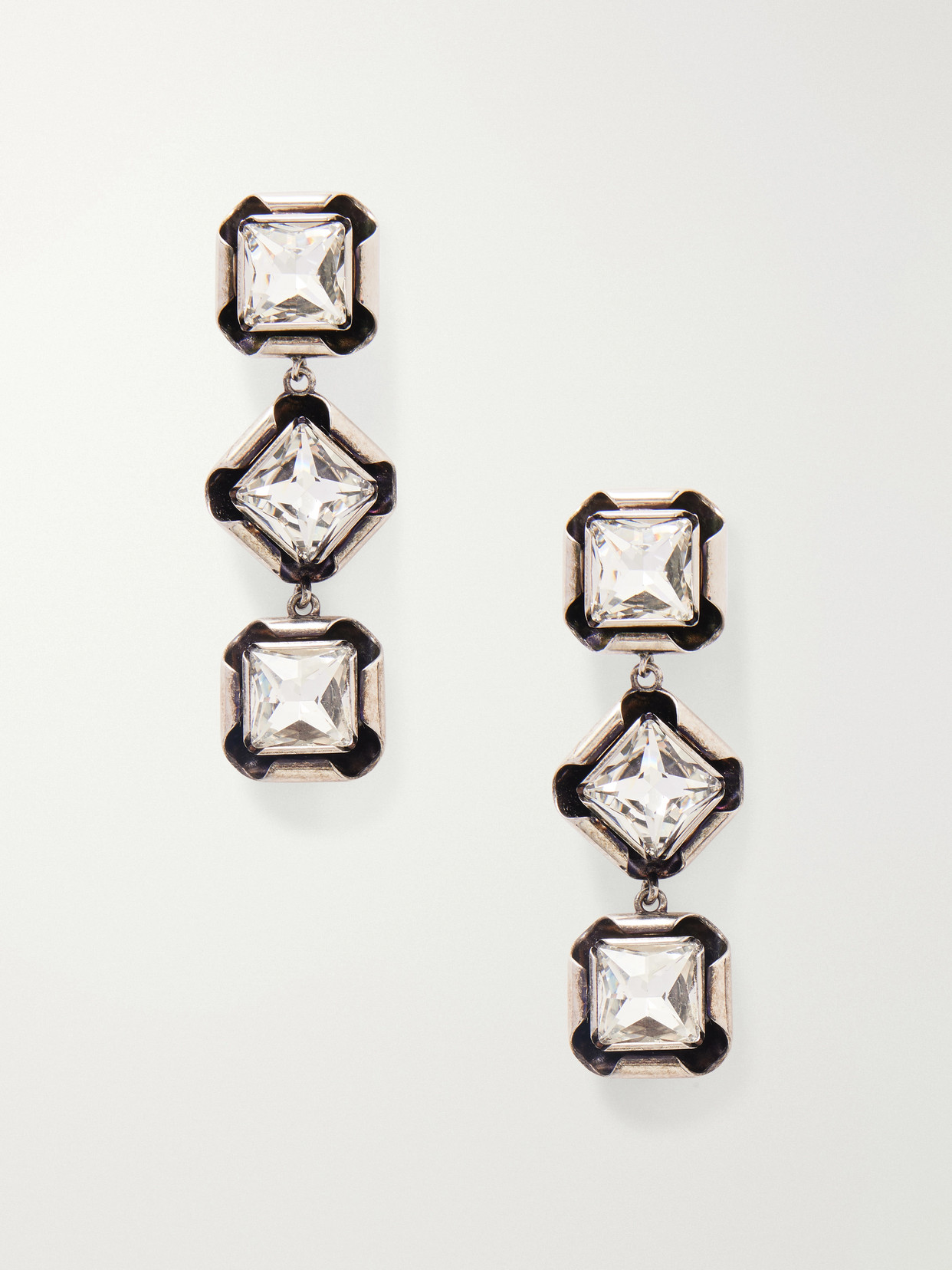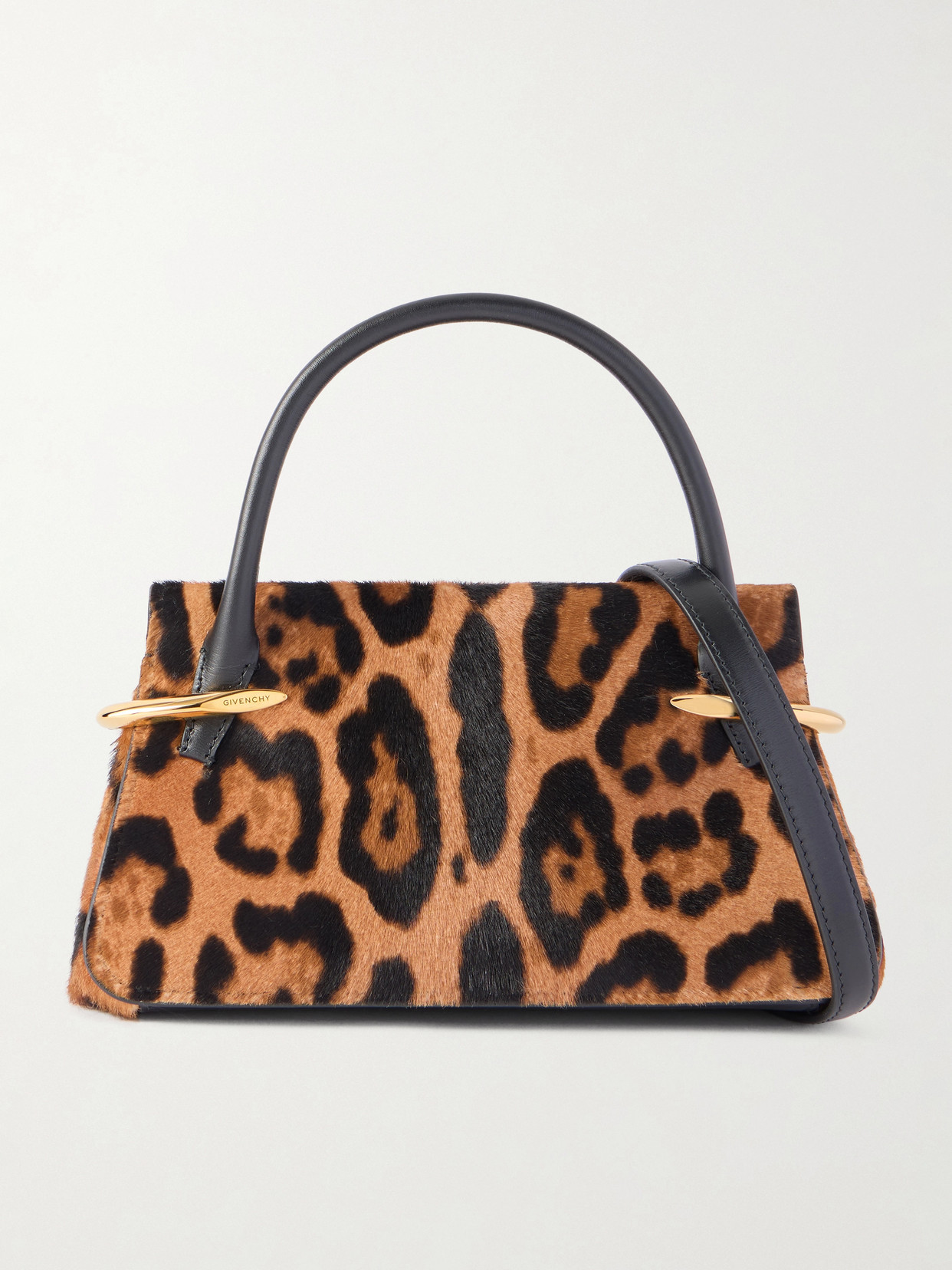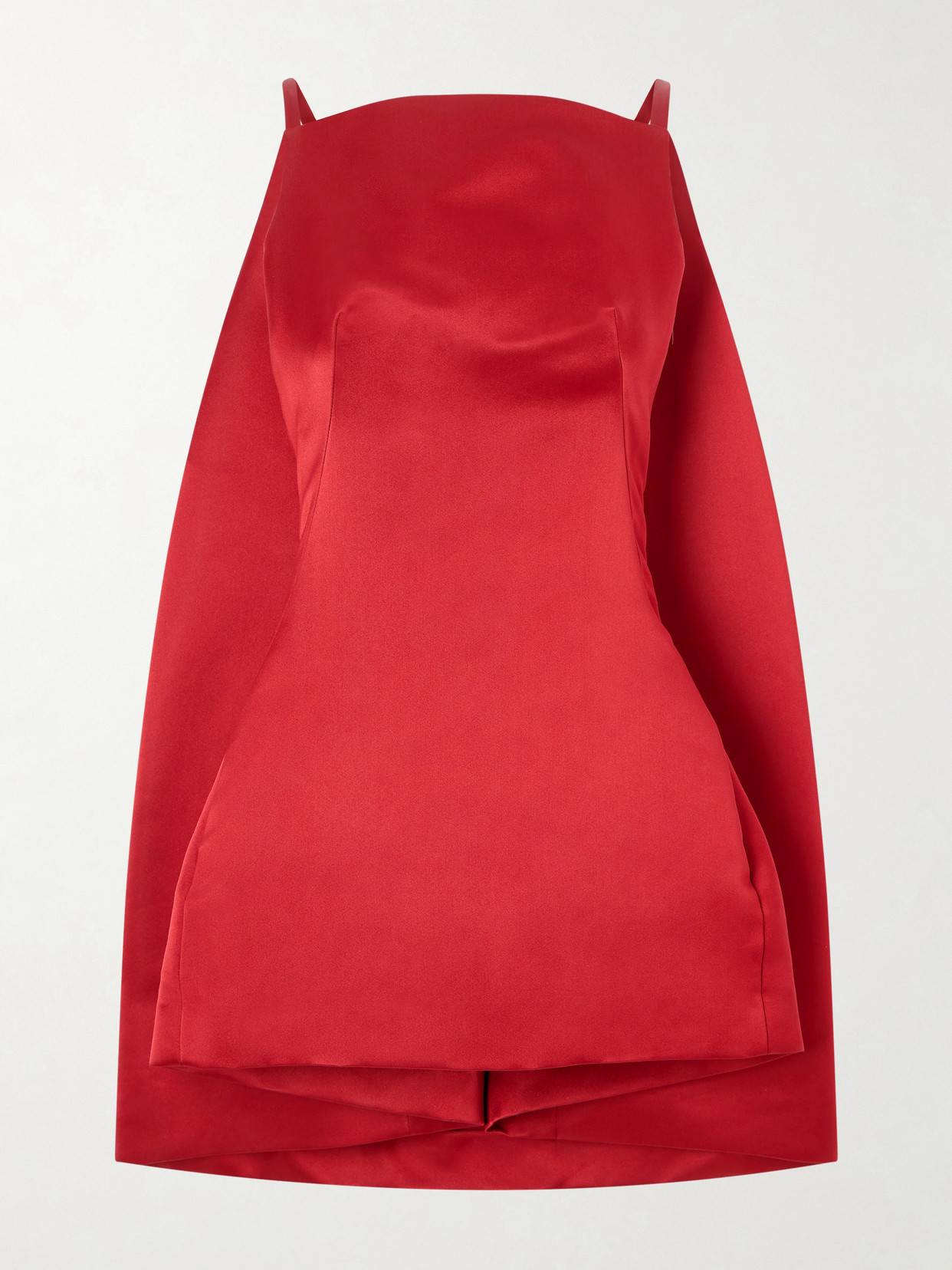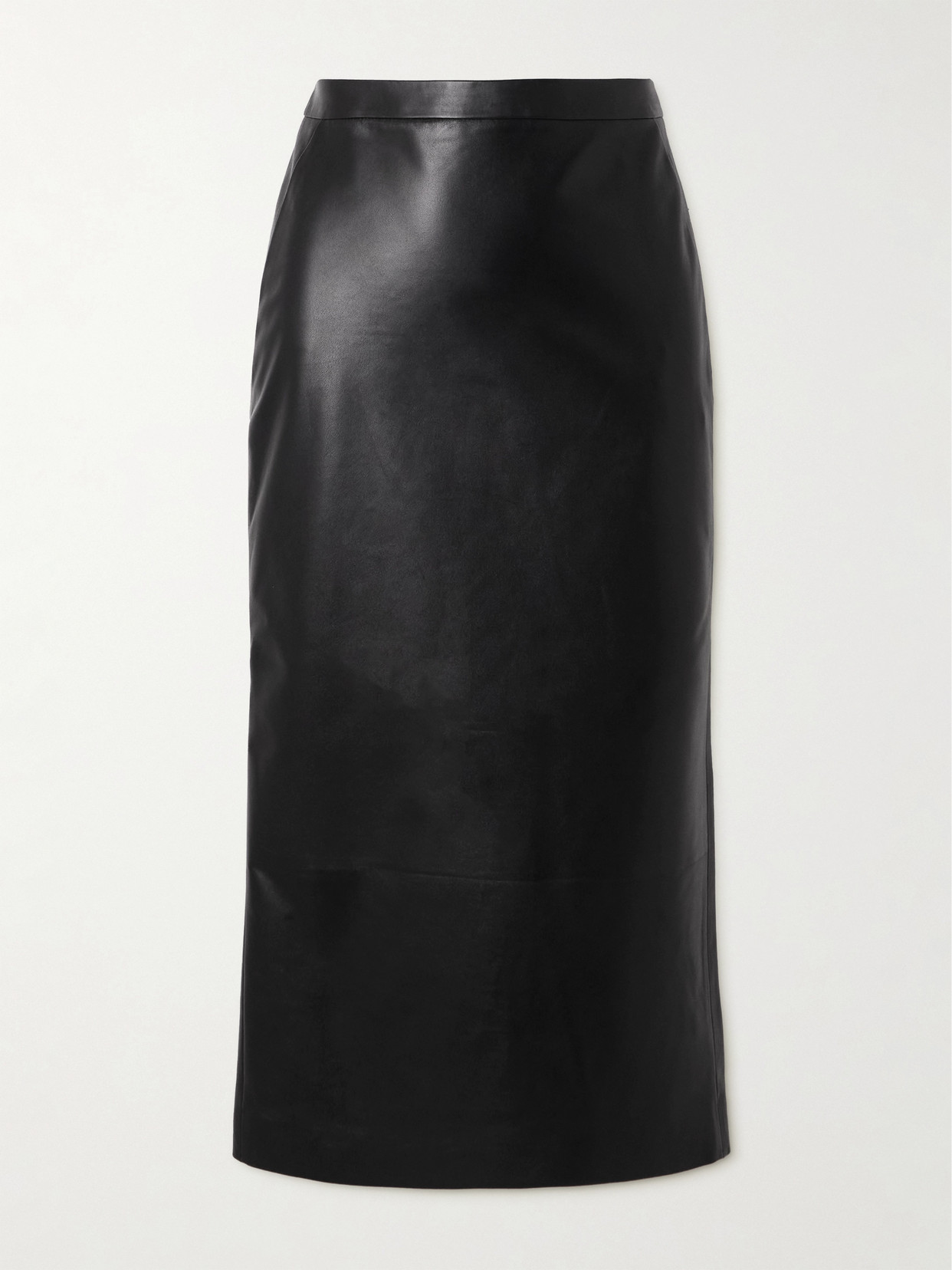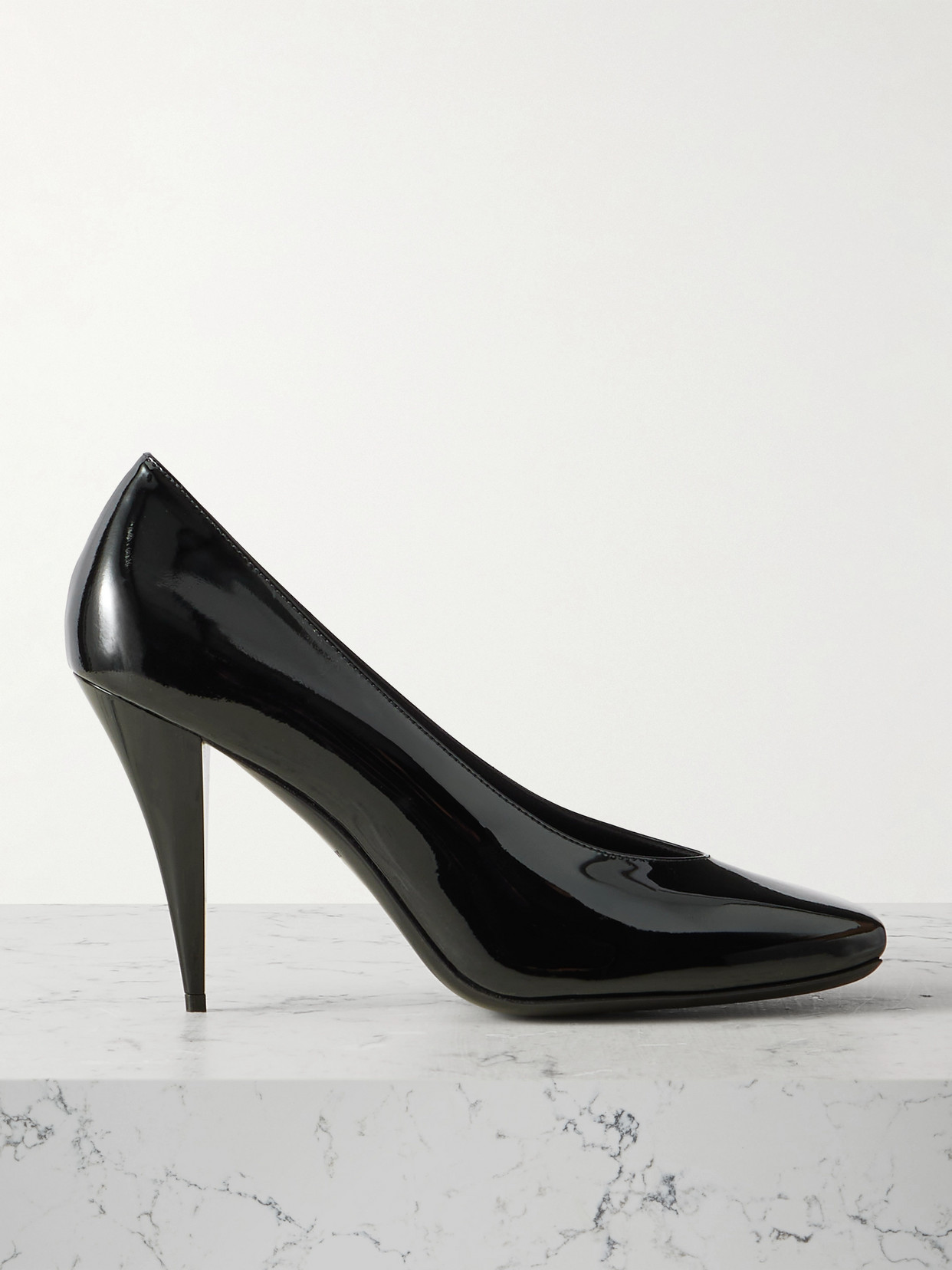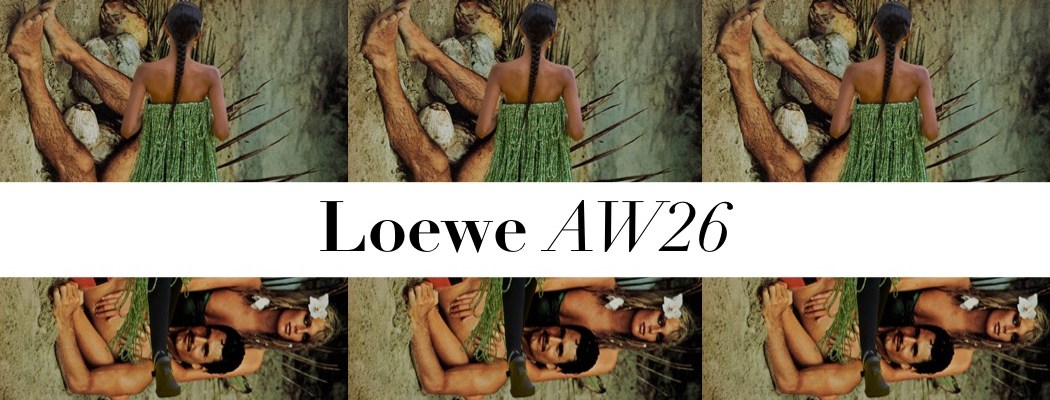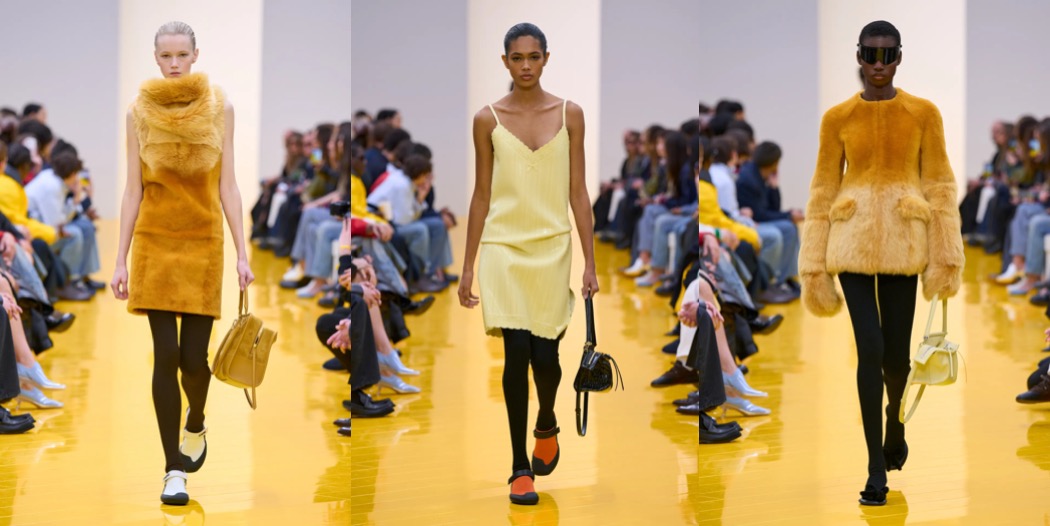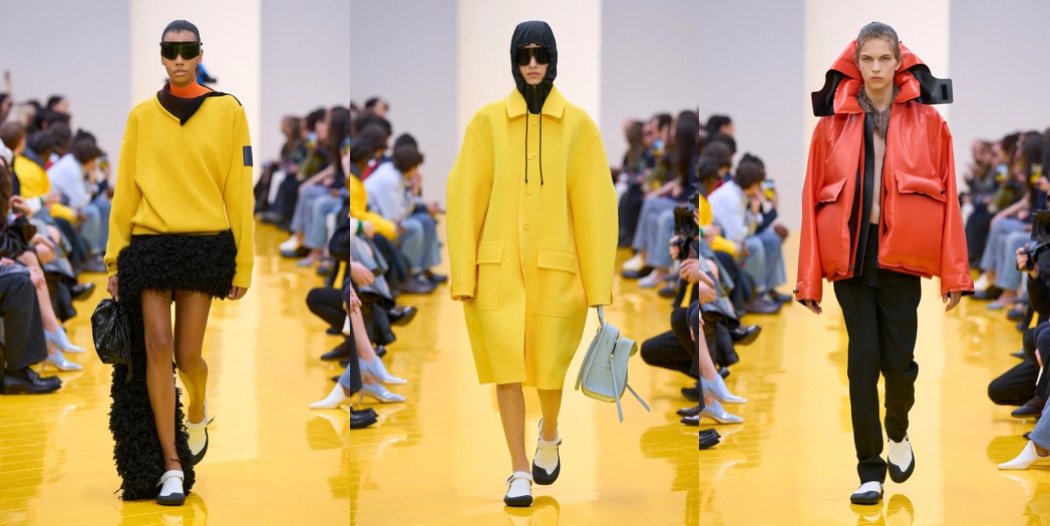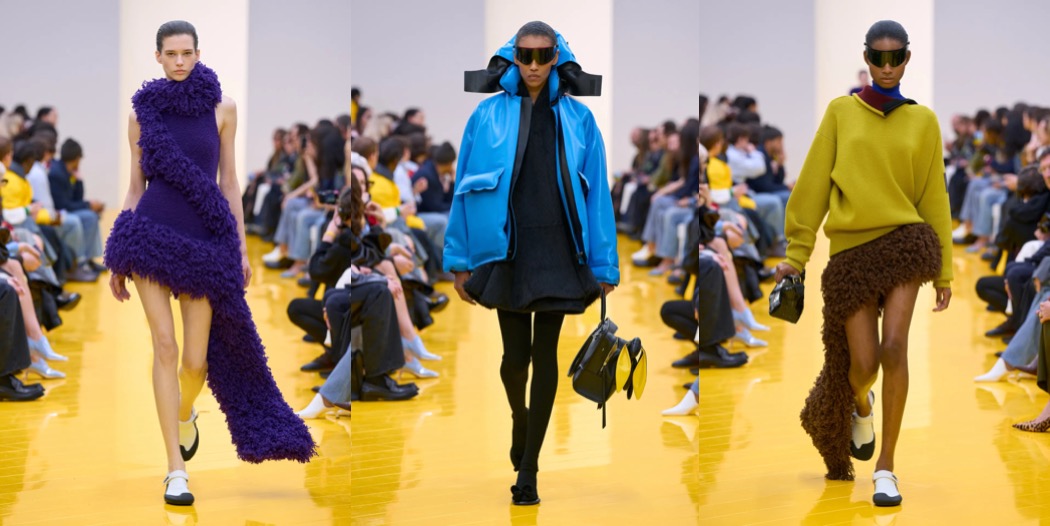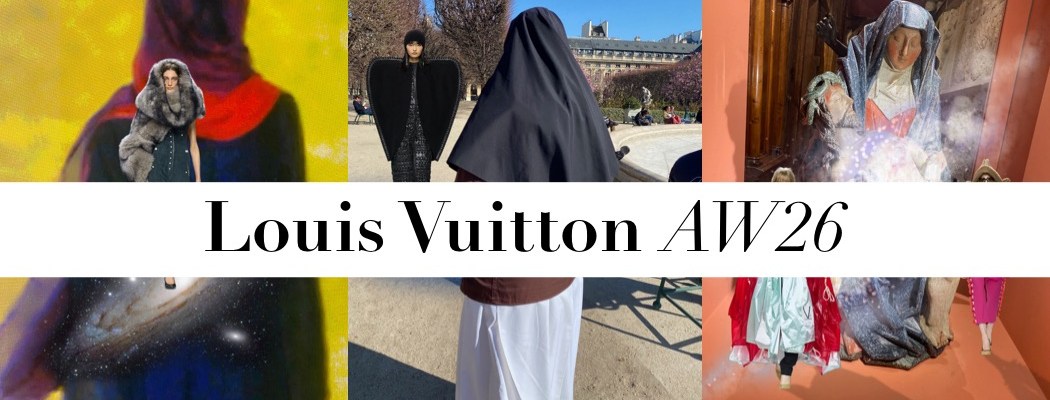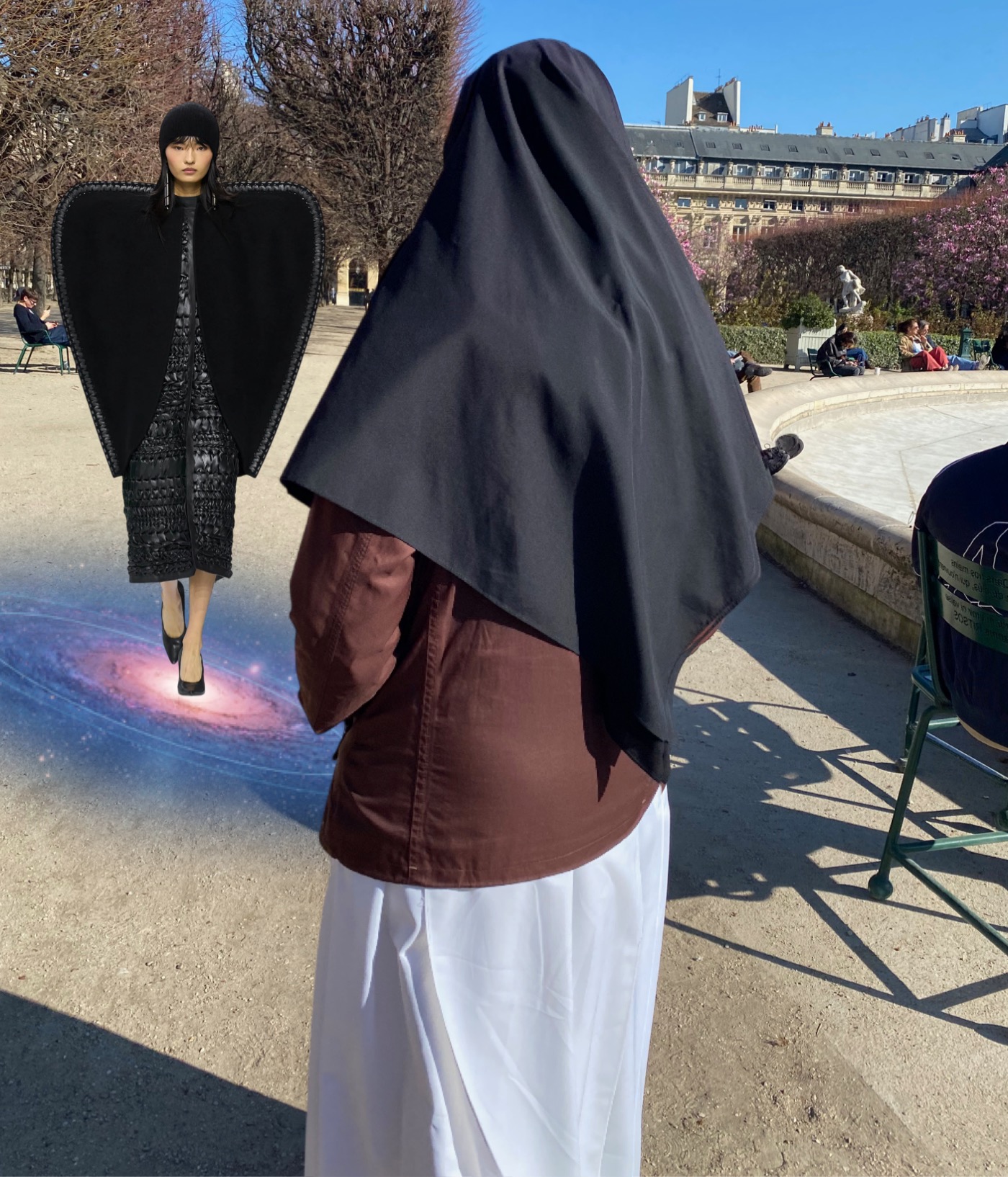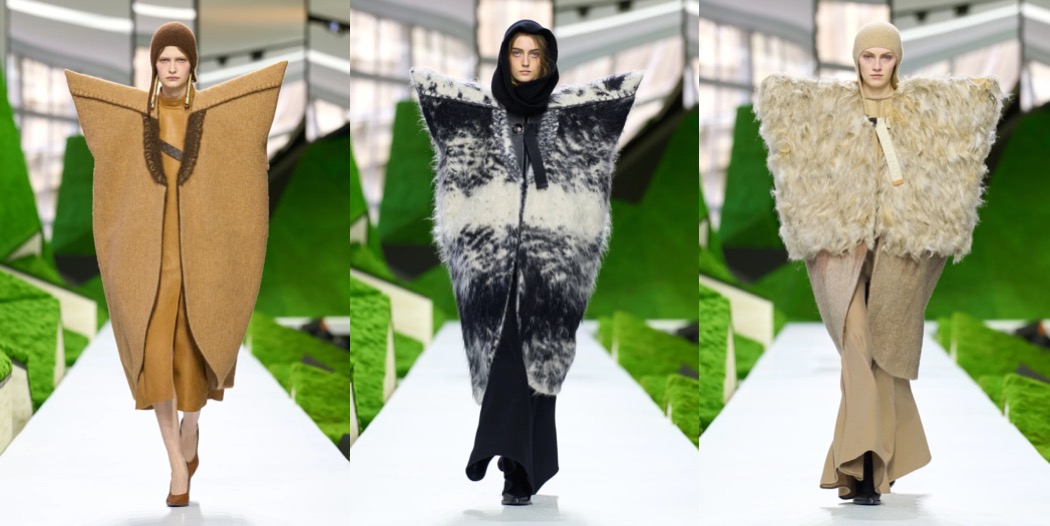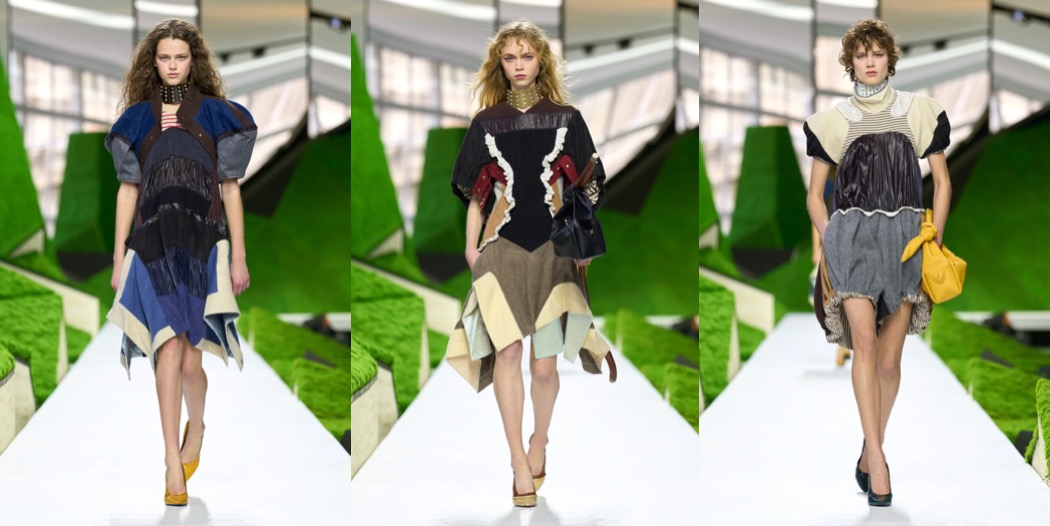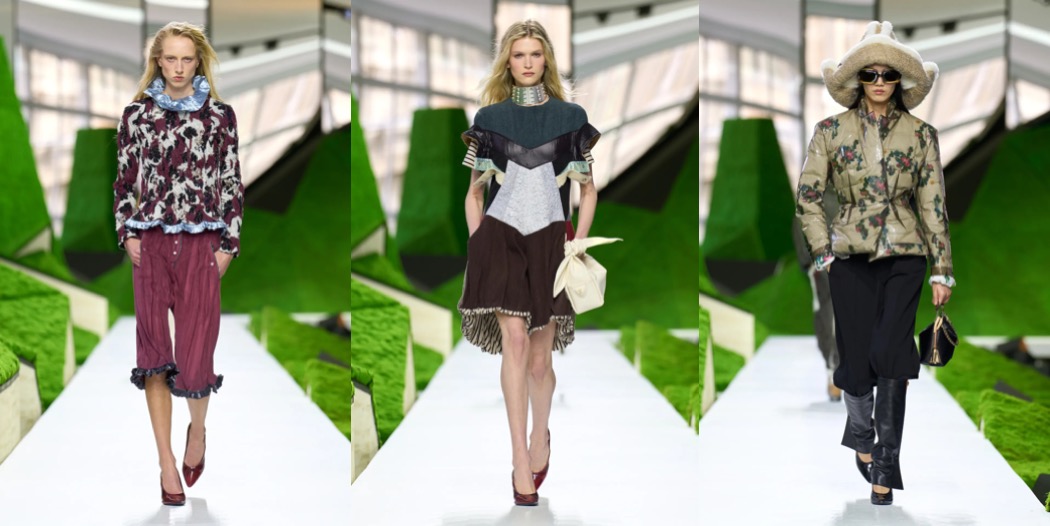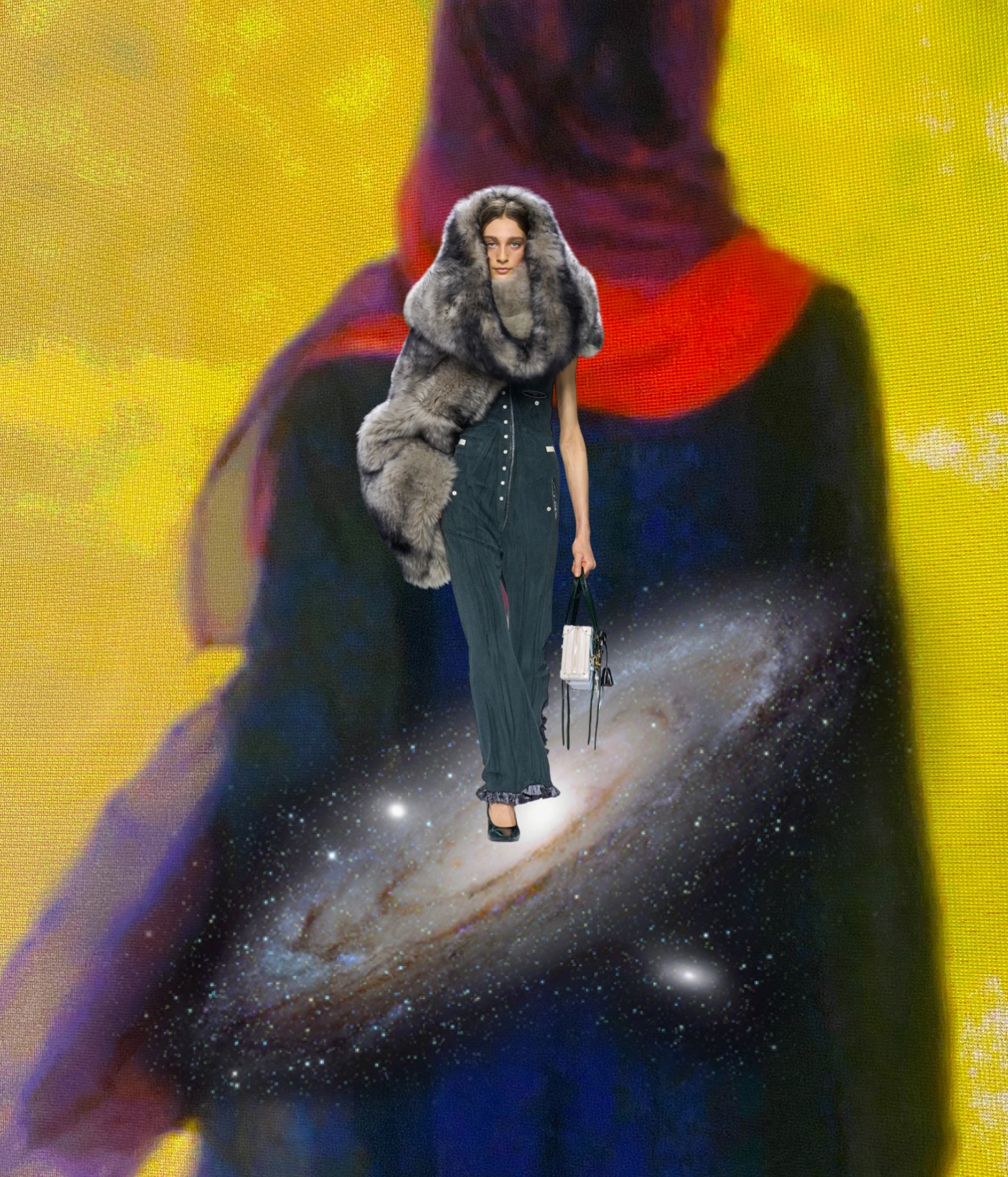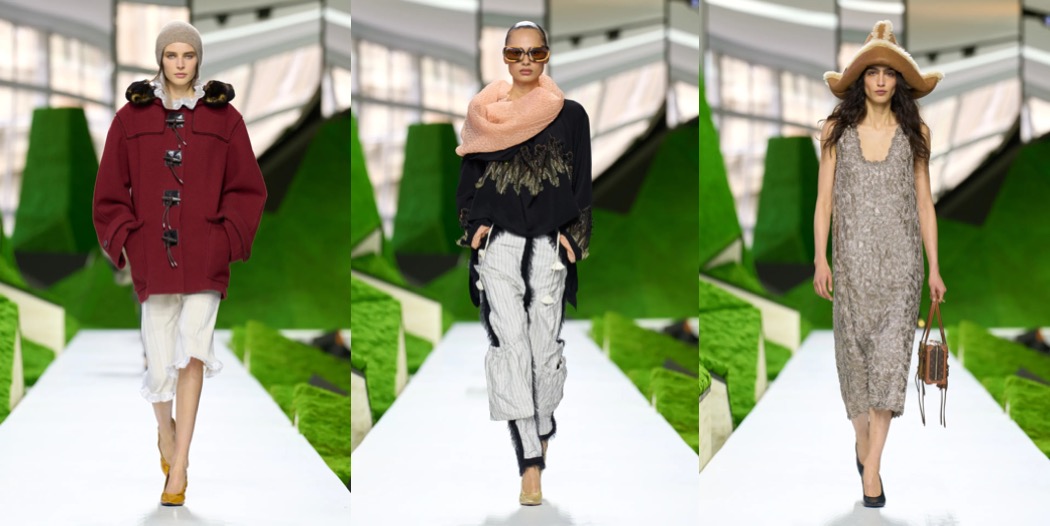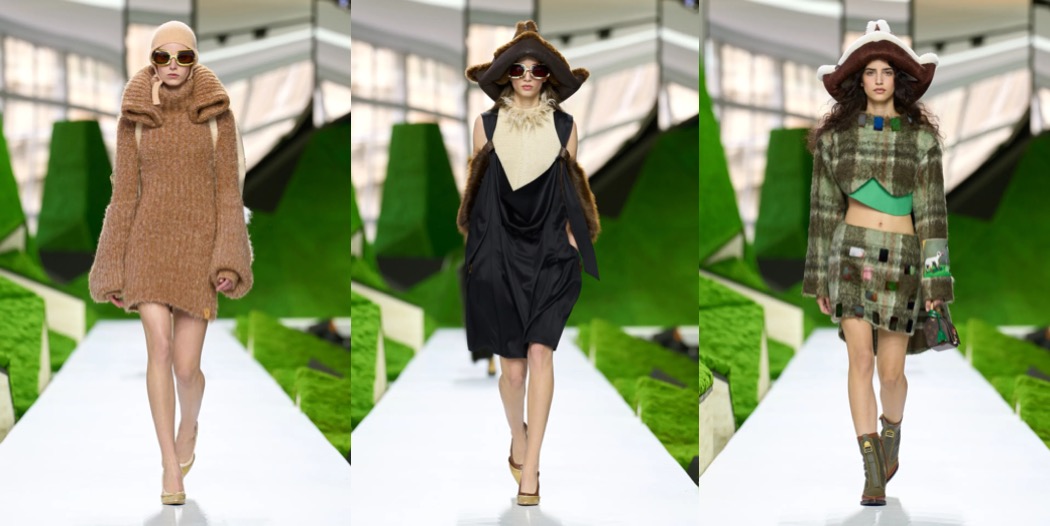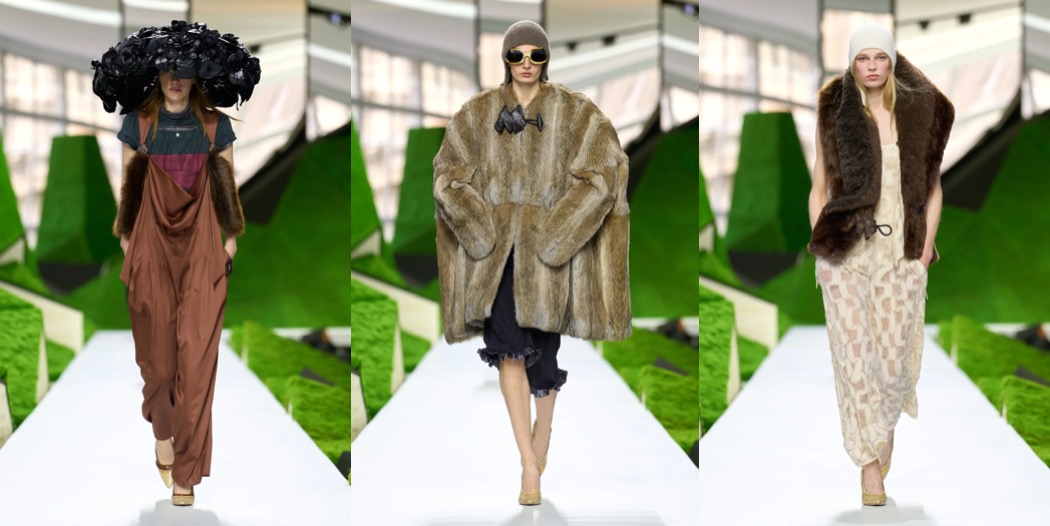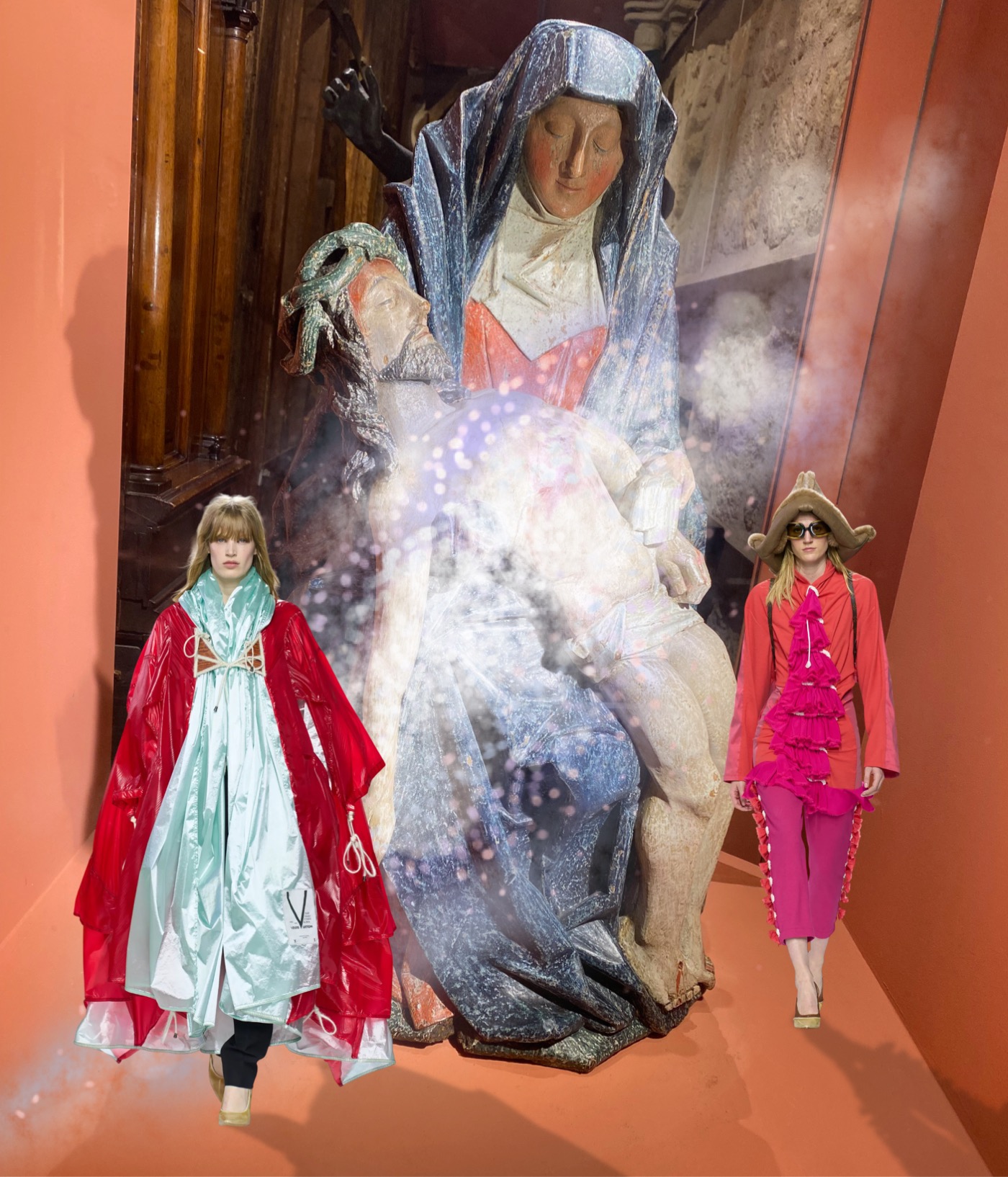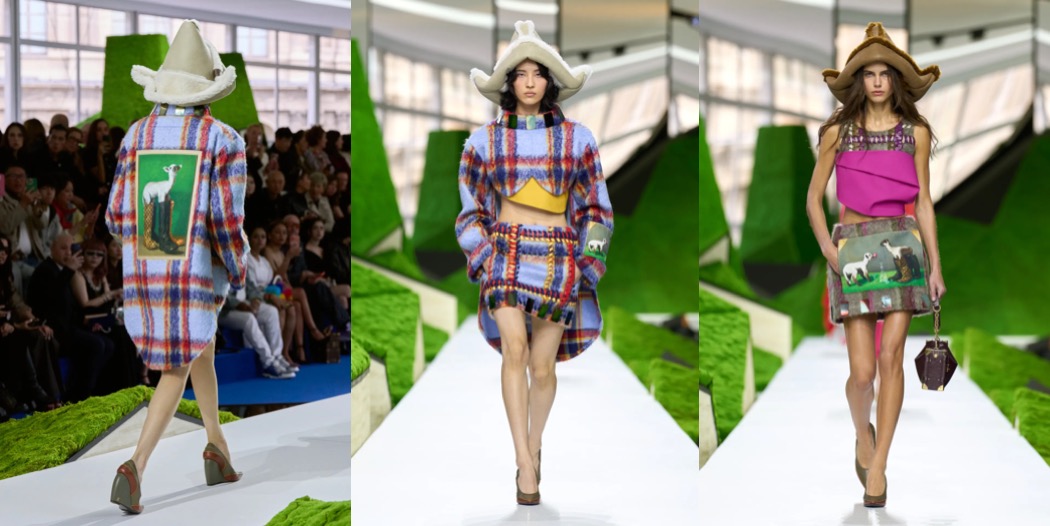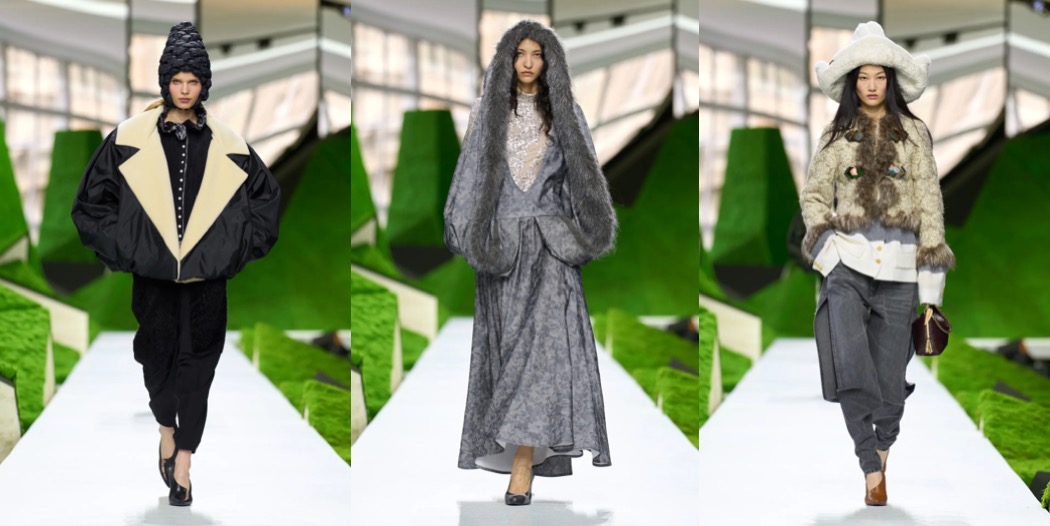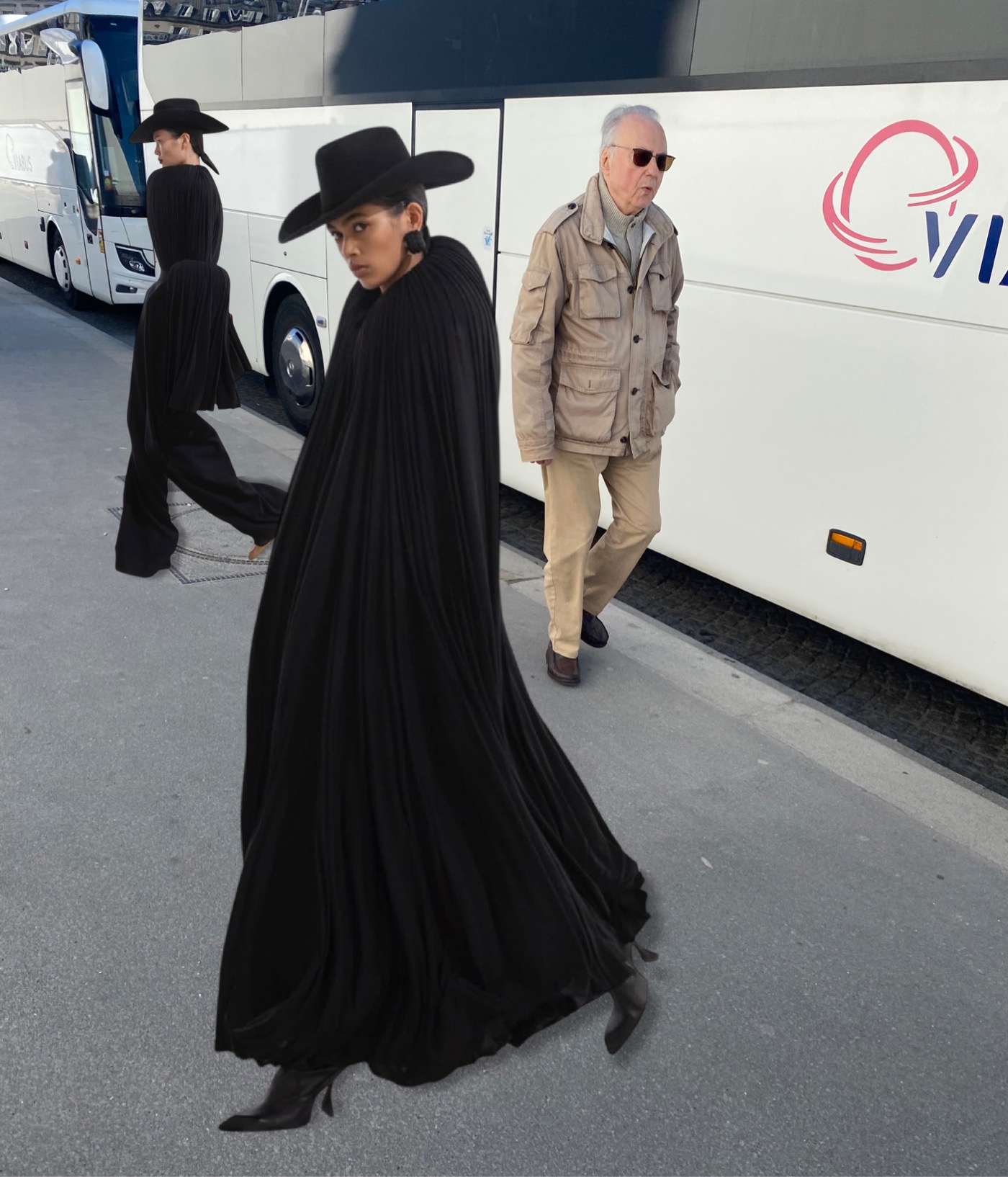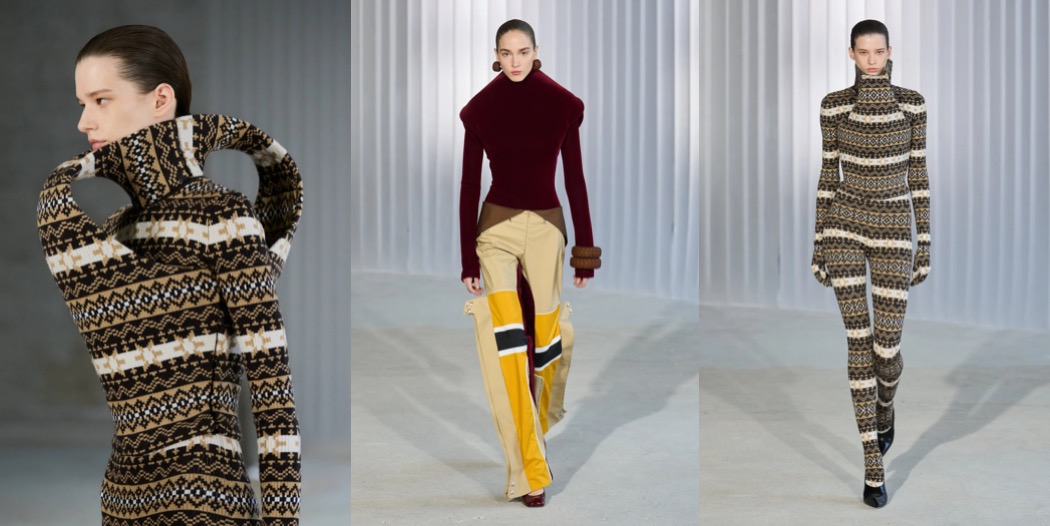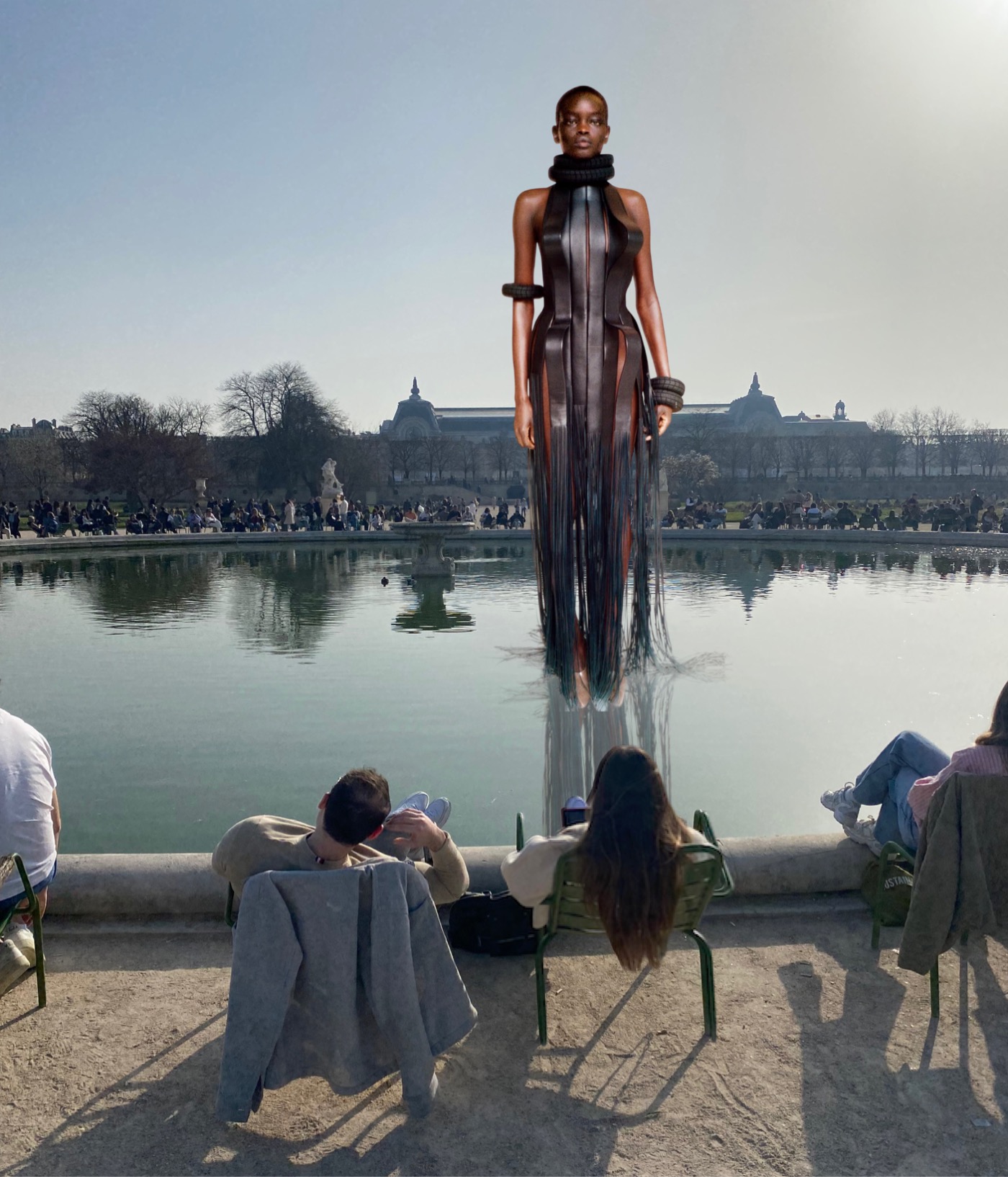
The eccentric madame envisioned by Nicolas Ghesquière for Louis Vuitton never ceases to confuse – and to intrigue. In the summer apartments of Anne d’Autriche at the Louvre, a parade of crystal-embellished silk vests, beaded fringe top-and-pants sets that evoked Impressionist landscapes, and historic-looking robes and capes made their royal entrance. One look – a pastel-blue cloak paired with a matching turban-like hat – gave big dumpling energy and made me smile. Then there were the genuinely lovely, extra-fluffy knitted pieces with tubular necks and balloon sleeves. At times, it’s hard to keep up with the cascade of ideas Ghesquière sends down his Louis Vuitton runway. But perhaps that’s precisely the charm.
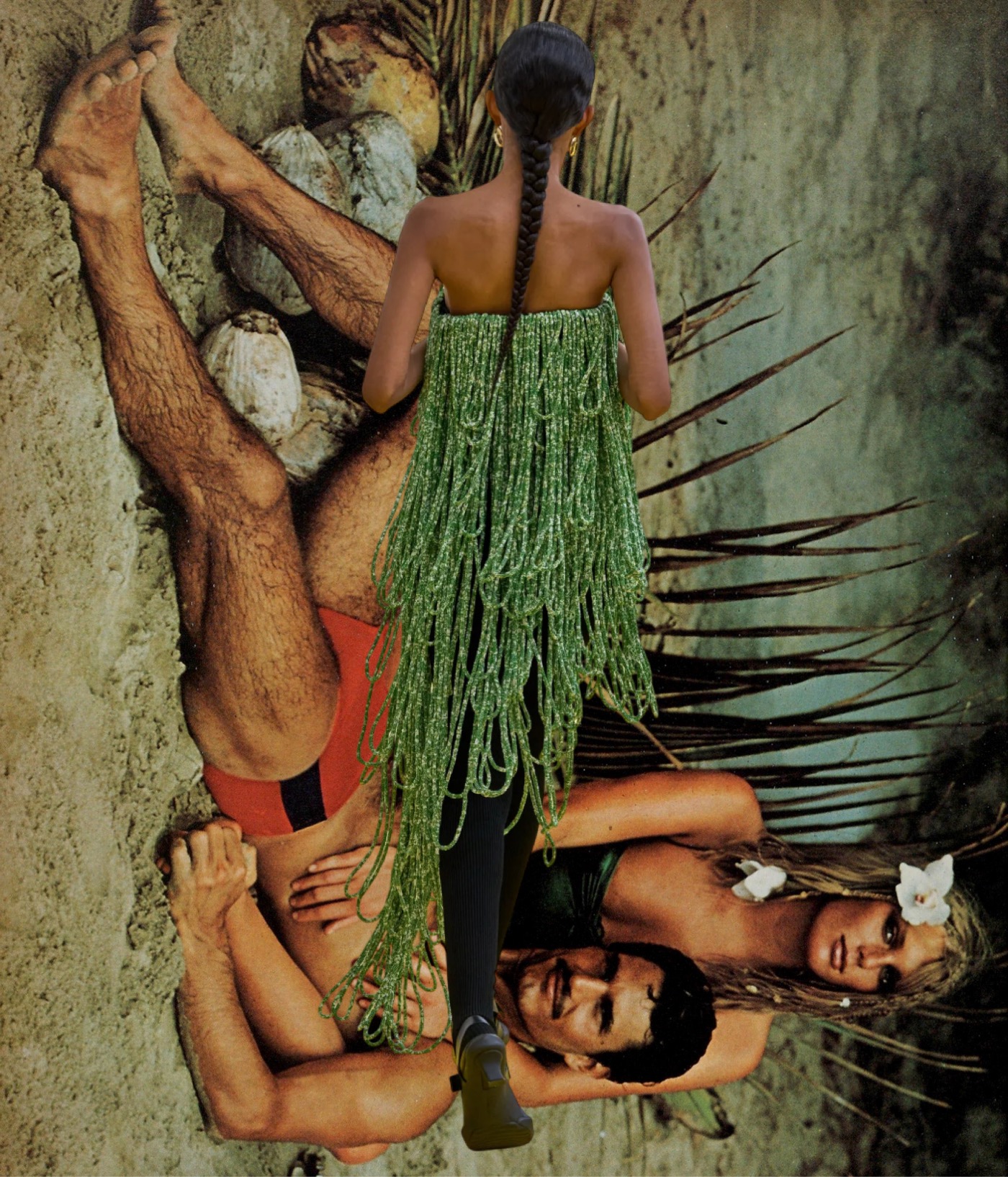
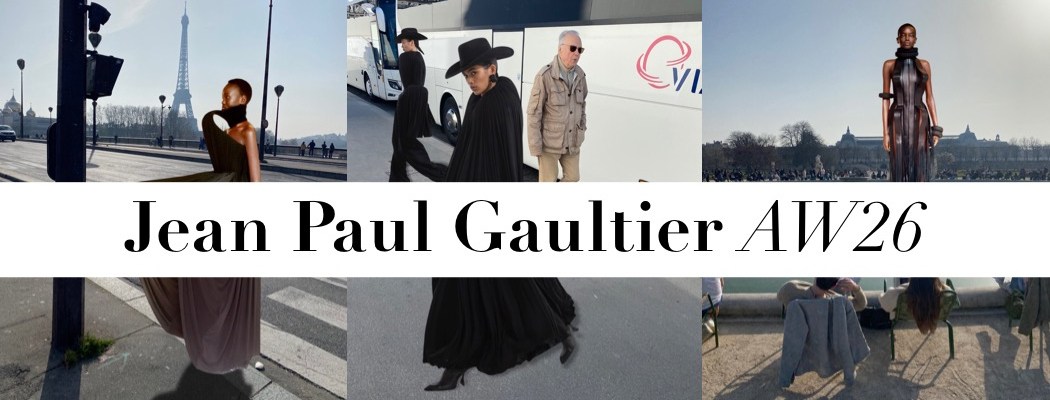
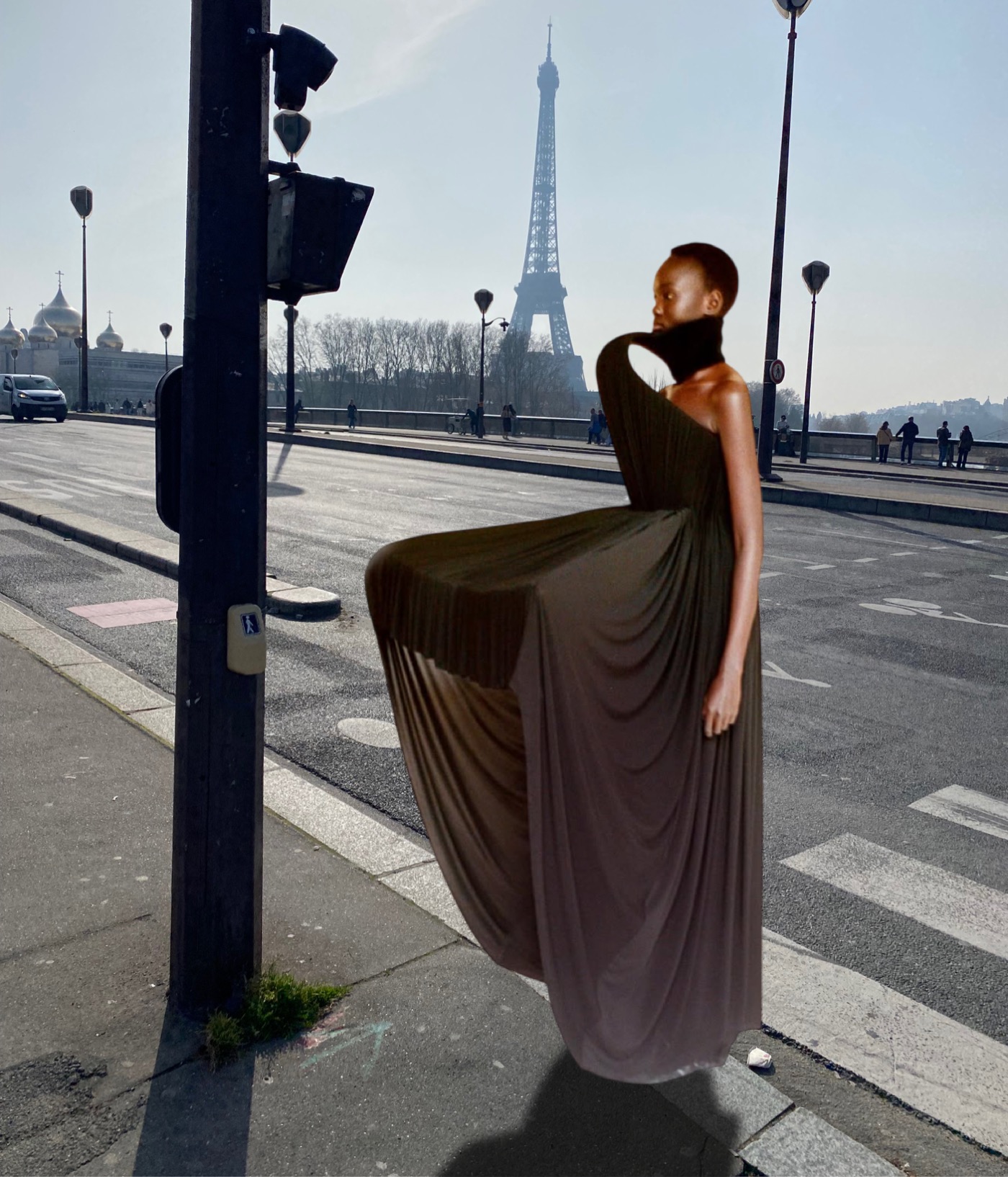
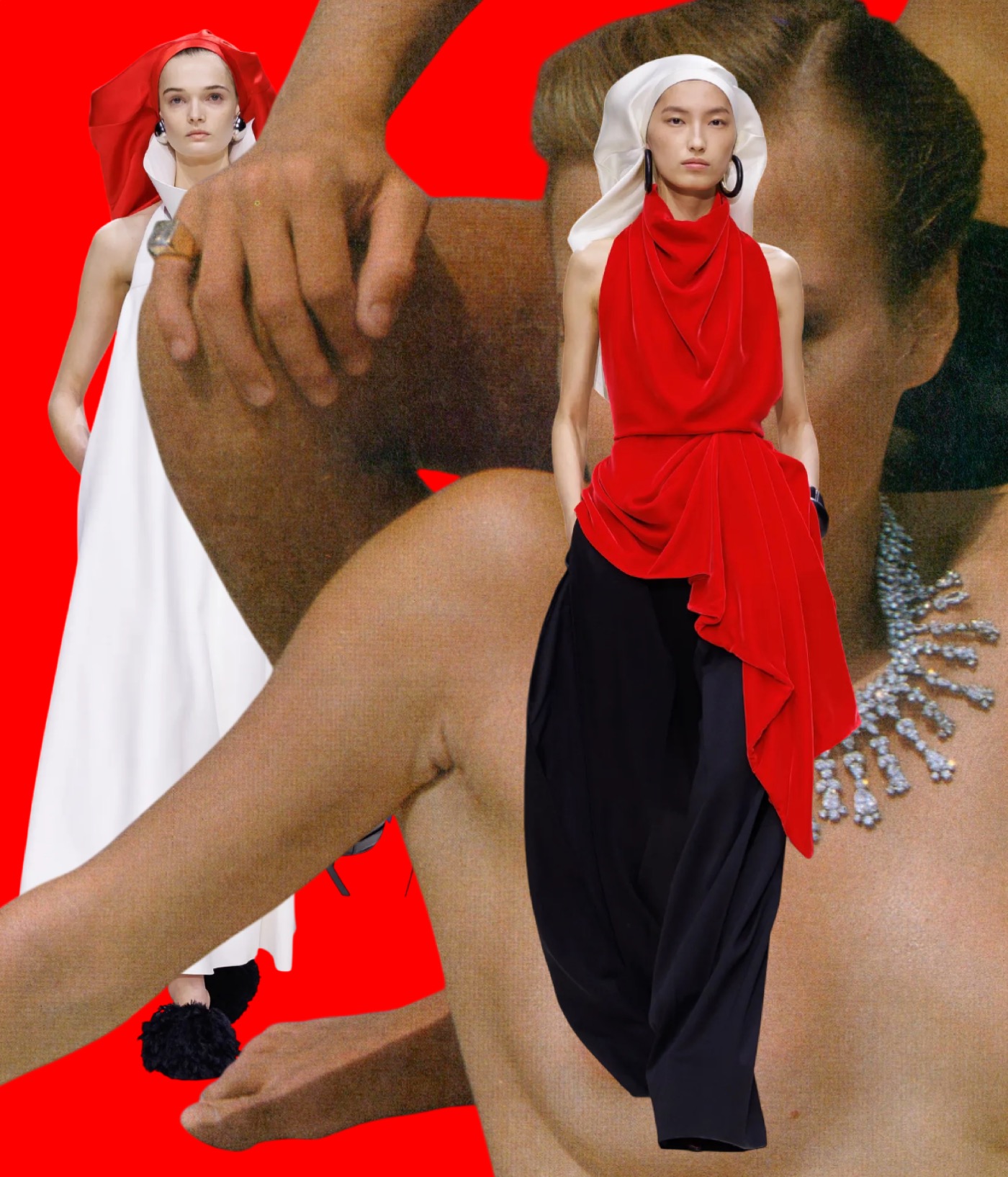
Collage by Edward Kanarecki. Don’t forget to follow Design & Culture by Ed on Instagram!
Hey, did you know about my newsletter – Ed’s Dispatch? Click here to subscribe!
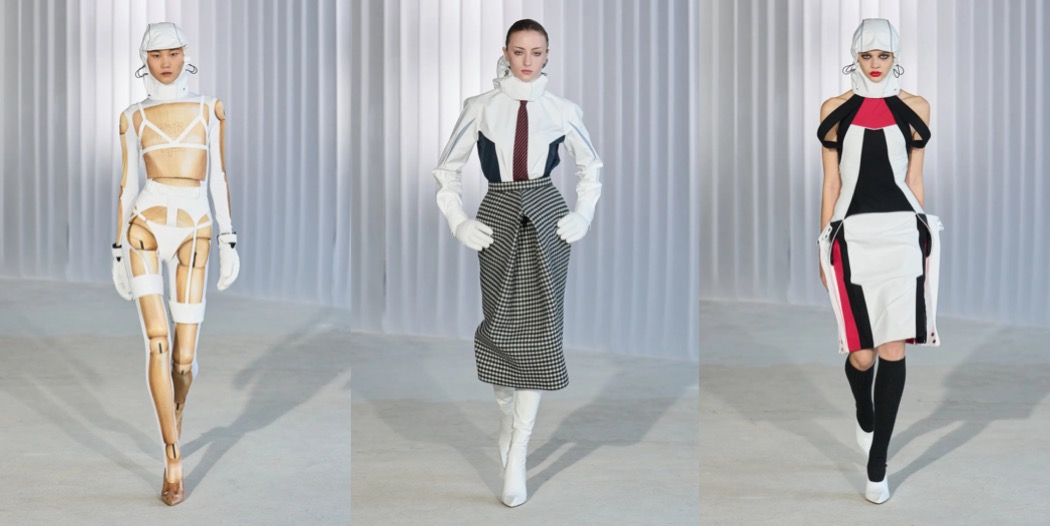
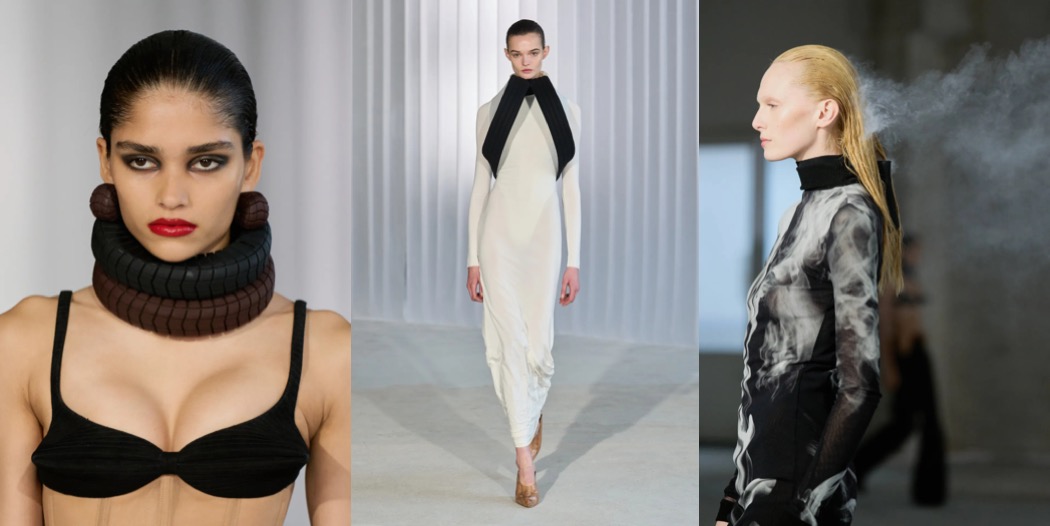
Nicolas Di Felice’s spring–summer 2026 collection for Courrèges was a cool exercise in modern-day inventiveness and A-line chic. By inventiveness, I mean the collection’s spotlight-stealing face coverings – which, as it turns out, are functional UV blockers. The designer encountered this kind of accessory while traveling in Thailand. In his reinterpretation, the fabric is attached to peaked caps, draped elegantly across the face, and tucked into the waistband of an unmistakably Courrèges miniskirt. André would no doubt applaud the concept – and the brand’s clientele is more than ready for any heatwave.
Interestingly, in a summer season where many designers embraced layering and coverage (like Bottega Veneta’s Louise Trotter), Di Felice’s offering feels refreshingly wearable – something you’d actually want to put on when the weather turns stiflingly hot. The collection is global-warming-ready in other ways, too: think breezy slits on sand-colored maxi dresses and leather jackets with cut-out sleeves that, from afar, appeared to be melting.
The shape of a car windshield inspired rounded solar face shields, rising from the closing looks – dresses and tops that seemed to merge futurism with functionality. And while rising temperatures are nothing to celebrate, Courrèges’s creative director managed to approach the theme with wit and a distinctly desirable sense of style.
Thanks to @dariagraczykowska, I had the immense pleasure of seeing – and touching – the brand’s spring–summer 2026 collection at its Parisian showroom. You can imagine my delight during the grand tour, as I found Nadège Vanhée-Cybulski’s latest collection to be one of her best yet.
Why? Because it channeled a newfound sensuality that felt as tough as the cognac-hued leathers and as feminine as the silk-printed scarves that covered the models’ breasts, tied meticulously beneath butter-soft harnesses. Vanhée-Cybulski drew inspiration from the Camargue – home to the white horses used by the region’s manadiers to herd bulls. Hence, the revisited equestrian aesthetic: bohemian in its play with vibrant prints, yet bourgeois in its solid composure.
A saddle from the Camargue, studied in Hermès’s conservatoire, led the creative director to design this season’s sublime leather corsets in earthy tones, worn with quilted riding jackets or styled over bandeaus. The reimagined corsets – evoking something of Christian Lacroix’s bravado, yet perfectly attuned to contemporary times – looked killer-chic when paired with matching leather pencil skirts and the most impeccable riding boots. I also loved the utilitarian jumpsuits and that one brown leather coat with rounded shoulders.
These clothes – and accessories, from the sumptuous suede Birkin to archival models revisited in thick canvas – are made to be worn and lived in, without fear of a little dirt along the way to your destination. Hermès crafts some of the most exquisite pieces in the world, and I found it truly intriguing – and subversive – that Nadège embraced the less glossier, more real attitude about them.
Similarly to Dries Van Noten‘s Julian Klausner and the Proenza boys at Loewe, Rabanne’s Julien Dossena was mentally by the beach this season, surrounded by surfers in spirit. His collection, however, felt among the most intriguing – especially in its brilliant menswear. There weren’t many looks, but each one, styled with scuba-diving pants, oversized flip-flops, and vintage Hawaiian-print shirts, exuded an undeniably cool attitude. The metallic flower necklaces – a nod to Paco Rabanne’s conceptual use of metal – added an especially striking touch. The interest in scuba style recalled Nicolas Ghesquière’s now-cult-classic Balenciaga collection from 2003. Dossena, who worked with Ghesquière for years, had the Louis Vuitton creative director cheering him on from the front row. As for womenswear, Julien played with 1950s pin-up references, making skirts fuller, florals bolder, and colors flashier. His use of exaggerated belt buckles gave the collection a tongue-in-cheek energy.
Mark Thomas takes center stage at Carven after serving as Louise Trotter’s right hand – and his spring-summer 2026 line-up stands out as one of the most authentic and integrity-filled collections of the entire season. Together, he and Trotter had successfully positioned the French maison as a safe space for women who feel their best in minimalism that is sensual, off-beat, and warm – less serious than Phoebe Philo’s and more easy-going than The Row’s. Now that Trotter has moved on to the candy shop called Bottega Veneta, Thomas holds the heritage of Madame Carven entirely in his own hands.
Some of the looks – including a subtle silk print, a semi-sheer jacquard dress, and, more generally, a few of the déshabillé silhouettes – could be traced back to a white orchid that Madame Carven developed with botanist Marcel Lecoufle in 1993. The British designer has also revisited Carven’s sculptural “Esperanto” silhouette in a brilliantly modern way: a white safari-style jacket with zipper accents and ruffled trims featured that unmistakably chic, cinched-at-the-waist cut. An obvious top-seller for next season – just like the strikingly cool white slip dress with its oversized, “misfitting” bodice, or the lightweight black trench buttoned all the way to the top.
That’s precisely the kind of product that makes women fall in love with contemporary Carven: wearable, but always with a flirty twist.