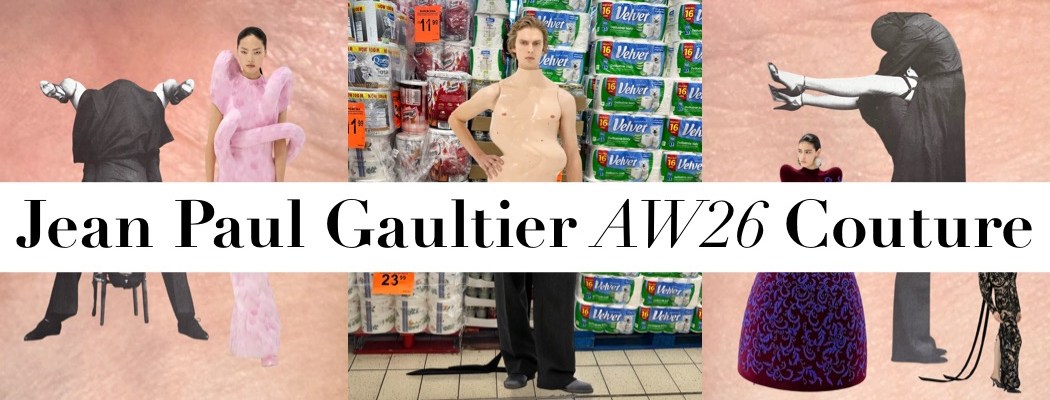
Cocky! Jean Paul Gaultier AW26 Couture

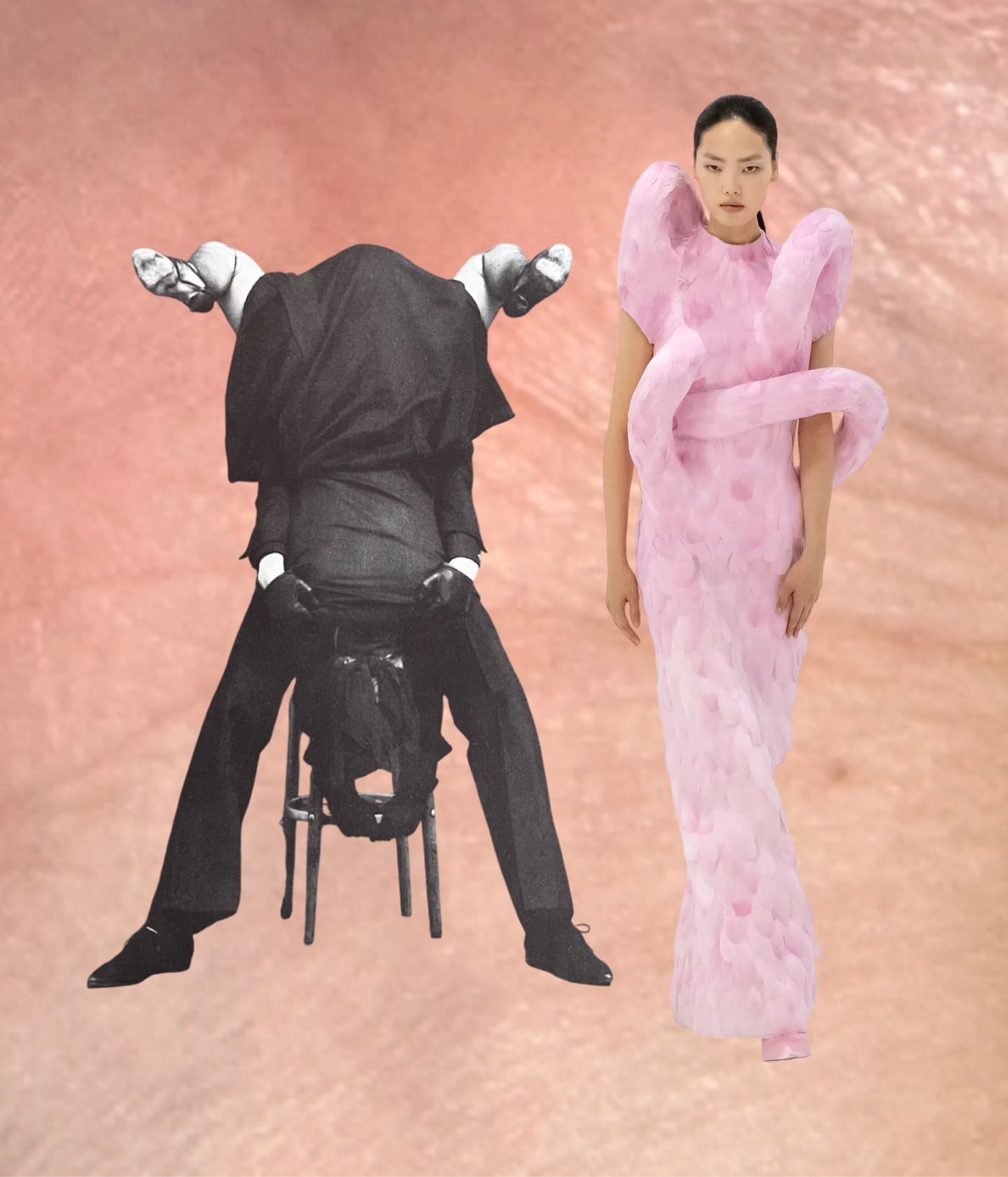
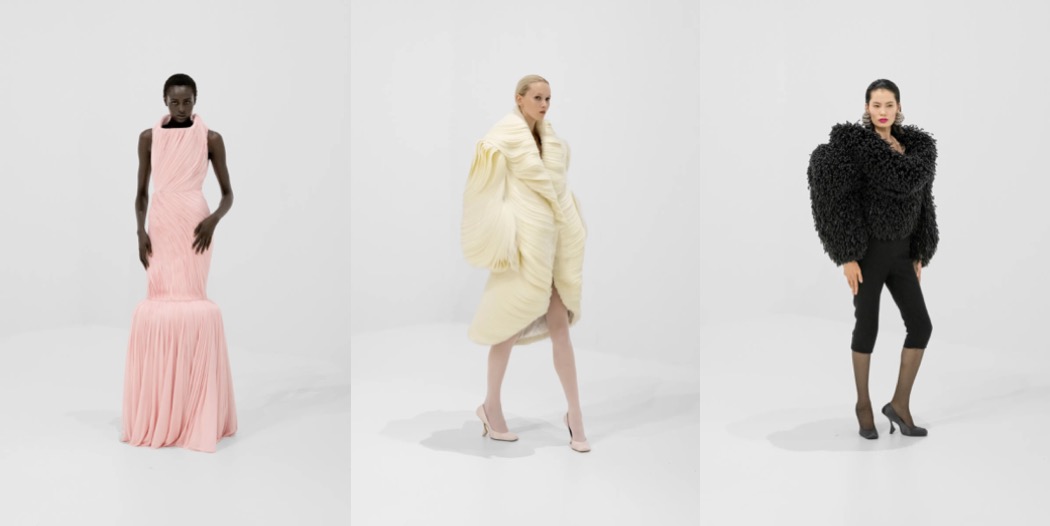
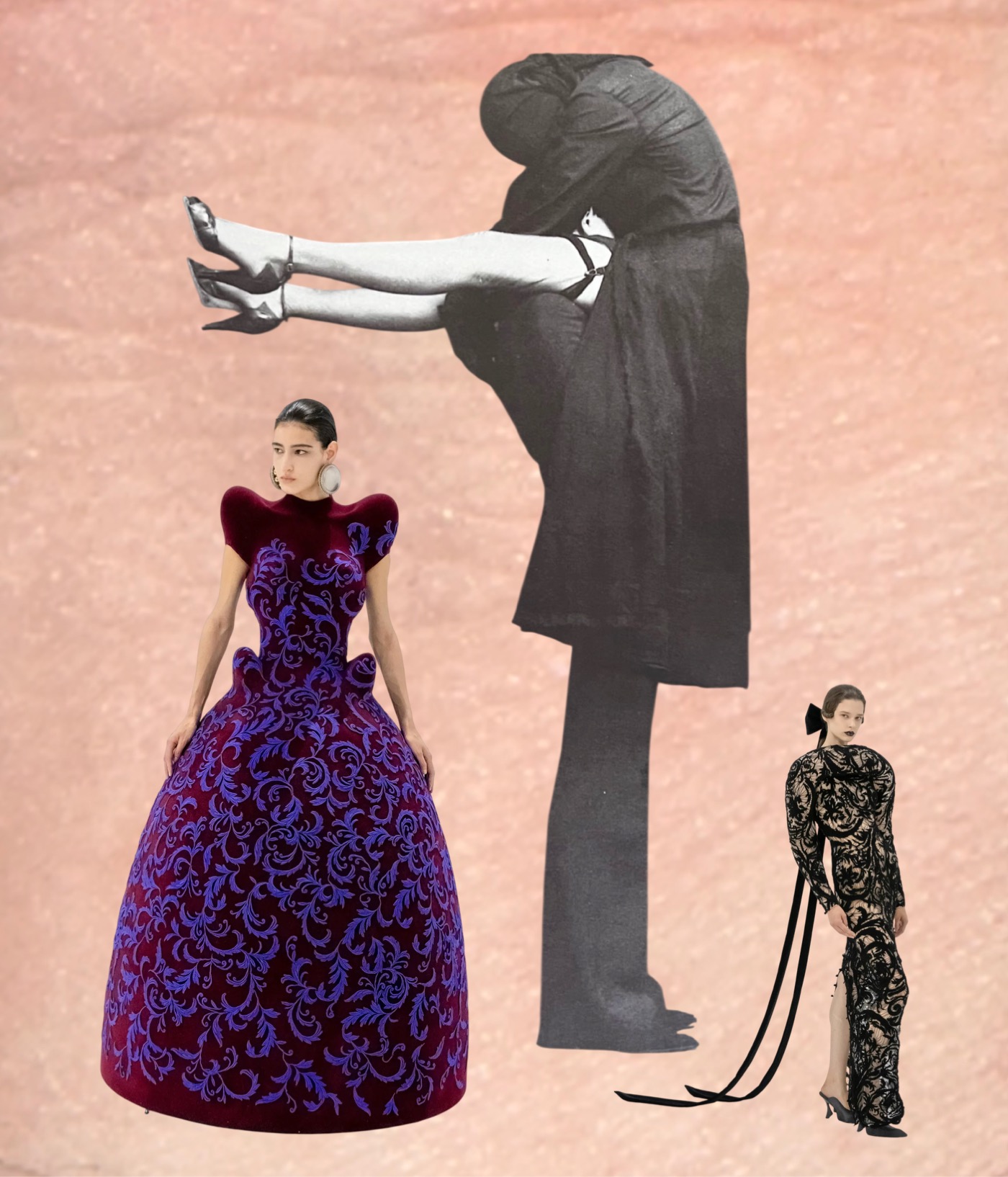
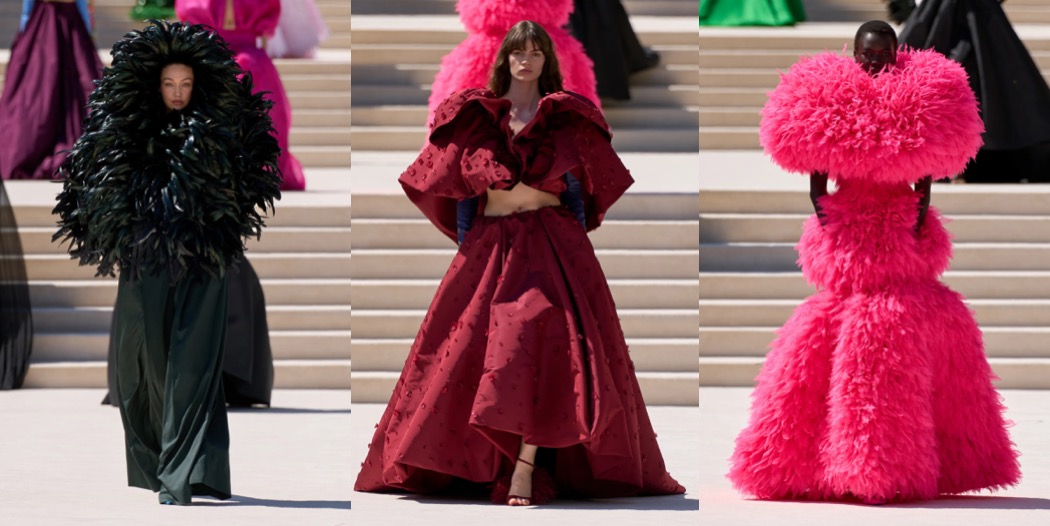
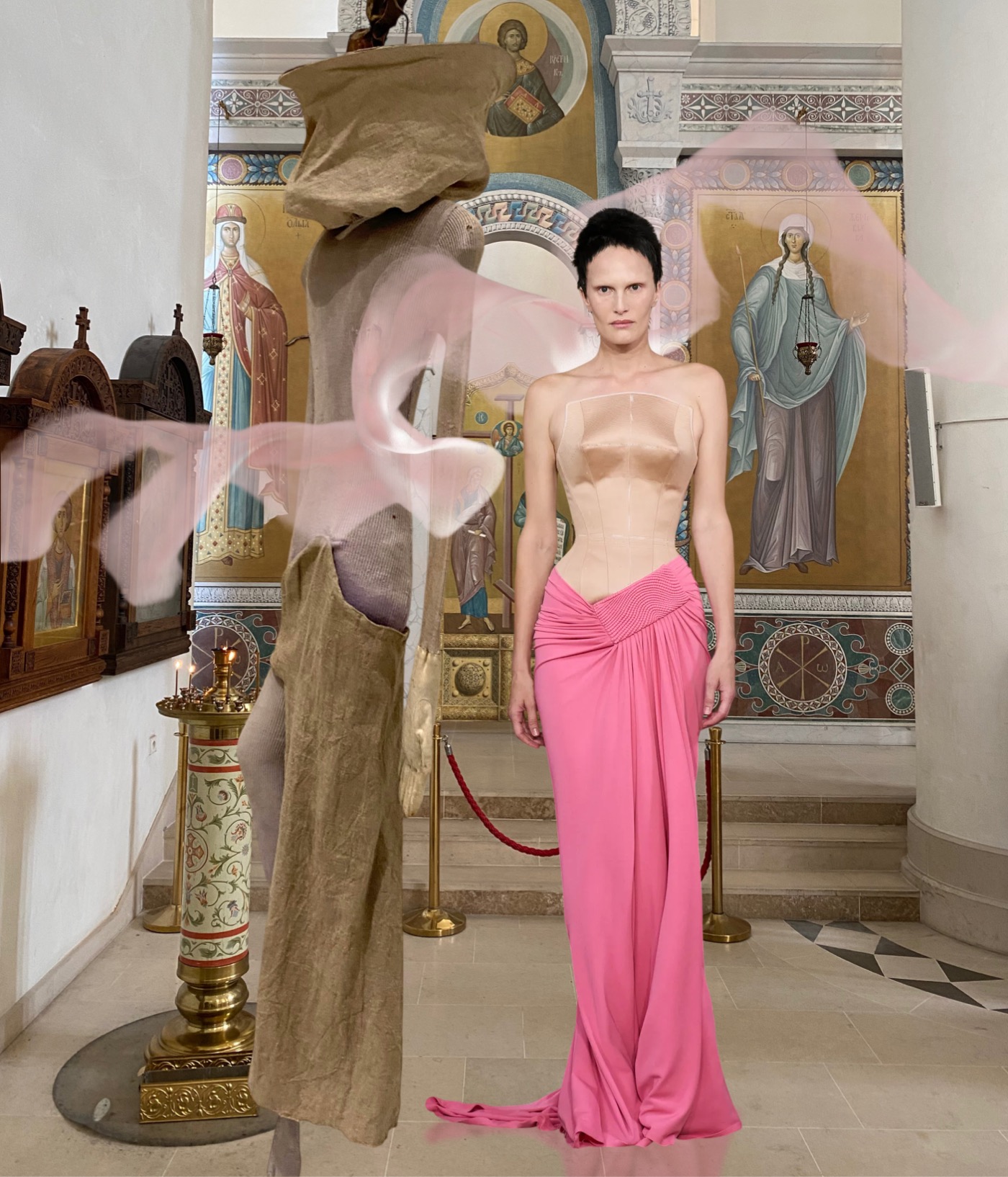
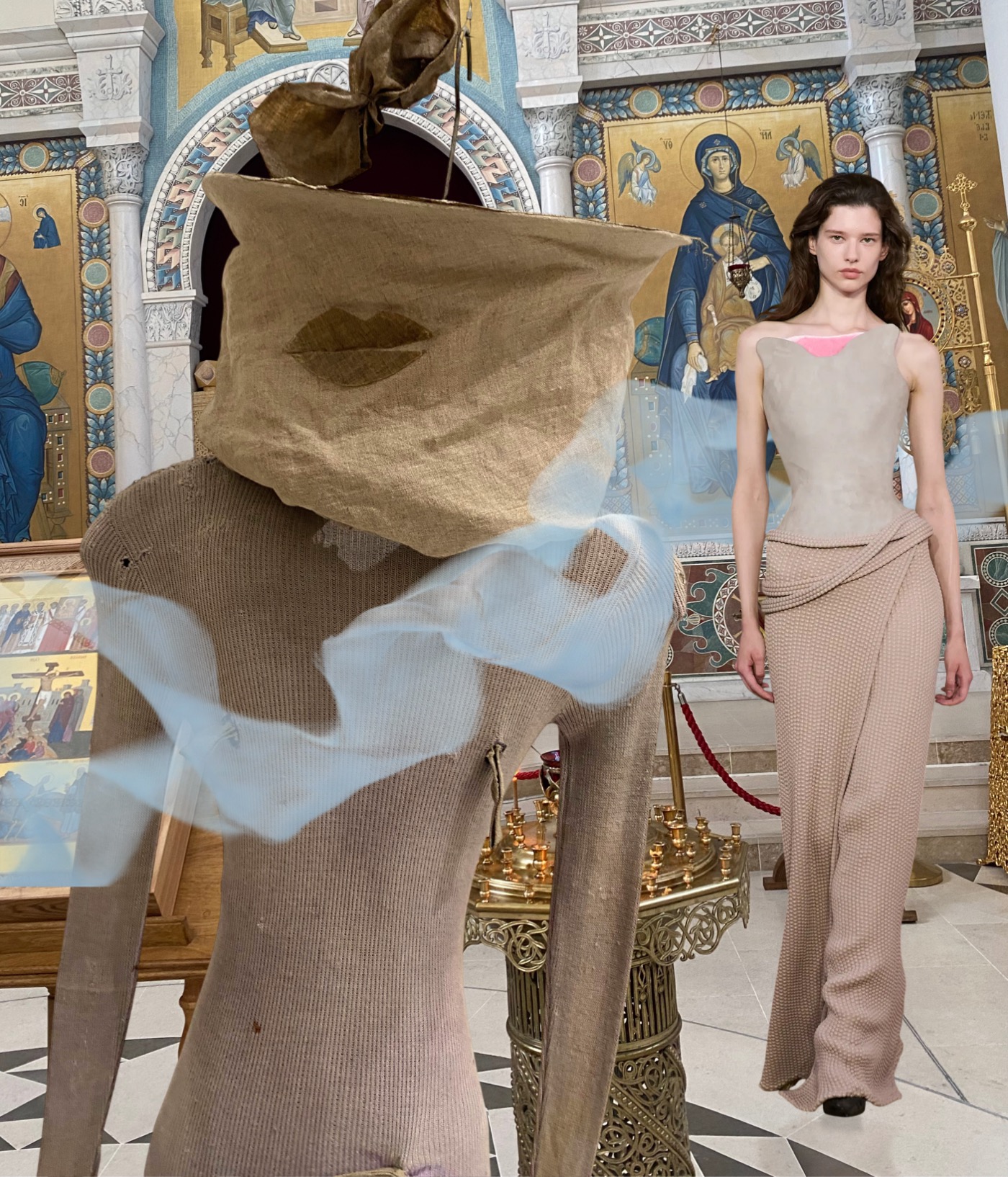
What I love most about Duran Lantink‘s debut haute couture collection for Jean Paul Gaultier is that it doesn’t seek approval. It’s unapologetically cocky- and fashion has become strangely afraid of cockiness lately. More importantly, it makes you believe that Lantink might just be the designer to reinvent the wheel – or at the very least, come up with a piece of clothing you’ve genuinely never seen before. He’s certainly on that path.

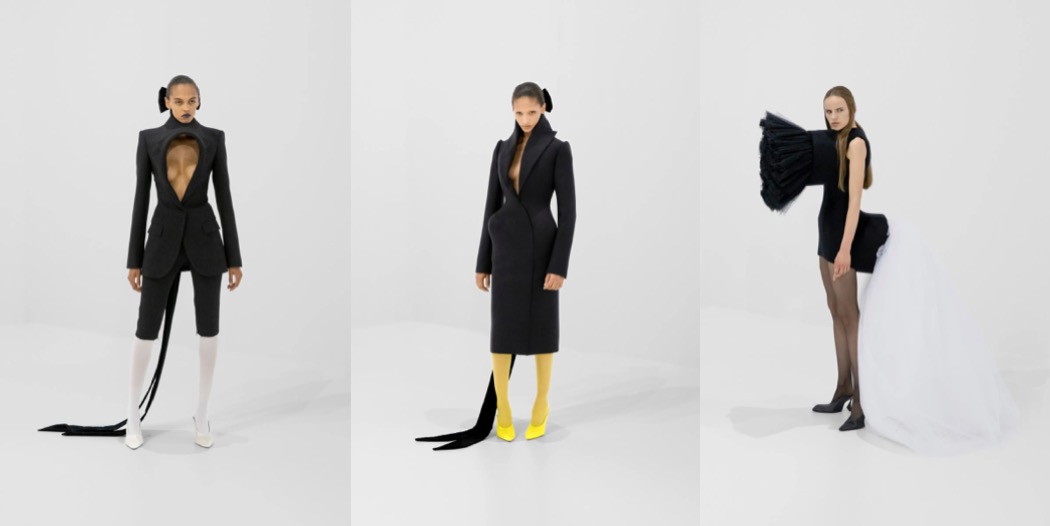
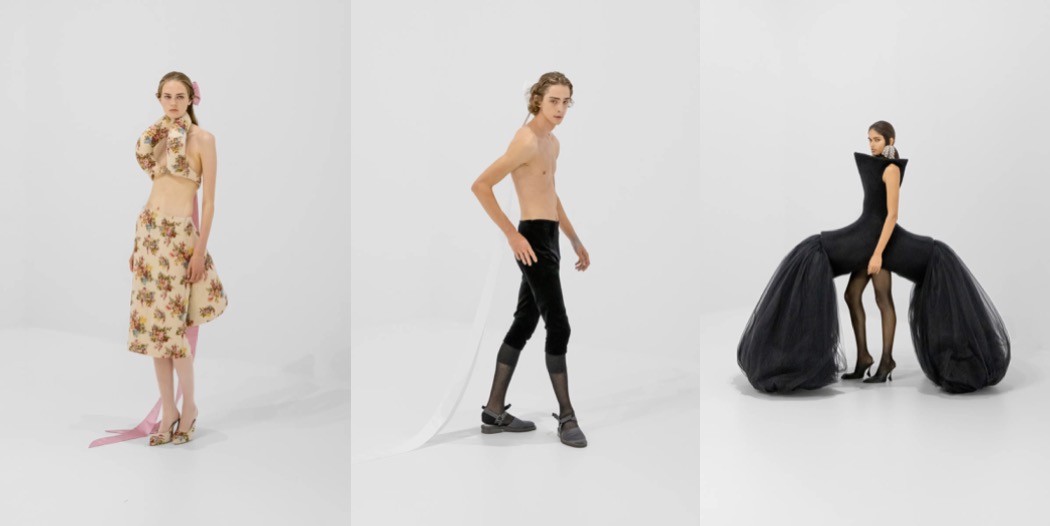
The weirdness and abstractness of his couture prove he’s no longer just the guy fascinated by Rei Kawakubo’s lumps and bumps, churning out inflated silhouettes (although he refines them here into something even more otherworldly – and delightfully bouncy). His understanding of silhouette and texture extends far beyond that, allowing him to experiment with remarkable confidence.

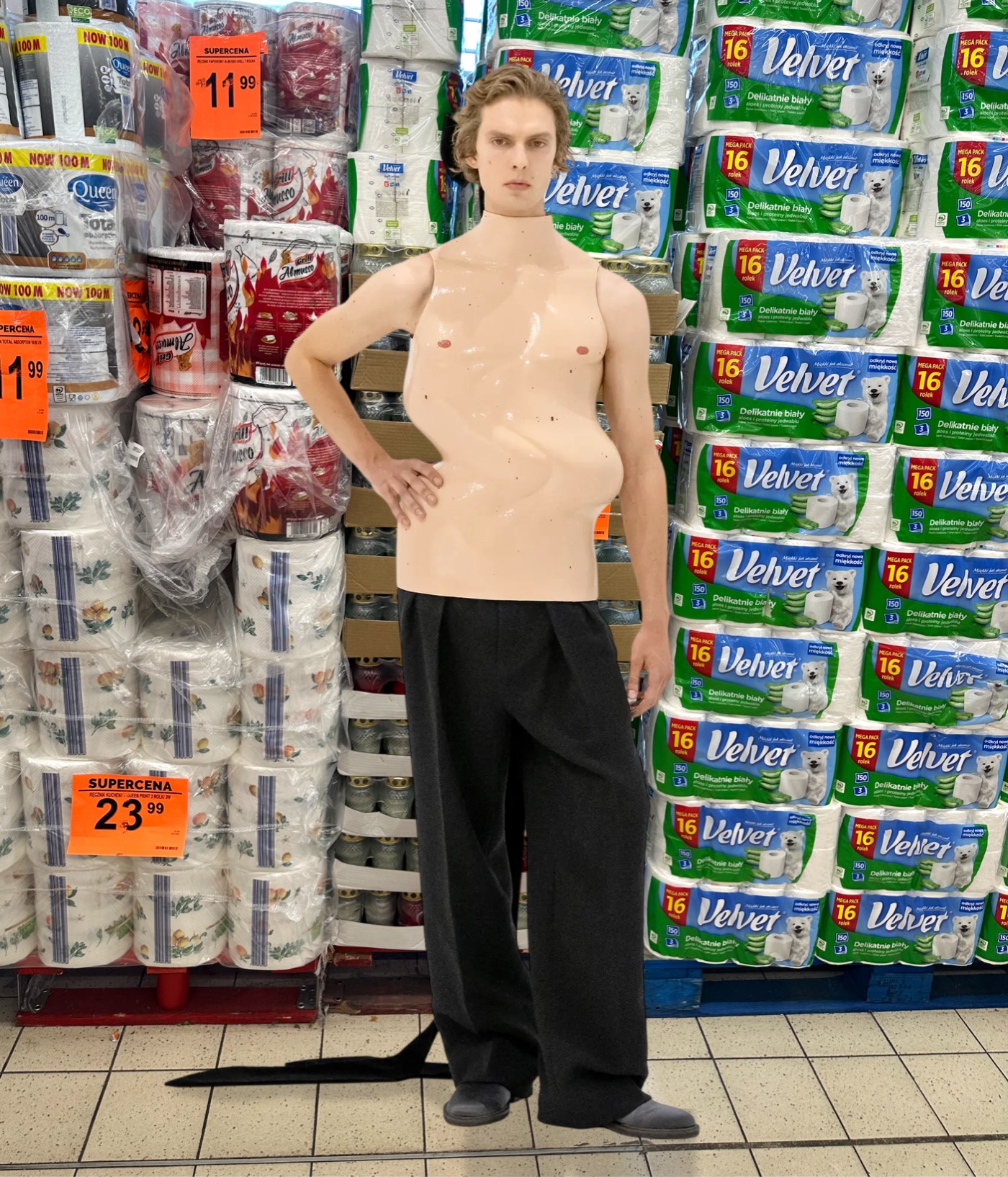
Looking at the collection, you stop wondering whether it fits within the Jean Paul Gaultier universe. Somehow, the internally corseted, sideways-melted body carapace worn by Leon Dame, feather-covered tubes knotted into a dress, or those enormous ball gowns wrapped in Versailles brocade all feel unmistakably enfant terrible. I suspect Gaultier himself wanted a successor who wouldn’t treat the archives as sacred scripture, but would think wildly outside the box – and reinvent. Reinvention has always been the designer’s ethos, and Duran understands that instinctively.

This couture season has been a rather safe one, with a few highs and plenty of middling moments along the way. Then Lantink’s Jean Paul Gaultier came along, changed the trajectory, and spiced things up. More than anything, it left me eager to see what else emerges from that brilliantly fearless mind.
Collage by Edward Kanarecki.
Don’t forget to follow Design & Culture by Ed on Instagram.

Hey, did you know about my newsletter – Ed’s Dispatch? Click here to subscribe.
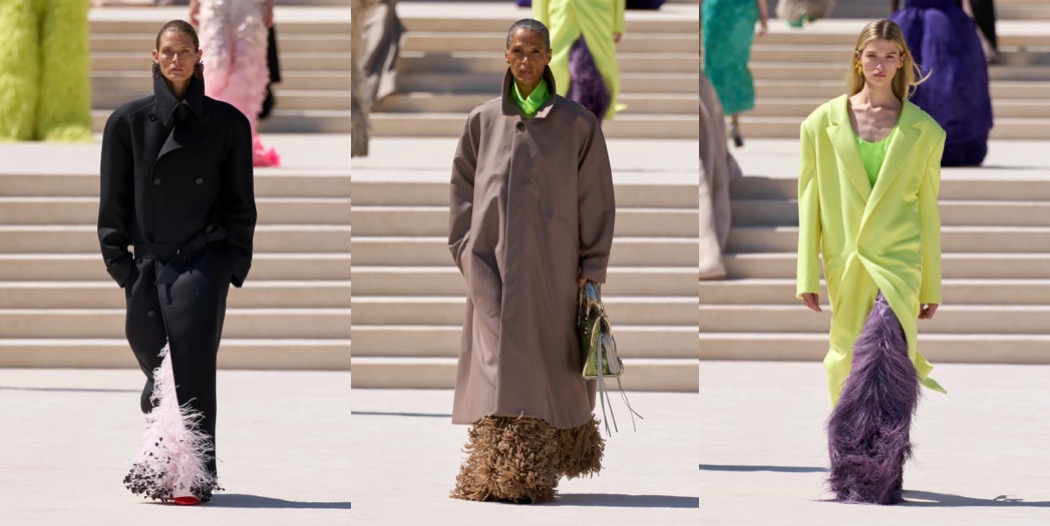
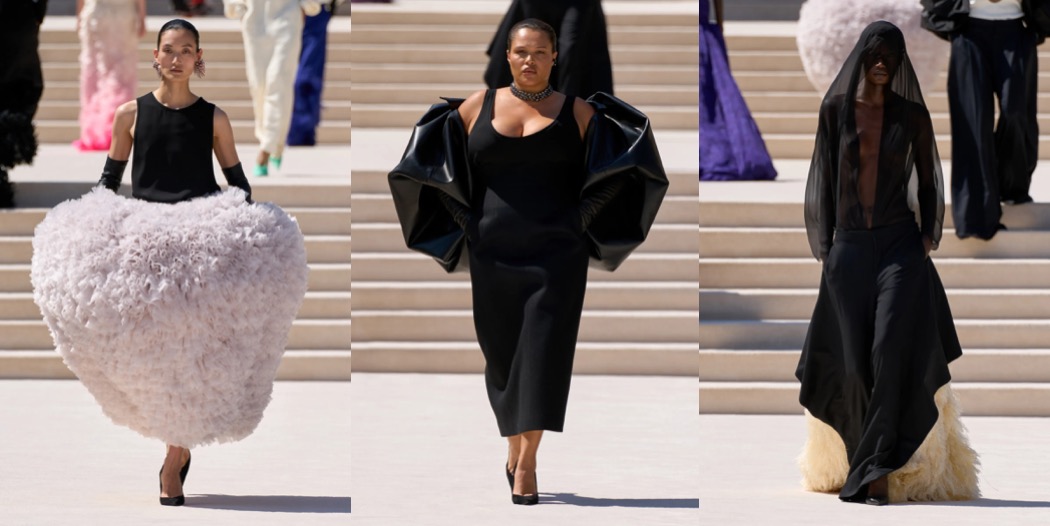
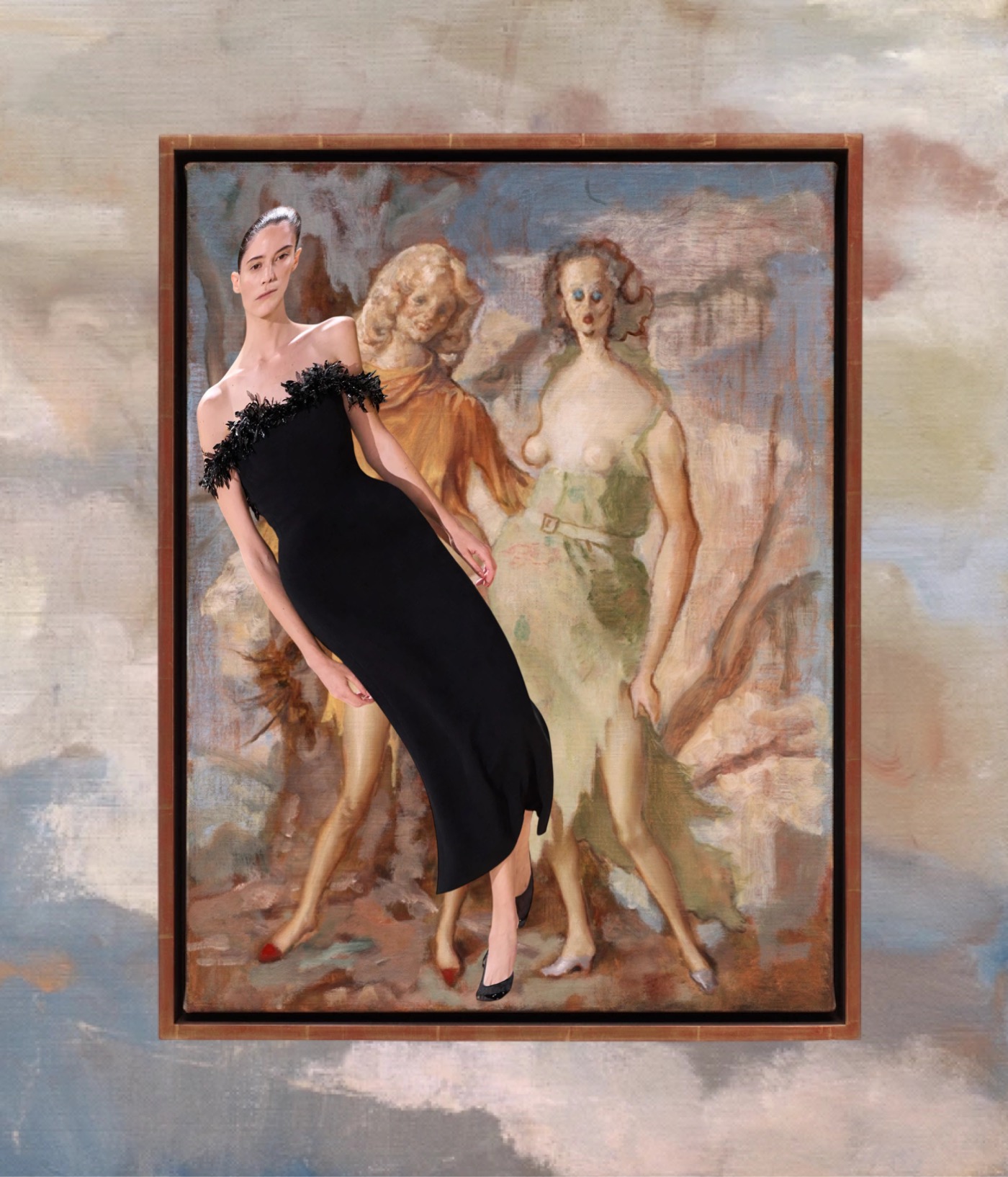
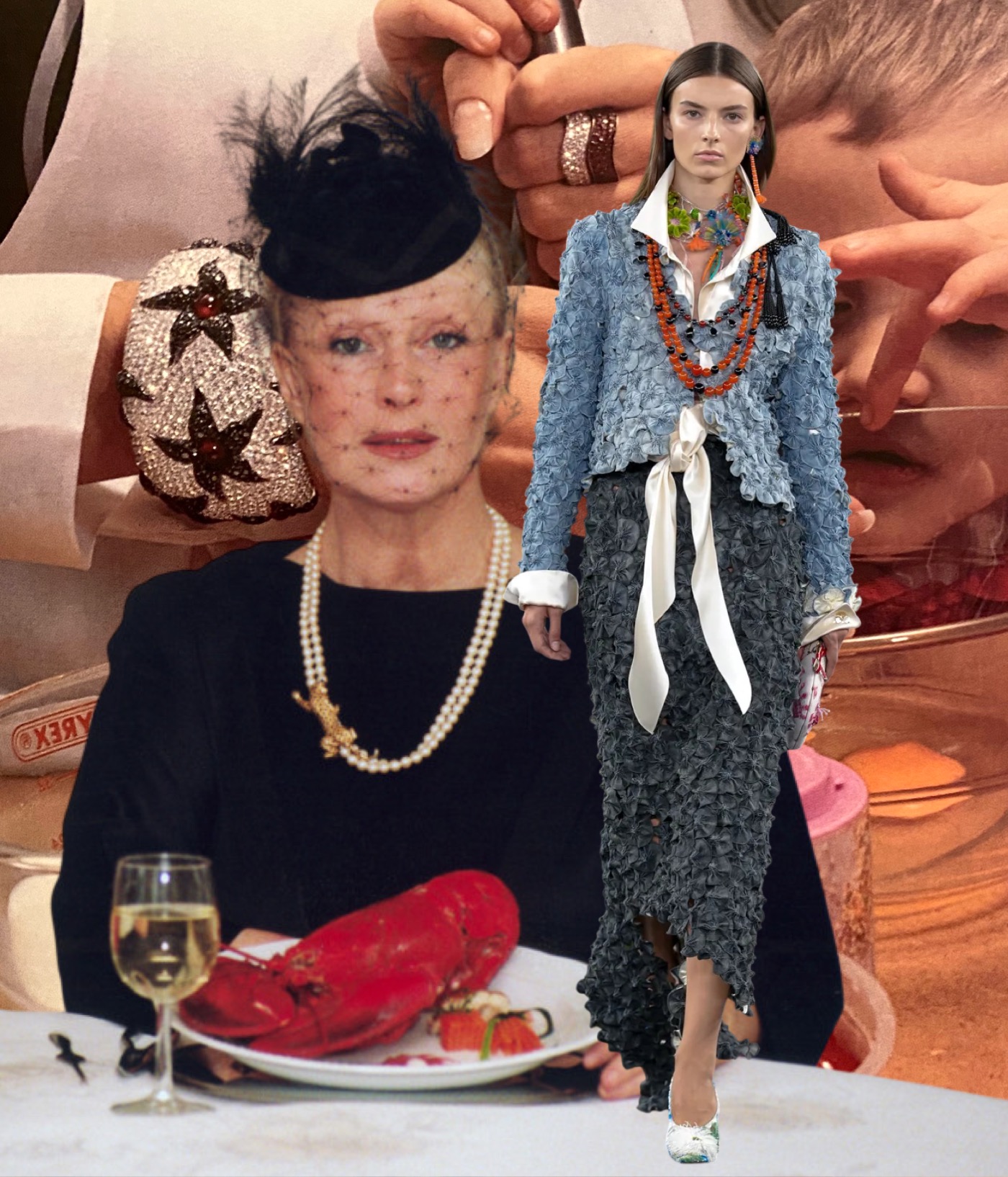
Directionless. Balenciaga AW26 Couture

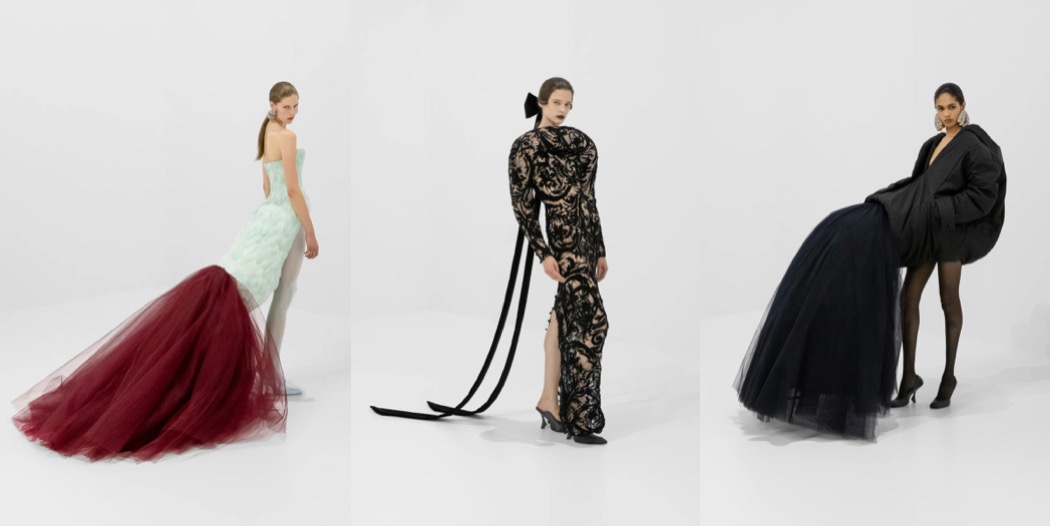
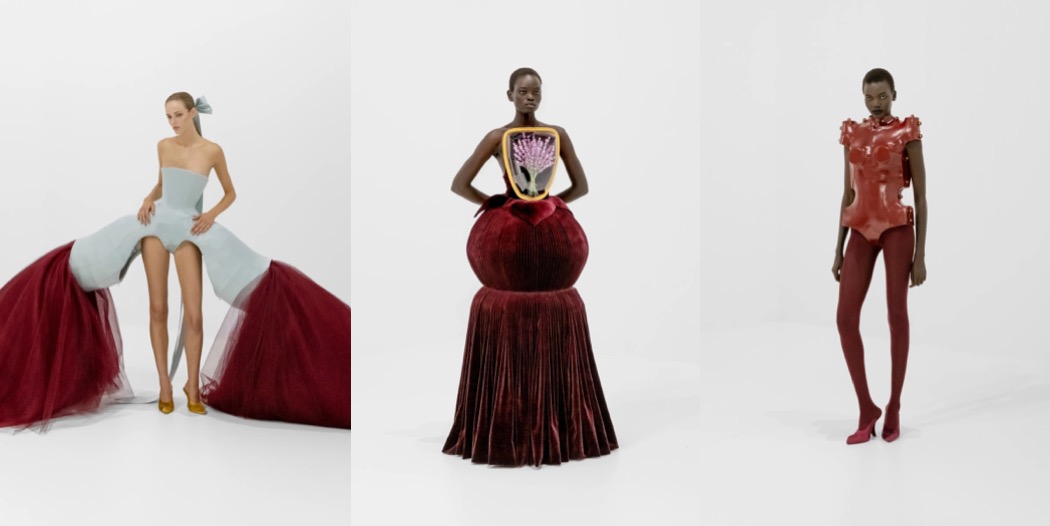
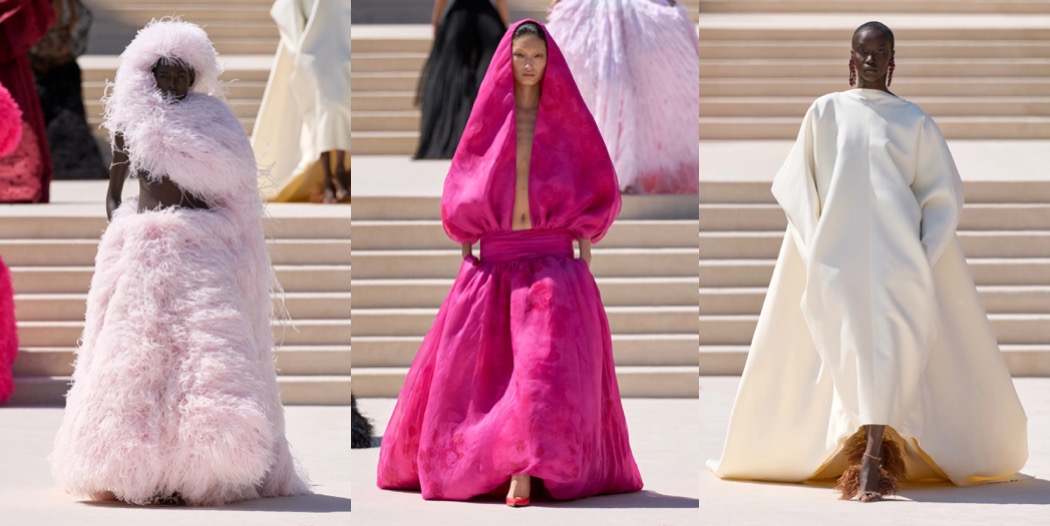
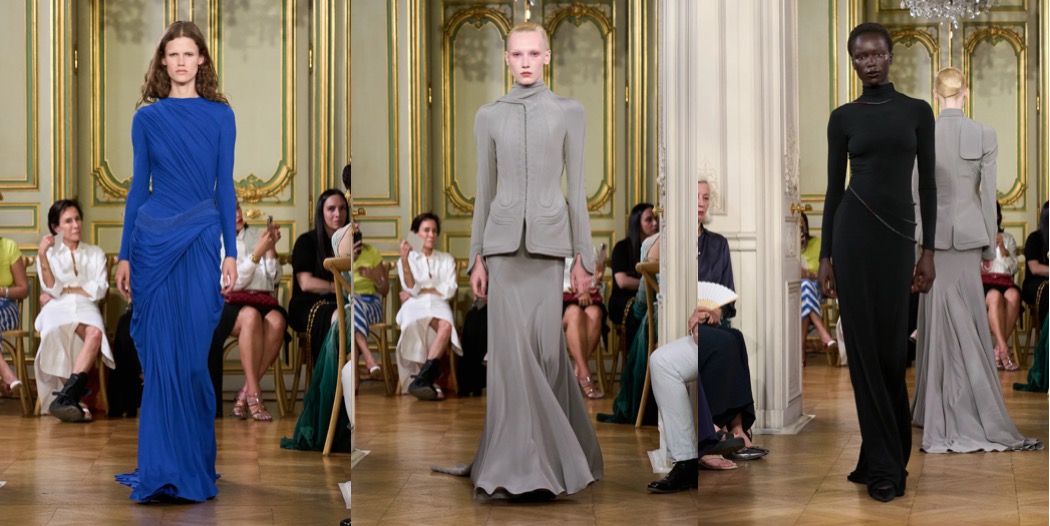
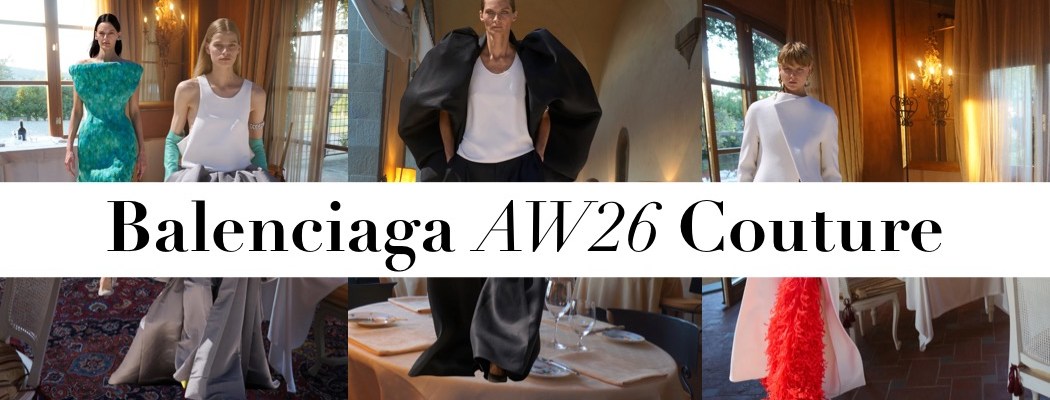
After a year of unfortunate creative decisions – or, more accurately, a lack of them – in ready-to-wear, Pierpaolo Piccioli’s debut haute couture collection for Balenciaga felt like a last chance. The final indication of whether this odyssey actually has a destination – or whether it should simply come to an end. Unfortunately, Piccioli failed that test. Or rather, the exam.

Remembering the thrill, radiant warmth, and emotional complexity of his now-legendary Valentino couture shows, it is shocking how predictable and devoid of depth this collection feels. The reliance on Cristóbal Balenciaga references is especially jarring, given how fresh in the memory Demna’s perception-shifting and often devastatingly beautiful couture collections remain. They challenged the eye, the body, and the very idea of elegance. Piccioli, by contrast, rarely moves beyond reverence.

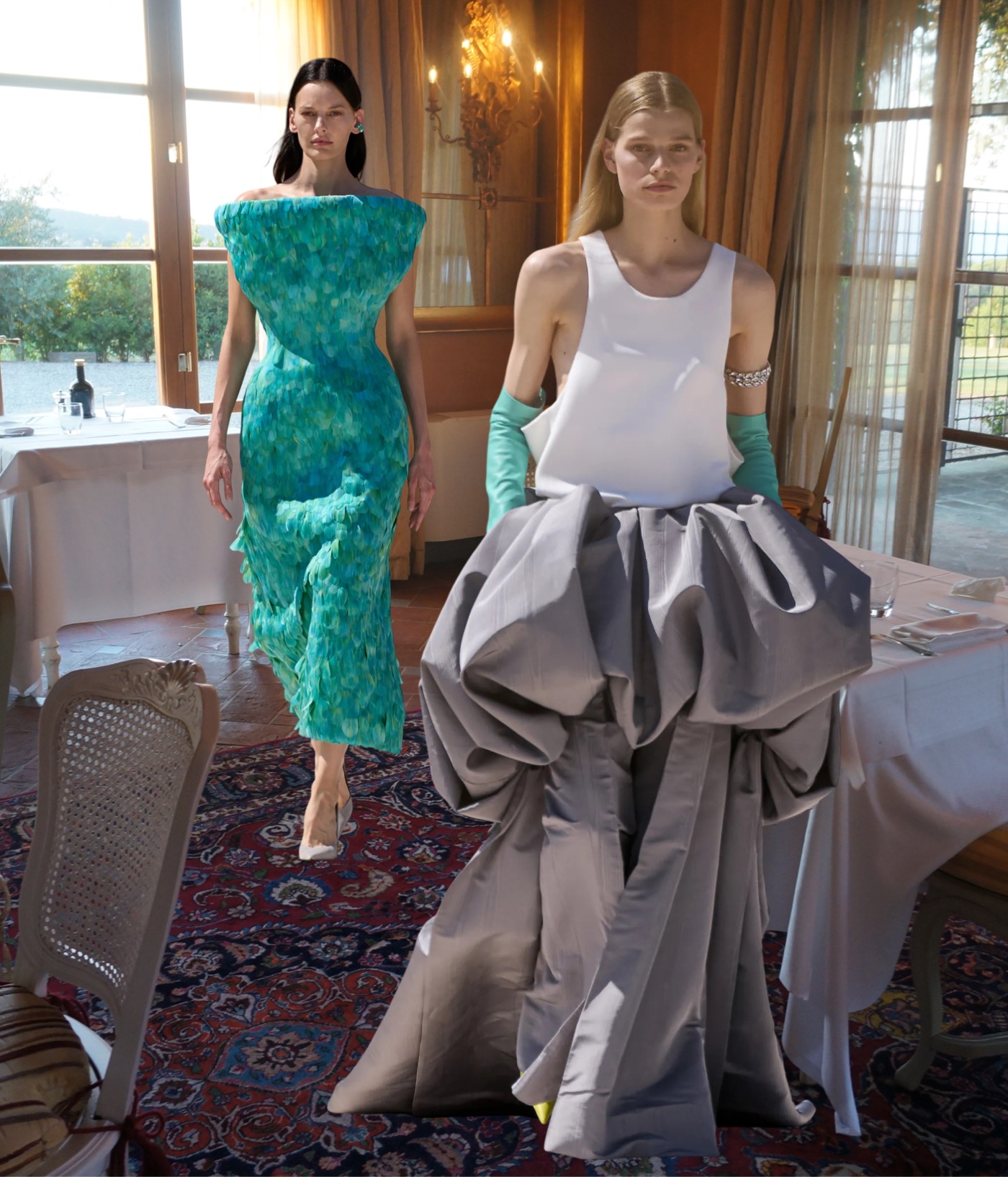
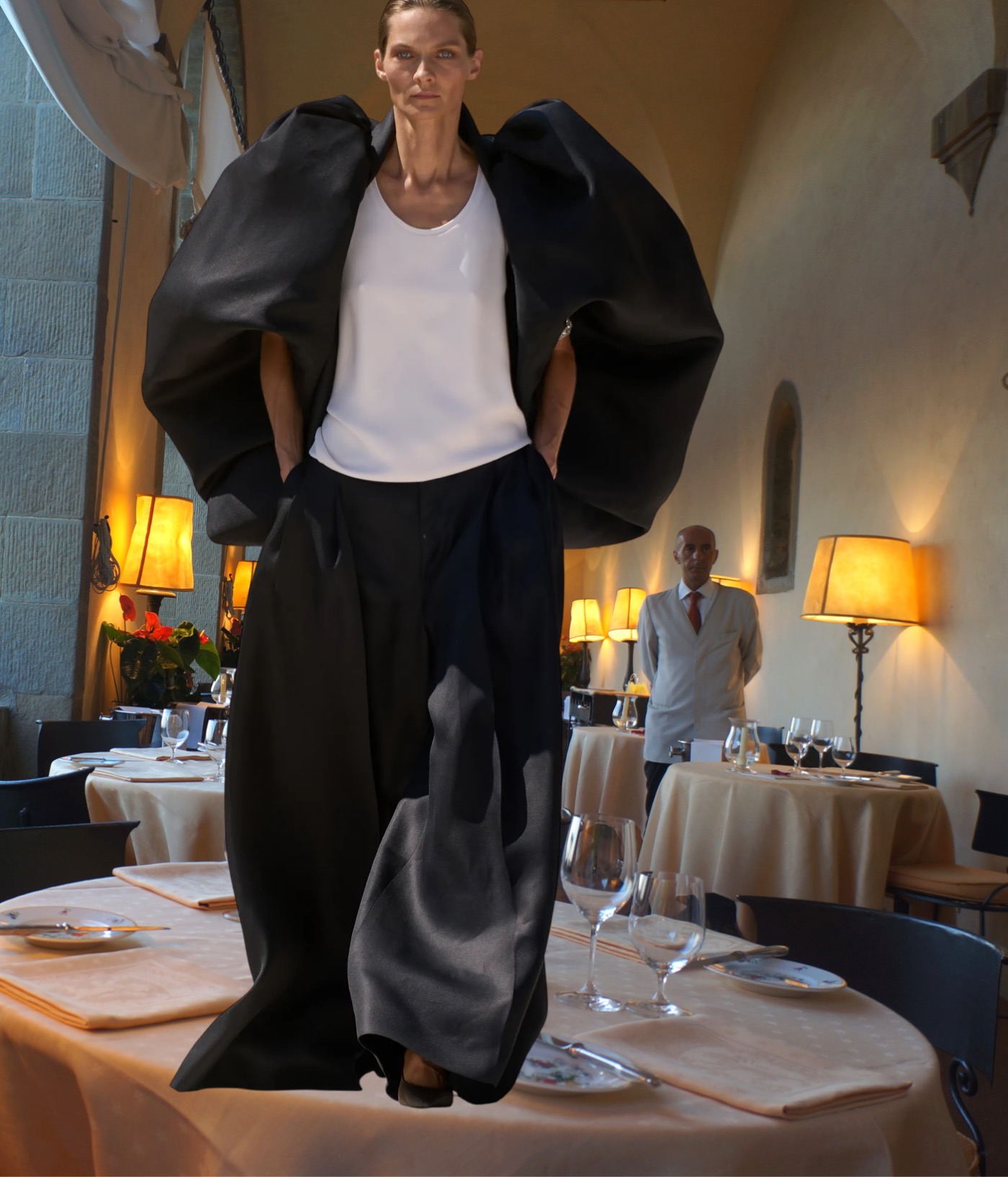
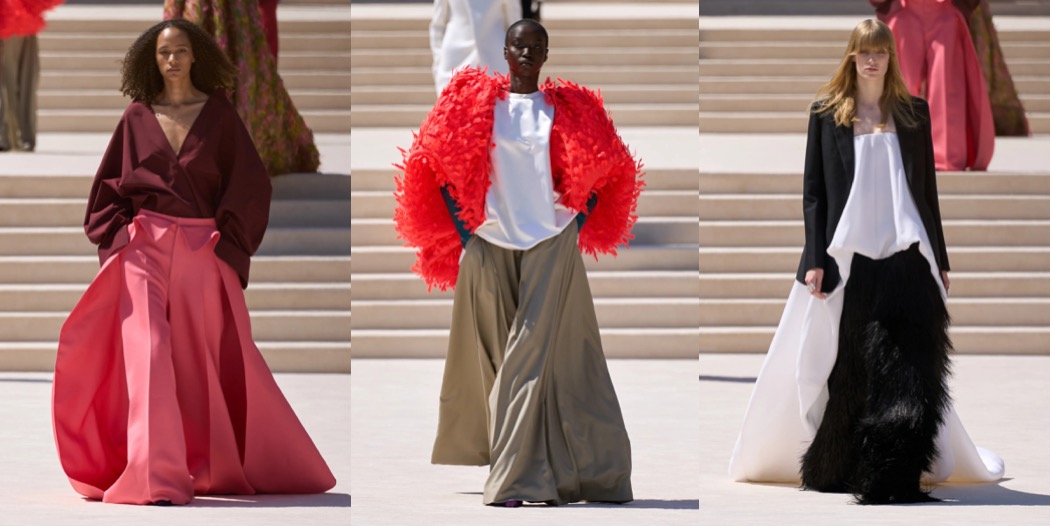
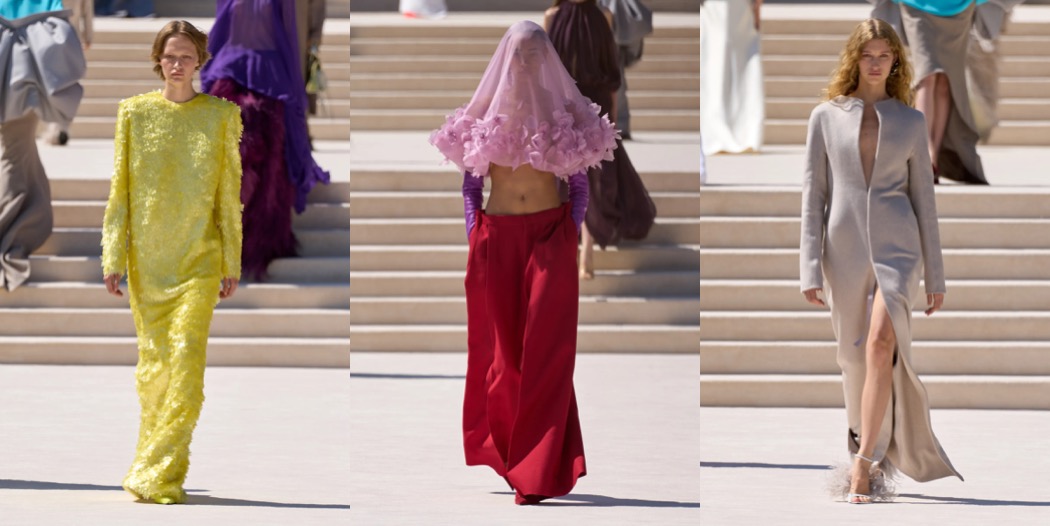
And what is left once you strip away all the volume he packs his women into? Very little. The collection leans heavily on the vocabulary he established at Valentino – a colourful opera glove here, a floor-sweeping toga there – while simultaneously adopting an almost encyclopaedic approach to the house’s heritage. The result feels less like a dialogue with Balenciaga and more like an annotated bibliography. The outdoor setting, blasted by unforgiving sunlight, did the clothes few favours. Nor did the overwrought soundtrack, which seemed determined to manufacture emotion that the collection itself struggled to generate. This was a line-up that begged – screamed – for intimacy and sincerity.

And considering the extraordinary capabilities of Balenciaga’s haute couture ateliers, it is genuinely disturbing how unflattering some of the garments appeared, particularly those reliant on folding and draping. Also, do we really need another feathered sea urchin? Another parachute dress carrying little more than emptiness at its centre?

The last time Piccioli presented a couture collection was in 2024, during the final chapter of his Valentino tenure. Even then, there were signs – at least to me – of creative stagnation beginning to set in. Yet there was something about Valentino’s innate joyfulness and romantic optimism that allowed one to overlook it. Balenciaga is a different proposition altogether. It demands rigour. It demands reinvention. It is not a house that rewards business as usual.

Cristóbal Balenciaga was arguably the greatest couturier in history. We may never see another genius of his calibre, but the least we can expect is someone willing to think beyond established formulas and bring a genuinely new perspective to the house. It is one of the reasons I still miss Demna – and why his presence at Gucci continues to feel like a mismatch. I want Pierpaolo to succeed. I really do. But today’s show proved, once again, that his approach to Balenciaga is not moving the house forward.

Collage by Edward Kanarecki.
Don’t forget to follow Design & Culture by Ed on Instagram.

Hey, did you know about my newsletter – Ed’s Dispatch? Click here to subscribe.
Spirited. Chanel AW26 Couture

Chanel Haute Couture AW26 by Matthieu Blazy, couture dress, Paris Fashion Week

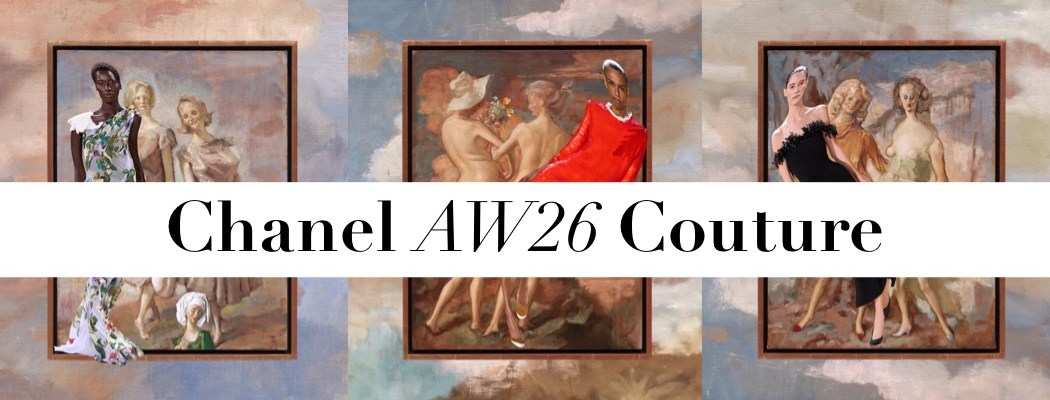
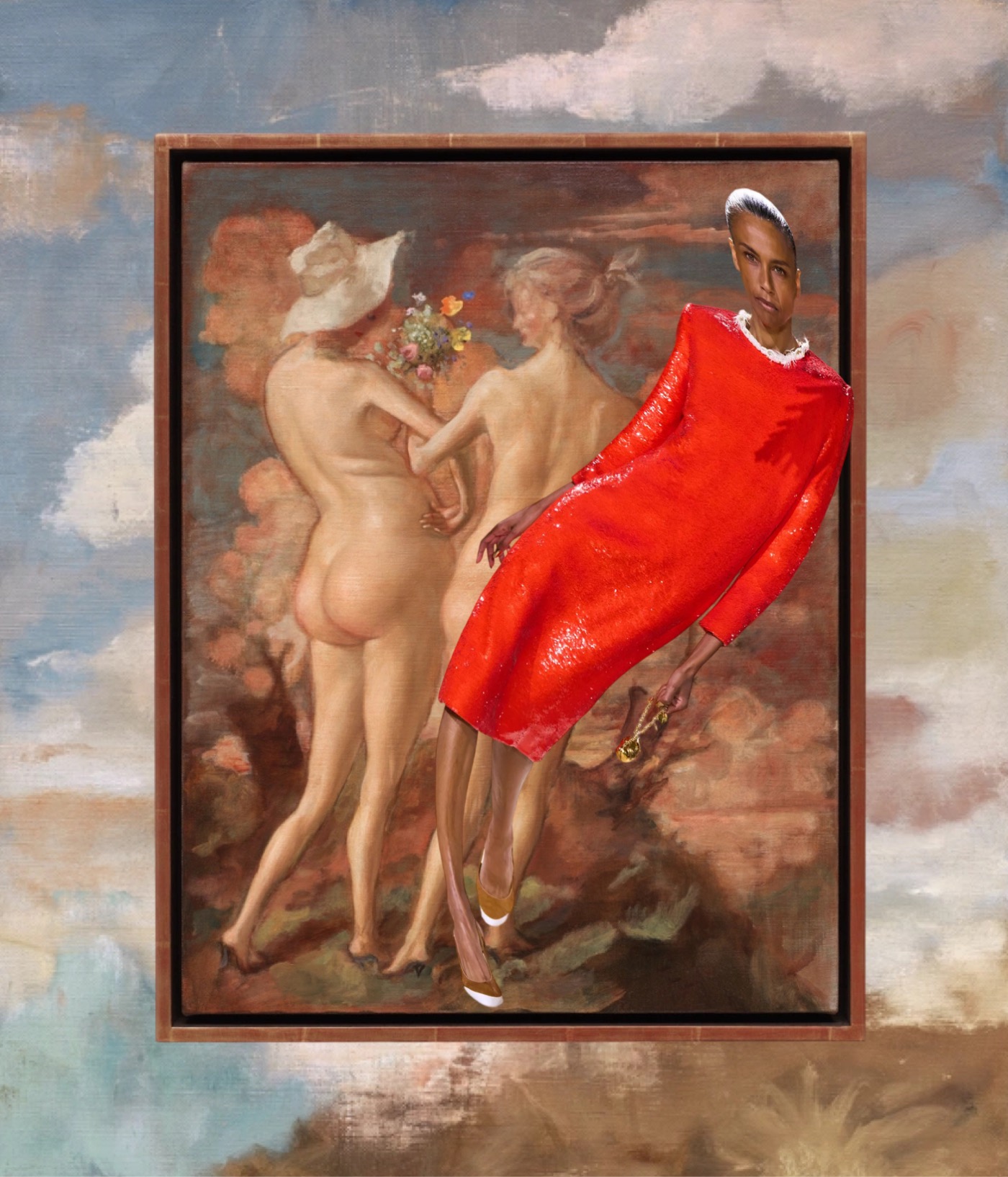
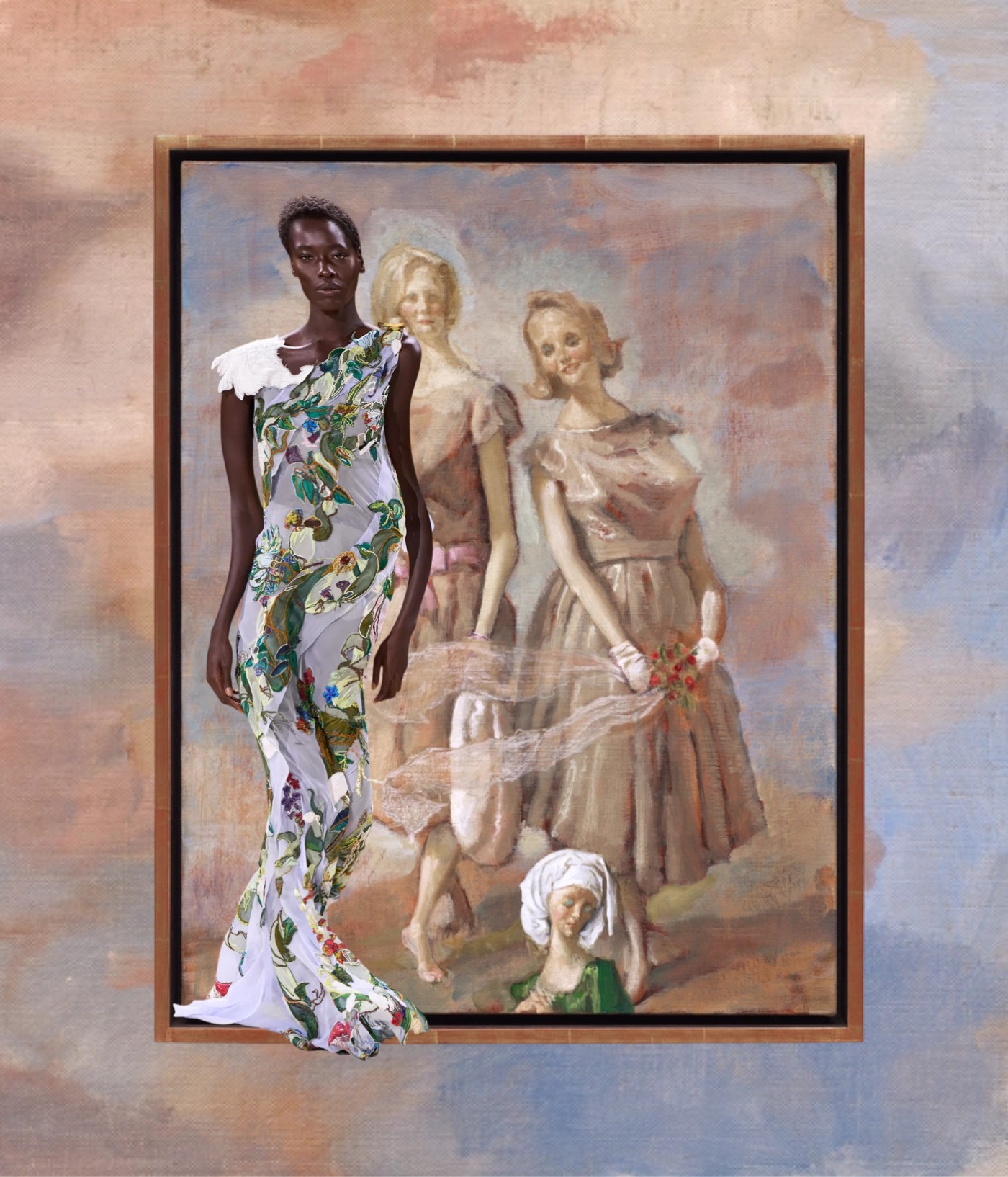
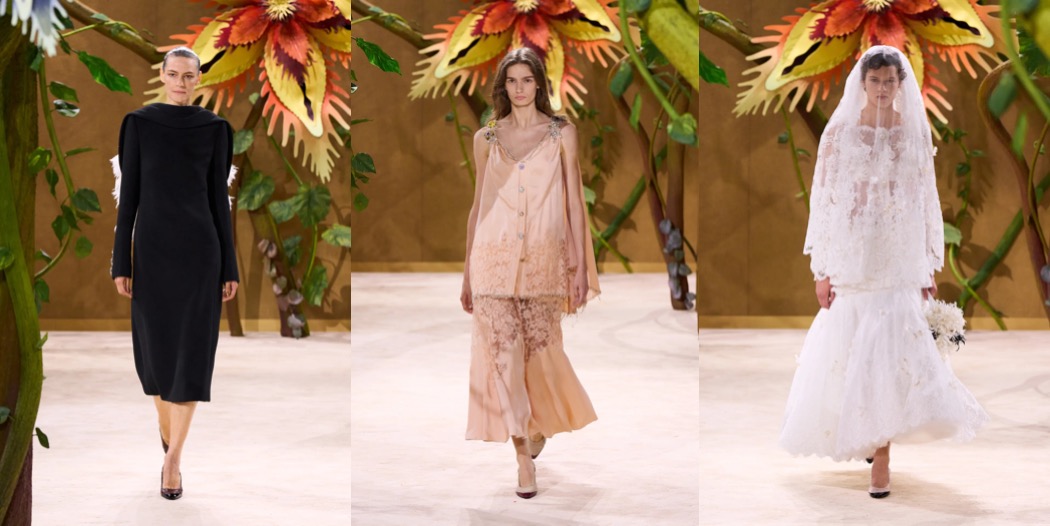
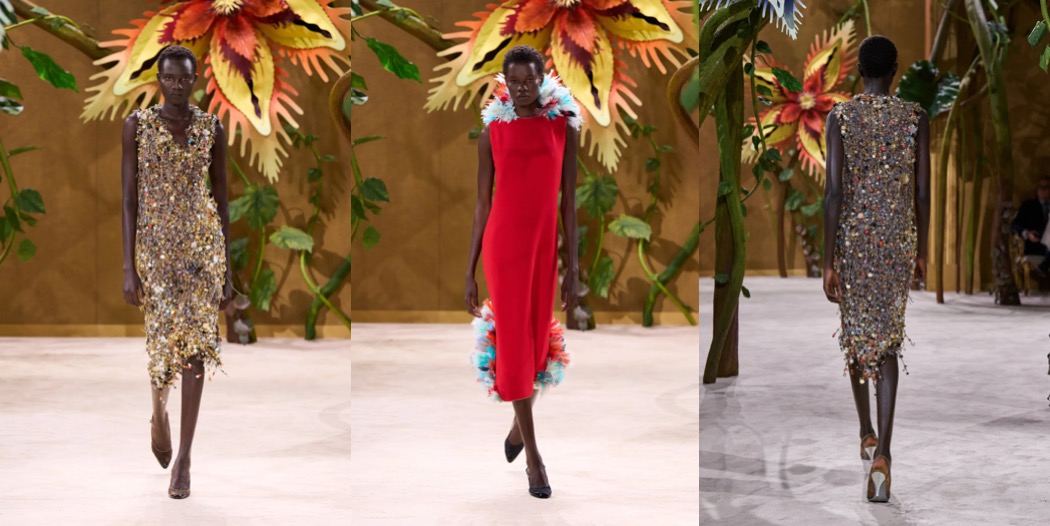
This haute couture season makes me think of John Currin’s paintings. “They connect with a quality once sought-after by painters and latterly much neglected: spirit. A sick spirit, undoubtedly, but a spirit nonetheless,” writes Rosanna McLaughlin. Like Currin’s work, the best couture accepts contradiction. It can be exquisite and ridiculous, sincere and artificial, disciplined yet irrational. It acknowledges that fashion, at its highest level, is not about solving problems or delivering moral lessons. It’s about expressing something deeply human through surfaces that are anything but shallow. The embroidery, the silhouette, the impossible construction – these become evidence of desire made tangible. Perhaps that is what couture is uniquely capable of preserving today: spirit. Sometimes elegant, sometimes unsettling, occasionally excessive, but unmistakably alive.

This is exactly what Matthieu Blazy achieved with his sophomore couture collection for Chanel. It immediately made me think of the American painter’s work and his indulgence in fantasy. Blazy was interested in fairy tales, too, but also in modern ones – the stories women tell themselves today. READ MY FULL REVIEW HERE.

Chanel Haute Couture AW26 by Matthieu Blazy, couture dress, Paris Fashion Week

Collage by Edward Kanarecki.
Don’t forget to follow Design & Culture by Ed on Instagram.

Hey, did you know about my newsletter – Ed’s Dispatch? Click here to subscribe.
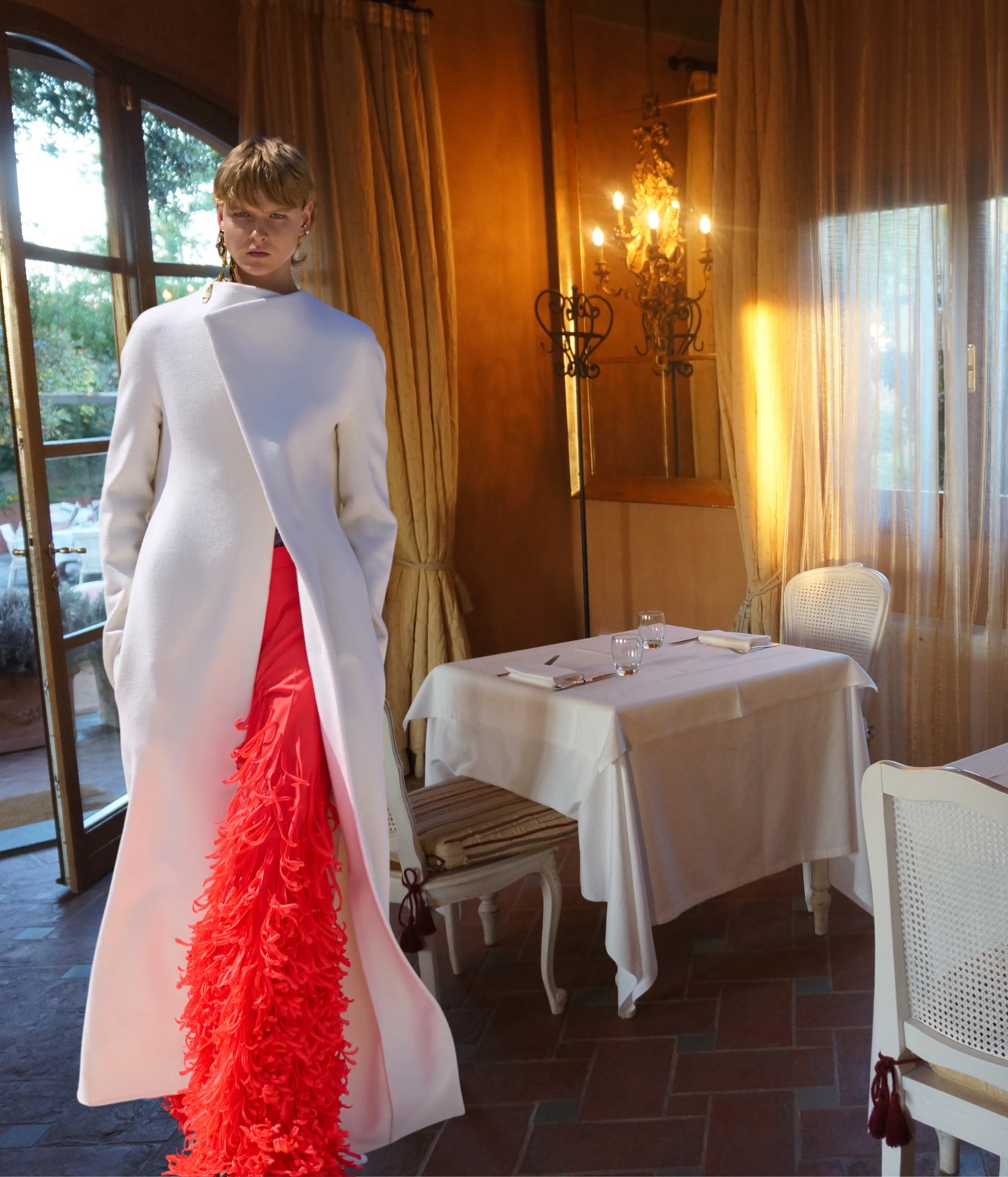
Supernova. Standing Ground AW26 Couture

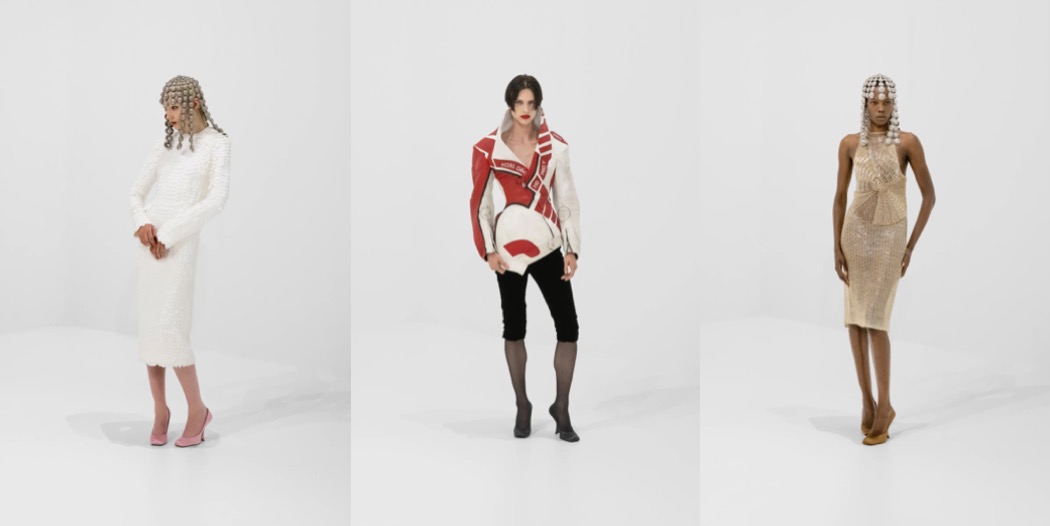
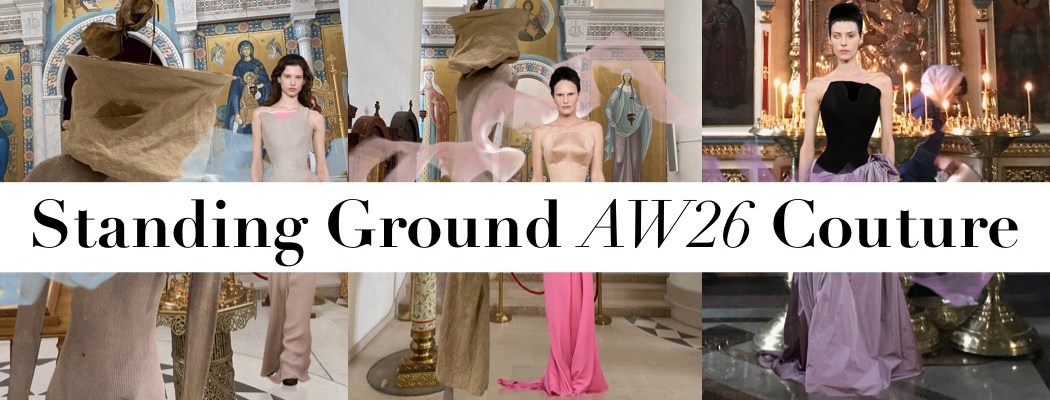
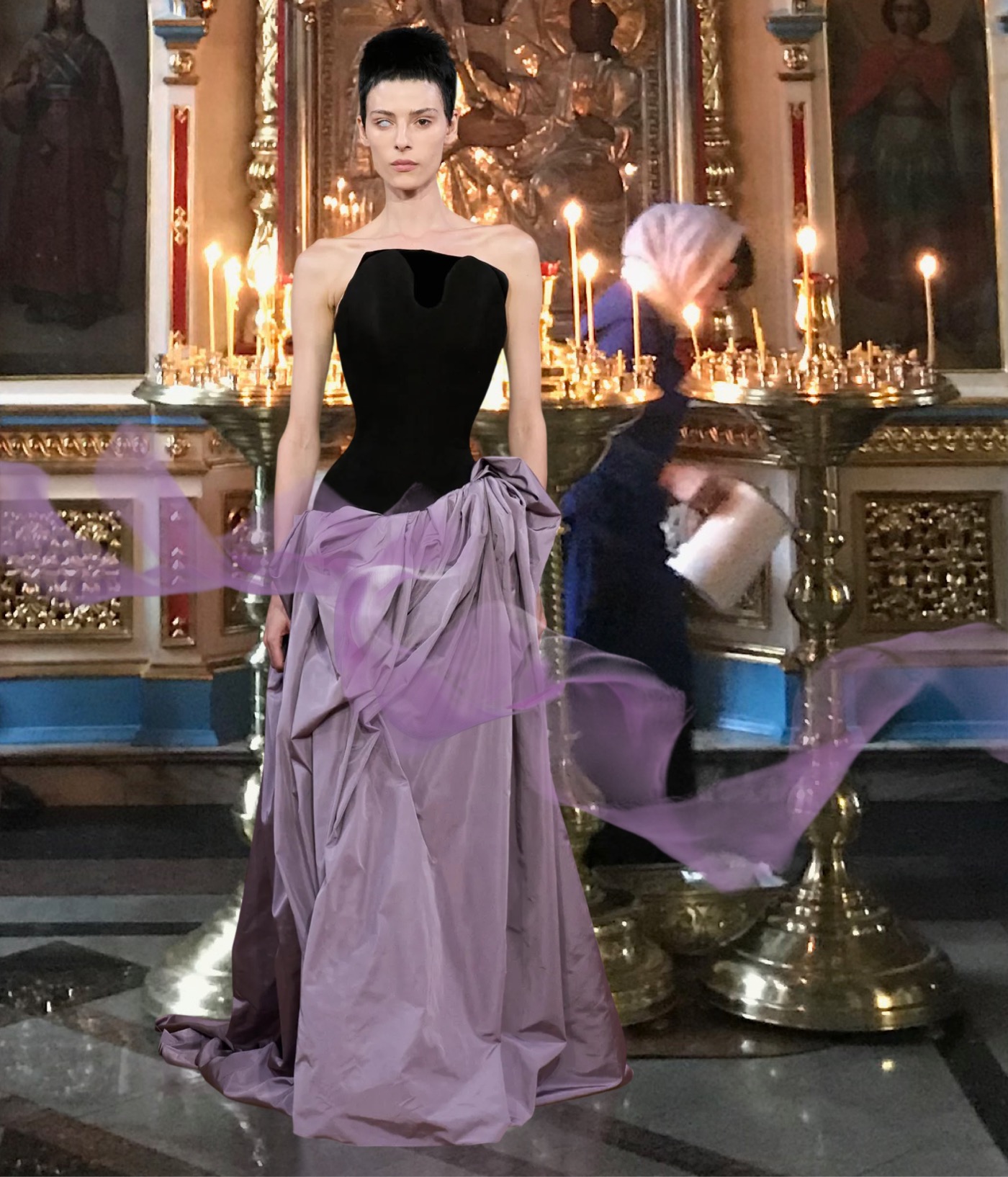
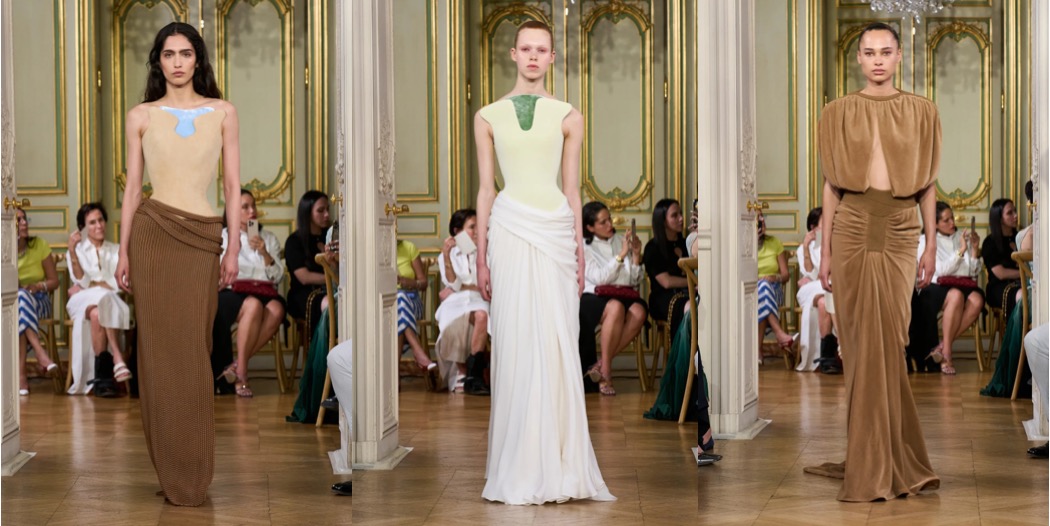
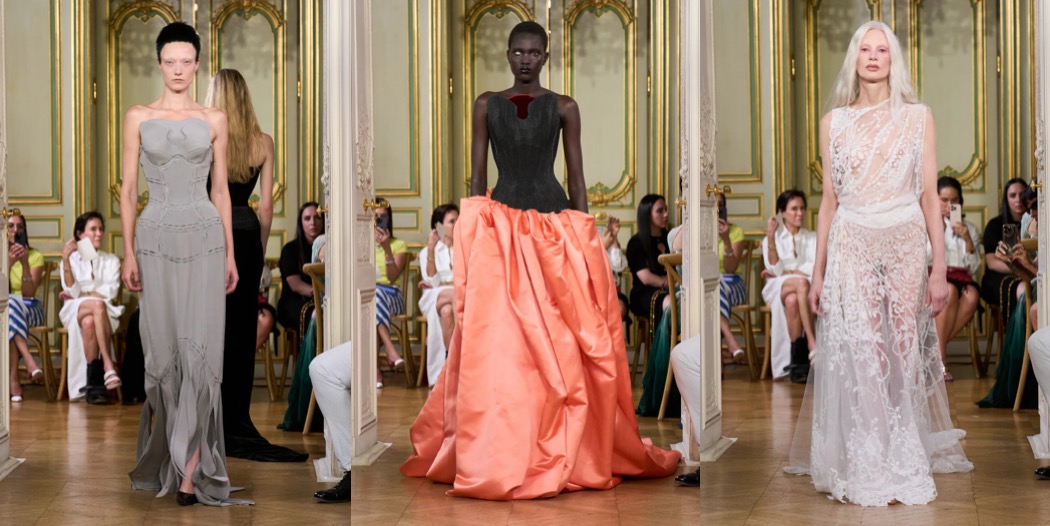
Sometimes you’ve got to be patient for a supernova to hit. Michael Stewart of Standing Ground saved the haute couture season with an awe-inspiring collection – and a breathtaking study in craftsmanship. Quiet yet full of confidence and conviction – qualities many contemporary creative directors working in couture seem to lack – this runway moment by the Irish designer is a testament to the level of perfection the highest discipline of fashion demands. (Even though some insist on “making it modern” by pretending couture isn’t about… couture. Silly.)

Stewart is obsessive about cutting, dressmaking, and hand embroidery, and he’s fully invested in the process – not just creatively, but technically. And it shows. In his exquisite draping of jersey and velvet. In the signature beading technique he has developed and integrated in multiple ways to create both structure and surface embellishment. And in tailoring so fluid and body-enhancing it looks almost otherworldly.

The women of Standing Ground could be aliens, or Celtic goddesses. For the finale, Stewart presented a full white wedding dress made entirely from Carrickmacross lace, crafted in Ireland and worn barefoot by Kristen McMenamy. By choosing this particular lace, he celebrated Ireland’s heritage of craftsmanship and brought it onto the Paris stage where, in his view, it has always belonged. The women of County Monaghan – the handful of specialists who still preserve the technique – spent 4,000 hours creating this masterpiece.

Here is the leader of couture’s new guard.

Collage by Edward Kanarecki.
Don’t forget to follow Design & Culture by Ed on Instagram.

Hey, did you know about my newsletter – Ed’s Dispatch? Click here to subscribe.
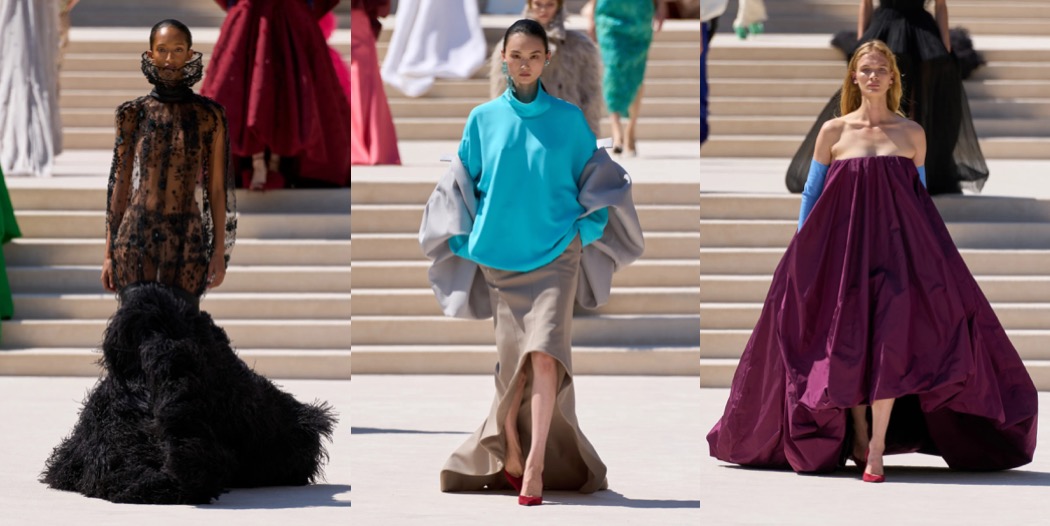
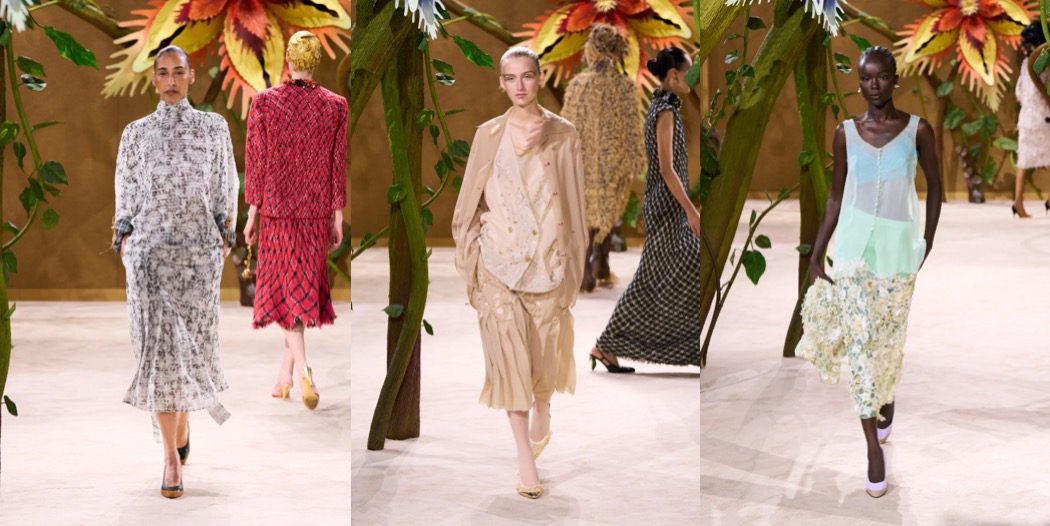
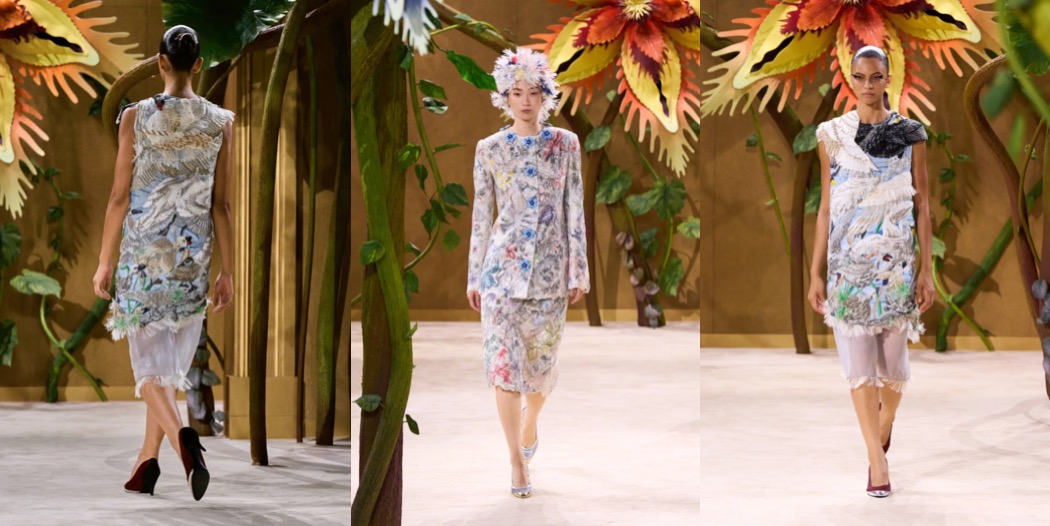
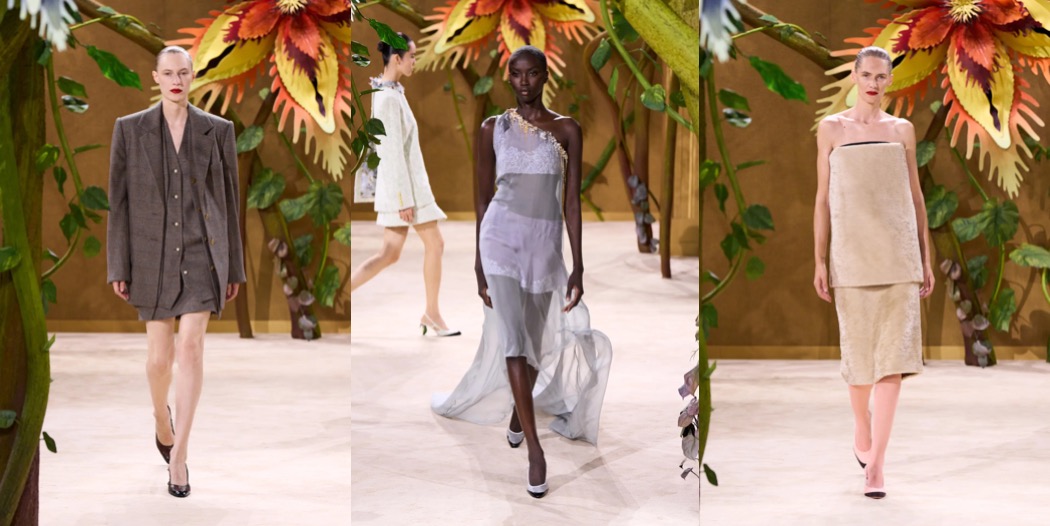
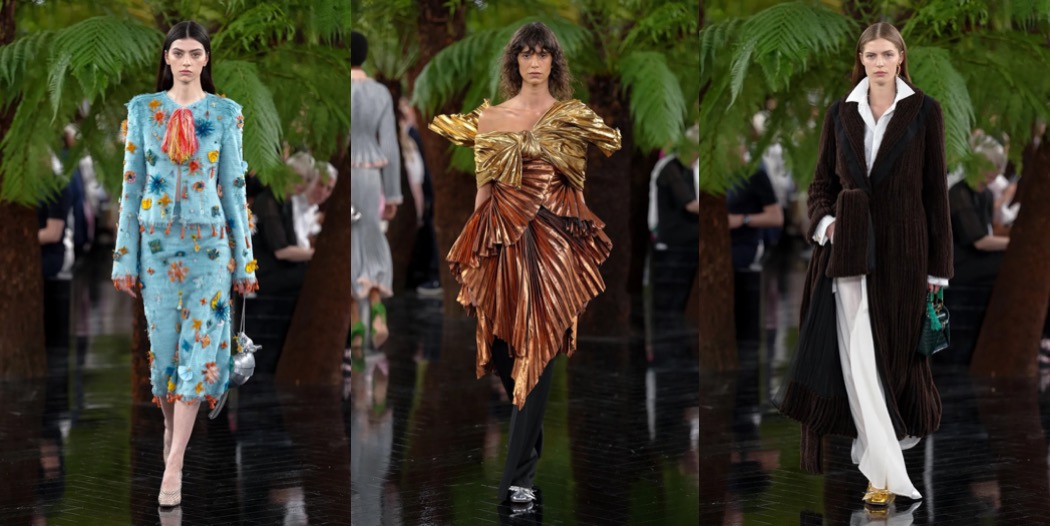
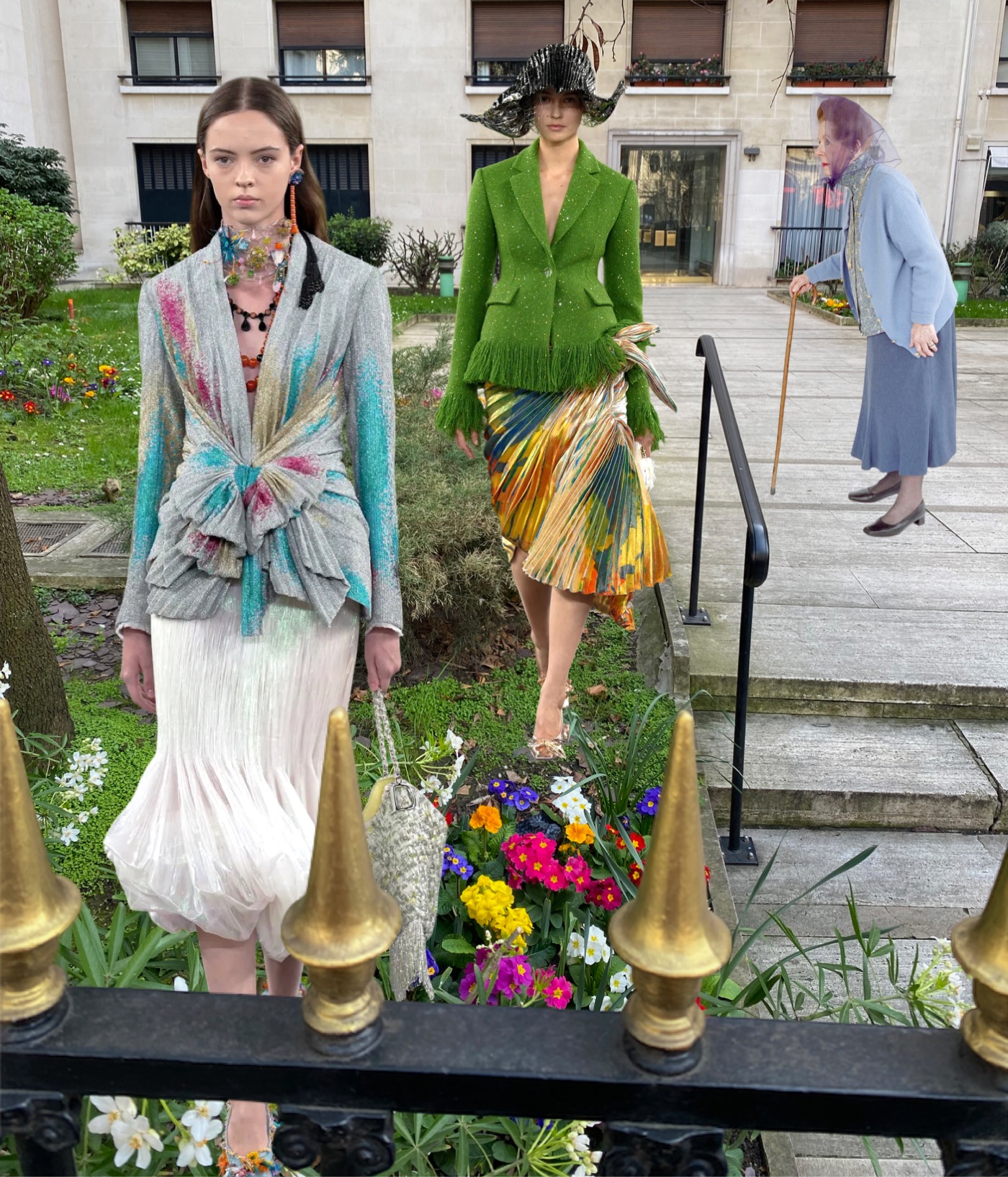
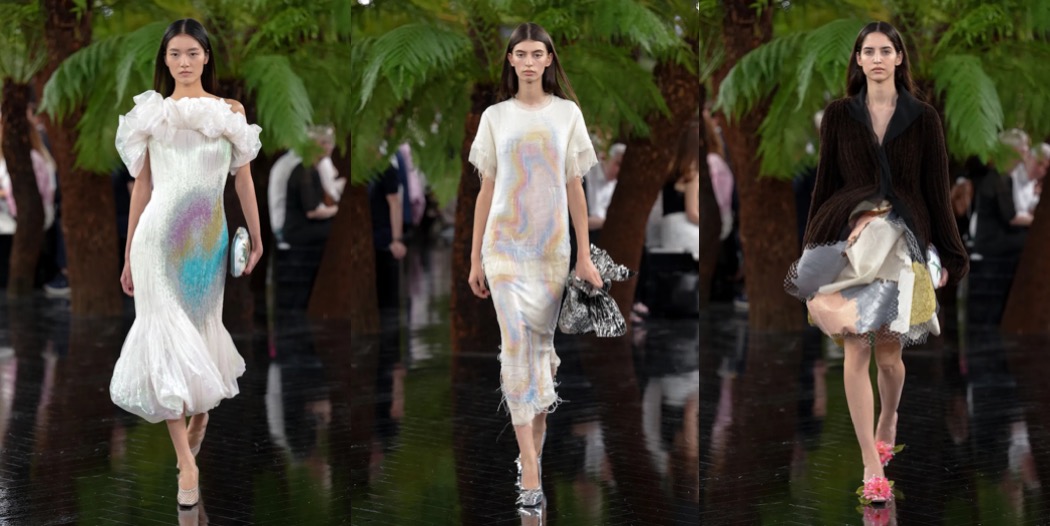
Need For Advanced Chic. Dior AW26 Couture

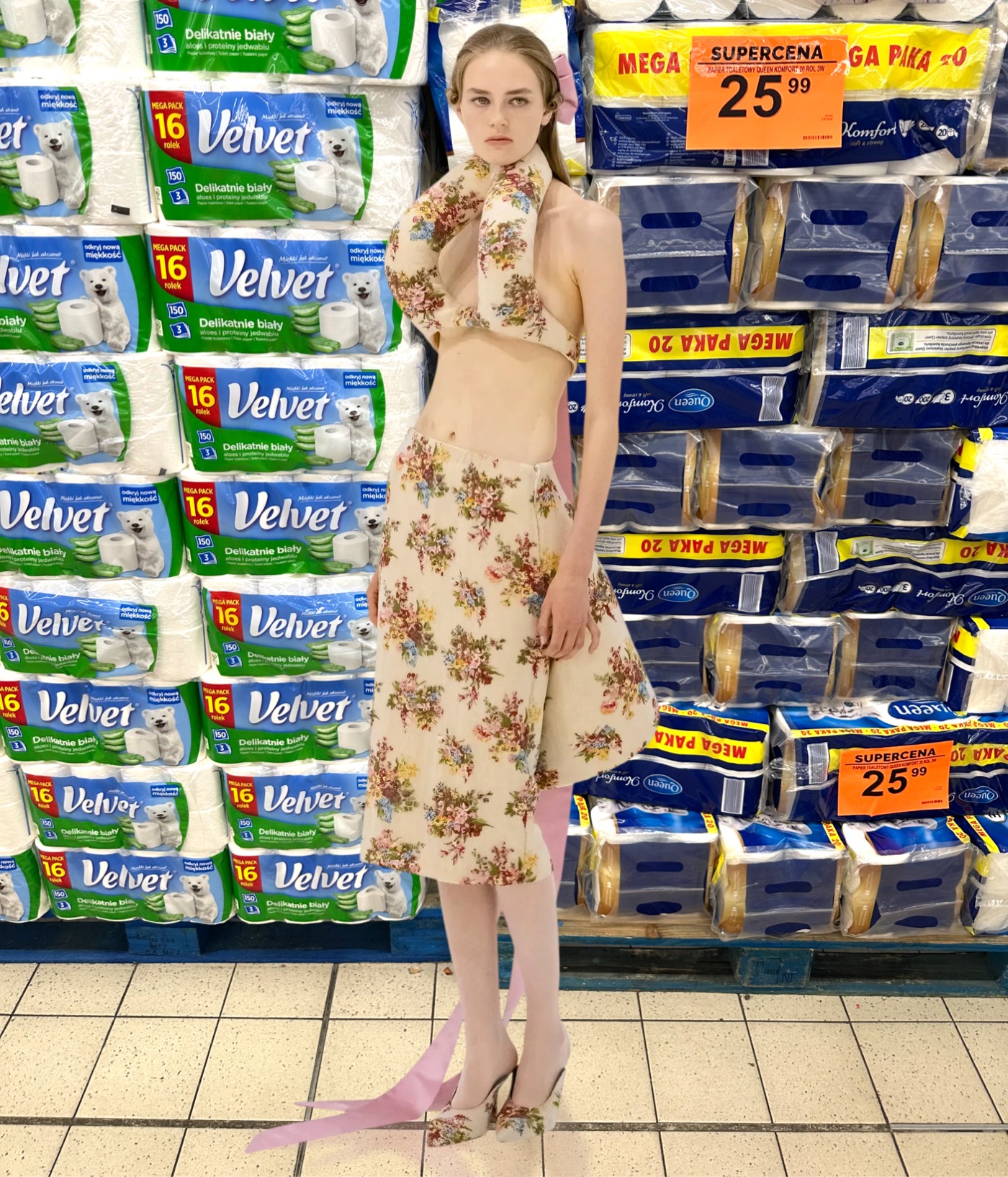
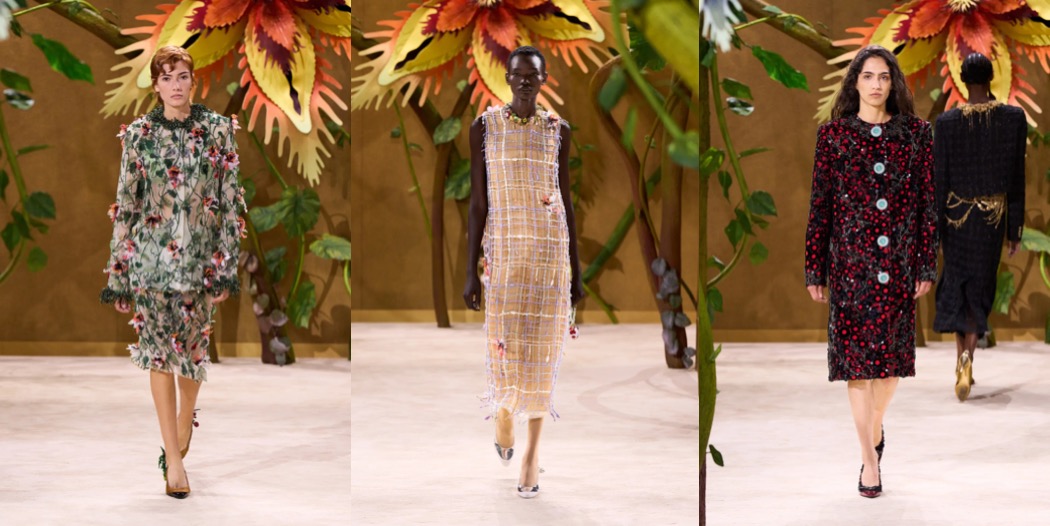
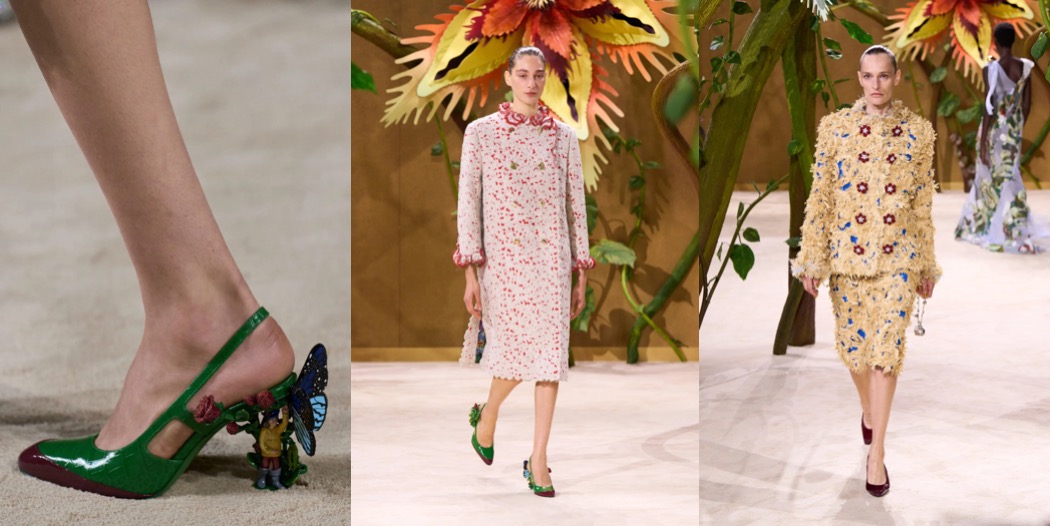
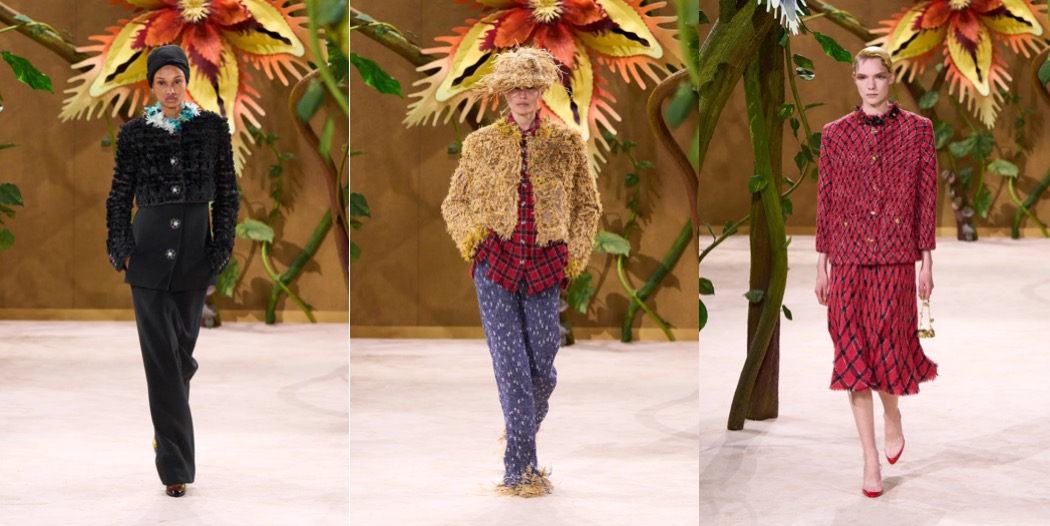
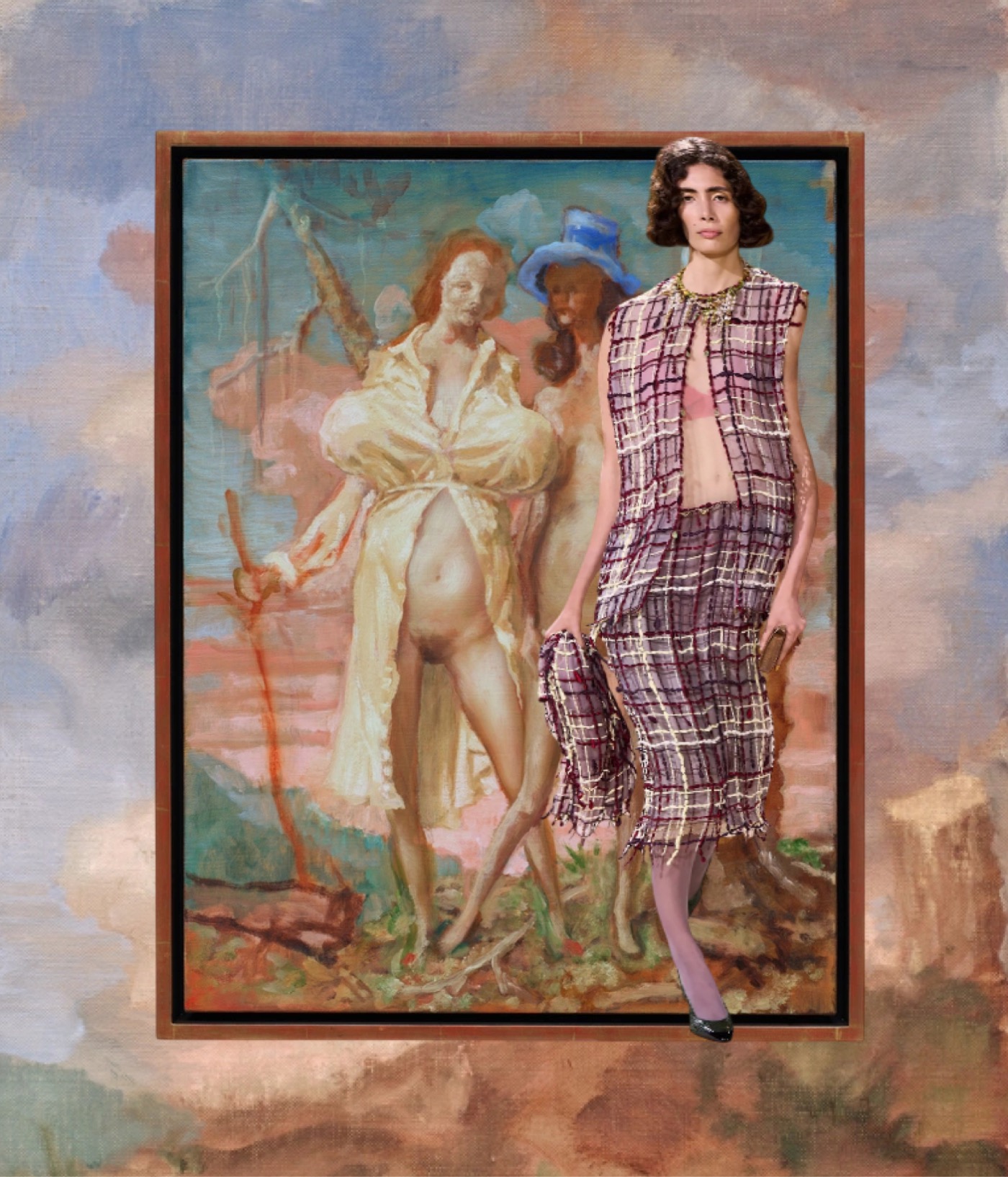
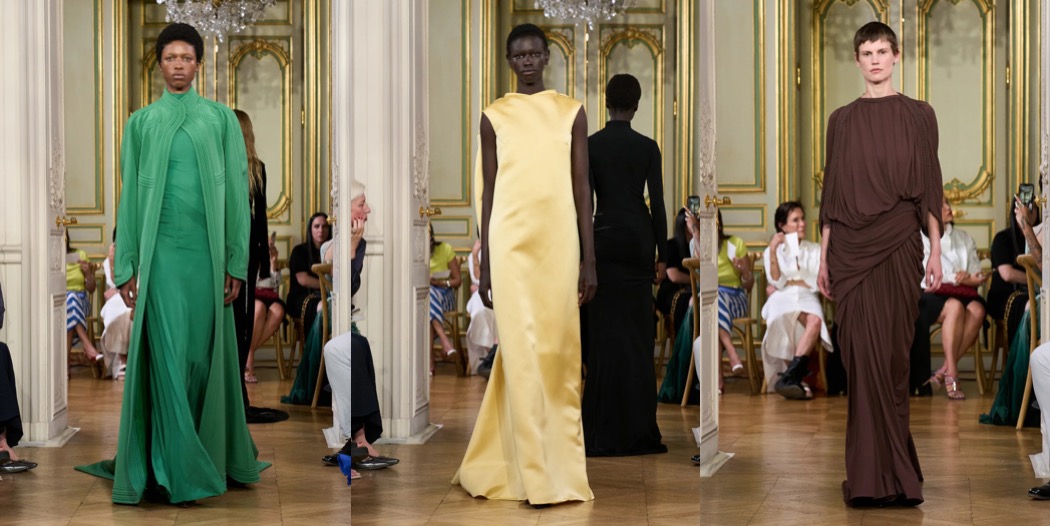
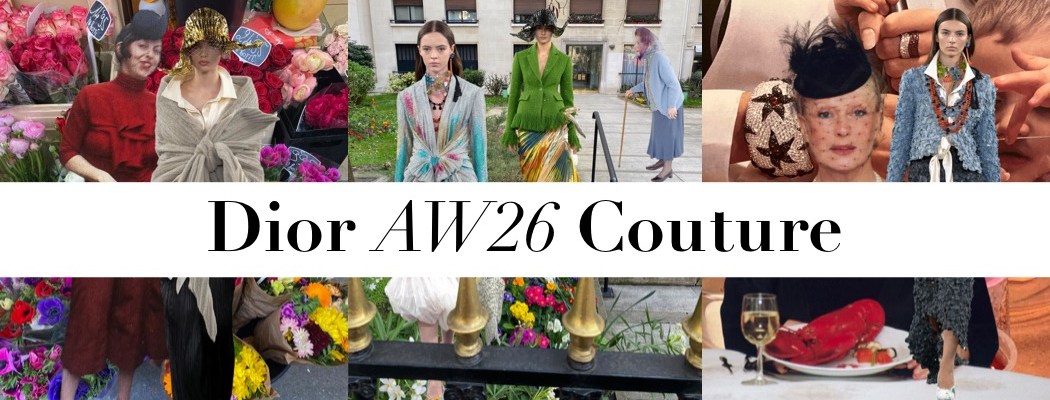
After the euphoric haute couture season we had last time around, I had a feeling in my bones this one would be much more subdued. Turns out, I was right. The first day of couture left me wondering: what’s the point of all this? And, more importantly, does it still feel relevant? Jonathan Anderson‘s sophomore couture collection for Dior didn’t really answer either question. Which is a shame, especially considering how extraordinary his debut was just six months ago. Then again, maybe he simply didn’t have enough time to perfect it.

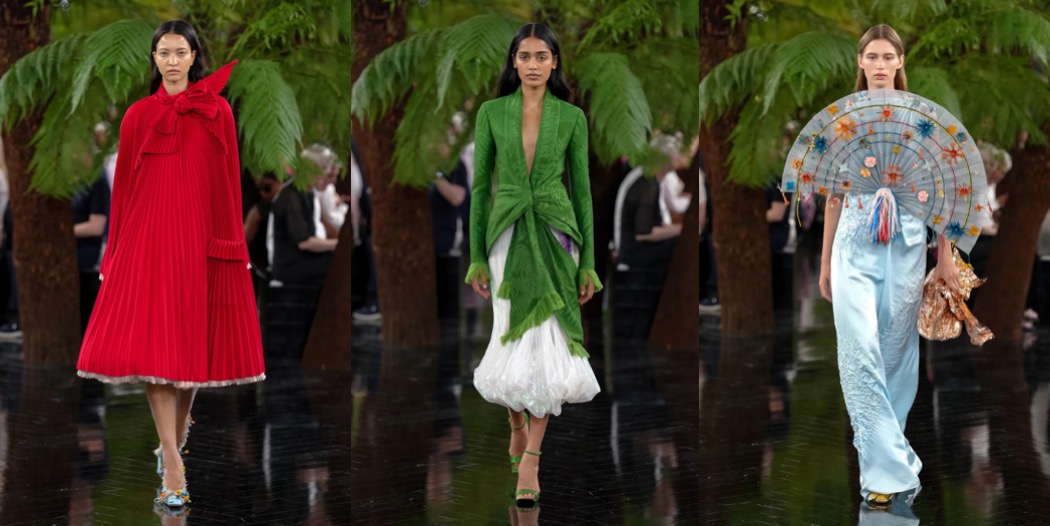
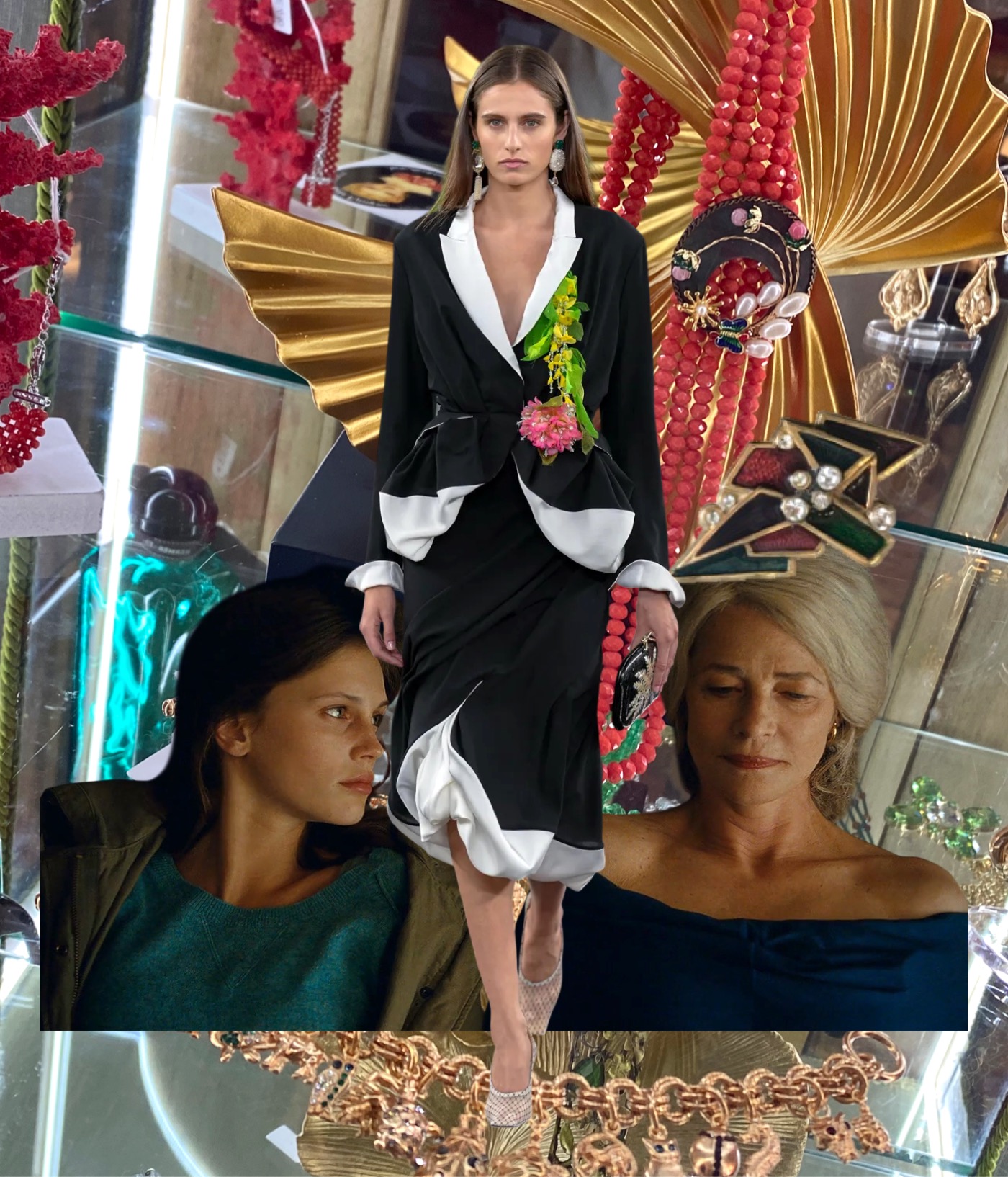
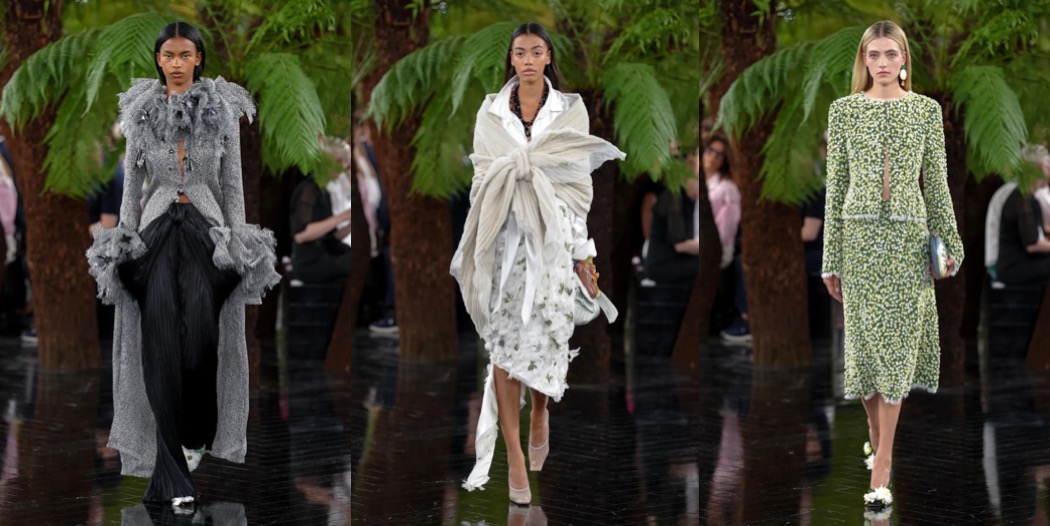
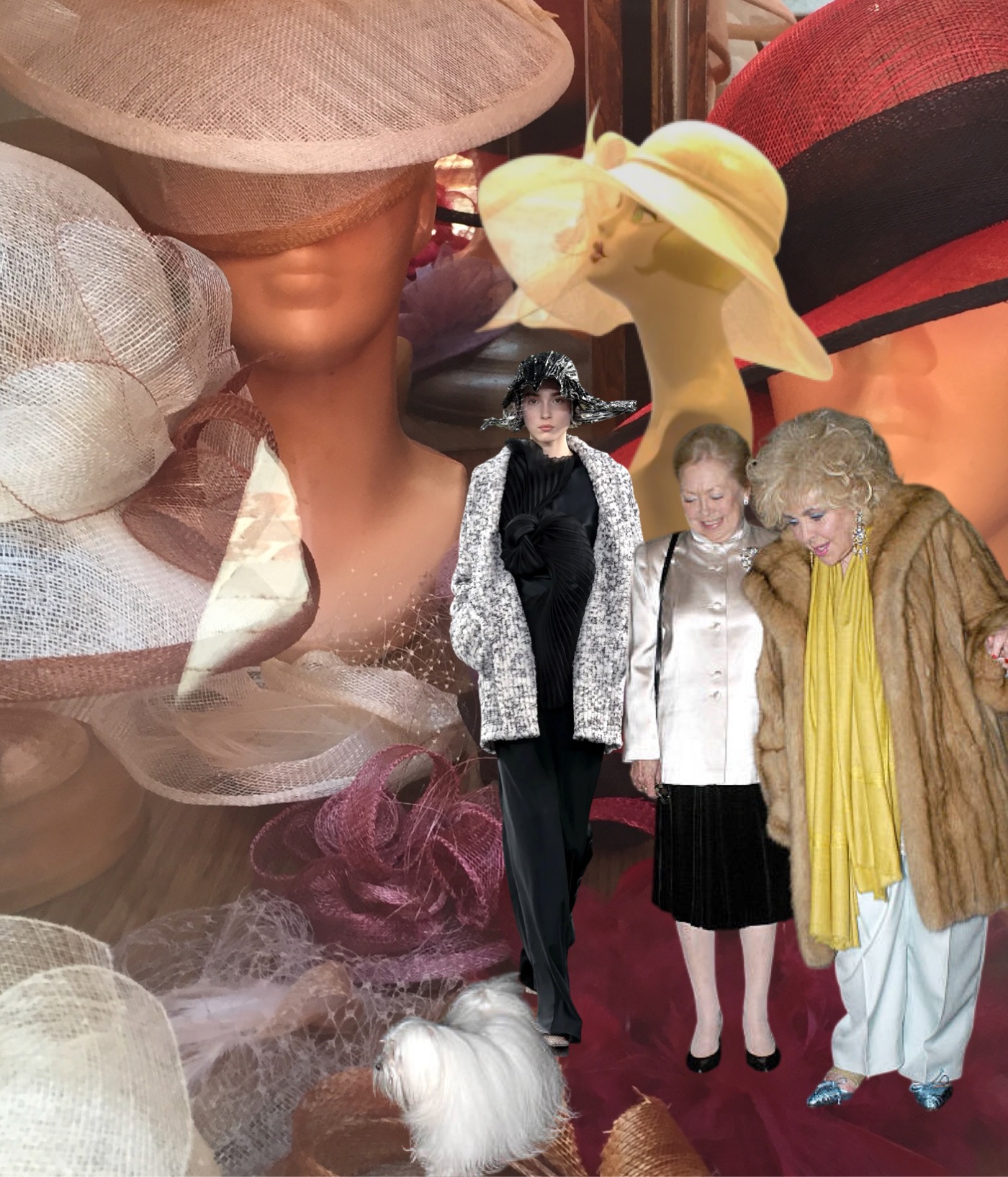
The biggest issue is that the collection feels unresolved. Anderson’s fascination with vintage garments is evident – everything is tweedy and blanket-y, the jewellery evokes more Paul Bert Serpette than Victoire de Castellane, and the hats look exactly like the sort of treasures you’d hope to discover in the most glamorous attic imaginable. But none of it seems meaningfully connected to the supposed Lynda Benglis narrative. The tropical glass-house venue doesn’t help either.
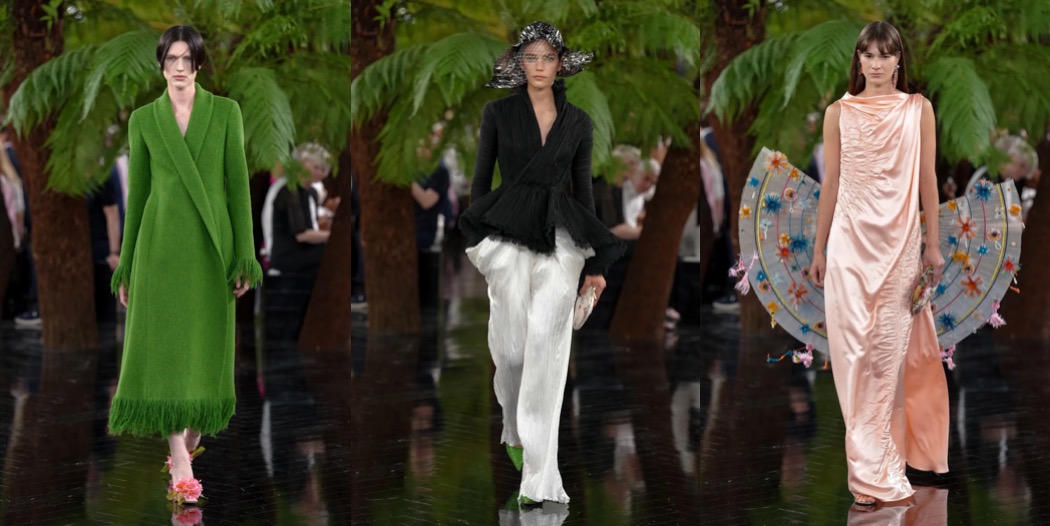
It’s as if Anderson wants to embrace full Galliano-esque fantasy – think the blue dress with the oversized fan bustier or the dramatically pleated red cape finished with a bow – but something keeps pulling him back to earth. Unfortunately, that tension doesn’t quite work in the collection’s favour. The metallic foil dresses end up looking closer to Ferrero Rocher wrappers than opulent eveningwear inspired by Benglis’ molten sculptures, and I’m fairly certain that wasn’t the goal.

At this point, I’d rather see a concise story from Jonathan than another gathering of fascinating characters. And imagine this collection on mature women instead of impossibly young models. The entire dynamic would shift. Suddenly it would feel more convincing, more lived-in, more chic. Because for all its ambition, this lineup was missing that elusive quality couture needs above all else: the confidence – and sophistication – that only advanced chicness can deliver.

Collage by Edward Kanarecki.
Don’t forget to follow Design & Culture by Ed on Instagram.

Hey, did you know about my newsletter – Ed’s Dispatch? Click here to subscribe.