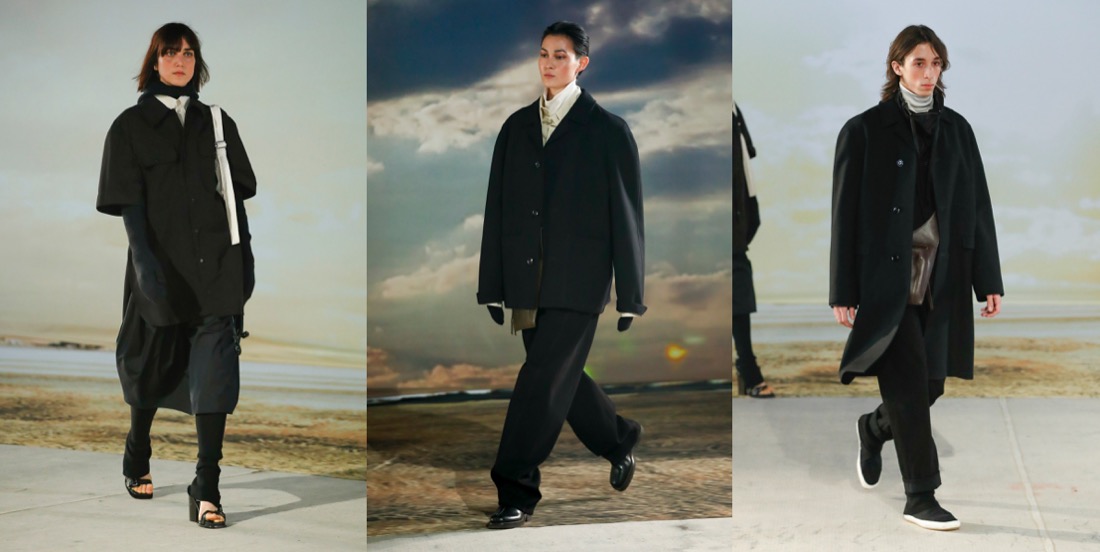
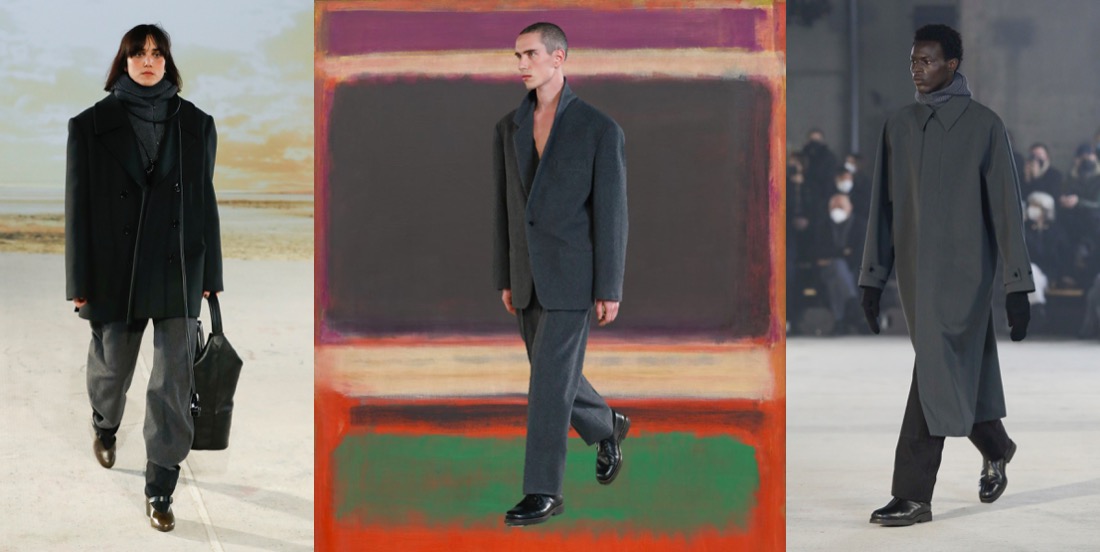
I have such a sweet spot for Lemaire. I’ve said it plenty of times, and I will say it again: this is the brand that utterly satisfies me in the context of my personal, day-to-day style. Christophe Lemaire and Sarah-Linh Tran just never disappoint me. For autumn-winter 2022, the designers-slash-life-partners turned to the idea of “traveling somewhere” – something we all fantasize about in our harsh, pandemic reality. The destination was purely imaginary, an Impressionistic landscape painted on a 30-meter backdrop by the playwright, scenographer, and theater director Philippe Quesne. It proved a strong foil for what Lemaire described backstage as a nomadic tribe, and the show notes called “an urban horde of modern-day hunter-gatherers.” “Dressing up is a little bit like traveling,” Christopher mused. “You get dressed up, you go to someone, or you have a destination in mind.” Hence a collection composed of thoughtfully layered pieces that neatly spliced ease, movement, and a sophisticated take on functionality. Softly tailored outerwear in the form of a tobacco trench, a coat that can be worn like a blouson or a gilet, a black overcoat with a white lapel and lining, and an elevated take on the denim jacket looked like they could walk straight off the runway and into the streets of Paris to take on a life of their own. A blouse with a red marbled print – the result of a collaboration with theartisan Frédérique Pelletier – brought a bit of psychedelia to a lineup focused on elevated effortlessness. Discreet luxury is, after all, Lemaire’s home turf. Presenting men’s, women’s, and unisex looks on a diverse cast further underscored the designers’ interest in fashions as worn out in the real world, as opposed to on glossy paper, Lemaire allowed. “We can only do half of the job,” he observed. “The rest is the way people move, how they embody that style, and personality.”
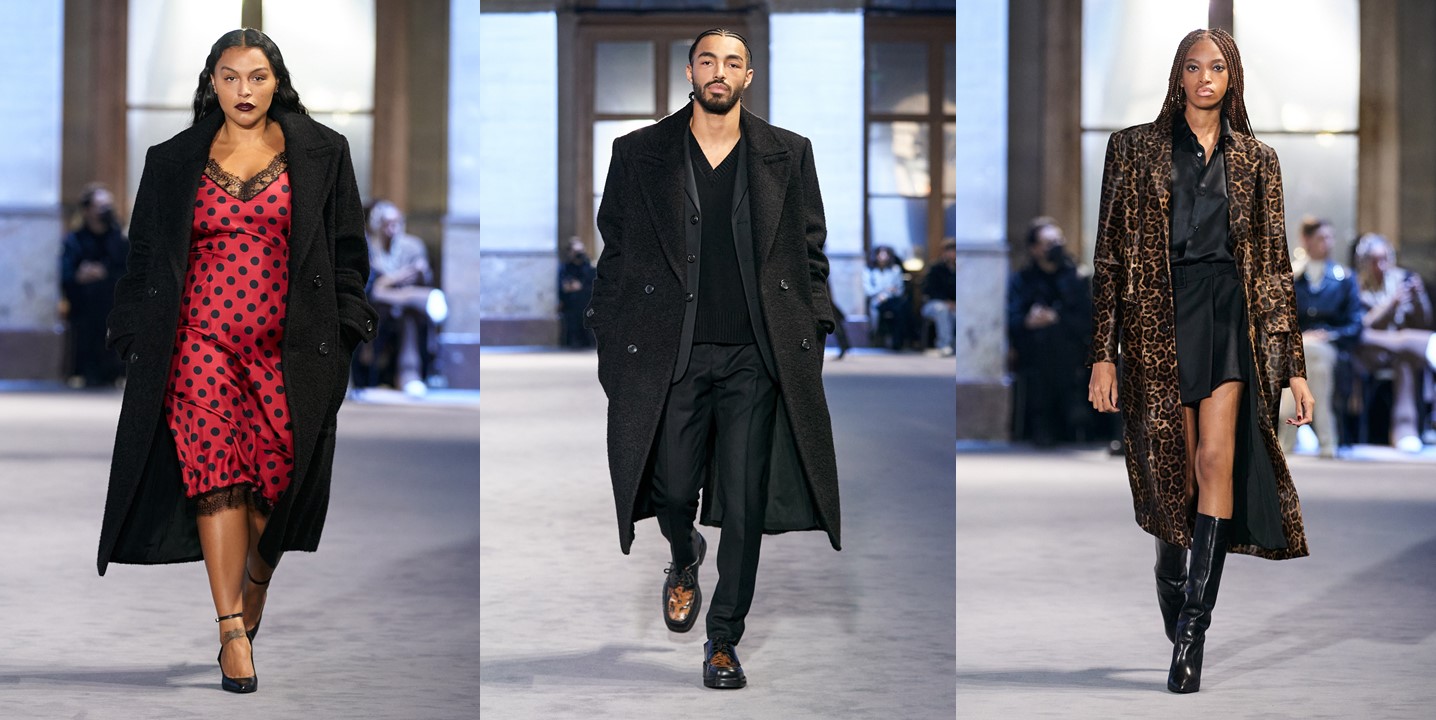
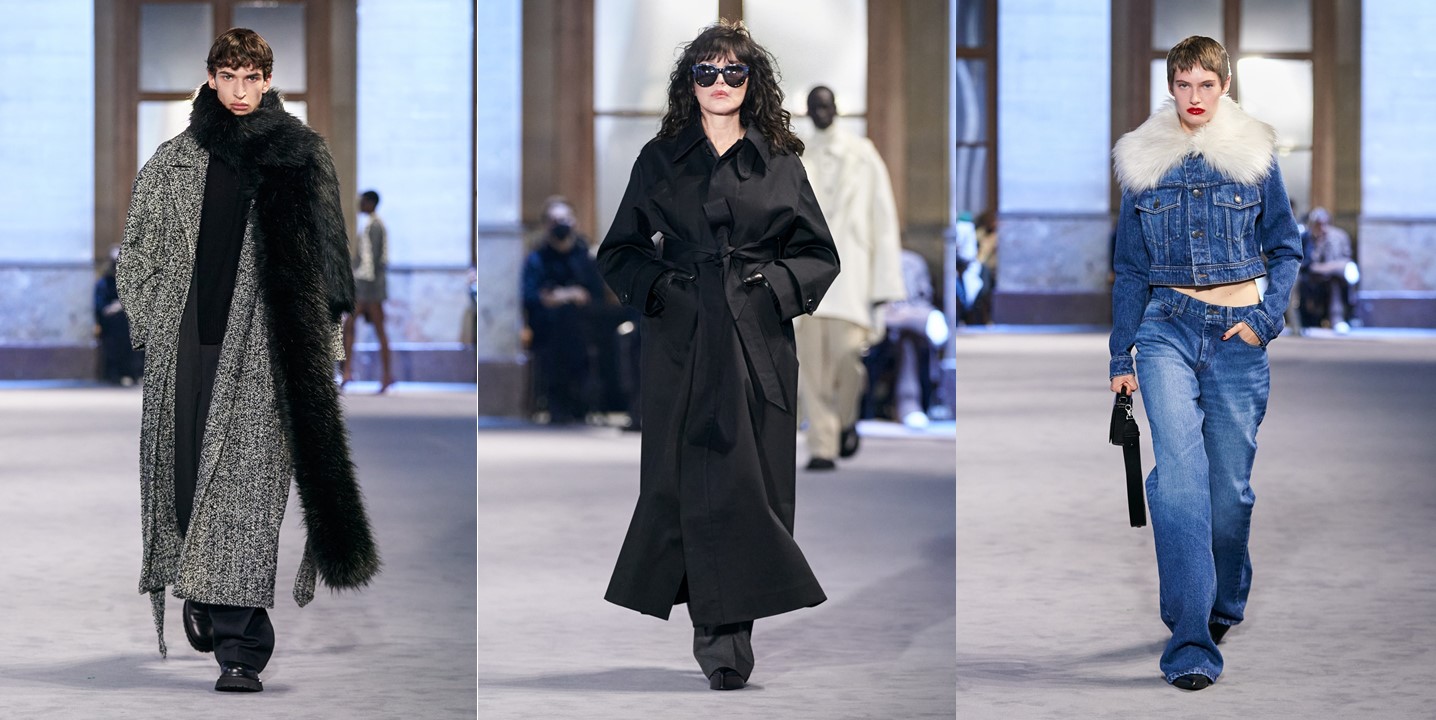
This was one, big, star-studded Ami collection. “We have done two digital shows and now we’re back. It’s a kind of resistance,” said Alexandre Mattiussi backstage at his autumn-winter 2022 fashion show. “We wanted to stay brave – because it feels like [in Paris] we can still go to the restaurants, we can still go to the cinemas and theaters, why would you want to cancel a show?” He chose as his venue Palais Brongniart, the old stock exchange building at Place de la Bourse. Mattiussi had the Métro on his mind. “It’s the only place today in a city where everybody is on top of each other. There’s an old lady, a guy coming out from a party, a guy who is on the way to work, kids, grandmothers, different vibes, different cultures. This is the only place where you don’t have the choice of who you will be seated with,” he observed. “It’s a democratic thing. And Ami is about dressing everyone.” So, in the Ami world, Isabelle Adjani commutes with metro, just like Emily Ratajkowski, and wear clothes that draw heavily on the French wardrobe tropes. Trench coats, shearling aviator jackets, slip dresses, black blazers, and tweedy skirt suits – all the timeless essentials, mainly kept in elegant black (and from time-to-time contrasted with neon colours, which wasn’t that necessary). Meanwhile, the big casting shots continued to ring out: Sage and Paloma Elsesser, Ben Attal (son of Charlotte Gainsbourg), and the most gorgeous Laetitia Casta, all brought charisma to the outing. Isabelle Huppert sat front row, chatting to Catherine Deneuve. That’s a very Parisian collection with a very Parisian crowd.
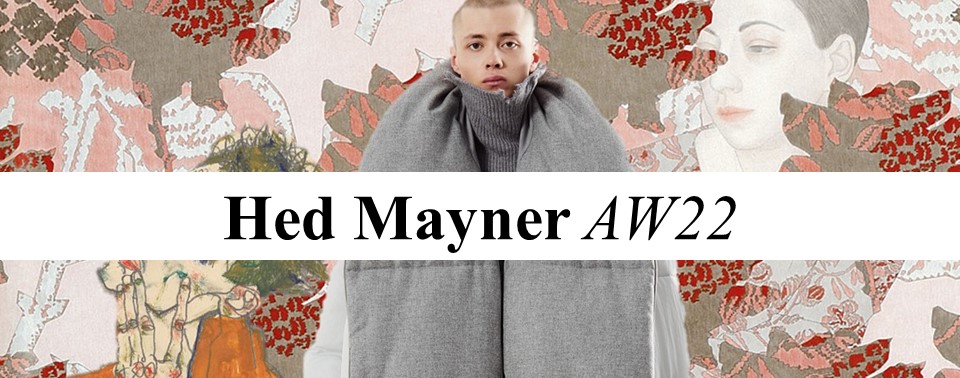
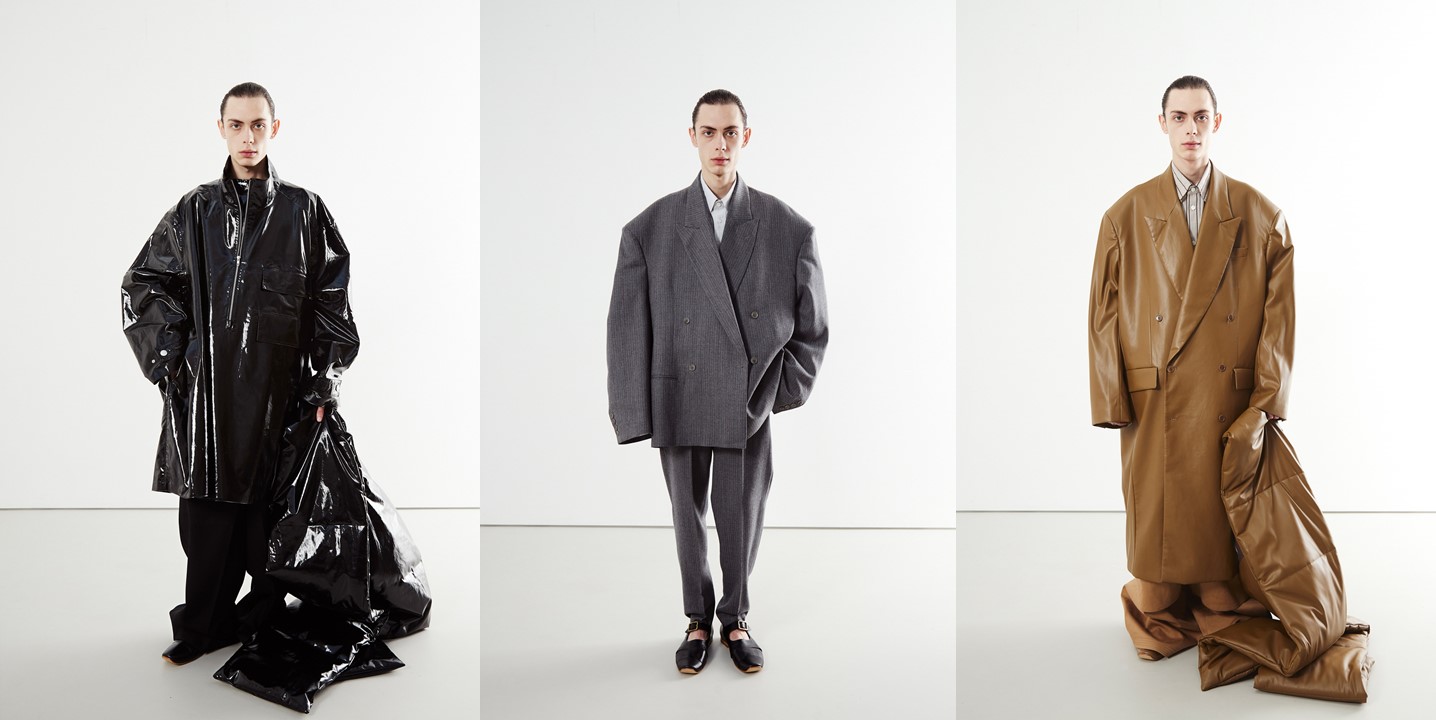
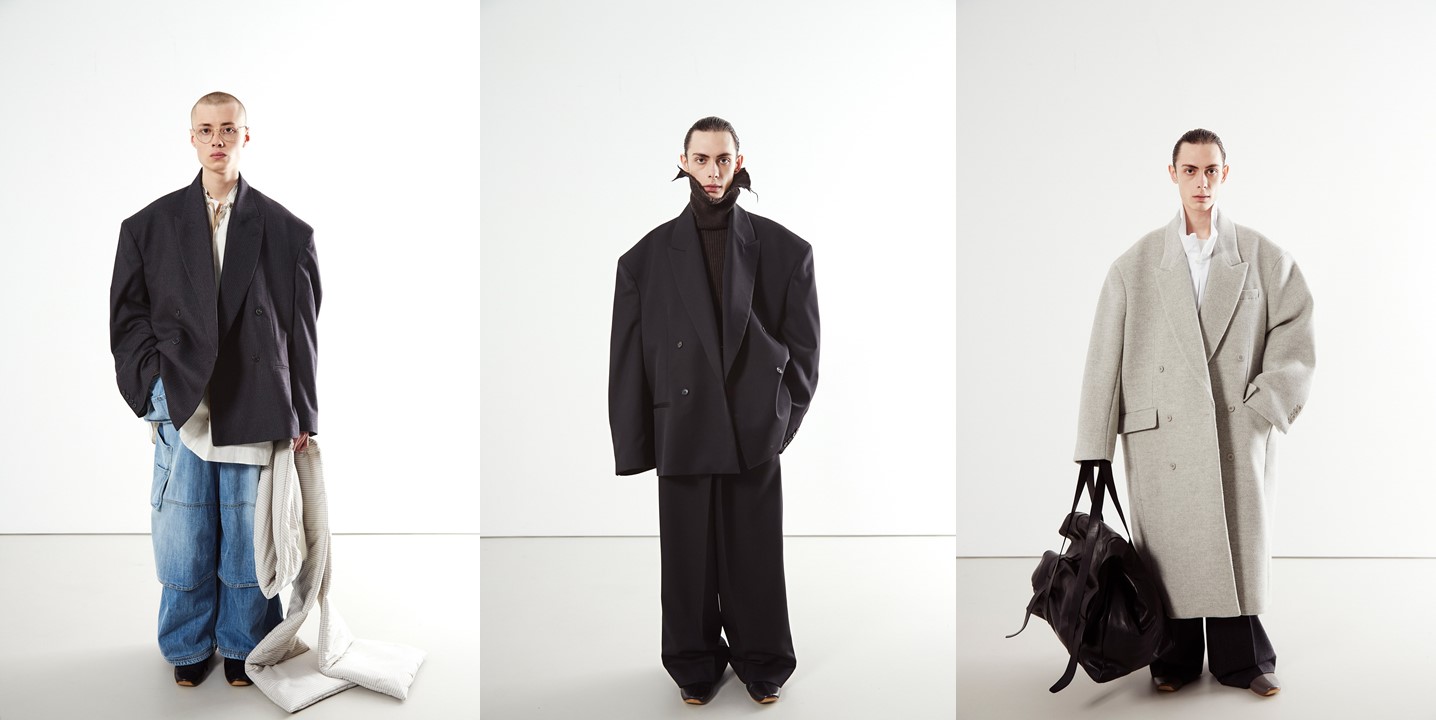
Hed Mayner’s autumn-winter 2022 collection exists in the space “between despair and ultimate hope“. The Israeli designer explained further: “But I am thinking about the space between you and the garment, layered and protected…you are in a bubble.” Mayner speaks like a poet and he designs like one too, operating instinctively and emotionally, more interested with how a garment will feel on the skin, move about the body, and imprint on a life than how cool it looks or how hype-y it is. It’s this humanity that has garnered Mayner fans across the world, some in fashion and some far outside it, who plug in to the gentle ideas he pushes each season. For the new season, the sloped shoulder is the big story. “It’s not just about a refined jacket,” he said, “it’s about injecting an energy, a vibe.” The vibe here is one of movement – clothes are moving, dripping down off shoulders, pooling around the ankles, or cinching up at the waist, tucking in under heels and into flat buckled shoes. Quilted faux-leather scarves and squares of Liberty fabric are hung around necks or clipped onto lapels and belt loops. In a season of statement outerwear and bold coats, Mayner’s offering will leave a big mark; double-breasted wool styles and clever Macintoshes promise artful protection against the elements. A first foray into prints, done with Liberty fabrics, is a counter to the almost-businessman spirit of his wide blazers. In sensitive pastels, the quilted pants and filmy button-downs look like something “maybe from your grandmother, or something American, even though it’s a British company.” Mayner’s clothing evades provenance like this: based between Tel Aviv and Paris, thinking in a way that’s not really of a place. But it’s certainly of our time. His clothing offers a gentle reprieve from stress and worry. Wouldn’t it be nice, lovely, refreshing to settle into to a Mayner puff of jacket?
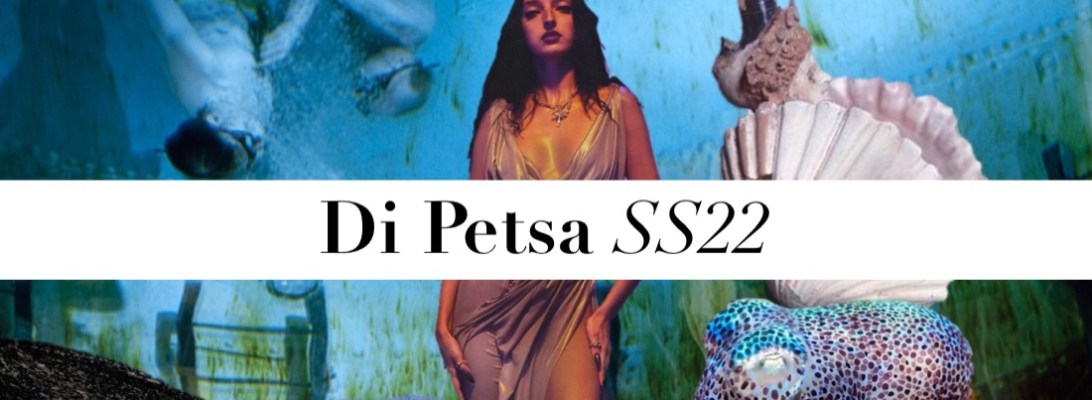
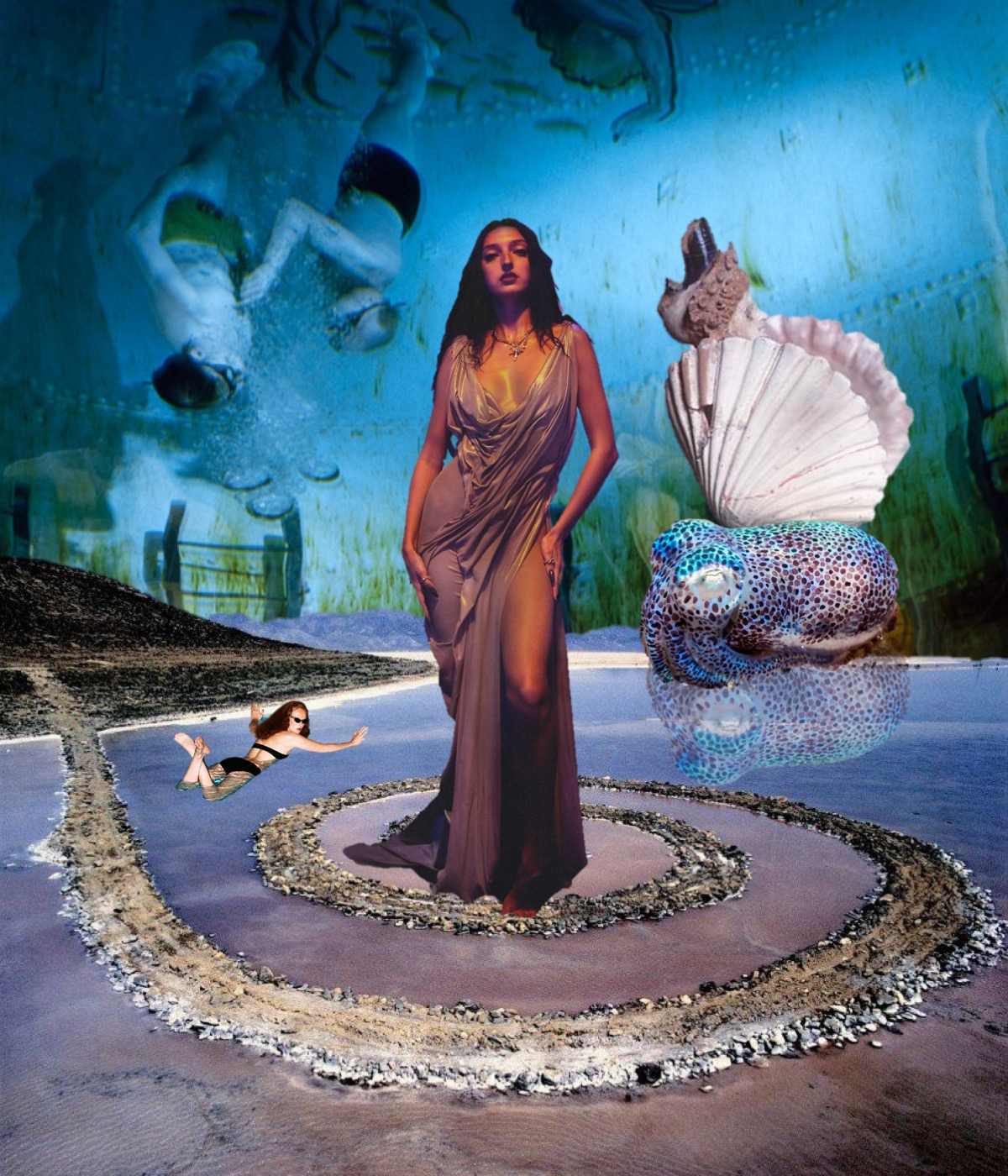
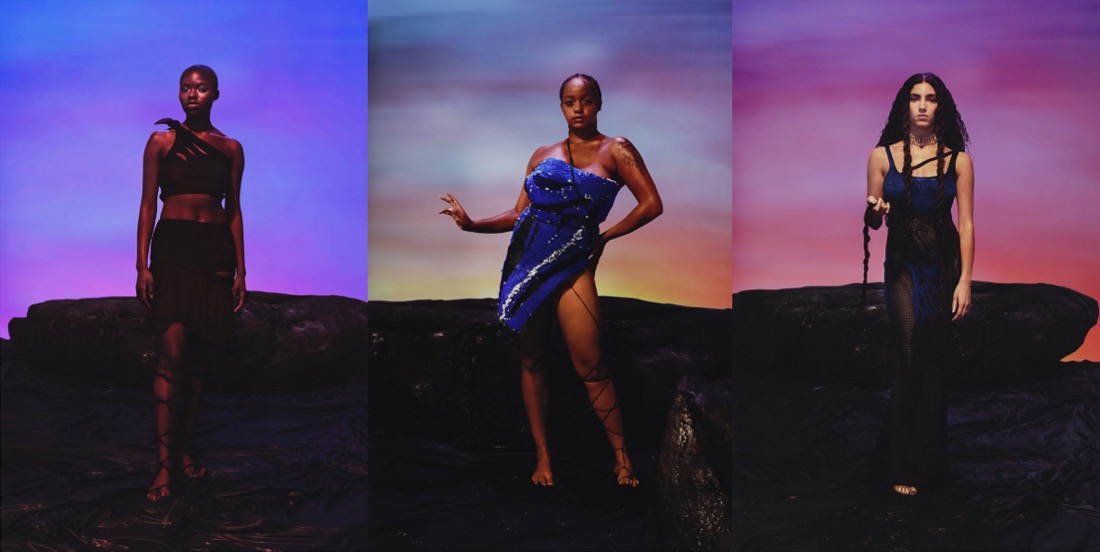
Much of mainstream fashion wants what Dimitra Petsa has – just look at the many major designers cribbing her wet-look, Greek-goddess aesthetic (one of the recent Dior collections comes to mind). But if 2020’s lockdowns and fashion’s subsequent recalibration has taught us anything, it’s that emotion can’t be faked and a new generation of fashion lovers and customers are looking for a personal connection to their clothing. Di Petsa‘s ready-to-wear, presented at Paris Fashion Week for the first time as a guest of the Fédération de la Haute Couture et de la Mode, contains the same level of passion and fury as her one-off gowns. The proof isn’t only in the sensitive way she drapes her jersey to cradle the bosom, slide down the hips, or pool on the ground around the wearer’s ankles – she describes her process both as “the body emerging from something” and as a method of “accentuating the naked body, not covering it up” – but in the many women from Greece and the U.K. who went to Paris to help make Petsa’s vision real. She’s called her collection Nostos-Touch; the touch part is obvious, representing the idea of wanting to be embraced but being wary of its consequences. Nostos is Greek for “homecoming,” sort of like Odysseus after a long journey through the Mediterranean. Petsa is less concerned with the trials of that mythic man and more with the Sirens he finds along the way. She tapped into this darker side of femininity, the idea of mermaids caught in nets, of constraint and dangerous freedom, with a moody palette of cobalt, navy, burgundy, and gold. Even with its complicated drapery and cutouts, this collection is her most wearable offering yet, made from cotton jersey and Tencel and adorned with custom marine blue rings, bracelets, and necklaces. At Paris Fashion Week, the Petsa Poseidonesses came together in a performance centered around the musician Lola Lolita. Models writhed, swayed, and lay down while Lolita commanded the ceremony. Petsa says she wants to move away from Western perceptions of Greek culture. Even those with a long memory and long scholarship of ancient cultures may be hard-pressed to remember the pre-Greeks, but many of those who do have hypothesized that the earliest cultures on the Peloponnesus were matriarchal. One hopes Petsa’s customers are willing to join her on this journey through time and womanhood – but if not, these are still some of the most beautiful sexy dresses and separates this season.
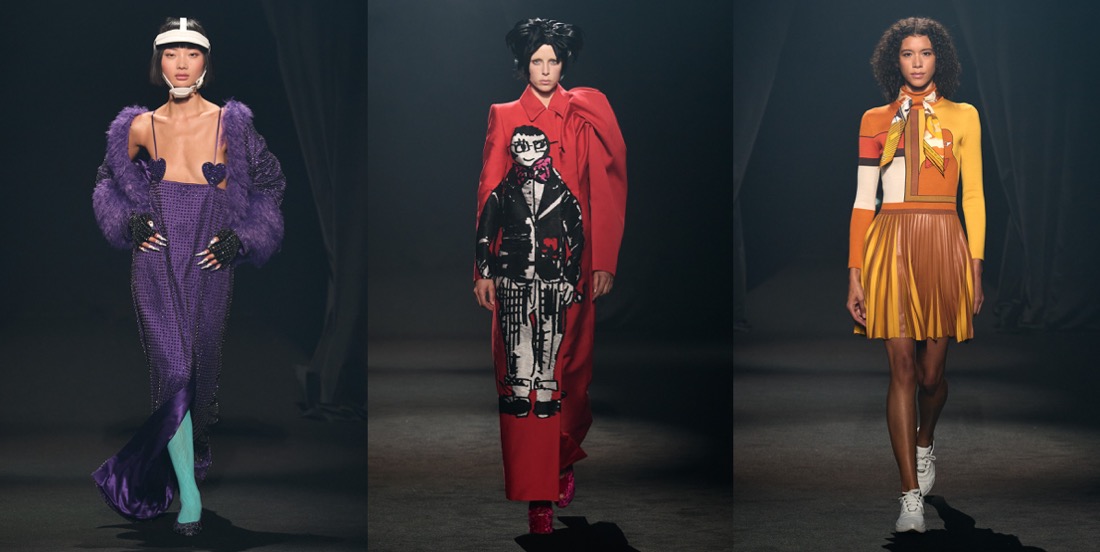
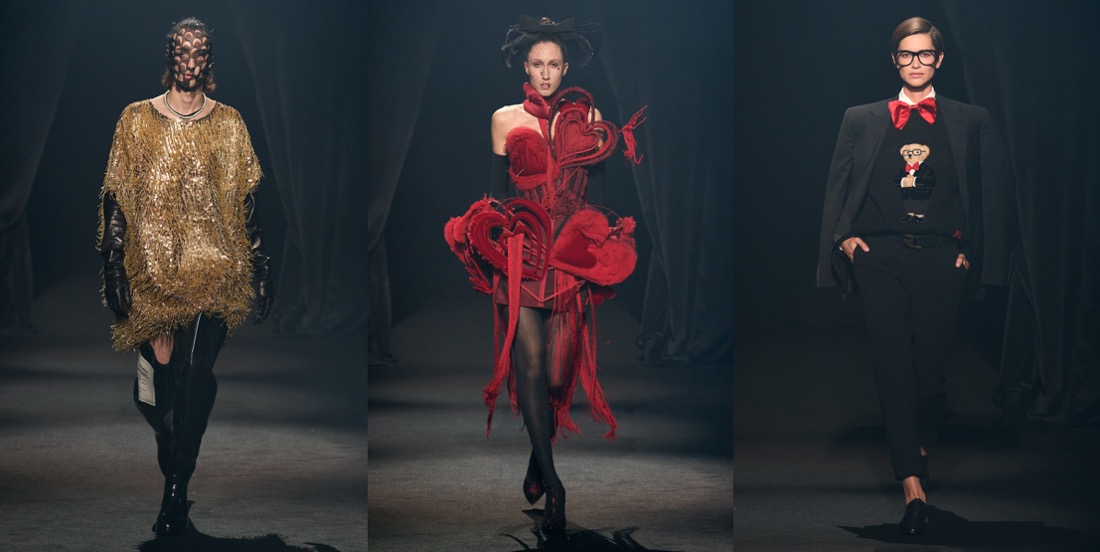
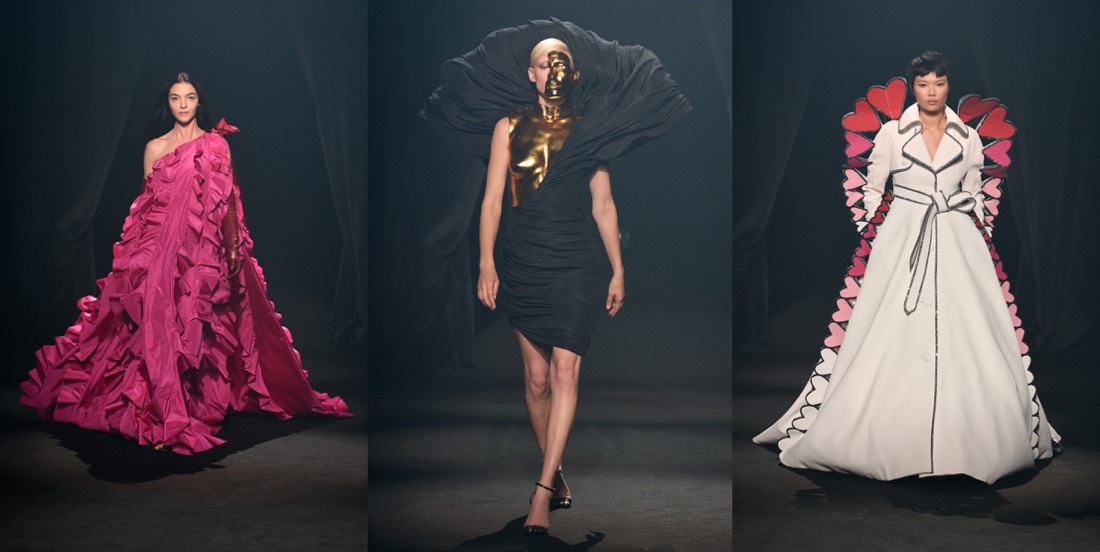
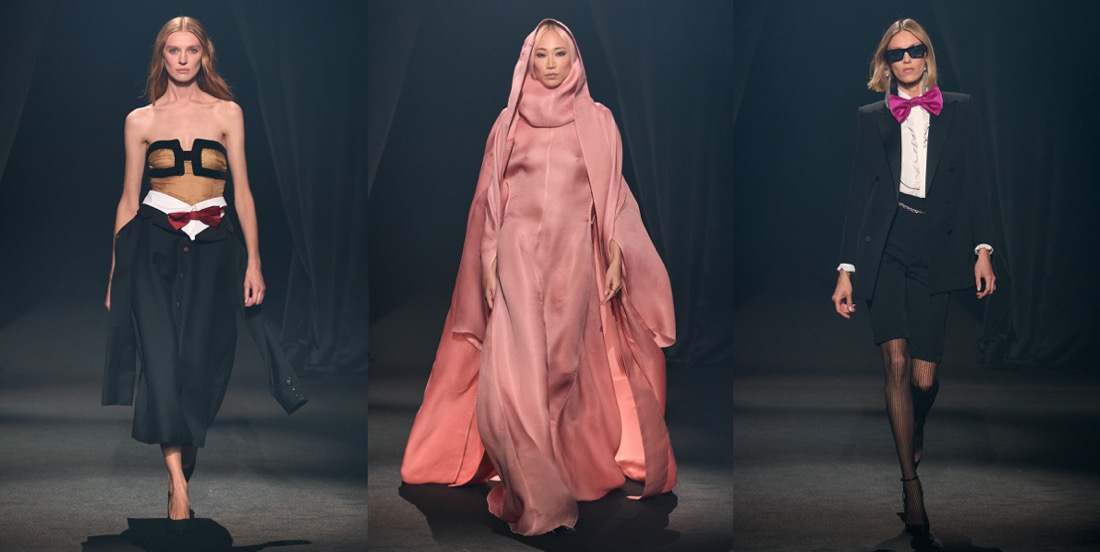
The last evening of Paris Fashion Week was an extraordinary celebration of a fashion genius who left us too early. “Love Brings Love” was a characteristically optimistic mantra of Alber Elbaz, the brilliant and widely beloved designer whose death at 59 from Covid-19 in April of this year devastated the international fashion community. And so it was fitting that under this banner and before a crowd of the designer’s family, friends, colleagues, and peers, including Dries van Noten, Rick Owens, Pierpaolo Piccioli, Jean Paul Gaultier – and France’s First Lady Brigitte Macron – Paris Fashion Week drew to a deeply poignant, but joyful close. For the show, 45 designers and Elbaz’s design team at AZ Factory came together in celebration of his talent, personality, and design legacy, and many were present in the audience that night. “We wanted to find a way to celebrate Alber’s spirit,” explained Elbaz’s long term partner Alex Koo during a preview of the clothes that the contributing designers had created in tribute, “It is beautiful to see how each designer revealed a different aspect of Alber. It really was a labor of love.” Koo explained that Elbaz had long cherished the idea of recreating the Théâtre de la Mode, an extraordinary 1945 project that brought together Paris’s 60 preeminent haute couture designers, as well as milliners, hairdressers, and accessory designers, to dress a series of doll sized figures that were then arranged in vignettes suggesting fashionable Parisian life – a walk in the Palais Royal, for instance, or a night at the Opéra. The dolls and their decors traveled the world, vividly demonstrating to an enraptured public that the arts of Paris fashion had survived the hardships of the German Occupation and continued to set the bar for technique and imagination. Alber’s dream, as Koo explained in the moving voice-over that introduced the show, was to echo this initiative and “bring together the best talents of the industry in celebration of love, beauty, and hope.”
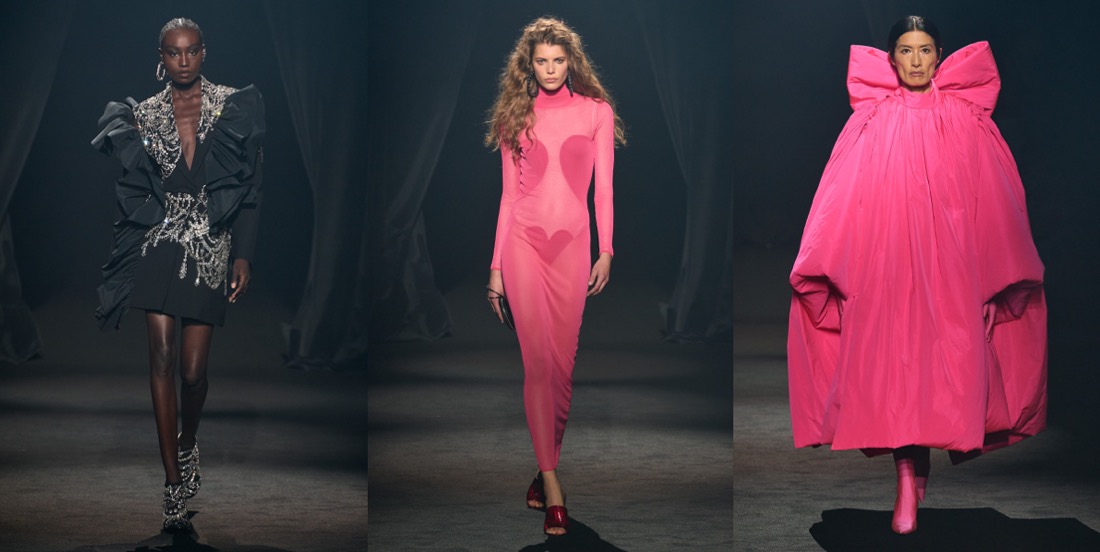
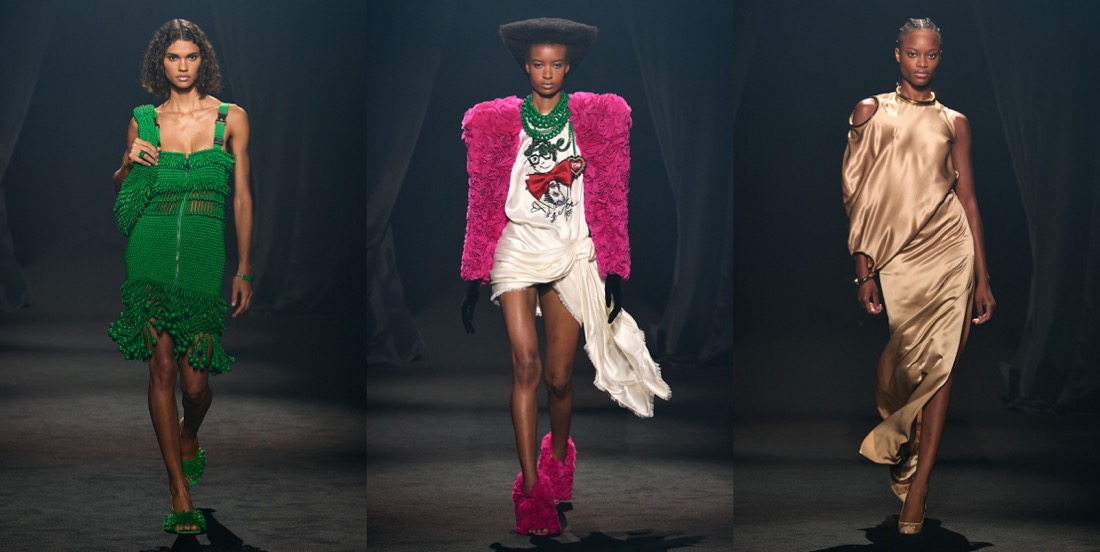
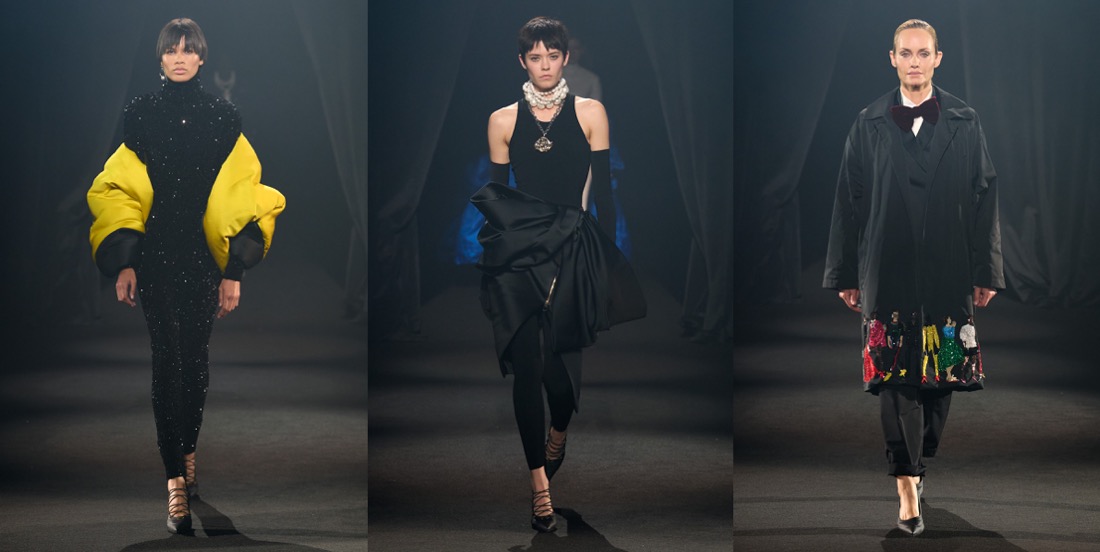
Some of the designers went for biography: South Africa’s Thebe Magugu, for instance, was inspired by a fall 1997 dress that Elbaz has designed during his two year tenure at Guy Laroche, whilst Alaia’s Pieter Muller had imagined a scarlet sheath dress, translucent but for some sinuous and strategically placed opaque hearts, that suggested the work of Geoffrey Beene for whom Alber, newly arrived from his native Israel, worked for seven years and who he acknowledged as an inspirational master. Coordinated by Elbaz’s long term stylist Babeth Dijan, the clothes were shown in alphabetical order. Unsurprisingly, hearts were a leitmotif: Jean Paul Gaultier, citing Elbaz’s “coeur a l’ouvrage” (roughly translating as putting his whole heart into his work) offered a couture dress composed of layered, three-dimensional, ruby red hearts; Alessandro Michele’s purple gown was suspended from a double heart-shaped brassiere, while Viktor & Rolf’s magisterial white trench coat ballgown was framed by graduated hearts arranged on the sleeves and skirts in an ombre of reds and pinks. Others chose to immortalize Alber’s own iconic look, and his playful dress sense that evoked a silent movie comic with his trademark bowtie, barrel-shaped jackets, and shortened pants. Dries van Noten, whose look was my favourite from the tributes, had developed an elaborate intarsia portrait that decorated the front of his scarlet evening coat. Balmain’s Olivier Rousteing depicted Elbaz on the bodice of his liquid white satin evening dress, and Lanvin’s Bruno Sialelli evoked a billowing Lanvin dress of parachute silk, hem buoyed with a ruffle, from spring 2008 with a giant portrait of the designer on the back that floated on air as the model made her circuit around the Carreau du Temple. Rosie Assoulin, meanwhile, who interned for Elbaz, designed a clever look that came together to create a trompe l’oeil Elbaz, his jacket as a skirt, his television-frame glasses a bodice. Hermes’s Nadège Vanhee-Cybulski revisited a 2014 scarf with a print originally designed by artist Dimitri Rybaltchenko that depicted Elbaz at the window of the storied Lanvin flagship building, the Hermès’s neighbor on the rue du Faubourg Saint-Honore where he worked for 15 years from 2001. Many tapped into Elbaz’s inventory of signature designs—Donatella Versace looked to his draped sleeves; Schiaparelli’s Daniel Roseberry celebrated his “particular affinity for bijoux” and “joy in explosive volumes;” Balenciaga’s Demna Gvasalia did the same with his hot pink nylon taffeta opera coat “creating maximal volume using minimal seams” whilst the ruffles that Elbaz loved were evoked by Valentino’s Pierpaolo Piccioli in a magnificent ballgown of hot pink volutes and by Alexander McQueen’s Sarah Burton in a short embroidered coat dress.
The show closed with the AZ Factory design collective’s powerful tribute of their own, again riffing on the founder’s impactful signature looks, and Amber Valletta embodied the man himself in a jacket cut from the same pattern as the one his team had originally created for him, its hem embroidered with images of his unforgettable clothes. For the finale, the backdrop curtain opened to reveal the models in a three-tier-high scaffolding grid, framing a portrait of Elbaz and grooving to the O’Jays’s feel-good 1972 classic “Love Train.” There were torrents of heart-shaped confetti and there were torrents of tears.
















 Design & Culture by Ed