I Sewed For Us. Małgorzata Mirgo-Tas at Brücke Museum.

Małgorzata Mirga

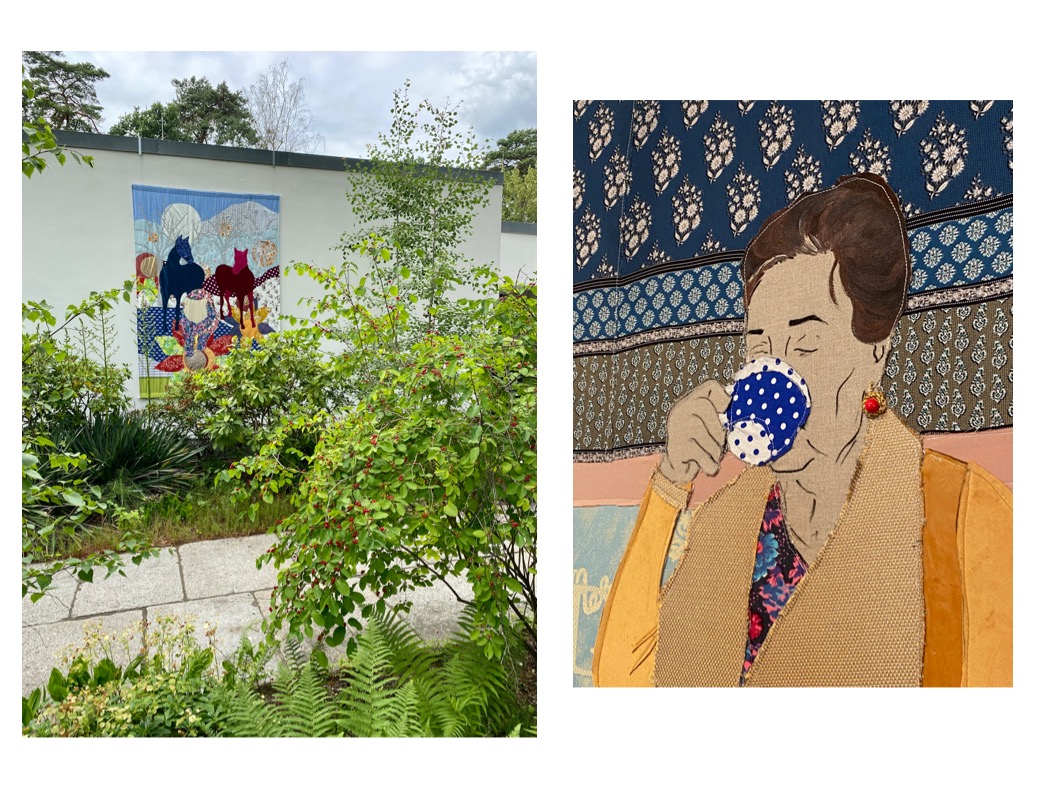
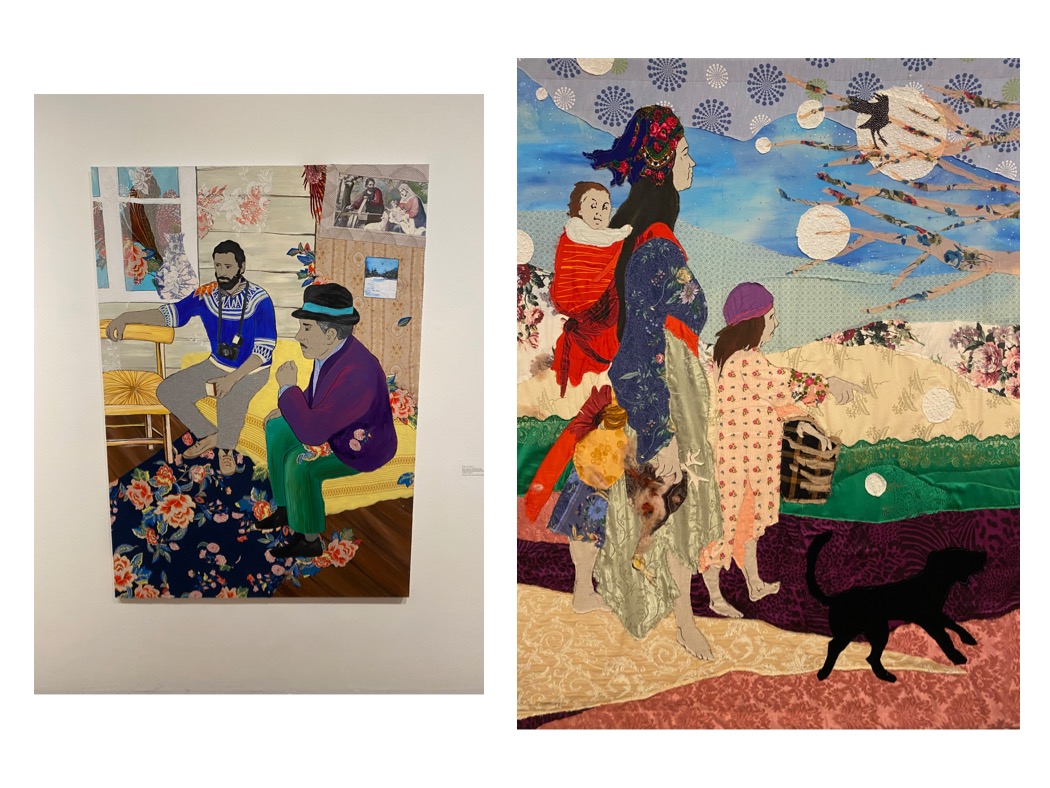
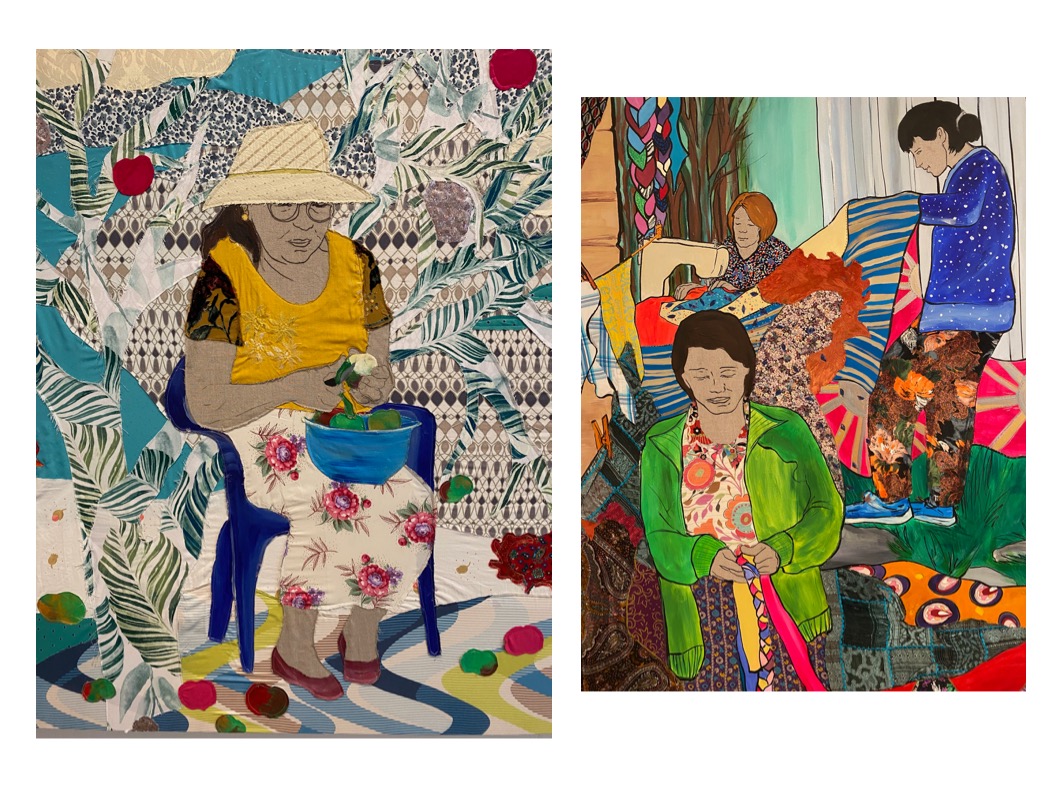
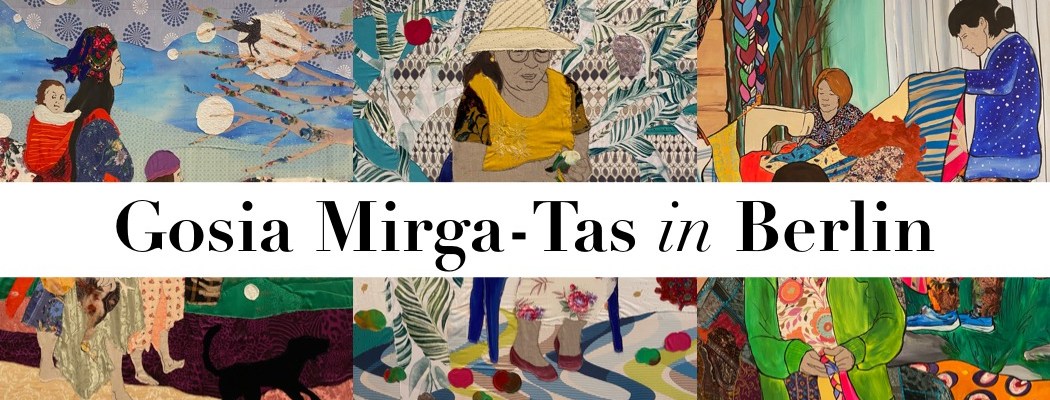
The Brücke-Museum (the art-sanctuary of Die Brücke group’s practices, designed by Werner Düttmann in Berlin’s most greenery Dahlem district) invites for the second time a contemporary artist to enter into dialogue with its historical collection. Małgorzata Mirga-Tas, born in 1978, works in sculpture, painting and film, and especially the medium of collage. Mirga-Tas is Bergitka-Romni and grew up in a Roma settlement in Czarna Góra, Poland, where she still lives and works today. She studied at the Academy of Fine Arts in Cracow and besides her artistic work, she also works as an educator and activist.

Her tactile works depict everyday scenes from contemporary Roma communities, often integrating personal textiles and objects of the sitters. They show autonomous individuals beyond stereotypical representations. Based on the Brücke-Museum’s collection, these culturally and historically still predominant racist forms of representation of Roma are contrasted and thematized. The curator Joanna Warsaw writes of the artist’s work: “She creates an image of Roma as proto-Europeans, a multilingual, transcultural, and nonviolent group that reshapes conventions and decolonizes imaginary worlds.” Mirga-Tas represented Poland at last year’s Venice Biennale and was represented at  Documenta Fifteen. She is currently a fellow of the DAAD’s Berlin Artists’ Program. This is her first solo exhibition in Germany, and you just can’t miss it if you’re in town! It’s on until the 3rd of September.

Here are a couple of Die Brücke group’s works from the museum’s permanent collection that were displayed alongside Mirga-Tas’ collages…

…and flowers from my favorite shop near Kollwitzplatz!

Collage by Edward Kanarecki.
Don’t forget to follow Design & Culture by Ed on Instagram! By the way, did you know that I’ve started a newsletter called Ed’s Dispatch? Click here to subscribe!

NET-A-PORTER Limited

“HUMAN IS” at Schinkel Pavillon

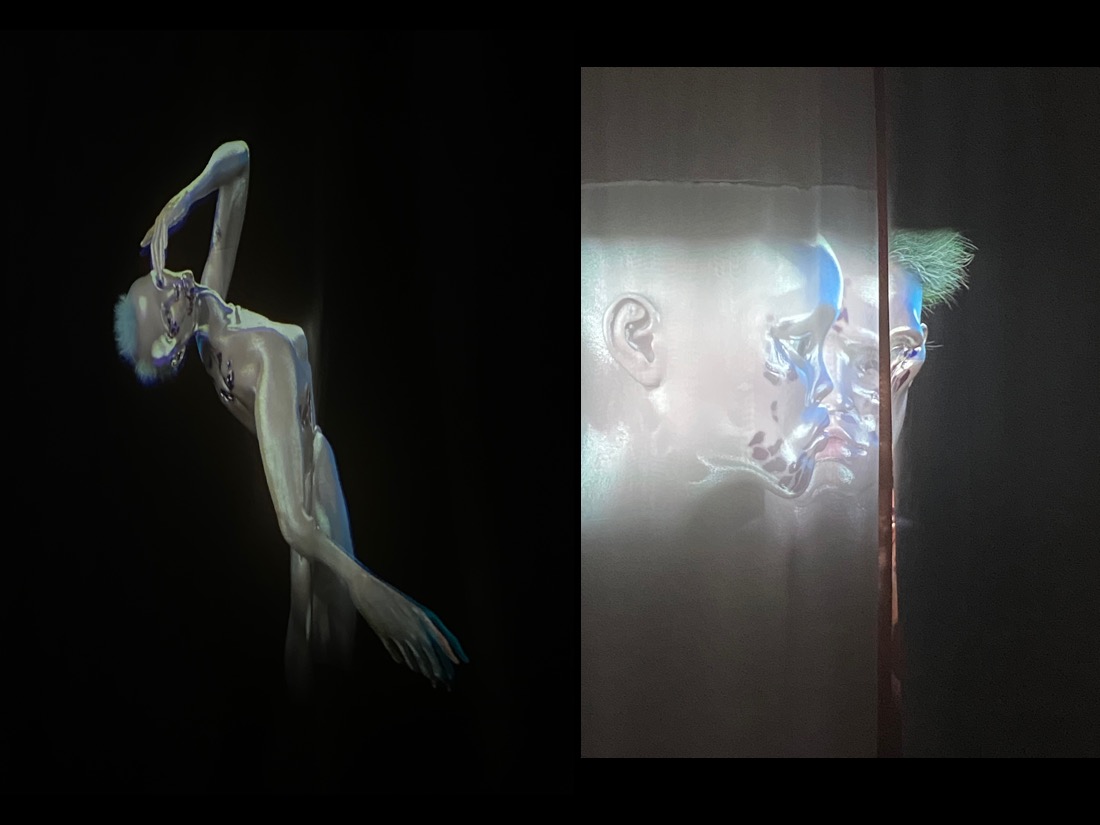
HUMAN IS” is the best exhibition I’ve been to in a while. Don’t walk, run to Schinkel Pavillon if you happen to be in Berlin this summer. Sci-fi spirituality meets post-human aesthetics. Bodies, fakeness, AI, reproduction, mutation, realness, primal instincts, fluidity… all that in the ultimate cocktail-party spot of the DDR Germany times. You feel as if you were abducted by the aliens in the solemn 1970s Berlin and were about to get high on out-of-this-world ~vibes~. Curated by Nina Pohl and Franziska Sophie Wildförster, the exhibition offers distinctions between dystopia and reality that are increasingly collapsing in the face of inexhorable technological and ecological upheavals. “HUMAN IS” borrows its name from the eponymous short story by Philip K. Dick (1955) and investigates the idea of being human as a contestable and reversible category.

Since the 19th century – and its notions of capitalist, scientific and technological progress – science fiction has held up a mirror to the changing contemporary conditio humana with its values, fears and limitations. The seemingly external threat of extraterrestrial, supernatural or artificial beings often reveals itself as self-made anxiety and part of our cultural condition. The monstrosity of the unknown arises to shake up limitations, in effect, decentering the human protagonist. “HUMAN IS” juxtaposes historical with newly produced artworks. The exhibition paints a polyphonic picture of the mutual penetration of body and technology: it addresses the often violent interdependence of humans on their technological surroundings and opposes any promises of salvation through trans-humanistic progress. Simultaneously, it opens up spaces of possibility in which dualistic taxonomies can be overcome in favor of a networked and interdependent existence. The art show engages science fiction to transcend the humanistically inscribed human, on the one hand, and the species of anthropos, on the other, through both material and perspectival liminality. For many, the collapse of the systems we have come to rely on is no longer a distant apocalyptic future. Visionary science fiction writer Ursula K. le Guin sees fiction as a container for reinventing the possibilities of human experience and knowledge beyond any linear narrative of progress. And it is through these stories that the destruction and alienation of contemporary existence can trigger creative processes and a new ethics of relationality, which may no longer be truly human.

Oberwallstraße 32 / Berlin

Photos by Edward Kanarecki.
Don’t forget to follow Design & Culture by Ed on Instagram! By the way, did you know that I’ve started a newsletter called Ed’s Dispatch? Click here to subscribe!

NET-A-PORTER Limited

Ganni in Berlin

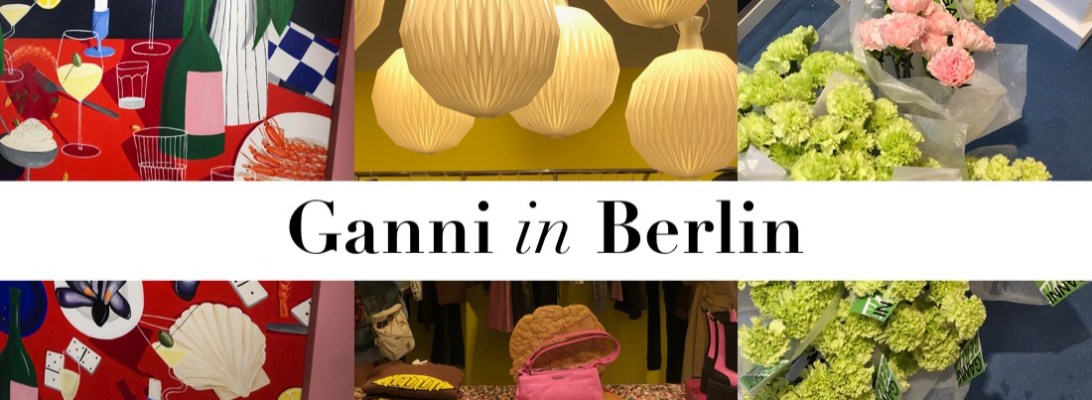
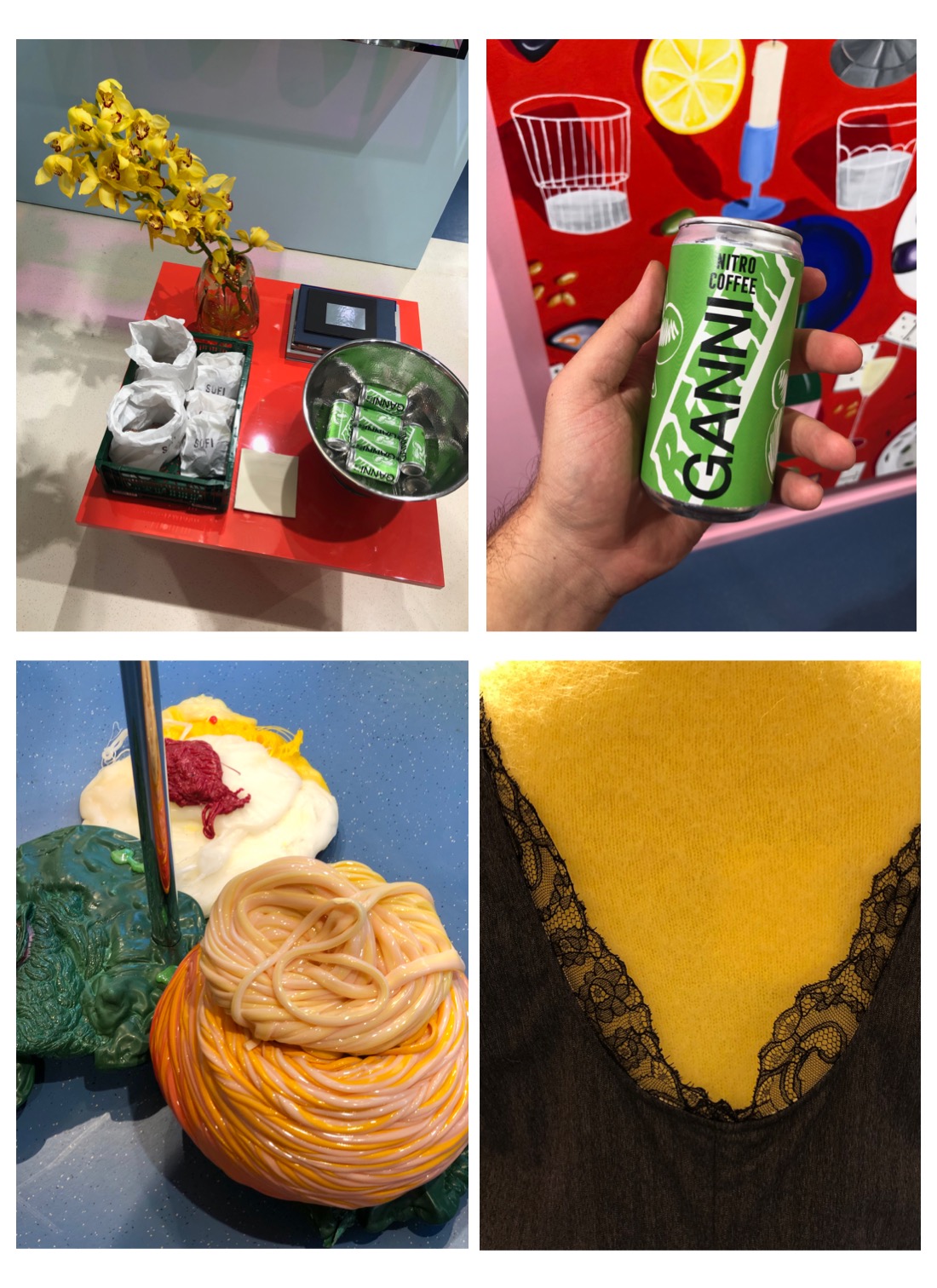
Last weekend I was invited to Ganni‘s store opening in Berlin on Rochstraße (the heart of super-lively Mitte district), and well, the Berliners are now super lucky to have such a gorgeous space for shopping! The interior perfectly captures the Scandi-chic spirit of Ganni through so-odd-it’s-cool textures, matchy-matchy colours and of course the amazing painting created for the shop by the Berlin-based artist, Isis Maria. And the brand brought some spring energy to the autumnish city with its joyful carnation bouquets coming from a local flower shop…

Rochtraße 1 / Berlin

Photos by Edward Kanarecki.
Don’t forget to follow Design & Culture by Ed on Instagram!

NET-A-PORTER Limited

Palermo is a Vibe

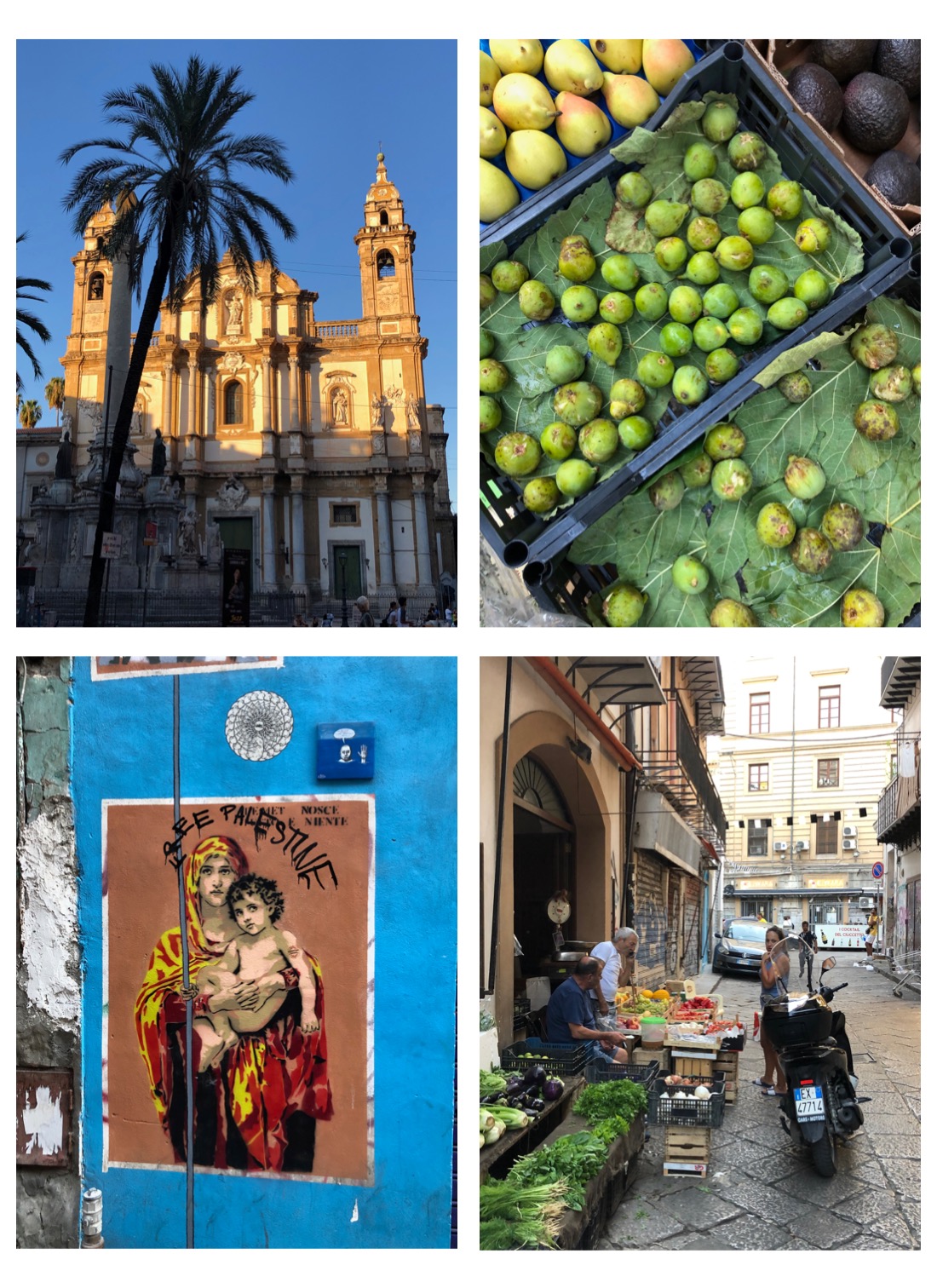
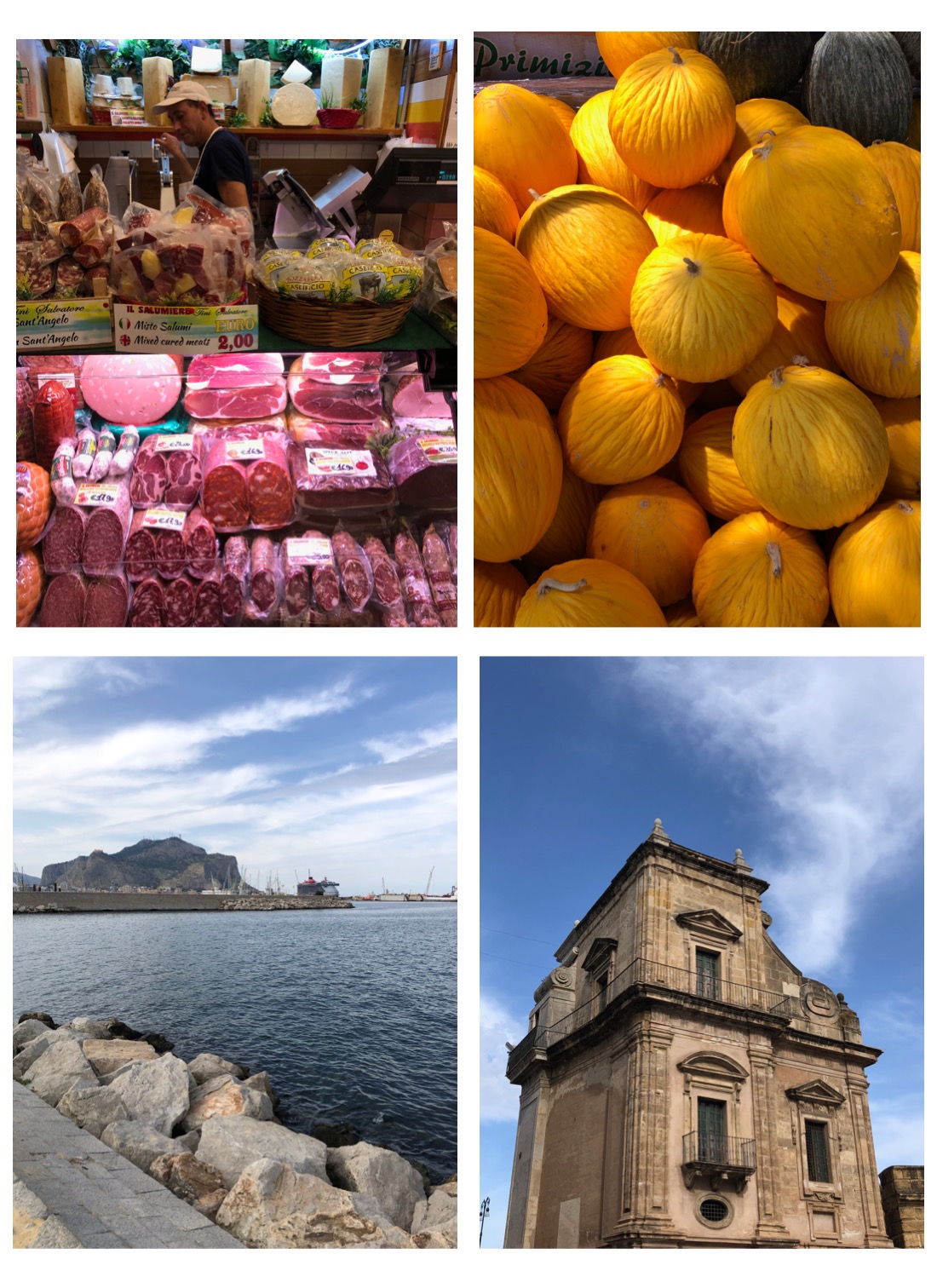
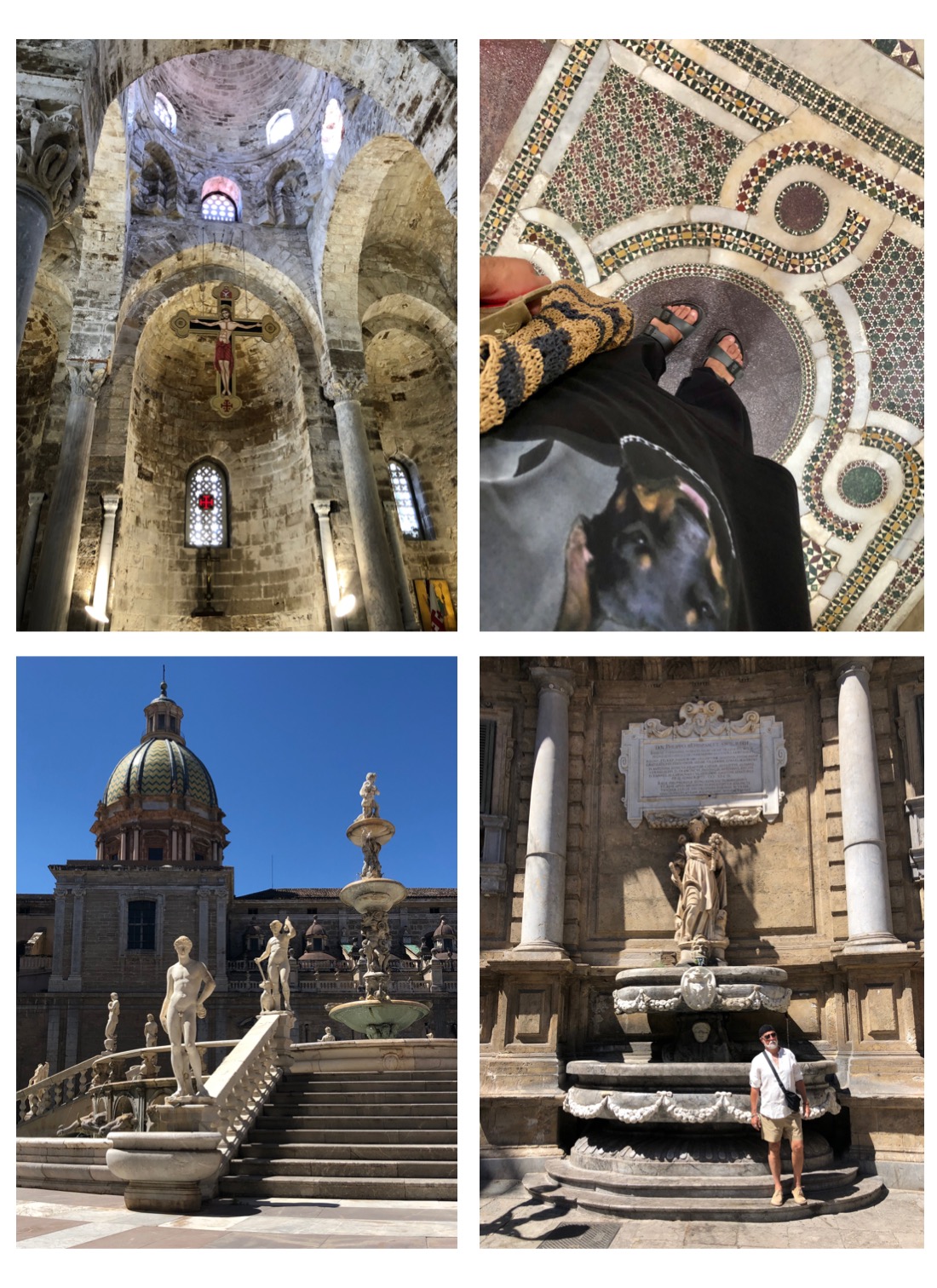
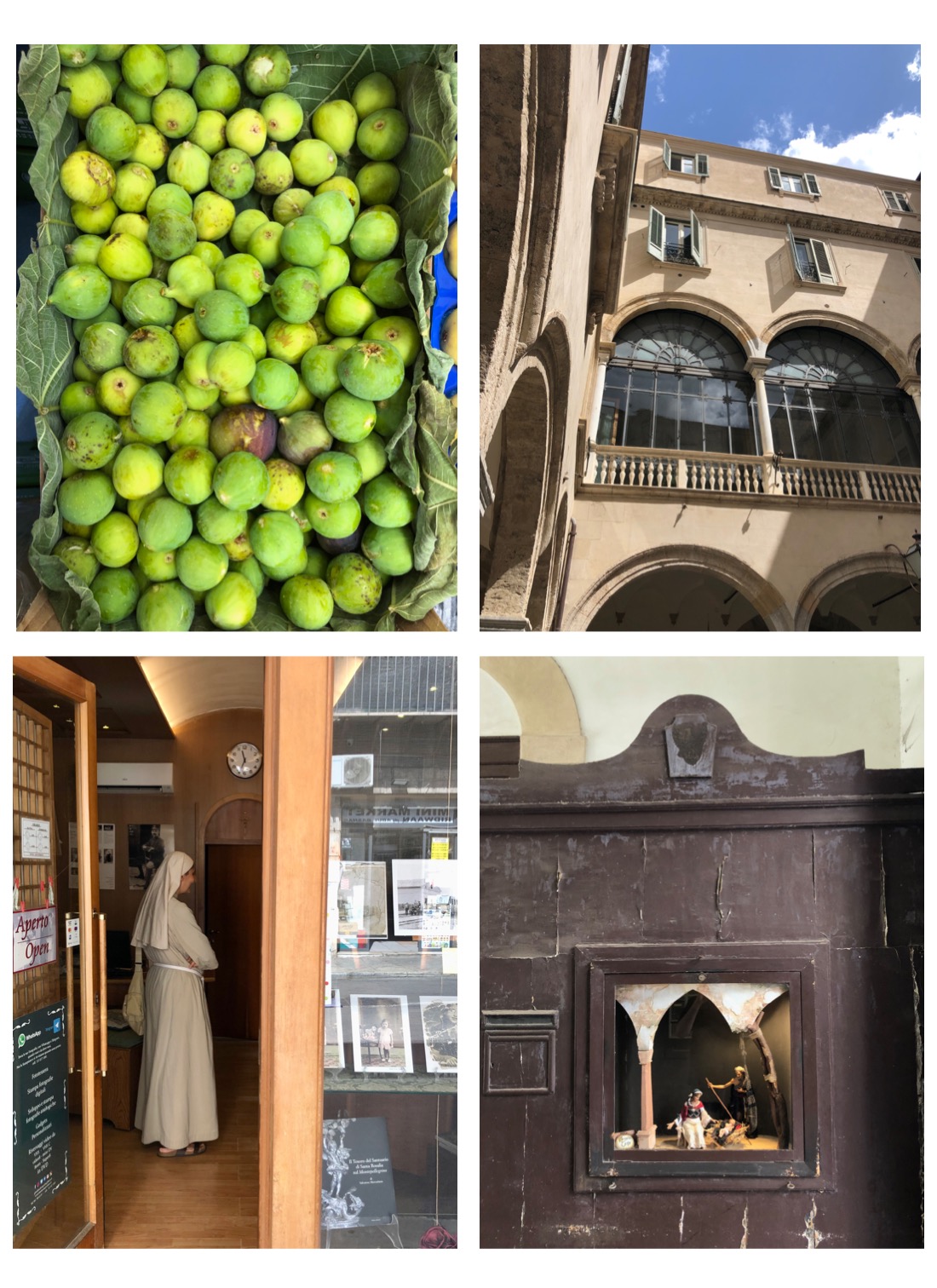
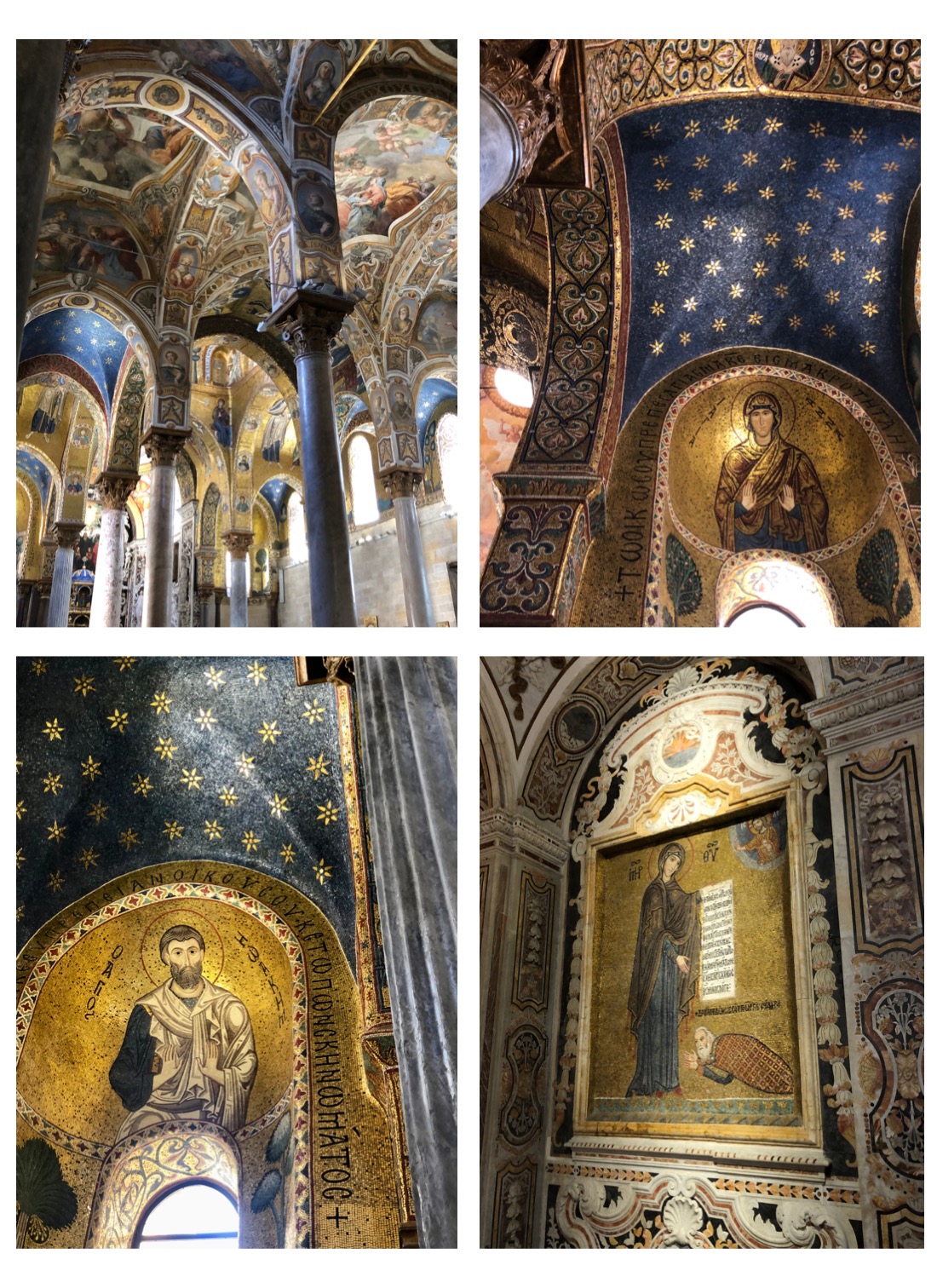
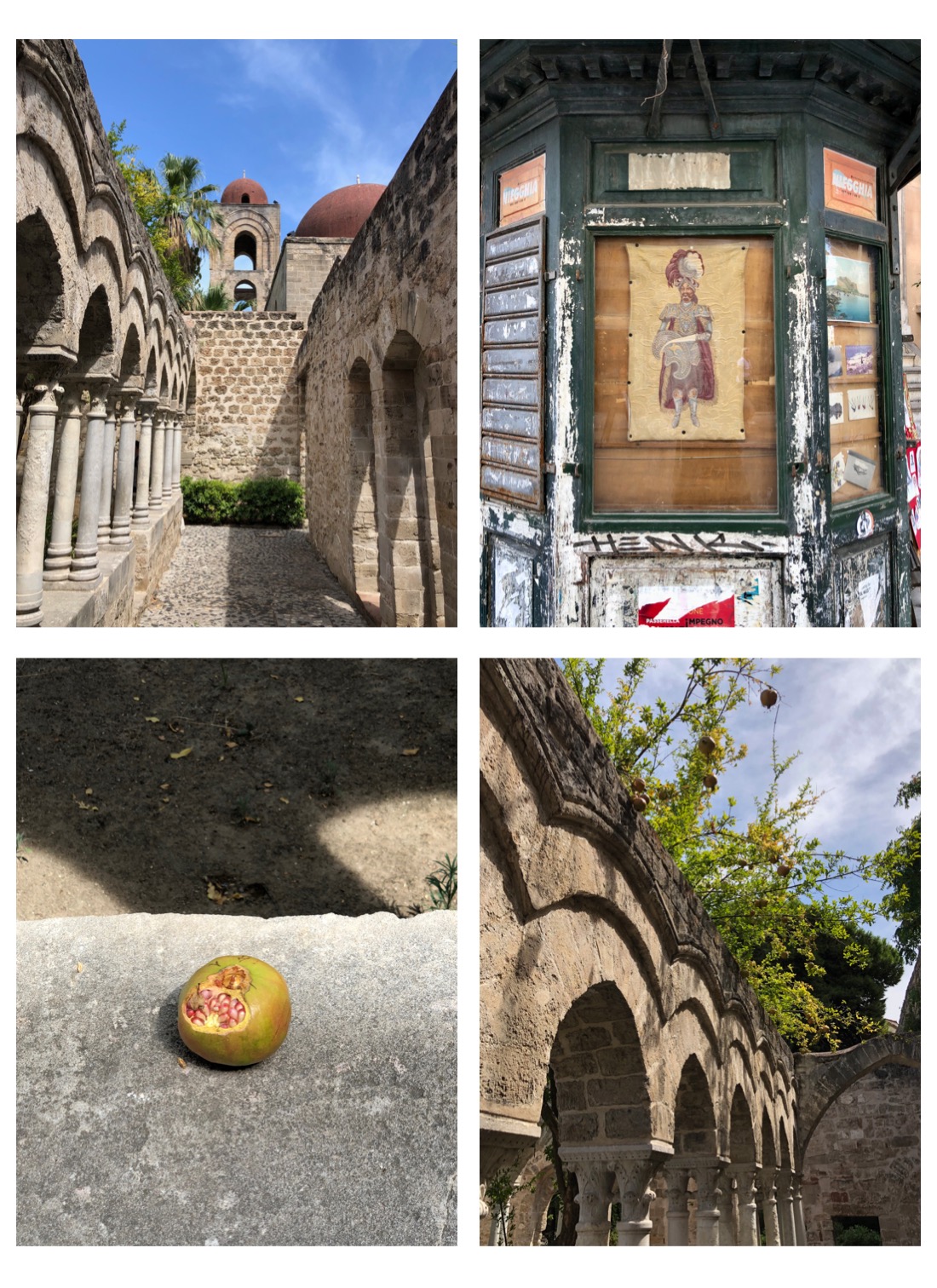
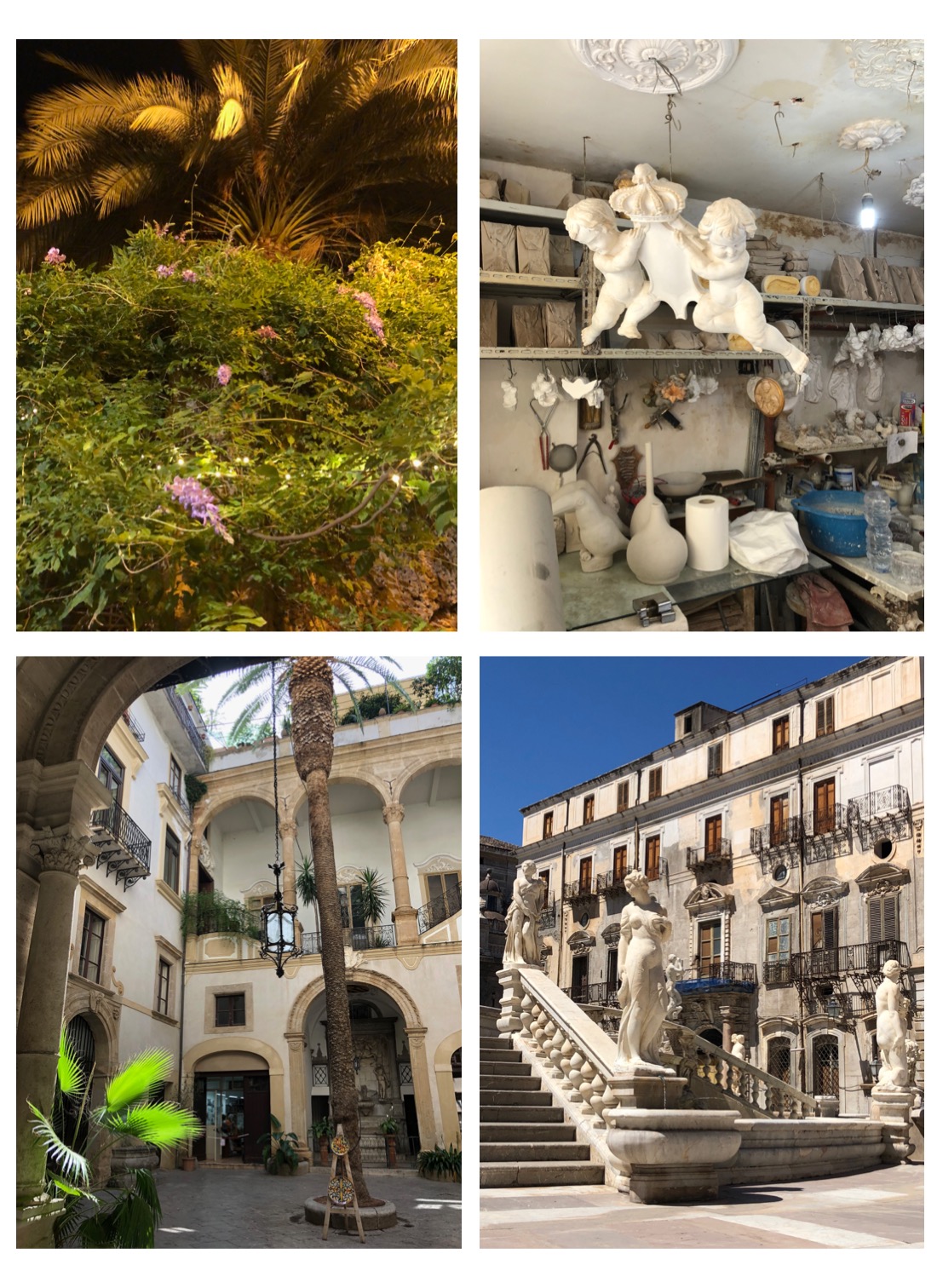
After decades of Mafia domination, Sicily’s chief city – Palermo – is re-emerging as one of Europe’s great capitals. This dazzling city presents intriguing contrasts, from elegant shopping quarters to the ancient and enchanting old city, divided by winding alleys lined with noisy outdoor markets. Its incredible mixture of cultures, architectural styles and culinary flavours is now infused with an optimism that is expressing itself in a frenzy of restoration, nightlife and cultural creativity. Part Punic, part Phoenician, part Roman, part Arab, the city of Palermo is strong stuff. Snugly spectacular in its bay setting by Sicily’s Monte Pellegrino, it looks, as a garibaldino approaching it from the sea once said, like a city imagined by a poetic child. Colorful relics of Middle Eastern domination mix with the Norman and Baroque, so the back of a building might look entirely different from its front or sides. Renaissance palaces next to hovels, 194 churches, and the domed roofs of onetime mosques – all reminders of countless invaders. History is a tumble, a chaos. Palermo is an experience, Palermo is a vibe.

Photos by Edward Kanarecki.
Don’t forget to follow Design & Culture by Ed on Instagram!

NET-A-PORTER Limited

Ragusa Ibla

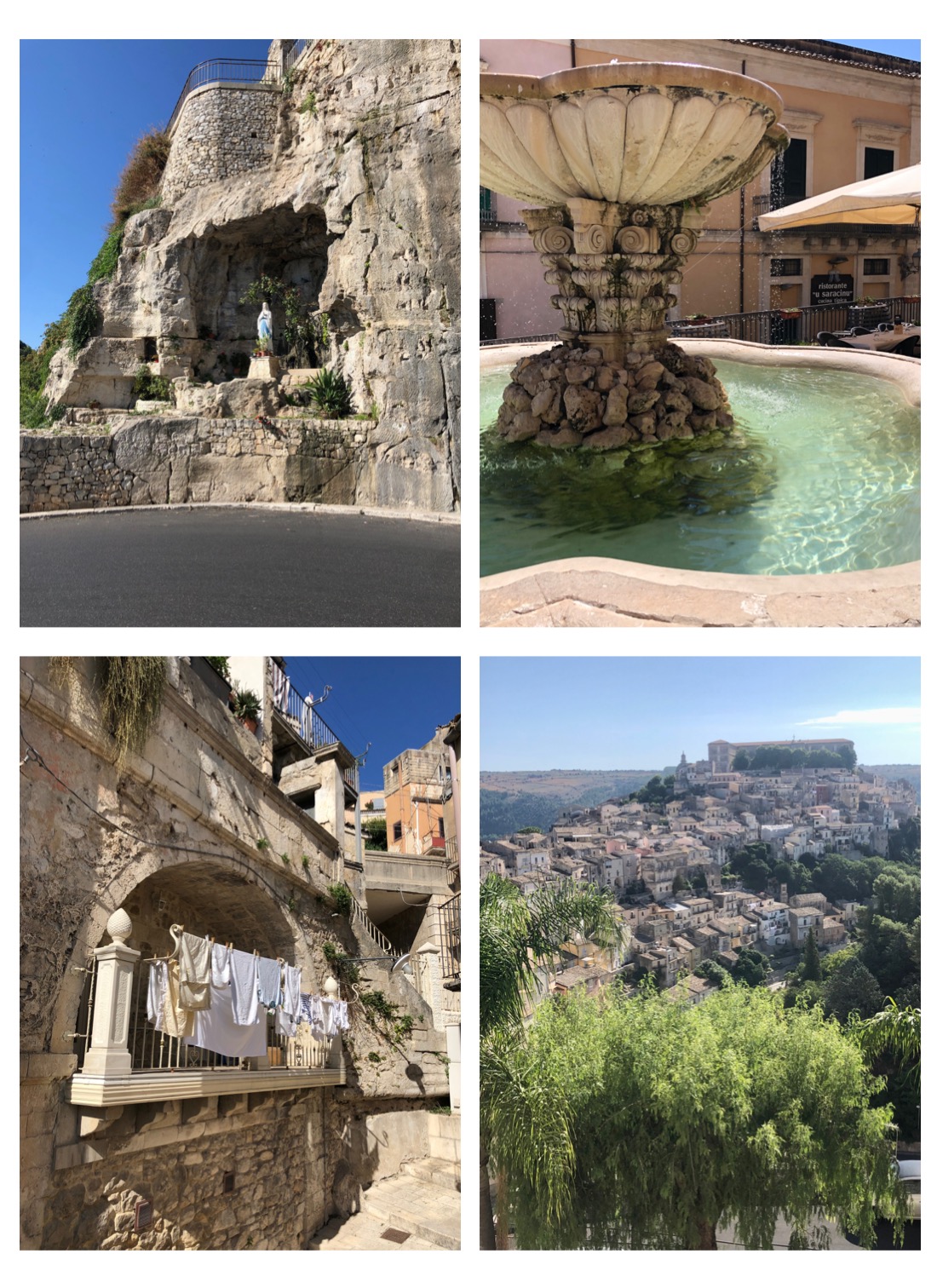
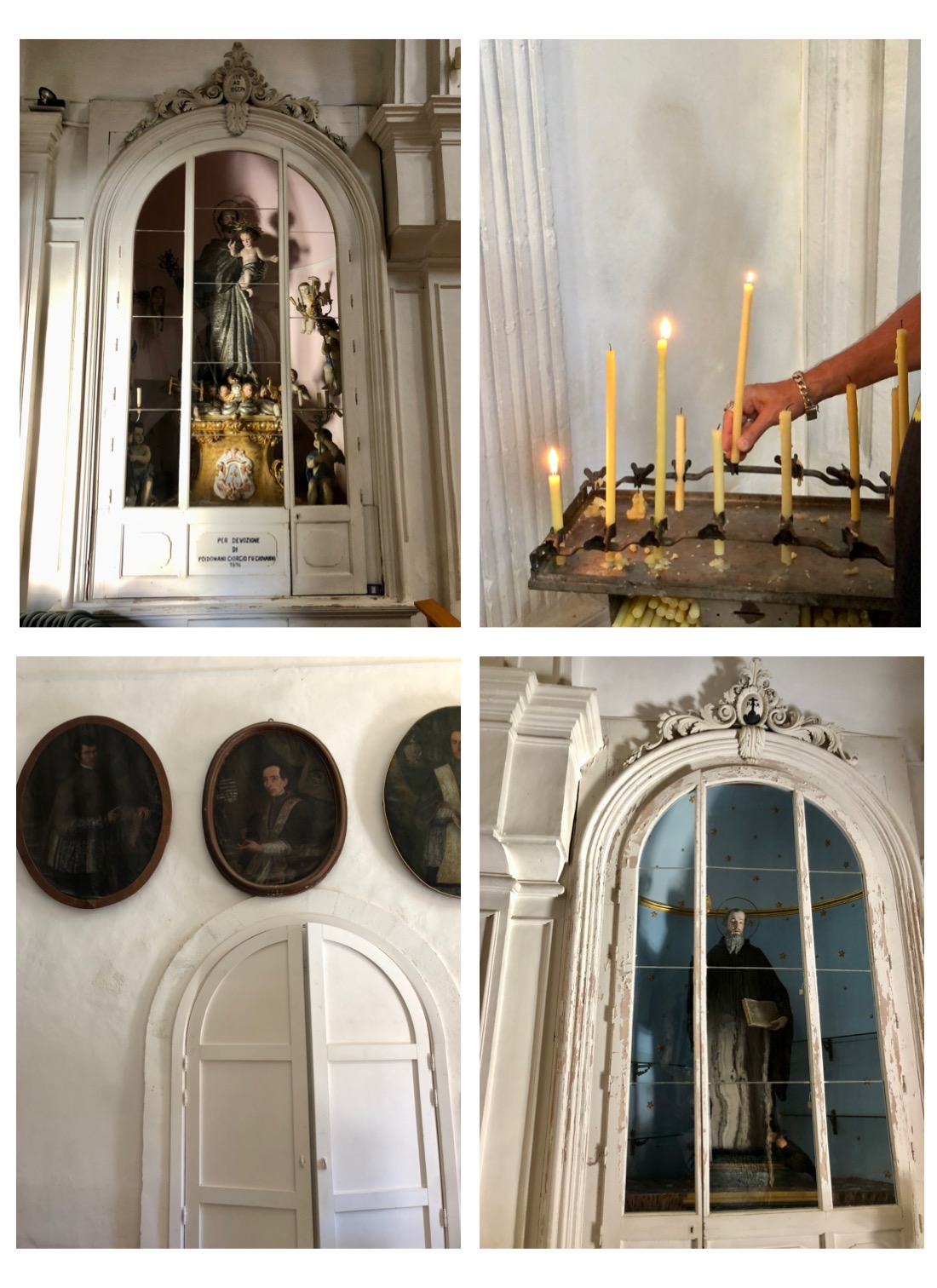
Nothing can prepare you for the first view of Ragusa. The oldest part of the city, Ibla, was spilt in two by the earthquake and part of it rebuilt in the baroque style, but hints of the old town still sit alluringly cheek-by-jowl with such formal perfection. As you round the bend on the road from Modica, up the town rises like a giant sandcastle, a thing of part-dilapidated magnificence conceived in a moment of delirium. Ragusa is secretive, mysterious. Walking around, you feel weirdly high up. Even the squares are on a rake – at all times there’s this sense of being on a hill, of walking on air surrounded by silence. In the streets radiating from the immaculate Piazza Duomo, tiny, hidden orange gardens give on to palazzos nuzzling more palazzos with guest rooms and state rooms and saddle-rooms. The highly polished marble floors in the piazza’s neoclassical Circolo di Conversazione – a handsome social club where 18th-century Ragusan gentry gathered to talk and drink – throw up a brooding haze in the late afternoon, if you manage to peer through the windows before a janitor shoos you away and locks up at five o’clock.

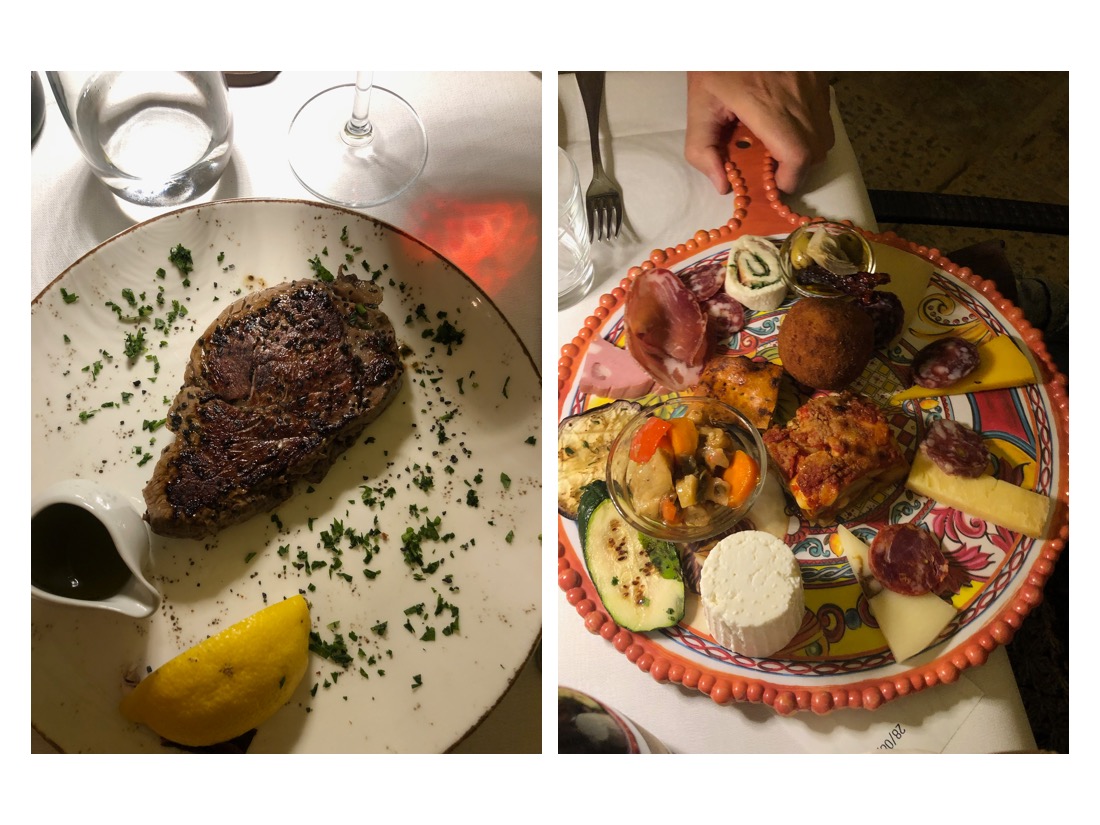
For lunch or dinner, try Il Barocco. A few steps from the Church of St. Joseph in Piazza Pola, and by the magnificence of the Duomo, you find this great restaurant with twenty years of history. Since 1992, the Cabibbo family manages the restaurant, offering the authentic tastes of Ragusa. Il Barocco focuses on timeless flavors, fresh pasta and local dishes that have been served in the family for decades.

Via Orfanotrofio 27/29

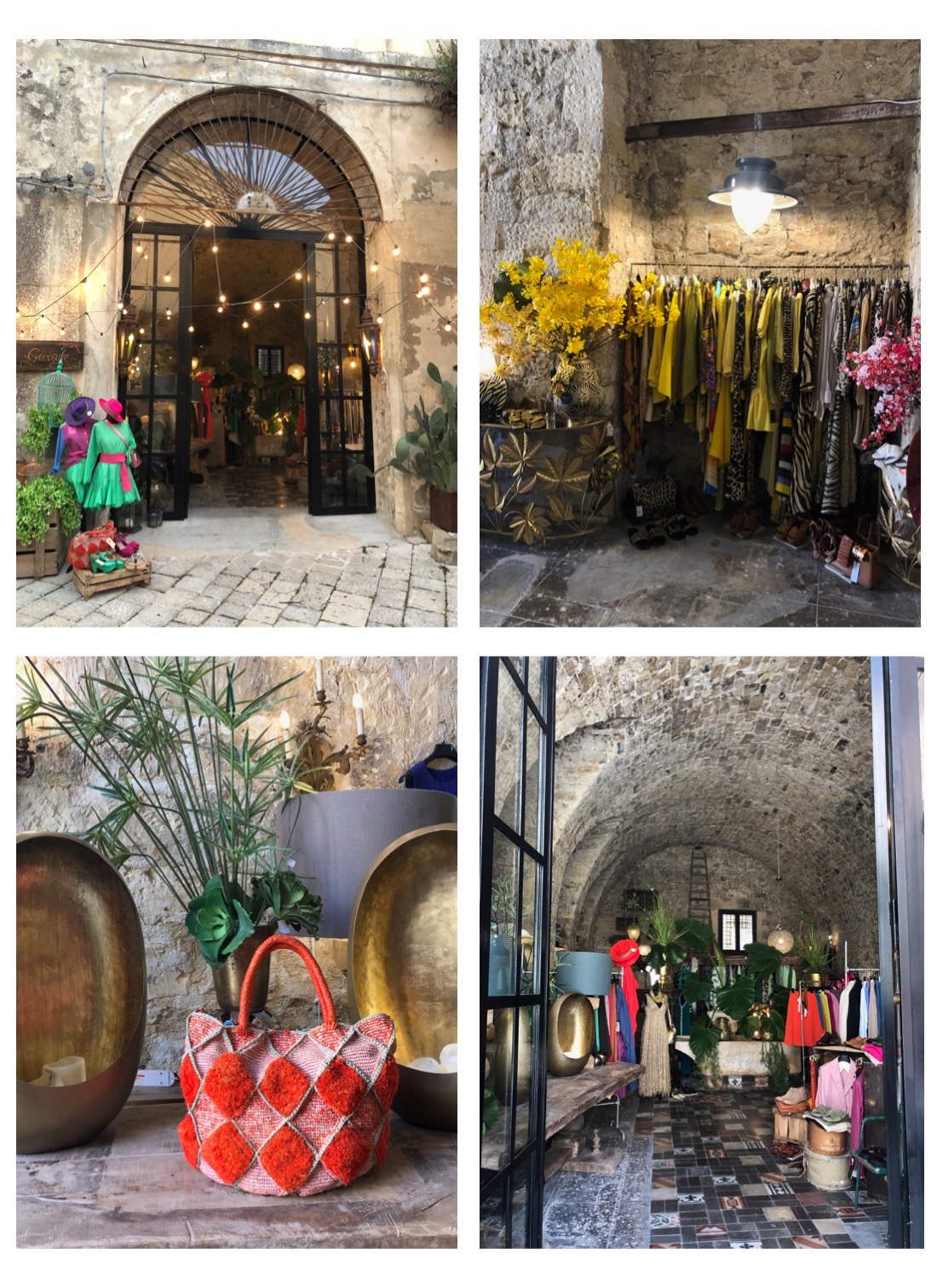
Nel Garage is a beautiful and very charming concept store with a selection of clothes and accessories from all over the world. You will also find some ultimate Missoni classics, as well as impeccable tailoring for men by Antonio Marras.

Via Orfanotrofio 36

Photos by Edward Kanarecki.
Don’t forget to follow Design & Culture by Ed on Instagram!

NET-A-PORTER Limited