The New Revolutionaries

1166645

Fashion is continuous in communicating on what’s happening in the world. Vivienne Westwood and Malcolm McLaren shaped the 70s punk scene in Great Britain, shaking up the aristocratic nation; Marc Jacobs took grunge into the world of high fashion at Perry Ellis in 1993. There was Raf Simons with studded, skinny pants for boys, and Hedi Slimane at Saint Laurent years later, reviving Yves’ (in)famous scandale spirit. All of those designers wanted to show rebellion, and made history. This season, the mood of rebellion was present, too, but introduced in a different way. If you want to look defiant, leave your mud-splattered boots behind.

1134880

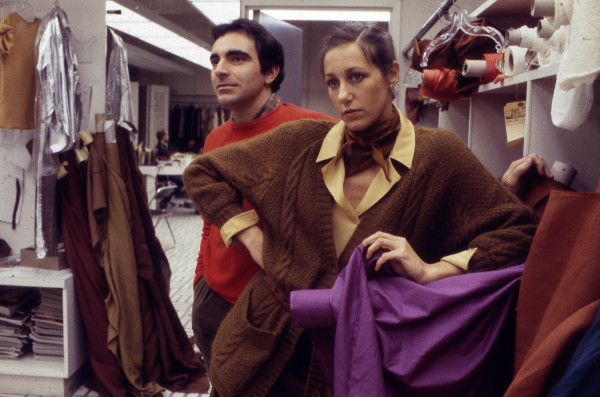
Marc Jacobs and Lucie de la Falaise, Perry Ellis era

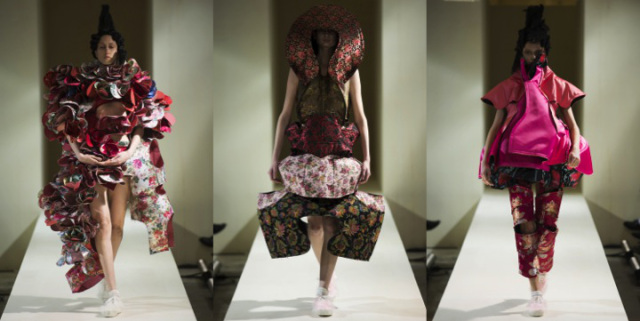
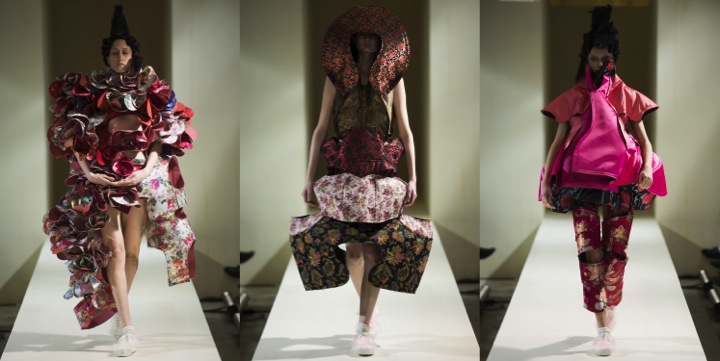
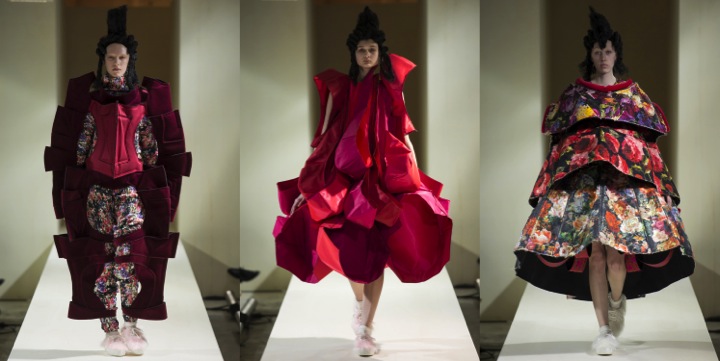
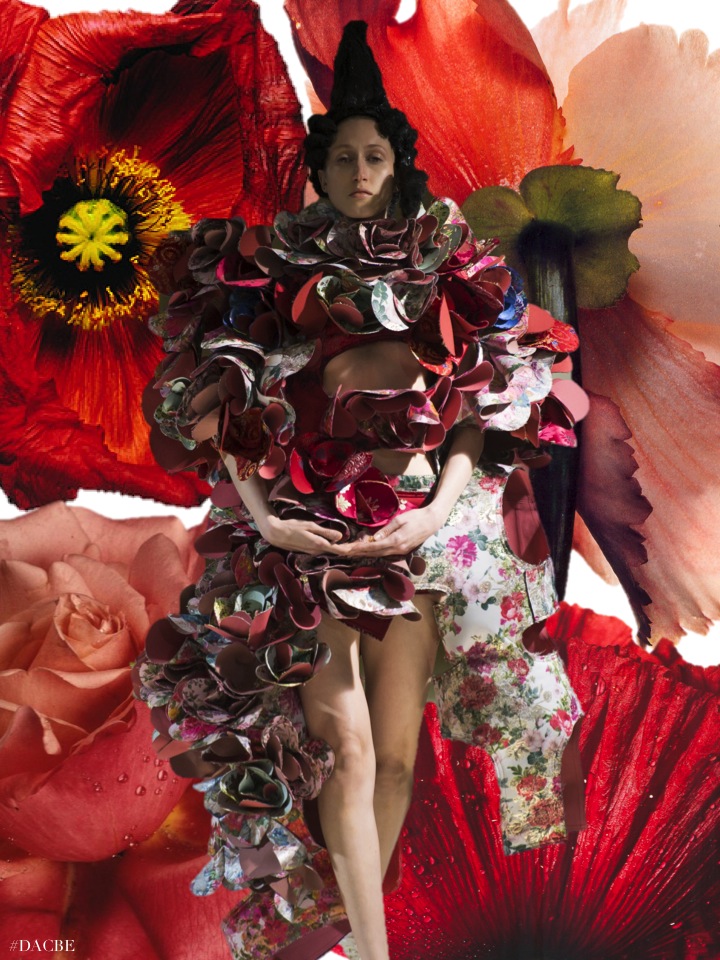
Take Rei Kawabuko and her autumn-winter 2016 collection at Comme des Garçons – it was an ode to the 18th century, but not in the way you might have expected. The silhouettes were voluminous, while the textures clashed with contrasts. Instead of embroideries and embellishments, opulence played a different role. “The 18th century was a time of change and revolution,” Rei said. “This is how I imagine punks would look, if they had lived in this century.” Think about French aristocracy, and just remind yourself some Marie Antoinette’s pouf hair-style or Louis XIV’s obsession with heels. Ball-dresses, splendour of colours – this is how the Incroyables originated, putting a barrier between them, and others. Their looks shouted “I’m in the elite – you’re NOT”. In fact that was a kind of punk gesture, if you look at that from another perspective. Paradoxically, Kawakubo wasn’t mistaken – punks, different punks, already existed before Dame Vivienne. Living in their saccharine wardrobes and eating cupcakes while the poor starved was to an extend… radical.
commes_featured-770x1156

Comme des Garcons AW16

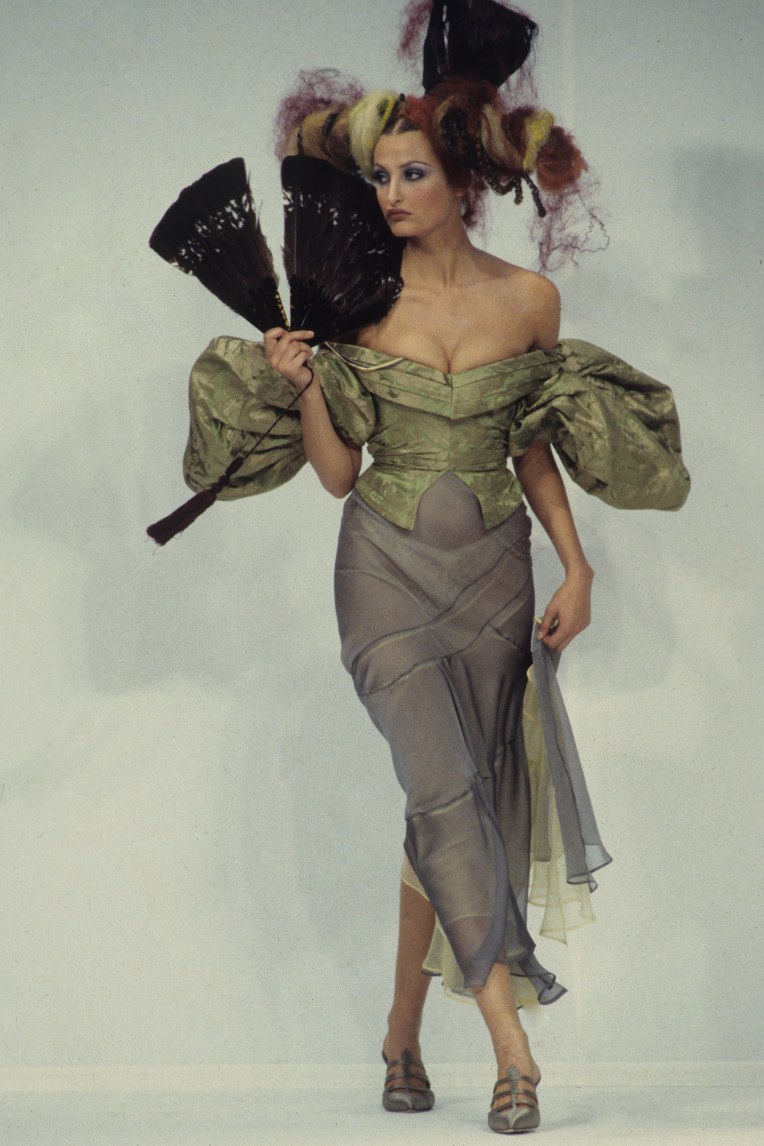
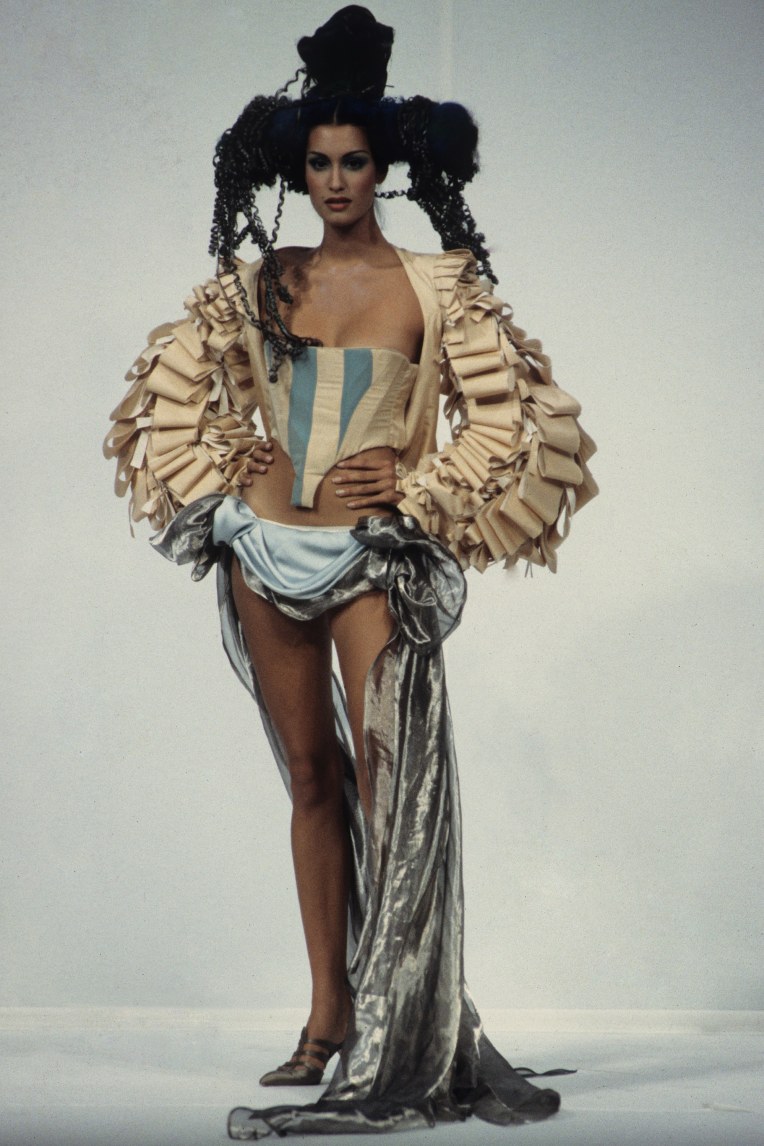
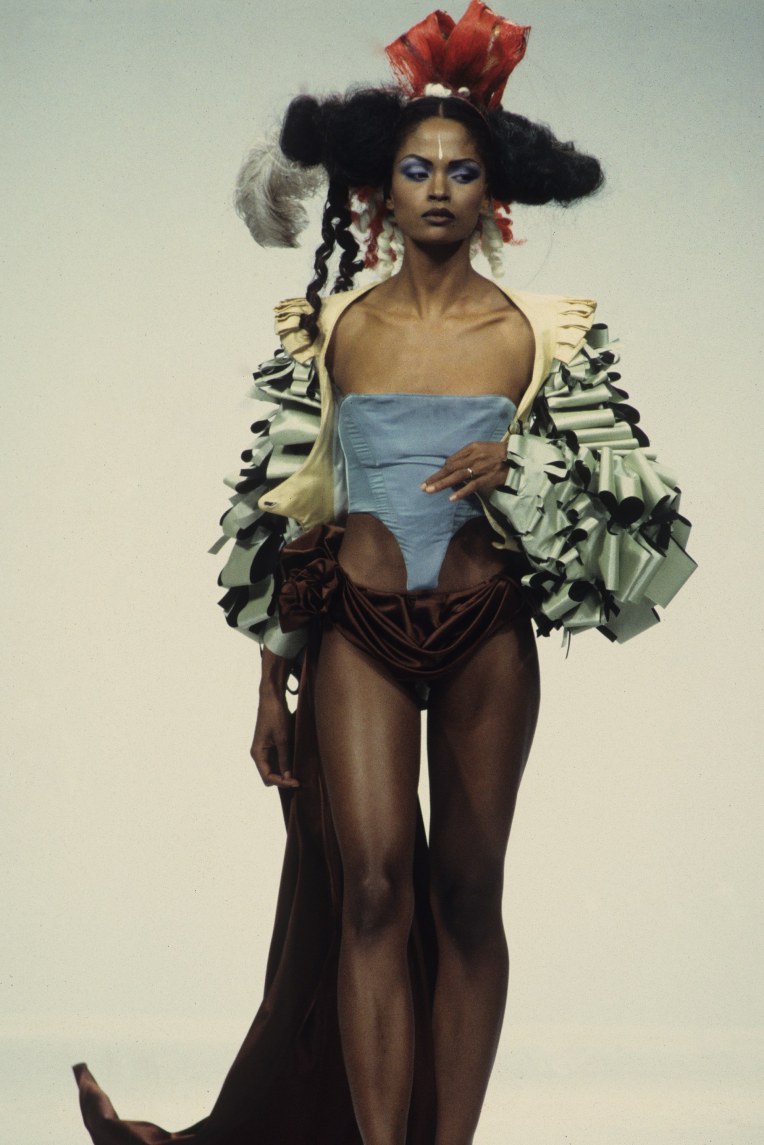
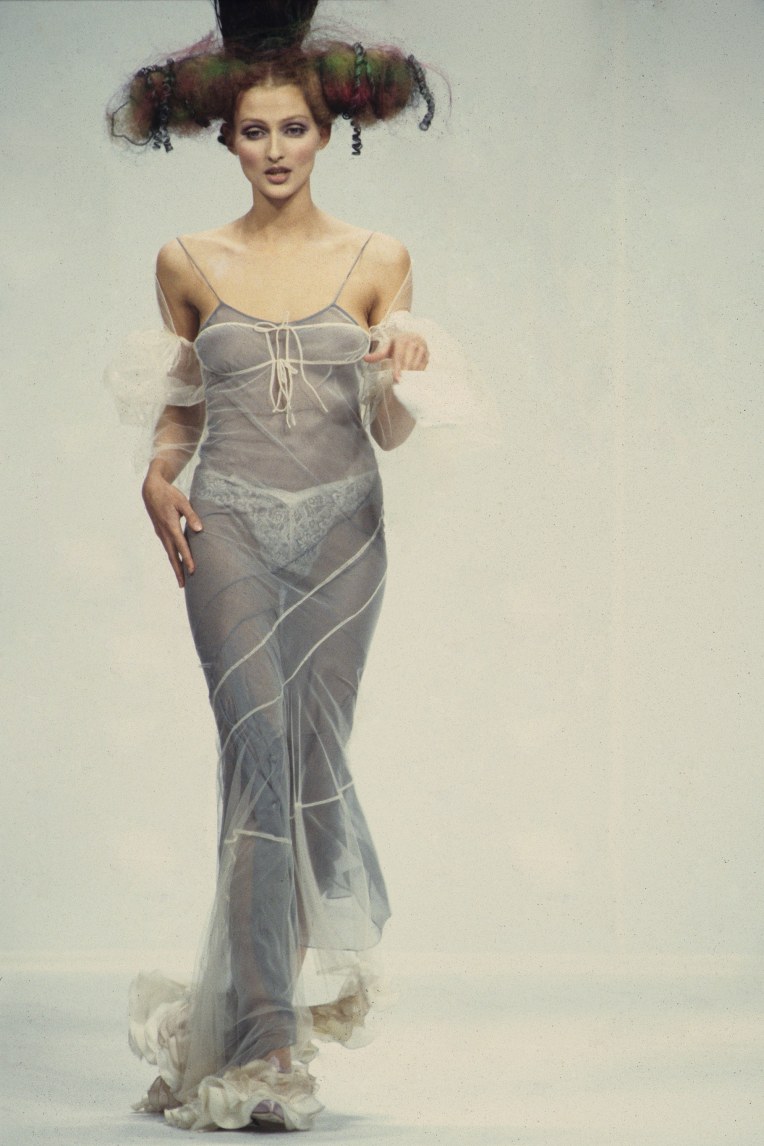
Good times changed for aristocracy, and the French revolution proves that. John Galliano‘s spring-summer 1993 collection was a modern-day interpretation, of how a Merveilleuse (female equivalent for Incroyable) could have looked before execution. Of course with grace! A sheer  dress which looked nearly like a piece of underwear; her hair of fleek. Decapitation had to be chic, and Galliano’s spectacular collection filled with tattered frock coats, dilapidated chiffon, and extravagantly puff-sleeved gowns was a controversial success.
JOHN-GALLIANO-SPRING-1993-RTW-071

JOHN-GALLIANO-SPRING-1993-RTW-020

JOHN-GALLIANO-SPRING-1993-RTW-023

JOHN-GALLIANO-SPRING-1993-RTW-070

All of the above: John Galliano SS93

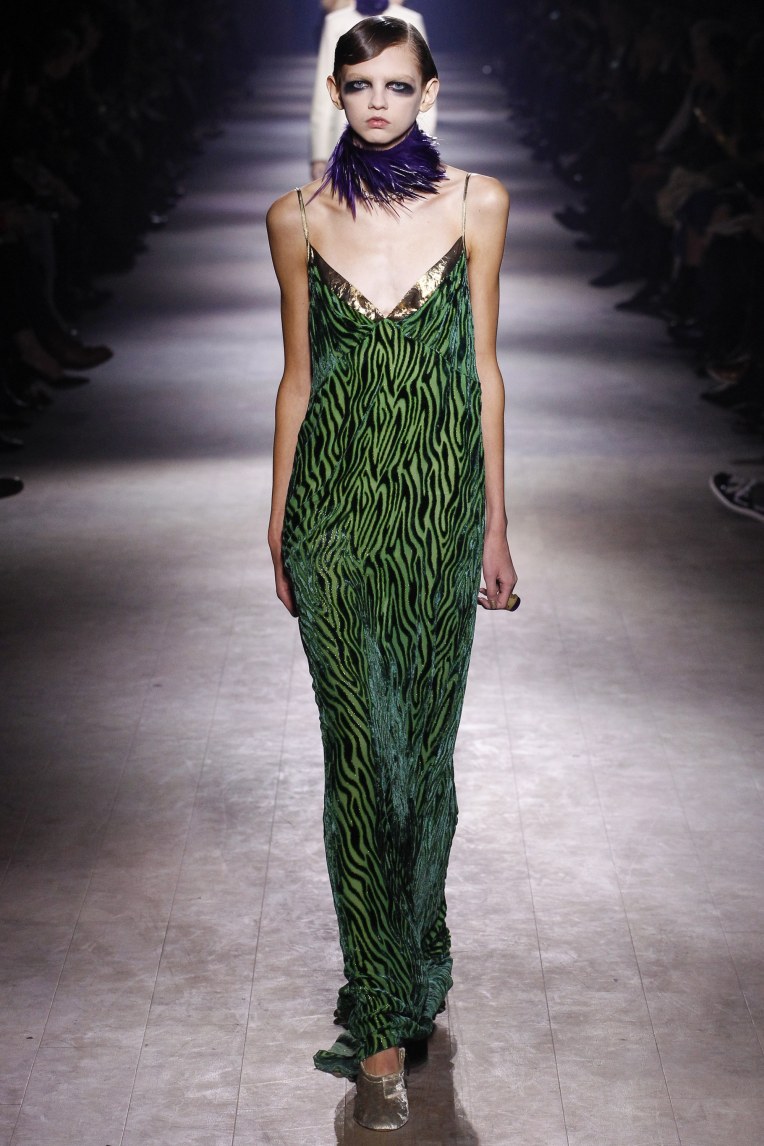
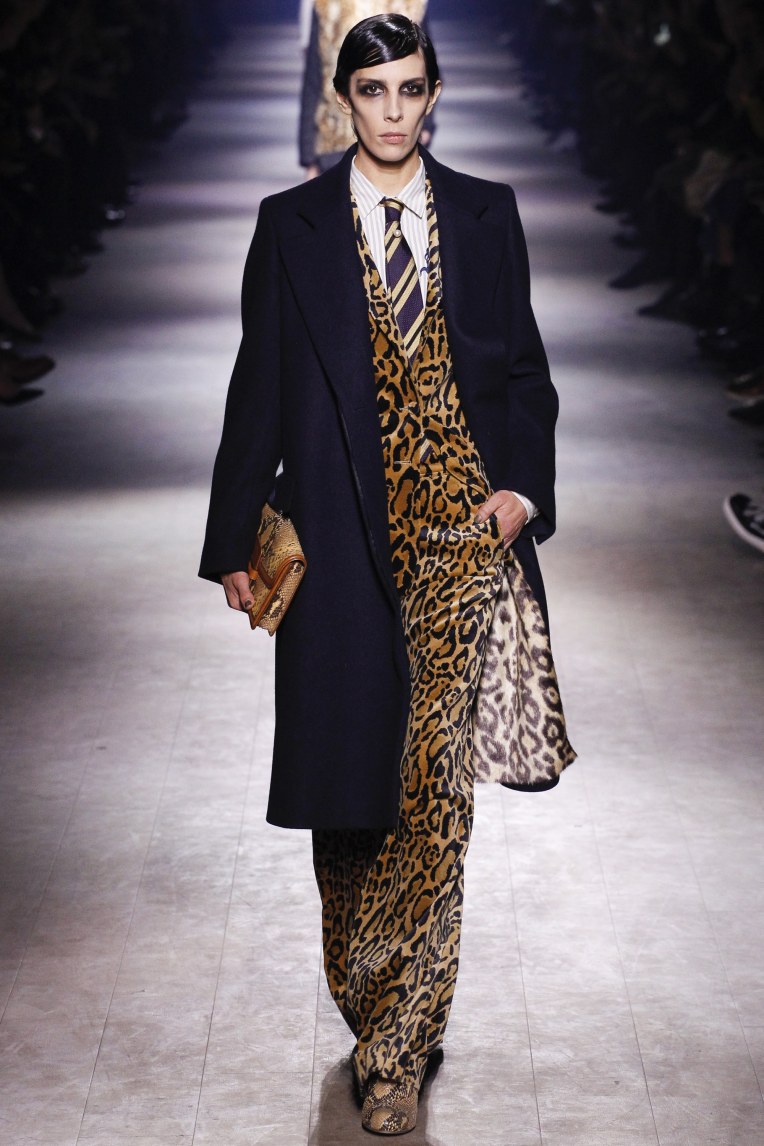
But coming back to 2016. Marc Jacobs‘ latest outing was all about full skirts and big dresses in polished leather. Platforms were there. Those ladies were like the bad queens and bad princesses from a fantasy, while their outfits were loud nods to monarchy looks. For Maison Margiela, Galliano devoted his haute couture collection once again to the Incroyables, presenting coats with exaggerated tails. But this time, the one-of-a-kind pieces were mixed with high-tech textiles and hand-made chantilly lace. John explained his artisanal season as a reflection of today’s world troubles. “I didn’t want to repeat what I did as a kid,” said Galliano. “But it has the rebellious attitude of youth.” Lastly, Dries Van Noten was inspired with Marchesa Casati’s avant-garde aura. She was, you’ve guessed well, an unconventional aristocrat, with her smokey eyes, layers of pearl necklaces and exotic furs. She looked different that all the other fancy dames from those times – and that’s why Dries felt appeal to her. An embodiment of punk? Yes.

mon1371

Marc Jacobs AW16

_ARC1781

Dries Van Noten AW16

_ARC0959

Dries Van Noten AW16

356716

356717

356720

Above: Maison Margiela Haute Couture AW16
Slide1-kopia 2

Women of AW16

Slide1

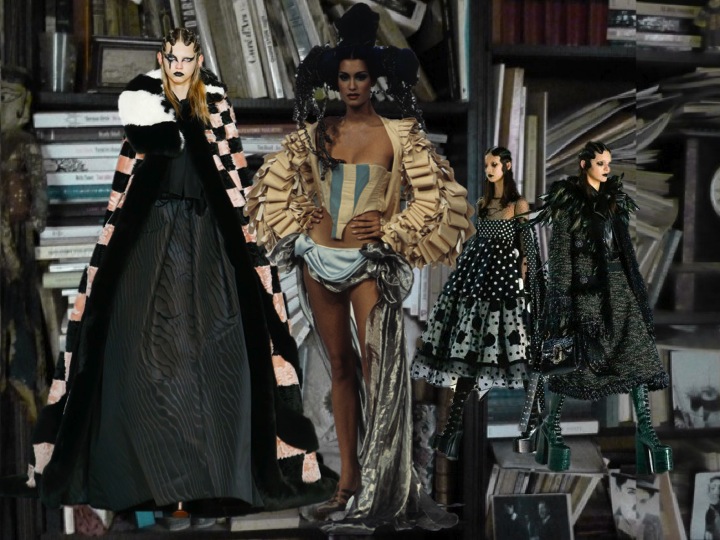
It’s not a secret that women with attitude inspire fashion, and the designers. This season, we had a range of different characters – from aristocratic femme fatale to a lady who travelled the world, the season of autumn-winter 2016 is definitely dedicated to the women, who made history. Or, at least, are the important chapters in fashion chronicles.

Marchesa Luisa Casati x Dries Van Noten

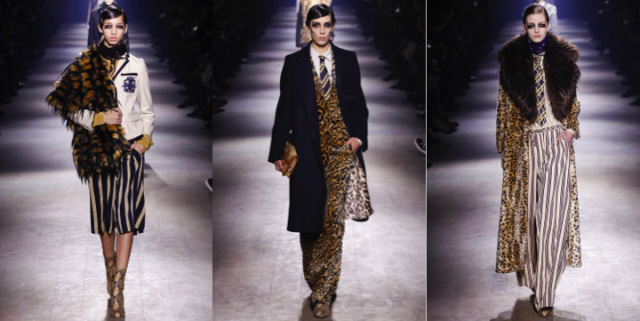
Aristocratic suits, piqué shirts, gold lamé shoes, leopard-spot pantalons and the radiating soigné manner surrounding the smoky-eyed women. It’s a story reviving Marchesa Luisa Casati, the woman with her iconic pet-cheetahs obsession and a memorable collection of pearl necklaces. The Belgian designer mused “she pushed decadence as a lifestyle, but was never happy” – indeed, the collection was shrounded in melancholic mystery. The masculine coats, celebrating Casati’s lover, Gabriele D’Annunzio, and white shirts tucked in tweed pants were all about Dries’ imaginary woman, who shares her man’s wardrobe and reads, maybe, books about existence. Decadence and Van Noten – a match made in heaven, making this season a highlight for the designer.

casati01

slide06

Slide2

Anne-France Dauthville x Chloé

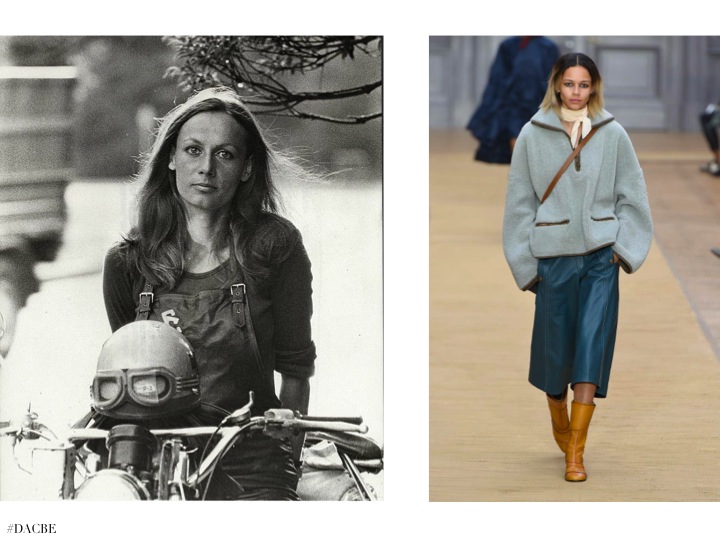
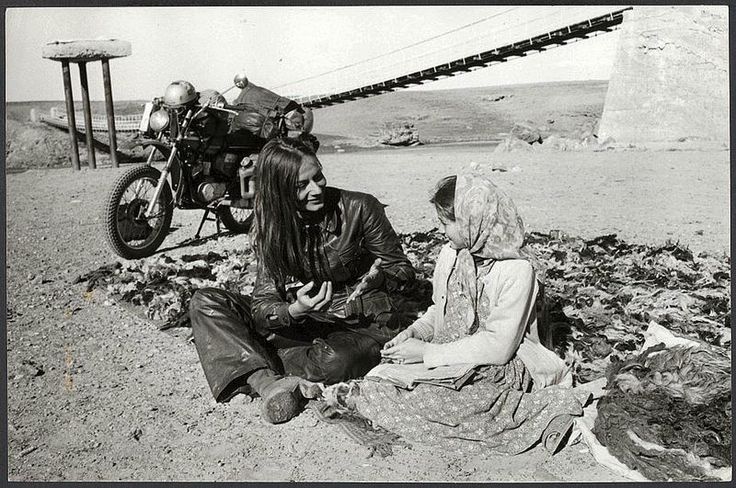
With her favourite, laid-back signatures, Clare Waight Keller revived the spirit of a Frenchwoman, Anne-France Dauthville, who travelled across Europe and Middle East on her motorcycle in the 70s. One of the looks was basically a motocross combo of a jacket and a pair of pants, styled with off-duty biker boots. With ecru foulards tied around necks, the girls wore the best-selling, ruffled silk and lace dresses, while the opening look was a voluminous, travel-forward poncho. Watching Chloé’s AW16 collection, you felt like THIS girl is a truly carefree soul.

9d1d9054e74476ec4c4864cafb6210e9

slide17

Slide4

Comme Des Garçons x Marie Antoinette

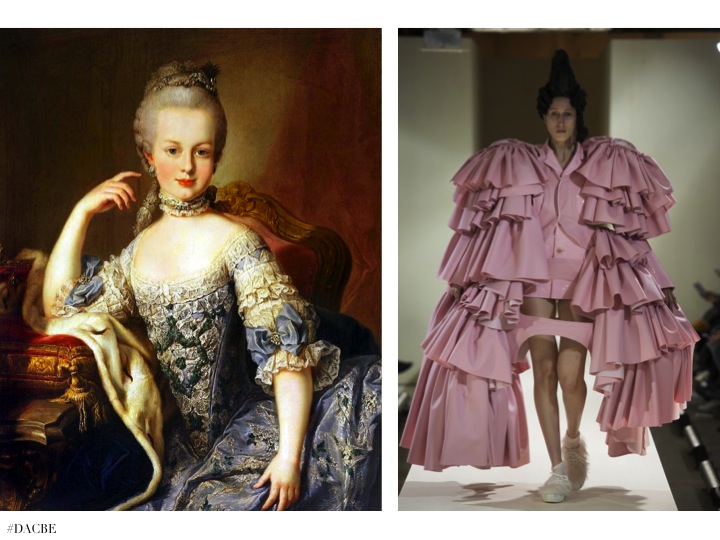
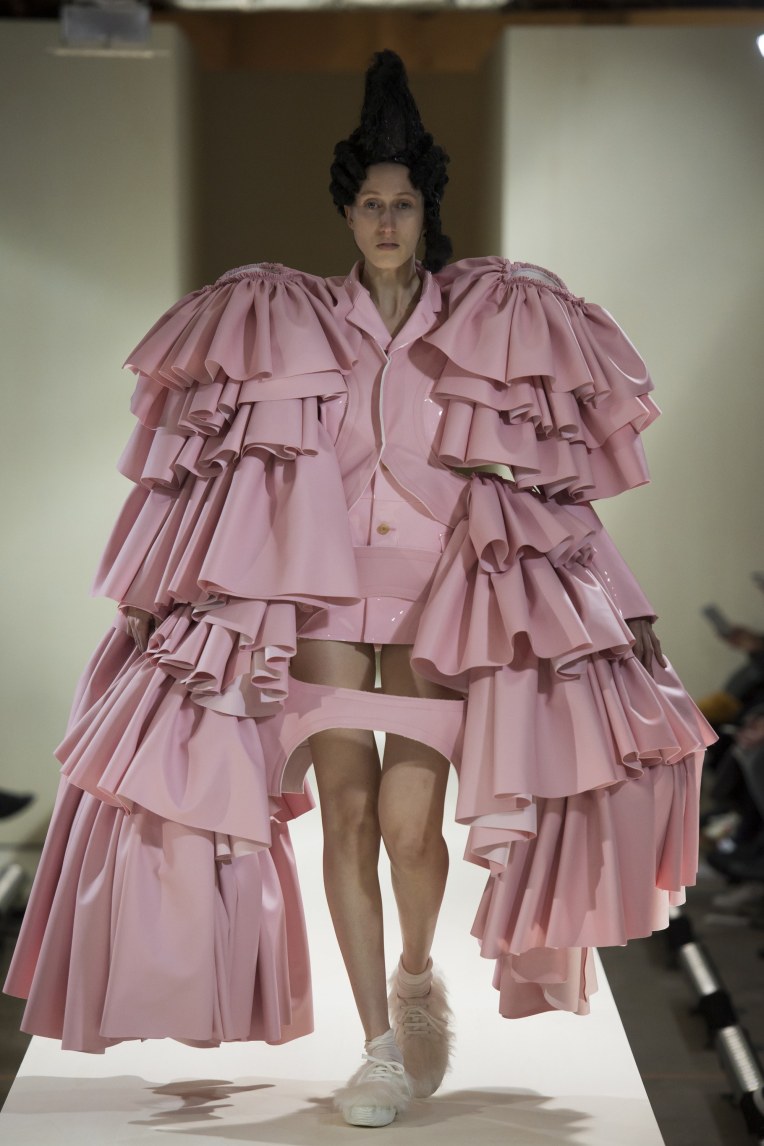
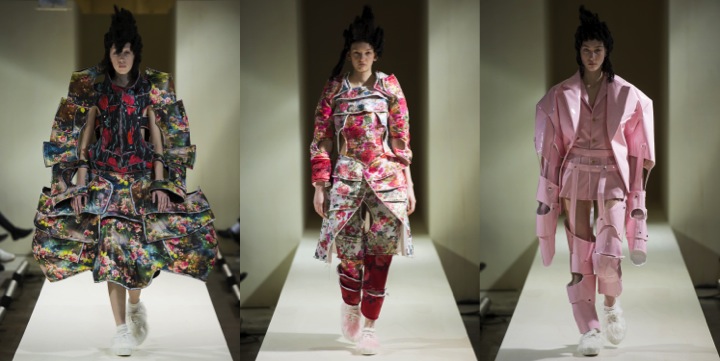
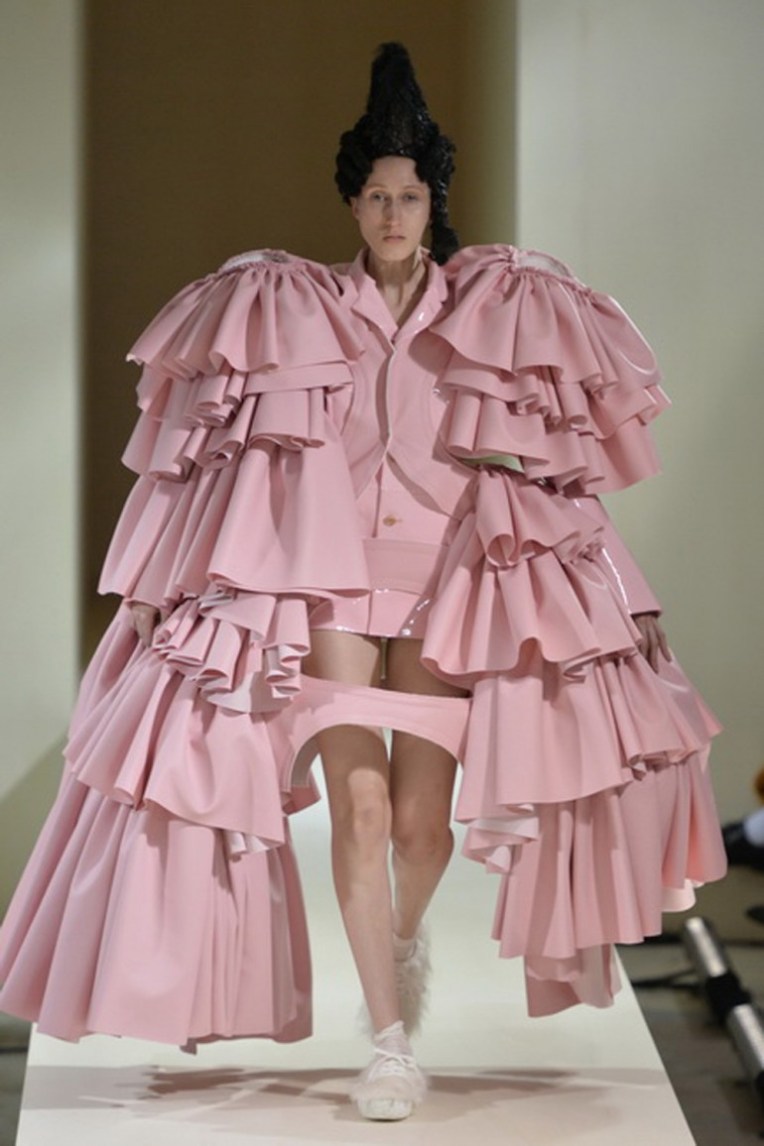
Although Rei Kawakubo isn’t a fan of mood-boards, her latest collection for Comme des Garçons was everything – punk, sexy, deviant and royal. The closing look worn by Anna Cleveland, so the pastel-pink, leather piece with exaggerated, ruffled sleeves was a defiant reconstruction of Marie Antoinette’s coat, in which she would surely have a cupcake, or two. Just like Maria Antonia Josepha Johanna von Habsburg-Lothringen, the Queen of France and Navarre, Kawakubo is against the flow.

Adolf_Ulrik_Wertmüller_-_Queen_Marie_Antoinette_of_France_and_two_of_her_Children_Walking_in_The_Park_of_Trianon_-_Google_Art_Project

slide1-kopia-54

Slide3-kopia

Celine x Donna Karan

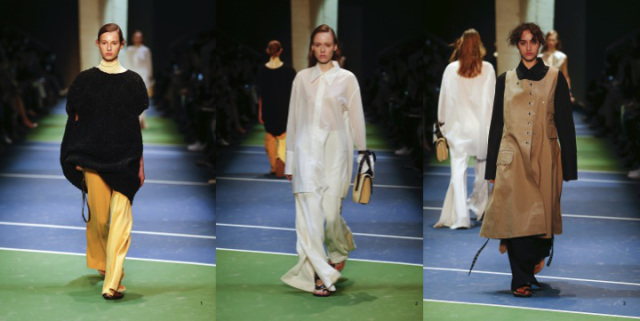
Although Donna Karan closed her main line last year, and left DKNY for the Public School boys, her influence from the 80’s and 90’s felt distinct in Phoebe Philo‘s relaxed season at Celine. The flowing silhouettes and extremely wearable pieces are so effortless that every woman would love to wear Philo’s clothes nowadays. This was totally the same goal for Karan back in the days – she made her clothes so comfortable that they instantly became the second skin for her New York clients. Nearly invisible in wearing – timeless, seasonless and ageless. But not boring!

donna-karan-anne-klein

slide012

Women, who’ve inspired the designers for autumn-winter 2016 season are (or were) all absolutely original in their lifestyle and way of being. Which one reflects you in fashion? Or, maybe you’re not identifying with any of them? Would love to hear your thoughts!

Erotic Decadence. Comme des Garçons AW16

_CDG0459

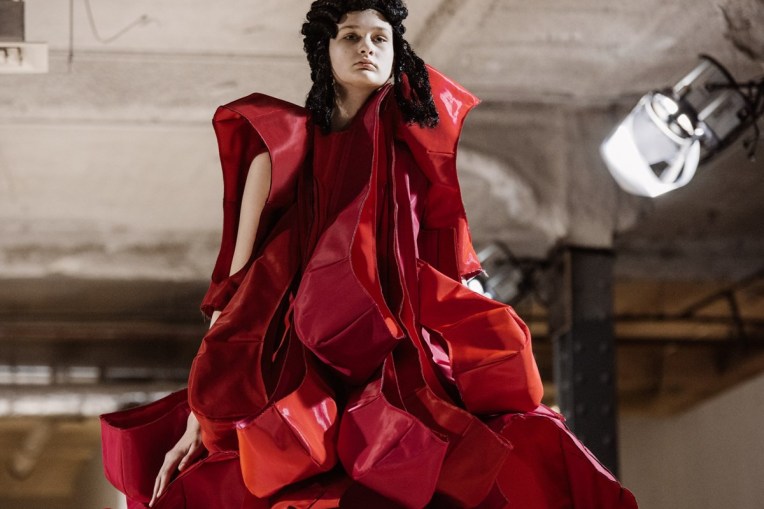
“18th century punk” is how Rei Kawakubo, the 73-year old designer behind Comme des Garçons entitled her autumn-winter 2016. But don’t expect opulent ball-dresses with tomahawks (although Julien D’Ys, Rei’s long-time collaborator, created those grandiose hair constructions for this occasion)  – this collection pushed all the possible concepts of both, the past of historical costumes and punk. And, it was really all about sex and fantasies, with gigantic tongues, and – well, let your naughty imagination work it out – layered garments with “balls”, rendered in Lyon’s finest (and most expensive) tapestry. The closing look worn by Anna Cleveland, so the pastel-pink, leather piece with exaggerated, ruffled sleeves was a defiant reconstruction of Marie Antoinette’s coat, in which she would surely have a cupcake, or two. It subtly exposed calves, just like the rest of the extraordinary “dresses”. Another look, also in the same shade of pink, was an elongated blazers with harness belts tied all around the model’s body, while the floral armor made of booming, red fur pom poms shouted one thing – make love, don’t fight. There was a decadent, bourgeois feeling of couture, but simultaneously, Kawakubo broke up with chambre syndicale conventions, and totally ripped the French fanciness off. Who do you call a rebel now?

Slide1-kopia 5

Slide2-kopia 3

Slide3-kopia 2

Slide4

Slide1-kopia 3

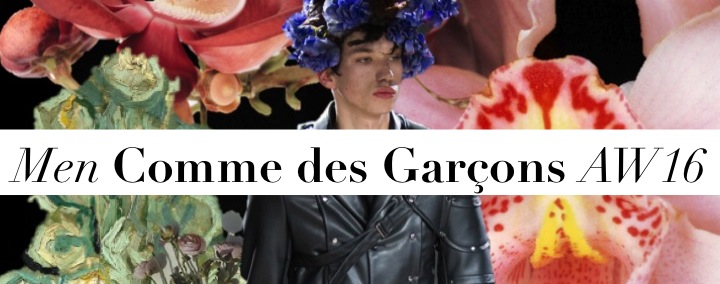
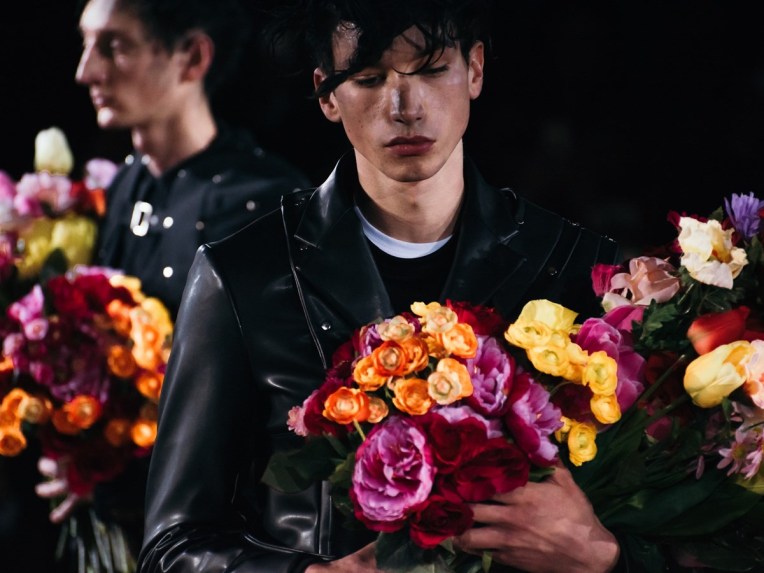
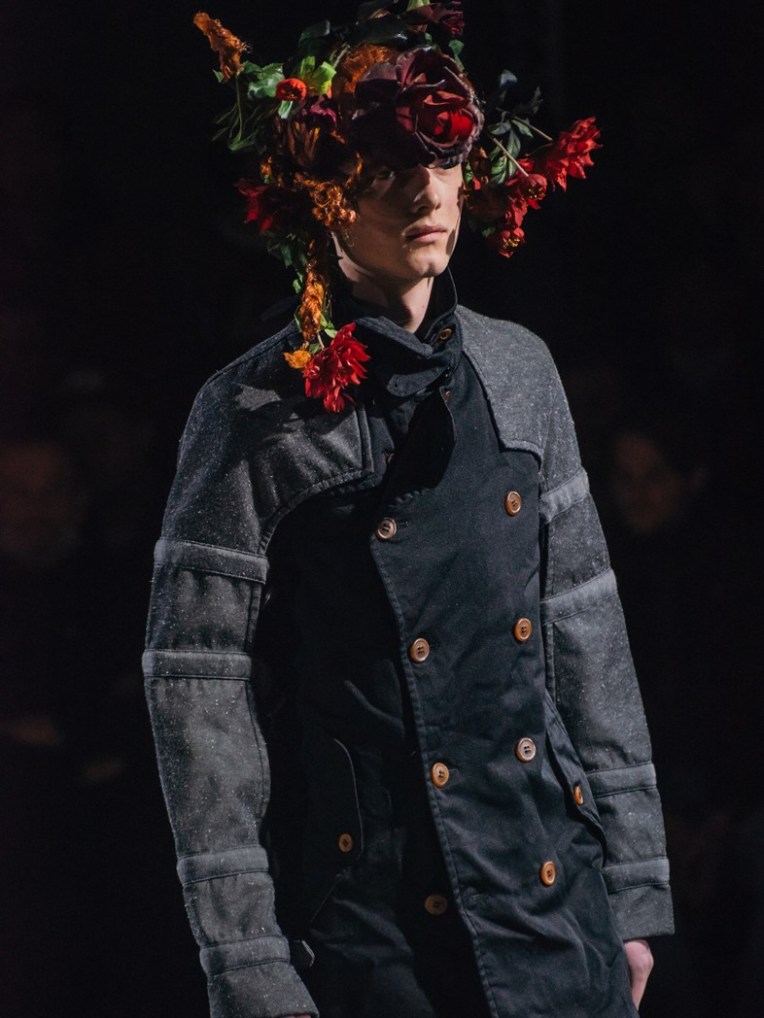
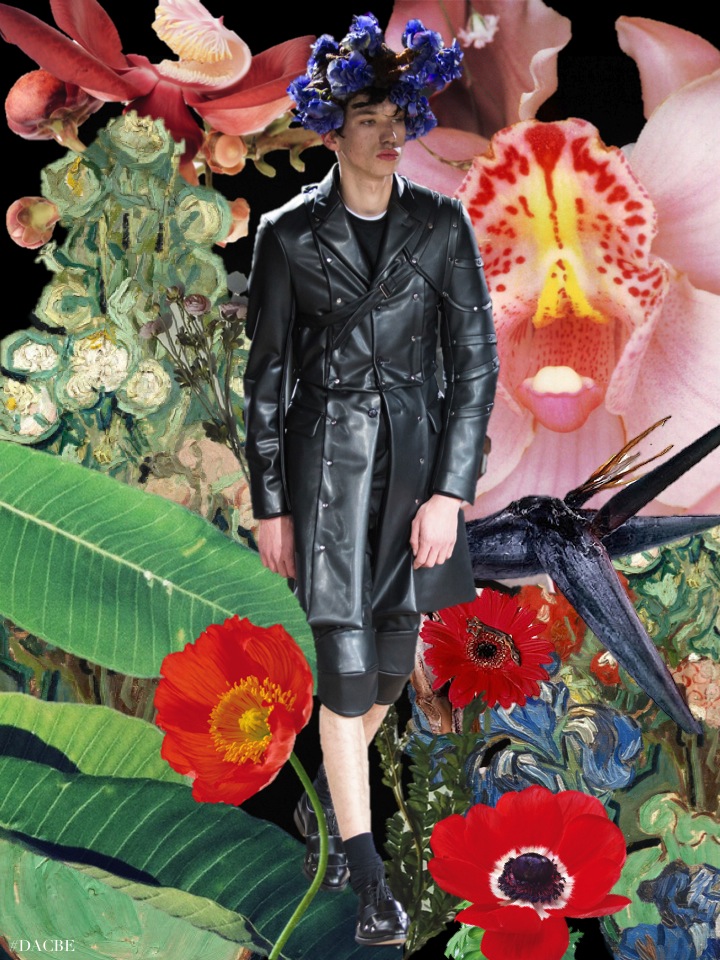
Men’s – Flower Power. Comme des Garcons AW16

1158106

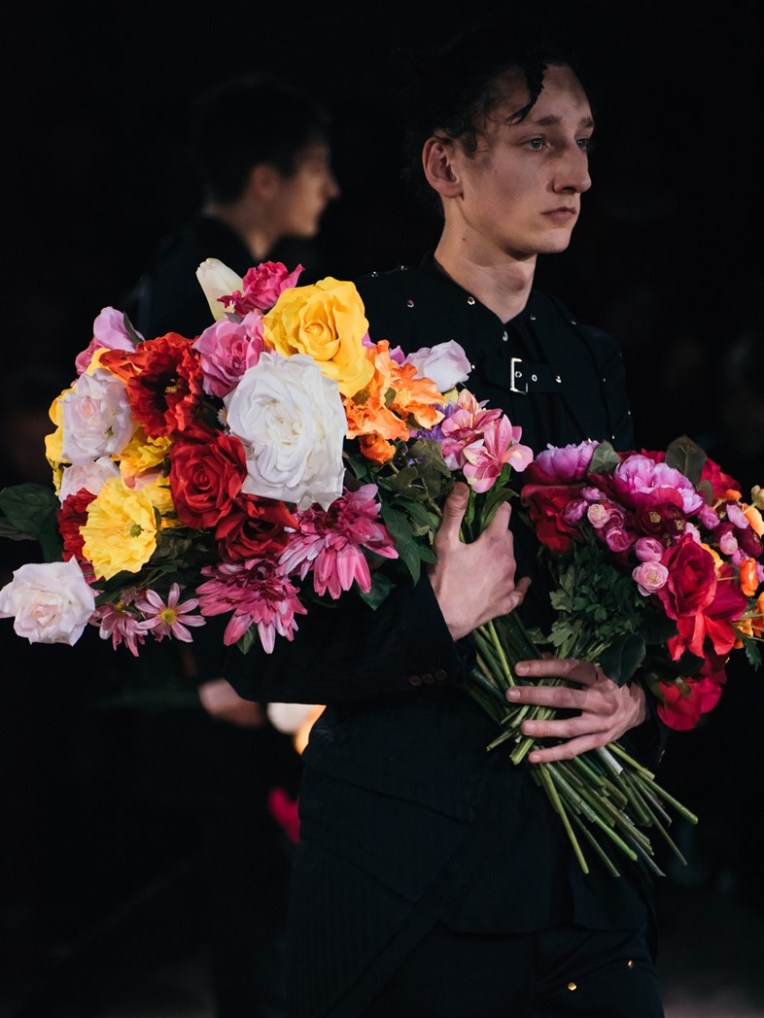
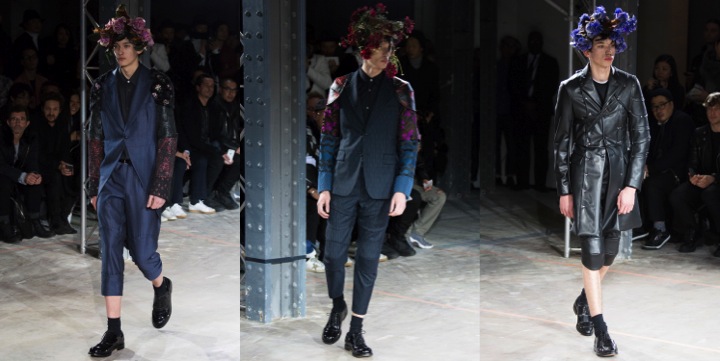
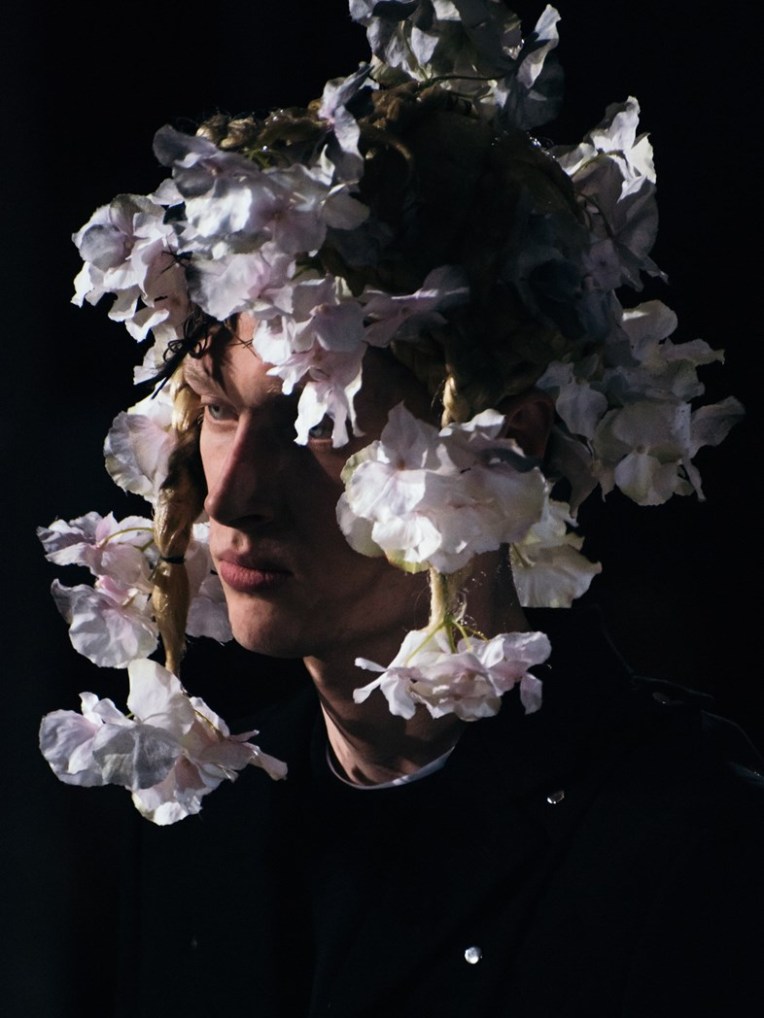
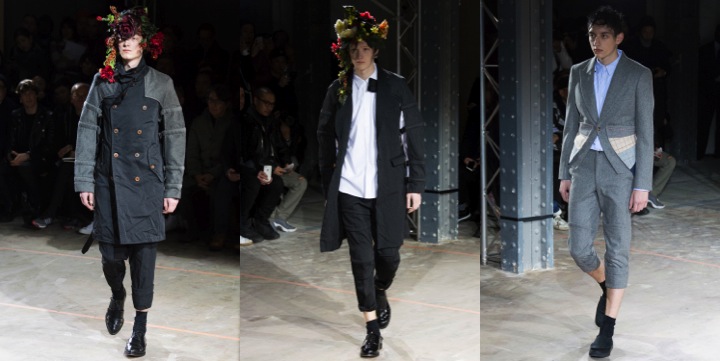
We all got used to the breath-taking and avant-garde garments for woman, which are envisioned by Rei Kawakubo‘s always surprising imagination. In case of menswear, however, the woman behind Comme des Garcons bases her ideas around classical, quintessential clothes, like for example a well-tailored suit or a leather biker jacket. In the effect, these usual pieces appear to be one-of-a-kind. For autumn-winter 2016, Rei explored the blurry borders of masculinity, and humanity, by representing an ethereal, yet dark performance of warrior-like models, who wore beautiful, floral head-pieces created by Julien D’Ys. The whole outing, which sensed like a “war and peace” manifesto, felt very emotional – there was pure sadness in models’ eyes, but supreme happiness in the bold, flower colours. Surely, the show’s meaning was deeper than a “flower-power” cliché. But flowers do cheer up our lifes. Even, when the world is becoming a very dynamic and dangerous place.

1158087

Slide2-kopia

1158103

Slide08-kopia

1158099

Slide07

Slide06

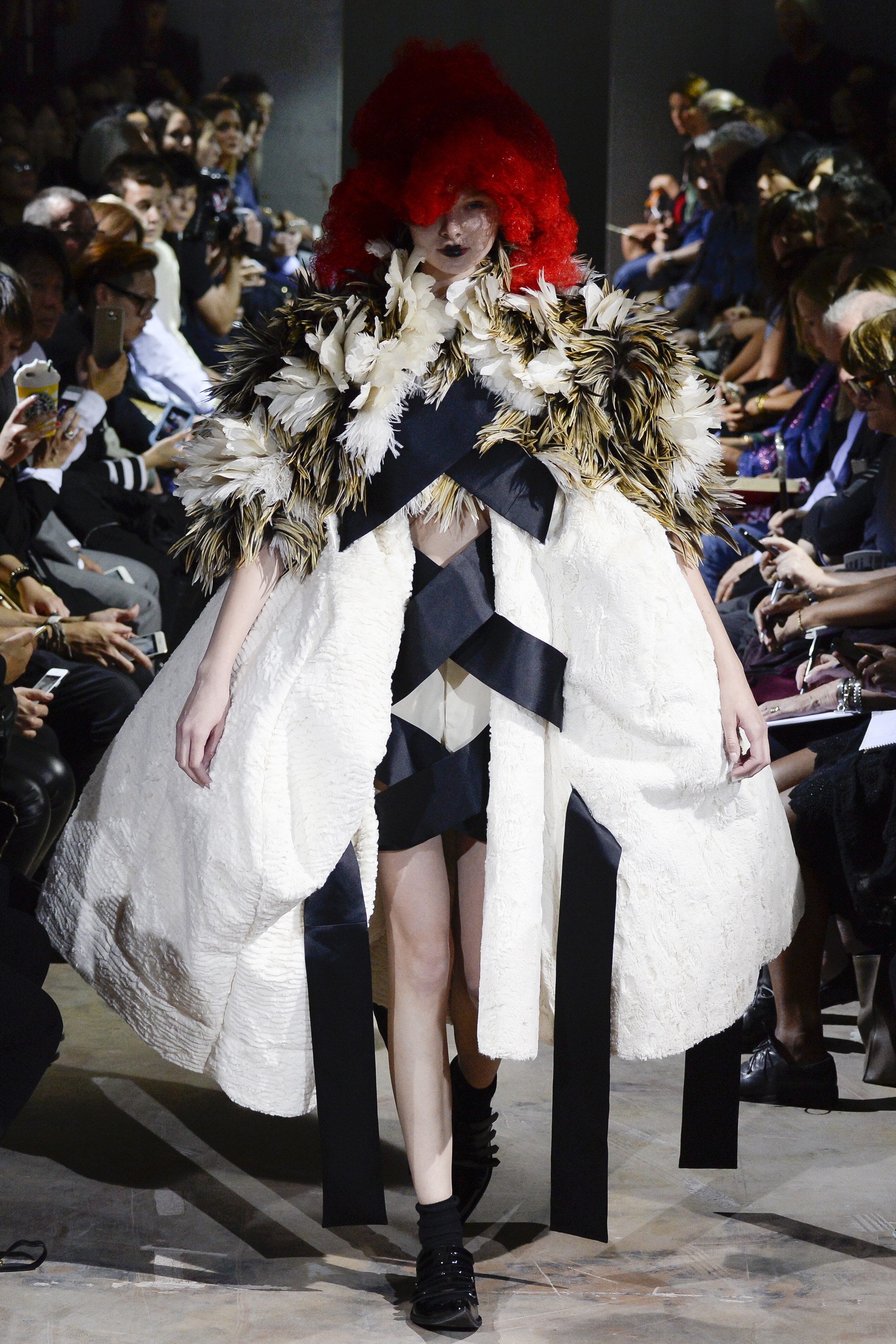
Blue Witches. Comme des Garçons SS16

_CDG0214

Rei Kawakubo is bored with “fashion”. That’s why her Comme des Garçons collection for spring-summer 2016 is so different. “Blue Witches” (the title of the collection) was created out of shapes that resembled coats and dresses – however, the silhouettes covered with metres of synthetic velvet, thousands of feathers and prickly fabric that resembled the back of a hedgehog looked peculiar. The cloudy, red wigs styled by Julien D’ys gave me goosebumps, as they had a horror-film vibe about them. If talking of Comme des Garçons and Rei, you can’t say whether you liked or disliked the collection. These clothes (if you even dare to call them “clothes”) are so out of the standards that it’s to some extend pointless to even review them. The only thing left is to a) interpret them and b) wear them, with attitude and understanding.

Slide09

Slide10

Slide11

Slide12