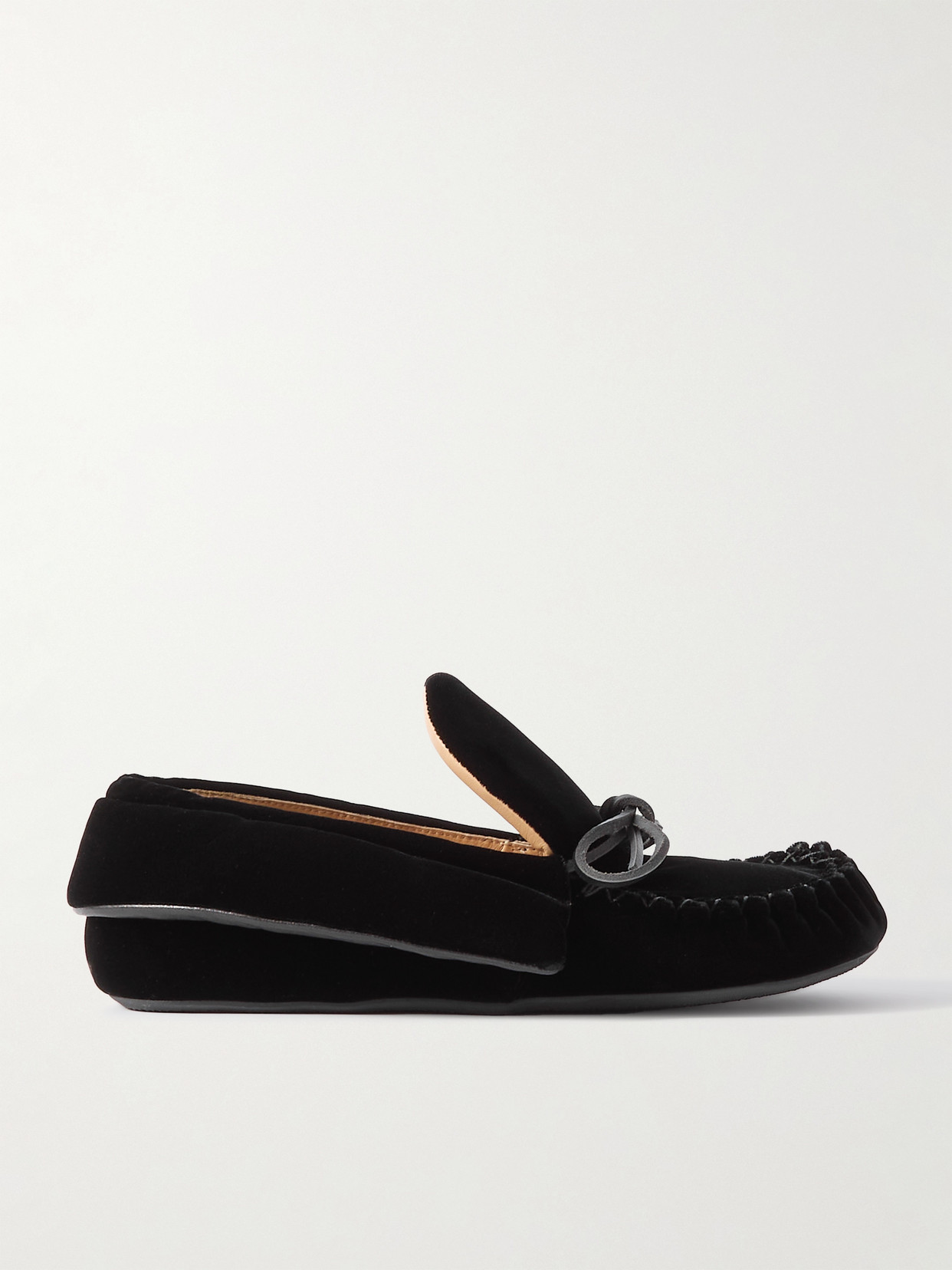
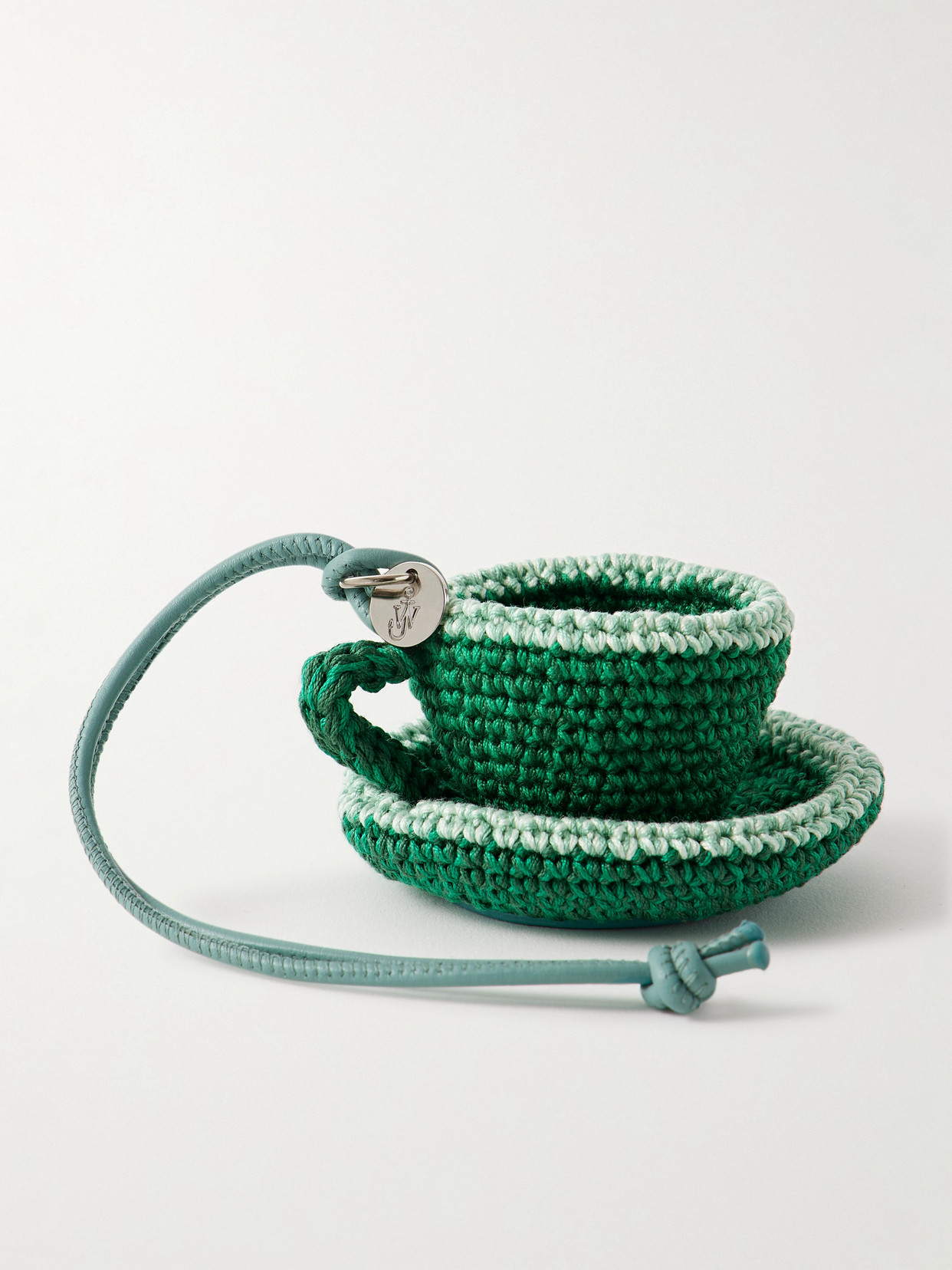
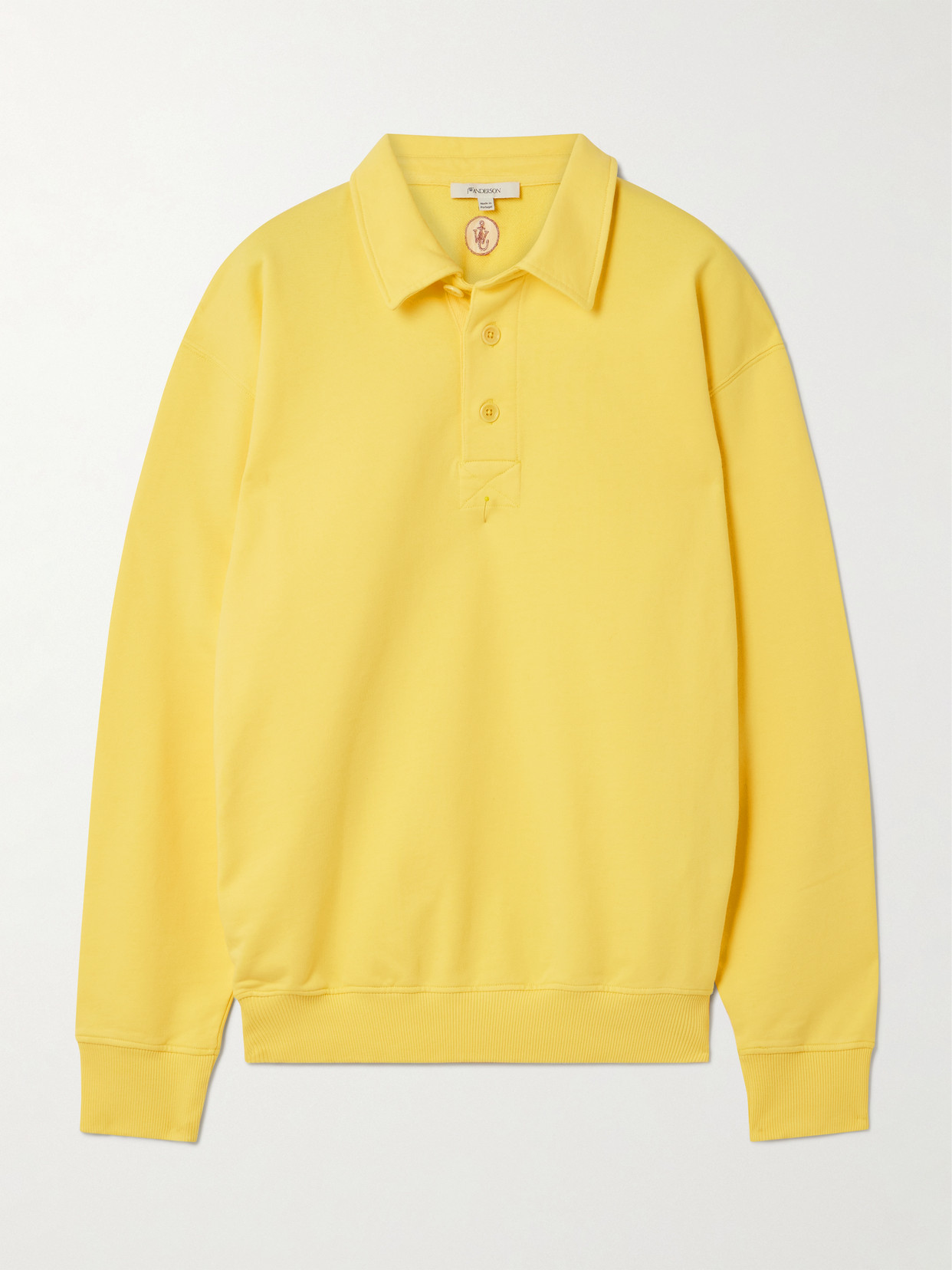
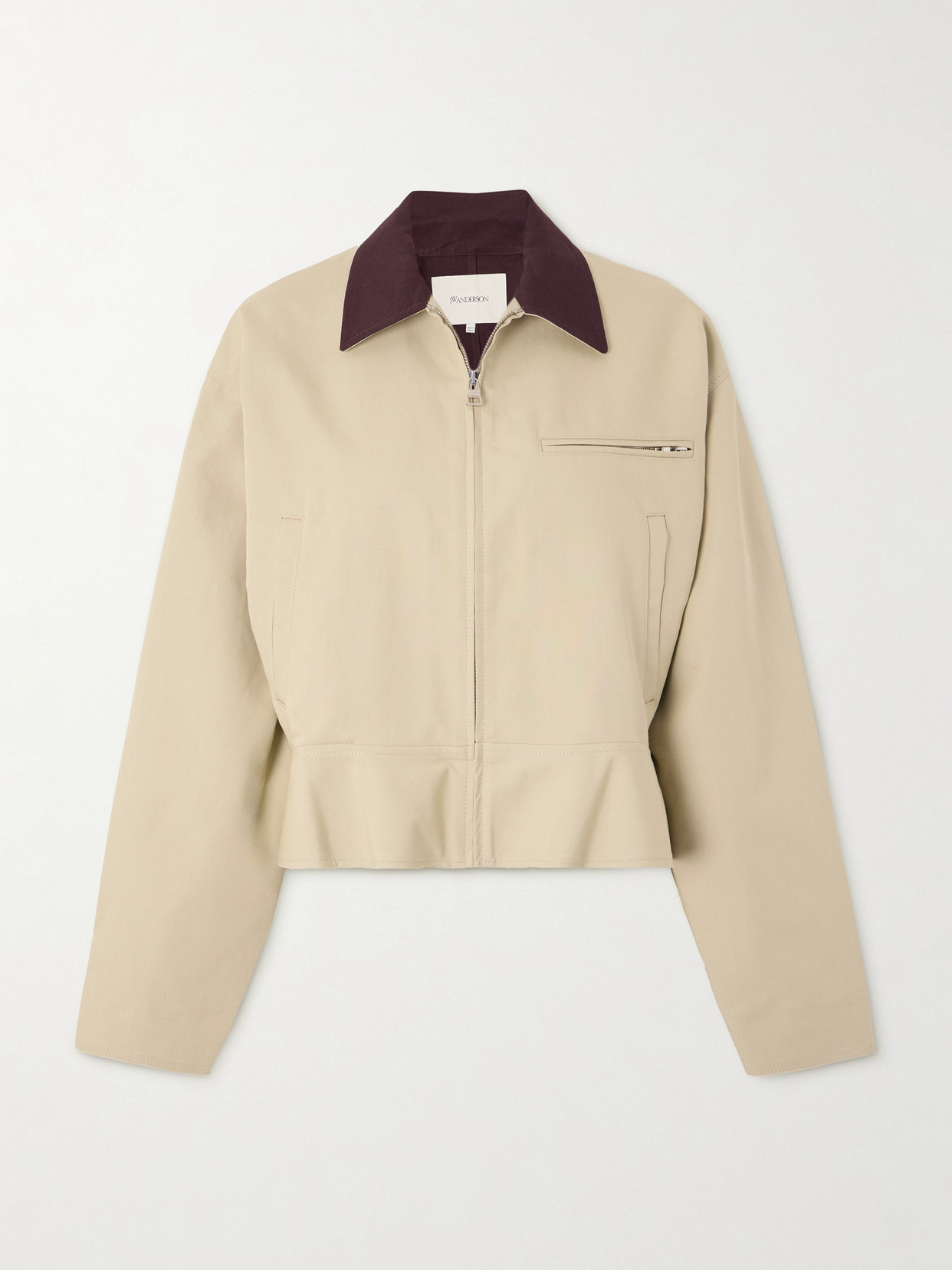
Come September, an utterly new iteration of JW Anderson will materialize. With a thoroughly-considered decision of stopping runway shows and fully rebrand brick-and-mortar shops (and open new ones across Milan, New York and London), Jonathan Anderson is about to revolutionize the way we think about fashion brands. “It’s going to be about: this is how I live. This is my world, what I collect, that’s part of me.” The designer – who’s now leading Dior – has created, as he likes to call it, a “blunt” environment where his own clothes – and others that are locally sourced – will sit alongside a plethora of things such as traditional Irish tea-towels, a Welsh blanket, hand-crafted stick chairs, a tiny still life by Gwen John, a set of restored vintage garden tools (instant must-have!), and even a selection of crotcheted, very British bird keyring charms. The stores will be restocked according to demand, and will of course offer all-time JW Anderson classics: argyle knits, cargo pants, witty denim, cheeky accessories. They are modeled in the latest lookbook by creatives the designer collaborates with and admires a lot: Luca Guadagnino, Bella Freud, Anthea Hamilton, Ben Wishaw and Pol Anglada, to name just a few. Anderson’s brave, bold, new IRL shop strategy will hopefully start a new wave of love and appreciation of brick-and-mortar experiences. Remember concept stores? They might be back very soon.
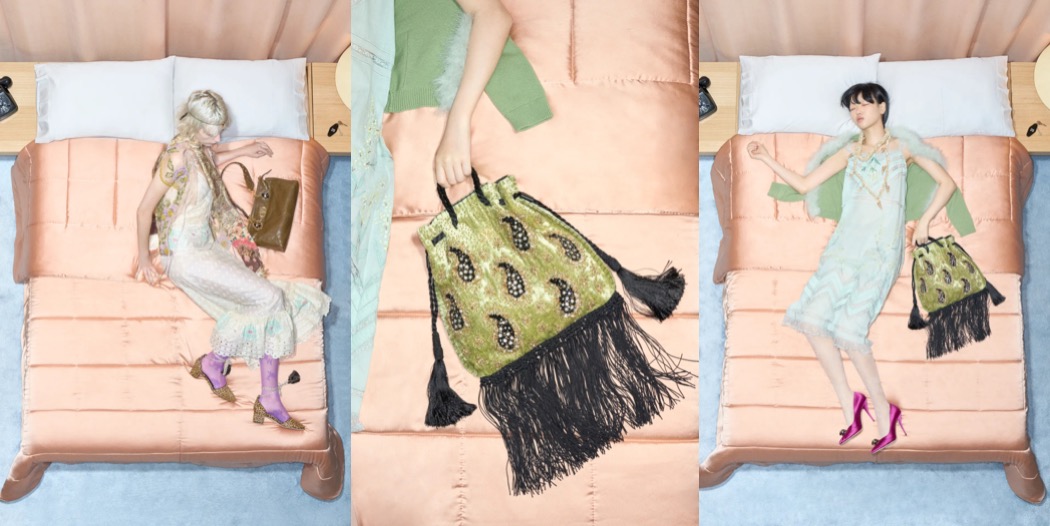
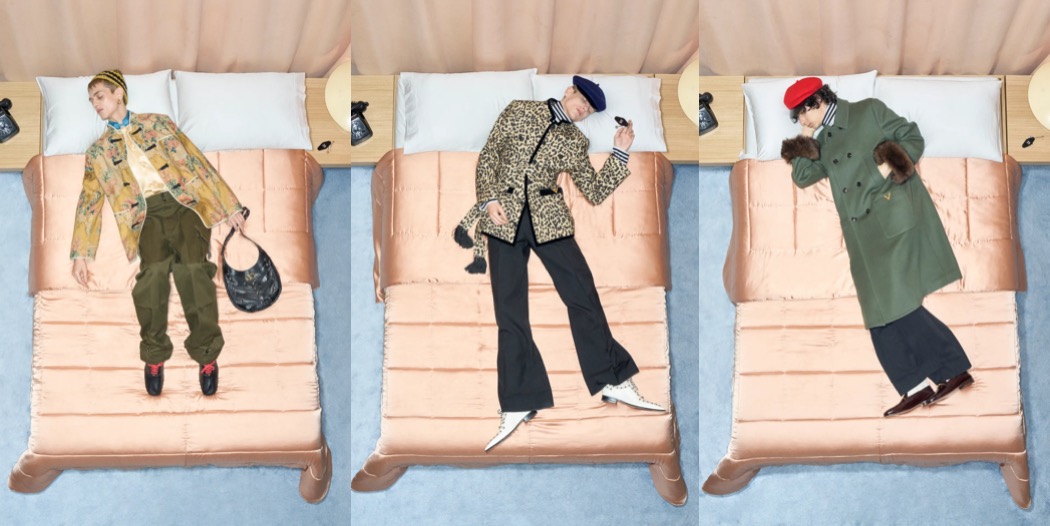
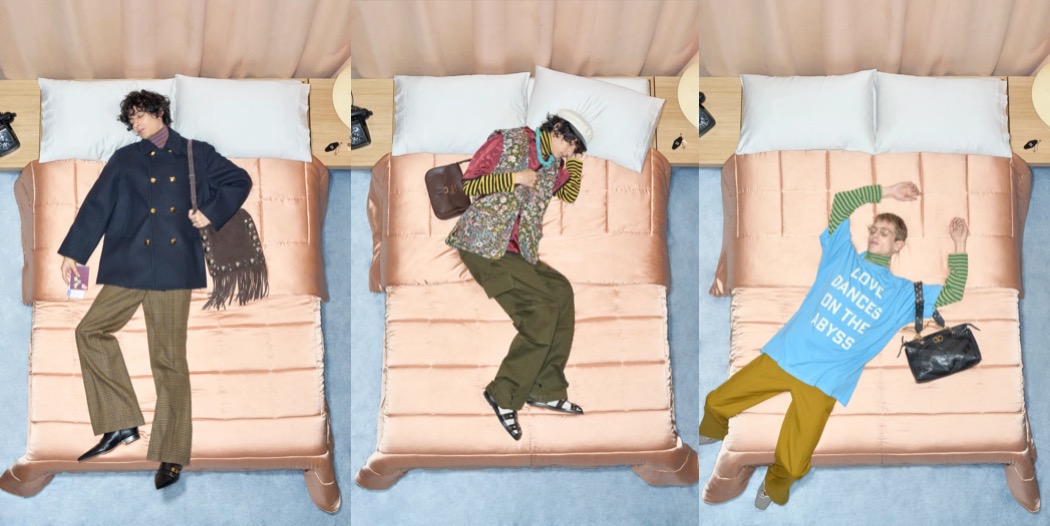
There are days when all you want is to lounge around and feel like Lana Del Rey in her “Honeymoon” era. Dreamy, otherworldly, a bit of a baddie. Alessandro Michele certainly had one of those moments while working on Valentino‘s resort 2026 collection, photographed on literal sleeping beauties. FYI: his vintage-inspired dresses not only look great on red carpets and concert stages, but also in bed.
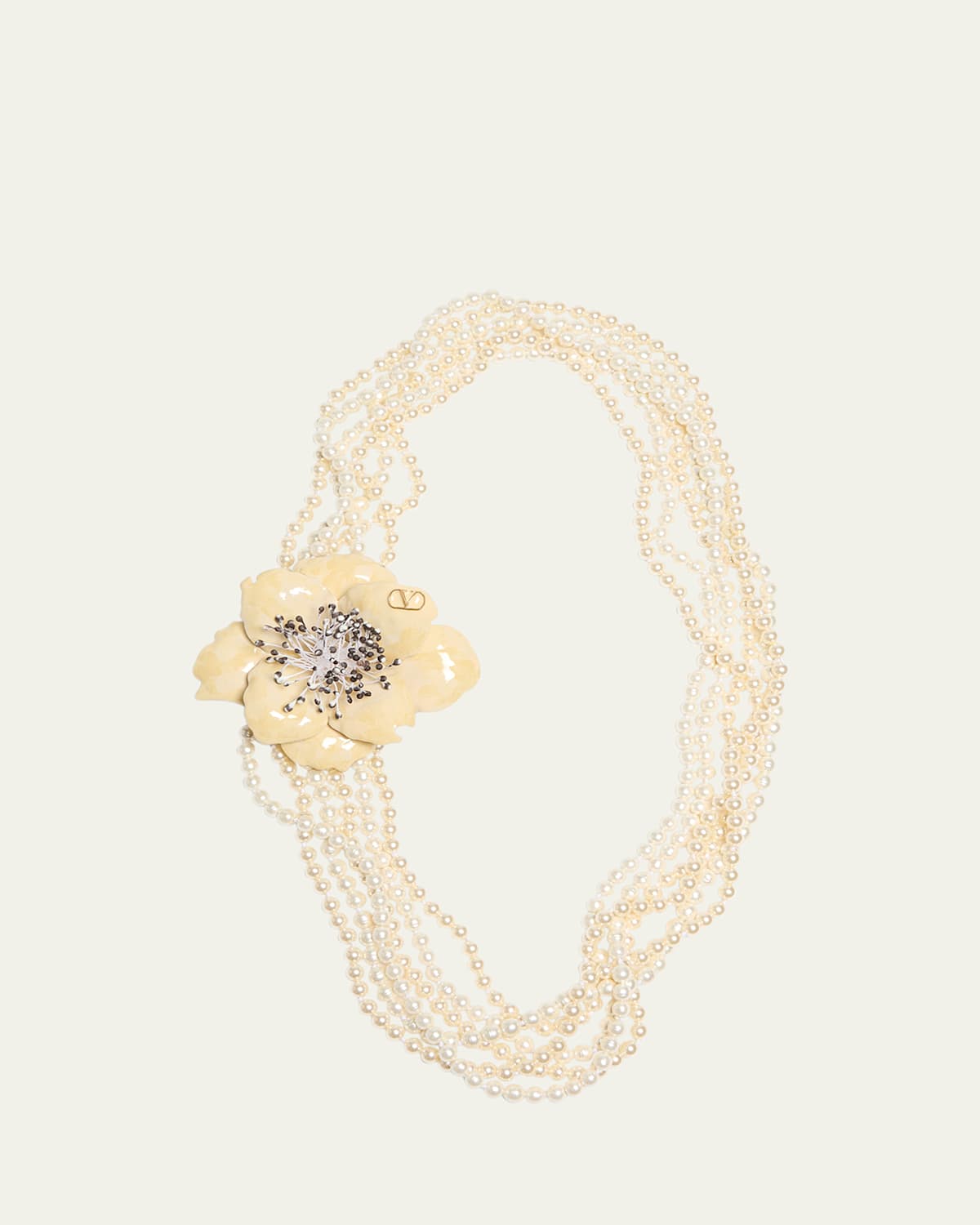
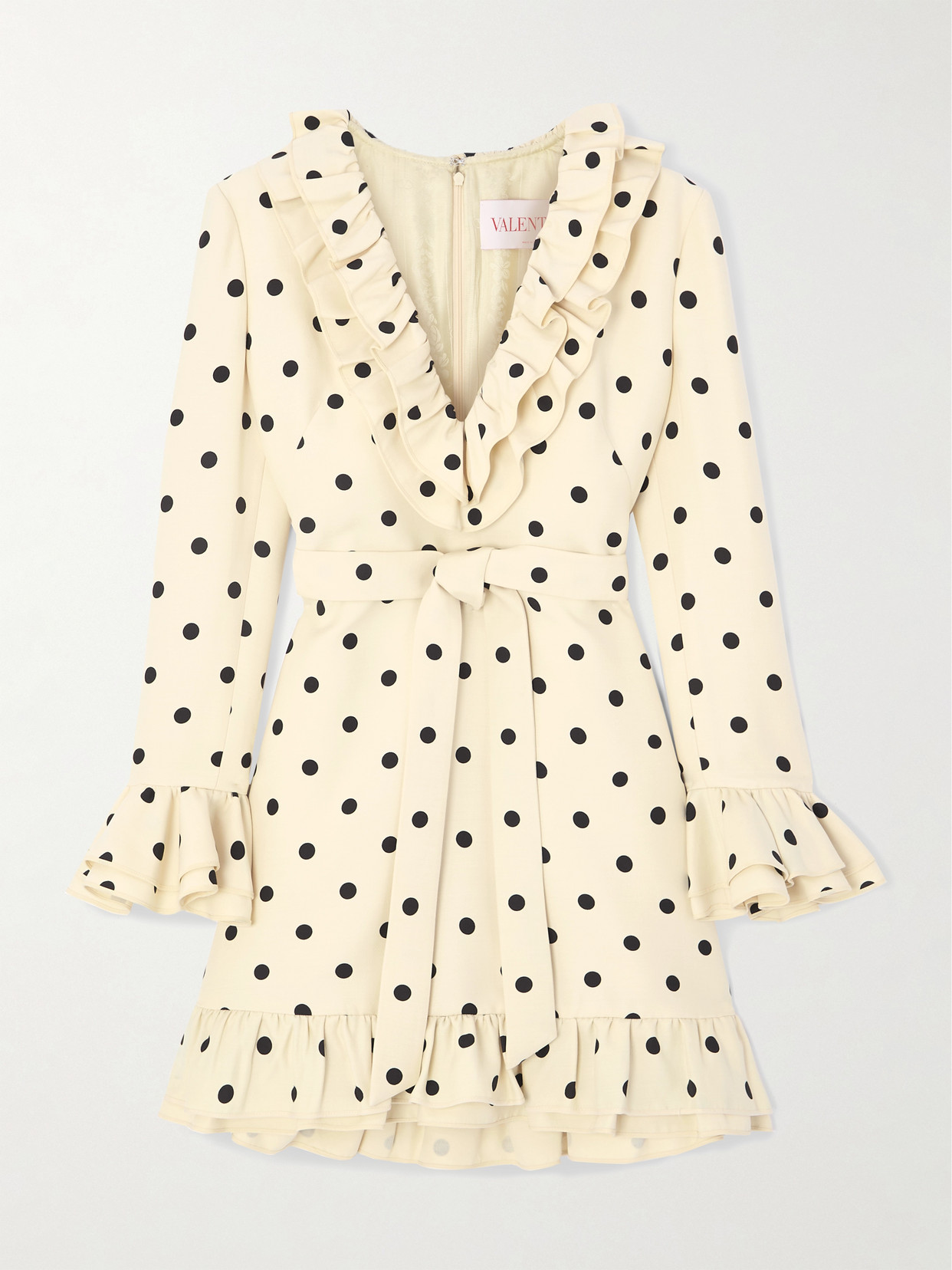
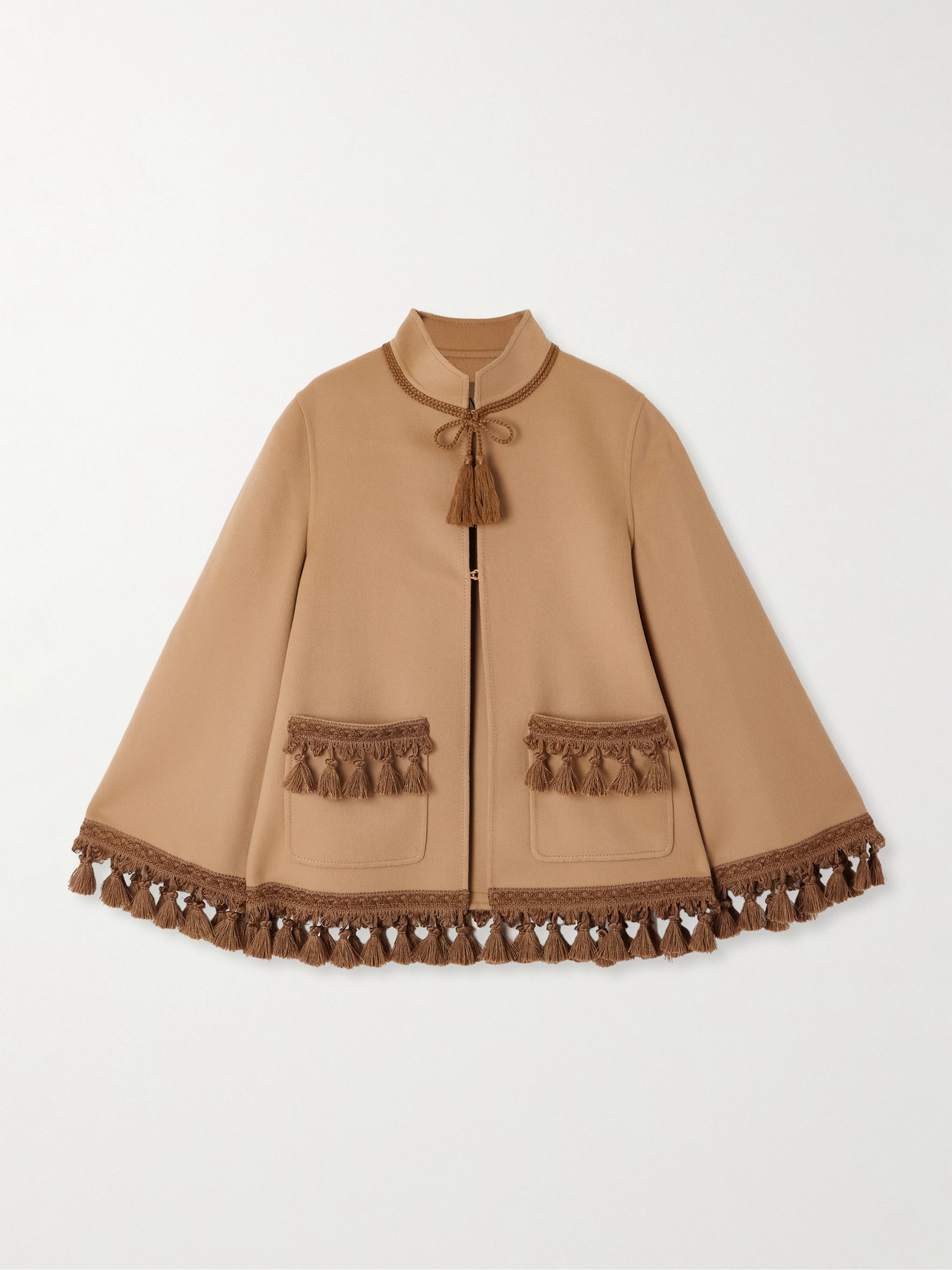
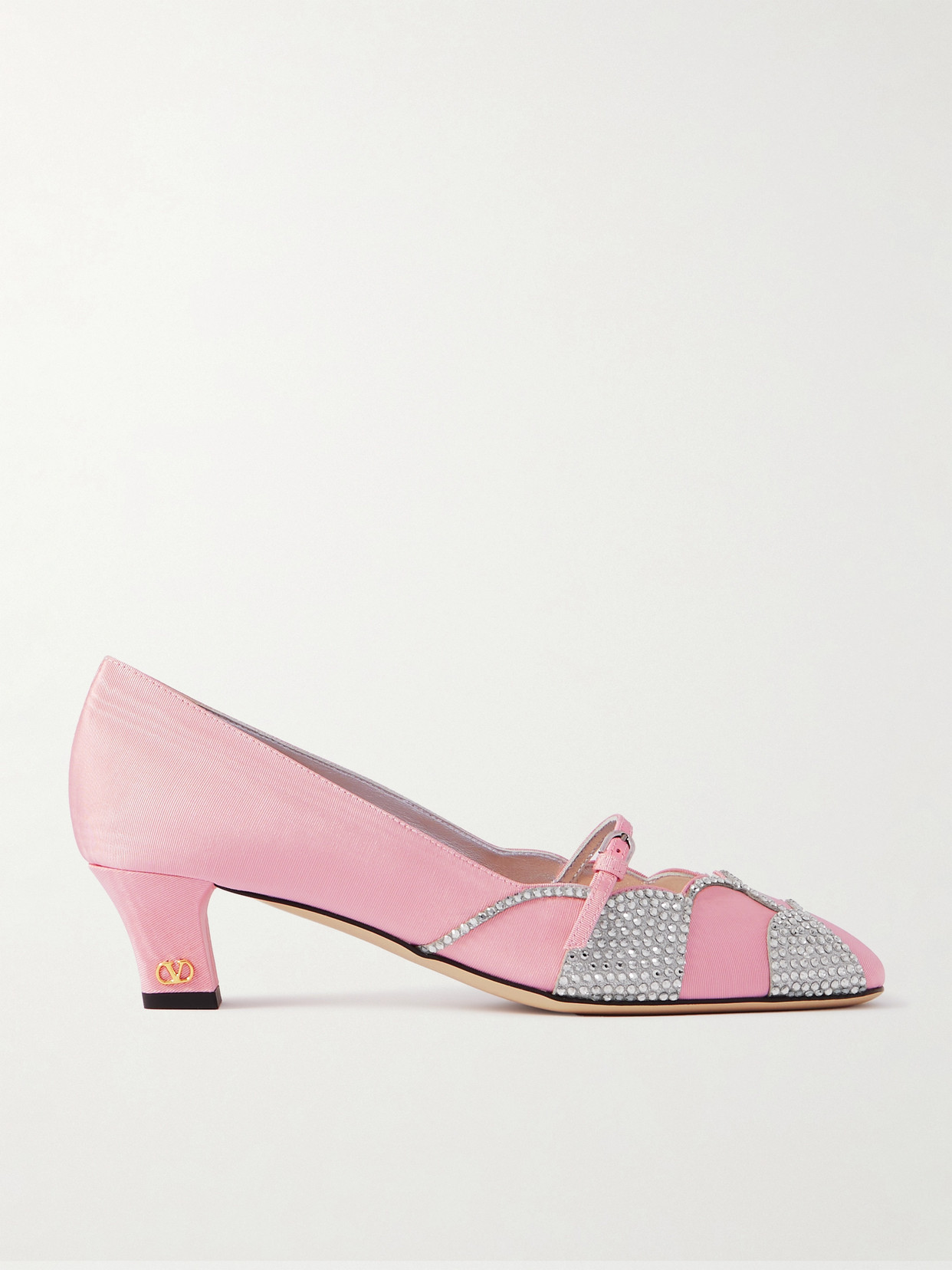
The new collection sees Michele re-looking the codes straight out of Valentino Garavani’s archive: look 1 offered a ruched Valentino-red minidress, its bodice pleats gathered in frontal cutouts just as Garavani used to do. And the bow, another Garavani favorite, dotted everything from hems to heeled mules like a frivolous punctuation mark. On the decorative side, gobelin-like tapestries were crafted into boxy waistcoats trimmed with feathers and fringed micro shorts. Elsewhere Michele’s urge for embellishment was interrupted by slender and elegant evening gowns in plain soft pastels or classic black. Meanwhile, the menswear took cues from the style of Parisian students who took part in 1968 protests, a theme Michele often gravitates towards in his work. A child of the bourgeoisie, out in the streets, looking for love.
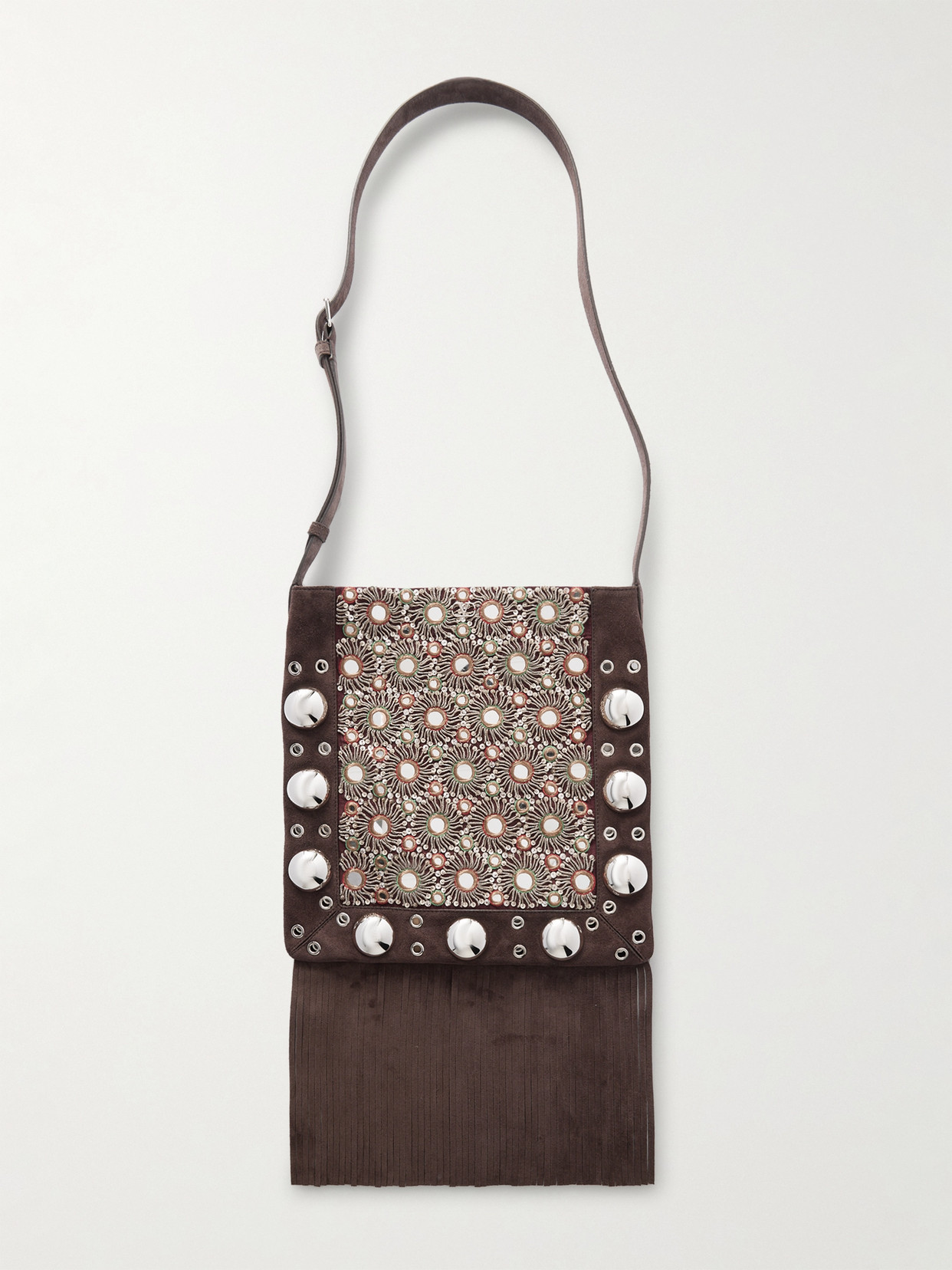
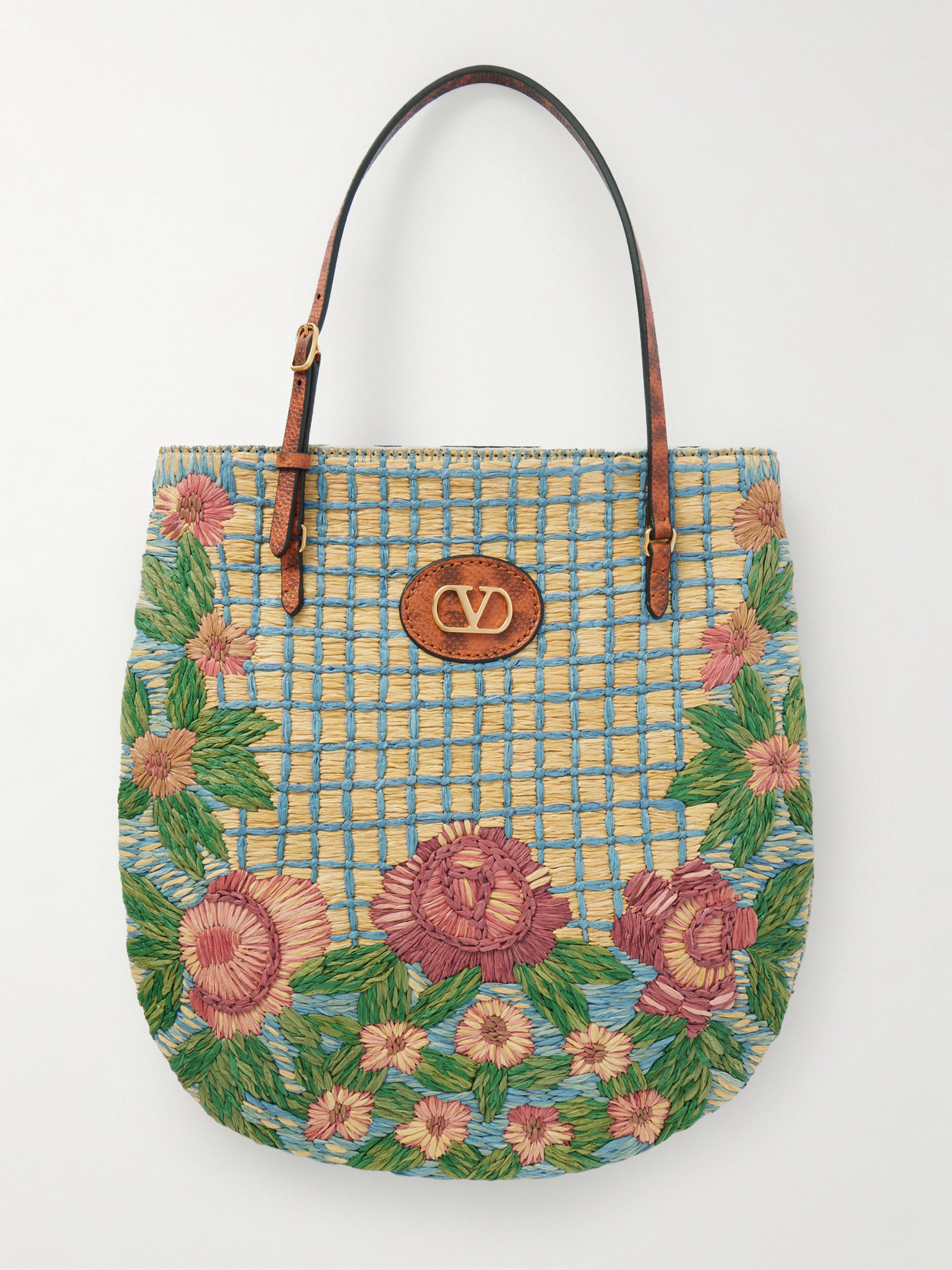
P.s. The Valentino clients should really take a look at Alessandro’s accessories, especially bags: he knows how to turn a heirloom from grandmother’s closet into a modern-day treasure. I’m absolutely obsessed with all the heavily-embroidered, fringed satchels.
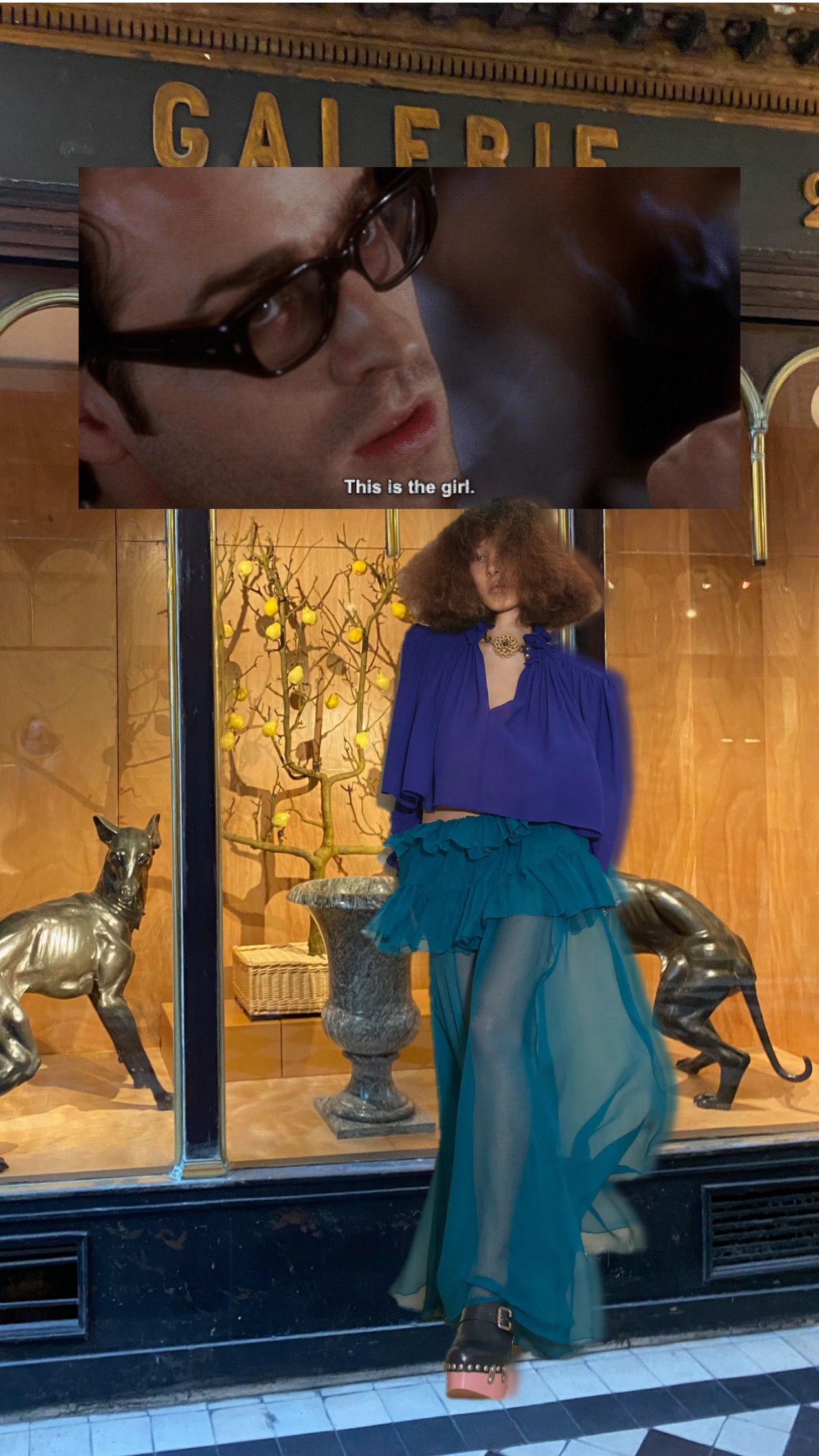
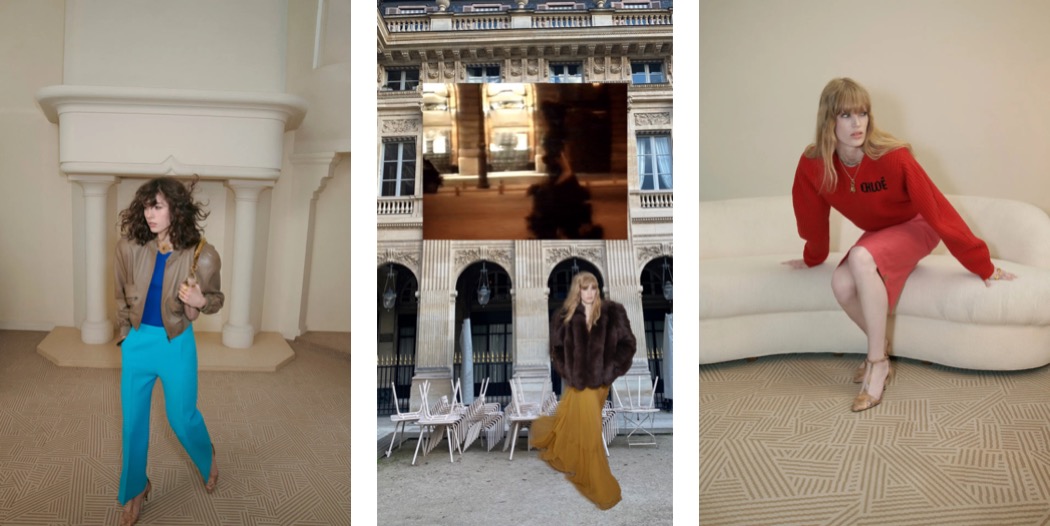
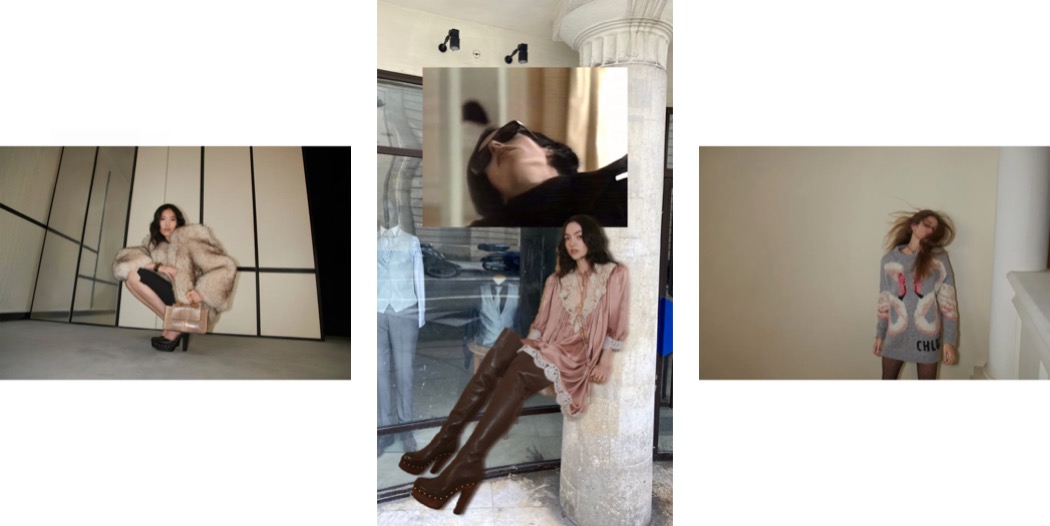
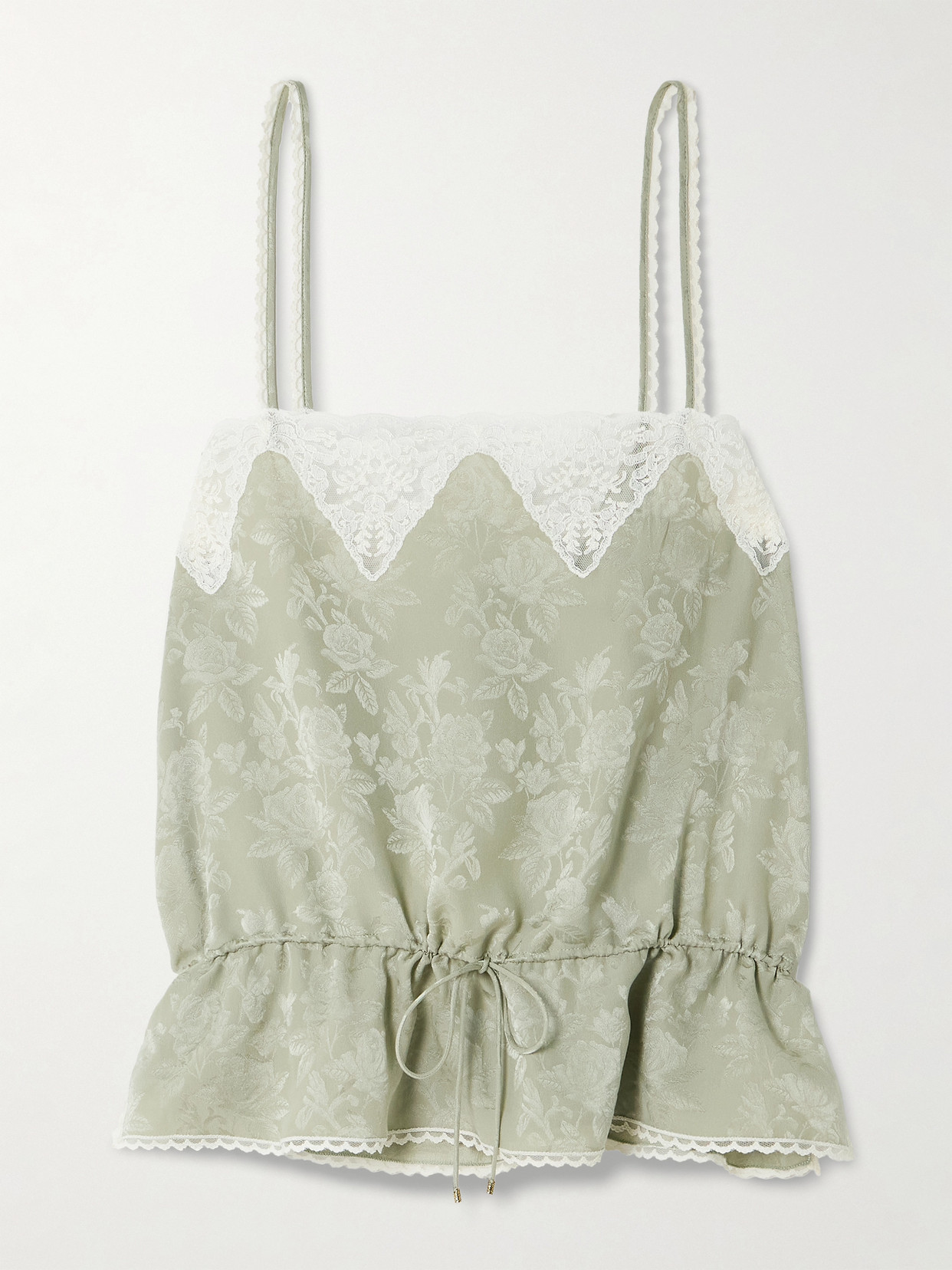
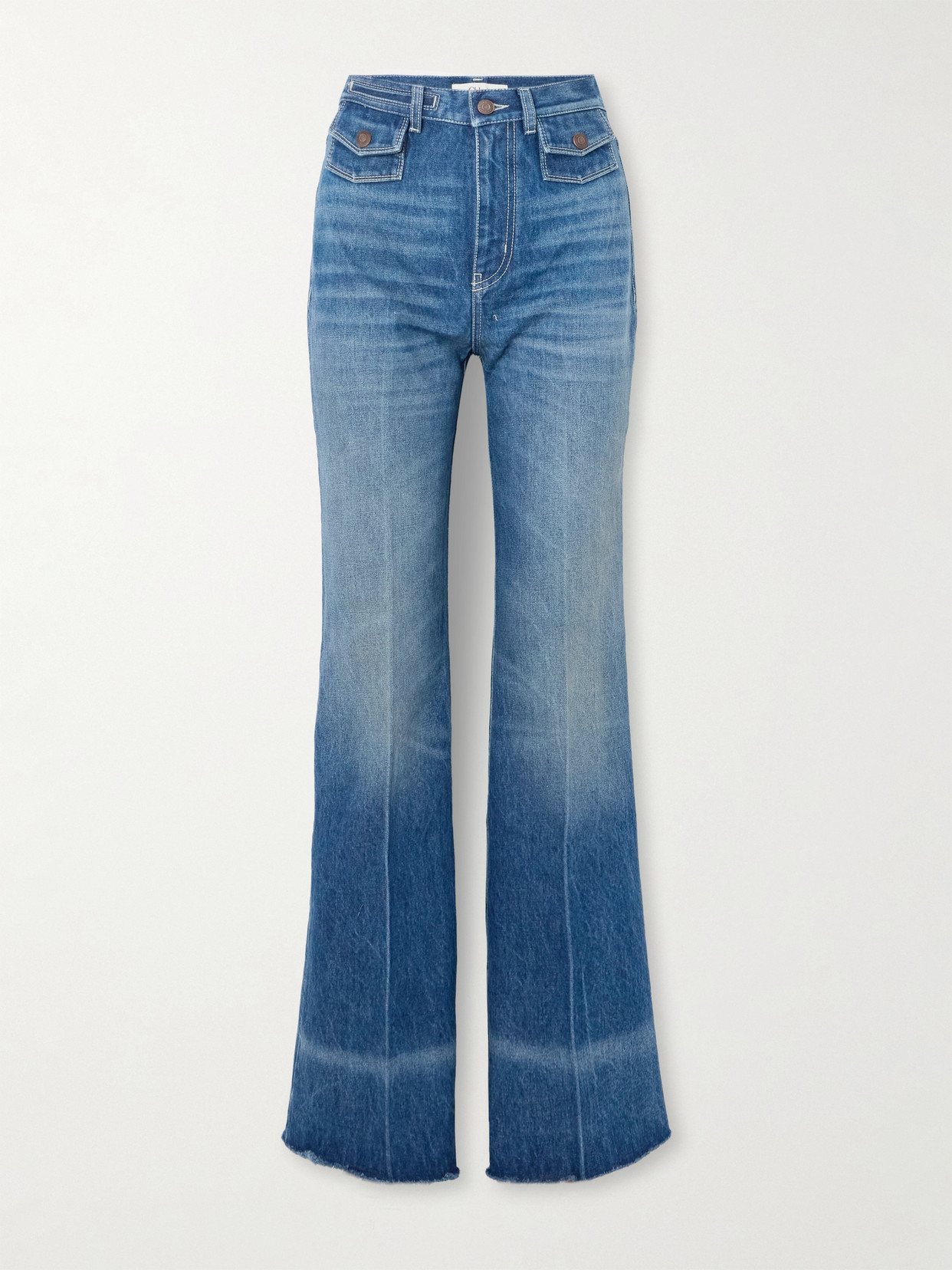
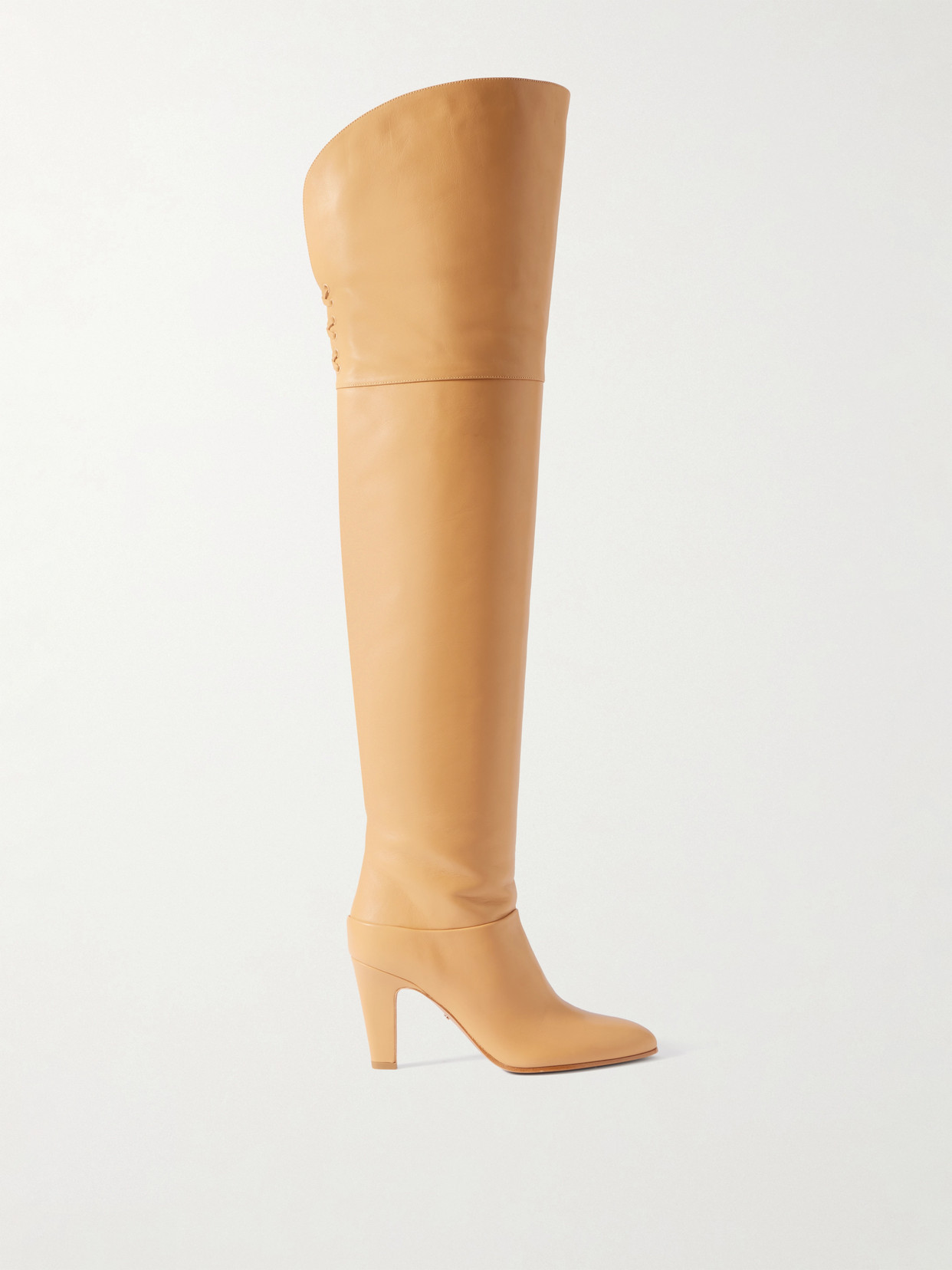
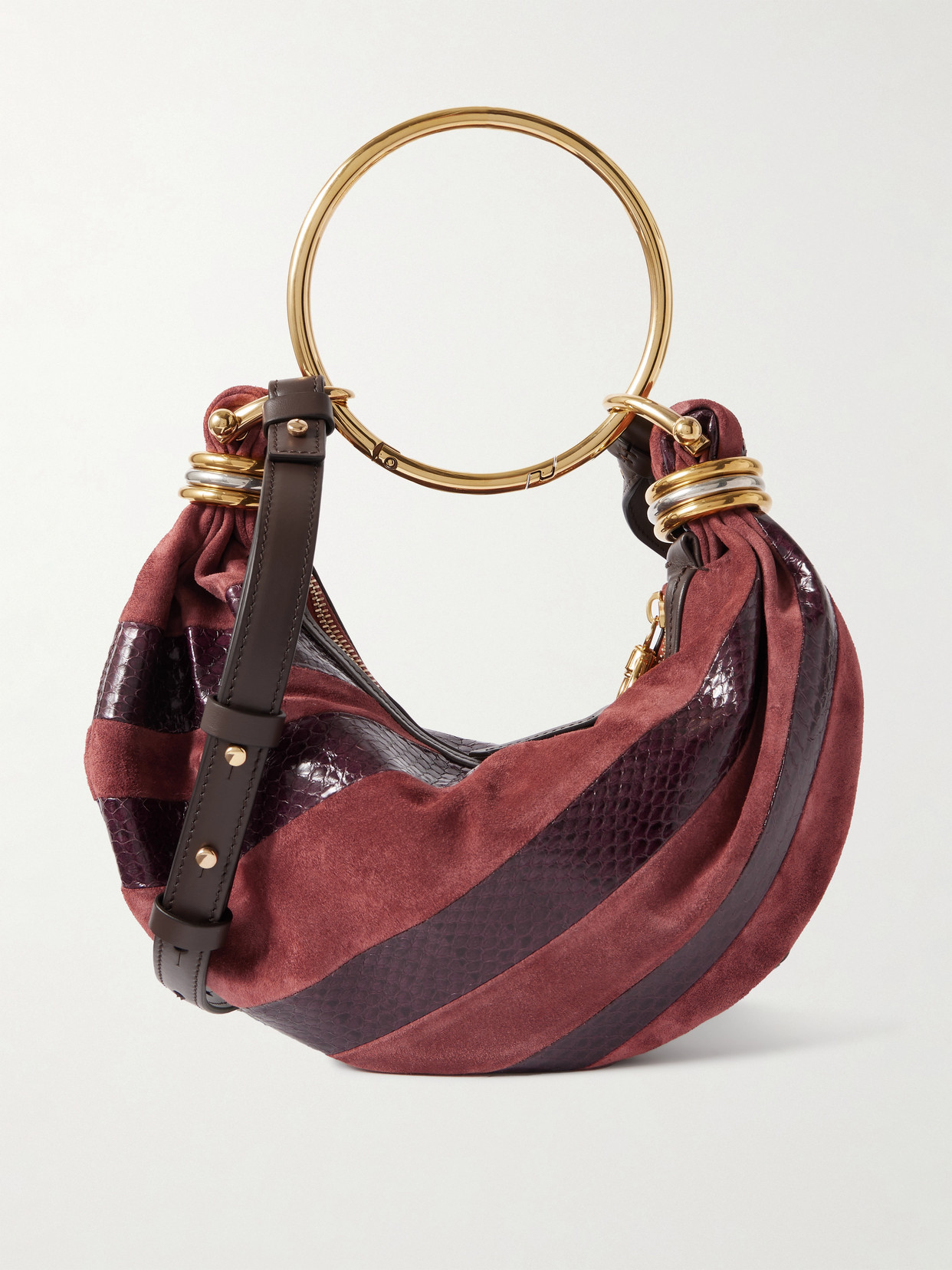
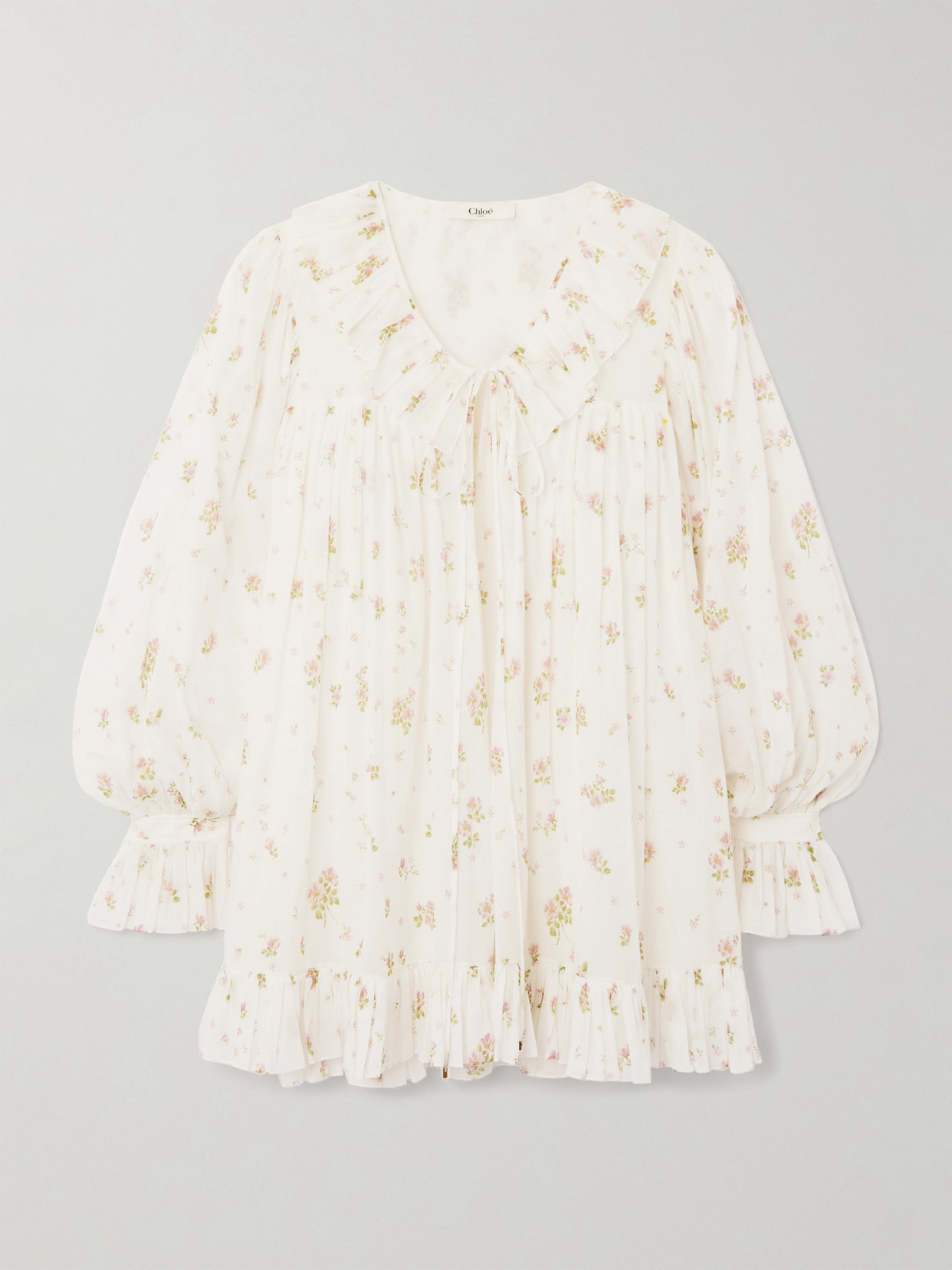
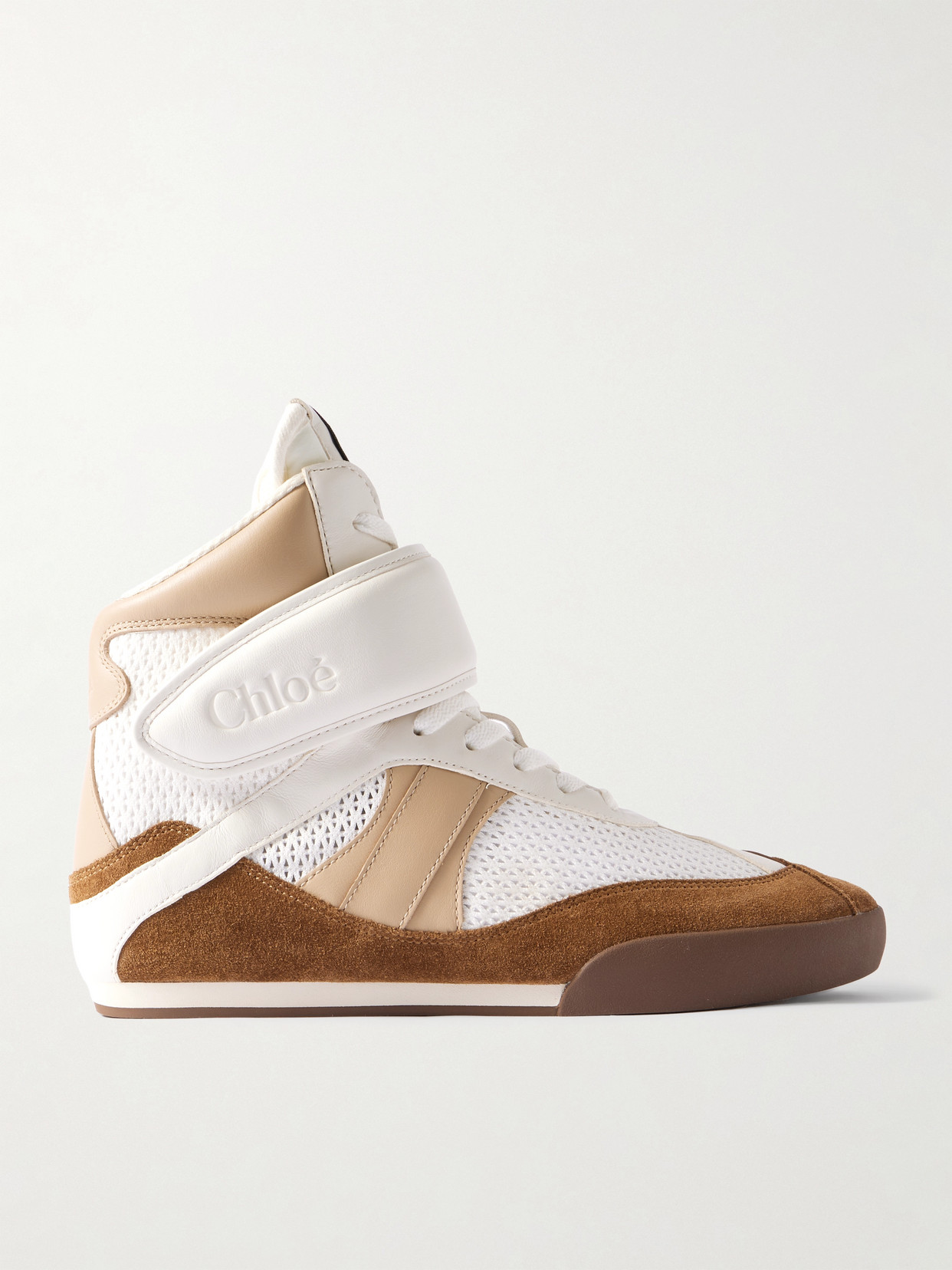
Chemena Kamali‘s Chloé has been vintage-inspired and infused with nostalgia since her debut collection, but it seems the designer is letting some more frivolity to her work. The Chloé girl is ultimately a fun girl: striding the streets of Paris in clogs (a reference to Phoebe Philo’s tenure at the brand), swirling and dancing in flou silks and floating dresses, looking like a nonchalant, mysterious character straight out of a Guy Bourdin photograph. Immersing herself in early ’80s movies, like Brian de Palma’s thriller “Dressed to Kill” and Bette Gordon’s “Variety”, Kamali isn’t exactly interested in the (very exhausted) notion of power-dressing, but rather blending the era’s seemingly-naïve femininity with its by-gone, chic attitude. Bold and quirky shades of cobalt and aquamarine go in pair with sensual lace trims and the irresistibly joyful flamingo motif. Oui, oui, oui.
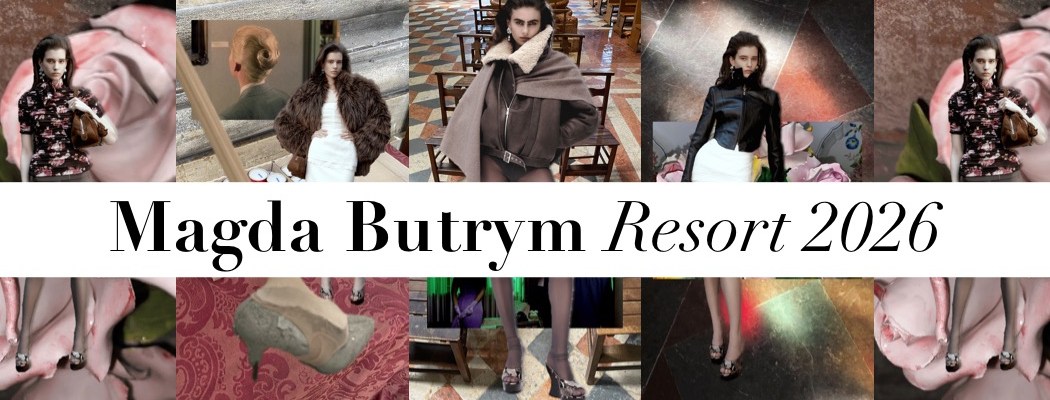
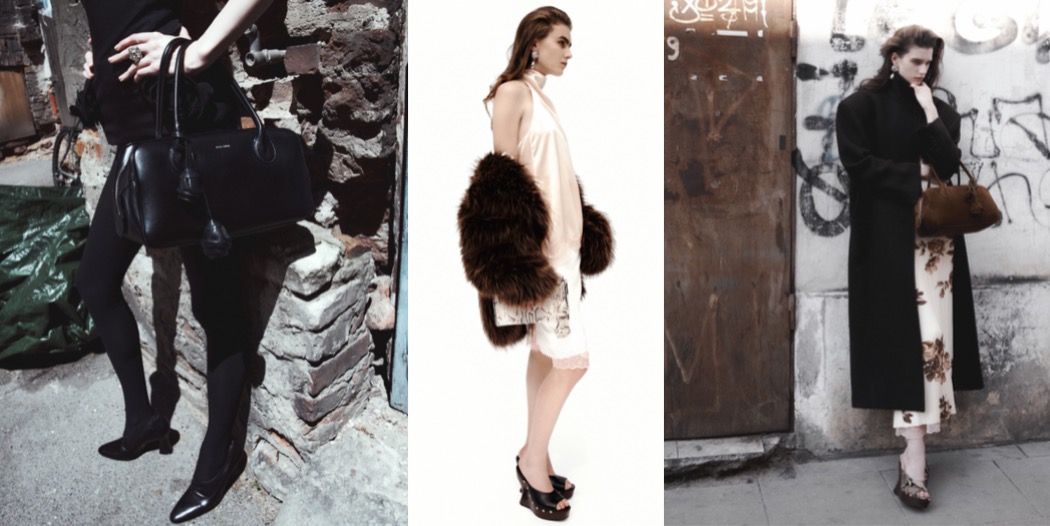
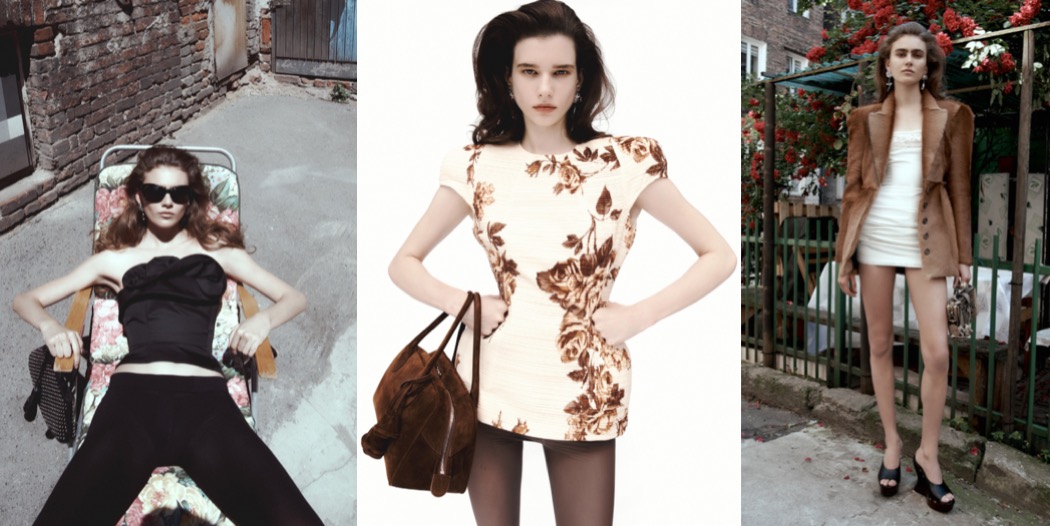
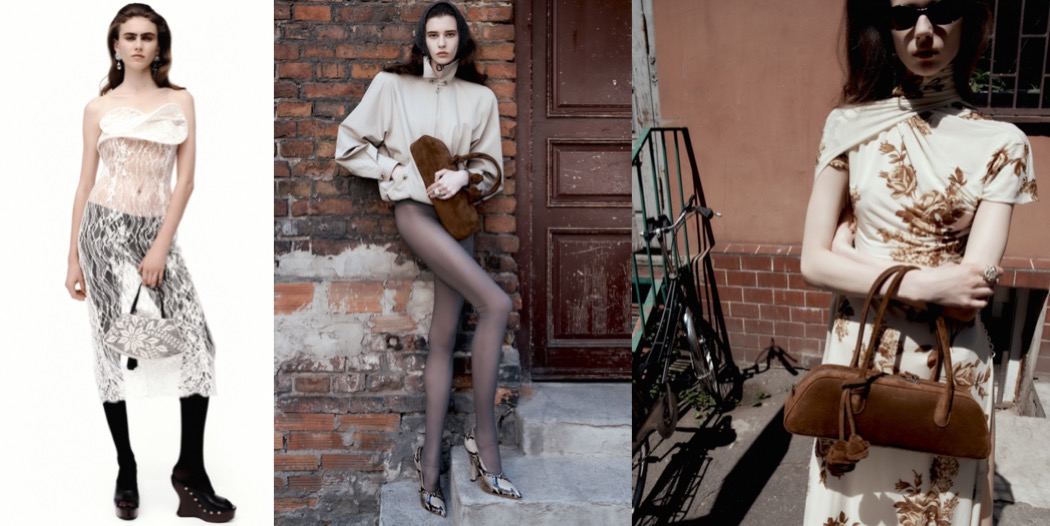
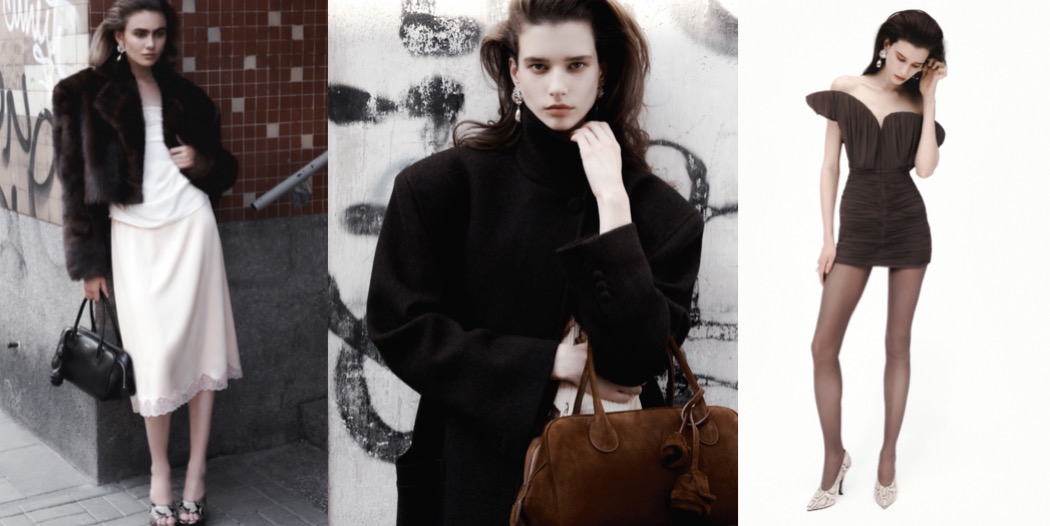
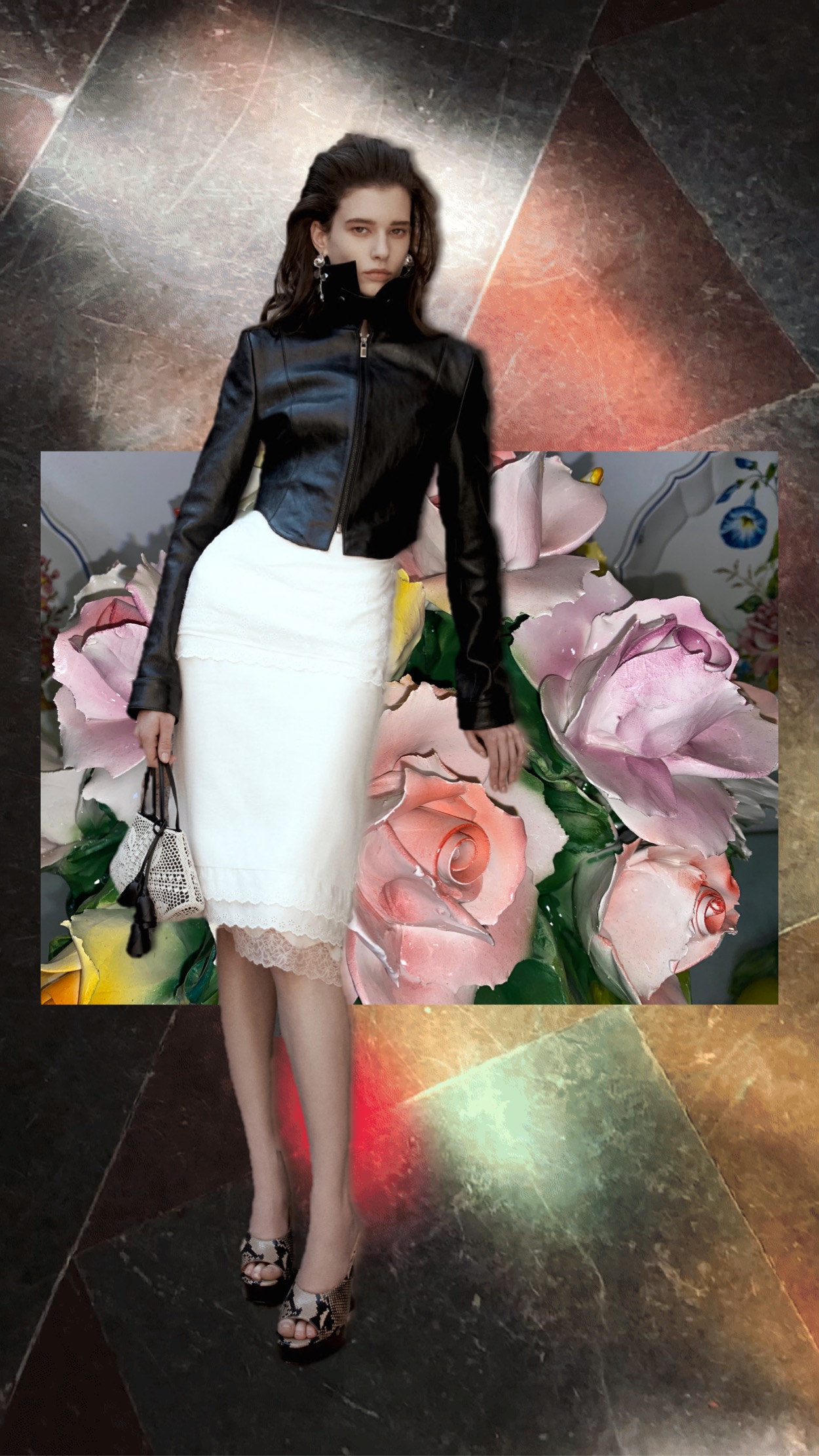
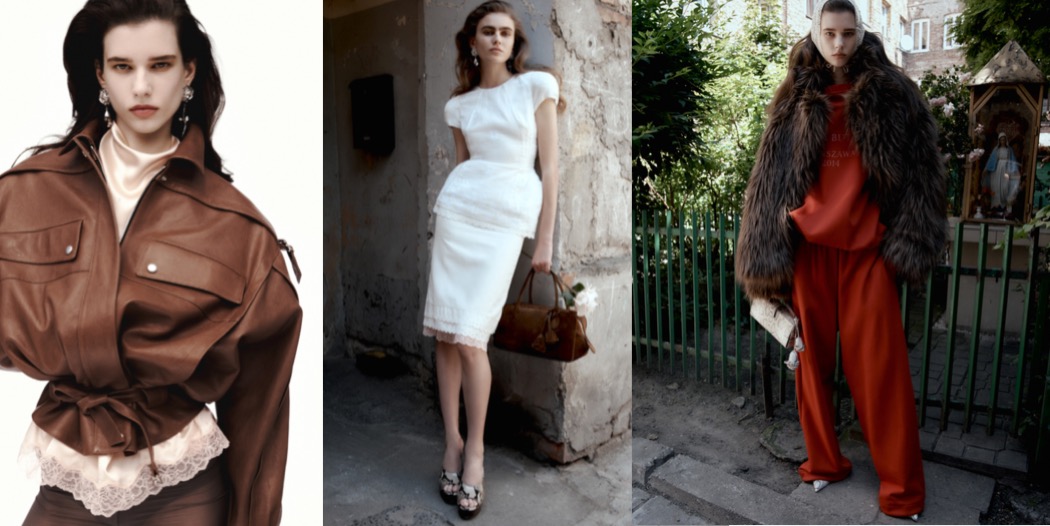
Introducing the Magda Butrym pre-spring 2026 look-book: an ode to revived, lady-like femininity documented in the romantic courtyards and gritty streets of Warsaw’s most elusive quarter.
The look-book is an emotionally charged exploration of Warsaw’s lesser known, yet enigmatically alluring neighborhood: the Praga-North quarter. Defined and characterized by historic pre-war townhouses, secret courtyards adorned with sacred shrines and untamed blooms, and offbeat bazaars favored by locals, the district exudes a mysterious atmosphere that resonates with the sentimental and romantic notions of Slavic Heritage – one of the brand’s most distinctive signatures.
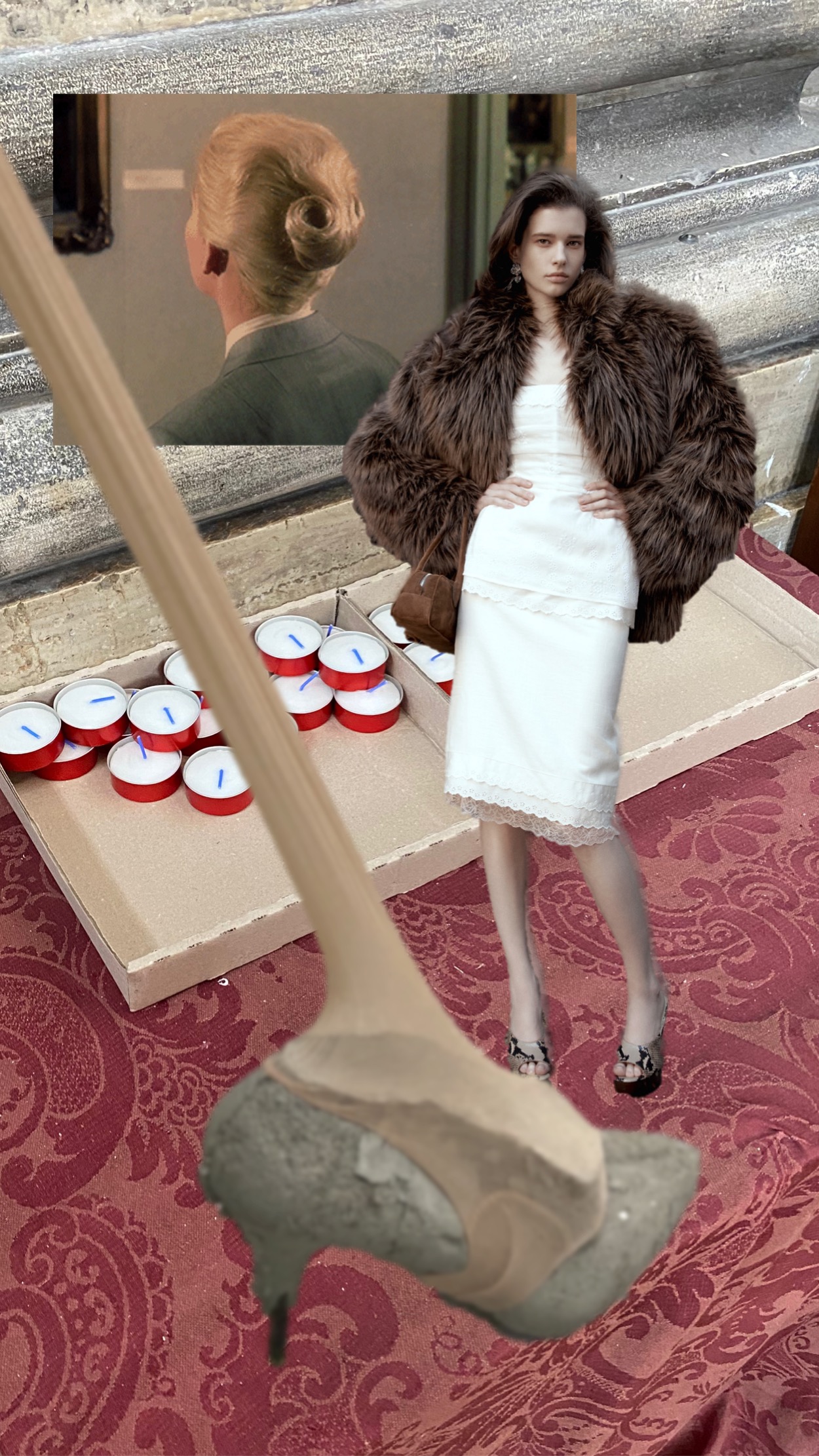
Photographed by Robin Galiegue and styled by Jacob K, the new season look-book expresses Magda Butrym’s deep affection for the ritual of dressing up and the innate, instinctual chic possessed by women of a bygone era. The nonchalance – and undeniable authenticity – of bouffant-haired ladies and sensational dames comes to life in ultra-feminine slip layered beneath robust fur coats; delicate, draped tops paired with lace-trimmed skirts; and bold floral prints clashed against unexpected hues. These codes of elegance draw from Butrym’s vivid childhood memories of the impeccably dressed women she loved observing—and felt inspired by. As she recalls, they didn’t dress up only for special occasions but made an effort with their style on daily basis – and that’s exactly what made such a long-lasting impression on her.
The pre-spring 2026 collection channels the spirit from real glamour, reimagined for the modern age – no longer just an ornament, but a powerful, confidence-boosting armor.
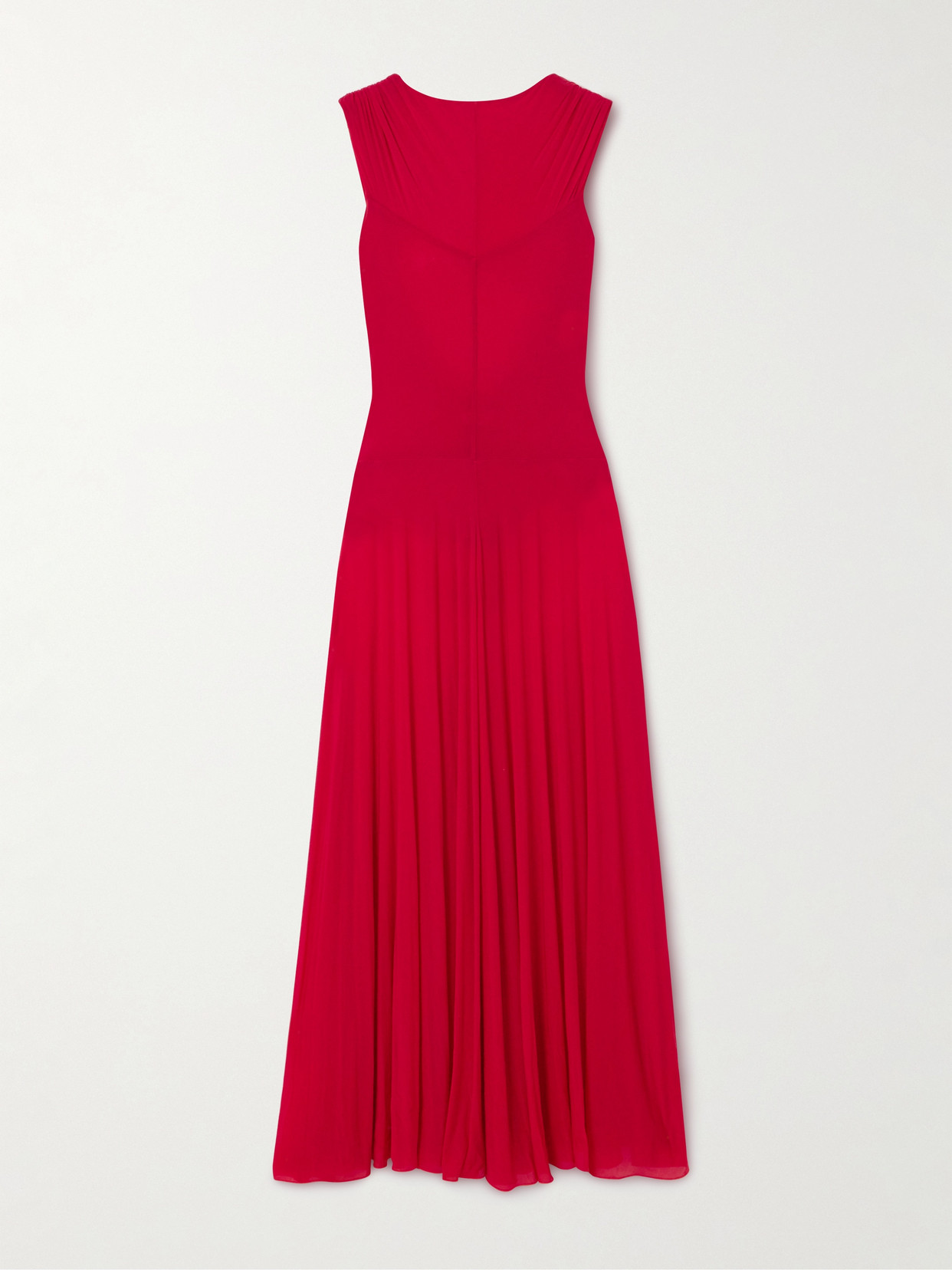
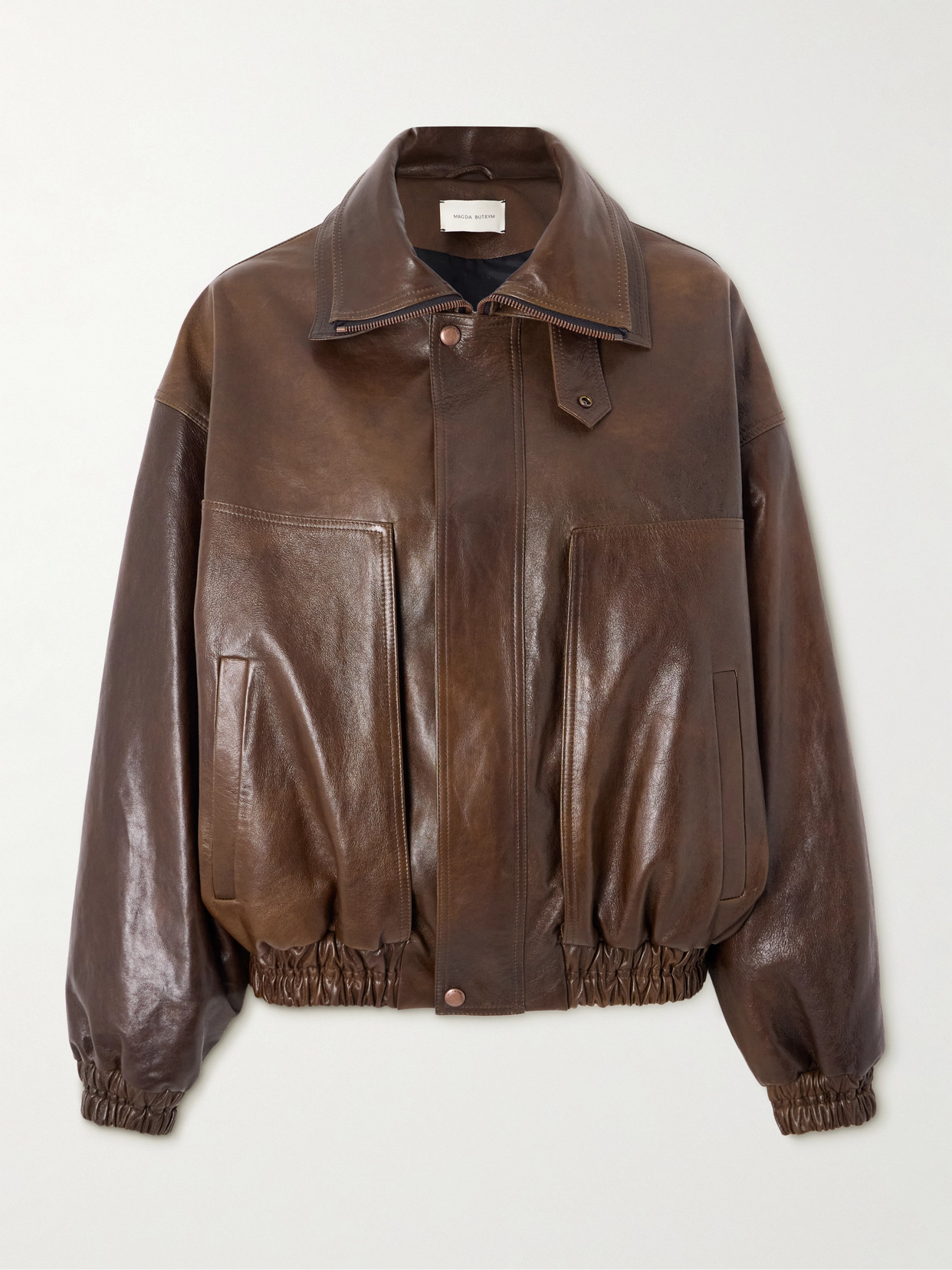
All dressed up and brimming with attitude, the look-book’s nearly cinematic heroines lounge on upholstered deck chairs, stride through the lively streets of Praga-North, and revel in the hidden, picturesque corners of the rough-around-the-edges quarter. The narrow silhouettes – accentuated by shoulder-padded, hourglass-shaped pony-hair jackets and knee-length skirts – are offset by the utilitarian energy of heavy-duty leather bombers and a slouchy rose-red tracksuit. Hip-padded mini dresses boldly reveal flesh, while shaggy boleros and voluminous masculine coats offer a sense of protection. A floor-sweeping crimson dress with a dramatic back slit is finished with a vintage-inspired flower necktie, its petals subtly shredded. Beneath the collection’s rich textures, artisanal details, and lady-like decorum lies a raw, risqué energy- sexual, liberated, and unapologetically bold.
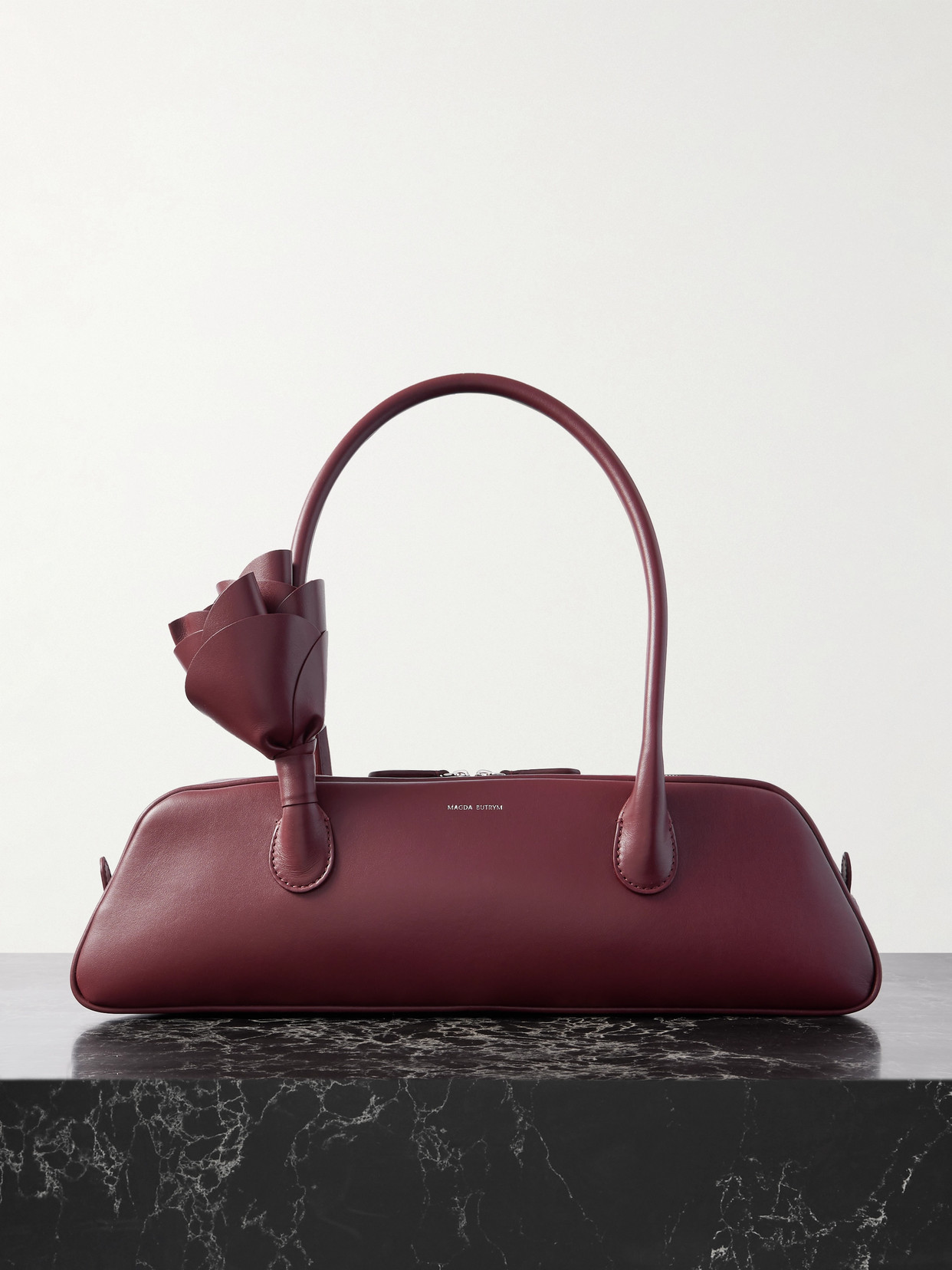
The look-book thrives on an unexpected, magnetic tension: rose gardens blooming amid brutalist surroundings, sacred icons of Saint Mary tucked away in shadowy alleys. It reflects the designer’s vision of ambiguous femininity – glamorous and “perfected” at times, yet coarse and grunge-tinged at others. That sensual duality is especially vivid in this season’s leg-centric silhouettes: curved wedges and semi-sheer, tights-like trousers evoke a strong, sculptural attitude, inspired by one of Sarah Lucas’ tapering artworks made from stockings stretched over wire and anchored by concrete high heels. The season’s eveningwear – structured in body-morphing forms and elevated through exaggerated silhouettes- also nods to the British artist’s crude, unfiltered approach to the female body. Lucas’ provocative vision of womanhood fascinates Butrym – and inspires in rethinking contemporary femininity.
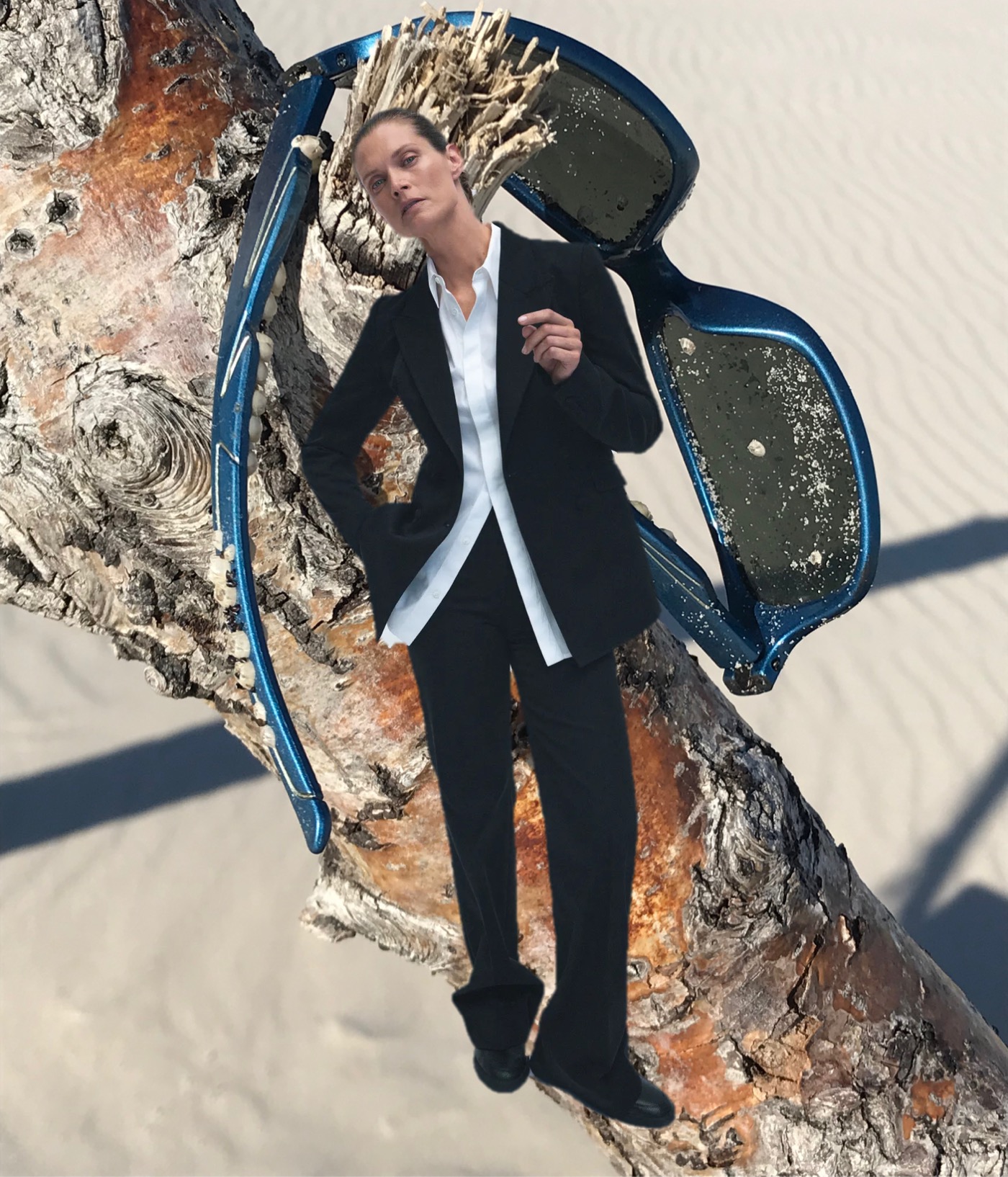
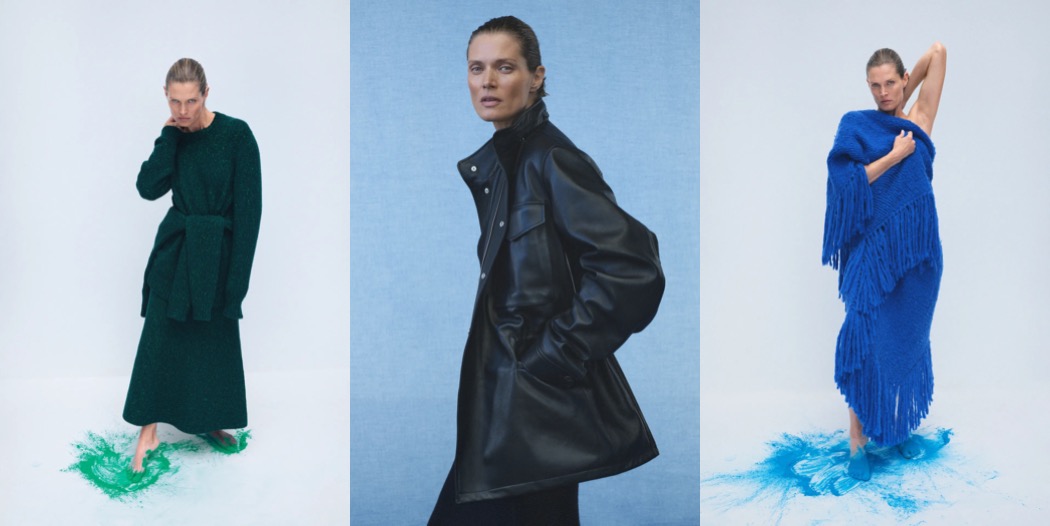
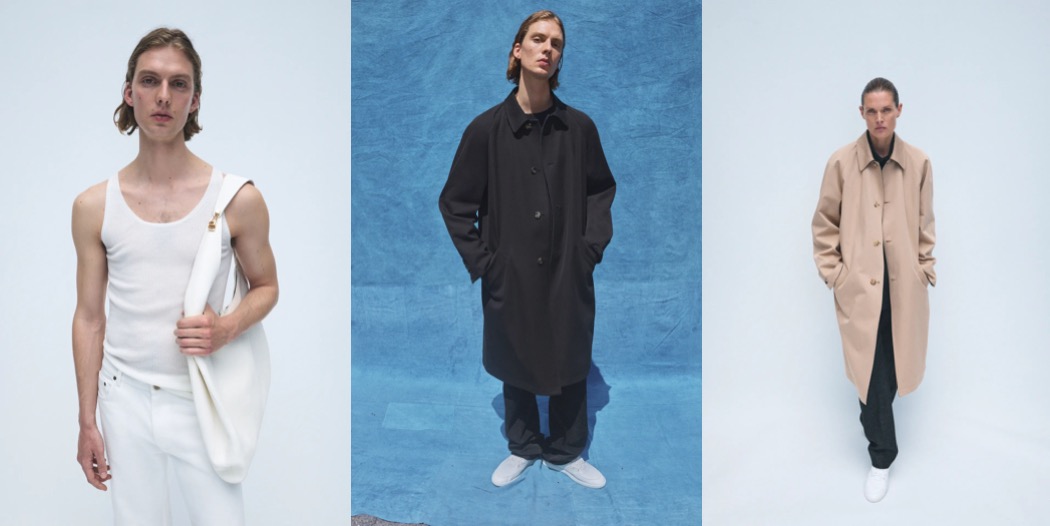
Gabriela Hearst makes no-nonsense clothes. Her work is often criticized for lucking “edge” – but then, somebody has to make proper, classic, always-good-looking clothes. And there actually is something edgy about her resort 2026 collection, starring Malgosia Bela, Leon Dame and Alex Olson, photographed by Zoë Ghertner. Some context: the designer is lately obsessed with Tarot, pulling a card each morning and writing down the results. The Lovers card in the Marseille deck gave this collection its radiant color palette: cobalt blue (take a look at the sumptuous cashmere poncho she did in this magnetic hue), with sprinkles of pastel-pink and bottle-green. It also gave her a template for this simple, but evocative lookbook. In the Marseille deck, there are three figures on the Lovers card rather than the usual pair: two women and a man. Hearst did some rearranging, and she’s got one woman and two men in these pictures. A power move. The garments, un-fussy and “un-styled”, are remarkably handsome: think M-65 field jackets, double-face cashmere coats and all-black eveningwear. Looking for edge? There’s the Americana-inspired cow print, a lovely springboard from the understated vibe Hearst’s clothes emanate with.



















 Design & Culture by Ed