The Princesses Are Back (in Berlin)

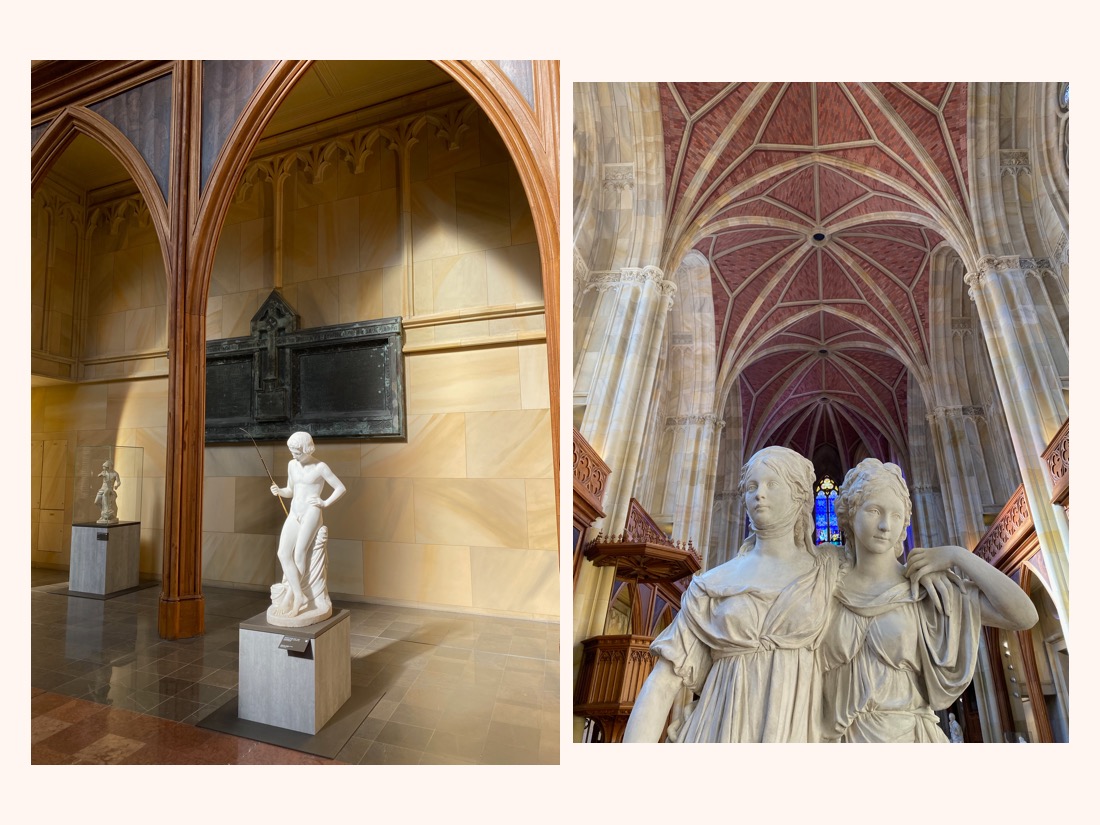
In Berlin, I stumbled upon another sort of sci-fi scenario. Johann Wolfgang von Goethe once adoringly described Luise and Friederike, the Mecklenburg-Strelitz sisters as “heavenly visions, whose impression upon me will never be effaced”. Sculptor Johann Gottfried Schadow erected a monument to their elegance and grace, creating an icon of European classicism with his double sculpted portrait of the “Crown Princess Luise of Prussia and her Sister Princess Friederike of Mecklenburg-Strelitz”. The statue of these two figures, which has come to be known under the abbreviated title Princess Group, is one of the highlights of the Alte Nationalgalerie’s collection. Now, the sculpture is back on permanent display at the breathtaking Friedrichswerdersche Kirche. The original plaster cast has a particular significance within both the broader context of Schadow’s oeuvre and that of 19th-century sculpture: it is here that not only the artist’s creative signature is at its most palpable, but also the thrilling genesis of the double-figure statue.

Showcasing sculpture from Karl Friedrich Schinkel’s era through to the German Empire, the exhibition “Ideal and Form” at Friedrichswerdersche Kirche traces the medium’s lines of development through the long 19th century into the modern era. It also invites visitors to rediscover the Berlin School of sculpture, a movement whose international outlook was ahead of its time. With more than 50 sculptures – some monumental in scale – this exhibition provides a comprehensive survey of the work of the Berlin School and of its complex international ties. On display are major works by Johann Gottfried, Emil Wolff and Christian Daniel Rauch, and by female sculptors such as Angelica Facius, Elisabet Ney and Anna von Kahle.

Werderscher Markt / Berlin

All photos by Edward Kanarecki.
Don’t forget to follow Design & Culture by Ed on Instagram! By the way, did you know that I’ve started a newsletter called Ed’s Dispatch? Click here to subscribe!
NET-A-PORTER Limited

Musée Rodin

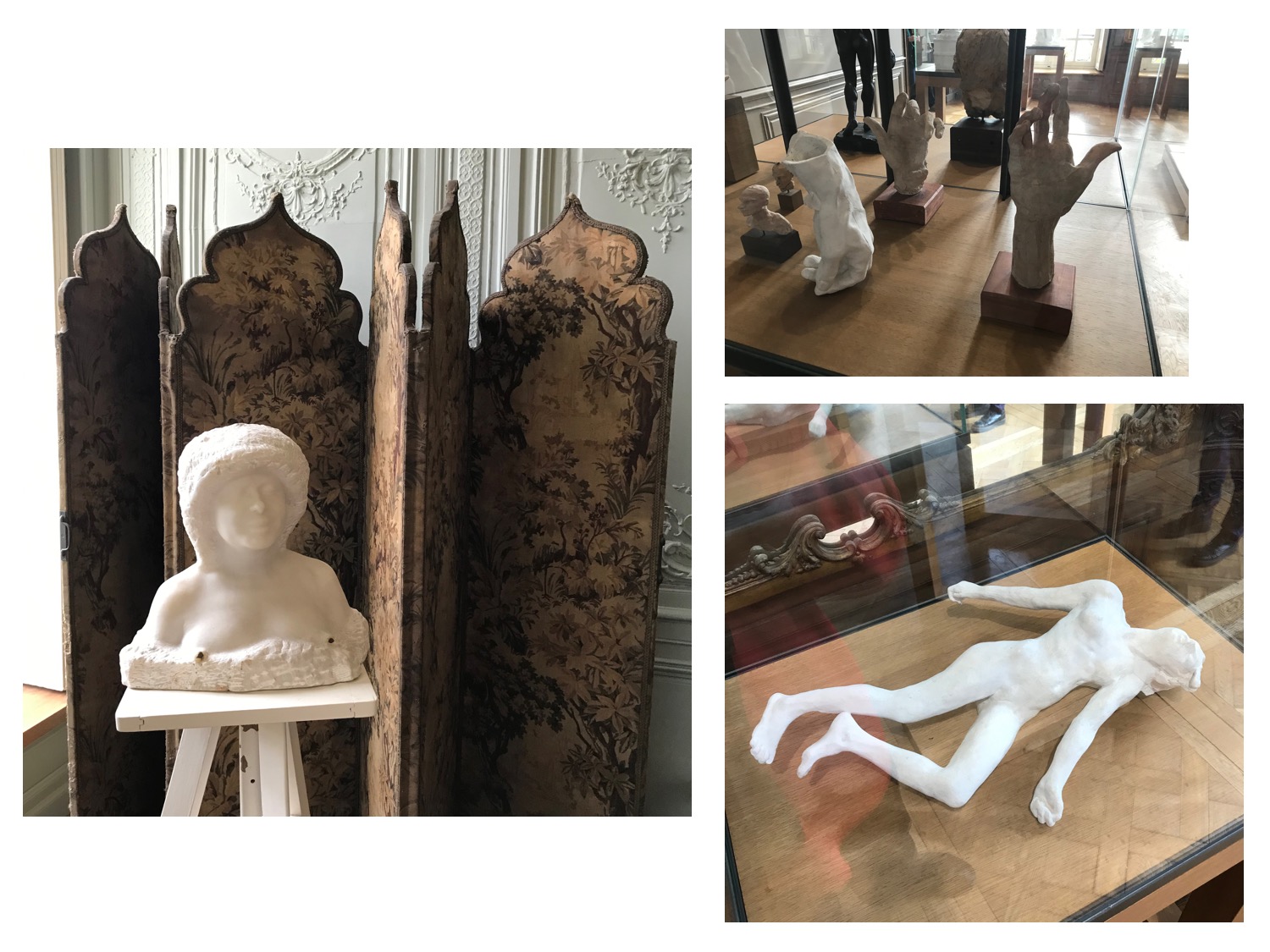
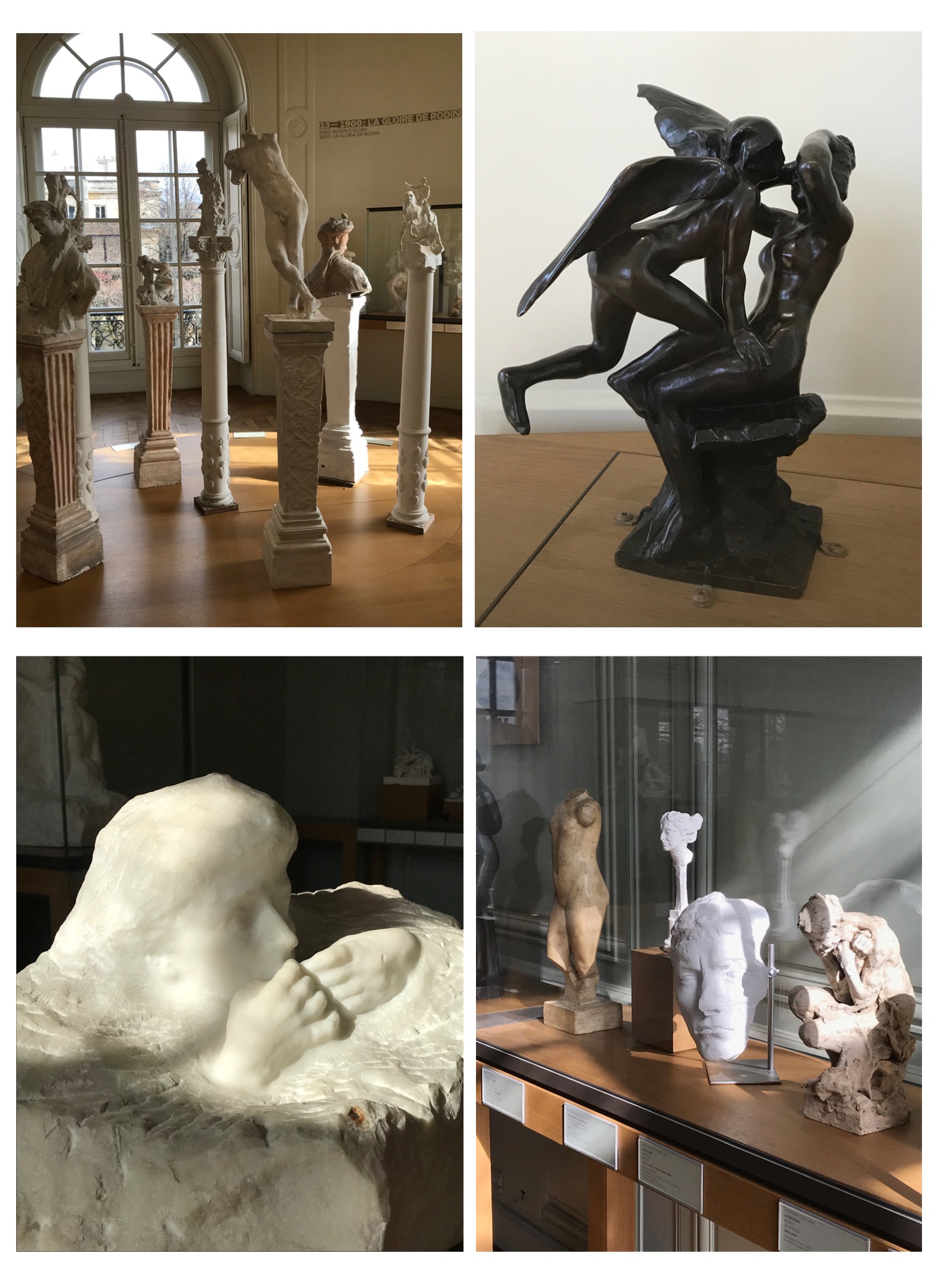
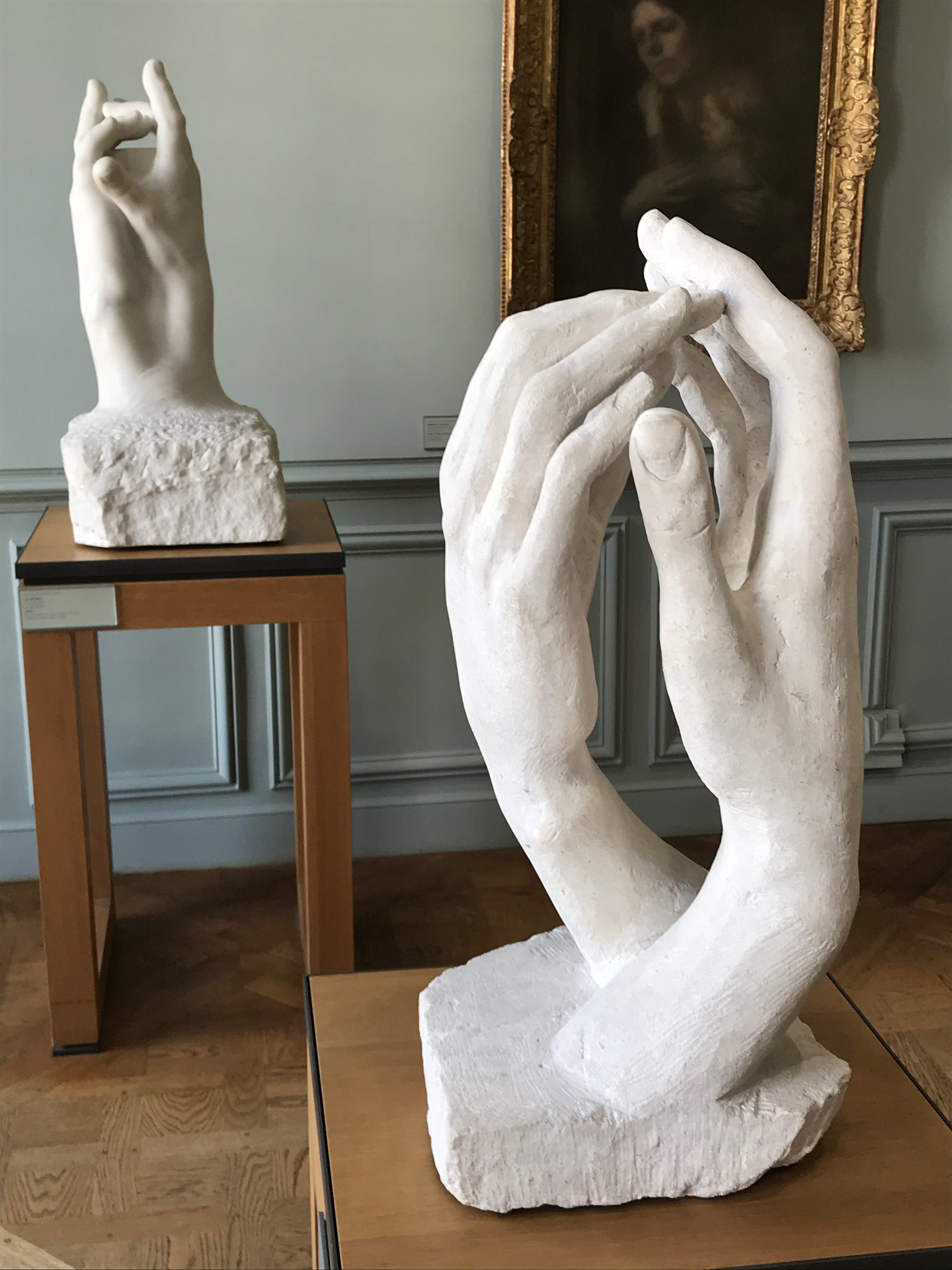
The calmness and beauty of Musée Rodin instantly made it one of my favourite places in Paris. The historical link between the collection and the Hôtel Biron where it’s located is the essence of the museum’s soul. Visitors will find many pieces created by the sculptor that have never been shown before in a display that affords a more comprehensive, coherent and accessible view of Auguste Rodin’s production. After a chronological presentation on the ground floor (including a room with a reproduction of the Hôtel Biron as it was in Rodin’s day), the first floor explores the aesthetic and historic dimensions (the Symbolist room, the Pavillon de l’Alma in 1900) and the creative process (Assemblage, Fragmentation, Enlargement) of the artist. One of the oval rooms, designed in the spirit of a cabinet de curiosités, presents Rodin’s sculptural practice alongside his activity as a passionate collector of antiquities. Although it was raining non-stop for a week, we were lucky with the weather the moment we went outside to the museum’s garden. Stretching over three hectares, the grounds are divided into a rose garden and a large ornamental garden, while a terrace and hornbeam hedge backing onto a trellis conceal a relaxation area. The glassed pavillon presents more Rodin goodness, this time in the context of nature. Some sculptures are unfinished, while others bear traces of the non-finito technique of which Rodin was so fond. For all the Rodin – and sculpture in general – lovers, this place is a must-see!

All photos by Edward Kanarecki.

(P.S. If you are inspired by my Parisian coverage, I’m really happy about, but please have in mind that now isn’t a safe time for any sorts of travelling. Stay at home!)

Atelier Brancusi

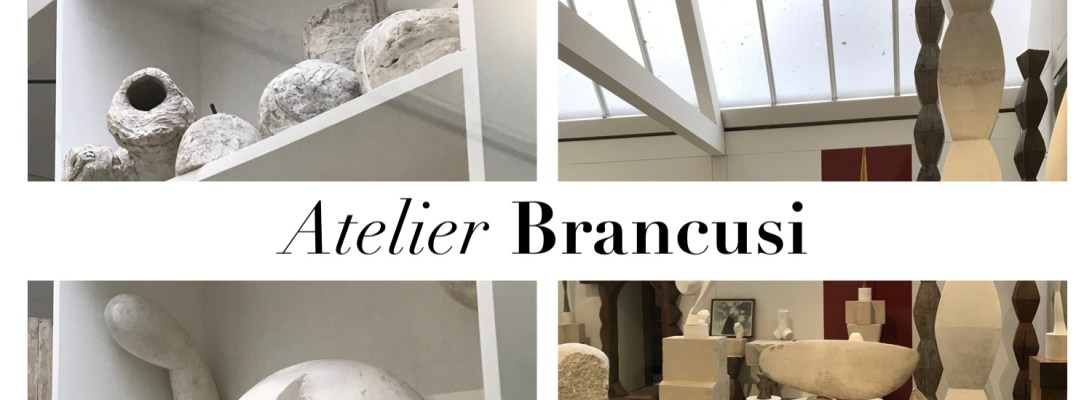
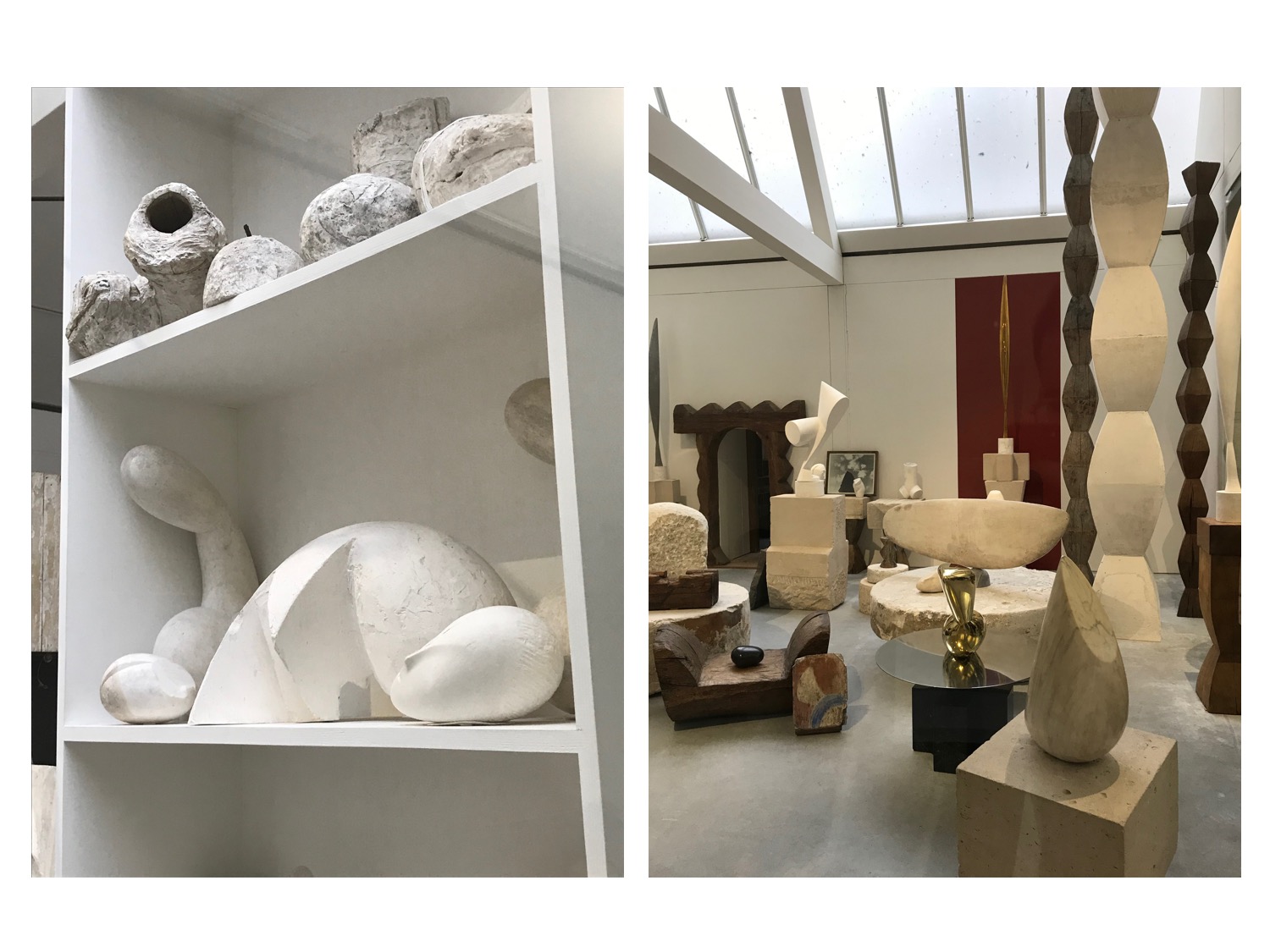
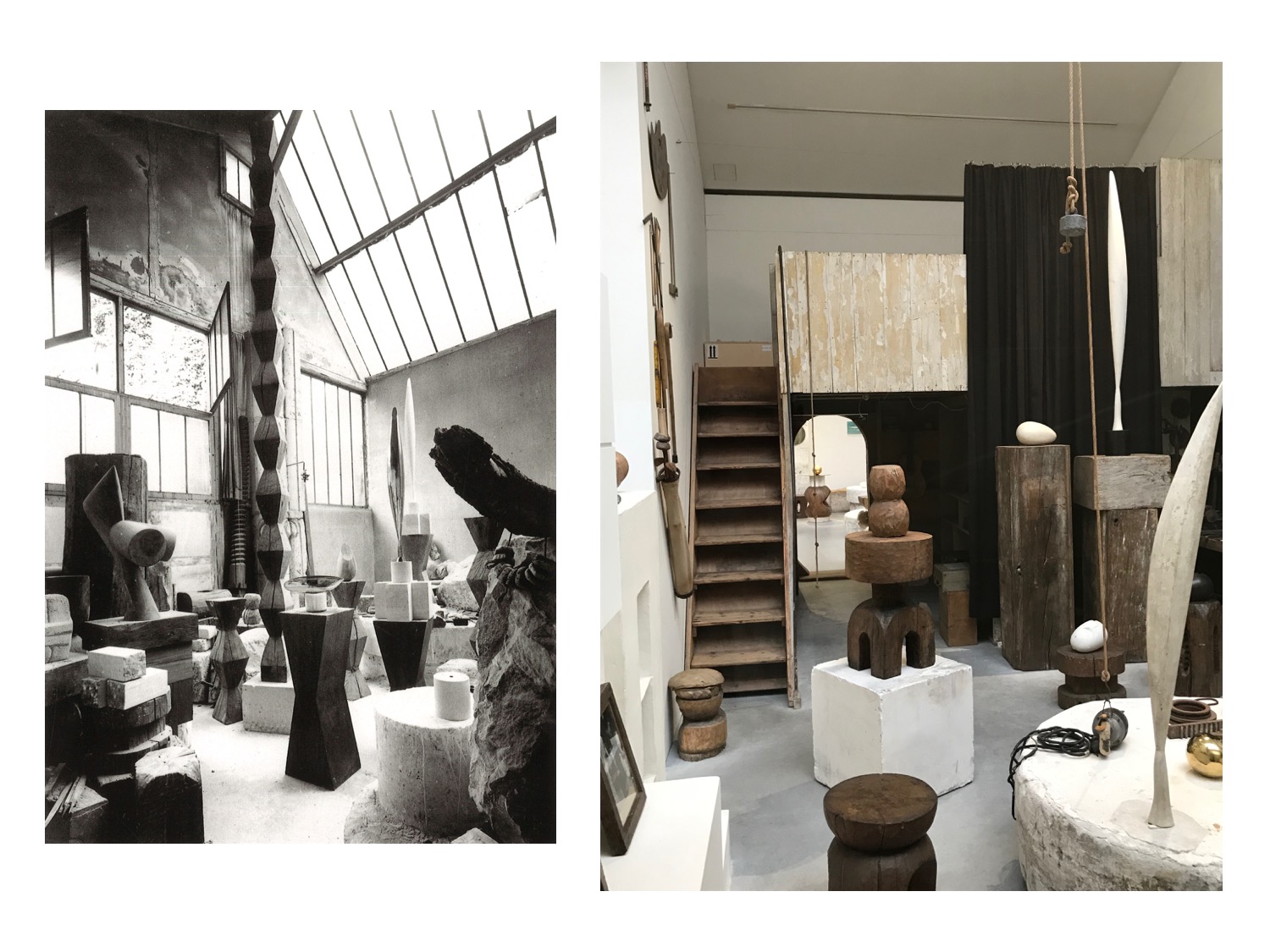
This place was on my “must see” list for a while. Finally, I visited Centre Pompidou’s Atelier Brancusi – a standalone pavillon dedicated to Constantin Brancusi‘s work. Born in Romania in 1876, Brancusi lived and worked in Paris from 1904 until his death in 1957, and this is where he produced most of his forever-inspiring work. In his will, he bequeathed his entire studio to the French state. Brancusi considered the relationship between sculptures and the space they occupied to be of crucial importance. In the 1910s, by laying sculptures out in a close spatial relationship, he created new works within the studio which he called “mobile groups“, stressing the importance of the connections between the works themselves and the possibilities of each for moving around within the group. In the next decades, the studio became an exhibition space for his work, and a work of art in its own right: a body consisting of cells that all generated each other. This experience of looking from within the studio at each of the sculptures, thus perceiving a group of spatial relationships, led Brancusi to revise their positions every day to achieve the unity he felt most apposite.At the end of his life, Brancusi stopped creating sculptures and focused solely on their relationship within the studio. This proximity became so fundamental that the artist no longer wanted to exhibit, and when he sold a work, he replaced it with plaster copy so as not to destroy the unity of the group. The present reconstruction, built by the architect Renzo Piano, is presented as a museum space containing the studio. Piano’s problem lay in making the space open to the public while respecting the artist’s wishes. While the architect did not attempt to recreate the intimacy of the original, he preserved the idea of a protected, interiorised space where visitors are isolated from the street and the piazza, in particular by an enclosed garden, from which part of the studio can be seen through a glass wall. I’ve spent there about 30 minutes, trying to absorb as much as possible with my eyes. And I went out feeling as relaxed as after a lovely spa.

Photos of the exhibition by Edward Kanarecki.

(P.S. If you are inspired by my Parisian coverage, I’m really happy about, but please have in mind that now isn’t a safe time for any sorts of travelling. Stay at home!)

Spiral Around The Body

charlotte-chesnais-jewelry-08

A piece of jewellery by her seems to be like a spiral which shapes around the body. Do you remember the set of five golden rings from Nicolas Ghesquière’s final collection for Balenciaga? Did you add them to the on-line store whishlist because you were so in love with them? Well, in reality, you were in love with Charlotte Chesnais already back then. Spending nearly a decade at the house, she appeared to be the main jewellery designer there by coincidence. “Nicolas wanted some pieces for his Les Parisiennes collection, and there was no one at the time doing jewelry in the atelier,” Chesnais recalls. She left Balenciaga just after Ghesquière did. “I had lost my master,” she explains, but not before debuting the “bow” bracelets that have since become an Alexander Wang signature. Later on, Chesnais worked for Julien Dossena at Paco Rabanne (the last season bracelets are also by HER) and designed the chain mail bags. And now, Charlotte Chesnais is here to present herself in the truest form, with her own namesake line. Inspired by the sculptural work of Constantin Brancusi and Alberto Giacometti, her eponymous collection is composed of metal pieces that look as if made of liquid – cuffs coil up the hand; circular earrings orbit the lobes. “Each one is a beautiful object—even just sitting on a table,” she says. “That’s my interpretation of timeless.

charlotte-chesnais-jewelry-12

charlotte-chesnais-jewelry-07

charlotte-chesnais-jewelry-01

charlotte-chesnais-jewelry-06-1

constantin-brancusi

Constantin Brancusi

charlotte-chesnais-jewelry-03

charlotte-chesnais-jewelry-05

charlotte-chesnais-jewelry-06

charlotte-chesnais-jewelry-01-1

bfb374e1163de1ba1b81fe34fcca50af

Balenciaga SS13

Rick Owens “Pre-History”

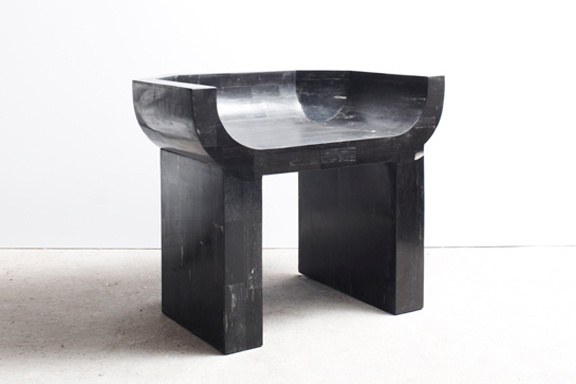
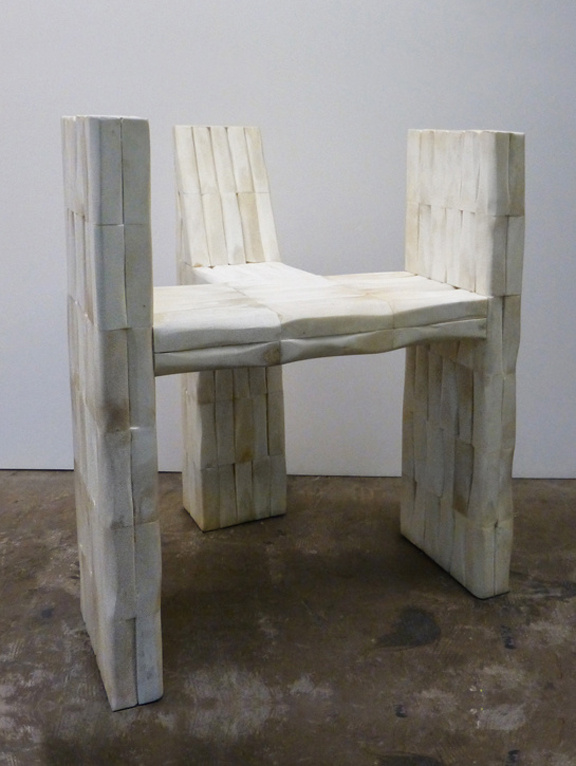
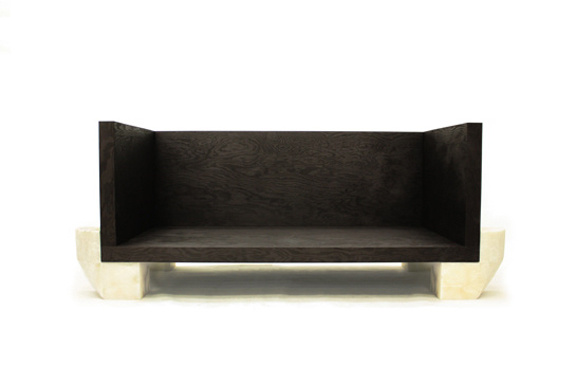
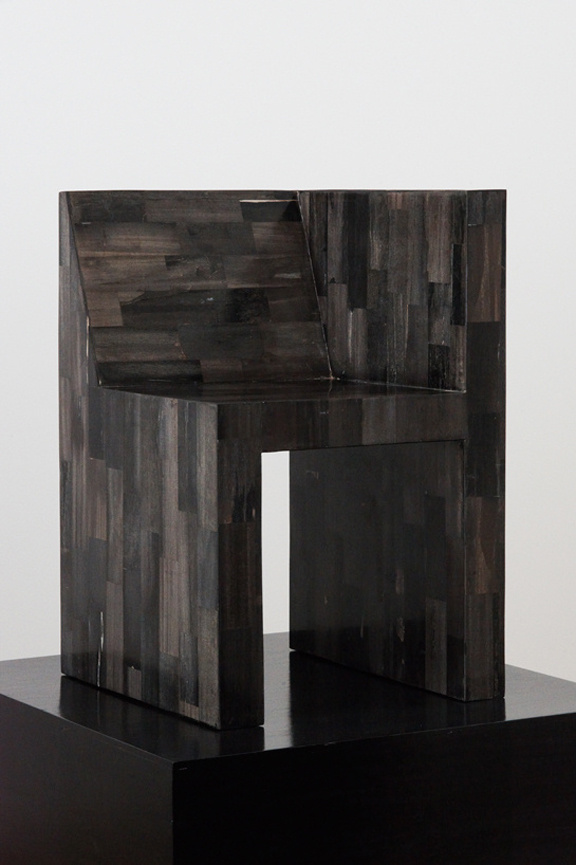
rick_owens_9361_north_576xRick Owens’s new furniture collection made in his studio in Paris, is not only special because of the label- no, more because of the materials used in these sofas and armchairs. In reality, RO chose very rare and specific materials- The 500,000 year old fossilized wood throws up subtle nuances of smoked brown and the blackened plywood provides a counterpoint to the lighter tones; alabaster, a sublime material used by sculptors in Sumerian times whose transparent pallor echoes the color of the ivory of a cow’s bone. As you see, these minimalistic, brutallic forms have much more to say that most of other chairs! Their concept is very simple, showing the beauty of natural fabrics. Dealt with in juxtaposition, the values come together and compose a three-dimensional piece that is totally relevant to the designer’s own style. He cuts and shapes a transversal and global universe, from fashion to furniture.rick_owens_2644_north_576xrick_owens_4178_north_576xrick_owens_8411_north_576x