

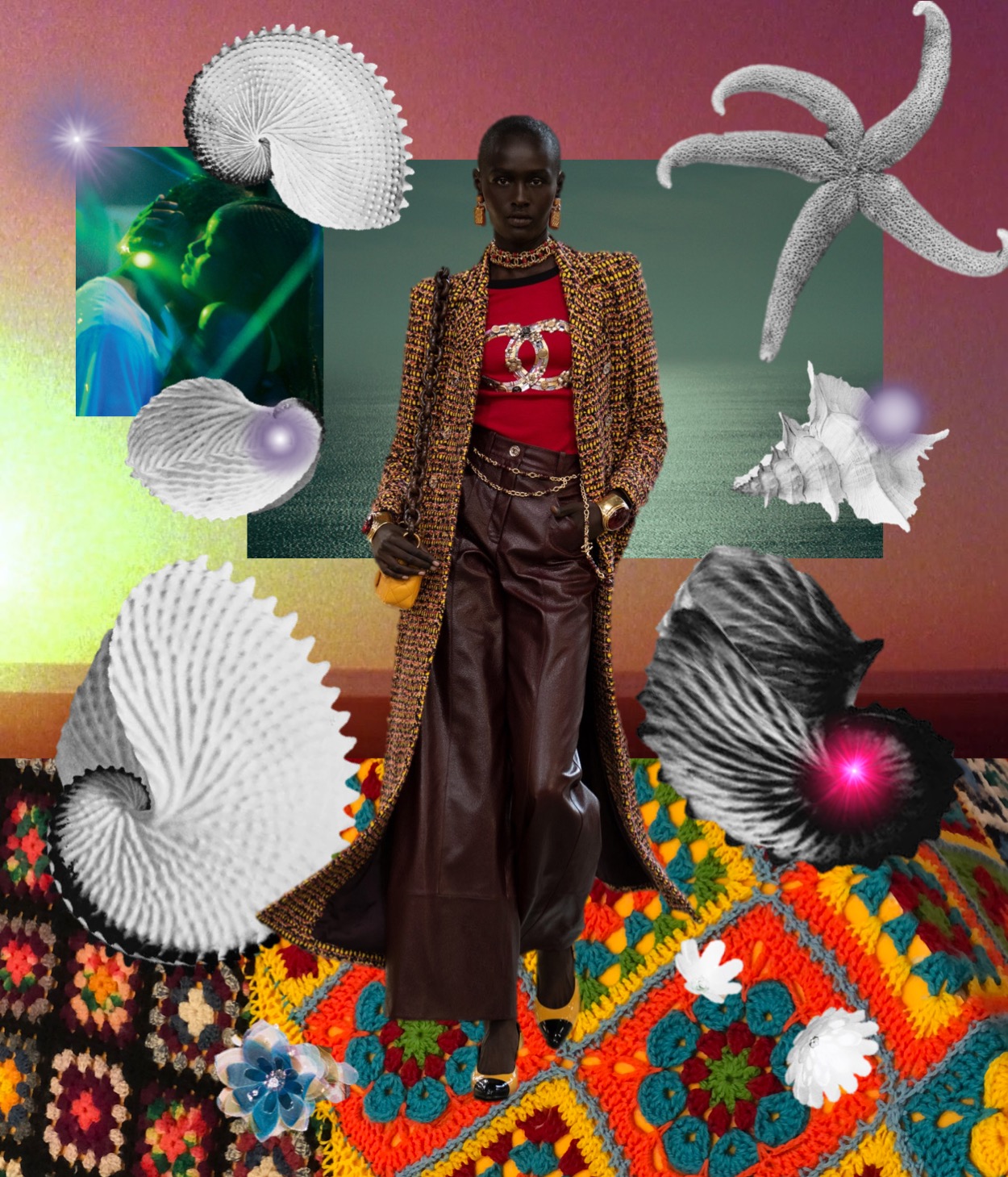
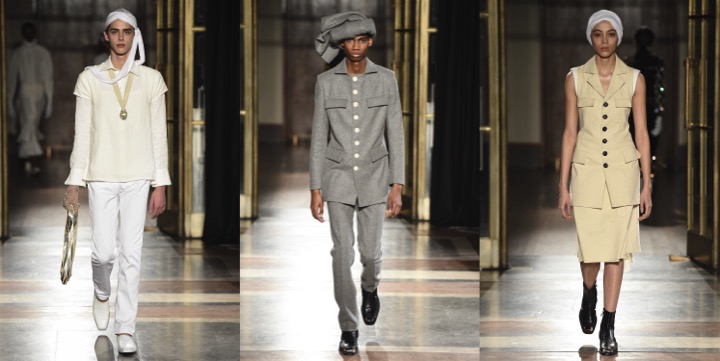
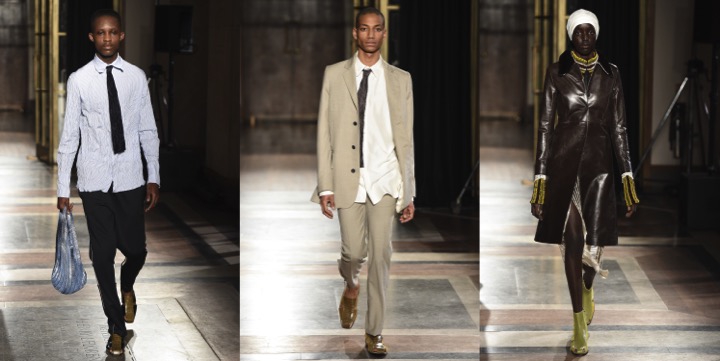
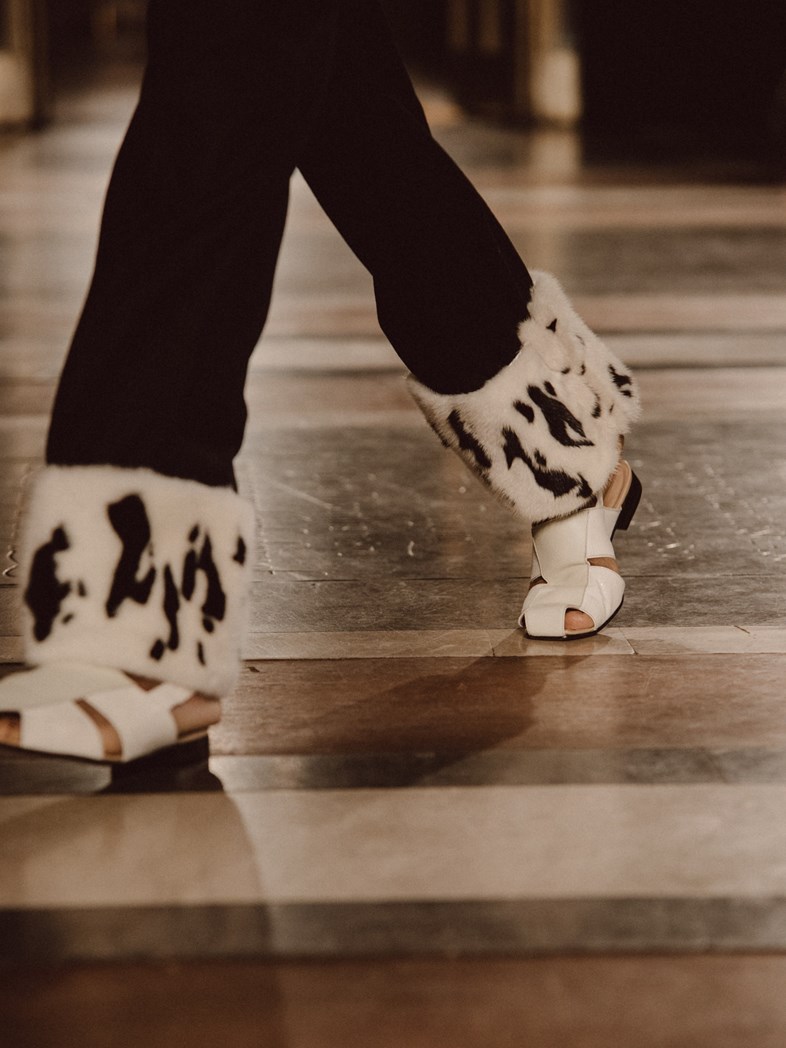
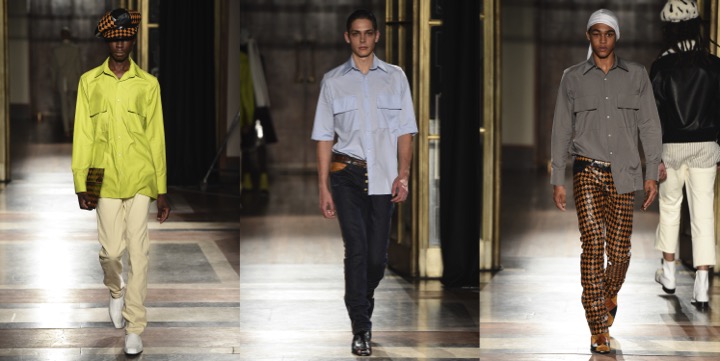
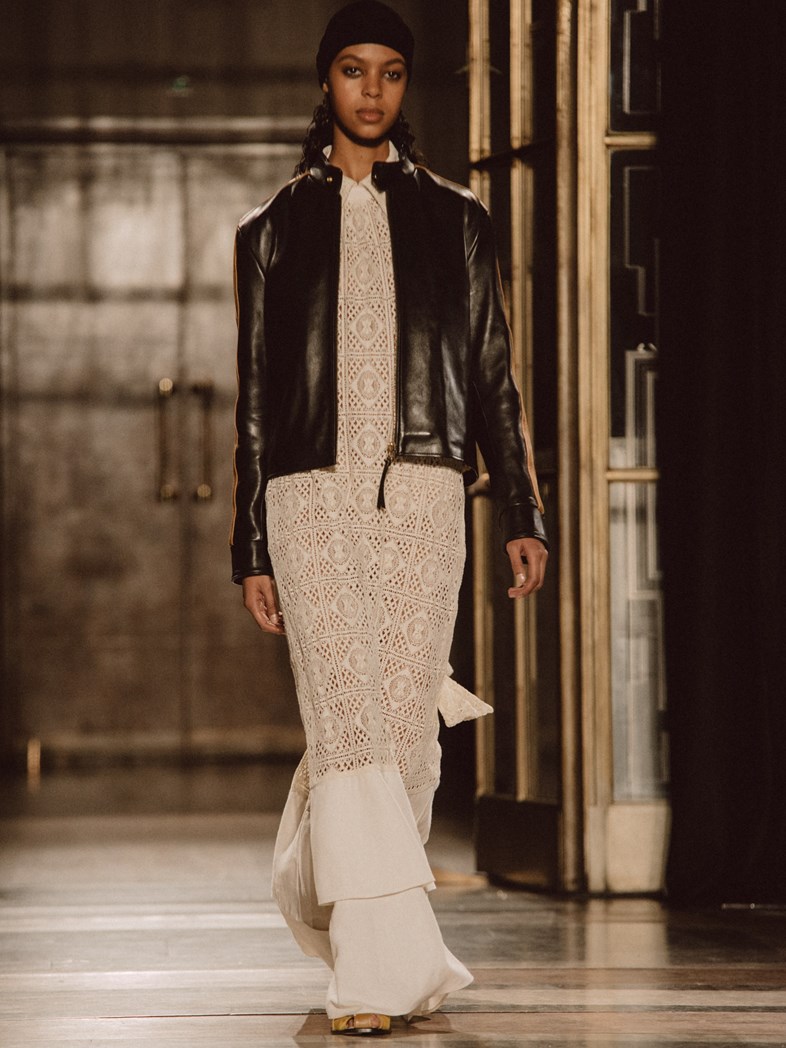
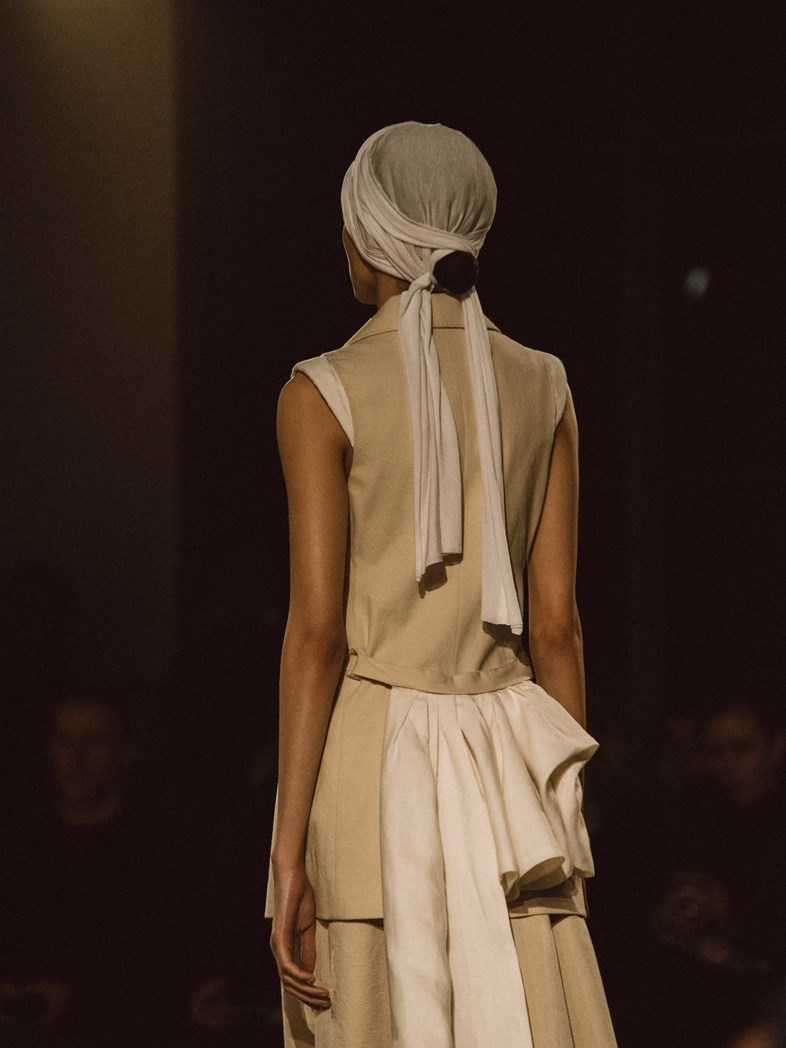
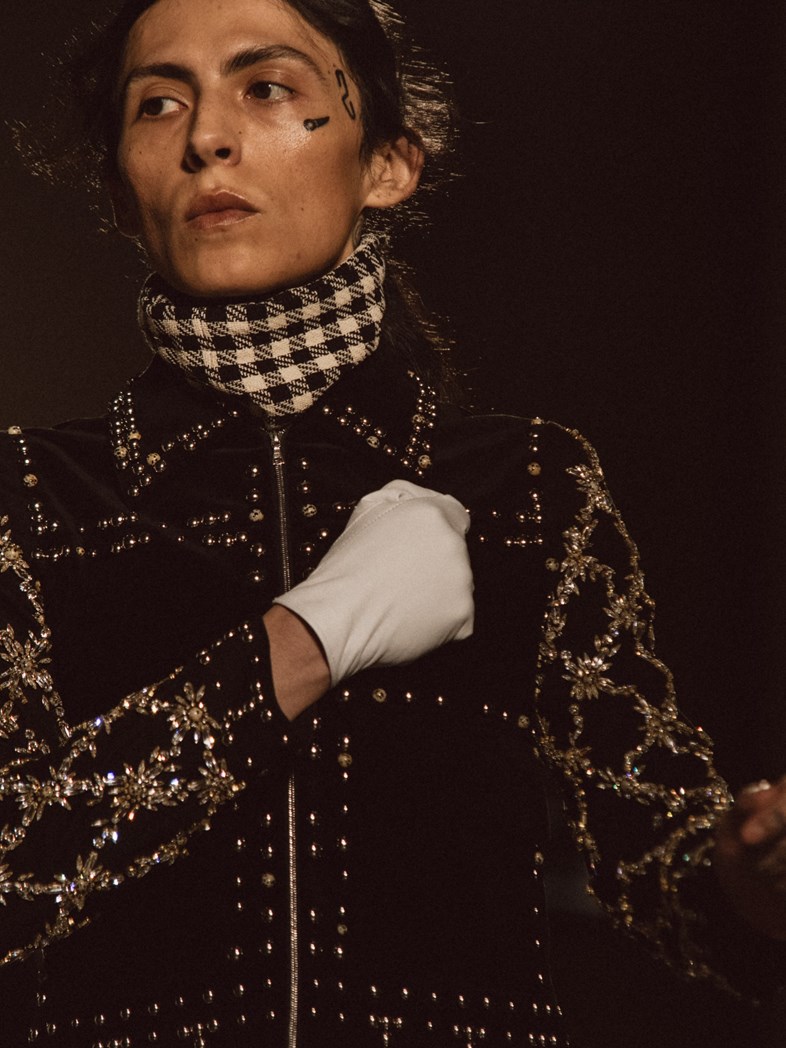
Chanel‘s Métiers d’Art collection shown in Dakar was a thoroughly considered, deep dialogue between the brand and the Senegalese culture and community. Best testimony to that were Virginie Viard‘s words: “This conversation is not going to end here today. And it’s not a question that we have to continue it – we don’t. We are going to do it because we like it very much.” For Chanel to choose to present its first-ever show in Africa – and simultaneously the first show to be presented by any European or US house anywhere in Sub-Saharan Africa – was an ambitious move. At a fittings appointment pre-show, backstage in the Senegalese capital’s former Palais de Justice (now home to its art Biennale), Viard said that the idea first took hold three years ago. Two years of Covid-enforced hiatus followed, before scouting began. “When we first came to this place, Dakar, it was really incredible, and we knew,” she said. The Métiers d’Art event felt like a respectful exploration of cultural affinities – an interweaving of the pre-existing to create something entirely new. Much of that atmosphere was generated by all of the many Senegal-facing activities, but it was also inherent – albeit more discreetly – in the fabric of the collection itself. The lion motif that reappeared on jewelry and bags was a dual reference to the emblem of Senegal and the sign of Coco Chanel. Viard also looked beyond Senegal. The tailoring and menswear shapes were informed by Congo’s sartorialist Sapeur subculture, as were the heftily commando-soled shoes. Almost invisible after long and complex processes of fabric development, some of the beading materials and patterns were rooted in source material from Africa. Talking drums and surfboards were other talismanic symbols of place and connection integrated into the language of the pieces. The broader context was 1970s-inflected: casual, unpretentious, and free. Michel Gaubert’s soundtrack of freshly-released Sault tracks provided a dreamy dimension. At the end of this show guests lingered and the hubbub of conversation steadily increased. Those guests included Senegal’s first lady, Madame Marième Sall, and four government ministers (three of them female). The models changed into their off-duty clothes and joined the party. This collection was Viard’s most bold and reflective move since her appointment as the maison‘s creative director.
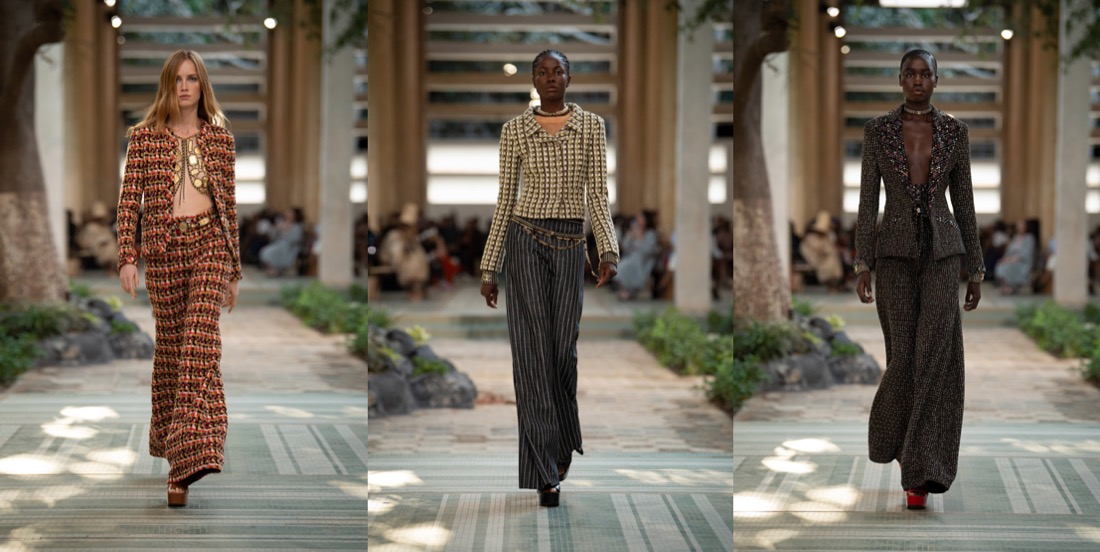
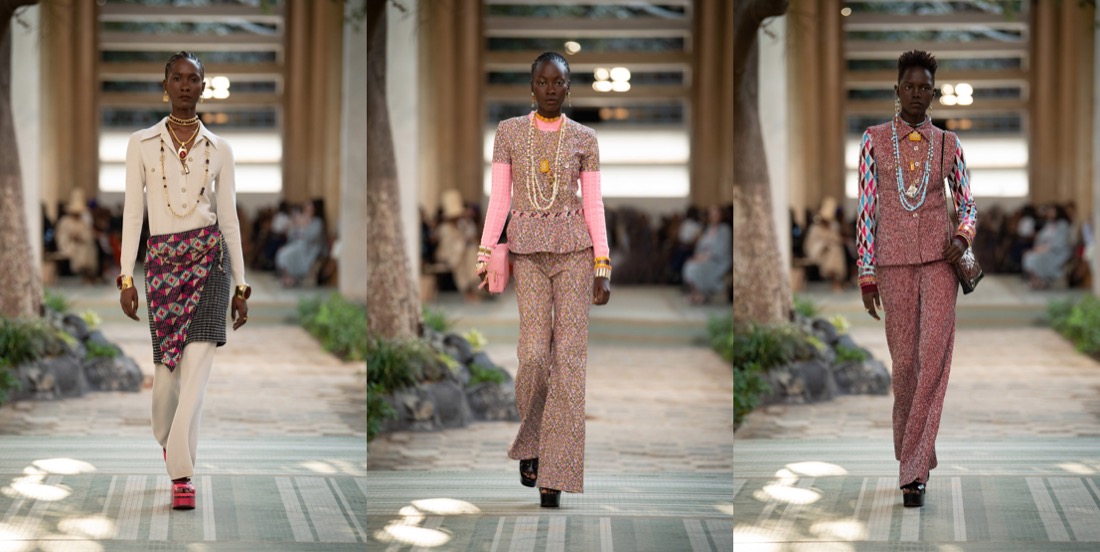

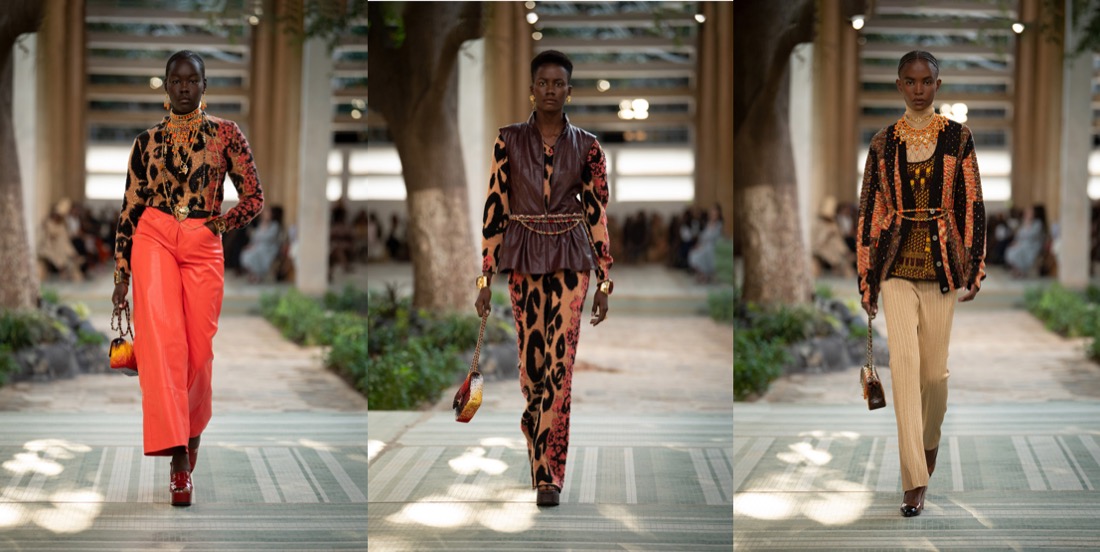


Collage by Edward Kanarecki.
Don’t forget to follow Design & Culture by Ed on Instagram!



 Design & Culture by Ed