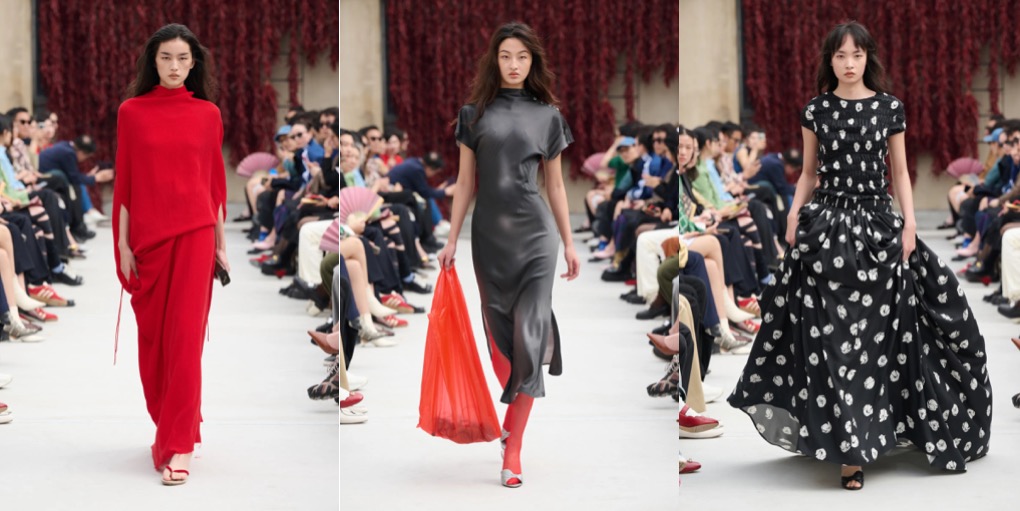
East Wind. Samuel Guì Yang SS25

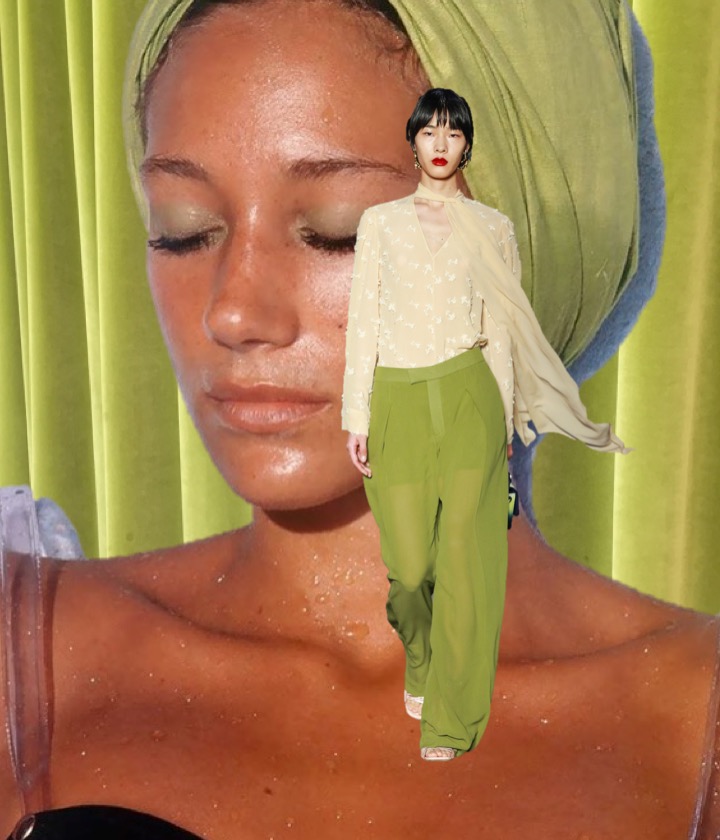
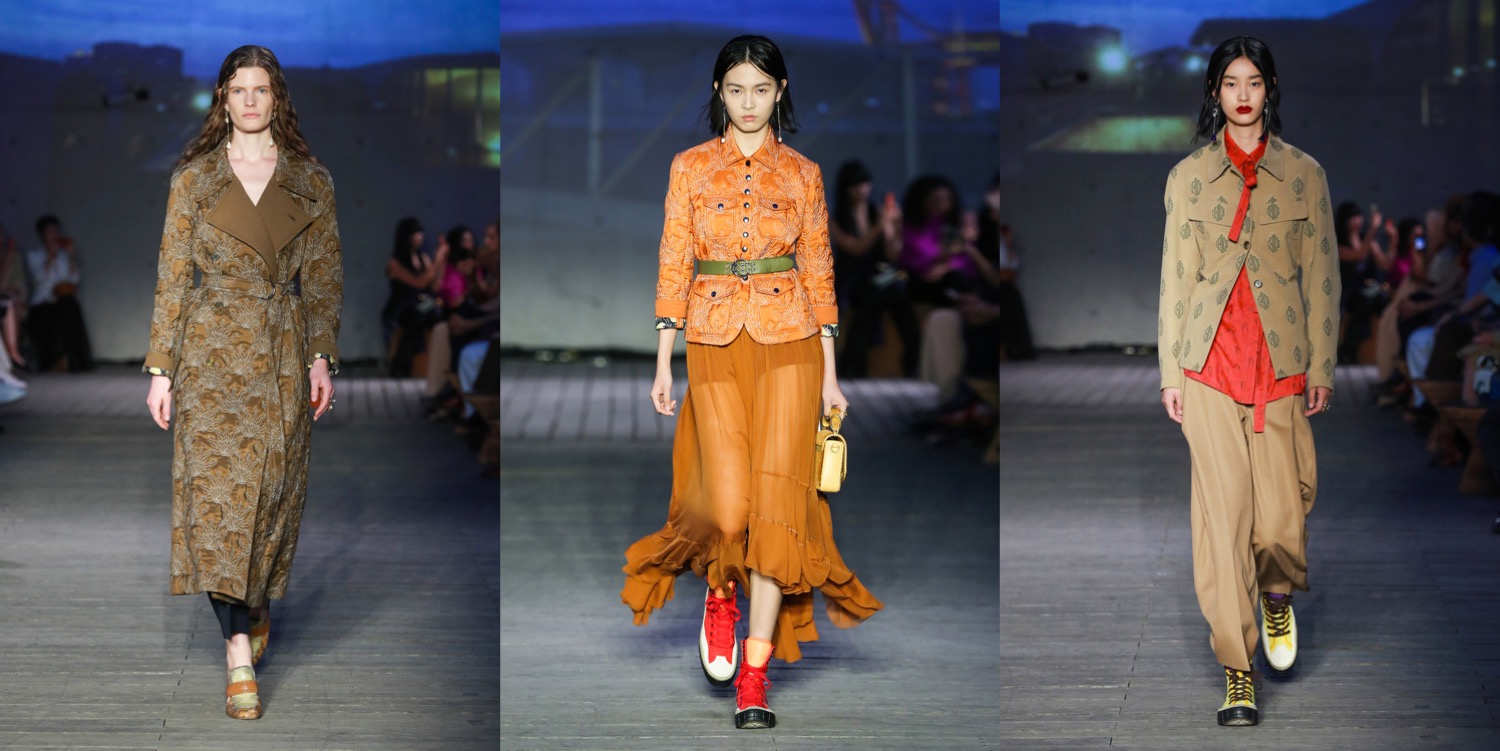
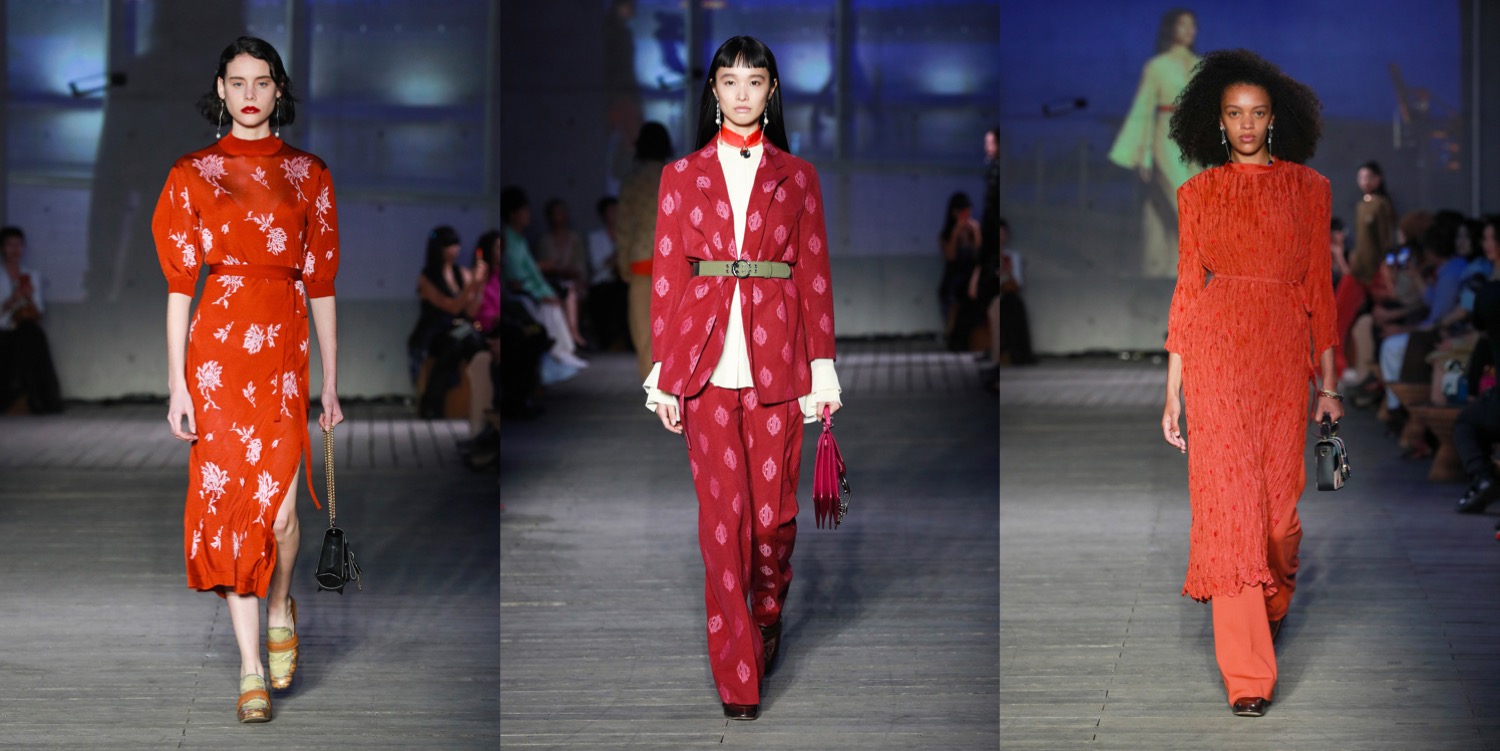
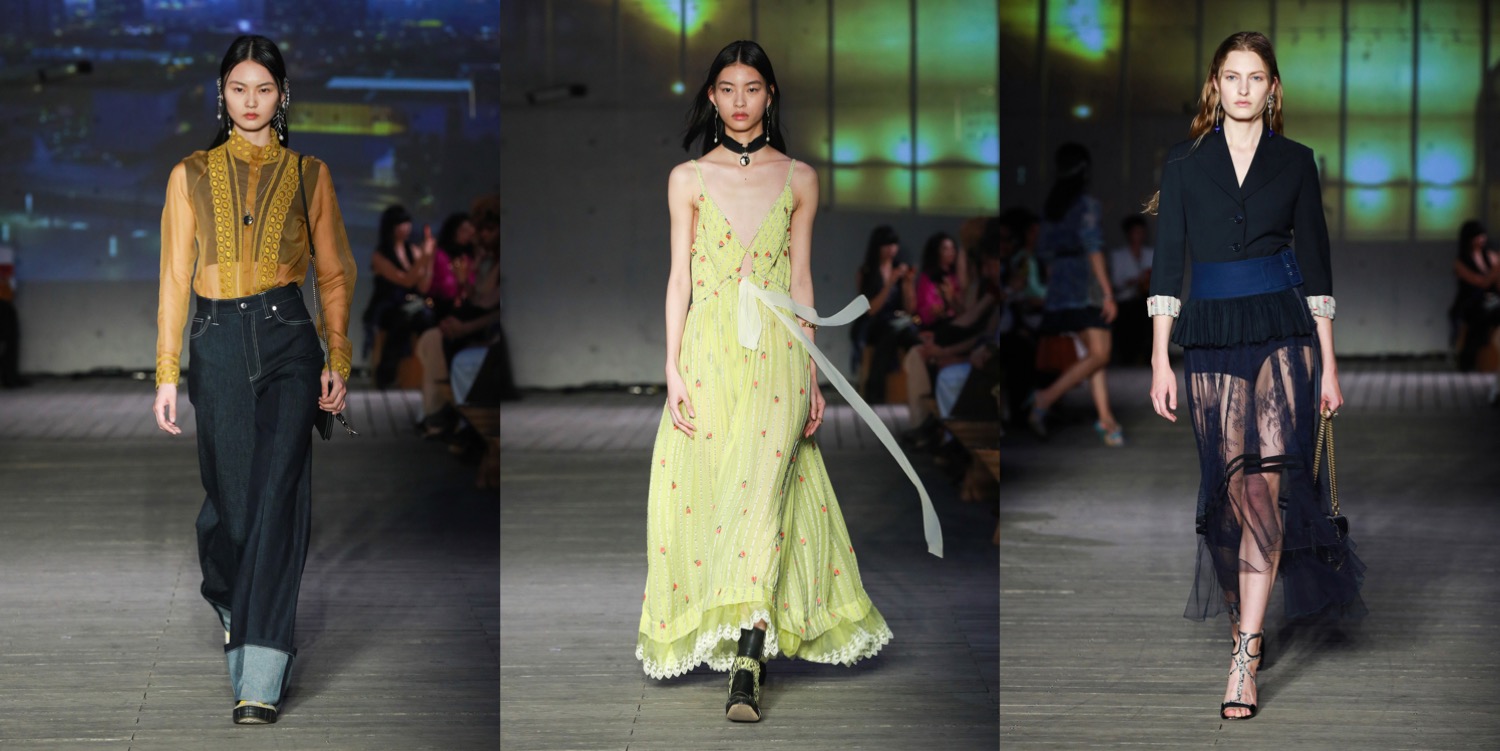
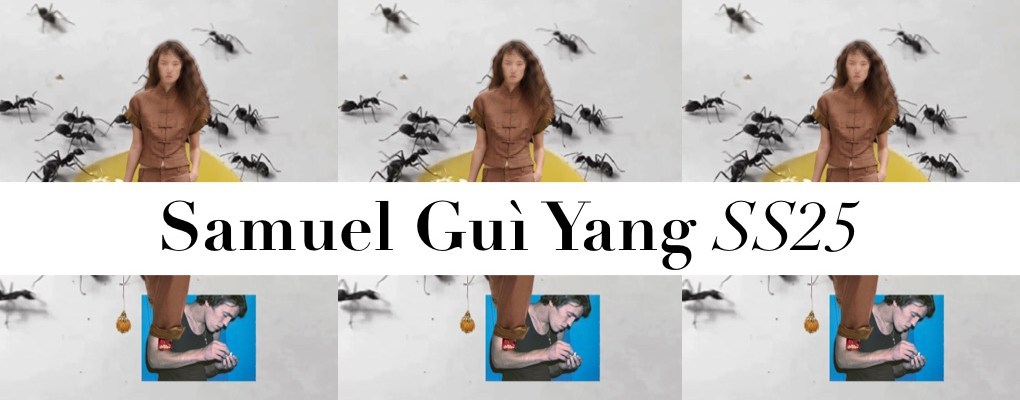
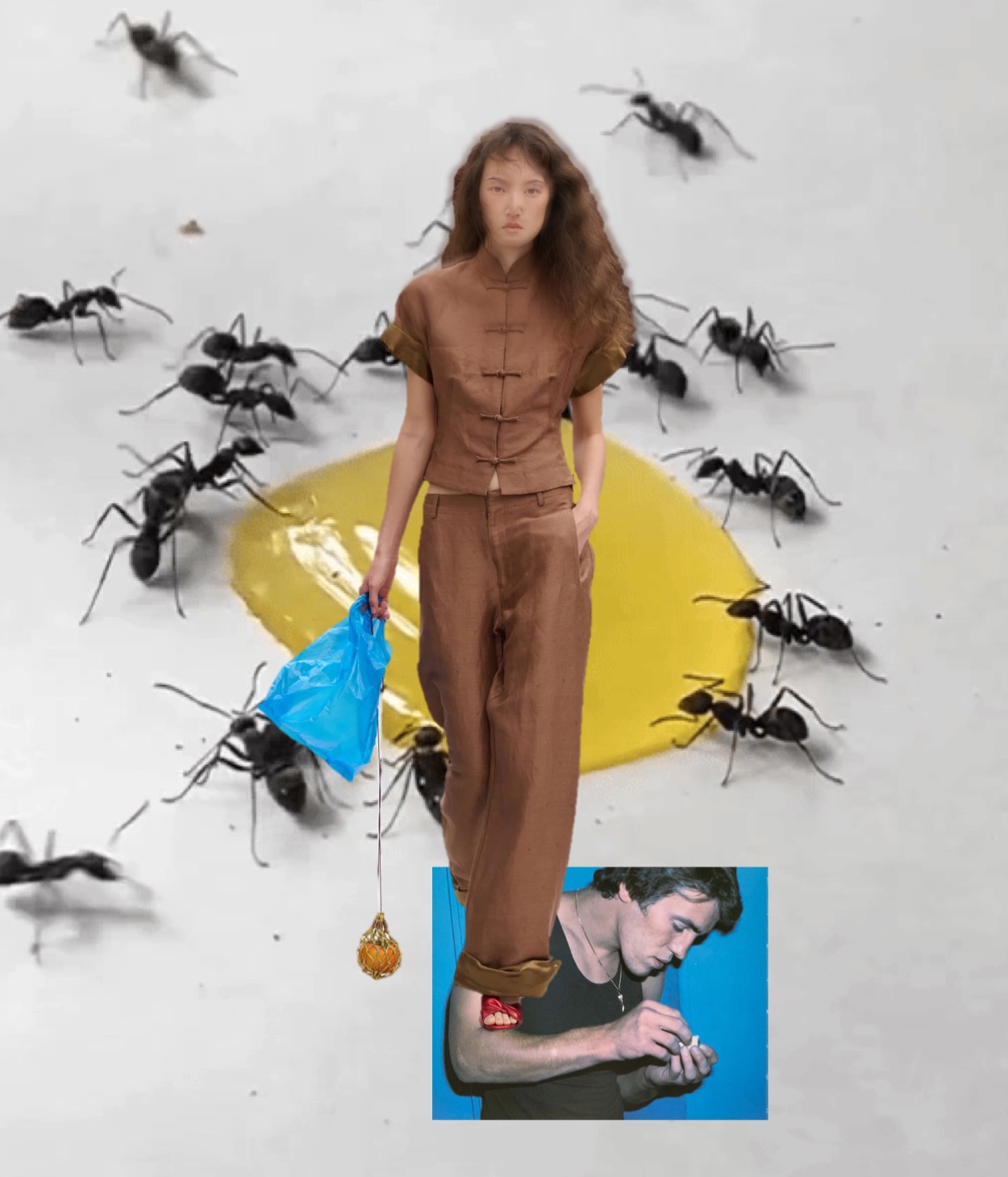
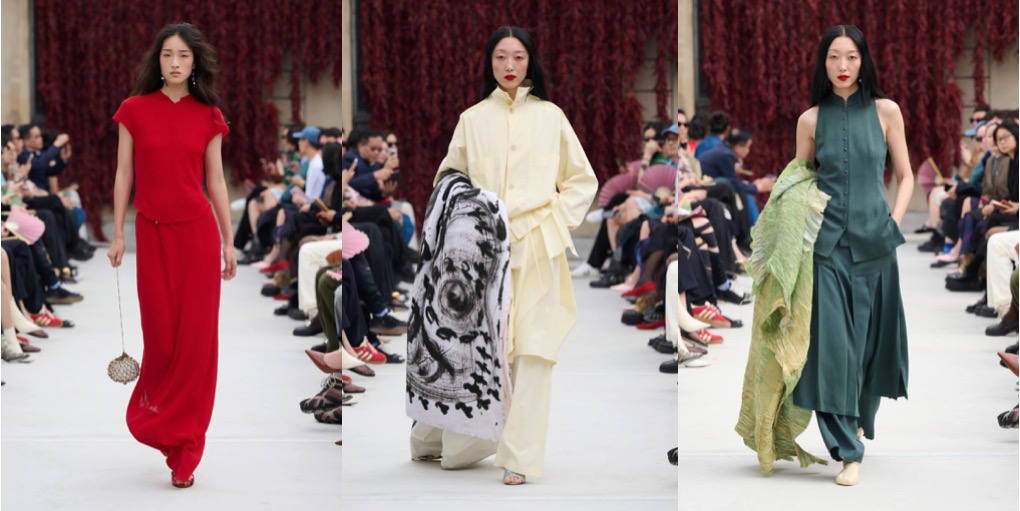
Shanghai is steadily becoming the new player (replacing Copenhagen) joining the Paris, Milan, London and New York constellation of fashion weeks. One brand that caught my eye and I sincerely loved this season is Samuel Guì Yang. Lead by Samuel Yang and Erik Litzén, the “East Wind” collection was as powerful and transforming as the symbolical title suggests. Airy crepe shirts and silk-linen trousers were layered on top of each other or worn under tailoring and bomber jackets, all riffing off traditional Chinese styles. A burgundy maxidress recalled the cheongsam, only it was knit in a loose gauge yarn that revealed the shape of a soaring swallow when stretched against the body. Then, Yang and Litzén made a pair of exquisite crumpled silk sheaths they hand-dyed and hemmed with tiny beads. You could see the DIY workmanship in the sometimes uneven dye, which added a charming patina to the collection. “This is how we dress, it’s how all people dress, really,” said Litzén of their incorporation of more artisanal and sometimes ancient elements, “combining something older with something new.” As they say, you need to understand the past to create the future. The one this duo is shaping looks very bright.
Collage by Edward Kanarecki.
Don’t forget to follow Design & Culture by Ed on Instagram!

Hey, did you know about my newsletter – Ed’s Dispatch? Click here to subscribe!
NET-A-PORTER Limited

Jeanne in Shanghai. Lanvin SS21

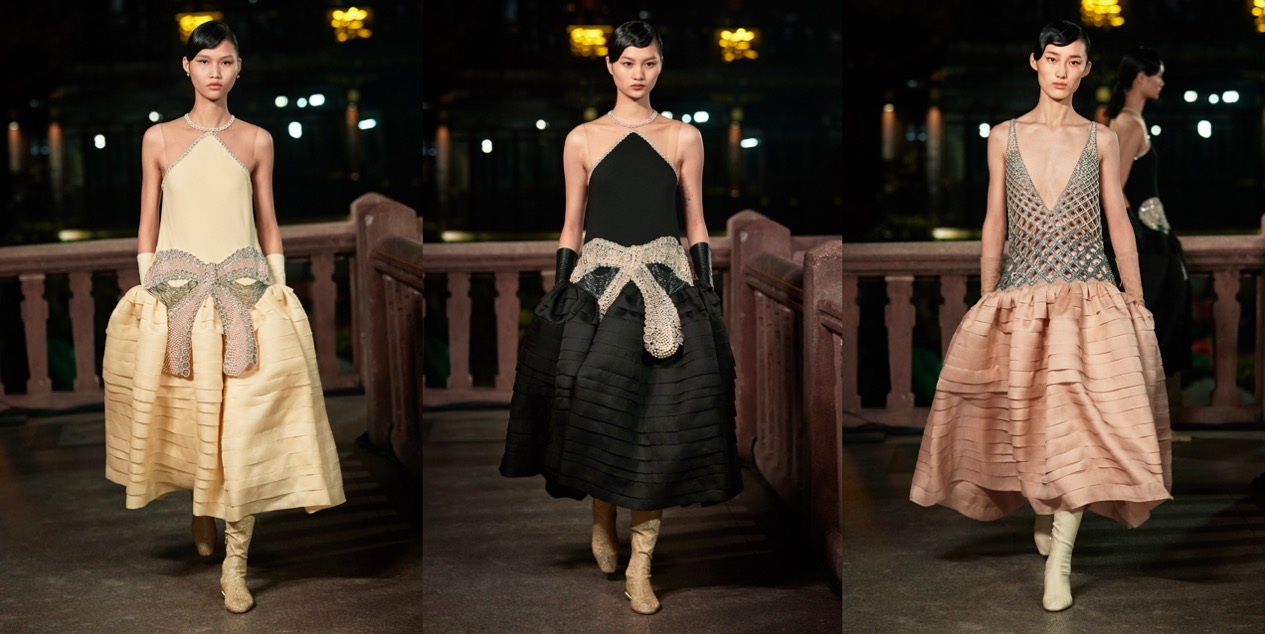
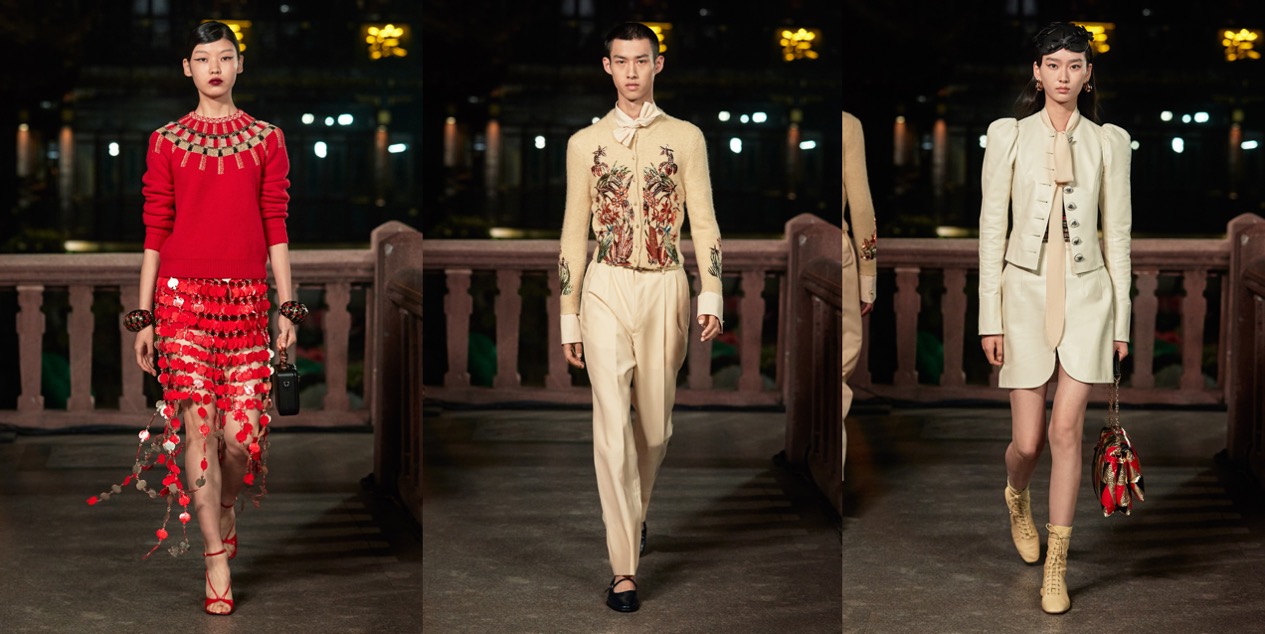
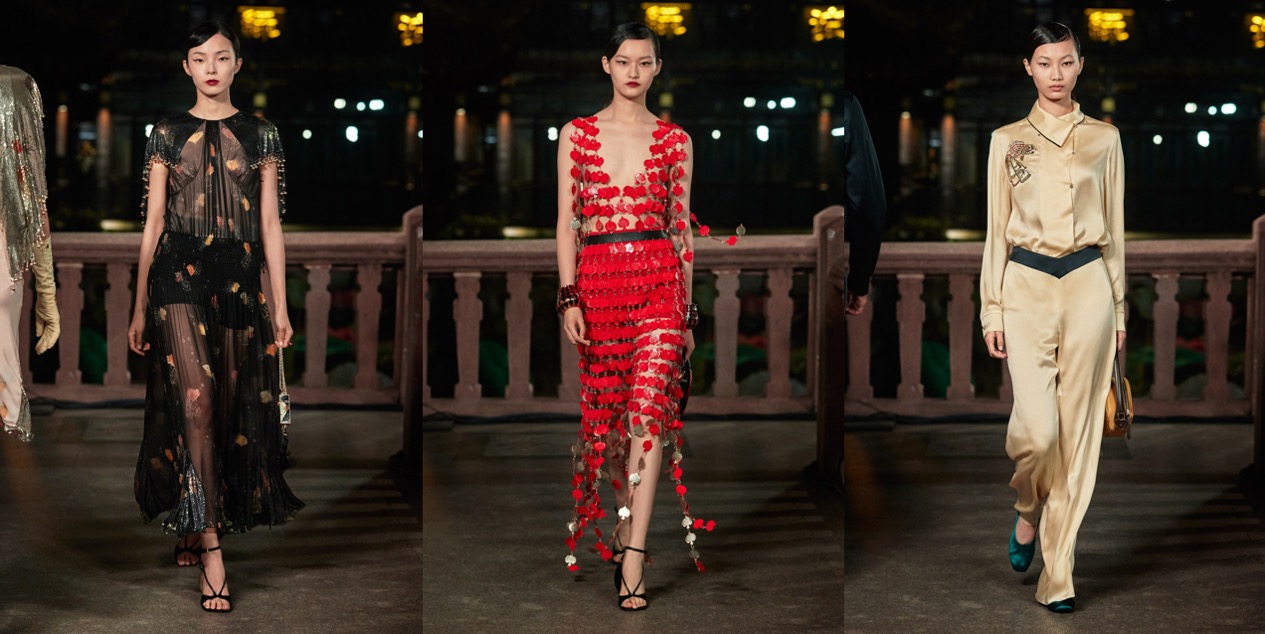
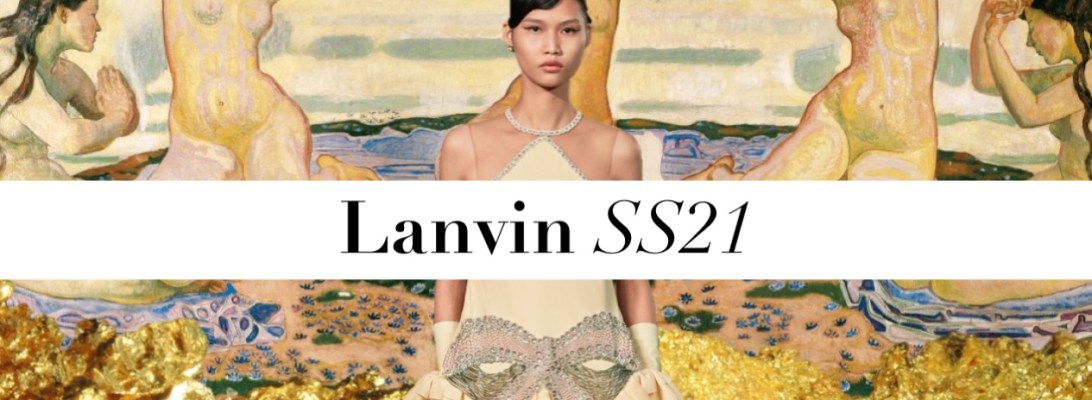
Is Lanvin‘s choice of showing it’s spring-summer 2021 collection in Shanghai a surprise? Not really. It’s financially and commercially a wise thing to do. Lanvin is owned by Fosun International, the Chinese conglomerate with such eclectic subsidiaries as the Wolverhampton Wanderers and Cirque du Soleil. Also, as far as fashion is concerned, there’s beautiful irony to the fact that China was the first country to return to a sense of normalcy after the coronavirus outbreak. Pre-pandemic, China was the new shopping center of the world. Post-pandemic, staging your fashion show there is pretty much a win-win scenario. “We can do a proper event there with hundreds of people,” Bruno Sialelli, Lanvin’s creative director, said during a preview in Paris, two weeks before he shipped his pre-styled Lanvin show to Shanghai and live-streamed it from the historic Yu Garden. “And to be very pragmatic, this is the market that is going to drive growth in luxury in general. It’s good for us to federate our community there.” What about the collection? The designer seems to be leaving behind his Loewe style and induldges in Jeanne Lanvin’s rich, Art Deco heritage. The opening looks were sublime: from those golden trinkets to the reimagined Jean Dunand motifs that graced garments and accessories, and the Armand-Albert Rateau pieces and Georges Lepape illustrations that inspired them. The show started with Sialelli’s interpretations of Lanvin’s robe de style, the dainty drop-waist silhouette she loosely revived from the 19th century. The first – black with a crystal bow across the hip – was virtually a replica of its 1920s embodiment. Somehow, it looks relevant in 2020. “Lanvin was at its strongest in between the World Wars. It became a huge company with hundreds of employees, ateliers, cosmetics, and everything. It’s interesting to observe the pendants between the 1920s and the 2020s,” Sialelli reflected. “Art Deco’s three words were order, geometry, and color. I think it expresses something that’s interesting to re-contextualize today.” Discussing his silhouettes, he mentioned “a certain rigidity,” explaining, “from the beginning, I’ve thought about characters like Maggie Cheung or Anna May Wong, who have this put-together attitude; very neat. I want to translate that character.” The collection has its ups and downs (the daywear felt whatever…), but finally, the new Lanvin takes shape.

Collage by Edward Kanarecki.

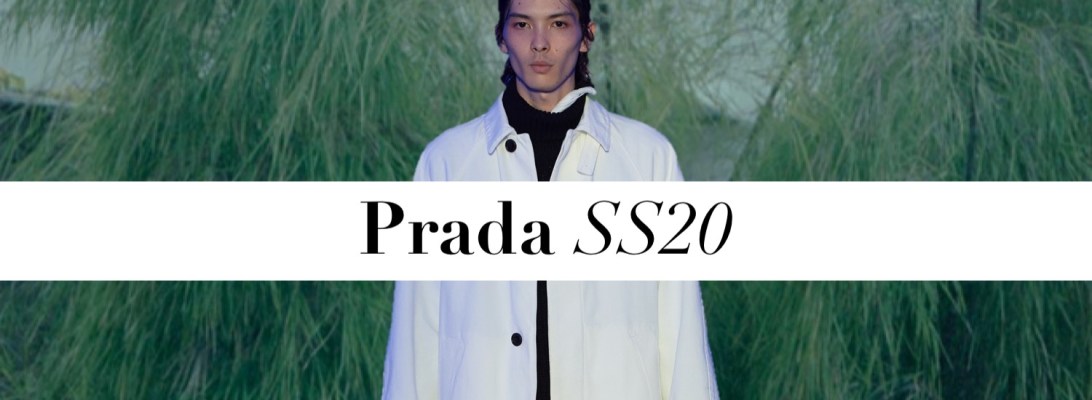
Men’s – Pastels, Shorts, Youth. Prada SS20

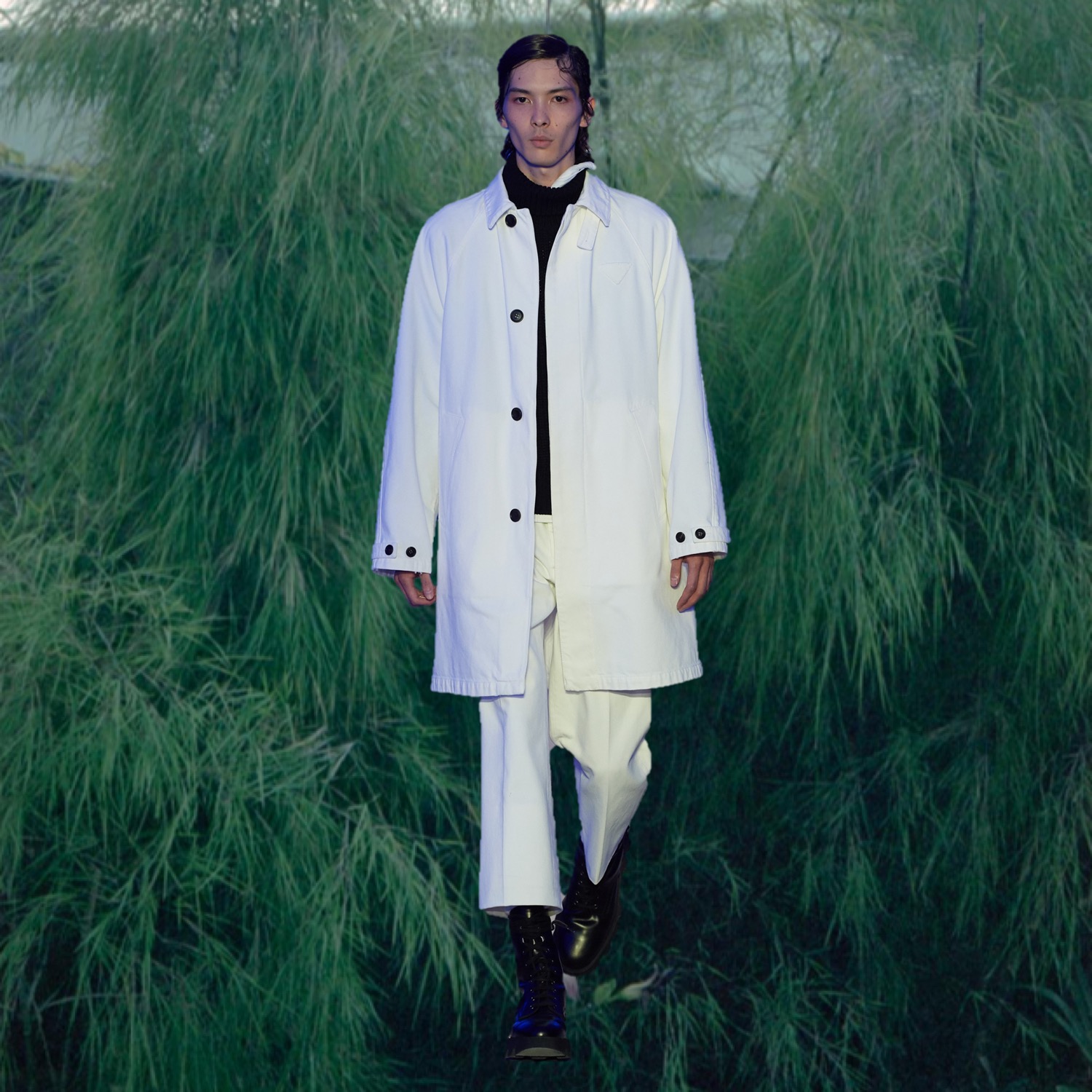
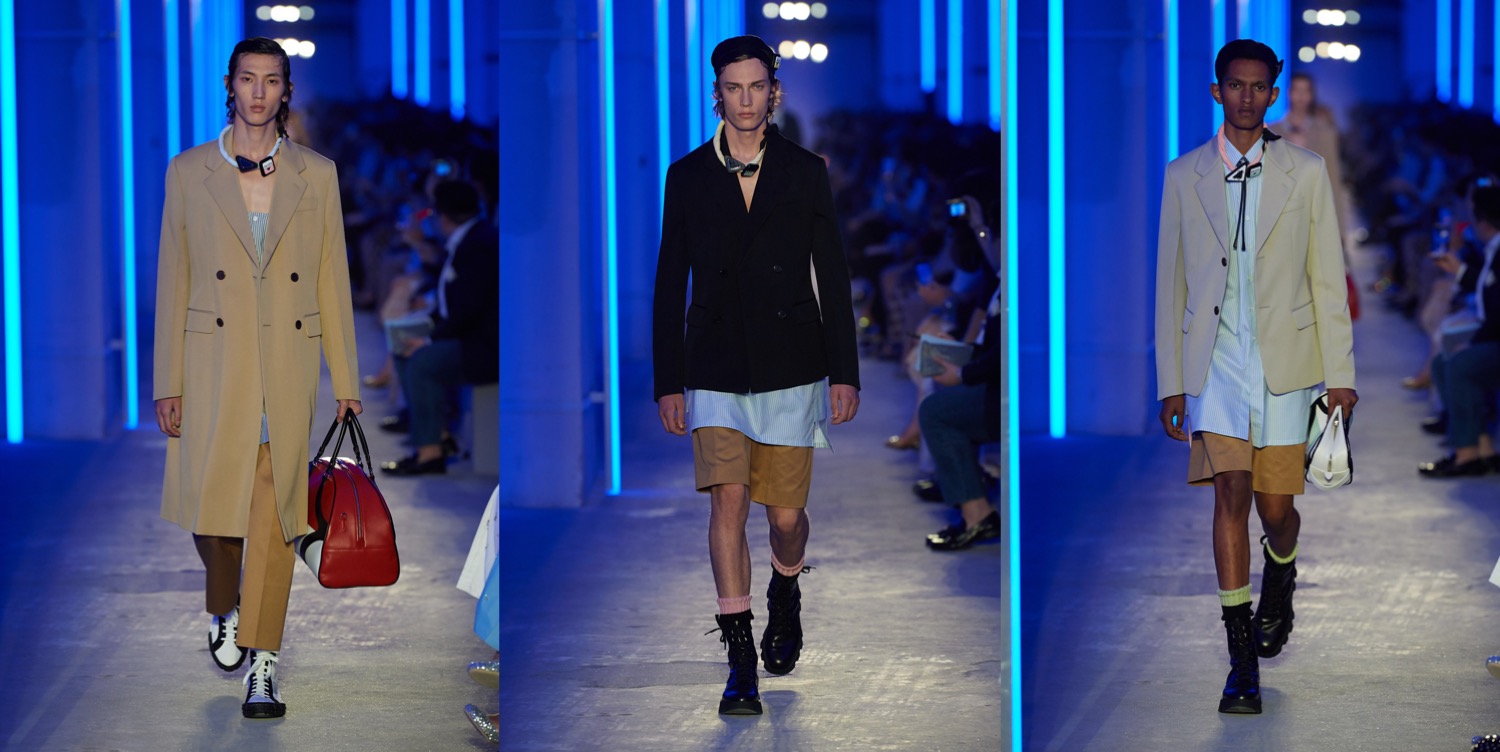
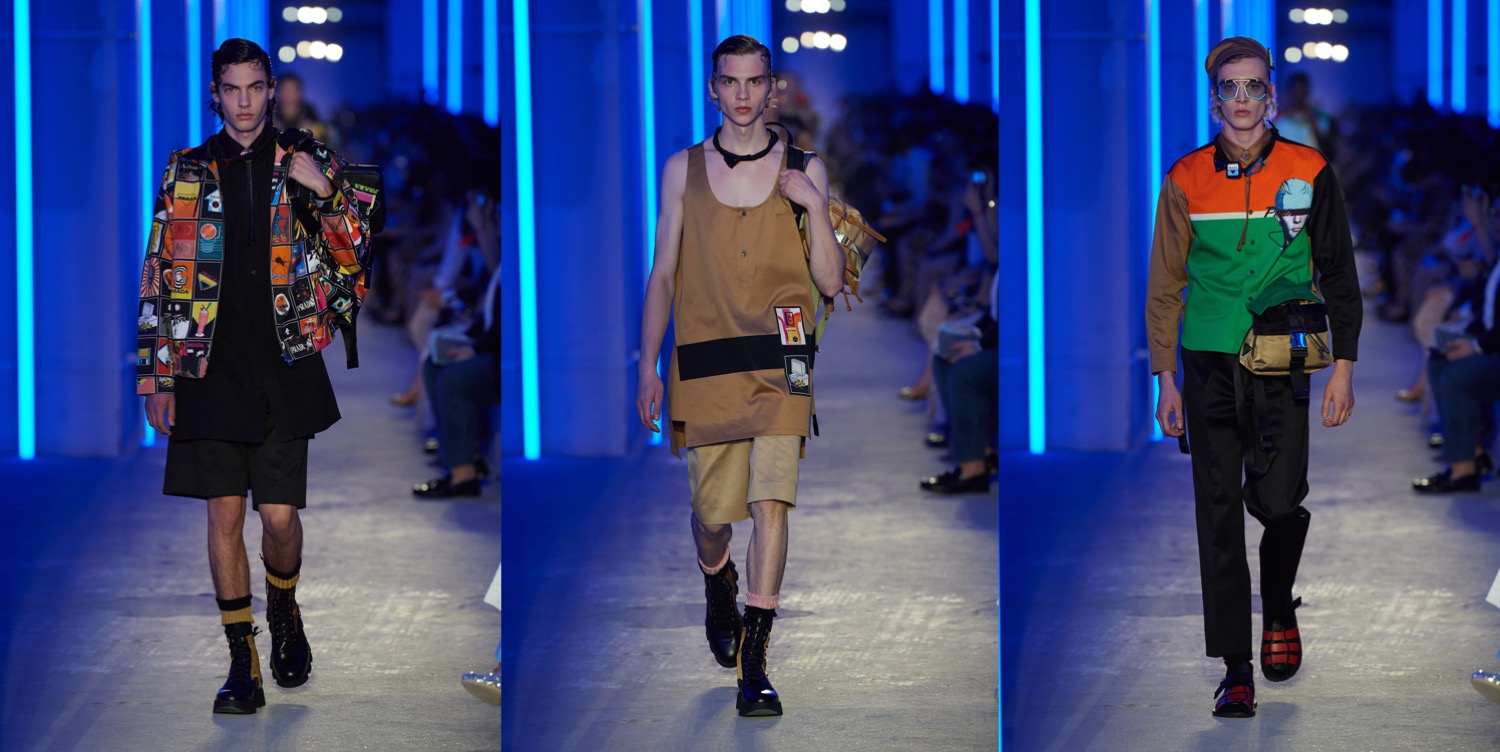
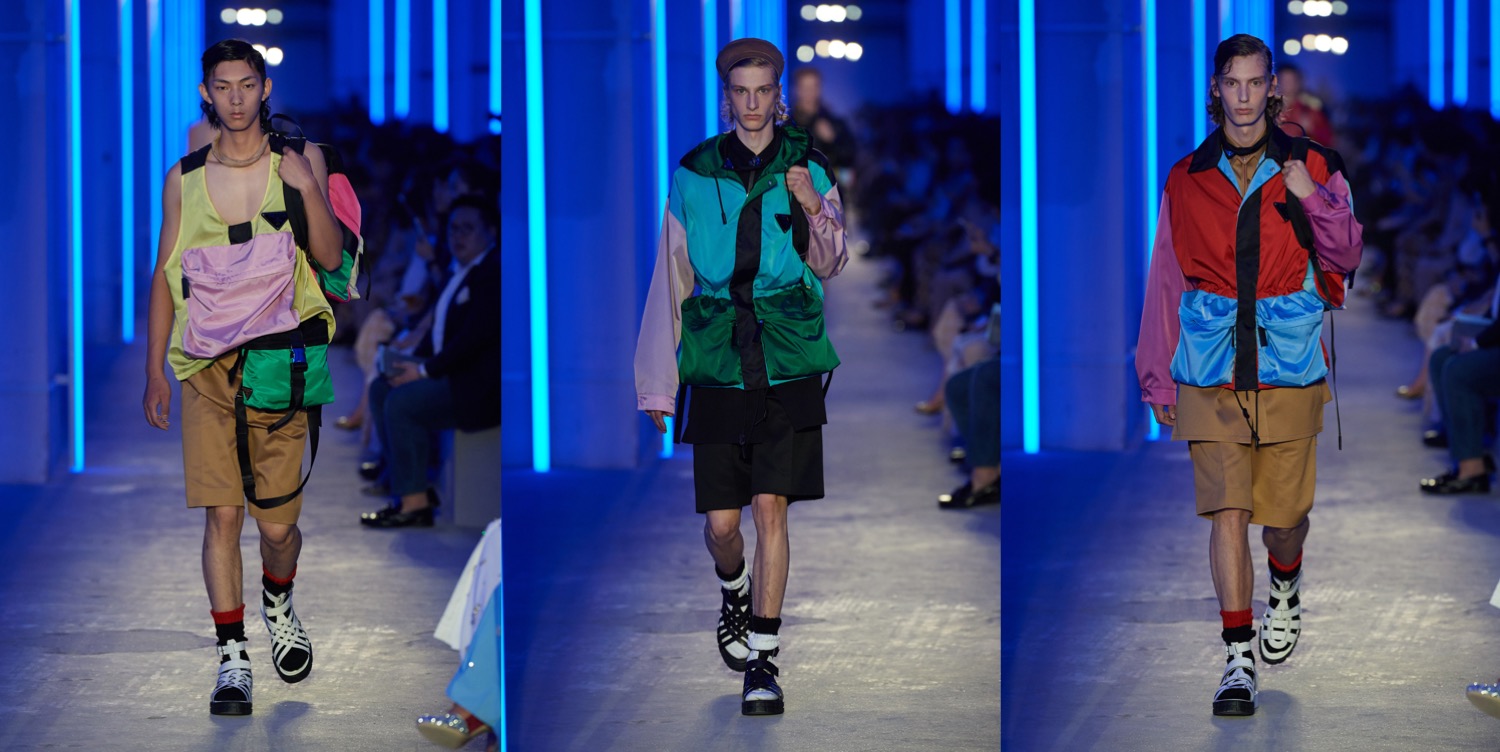
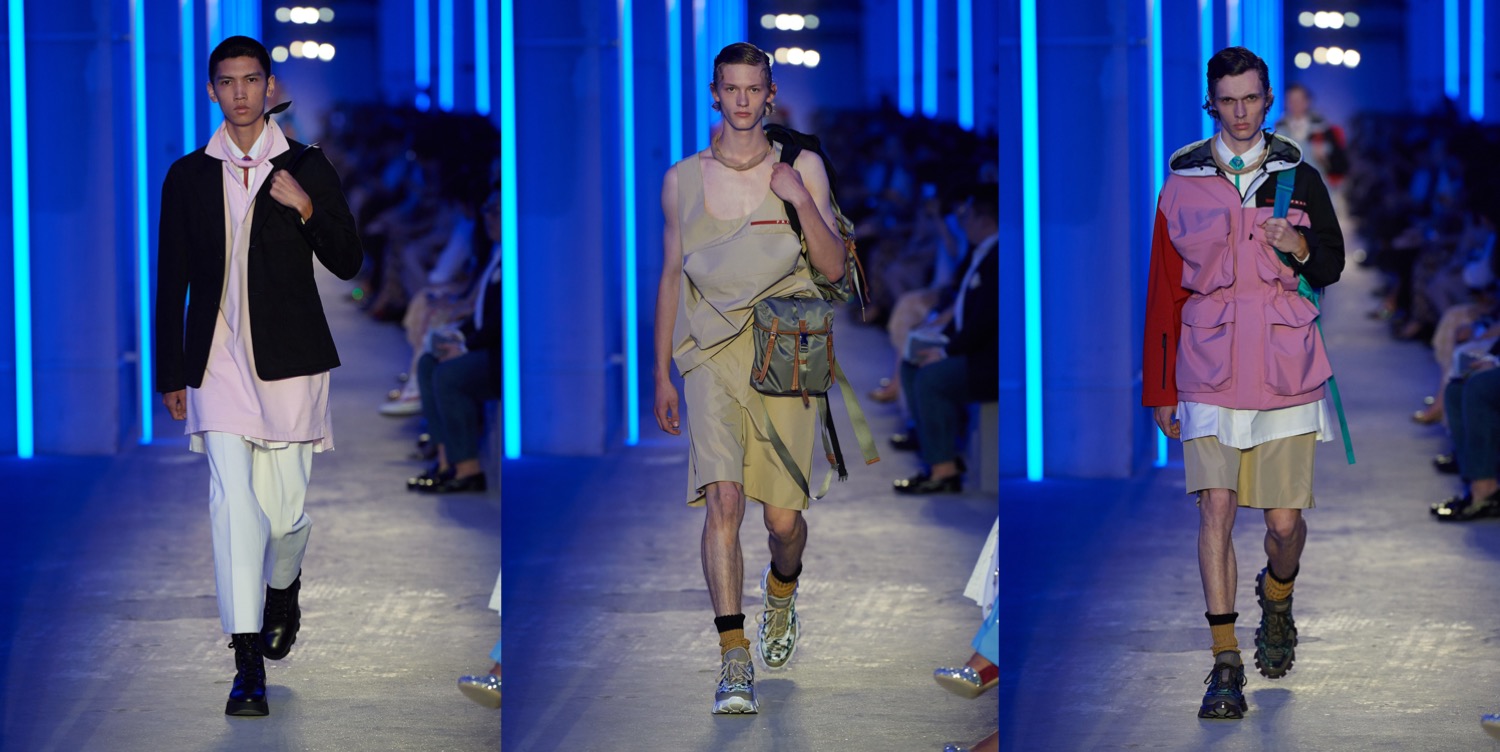
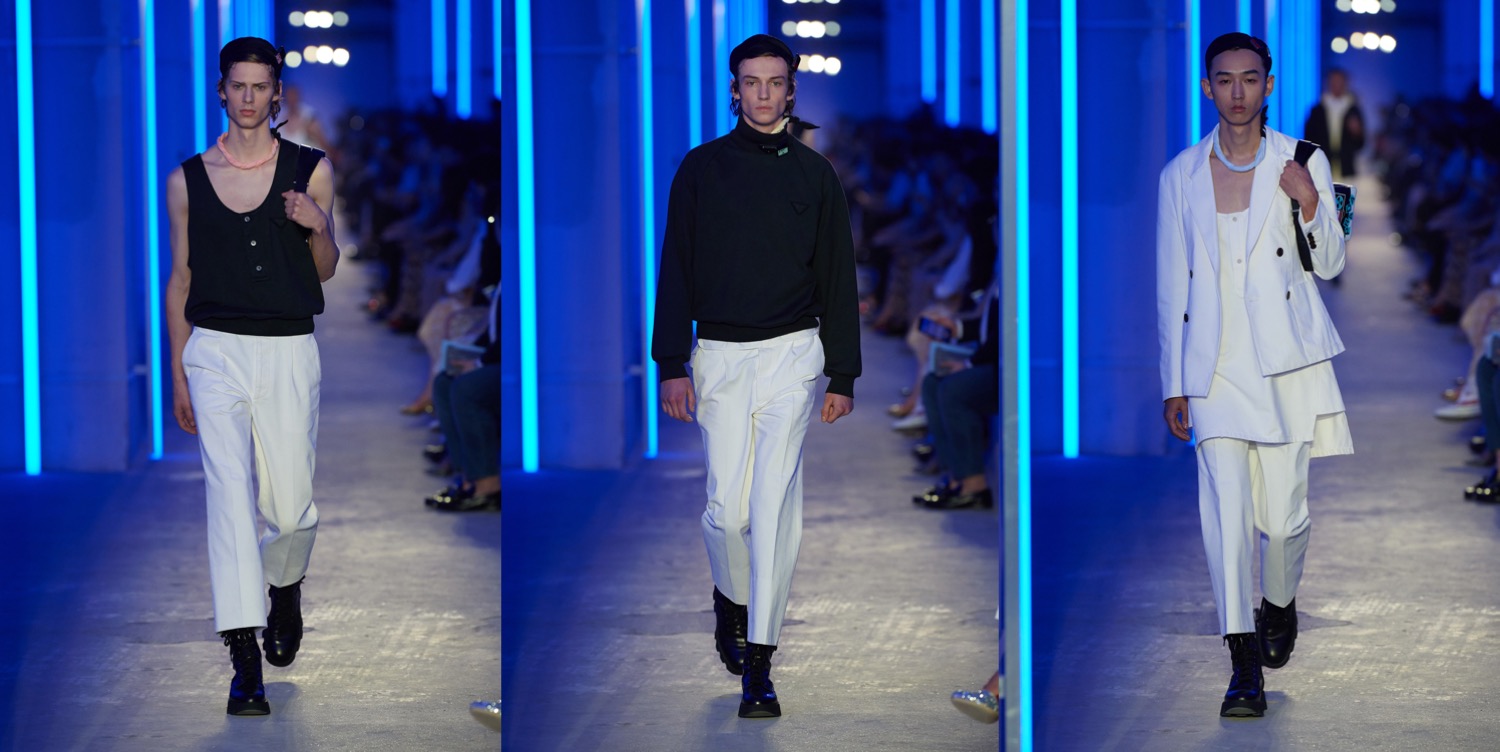
After Chloé’s resort 2020, Prada was another brand presenting its new collection in Shanghai – spring-summer for men, specifically. Over a blue-lit runway at the Minsheng Art Wharf, a parade of short shorts, nylon jackets in pastel pink, tank-tops that could pull off as baby doll dresses and printed jackets took place. This wasn’t a demanding Prada collection. Quite the opposite – this rather felt like the most commercial, menswear outing from Miuccia Prada for years, with a young client as the main target. Other than the khaki shorts that are much in need right now due to the summer heat, the only strong point of the collection was the black & white tailoring.

Collage by Edward Kanarecki.

Shanghai. Chloé Resort 2020

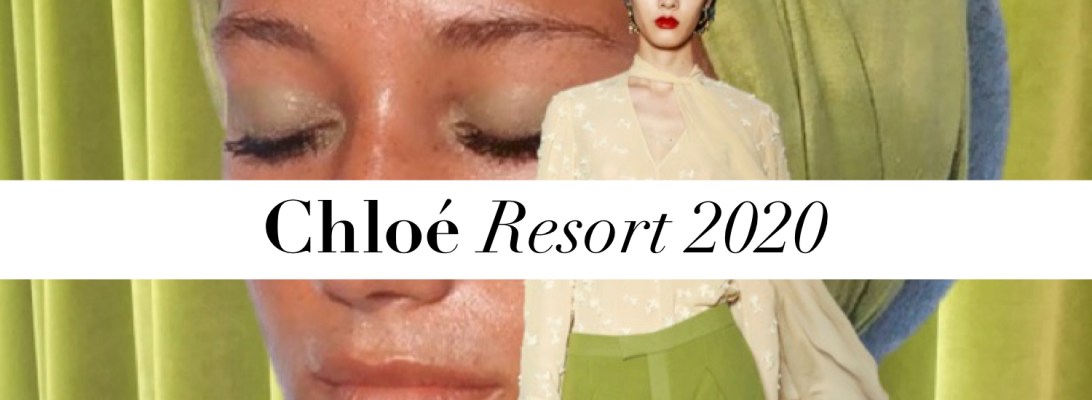
The problem with resort collections presented in far-fetched destinations apply to nearly all, from Louis Vuitton’s presentation in New York to Saint Laurent’s menswear show in Malibu. The venue is spectacular; the audience is wowed; the clothes are, well, boring and far from amusing. Angelo Flaccavento, Italian fashion critic, grasps this perfectly: “these days, fashion is more about brand experience and storytelling than clothes, which most of the time are not as exciting as their packaging. The past month of traveling shows was a study in showmanship over clothes-making.” Natacha Ramsay-Levi‘s resort 2020 collection for Chloé was presented in Shanghai, specifically at Long Museum (at sunset). It’s clear the Chloé’s management has ambitions to make the brand stand in row with Dior and Prada. But does this match Chloé’s intimacy, so beloved by its clients? The entire event had to be quite an experience, that’s fur sure. However, the idea of a Chloé show in Shanghai, other than marketing, makes no much sense. Of course, the designer had some subtle references to the location. A lover of Chinese cinema, she had compiled backstage dozens of stills from her favorite movies by Jia Zhangke, Hou Hsiao-Hsien, Zhang Yimou, Bi Gan and Lou Yi. Another film, Three Times by Hsiao-Hsien, informed Natacha’s decision to explore China’s rich history, drawing on its empirical eras, the Art Deco period, and its contemporary buzz. The designer’s nods to Chinese culture were conveyed in details: the side buttons on a floral dress that evoked a qipao for instance. Tiny embroideries were inspired by traditional Chinese handwork. Yet still, in general, this was one of the weakest collections coming from the designer, which is quite disturbing. It lacked a ‘look’. The clothes, put separately, with no styling, don’t spark much attention. For pre-collections, Chloé is really, really fine with look-books.

Collage by Edward Kanarecki