Imperfectly Perfect. Soshiotsuki SS27

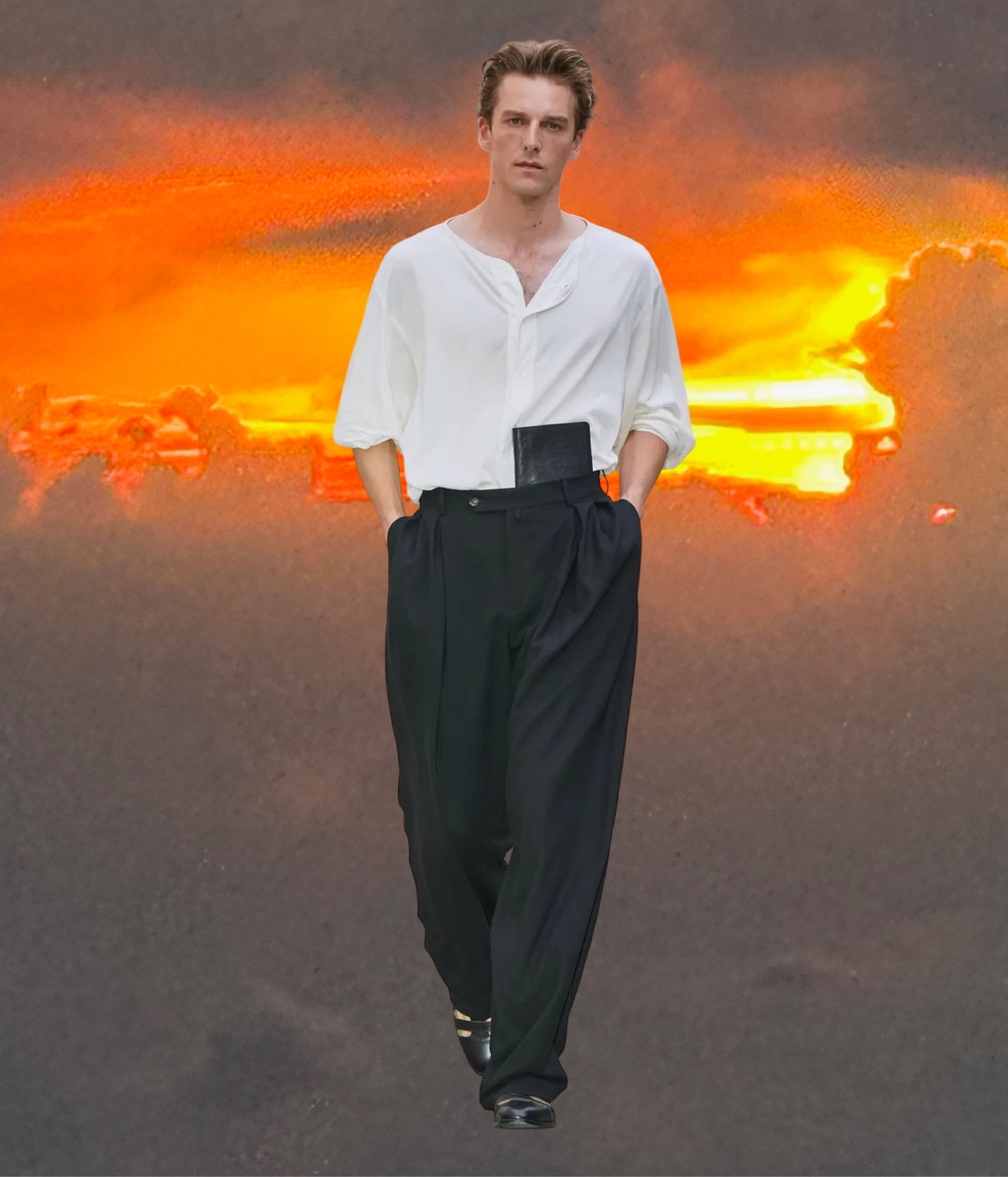
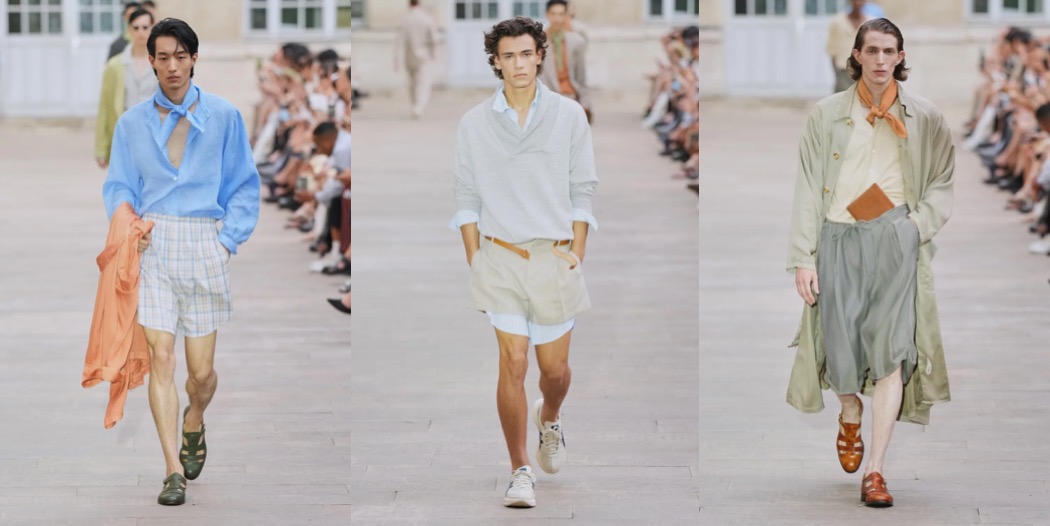
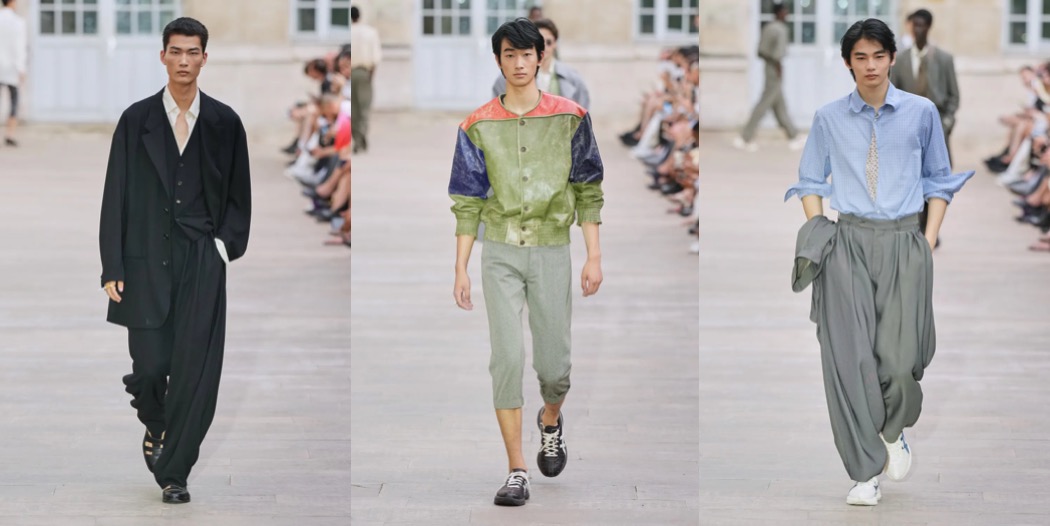
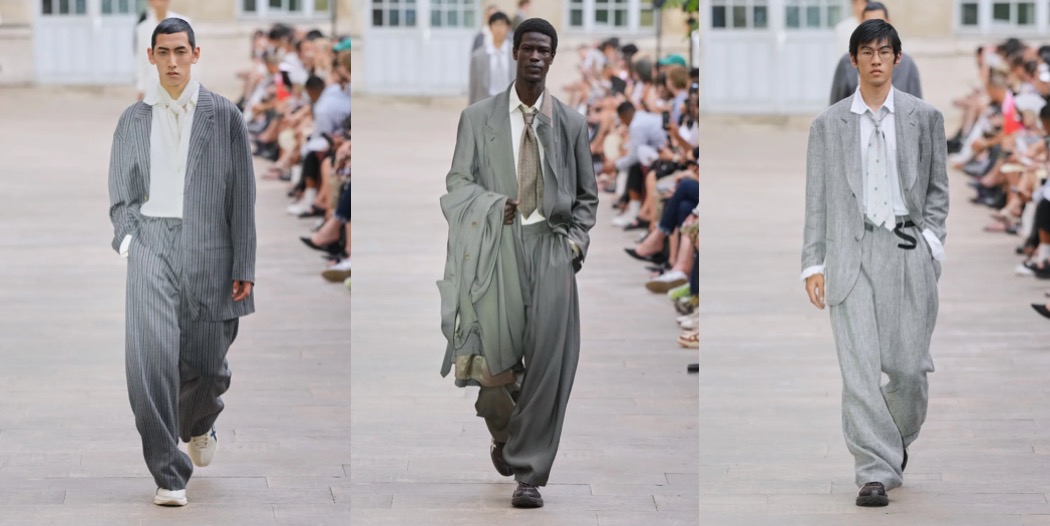
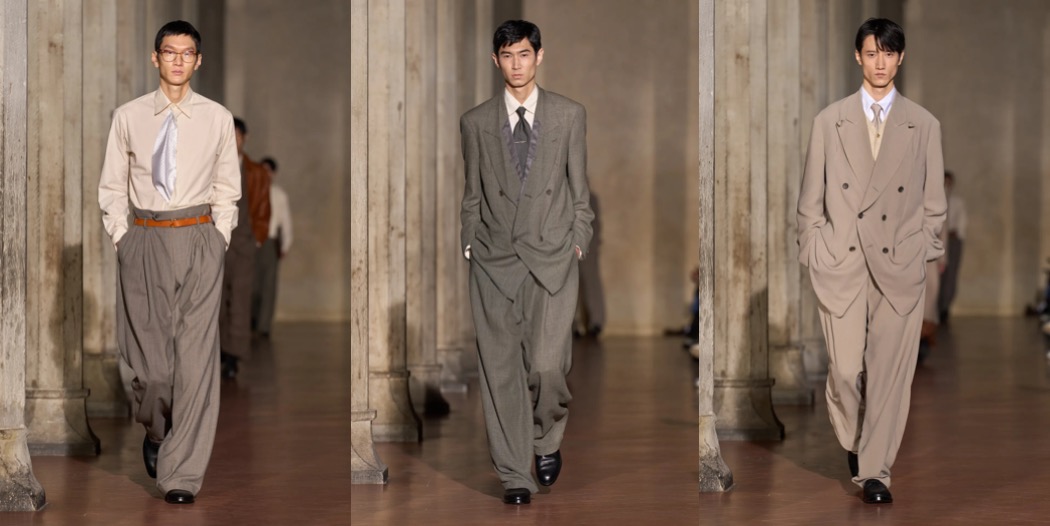
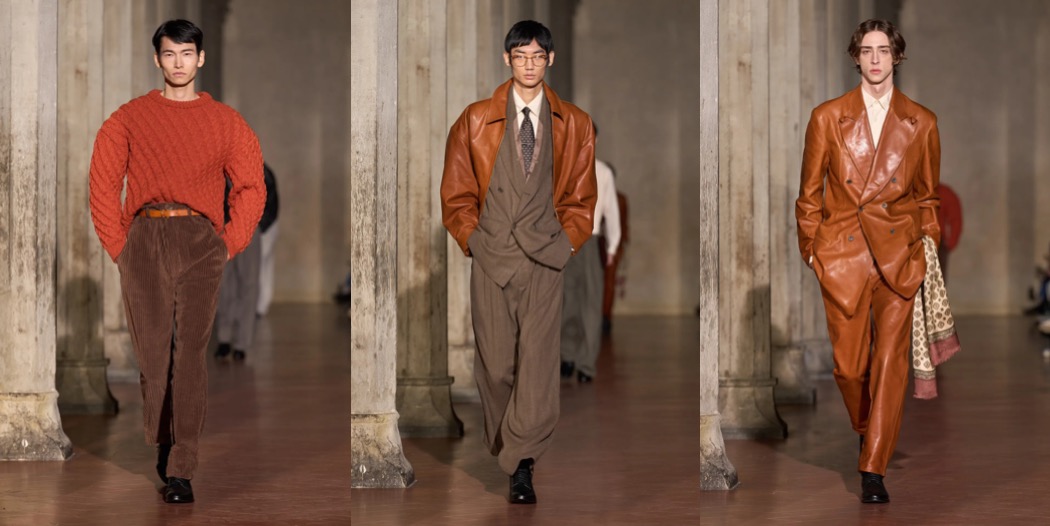
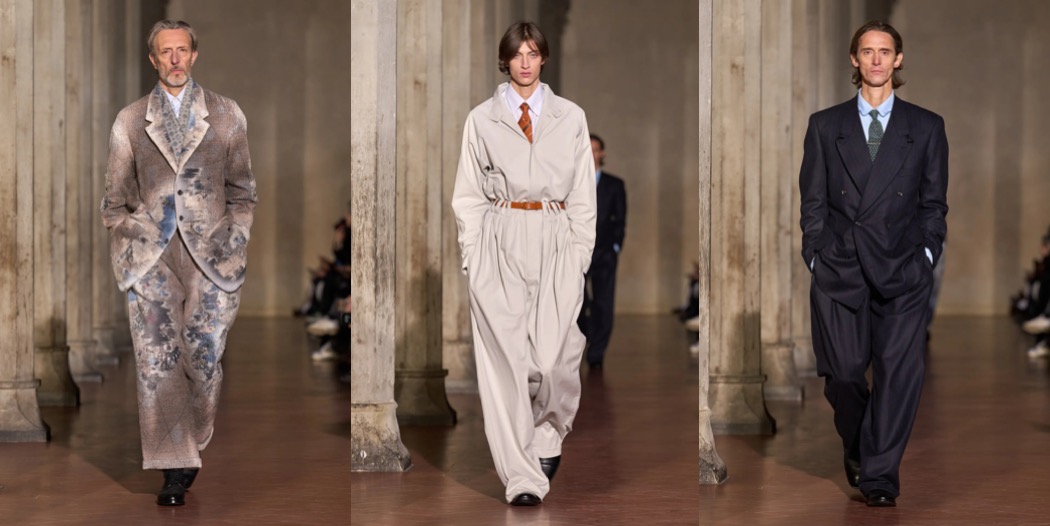
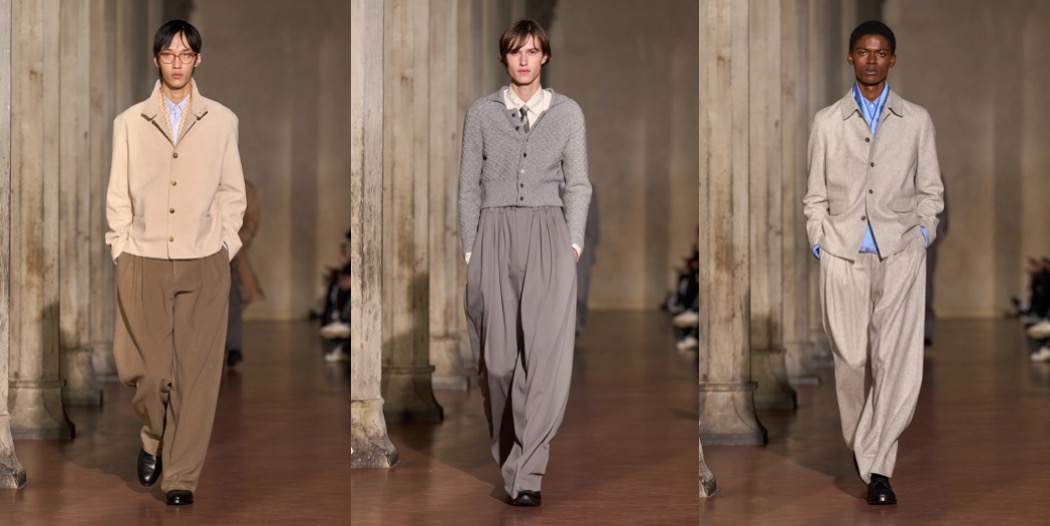
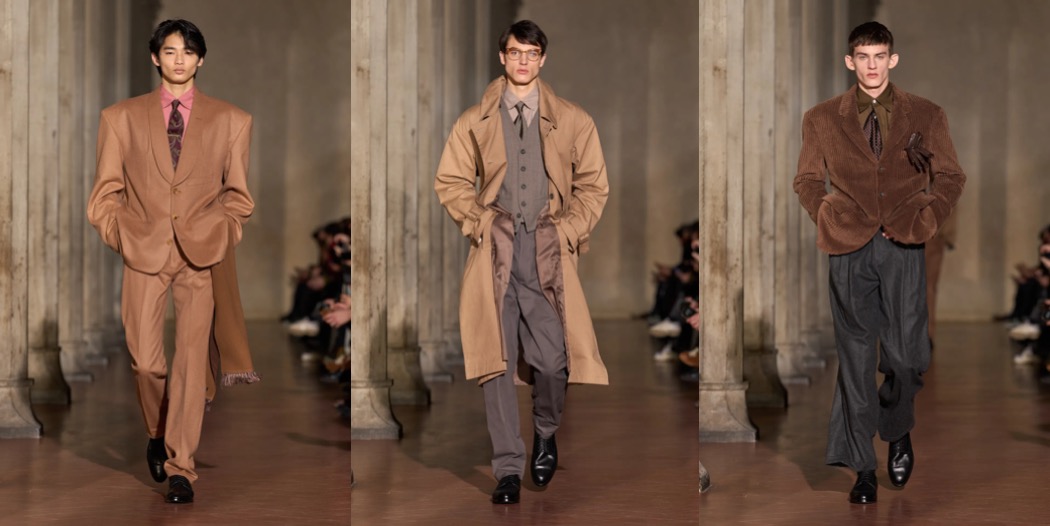
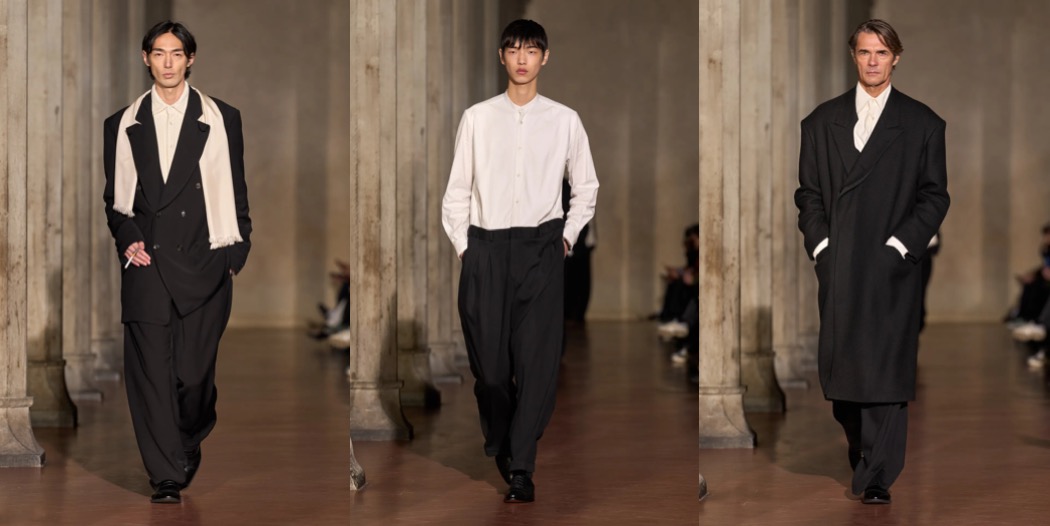
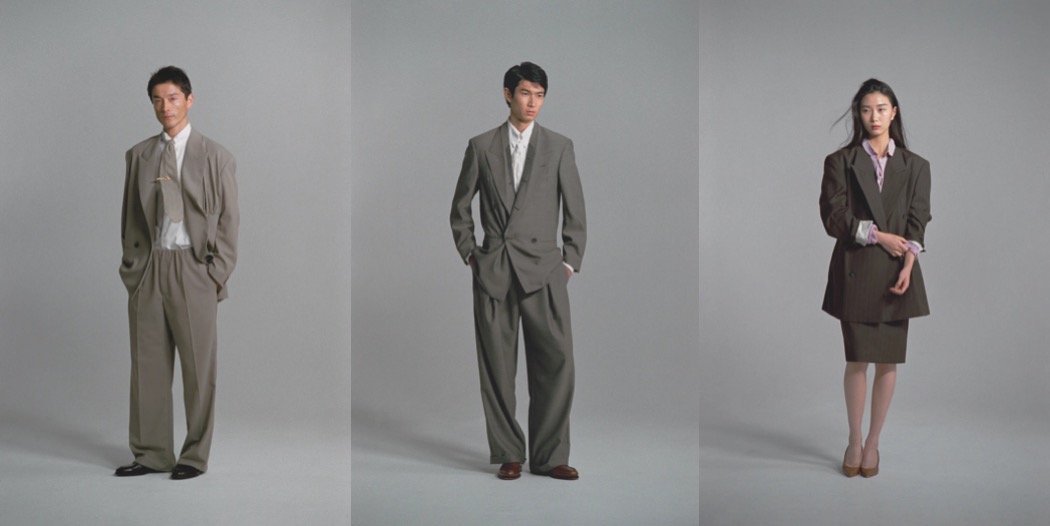
Soshiotsuki‘s spring-summer 2027 collection is remarkably beautiful. It also proves that Soshi Otsuki‘s repertoire extends far beyond his now-signature Japan Bubble Era-inspired tailoring. As the designer put it, “When I was young I never had a chance to go abroad and travel in European style. The collection is like a nostalgia for a memory I don’t have.” That imagined nostalgia – of a strict, office-bound father escaping to a resort somewhere in Italy – gave rise to what Otsuki described as “an intentionally undone mood.”

That sense of effortless imperfection is achieved through incredibly precise – and witty – construction. Checked shirts come with trompe l’œil patterned ties. Hidden jetted pockets tucked beneath jacket lapels let you carry your phone without disturbing the silhouette. Apparently crumpled, unpressed lapels and shirt collars are, in fact, held in place by discreet metallic fixtures. Nothing is accidental. It’s just pure genius.

Reportedly, it’s Dario Vitale who’s heading to Emporio Armani, and I love that rumored appointment. But now I’d really like to see Soshi Otsuki interact with the Giorgio Armani line, because he seems absolutely made for that job.

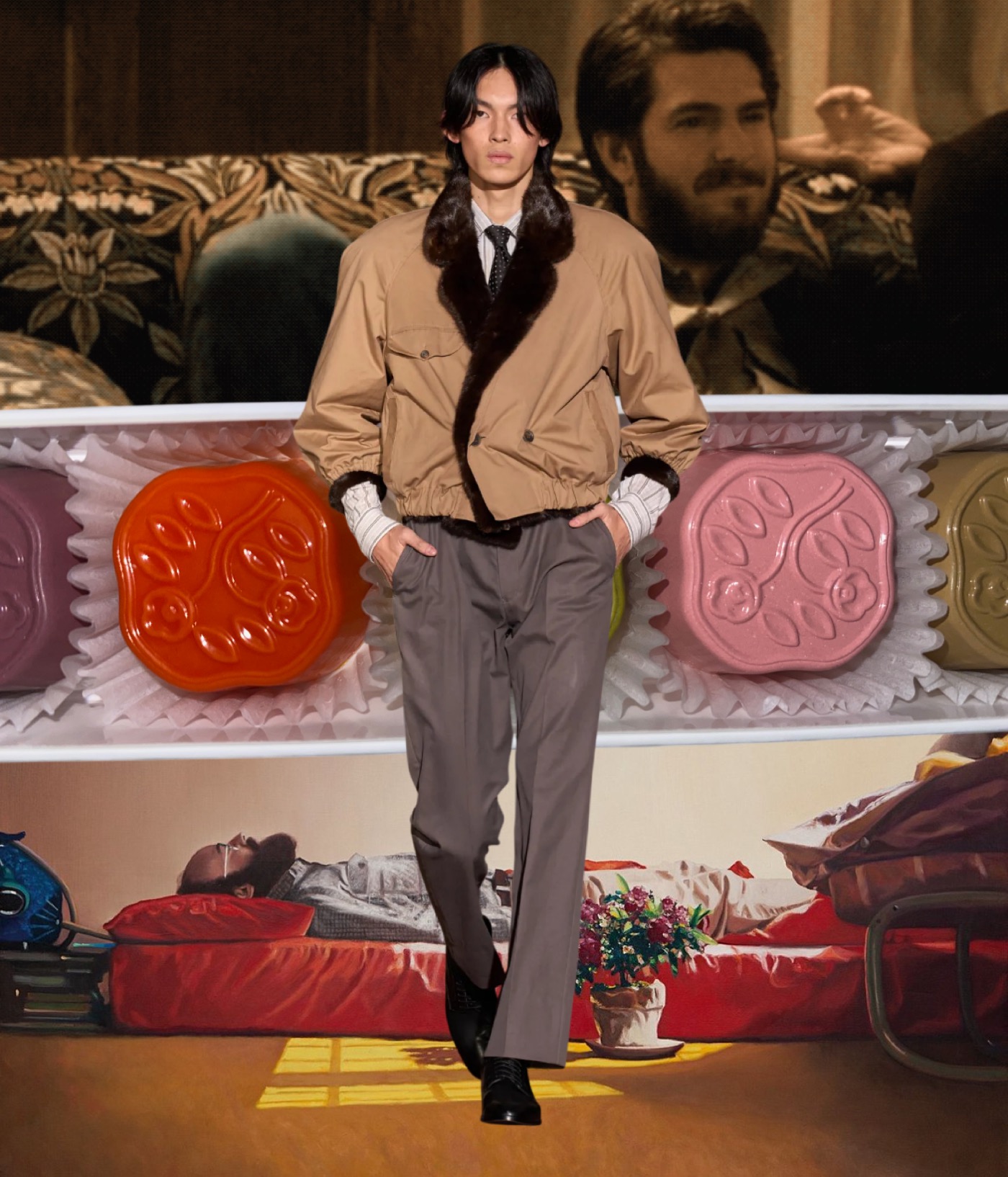
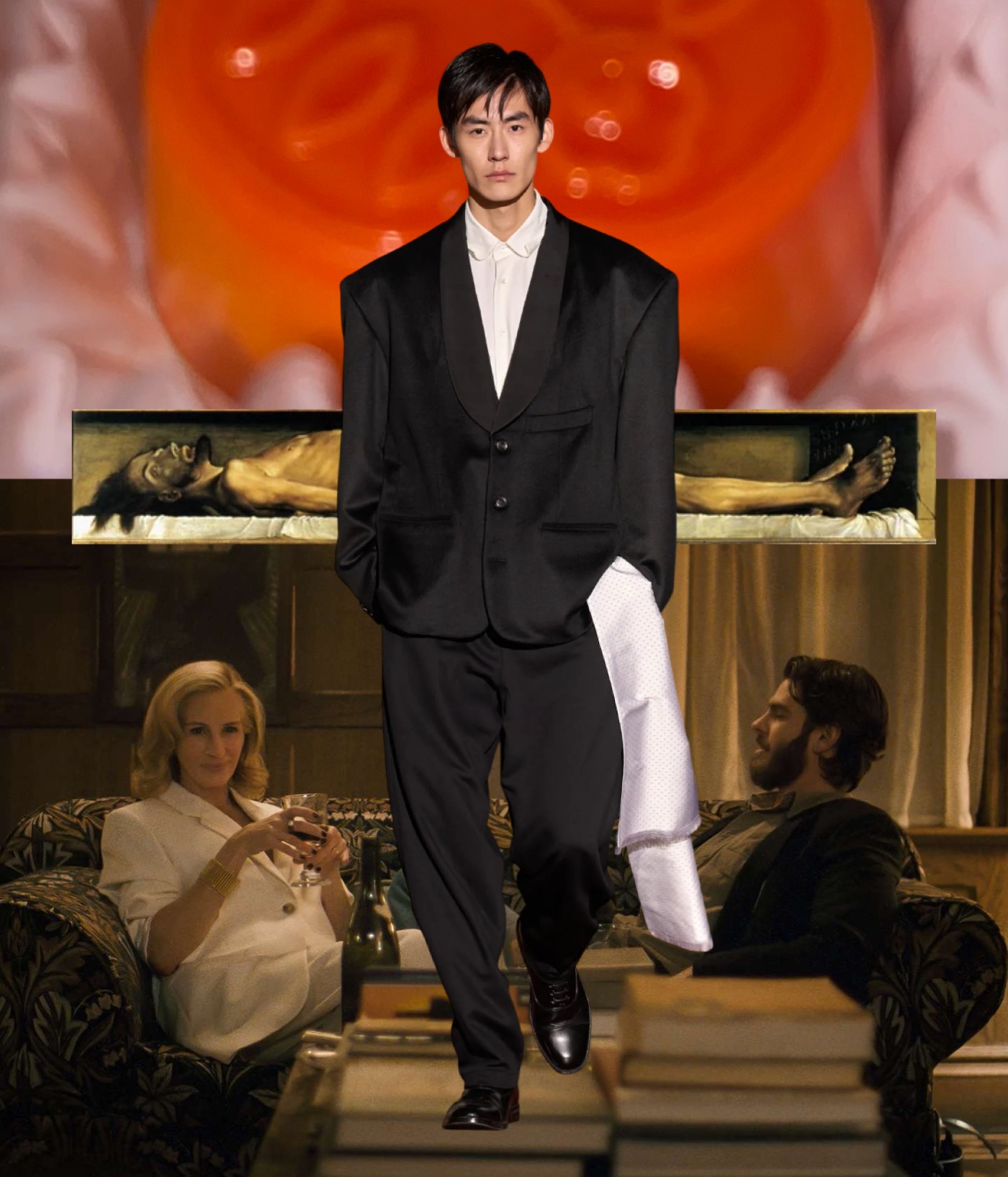
Collage by Edward Kanarecki.
Don’t forget to follow Design & Culture by Ed on Instagram.

Hey, did you know about my newsletter – Ed’s Dispatch? Click here to subscribe.
Swaggering. Soshiotsuki SS26

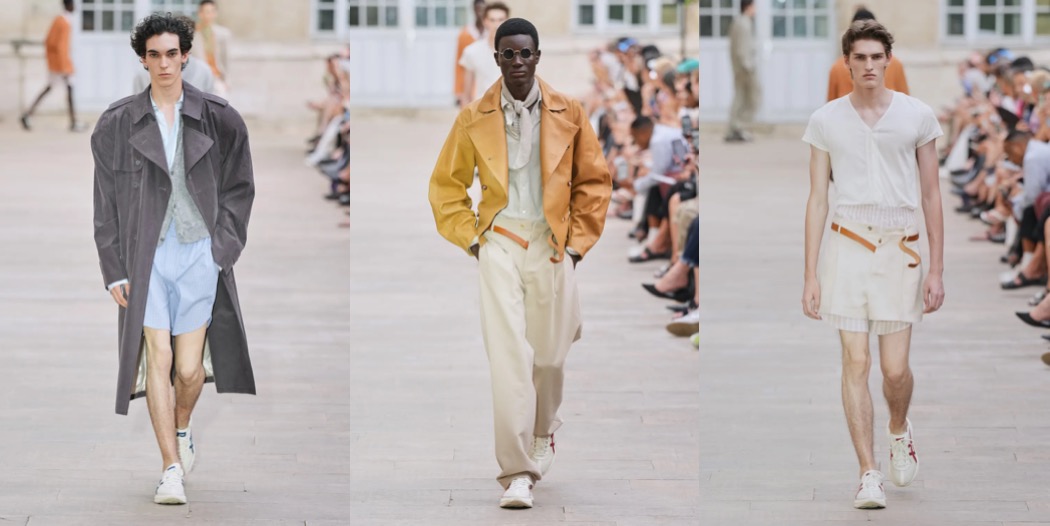
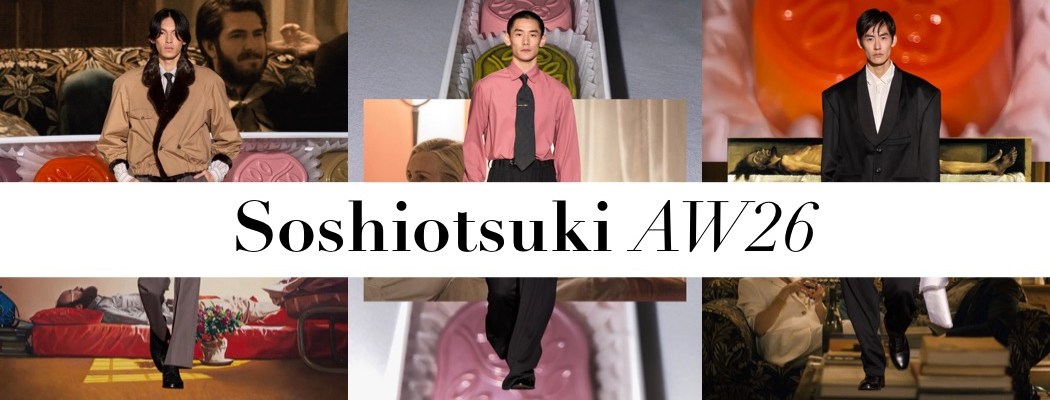
Menswear fashion month kicked off with its brightest emerging star: Soshiotsuki, the Tokyo-based brand rooted in 1980s-inspired sartorial craftsmanship, recalling the glamour and prosperity of Japan’s Bubble Era. Back in September, following Giorgio Armani’s still-unbelievable passing, I wrote that Soshi Otsuki was the designer the Italian mega-brand should consider in the near future. With his guest show at Pitti Uomo and his autumn–winter 2026 collection, he confirms that belief.

The LVMH Prize winner delivered a line-up that sharpened his tailoring ideas while expanding the vision of who the Soshiotsuki man is. One look featured a trompe l’œil jumpsuit combining a button-up shirt and trousers – a moment that recalled Phoebe Philo’s early Céline collections and sparked a question: why has no one adapted this idea to menswear sooner? Another highlight was the sashiko suit and jeans, created in collaboration with Proleta Re Art, a Japanese brand known for its painstakingly hand-stitched fabrics reinterpreted through streetwear. The silver-fox model seemed to gaze beyond in that grey, distressed-looking suit.

Then there are the details that make Soshiotsuki stand out even among affluent-men favorites such as Zegna or Berluti. Extra fabric is built into the inside placket of a shirt to suggest a tucked-in necktie, while trousers are given reams of belt loops or draped with so many pleats that they hang like curtains. The effect? A dapper, swaggering handsomeness – intoxicating, like the smell of smoke in a high-end izakaya.

Collage by Edward Kanarecki.
Don’t forget to follow Design & Culture by Ed on Instagram.

Hey, did you know about my newsletter – Ed’s Dispatch? Click here to subscribe.
For Giorgio. Soshiotsuki SS26

The news of Giorgio Armani’s passing is heartbreaking. What lifts my spirit, however, is knowing that his legacy – a body of work spanning five decades – will live on forever, especially in the work of younger generations of designers who have studied Armani since their teens.

Giorgio Armani photographed by Juergen Teller for System Magazine.

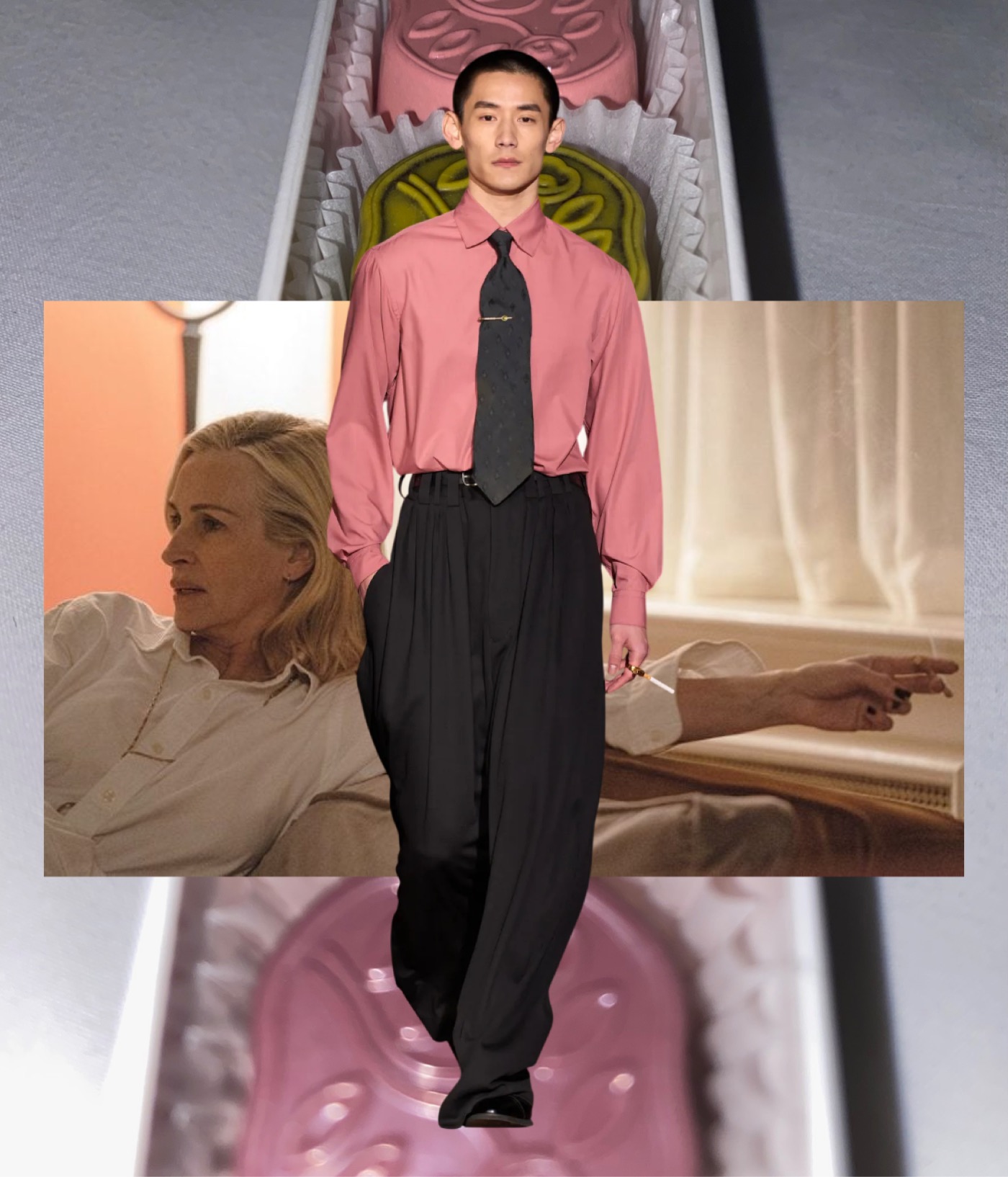
It must be some astro-numerological coincidence that yesterday Soshi Otsuki won the LVMH Prize. His Tokyo-based label, Soshiotsuki, is rooted in tailoring – one inspired by the sartorial craftsmanship of the 1980s, but filtered through a distinctly Japanese perspective. His suits, elegantly draping the body – always smooth yet refined – would surely make Mr. Armani proud.

In his delightful spring–summer 2026 collection, Otsuki mesmerizes and intrigues with nearly invisible details that make all the difference. For instance, extra fabric is built into the inside placket of a shirt to suggest a tucked-in necktie, which could be hidden or revealed depending on how it was buttoned. Deadstock kimono silk was repurposed into button-up shirts, while 1980s cotton-washi fabric was used for much of the tailoring – recalling the glamour and prosperity of Japan’s Bubble Era, a moment in time the designer enjoys riffing on.

What’s fascinating about Soshiotsuki is that the clothes don’t feel “vintage,” but utterly contemporary – and in a strikingly handsome way. That sensibility resonates with the final collections Giorgio Armani presented in recent Milan Fashion Weeks, which we were fortunate enough to witness.

Collage by Edward Kanarecki.
Don’t forget to follow Design & Culture by Ed on Instagram!

Hey, did you know about my newsletter – Ed’s Dispatch? Click here to subscribe!

NET-A-PORTER Limited