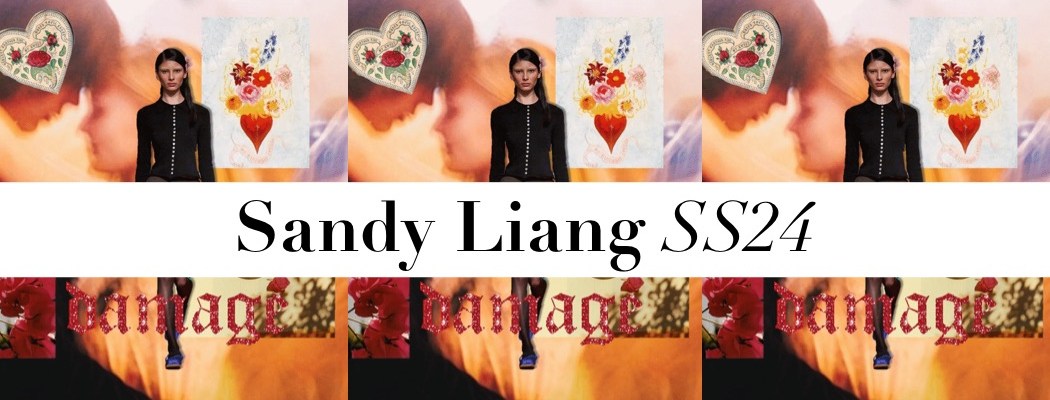
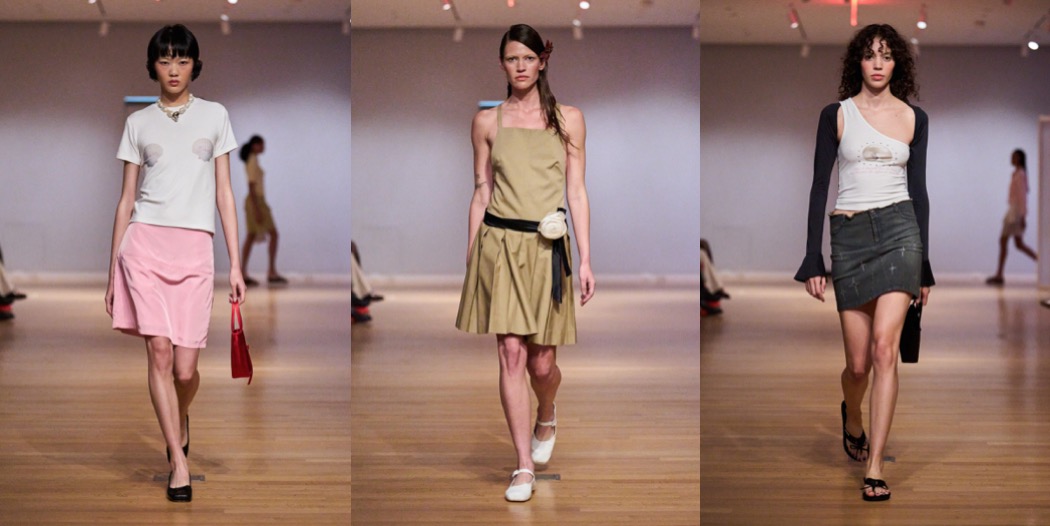
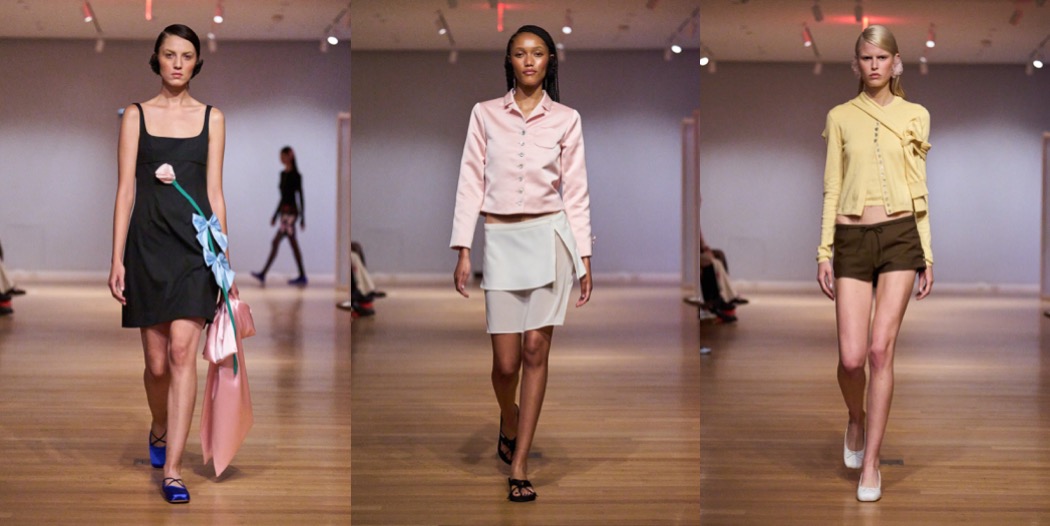
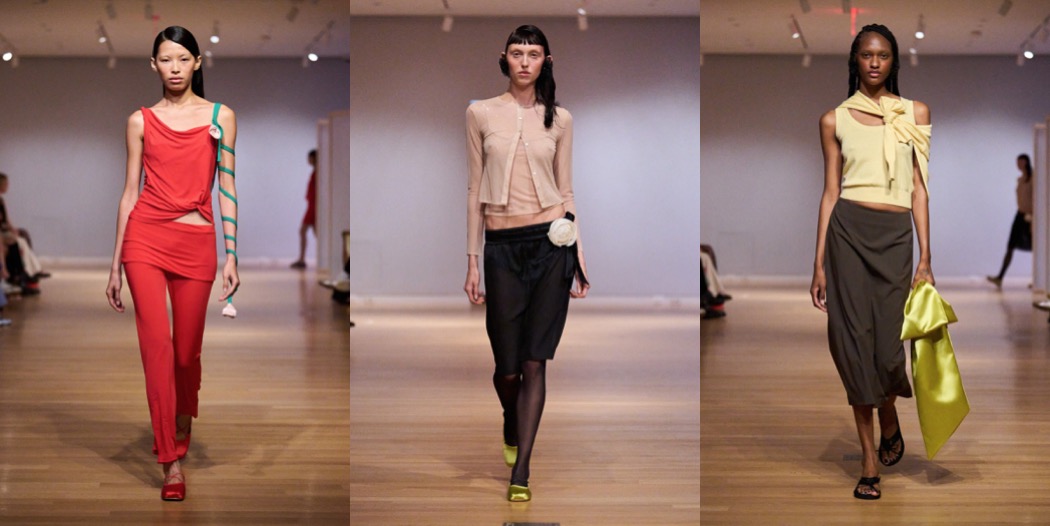
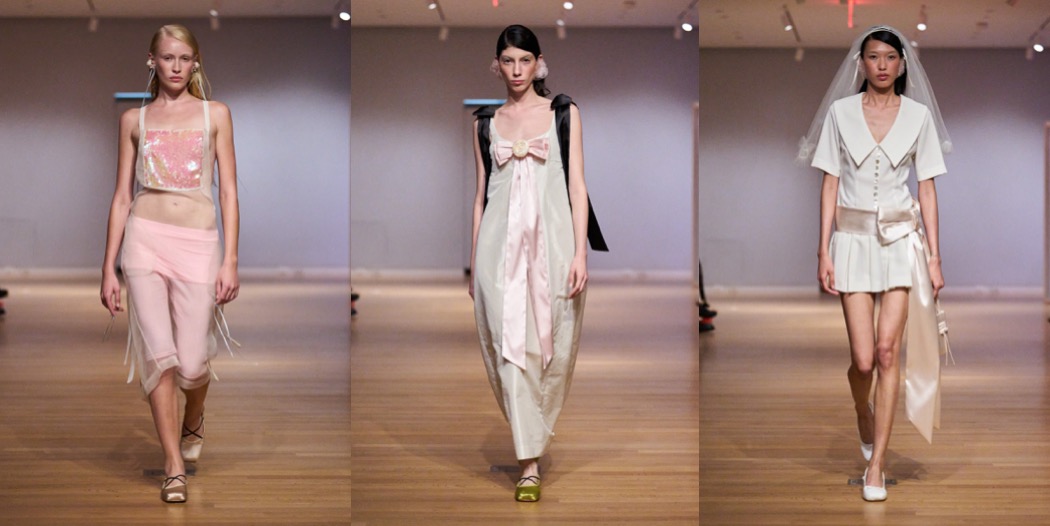
Sandy Liang is known in New York for her sweet spot for cinematic nostalgia. For spring-summer 2024, the designer looked at her cult-favorite film for inspiration: Sophia Coppola’s directorial debut The Virgin Suicides. The film actually doubles as the name of her collection, an assemblage of hyper-feminine garments that the Lisbon sisters themselves may have worn if not for their tragic fates. Showcased at the garden of the Cooper Hewitt Museum with music from Parker Radcliffe, the ultra-feminine collection featured taffeta dresses, pleated skirts and bows, both in hair and on clothing. It was naturally in tune with Liang’s blend of balletcore and pageantcore with some 1970s twists that appeared n the form of peter pan collars, cropped capri pants and pant suit jackets worn as tops. Models also wore necklaces and earrings constructed out of freshwater pearls and seashells dipped in metal. Playful and whimsical, tinged with melancholia: that’s how you can describe Sandy Liang’s womenswear. Meanwhile, I can’t wait for my copy of Coppola’s latest “Archive” book to arrive.
Collage by Edward Kanarecki. Don’t forget to follow Design & Culture by Ed on Instagram! By the way, did you know that I’ve started a newsletter called Ed’s Dispatch? Click here to subscribe!
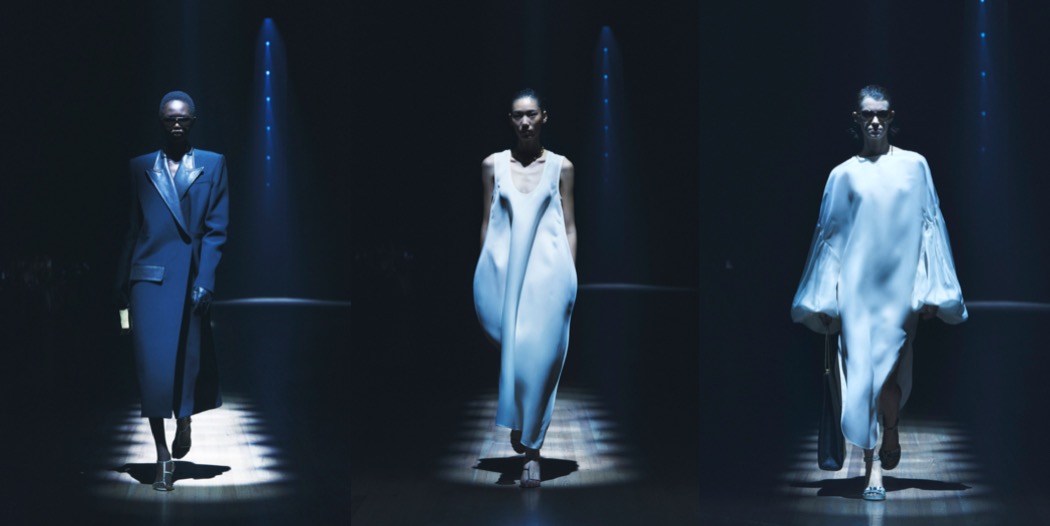
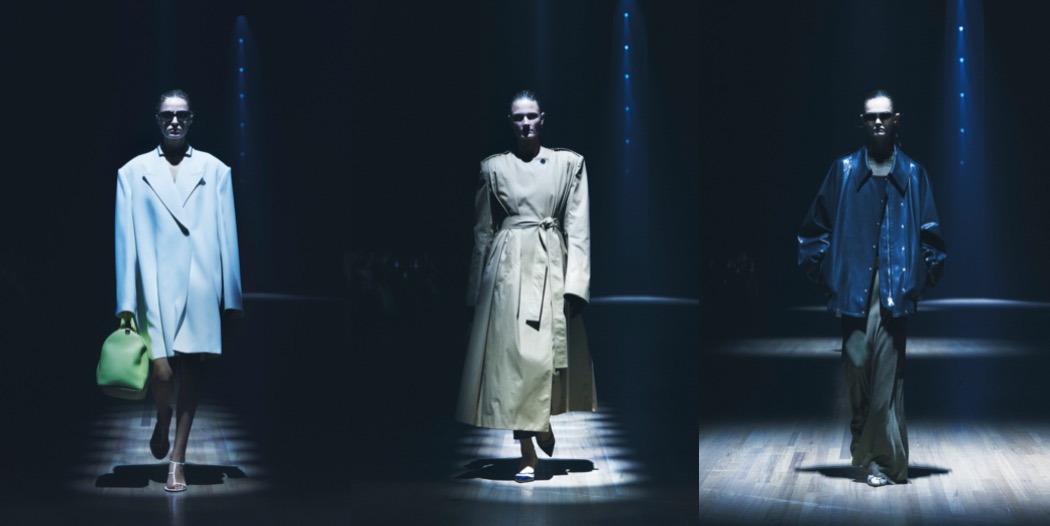
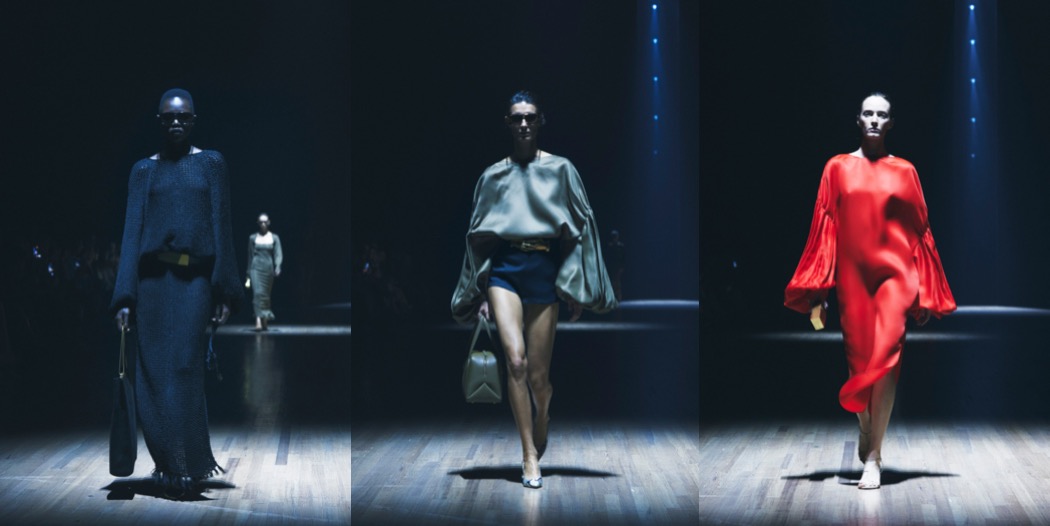
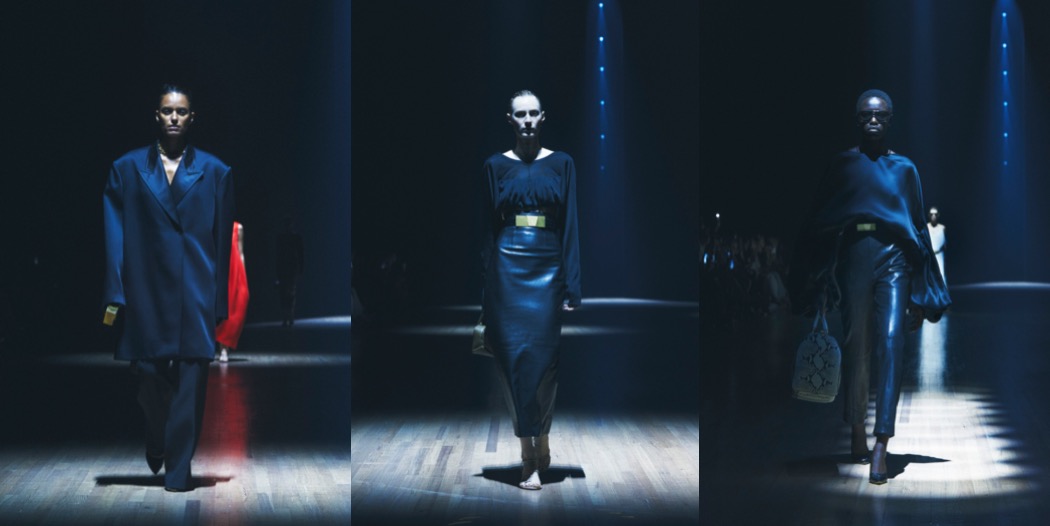
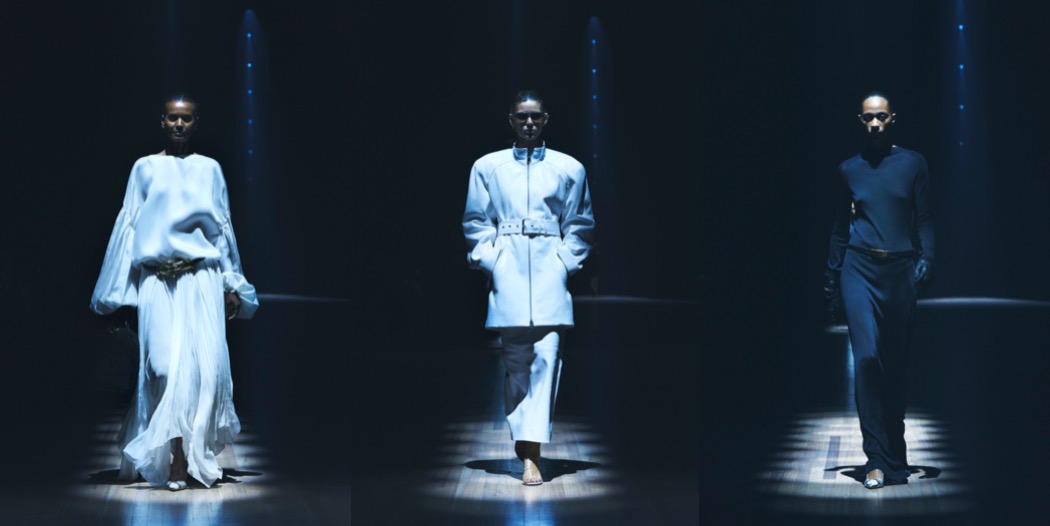
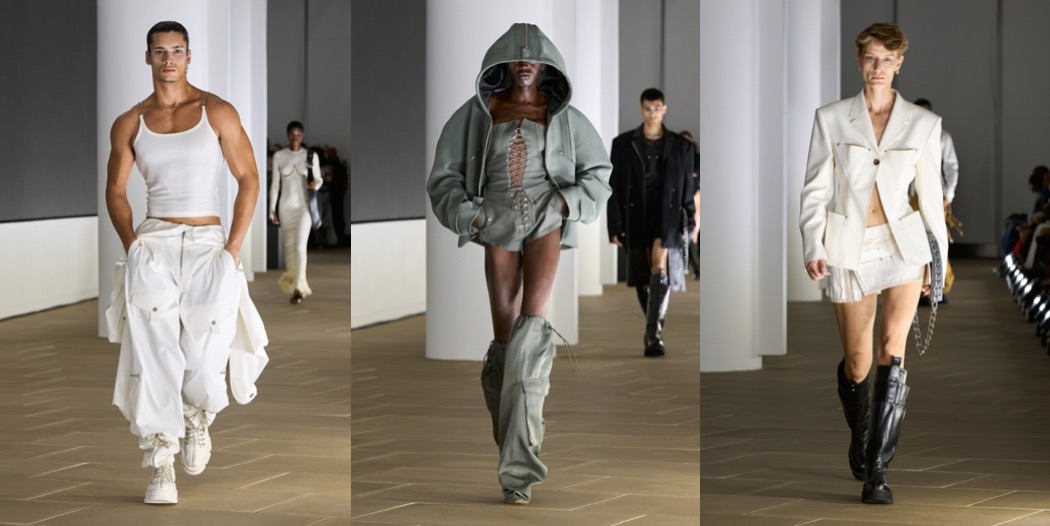
At Khaite, yet again you could barely see the clothes, but could definitely get the vibes of a coherent vision of a contemporary New York woman. The lighting theatrics on the very darkened runway emphasized the sharp silhouettes Catherine Holstein has in offer for spring. She called them “ferocious“. “I think every woman in New York has to handle herself with a real fearlessness,” said Holstein, indicating that that’s what she had to do while operating as her label’s top creative and, until recently, CEO. “And that’s always something that I bring forth in the brand.” At this brand you won’t find novelty, but rather elevated wardrobe staples that never get out of style: exaggerated masculine coats, big-shouldered blazers, sensual silks, investment bags. The semisheer body-con knits were an understated answer to all the straightforward sexiness we see on the other runways. Holstein might be the contemporary Donna Karan of New York Fashion Week.
Collage by Edward Kanarecki. Don’t forget to follow Design & Culture by Ed on Instagram! By the way, did you know that I’ve started a newsletter called Ed’s Dispatch? Click here to subscribe!
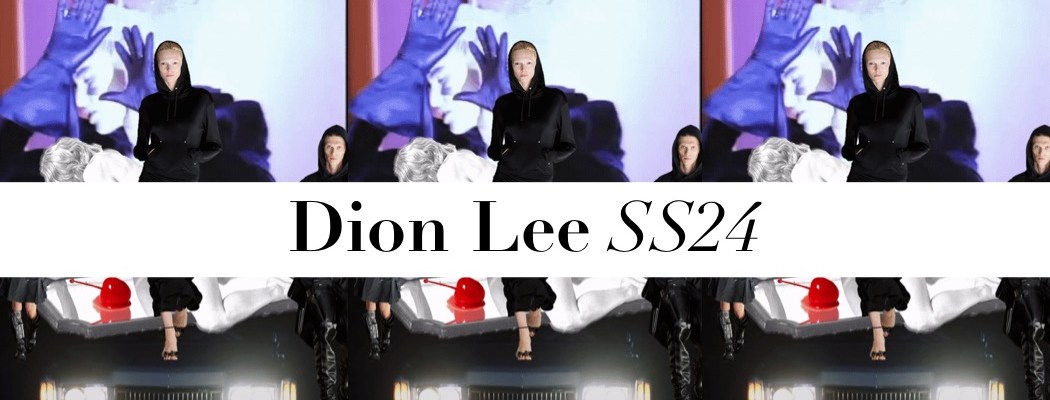
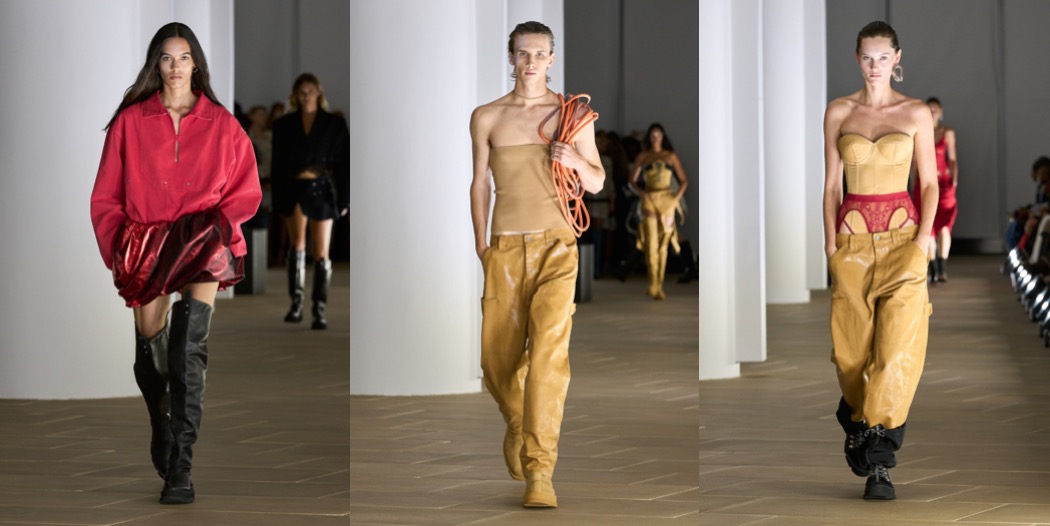
What I appreciate about Dion Lee‘s work is his consistency – a word that so many other New York Fashion Week designers should learn. His spring-summer 2024 is sexy and bold, and with wit. “This season was primarily about evolving the utility and construction language I’ve been playing with until now,” the designer said. What’s compelling about Lee as a designer is his ability to both fixate and expand on a specific theme while managing to keep his clothes distinctly true to his style. The Australian creative mentioned he started playing with power cords as a way to drape for his autumn offering, which carried over into this collection in the shape of shirring details by way of bungee cords. Particularly fun was a pair of trousers that had its back label replaced with an outlet; the model walked down the runway plugged in, carrying his coiled orange cord as a shoulder bag. Elsewhere, Lee laminated denim and introduced foiled leather for a sleek hint of texture. The latter was used in bubble-hem skirts and dresses, which added a welcome variation of shape. Also cool were his lace lingerie-like explorations; they felt freshest where they fell weightless around the body rather than constrict it.
Collage by Edward Kanarecki. Don’t forget to follow Design & Culture by Ed on Instagram! By the way, did you know that I’ve started a newsletter called Ed’s Dispatch? Click here to subscribe!
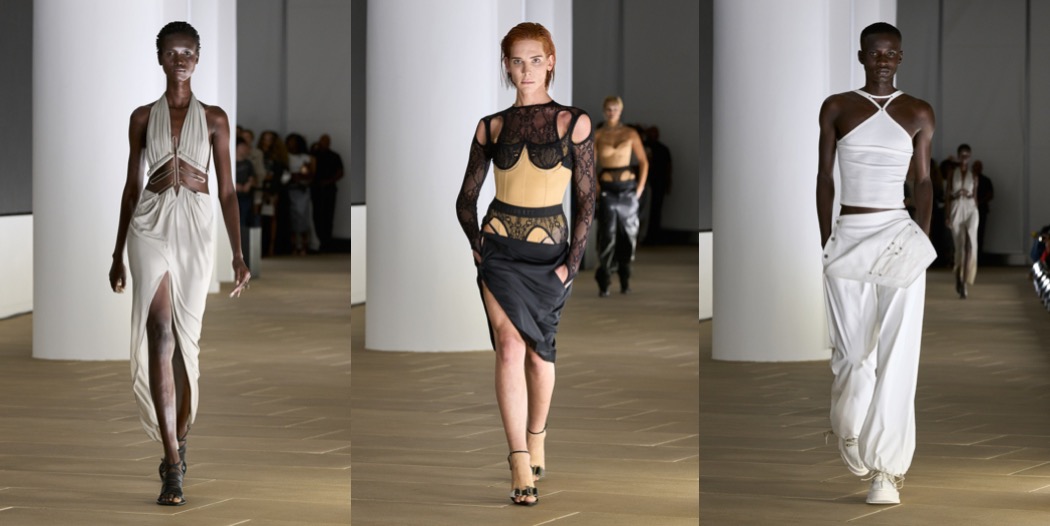
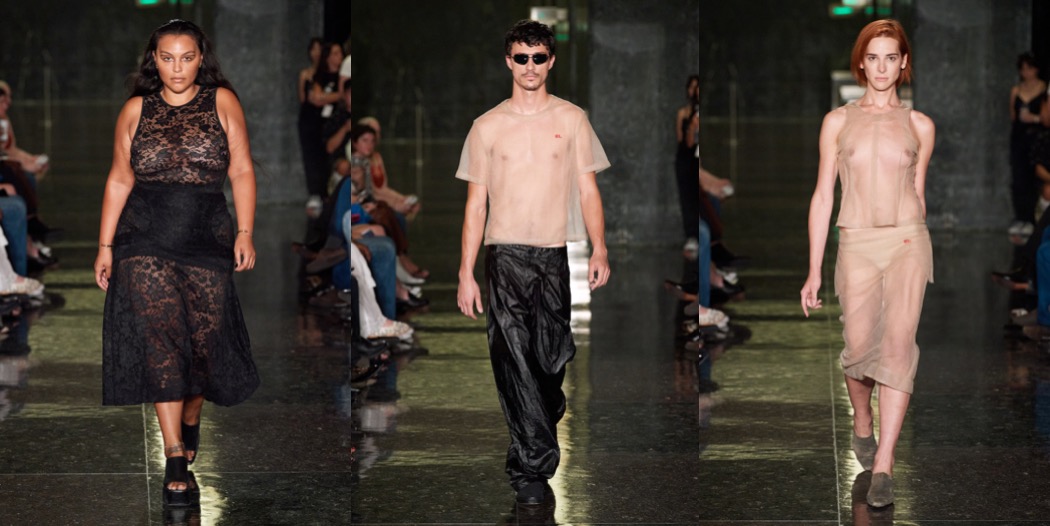
There was an intriguing shift going on at Eckhaus Latta‘s spring-summer 2024 fashion show. Their venue this season was the International Building in Rockefeller Center, which harks back to the great business centers of yesteryear, with dramatic escalators and a 45-foot statue of Atlas. The clothes reflected that corporate feel, messing around with the “formal” dress-code. Zoe Latta and Mike Echkaus introduced new materials to their brand, like lace and leather, and in general the offering felt very mature, solid – of course with a distinct, gritty twist. Could this be Eckhaus Latta’s answer to the prevailing “power dressing” trend? Through an ironic lens. “There’s something deeply sad about working all day and night on a garment that’s going to be seen for four minutes max, and then maybe get pulled [for a photo shoot], and then lost by a stylist. Or FedEx,” Latta said. “So we want to figure out where our language exists in an exciting way, but also in a way that is reproducible and wearable. Finding the things that can be a more ‘luxury’ offering and the ones where we can have more accessible price points that are still cool and exciting.” On the luxury end, they worked with leather for the first time – all deadstock, from Portugal – to make fantastic jackets, slim dresses, and baggy jeans that will be produced in limited runs. As always, the excitement came from the materials. The designers worked with Unspun to develop custom fabrics for denim. “It was so much fun to work with a new technology and develop fabrics,” Latta said. A pair of extra-wide, coarse-woven jeans was made out of twine they sourced at a hardware store. They curved elegantly around the legs like a small ball skirt, but also gave the impression of a cowboy in chaps (there were hints of the American West throughout). A group of knitted separates made from a soft yet sturdy Italian fabric in sheer beige were all “discreetly” embroidered with the EL logo in contrasting red thread. “We’re doing a monogram for the first time, but kind of ironically putting it on these ‘naked clothes,’ so it’s almost like a tattoo,” Latta explained. Hari Nef wore a tank and matching pencil skirt, very ladylike in its silhouette, with pointy-toe mules. “We always have these kind of sheer, kinky pieces – but they’re not kinky in the sense that when people wear them they feel objectified; we just want them to feel more sexual in themselves,” Latta added. The captivating thing about Eckhaus Latta is the way the designers play with contrasting desires. There’s an undeniable sex appeal and sensuality to what they do—because their clothes beg to be touched, while at the same time they’re thinking about the Patagonia brand and using tech fabrics and materials. Latta calls it “the tension between what’s really durable and hard and wearable and what’s delicate and fragile.”
Collage by Edward Kanarecki. Don’t forget to follow Design & Culture by Ed on Instagram! By the way, did you know that I’ve started a newsletter called Ed’s Dispatch? Click here to subscribe!
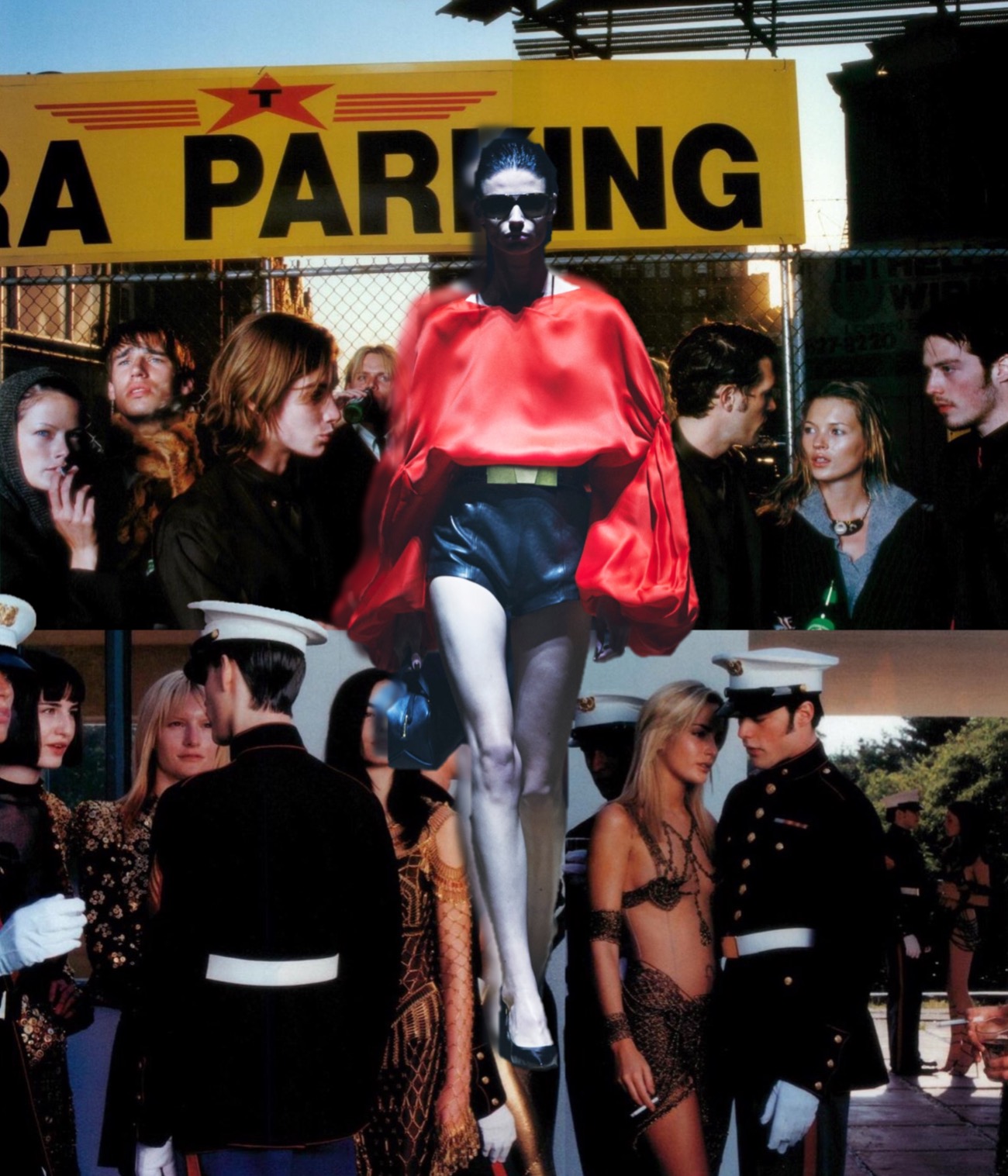
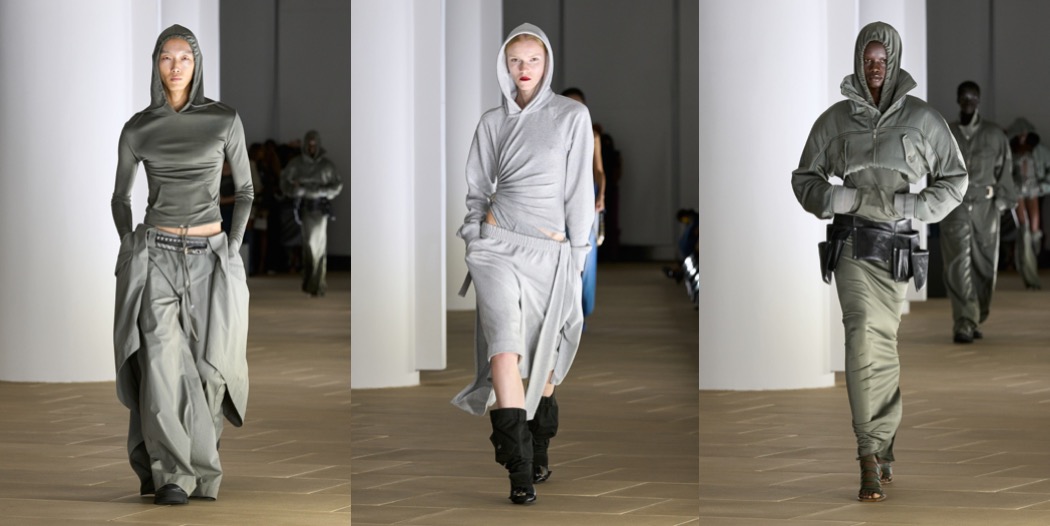
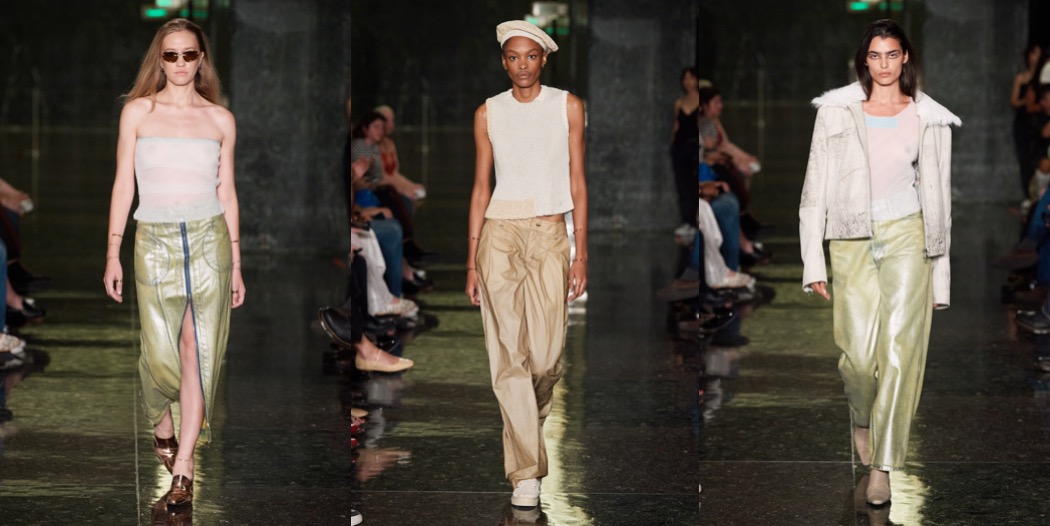
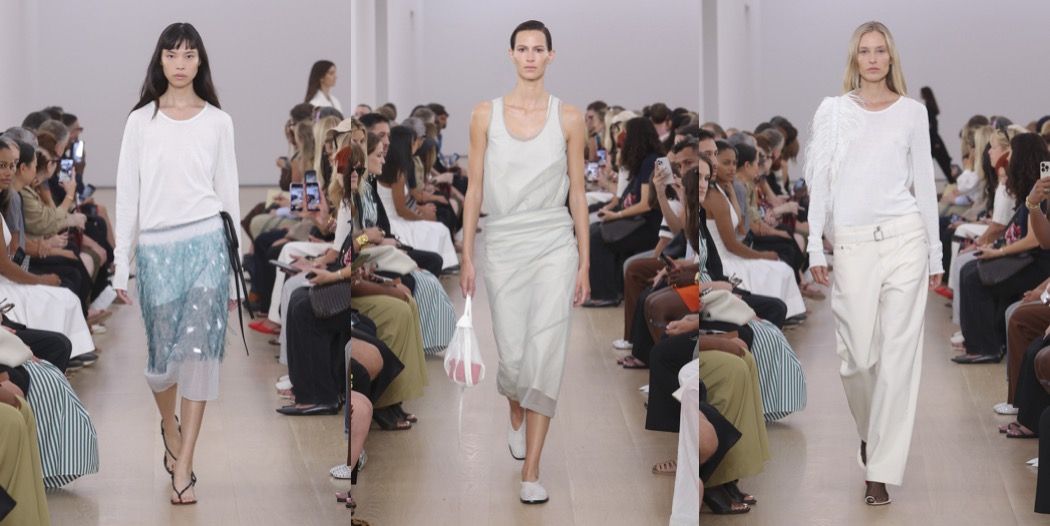
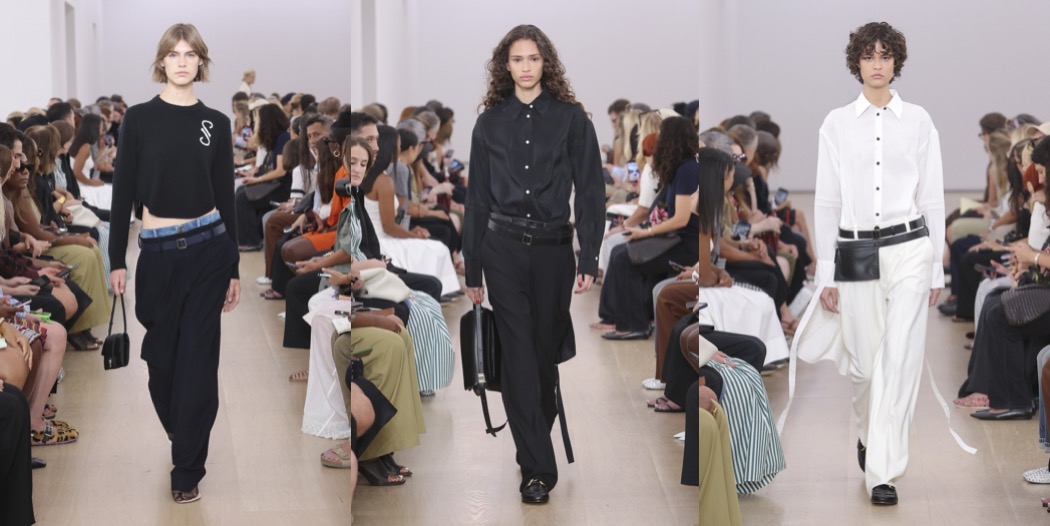
So far this New York Fashion Week, Proenza Schouler delivered the most convincing answer to the big question: how do we want – or aspire – to dress in 2023. Actually, this collection could be the contemporary equivalent of Helmut Lang (instead of what Peter Do delivered in his debut). “We finished the fall show and we knew right away that we really wanted to continue its spirit,” Jack McCollough and Lazaro Hernandez said. “To have that board of women we pulled together last season be the starting point and just kind of riff off a lot of the same ideas in a spring context.” The two collections were very much in dialogue with each other. It started with the celebrity casting. Chloë Sevigny, who opened last season, was replaced by Natalie Laura Mering, who is known professionally as Weyes Blood and who wrote an original composition for the soundtrack. Her white single-breasted, three-button jacket and black trousers struck an understated, minimal note, save for her glossy red toe polish and sheer black stockings worn with strappy kitten heels. Other jackets were worn tucked into pants waistbands, a utility belt strung through the belt loops. The designers liked the ordinariness of showing bleached straight-leg jeans and a black leather coat with straps hanging below the hem (an equestrian reference) and a papery windbreaker-type jacket with a mesh tee. They answered those plainer looks with special pieces that showed off their interest in craft, like mesh dresses made from hand-tacked ribbon and gossamer separates with “broken glass” embroidery. The label’s newly designed initials appeared on the Proenza’s first handbag, the PS1 – back in squishy leather and leather-covered hardware. Its low-key cool jibed with the rest of the collection.
Collage by Edward Kanarecki. Don’t forget to follow Design & Culture by Ed on Instagram! By the way, did you know that I’ve started a newsletter called Ed’s Dispatch? Click here to subscribe!
















 Design & Culture by Ed