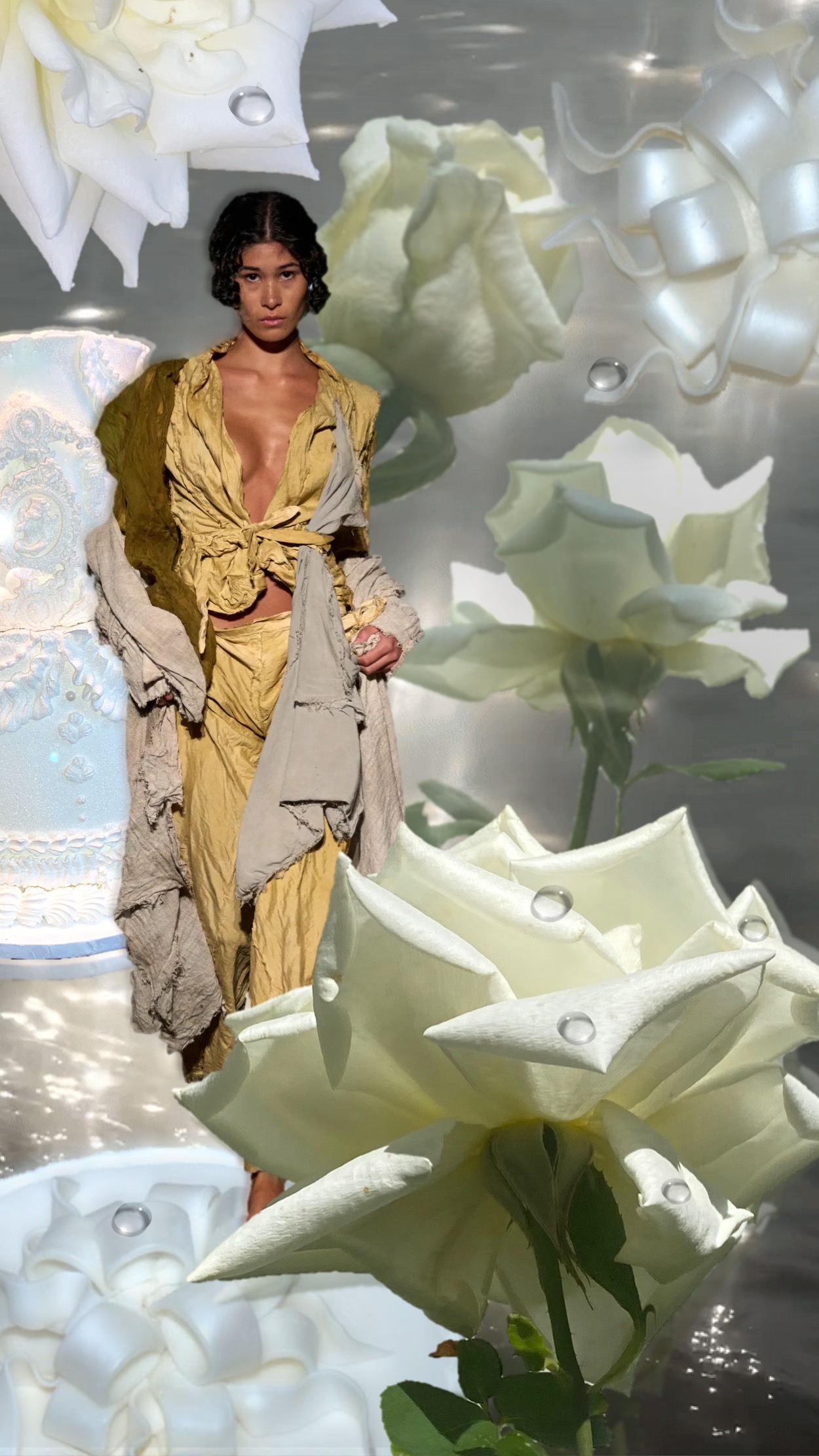
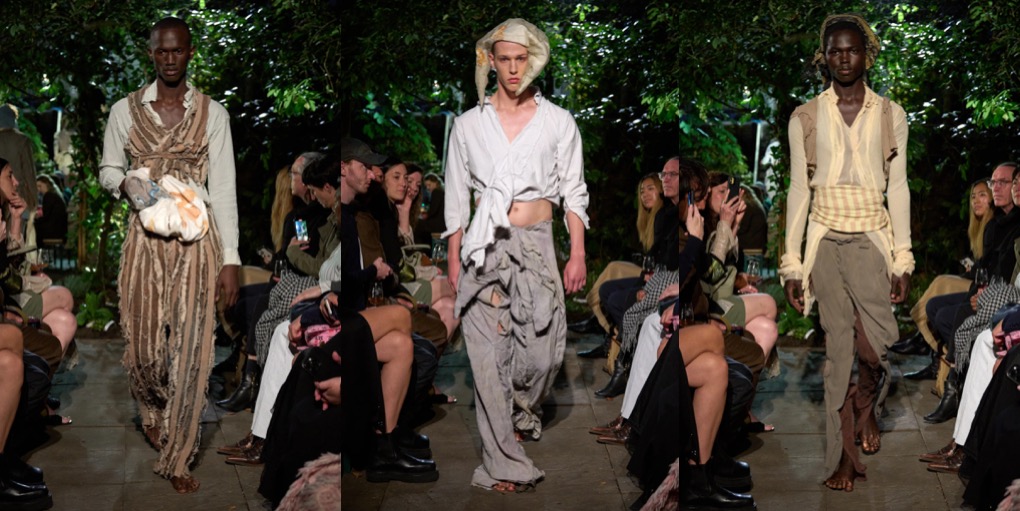
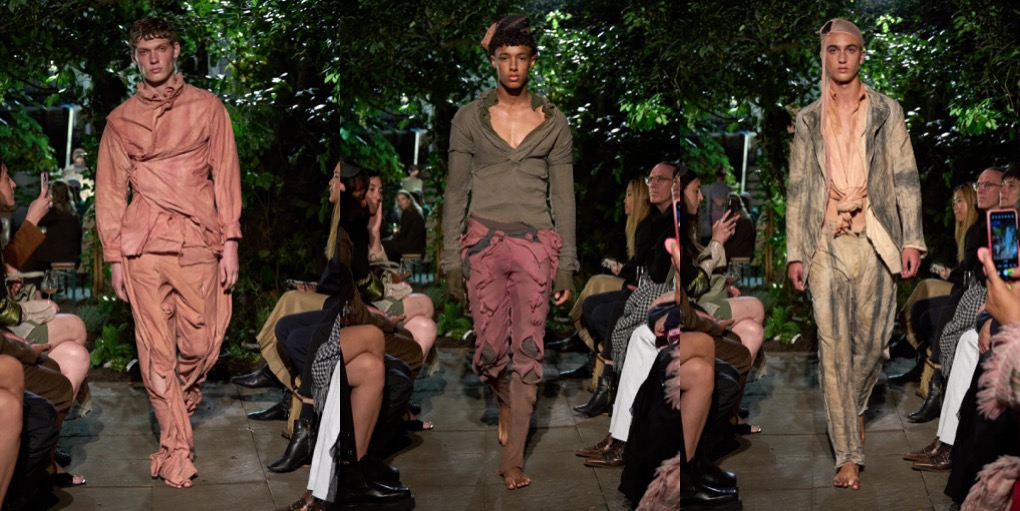
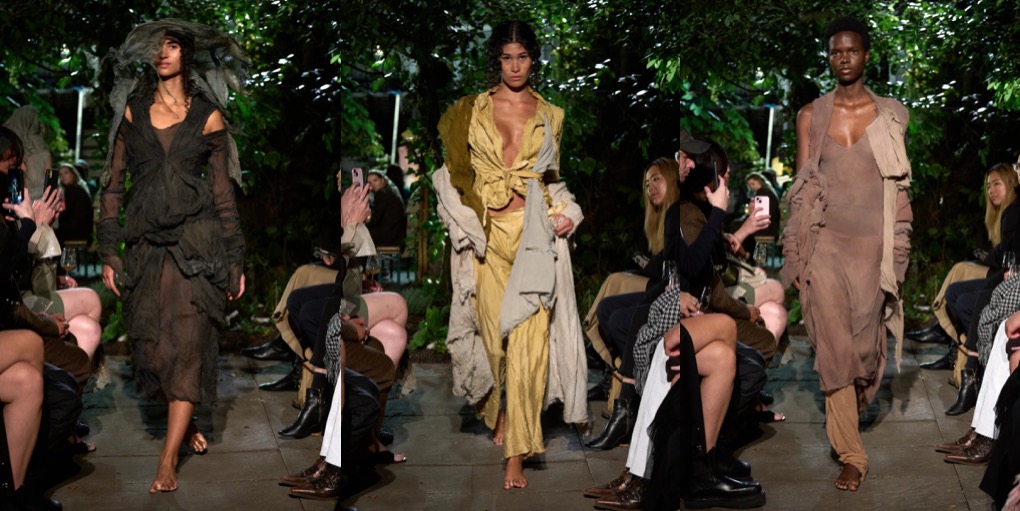
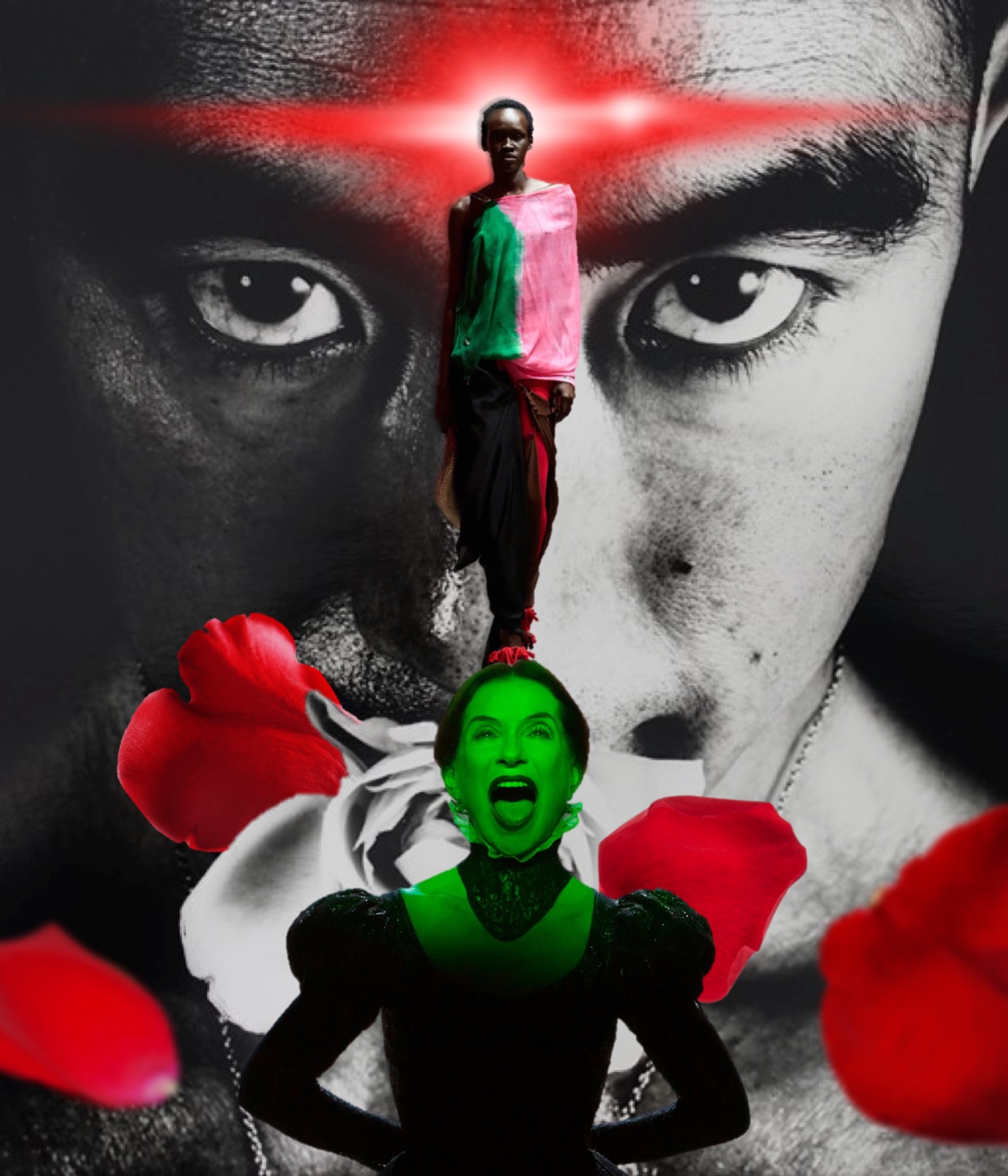
As we’re approaching 2025, everybody seems to look backwards at the last quarter of the century in fashion. But let’s also take a look at the future. Paolo Carzana, the London-based designer, makes one feel very hopeful about. The über-talented designer, a finalist for this year’s LVMH Prize, uses plants and natural pigments like burnt umber to dye his crafty, gender-fluid garments. Carzana’s signature is the raggedy, lived-in look of his garments that makes men and women look as if teleported from another century. There’s also that hazy, misty, as if seen through a broken lens, lyrical silhouette of his clothes: the pinstripes on a pair of men’s trousers look blurred, the Caravaggio-esque drapes of the dresses seem to be shaped by gushes of unexpected wind. The gauzy layering and the buttonless, zip-free poetry of Carzana’s work makes him a truly, truly unique creative who doesn’t obey the industry norms of production scaling or aggressive marketing. No other contemporary designer sees beauty and strength the way he does.
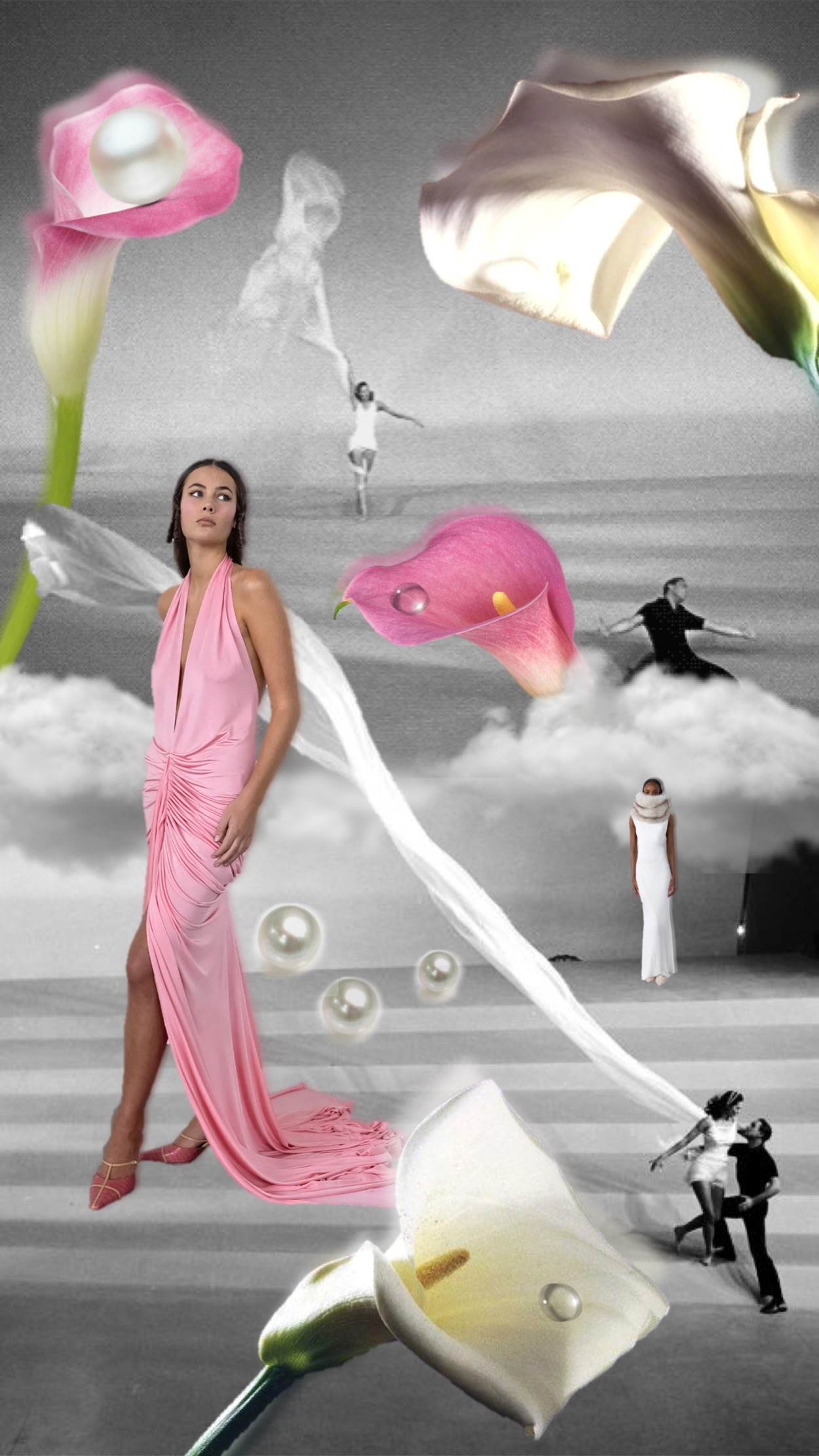
Collage by Edward Kanarecki. Don’t forget to follow Design & Culture by Ed on Instagram!
Hey, did you know about my newsletter – Ed’s Dispatch? Click here to subscribe!
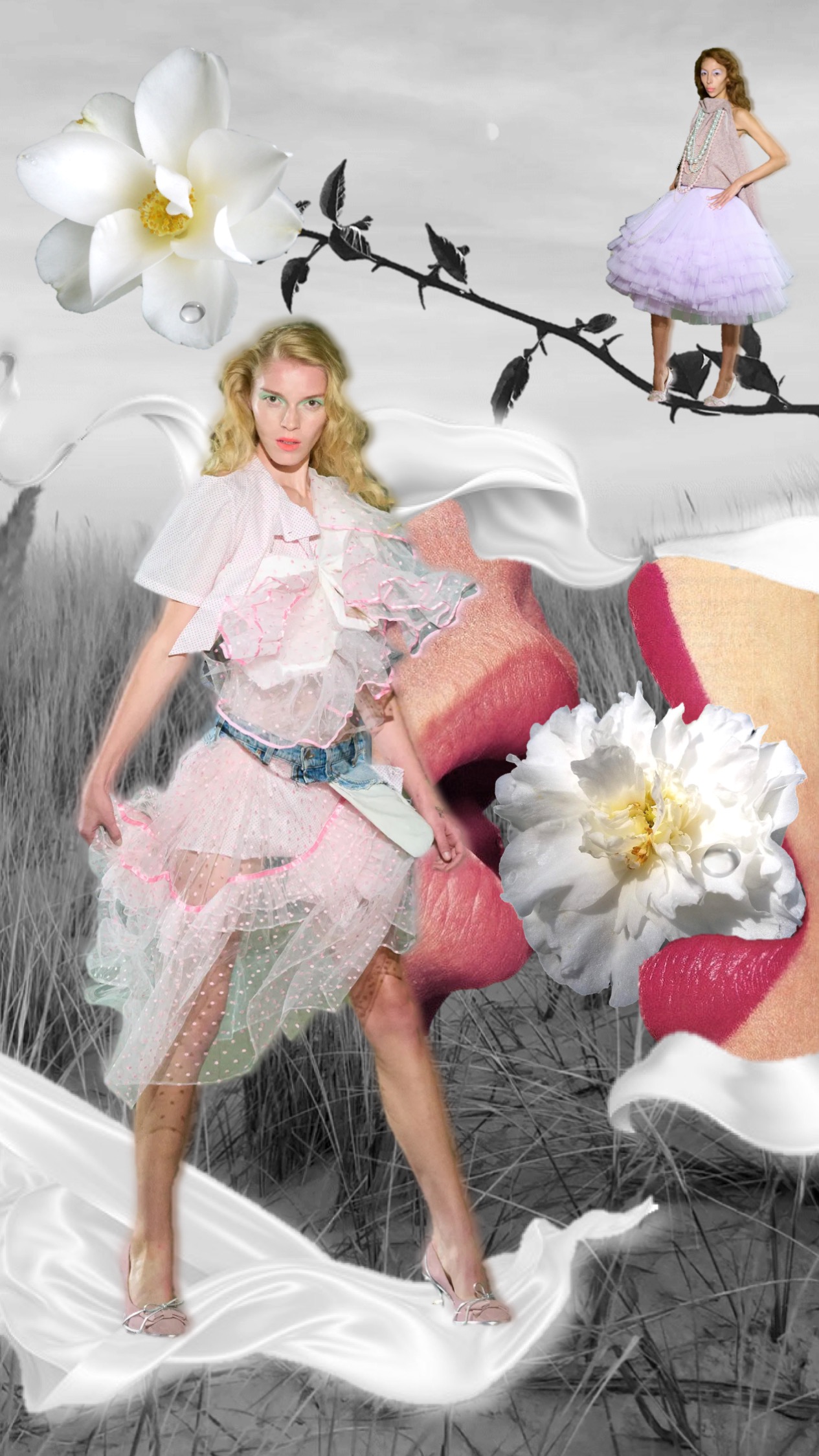
It’s not surprising that Benjamin Barron and Bror August Vestbø of All-In found Tess McGill from the 1988 classic “Working Girl” a character perfectly aligning with their sensationally quirky spring-summer 2025 collection. They weren’t only interested in Tess’s wardrobe (high meets low), but also her messy circumstances. Unlike the pop star alter-ego the creative duo channeled in their past seasons, Tess must make a living and her wardrobe must work for day and night. Similarly, the designers wanted to add an element of relatability to their work, both in terms of offering and materials. “I think that often our characters have this idea of something contradictory to them… there’s something about her that is both glamorous and also falling apart, and this time there’s also an element of trying to achieve some sort of version of yourself“, Barron said. The dolls that walked the spring runway certainly achieved that with their charisma, seen in both their walk and appearance.
The designers played with the idea “of wearing clothing on display,” as Vestbø put it. So, for example, a shirt that looked like it was suspended flat on top of the body was anchored by a band of fabric that went around the body, leaving the back almost bare. This collection made great use of the “business in front, party in the back” trope materially and ideologically. Any number of skirts, including the frothy explosion of tulle worn on the finale dress, were shorts or just shorter in the back. Having taken the decision to show once a year, the designer’s “All-In” print publication, said Barron, stands in, in some sense, for the second season. All in all, the designers seem to be writing a case study for a new way of doing things.
Collage by Edward Kanarecki. Don’t forget to follow Design & Culture by Ed on Instagram!
Hey, did you know about my newsletter – Ed’s Dispatch? Click here to subscribe!
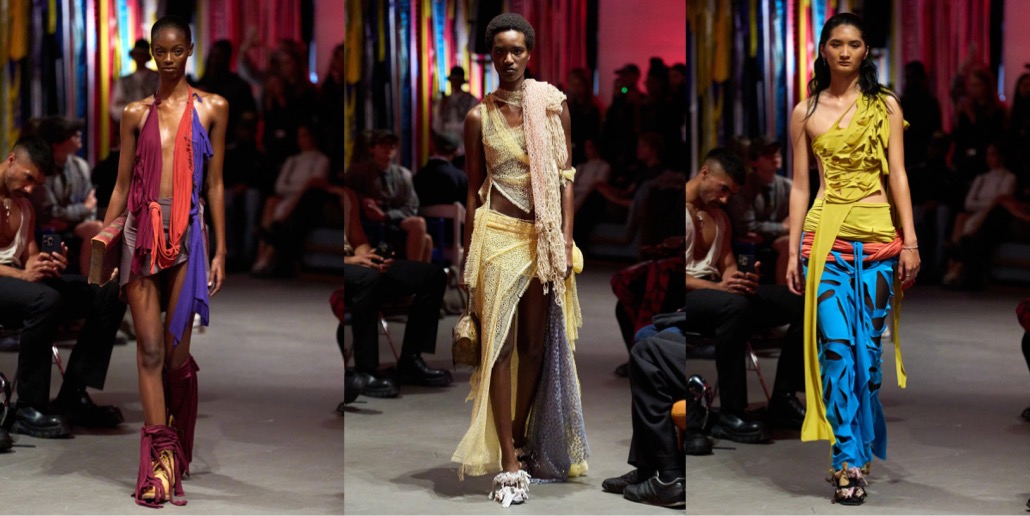
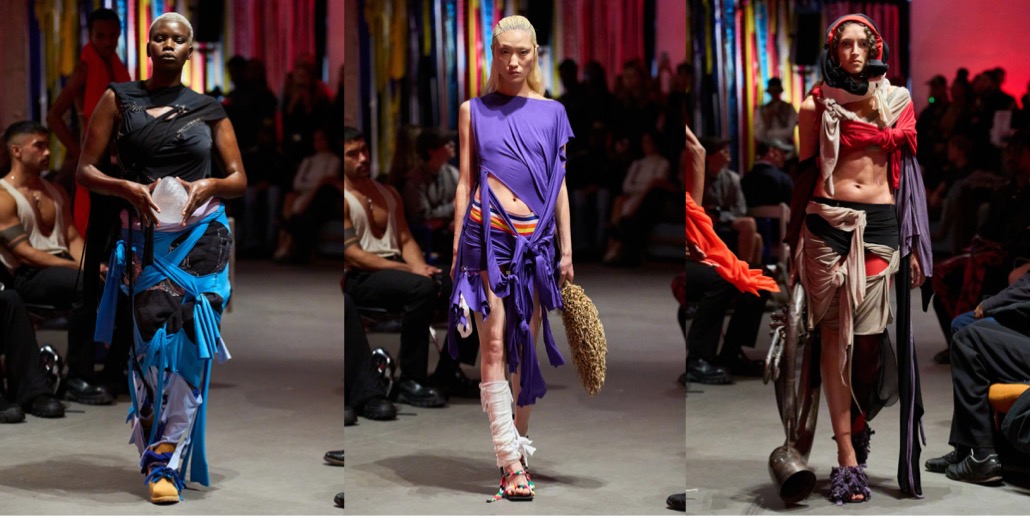
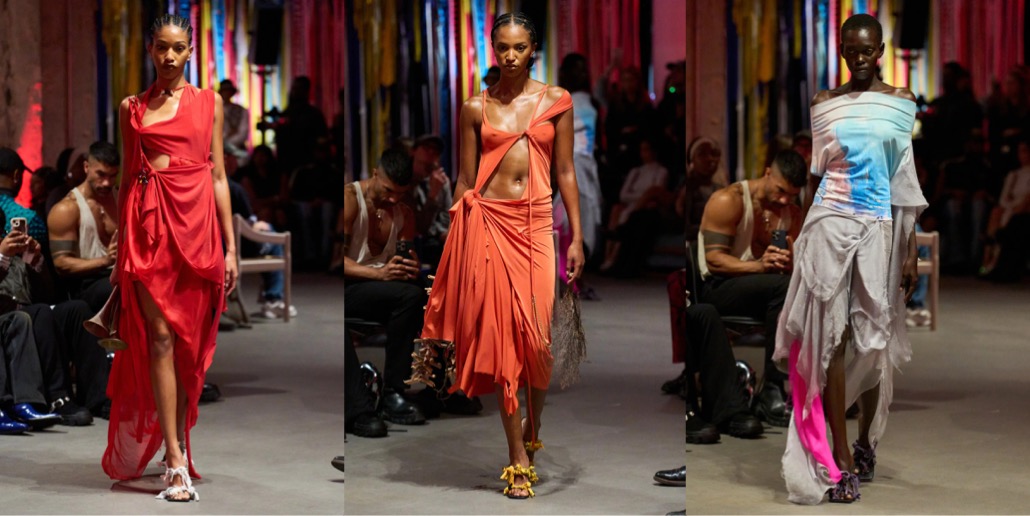
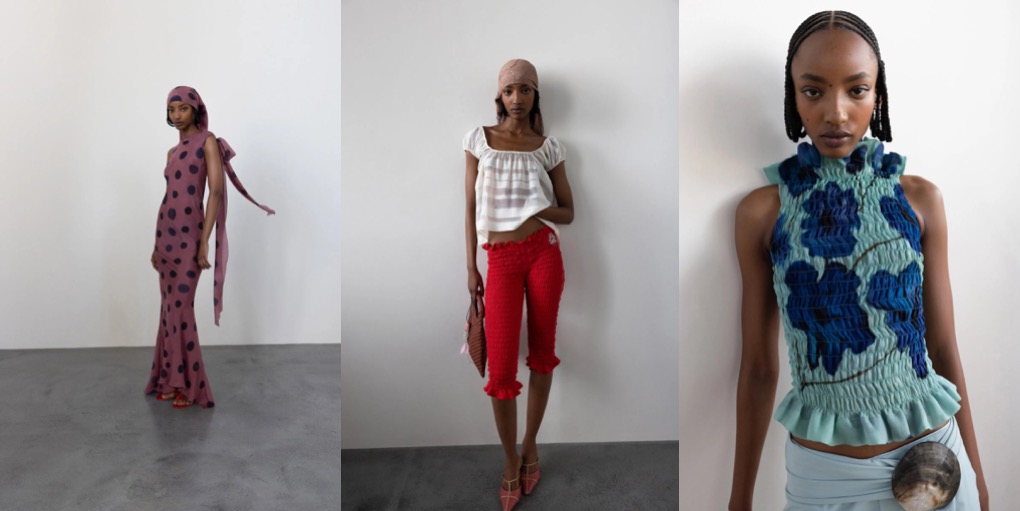
Jawara Alleyne‘s latest collection is one of the most impressive line-ups of the whole spring-summer 2025 season. It was just so touchingly evocative, oddly elegant and truly beautiful. The title of the collection, “Island Underground“, nodded to Alleyne’s upbringing on the Cayman Islands, and the mystical air that hung over the show – models walked slowly, fabric dragging behind them as if they’d just been rescued from a shipwreck – had an electric, spiritualistic energy.
For Alleyne, embarking on his journey as a designer and delving deeper into his Caribbean identity has been therapeutic. While growing up, he resented the limitations of being so far away from the world’s fashion capitals, and he looked to heroes in Paris like Alber Elbaz, Alexander McQueen, and Karl Lagerfeld: “To me, being inspired by the islands felt a little bit restricting,” he said. But his interest in reconciling these two sides of himself has now ended up producing some of his most striking work. “I think there are a lot of brands that are just pulling from culture, and so I think it’s really important for me as a designer to make sure my collections aren’t just inspired by that culture but give back,” he added. It’s worth noting that Jawara is a fantastic colorist, knotting together kaleidoscopic fabrics into highly desirable, sensually-charged dresses and crafting a series of intriguing ombré dyed looks. London sees a wave of emerging designers with a knack for deconstructionist approach to clothes, and that’s really exciting to observe.
Collage by Edward Kanarecki. Don’t forget to follow Design & Culture by Ed on Instagram!
Hey, did you know about my newsletter – Ed’s Dispatch? Click here to subscribe!
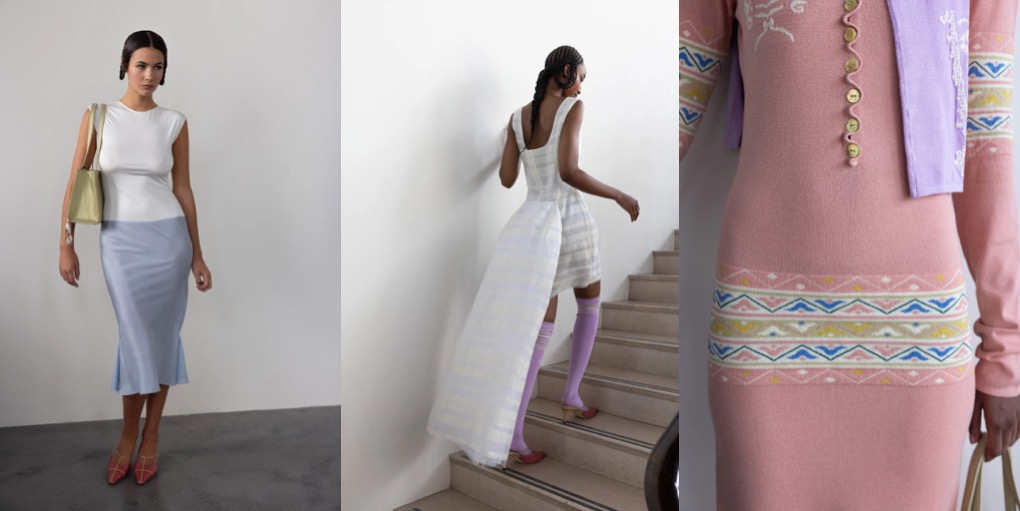
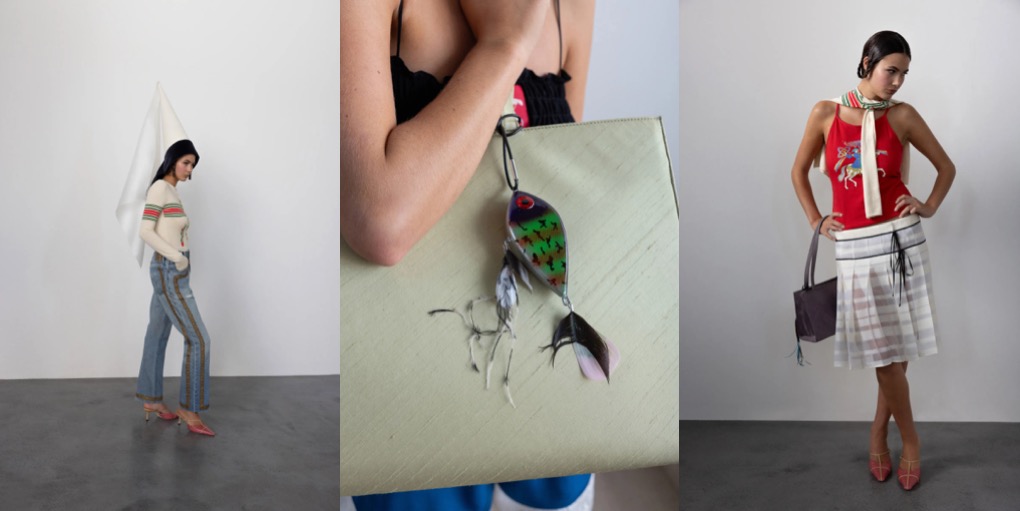
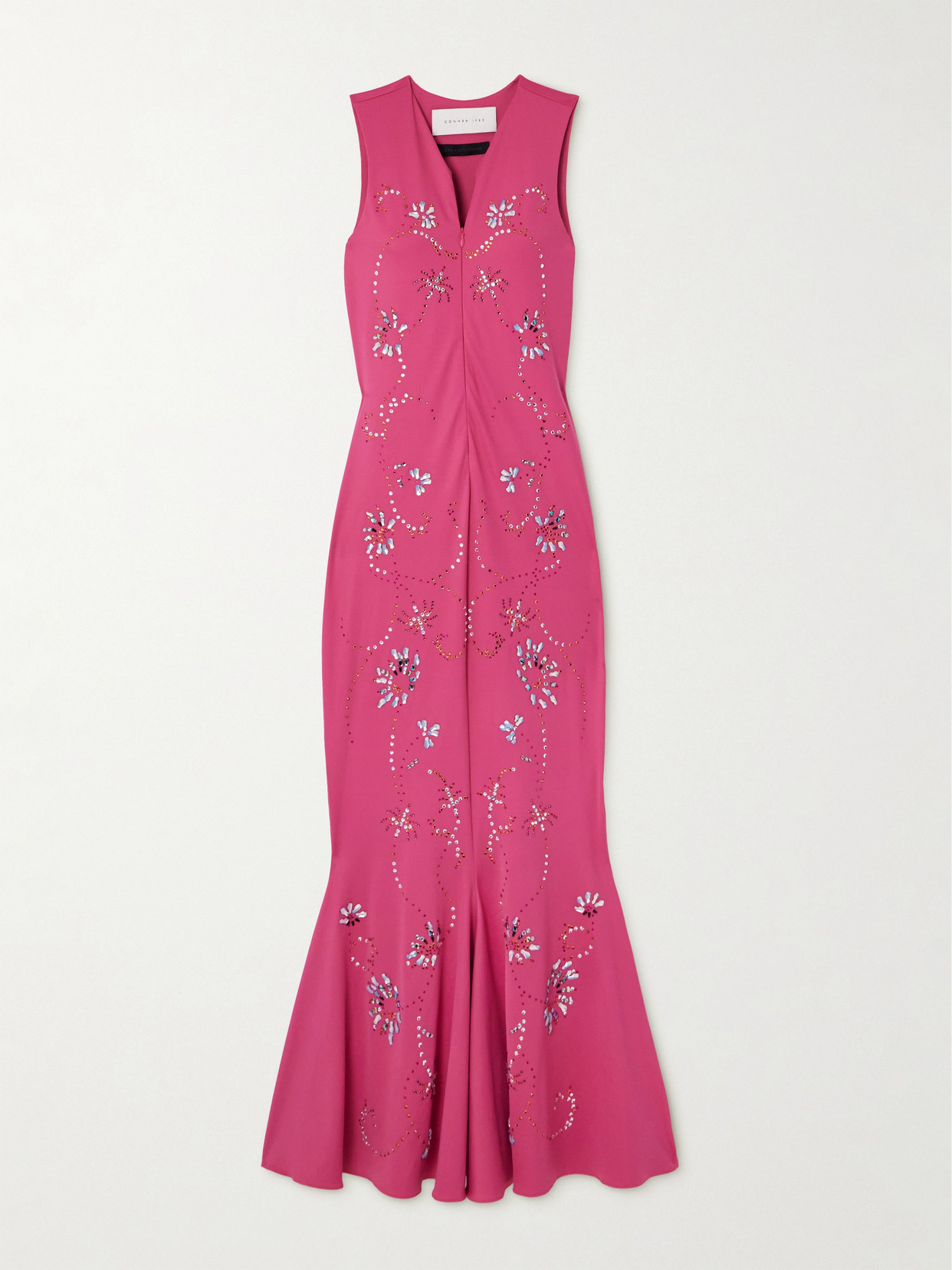
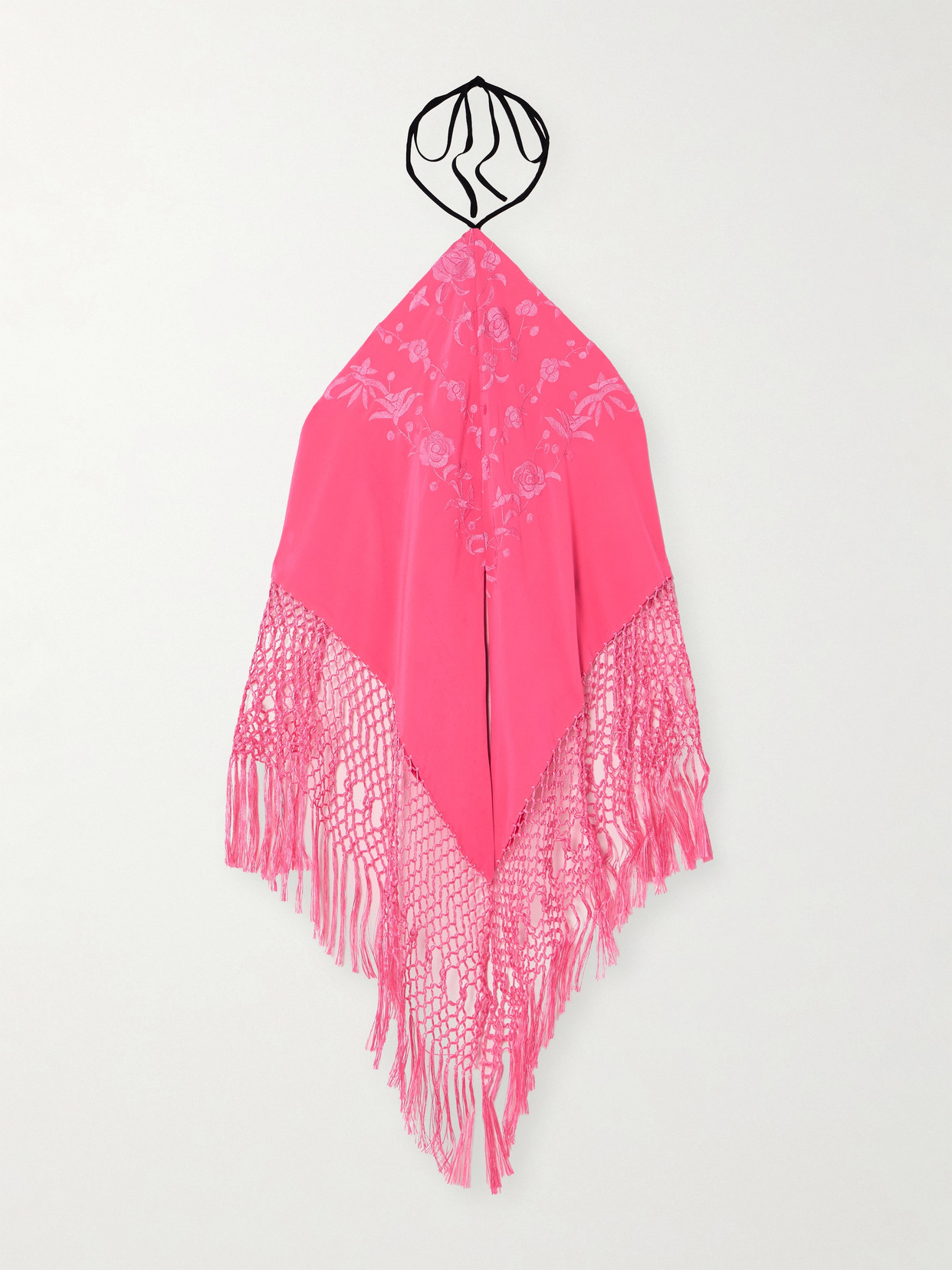
Conner Ives isn’t only a talented designer, but a great storyteller whose fashion fairy-tales make you believe in fantasies and miracles. For his spring-summer 2025 collection, the London-based, American designer took us on a journey from the medieval lords and ladies of Arthurian legend to the invocation of Camelot by Jackie O’ to describe the Kennedy administration. The eclectic patchwork of centuries and eras – medieval England, 1960s Americana, the It girl of today – made for a line-up with truly wonderful clothes (and desirable accessories, like the “hard-bodied bias” bag inspired with a vintage clutch from his mother’s wardrobe or an actual hennin hat). Slinky knit dresses with trumpet skirts were inspired by cotehardies (long-sleeved medieval garments), while jacquard knitwear took its cues from the elaborate motifs found on 17th-century clocked stockings (just the right kind of whimsical chic). There was plenty of fabulous, demi-couture dresses for the loyal coterie of glamorous party girls that surround the designer (think Ivy Getty), from a swishy mauve pink dress hand-painted with polka dots to his final, swan-like bridal look, a silk jersey column dress worn with a dramatic vintage fox-fur collar.
Ives’ eveningwear, even though packed with history and sentiments, never feels like “too much” or too retro (even though the term “vintage” plays an important role in the designer’s brand, noting all the upcyling practices). You can picture both a Carrie Bradshaw and a real, contemporary girl wearing those dresses. And Carrie would definitely style them with one of the season’s most adorable accessory: upcycled fishing lure charms adorned with colorful feathers and tinsel of the kind Ives remembered seeing glitter from his Florida aunt’s bait and tackle box as a child. You really want to read deep into Conner’s fairy-tale.
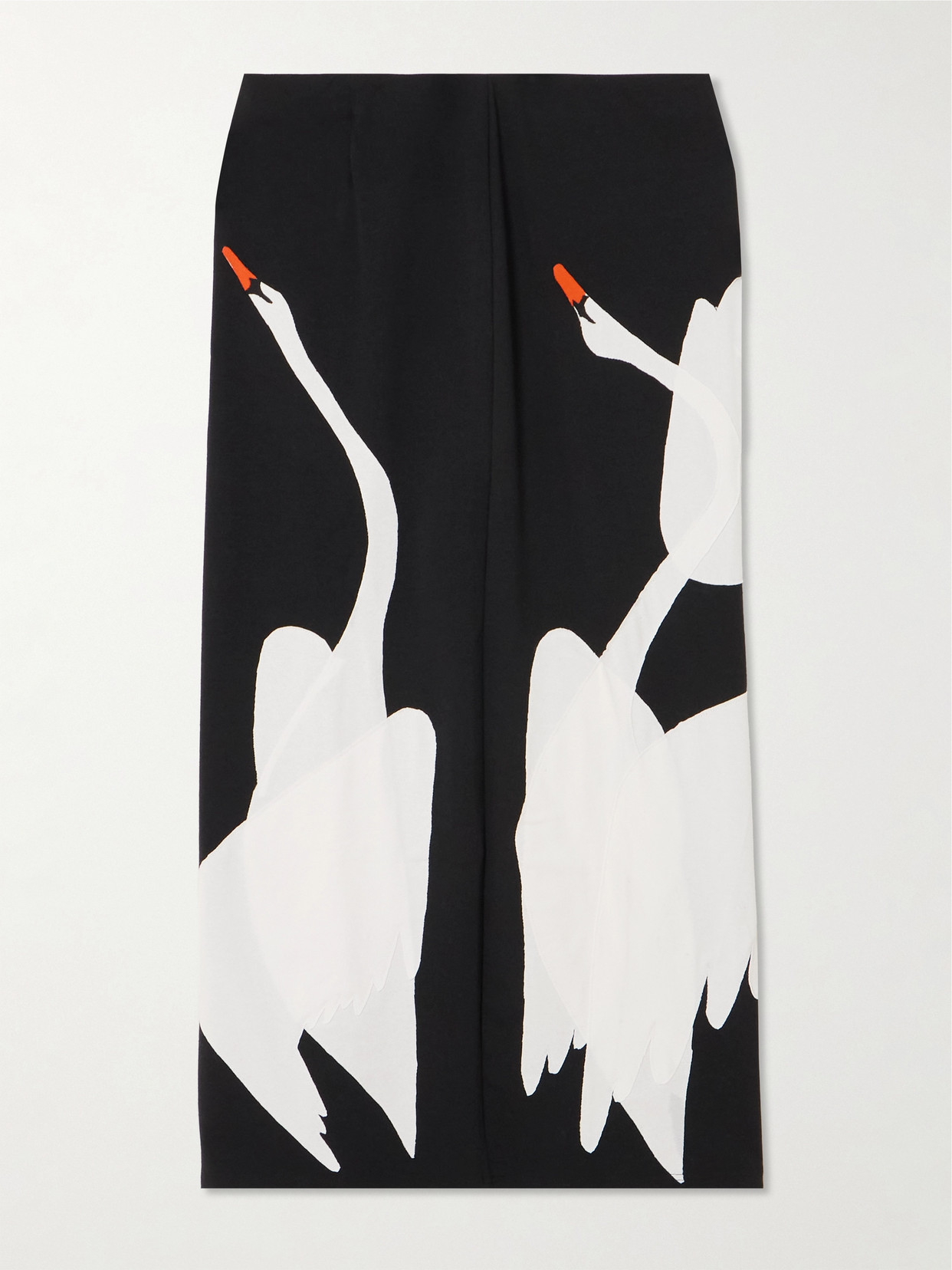
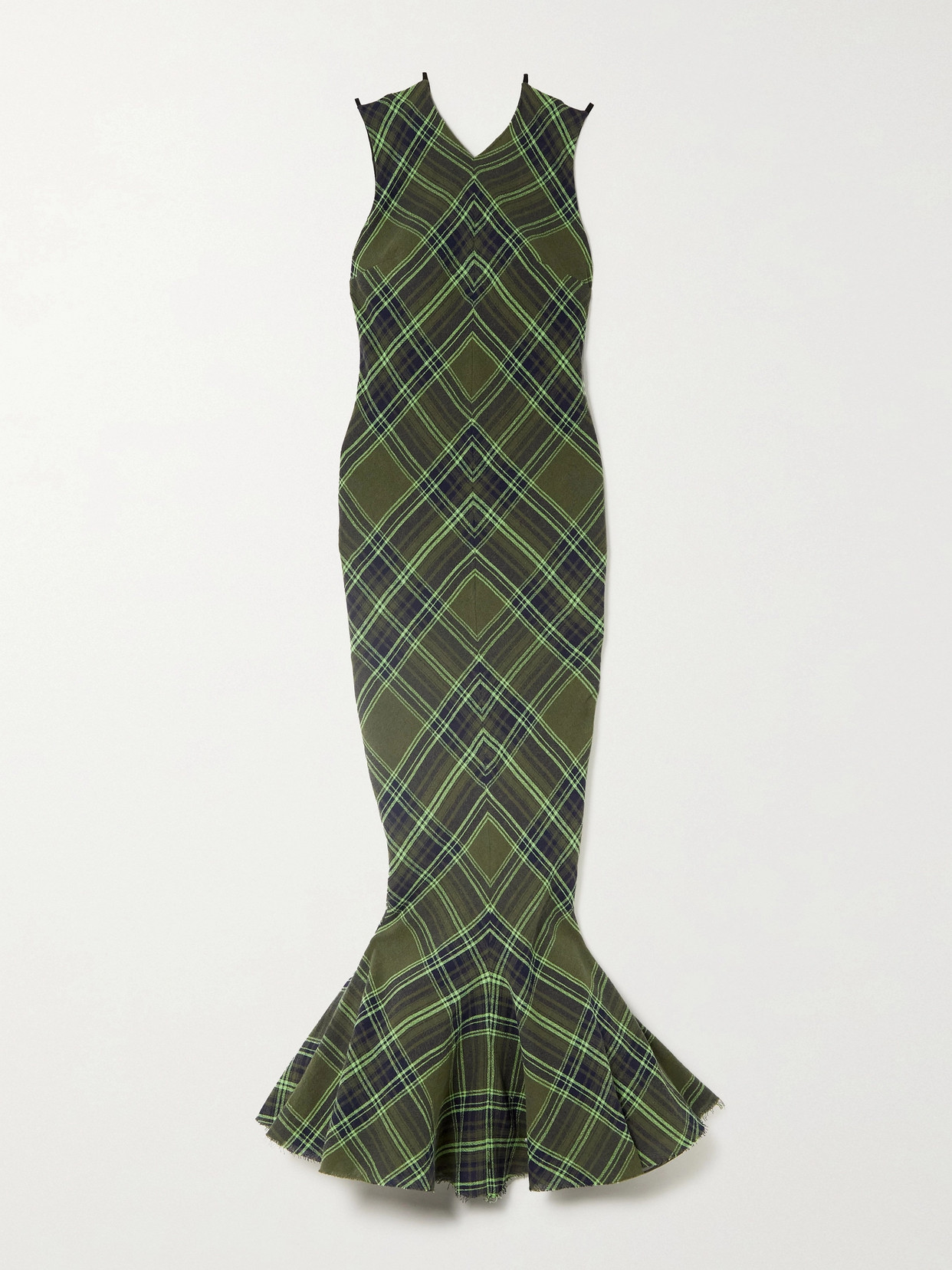
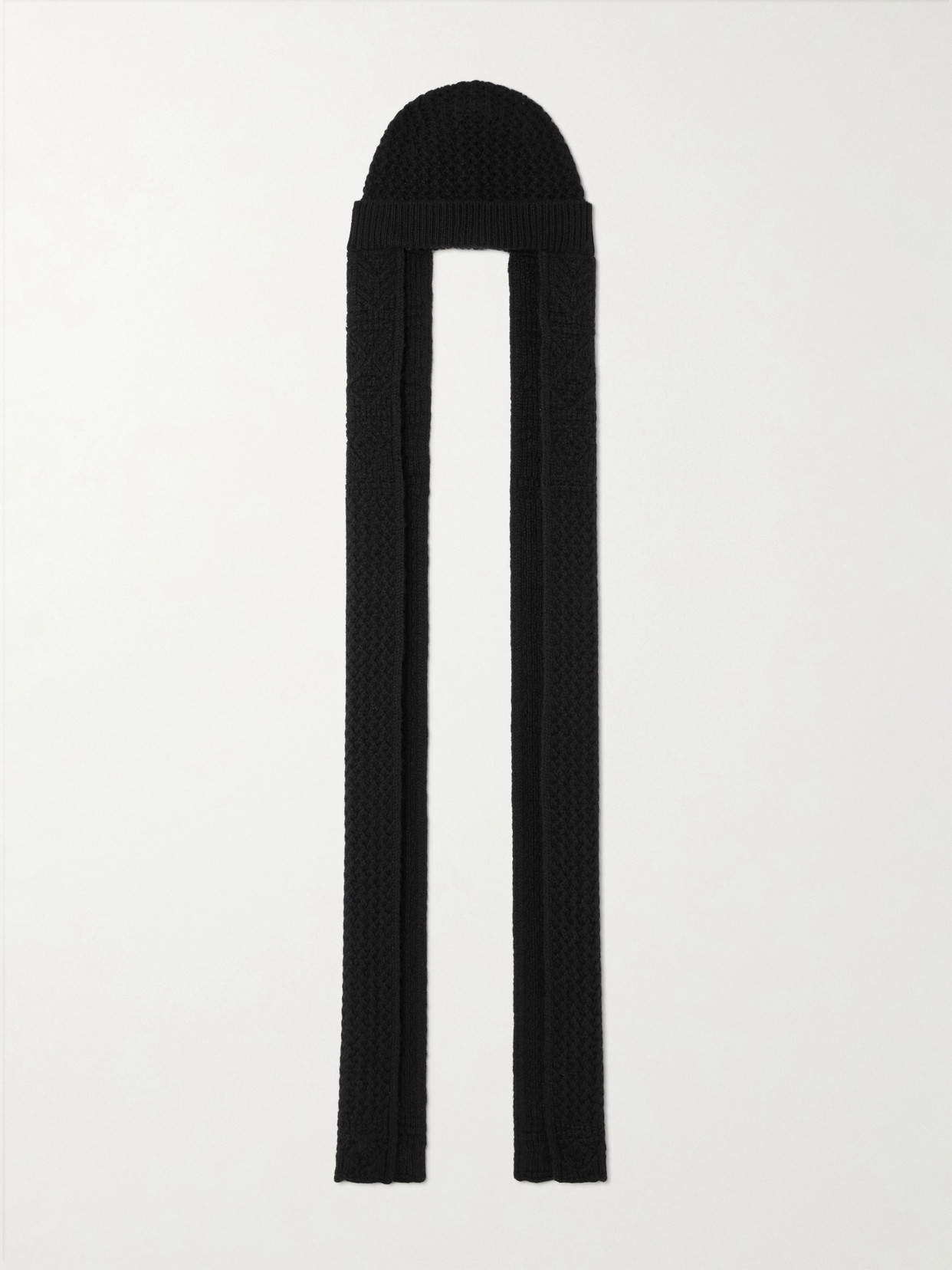
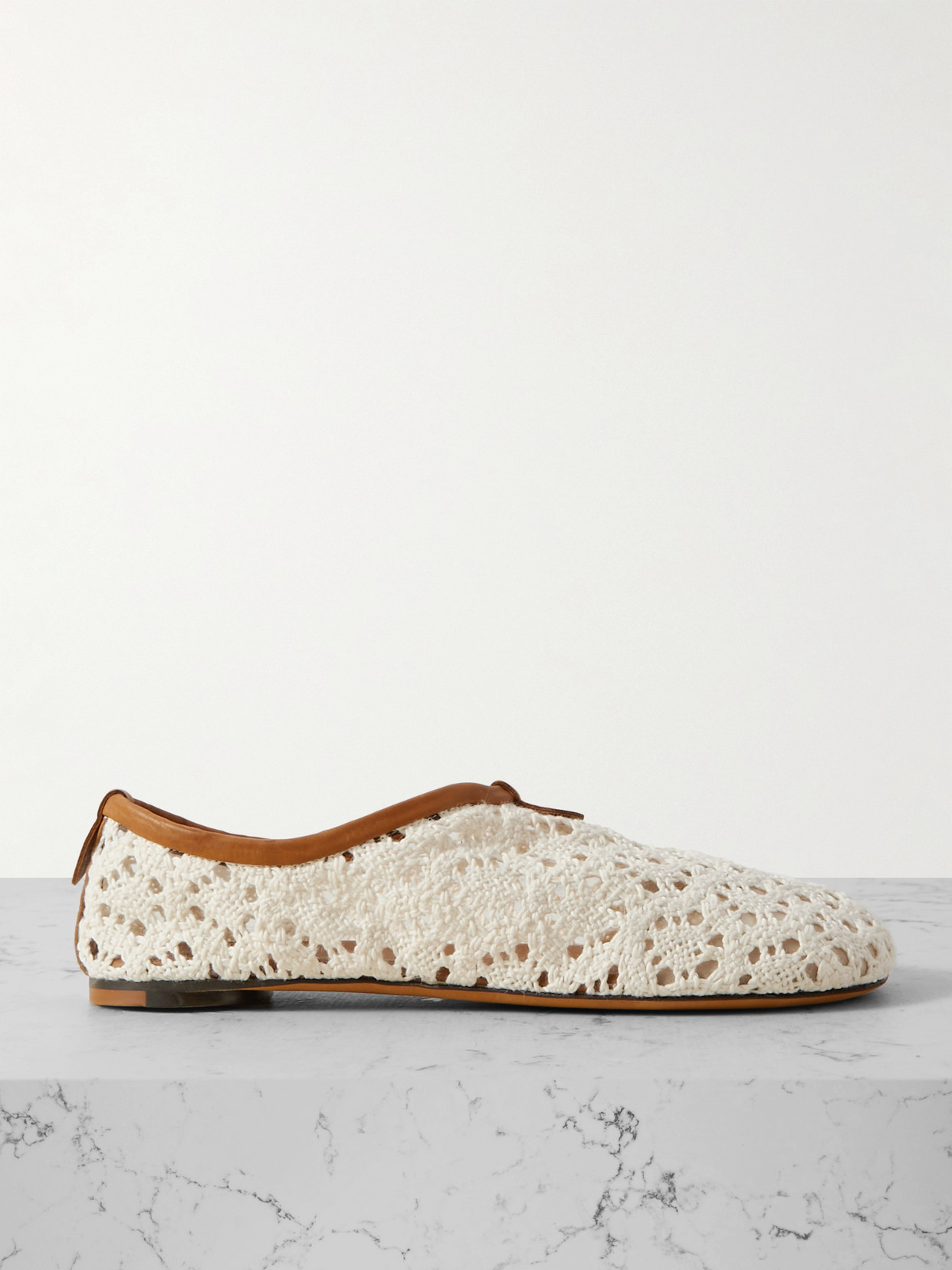
Here are some of my favorite Conner Ives pieces you can get now…
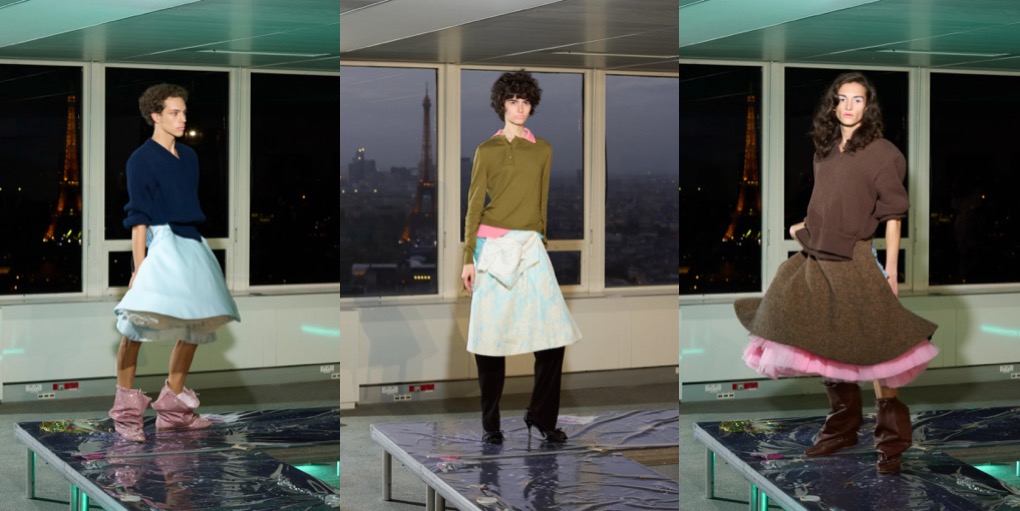
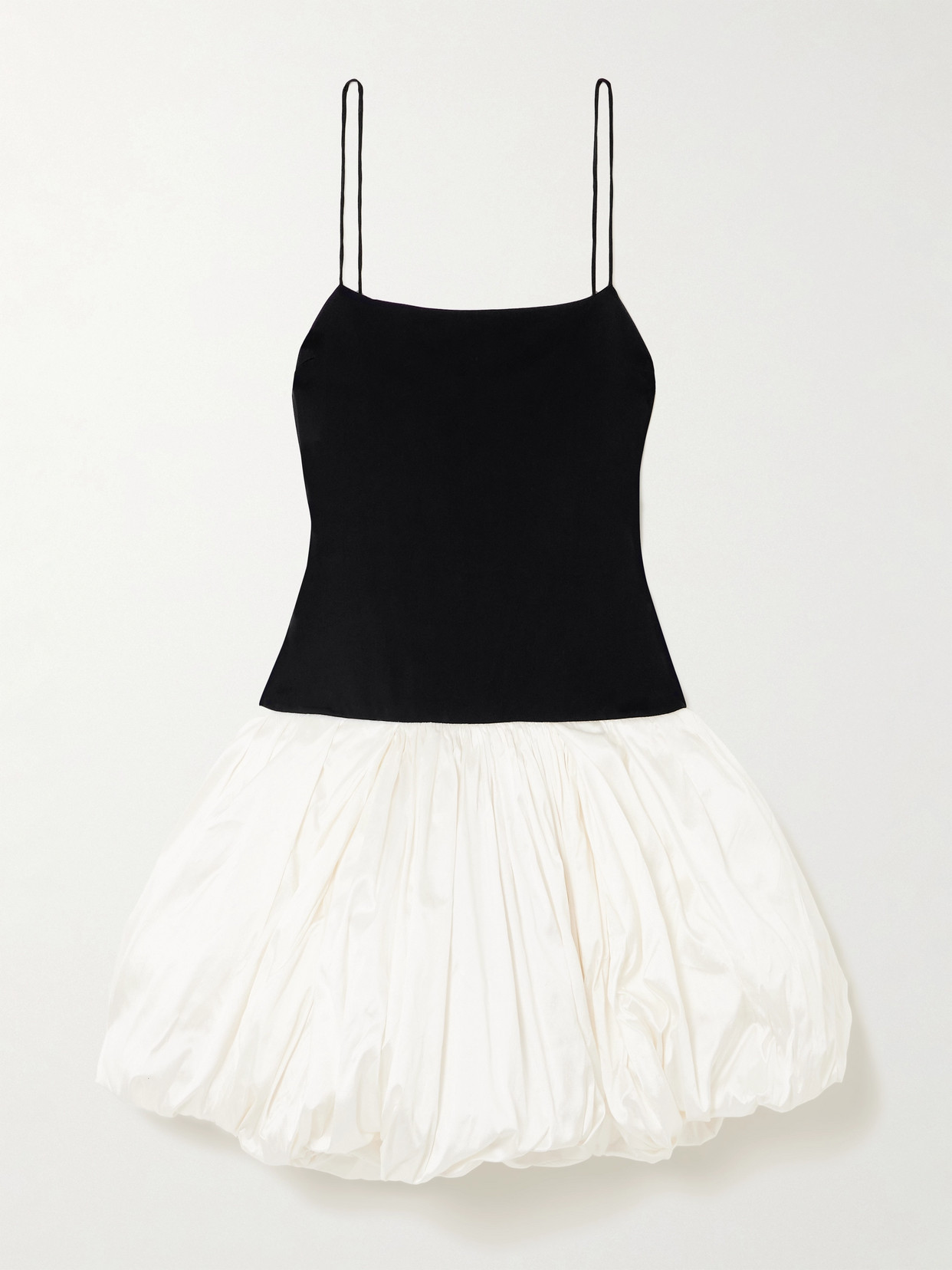
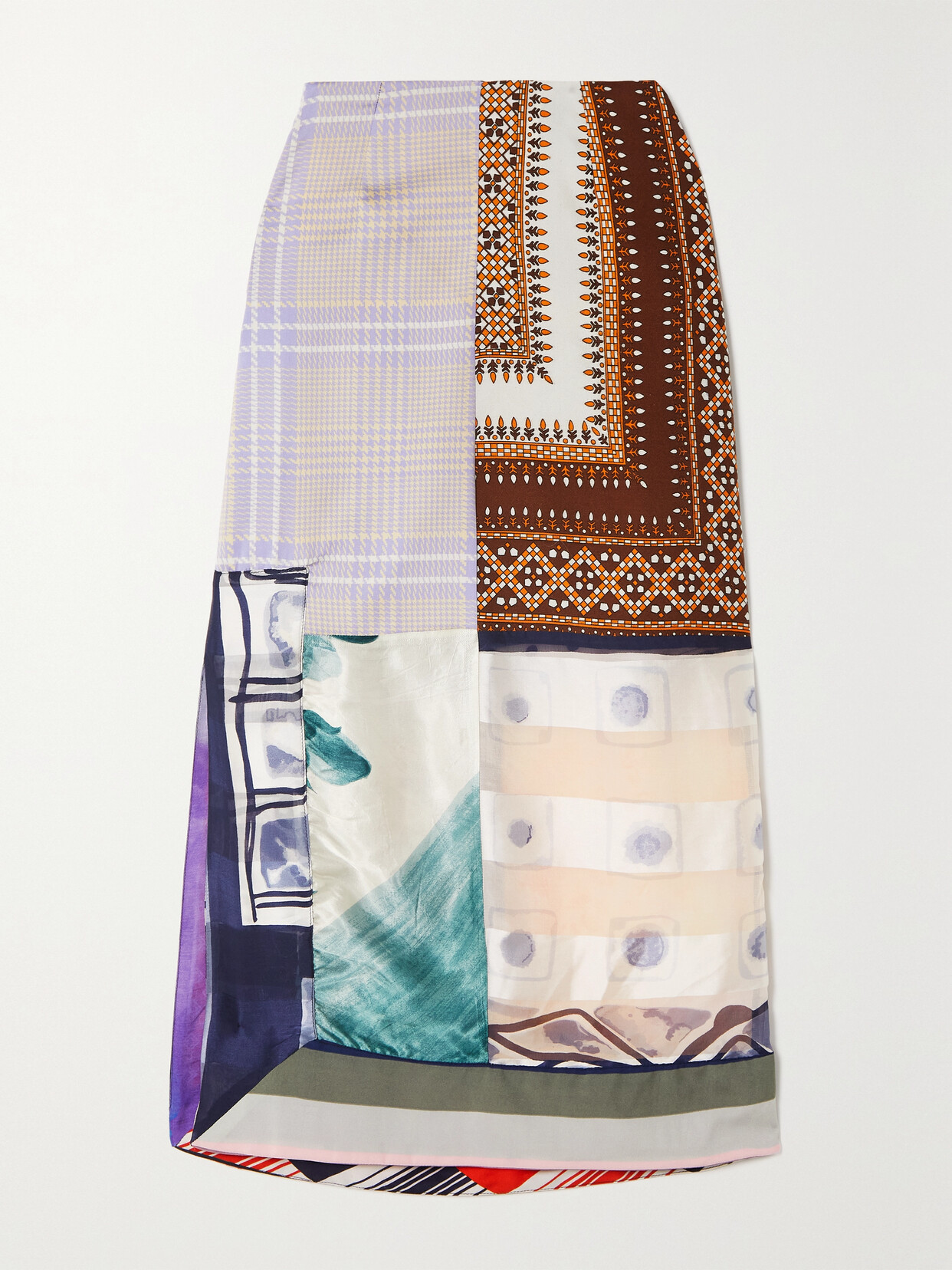
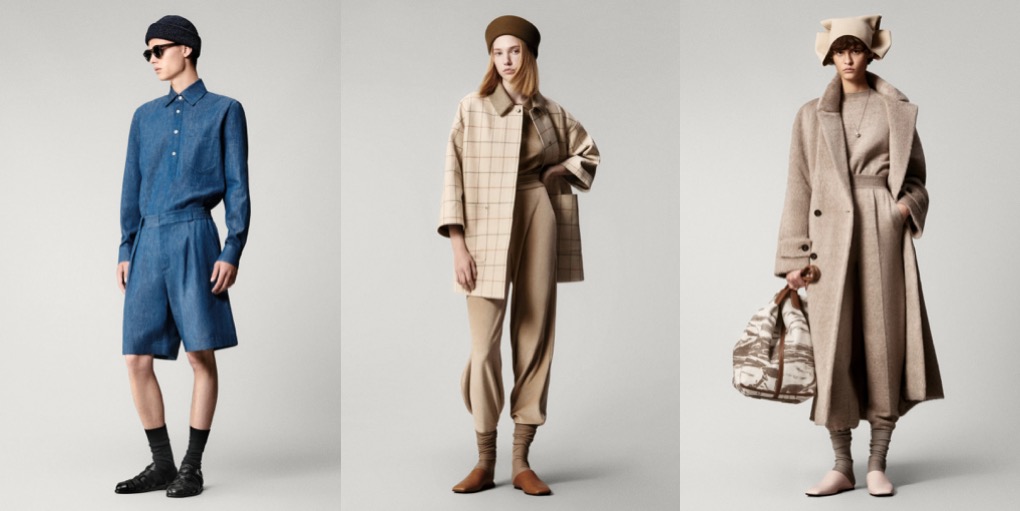
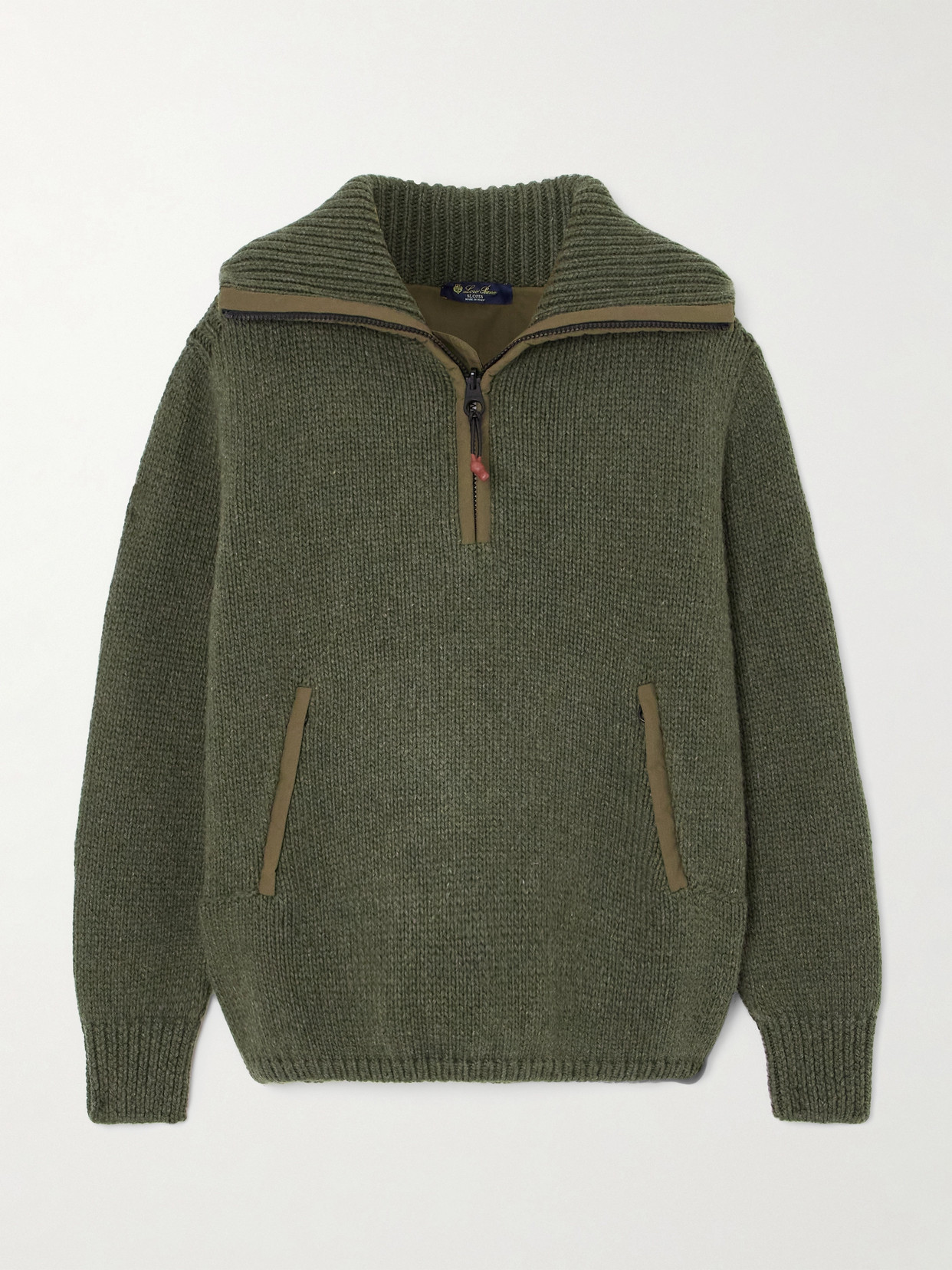
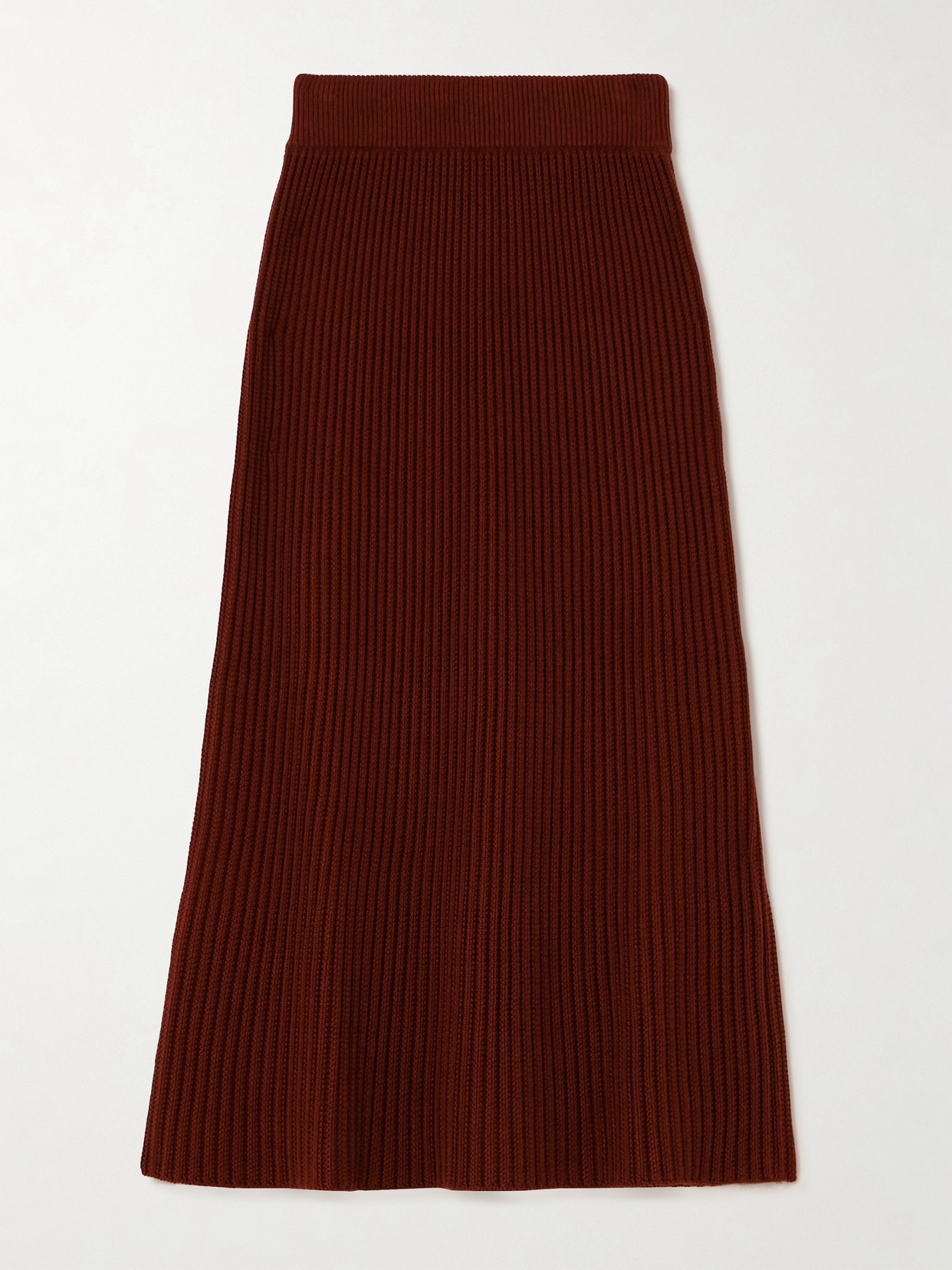
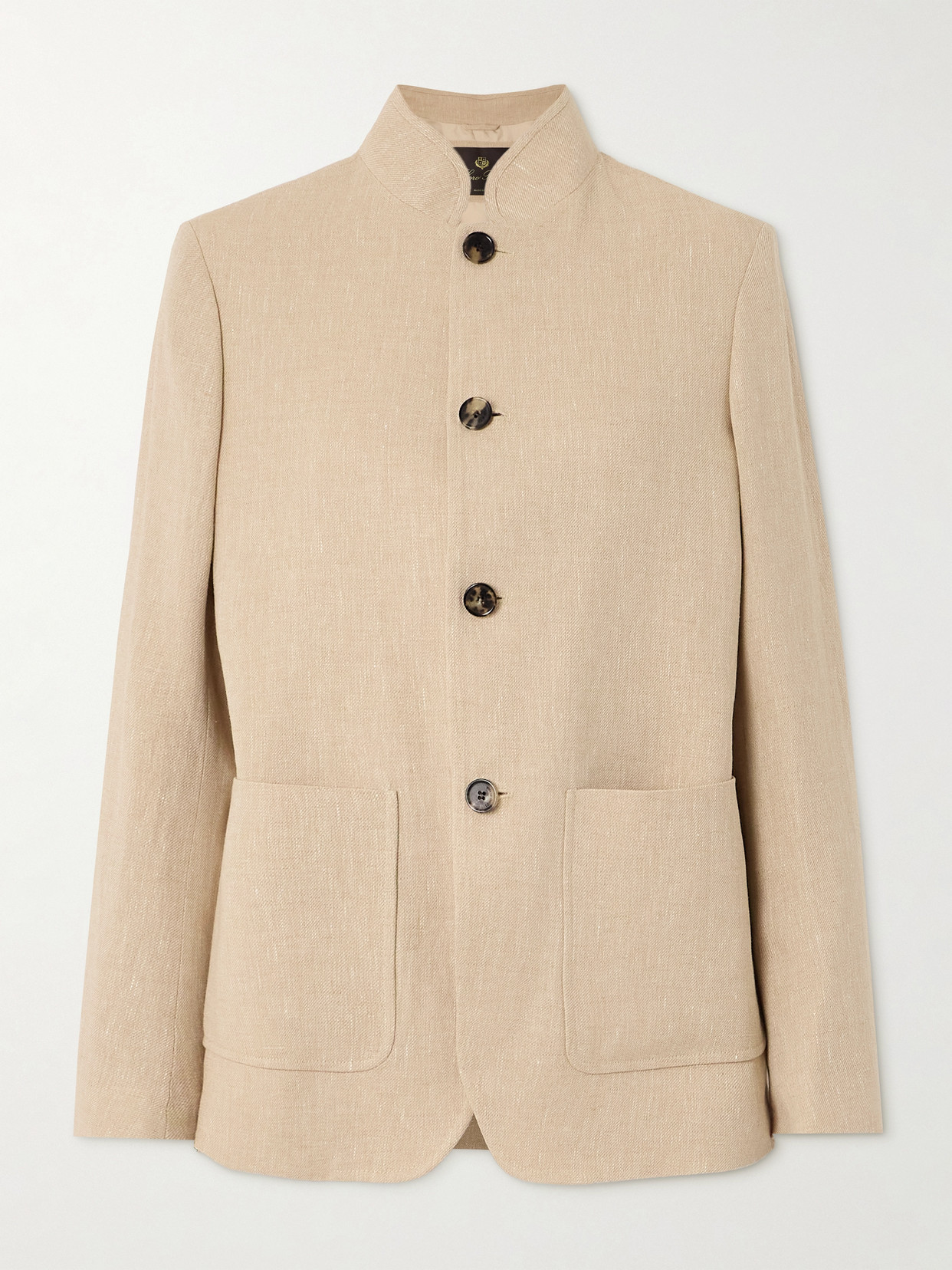
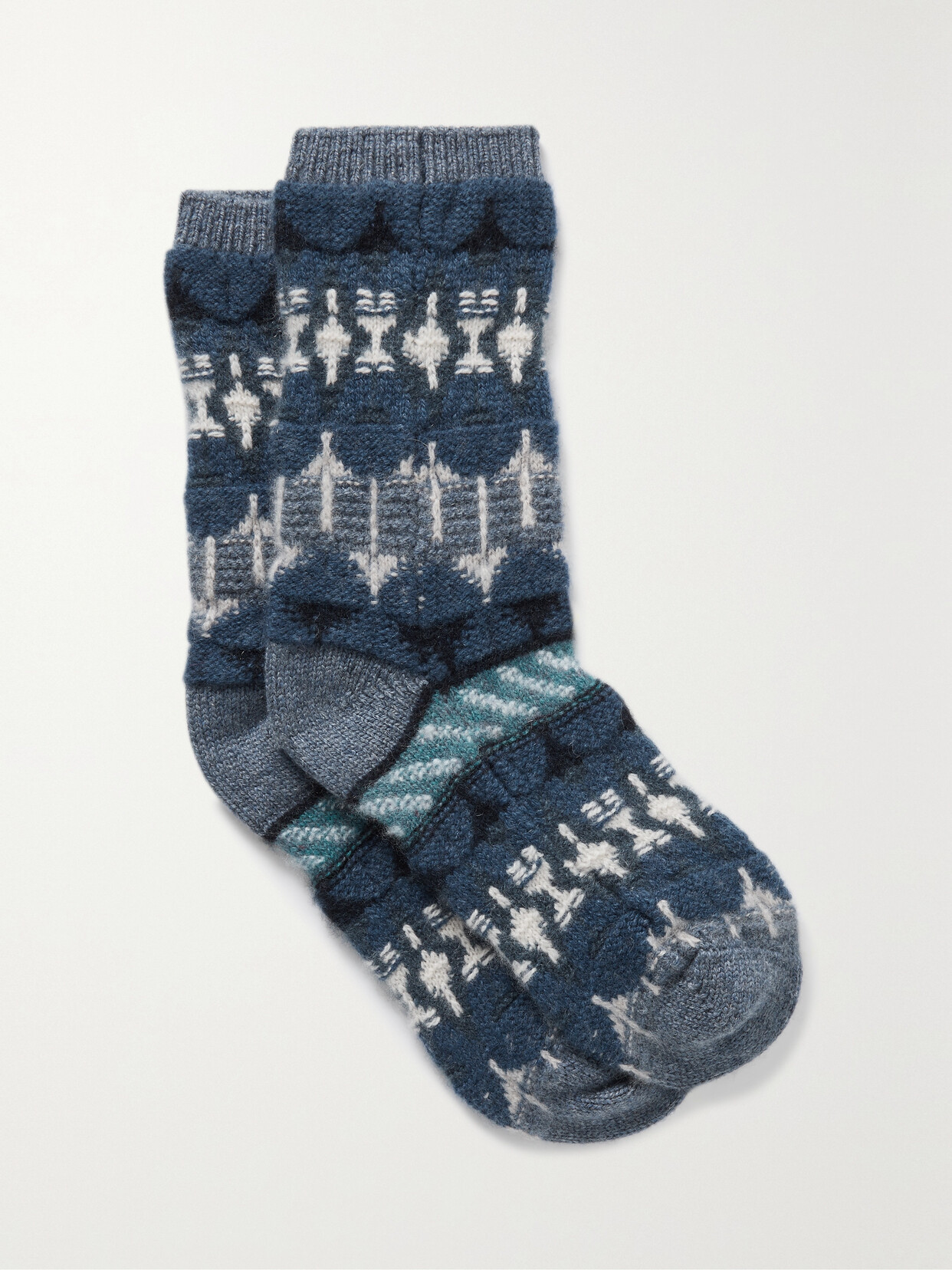
The anonymous creative team behind Loro Piana doesn’t only deliver some of the most exquisitely made tailoring and cashmeres (this spring, blended with linen for extra-lightness and fluidity), but also challenge themselves – and their customers – with dandy-ish, subtly off-kilter styling. Wonderfully simple, silk pleated mini-dress is worn with a chic-looking milk-maid bonnet. An aristocratic cape dress is styled with ribbed socks and suede slippers. Silk scarves are fashioned into ad hoc handbags. Then, a highly impressive embroidered and shaved cashmere jacket in cocoon-shape looks like a very price-y vintage piece. Suede-collared country jacket and a linen-silk herringbone suit were amongst the many fine, equally eclectic and sophisticated items for men. There’s certainly something absolutely dignified about Loro Piana’s take on minimalism, making it stand out in this highly-saturated niche.
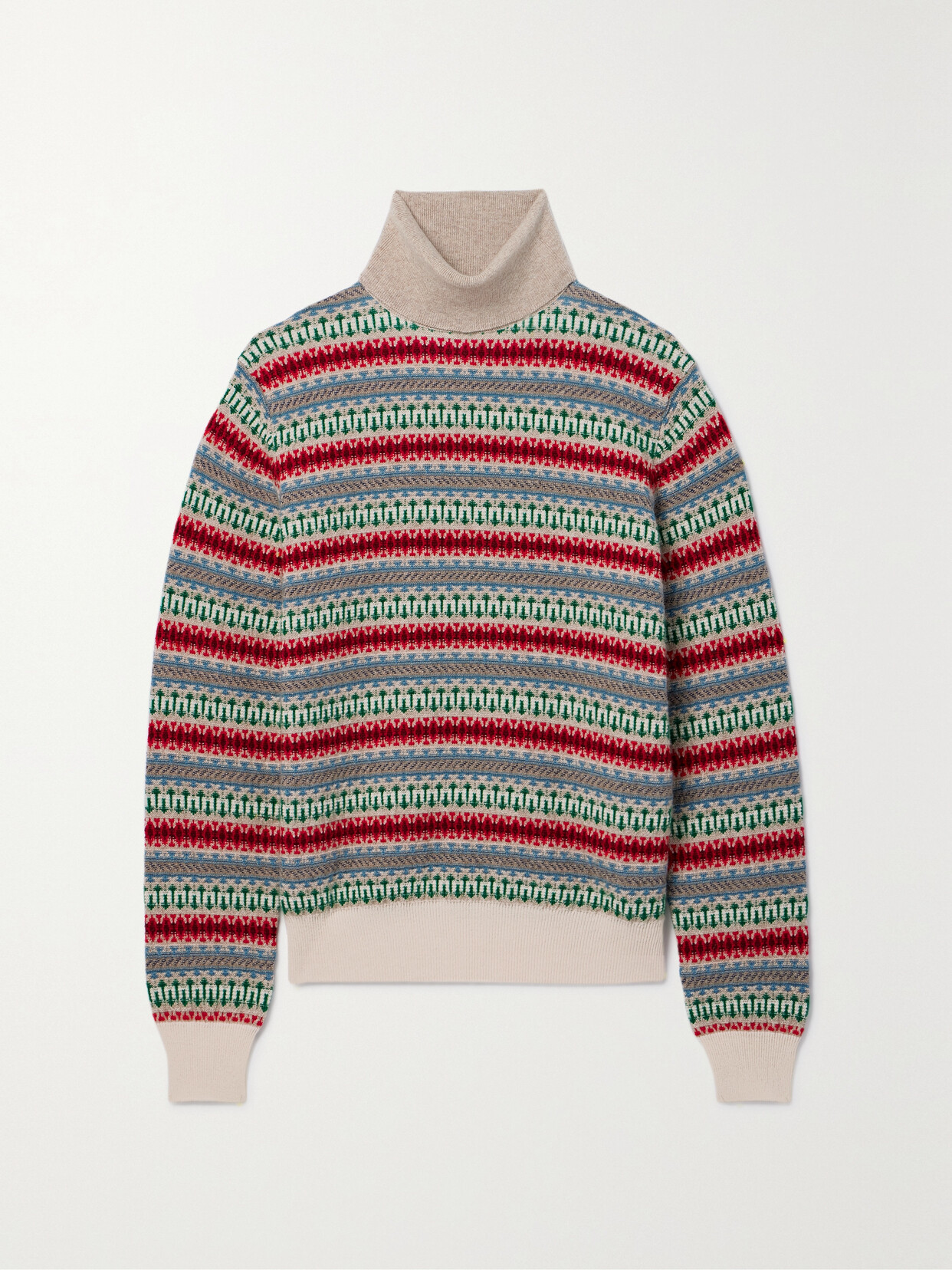
Here are some of my favorite Loro Piana pieces, just in time for your festive shopping!
















 Design & Culture by Ed