R.I.P. Pierre Cardin

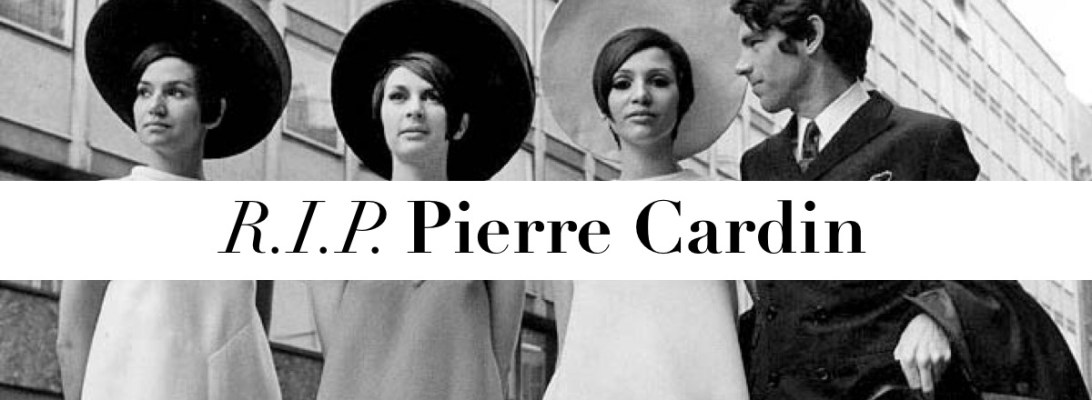
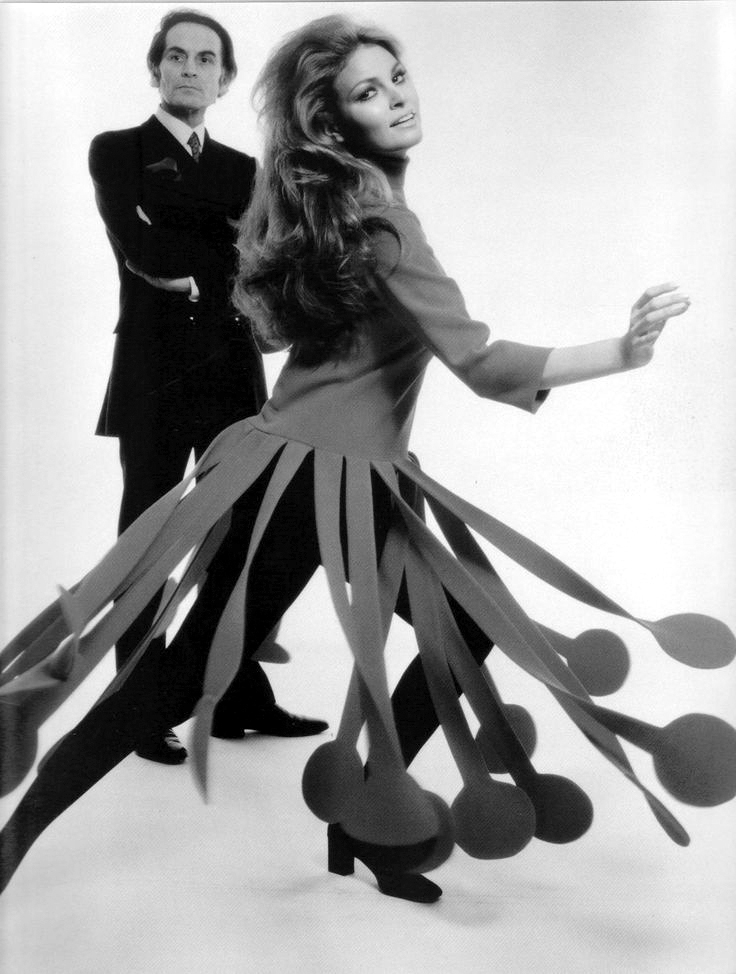
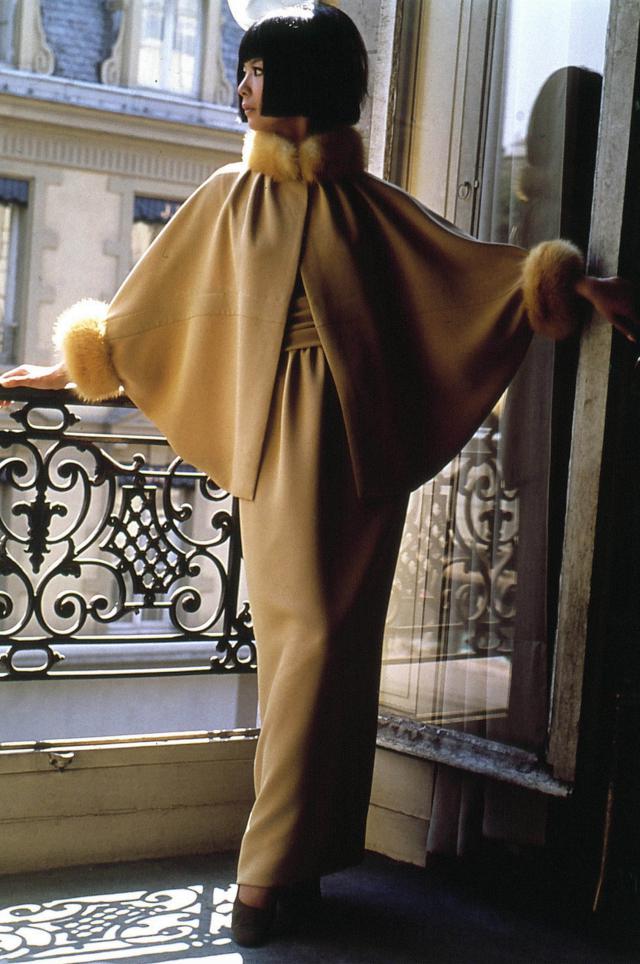
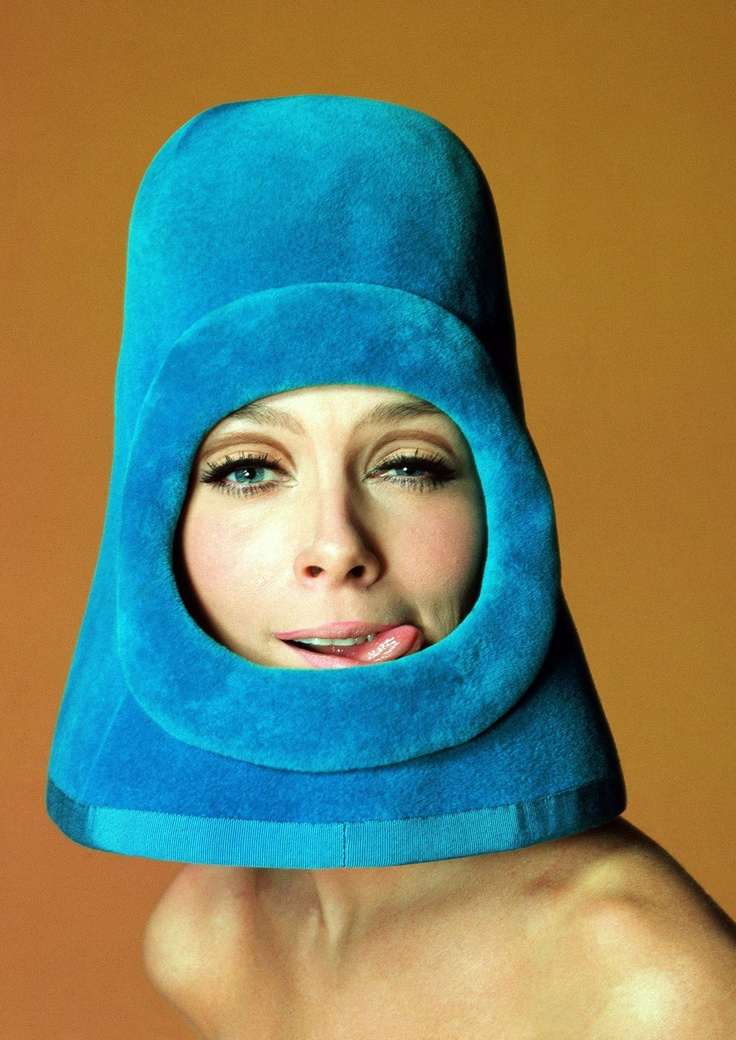
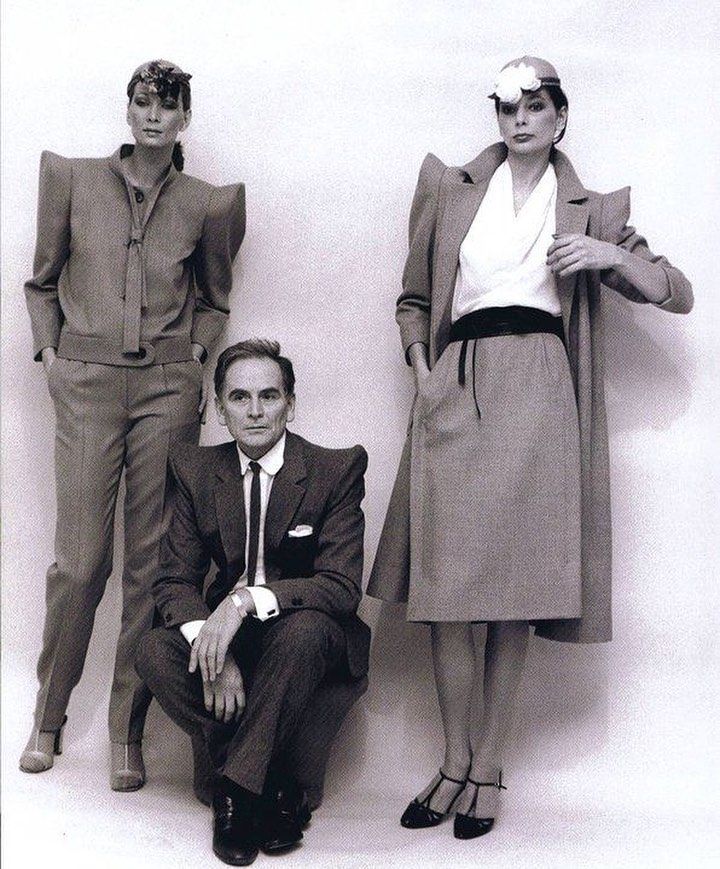
2020 has far too many sad news. Pierre Cardin, the prolific avant-garde French designer best known for his geometric, space-age couture and his maverick approach to business that would reshape the French fashion industry, died yesterday in a hospital in Neuilly in the west of Paris. “It is a day of great sadness for all our family. Pierre Cardin is no more,” the family said in a statement. “We are all proud of his tenacious ambition and the daring he has shown throughout his life.” He was 98 years old. “I don’t like to stop, I like to continually prove myself,” Cardin said in an interview with CBS back in 2012, a sentiment that his tireless work ethic all the way up until his death pays testament to. Renowned throughout his career for his groundbreaking approach to both design and business, Cardin expanded his empire through licensing of everything from automobiles to restaurants (he turned Maxim’s, the historic Parisian Belle Époque restaurant, into a global brand), to hotels, jewelry, glasses, fragrances, furniture, and even tableware. Though the practice of a fashion house lending its name to a variety of different products and concepts is now commonplace, Cardin’s approach was pioneering. So too did Cardin revolutionize the business model of a high fashion brand by introducing the concept of ready-to-wear in 1959, a reflection of his firmly-held belief that quality design should be accessible to all. The fashion world won’t forget him.

Visit the maison‘s website to go through some of the most striking archive works by Cardin.

ONRUSHW23FH

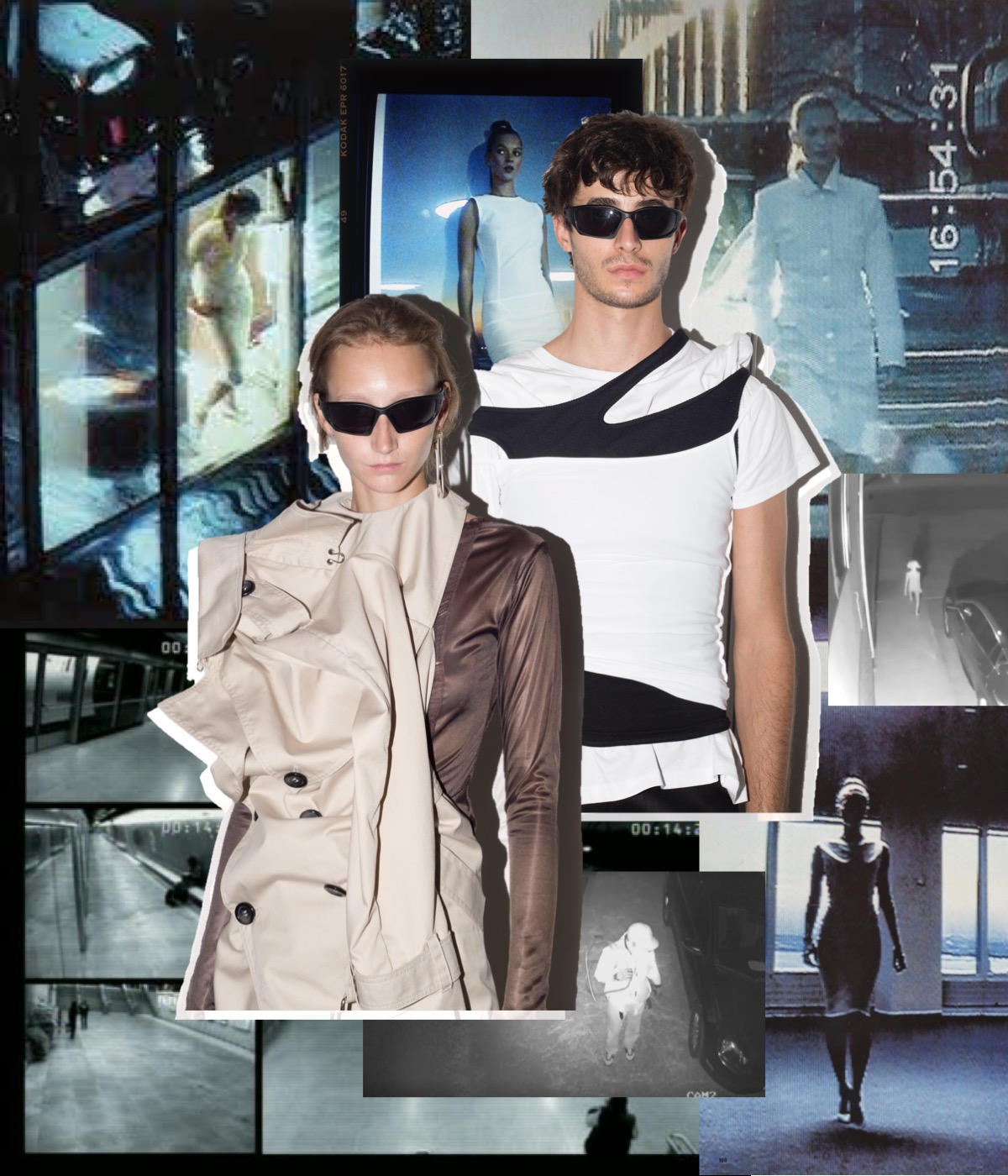
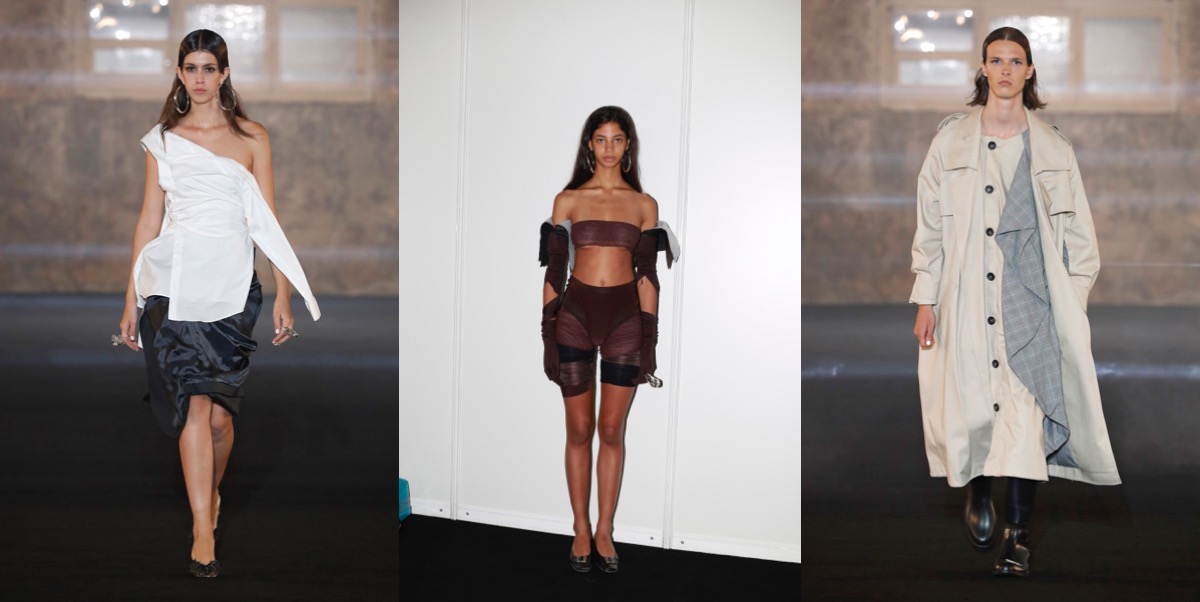
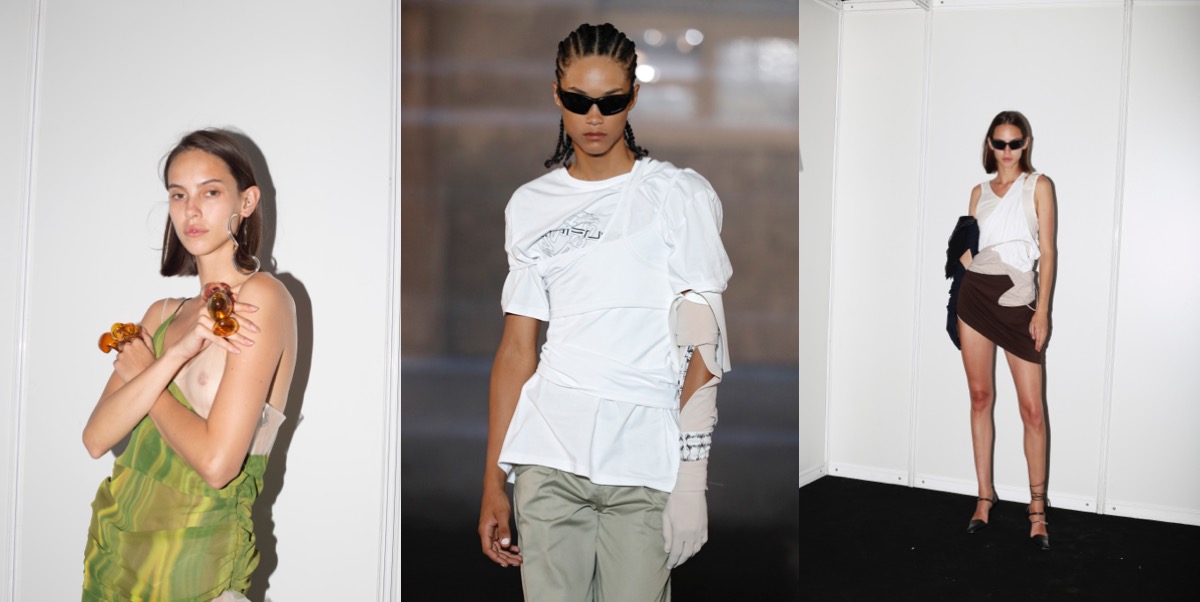
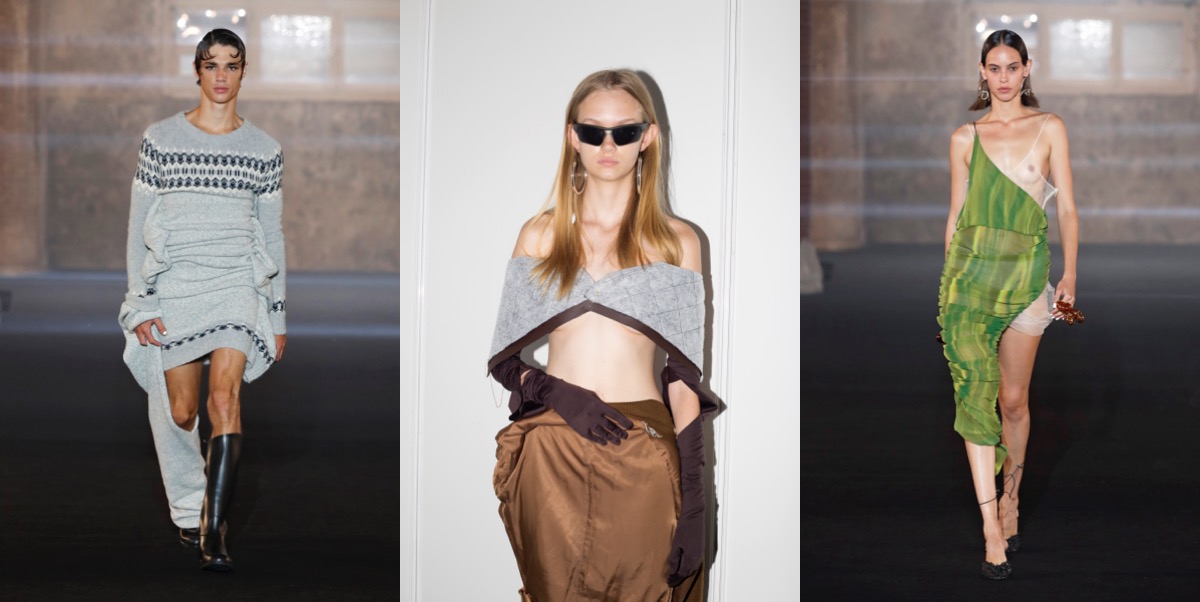
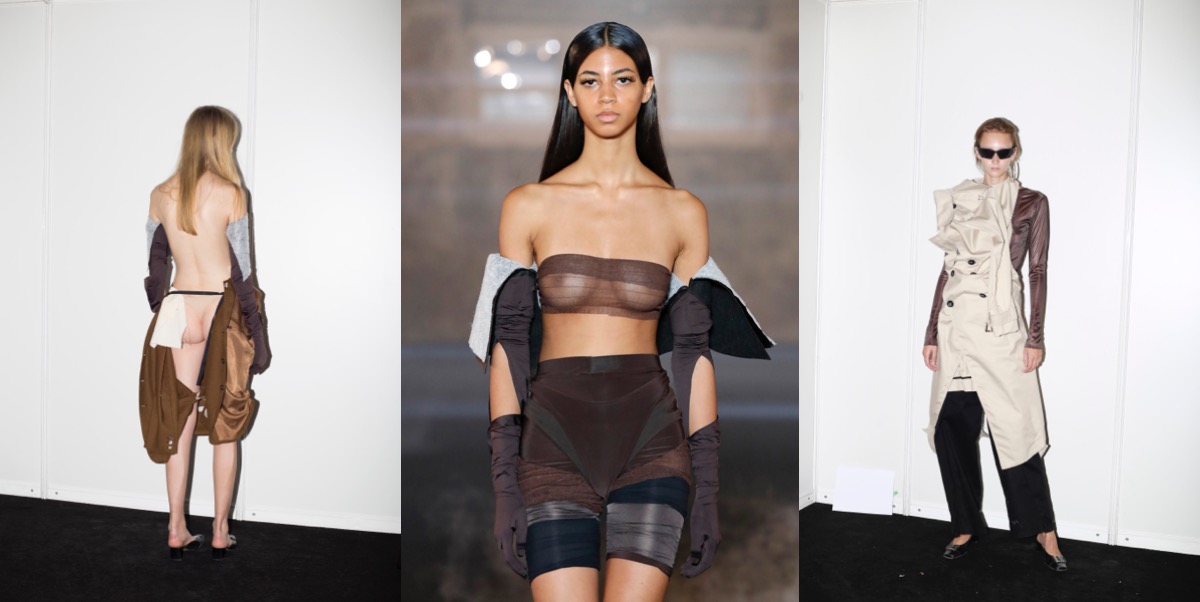
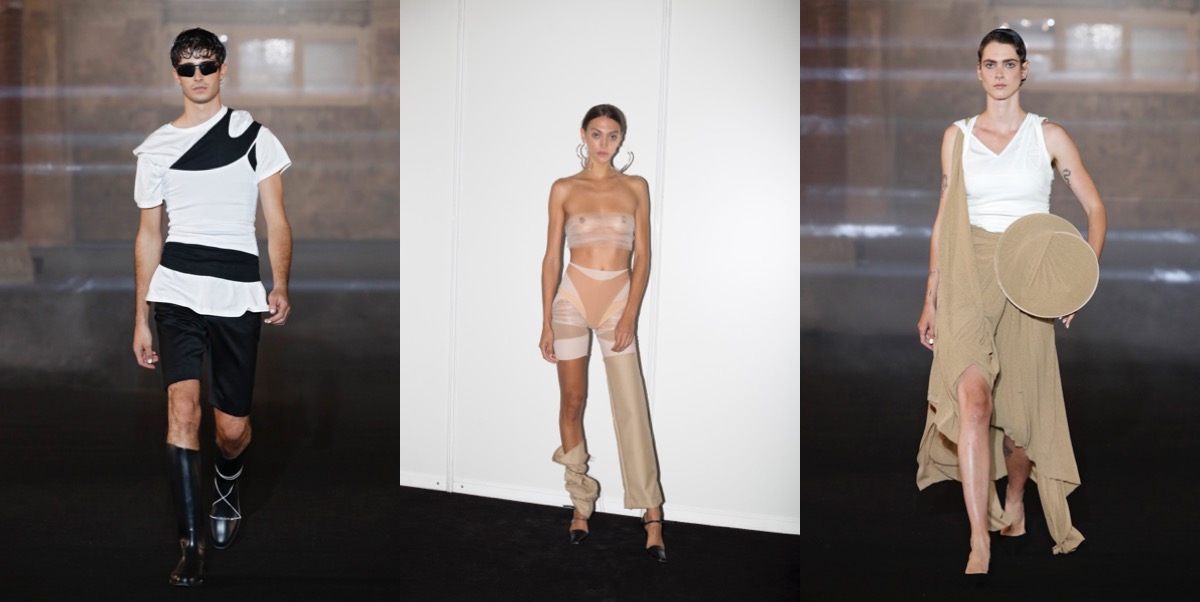
ONRUSHW23FH, the Barcelona-based label created by Albert Sánchez and Sebastián Cameras, advocates an experimental and high-quality design, aimed at a versatile audience that has an interest in in the boundary-less field of art and design. The brand reached out to me with their latest collection, and it’s truly worth sharing. Seldom do people in fashion come across concepts such as the ones developed by the sociologist Zygmunt Bauman, where liquid society and immediacy are implied – and the “Almost There” 2021 collection has its roots in those ideas. “The collection is based around the concept of celerity that as individuals it marks us and induces us to a certain self-demand, creating a distorted reality resulting in an intangible objective. From this point on, we reduce this utopia and disfigured scenario to the most visual and uncomplicated image of “arriving late” in our everyday life“, the designers explain. The garments have undergone through a complex process by mixing 3D prototypes of toile on the mannequin, looking for a rich visual imagery of immediacy starting from details such as someone waking up, a sort of “misplacement of a garment“, caused by chaos of being late and the process of arriving at the destination at any cost. One of the most significant resources in being able to achieve the effect of immediacy is either accomplished visually, as it would be in the case of a twisted or superimposed garment created as a result of the speed from the action that has been carried out, as well as the introduction of more rigid, but transformable structural figures which illustrate the agility that specific objects can provide, thus being the ones that give closure to the meaning of the collection. The collection features atemporal and gender-unspecific silhouettes where garments are completely displaced from their centres. For instance, gabardines in which the neck becomes the armhole; or shirts and trousers, presented with the components that construct them completely twisted. Concepts such as “nomadic couture” are used, enlighting compositions in which the traditional purpose of each garment shifts, as a case in point a blazer built into a skirt or a trench-coat as a dress. Simultaneously, “layering” as a resource plays a leading role not only in the creation of silhouettes but also on the illusion of superimposition of trousers or tank tops, resulting in a “trompe l’oeil” that deceives the eye and makes it unclear whether it is a single garment or a set juxtapositioned pieces. Clothes, which are food for thought, but as well look simply cool.

Discover the brand here.

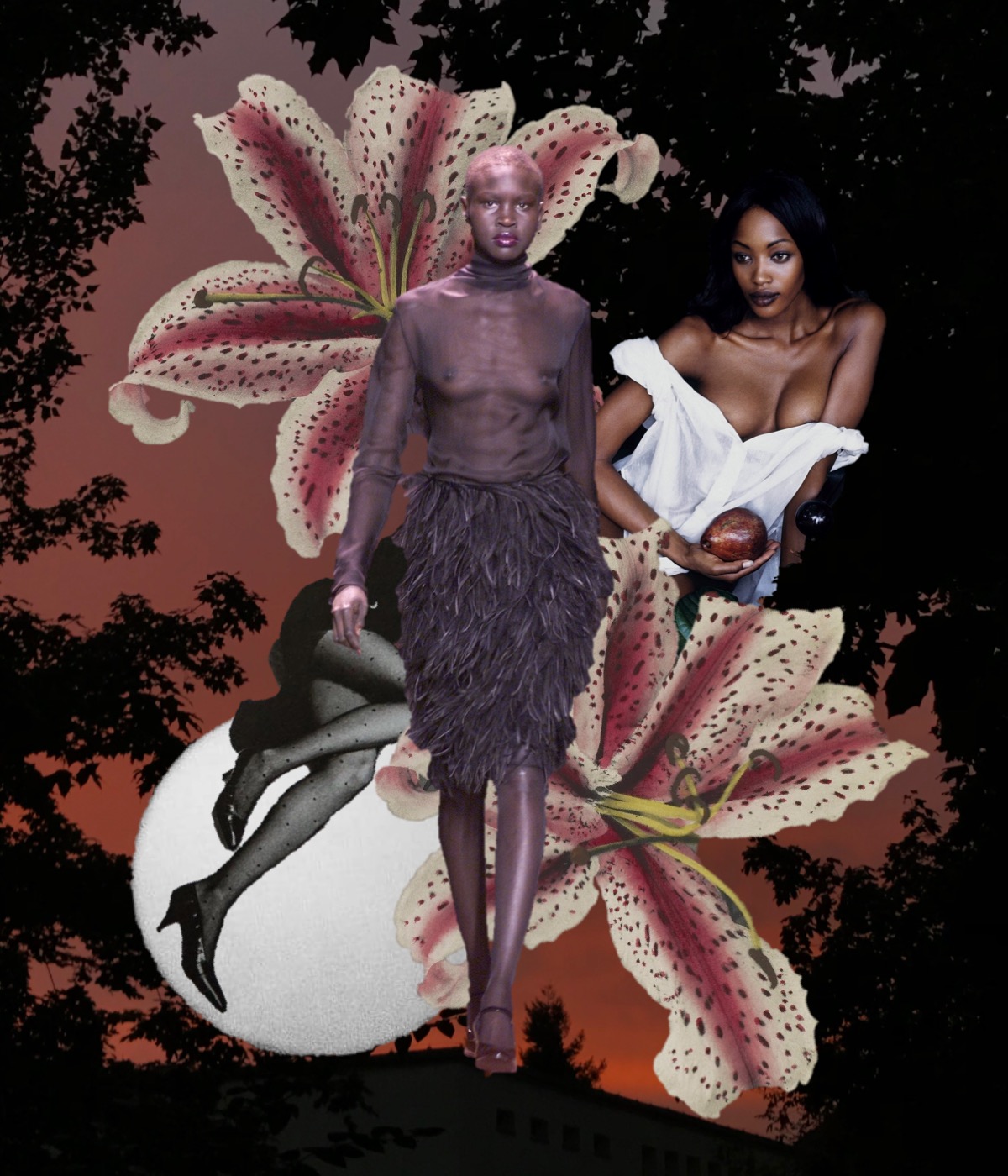
Collage by Edward Kanarecki.

Alber’s. Yves Saint Laurent AW00

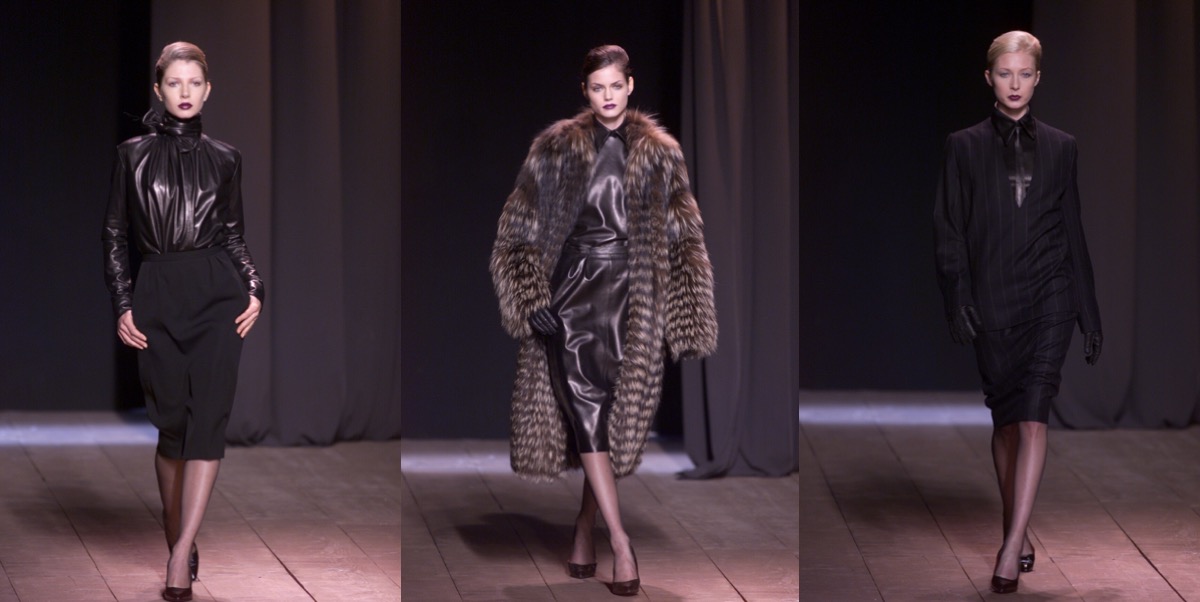
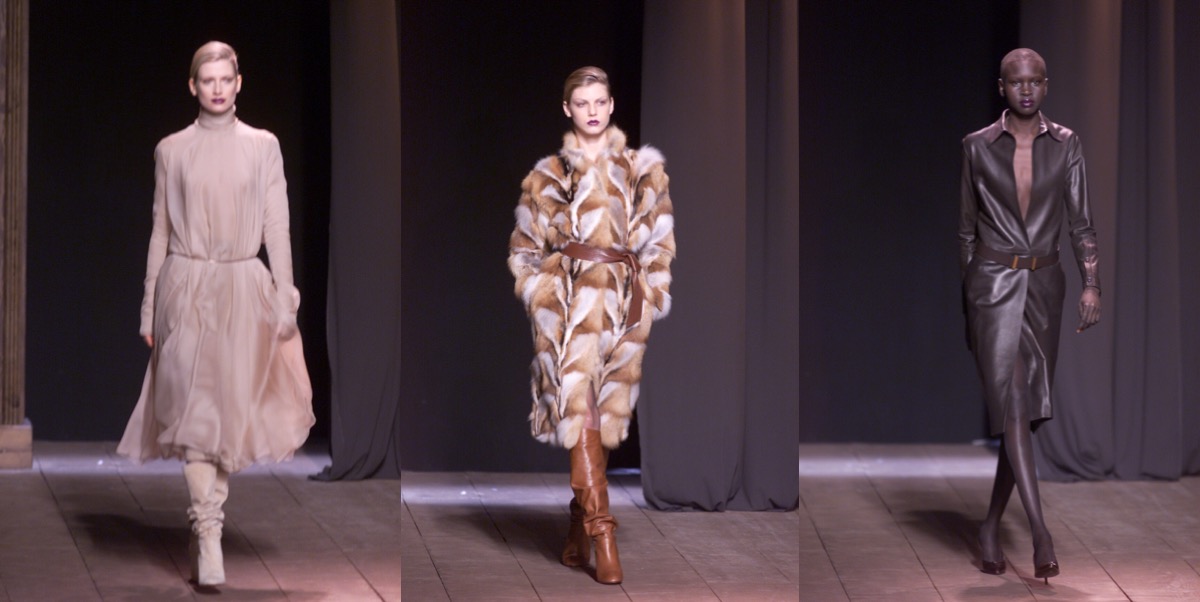
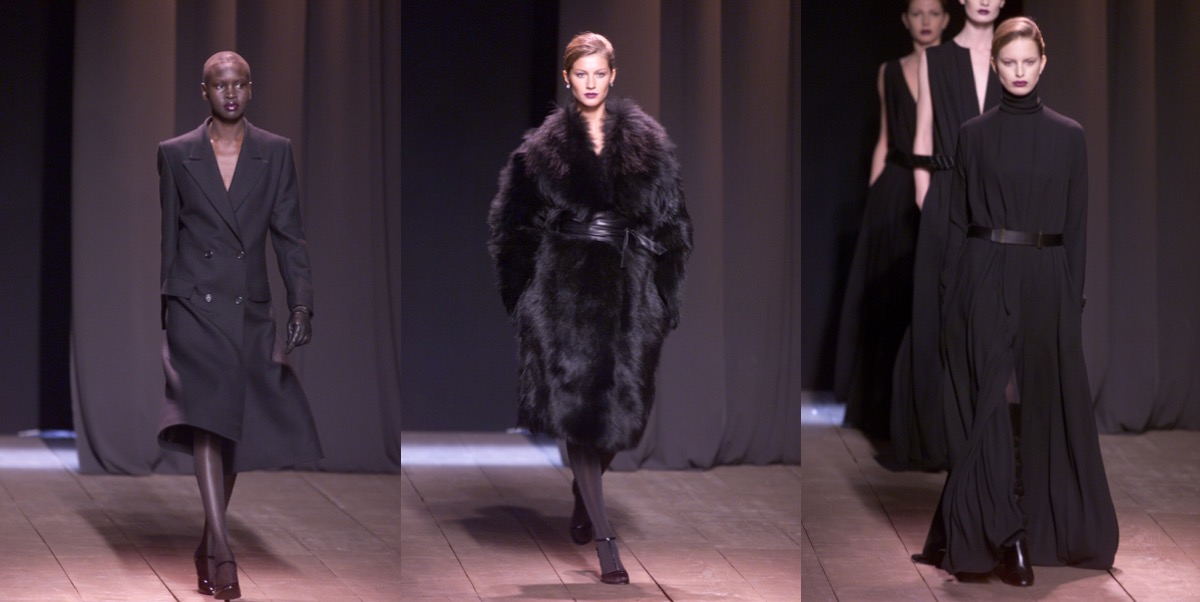
All that holiday season is also a good time for induldging in the fashion archives. Many don’t know that (or simply don’t remember – or were barely born then!) Alber Elbaz worked as creative director of Yves Saint Laurent from 1998 until he was fired after three seasons when Gucci bought the company in 2000 and Tom Ford took over the creative direction. Autumn-winter 2000 was Elbaz’s last collection for the maison, but also his best. As Vogue’s Hamish Bowles recalls, “he finally hit the target with a controlled collection that proved a strong modern take on the house’s timeless chic. Elbaz elongated and chiseled the classic proportions of the trademark boxy jackets and pencil skirts, and showed them with black glove-leather shirts with matching narrow ties – a cool, modern spin for the classic YSL suit. With satin revers on an overscale man’s Crombie coat, he also gave a contemporary twist to ‘le Smoking.'” Looking at the collection now, it feels so relevant and distinctly YSL at the same time. Leaving ‘grand soir’ statements to the master Yves himself and the haute couture collection he continued to design at the time, Elbaz sent out a capsule of few, after-dark looks for his finale. Classic metallic lace looked chic again, in long-sleeved midi dresses styled with hip-slung crocodile belts and wrinkled ’70s cavalier boots. Great-looking tarnished brass lamé suits with black chiffon blouses, body-skimming cocktail dresses in black slipper-satin, and entrance-making flapper dresses were followed by a final stylish take on a YSL classic – the sheer black chiffon blouse with a skirt made entirely of ostrich feathers. No wonder why after this collection, Lanvin invited Elbaz to take over the brand… and he did wonders there for more than a decade!

Collage by Edward Kanarecki.

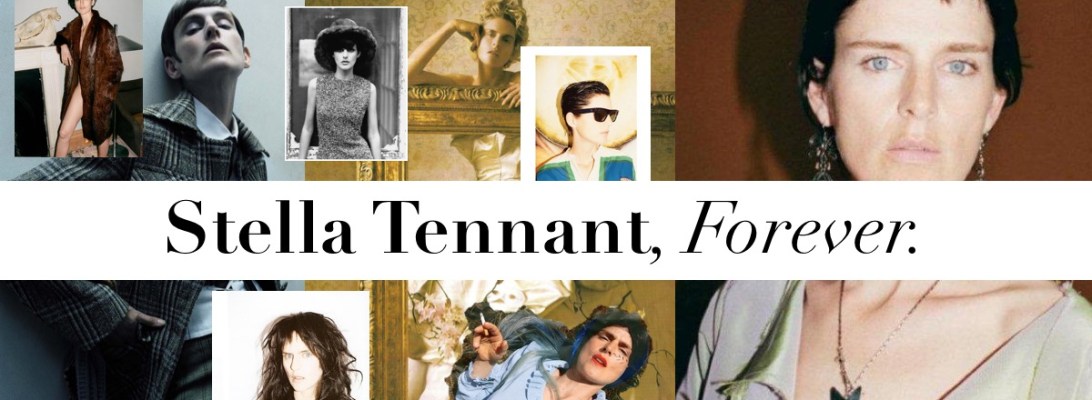
Stella Tennant. Forever.

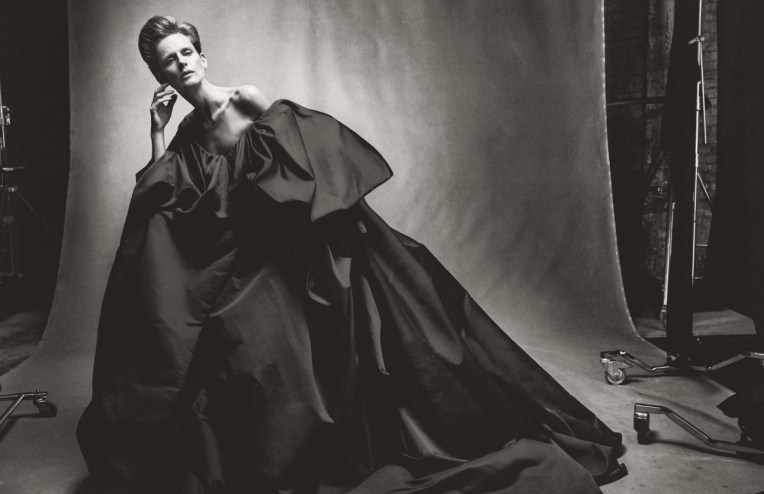
Steven Meisel for British Vogue

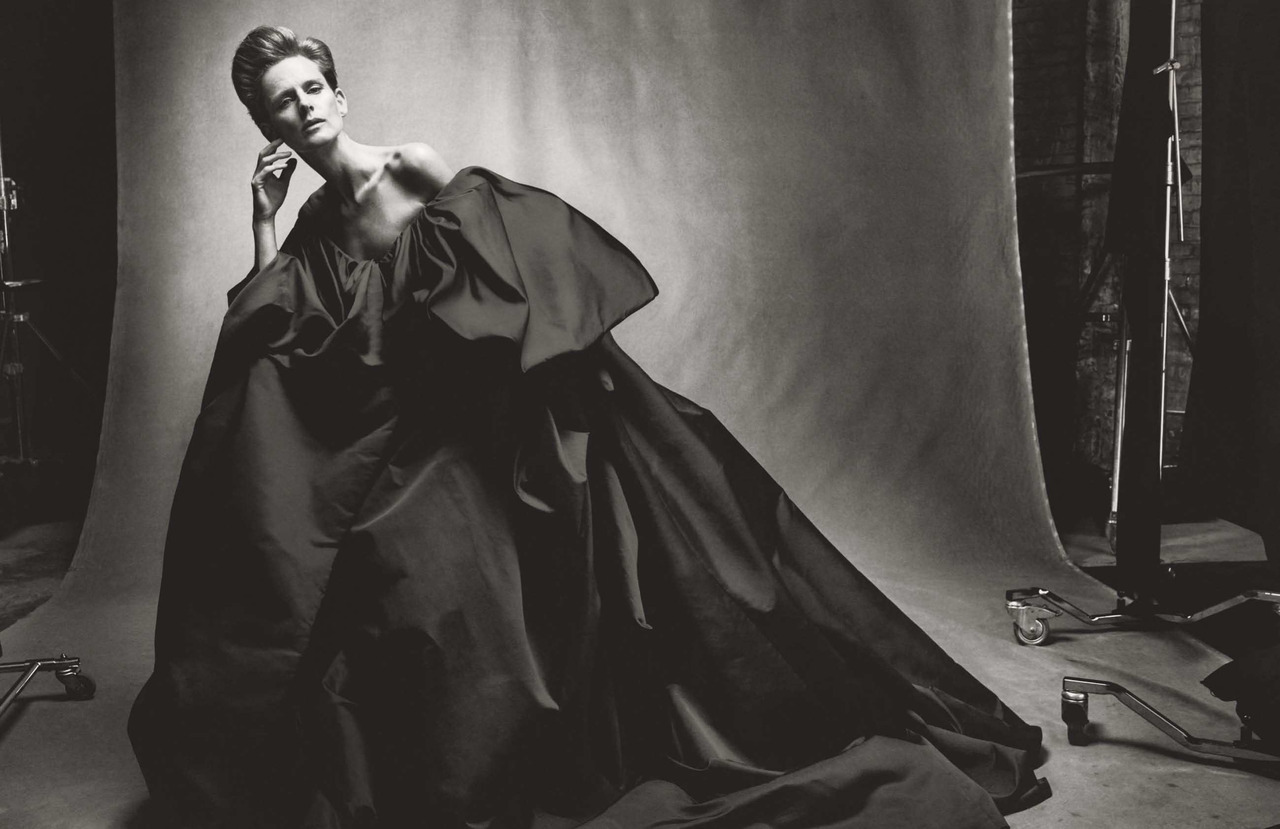
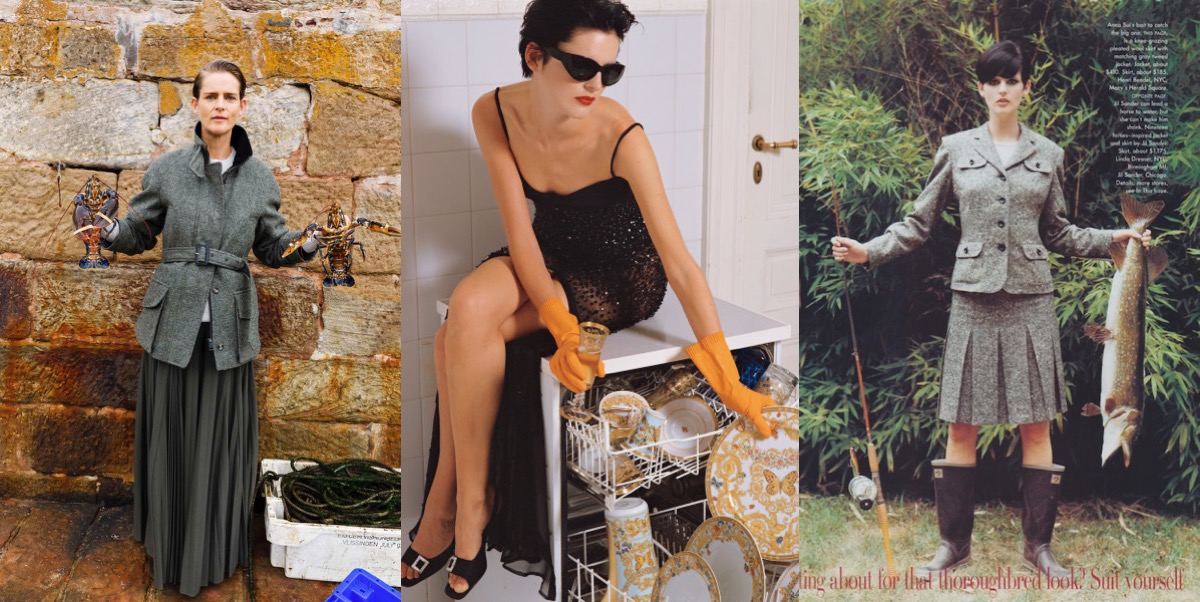
Stella Tennant, the iconic British model famed for her statuesque beauty and inimitable personal style, has passed away at the age of 50. My heart broke when I discovered the news. Wisdom and beauty, royalty and true artist, game-changing rebel and forever elegant. While Tennant was first known for her signature tousled pixie haircut, androgynous features, and commanding six-foot-tall presence – as well as her longstanding creative relationships with fashion legends from Steven Meisel to Karl Lagerfeld – her passion for sculpture, environmental causes, revival of the heritage Holland & Holland brand and her home country of Scotland were what eventually became closest to her heart. The news of Tennant’s untimely death was confirmed earlier today in a statement released by her family – including her husband, the French photographer David Lasnet, and her four children, Marcel, Cecily, Jasmine, and Iris – who asked for their privacy to be respected.

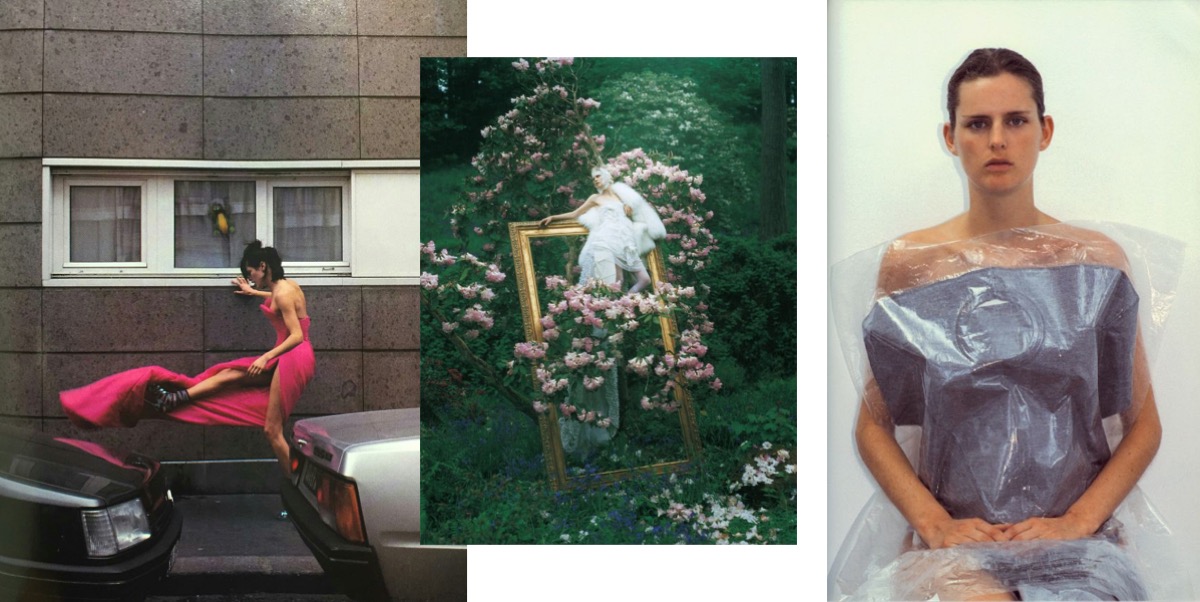
From left: Valentino spring-summer 2020 couture, Vogue Italia cover by Steven Meisel, Juergen Teller.

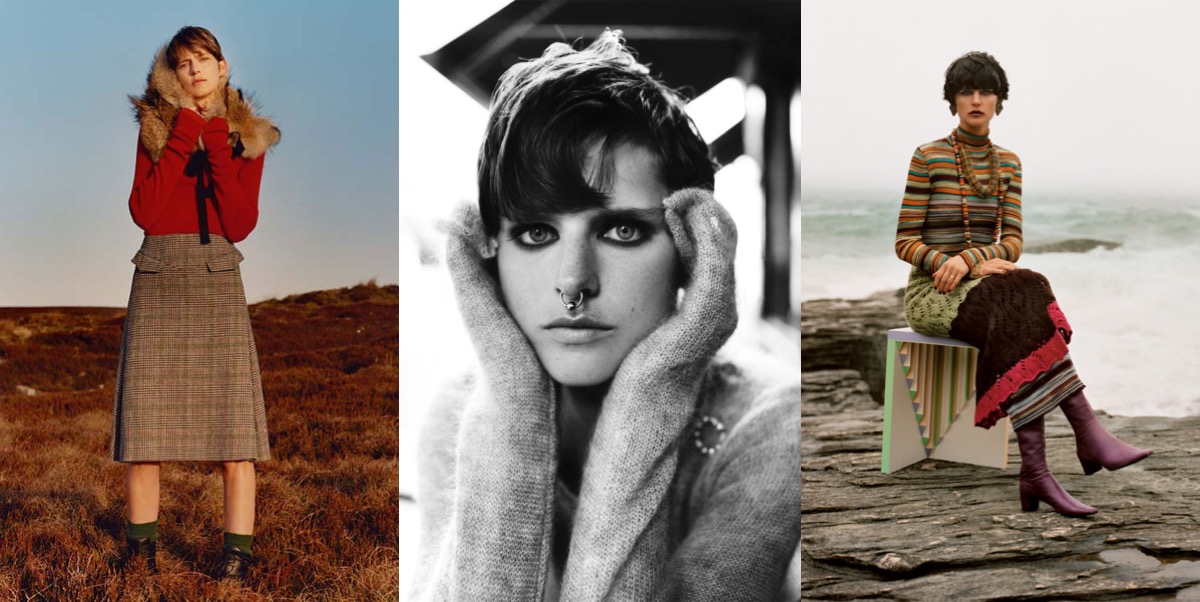
Holland & Holland ad by Hawkesworth, Steven Meisel, Missoni ad.
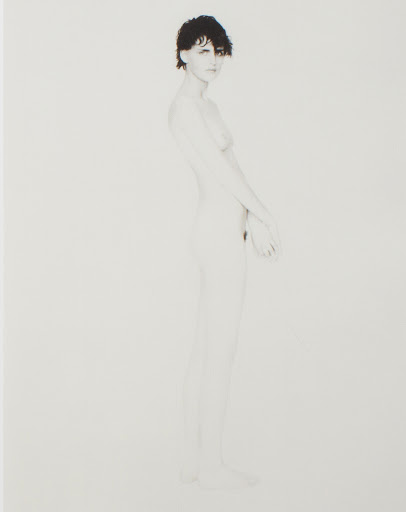
Paolo Roversi.

Tennant was born in 1970 as the youngest of three to the Hon. Tobias Tennant and his wife Lady Emma—daughter of the current Duke of Devonshire and his wife Deborah, the youngest of the famous high-society Mitford sisters. Despite her aristocratic pedigree, Tennant’s upbringing was decidedly more down to earth; she grew up on a 1,500-acre sheep farm in the Scottish Borders. It was a region that remained close to her heart throughout her jet-setting modeling career and one she would eventually call home again upon purchasing a Berwickshire farmhouse in the early-aughts. Tennant displayed a natural creative instinct from a young age, attending the famous British boarding school Marlborough College before going on to complete a degree in sculpture at the Winchester College of Art. Her career as a model began when she caught the eye of fashion writer Plum Sykes, with whom she appeared in the now-iconic Steven Meisel shoot for British Vogue’s December 1993 issue, “Anglo-Saxon Attitude,” which captured a nascent London scene of well-heeled women whose eccentric take on style offered a British counterpart to the U.S. grunge movement. A famous anecdote saw Tennant show up to the shoot with a nose ring, much to the surprise of the Vogue editors – it was her refusal to remove it that endeared her to Meisel, who invited her to model for him the next day in a Paris shoot for Vogue Italia.


Chanel ad, with Karl Lagerfeld, Bruce Weber for Vogue Italia.


Self Service.

Juergen Teller for Purple, Steven Meisel for Vogue Italia, Bruce Weber for Vogue.
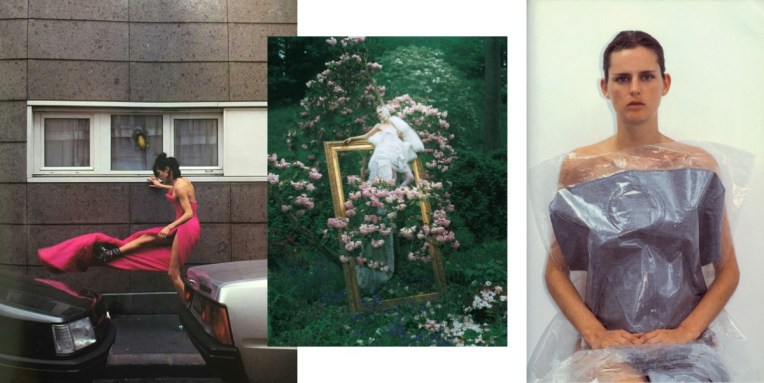
Mark Borthwick, Tim Walker, Mark Borthwick.

Martin Parr for Sunday Times Style.

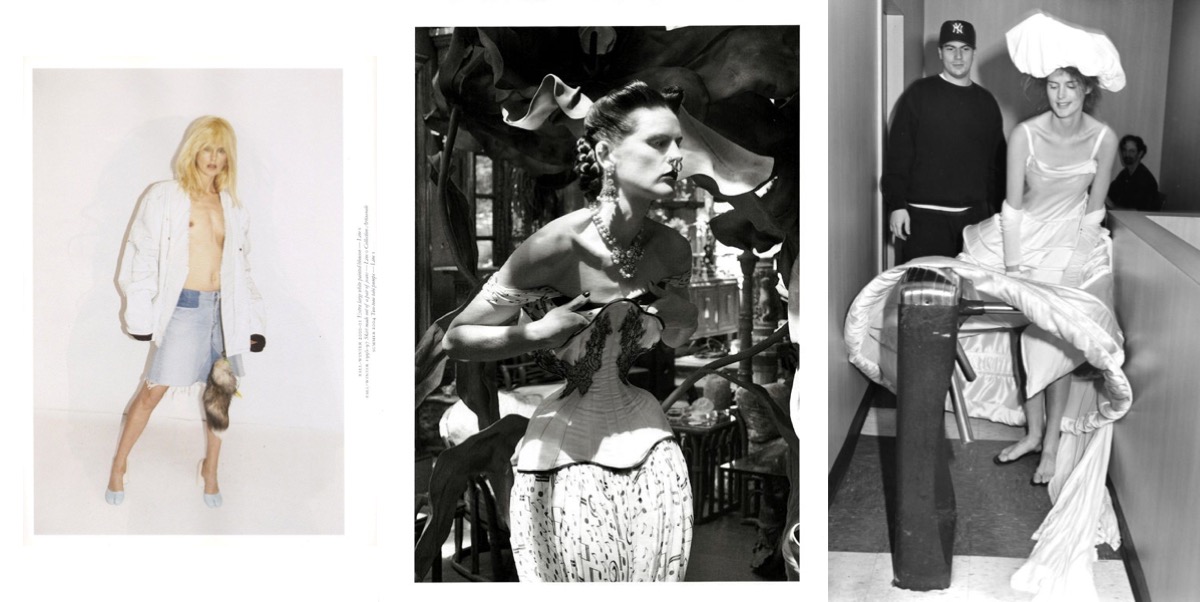
From there, Tennant was a regular muse of Meisel’s, shot by him most recently for the December 2018 cover of British Vogue. She also became a favorite of some of the most influential fashion photographers of the 1990s, including Mario Testino, David Sims, and Mark Borthwick, embodying the edgy, waifish insouciance that served as one of the defining features of fashion imagery throughout that decade. On the runways, Tennant made regular appearances for Karl Lagerfeld at Chanel, alongside the likes of Jean-Paul Gaultier and Versace. She also became a mainstay of Alexander McQueen’s runway spectacles, walking for some of his most iconic shows, including spring 1996’s “The Hunger” and spring 1997’s “La Poupée.” In 1998, after announcing her first pregnancy with her photographer boyfriend David Lasnet, Tennant retired from the industry. (The pair would marry later that year, with Tennant wearing a memorably minimalist Helmut Lang gown for their wedding in Scotland.) Shortly after the birth of her third child in 2002, Tennant made a return to modeling in a campaign for Burberry shot by Mario Testino that was partly credited with revitalizing the fortunes of the brand and returning it to its now global status as a fashion leader. Another career milestone came at the closing ceremony for the 2012 London Olympics, at which Tennant appeared with fellow British models Kate Moss and Naomi Campbell (among others) during a tribute to the country’s fashion industry.
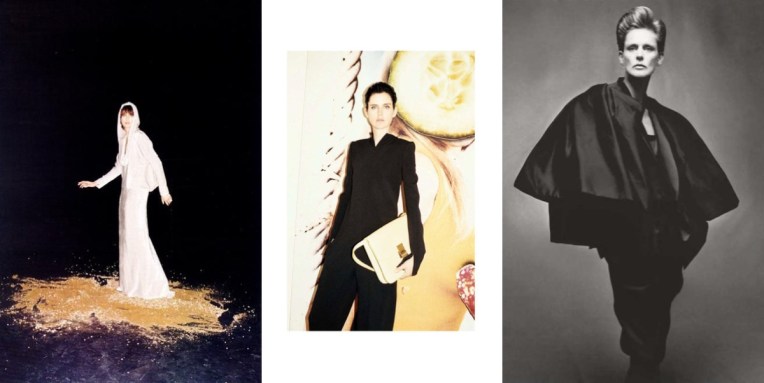
Juergen Teller for Marc Jacobs and Céline, Steven Meisel for British Vogue.
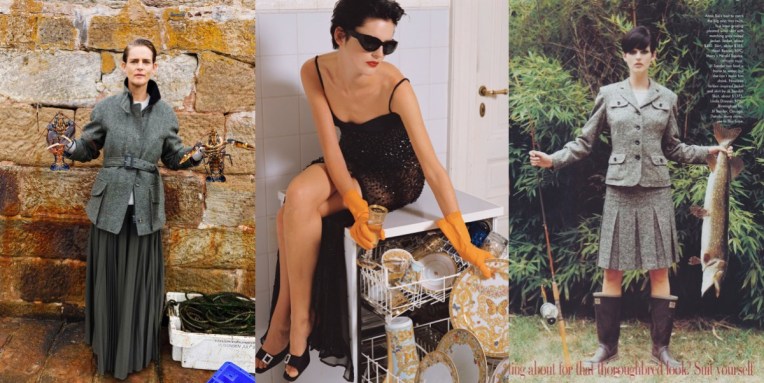
Martin Parr for Sunday Times Style, Versace ad by Bruce Weber, Bruce Weber.

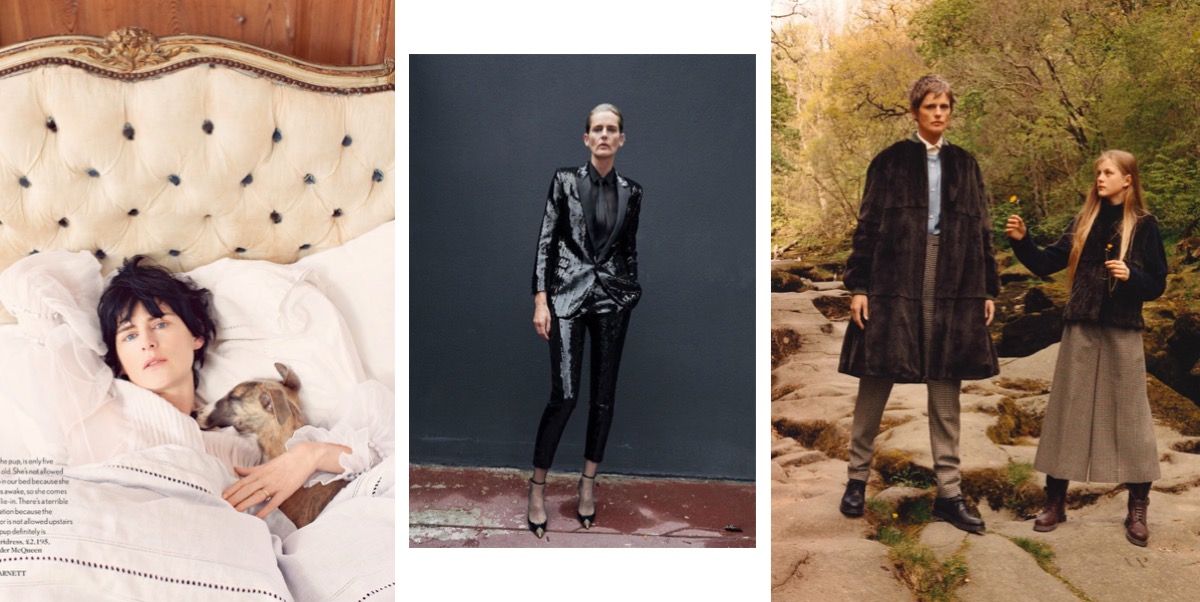
British Vogue, Juergen Teller for Saint Laurent, Jamie Hawkesworth.

Paolo Roversi.

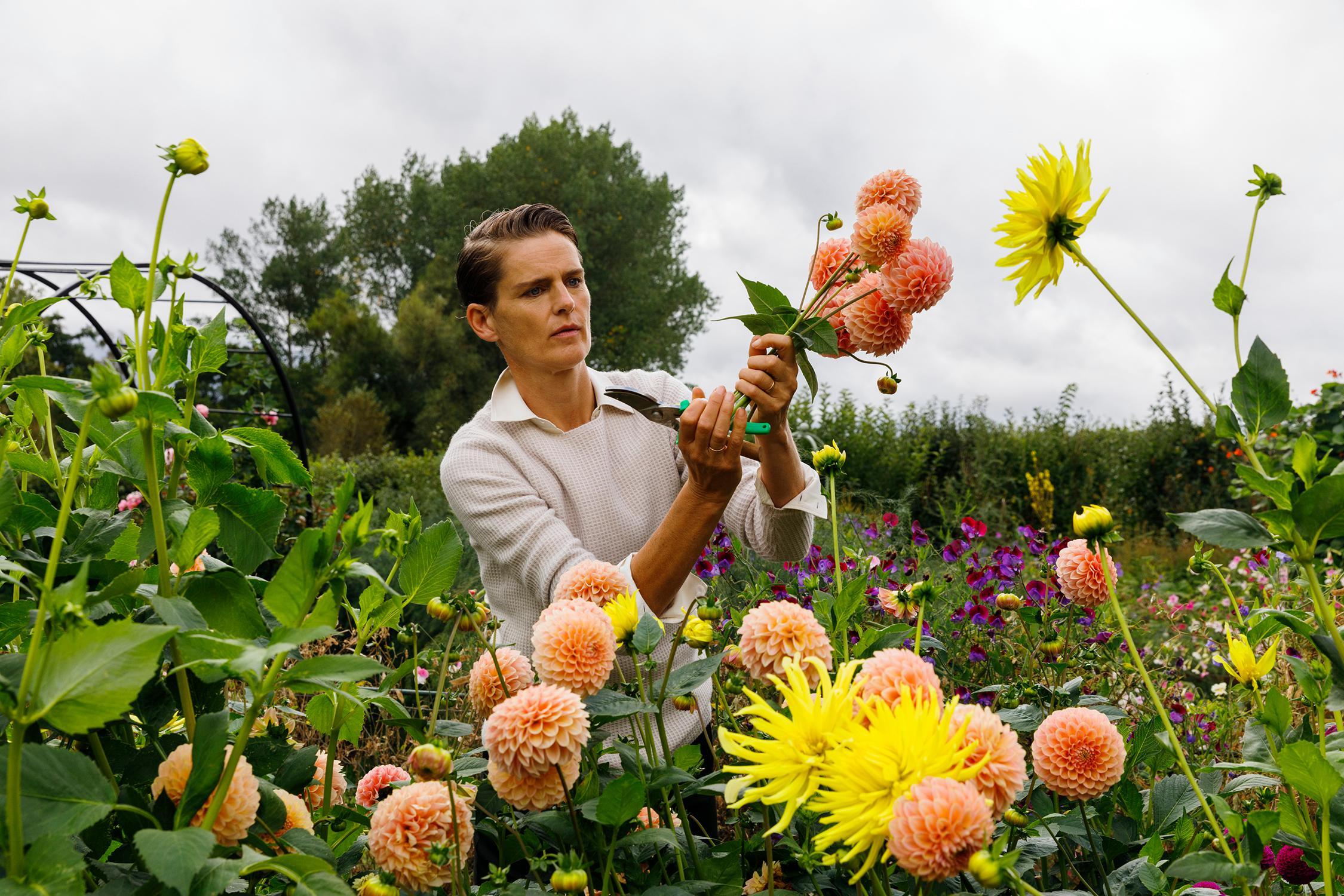
Tennant always maintained a lifelong interest in sculpture, establishing a studio at her home in Berwickshire, where she worked with her sister Issy on a luxury homewares brand named Tennant & Tennant. Over the past decade, Tennant also grew to be a vocal advocate for environmental causes, appearing in a number of campaigns for the nonprofit Global Cool raising awareness around climate change, and joining forces with Oxfam for Second Hand September. Already, tributes have begun pouring in from luminaries of the fashion world. But while the statement released by her family earlier today marks the end of an extraordinary career as one of fashion’s most beloved and iconic personalities, Tennant’s legacy as a groundbreaking figure in the history of British style, as well as a passionate supporter of causes close to her heart, will live on.

Willy Vanderperre for Document, Self Service, Mark Borthwick.
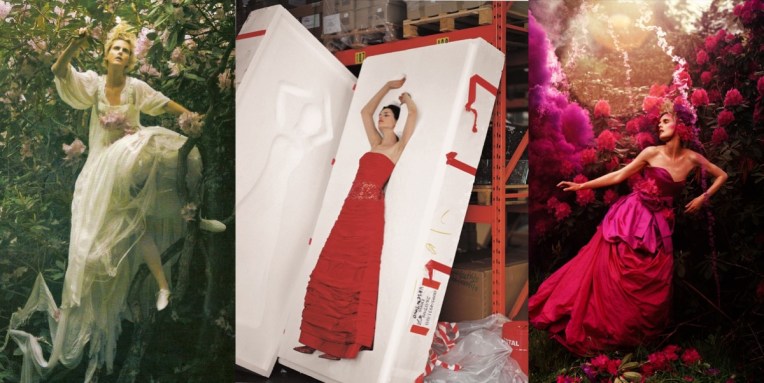
Tim Walker.

Versace ad.

REST IN PEACE, Queen. You will be missed.

Fantasy. Sophie Buhai SS21
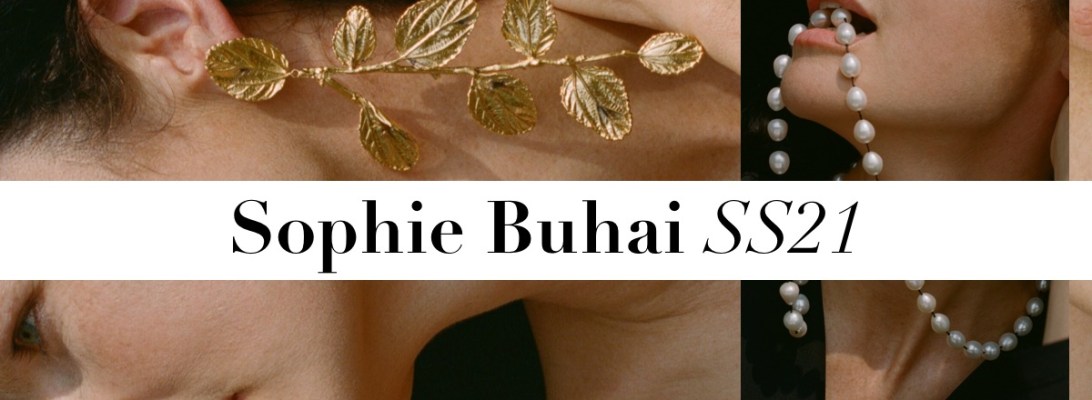
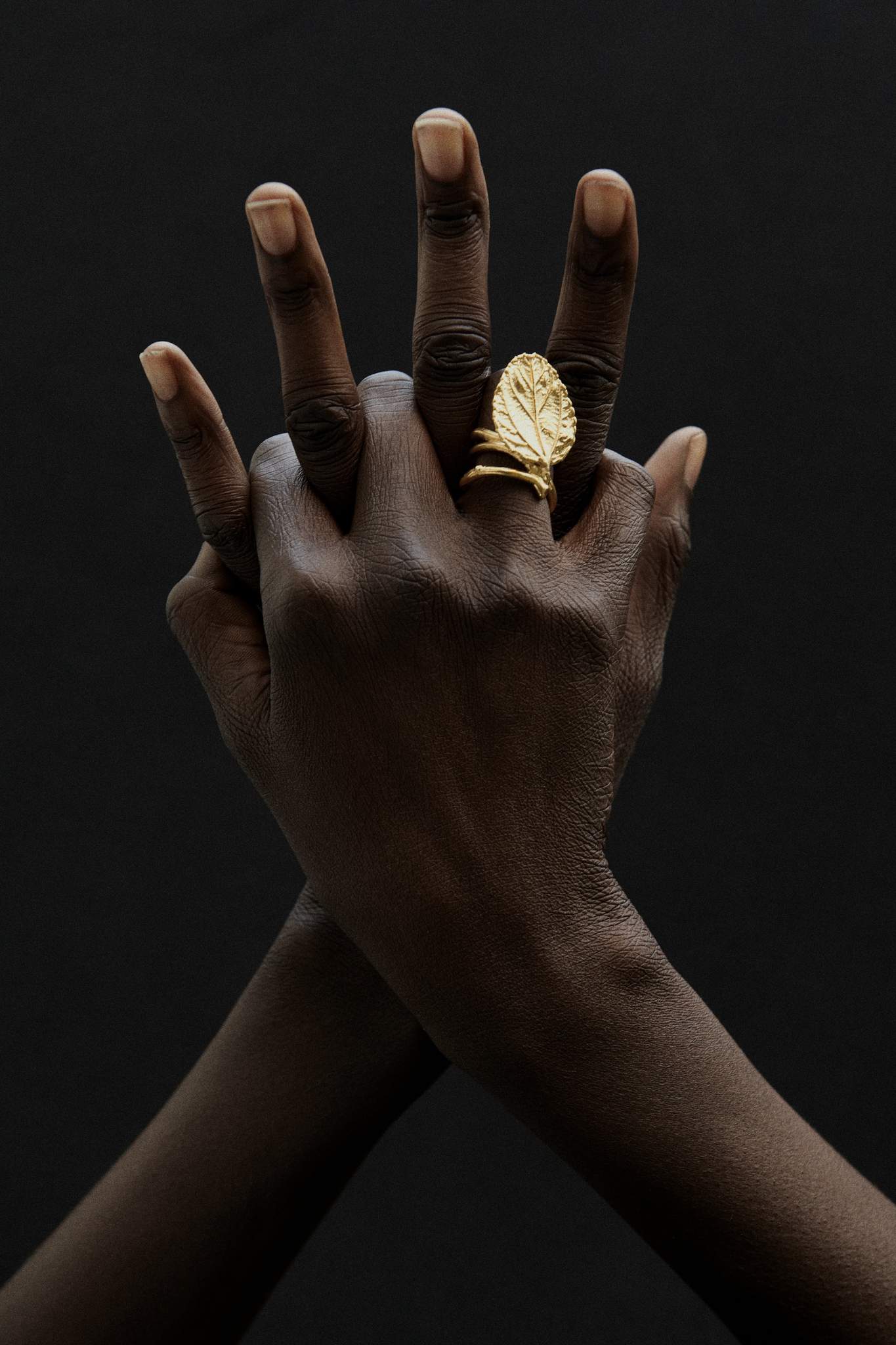
Sophie Buhai is one of my favourite, contemporary labels specialising in jewellery. The L.A. talent is rewriting the rules of luxury with her handmade, softly sculptural, sterling silver and gold vermeil blings. Her spring-summer 2021 collections delivers all her signatures with some gorgeous updates. From freshwater pearls to sensual curves and bulbous shapes (think earrings resembling water droplets), those pieces are here to last forever. Find it alongside new statement ear and hand pieces, inspired by time spent in the garden, featuring metal renditions of the vines from the designer’s favourite spot. Those pieces – which are actual wearable art – make me think of Claude Lalanne’s delightful works (the artist especially known for her collaboration with Yves Saint Laurent – ‘Les Robes Lalanne’ and bodily adornments from the 1969 haute couture collection). In her signature, intricate electroplating process, objects like leaves, twigs, petals, berries and other organic materials are completely transformed into copper. But back to Buhai. The “Fantasy Collection” is now available for pre-order on her site. I recommend taking a look at it…

Photos courtesy of Sophie Buhai’s website.