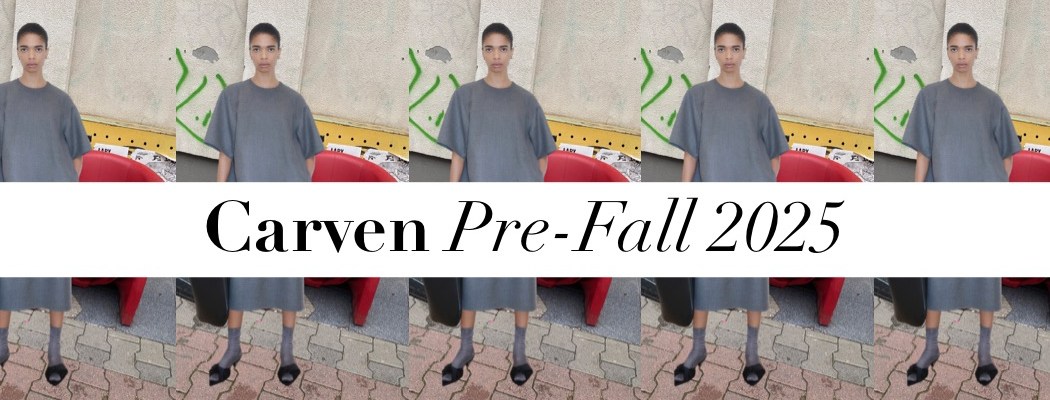
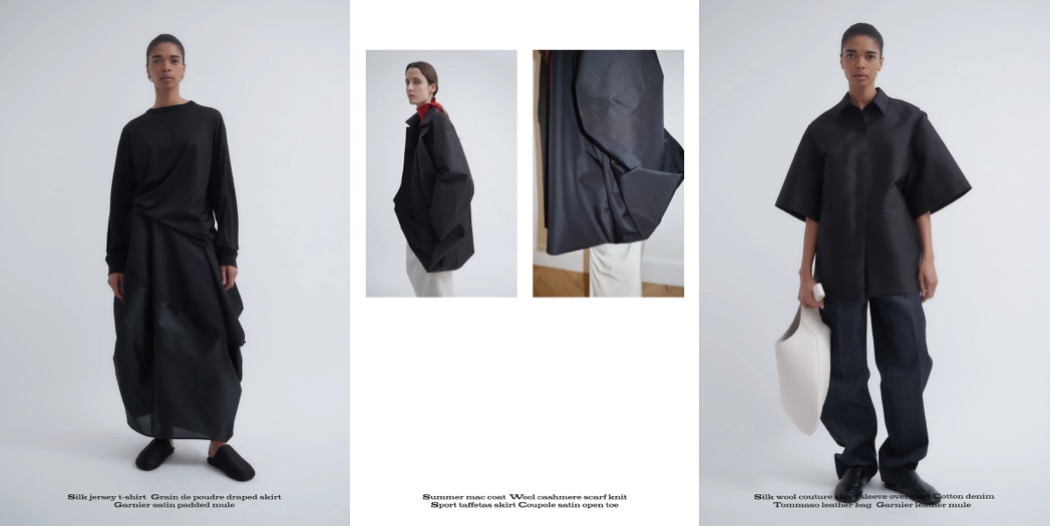
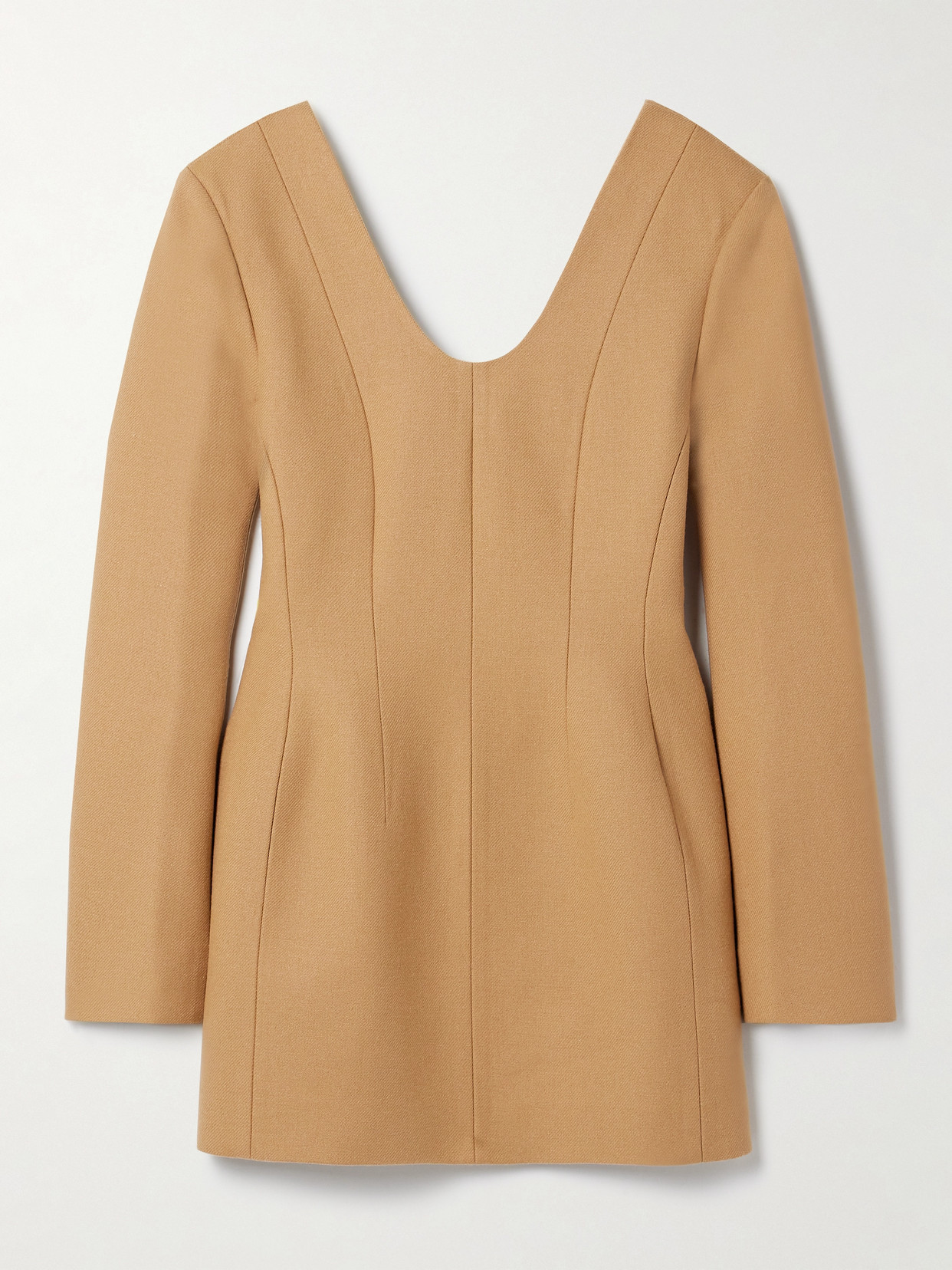
Carven‘s pre-fall 2025 collection, officially credited to the brand’s studio, is a good-looking transition moment between Louise Trotter’s work at the maison and the brand’s current creative director – and long-time collaborator of Trotter – Mark Thomas. The line-up, offering garments and accessories so wearable and easy-in-approach that it’s hard not to fall in love with their daily allure, is informed by blousy smock tops, wraparound apron shapes and a penchant for fabrics that appear structured to the eye yet soft around the body. One of the dresses with flannel on front and crushed lining in the back reminisces a 1950s couture dress with its strikingly simple, yet chic silhouette. Then you’ve got all the bubbly, t-shirt-inspired dresses and tops, minimal, timeless, versatile. The knits and cashmere shifts are pieces to be grateful for when you need to leave home looking pulled together. Carven became a go-to brand for less is more women who aren’t after The Row’s sophisticated oddness or Phoebe Philo’s contemporary strictness; the brand offers a warmer, cozier approach to minimalism. A madame minimalism.
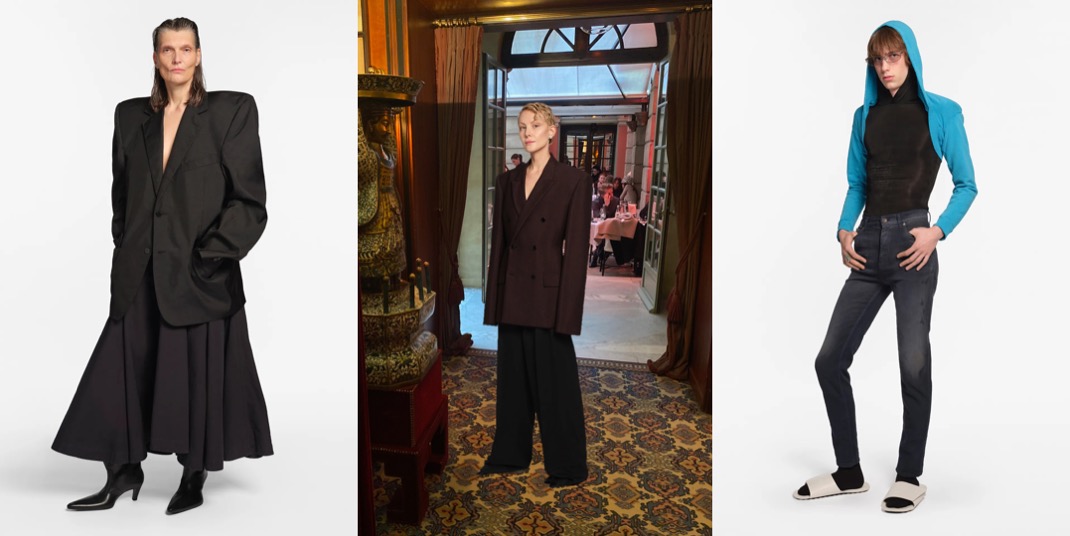
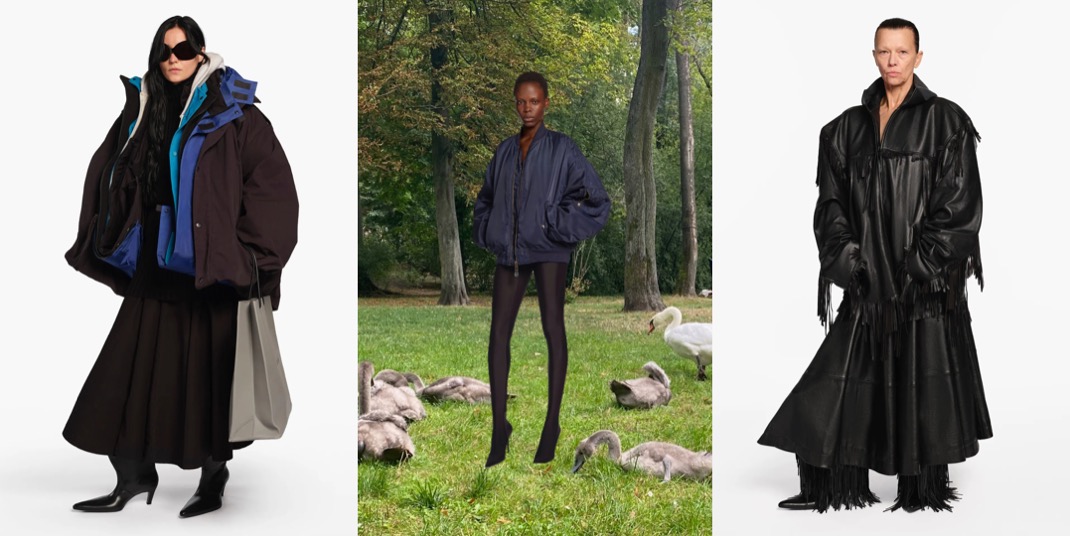
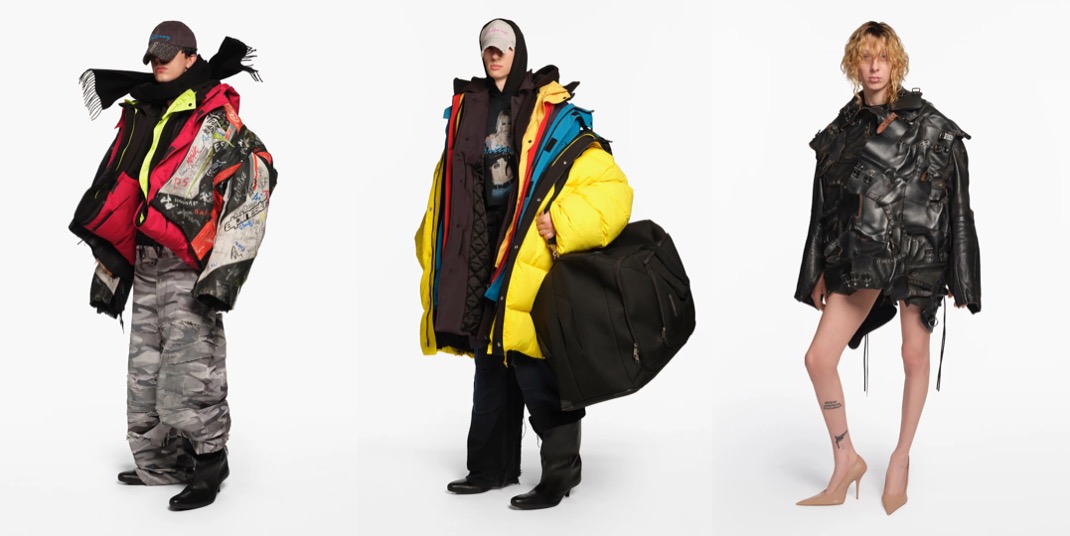
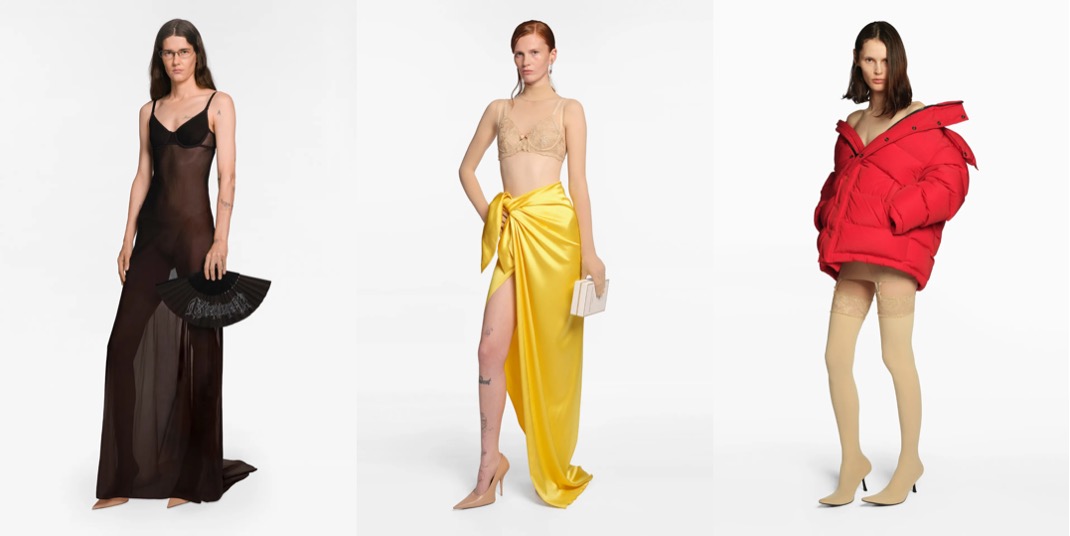
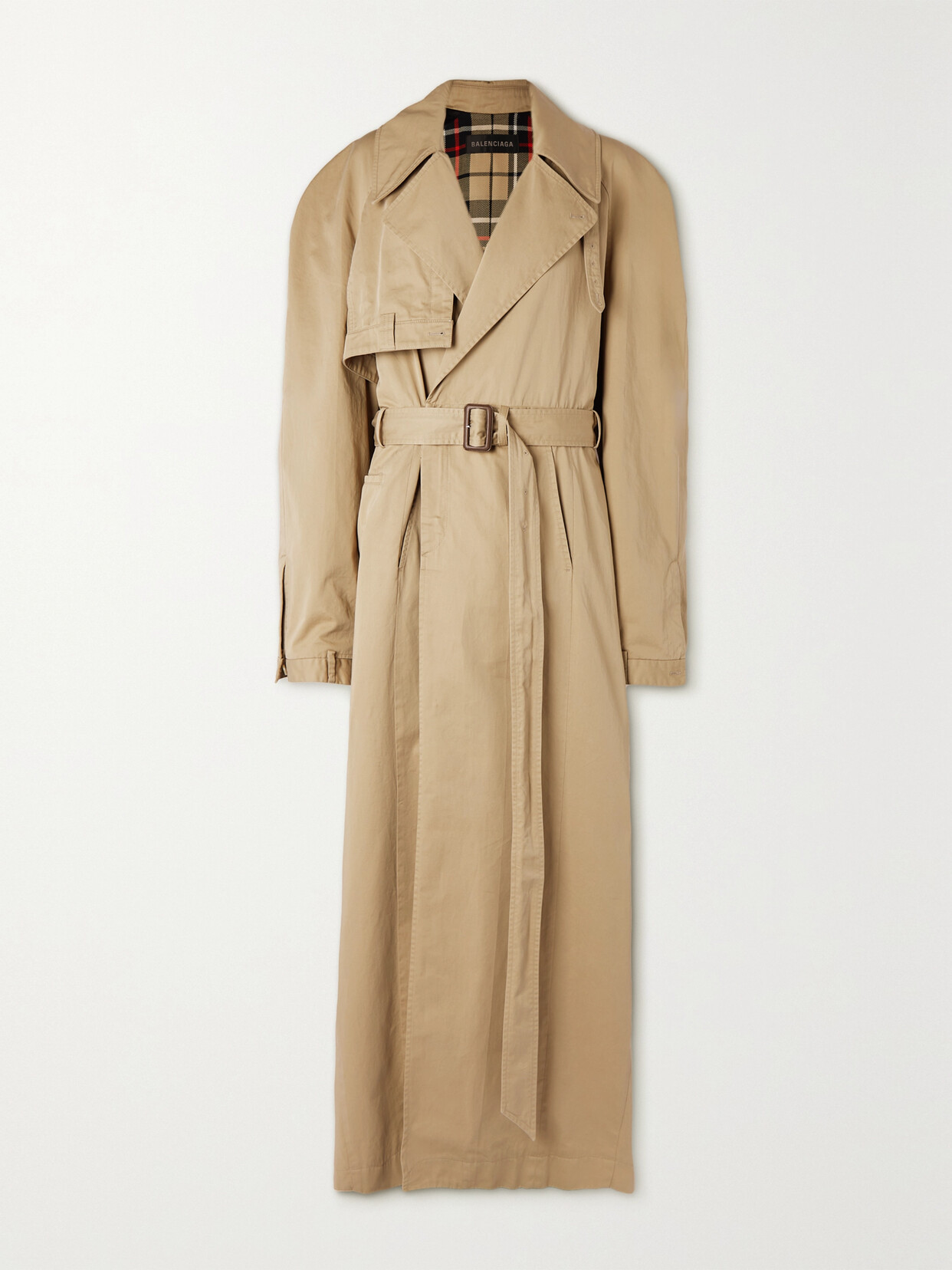
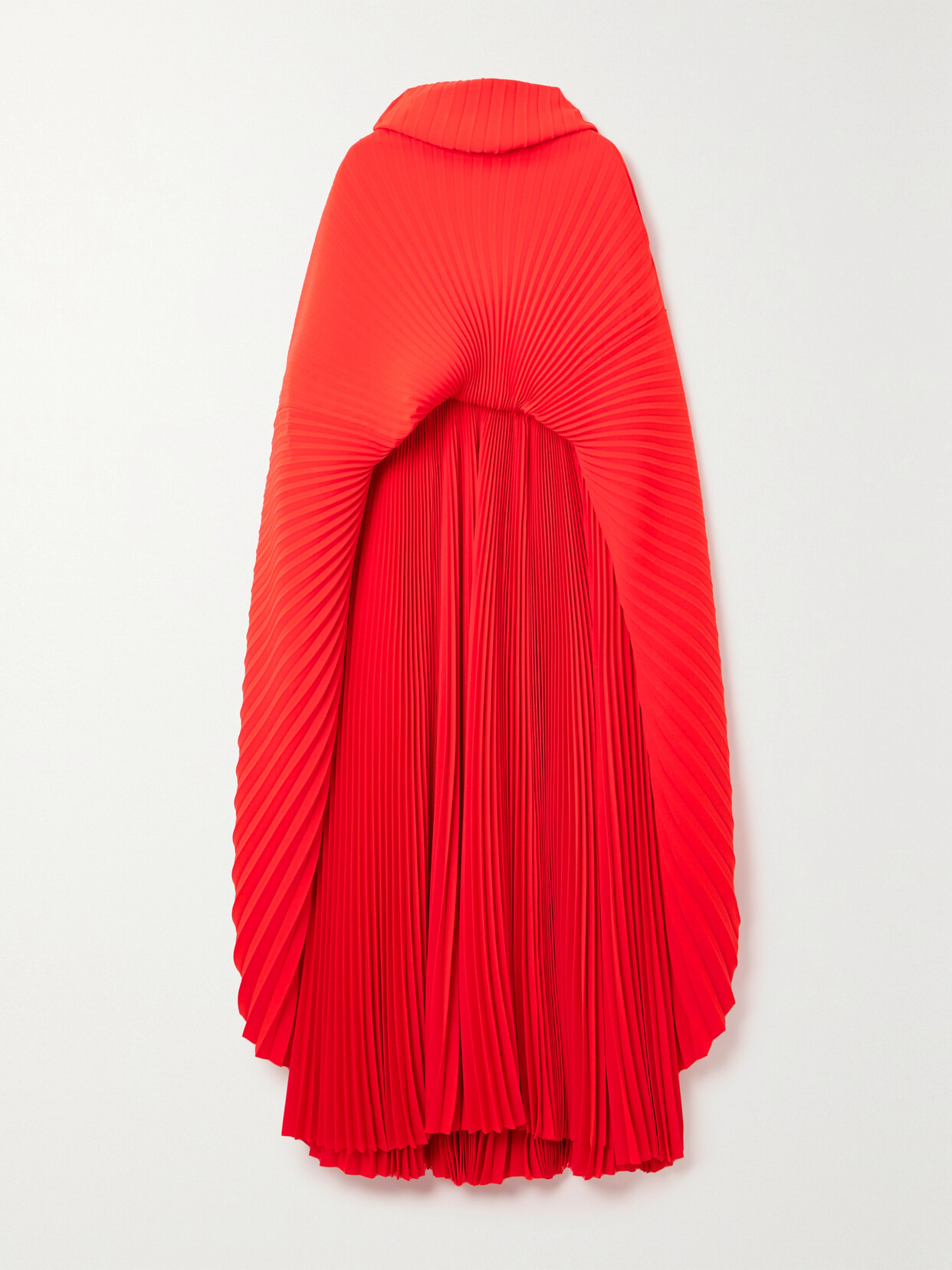
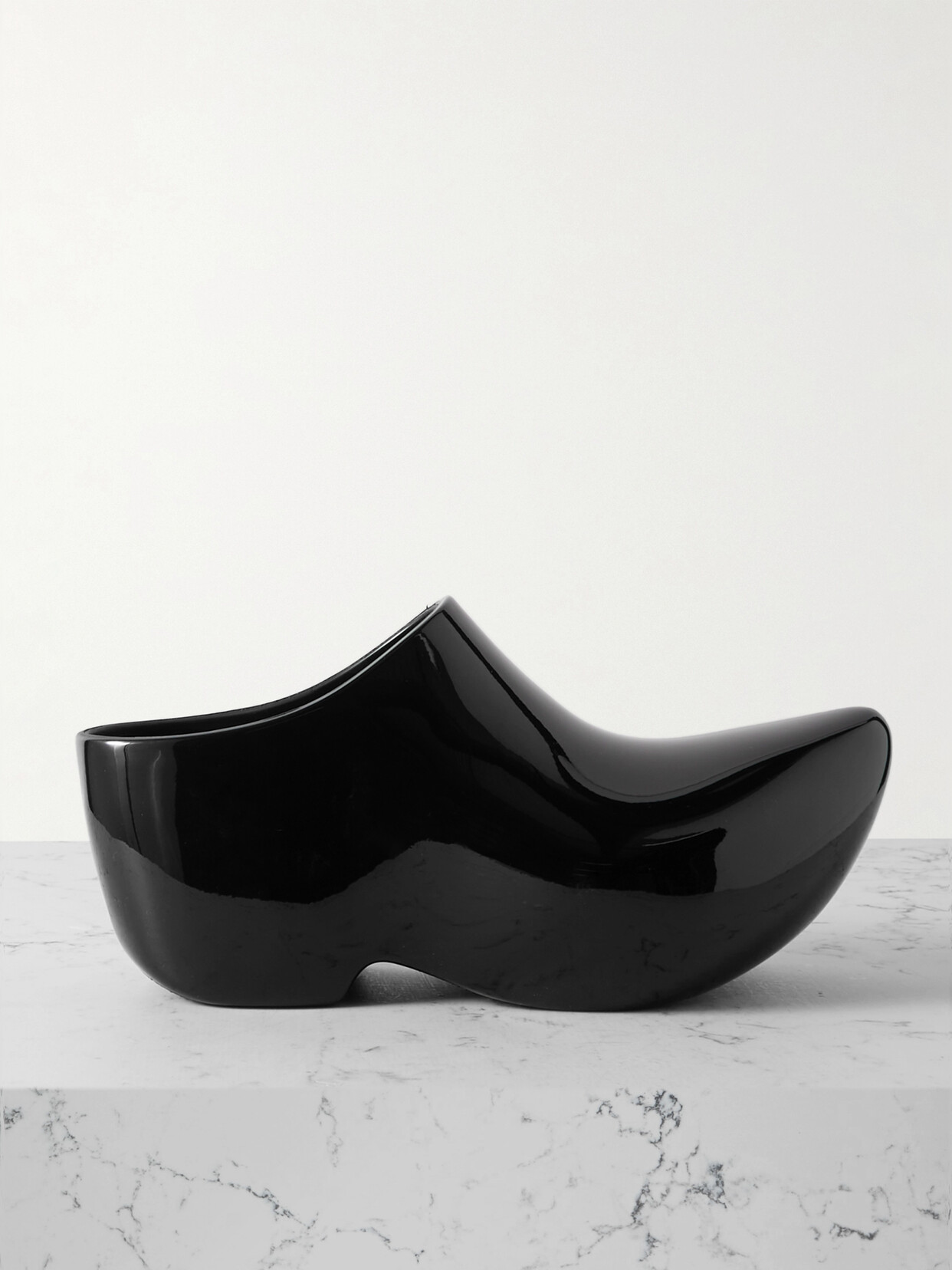
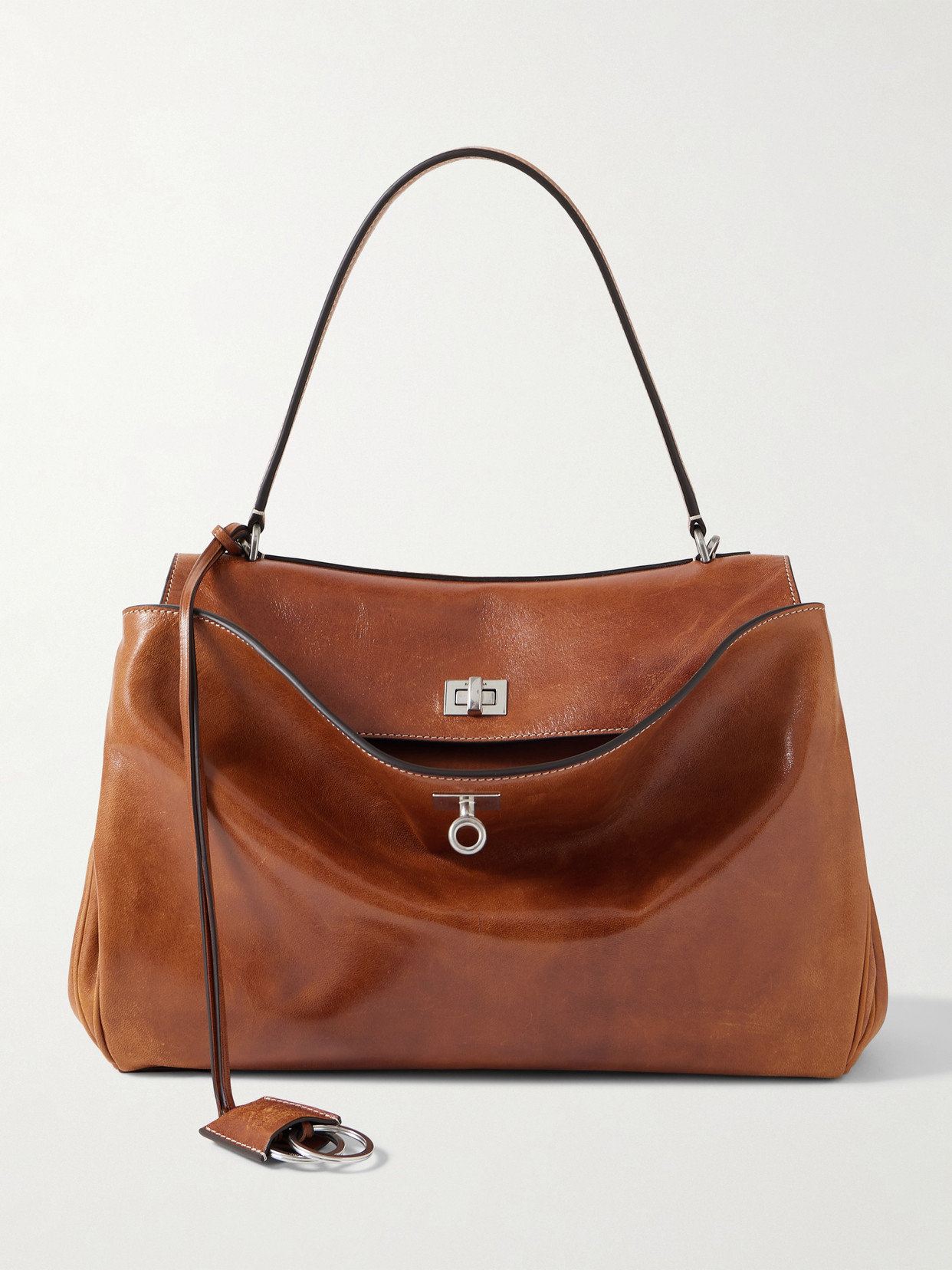
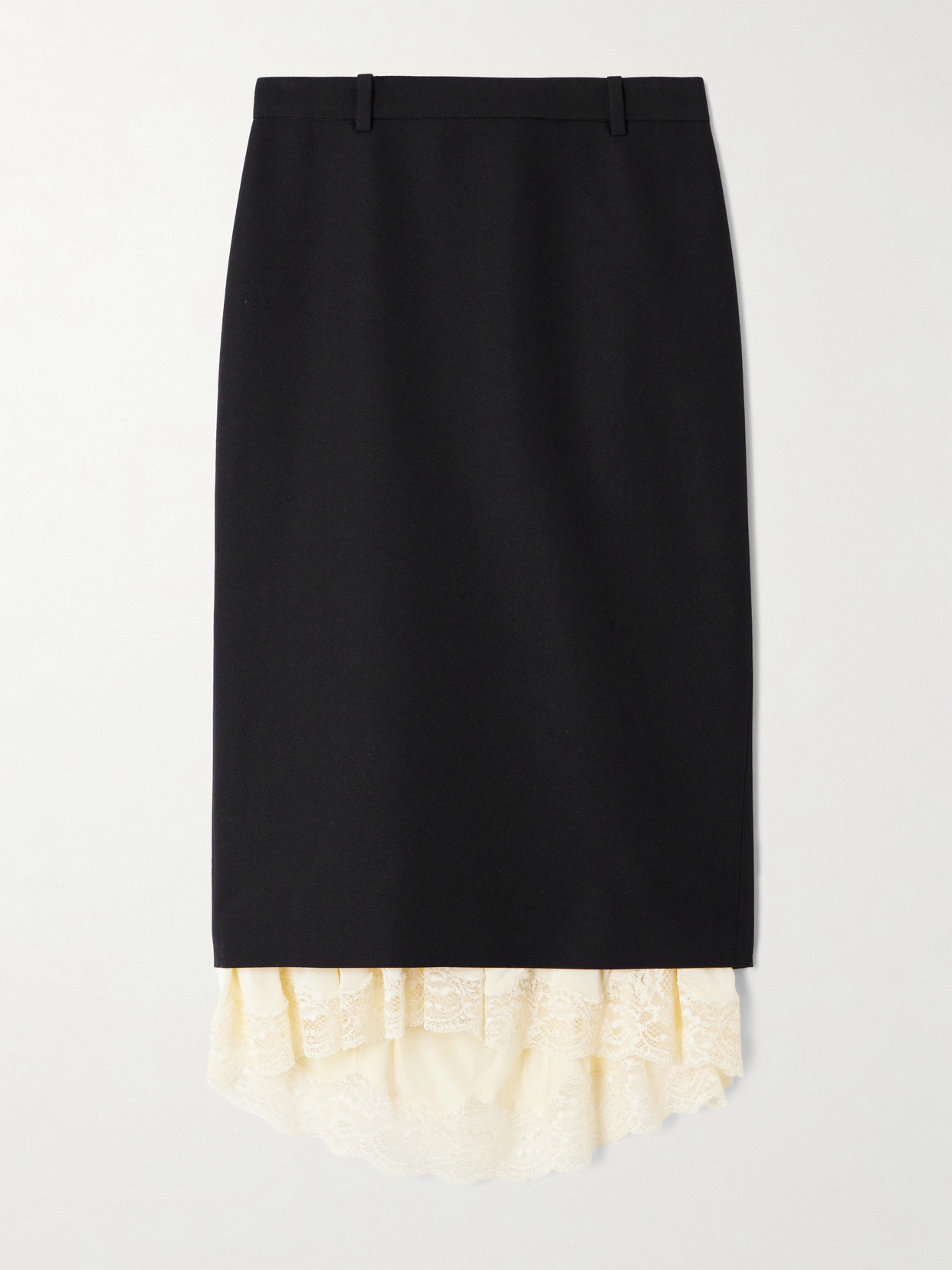
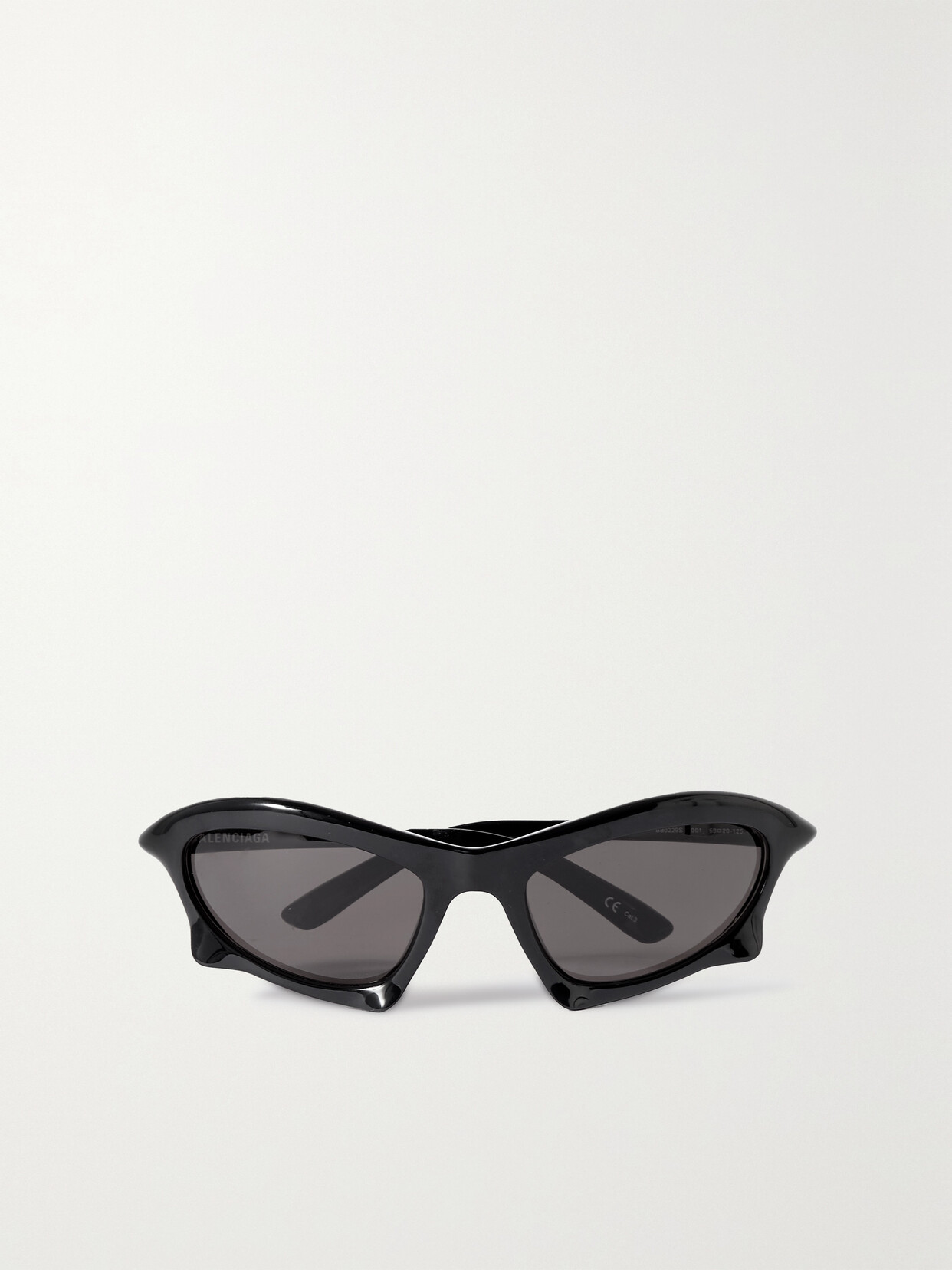
Demna is in a retrospective mood – as he should. The visual language that he has created throughout the decade of working at Balenciaga is probably the style that will be the most heavily analyzed by fashion historians when dissecting the fashion of 2010s and 2020s. It’s era-defining, whether you love it or hate it. Resort 2026 isn’t his final collection for the house – it’s the highly-anticipated haute couture line-up in July, where you can expect the least expected – and I’m glad he chose to look back at his biggest Balenciaga hits. From oversized duvet jackets and coats-worn-over-coats to super-mini tea-dresses and something’s-off-looking hoodies, this collection sums up Demna’s ready-to-wear for the maison in the most straightforward, clear way (with a Britney Spears cameo on the prints and the BFRND soundtrack, just to spice things up). In his subversive oeuvre, the designer has an affection for studying archetypes: think art curators, bikers, fetishists, politicians, soccer players. The “Exactitudes“, named after a series by photographer Ari Versluis and writer Ellie Uyttenbroek, who have also worked on this lookbook, inspired Demna’s approach to fashion up to this point. “Working on this collection felt like a homecoming after all these years, a very formidable experience of love for fashion and dressmaking,” Demna said. “It is the end of a wonderful era that I wanted to capture and celebrate by creating the Balenciaga ‘archetypes’ – the people, the silhouettes, the vibes, and the ideas that have all been fundamental in my work for this amazing house.” Come September, a radically new methodology is set to reanimate Gucci. Is Milan ready?
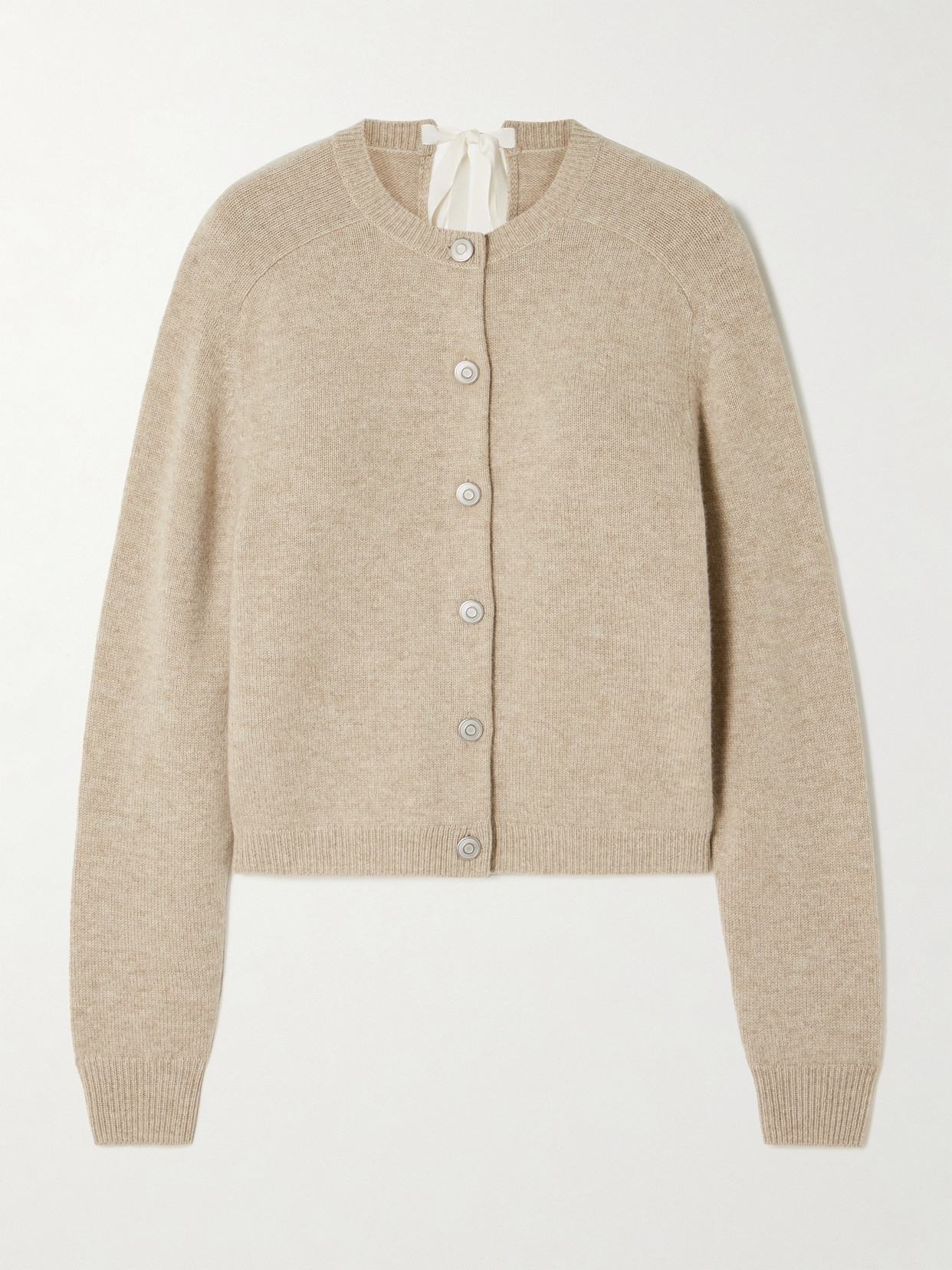
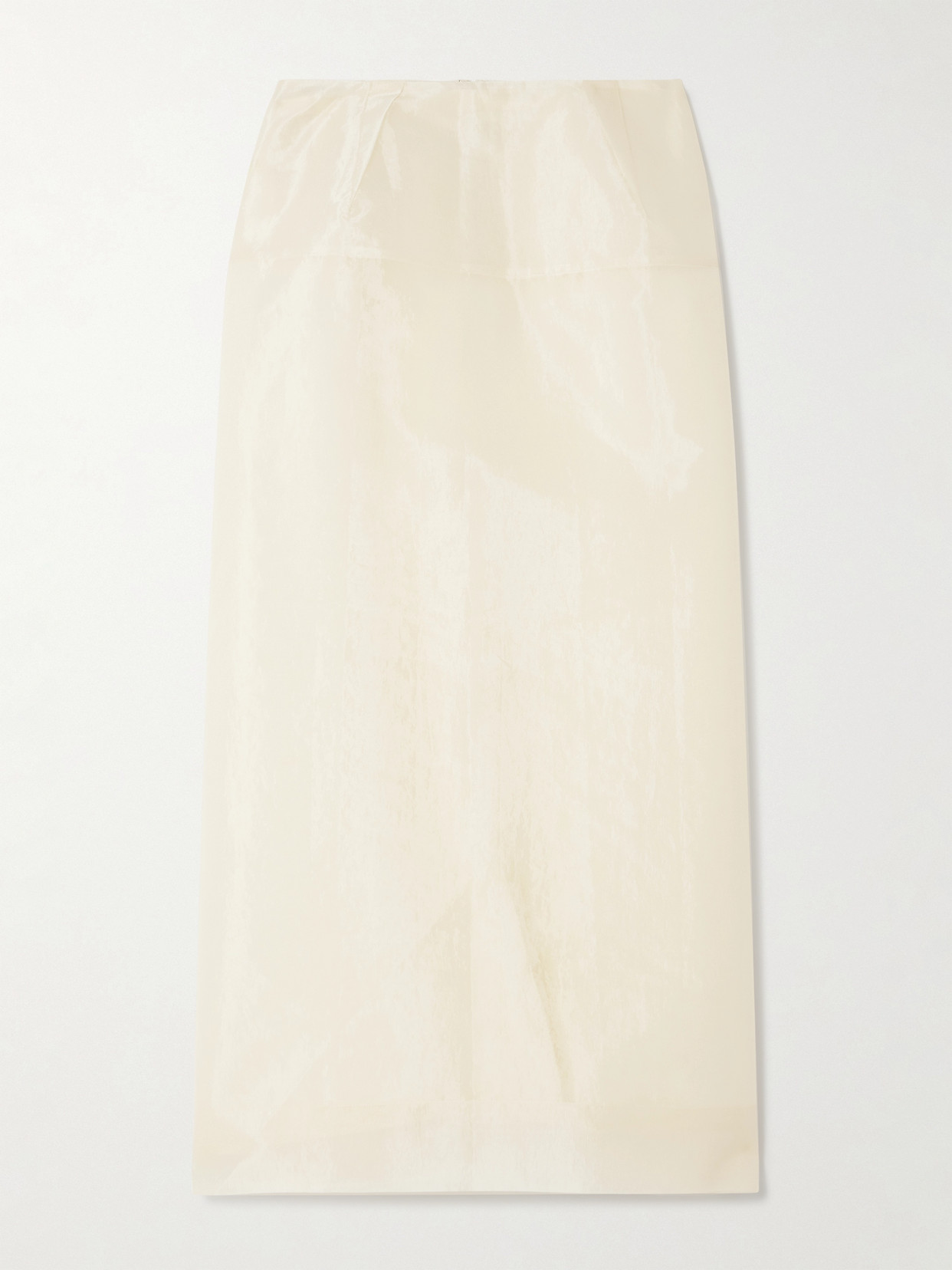
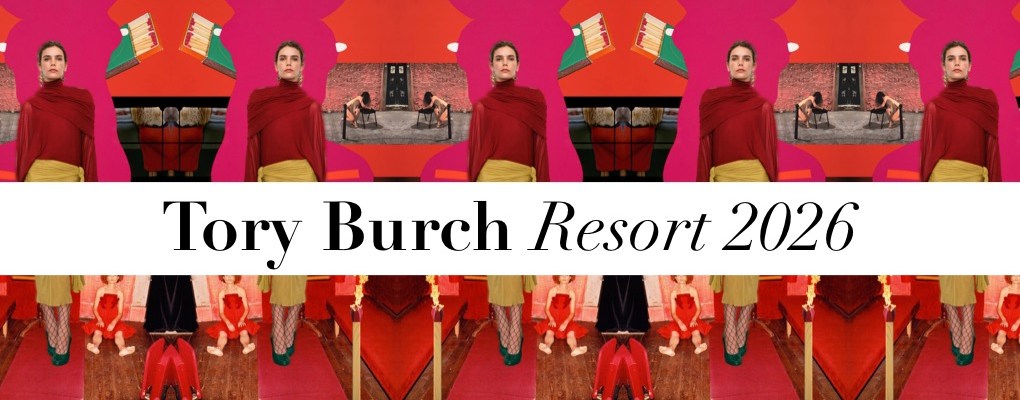
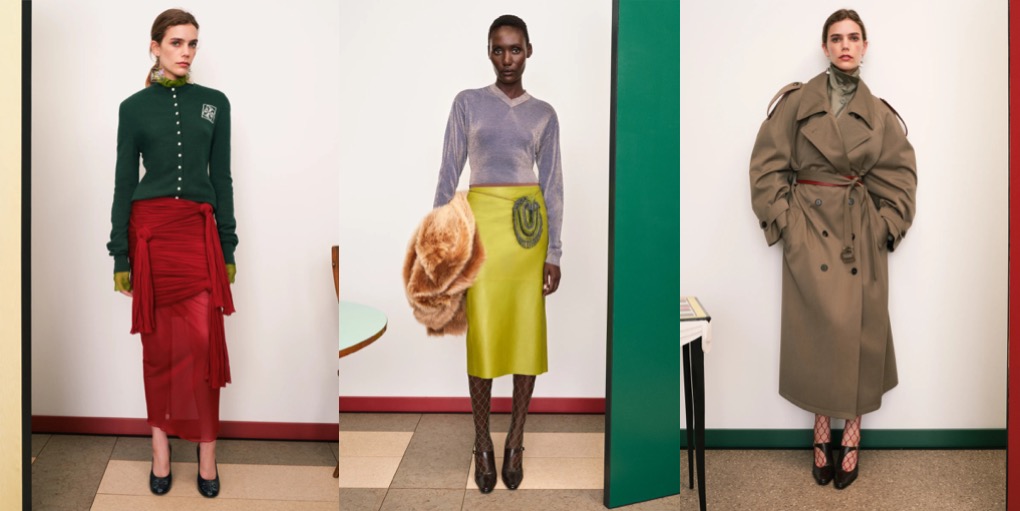
If you’re reading me, then you know I’m obsessed with Tory Burch‘s renaissance. It seems the fashion industry is catching up, too. Last New York Fashion Week, of all collections that were presented, it was Tory’s line-up that received true acclaim. Burch and her talented design team are studying in-depth what femininity means in the modern world – and elaborate on whether it should be one thing or another. As a result, the brand offers an intriguing outlook that clashes Claire McCardell’s all-American 1940s forms, uptown New York primness (gracefully embraced by @ladiesofmadisonave) and a quirky twist that makes Burch’s designs feel so desirable. For resort 2026, the designer serves a cocktail of her tasteful affections, from unmistakable pencil skirts to delightfully prim cardigans and colorblocked sweaters. A major sensation is stirred by the collection’s biggest novelty: a semi-sheer skirt, layered up, draped and knotted to create a cascading, highly-feminine effect. It comes in delightful tones of red and mustard; the latter is styled with maroon-ish blouse and fish-net tights. It’s a look that balances sophistication, playfulness and sensuality in the most effortless, satisfying way. It’s Tory’s world, and she knows what she’s doing.
Collage by Edward Kanarecki. Don’t forget to follow Design & Culture by Ed on Instagram!
Hey, did you know about my newsletter – Ed’s Dispatch? Click here to subscribe!
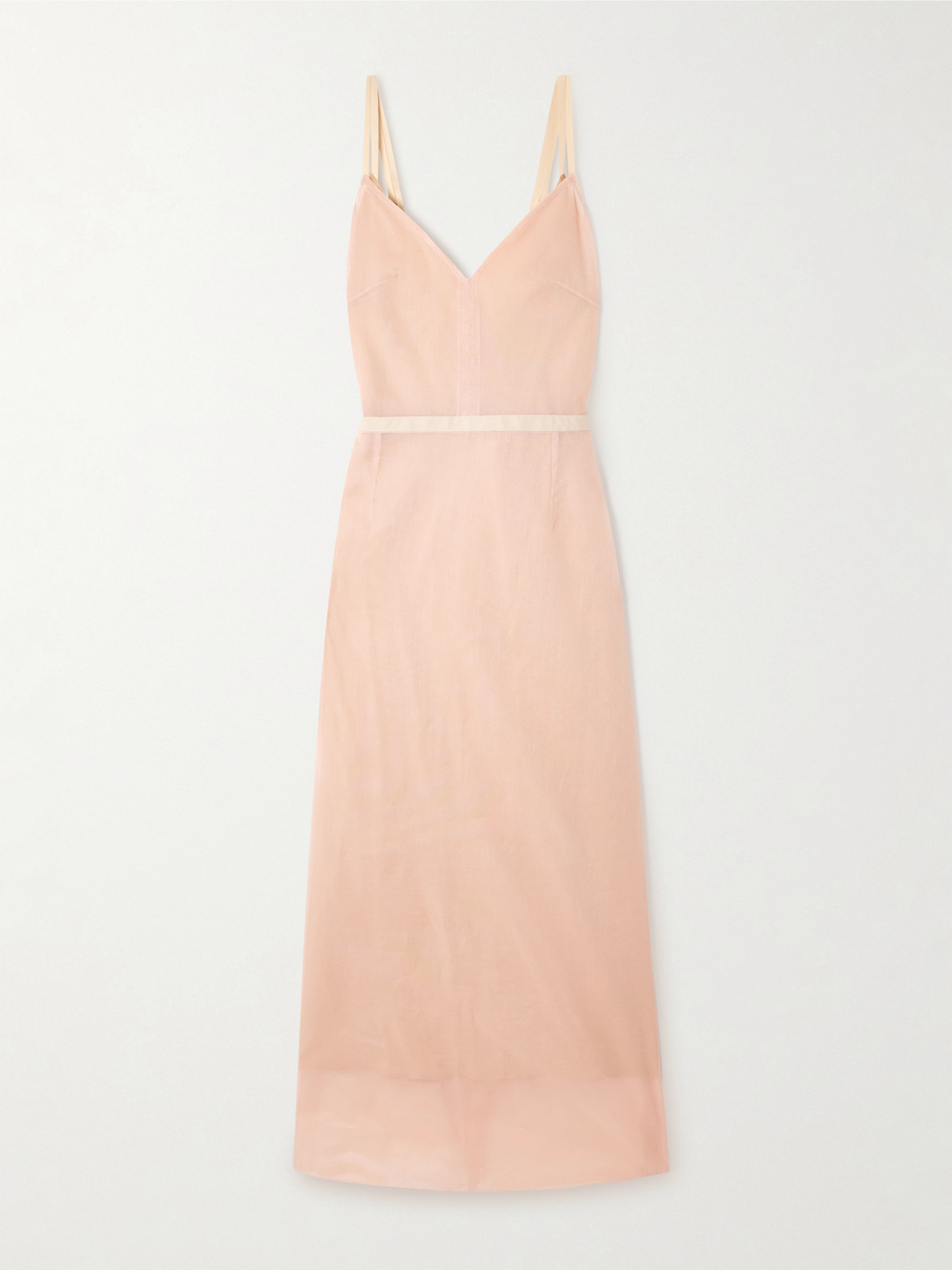
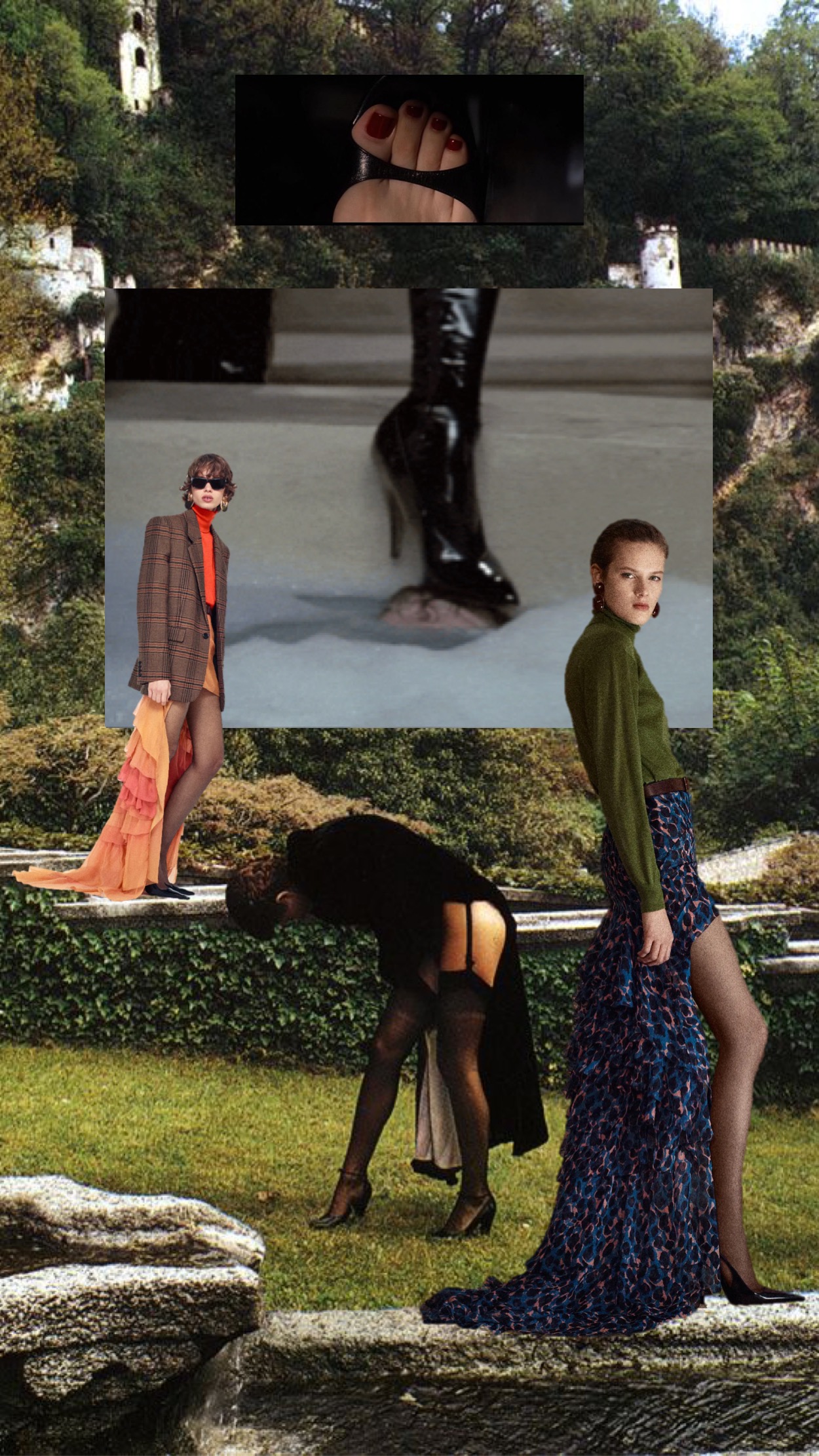
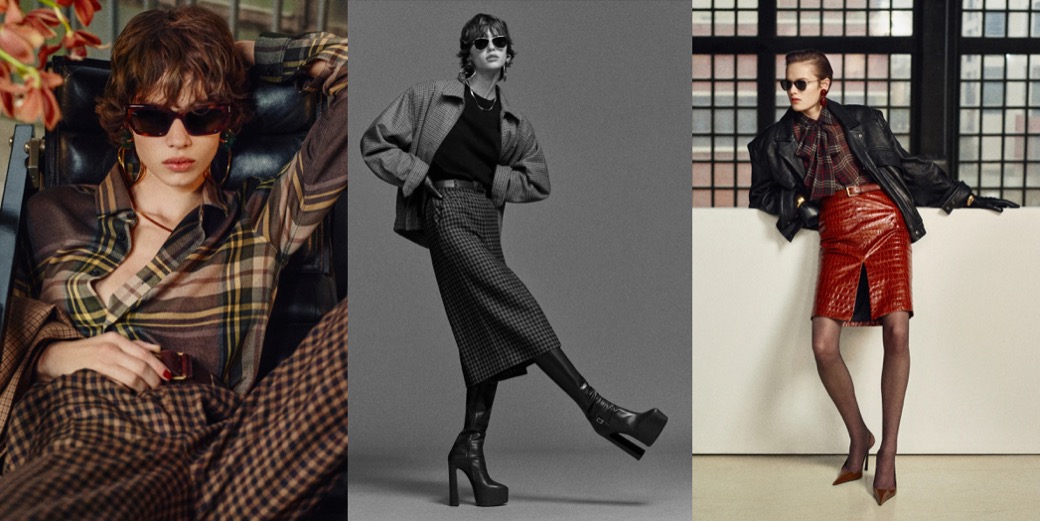
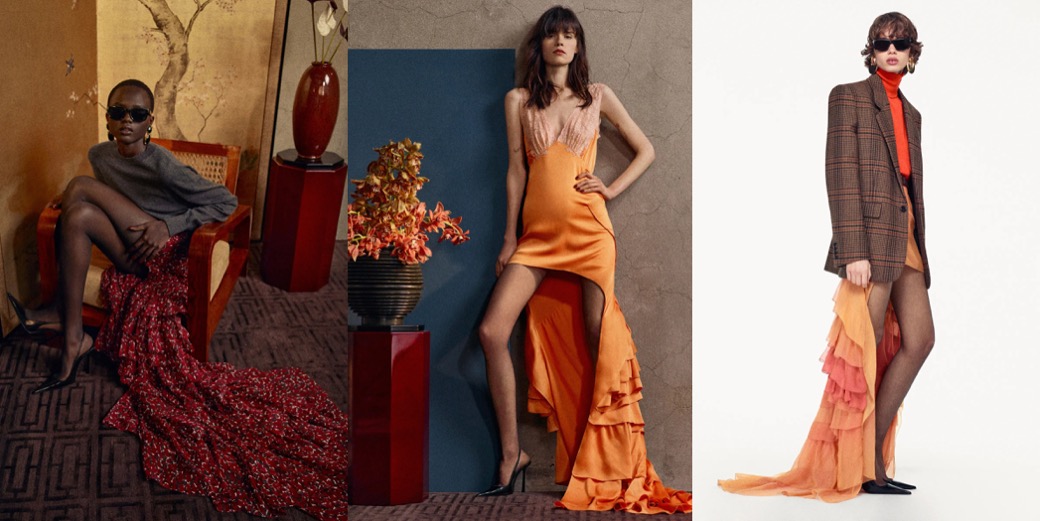
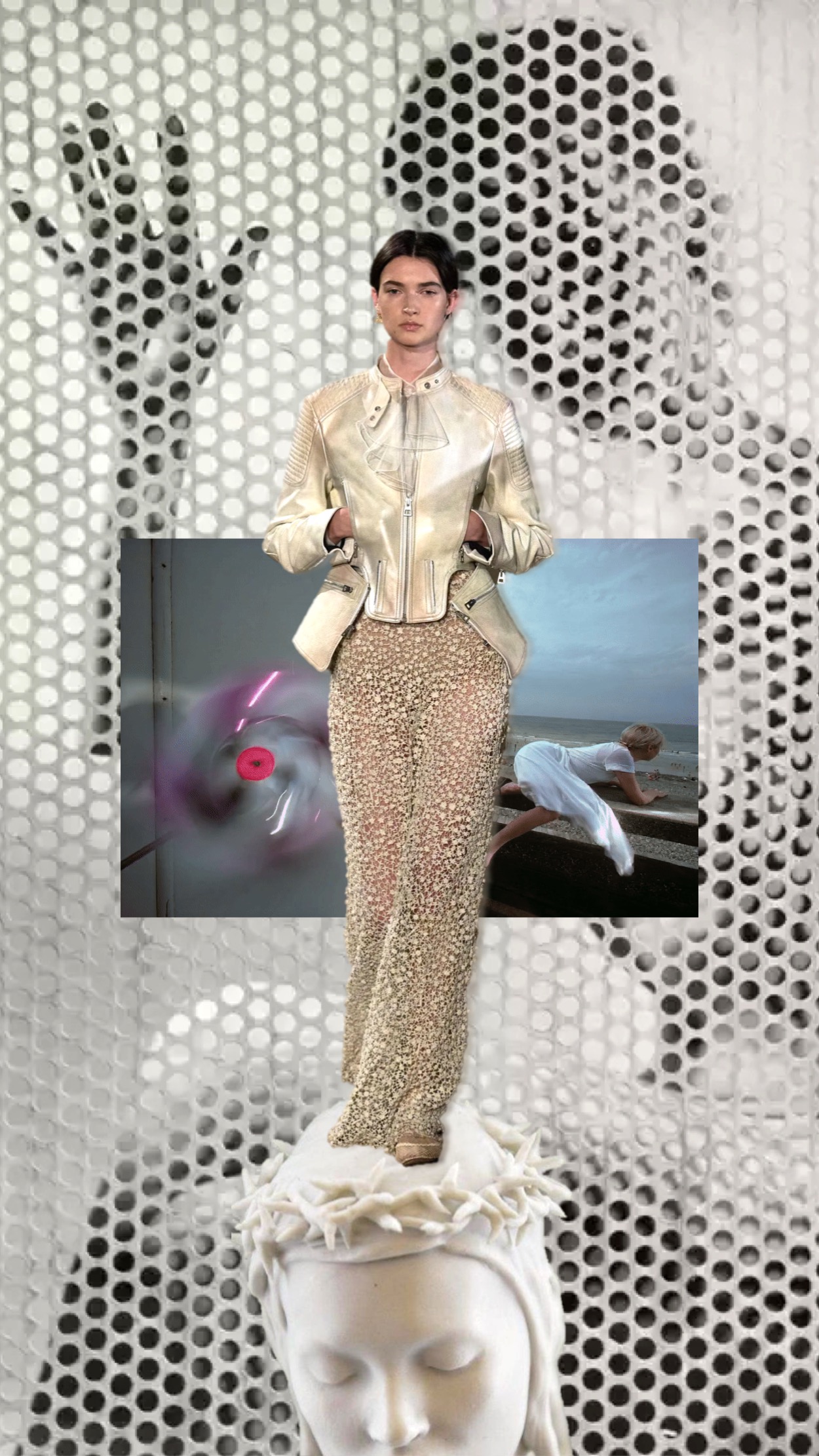
Anthony Vaccarello‘s pre-fall 2025 collection for Saint Laurent serves as a subtle prelude to the winter fashion show we’ve seen back in March. While the ultra-boxy, exaggerated outerwear silhouettes are absent here, we instead get the first hints of bold, saturated colors (Vaccarello really knows how to use orange) and maxi-length skirts that echoed the show’s finale with their gargantuan volumes. The main theme for this lookbook line-up is the year of 1966, a pivotal moment in Yves Saint Laurent history: the launch of the Rive Gauche ready-to-wear label. The collection couldn’t get more ready-to-wear: Prince of Wales plaid blazers and skirts (Yves’ signature), leather jackets you want to wear (and wear out), boudoir lace slips and fluffy furs. The Left Bank allure is far from dead.
Collage by Edward Kanarecki. Don’t forget to follow Design & Culture by Ed on Instagram!
Hey, did you know about my newsletter – Ed’s Dispatch? Click here to subscribe!
Today, Lorde released Man Of The Year, her second single from the highly-anticipated Virgin album. The song is heart-and-gut-wrenching in the most Lorde way you can imagine: raw, vulnerable, unfiltered. By the time we reach the outro, Let’s hear it for the man of the year, there is a subtle shift from mourning to ecstatic celebration. The phrase is repeated like a sarcastic toast, both honoring and burying (burning alive!) the man who inspired the deep, painful turmoil. But ultimately, Man of the Year is not really about him. It is about Lorde reclaiming the narrative, re-emerging from ego death and heartbreak with sharpened clarity.
Quite coincidentally, it was officially announced today (after months of speculation) that Maria Grazia Chiuri is stepping down from Dior. Social media raved: finally!; fashion gods heard our prayers; the end of a nightmare. Voiced especially by men, you just can’t not agree with @lewissmag that there’s a tinge (or even plenty) of misogyny sparking that excitement of a woman departuring a maison like Dior after a decade of immense volume of work. A reminder that the fashion males, queer or not, had a very similar blast when Virginie Viard left Chanel. They were in heaven.
Now don’t get me wrong: I’ve never been a number one fan of Maria Grazia Chiuri’s work at Dior – just not my cup of tea, aesthetically. But I do realize that all the logo totes aren’t her sin: it’s in fact LVMH and Bernault Arnault’s endless financial insatiability that powered Dior’s horrific merchandise in the last decade. Just think of the once sophisticated and chic Dior boutique on Avenue Montaigne that now looks like a massive, tacky department store. It’s also not Chiuri’s fault. Unfortunately, creative directors really don’t have all the power when leading a brand.
What this female designer managed to make out of Dior is turning it into a brand that’s in a way similar to Giorgio Armani’s universe: you don’t have to follow it from season to season, because you won’t really see a revolution on the runway – but there’s always a beautiful dress, a great coat, a proper jacket. A continuity that has its rhyme and rhythm.
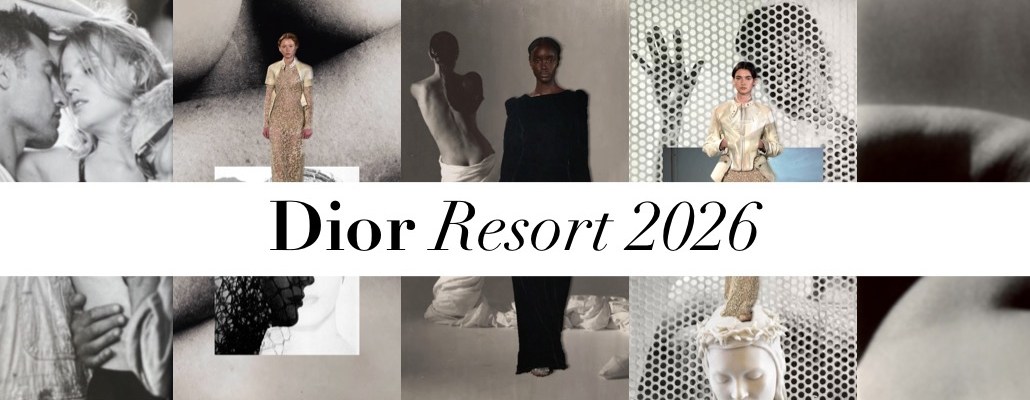
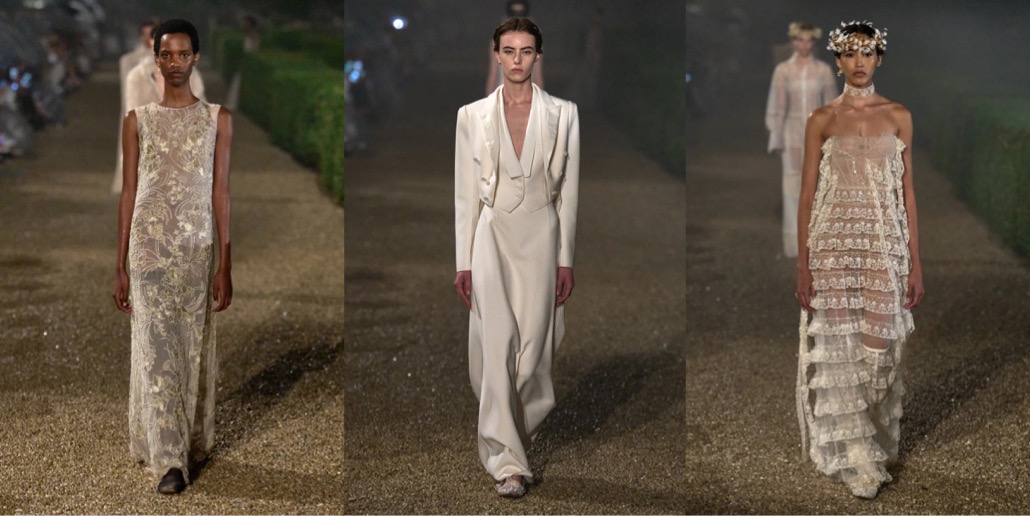
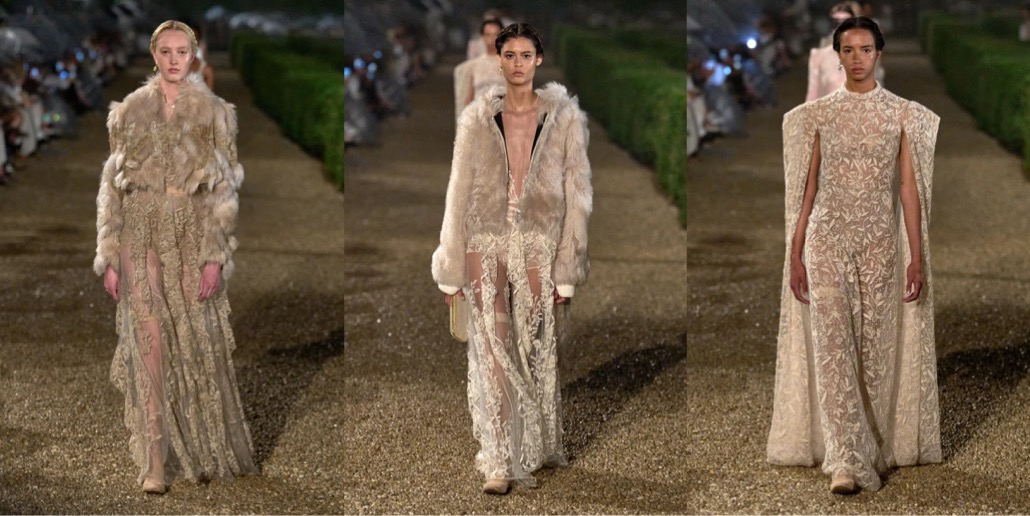
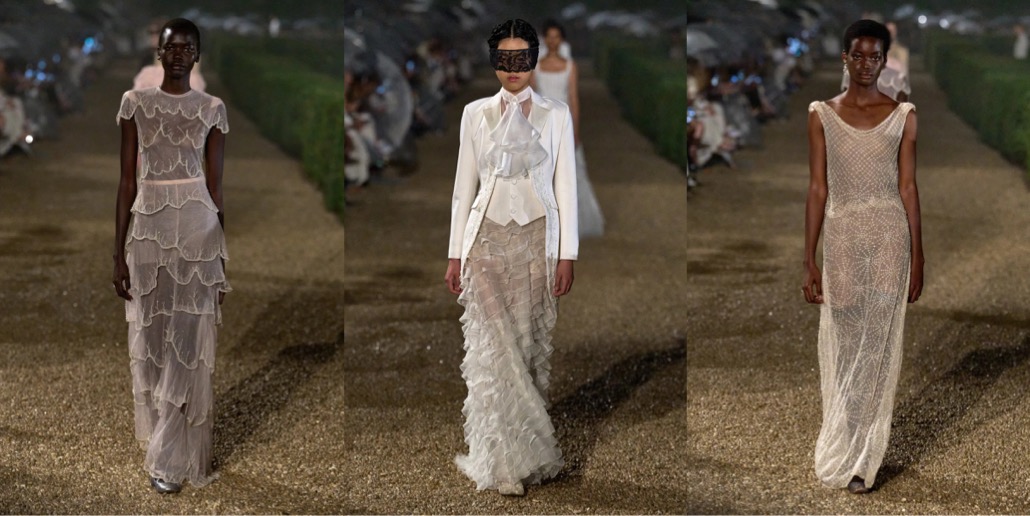
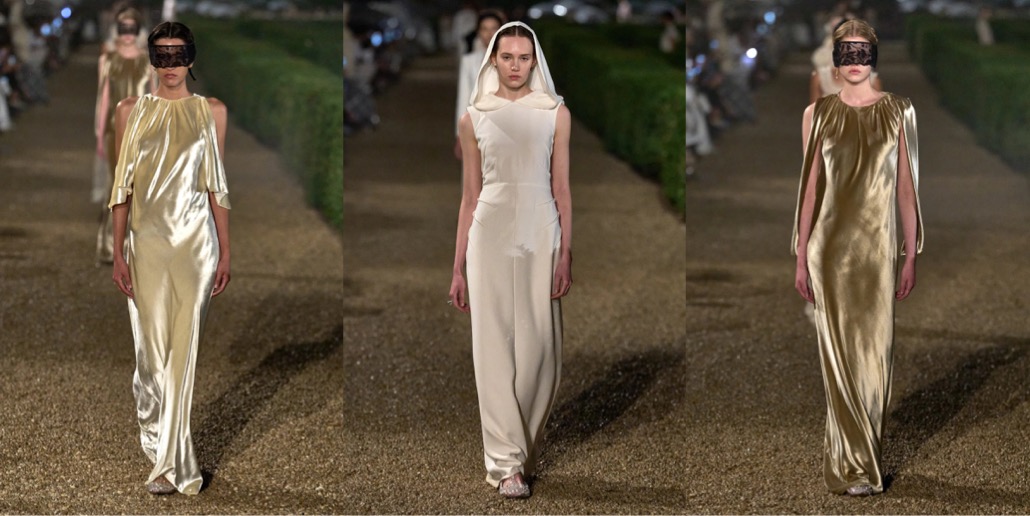
In a way, it seems to me that Maria Grazia Chiuri truly refound herself at the very end of her tenure at Dior. Her pre-fall 2025 show in Tokyo had a spark. Her swan song outing, for resort 2026, presented in the enchanting garden of Villa Albani Torlonia in Rome, was powerful in its grace. Those velvet column gowns are pure delights, just as the remarkable fur coats that are actually made from plume. The collection’s opening look, a masculine white tailcoat worn with a maxi-length, matching skirt, is the absolute essence of Maria Grazia Chiuri’s contribution to fashion, in past misguided by unfortunate styling or simply obscured under all the gimmicks of fashion show spectacles. This ideal, minimalist yet sumptuous simplicity was followed by many variations on the theme of the long, slim, semi-sheer dress. The lace effects were almost countless – 3D florals, rivulets of ruffles, leafy cut-outs, wavy art deco frills, gilded latticework covered with silken fringe. Underwear visible, shoes flat. A statement.
And then, the haute couture finale featuring caviar-beaded, trompe l’oeil-effect dresses that looked like statues dating back to Ancient Rome. Male statues, to be precise. Torsos, like armors (a theme moved very literally by Nicolas Ghesquière at Louis Vuitton just a week ago). Going back to Lorde, Man Of The Year’s cover art is a Talia Chetrit photograph of the singer’s bust, covered with duct tape. Now, do you see the connection between these two?
Will Maria Grazia Chiuri return to fashion in the near future? Probably she will spend her time on cultural initiatives, like the Teatro Della Cometa she renovated and reopened to the public a couple of days ago. And who will lead Dior’s womenswear now? Probably Jonathan Anderson. Another M.O.T.Y.
Collage by Edward Kanarecki. Don’t forget to follow Design & Culture by Ed on Instagram!
Hey, did you know about my newsletter – Ed’s Dispatch? Click here to subscribe!

















 Design & Culture by Ed