She Had A Flower in Her Mouth. Marta Jakubowski AW19

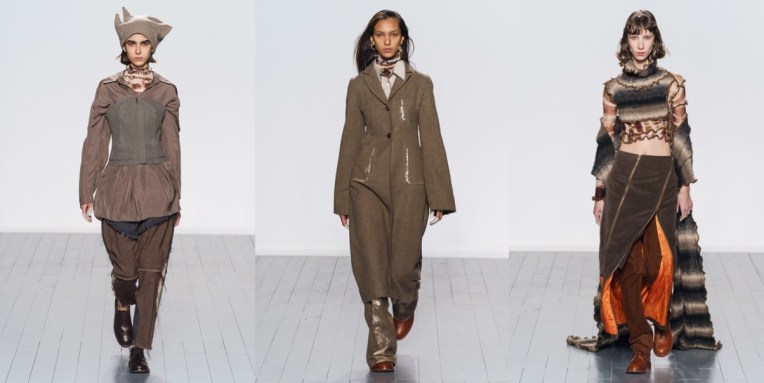
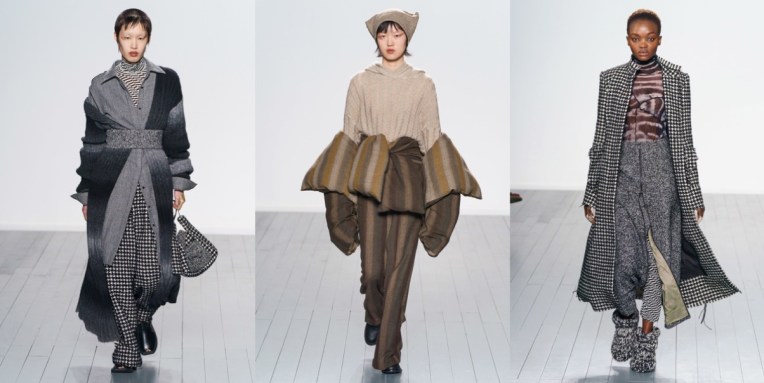
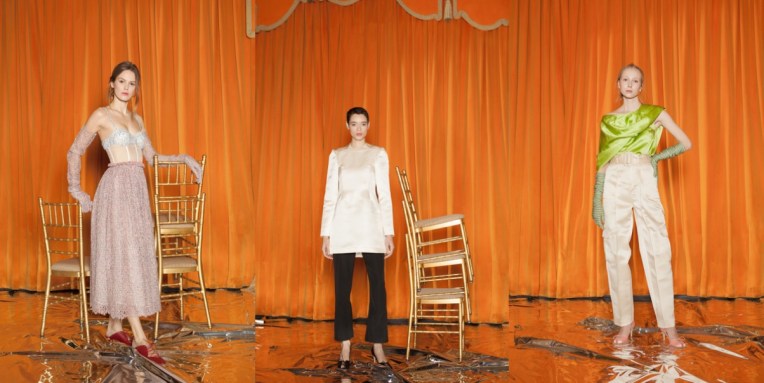
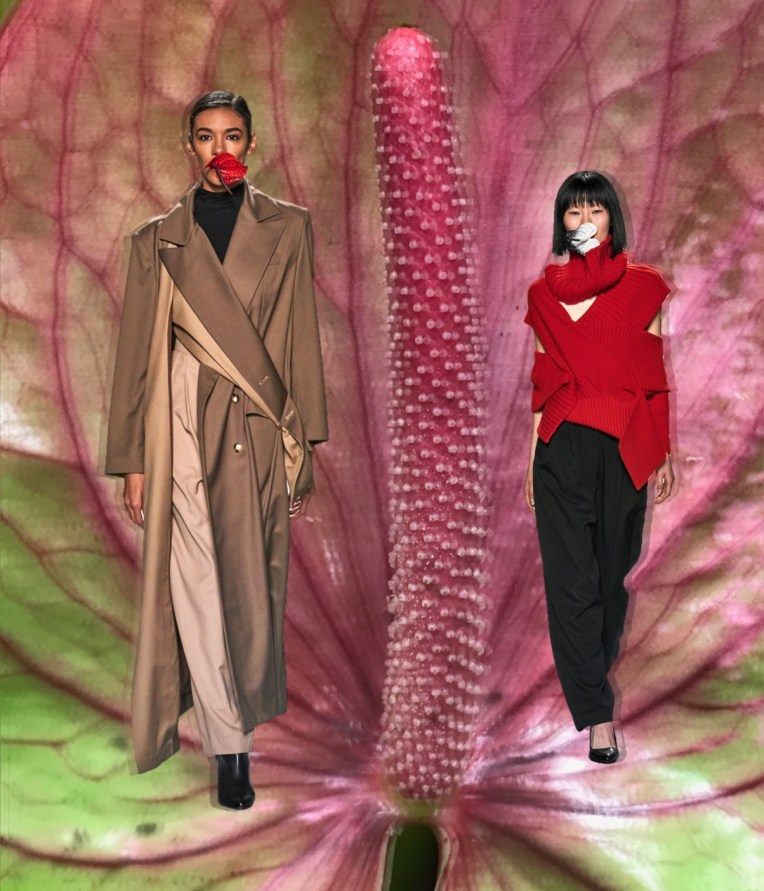
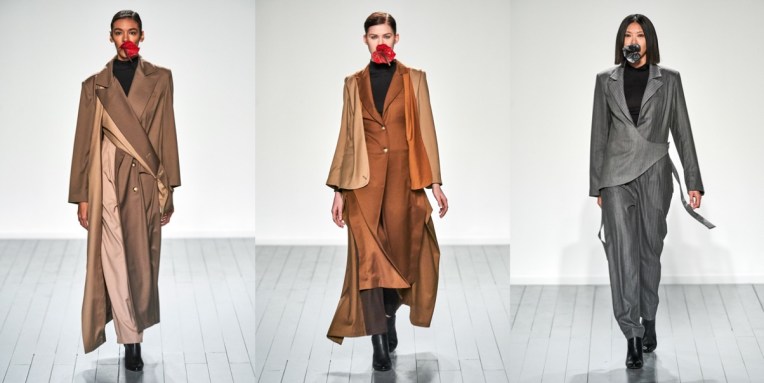
Marta Jakubowski is a London-based designer who was born in Poland and raised in Germany. She graduated with MA Womenswear from the Royal College of Art London and was selected to showcase her collections during London Fashion Week as part of the British Fashion Council’s NEWGEN initiative since. Marta Jakubowski has worked with brands including Hussein Chalayan, Alexander Wang and Jonathan Saunders, and has developed an unmistakable minimalist signature – sharp tailoring. She was shortlisted for the LVMH prize and Woolmark prize 2018 and continues to showcase her seasonal collections in London. Her minimalist, distinctive aesthetic envisions a mysterious woman, never obvious. Jakubowski’s autumn-winter 2019 highlights are: the deconstructed, masculine coat in brown and the equally dissected red knit that seems to connect with the person wearing it, like some sort of alien organism. Models  who walked the designer’s runway had an anthurium in their mouth, which you might read solely as a visual treat, or maybe, as a hidden message. In many cultures, this flower symbolizes hospitality. Does it relate to Marta’s collection in any way? Interpret it the way you really want to…
Collage by Edward Kanarecki.

Cozy. Asai AW19

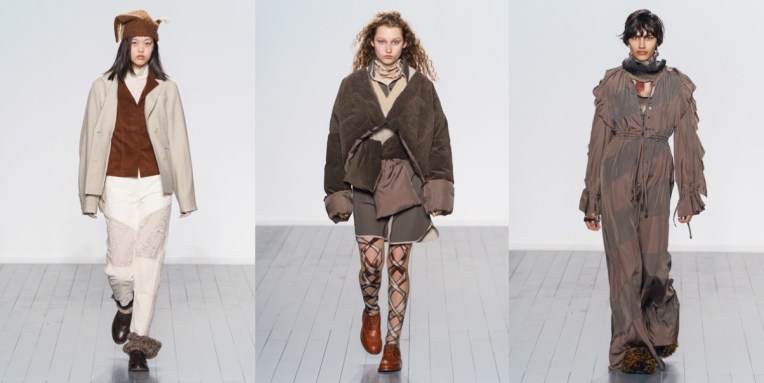
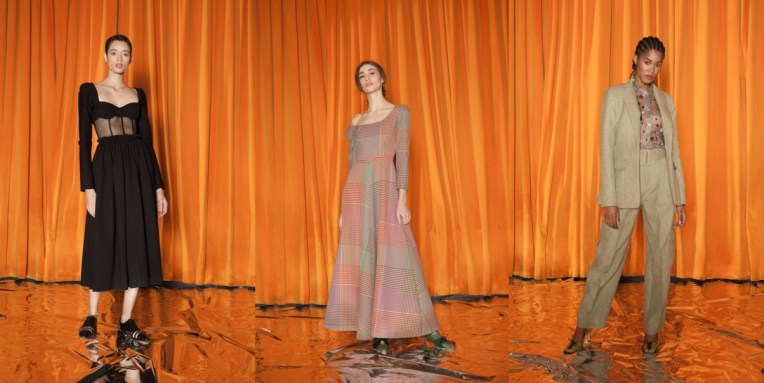
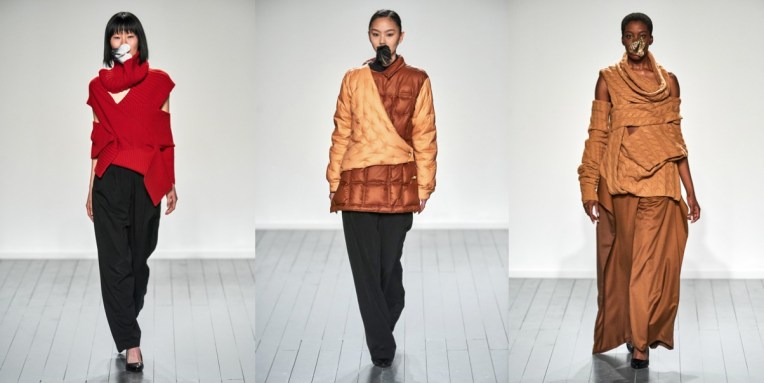
London born and based designer A Sai Ta launched his label Asai with Fashion East in February 2017. After graduating from his BA at Central Saint Martins, he gained experience at The Row – and was headhunted for a position at Kanye West’s Yeezy a year into his MA.  However, the designer didn’t end on resting on laurels, and continues his own path in London. Today, he presented his first solo fashion show, and it was pure brilliance. Asai takes the familiar, and reimagines it iconoclastically by entering into nuances of his British-Chinese-Vietnamese cultural heritage as a second generation Londoner. Taking the craftsman’s spirit from his parents – a seamstress mother and a carpenter father – ASAI often employs surface decoration and fabric manipulation to create intricate textiles, which mirrors the designer’s appeal to disrupt familiar visual codes. For autumn-winter 2019, the designer went into something more cozy, even highland-ish. Ecru knits, beige puffer coats, brown, ruffled maxi-dresses, flurry slip-ons and fleecy crown-beanies felt like ready for high altitudes. The patchwork looks were insanely good, just the label’s already-cult Hot Wok Top, this time around kept in an earthy colour palette.

Collage by Edward Kanarecki.
Balance. Marc Jacobs AW19

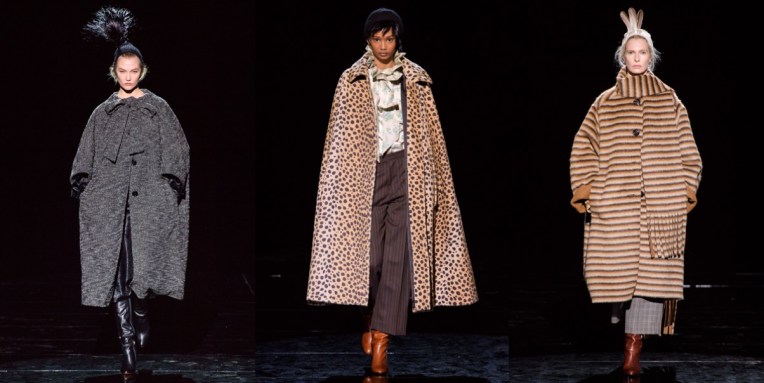
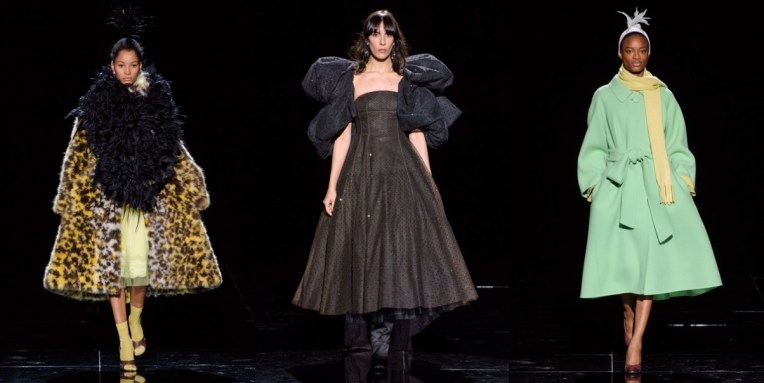
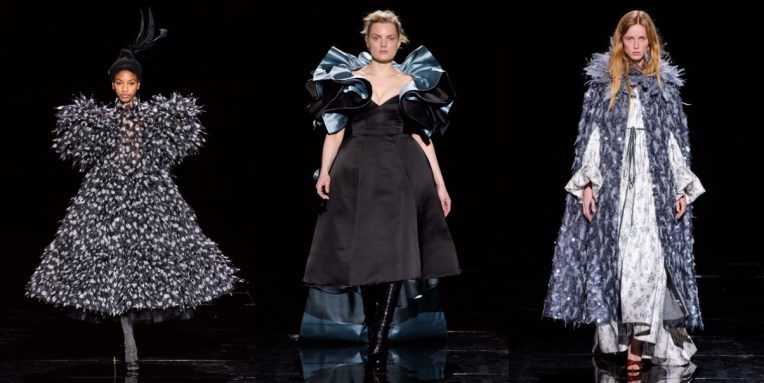
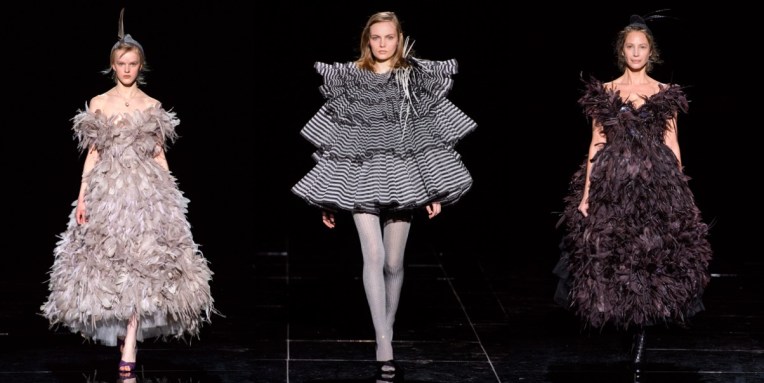
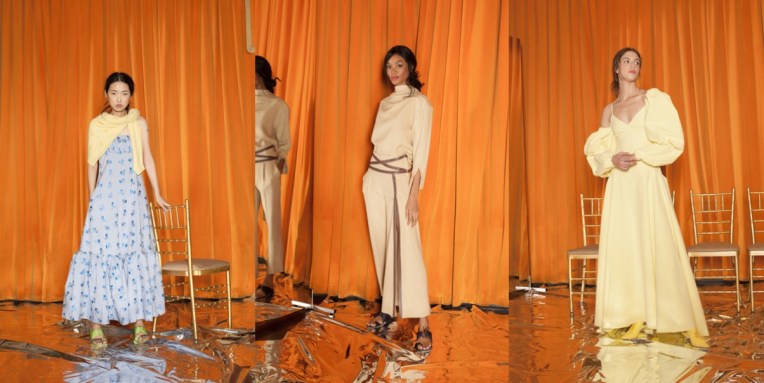
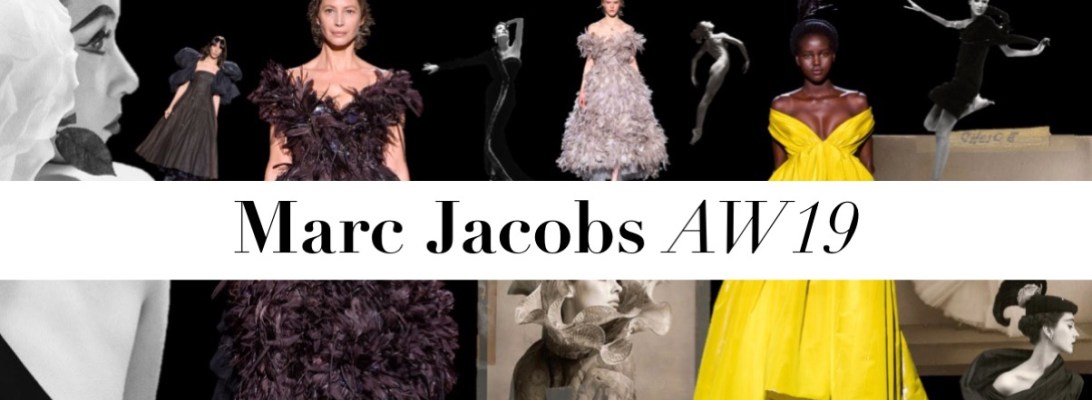
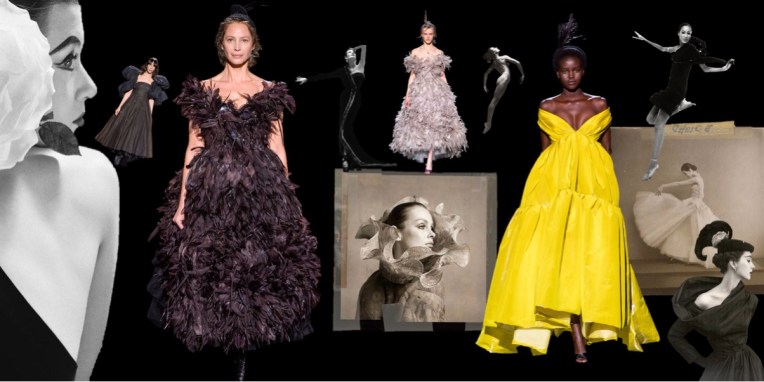
Marc Jacobs closed New York fashion week with one of his best collections in the last years – or even, career. While the past few seasons were brilliant, they slightly worried with being too exaggerated, too show-y. The autumn-winter 2019 collection is just the perfect balance of Jacobs, and what his brand stands for. New York edginess combined with this cool, ‘off’ glamour. There was drama, of course: the yellow gown worn by Adut Akech looked insanely gorgeous, just as the dresses covered in feathers, as seen on Christy Turlington (by the way, it’s her major runway return after 20 years and let me tell you – she is so, so beautiful). But there was something calm about this collection. Even sober. The venue was dark and absolutely minimal. Classical, live music played throughout the show. No killer platform boots or crazy hair – most of the models looked make-up free and wore beanies topped with a feather (that’s how Stephen Jones does ‘casual’). There was stuff that will sell, like the voluminous, lady-like coats in leopard print, stripes or checks, and hopefully this brings the brand back to the buyers. You might say that the collection is inconsistent: how does Sara Grace Wallerstedt’s minimal pistachio dress works with Guinevere Van Seenus’ ruffled, retro ensemble? They shouldn’t. And Jacobs is fine with that. “They’re all very beautiful, but they’re all different. We have 40 girls and each one is slightly different… our vision of who each of these women are,” is what the designer said about both, the collection’s diverse model casting, and the aim behind the entire line-up. A ‘wardrobe’ would be a bad term to describe this, as this is something much more broader. It’s rather a set of personalities, in the fashion aspect, but not only. Shortly: big, big bravo, Marc.

Collage by Edward Kanarecki, feauturing Richard Avedon’s photographs.

Joyful Calmness. Rosie Assoulin AW19

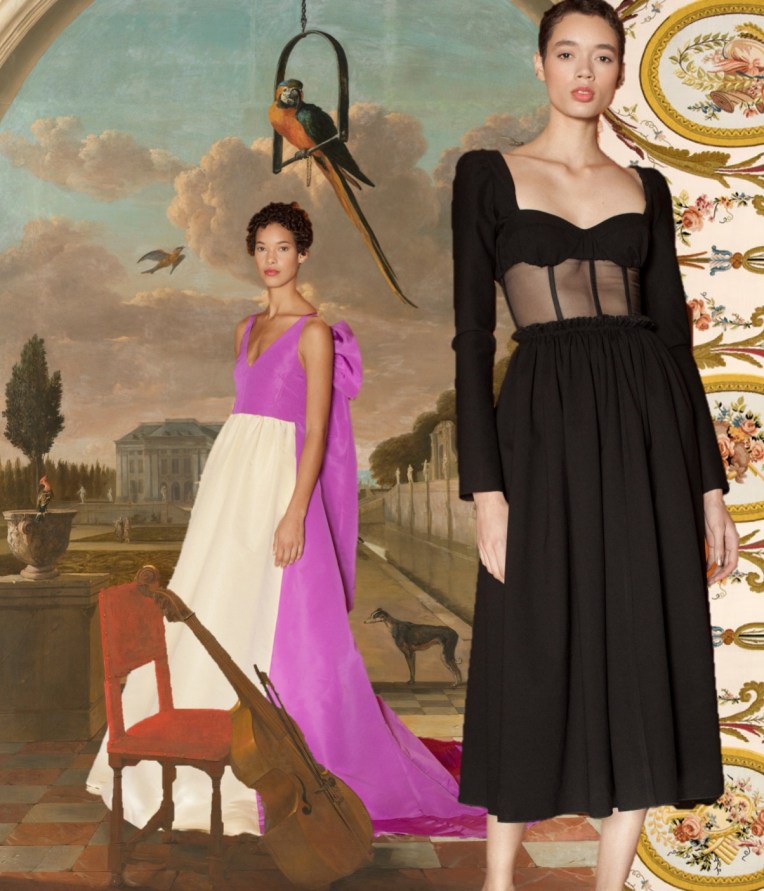
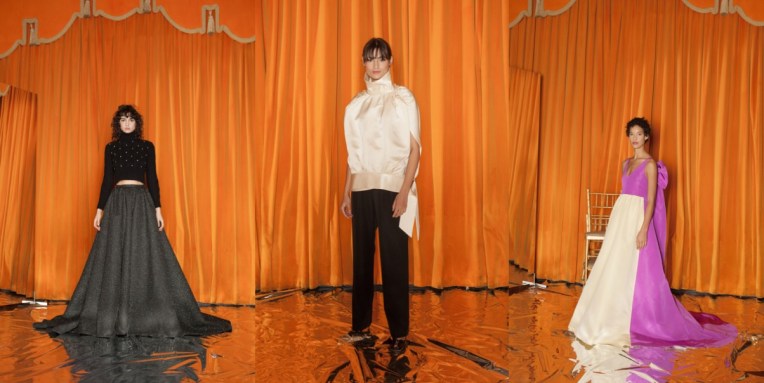
What surprised me the most about Rosie Assoulin’s autumn-winter 2019 collection was the colour palette the designer resorted to this time. While we all got used to see Rosie’s unpretentious, fantastically big eveningwear and glamorously-on-the-go daywear in bold, strong colours, this season she kept it more earthy, I would even say: calm. Of course, there was a bit of vibrant yellow and orange, a pop of electric blue and bright purple (I specifically mean this sleeveless gown with a pulled bow on the back – so beautiful), but they were all in the details. The black, mid-length dress with a corset-like detailing was a standout, just like the beige suite styled with a sheer shirt covered in big mirror sequins and the delicious look that featured a cropped, pearl-beaded turtleneck and a floor-sweeping, ball skirt. Assoulin’s collection rarely rotate around specific references or moodboards. She rather designs wardrobes, featuring clothes for different kinds of women (they share common love for joyful artiness in style, something Assoulin embodies in her fashion) and different occasions. Some are here to make an entrance, and some are designed for running everyday errands, in style. While other New York-based designers seem to give away uncertainty, Rosie stays on her track.

Collage by Edward Kanarecki.
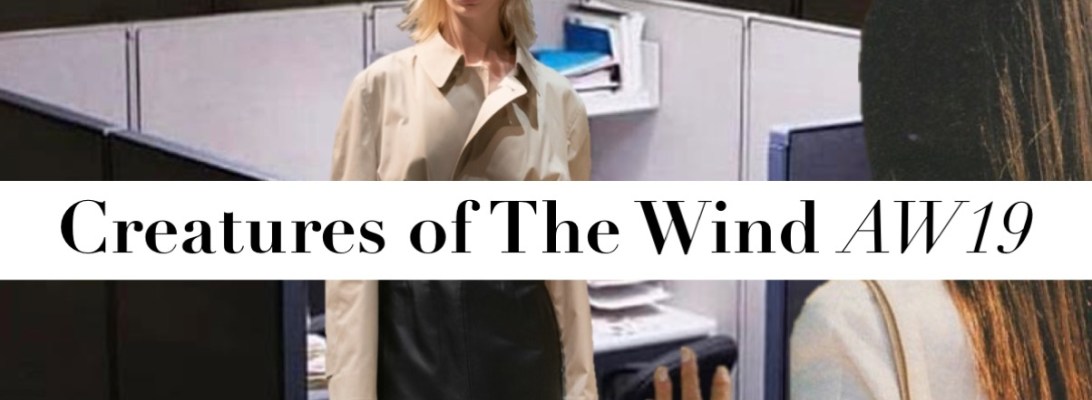
Back to Life. Creatures of The Wind AW19

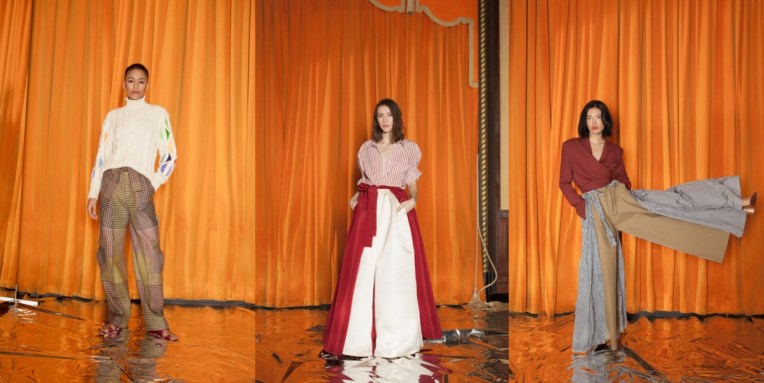
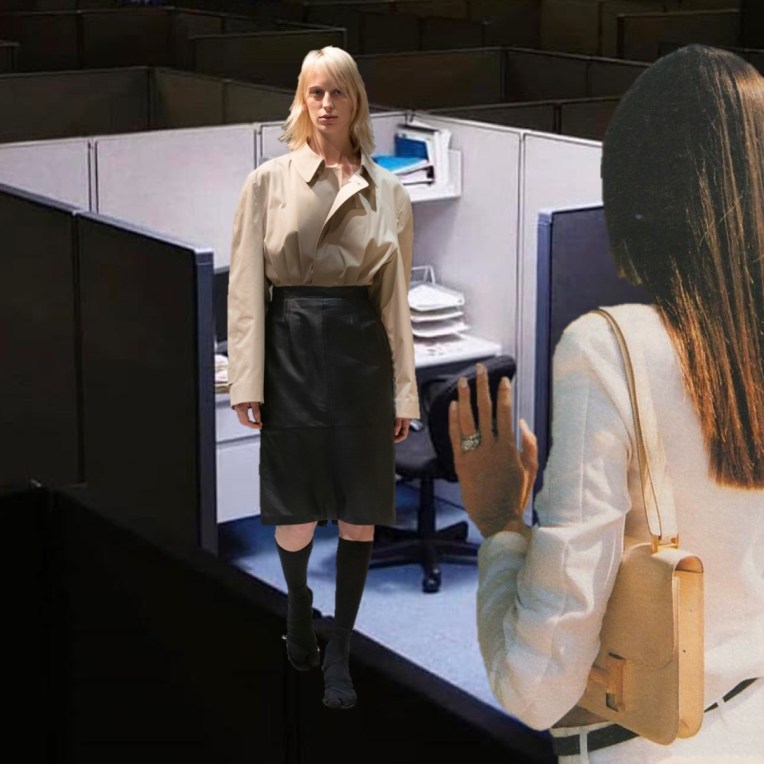
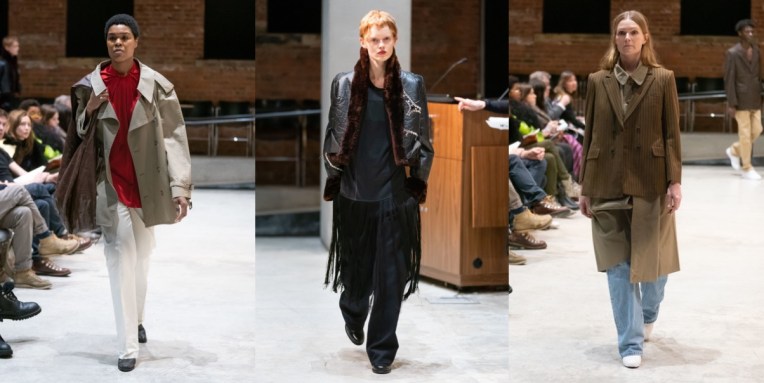
Ok, that’s something new: two brands in one collection, with a feeling of anonymity – like ‘what’s what’? Chris Peters and Shane Gabier decided to show their Creatures of The Wind and Peters’ other label, CDLM, together. While everything should have a brand and a logo seen from the distance these days, Chris and Shane made the viewer take guesses. Isn’t it better to forget the labels, and look at the garments objectively, without knowing the tag? Wouldn’t our buying choices change dramatically? In case of Peters and Gabier we had a line-up of very, very good clothes. And I’m objective! The designers are known for their recycle and upcycle practices – they use existing vintage and deadstock fabrics. They can do wonders with those. Examples? A ’30s slip-dress, a man’s tux collapsed into a coat, ’40s fake furs clashed into one (ok, Martin Margiela did that decades ago, but still this idea looks so brilliant), another coat that had its deconstructed lapels made from a football merch scarf… Then, the look I had to look at twice to be sure I’m not wrong. A blanket scarf worn with a white shirt, navy pants and white paint splattered caban boots were modeled by a woman who rarely stands in front of the camera today, but has influenced American fashion like no other: Vogue’s fashion editor, Tonne Goodman. She’s the person who created the so-called ‘sporty elegance’ look that’s all about reality and relevance. Which actually is the style ethos that got quite naturally inherited by such designers as Chris and Shane. Tonne is also deeply committed to sustainability – and, as visible, a friend of the brand. She looked as if she was on the street, off to the office or the next fashion show in her typical ‘its my job’ attitude, not on an actual runway. That’s why I enjoyed Creatures of The Wind (and CDLM) this season: clothes for life and pretty much any moment in life.

Collage by Edward Kanarecki.