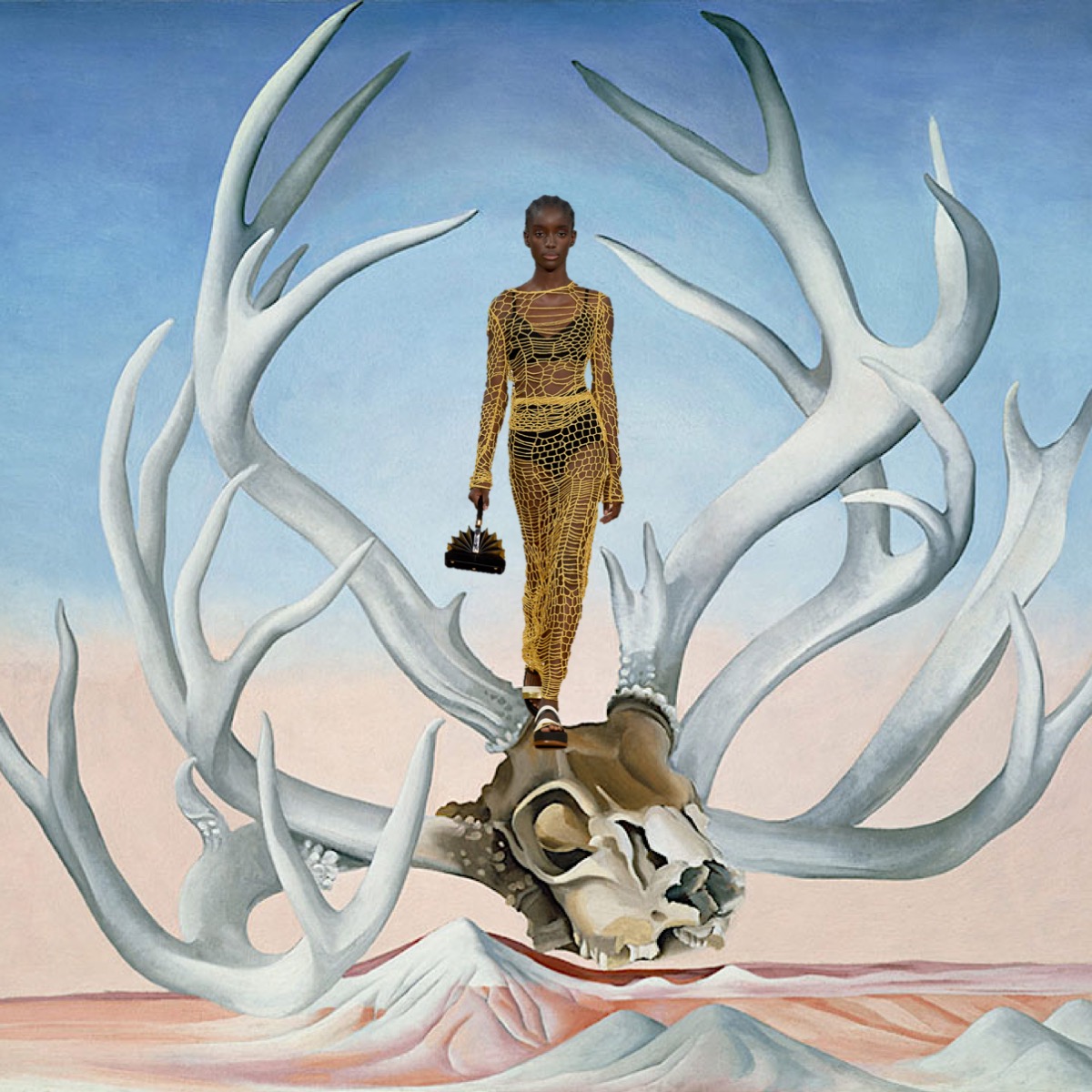
Empowerment. Gabriela Hearst SS23

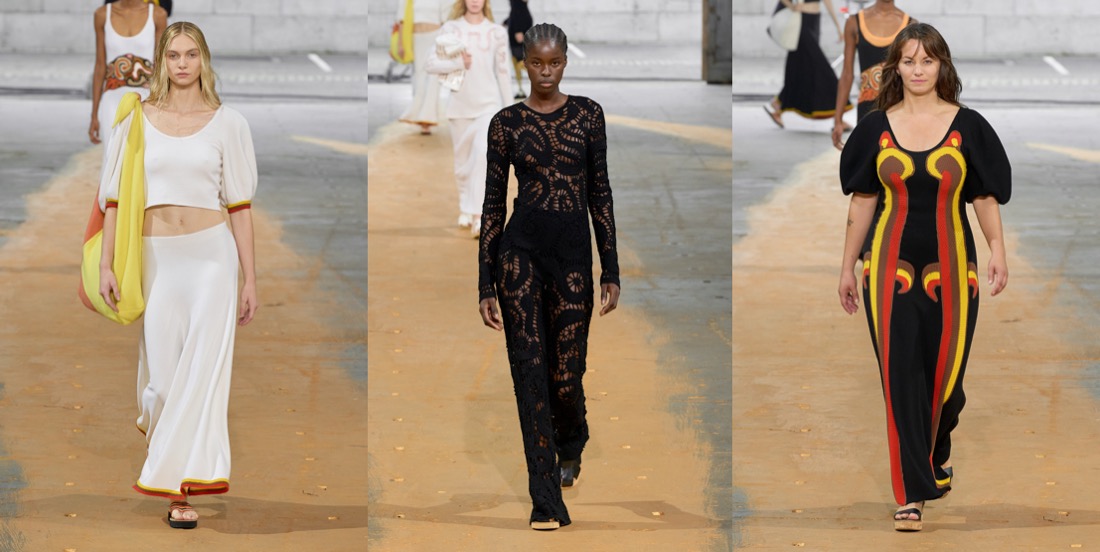
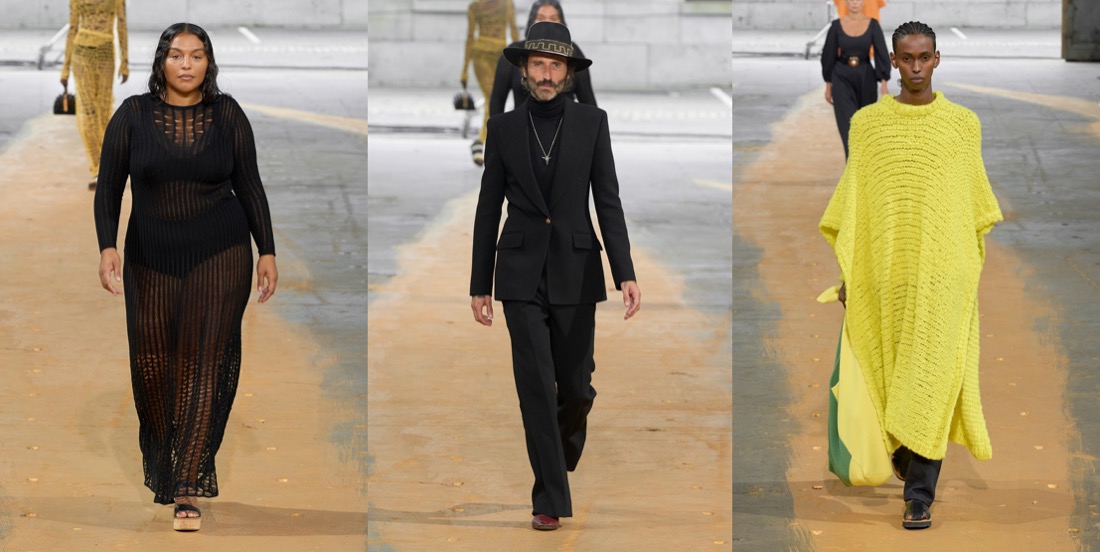
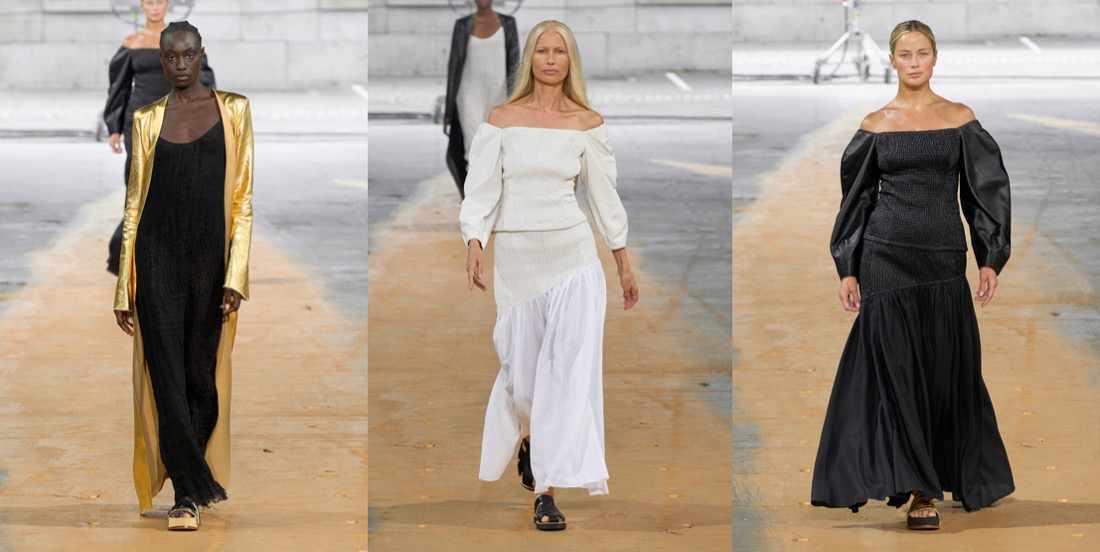
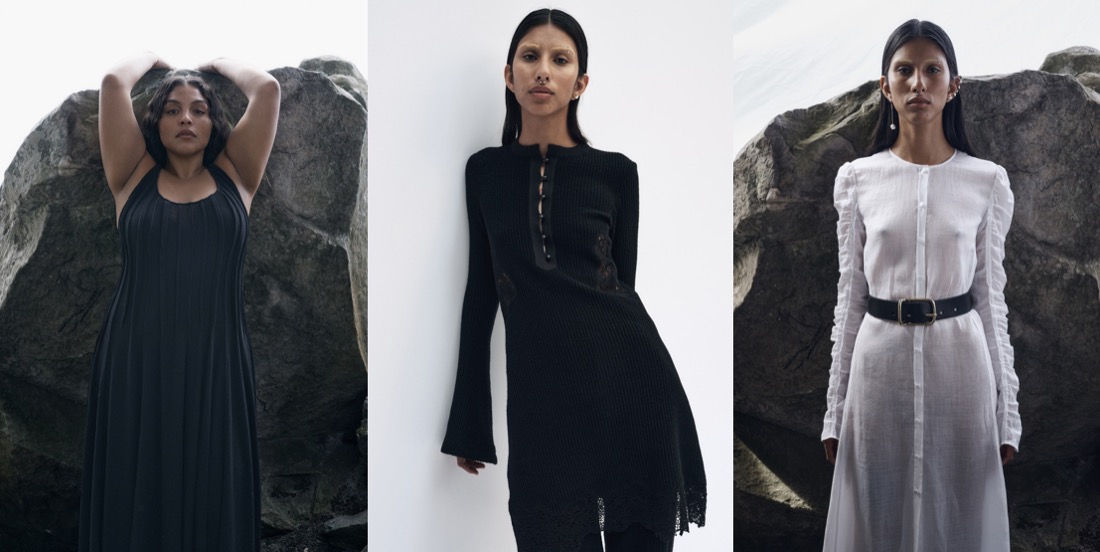
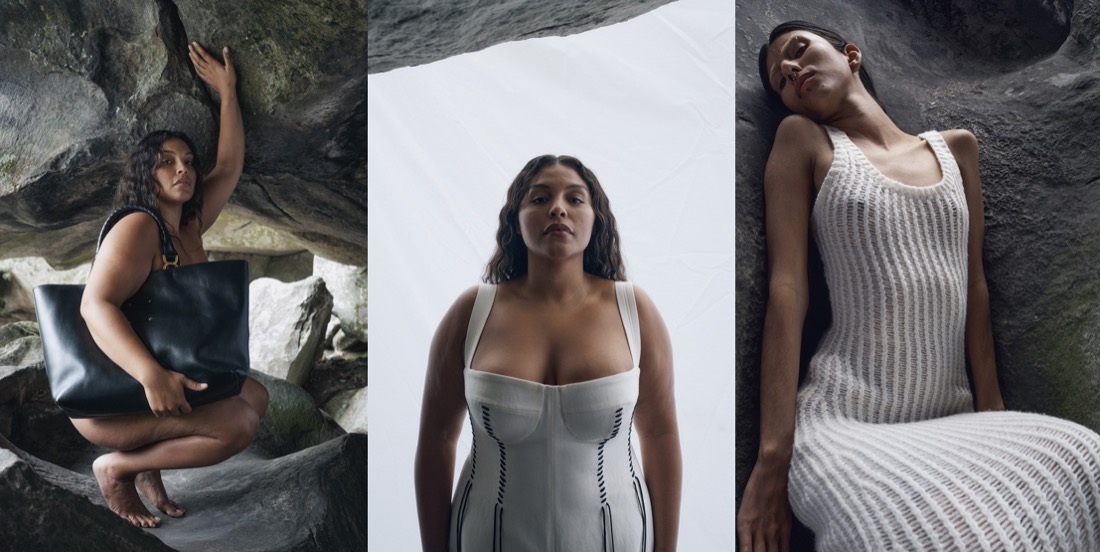
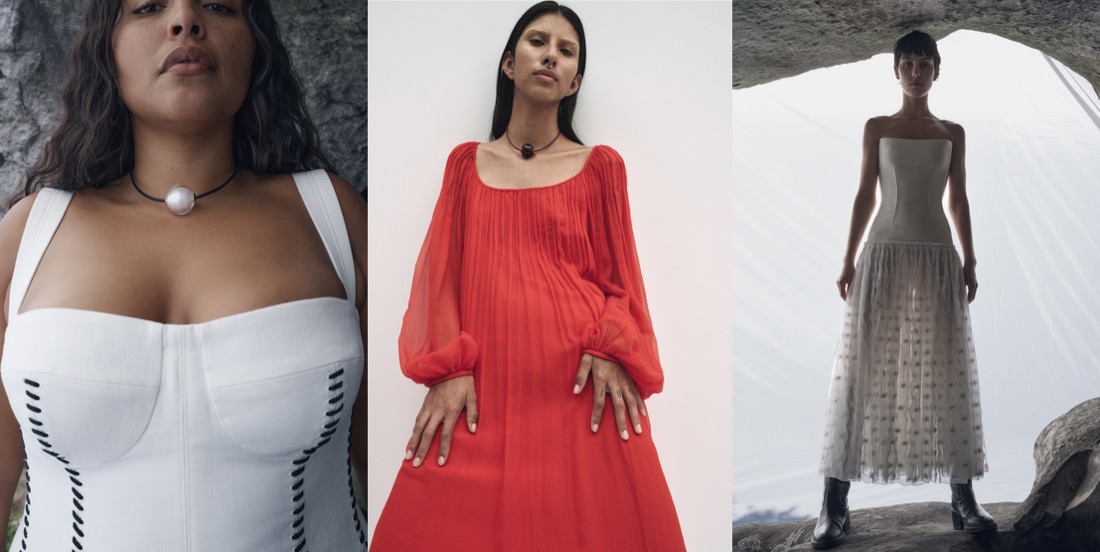
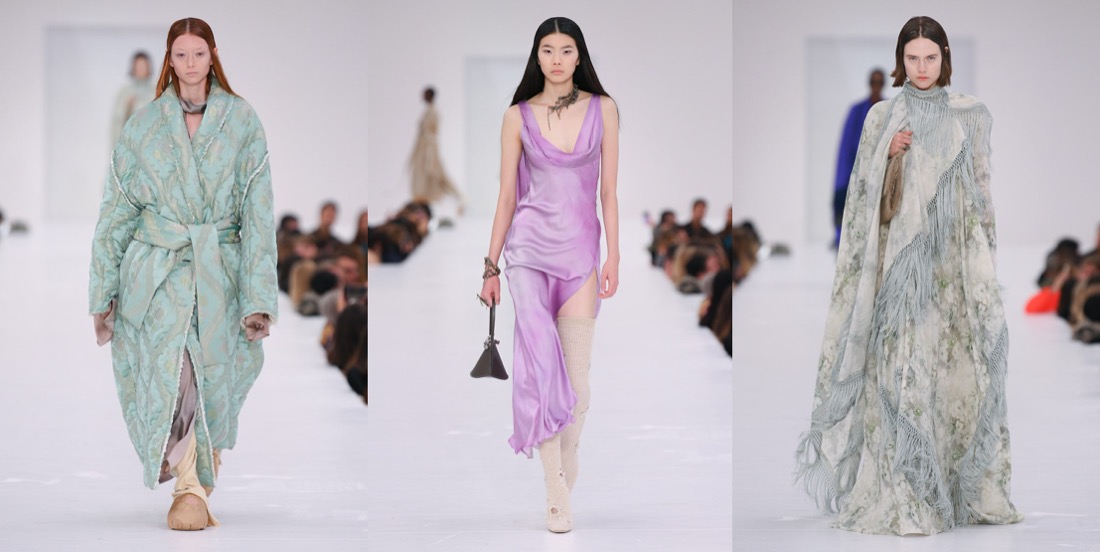
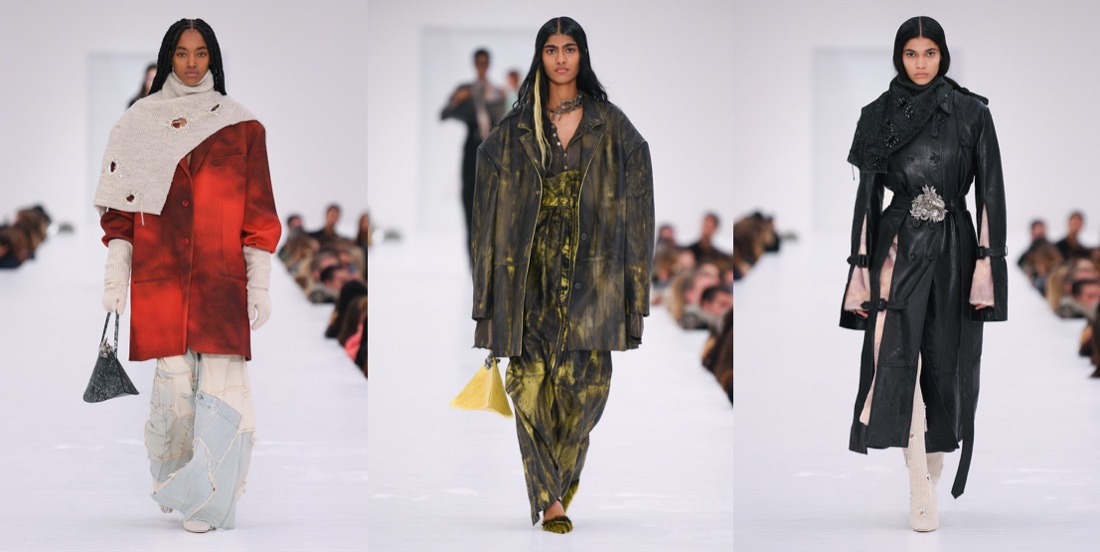
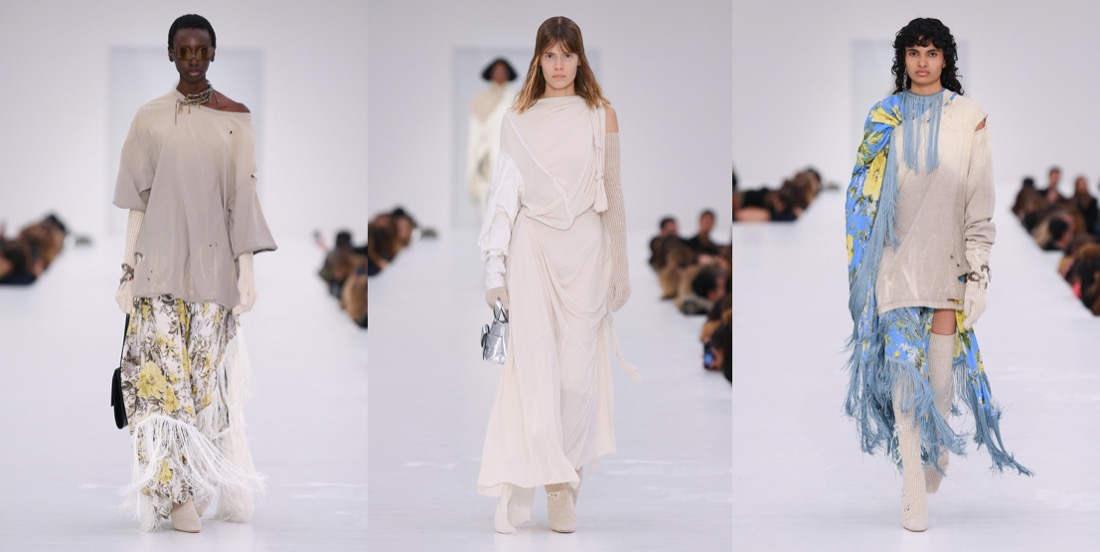
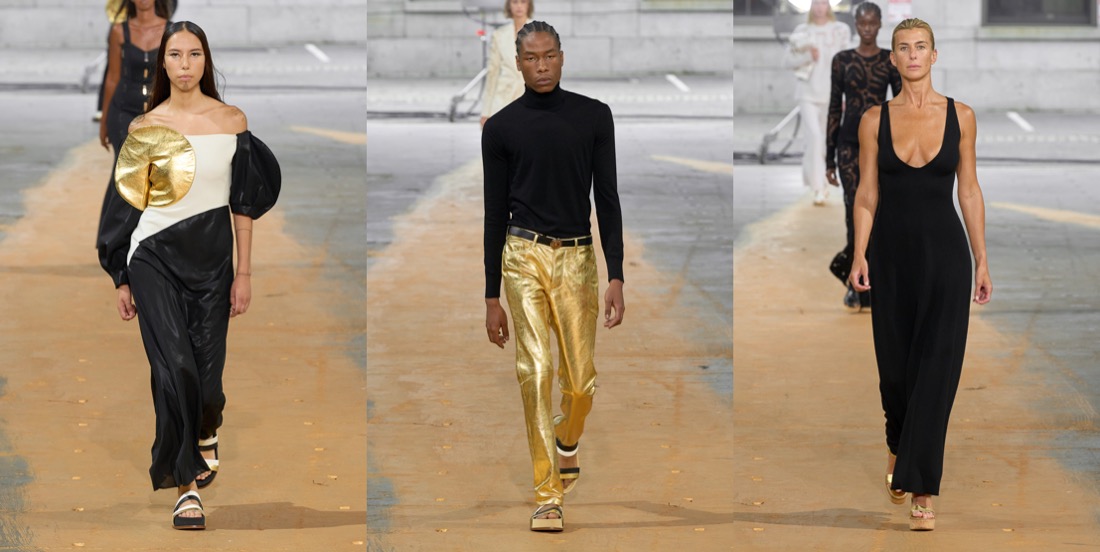
The runway photos tell only part of the story about Gabriela Hearst’s spring-summer 2023 show. Just beyond the picture frame, the runway was lined with members of the Resistance Revival Chorus. They sang “This Joy,” a gospel song written by Pastor Shirley Caesar. Joy has been the buzzword of the week; few designers have failed to mention it. But only Hearst booked this choir, and the singers more than delivered on the song’s promise. It was a feel-great moment, made more so by the diverse group of friends that Hearst cast, from the former president of Planned Parenthood Cecile Richards to the young climate activist Xiye Bastida to the anti-toxic shock syndrome advocate Lauren Wasser. Hearst has woven female empowerment into her brand DNA. She likes being a connector, hooking up one woman on a mission with another, and in the process side-stepping the male dominated systems that disadvantage us. This season she made those intentions more explicit in the clothes. The opening series of dresses were constructed of black jersey fixed with molded gold leather whose ruffled raw edges extended beyond the shape of the torso. These nodded in the direction of the Yves Saint Laurent gold breastplates made by Claude Lalanne, but the vibe here was more Athena, goddess of wisdom and war. Later on came a pair of knit pieces inset with crocheted segments in fiery shades of red and orange, and these too conjured thoughts of warrior women who dared to approach the flame. Heart’s friend Cecile Richards’s book is called Make Trouble, don’t forget.

The collection was a showcase for similarly fine handicrafts. Soft ruched leather for a pair of looks worn by the ’90s stars Kirsty Hume and Carolyn Murphy; three-dimensional gold thread embroideries on an ivory dress and well-tailored suit; silk ladder stitch knit dresses as gossamer as spiderwebs. A gold version worn with a matching poncho was especially striking. Hearst came out for her bow wearing a cap stitched with the logo of Sound Future. Her friend Brandy Schultz, who walked in the show, is the co-founder of the non-profit, which seeks to “measure, discover, and deploy meaningful environmental solutions for the live event industry.” Fashion is in need of a meaningful environmental solution. It’s a long way from positive intent to measurable change, but Hearst is making the right connections.

Collage by Edward Kanarecki.
Don’t forget to follow Design & Culture by Ed on Instagram!

NET-A-PORTER Limited

Dries Van Noten Beauty

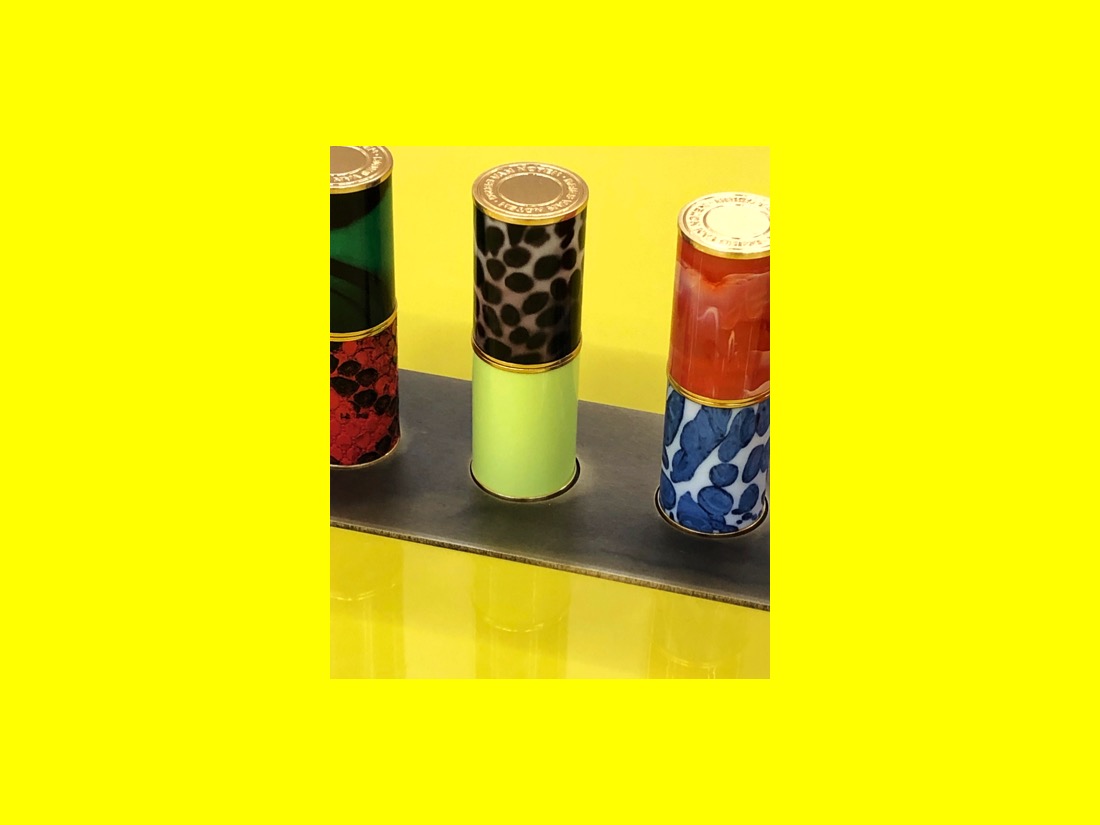
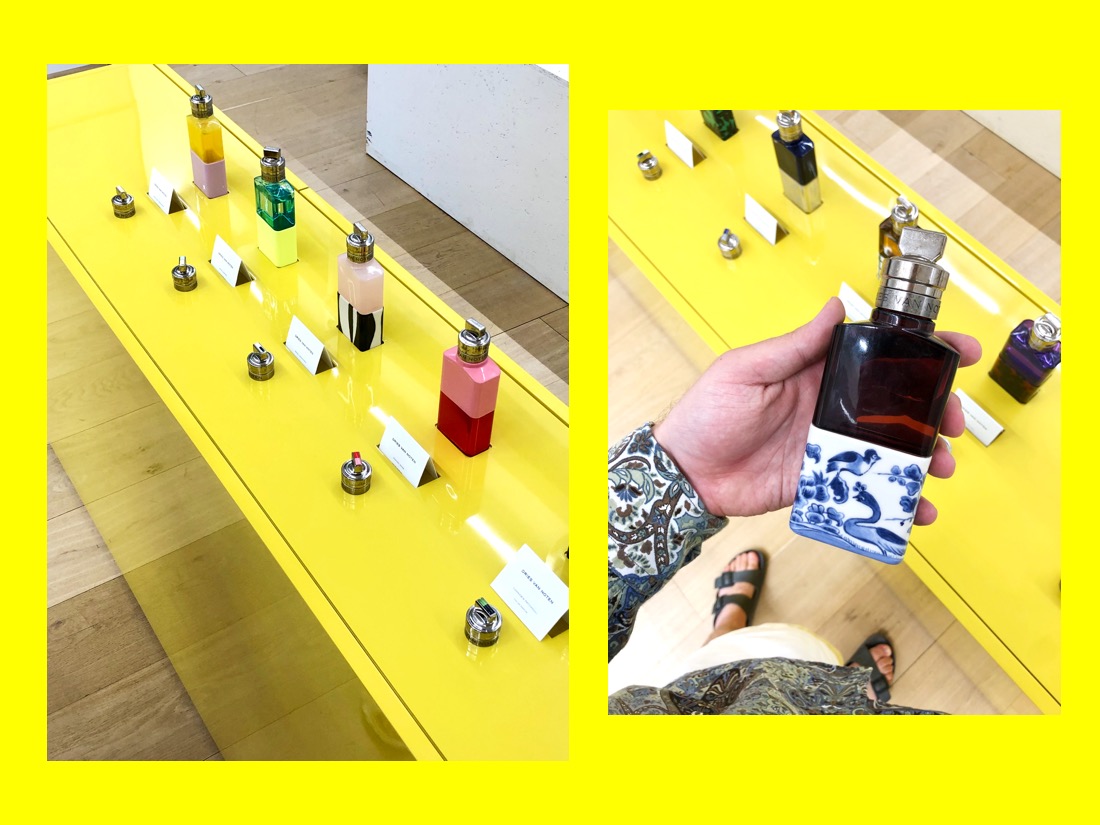
During my recent Berlin trip, I finally had the chance to discover the Dries Van Noten beauty line IRL at Andreas Murkudis (which is the only retailer in Germany who stocks these goodies). I wasn’t disappointed. For most designers, perfume and cosmetics are a rite of passage; they waste little time getting into the lucrative businesses. But not Dries Van Noten. For over three decades, he has been one of fashion’s rare independent operators who made his name not on licenses, but on clothes. And yet the 63-year-old is probably better suited to these things than many of his peers. “I said I wanted a rose perfume that is kind of a punch – really not a sweet, beautiful, feminine thing. It had to be something that men could easily wear. That was kind of the symbol of how we started to work,” he says of his fragrance lineup, which includes Neon Garden, one of the scents the designer himself has taken to wearing that pairs the freshness of mint with powdery iris, and Jardin de l’Orangerie, which blends traditional orange blossom with sandalwood for a grounded, earthy effect. What Van Noten didn’t want: “easygoing” perfumes. “I think there’s already so much out there in the market. The idea was that every perfume really tells a story – in my fashion, I’m also a storyteller,” he told Vogue. In total, the new line includes 10 genderless eaux de parfums alongside 30 lipsticks, a lip balm, as well as a select few soaps and creams. The collection also includes a series of accessories, such as a mirror, a comb, and more. The scents are personal, and so too are the apothecary-inspired bottles that they come in. Each is meticulously designed and outfitted with a cap that features the brand name engraved onto it. The bottles are colored to match the scent inside, and is bound to become a centerpiece on your beauty shelf as soon as you add them to your collection. As for the beauty offerings, the 30 lipsticks are available to shop in a range of three finishes. Fifteen of them have a satin look, 10 have a matte appearance, and five will be sheer. While some are neutral-toned, the collection also includes a vibrant purple shade, proving that the brand’s love of color runs deep. The lipsticks in this new collection are just as much about the final payoff as they are about the process of applying and playing with them. With this in mind, you can also buy a lip brush to go along with the shade of your choosing. What’s important, sustainability was also key in the new collection. Aside from being reusable and refillable, the lipsticks are packaged without plastic. Love!

Photos by Edward Kanarecki.
Don’t forget to follow Design & Culture by Ed on Instagram!

NET-A-PORTER Limited

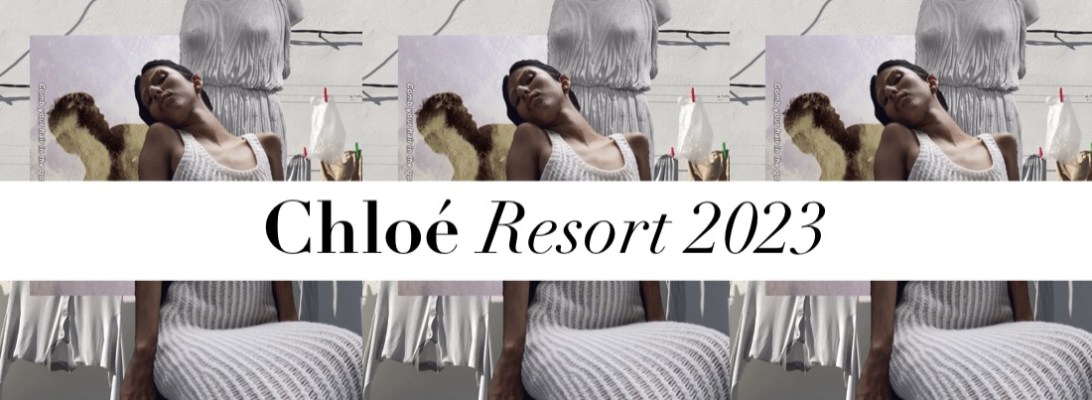
Tabula Rasa. Chloé Resort 2023

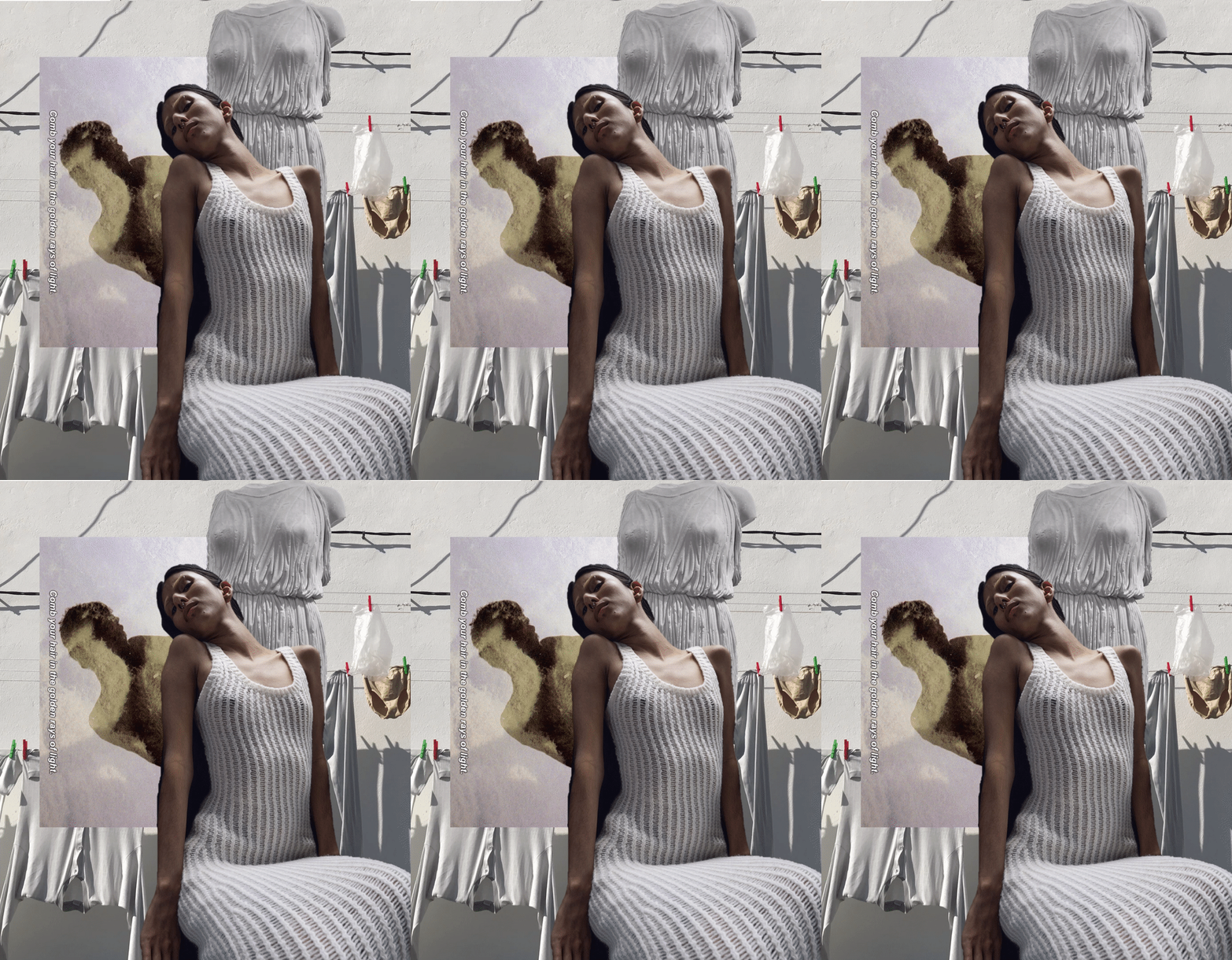
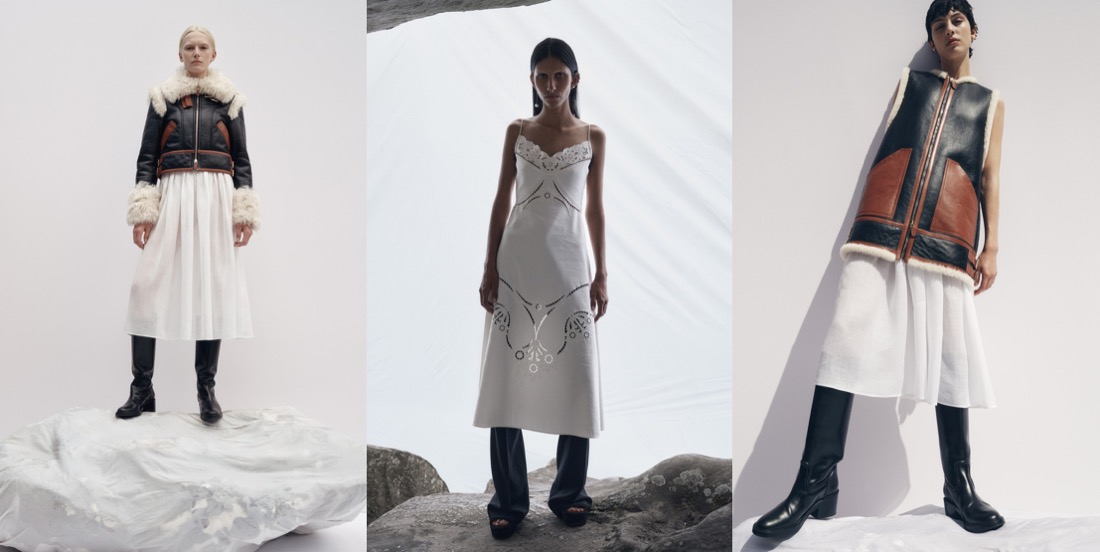
To create a responsible brand in the 2020s entails more than choosing sustainable materials and cutting down on manufacturing and shipping costs. As Gabriela Hearst, the creative director of Chloé sees it, building awareness into the marketing plan is part of the process. “The problems fashion has are the problems that all industries have,” she said. “The world’s energy supply is 85% from fossil fuels, and if we don’t eliminate that situation we’re really walking into suicide. All these alternate energy sources – wind power, solar panels – don’t have the capacity.” Fusion, Hearst explained, could make up the difference as we wean ourselves off of oil. “In a nutshell,” she said, “fusion is how stars are made. It’s the energy that moves the universe.” She promised “a much bigger experience of it,” at the Paris show in September. Here, the fusion lesson consisted of broderie anglaise and laser cut leather in the form of stars and a night sky palette of strictly black and white, save for a single red dress with a scoop neck and full poet sleeves. She credited Joel Cohen’s recent adaptation of The Tragedy of Macbeth for the corset shape of dresses accented with knotted leatherwork evocative of medieval chainmail, and leather jackets and vests patchwork paneled like armor. The novelties this season were twofold. First, she collaborated with Barbour, the British outerwear company renowned for its waxed jackets, on a trench ruffles details and on a poncho, a shape she has a soft spot for. The denim corset dress, duster coat, button-front vest, and a-line skirt are the results of a project Hearst dreamed up with the California jeans expert Adriano Goldschmeid. They’re composed of 87% recycled cotton and 13% hemp; that’s an earth-friendly equation. The only thing that Heart could work on – and that’s something she started last season – is her aesthetical direction for Chloé. Should this brand really be all about minimalism? Monastic and prim? There’s no need for another Jil Sander or The Row.

Collage by Edward Kanarecki.

NET-A-PORTER Limited

Upcycled & Defiant. Marine Serre AW22

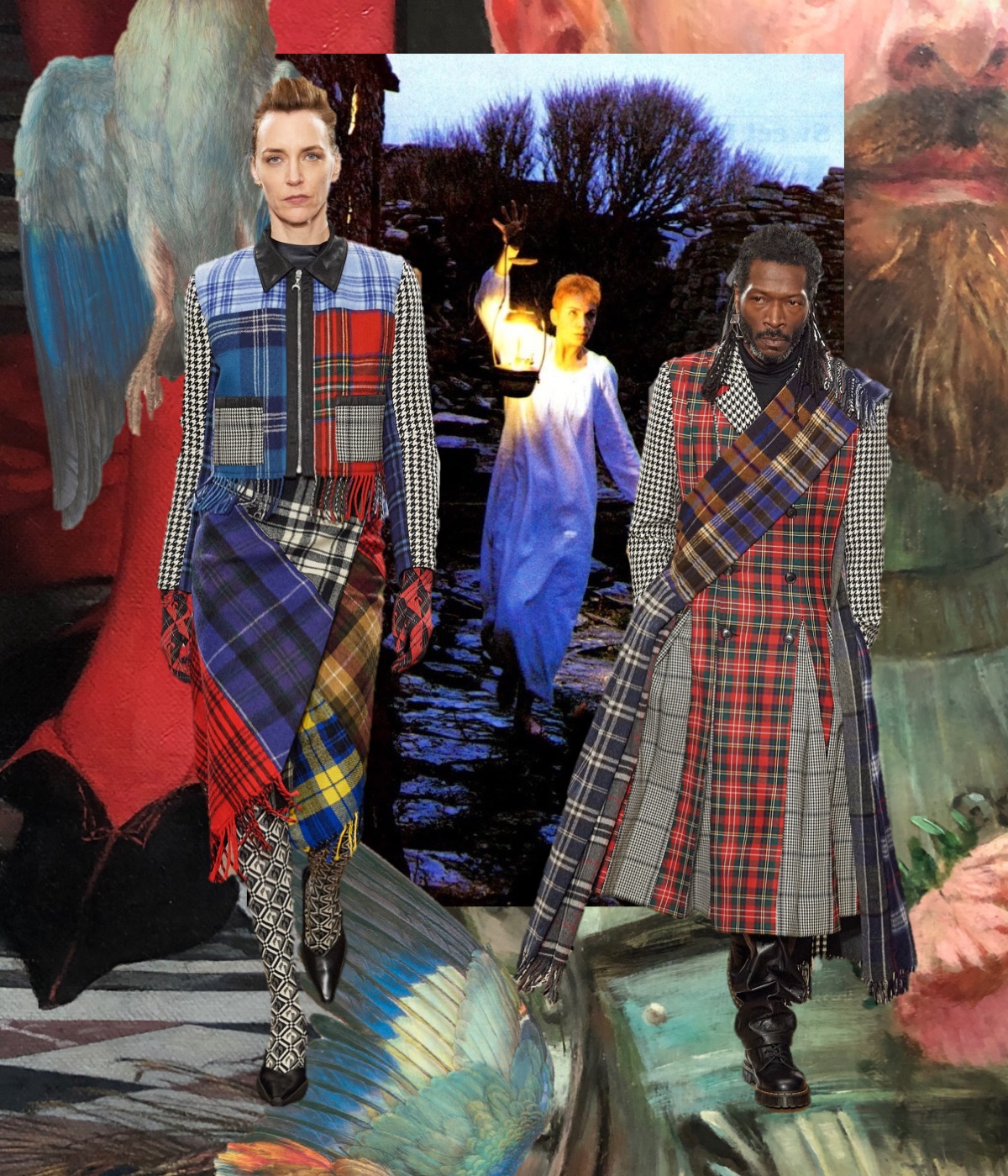
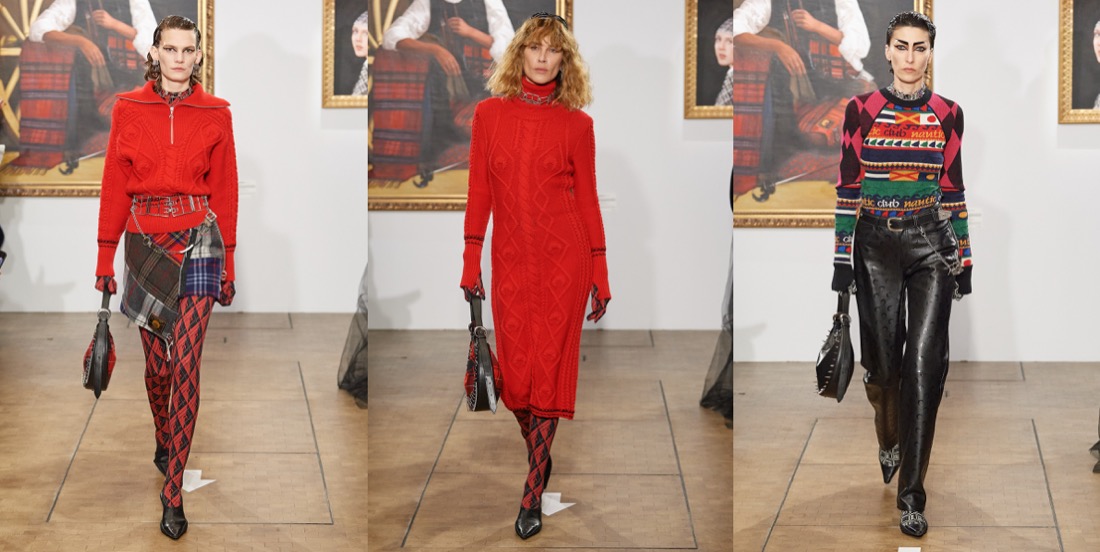
Marine Serre‘s dynamic autumn-winter 2022 collection made me realise she would do great at rejuvenating the Vivienne Westwood brand. Why? First, her devotion to upcycling, which has inspired the entire industry, goes in line with Westwood’s sustainability ethos. Second, the Parisian designer has that rough, defiant style that is real and keeps evolving with every season. And third: the way Serre used tartan checks (all from upcycled scarves and deadstock materials!) this season makes me think of some of the greatest 1990s collections coming from Vivienne.

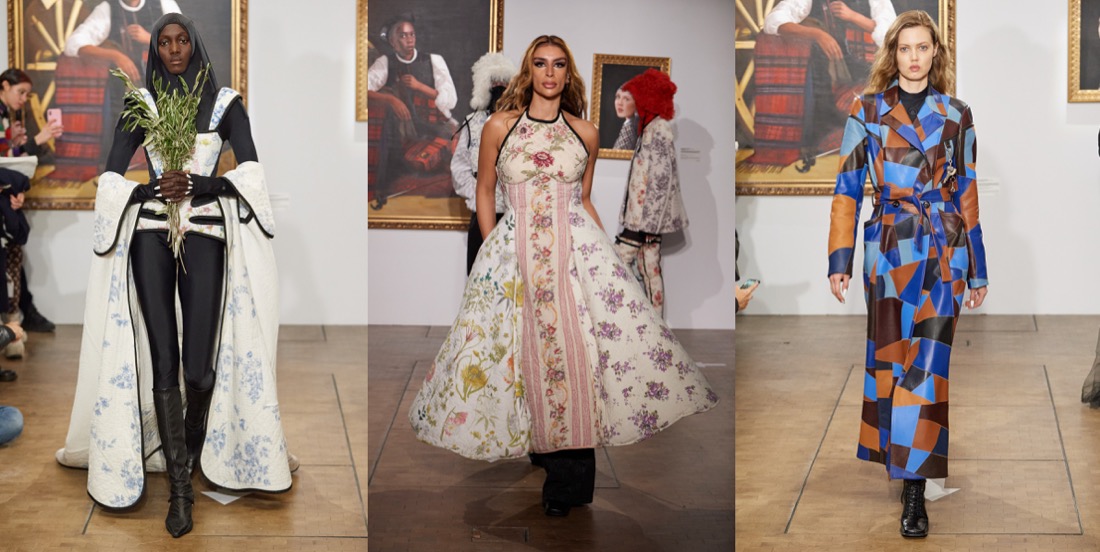
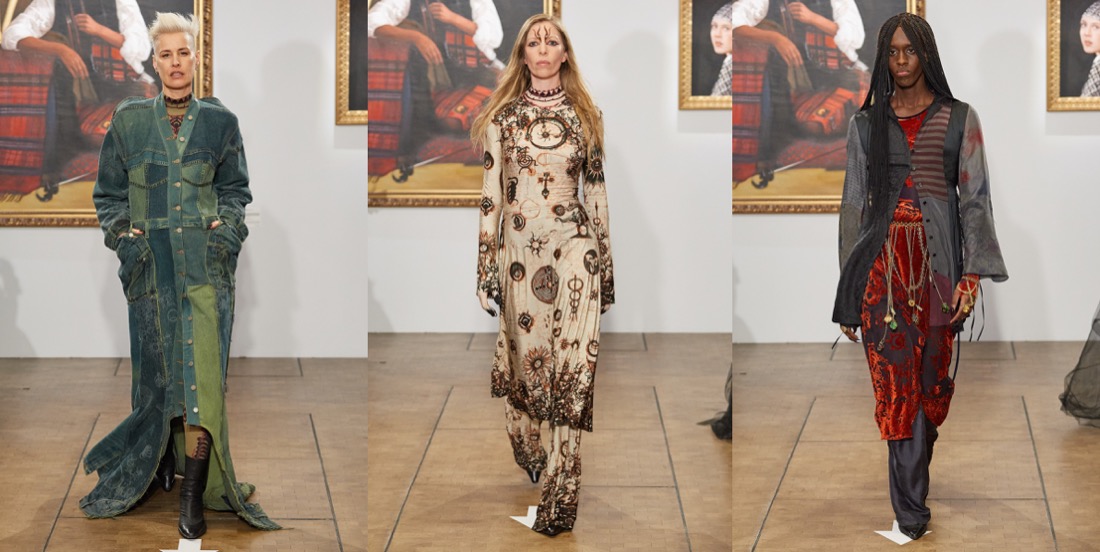
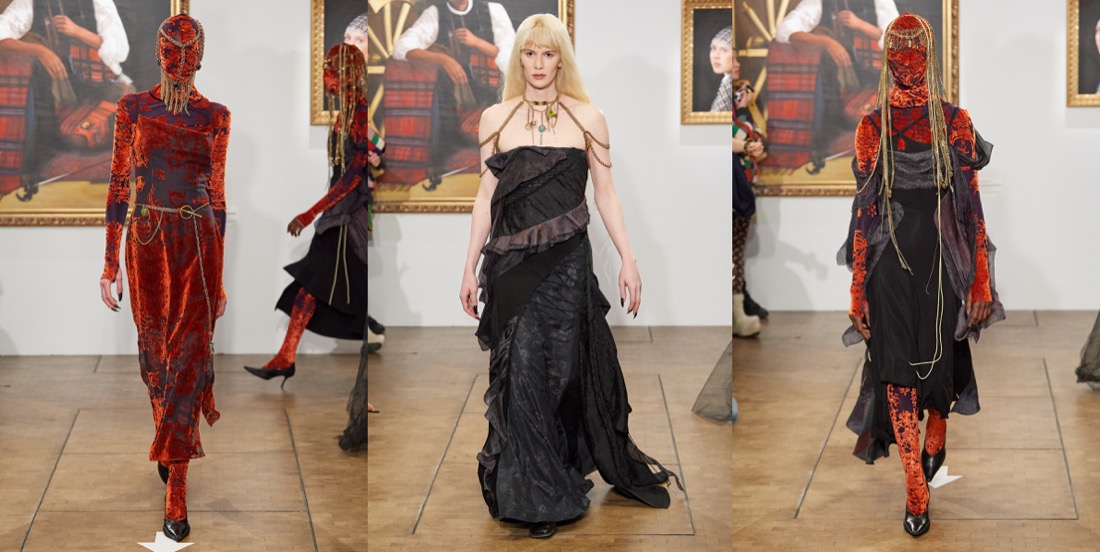
Now back to Marine’s latest line-up. The serenity of the Marine Serre show photographs completely belie the mayhem of what was happening two floors below. Suffice it to say that young people in Paris will scramble and wait, packed uncomfortably together, to witness whatever Serre will do. It felt almost like a throwback to the hysteria of the underground French fashion scene that swirled around the likes of Jean-Paul Gaultier, Martin Margiela and Xuly.Bët two decades ago. If Serre is a female inheritor of what male designers did to deconstruct and democratize Paris fashion once upon a time, the big difference is how she delves far deeper into cultural and environmental ethics. Challenging the form of the fashion show is part of that. “What was important was to open the boundaries,” she said. “To show a different way to do a show. It was important to me that it was in a museum, to have something that shows the collective imagination. And to have something where people weren’t sure if there were going to be people walking, or where to sit or look.” The “museum” was a gallery of re-mastered old masters on the top floor. Each of them variously redirected, decolonized and replaced the original iconography to link up with Serre’s work. The first looks of the show were series of black and white lozenge and crescent-moon patterned recycled wool jacquard tailoring – they looked chic and polished. More themes came through: the above mentioned tartan scarves patchworked into tweed coats, collaged upcycled knits. Toile de Jouy quilted bed clothes and camouflage prints were turned into neatly-finished, attractive clothing. Serre is clearly focused on proving there’s nothing rough-and-ready about the second life she’s giving to pieces of defunct garments or deadstock. She’s intent on sharing how she does this. The need for transparency and education are other parts of her impressive worldview and drive to accelerate change in her generation. On the first floor of the building she had installed an atelier with members of her teams of sorters, cutters and sewers at work, demonstrating how her pieces are made. “I feel I have a responsibility to give access to this savoir faire,” she said, preternaturally calm in the eye of the swirling storm of guests. All weekend, she was planning to open the doors of the installations and exhibition to the public. “For free, you know?

Collage by Edward Kanarecki.

NET-A-PORTER Limited

There Is Hope. Acne Studios AW22

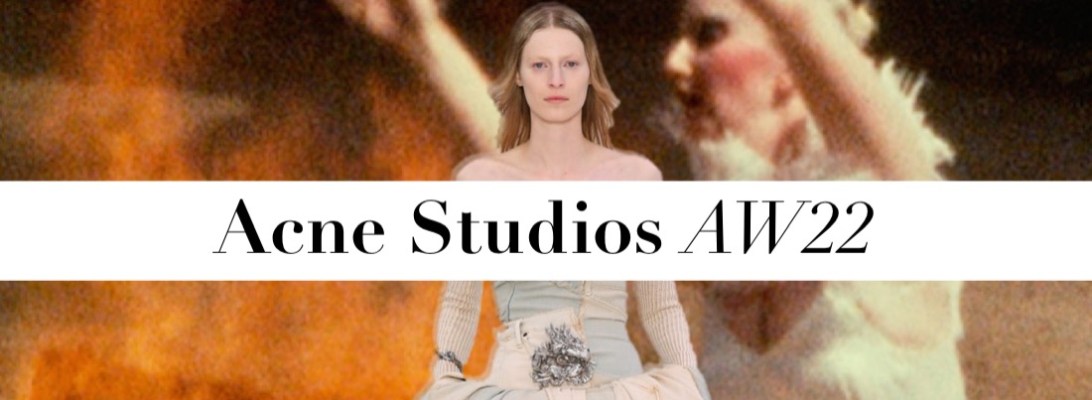
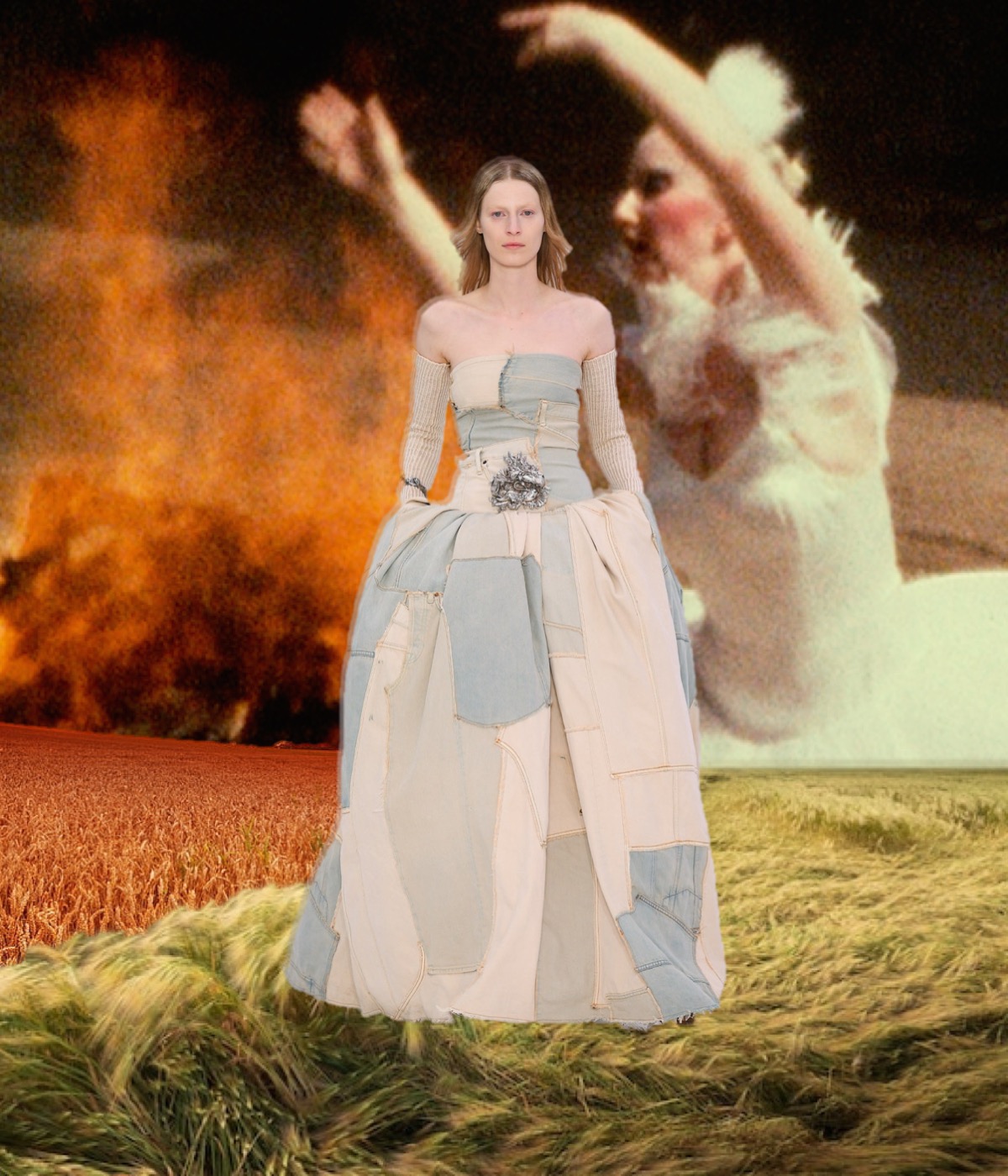
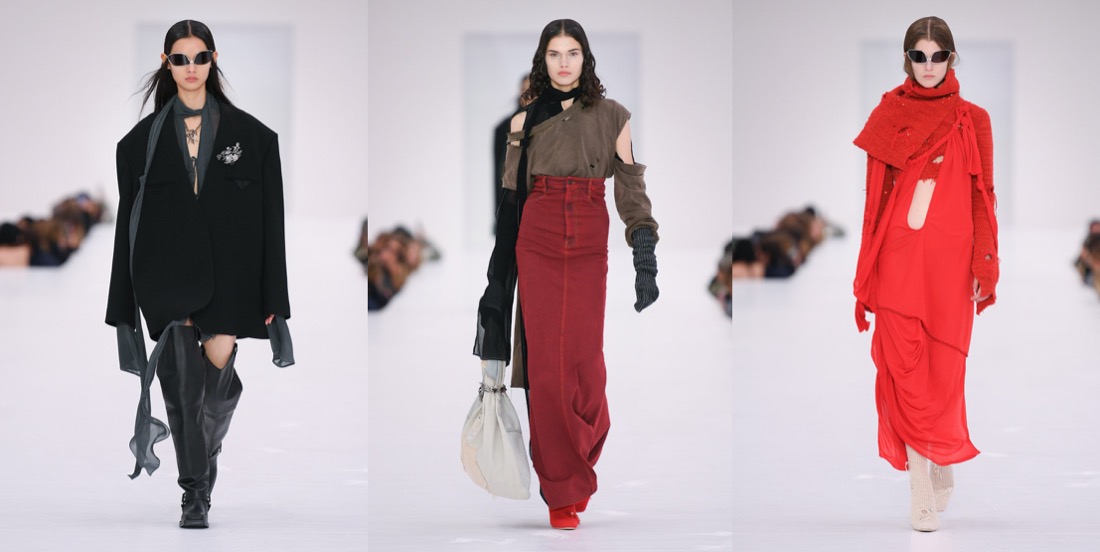
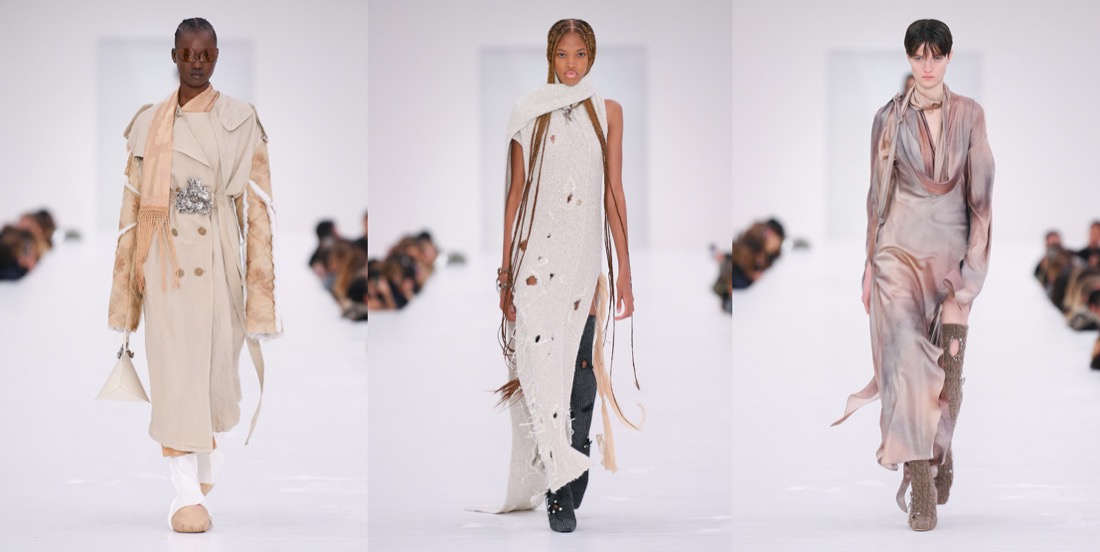
This was one of Acne Studios‘ strongest collections in a while. It had some very surprising turns (eveningwear!), it had an inspiring sustainability factor, and it somehow captured what fashion can be in turbulent times. But lets start from the beginning. When Jonny Johansson was a teenager still at school he lobbied his mother to get him some Levi’s 501s. Mrs. Johansson resisted, bought Swedish, and came back with two pairs of denim pants that she’d snagged from H&M for the same price as one pair of red tags. “She said this is the best choice,” Johansson sighed backstage. At the same time, however, Mrs. J also picked up a jacket which Jonny initially was not into – but which he decided to have a go at turning into something he liked. “It needed to be shortened and then I added a belt. I went into school wearing it, not knowing if people would notice it, or notice that it was home-made – which was not cool,” he said today. None of Johansson’s schoolmates reacted either way. Well, just look at him now. This collection leaned into Acne’s denim heritage in front of an influence-loaded audience with great effect. Upcycled patched denim paperbag skirts, an upcycled patched denim crini dress, and the opening look, a wide-leg garment dyed denim skirt, all paid homage to the single medium that was chiefly responsible for this multi-hyphenate success. Against this he played denim’s natural co-conspirator, leather, via a series of double-breasted trench coats reduced to slit-skirted armless dresses, sometimes also overdyed. Other notable elements included tuft-lined and sometimes-quilted regal blanket dresses in grandma florals, crystal embedded rib-kit socks over shoes, grungily faded jersey separates, layered fringed curtain dresses, and repeated returns to the post-Talking Heads boxy blazer in overdyed leather that was another early Acne signature. As tattered and ragged in its delivery as it was complete in its conception, this was an Acne collection that seemed more comfortable with itself than some of Johansson’s previous ventures. The show was accompanied by an original live performance by musician and composer Suzanne Ciani, a pioneer of electronic music who embraced the liberating technologies of synth to transform the way we listen to music today. As a last-minute change, the finale soundtrack reminded one of a war battleground rattle. The nomadic silhouettes walking on the elevated runway with these disturbing sound sensations in the background felt like a hopeful vision: in the end, the good overcomes the evil.

Collage by Edward Kanarecki.