Happy Earth Day!

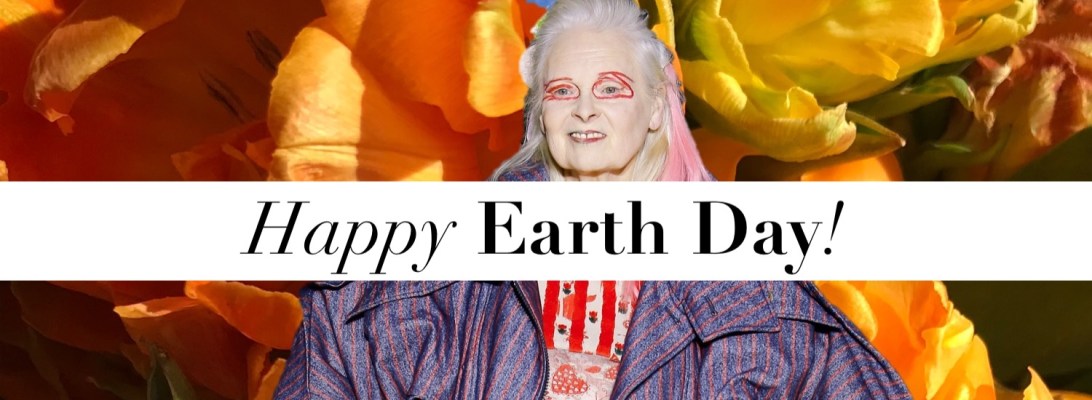
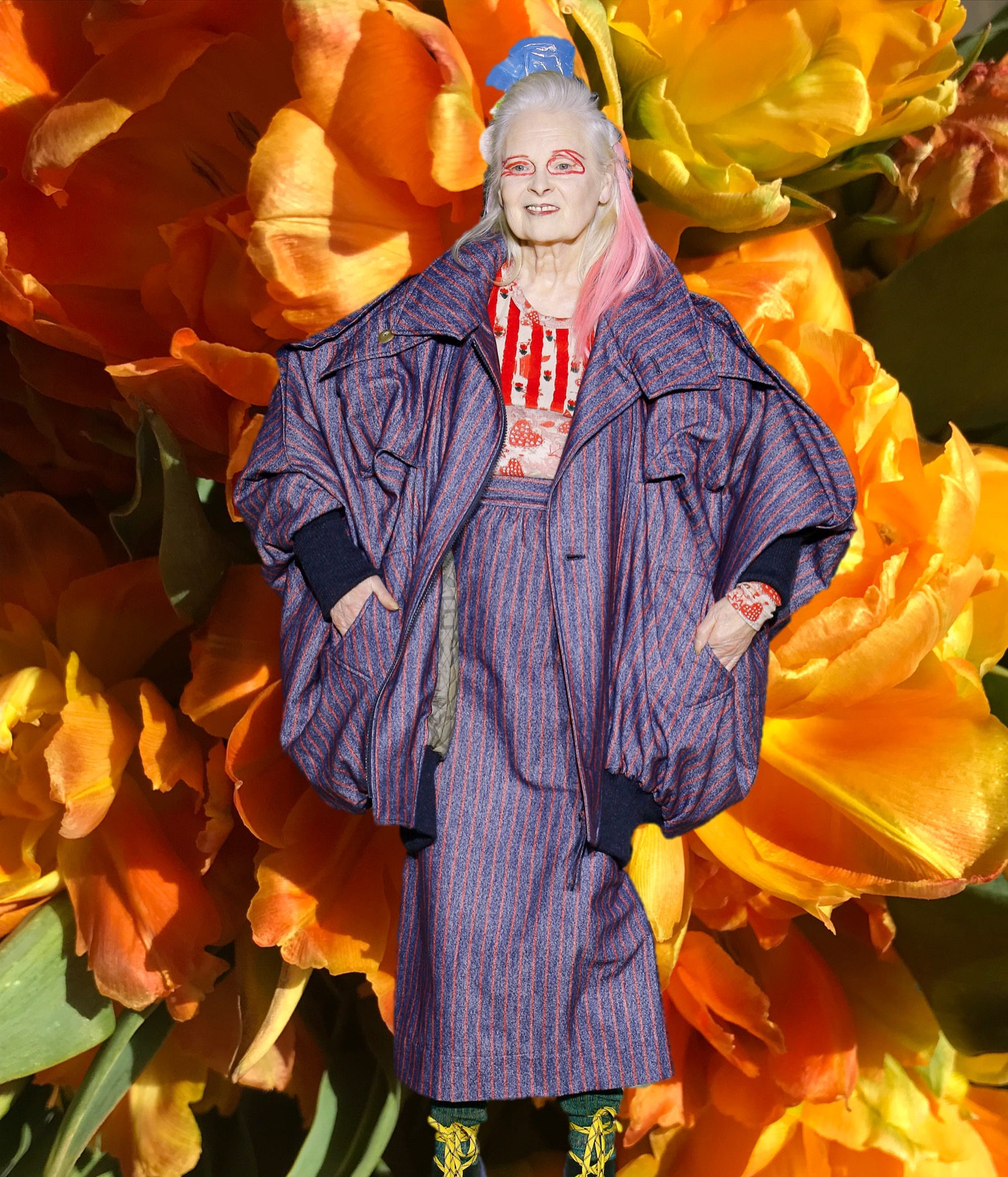
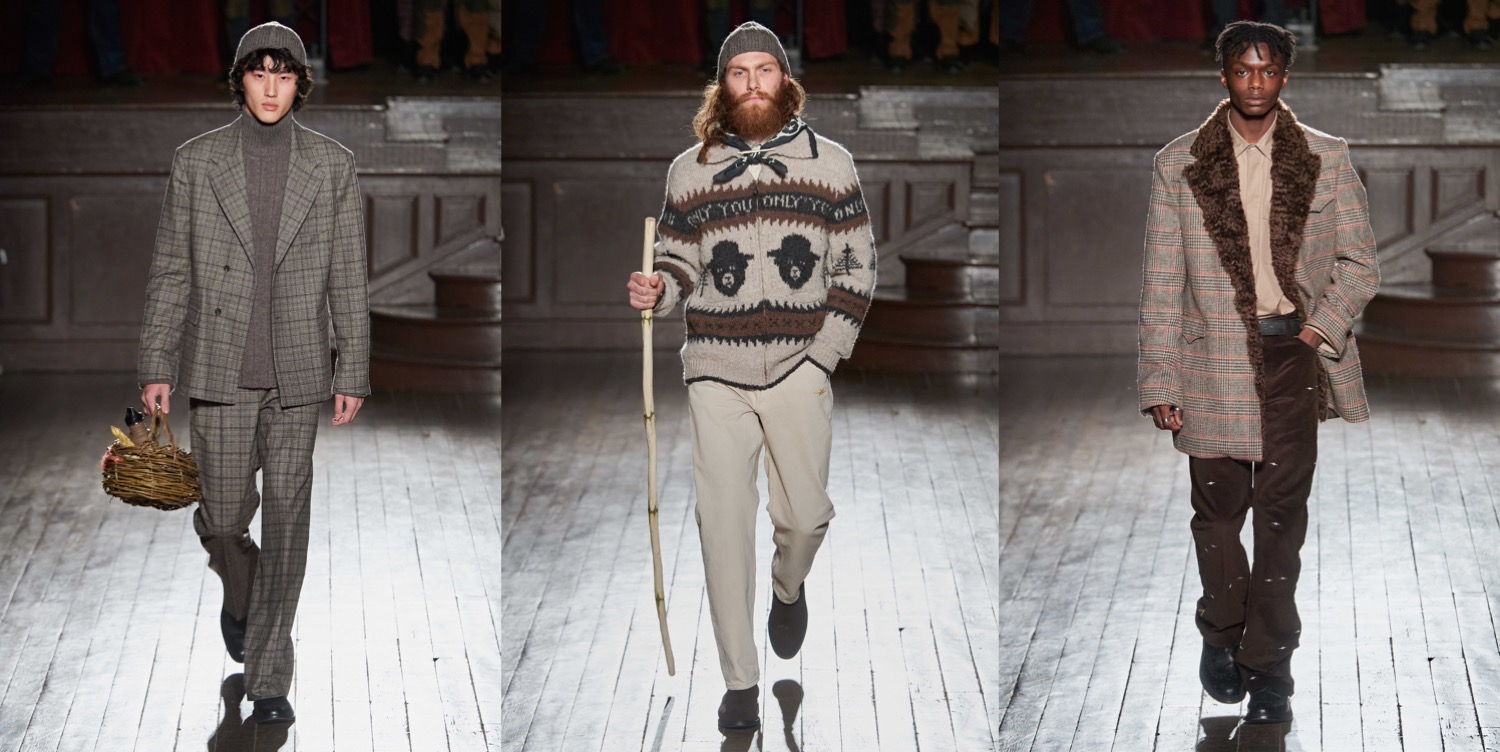
Andreas Kronthaler + Vivienne Westwood autumn-winter 2017.

Happy Earth Day! It really should be everyday.

As Vivienne Westwood repeats: “Buy less. Choose well. Make it last. Quality, not quantity.” Support local businesses and artisans, recycle, reuse, spread awareness. Every (even small) action makes a change and helps support our planet and environment!

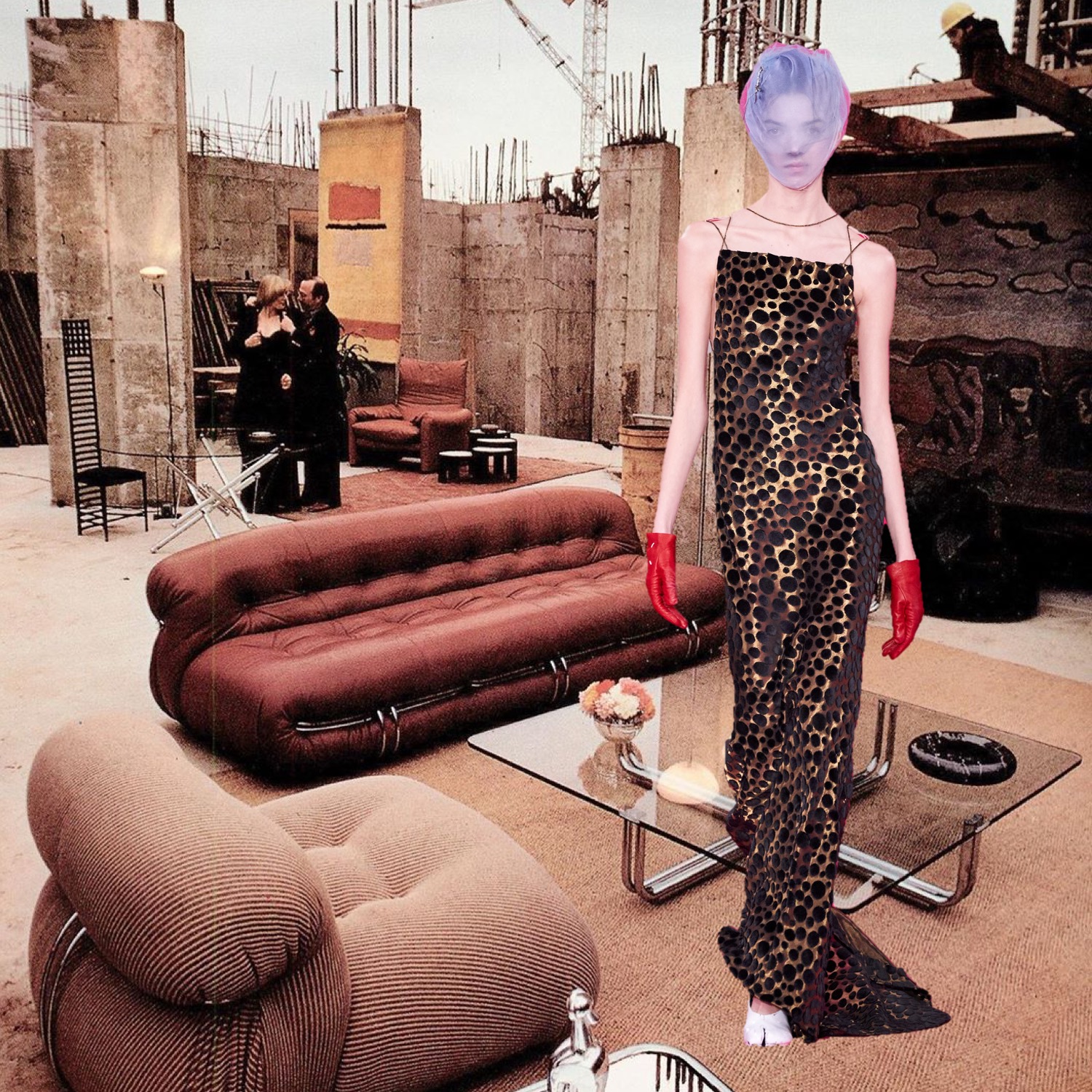
Collage by Edward Kanarecki.
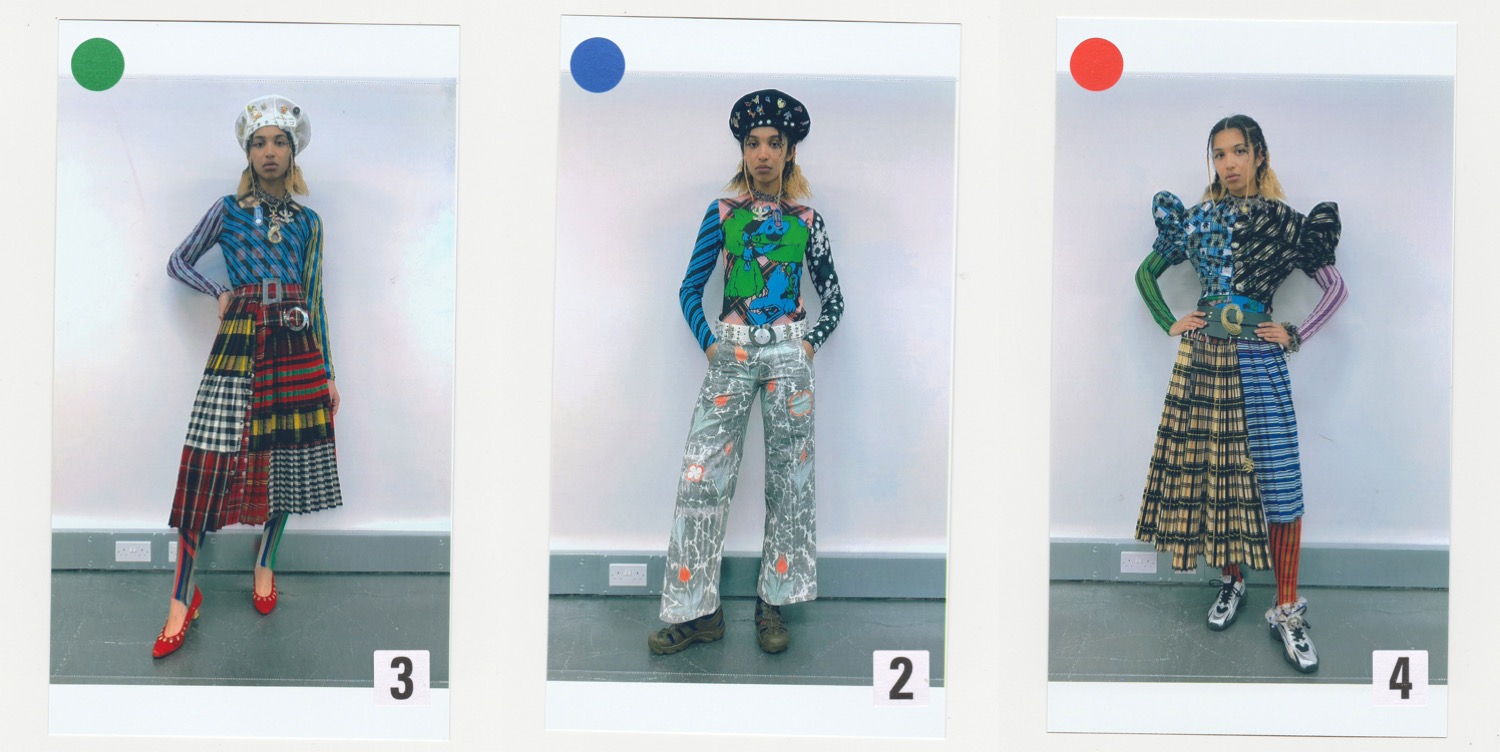
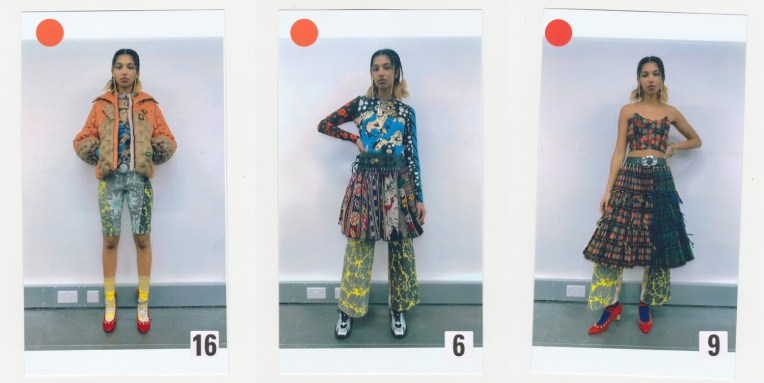
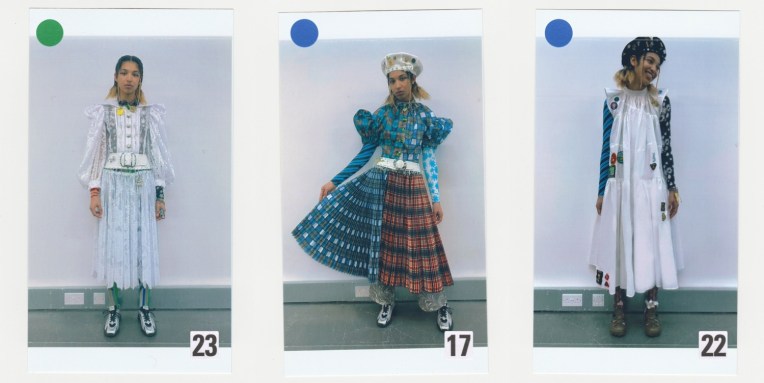
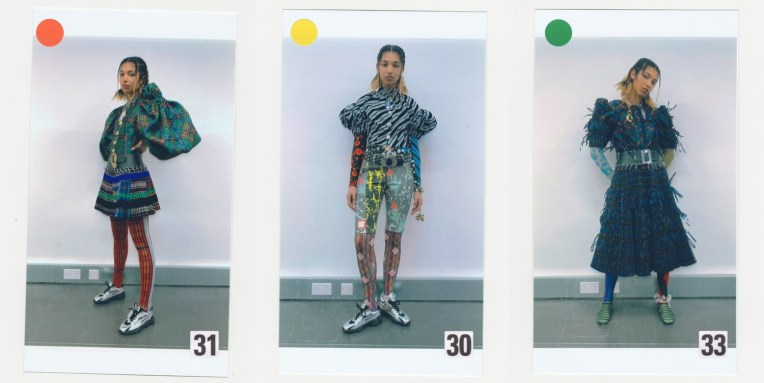
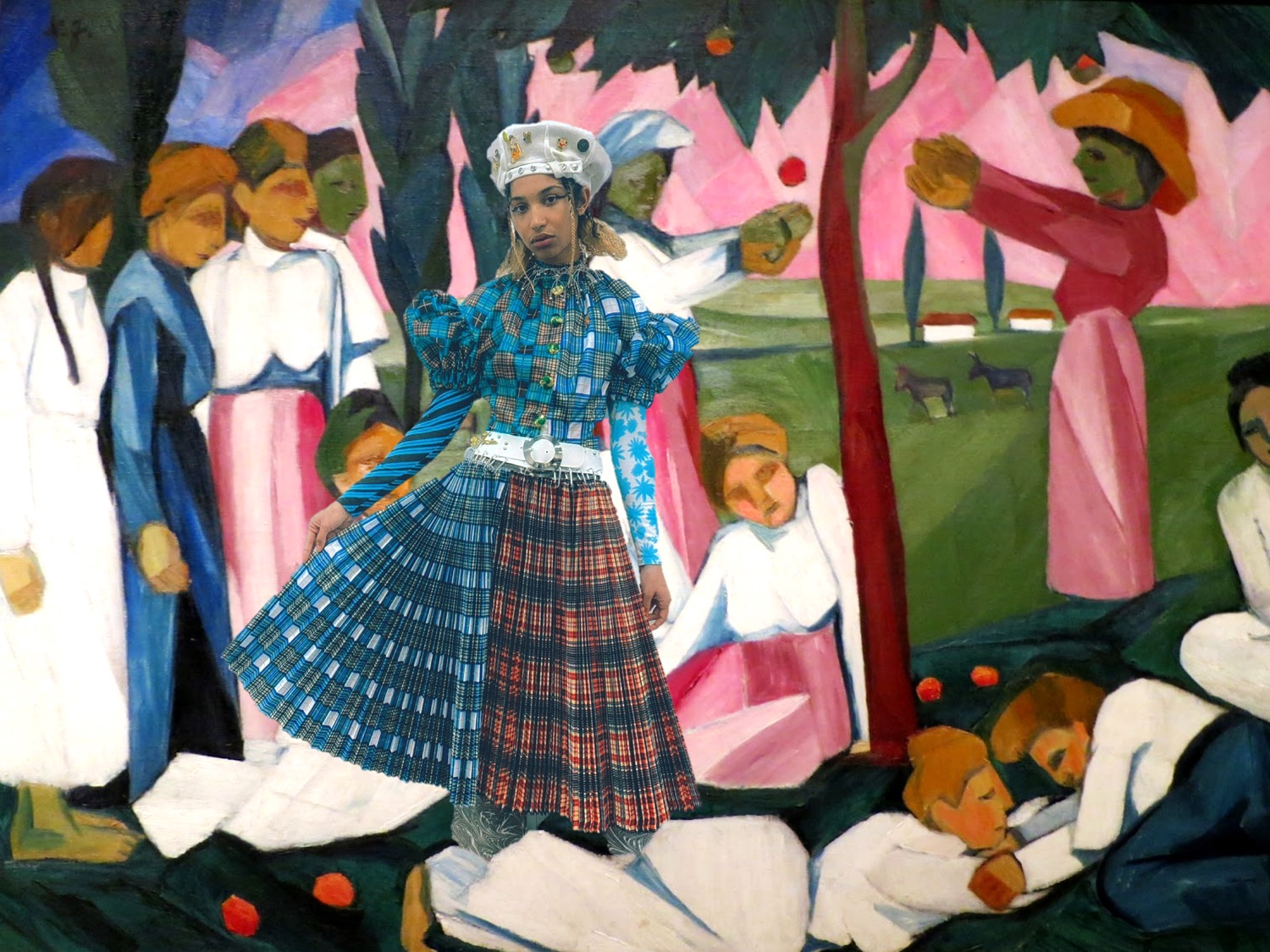
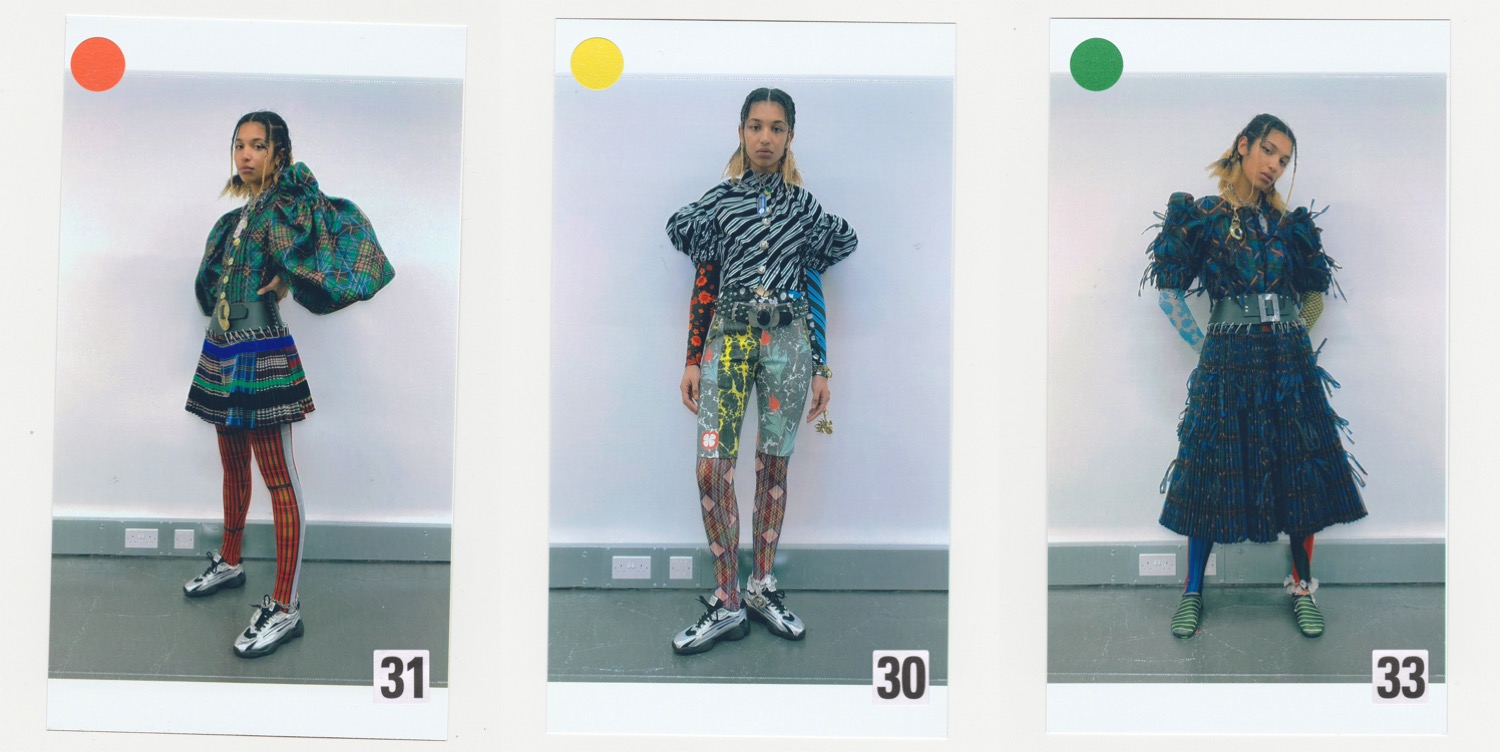
New Heritage. Chopova Lowena AW20

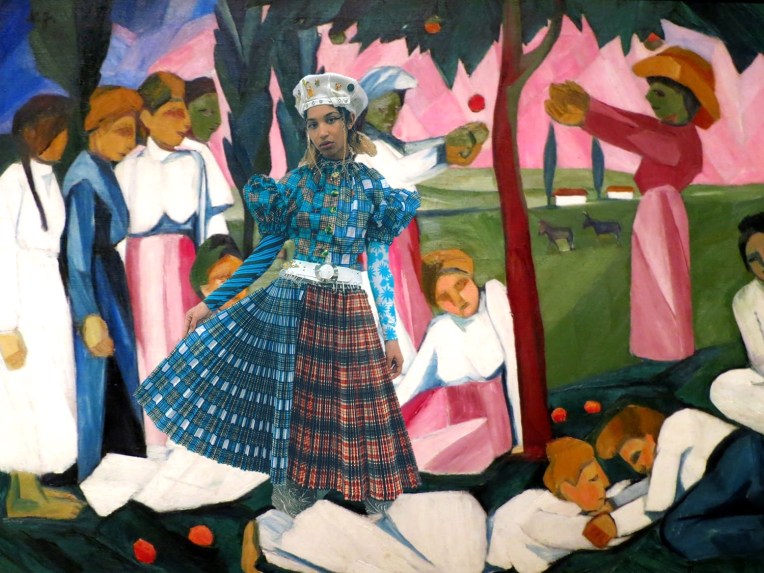
I bet you’ve seen the unmistakable, Chopova Lowena skirt – multiple-pleated patchworks, suspended by mountaineering carabiners from chunky leather belts – on the street style arena. They are so distinct in their look you that just can’t miss them in the crowd. Emma Chopova and Laura Lowena‘s signature, made out of traditional fabrics from Bulgaria – and produced there – was the start of their label’s story. In a short space of time they’ve developed a cult following for their upcycled collection: colorfully cool, full-skirted dresses with big puffed sleeves, layerings of tartans and ’70s prints. Also, their way of doing things is so appealing. “It’s important for us not to make clothes for the sake of it, but to make things which are part of our heritage, and are helping people,” they say. Chopova’s light bulb moment was realizing that her home country is full of under-recognized cultural resources – both in terms of rich fabrics and skilled female sewers. “After communism in Bulgaria, it was all about adopting a Western lifestyle,” she says. “So all the beautiful traditional clothes which had been made as dowries for brides, which people kept in trunks for generations – they didn’t find them precious anymore, and were throwing them out.” The designers began retrieving them, along with 1970s mass-produced flower-print and check taffeta deadstock, then made a network of Bulgarian women seamstresses to make their collections. “It’s built up by one friend knowing another – someone knew a granny who loves embroidery, the old technique they used for aprons. So now it’s great that everything’s being made by these women who really know their skill.” Thanks to another friendship-group link, Chopova Lowena has hit on original way of making jeans this season, printed with beautifully faded marbled patterns, inset with florals. “It’s made by women in their houses in Bursa in Turkey,“ Chopova told Vogue. “We discovered it through one of the Bulgarian women we work with, who goes there. It’s a-300-year-old technique which is used for making Turkish tiles; but now we’ve transferred it to fabric,” she continues. Every piece is unique. In times when sustainability must be the keyword for every brand out there, this ethical way of working comes naturally for these two designers. “We think it’s a luxury to be able to have something handcrafted, and to know where it comes from,” Chopova says. “When we were starting, with all these old materials and telling buyers that, no, everything we make can’t be the same – we never even guessed that it would be welcomed.

Collage by Edward Kanarecki.
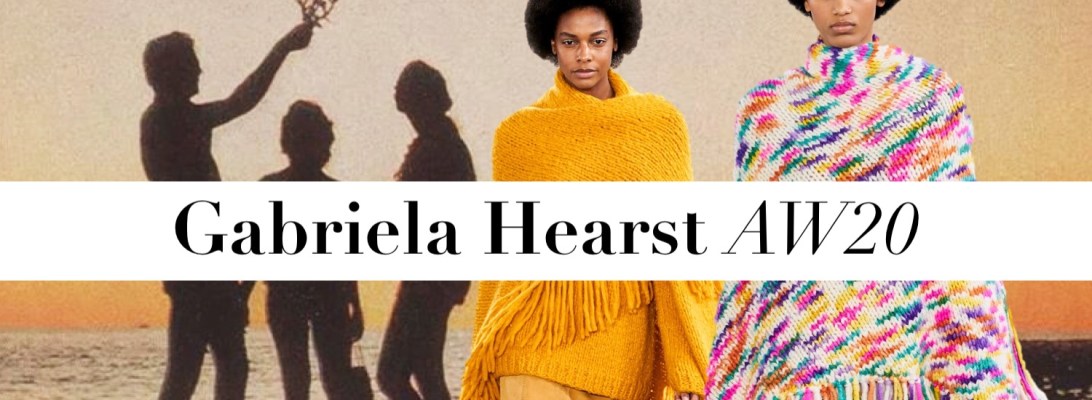
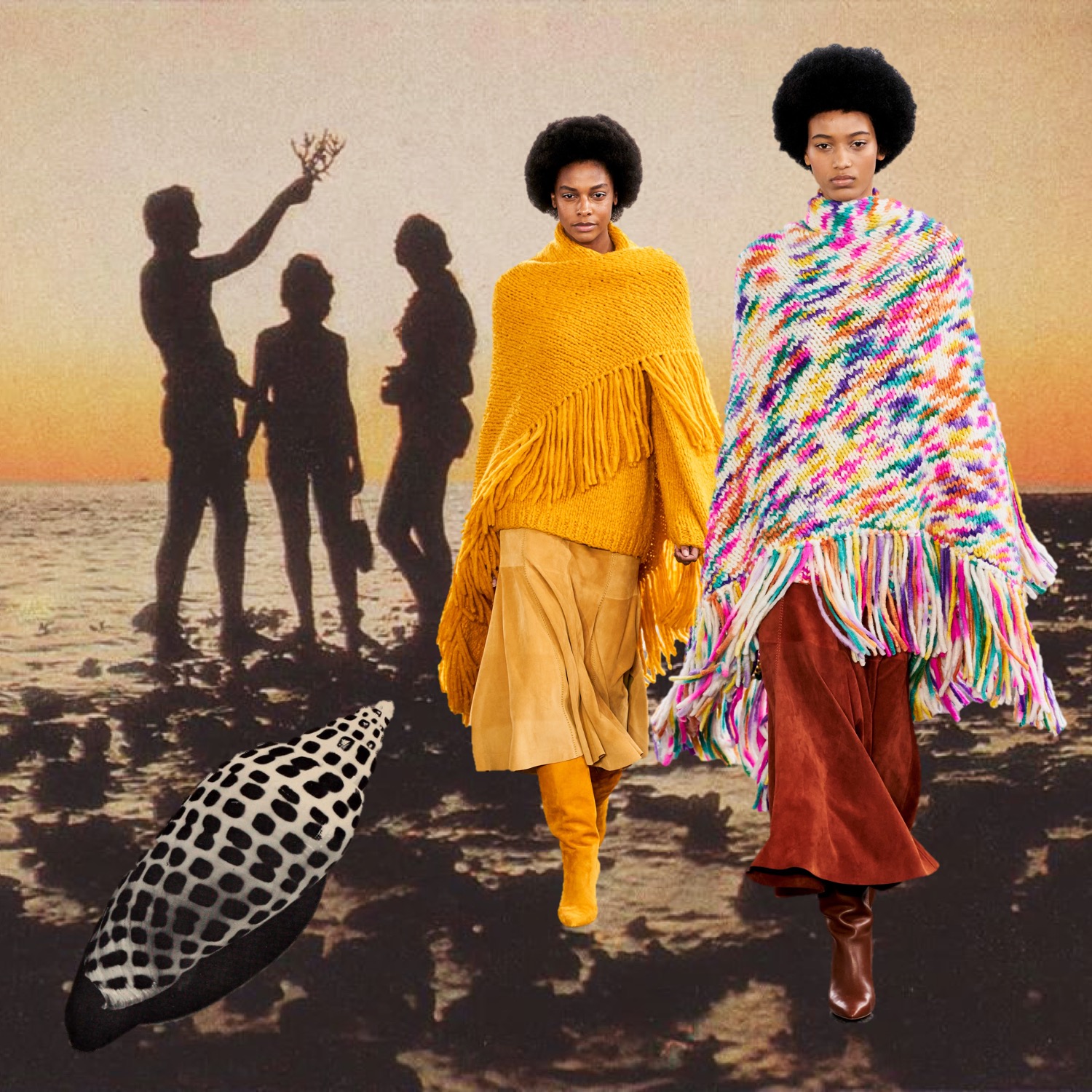
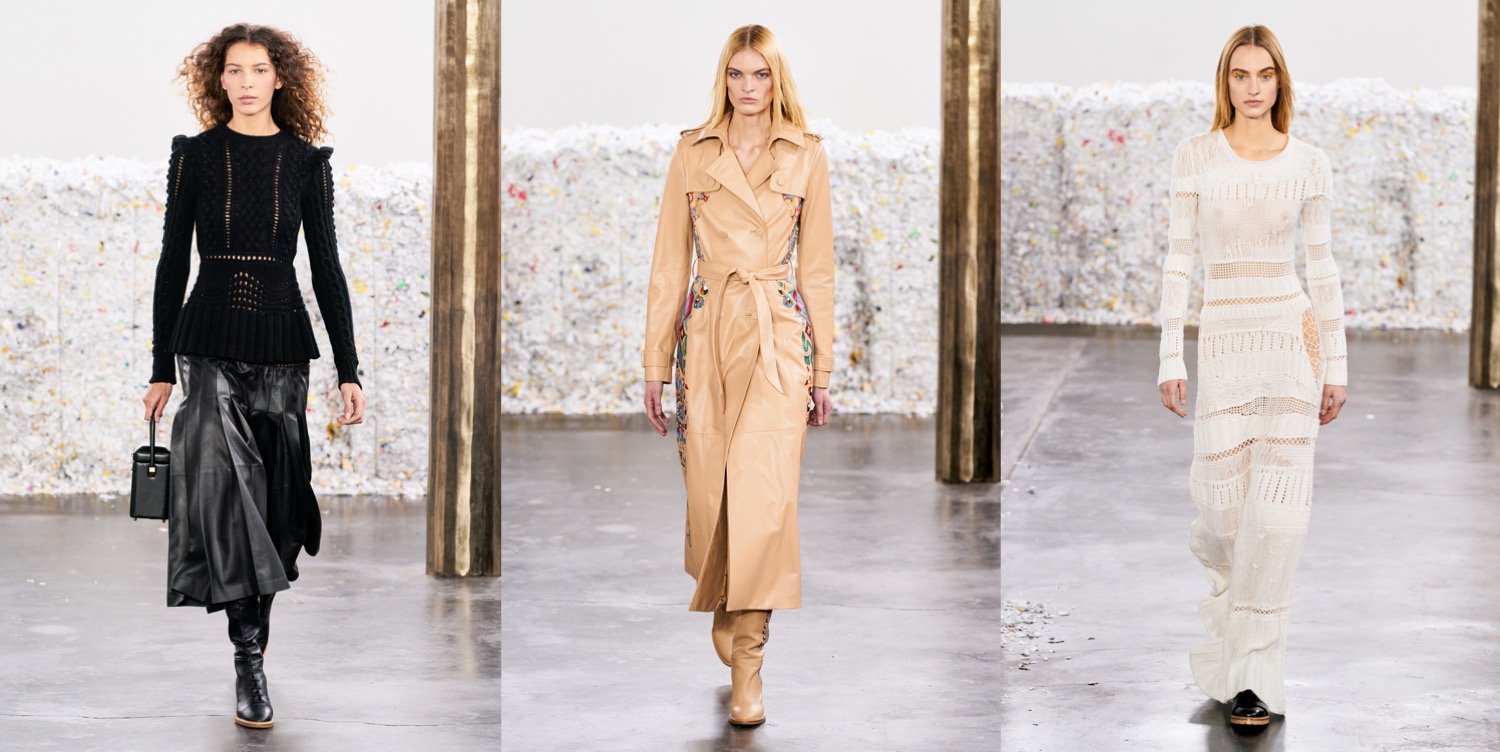
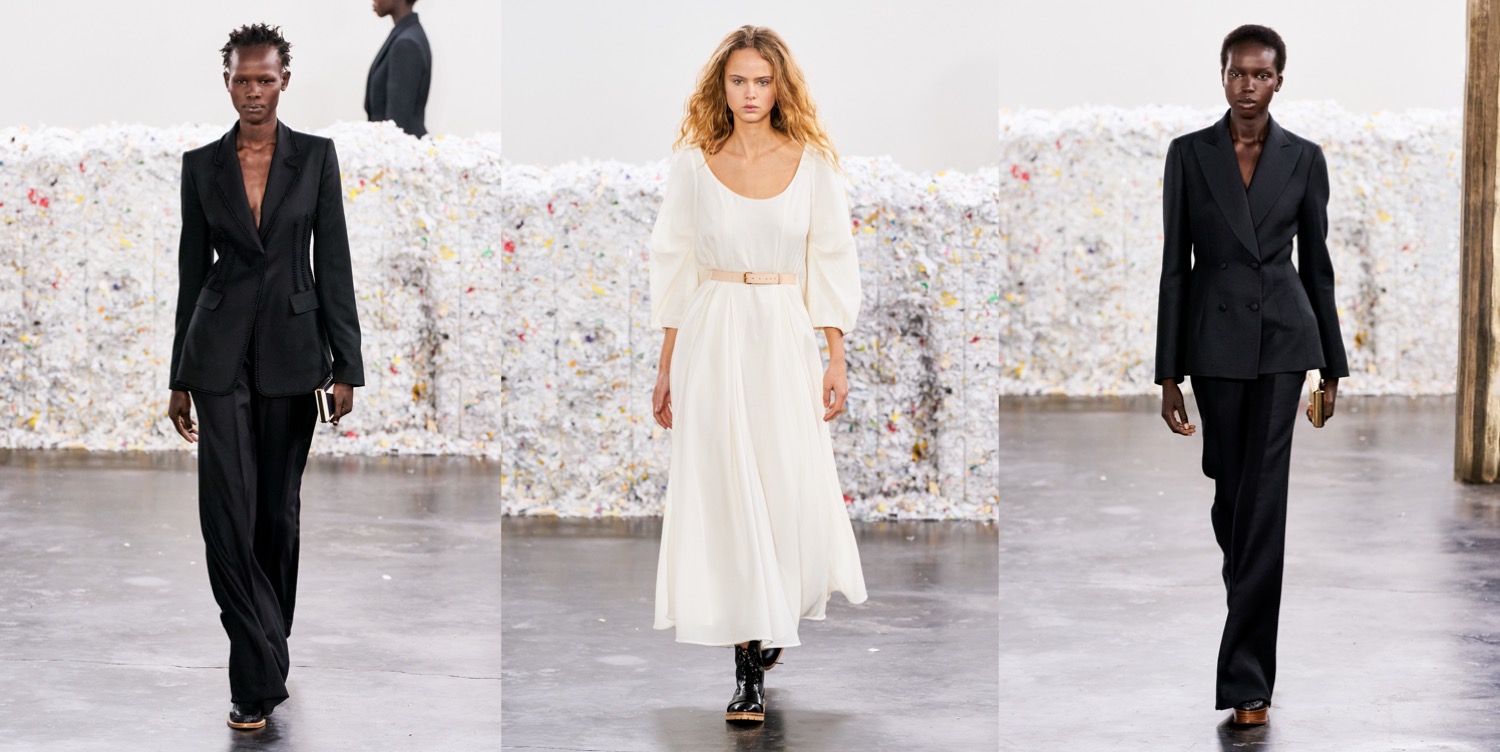
Sustainability (For Real). Gabriela Hearst AW20

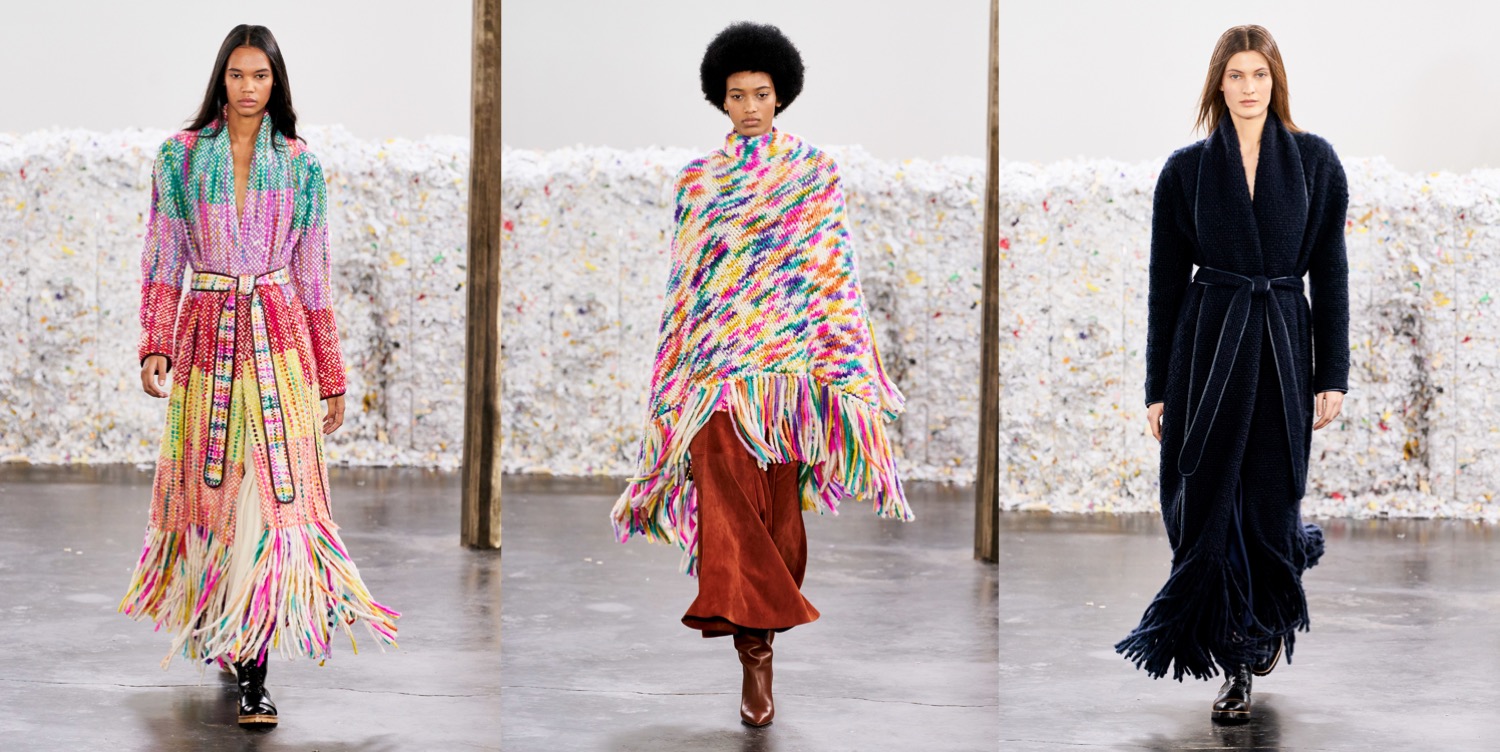
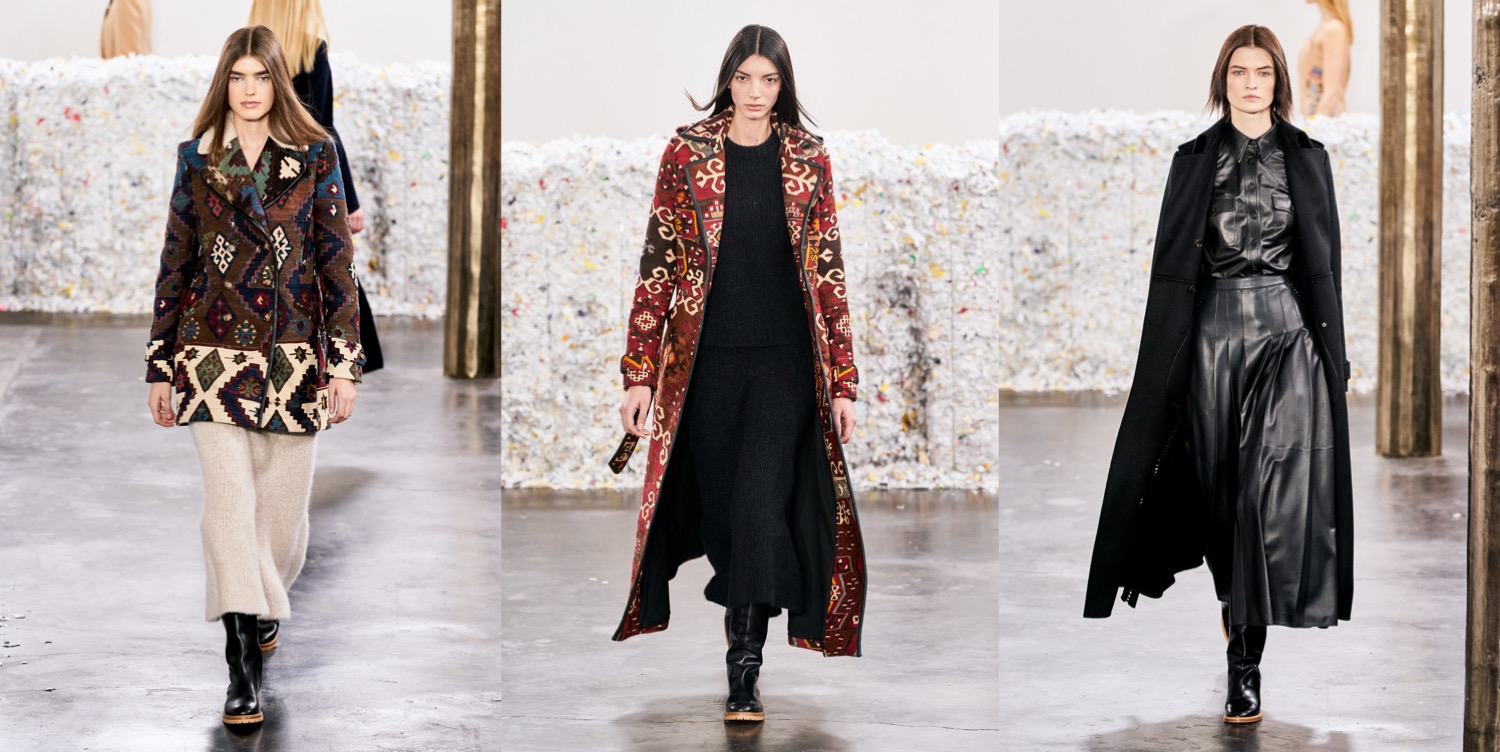
Gabriela Hearst’s autumn-winter 2020 line-up was beautiful. And it managed to be really sustainably made, without making a fuss about it. For Hearst, enviroinment is a priority. And she can translate that passion into luxurious, softly minimal, super high quality clothes. Antique remnants of Turkish rugs were puzzled together in outerwear pieces lined with cashmere. The hand-made knitwear was done by Manos Del Uruguay, the non-profit cooperative female artisans, and Magdalena Koluch, a New York-based knitter – the multi-colored, fringed poncho is one of the many gorgeous results that came from this collaboration. Existing pieces of cashmere outerwear were deconstructed and re-assembled with blanket stitch creating a fantastic colour block pattern. Most of the used wools in this collection were re-printed and reused to create new pieces. Gabriela and her team really pushed the envelope this season in terms of sustainable fashion and creating out of waste products, and simultaneously made it look refined. Just see the biscuity, cashmere corduroy tailoring or the flowing eveningwear. Delightful!

Collage by Edward Kanarecki.
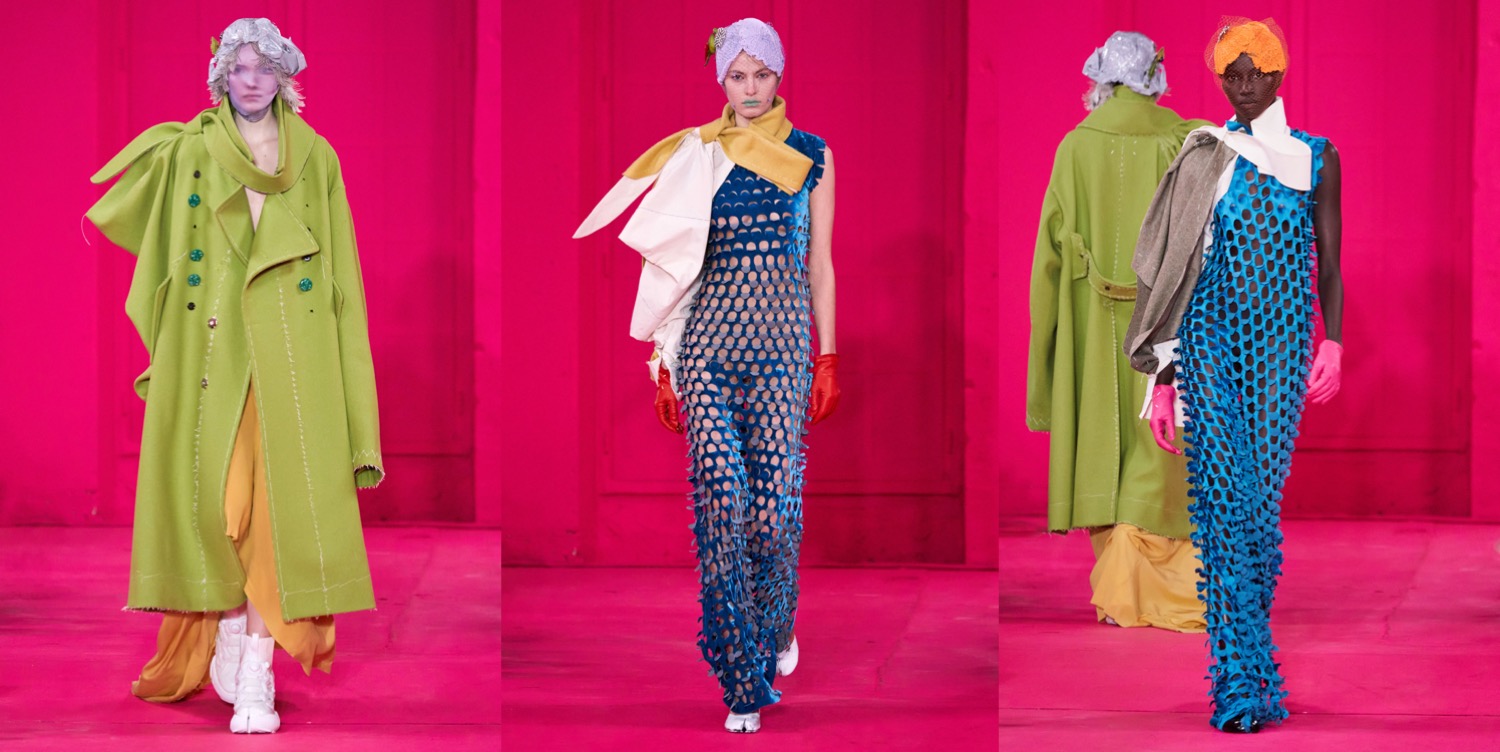
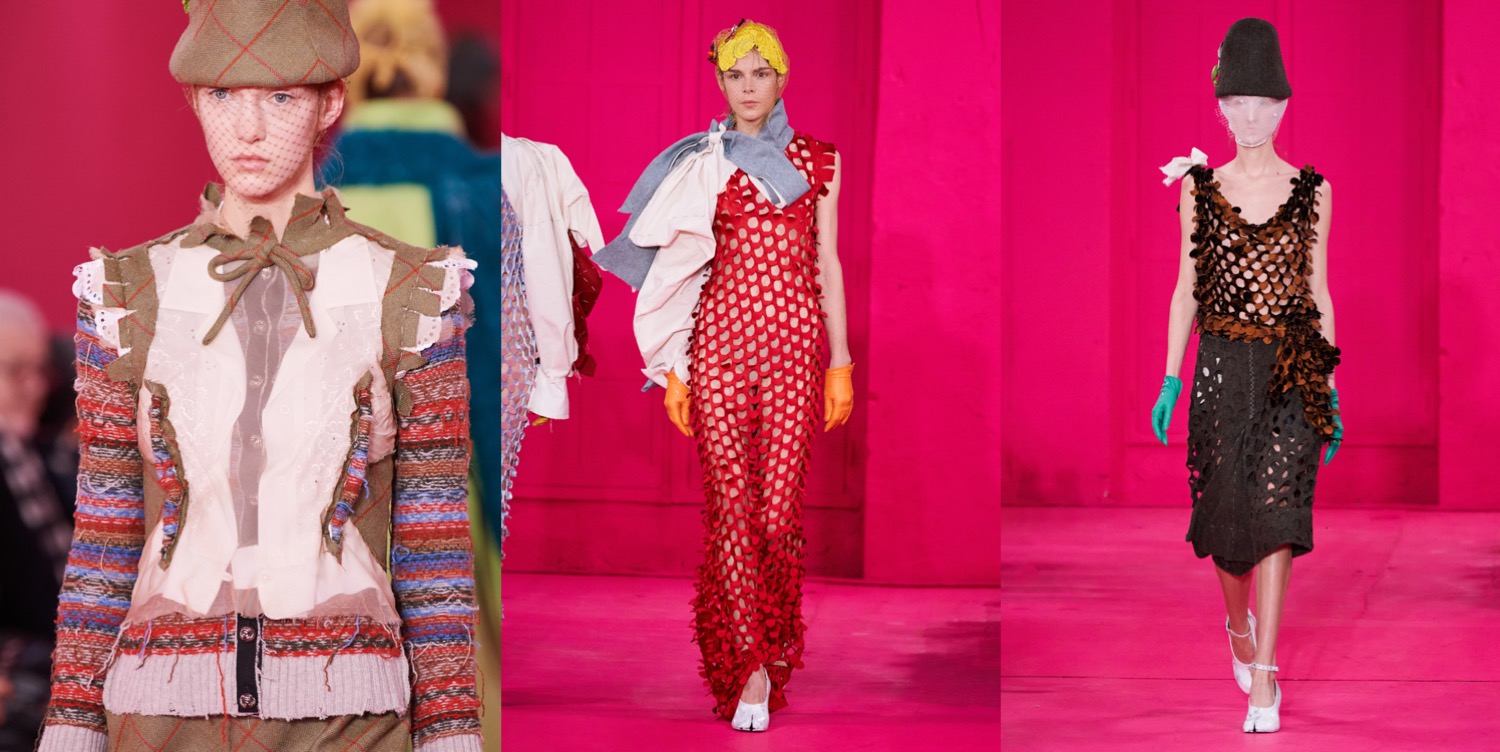
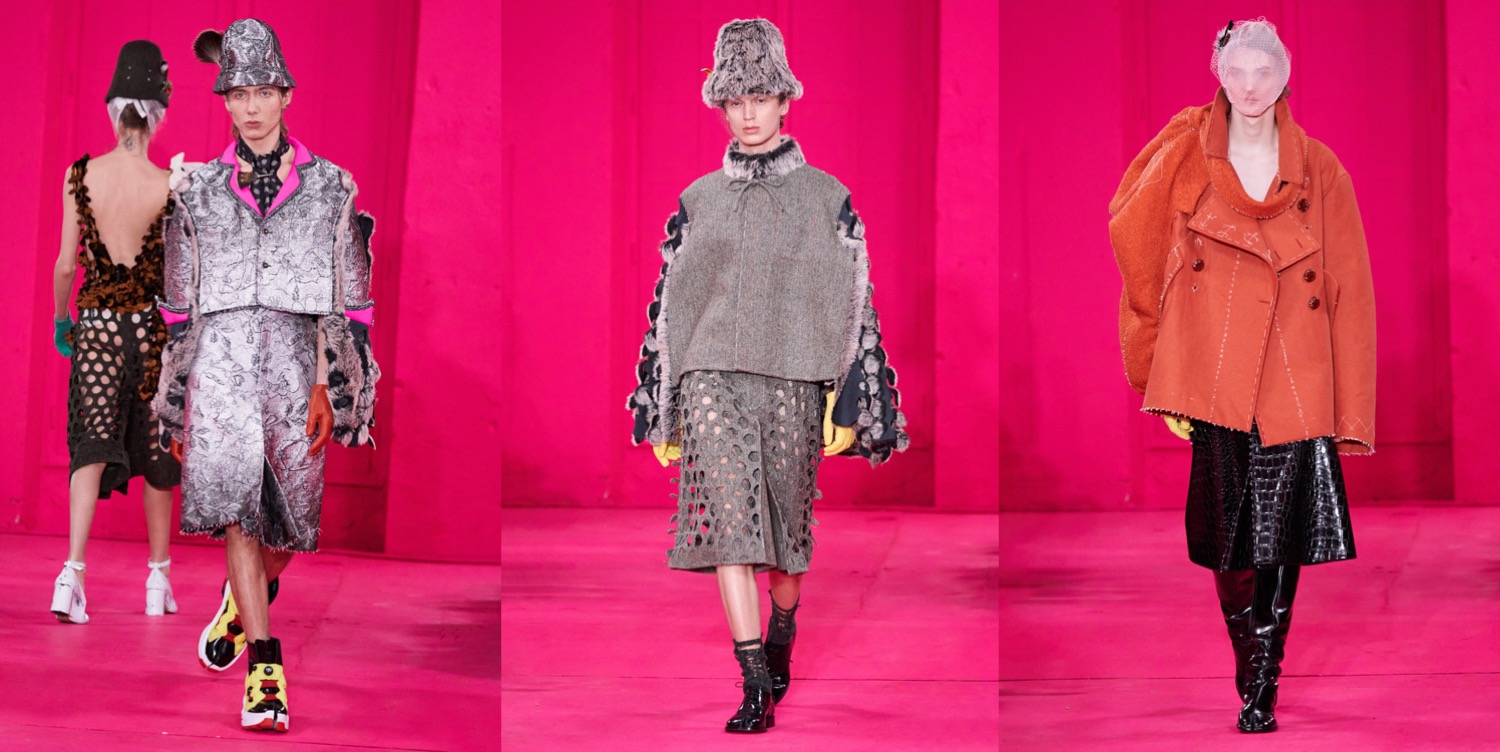
Haute Upcycling. Maison Margiela Couture SS20

Upcycling the heritage of the craft to make something for the present that is beautifully creative: John Galliano tackled the challenge of our times with his glorious Maison Margiela haute couture collection. For a designer who began his career with a graduation collection about the French Revolution in a time when young people in London were chopping up vintage clothes from markets, this was almost a reclamation of all of Galliano’s first principles, elevated and reenergized amid the 21st-century youth rebellion against waste and overconsumption. Most of the collection was made from materials that already exist: “memories” of bourgeois classics, recut, turned inside out, dissected, collaged, and punched through in a riot of color. Galliano spoke in a house podcast about how he and his studio team had sat and decided “there are too many clothes in the world.” He reflected on the rise of the bourgeoisie and capitalism after the 19th-century Industrial Revolution. Next thing his assistants were out scouring thrift shops for materials to work into the collection. Haute upcycling is not just possible; it can look refined, intriguing, incredible. For instance, bedsheets were repurposed as evening capes, a delicate elegance found in wisps of pink and apricot chiffon draped and taped in place as in a spontaneous Madame Grès–like moment. The attitude of a girl in an emerald 1950s ball gown veiled with a black tulle cape seemed to symbolize it all. Striding forward in an echo of an Old World couture pose, she held one arm elbow out, her yellow-gloved hand in a fist. Cut, mix, create, amaze.

Collage by Edward Kanarecki.
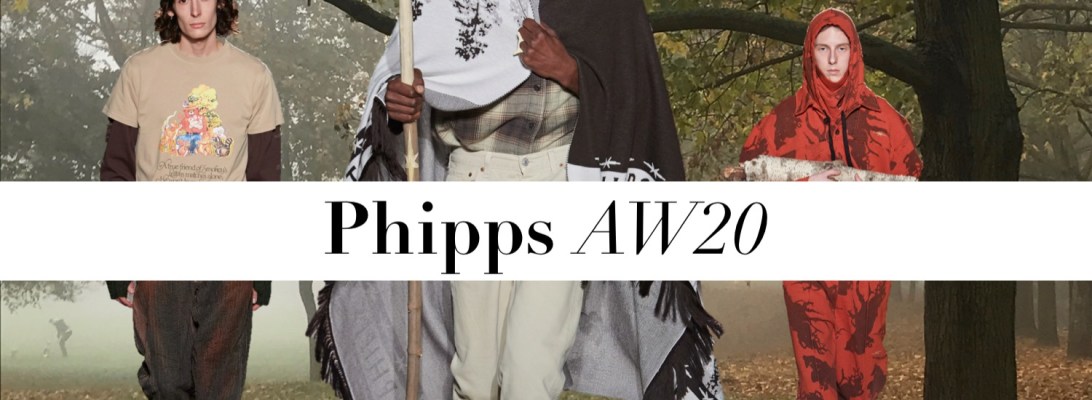
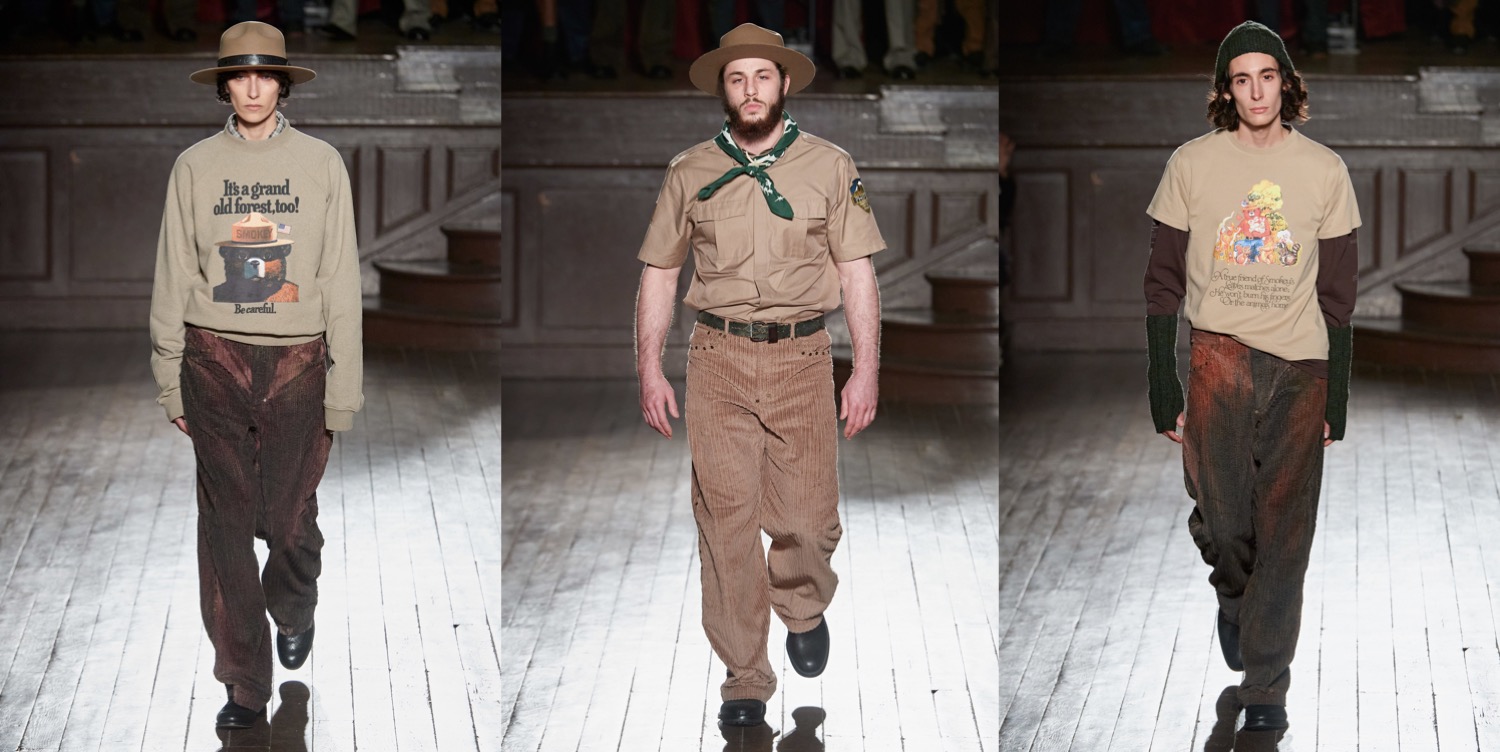
Men’s – Close To Nature Wherever You Are. Phipps AW20

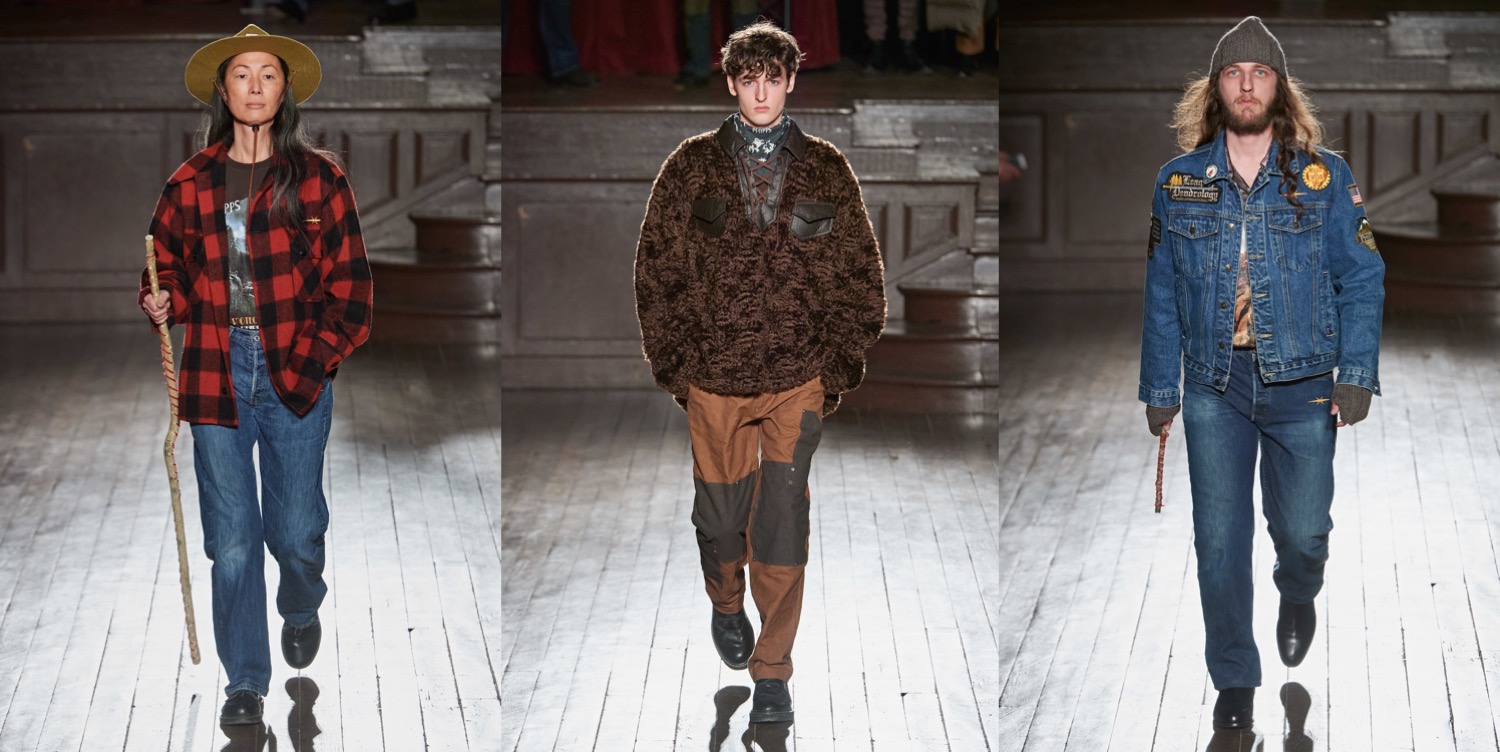
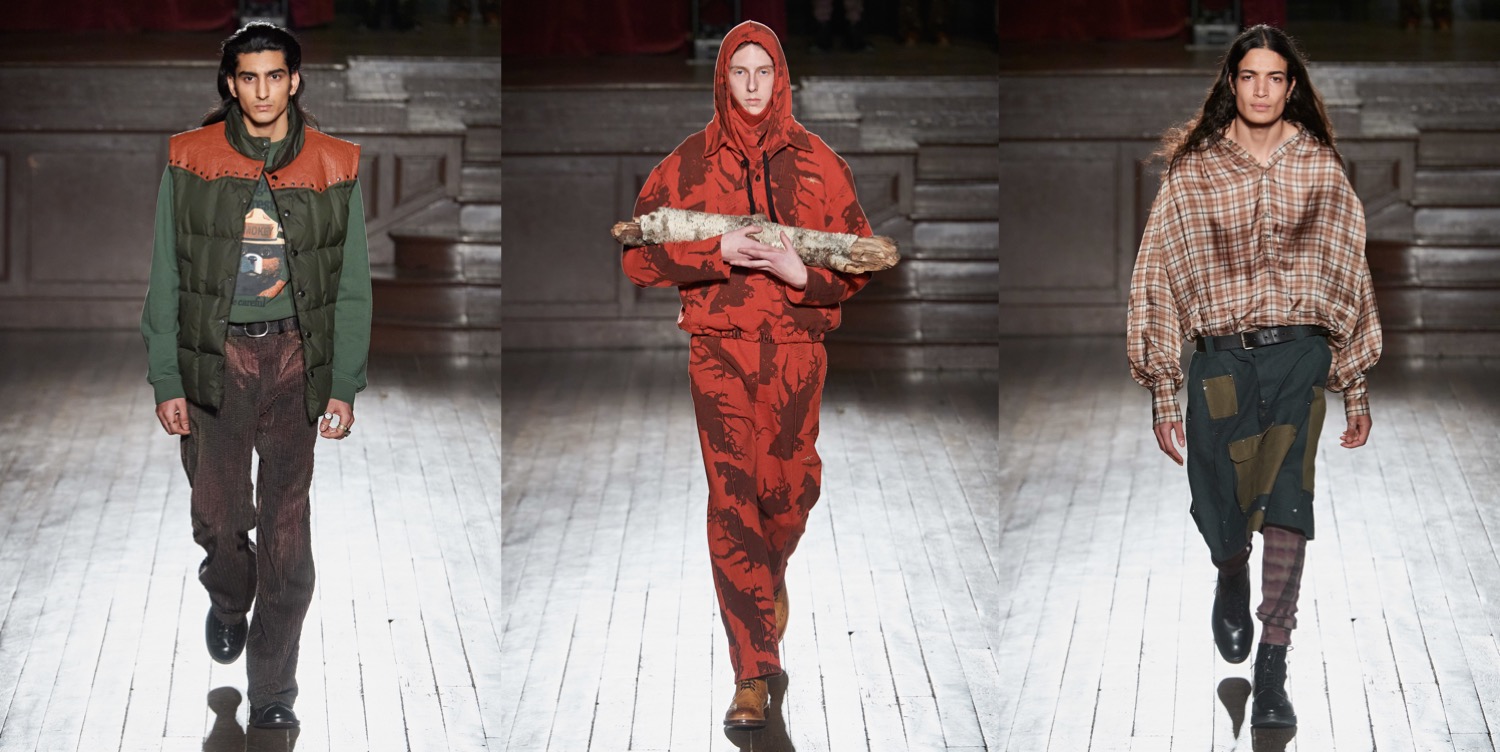
The American brand named Phipps might not be the most “Parisian” and “fashion” of them all. But Spencer Phipps seems not to care. More importantly, since starting his label few years ago, he has been seriously devoted to sustainability (before it was “thing” for the industry). This season’s “Treehugger: Tales of the Forest” collection caught everyone by surprise with a collaboration that has to be Smokey Bear. Even the authorities at the U.S. Forest Service were perplexed at first, the designer said. But once the deal was signed, Phipps had decades of archives to riff on: Smokey turned 75 last year. Despite teen-camping nostalgia and authentic lumberjack style  – one of the models was, in fact, a lumberjack! – the designer noted that this collection was “a big step up in terms of luxury.” Placing a concern for nature within the luxury space is a serious challenge. To get there, Phipps said he tried to focus on suiting in a very smart way, sourcing cloth in northern England and paying close attention to details such as linings and buttons. He also used Steiff (the teddy bear brand) materials for sweatshirts and embellishment. “It’s biodegradable, very artisanal, and it has a luxury appeal,” he mentioned. “It’s not faux fur made from plastics. It’s a more traditional way of working.” Another favourite: the forest shaman spirit behind the huge blankets worn as shawls and whimsy, wooden “accessories”. Phipps’ commitment to slow fashion also prompted him to introduce what he’s calling his “gold label” – a range of curated vintage pieces, embellished and elevated to “treasure items” with a stylized gold star or forest ranger patches. That studied mashup included market-found jeans and flannels, heirloom pieces, and even a pair of jeans Phipps’s mom made back in the 1970s. “I’m just focusing on the lifestyle of sustainability. I’m not making you a new plaid shirt because there are so many out there already, and they’re beautiful,” the designer said. If only the big brands got the memo…

Collage by Edward Kanarecki.