Algarve’s Pottery

IMG_0331

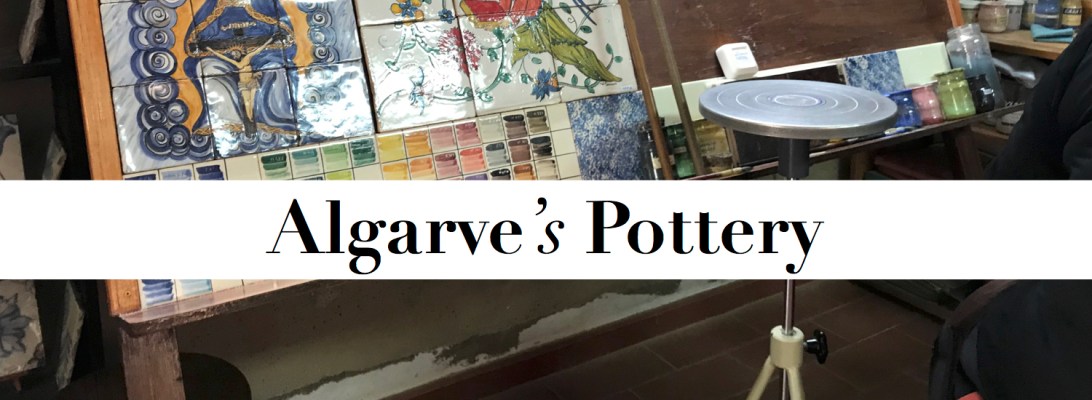
While travelling the Algarve region in Portugal, we came across a number of pottery  ateliers where the true magic happens. Algarve is known for its incredible ceramic pottery heritage, quite possibly due to the natural presence of clay here. But I guess it’s also thanks to the local people, who make this craftmanship so alive these days. In the small, but charming town of Silves, Luis and Teresa of Al-tannur Ceramica create some of the most fantastic tiles, jewellery and plates using the ancient Arab dry-rope technique. The couple doesn’t fall into well-known clichés of sunny fields; rather, they choose to depict such motifs as sharks, dogs, people’s affairs and historical scenes (most likely kept in bold colours). Meanwhile in Monchique, we’ve entered Leonel Telo‘s studio by accident. The artist creates moulds containing herbs and flowers, but as well does incredible kitchen-ware and vases. Plus, the artisan’s garden filled with lemon trees just outside his studio-slash-boutique is a beautiful addition to his works.

Al-Tannur Ceramica / Rua da Sé / Silves

Leonel Telo Ceramicas / Rua Engenheiro Duarte Pacheco / Monchique

All photos by Edward Kanarecki.

Algarve

a2aef10f-958a-408b-be66-674d3275a2db

 The Southern region of Portugal, Algarve, is dubbed as the ‘European California’ by Vogue. Well, I think there’s more to it. Not that I’m judging Cali – which I haven’t been to yet – but the raw, sun-drenched, yet immensely beautiful Algarve is truly one of a kind and can’t be compared to anything else. From Alvor‘s Praia da Rocha (that holds countless caves) to the wild beaches near Cape of St. Vincent (a seperate post is coming up!), you can laze around literally everywhere in here. Nearly every city in Algarve has something that will surely amaze you. Caldas de Monchique and its healing waters; Lagos and its slightly obsolete, yet charming churches; Silves and its pottery tradition. Not forgetting about the fish market in Portimão, which you can see more of here. If you chose one of the less busy cities near the coast-line, it’s guaranteed that you won’t have to fight with a bunch of tourists to get a seat on the beach (a tip: beware of Albufeira, which  awfully contrasts with the idylic character of other places in Algarve). Also, in order to discover Algarve to the fullest, it’s really worth renting a car. So, who’s coming this summer?

All photos by Edward Kanarecki.

NET-A-PORTER Limited

Irving Penn at C/O Berlin

SONY DSC

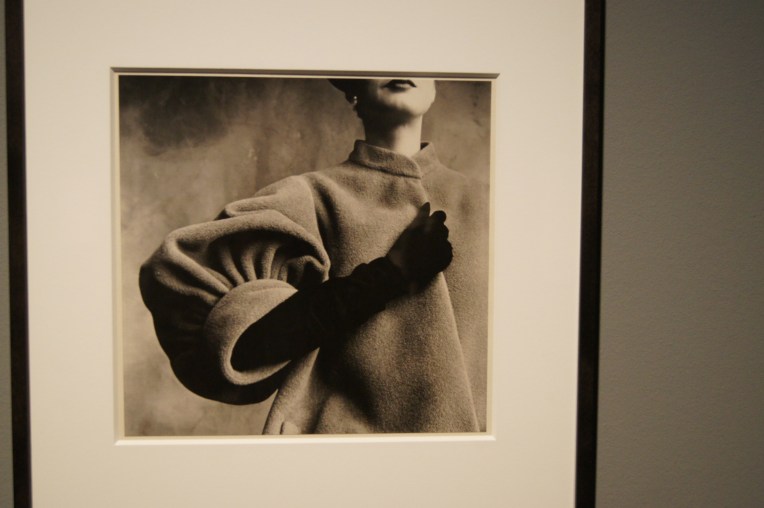
Seeing Irving Penn‘s works face-to-face, eye-to-eye, is an experience I will never forget. I find his photography so deep, so sharp, yet so refined. With a body of work stretching from portraits of Truman Capote, Marlene Dietrich, Pablo Picasso, and Alfred Hitchcock to abstract nudes, exquisite still lifes (my all-time favourites!), studies of flowers and cigarettes, portraits of children in Peruvian dress, New Guinean natives, all the way to the glamorous shots of Balenciaga and Dior dresses for Vogue, Penn is considered the most influential photographer of the twentieth century. C/O Berlin is commemorating the exceptional persona with a major retrospective on the centenary of his birth. Featuring around 240 works, the retrospective was organized by, yes, The Metropolitan Museum of Art in collaboration with The Irving Penn Foundation.

Irving Penn Centennial (until 01.07.2018) / C/O Berlin Hardenbergstraße 22-24

All photos (of Penn’s works) by Edward Kanarecki.

Blooming Berlin

SONY DSC

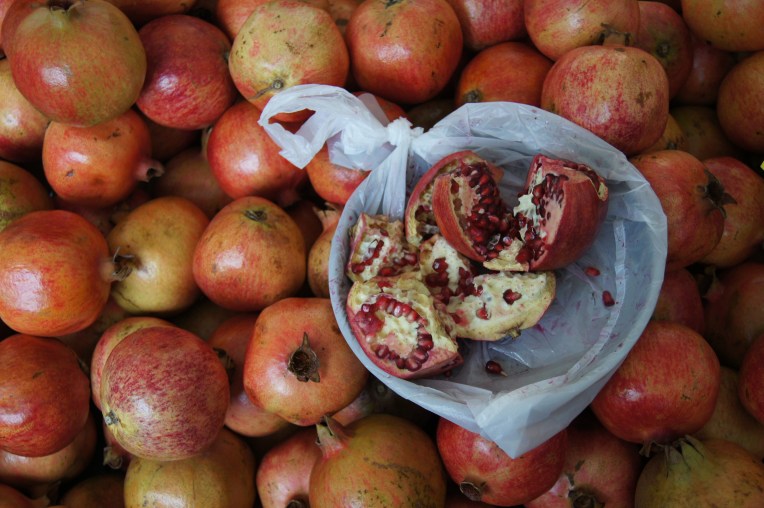
Pomegranates at the Turkish market.

During the spring, Berlin is literally blooming. From the markets in Kreuzberg to local, neighborhood flower shops (like the delightful Blume & Raum with their front yard), the colours are everywhere! Undoubtfully, it’s the most beautiful season here. Take a look at some of the photos I took last Friday.

Blume & Raum /  Lausitzer Str. 26a

Turkish Market / Maybachufer

C/O Berlin / Hardenbergstraße 22-24

All photos by Edward Kanarecki.

Sasaya

SONY DSC

Ok, let’s make this clear: Sasaya is the best Japanese restaurant in Berlin. It’s just so pure in taste, and so Japanese in everything, from the simple interior to the way the asparagus tempura is served on ceramics plates (which are sold together with delightful pottery and rare sake next to the restaurant space). Sasaya doesn’t only serve sushi – which is perfect – but as well other traditional dishes and tastes like the tsukemono (pickled vegetables), the takana (fried vegetables), dashi broth or the kukiwakame (seaweed). The gyoza stick is a great addition to your portion of maki and nigiri, while green tea cake with matcha macchiato is an ideal desert (at least for me!). Really, Sasaya won’t disappoint those who look for Japanese cuisine, not some kind of philadelphia-cheee-stuffed hybrid.

Photos by Edward Kanarecki.