Santorini Summer

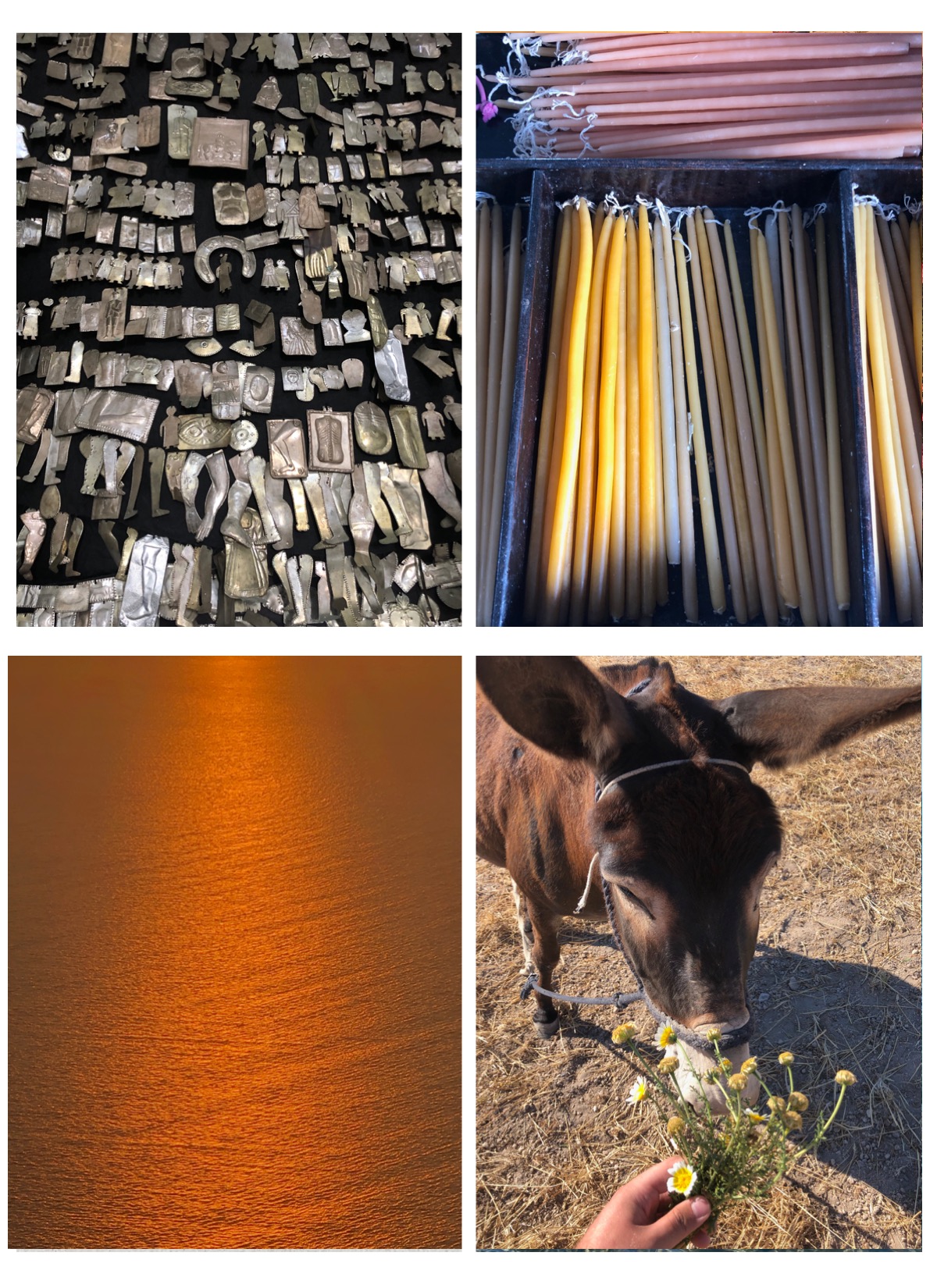
I’m beyond happy to (finally) post my favourite moments from the Santorini trip I took back in June! I’ve never been to Greece before, but this gorgeous and mysterious island of the Cyclades made me realise what’s so unique about the so-called “Greek holidays”. The whitewashed villages huddled on the cliff around the volcanic crater aren’t just a postcard view, but stunning reality here. The history of this island is rich, yet violent: the abrupt eruption buried Akrotiri around 3,600 years ago, the centre of a great Bronze Age civilisation, whose streets, squares and frescoed homes were astonishingly well-preserved beneath a cloak of ash. Archaeologists have unearthed poignant details of lives interrupted: pots of barley, a basket of sea urchins, a golden ibex in a clay chest, perhaps an attempt to appease the wayward gods. Of course, like anywhere with an active volcano on the horizon, that could happen at any time. Perhaps this underlying vulnerability is what gives Santorini its raw intensity, its quietly devastating beauty. And of course, Santorini, with its blazing sunsets, is known to be one of the most romantic places in the world. So, for a great starter, here are some of my sun-drenched shots, just to convey the ambience of this gorgeous, close-to-nature, and even spiritual place.

All photos by Edward Kanarecki.

Yayoi Kusama Retrospective at Gropius Bau

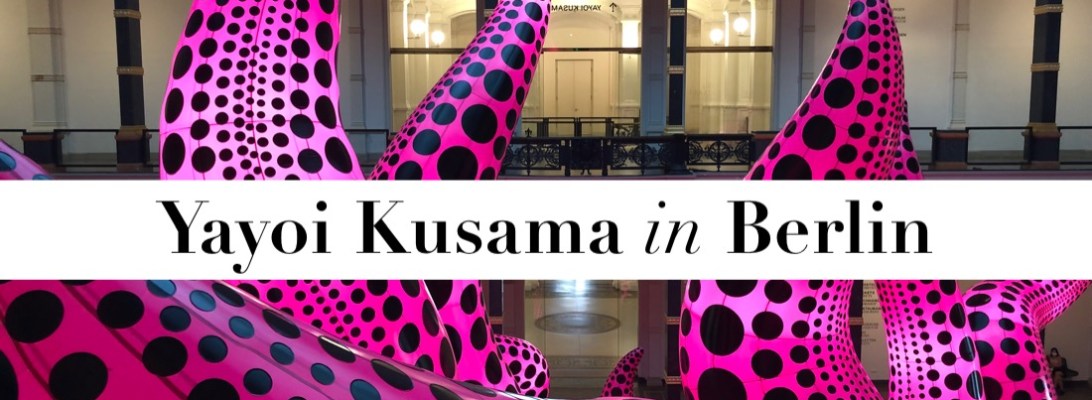
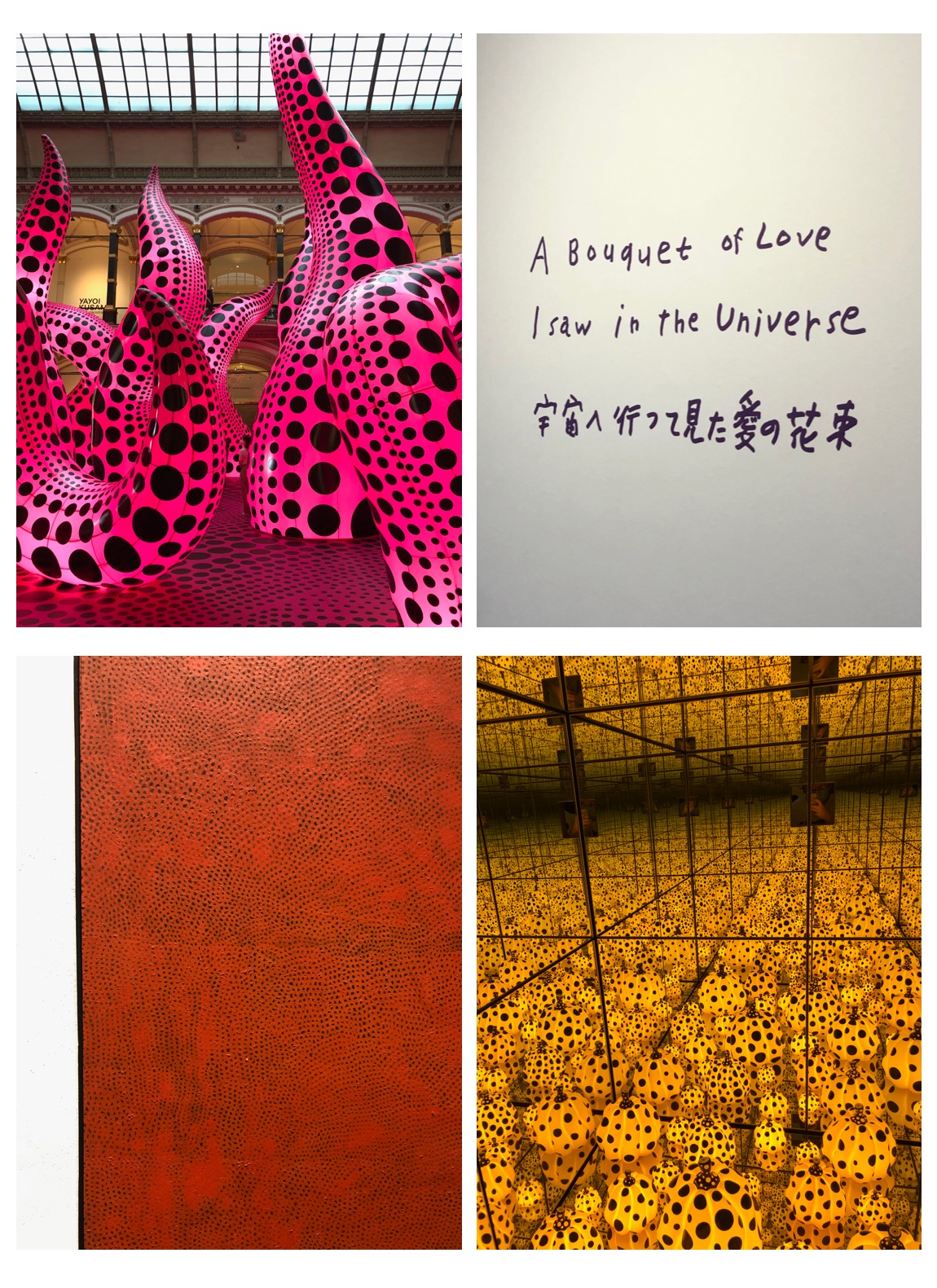
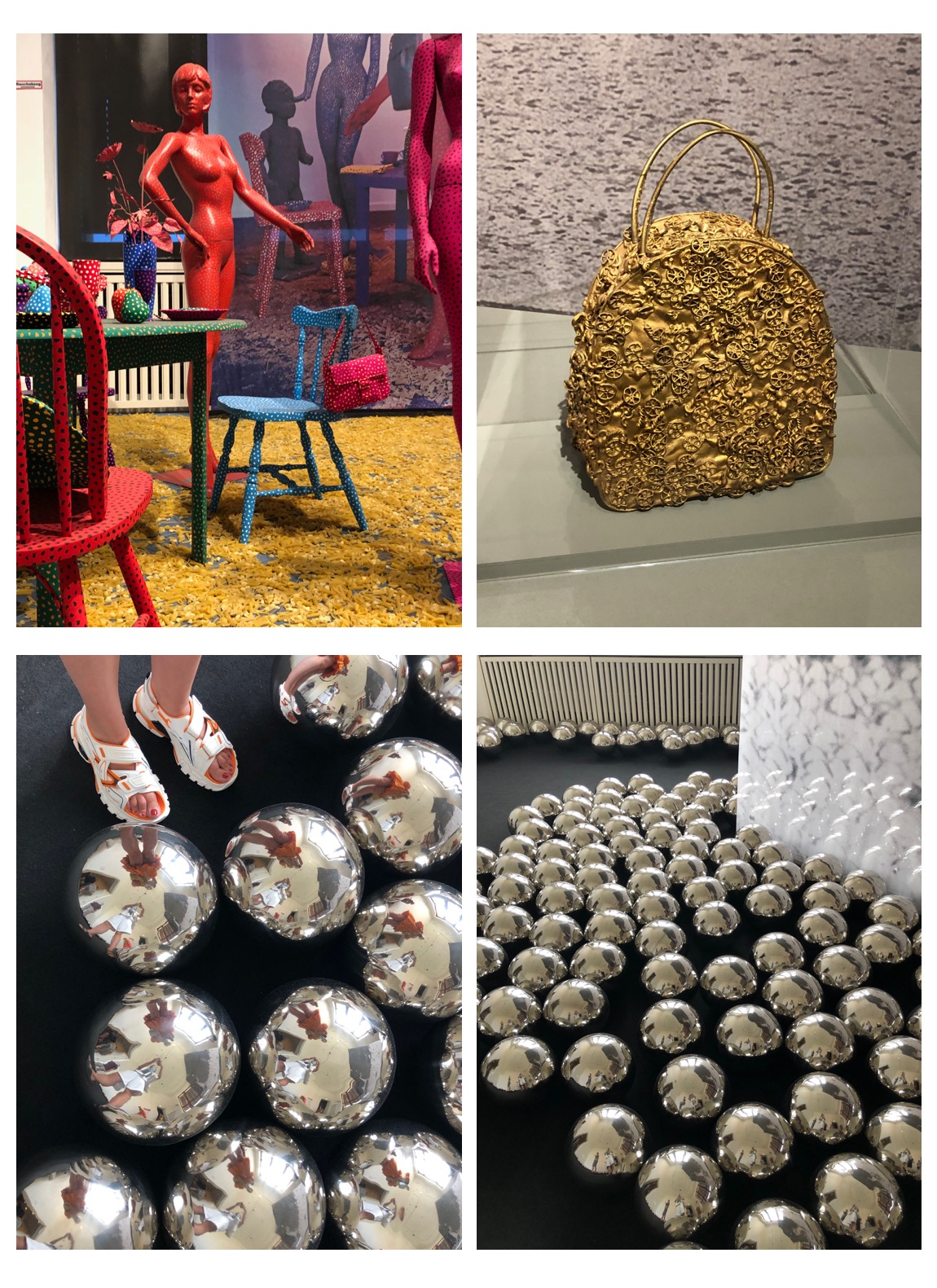
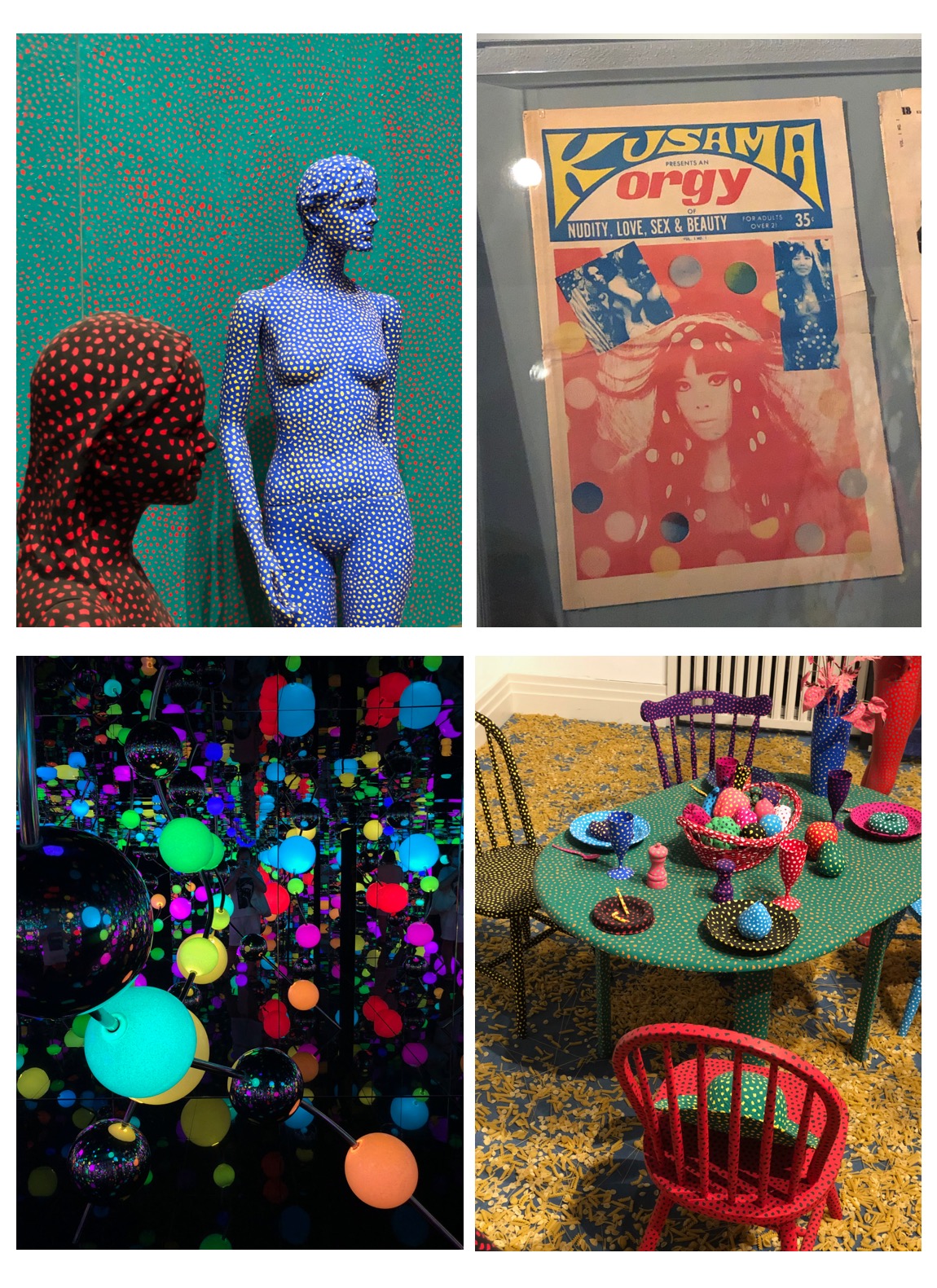
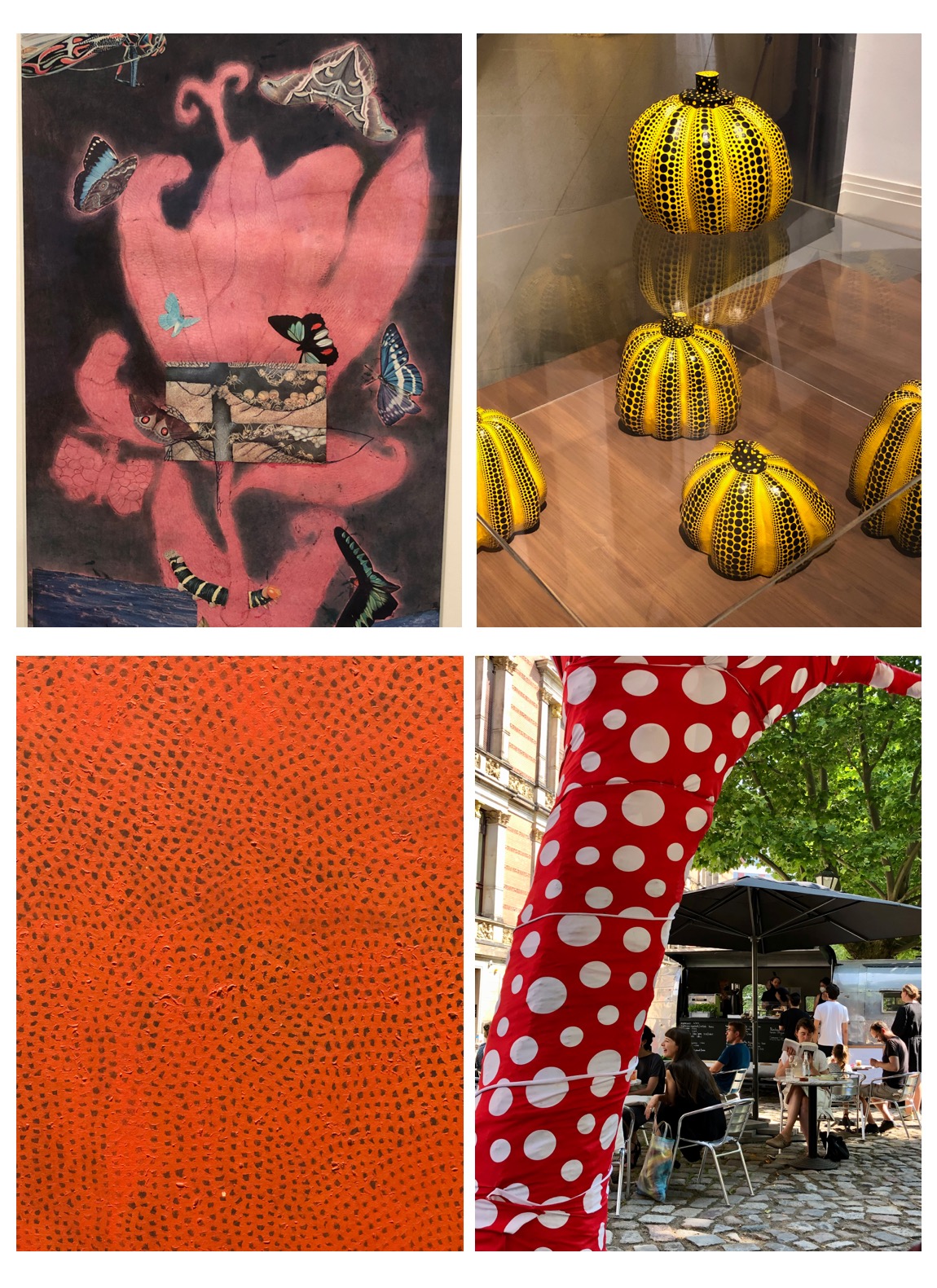
Berlin is alive and doing fine! And it blooms with great art events. Presented across almost 3000 m² of Gropius Bau‘s historic space, Yayoi Kusama: A Retrospective offers an overview of the key periods in Kusama’s oeuvre, which spans more than 70 years, and feature a number of current works as well as a newly realised Infinity Mirror Room.  The retrospective focuses primarily on tracing the development of Kusama’s creative output from her early paintings and accumulative sculptures to her immersive environments, as well exploring her lesser-known artistic activity in Germany and Europe. Since the 1960s, the artist has been actively engaged in realising exhibition projects outside the former centre of her life in New York and showing her work in a European context. This has also brought to the fore Kusama’s role as a pioneer of personal branding, who early on in her practice intentionally staged and marketed her own artistic persona and multidisciplinary work. Within the exhibition framework, reconstructions allow viewers to experience the pioneering nature of her presentational forms and artistic subjects, making accessible Kusama’s early exhibition projects in Germany and Europe in the 1960s and central solo exhibitions in the USA and Asia from the 1950s to 1980s. It seems that everybody knows Yayoi’s art, but there’s just so much more to her work than the signature, XXL polka-dots.

Till the 15th of August 2021 / Gropius Bau / Niederkirchnerstraße 7

All photos by Edward Kanarecki.

Voyager. Etro Pre-Fall 2021

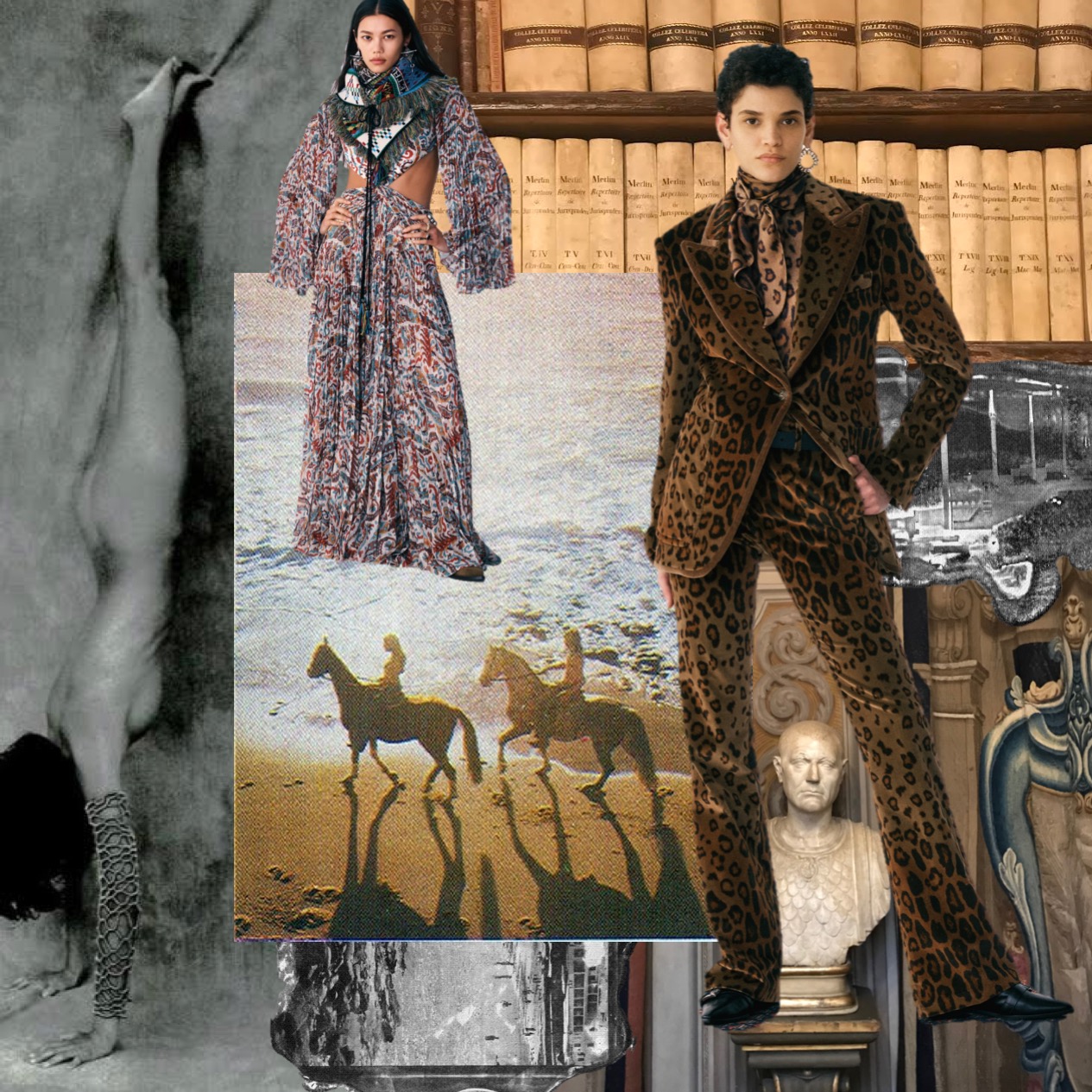
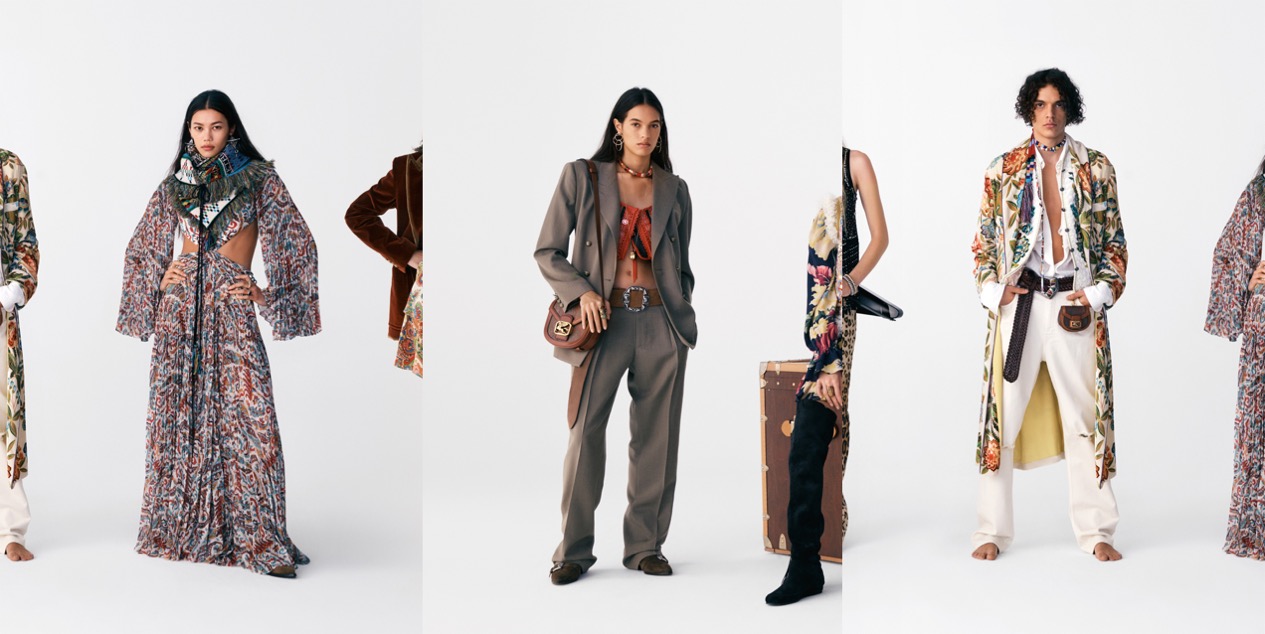
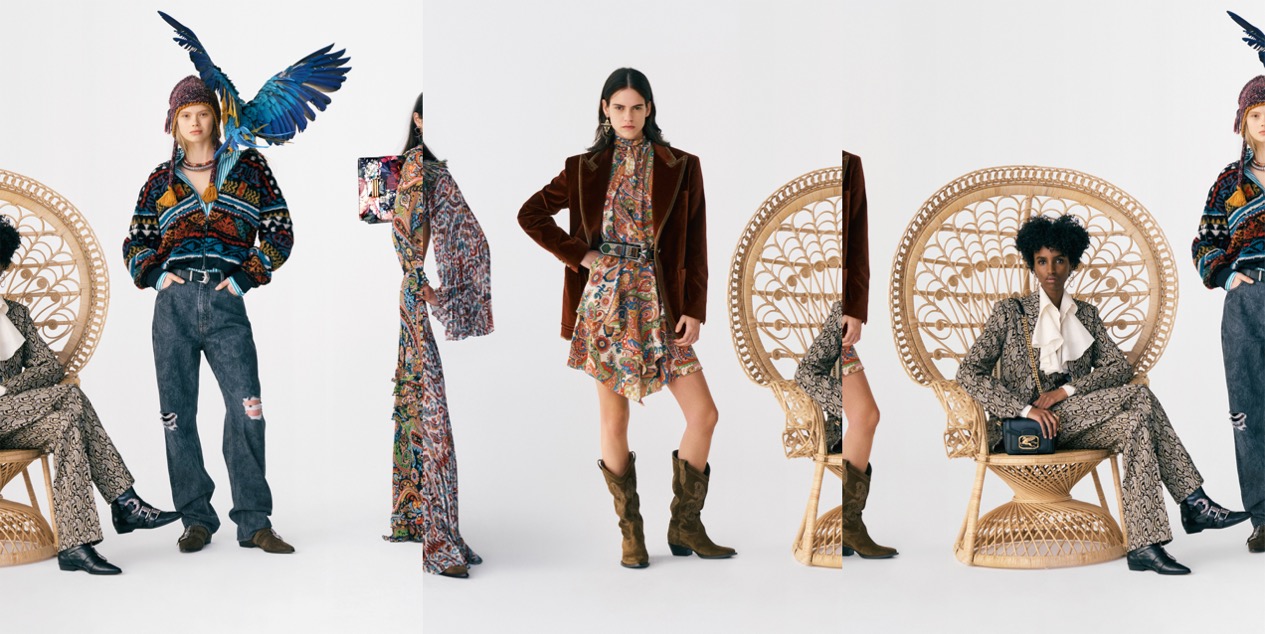
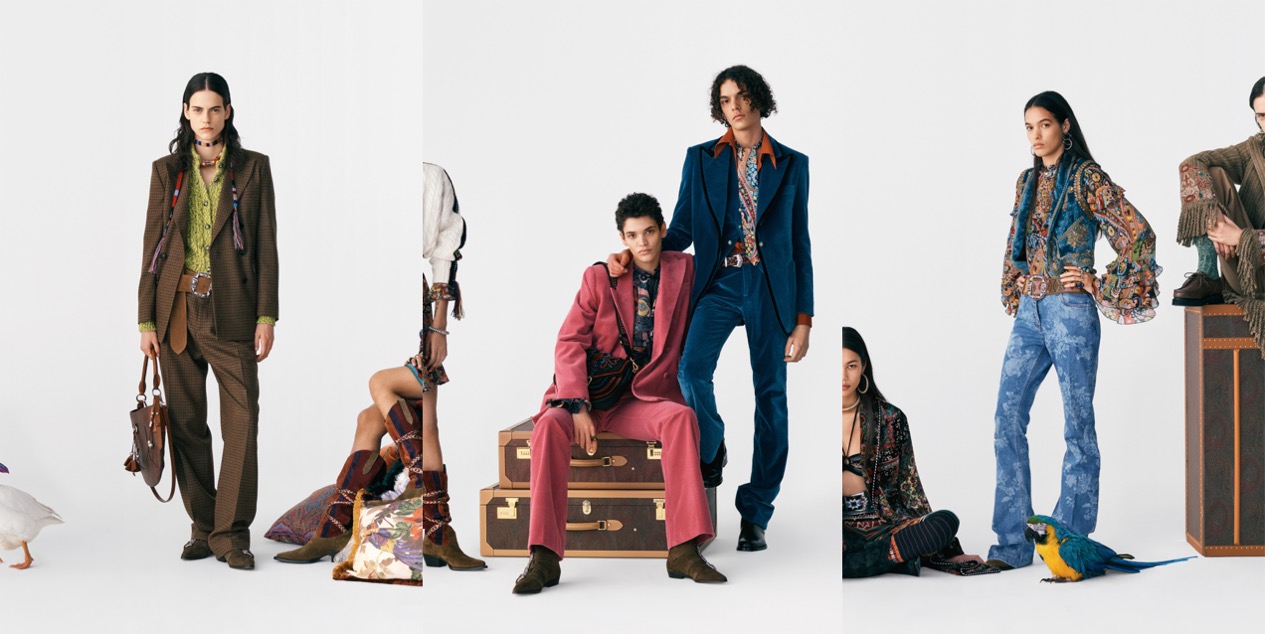
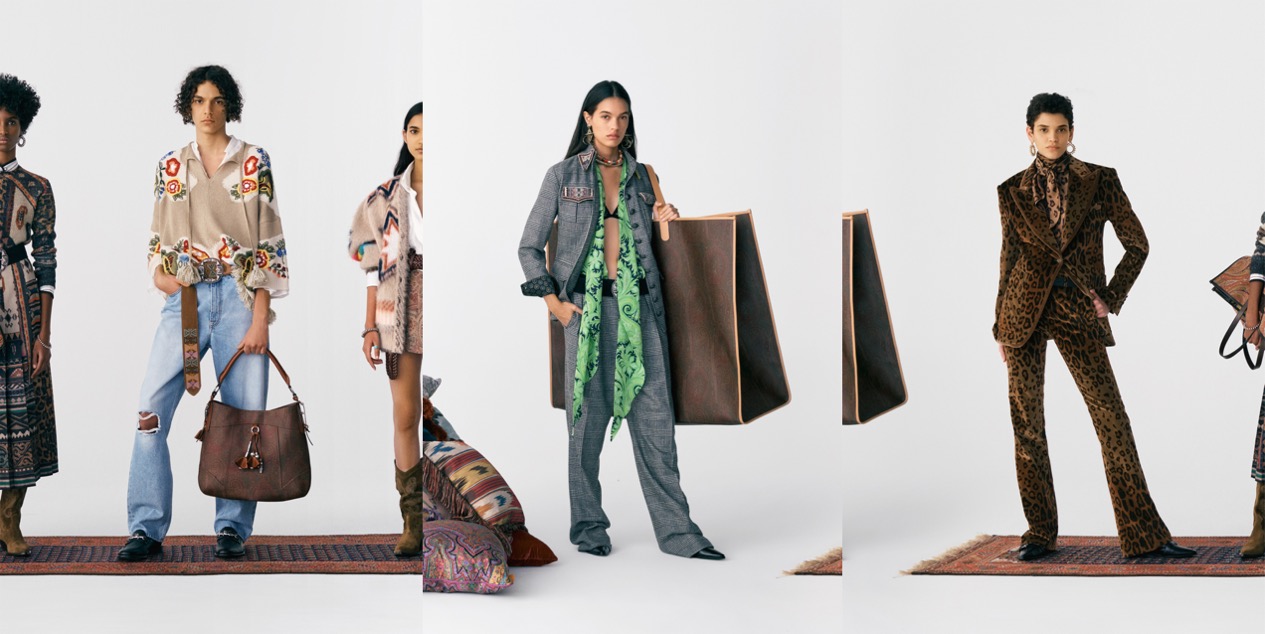
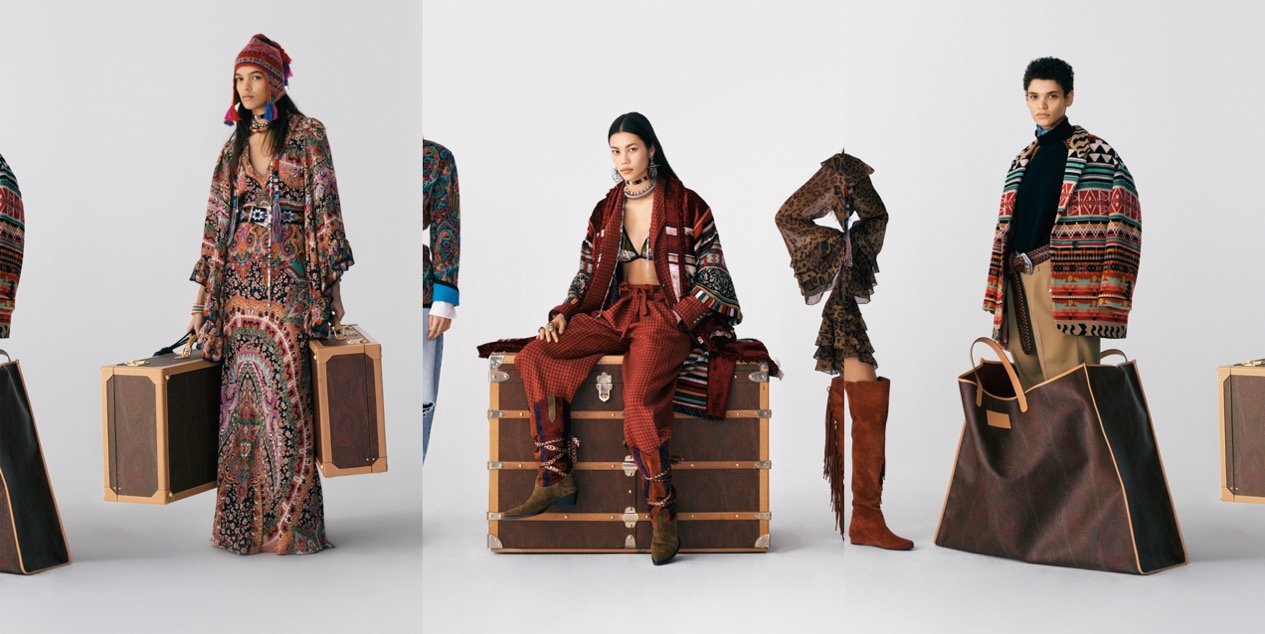
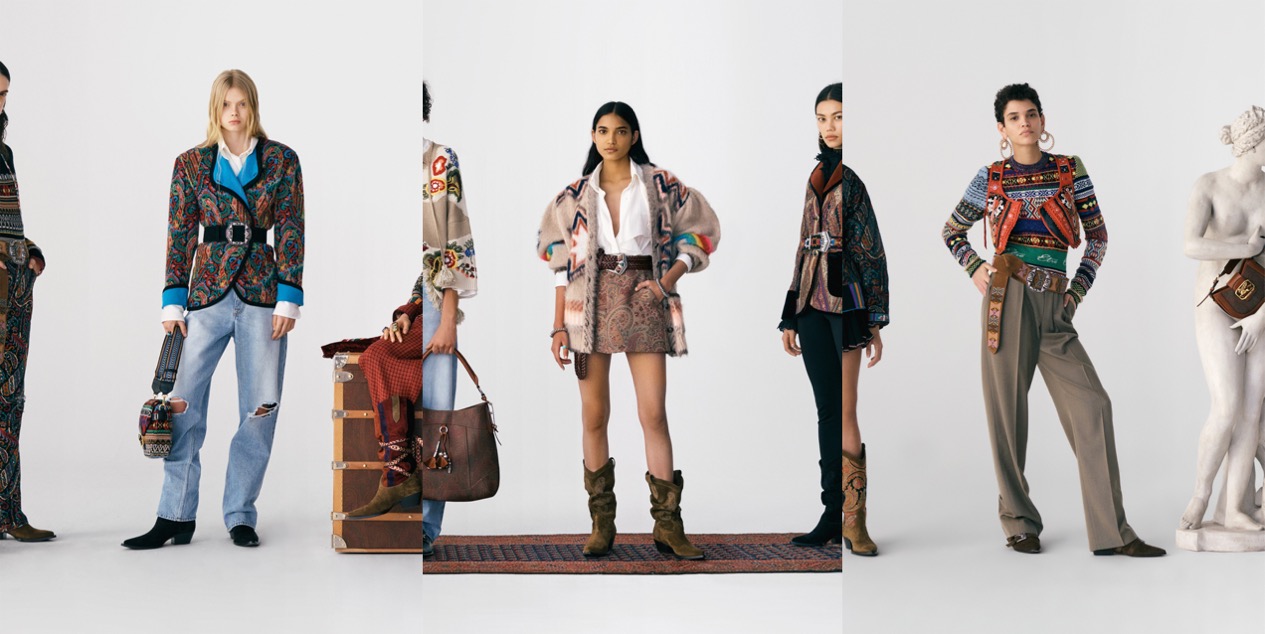
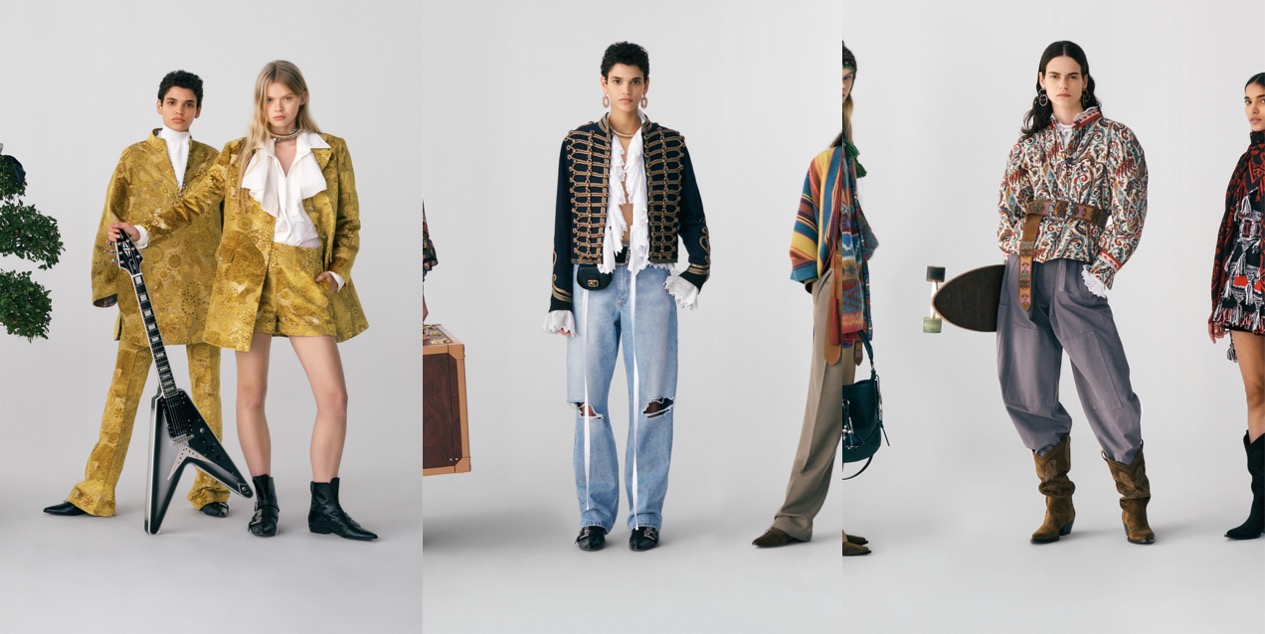
For the past few seasons, I take peeks at Etro and I must admit that something good is going on there. Comparing to the pretentious dustiness I always had in mind when thinking of the Italian brand, now I’m really intrigued with its fresh, revived care-freeness. And guess what – it’s not about a new creative director, since Veronica Etro designs womenswear since 2000. “I’m a natural-born optimist, I always try to see the glass half full,” said Veronica to Vogue during a Zoom review of Etro’s pre-fall 2021 collection. Italy is still in its second lockdown with no sign that Christmas travels will be possible, but Etro nevertheless sounded positive. “When we finally get out of this – and we will get out of it sooner or later – we’ll be ready to enjoy life to the full again. To travel, to party, to meet with friends, to get our freedom back,” she said. With her hopeful disposition, Etro hasn’t been tempted in the least to propose the elevated version of the stay-at-home loungewear that many designers have turned to for their post-pandemic collections. She believes that fashion should help women to be better versions of themselves, no matter the circumstances. A need for comfort is an inevitable byproduct of our present WFH limitations; it can’t be ignored. However, she said, “Etro has always been about a natural sense of ease, so I didn’t have to change my perspective much. It’s more about celebrating the freedom we’re craving to go back to. I thought about the future, about the clothes we’ll feel good in, and how we’ll enjoy getting dressed.” The collection reads as a free-spirited round-up of the best of the label, individual pieces as imaginative and romantic as they are effortless to wear, spiced up with a dash of Etro’s haute-bohemian flair, and all worn by a community of diverse characters. Paisley-printed garden party dresses alternated with soft tailored pantsuits in plush velvet, while languid tapestry dressing gowns, richly printed kimonos, and jacquard-knitted cozy wool cardis looked versatile enough to sit comfortably in a masculine/feminine wardrobe. “Traveling is always a learning experience and I miss it terribly,” said Etro. So much so that in the look book a model carries an amusing XXXL paisley-printed shopper, big enough to hold the entire collection. A true voyager’s dream!

Collage by Edward Kanarecki.

Support Brick-And-Mortar!

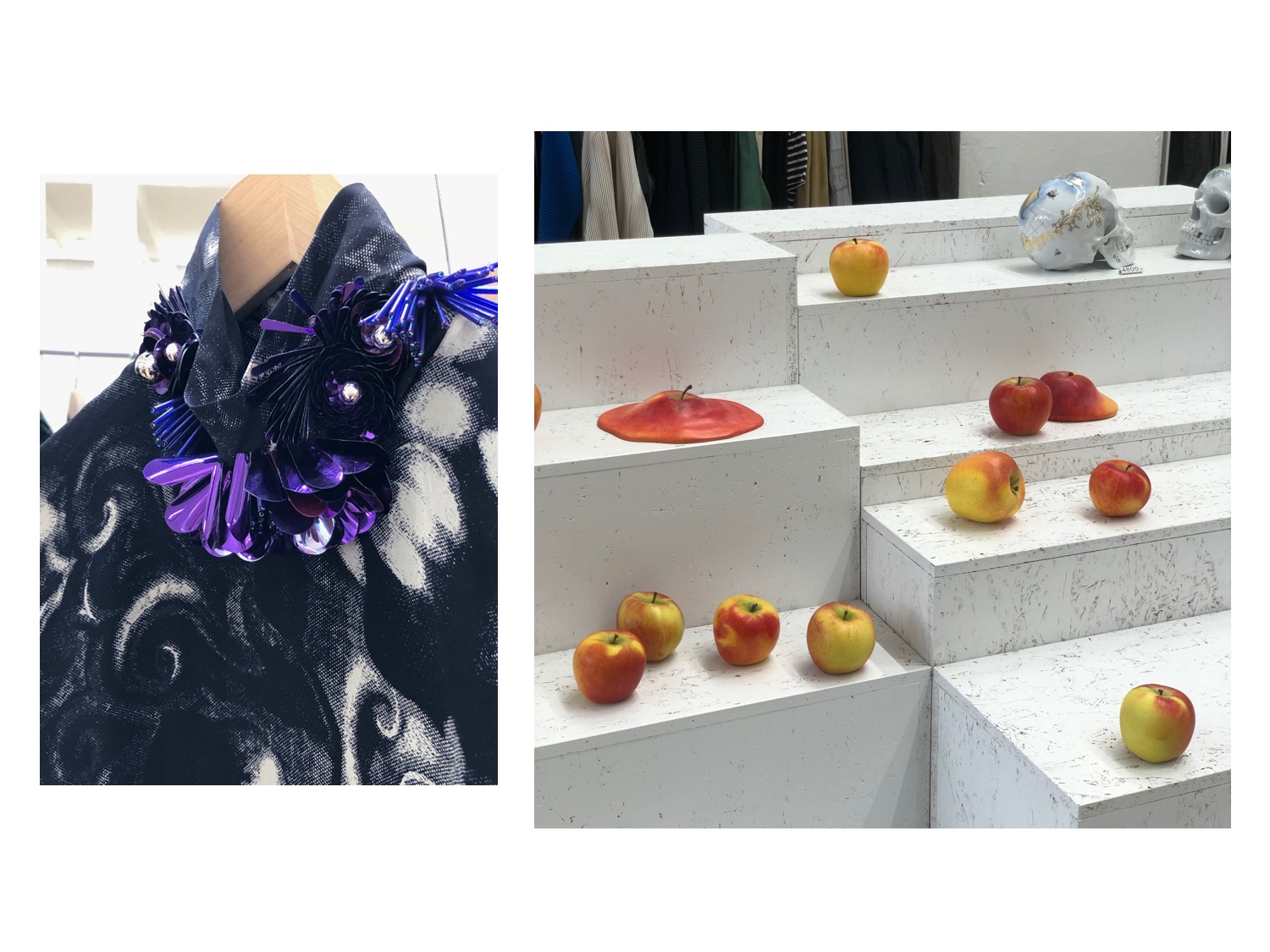
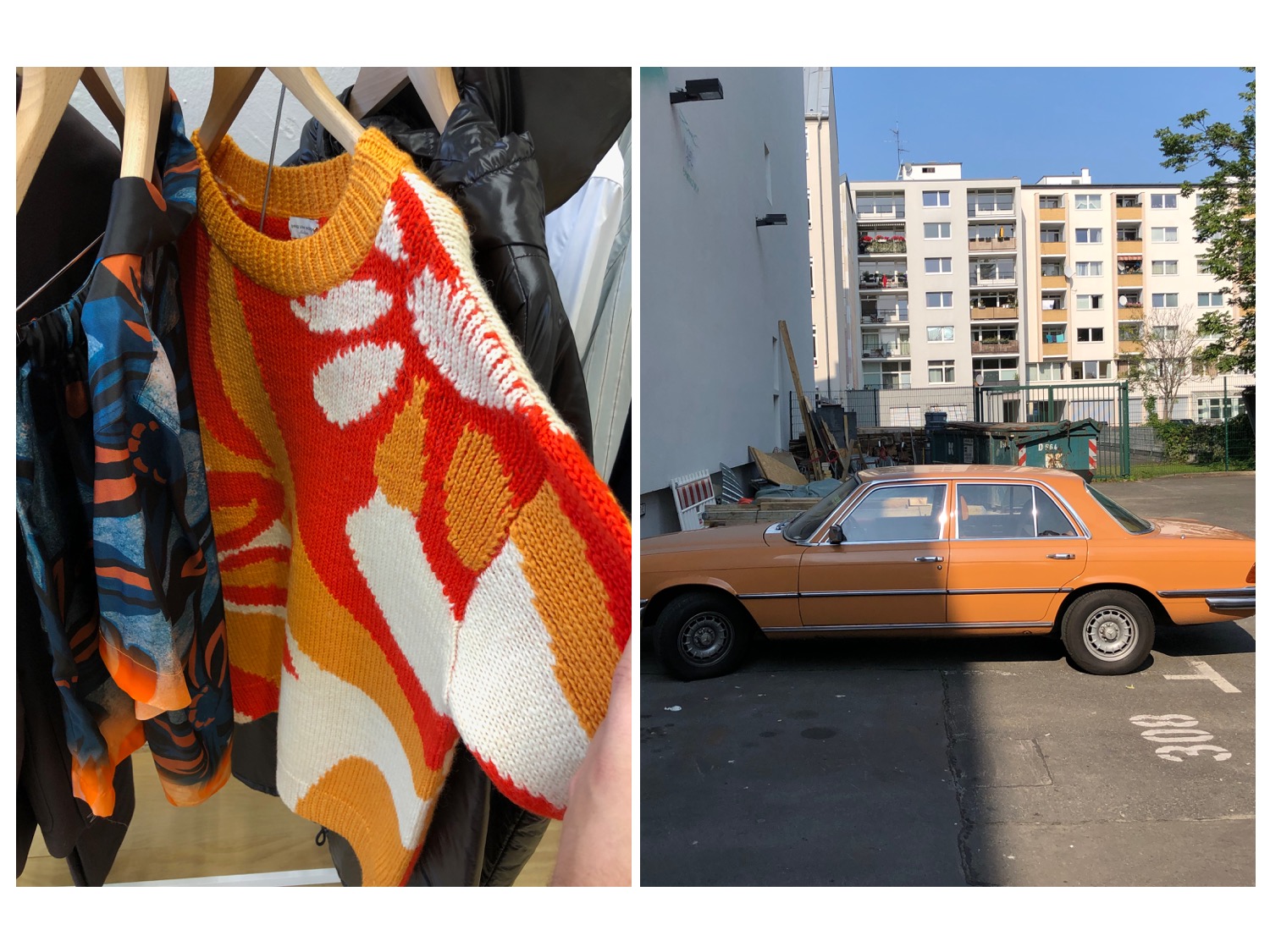
Two stores I love in Berlin: Andreas Murkudis and Sal Bazaar. Especially now, brick-and-mortar shops are having a hard time (I know it from a first-hand experience) and we should support the ones with authentic soul, a unique selection and a one-of-a-kind aura. Andreas Murkudis is my long-time go-to place (from Dries Van Noten and Yohji Yamamoto to the amazing space and beautiful art initiatives), while Sal Bazaar feels like the antidote to traditional fashion retail. This place is like an art gallery, really. Here you will find Dumitrascu, the place’s home-made label, as well as hand-picked, precious vintage and  ceramics made by local artisans. Everything is just so aligned with the owner’s taste. I know on-line is thriving and all, but REAL shops are the best. So, here’s a reminder: support them however you can!

Andreas Murkudis / Potsdammerstraße 81E

Sal Bazaar / Mulackstraße 34

Photos by Edward Kanarecki.

Gallery Weekend Berlin 2020 Picks

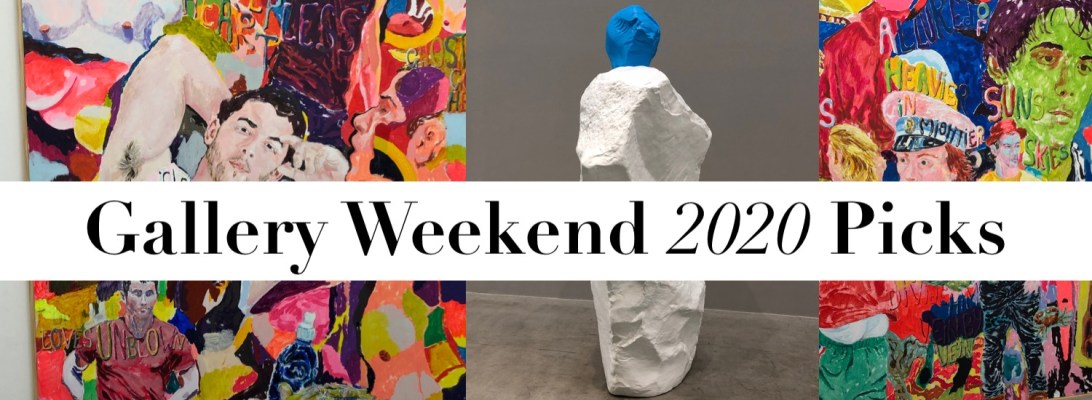
I love Berlin. And I love it even more during Gallery Weekend! During this event, the city transforms into an art sponge, and really, anything can happen (another post is coming on this today…). Every year, traditionally in springtime (due to coronavirus it was postponed to September 11-13), around 50 galleries open their exhibitions by young and established artists and welcome numerous visitors. Gallery Weekend Berlin was founded back in 2005 as a private initiative by Berlin galleries and soon became one of the highlights of the international art calendar. The weekend celebrates galleries and artists within this unique format providing high-calibre exhibitions and an unparalleled experience of Berlin. Here are my three picks from yesterday, but stay in tune, as more posts are coming!

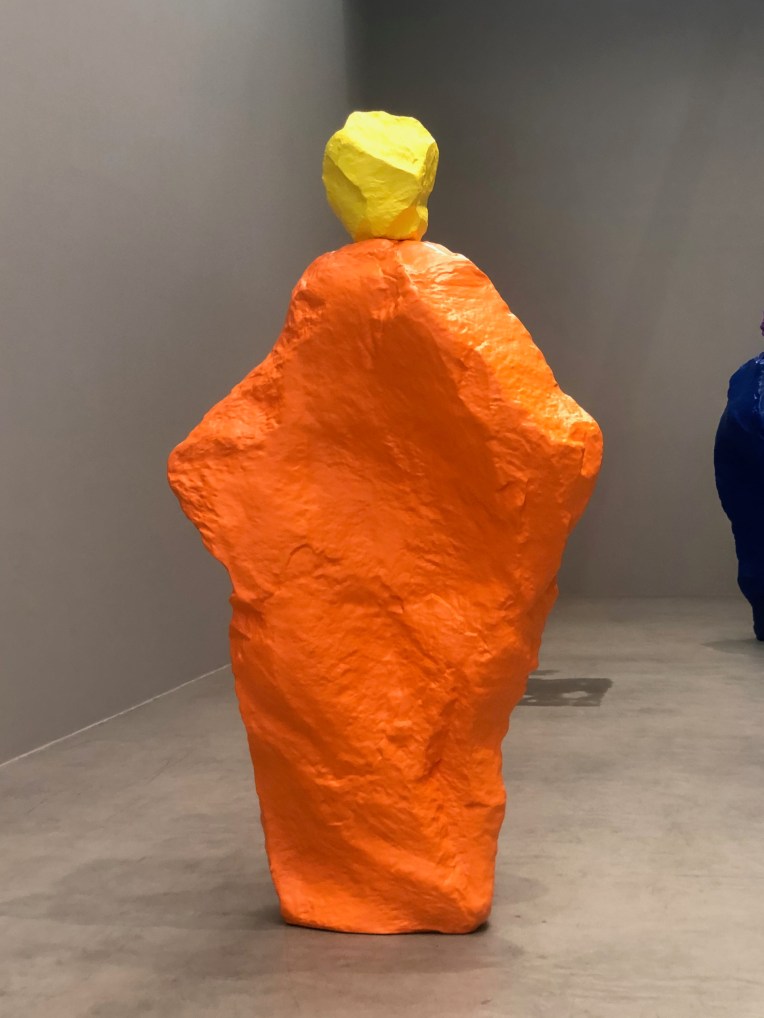
Ugo Rondinone‘s Nuns + Monks at Esther Schipper

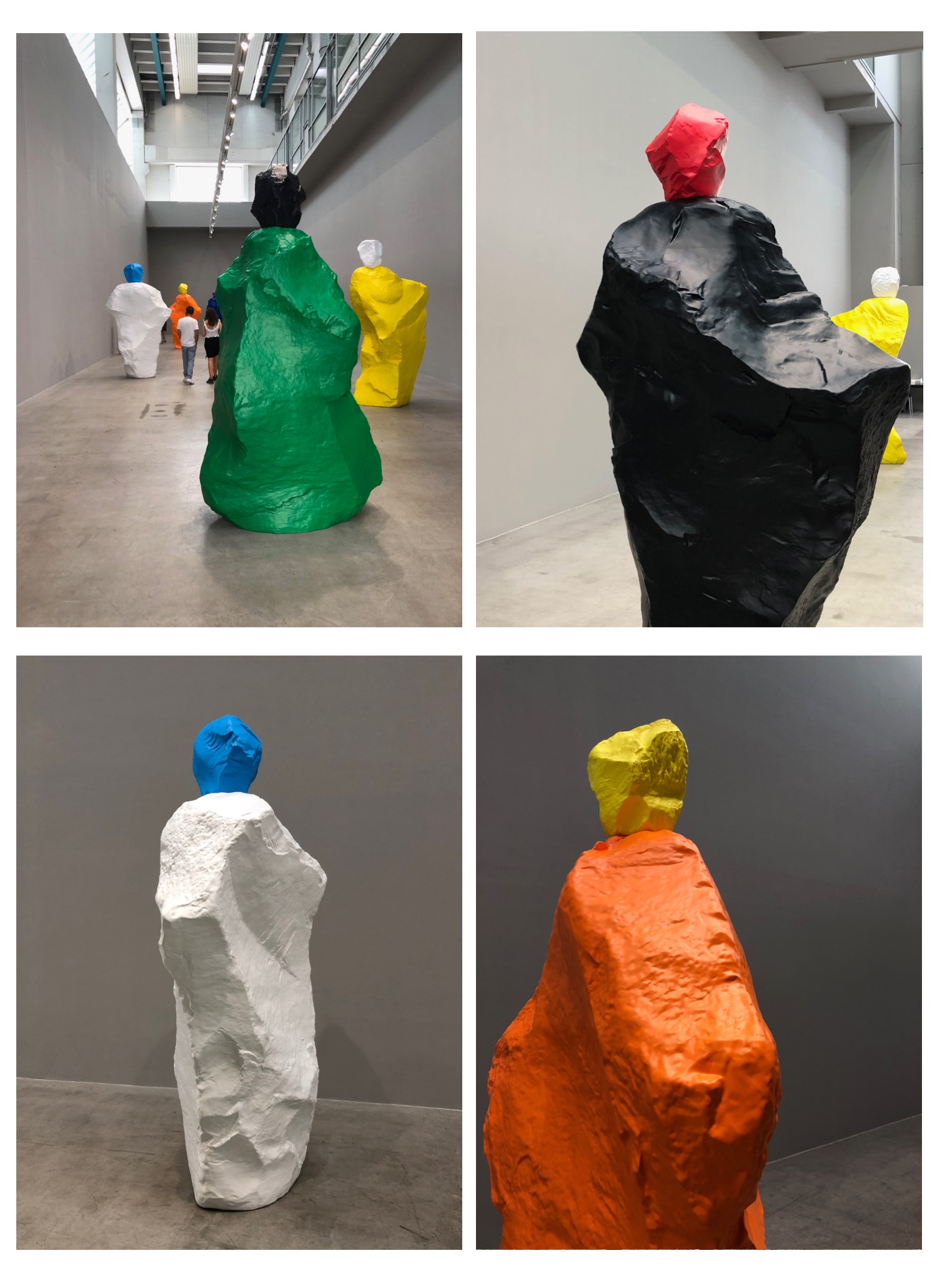
Stones have been a presence and recurring material and symbol in Ugo Rondinone’s art. They are the subjects of the stone figures that he began with the monumental Human Nature installation at the Rockefeller Plaza in 2013 followed by Seven Magic Mountains in the Nevada Desert in 2016. Both groups are the study and enjoyment of naturally formed stones as objects of beauty and contemplation, and in turn generate personal, meditative states of looking in which the boundaries between the outside world and internally visualized spaces break down. In doing so, Rondinone makes sculptures of what it means and feels like to see, whether this is understood to be a physical or metaphysical phenomenon. Nuns + Monks continue to address the dual reflection between the inner self and the natural world. Just as the external world one sees is inseparable from the internal structures of oneself, Nuns + Monks allows such layers of signification to come in and out of focus, prompting the viewer to revel in the pure sensory experience of color, form and mass while simultaneously engender in an altogether contemporary version of the sublime.

The exhibition remains on view through October 17, 2020. More here.

Richard Hawkins at Galerie Buchholz

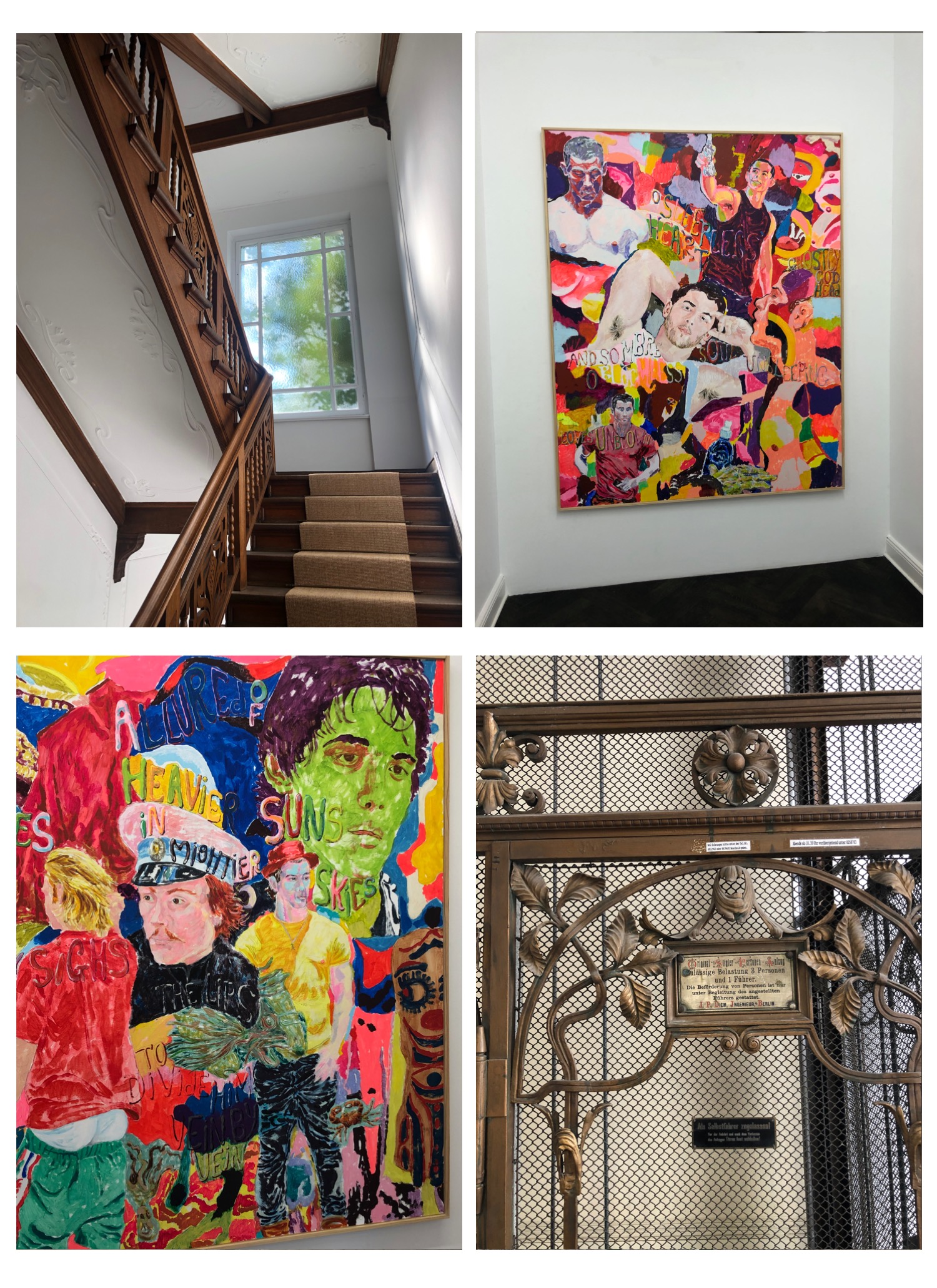
Richard Hawkins moved out of Texas for art school in Los Angeles in 1986. Then, after a few years of writing experimental fiction, he began a career in art that would contain all of American culture in its erotic death grip. As a painter, Hawkins often swims in different directions – mining art history, as he has over the past two decades, to create surrealist, tragicomic scenes of gay cruising zones and exotic hustler bars. He also mines literature for inspiration, character cameos, and excerpts of text inserted directly onto his canvases. Hawkins new group of paintings for his 11th solo exhibition at Galerie Buchholz are brightly colored compositions that contain a constellation of subjects as varied as the celebrity hunk Nick Jonas, the boxer Canelo Alvarez, Justin Bieber, Adam Driver, but also “Death in Venice’s” Gustav von Aschenbach as played by Dirk Bogarde or Alain Delon as Baron de Charlus from “Swann in love”. Two of these paintings include snippets of poetry from the decadent Victorian writer Algernon Charles Swinburne. These new works originate out of the mindset of collage, the medium that is central to Richard Hawkins entire artists practice, but which is here emphatically transformed into painting. Hawkins’ subjects seem to dissolve in glowing, even fluorescent colors, and alongside his ensemble of reoccurring characters painterly references appear: butterflies by Odilon Redon, a dried sunflower and secreting opium.

The exhibition remains on view through October 2, 2020. More here.

Tobias Spichtig‘s Pretty Fine at Contemporary Fine Arts

In his first solo exhibition with CFA, Tobias Spichtig, Swiss artist, combines his new paintings and sculptures. Shell becomes essence, attitude becomes form, the existentialist gesture is being adjusted in the digital age. His work is generated through a vast circulation of reference, media, fashion, humor and materials. Engaging with visual culture through both traditional and experimental means, Spichtig’s conceptual narratives often use color as a means of connecting themes. His installations, sculptures, paintings, photographs and films address ever-changing notions of reality and the temporal nature of images. Also, he has recently collaborated with Demna Gvasalia on installations places at selected Balenciaga stores.

The exhibition remains on view through September 26, 2020. More here.

Photos by Edward Kanarecki, photos of Tobias Spichtig’s works via the artist’s Instagram.