The “Old” Santorini

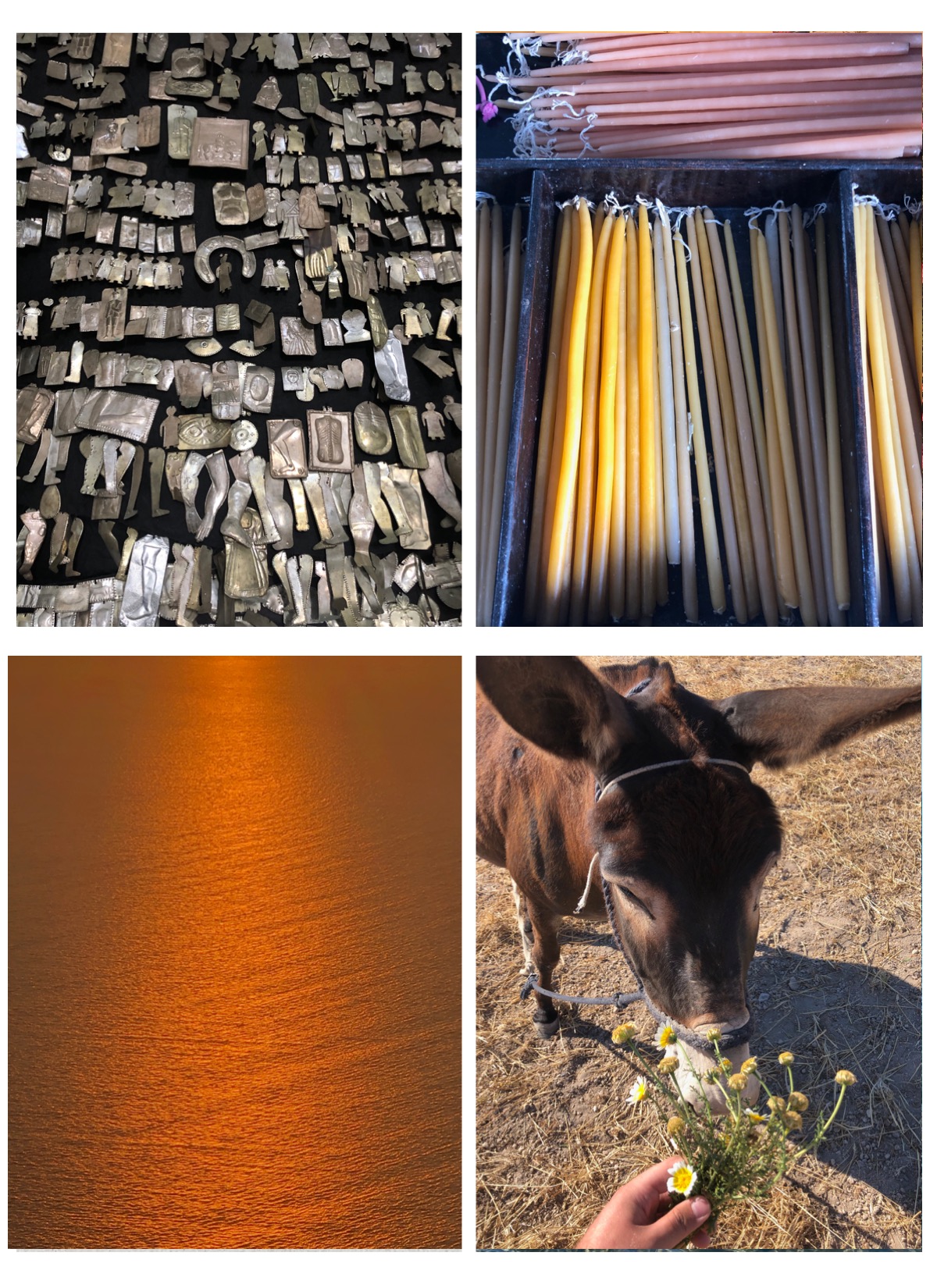
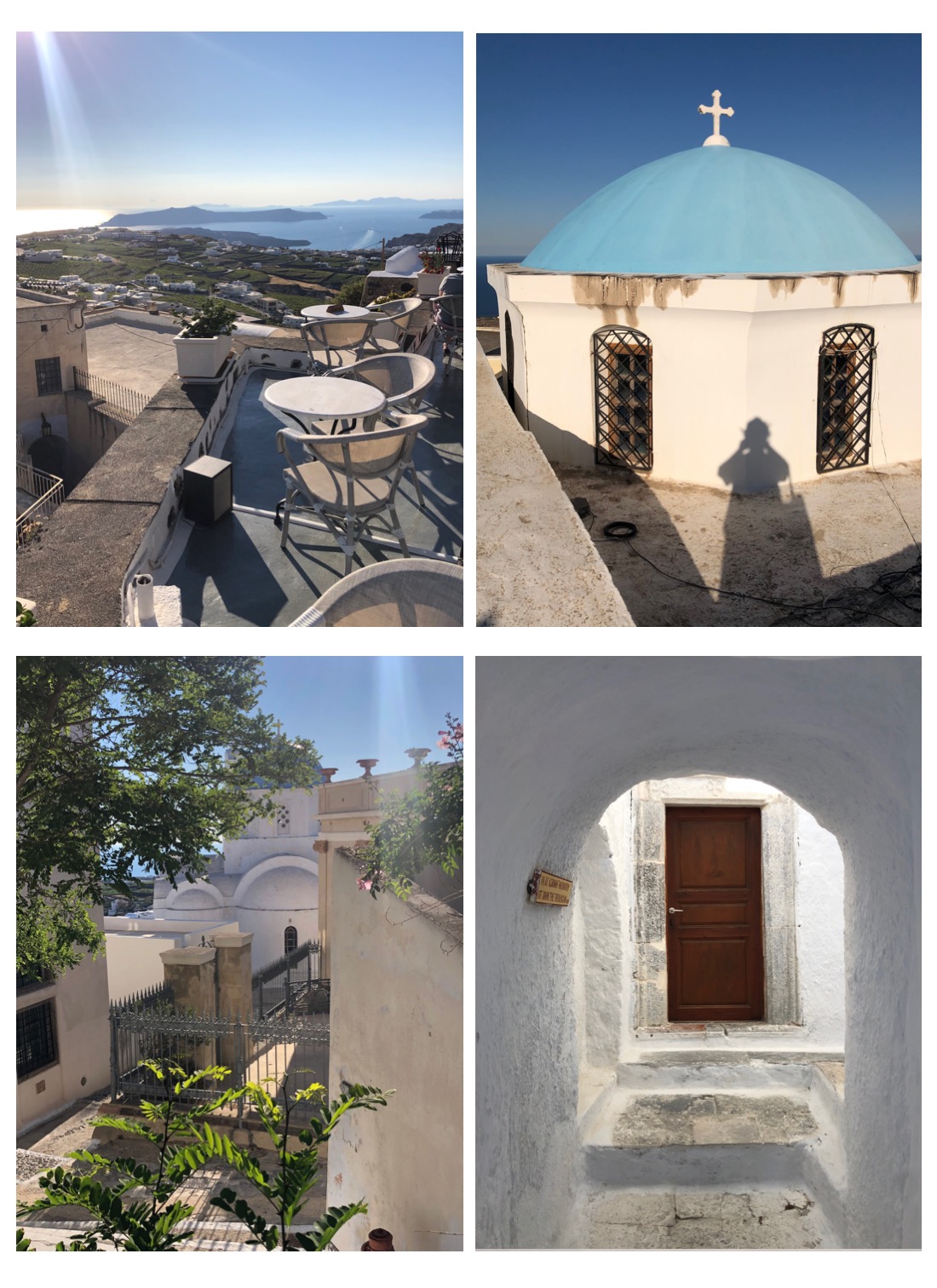
There’s the “fancy” Santorini, which faces the picture-perfect sunset. But there’s also the raw part of the island, which has its unique and very intriguing charm. It is here, inland, that you will find traces of the “old” Santorini. In the subdued villages of Megalochori, Pyrgos and Emporio, at religious festivals in blue-domed chapels surrounded by vineyards, among the ruins of ancient Thera on the summit of Mesa Vouno, a giddying rock-face flanked by the black beaches of Kamari and Perissa. I found Emporio the most interesting. The village is built in the lowlands, at the foot of Profitis Ilias Mountain. The village was probably named Emporio (“trade”), because it used to be the center of the commercial affairs in the past. Nowadays, Emporio is a peaceful settlement with beautiful houses and yards, many of which have been renovated, making the place very attractive. You can find plenty of shops, cafes, bars and traditional taverns with savory dishes and fine wines. There are some luxury hotels and villas or charming traditional houses and rooms for your stay. An asset of Emporio village is the fact that it is close to the volcanic beaches of Perissa and Perivolos. The medieval Kasteli, one of the five fortified castles of Santorini, is located in the heart of Emporio, and while you walk on streets, you realise the whole village is built around it. Inside the castle there is a church that dates back to the 16th century or earlier. Meanwhile Pyrgos, strategically built in the heart of the pre-volcanic hinterland, affords panoramic views, yet located that bit further from the famous caldera, it has been spared from the terraces, balconies, infinity pools and master suites that adorn the much glossier Oia. Pyrgos is not swamped by sunset spotters, nor is it the first choice among the hordes of cruise-ship passengers. For a great lunch and stunning view at the entire island, visit Franco’s Cafe!

One of the most underrated Santorini spots is the lighthouse. In the lovely, tranquil village of Akrotiri you can find the lighthouse located on the extreme southwest part of the island, 18 kilometers away from Fira. It is considered one of the best and most beautiful lighthouses in Cyclades. Attuned to the rest of the island, it is an admirable building with whitewashed walls standing on the edge of a high cliff right above the sea. It is, by all means, an idyllic setting. The lighthouse is situated in a peaceful place, surrounded by sea, ideal for blissful, romantic moments. It is highly recommended that you visit it during sunset when the warm light of the sinking sun floods in the lighthouse. It is an excellent sunset-watching spot and the fact that it is not commonly-held makes it more special. It is the spot the locals prefer to spend their evenings and cherish this magical hour. All these, along with the scenic view it offers, will fill you with nothing but entrancement…
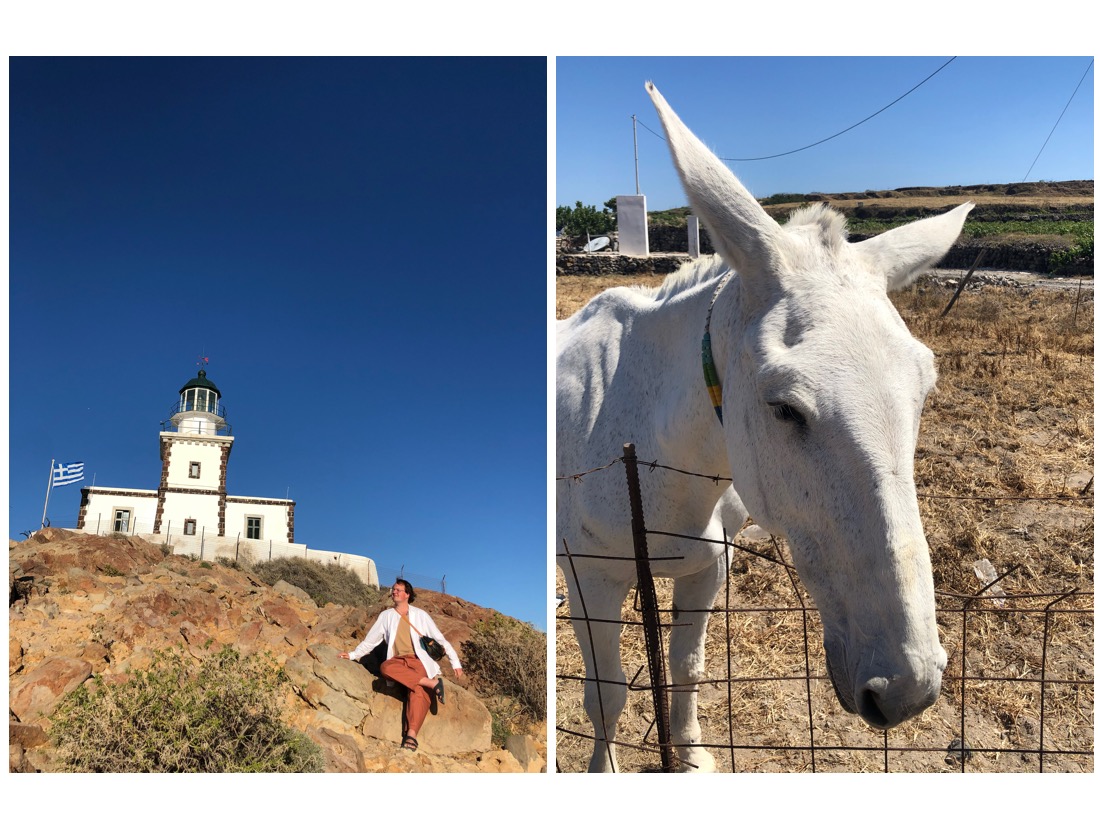
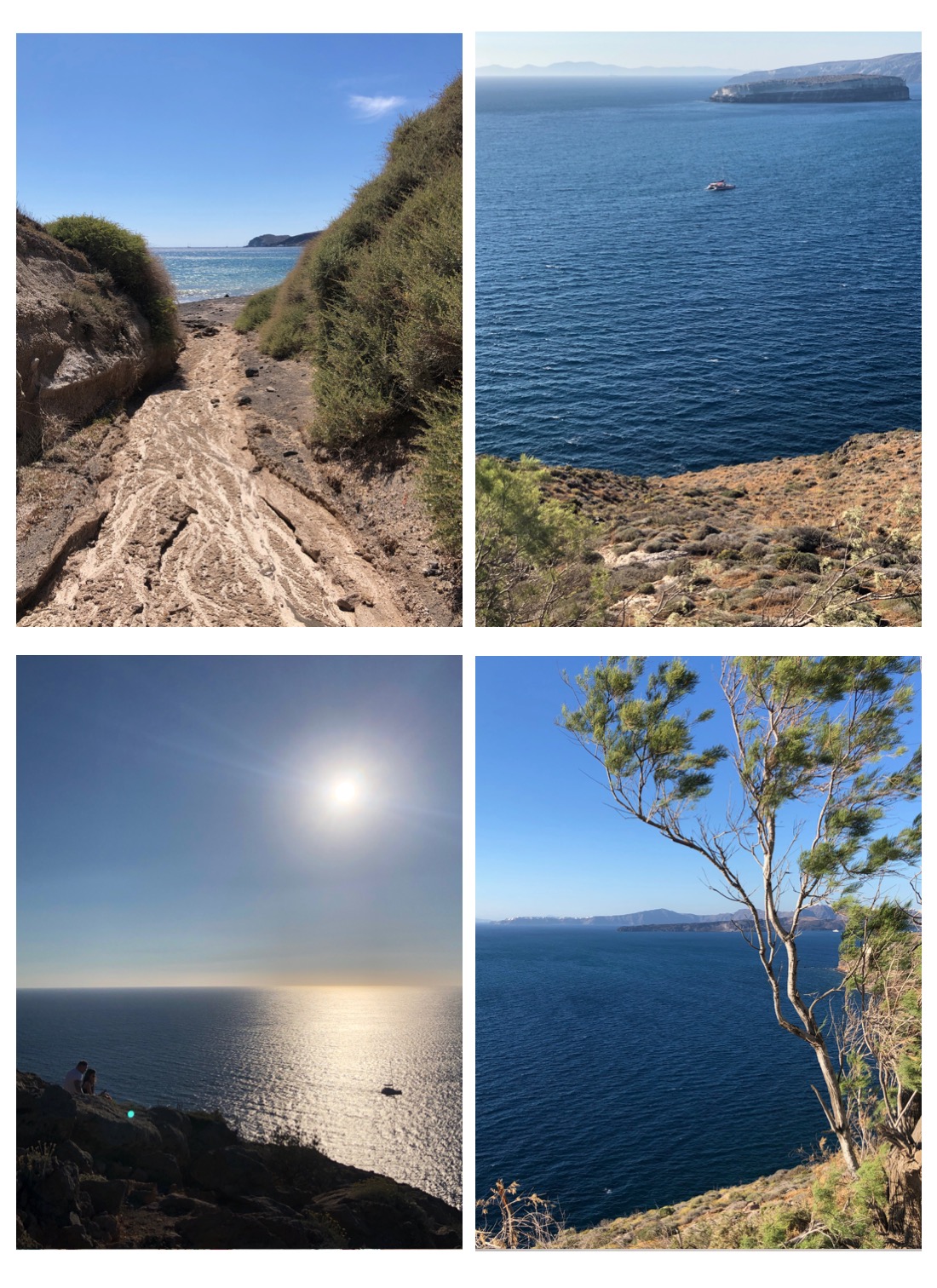
All photos by Edward Kanarecki.

Santorini – Oia, Thira & Firostefani

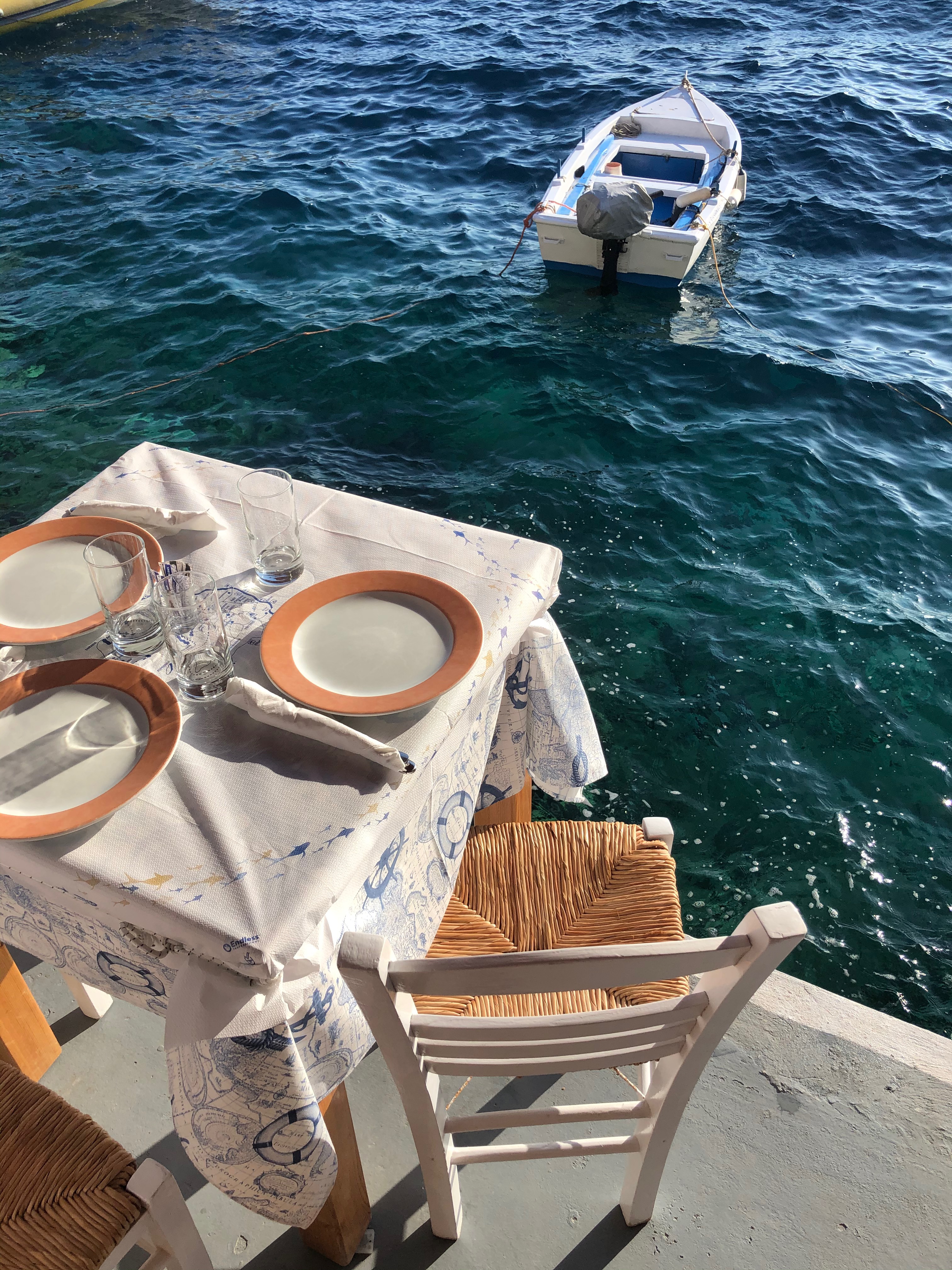
Ammoúdi Bay dinner setting.

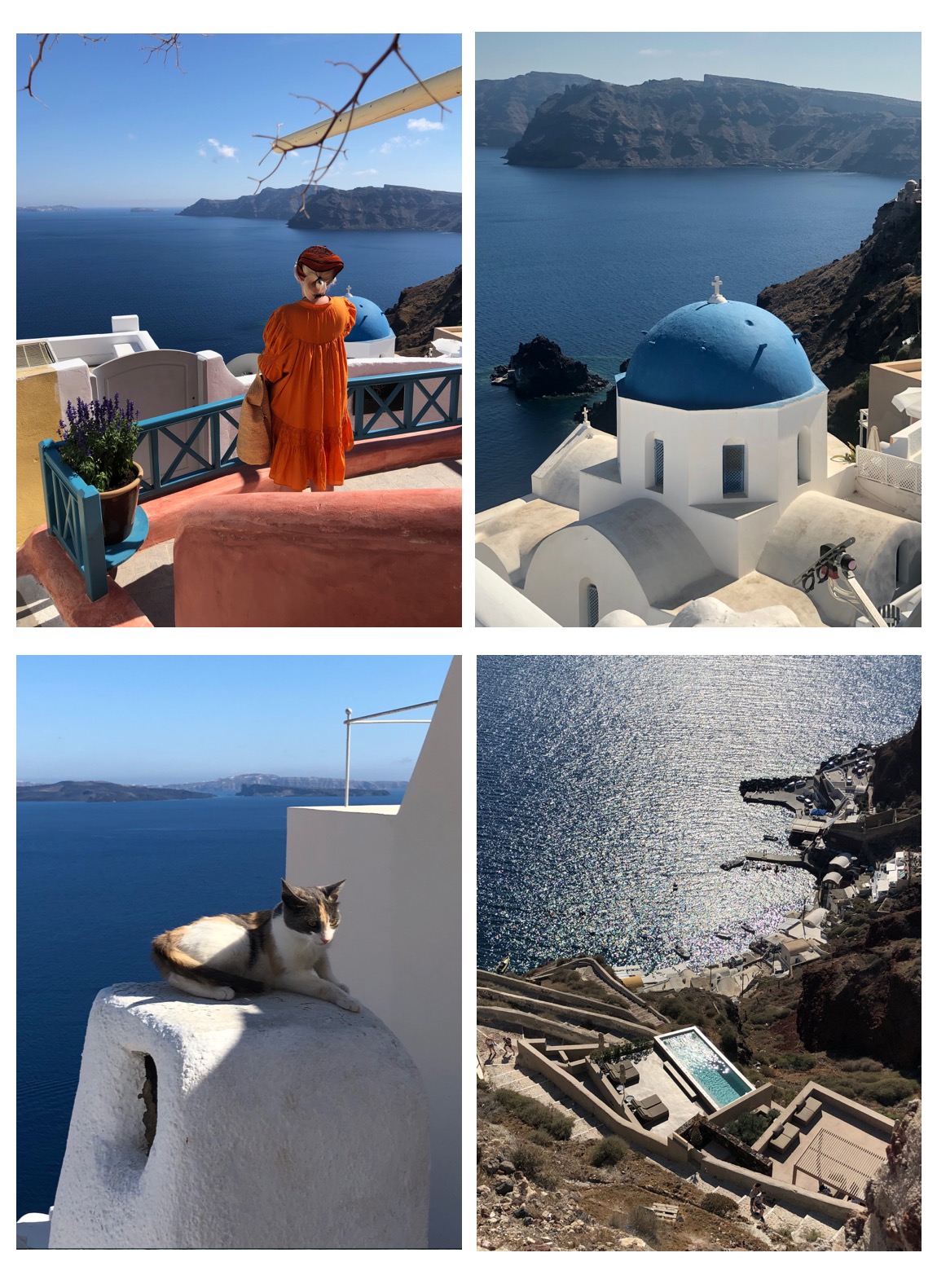
Santorini, if done right, is the ultimate setting for a carefree holiday. First thing’s first – and this may be controversial – avoid staying in the most well-known town of Oia. It’s by far the most touristy spot on the island, regularly flooded with cruise ship day-trippers – even in the post-pandemic world. It also has a large swath of cliffside, couple-filled boutique hotels. Rather than settling in the area, just meander over there for an afternoon or a dinner. In general, Thira, Firostefani and Oia, which are located on the western side of Santorini, are three towns which you can climb through within two hours. There’s no way you can’t spot the sunset from these three, so it’s really worth reserving a table at one of the local restaurants (I will share a few great addresses in the upcoming posts!). Thira, Santorini’s biggest city, has some lovely designer outlets and there are a fair number of cool bars and nightclubs here, too. If you’re looking forward to a calm ambience, stay longer in Firostefani (which neighbours with another adorable village, Imerovigli – that’s where we’ve stayed!). Oia, Santorini’s star, is the ultimate Greek Island village – all white houses and domed churches tumbling over the lip of the caldera. It’s also the most postcard-ish of all. From Oia, it’s worth going down to the Ammoúdi bay, where you will eat the freshest fish with the finest view.

From top left to bottom right: mules and donkeys are regular sight on the roads of Santorini; the postcard view at Oia; sun-bathing octopus down the Ammoúdi bay; one of the vintage boutiques in Oia.

Wherever you sit down for a coffee or refreshing cocktail in Oia, there’s a view. A spectacular view!

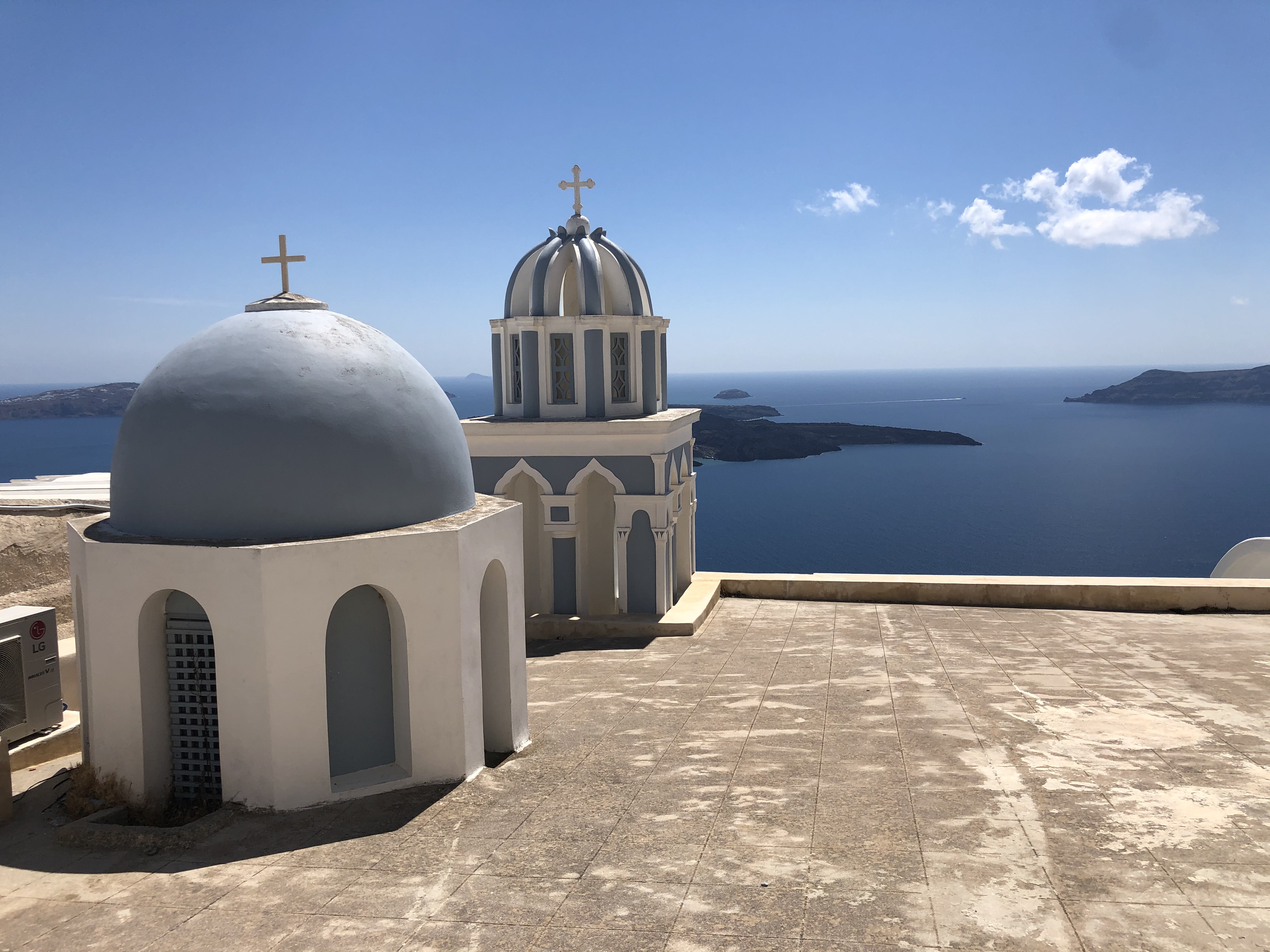
One of many domed churches in Firostefani. Sadly, most of them were closed…

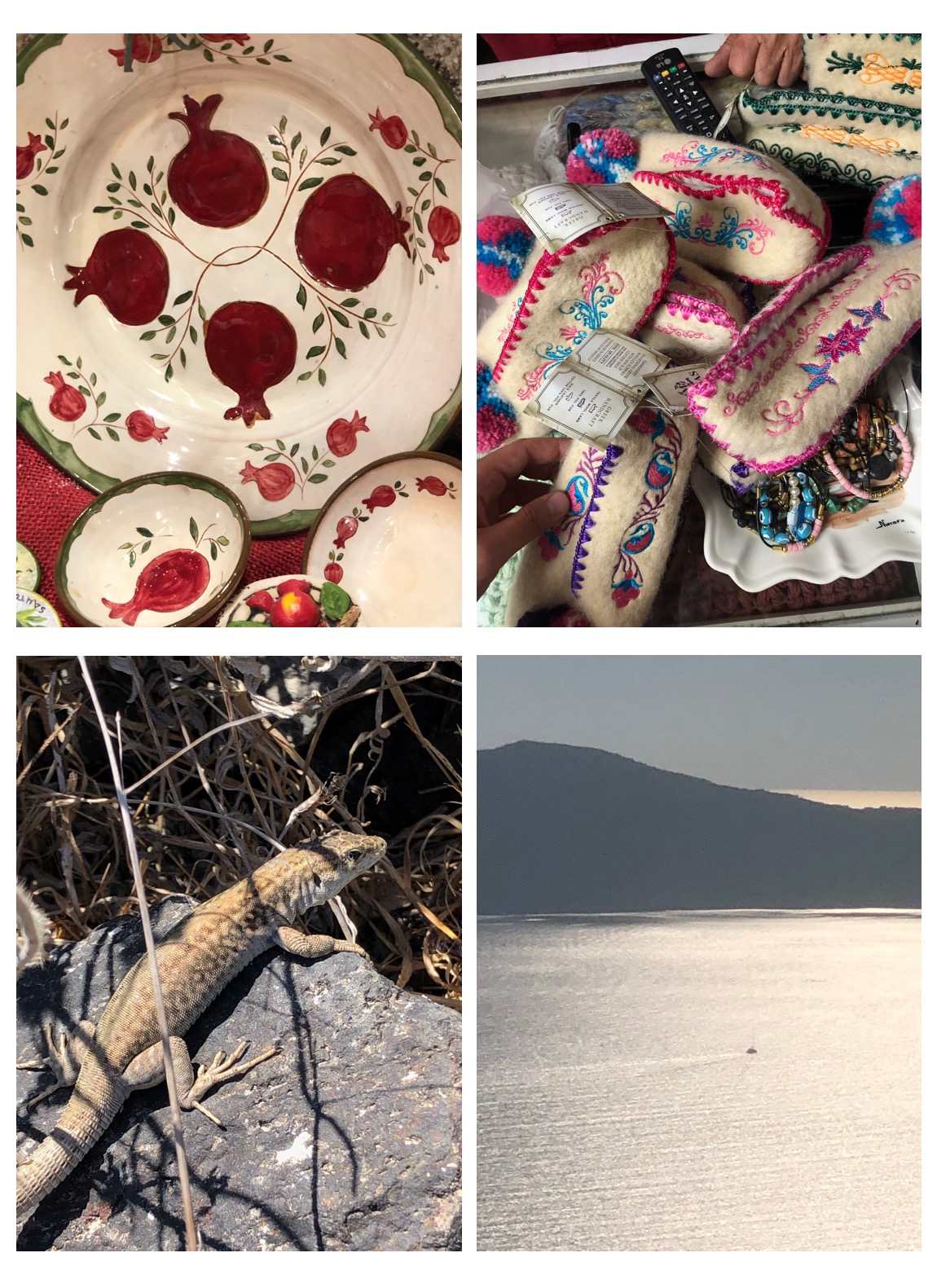
If you’re looking forward to some local shopping, forget Oia, and go down to Thira. We bought some gorgeous ceramic plates and tsarouchi slippers made from wool. Very Loewe!

Somewhere between Thira and Firostefani… the villages are so close to each other that it’s difficult to distinguish between them. The blazing sunset and the view at the deep blue sea unites them all!

All photos by Edward Kanarecki.
Santorini Summer

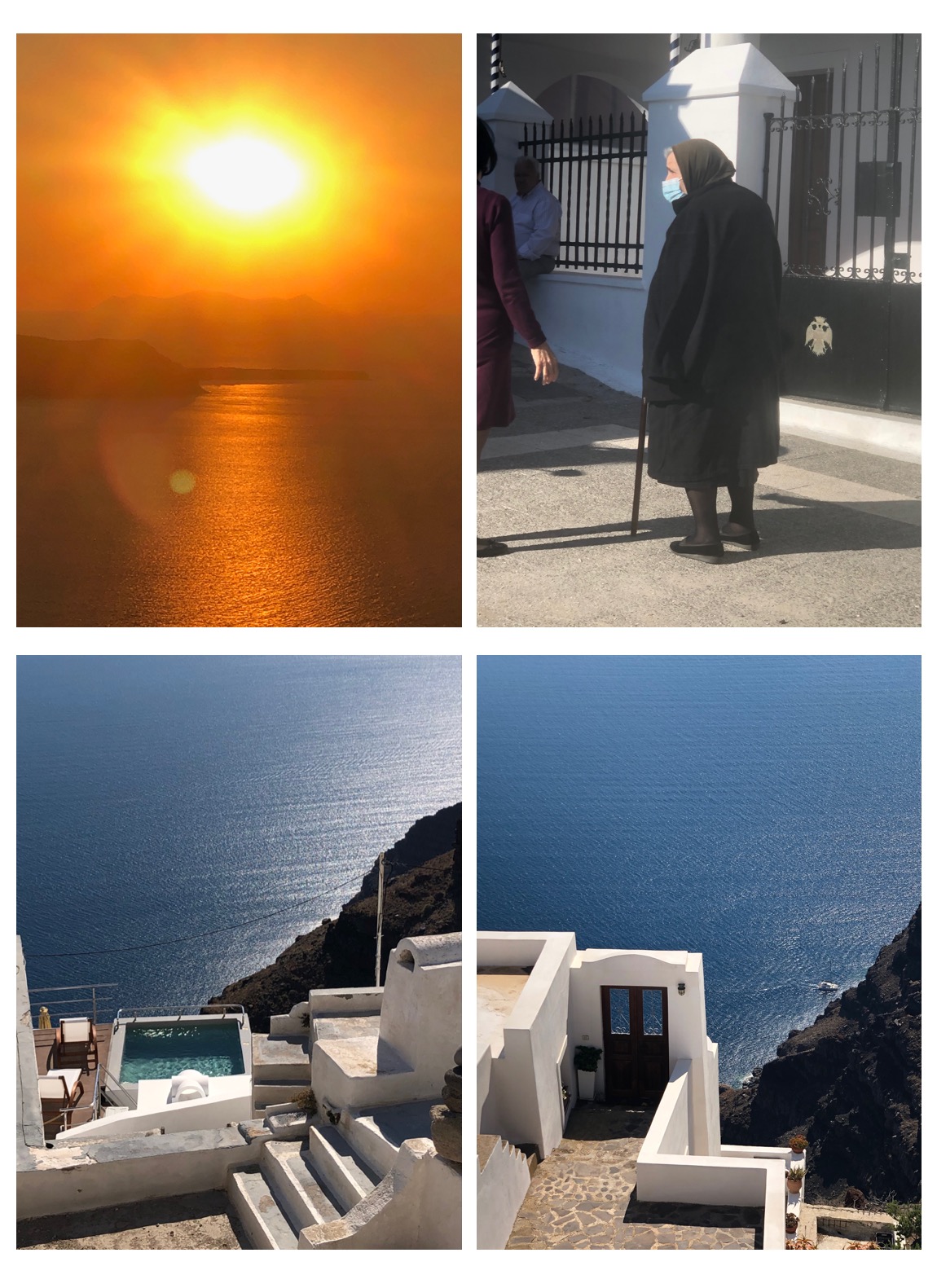
I’m beyond happy to (finally) post my favourite moments from the Santorini trip I took back in June! I’ve never been to Greece before, but this gorgeous and mysterious island of the Cyclades made me realise what’s so unique about the so-called “Greek holidays”. The whitewashed villages huddled on the cliff around the volcanic crater aren’t just a postcard view, but stunning reality here. The history of this island is rich, yet violent: the abrupt eruption buried Akrotiri around 3,600 years ago, the centre of a great Bronze Age civilisation, whose streets, squares and frescoed homes were astonishingly well-preserved beneath a cloak of ash. Archaeologists have unearthed poignant details of lives interrupted: pots of barley, a basket of sea urchins, a golden ibex in a clay chest, perhaps an attempt to appease the wayward gods. Of course, like anywhere with an active volcano on the horizon, that could happen at any time. Perhaps this underlying vulnerability is what gives Santorini its raw intensity, its quietly devastating beauty. And of course, Santorini, with its blazing sunsets, is known to be one of the most romantic places in the world. So, for a great starter, here are some of my sun-drenched shots, just to convey the ambience of this gorgeous, close-to-nature, and even spiritual place.

All photos by Edward Kanarecki.
Yayoi Kusama Retrospective at Gropius Bau

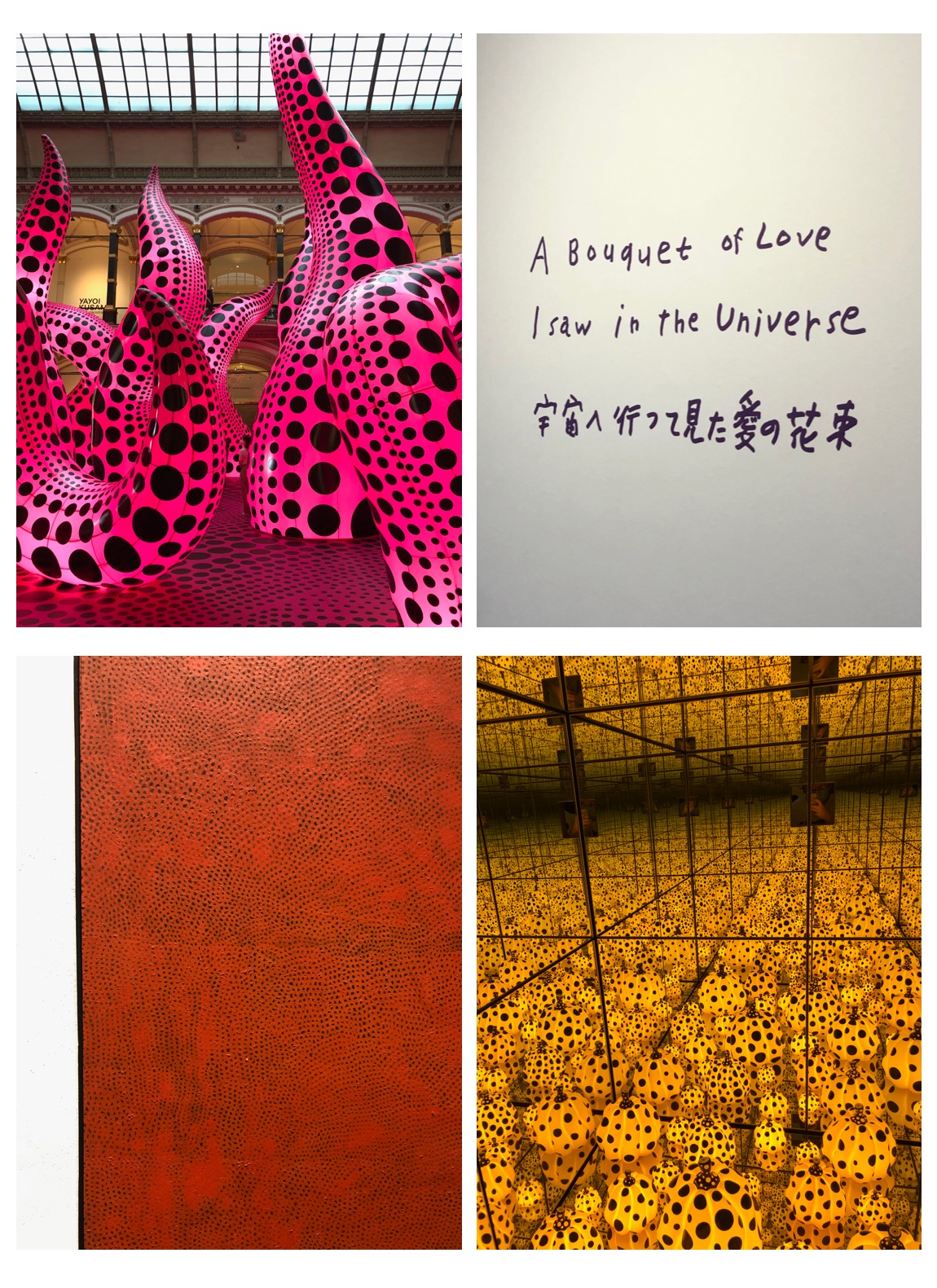
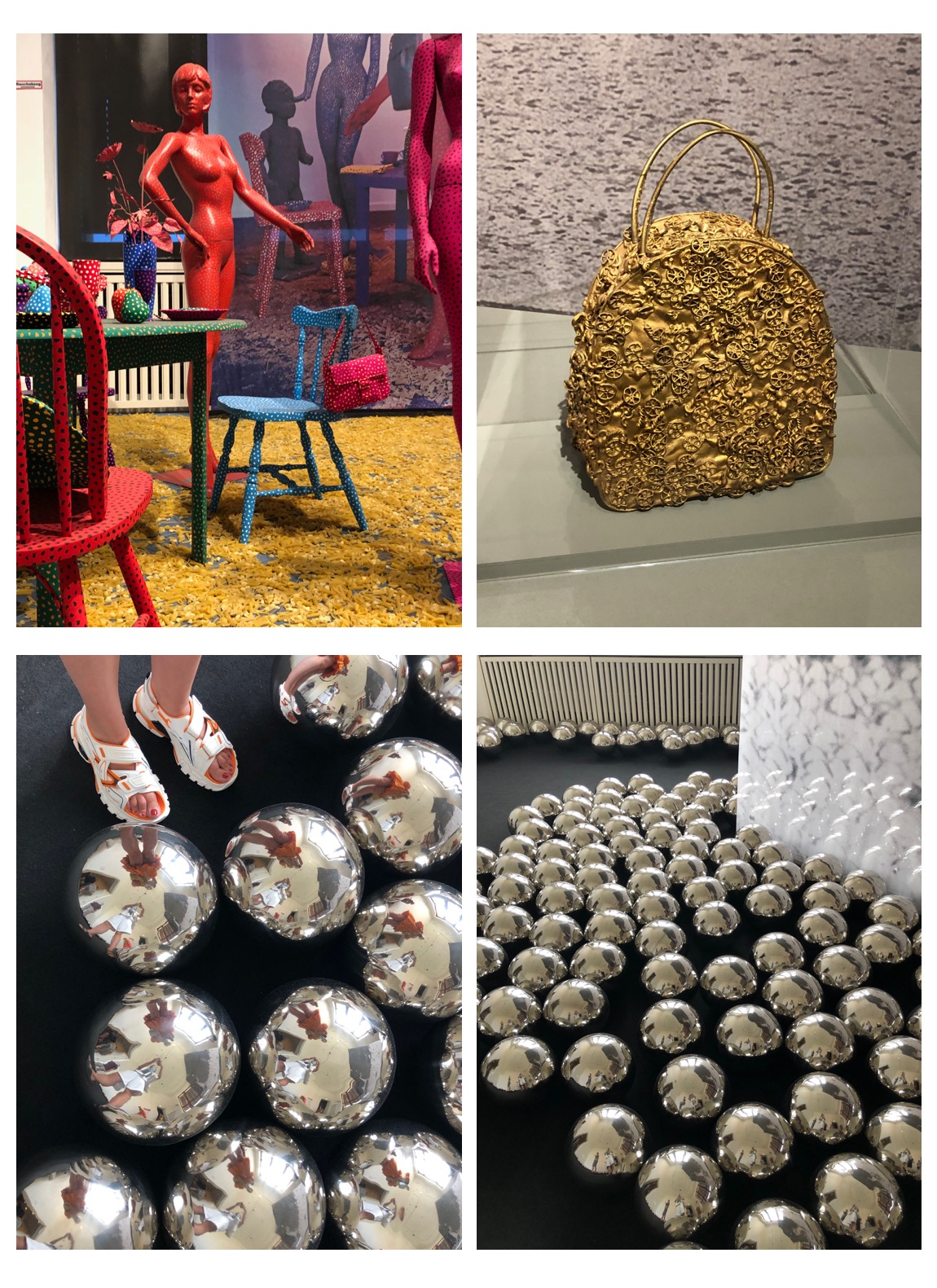
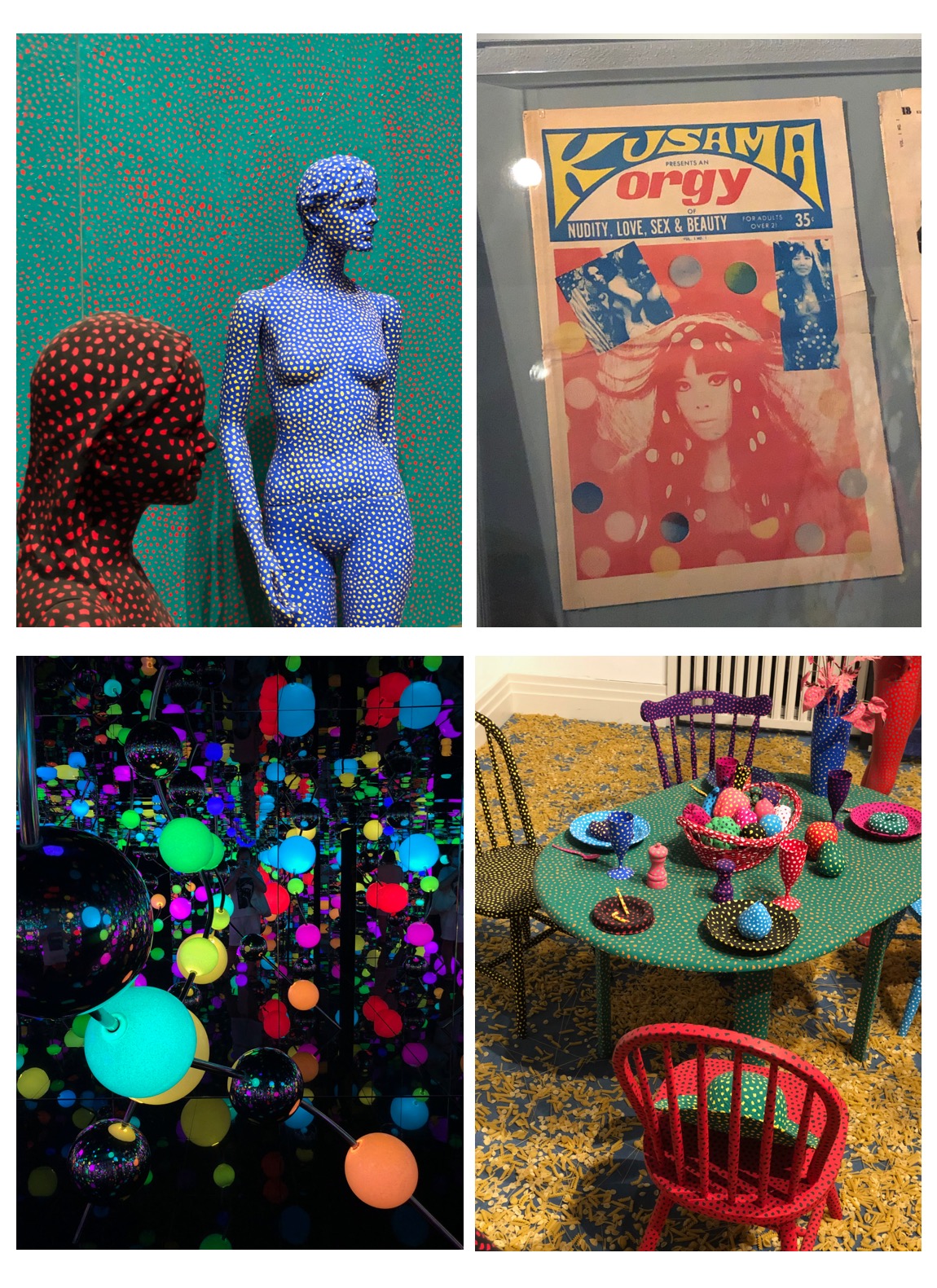
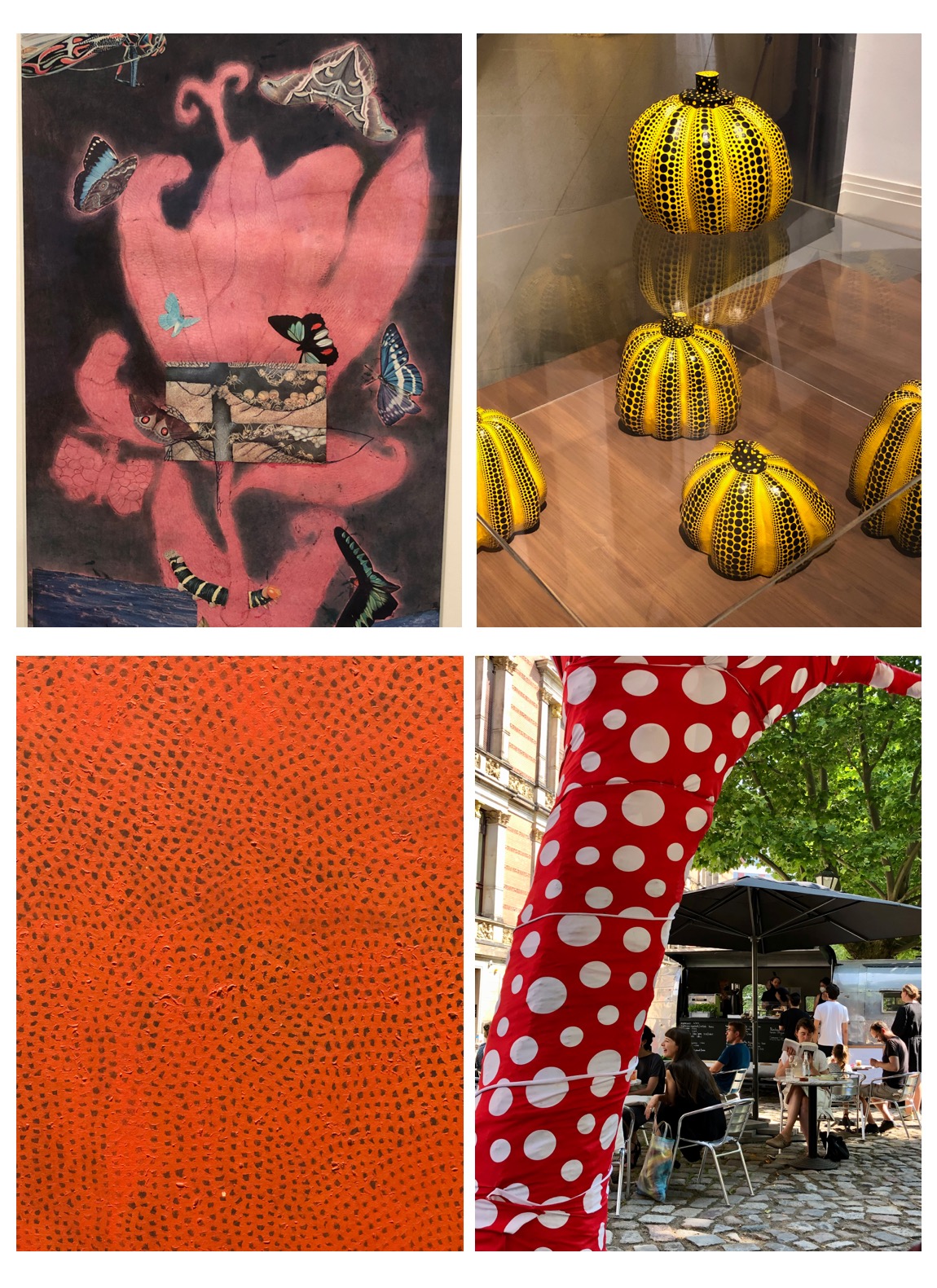
Berlin is alive and doing fine! And it blooms with great art events. Presented across almost 3000 m² of Gropius Bau‘s historic space, Yayoi Kusama: A Retrospective offers an overview of the key periods in Kusama’s oeuvre, which spans more than 70 years, and feature a number of current works as well as a newly realised Infinity Mirror Room.  The retrospective focuses primarily on tracing the development of Kusama’s creative output from her early paintings and accumulative sculptures to her immersive environments, as well exploring her lesser-known artistic activity in Germany and Europe. Since the 1960s, the artist has been actively engaged in realising exhibition projects outside the former centre of her life in New York and showing her work in a European context. This has also brought to the fore Kusama’s role as a pioneer of personal branding, who early on in her practice intentionally staged and marketed her own artistic persona and multidisciplinary work. Within the exhibition framework, reconstructions allow viewers to experience the pioneering nature of her presentational forms and artistic subjects, making accessible Kusama’s early exhibition projects in Germany and Europe in the 1960s and central solo exhibitions in the USA and Asia from the 1950s to 1980s. It seems that everybody knows Yayoi’s art, but there’s just so much more to her work than the signature, XXL polka-dots.

Till the 15th of August 2021 / Gropius Bau / Niederkirchnerstraße 7

All photos by Edward Kanarecki.
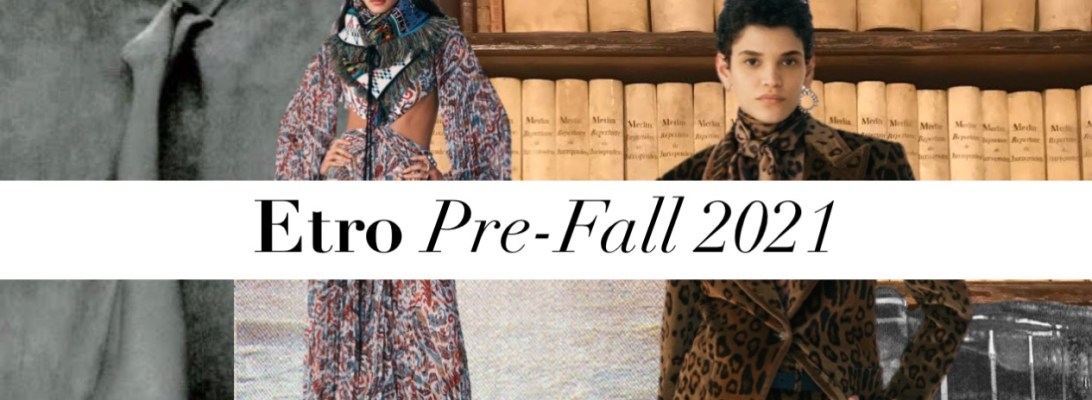
Voyager. Etro Pre-Fall 2021

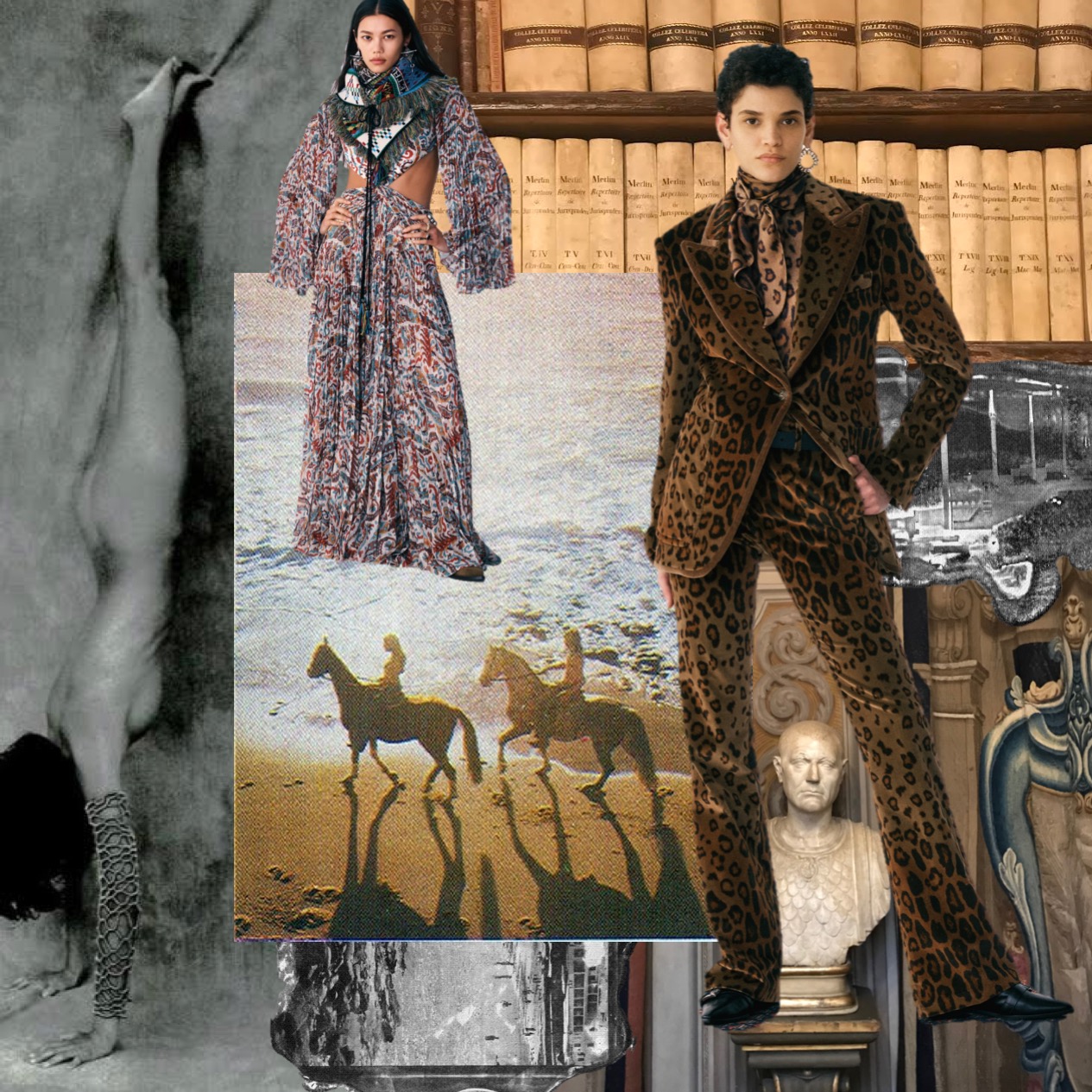
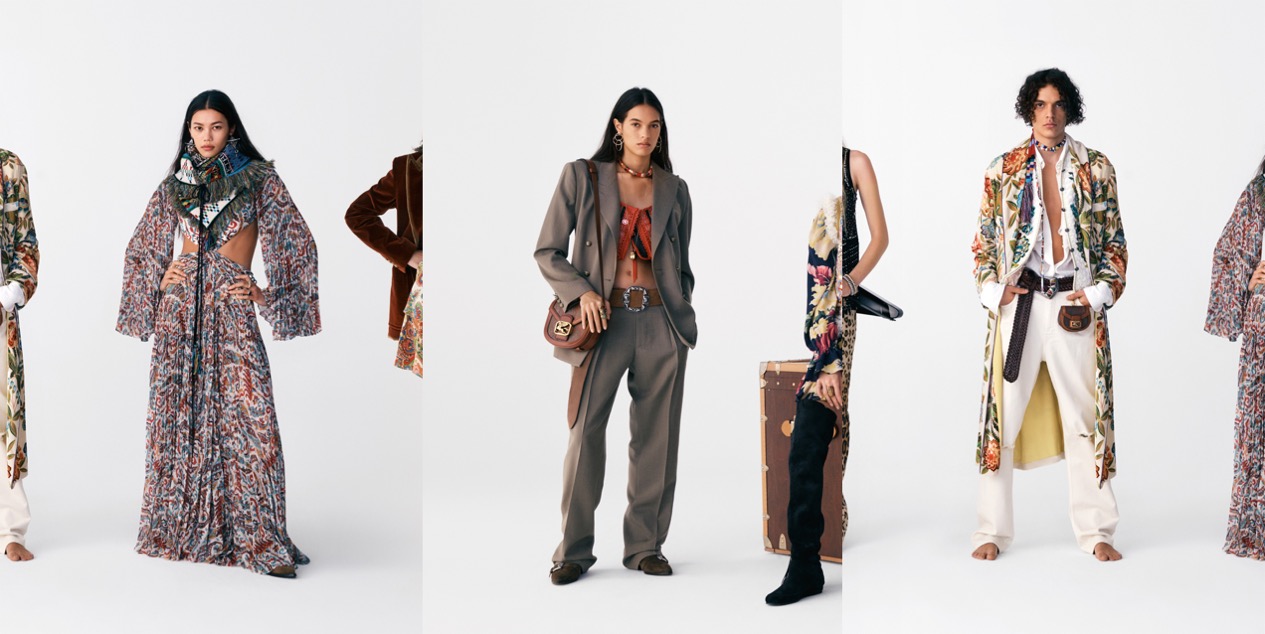
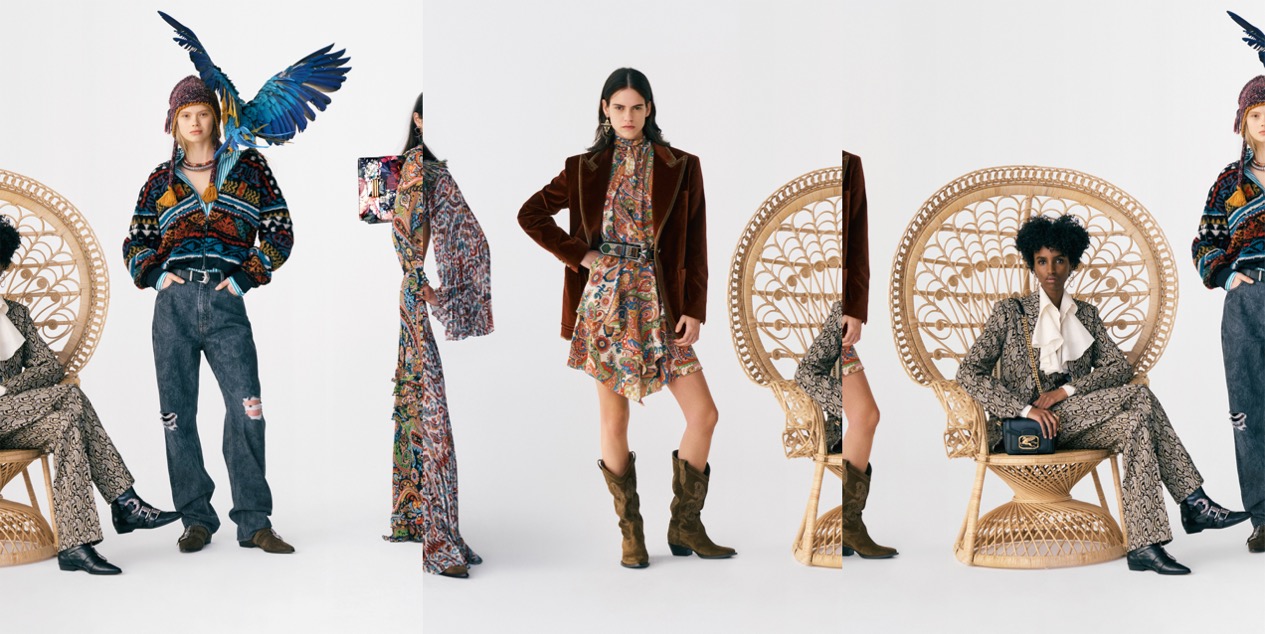
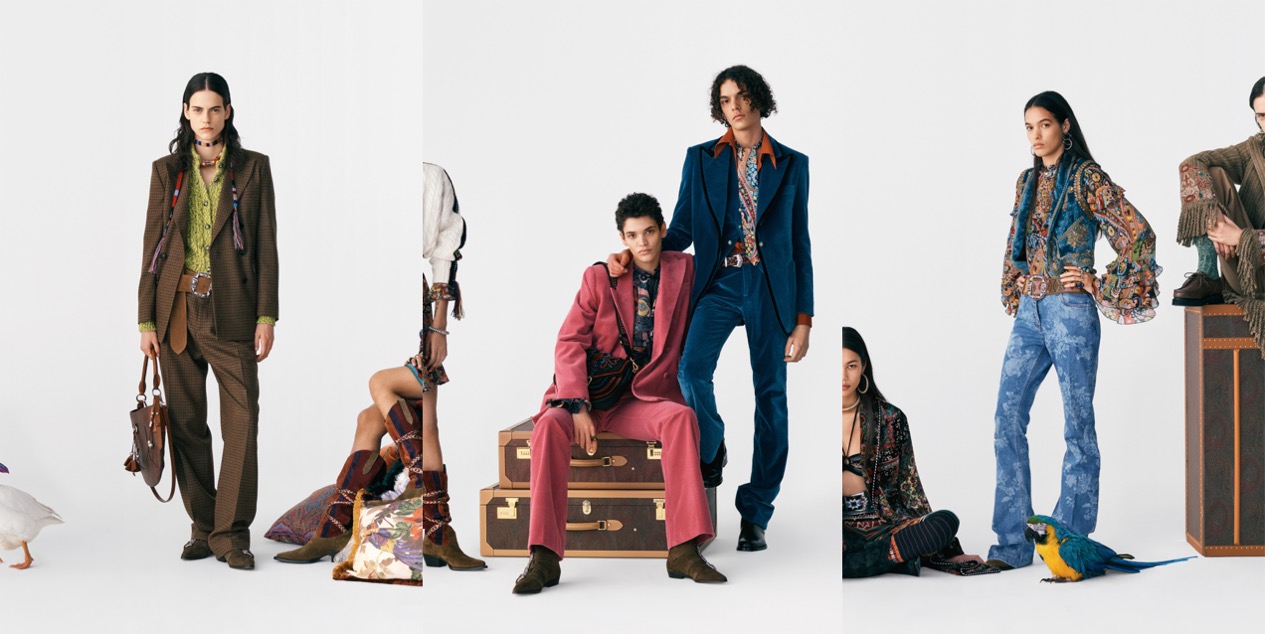
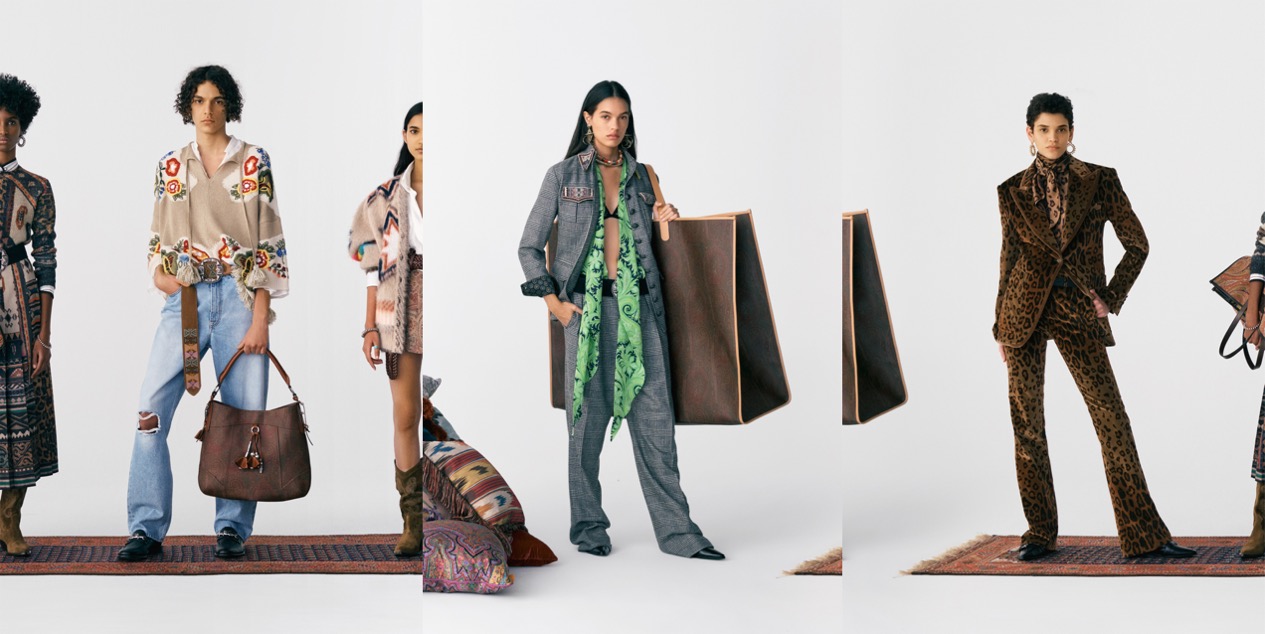
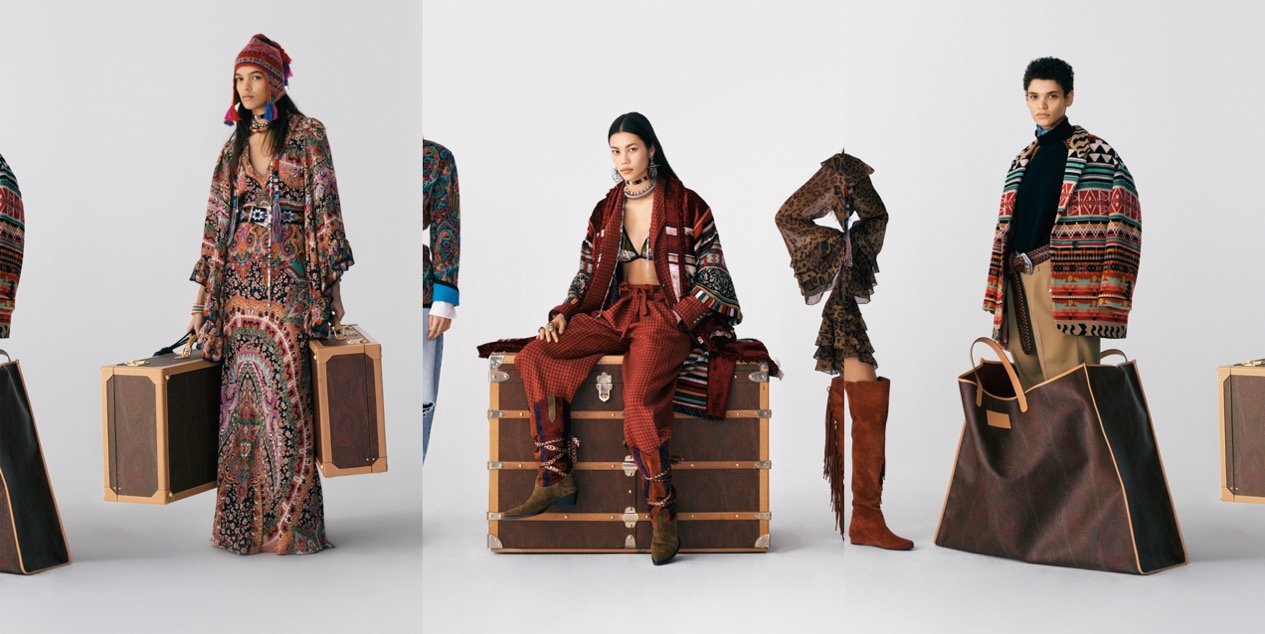
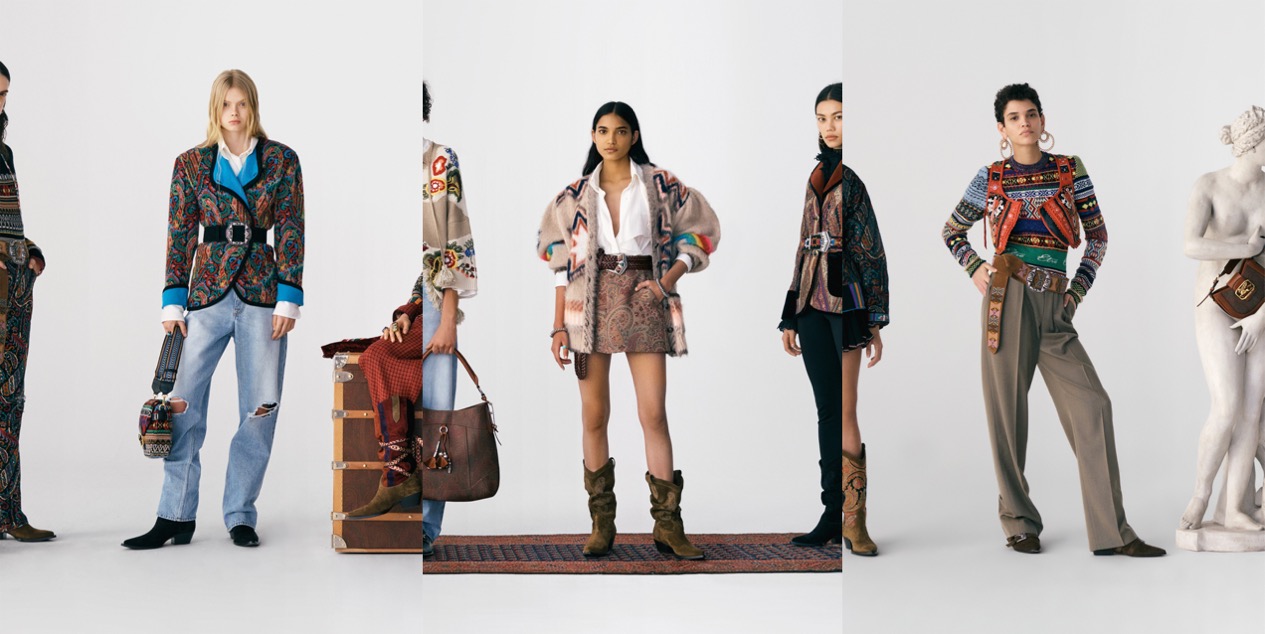
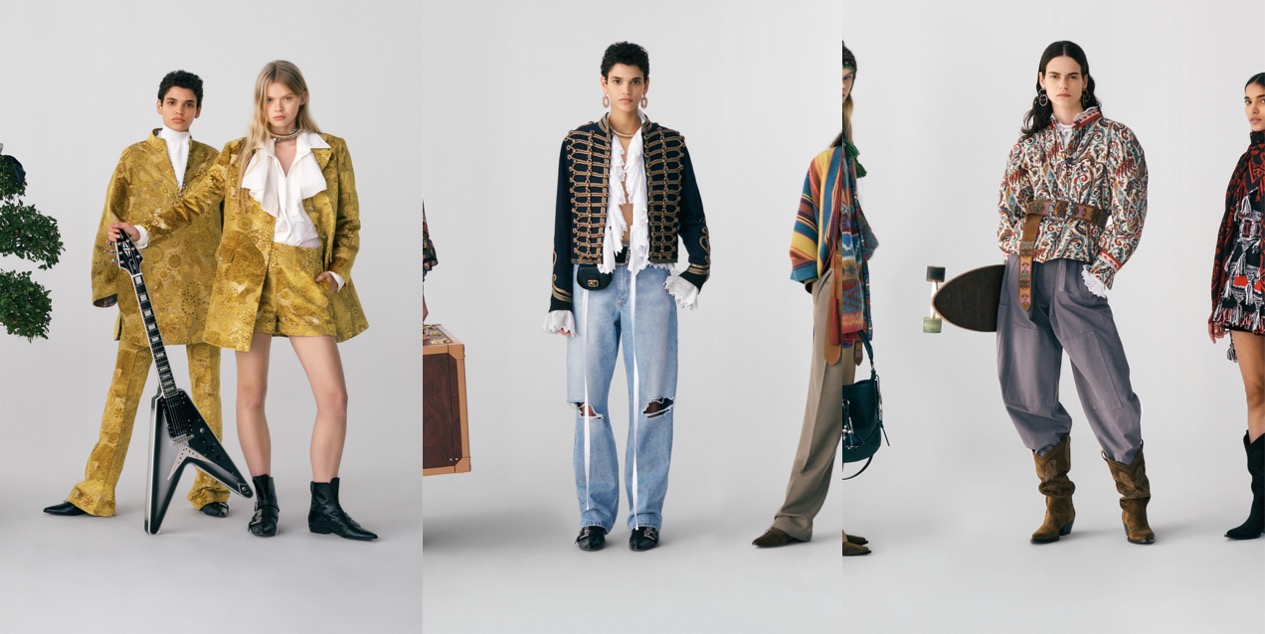
For the past few seasons, I take peeks at Etro and I must admit that something good is going on there. Comparing to the pretentious dustiness I always had in mind when thinking of the Italian brand, now I’m really intrigued with its fresh, revived care-freeness. And guess what – it’s not about a new creative director, since Veronica Etro designs womenswear since 2000. “I’m a natural-born optimist, I always try to see the glass half full,” said Veronica to Vogue during a Zoom review of Etro’s pre-fall 2021 collection. Italy is still in its second lockdown with no sign that Christmas travels will be possible, but Etro nevertheless sounded positive. “When we finally get out of this – and we will get out of it sooner or later – we’ll be ready to enjoy life to the full again. To travel, to party, to meet with friends, to get our freedom back,” she said. With her hopeful disposition, Etro hasn’t been tempted in the least to propose the elevated version of the stay-at-home loungewear that many designers have turned to for their post-pandemic collections. She believes that fashion should help women to be better versions of themselves, no matter the circumstances. A need for comfort is an inevitable byproduct of our present WFH limitations; it can’t be ignored. However, she said, “Etro has always been about a natural sense of ease, so I didn’t have to change my perspective much. It’s more about celebrating the freedom we’re craving to go back to. I thought about the future, about the clothes we’ll feel good in, and how we’ll enjoy getting dressed.” The collection reads as a free-spirited round-up of the best of the label, individual pieces as imaginative and romantic as they are effortless to wear, spiced up with a dash of Etro’s haute-bohemian flair, and all worn by a community of diverse characters. Paisley-printed garden party dresses alternated with soft tailored pantsuits in plush velvet, while languid tapestry dressing gowns, richly printed kimonos, and jacquard-knitted cozy wool cardis looked versatile enough to sit comfortably in a masculine/feminine wardrobe. “Traveling is always a learning experience and I miss it terribly,” said Etro. So much so that in the look book a model carries an amusing XXXL paisley-printed shopper, big enough to hold the entire collection. A true voyager’s dream!

Collage by Edward Kanarecki.