Art of Maria Prymachenko in Warsaw

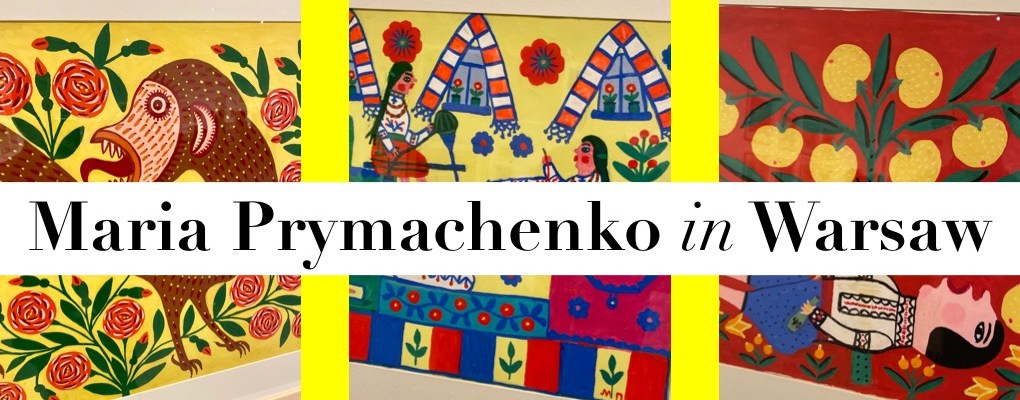
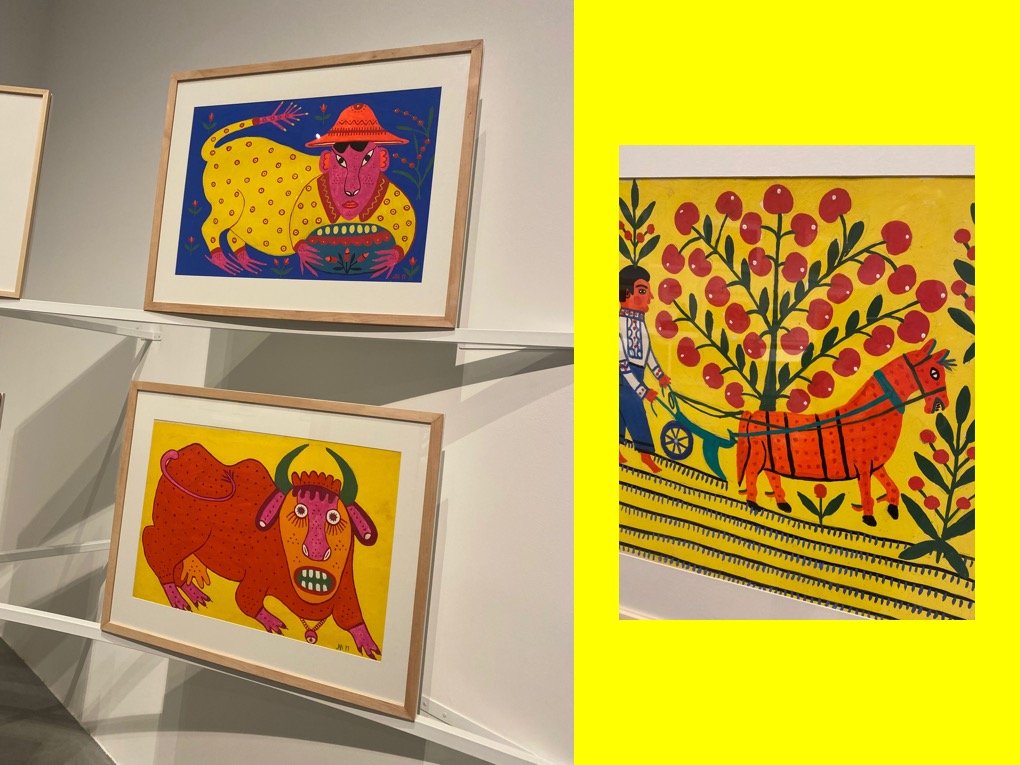
Maria Prymachenko (1909–1997) is an icon of Ukrainian art. Her oeuvre has helped shape Ukraine’s cultural heritage. The exhibition “A Tiger came into the Garden” at Museum of Modern Art in Warsaw is the first presentation of the artist’s work in Poland of such breadth. The gouaches shown here, from 1982-1994 period, derive from the private collection of Eduard Dymshyts, and are a selection from among hundreds of works by Prymachenko.

For over six decades, Maria Prymachenko created art in the village of Bolotnya in the Polesia region, midway between Kyiv and Chernobyl, an area she never left. She survived the Holomodor, the Second World War, and the nuclear disaster at Chernobyl, and lived to see an independent Ukraine. She was “discovered” as a folk artist in 1935 and hired as an embroiderer at the Central Experimental Studio at the Museum of Ukrainian Art on the grounds of the Pechersk Lavra in Kyiv. Her works were shown at the First Republican Exhibition of Folk Art in Kyiv in 1936, and then at the World Expo in Paris in 1937 and in numerous European cities, including Warsaw, Prague and Sofia. She was a painter, embroiderer and ceramicist, and an illustrator of children’s books. She became a professional folk artist. Starting in the 1960s, she led an art school in Bolotnya. She continued creating art until the end of her life.

Following Russia’s invasion of Ukraine, Prymachenko’s works have taken on particular relevance, in part due to their anti-war message. In 2022 the Local History Museum in Ivankiv, not far from Bolotnya, was burned down, although some of her paintings there were rescued. The Maria Prymachenko exhibition at MSN Warsaw is a continuation of efforts to promote broader knowledge of Ukrainian culture.

In her work, Prymachenko depicted the connections between humanity and nature, drawing on folk traditions of Polesia, rich in symbols and metaphor. She painted people, animals and plants in her everyday surroundings. Her images of the world built on observations of the everyday life of Bolotnya undergo a magical transformation—they do not so much portray reality as undergird it and exert a positive influence on its fate, casting a spell. One of the motifs in her painting is fantastic creatures and birds, both mythological and inspired by pagan beliefs.

Her characteristic bestiary, containing numerous depictions of “humanized creatures” in an archaic composition with heads forward and bodies in profile, comprises numerous elaborate allegories, often expressing moral judgments, mocking human vices, or celebrating the delights of everyday life.

Prymachenko’s recognizable style involves a decorative line, and flat, intense patches of colour. Initially she used watercolours, but in time only gouache (watercolours mixed with chalk). In her work, language is another transformational force. Prymachenko often gave her works poetic, descriptive titles, which sometimes help decipher the paintings, or serve as dedications or wishes, as well as modified quotations from folksongs (“I give sunflowers to those Who love to work on the land And love all people on earth; I give red poppies to people, So they won’t be no-good slobs, But love the holy land And work on it“).

The garden mentioned in the title of the exhibition represents nature, which coexists harmoniously with humans, and in exchange for their work gifts them with all its bounty, while the tiger symbolizes the mysterious, fantastic and wild (“The tiger came into the orchard And rejoiced That the apple trees have borne fruit, Apples aplenty“). It may also point to efforts to represent the element of danger. After the Chernobyl disaster, Prymachenko also created a series of works connected with nuclear threat and war (“Nuclear war – May it be cursed! May people not know it, And shed no tears!“). Through the power of her surrealistic imagination, sense of humour, and also a certain dose of optimism, her works are dominated by a humanistic message and a vision of harmonious coexistence of the human and non-human worlds. Prymachenko’s dream was that “people would live like flowers bloom.

Curator: Szymon Maliborski; co-curator: Eduard Dymshyts. The exhibition is open until 30.06.
Collage by Edward Kanarecki.
Don’t forget to follow Design & Culture by Ed on Instagram!

Hey, did you know about my newsletter – Ed’s Dispatch? Click here to subscribe!

NET-A-PORTER Limited

Harvest Season. Bevza AW24

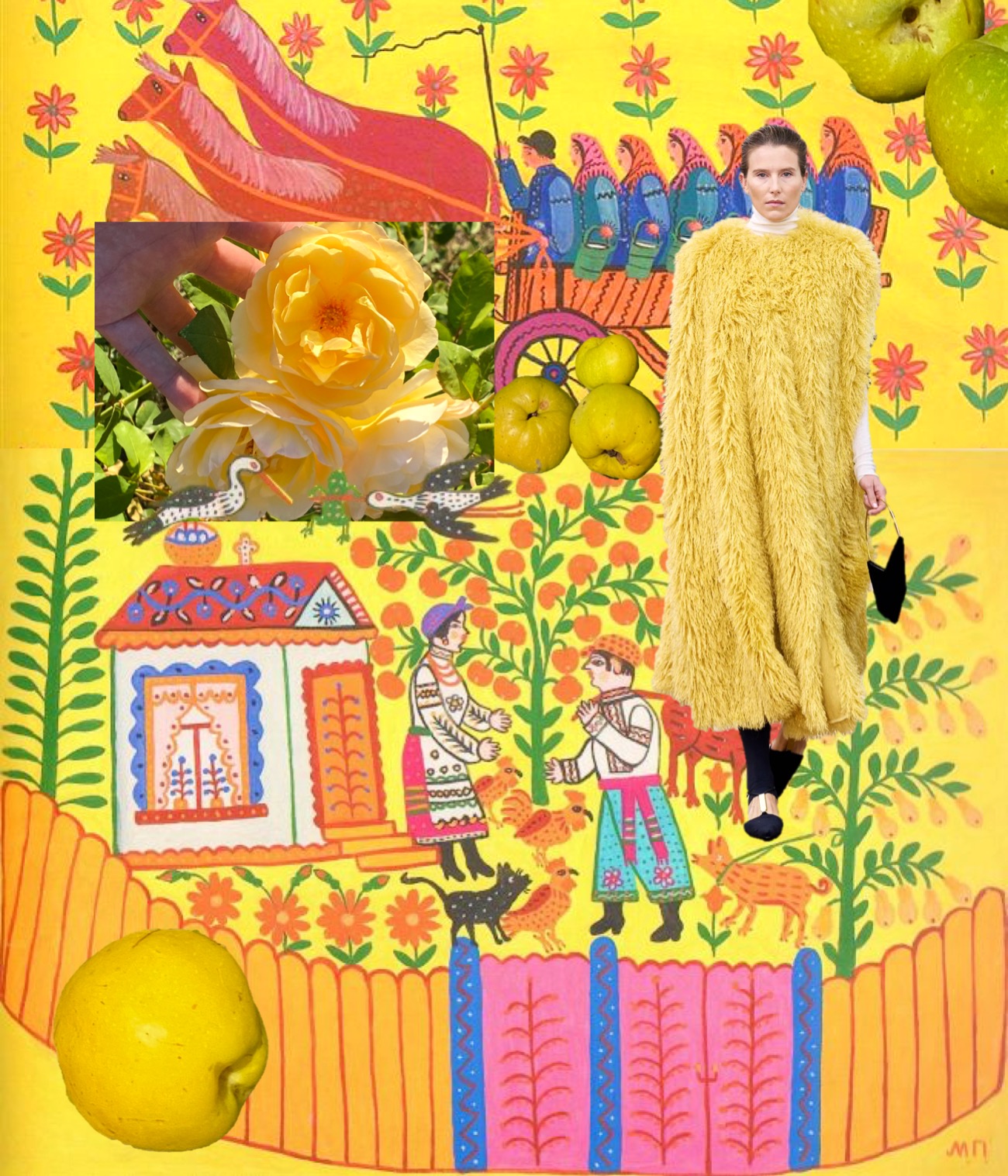
Collage by me featuring Bevza AW24 look and works by Maria Prymachenko – Ukrainian folk art painter, who worked in the naïve art style. The Ivankiv Historical and Local History Museum, where several works by Prymachenko were held, was burned after a deliberate attack on a museum during the 2022 Russian invasion of Ukraine, with the reported loss of 25 of her works.

It’s over two years since Russia launched its full-scale invasion of Ukraine, so for her autumn-winter 2024 collection, Svitlana Bevza – formerly Kyiv-based designer – set out to celebrate her motherland’s vibrant culture and history through distinct, soft-minimalist lens. Bevza selected the Ukrainian Institute of America – which specializes in promoting the art, music and culture of Ukraine – for her New York Fashion Week presentation. The collection was centered around Ukraine’s role as one of the world’s largest grain producers. Apron dresses were crafted from eco-leather and outerwear was made from sheepskin; it largely focused on an A-shaped silhouette inspired by a traditional 19th-century Ukrainian coat called a Kozhukh. The Tisto vest – named after the Ukrainian word for dough – sported plaits that echoed the texture of traditional Kosa bread. As for the palette? It was muted with the occasional pop of canary and gold coming through to mirror the lush colors of a healthy harvest. These monochromatic looks were elevated by shapes that were experimental yet considered, edited with geometric collars and belt-scrunched waists. Beautiful, functional and emotionally moving at the same time.

Collage by Edward Kanarecki.
Don’t forget to follow Design & Culture by Ed on Instagram!

Hey, did you know about my newsletter – Ed’s Dispatch? Click here to subscribe!
NET-A-PORTER Limited

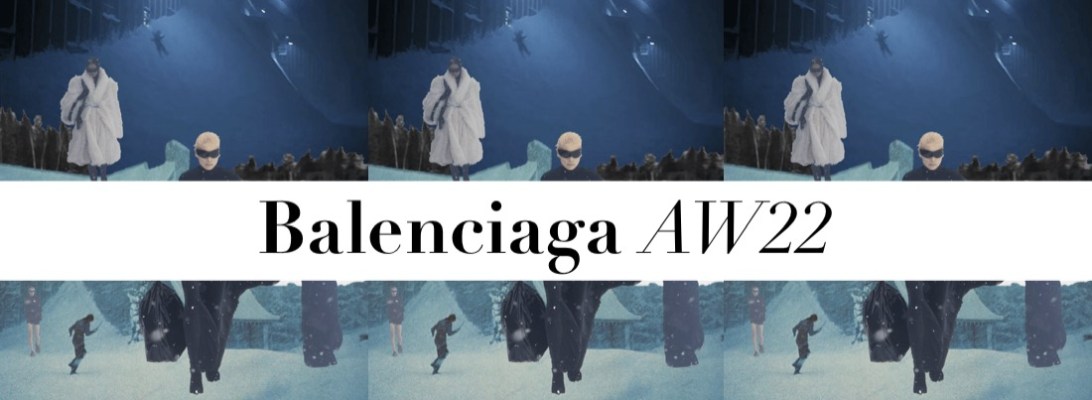
Blizzard. Balenciaga AW22

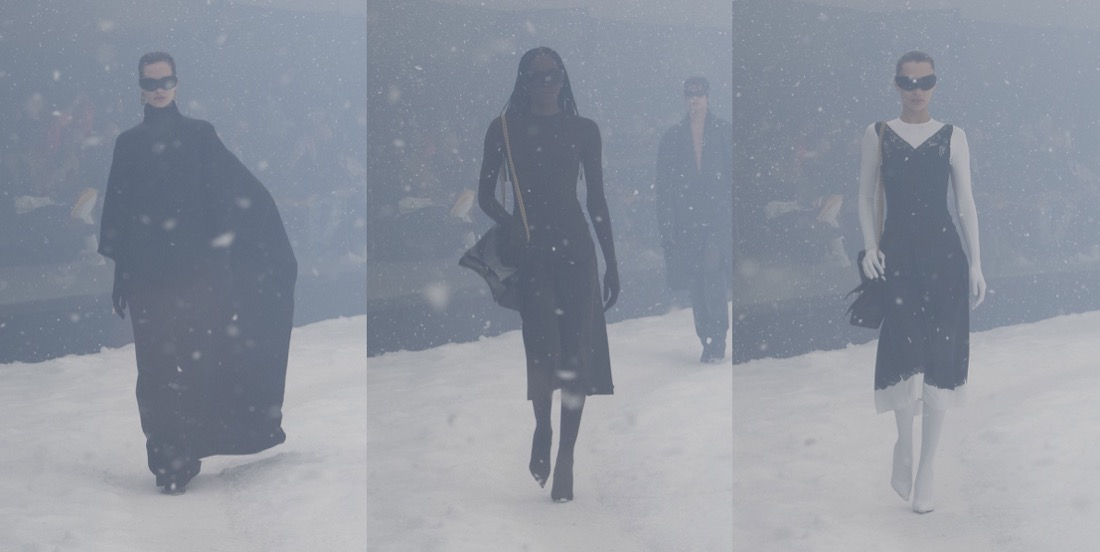
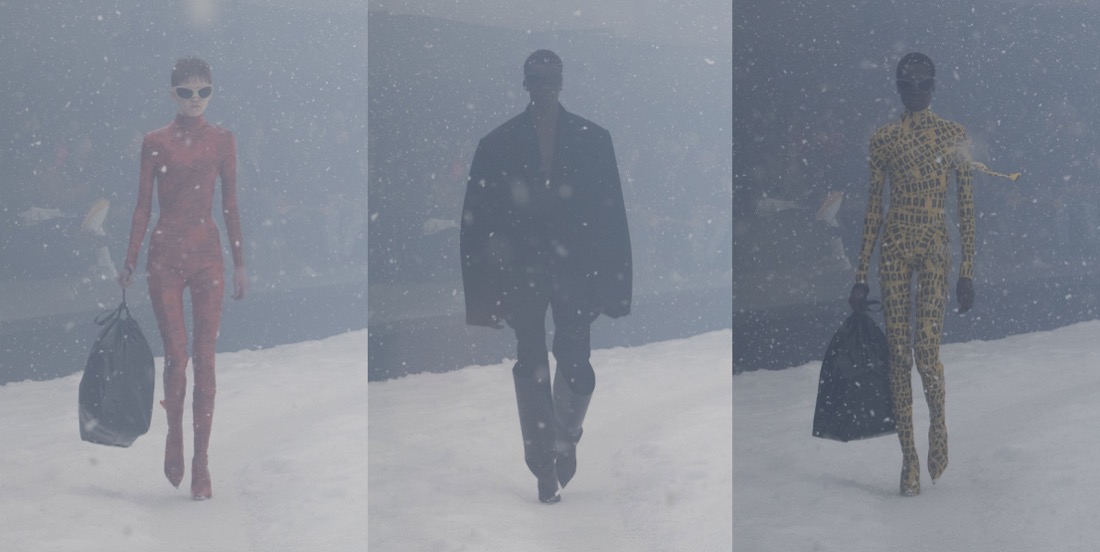
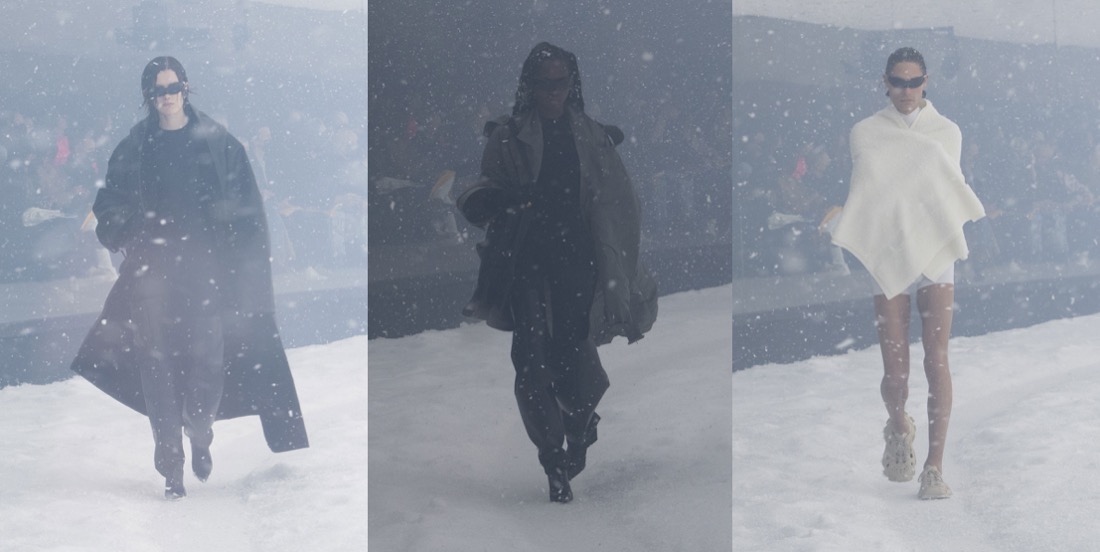
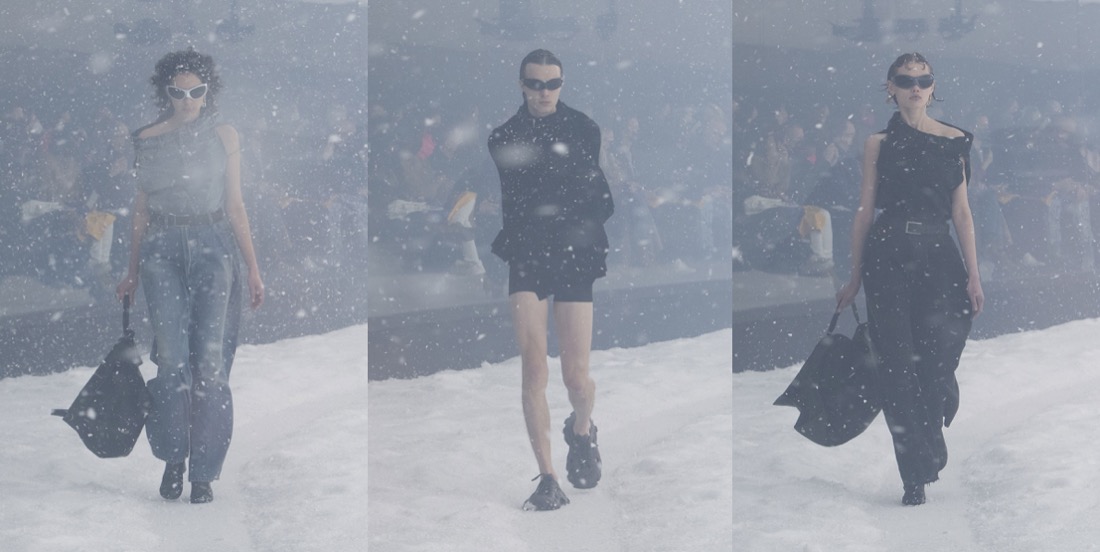
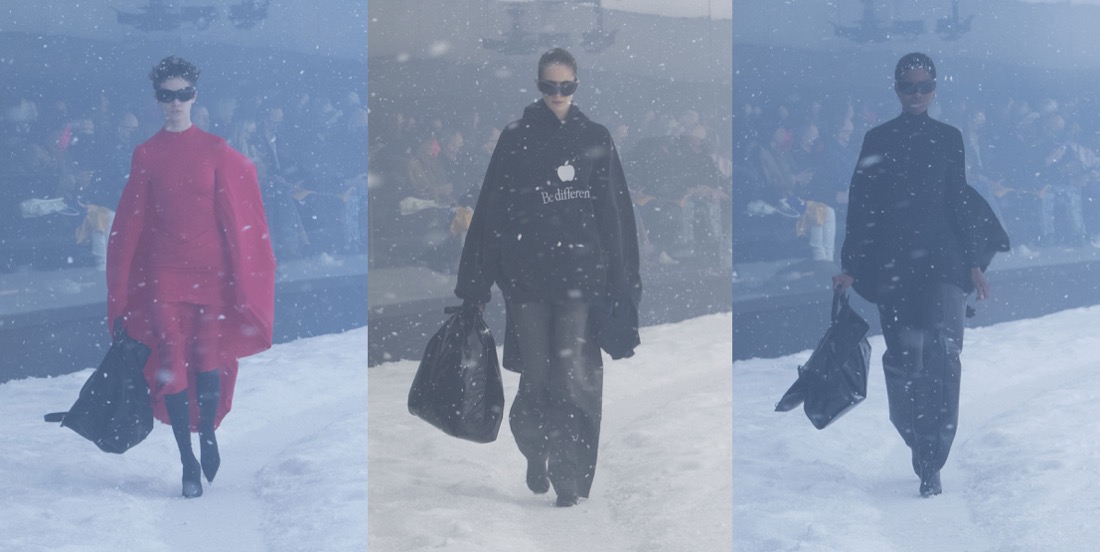
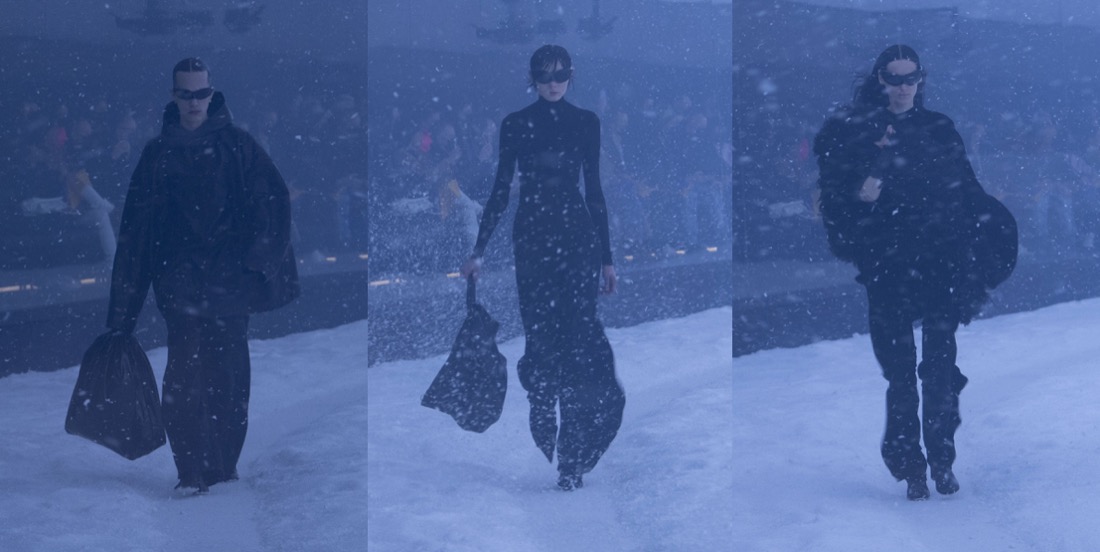
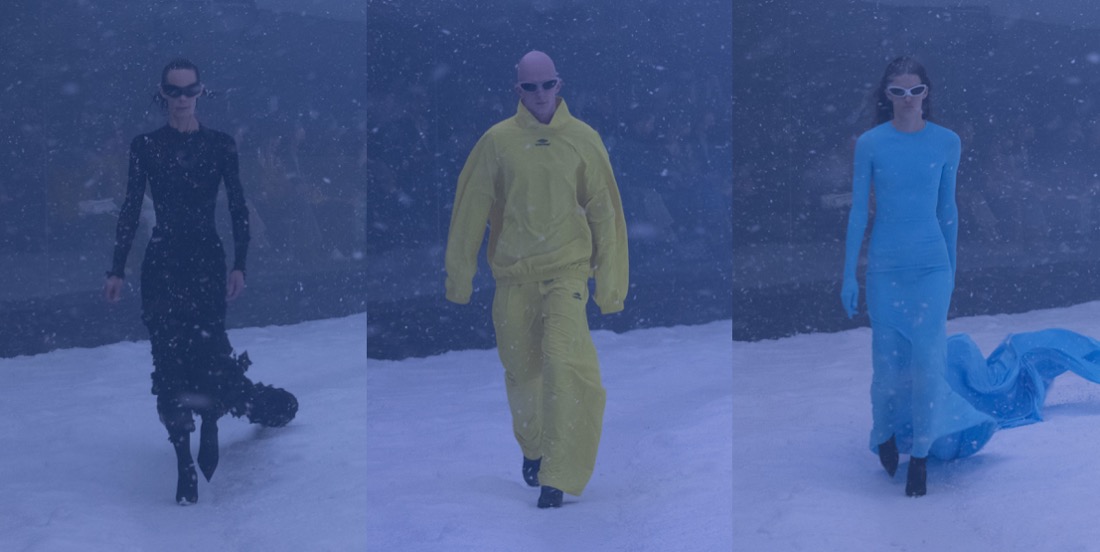
In 2022, Demna is the one and only designer who is able to connect and interwine design with the tough reality, creating fashion that is meaningful, emotional and truly, truly capturing the zeitgeist. Before sharp lights illuminated the giant snow-filled arena erected within Le Bourget where Balenciaga’s most epic and emotional show ever played out, Demna (who no longer uses his surname in a professional capacity) recited a poem in Ukrainian over the speakers. “It’s a poem to Ukraine about being strong, about focusing on love, and that its sons will protect it. That’s not a good translation, but the people I wanted to send this message to will understand it,” he said backstage after the show. On every seat, he had placed a T-shirt dyed in the blue and yellow colours of the Ukrainian flag, and a written statement explaining how he had decided to go on with the show because he didn’t want to give in “to the evil that has already hurt me so much”. Thirty years ago, when he was just 10 years old, Demna and his family fled their native Abkhazia in Georgia, after local separatists with ties to Russia claimed the land and killed more than 5,000 ethnic Georgians. Originally, Demna meant for his giant, manmade arctic set to reflect the ecological decline we’re experiencing in a time of climate change. “It was a comment on what’s going on in the world. Maybe in 50 years, people will have to go to these places to have an artificial experience of a certain weather condition that we take for granted,” he said. “But it turned into something else, which often happens with my shows, somehow.” Watching his largely black-clad cast fight their way through a snowstorm in the mountain-like territory he had built was terrifyingly apropos and – with the addition of a traditional Slavonic piano soundtrack – completely heart-wrenching. Some were dressed in their finest eveningwear, others in towels, some carrying their shoes on their backs. There’s a very blurry line between fetishizing a humanitarian tragedy and sending out a heart-felt message. While other designers would not be able to tackle that topic, in case of Demna, everything felt utterly right at this turbulent moment in contemporary history.

Next to the more haunting imagery that unfolded on his runway – those half-naked people fighting their way through the snow – garments had an air of disposability about them, the kind of make-do and mend we associate with times of turbulence. They were rooted in his own memories: handbags looked like fabric sacks tied together with drawstrings. Floral dresses evoked the repurposing of old upholstery. As they wafted in the harsh wind, the trains of evening gowns appeared shredded as if they had been beaten by the weather. Super light trench coats were constructed so they could be compressed into their own pockets. A bodysuit was created entirely from yellow tape wrapped around the body (in the audience, Kim Kardashian wore an identical piece she said had taken 30 minutes to tape up in the morning). “I used to do that as a little Georgian boy playing with curtains and tape, and being punished for it,” Demna smiled. “It’s a revenge for that; a payback moment. But it also made everything less madame, less bourgeois, less upper-class,” he said, referring to a fur coat in trompe l’oeil embroidery wrapped in tape. “It’s no longer the image of a rich lady walking in an expensive area. It breaks that. I like that an element like that can break a silhouette and re-contextualise it.”

It’s only innocent people who die in war. I’ve experienced that and actually blocked it out for 30 years, until I started reading the news last week. It brought all this pain back, like anyone who has gone through that,” Demna declared in the show’s press release. “The message is love, always. And fashion has to assume that, at least in terms of taking a position on it.” The show was an example of how important context is to a staging like this in the age of social media; how important it was to know Demna’s own story to grasp the authenticity behind the imagery he presented. It was an epic, terrifying, beautiful, and heartbreaking experience in a season when the contrasts between fashion and its surrounding worlds couldn’t have been greater. As Demna said, “To me, fashion somehow doesn’t matter right now.”

Collage by Edward Kanarecki.

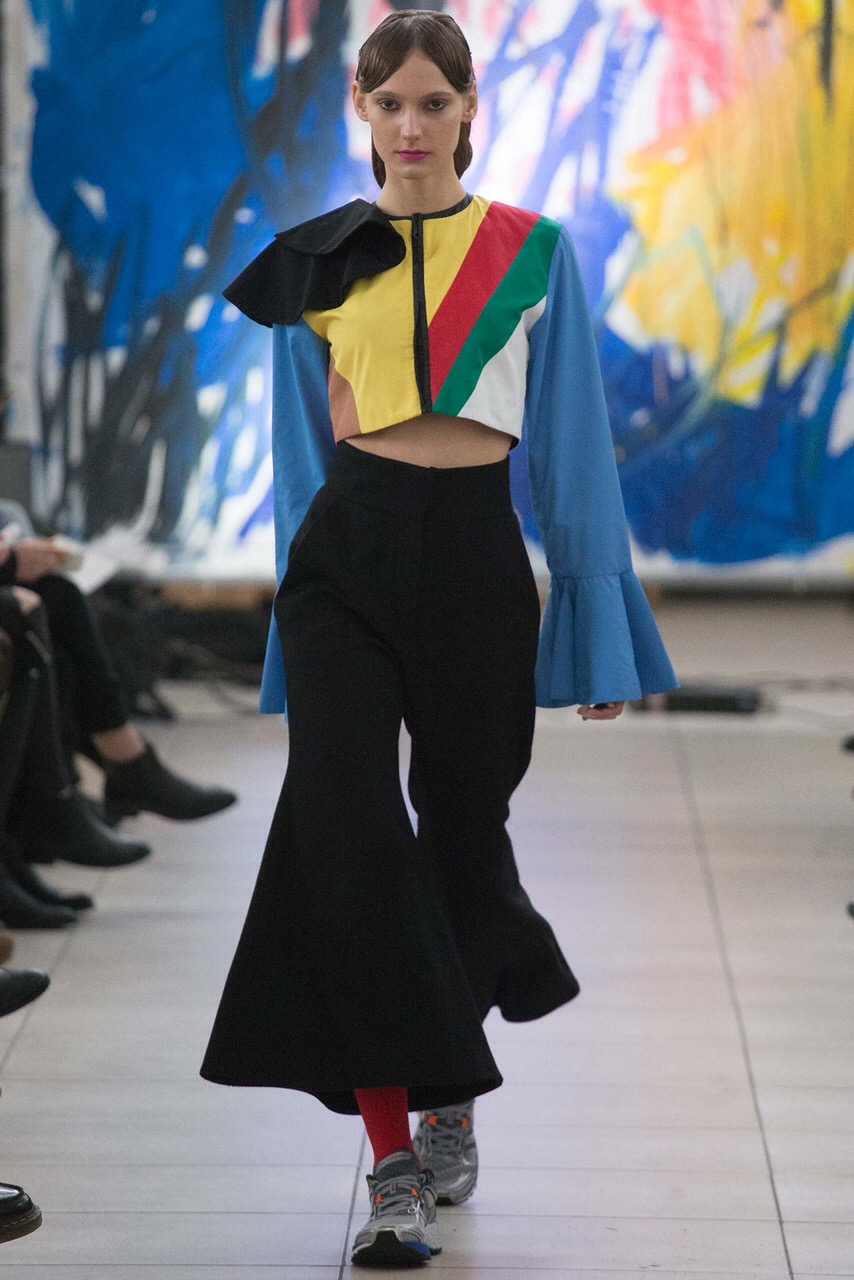
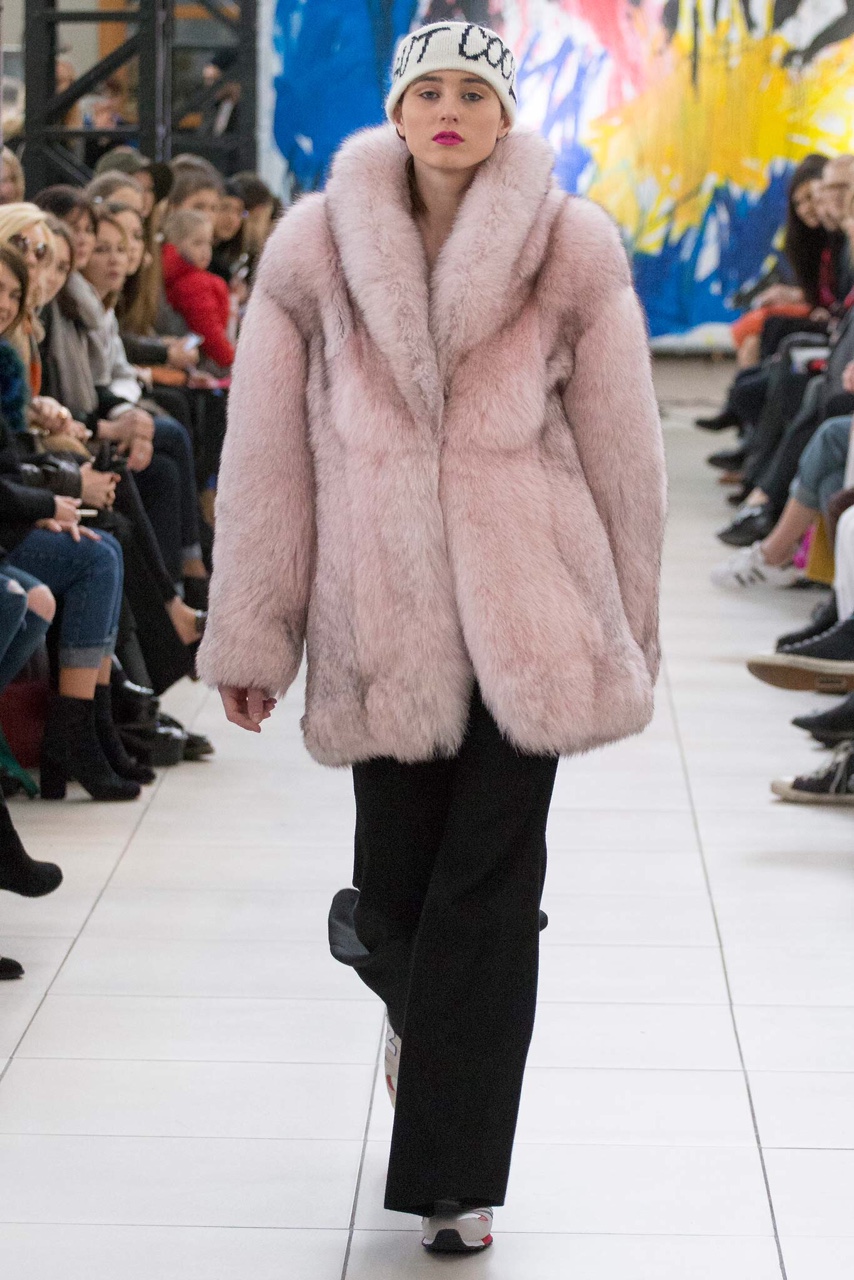
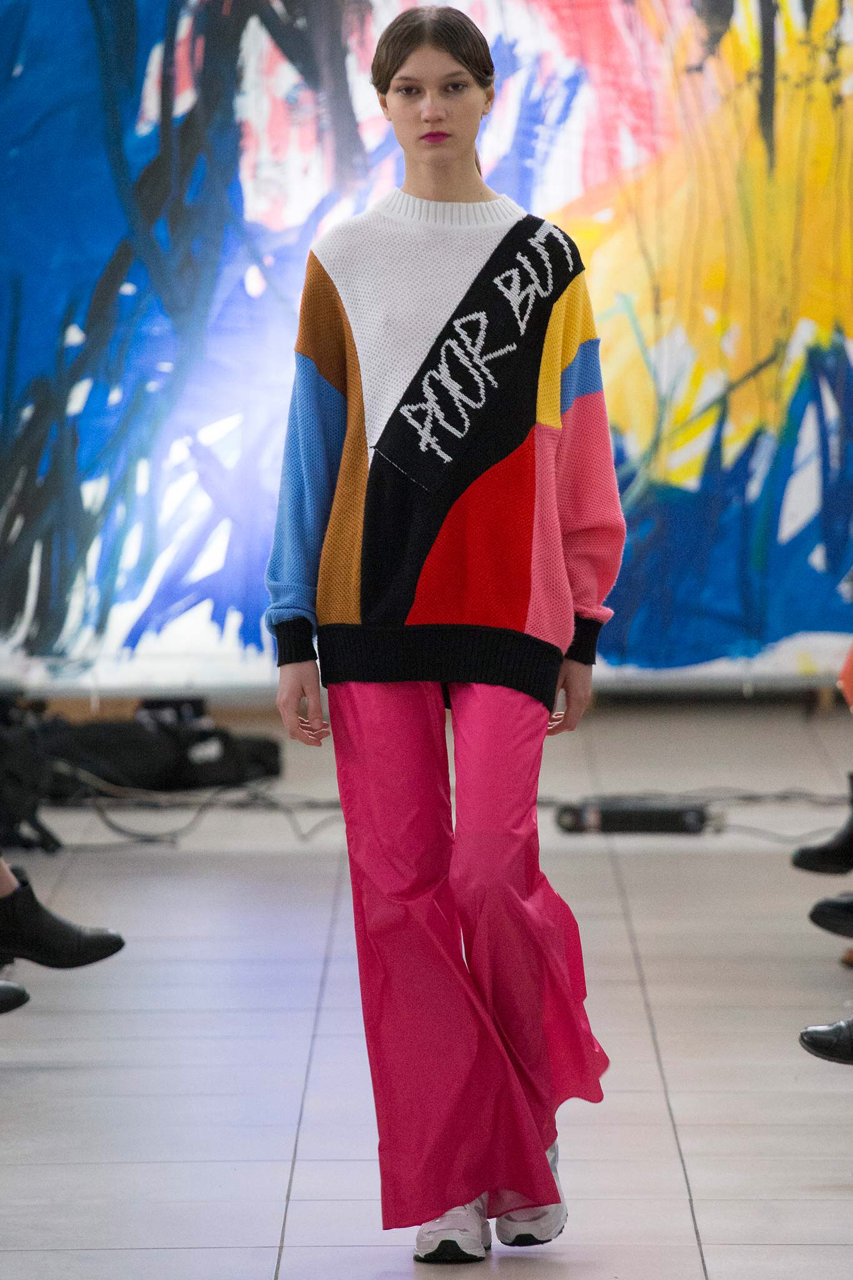
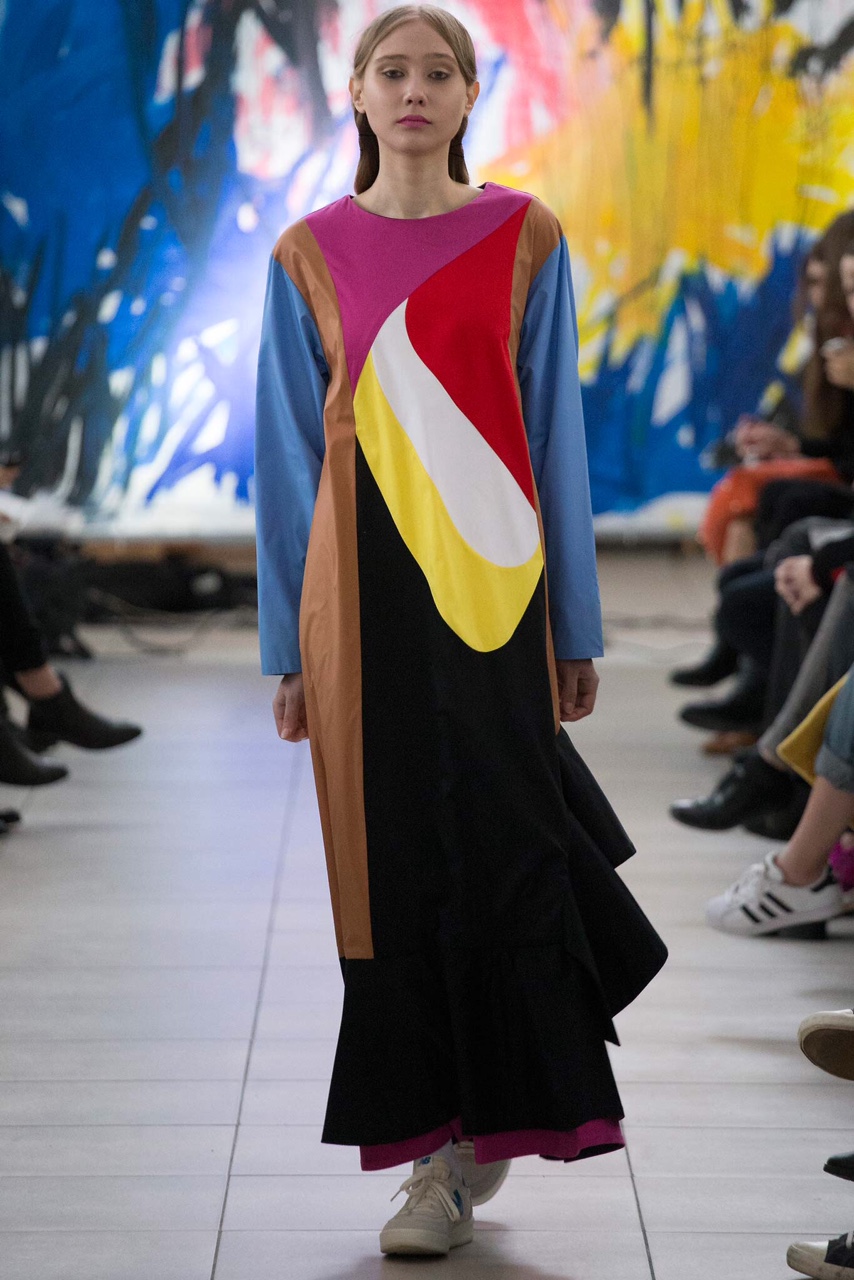
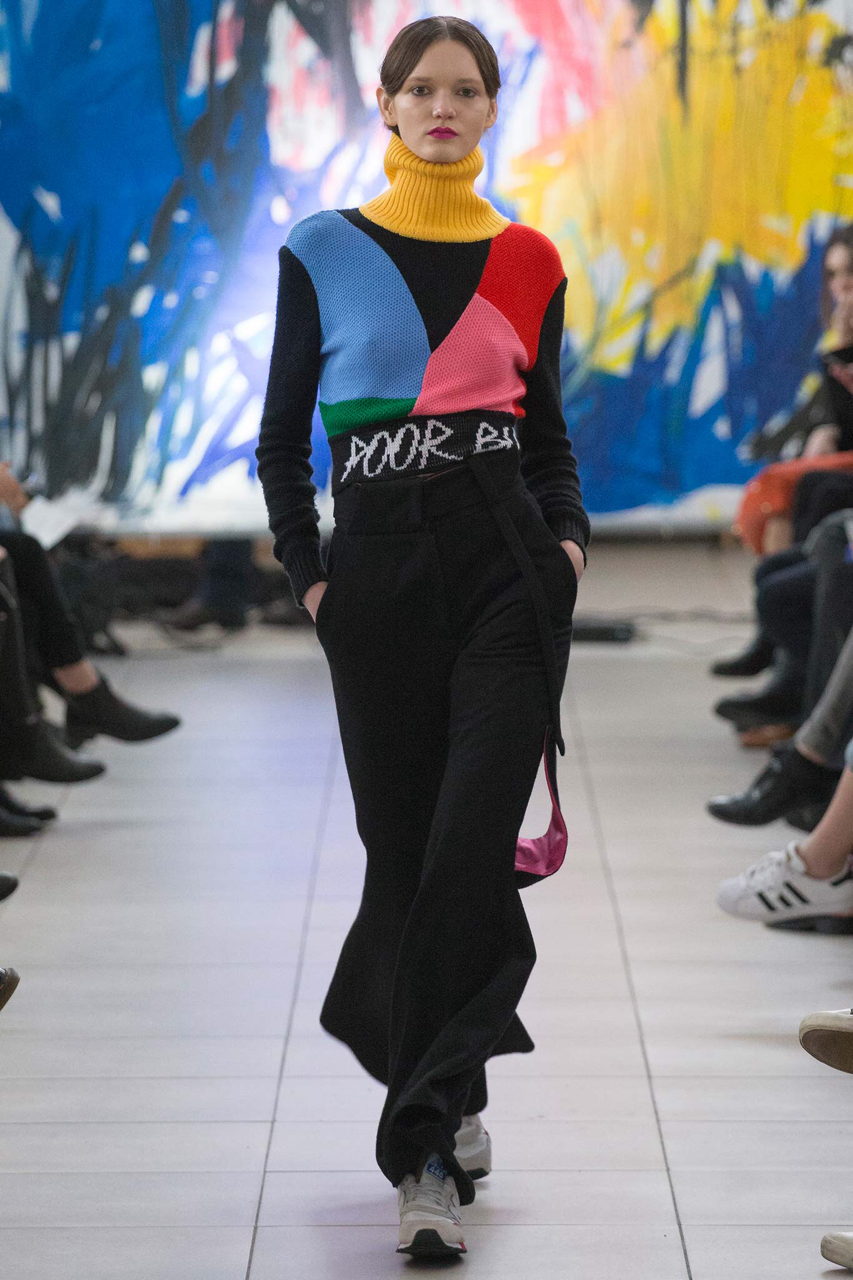
Poor But Cool. Anton Belinskiy AW15

IMG_0858

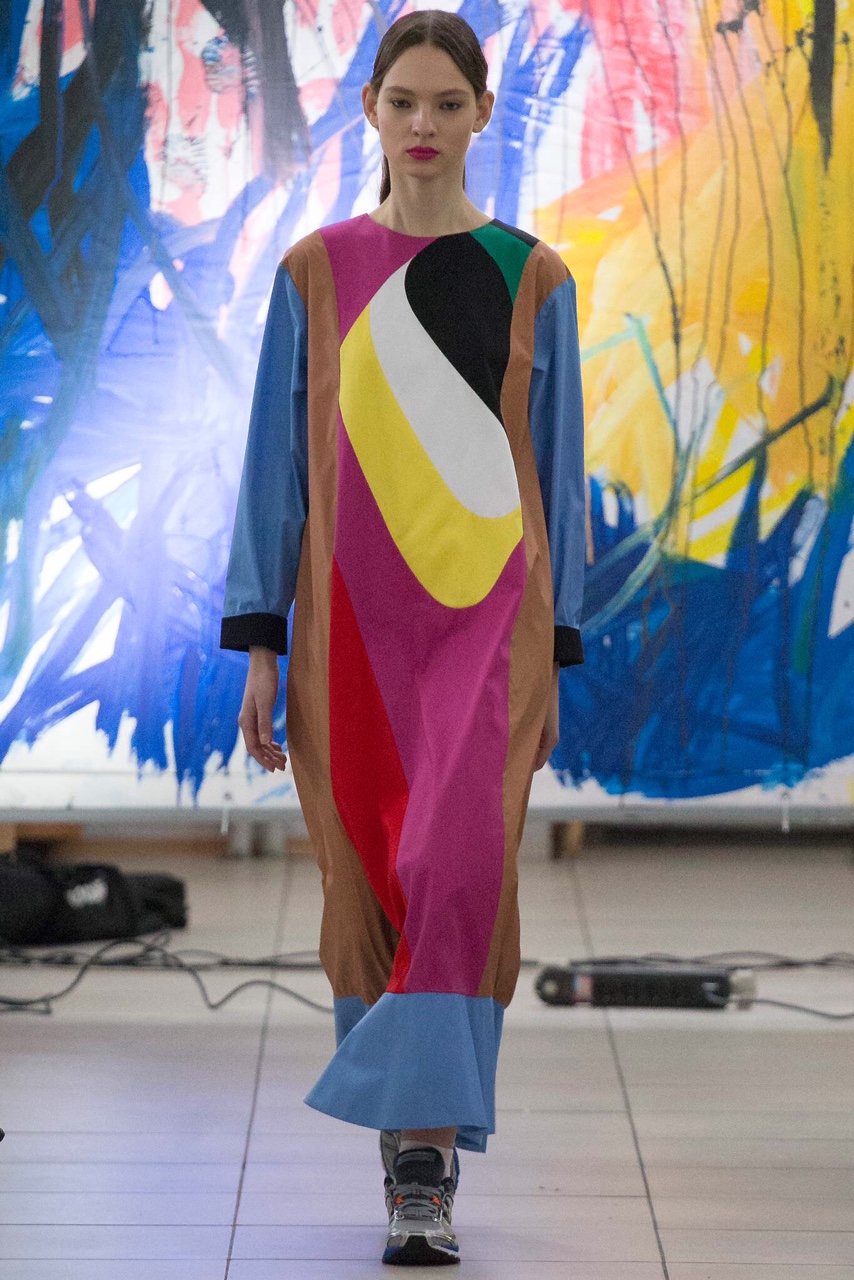
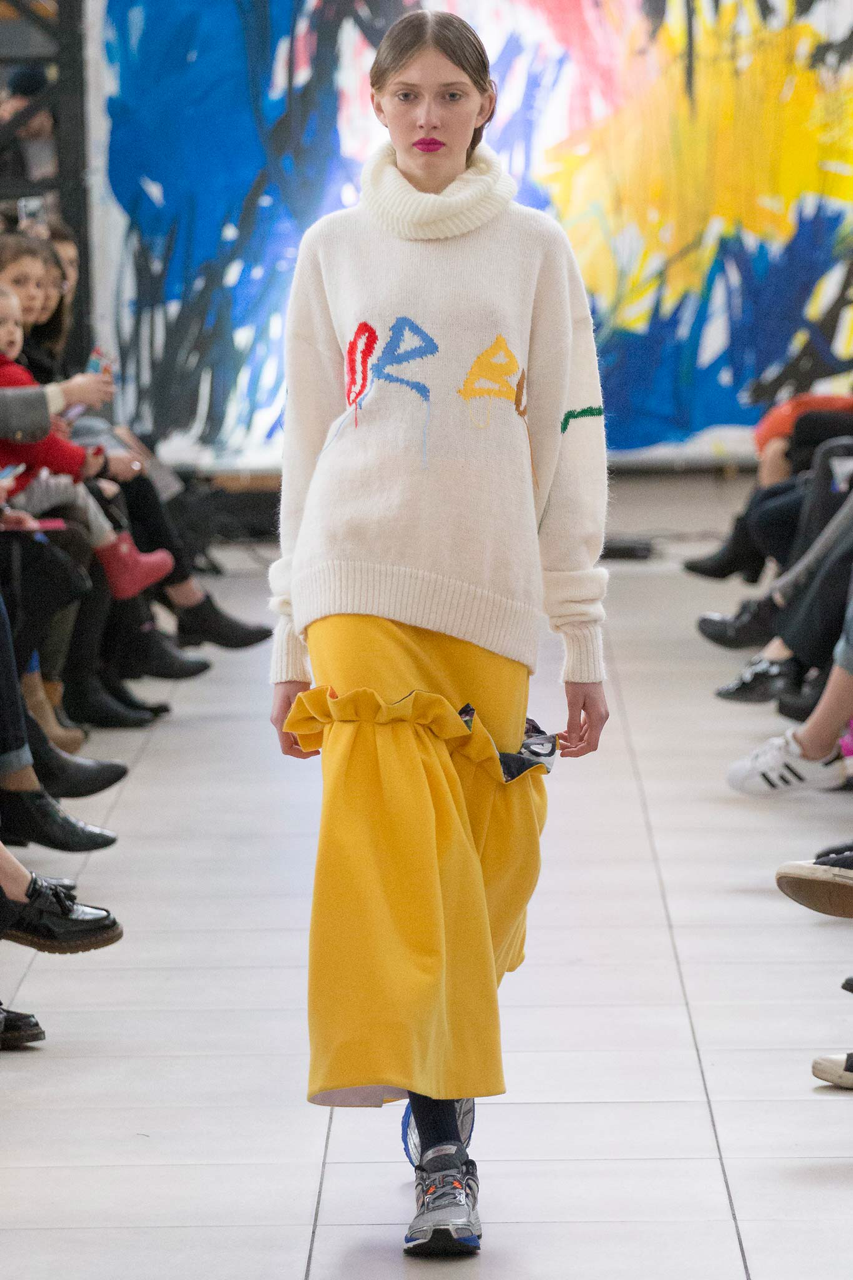
From Kiev Fashion Week, Anton Belinskiy seemed to be the biggest highlight. I truly loved the attitude his AW15 clothes had – they seemed to say “whatever” to everything, but in good sense. “Poor But Cool” knits and dresses clearly said, that everybody can wear a fur coat (in blush pink colour). The voluminous skirts and flared tops were constructed out of sporty, colourful textiles, which gave the whole collection a chilled, slightly edgy vibe.

IMG_0853IMG_0856IMG_0857IMG_0862IMG_0860IMG_0864